Table of contents and map
San Nicolás (Downtown Buenos Aires) Travel Guide: Obelisco, Teatro Colón & Corrientes
The commercial, cultural, and financial epicentre of Buenos Aires. Where iconic monuments, theater lights, and the bustling rhythm of the world's widest avenue meet.
San Nicolás (Downtown Buenos Aires) Travel Guide: Obelisco, Teatro Colón & Corrientes
The commercial, cultural, and financial epicentre of Buenos Aires. Where iconic monuments, theater lights, and the bustling rhythm of the world's widest avenue meet.
San Nicolás, commonly referred to as "El Centro" or "Microcentro", is the fast-paced heart of Buenos Aires. It is the neighborhood of world-class theaters, banking skyscrapers, historic pizzerias, and the country's most photographed landmarks.
Walking through San Nicolás means crossing the monumental 9 de Julio Avenue, marveling at the architecture of the Teatro Colón, and experiencing the legendary nightlife of Corrientes Avenue. This guide covers everything you need to see, do, and eat in San Nicolás.
Understanding San Nicolás: Key Districts
Tribunales
Surrounding Plaza Lavalle and the Main Law Courts (Palacio de Justicia). An elegant district boasting grand architecture, anchored by the iconic Teatro Colón. Busy with legal professionals by day, quiet and pleasant for afternoon walks.
Microcentro (Florida & Lavalle Pedestrian Streets)
The financial and shopping hub between Córdoba Ave and Av. de Mayo. Features Florida Street, famous for shopping galleries, currency exchange, and retail stores, and Lavalle Street, historically renowned for its cinemas.
The Corrientes Avenue Corridor
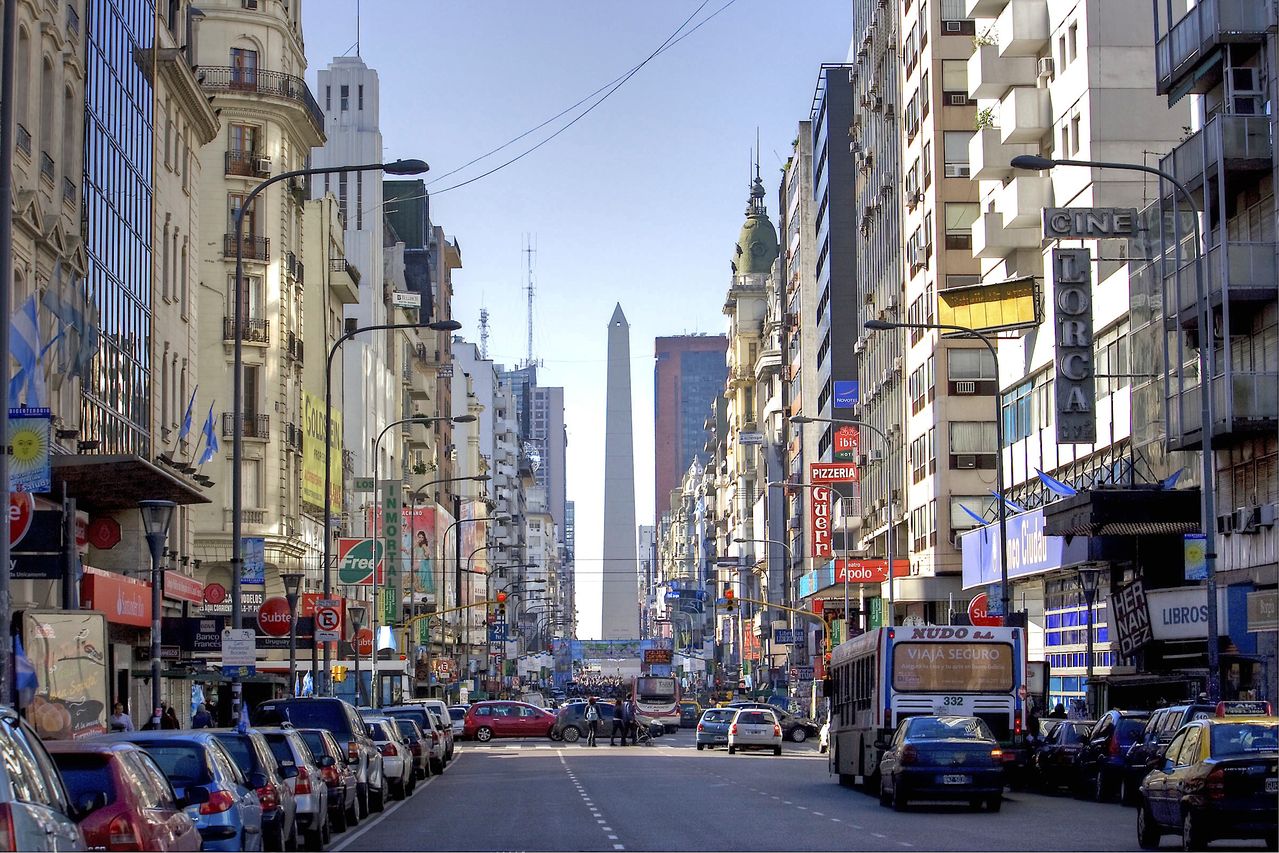
The cultural artery of the city. Known as "the street that never sleeps," it packs the highest concentration of theaters, late-night bookstores, and traditional pizzerias.
Top Things to See and Do in San Nicolás
1 - The Obelisco and 9 de Julio Avenue
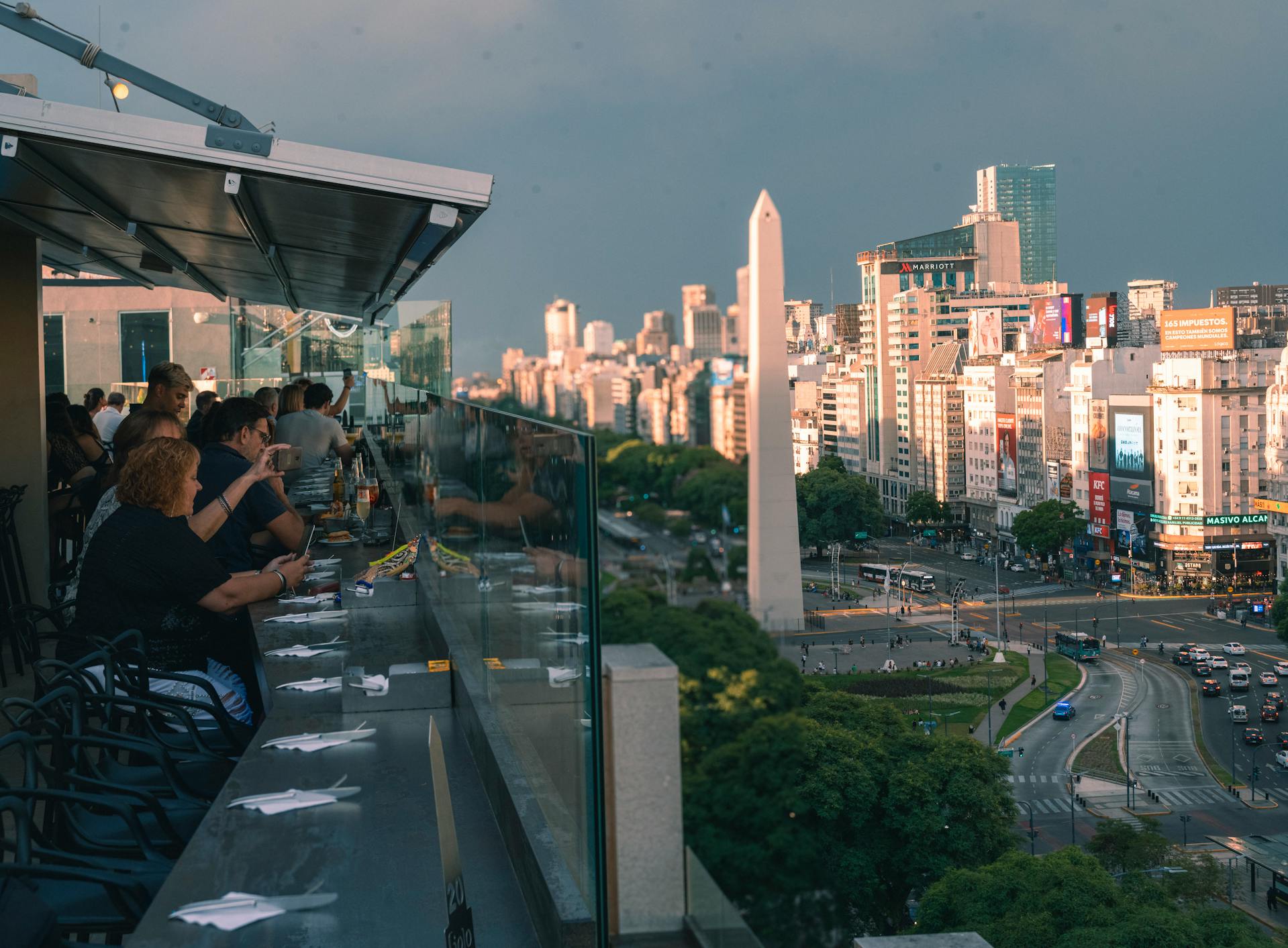
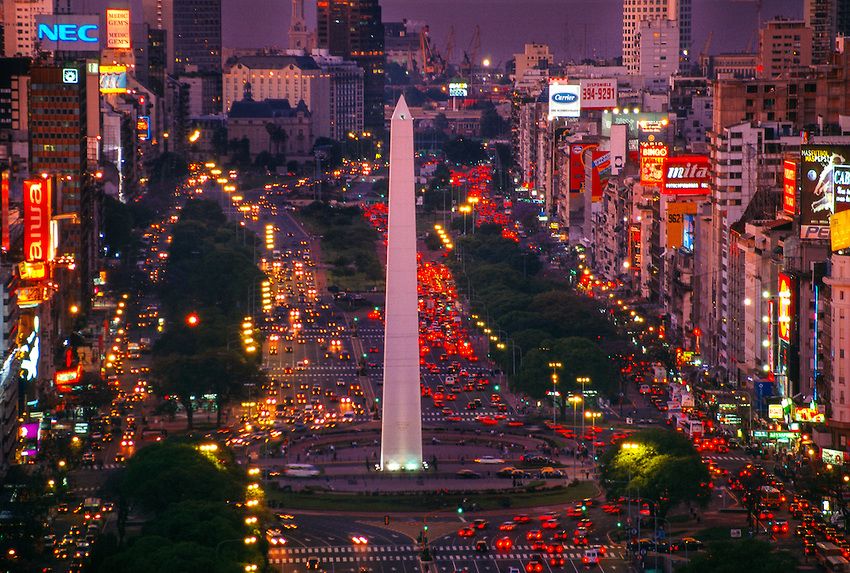
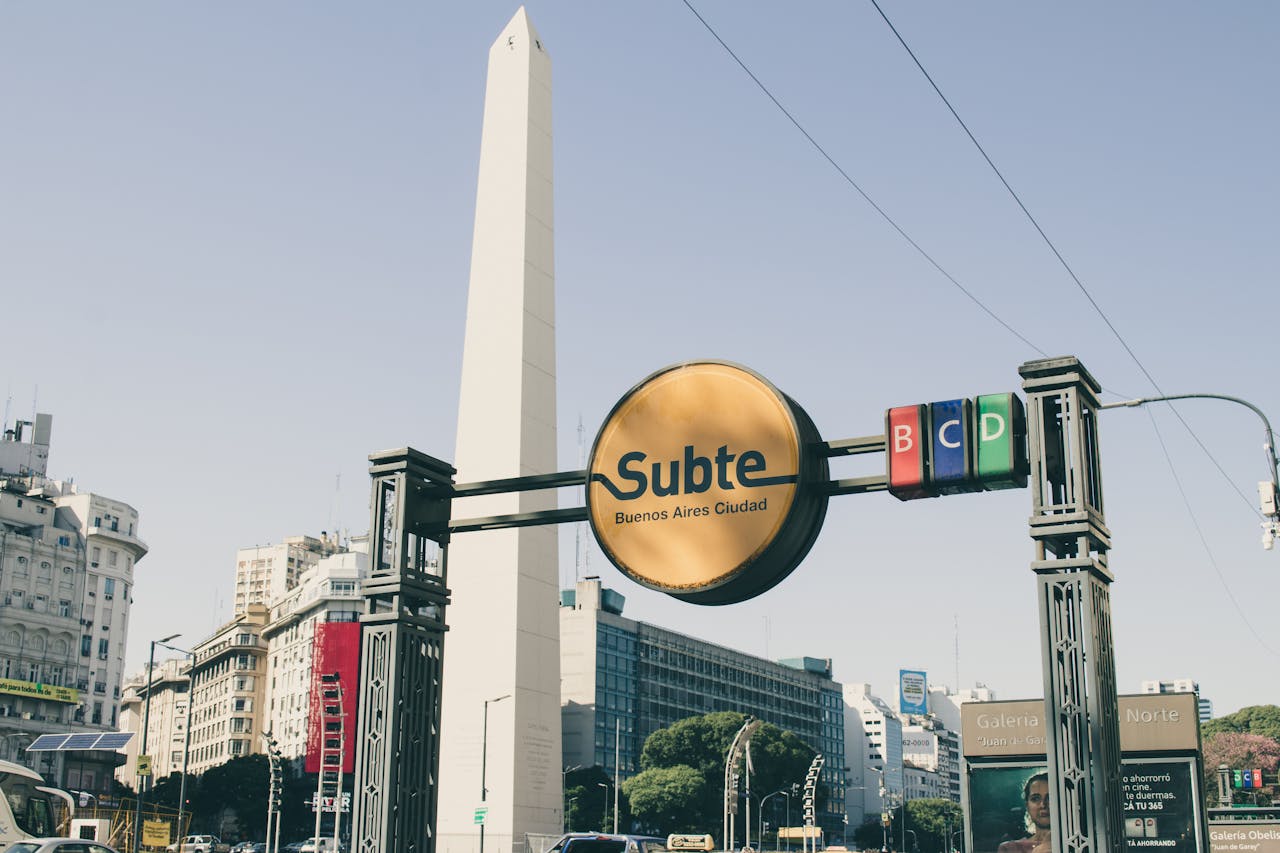
Argentina’s most famous national monument (standing 67.5 meters tall) sits at the intersection of 9 de Julio and Corrientes Avenues. It serves as the epicenter for national football celebrations and is a prime photo spot.
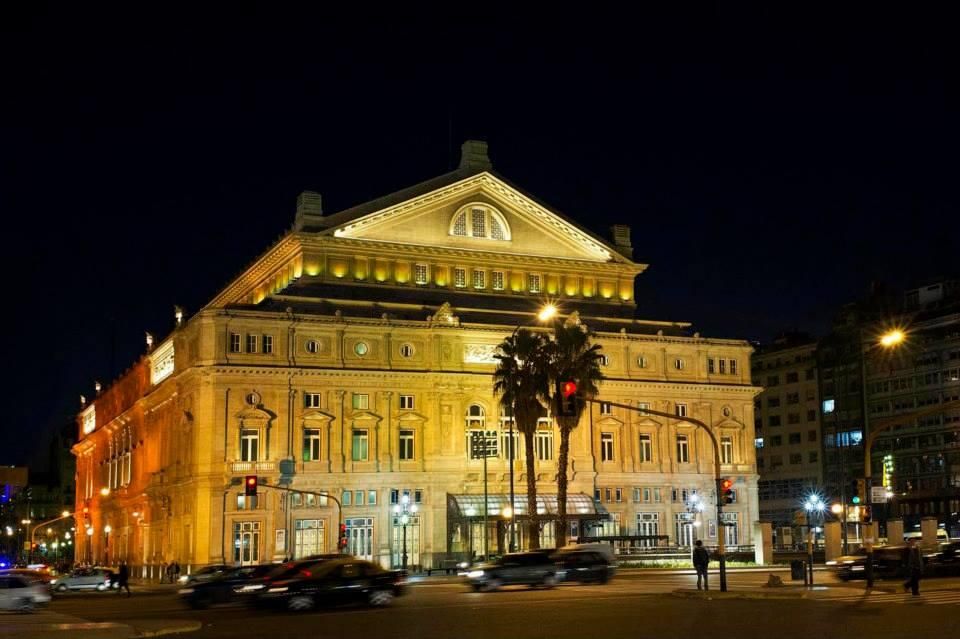
2 - Teatro Colón
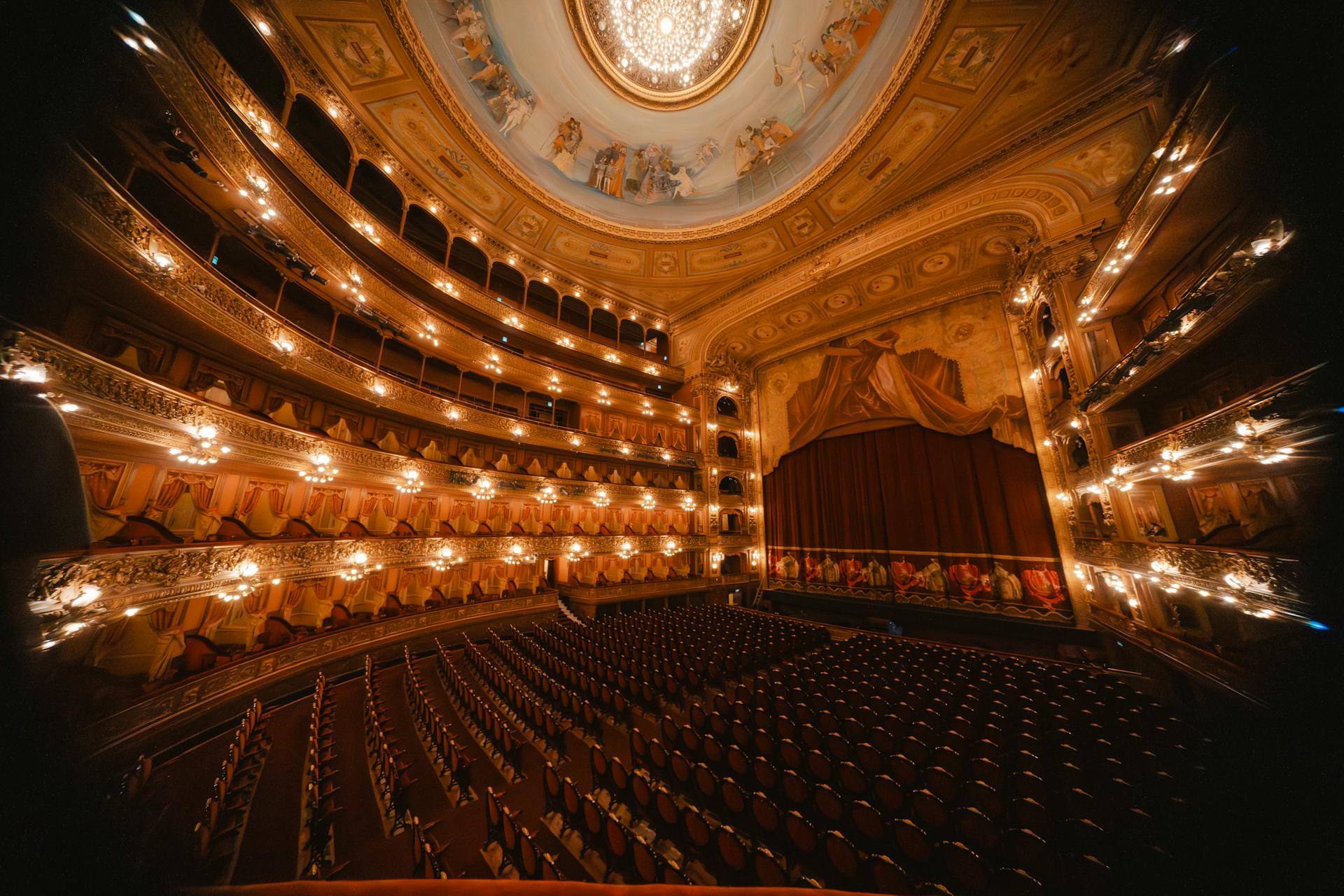
Globally recognized as one of the finest opera houses for its acoustic perfection and magnificent eclectic architecture.
- How to visit: Take a daily guided tour (bookable online or at the box office) or buy tickets for a live opera, ballet, or orchestral performance.
3 - Explore Corrientes Avenue at Night
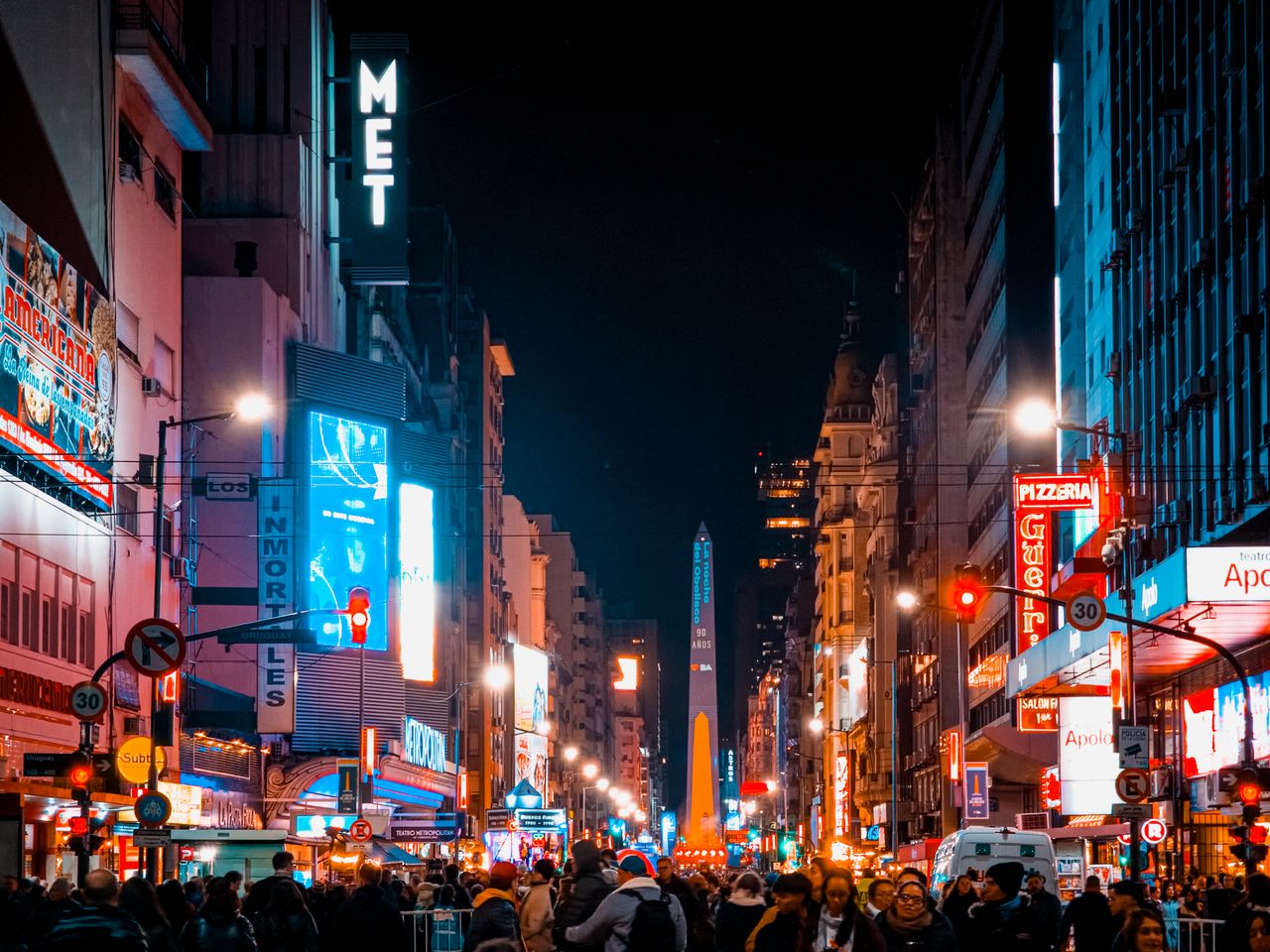
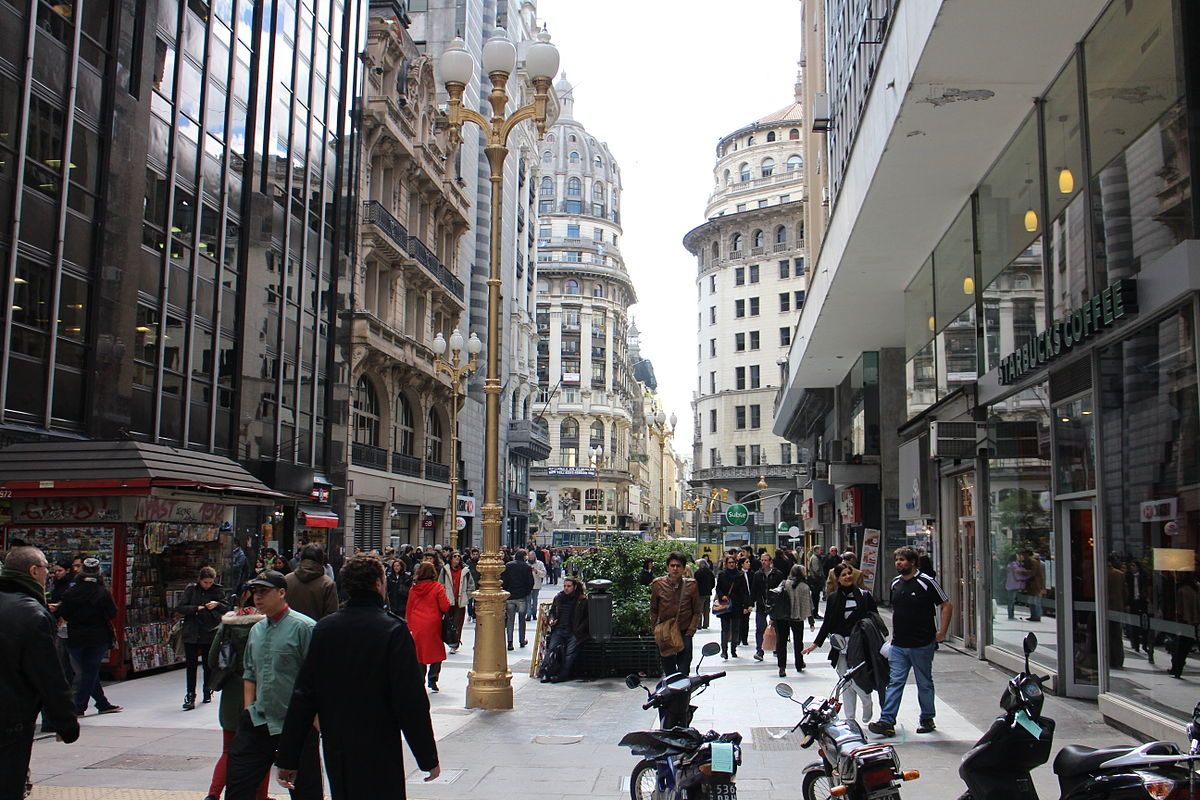
Strolling along Corrientes Avenue between Callao Ave and the Obelisco after 7:00 PM (when lanes become pedestrianized) is a local rite of passage: neon signs, theater crowds, open-air book stalls, and the aroma of fresh pizza.
4 - Florida Pedestrian Street & Galería Güemes
Florida Street is the main pedestrian shopping drag. At #165 Florida, enter Galería Güemes, an Art Nouveau architectural masterpiece featuring a 14th-floor observation deck with 360-degree city views.
5 - Galerías Pacífico
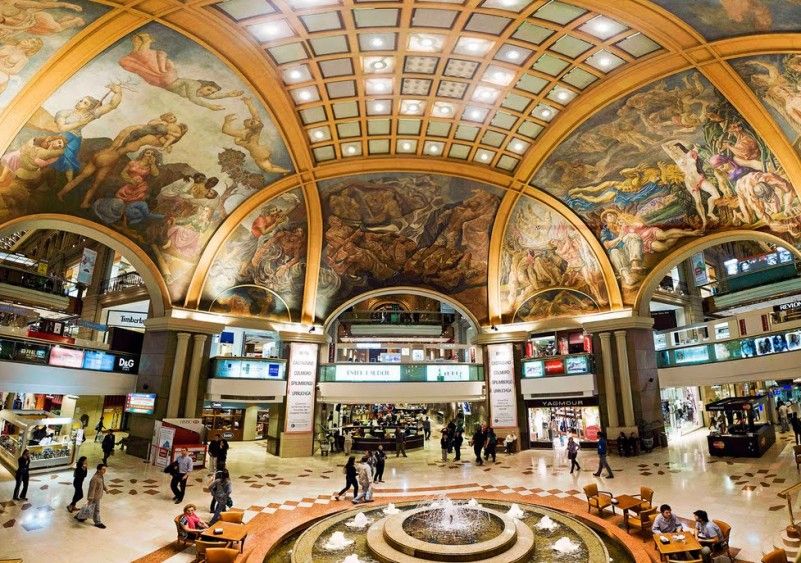
Located at the intersection of Florida St and Córdoba Ave, this stunning shopping mall is a National Historic Landmark. Its centerpiece is a grand dome adorned with frescoes by prominent Argentine muralists.
6 - Plaza Lavalle & Palacio de Justicia
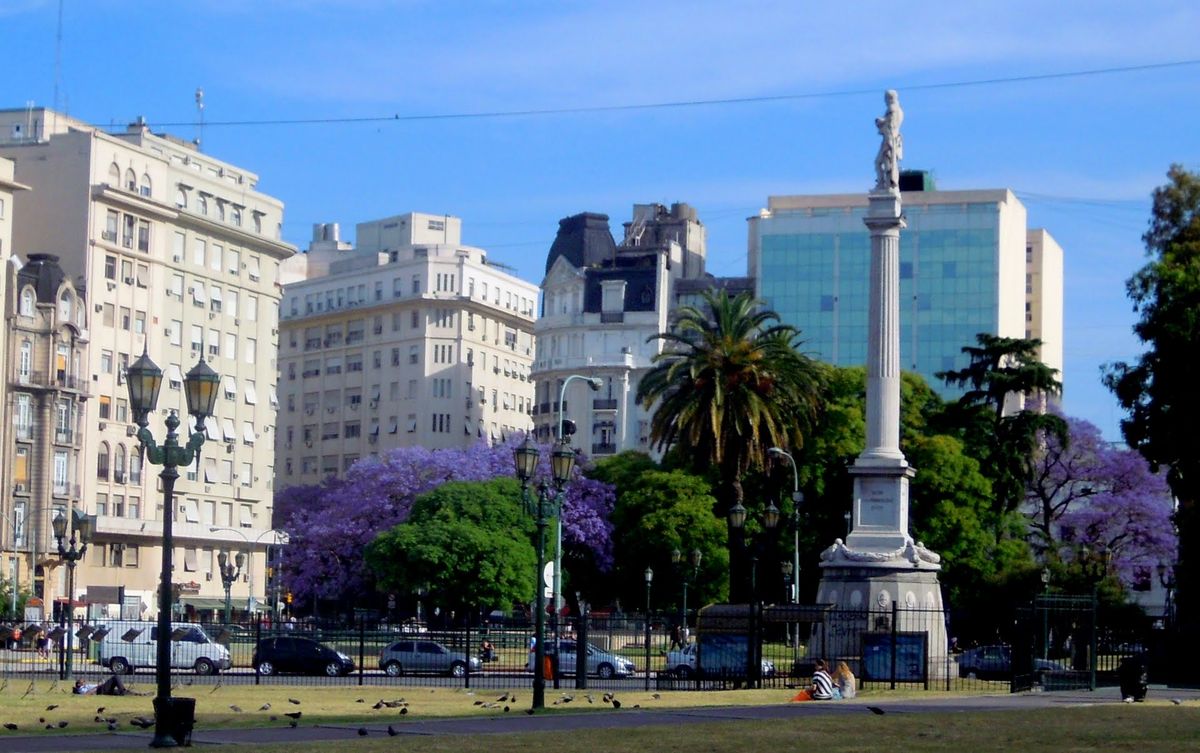
A large park surrounded by imposing historic structures, including the Supreme Court, Roca School, and Templo Libertad (Buenos Aires' first synagogue).
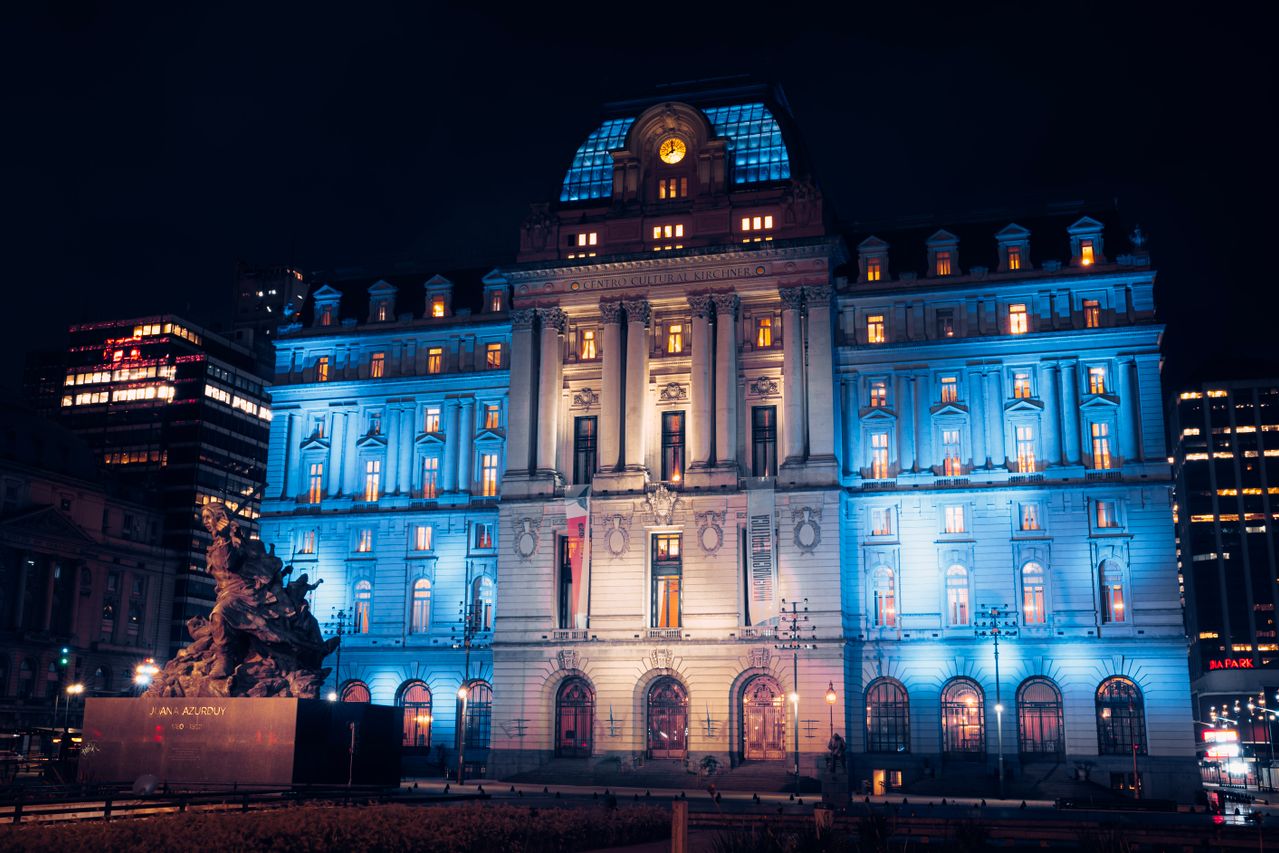
7 - Néstor Kirchner Cultural Center (CCK / Palacio Libertad)
Housed in the monumental building of the former Central Post Office (opened in 1928), this is the largest cultural center in Latin America. It stands out for its impressive suspended symphonic concert hall known as "La Ballena Azul" (The Blue Whale) and its rooftop viewing deck overlooking Puerto Madero.
- Key Tip: It features art exhibits, visual installations, and free music concerts (often requiring prior online reservation on their website).
Where to Eat in San Nicolás: Classic Pizzerias & Historic Cafes
San Nicolás is the spiritual home of Buenos Aires-style deep-pan pizza (thick crust, melted mozzarella, and fainá chickpea bread).
- Historic Pizzerias on Corrientes Avenue:
- Guerrín: The most famous pizzeria in town. Eating a slice standing at the counter ("al paso") is a quintessential local experience.
- Banchero: The birthplace of the cheese-stuffed Fugazzeta pizza.
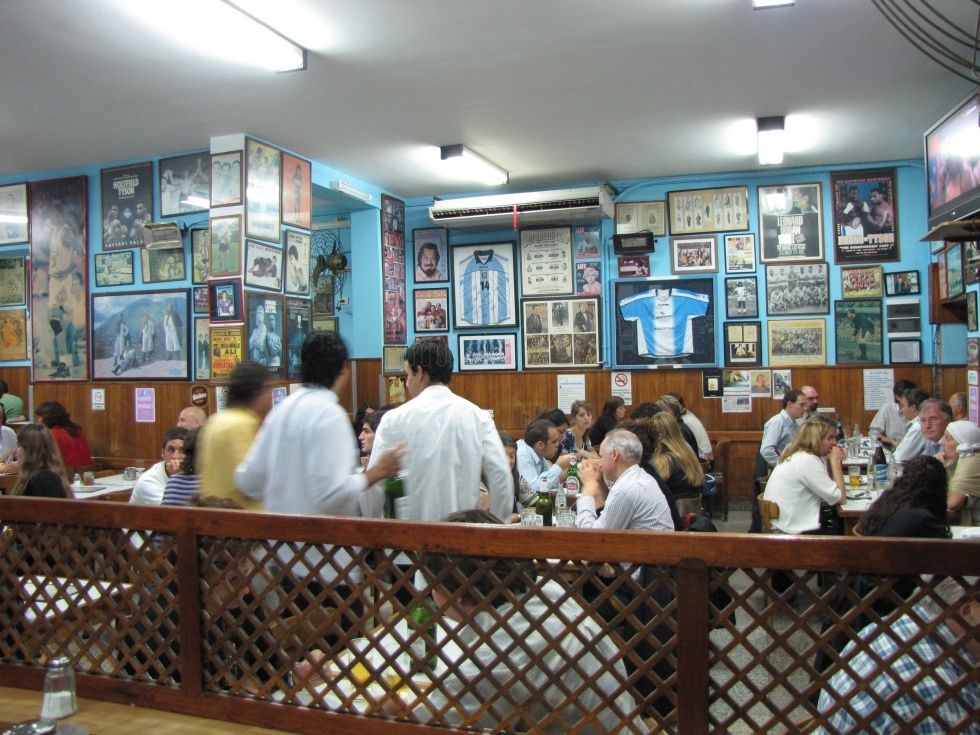
- Las Cuartetas and El Cuartito (on nearby Talcahuano St): Essential stops filled with sports and theater memorabilia.
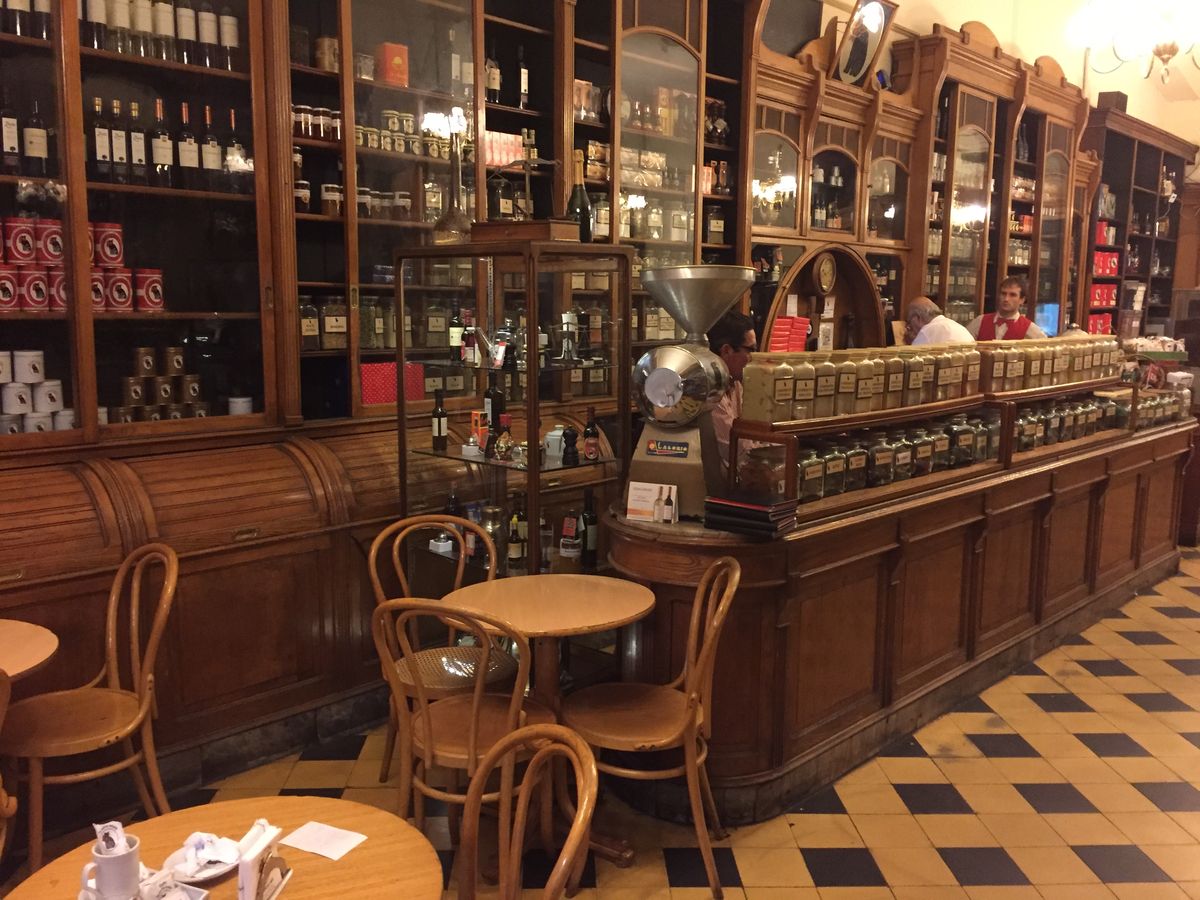
- Cafés Notables (Historic Coffee Houses):
- El Gato Negro: Famous for house-roasted coffees, teas, and exotic spices (Corrientes Ave 1669).
- Confitería Ideal: A beautifully restored classic cafe perfect for an elegant tea or coffee.
Where to Stay in San Nicolás
Staying in San Nicolás is very convenient if you want to be close to main attractions and easily walk to historical sites.
- Pros: Excellent transit connections (all subway lines pass through here), walking distance to Teatro Colón, and hotel rates are often more competitive than in Palermo or Recoleta.
- Cons: It can be noisy during business hours, and financial streets away from Corrientes Ave get quiet late at night.
How to Get to San Nicolás from Key Arrival Points
As the city center, reaching San Nicolás from airports and bus terminals is very straightforward:
From Ezeiza International Airport (EZE)
- Official Taxis and Remises (INSIDE THE TERMINAL): Book exclusively at official counters inside the arrivals hall (Taxi Ezeiza or authorized cars). Driving time is 45 to 60 minutes depending on traffic.
⚠️ Key Tip: Avoid unregistered drivers soliciting rides outside the baggage area to prevent overcharging.
- Rideshare Apps (Uber / Cabify): Reliable options with fixed upfront pricing in the app.
- Public Bus (Line 8 - Semi-Express): Takes the highway directly to Plaza de Mayo / Congreso, dropping you off right next to San Nicolás.
From Aeroparque Jorge Newbery Airport (AEP)
- Official Taxi / Remís or Apps: The ride takes 20 to 30 minutes. Always queue at the official airport taxi kiosks.
- Public Bus: Bus lines 45 and 33 run directly from Aeroparque along the waterfront to Downtown.
From Retiro Bus Terminal
- Subway (Subte): Take Line C from Retiro for just 2 or 3 stops (General San Martín, Lavalle, or Diagonal Norte).
- Taxi / Uber: A quick 10-minute drive.
Frequently Asked Questions (FAQ)
Is San Nicolás / Downtown safe?
During the day, it is busy and safe, though you should keep an eye on belongings in pedestrian areas like Florida Street or inside subways. At night, Corrientes Avenue and Teatro Colón remain bright and lively; however, it is best to avoid dark, deserted financial side streets late at night.
What is the difference between San Nicolás and Montserrat?
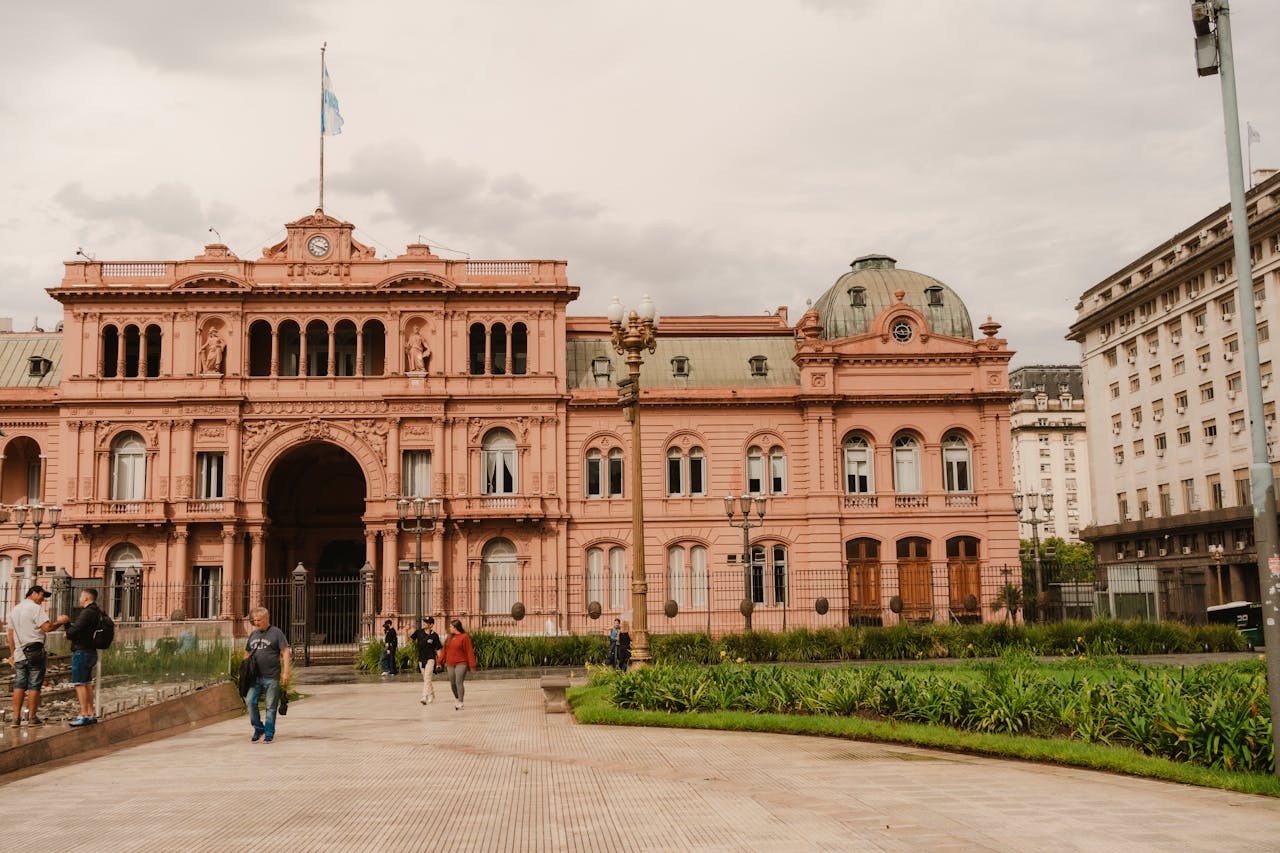
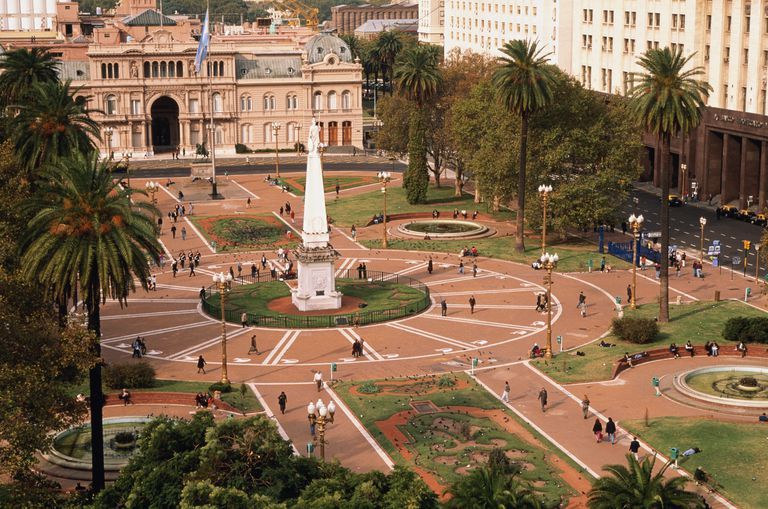
Both form "Downtown" Buenos Aires. San Nicolás contains the Obelisco, Teatro Colón, and Corrientes Avenue. Montserrat lies just to the south and houses Plaza de Mayo, Casa Rosada, and Congress.
You Might Also Like
Tribunales
Surrounding Plaza Lavalle and the Main Law Courts (Palacio de Justicia). An elegant district boasting grand architecture, anchored by the iconic Teatro Colón. Busy with legal professionals by day, quiet and pleasant for afternoon walks.
Microcentro (Florida & Lavalle Pedestrian Streets)
The financial and shopping hub between Córdoba Ave and Av. de Mayo. Features Florida Street, famous for shopping galleries, currency exchange, and retail stores, and Lavalle Street, historically renowned for its cinemas.
The Corrientes Avenue Corridor
The cultural artery of the city. Known as "the street that never sleeps," it packs the highest concentration of theaters, late-night bookstores, and traditional pizzerias.
PUBLICIDAD
Travel with Data: Get your Saily eSIM
- ✓Internet in seconds upon landing
- ✓Flexible plans in 180+ countries
- ✓Easy setup directly via the App
1 - The Obelisco and 9 de Julio Avenue
Argentina’s most famous national monument (standing 67.5 meters tall) sits at the intersection of 9 de Julio and Corrientes Avenues. It serves as the epicenter for national football celebrations and is a prime photo spot.
2 - Teatro Colón
Globally recognized as one of the finest opera houses for its acoustic perfection and magnificent eclectic architecture.
- How to visit: Take a daily guided tour (bookable online or at the box office) or buy tickets for a live opera, ballet, or orchestral performance.
3 - Explore Corrientes Avenue at Night
Strolling along Corrientes Avenue between Callao Ave and the Obelisco after 7:00 PM (when lanes become pedestrianized) is a local rite of passage: neon signs, theater crowds, open-air book stalls, and the aroma of fresh pizza.
4 - Florida Pedestrian Street & Galería Güemes
Florida Street is the main pedestrian shopping drag. At #165 Florida, enter Galería Güemes, an Art Nouveau architectural masterpiece featuring a 14th-floor observation deck with 360-degree city views.
5 - Galerías Pacífico
Located at the intersection of Florida St and Córdoba Ave, this stunning shopping mall is a National Historic Landmark. Its centerpiece is a grand dome adorned with frescoes by prominent Argentine muralists.
6 - Plaza Lavalle & Palacio de Justicia
A large park surrounded by imposing historic structures, including the Supreme Court, Roca School, and Templo Libertad (Buenos Aires' first synagogue).
7 - Néstor Kirchner Cultural Center (CCK / Palacio Libertad)
Housed in the monumental building of the former Central Post Office (opened in 1928), this is the largest cultural center in Latin America. It stands out for its impressive suspended symphonic concert hall known as "La Ballena Azul" (The Blue Whale) and its rooftop viewing deck overlooking Puerto Madero.
- Key Tip: It features art exhibits, visual installations, and free music concerts (often requiring prior online reservation on their website).
San Nicolás is the spiritual home of Buenos Aires-style deep-pan pizza (thick crust, melted mozzarella, and fainá chickpea bread).
- Historic Pizzerias on Corrientes Avenue:
- Guerrín: The most famous pizzeria in town. Eating a slice standing at the counter ("al paso") is a quintessential local experience.
- Banchero: The birthplace of the cheese-stuffed Fugazzeta pizza.
- Las Cuartetas and El Cuartito (on nearby Talcahuano St): Essential stops filled with sports and theater memorabilia.
- Cafés Notables (Historic Coffee Houses):
- El Gato Negro: Famous for house-roasted coffees, teas, and exotic spices (Corrientes Ave 1669).
- Confitería Ideal: A beautifully restored classic cafe perfect for an elegant tea or coffee.
Staying in San Nicolás is very convenient if you want to be close to main attractions and easily walk to historical sites.
- Pros: Excellent transit connections (all subway lines pass through here), walking distance to Teatro Colón, and hotel rates are often more competitive than in Palermo or Recoleta.
- Cons: It can be noisy during business hours, and financial streets away from Corrientes Ave get quiet late at night.
As the city center, reaching San Nicolás from airports and bus terminals is very straightforward:
From Ezeiza International Airport (EZE)
- Official Taxis and Remises (INSIDE THE TERMINAL): Book exclusively at official counters inside the arrivals hall (Taxi Ezeiza or authorized cars). Driving time is 45 to 60 minutes depending on traffic.
⚠️ Key Tip: Avoid unregistered drivers soliciting rides outside the baggage area to prevent overcharging.
- Rideshare Apps (Uber / Cabify): Reliable options with fixed upfront pricing in the app.
- Public Bus (Line 8 - Semi-Express): Takes the highway directly to Plaza de Mayo / Congreso, dropping you off right next to San Nicolás.
From Aeroparque Jorge Newbery Airport (AEP)
- Official Taxi / Remís or Apps: The ride takes 20 to 30 minutes. Always queue at the official airport taxi kiosks.
- Public Bus: Bus lines 45 and 33 run directly from Aeroparque along the waterfront to Downtown.
From Retiro Bus Terminal
- Subway (Subte): Take Line C from Retiro for just 2 or 3 stops (General San Martín, Lavalle, or Diagonal Norte).
- Taxi / Uber: A quick 10-minute drive.
Is San Nicolás / Downtown safe?
During the day, it is busy and safe, though you should keep an eye on belongings in pedestrian areas like Florida Street or inside subways. At night, Corrientes Avenue and Teatro Colón remain bright and lively; however, it is best to avoid dark, deserted financial side streets late at night.
What is the difference between San Nicolás and Montserrat?
Both form "Downtown" Buenos Aires. San Nicolás contains the Obelisco, Teatro Colón, and Corrientes Avenue. Montserrat lies just to the south and houses Plaza de Mayo, Casa Rosada, and Congress.
PUBLICIDAD
International Travel Insurance
- ✓International medical insurance
- ✓24/7 immediate assistance in your language
- ✓Ideal for trekking & adventure
Posts in Buenos-aires
10 Parrillas Recomendadas para Comer un Buen Asado en Buenos Aires
10 Pizzerías Clásicas e Icónicas de Buenos Aires
8 Parques y Espacios Verdes Imperdibles en Buenos Aires
Avenida Corrientes
Cafés Notables de Buenos Aires
Cómo Moverse en Buenos Aires
Dónde Alojarse en Buenos Aires: Mejores Barrios y Zonas Recomendadas
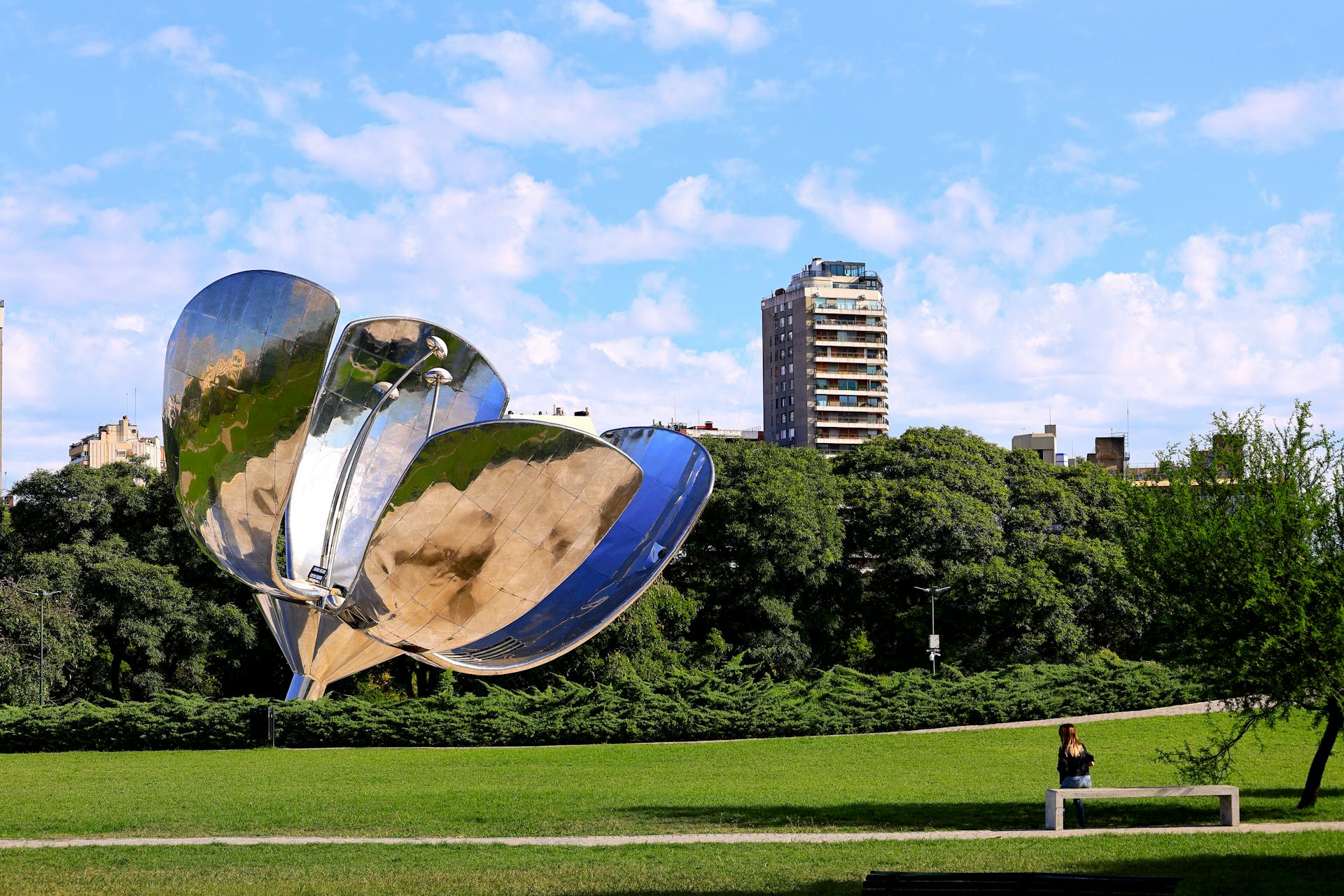
Floralis Genérica
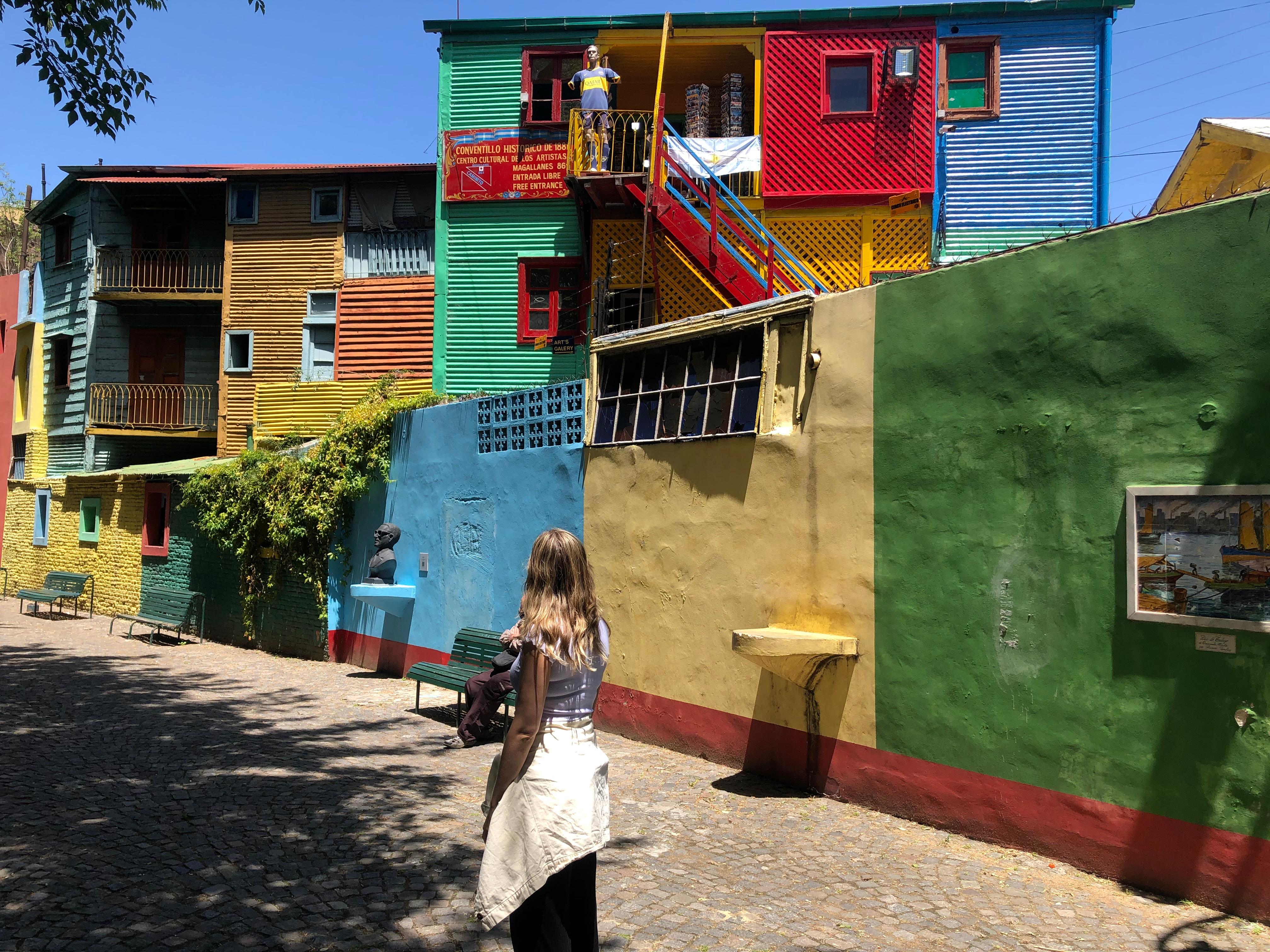
La Boca
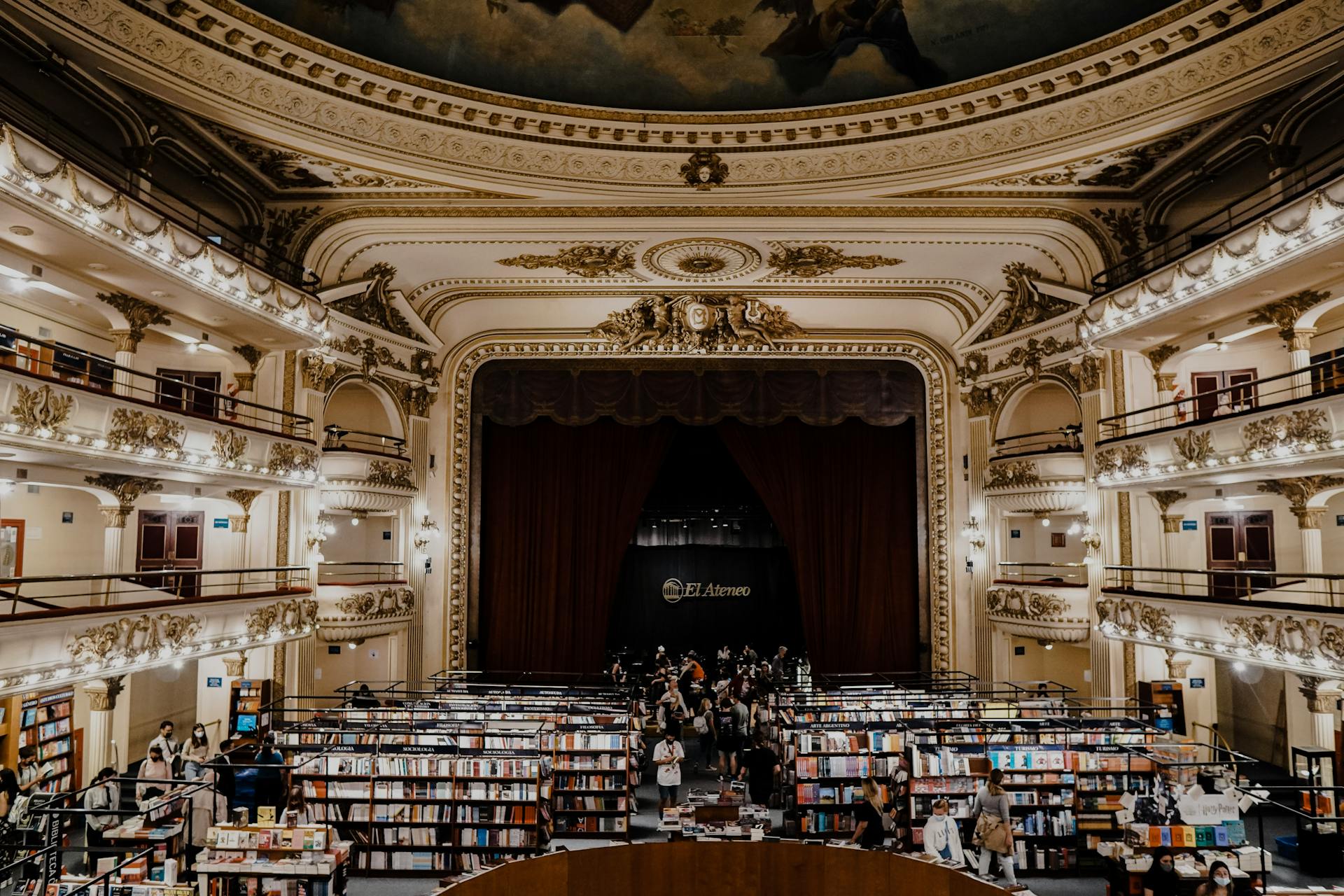
Librería El Ateneo Grand Splendid
Manzana de las Luces
Montserrat
Obelisco de Buenos Aires
Palermo
Planetario Galileo Galilei
Plaza de Mayo
Puente de la Mujer
Puerto Madero
Recoleta
Retiro
San Telmo
Teatro Colón
Preferences
Language
Color
Text
Width