Table of contents and map
What to do in Bariloche 2026: 15 must-sees, where to stay and what to eat
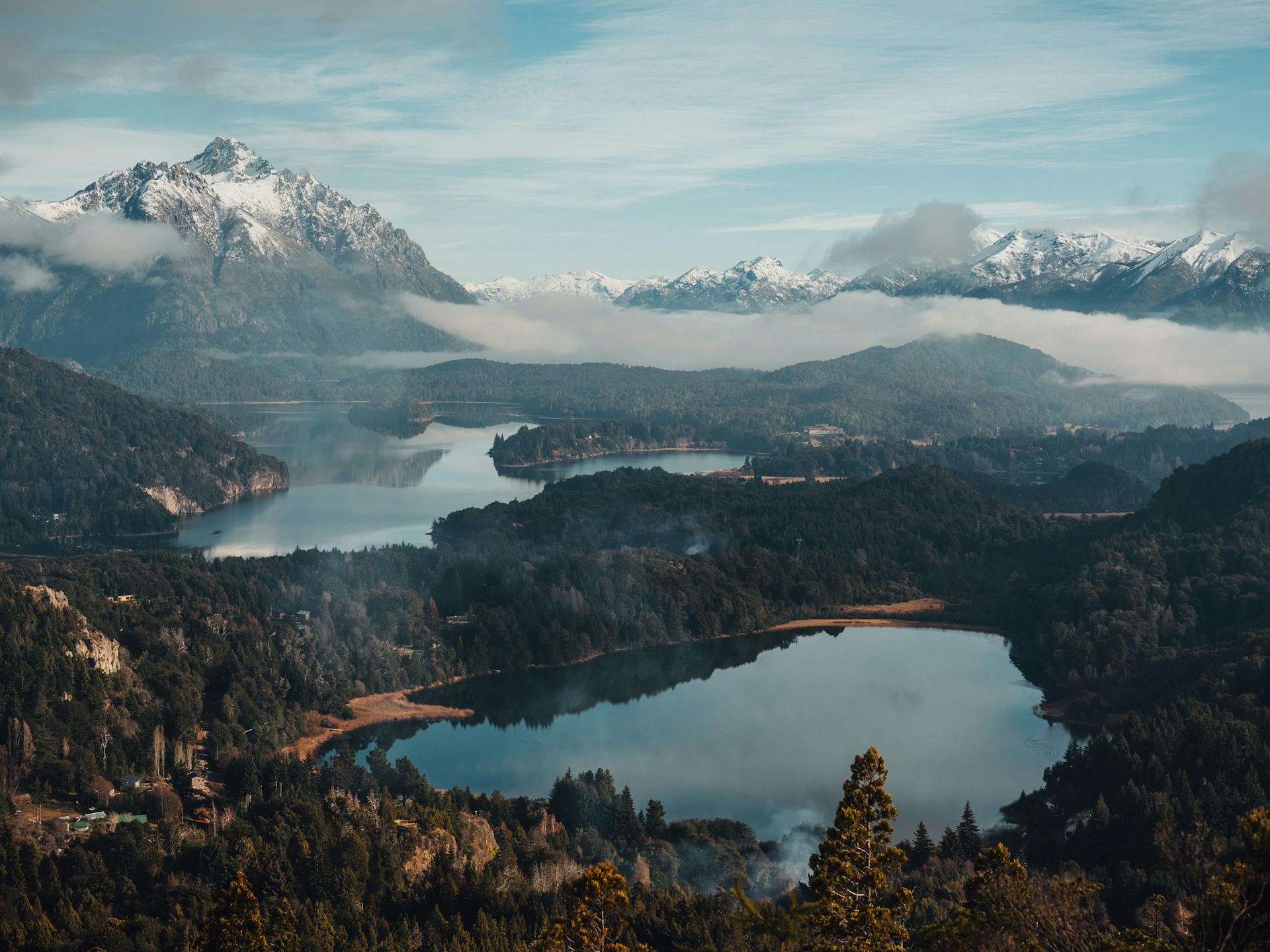
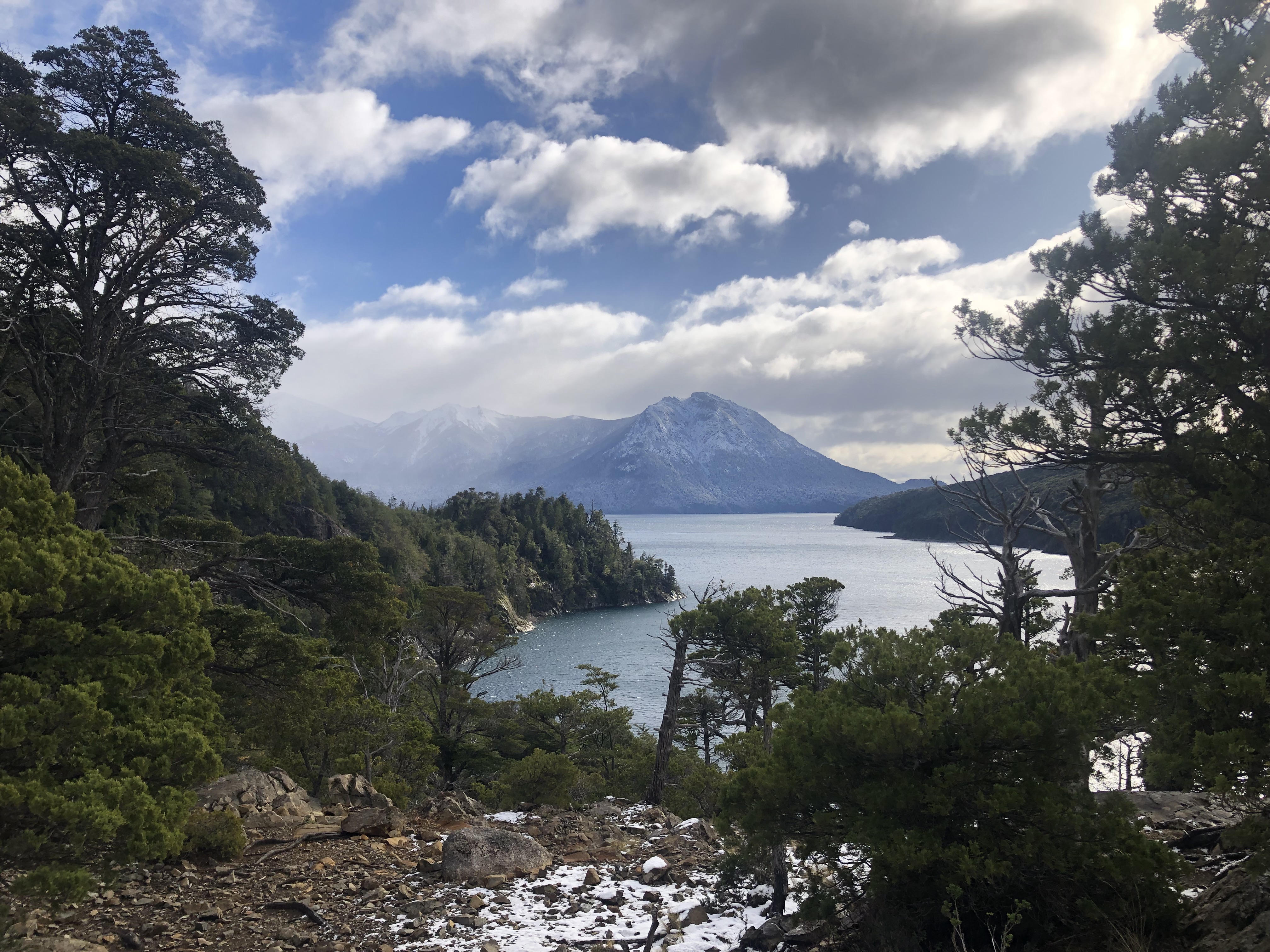
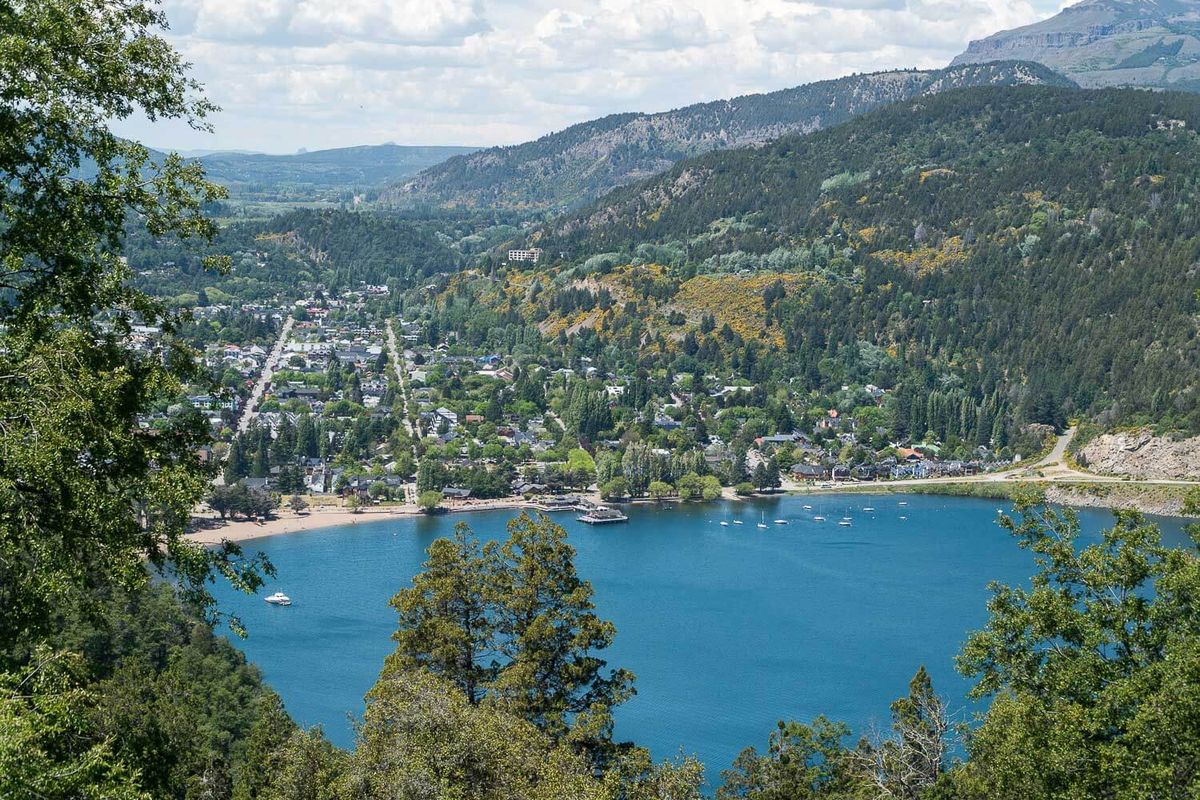
Located in the Argentine Patagonia, Bariloche is a city that combines natural surroundings and urban life in a very balanced way. On the shores of Lake Nahuel Huapi and surrounded by the Andes, it has an identity marked by Patagonian landscapes, the influence of Alpine architecture, and a strong tourist culture. It is an active destination year-round, with an atmosphere that blends nature, gastronomy, tradition, and a city that grew around its link with the environment.
What to do in Bariloche 2026: 15 must-sees, where to stay and what to eat
Located in the Argentine Patagonia, Bariloche is a city that combines natural surroundings and urban life in a very balanced way. On the shores of Lake Nahuel Huapi and surrounded by the Andes, it has an identity marked by Patagonian landscapes, the influence of Alpine architecture, and a strong tourist culture. It is an active destination year-round, with an atmosphere that blends nature, gastronomy, tradition, and a city that grew around its link with the environment.
We have something special with Bariloche: it’s like our second home in Argentina. We lived there for about a year and a half, and we always think about going back; in fact, we have done so several times.
That’s why this guide isn’t just for tourists: it’s the result of having experienced the destination from the inside, knowing its hidden corners beyond the traditional circuits.
15 Must-Do Activities in Bariloche
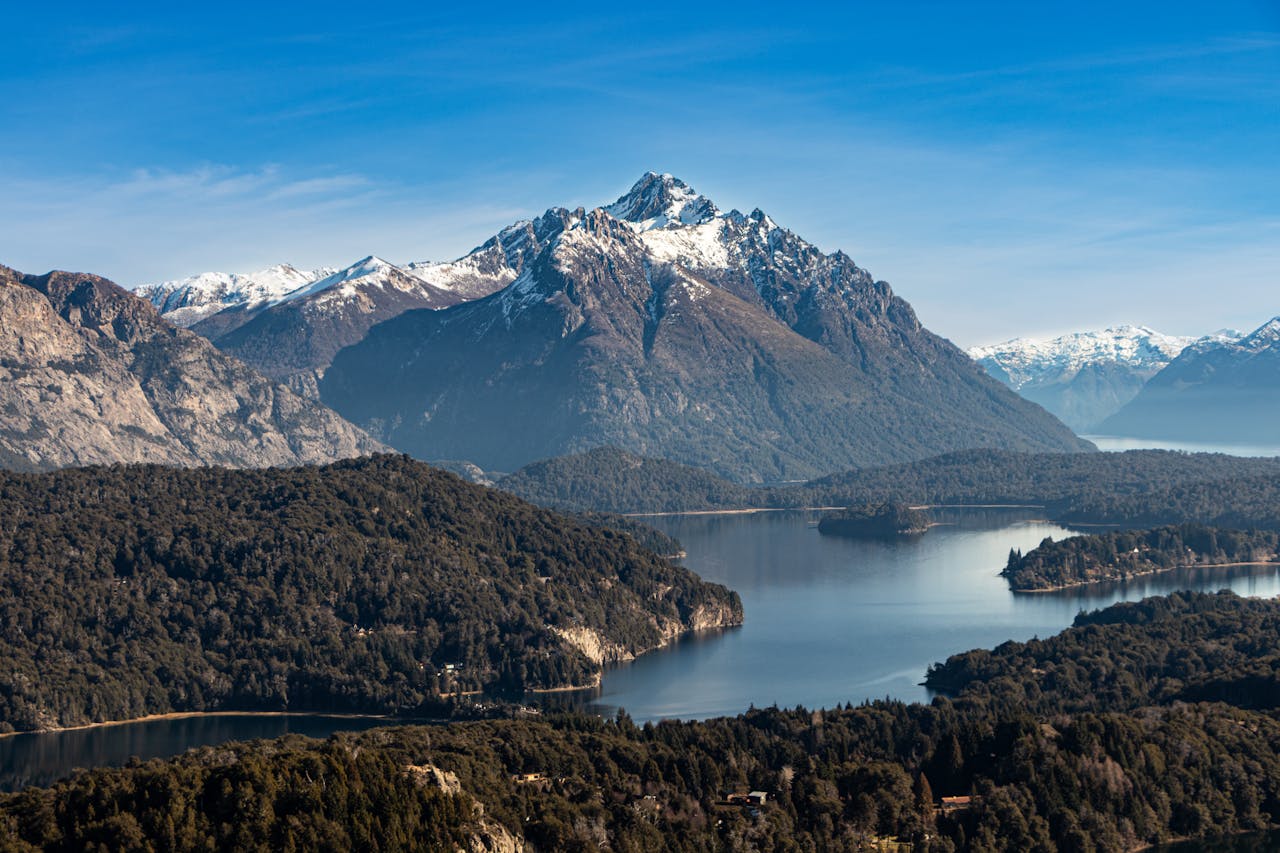
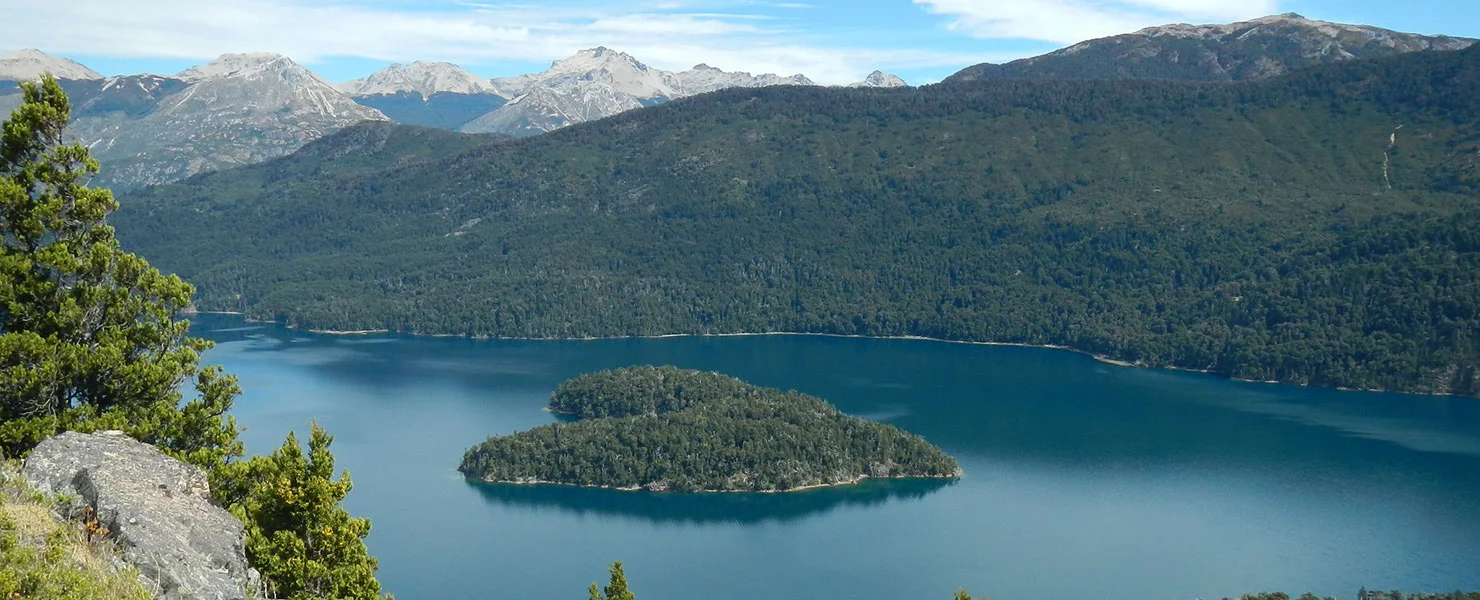
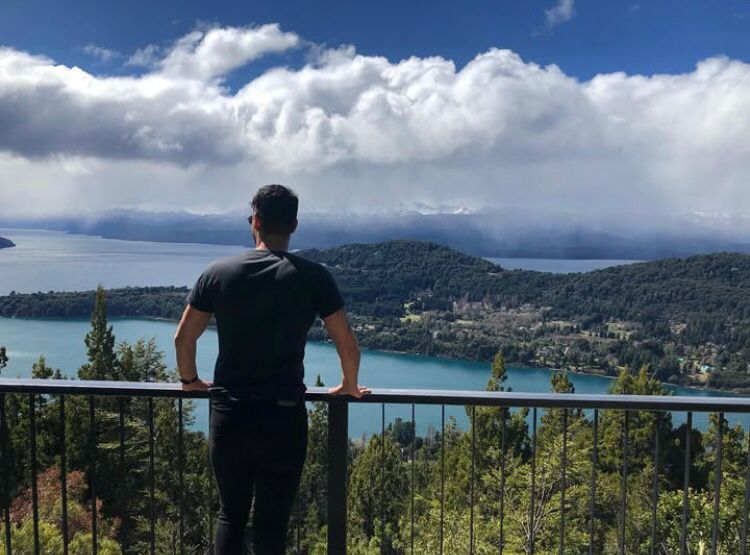
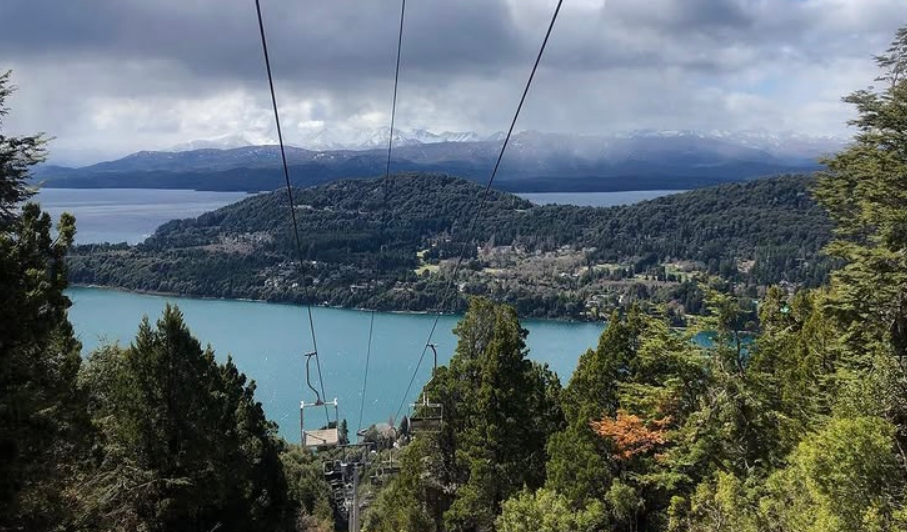
1- Cerro Campanario – Ideal for a first day. From the summit, you get a panoramic view of lakes, islands, and mountains that perfectly summarizes the Patagonian landscape.
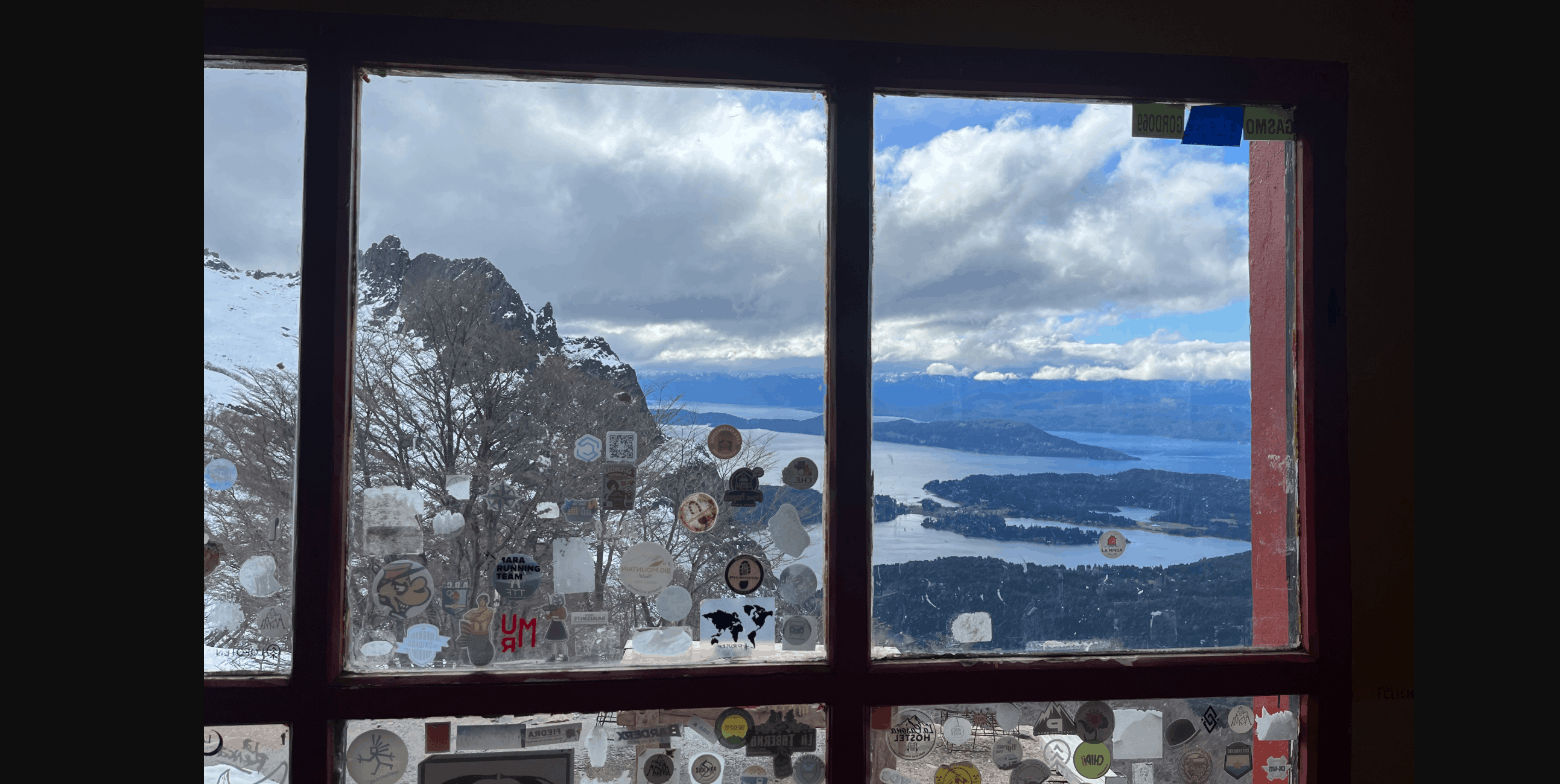
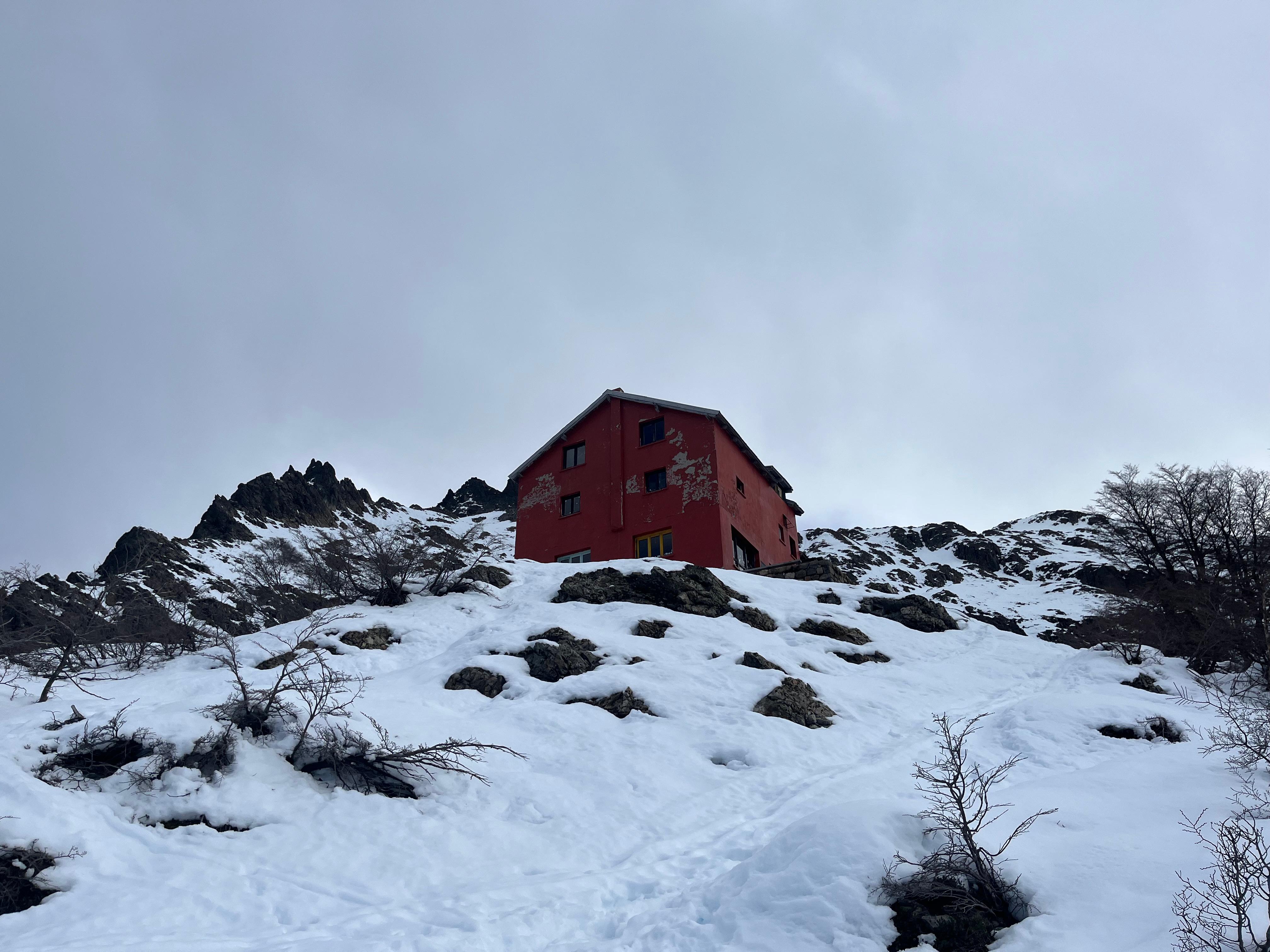
2- Trekking to Refugio López – One of the classic treks in Bariloche, ideal for a demanding day hike or for continuing toward other nearby peaks.
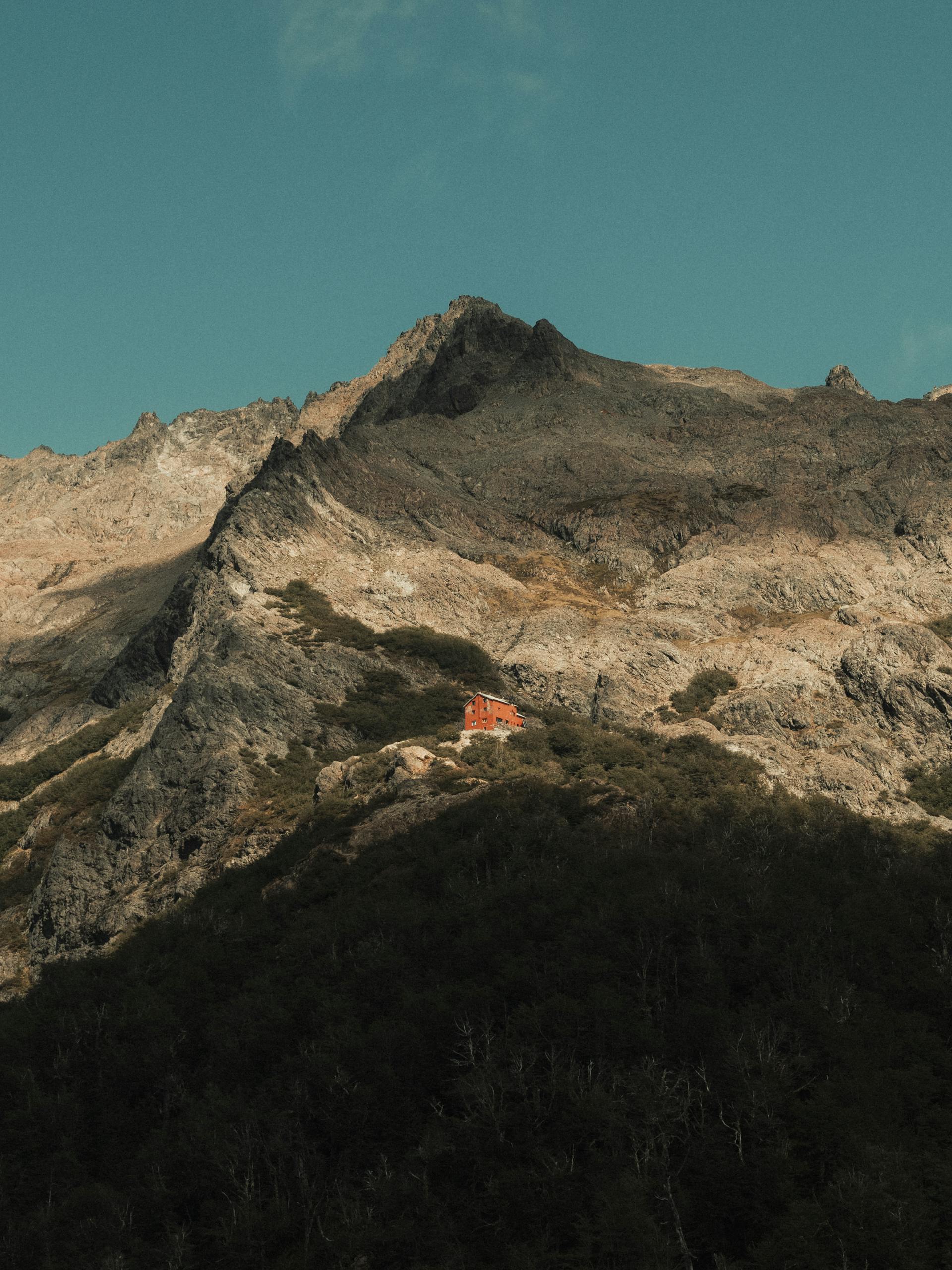
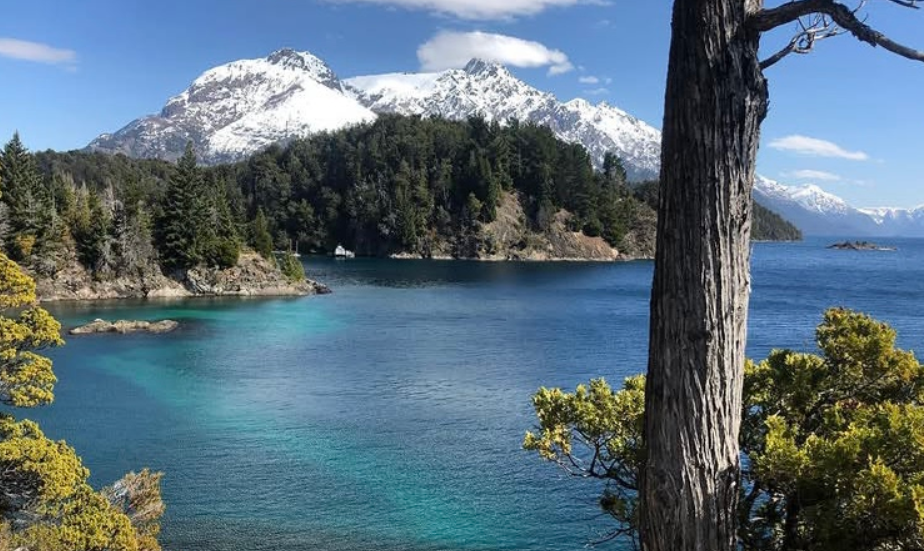
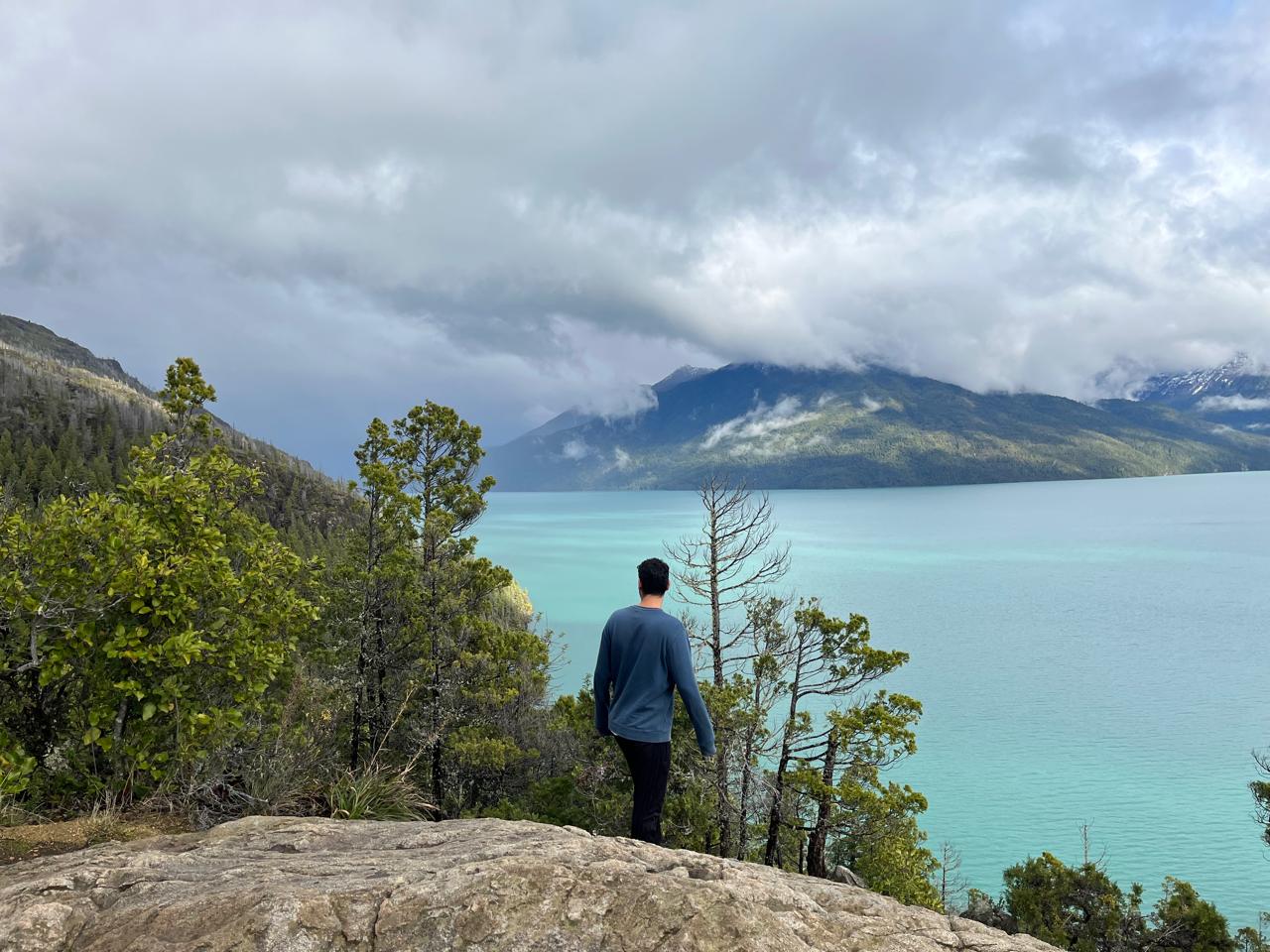
3- Brazo Tristeza Lookout – One of the most beautiful and accessible short treks. The view upon arrival is stunning.
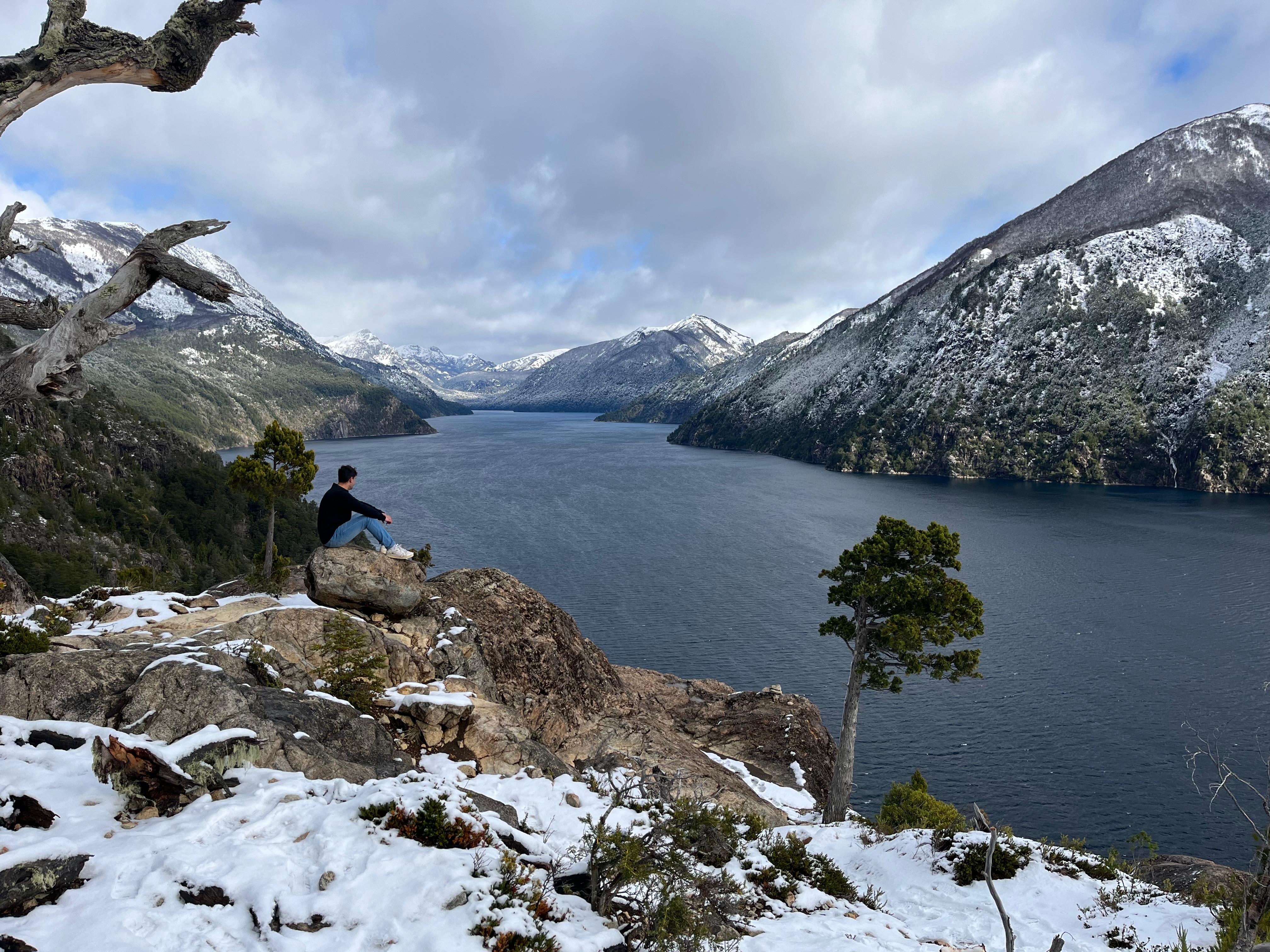
4- Circuito Chico – A classic route that borders Lake Nahuel Huapi and passes through very representative points of the area.
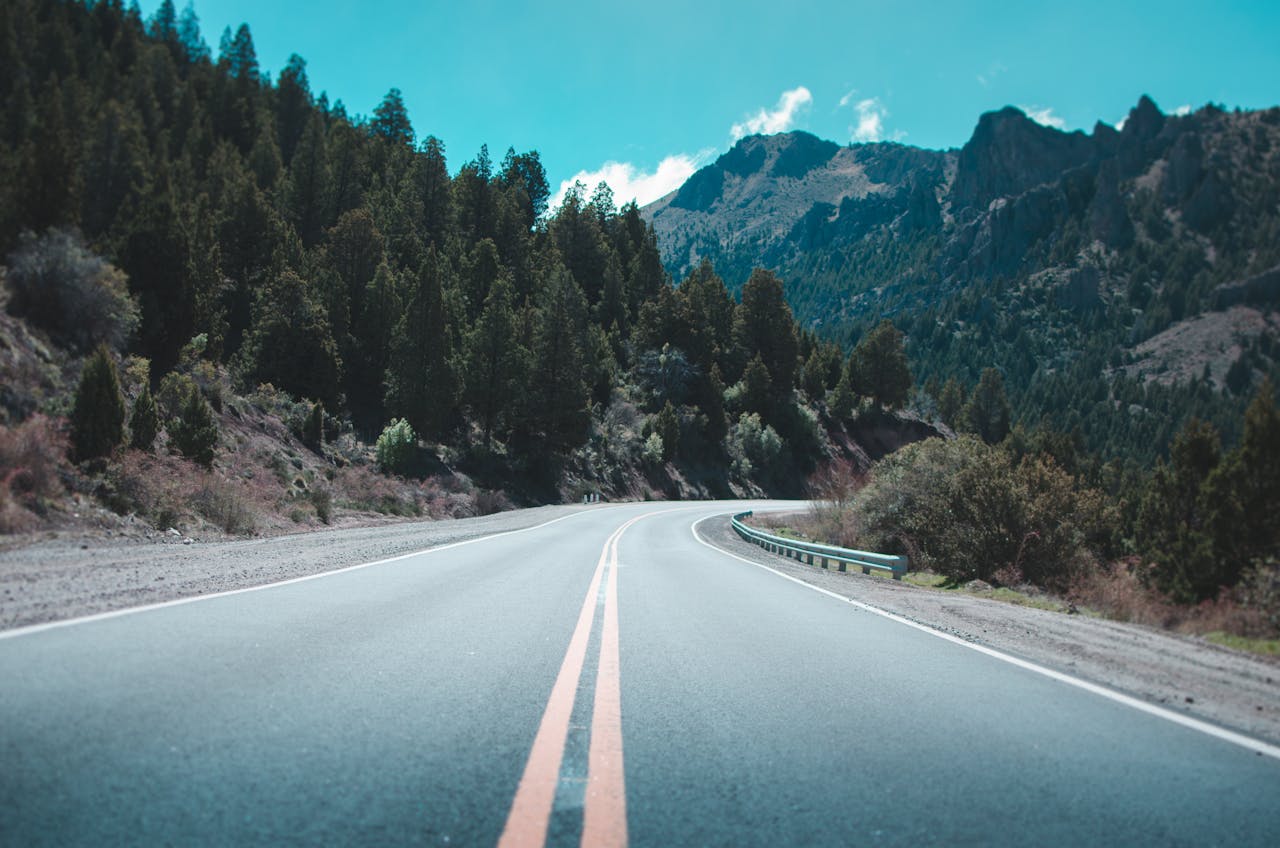
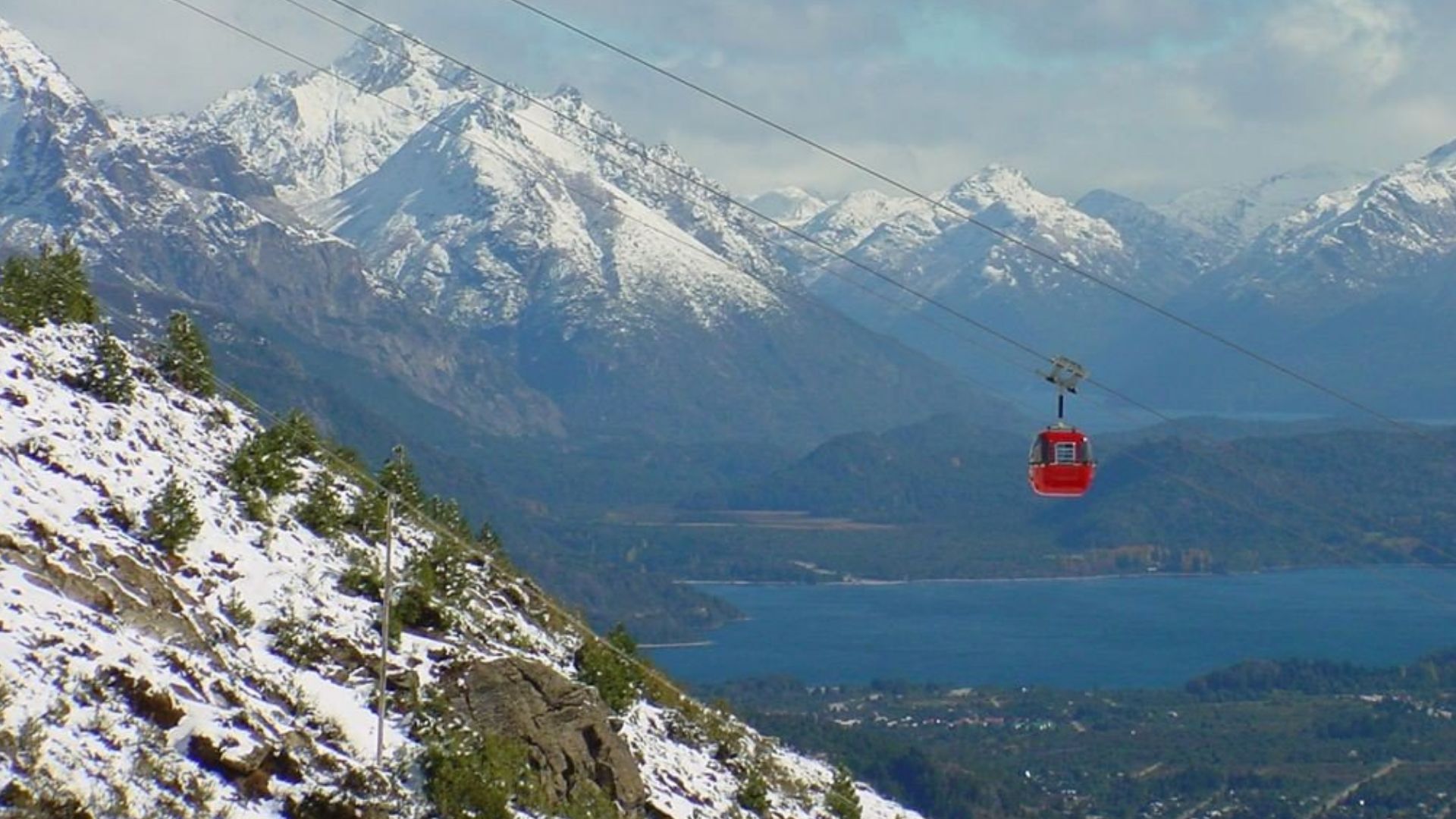
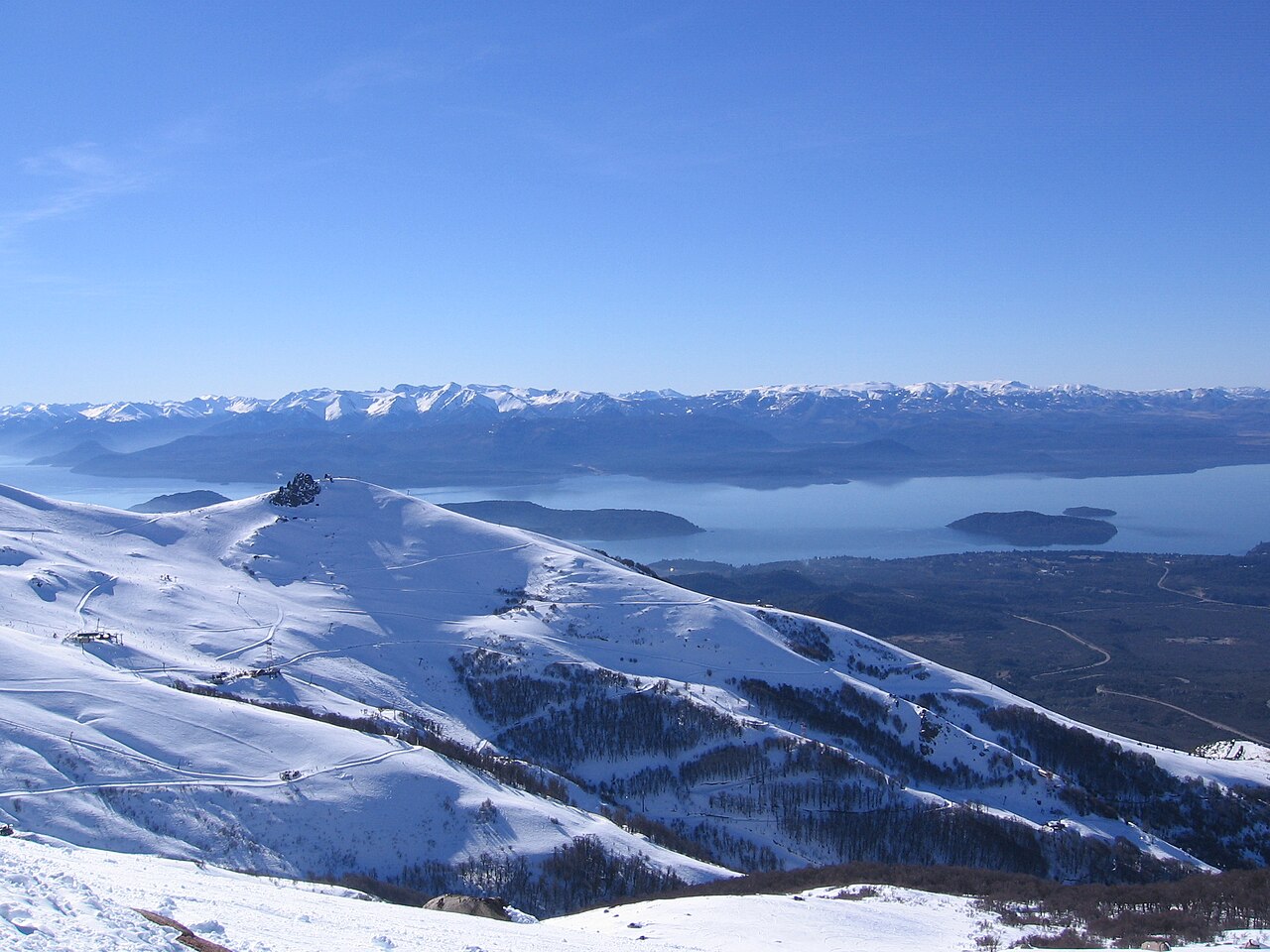
5- Cerro Catedral – One of the most important ski centers in South America. In summer, it transforms into a vast mountain space.
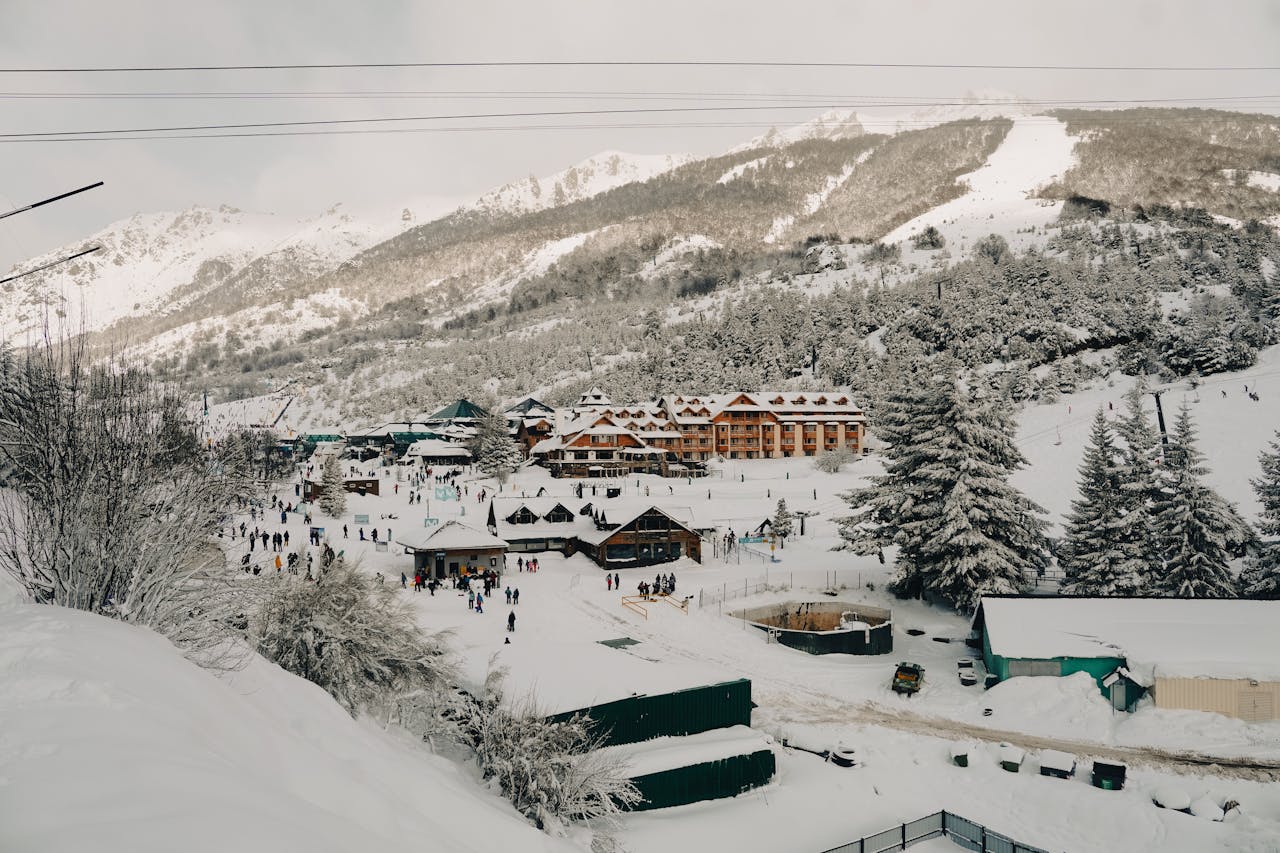
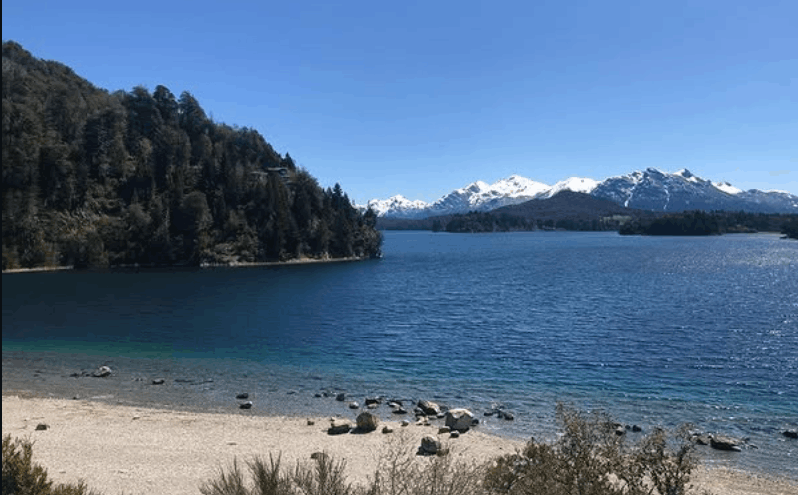
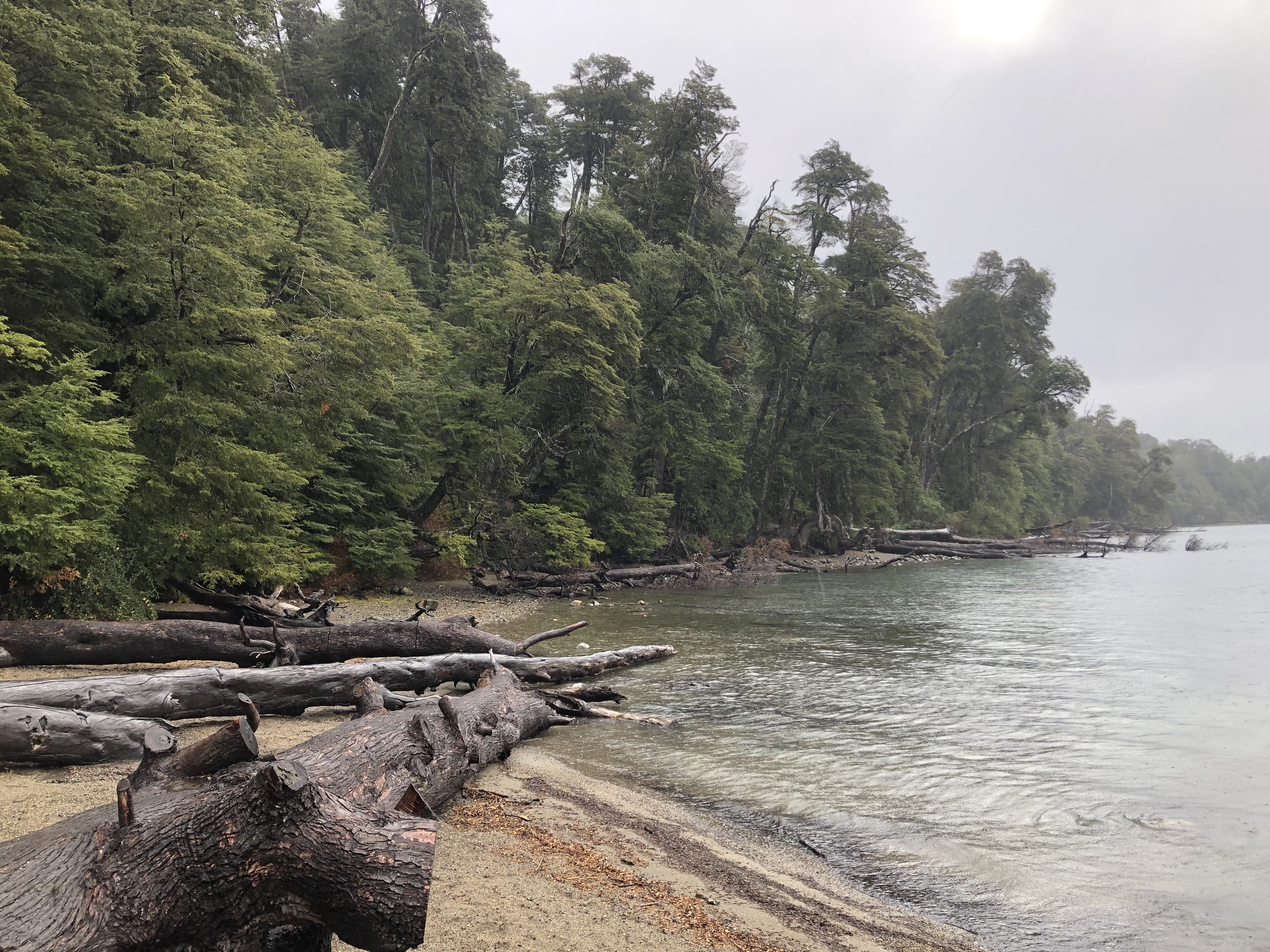
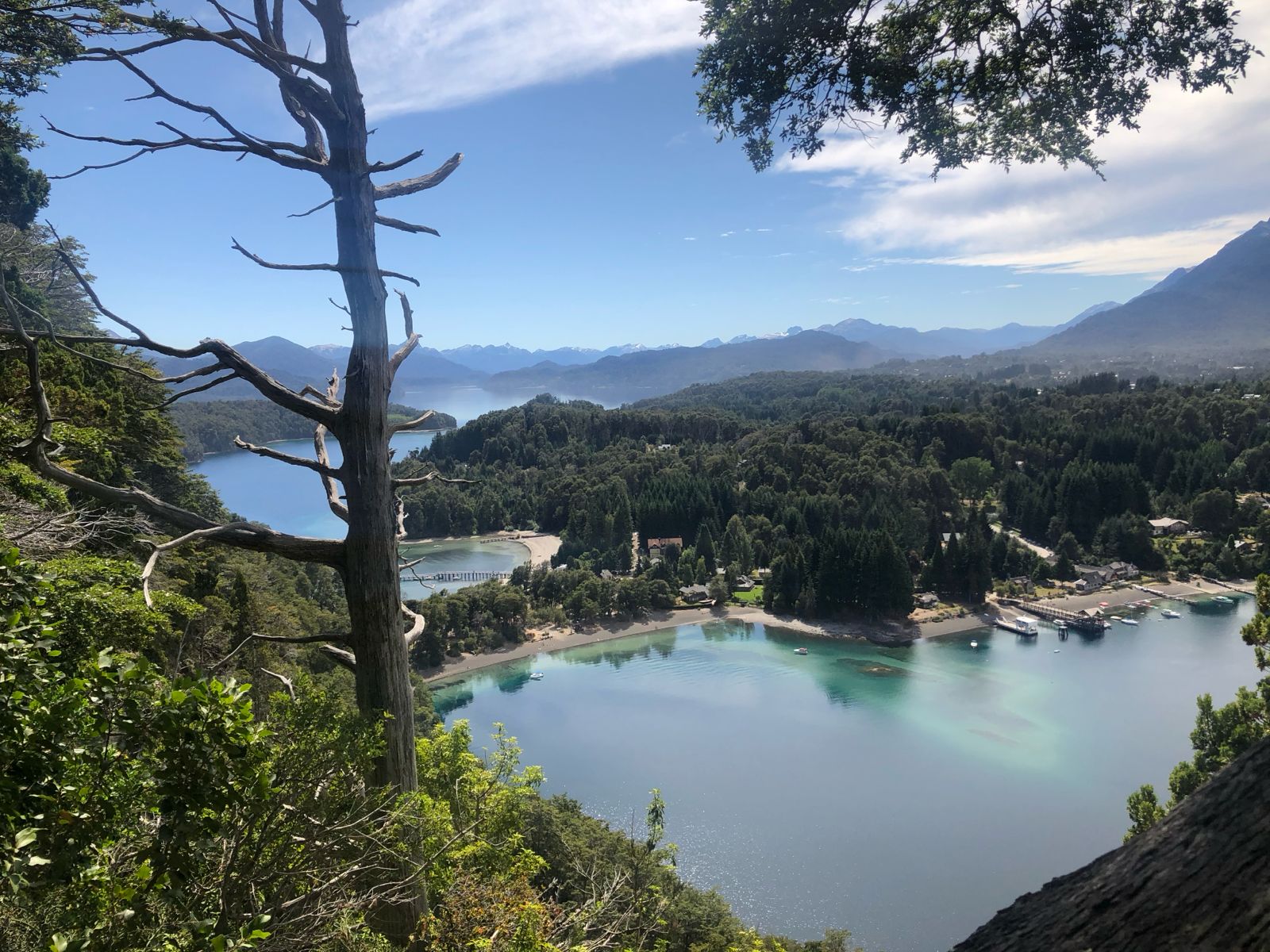
6- Villa Tacul – A forest trail that ends at beaches with turquoise waters.
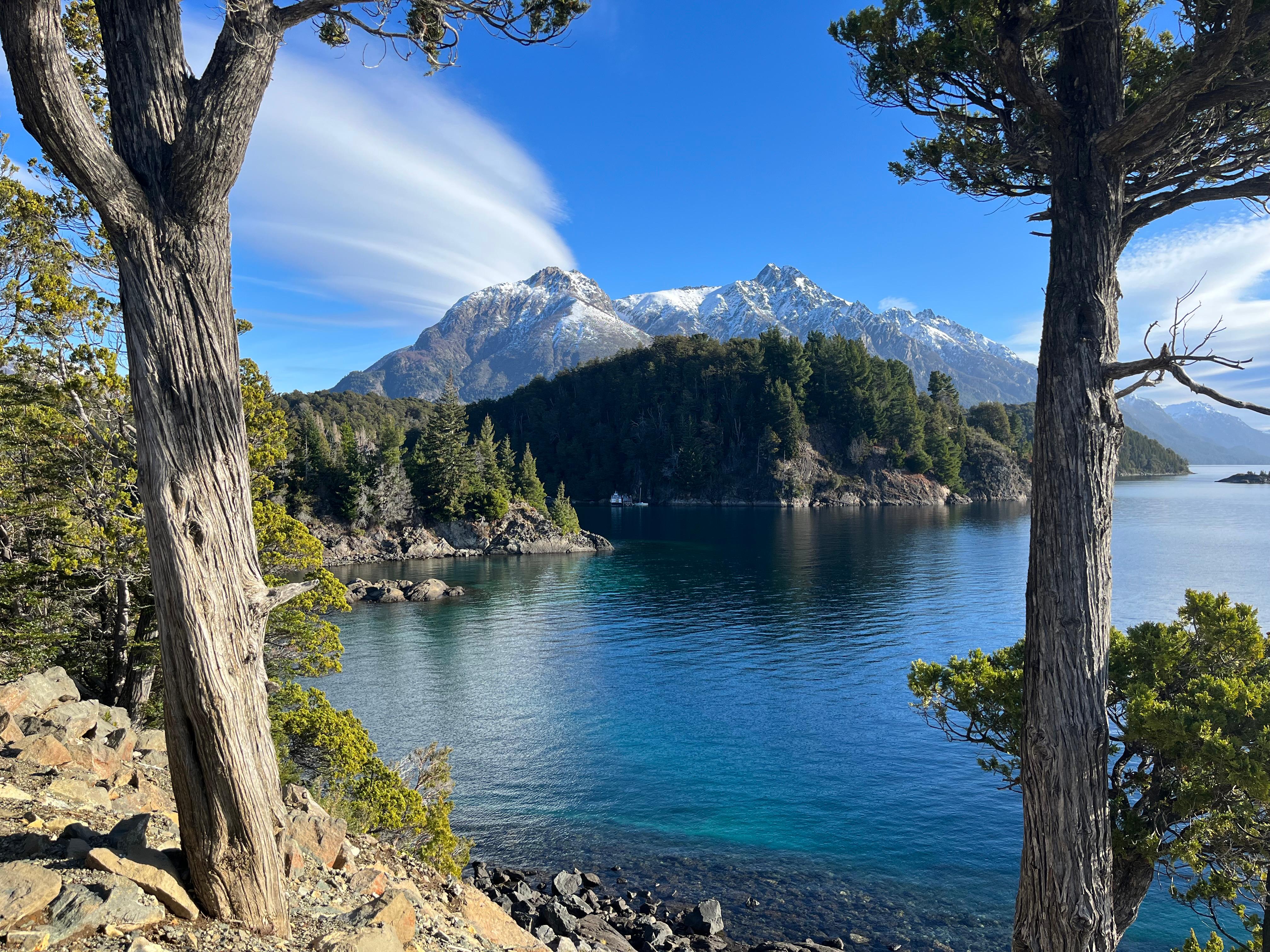
7- Llao Llao Lookout – A balanced and natural view of western Bariloche.
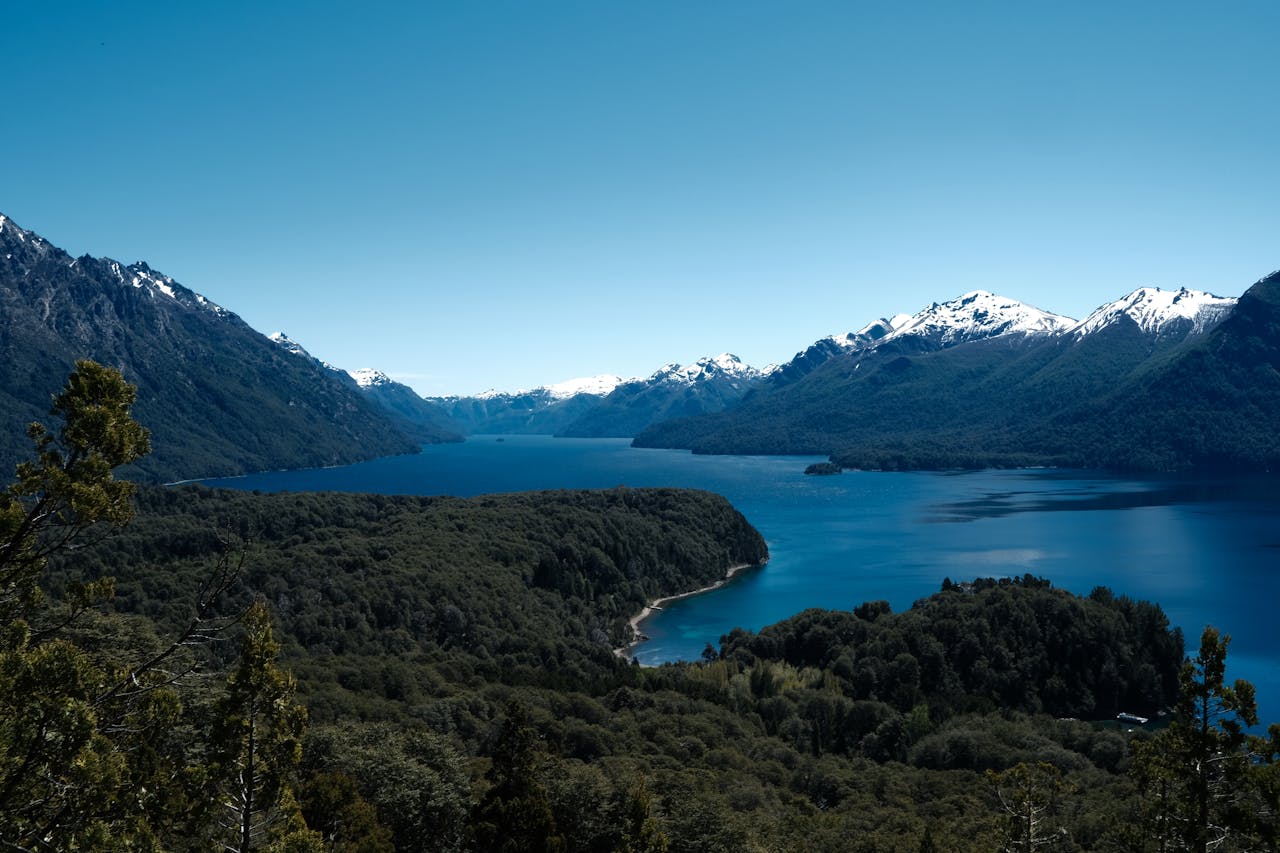
8- Lake Gutiérrez and Cascada de los Duendes – An easy and complete walk, ideal for a half-day trip.
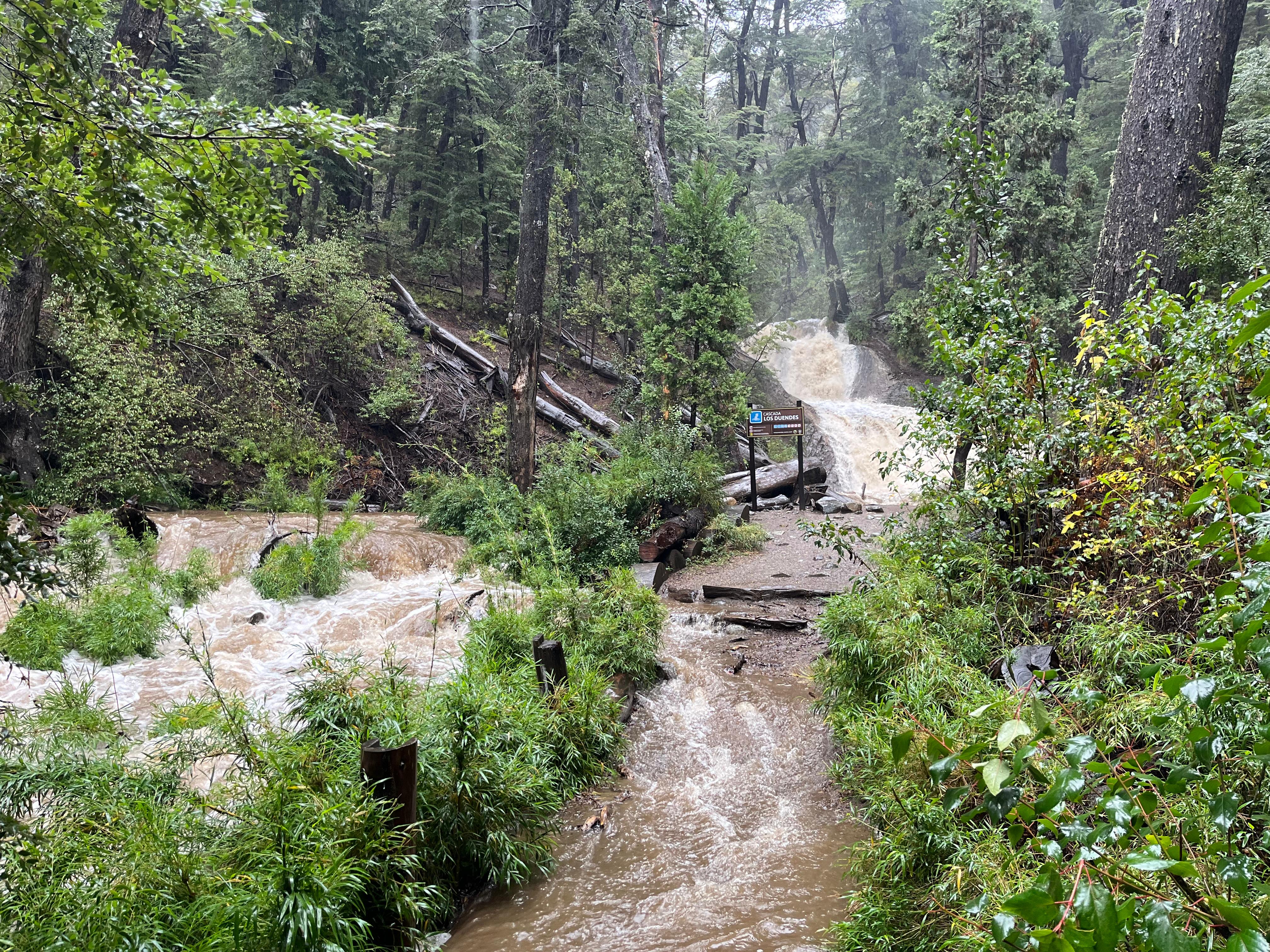
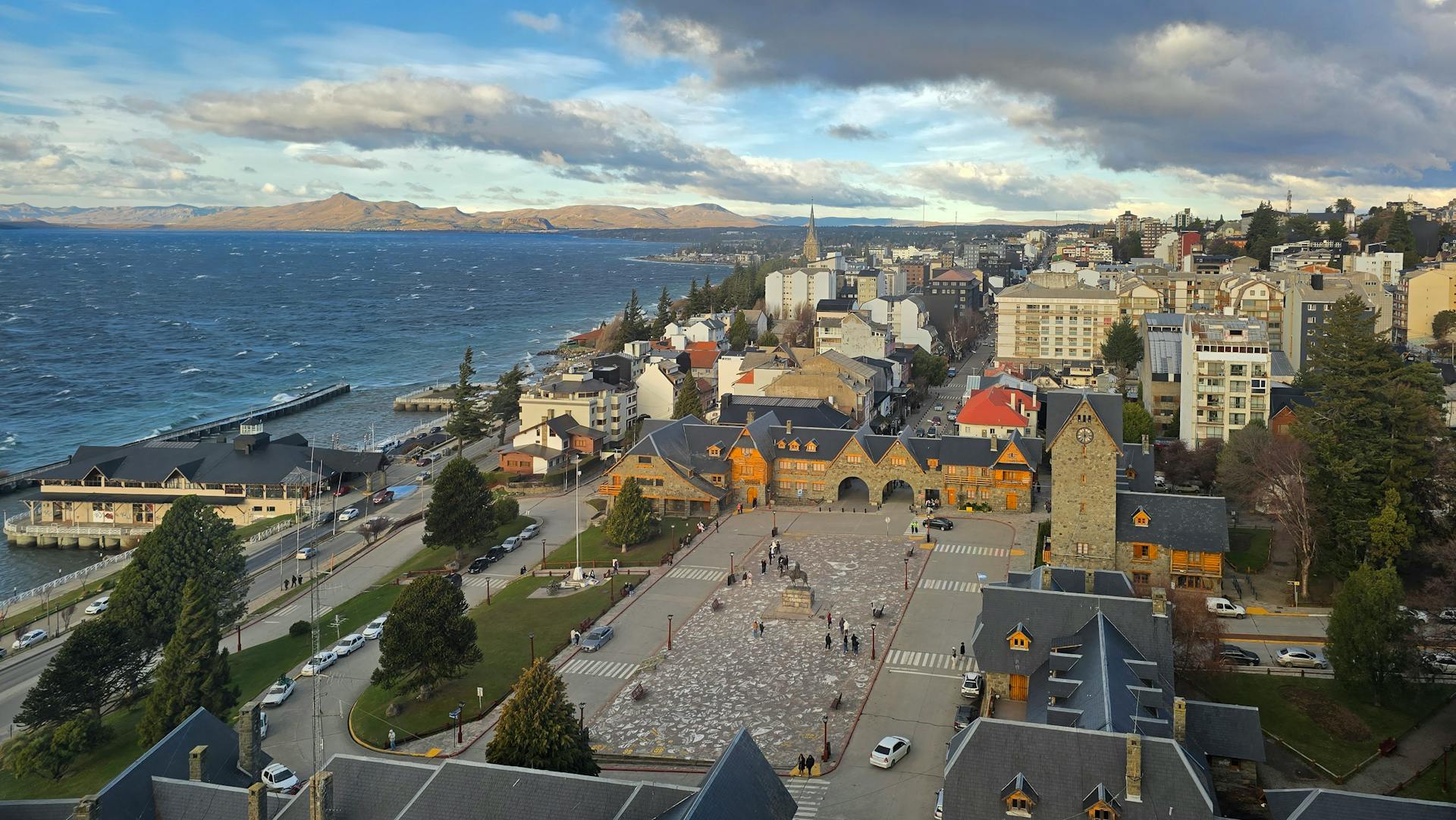
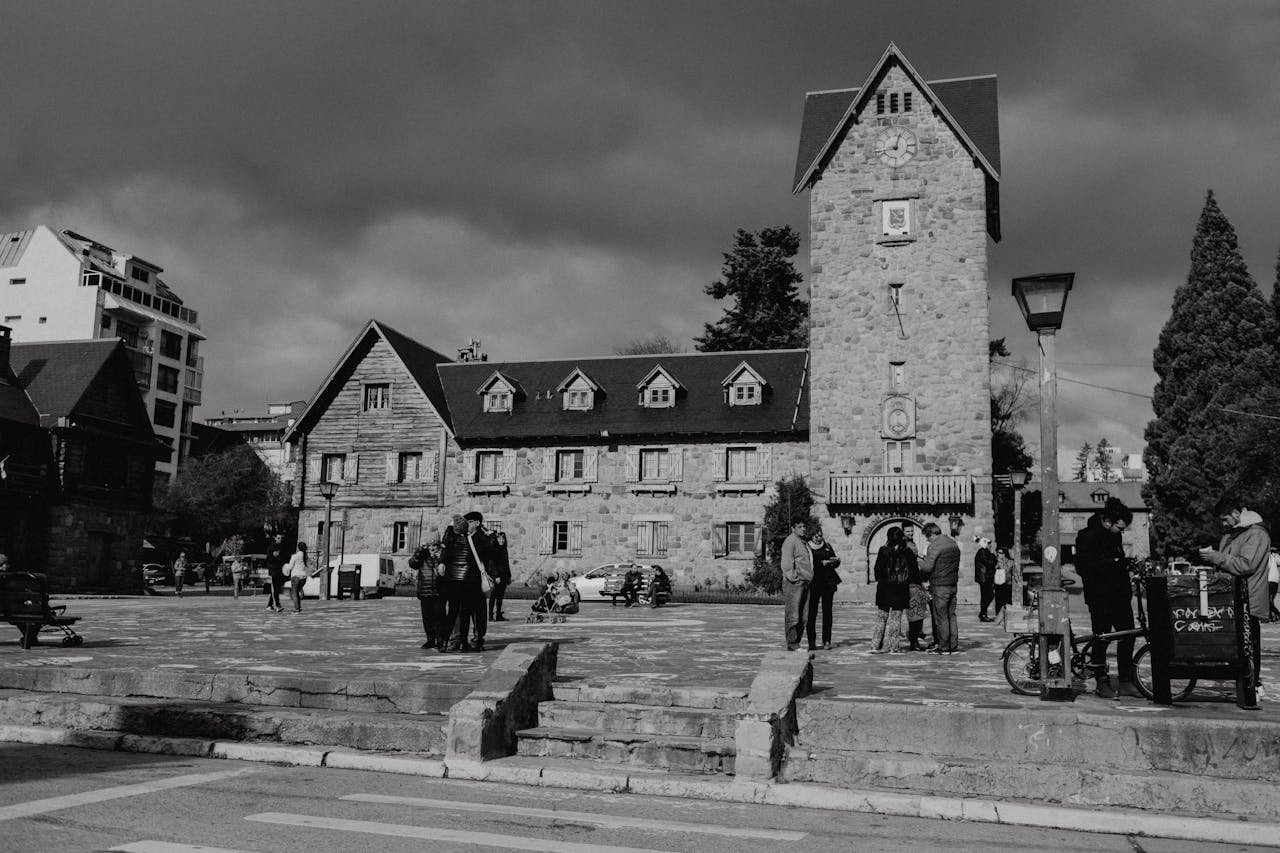
9- Civic Center and Waterfront – The historic heart of the city.
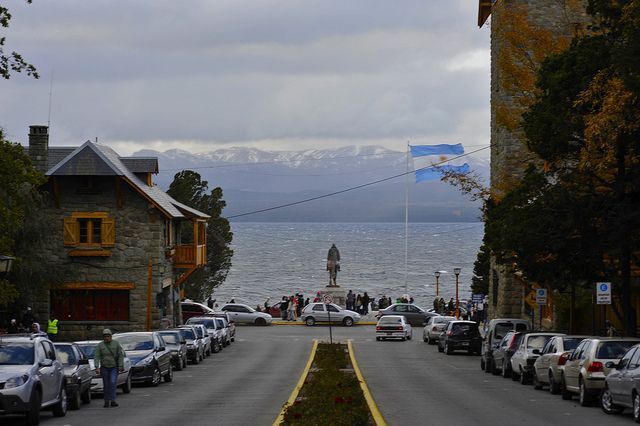
10- Cerro Otto – A panoramic lookout with open views of the city and the lakes.
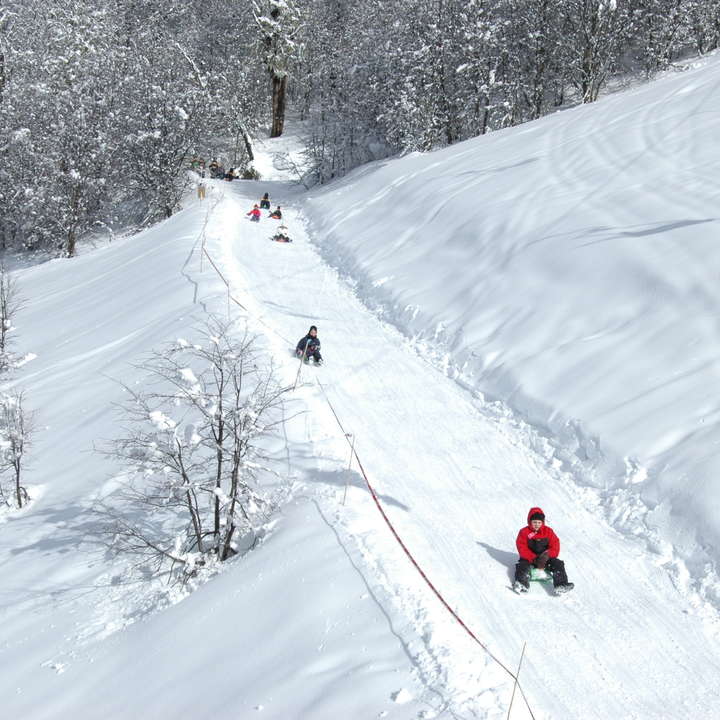
11- Piedras Blancas – A snow park ideal for families during winter.
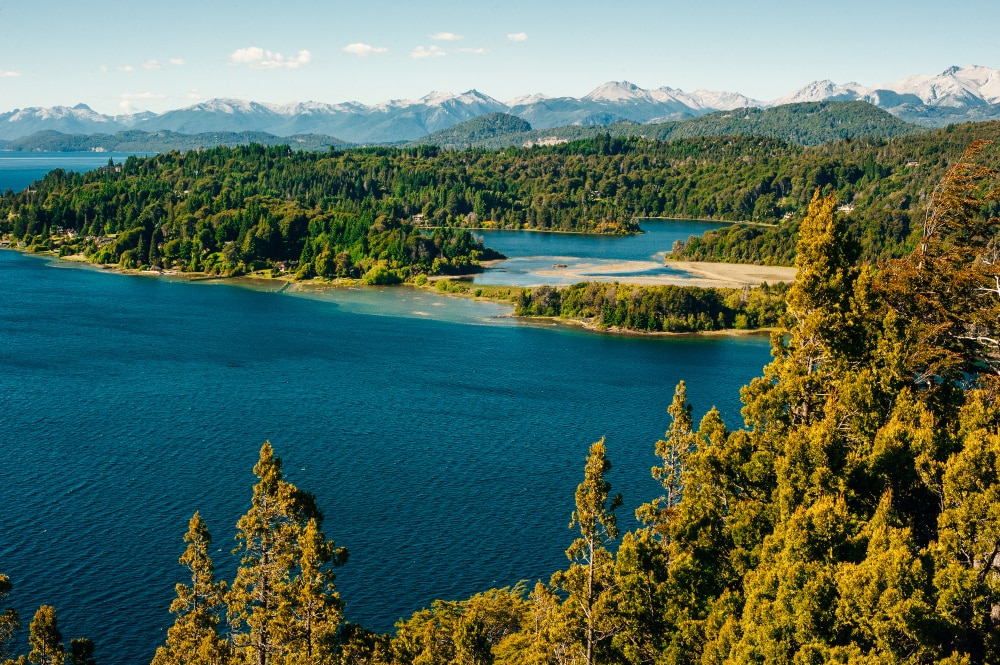
12- Victoria Island – A classic lake excursion with trails and beaches.
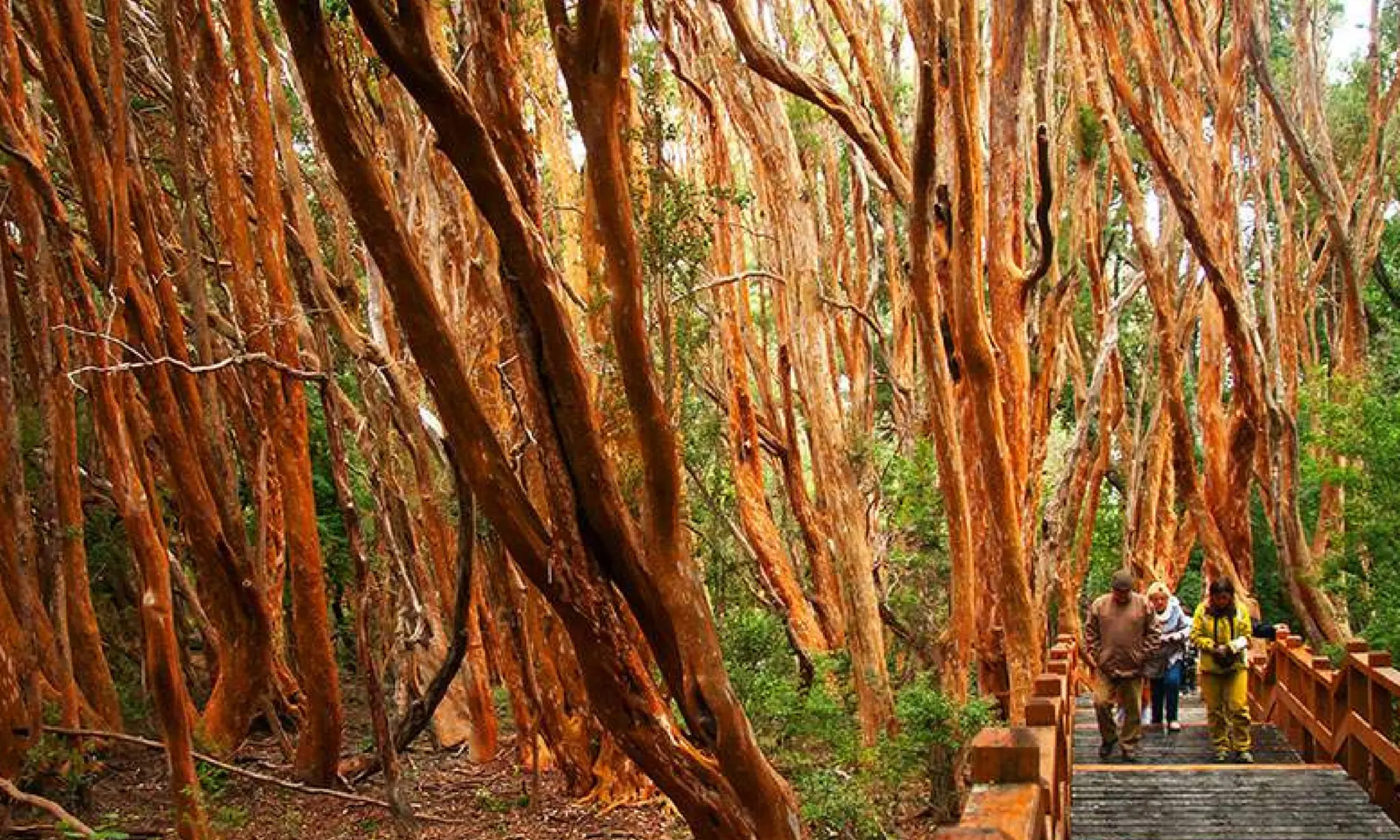
13- Arrayanes Forest – Unique for its trees with cinnamon-colored bark.
14- Lake Mascardi – Wilder and less intervened, ideal for open landscapes.
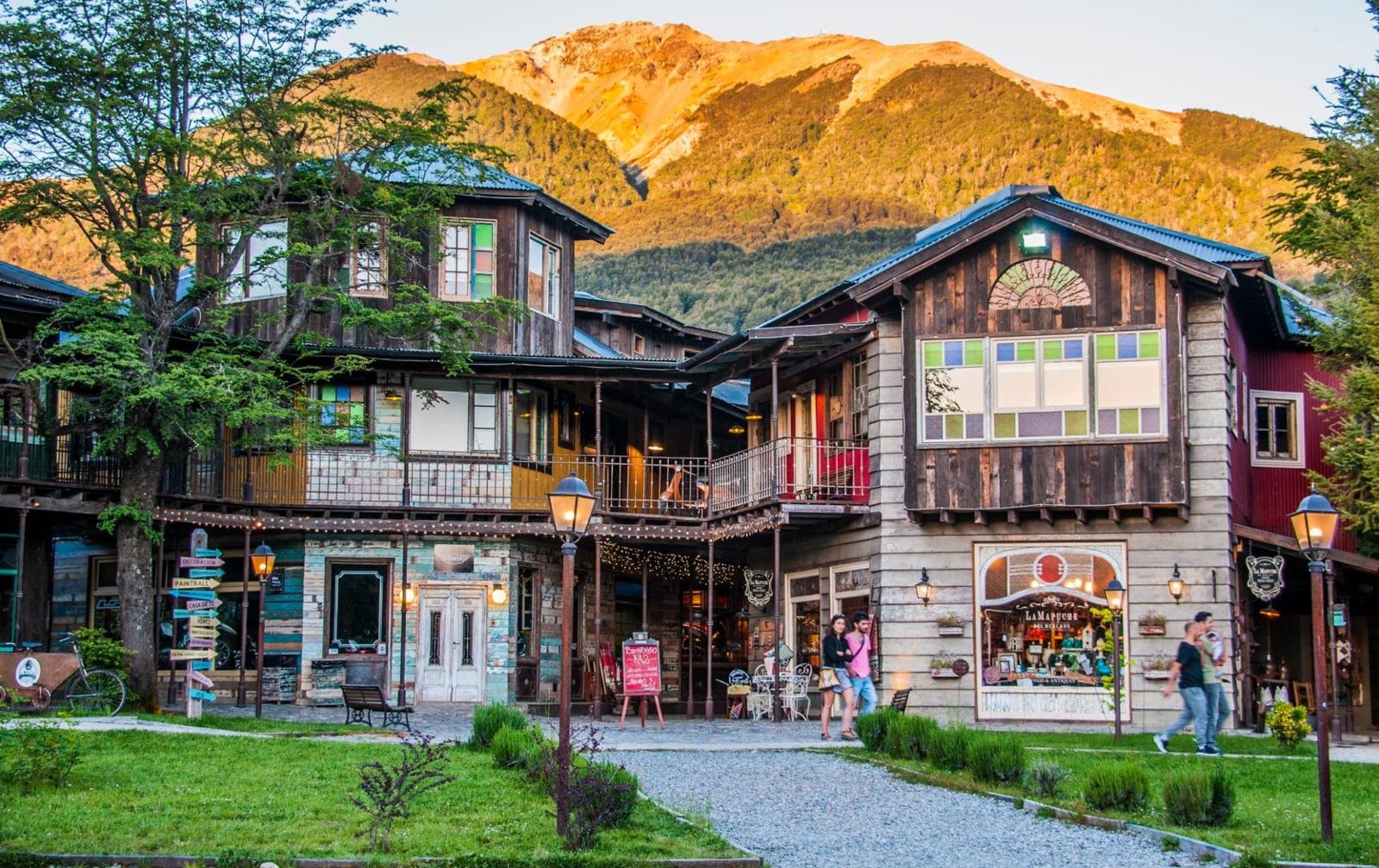
15- Colonia Suiza – A nearby historic village, famous for its market and gastronomy.
What to Eat in Bariloche
-
Artisanal Chocolate – An absolute city classic.
-
Patagonian Lamb – A typical dish, slow-cooked over a fire.
-
Trout and Salmon – Lake fish, grilled or smoked.
-
Fondue and Mountain Cuisine – Central European influence, ideal in winter.
-
Craft Beer – Bariloche is one of the country's main brewing hubs.
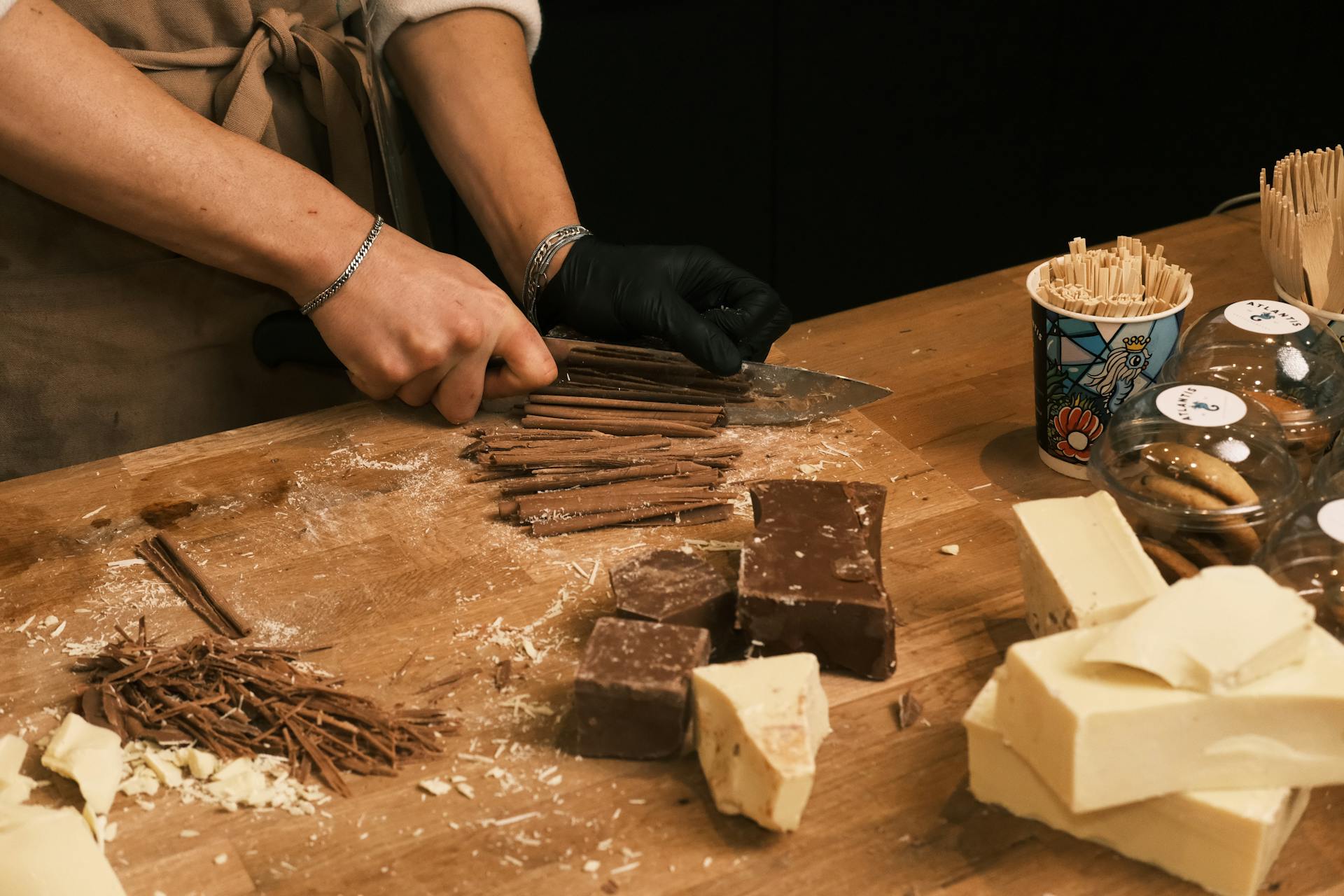
Bariloche is officially known as the National Capital of Chocolate in Argentina.
Where to Stay in Bariloche
- The City Center (near Mitre Street): Ideal if you don't have a car. You have everything within reach: shops, restaurants, bars, and Lake Nahuel Huapi.
- Bustillo Avenue (also called "the kilometers"): Better for lake views and relaxation, but you need transportation. The scenery there is wonderful.
When to Go to Bariloche
Seasons:
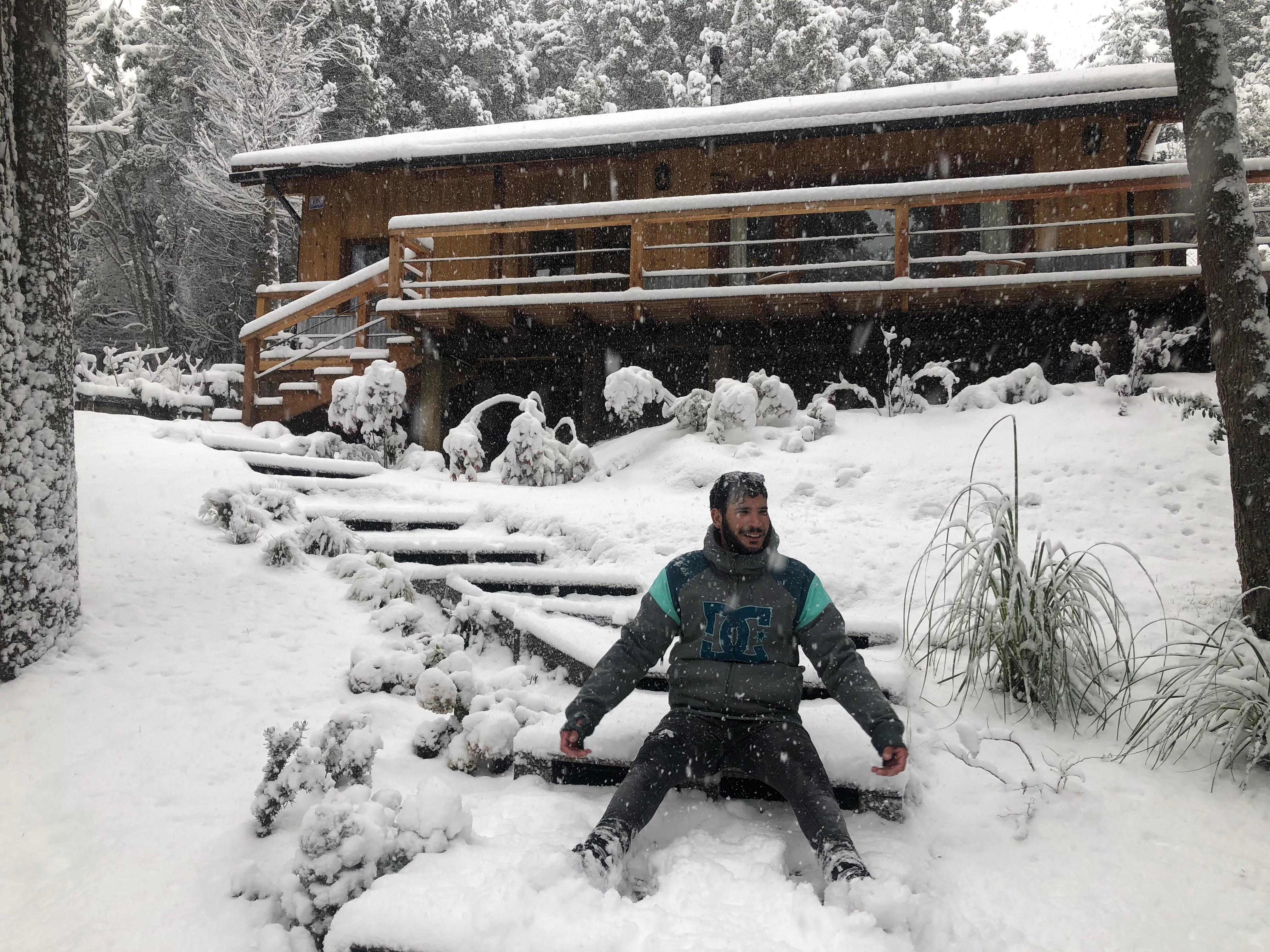
- Winter (June-September): Snow and skiing at Cerro Catedral.
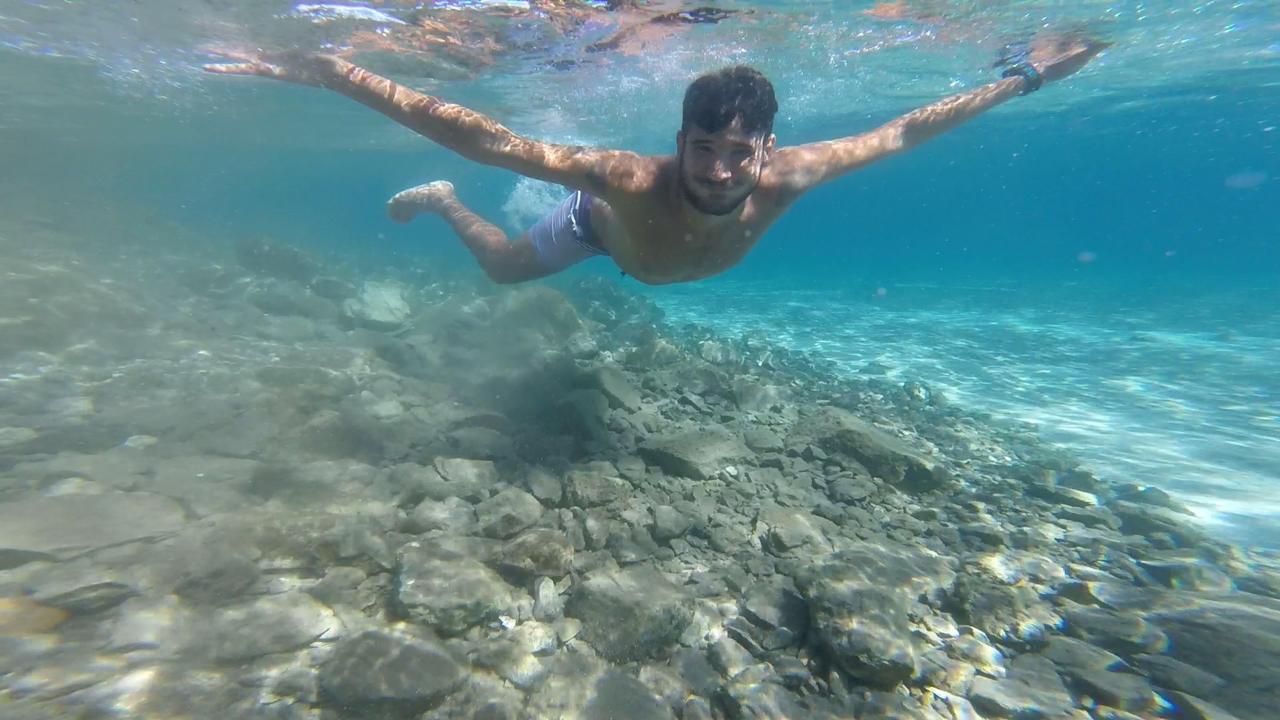
- Summer (January-February): Kayaking, trekking, and beaches, although it is the most expensive time.
- May: The cheapest month to fly.
Tips and Characteristics
- Currency: Argentine Peso (ARS).
- Transport: The urban bus (colectivo) connects the center well with tourist spots. Renting a car offers more freedom.
- Prices: Mid-to-high during peak season.
- Climate: Cold in winter, temperate in summer. It can change quickly.
- Best time to travel: Winter for snow; summer for lakes and hiking.
- Traveler Tip: Moving away from the center allows you to discover beaches, lookouts, and trails with far fewer people. Bustillo Avenue (the "kilometers" area) has multiple public lake access points, such as Km 4, Km 8, and Km 13. Lake Moreno offers incredible colored beaches that are very much worth the visit.
Our Experience Traveling through Bariloche
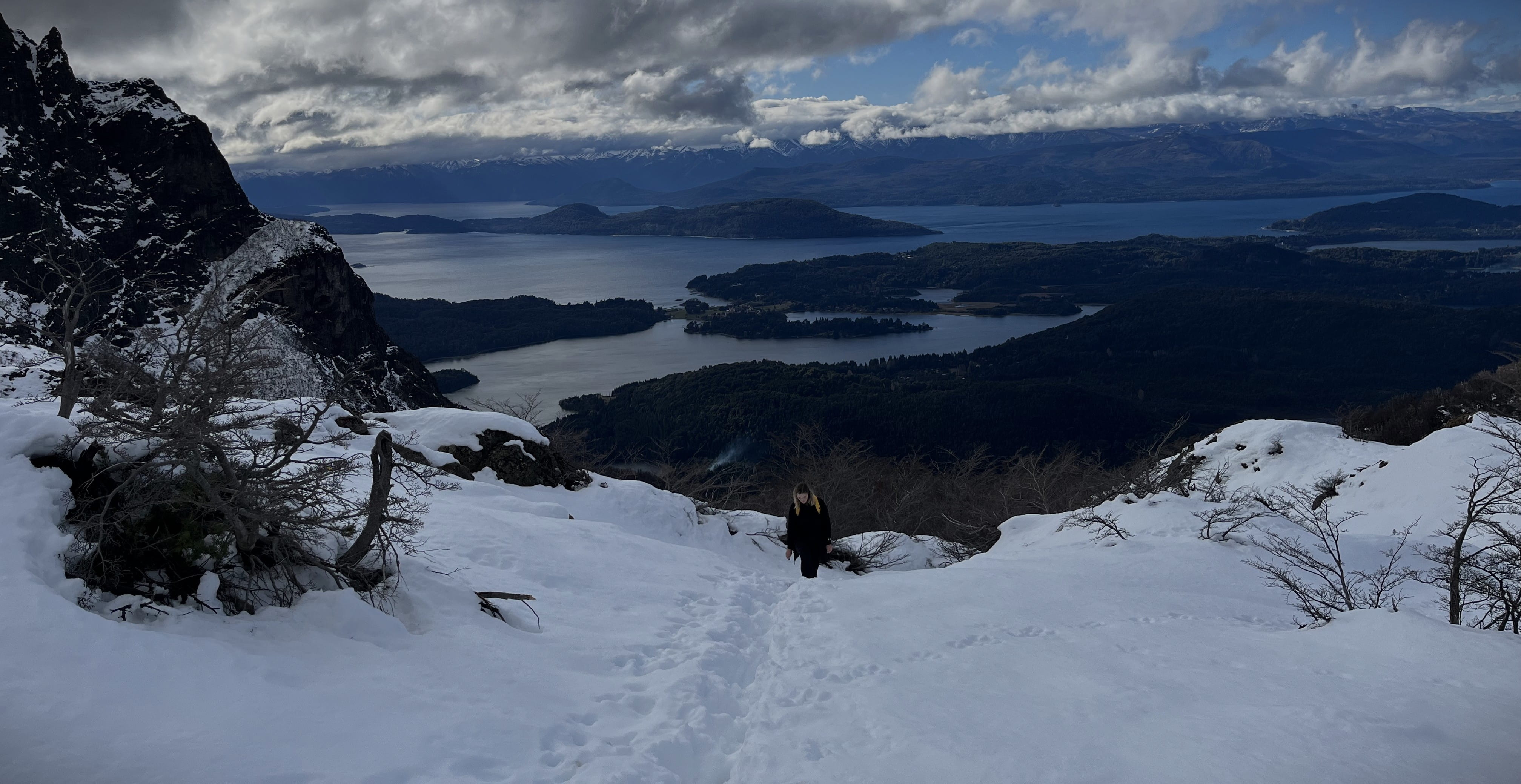
Bariloche is one of those destinations that changes completely depending on the time of year. Living there through the four seasons allowed us to know its different faces: white and silent winters, springs full of color, long summers by the lakes, and intense autumns with forests tinged in red and gold.
It is a destination that adapts to different rhythms. It can be ideal for resting or a perfect base for mountain hiking, exploring trails, and lakes. Its natural environment and tourist infrastructure mean it always invites you to return.
Precautions
- On the trails of the Llao Llao Municipal Park, bicycles and pets are prohibited.
- Camping, smoking, and making fires are not allowed.
- Pay attention when walking along the paved road.
- Do not leave valuables inside the car.
- Always take your trash with you.
- In some sectors, there is no cell phone signal.
You Might Also Be Interested In
- What to do for 5 days in Bariloche
- Packing Guide for Patagonia
- 2026 Useful Travel Tips
- Complete Guide to Traveling to El Bolsón
- Complete Guide to Traveling to El Calafate
- Complete Guide to Traveling to El Chaltén
- Complete Guide to Traveling to Ushuaia
- Complete Guide to Traveling to Buenos Aires
- Complete Guide to Traveling to Puerto Madryn
- Complete Guide to Traveling to Lake Puelo
- Complete Guide to Traveling to Esquel
1- Cerro Campanario – Ideal for a first day. From the summit, you get a panoramic view of lakes, islands, and mountains that perfectly summarizes the Patagonian landscape.
2- Trekking to Refugio López – One of the classic treks in Bariloche, ideal for a demanding day hike or for continuing toward other nearby peaks.
3- Brazo Tristeza Lookout – One of the most beautiful and accessible short treks. The view upon arrival is stunning.
4- Circuito Chico – A classic route that borders Lake Nahuel Huapi and passes through very representative points of the area.
5- Cerro Catedral – One of the most important ski centers in South America. In summer, it transforms into a vast mountain space.
6- Villa Tacul – A forest trail that ends at beaches with turquoise waters.
7- Llao Llao Lookout – A balanced and natural view of western Bariloche.
8- Lake Gutiérrez and Cascada de los Duendes – An easy and complete walk, ideal for a half-day trip.
9- Civic Center and Waterfront – The historic heart of the city.
10- Cerro Otto – A panoramic lookout with open views of the city and the lakes.
11- Piedras Blancas – A snow park ideal for families during winter.
12- Victoria Island – A classic lake excursion with trails and beaches.
13- Arrayanes Forest – Unique for its trees with cinnamon-colored bark.
14- Lake Mascardi – Wilder and less intervened, ideal for open landscapes.
15- Colonia Suiza – A nearby historic village, famous for its market and gastronomy.
PUBLICIDAD
Travel with Data: Get your Saily eSIM
- ✓Internet in seconds upon landing
- ✓Flexible plans in 180+ countries
- ✓Easy setup directly via the App
-
Artisanal Chocolate – An absolute city classic.
-
Patagonian Lamb – A typical dish, slow-cooked over a fire.
-
Trout and Salmon – Lake fish, grilled or smoked.
-
Fondue and Mountain Cuisine – Central European influence, ideal in winter.
-
Craft Beer – Bariloche is one of the country's main brewing hubs.
Bariloche is officially known as the National Capital of Chocolate in Argentina.
- The City Center (near Mitre Street): Ideal if you don't have a car. You have everything within reach: shops, restaurants, bars, and Lake Nahuel Huapi.
- Bustillo Avenue (also called "the kilometers"): Better for lake views and relaxation, but you need transportation. The scenery there is wonderful.
Seasons:
- Winter (June-September): Snow and skiing at Cerro Catedral.
- Summer (January-February): Kayaking, trekking, and beaches, although it is the most expensive time.
- May: The cheapest month to fly.
- Currency: Argentine Peso (ARS).
- Transport: The urban bus (colectivo) connects the center well with tourist spots. Renting a car offers more freedom.
- Prices: Mid-to-high during peak season.
- Climate: Cold in winter, temperate in summer. It can change quickly.
- Best time to travel: Winter for snow; summer for lakes and hiking.
- Traveler Tip: Moving away from the center allows you to discover beaches, lookouts, and trails with far fewer people. Bustillo Avenue (the "kilometers" area) has multiple public lake access points, such as Km 4, Km 8, and Km 13. Lake Moreno offers incredible colored beaches that are very much worth the visit.
Bariloche is one of those destinations that changes completely depending on the time of year. Living there through the four seasons allowed us to know its different faces: white and silent winters, springs full of color, long summers by the lakes, and intense autumns with forests tinged in red and gold.
It is a destination that adapts to different rhythms. It can be ideal for resting or a perfect base for mountain hiking, exploring trails, and lakes. Its natural environment and tourist infrastructure mean it always invites you to return.
- On the trails of the Llao Llao Municipal Park, bicycles and pets are prohibited.
- Camping, smoking, and making fires are not allowed.
- Pay attention when walking along the paved road.
- Do not leave valuables inside the car.
- Always take your trash with you.
- In some sectors, there is no cell phone signal.
PUBLICIDAD
- What to do for 5 days in Bariloche
- Packing Guide for Patagonia
- 2026 Useful Travel Tips
- Complete Guide to Traveling to El Bolsón
- Complete Guide to Traveling to El Calafate
- Complete Guide to Traveling to El Chaltén
- Complete Guide to Traveling to Ushuaia
- Complete Guide to Traveling to Buenos Aires
- Complete Guide to Traveling to Puerto Madryn
- Complete Guide to Traveling to Lake Puelo
- Complete Guide to Traveling to Esquel
Galery
PUBLICIDAD
International Travel Insurance
- ✓International medical insurance
- ✓24/7 immediate assistance in your language
- ✓Ideal for trekking & adventure
Preferences
Language
Color
Text
Width