
Table of contents and map
Dubrovnik, the Pearl of the Adriatic: what to see, what to do, and travel tips
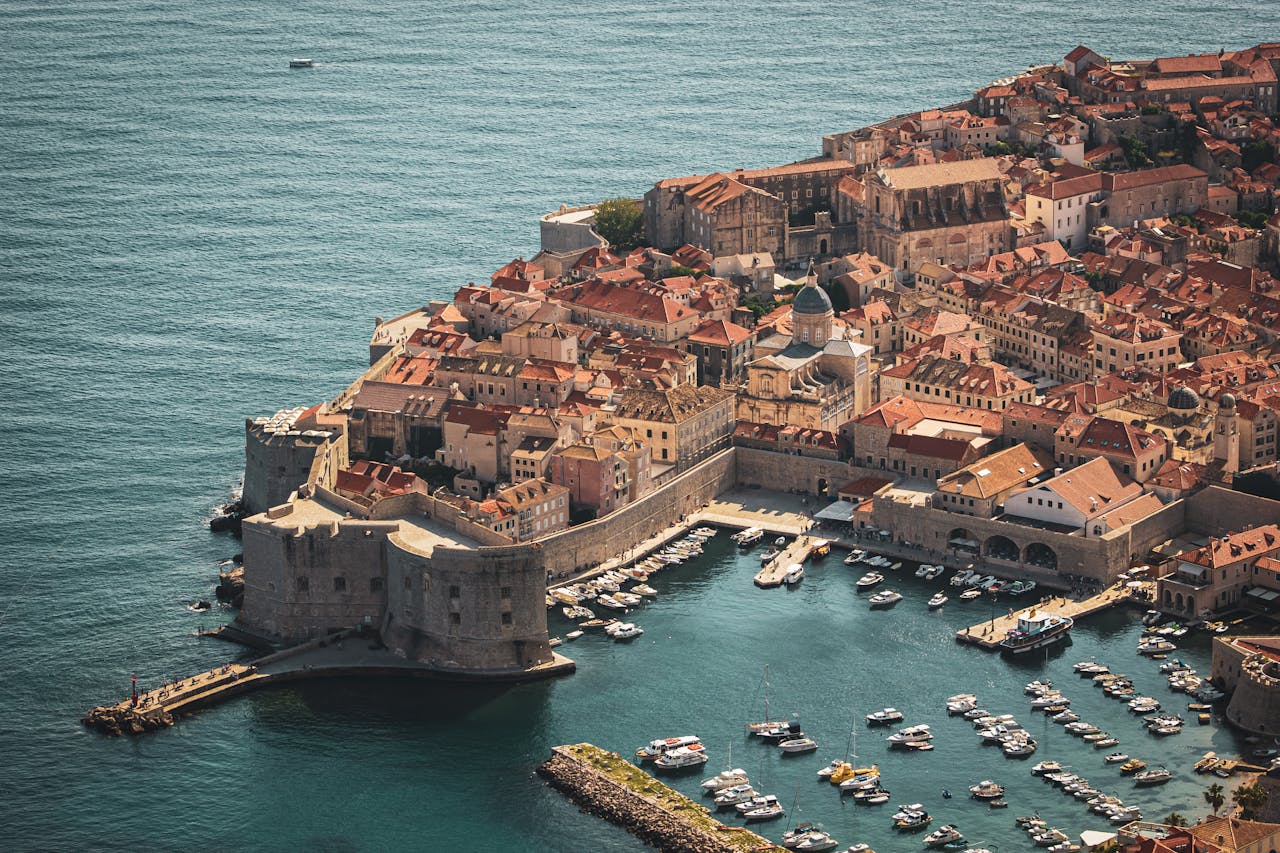
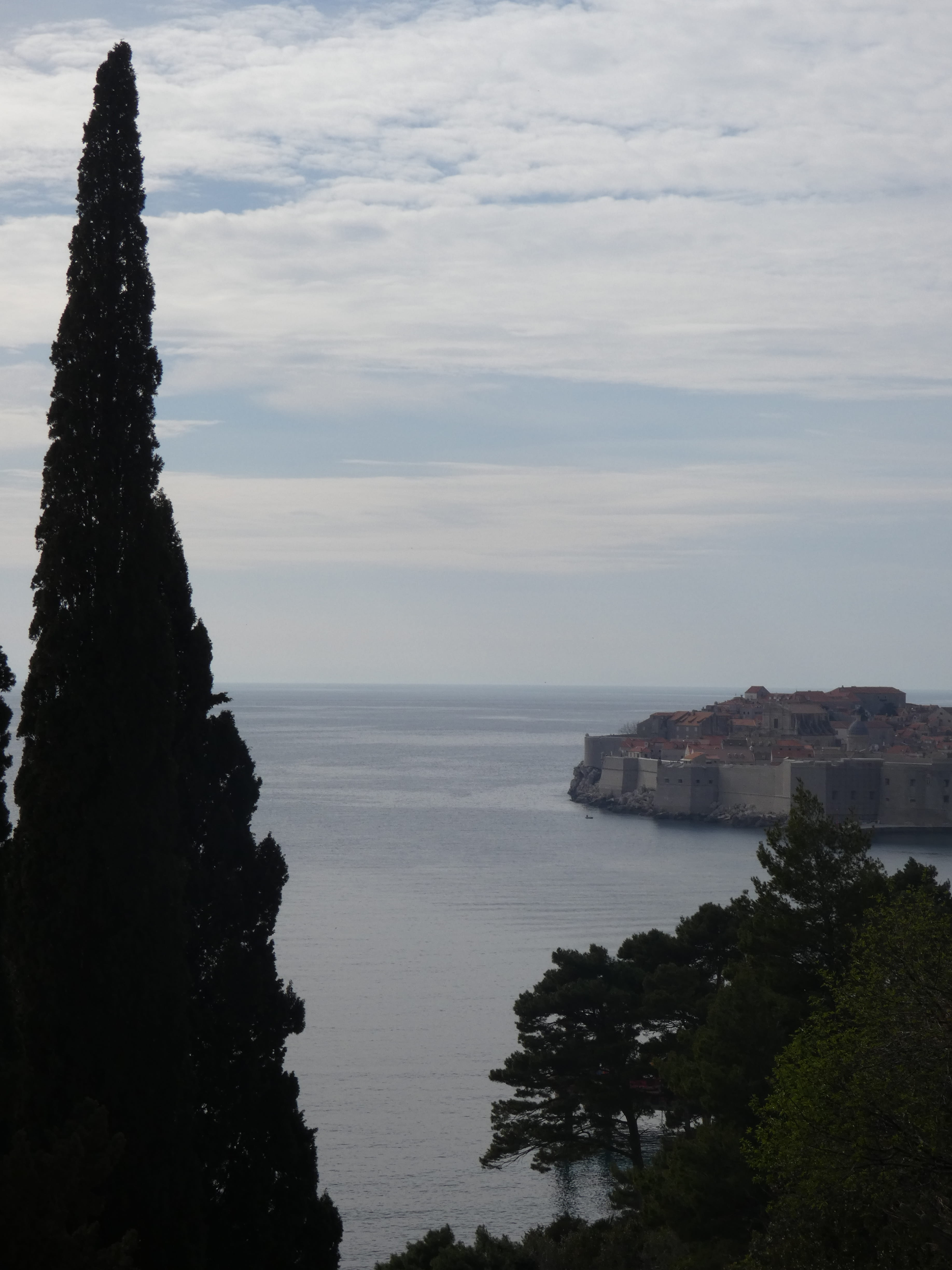
Located on the coast of the Adriatic Sea, it is one of the best-preserved medieval cities in Europe. Known as the “Pearl of the Adriatic,” it stands out for its walled historic center, its light stone architecture, and its strong maritime identity. The city combines history, coastal landscapes, and an elegant atmosphere, where the past and modern tourism coexist facing an intensely colored sea.
Dubrovnik, the Pearl of the Adriatic: what to see, what to do, and travel tips
Located on the coast of the Adriatic Sea, it is one of the best-preserved medieval cities in Europe. Known as the “Pearl of the Adriatic,” it stands out for its walled historic center, its light stone architecture, and its strong maritime identity. The city combines history, coastal landscapes, and an elegant atmosphere, where the past and modern tourism coexist facing an intensely colored sea.
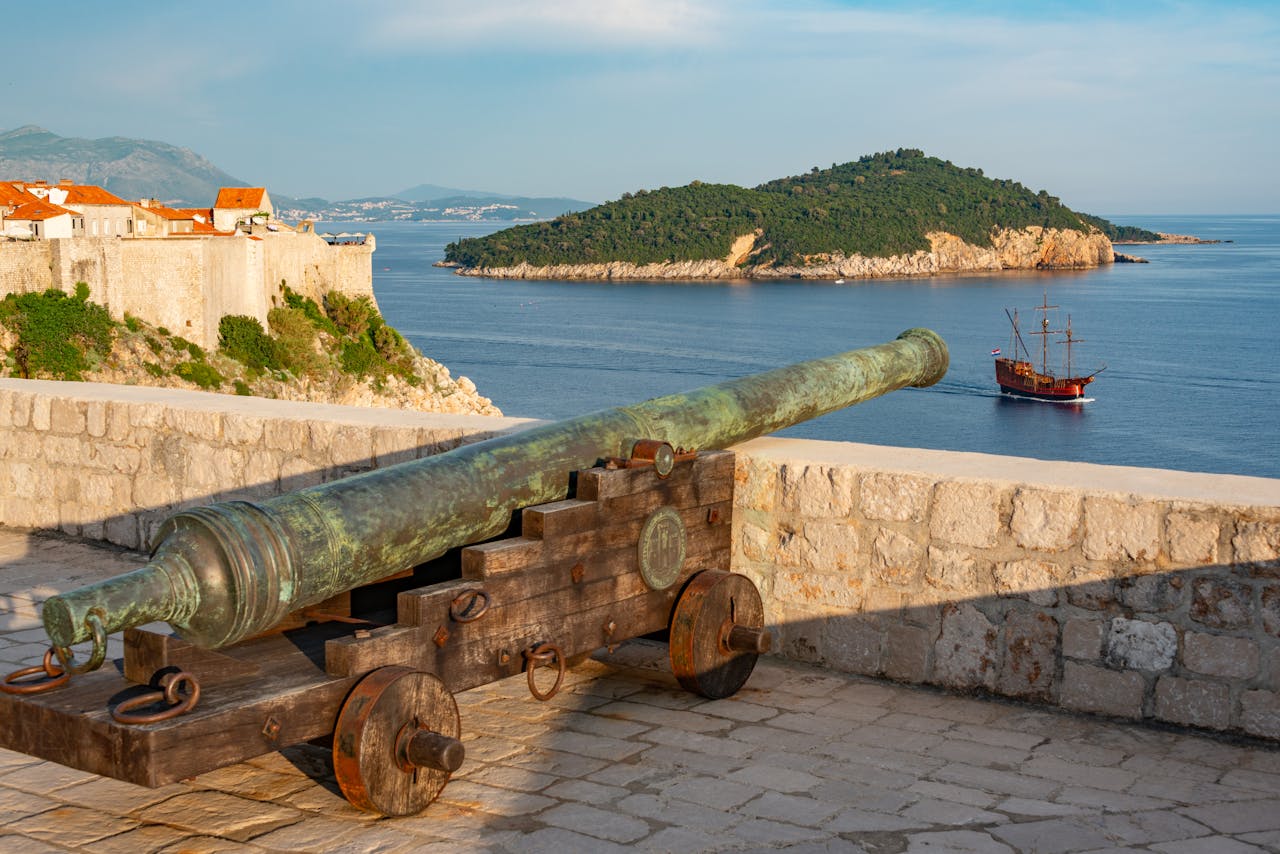
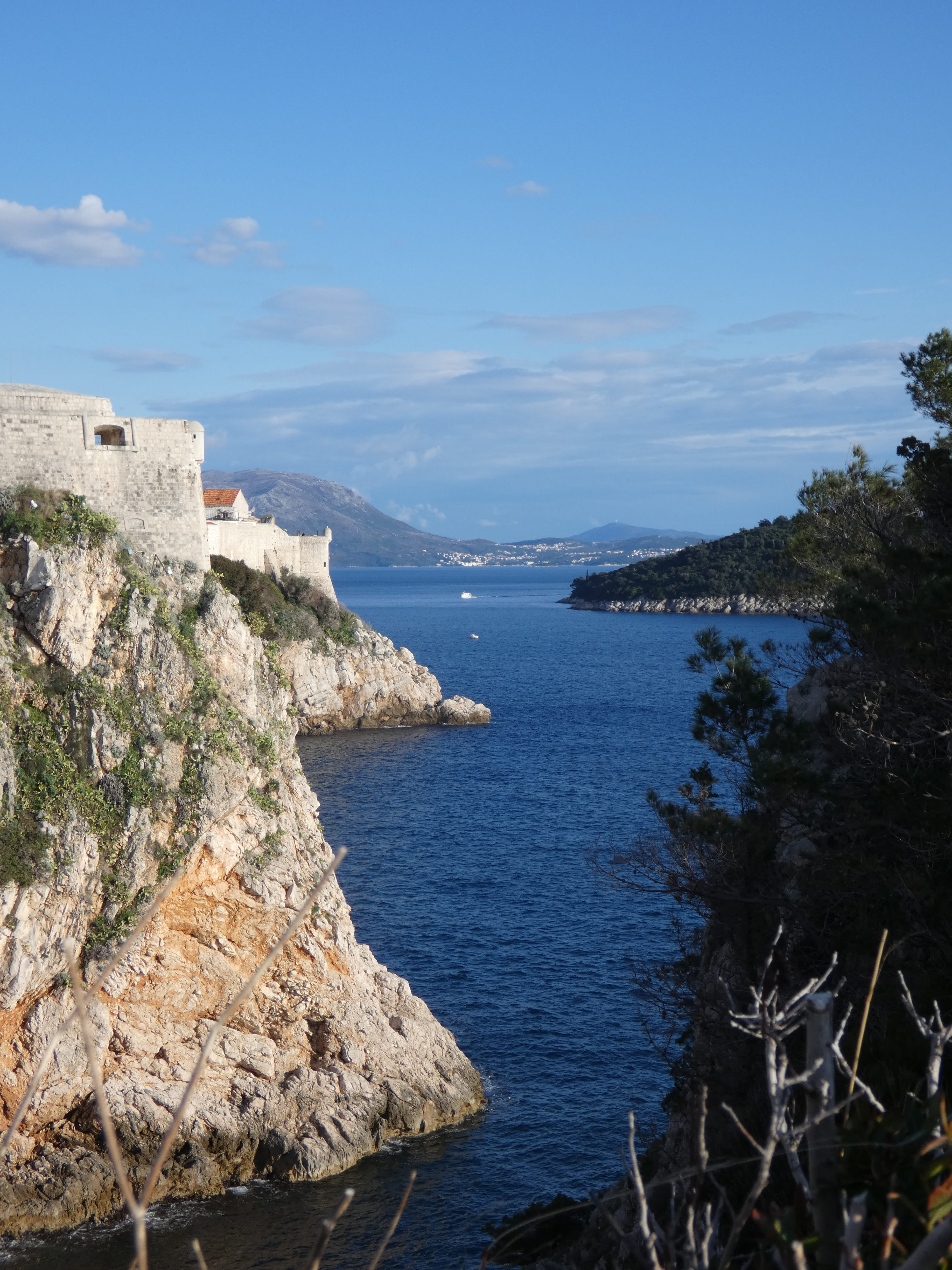
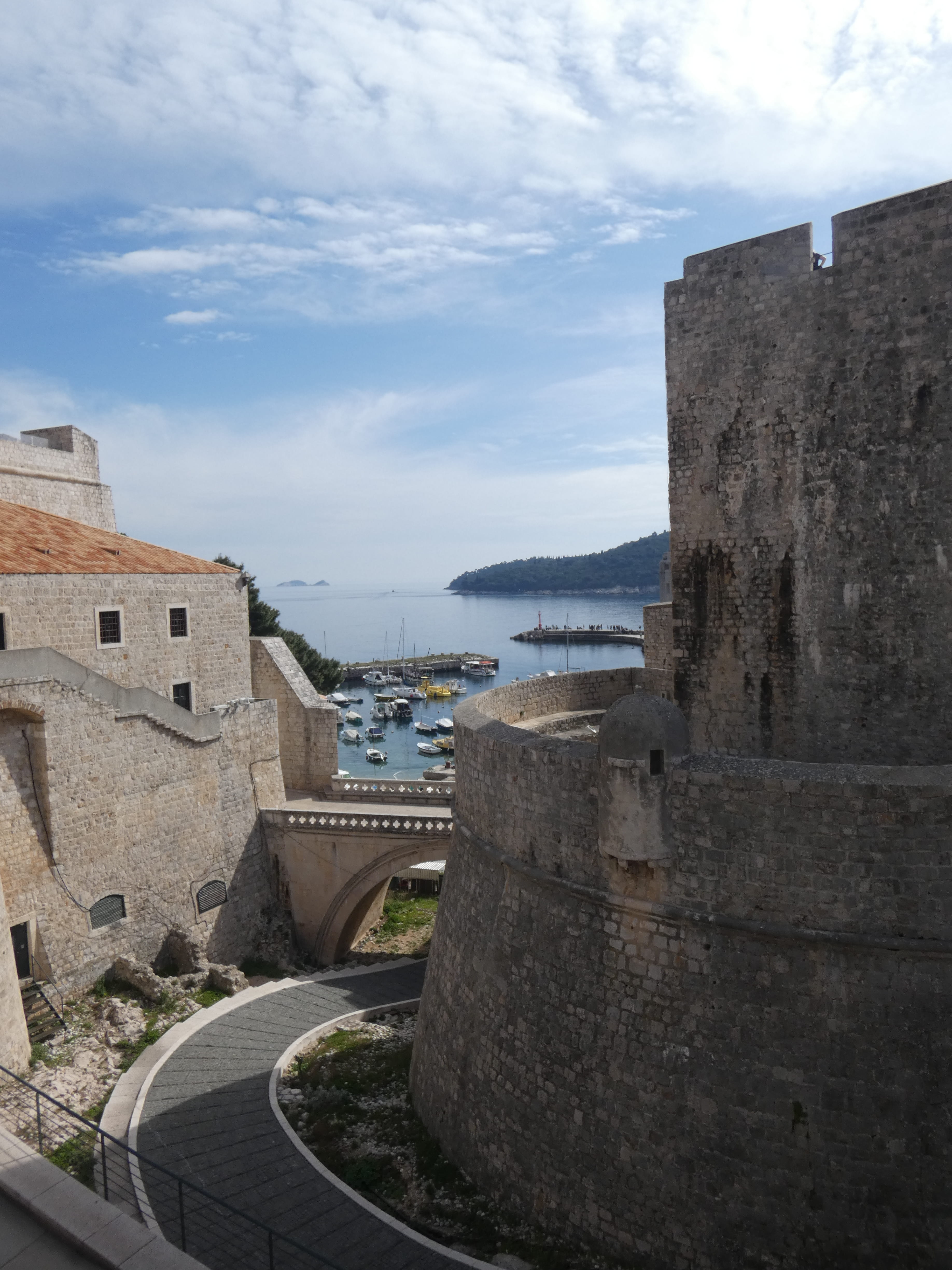
Dubrovnik is a city that makes an impact from the very first moment. Surrounded by walls and with the Adriatic as a backdrop, it has a very strong presence and a historic center that feels almost like an open-air museum. Despite its size, it concentrates a huge historical and visual richness.
Walking through it is simple and quite compact, ideal for strolling without rush, stopping at viewpoints, and letting the city gradually reveal itself through stone alleyways and sea views.
What to see and do in Dubrovnik: personal travel guide
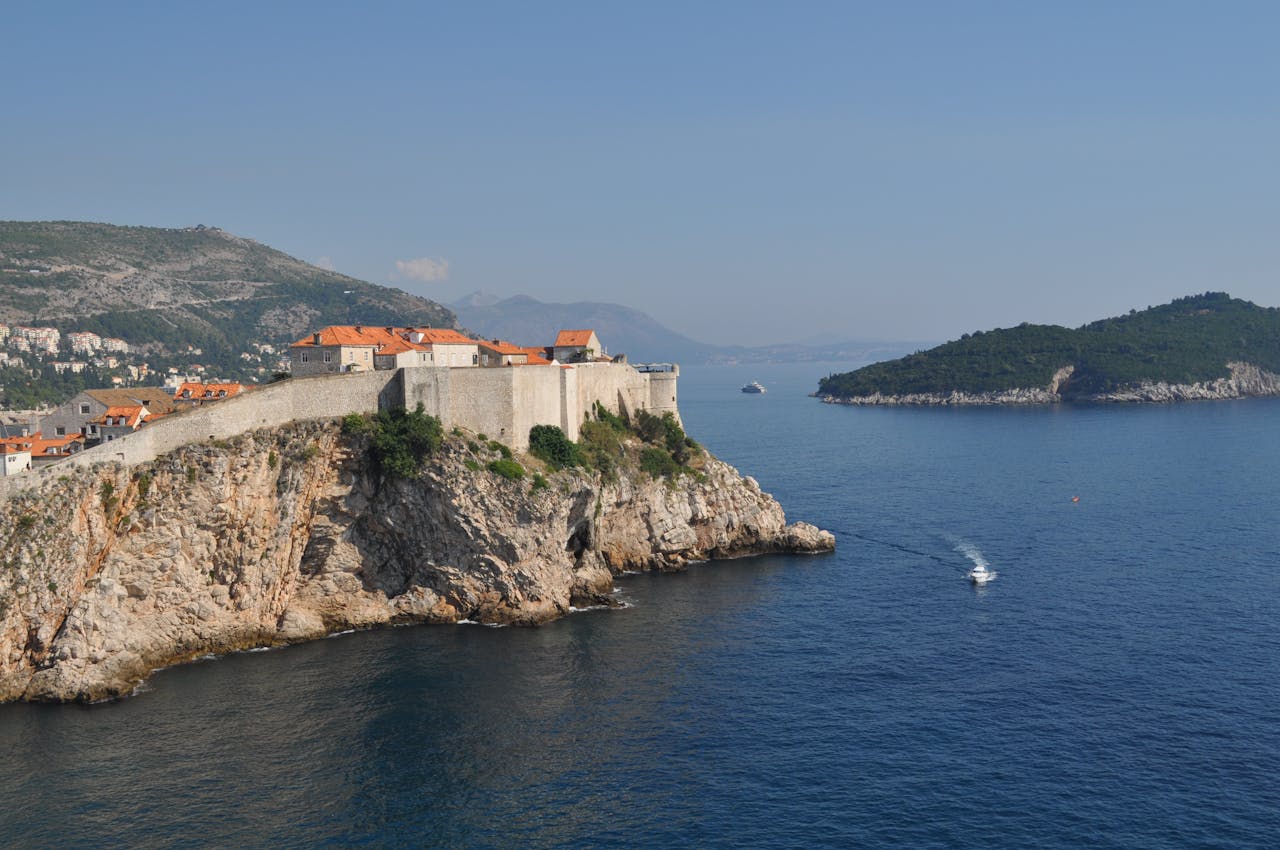
- Dubrovnik City Walls - The full walk is a must. Vital tip: it is walked in one direction (counterclockwise). Do it right when they open or one hour before closing to see the sunset over the red rooftops.
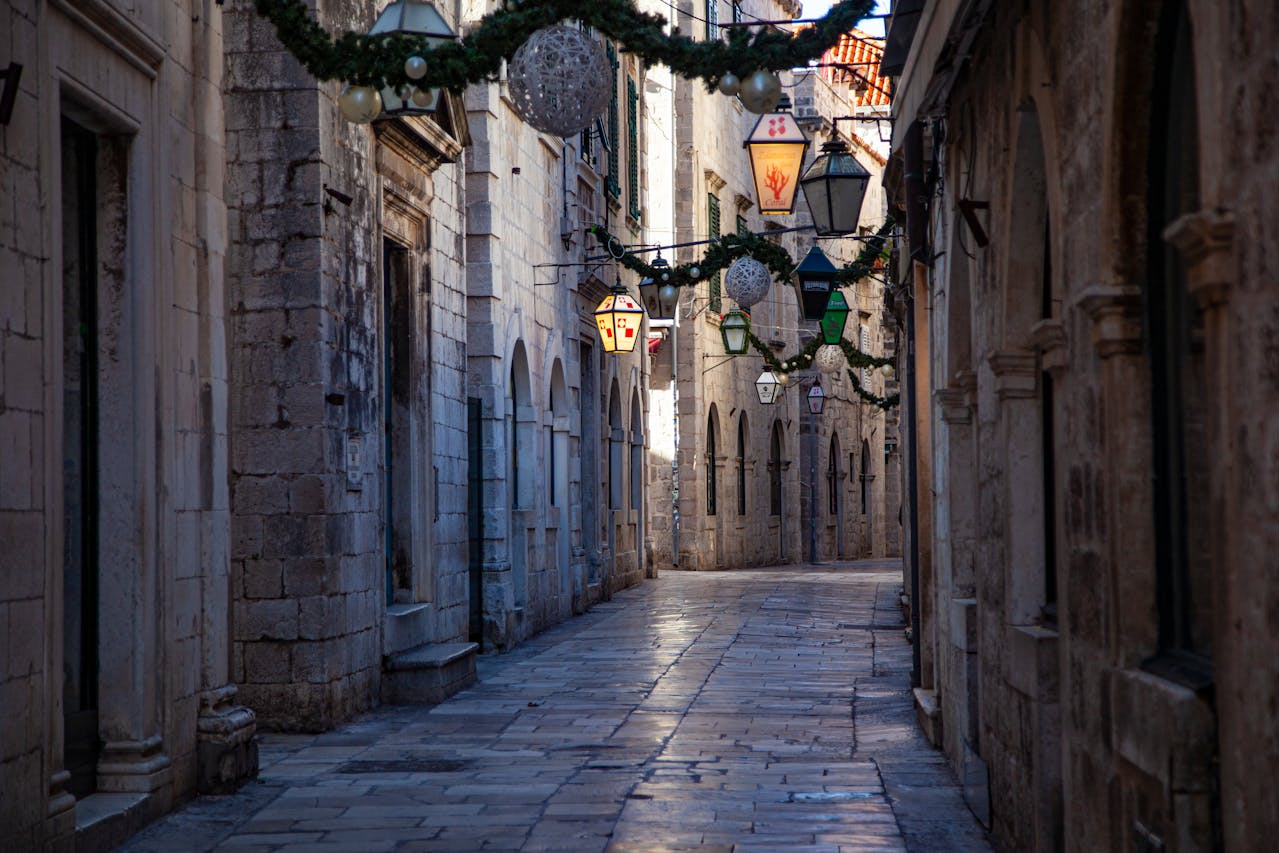
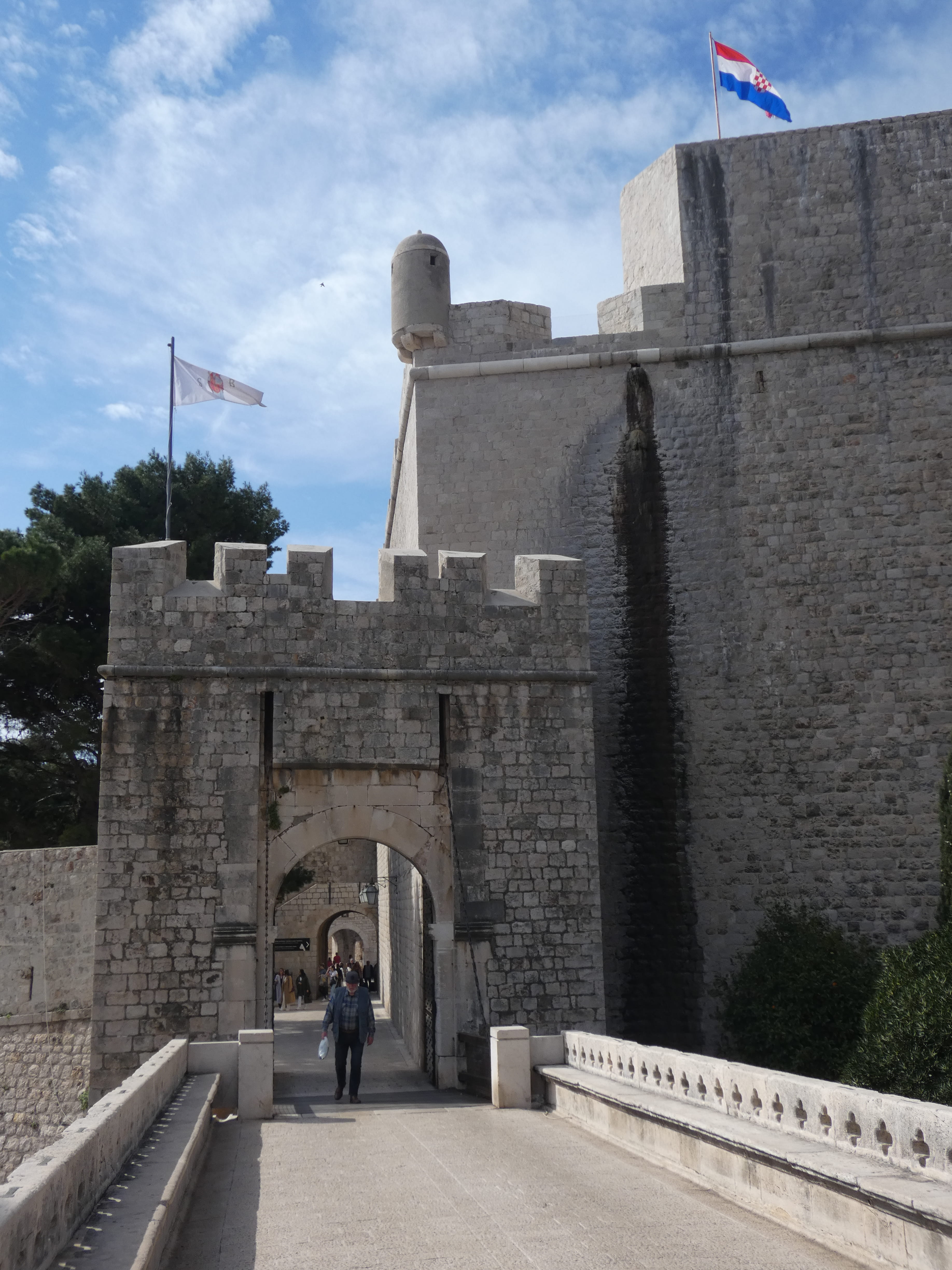
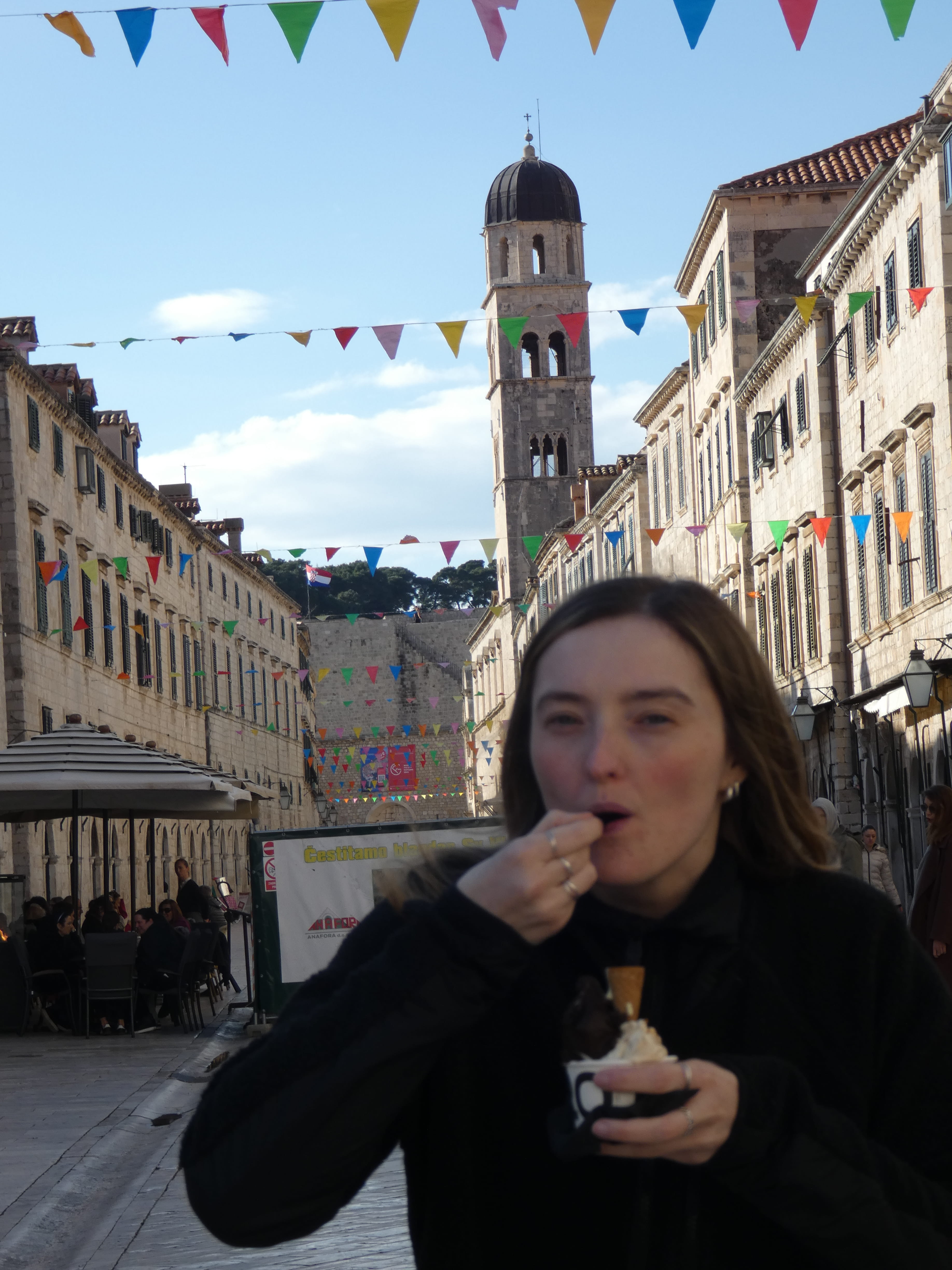
- Old Town - A network of stone streets. Passing through Pile Gate and walking down Stradun is like stepping into another era.
- Fort Lovrijenac - Located outside the walls, it offers one of the best panoramic views. If you buy a ticket for the walls, entry to this fortress is usually included.
- Lokrum Island - Just 10 minutes by boat. Pure nature, peacocks, and a small salt lake known as the Dead Sea.
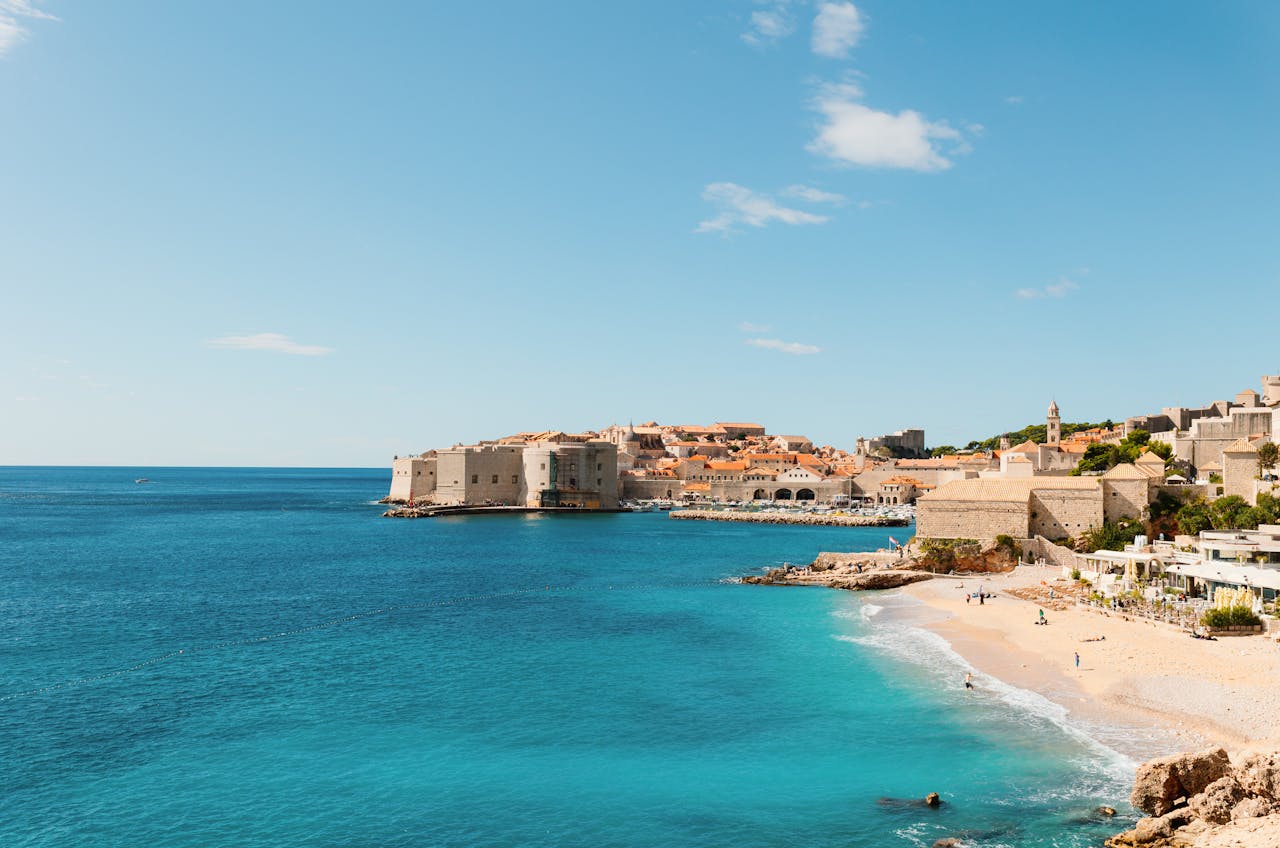
Getting around Dubrovnik
Understanding the city’s geography is key: the historic center is pedestrian-only, but most accommodations are in areas like Lapad or Babin Kuk.
- On foot in the Old Town: No vehicles circulate inside the walls. Be prepared to climb and descend hundreds of stone steps.
- Local buses (Libertas): They work incredibly well. Almost all lines (1, 1A, 1B, and 6) end at Pile Gate.
- Airport transfer: Direct shuttle bus that takes you to Pile or Gruž.
- Uber and taxis: Work well and are cheaper than local taxis.
- Ferries: Depart from the Old Port to Lokrum and Cavtat.
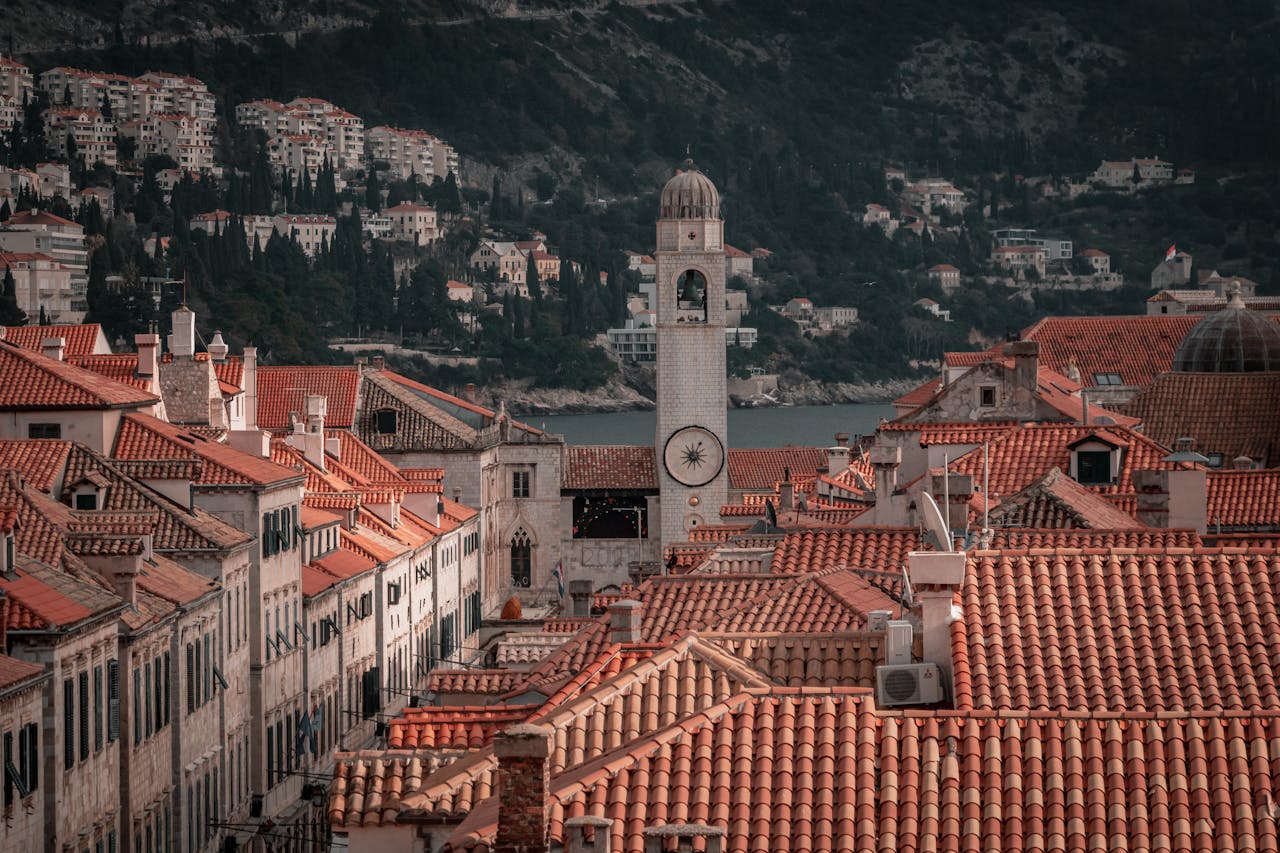
Pro logistics: how to beat the cruise crowds
- Check the cruise ship schedule before arriving.
- Avoid the city center between 10:00 and 16:00 if there are many ships.
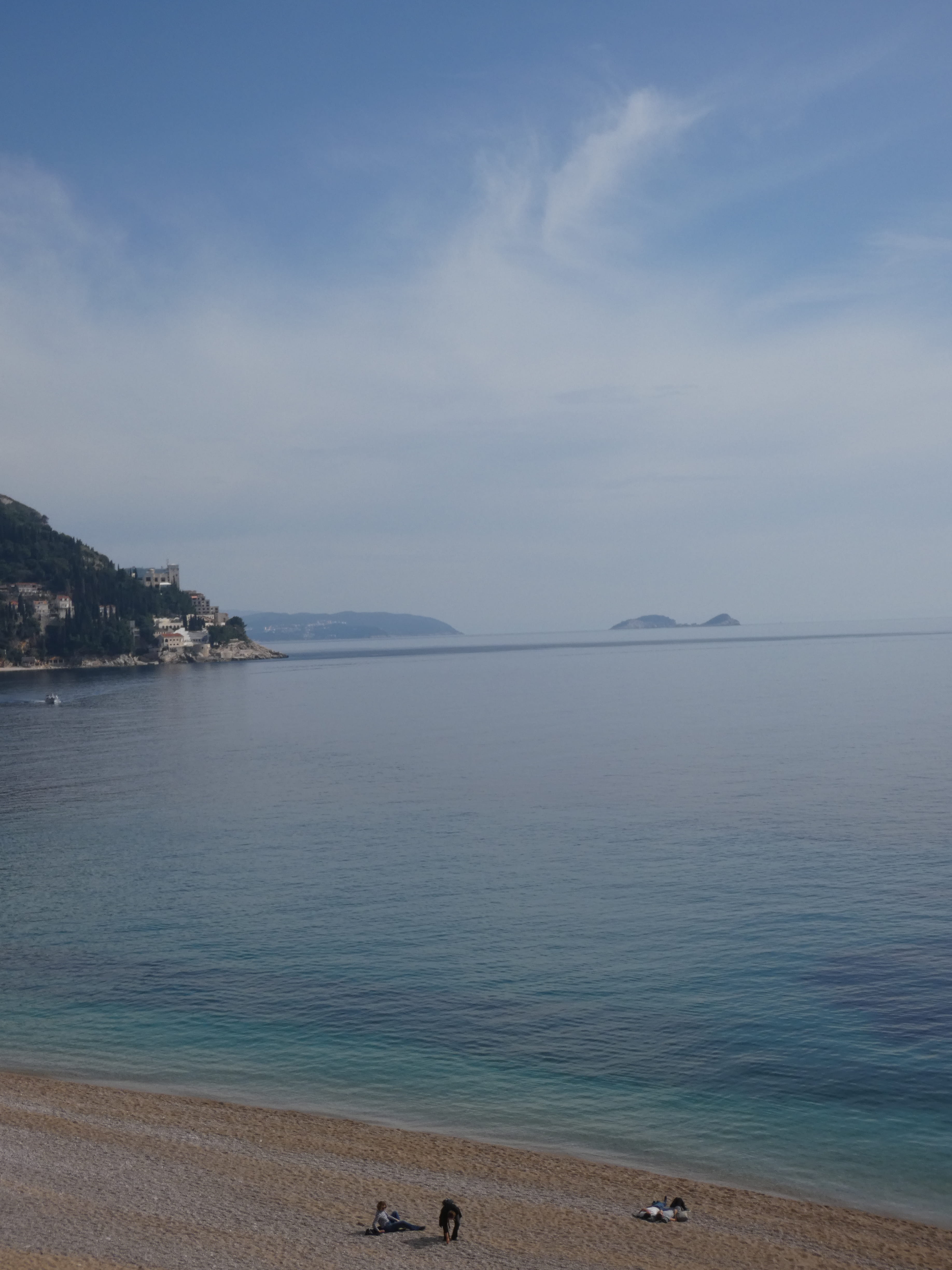
- Use those hours to go to Lokrum Island or nearby beaches.
- Return to the Old Town at sunset.
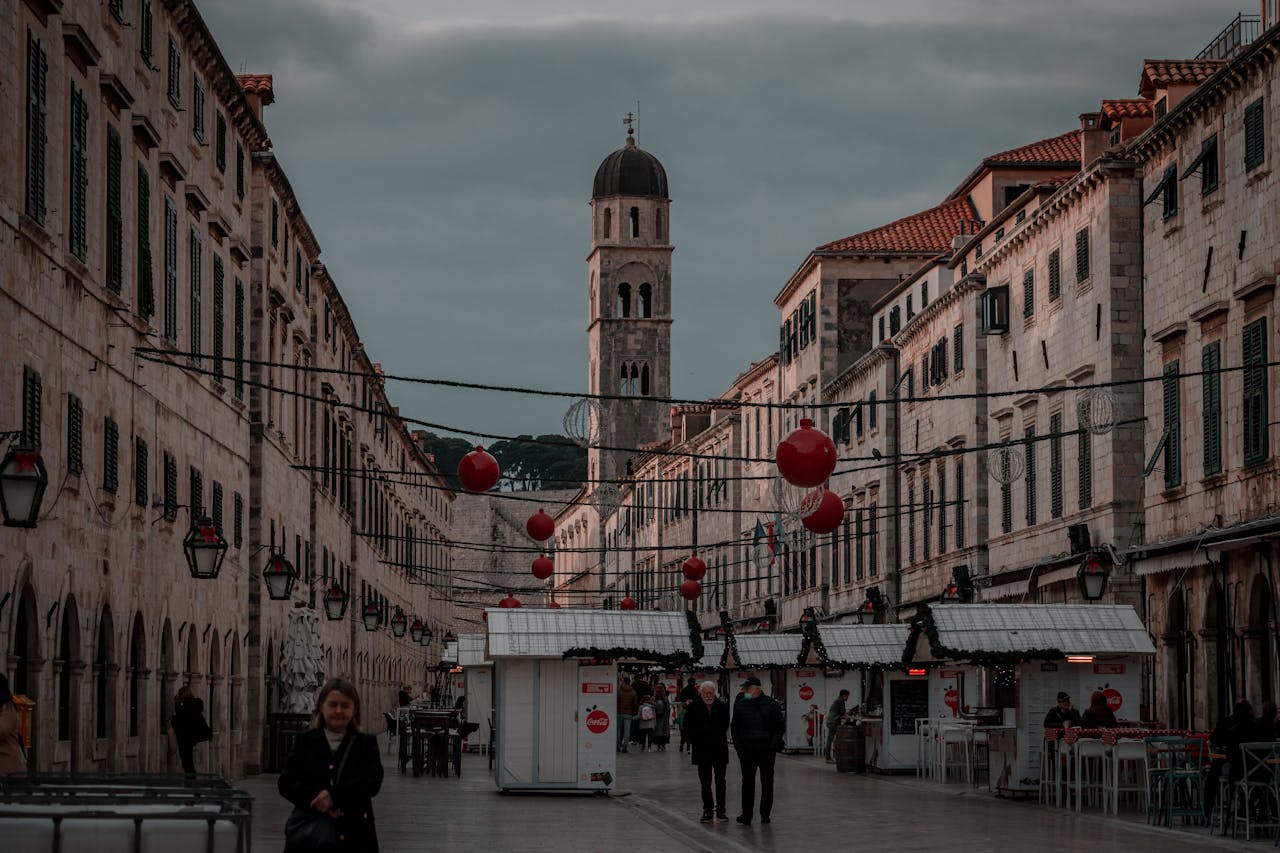
Game of Thrones: King’s Landing
- Jesuit Stairs: scene of the “Walk of Shame”.
- Fort Lovrijenac: the Red Keep.
- Minčeta Tower: House of the Undying.
The wall’s secret: Buža Bar
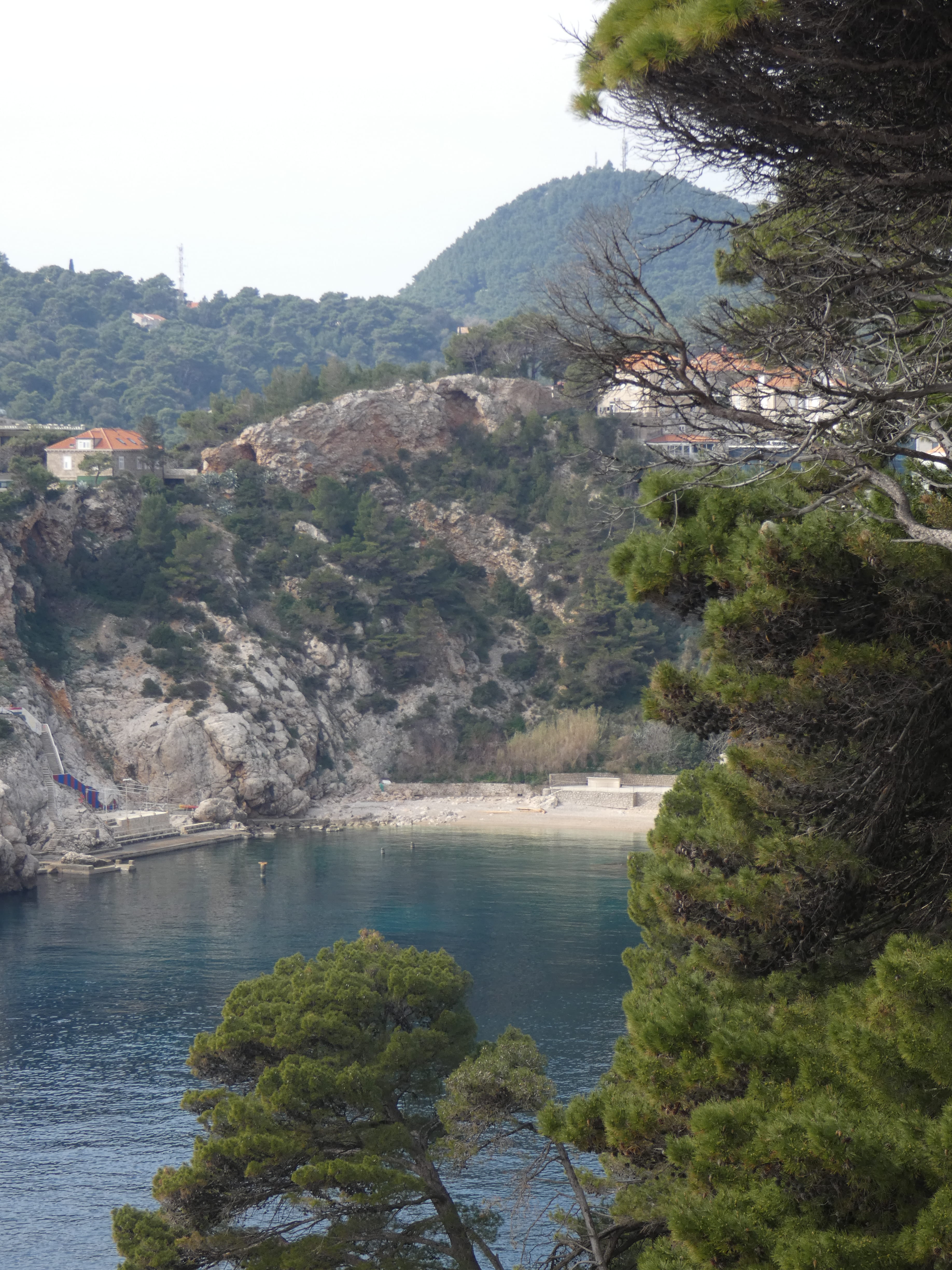
A bar hidden in the cliffs.
You go through a hole in the wall and end up on terraces above the sea. Perfect for sunset and jumping into the Adriatic.
What to eat in Dubrovnik
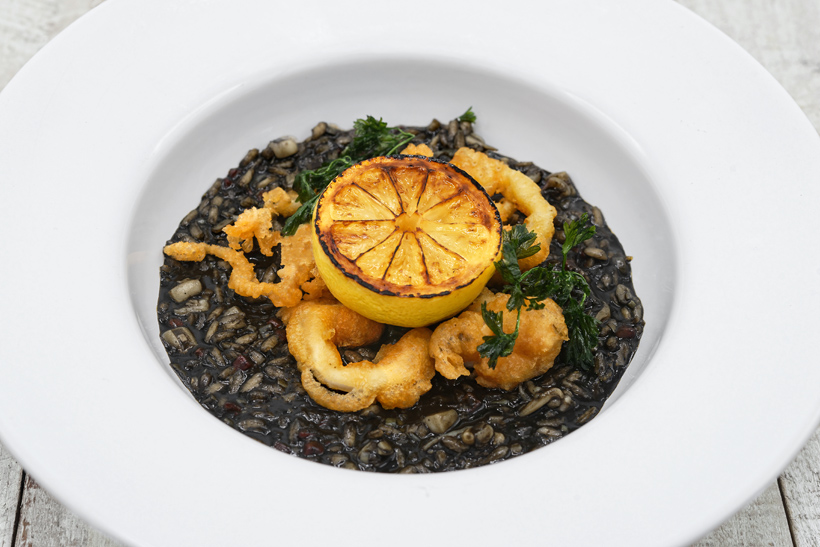
- Black risotto (Crni rižot)
- Rožata (local flan)
- Adriatic fish and seafood
- Croatian wines (Plavac Mali, Pošip)
Tips and characteristics
- Currency: Euro (€)
- Dubrovnik Pass recommended
- Comfortable shoes are a must
- Very safe city
Our experience traveling through Dubrovnik
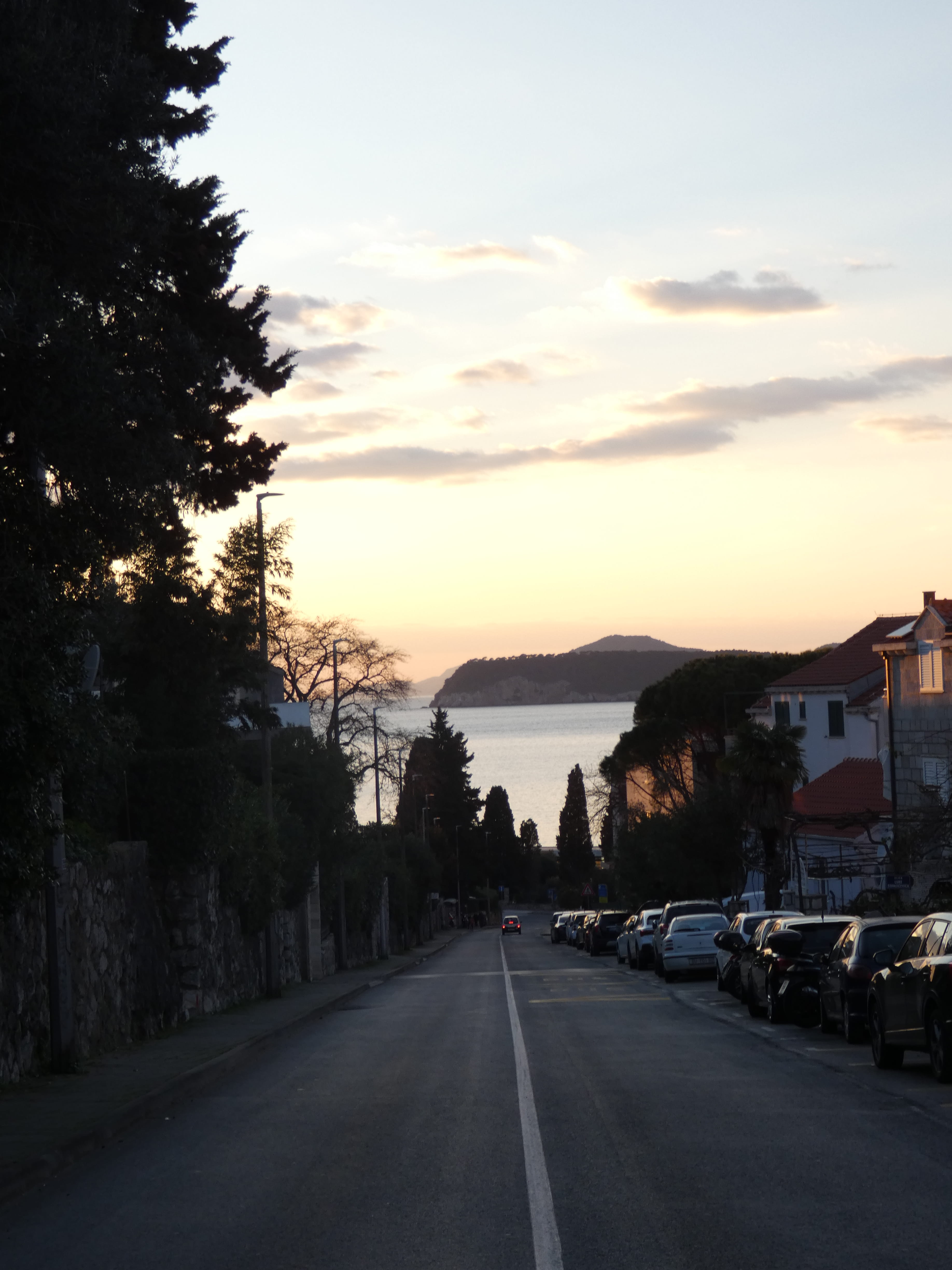
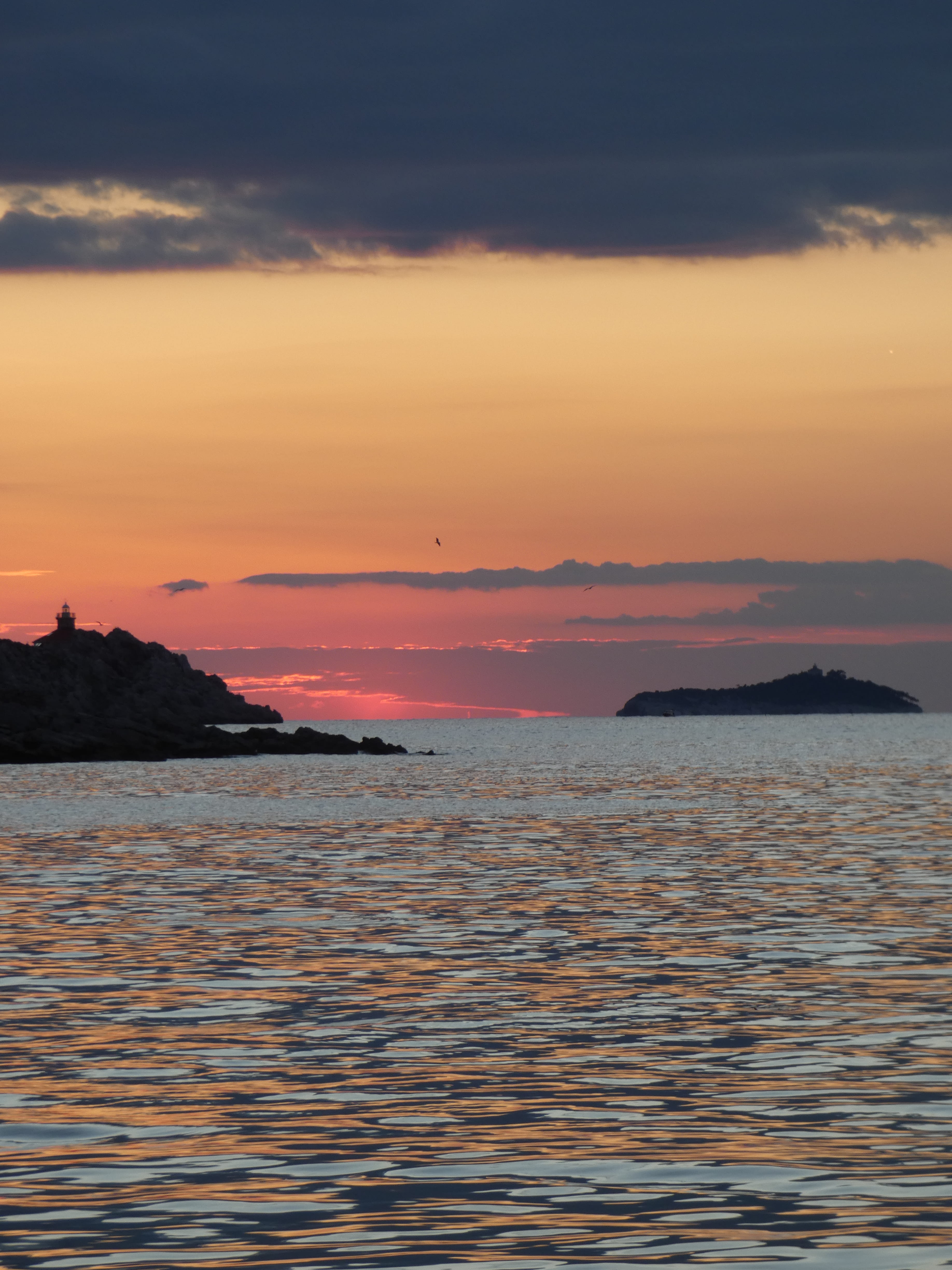
Dubrovnik is experienced with intensity. Its magic appears at sunset, when the stone glows and the city slows down.
Getting lost in its stairways and ending the day at Buža with the sea beneath you is one of the best ways to understand it.
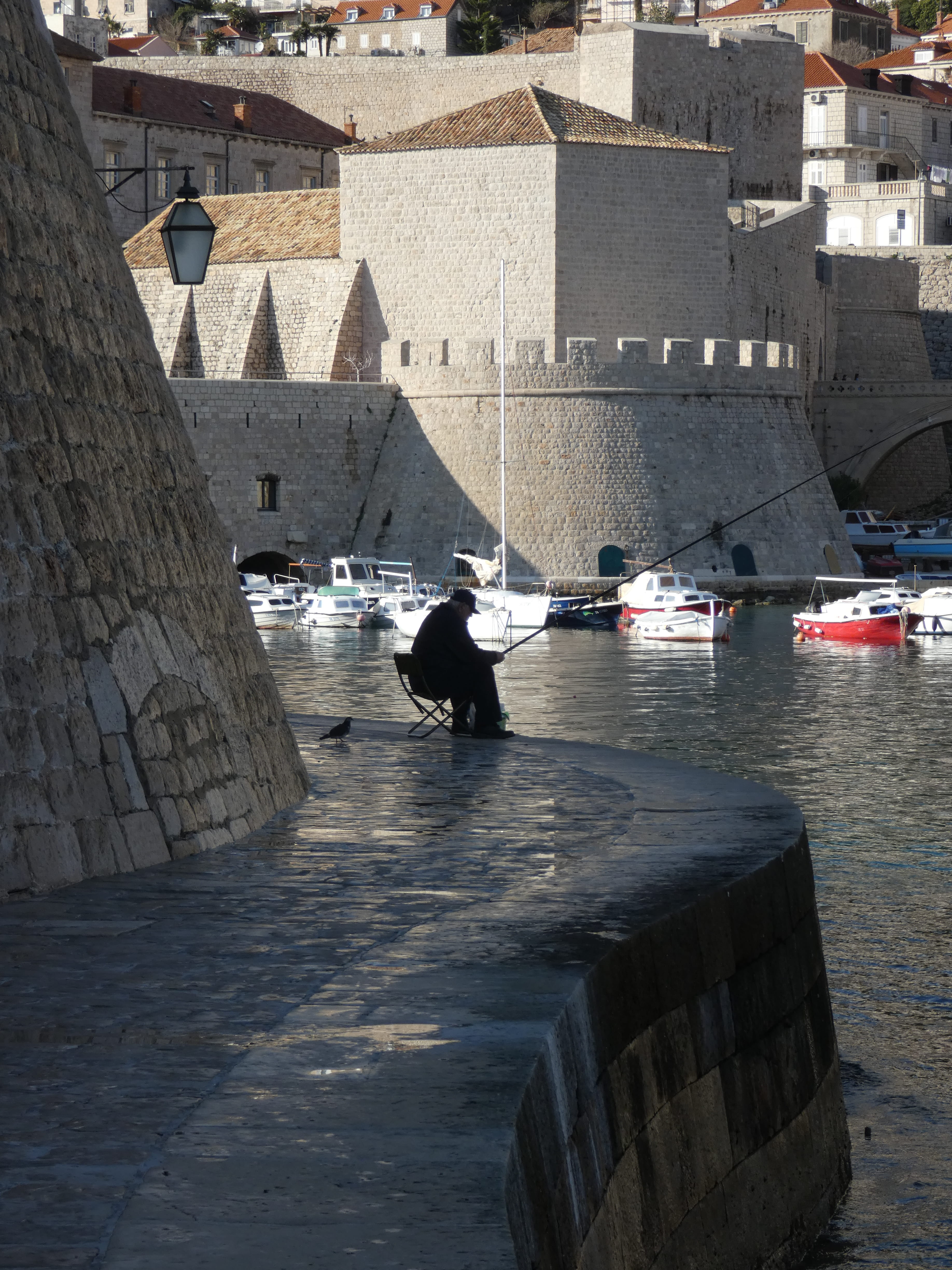
- Dubrovnik City Walls - The full walk is a must. Vital tip: it is walked in one direction (counterclockwise). Do it right when they open or one hour before closing to see the sunset over the red rooftops.
- Old Town - A network of stone streets. Passing through Pile Gate and walking down Stradun is like stepping into another era.
- Fort Lovrijenac - Located outside the walls, it offers one of the best panoramic views. If you buy a ticket for the walls, entry to this fortress is usually included.
- Lokrum Island - Just 10 minutes by boat. Pure nature, peacocks, and a small salt lake known as the Dead Sea.
PUBLICIDAD
Travel with Data: Get your Saily eSIM
- ✓Internet in seconds upon landing
- ✓Flexible plans in 180+ countries
- ✓Easy setup directly via the App
Understanding the city’s geography is key: the historic center is pedestrian-only, but most accommodations are in areas like Lapad or Babin Kuk.
- On foot in the Old Town: No vehicles circulate inside the walls. Be prepared to climb and descend hundreds of stone steps.
- Local buses (Libertas): They work incredibly well. Almost all lines (1, 1A, 1B, and 6) end at Pile Gate.
- Airport transfer: Direct shuttle bus that takes you to Pile or Gruž.
- Uber and taxis: Work well and are cheaper than local taxis.
- Ferries: Depart from the Old Port to Lokrum and Cavtat.
- Check the cruise ship schedule before arriving.
- Avoid the city center between 10:00 and 16:00 if there are many ships.
- Use those hours to go to Lokrum Island or nearby beaches.
- Return to the Old Town at sunset.
- Jesuit Stairs: scene of the “Walk of Shame”.
- Fort Lovrijenac: the Red Keep.
- Minčeta Tower: House of the Undying.
A bar hidden in the cliffs.
You go through a hole in the wall and end up on terraces above the sea. Perfect for sunset and jumping into the Adriatic.
- Black risotto (Crni rižot)
- Rožata (local flan)
- Adriatic fish and seafood
- Croatian wines (Plavac Mali, Pošip)
- Currency: Euro (€)
- Dubrovnik Pass recommended
- Comfortable shoes are a must
- Very safe city
PUBLICIDAD
Dubrovnik is experienced with intensity. Its magic appears at sunset, when the stone glows and the city slows down.
Getting lost in its stairways and ending the day at Buža with the sea beneath you is one of the best ways to understand it.
Galery
PUBLICIDAD
International Travel Insurance
- ✓International medical insurance
- ✓24/7 immediate assistance in your language
- ✓Ideal for trekking & adventure
Posts in Croacia
Preferences
Language
Color
Text
Width


