Table of contents and map
Argentina 2026: 15 destinos imperdibles, rutas y consejos de ahorro
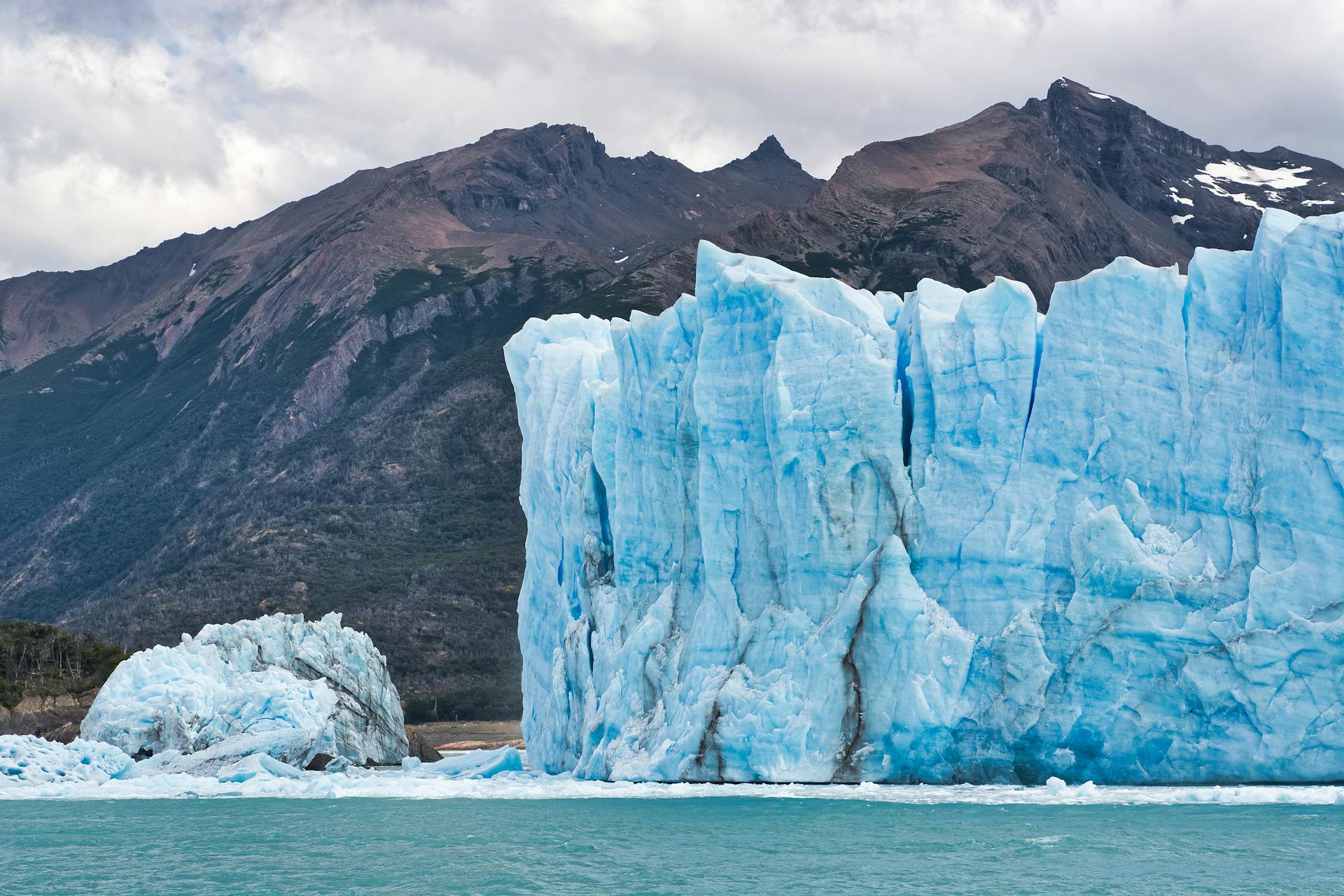
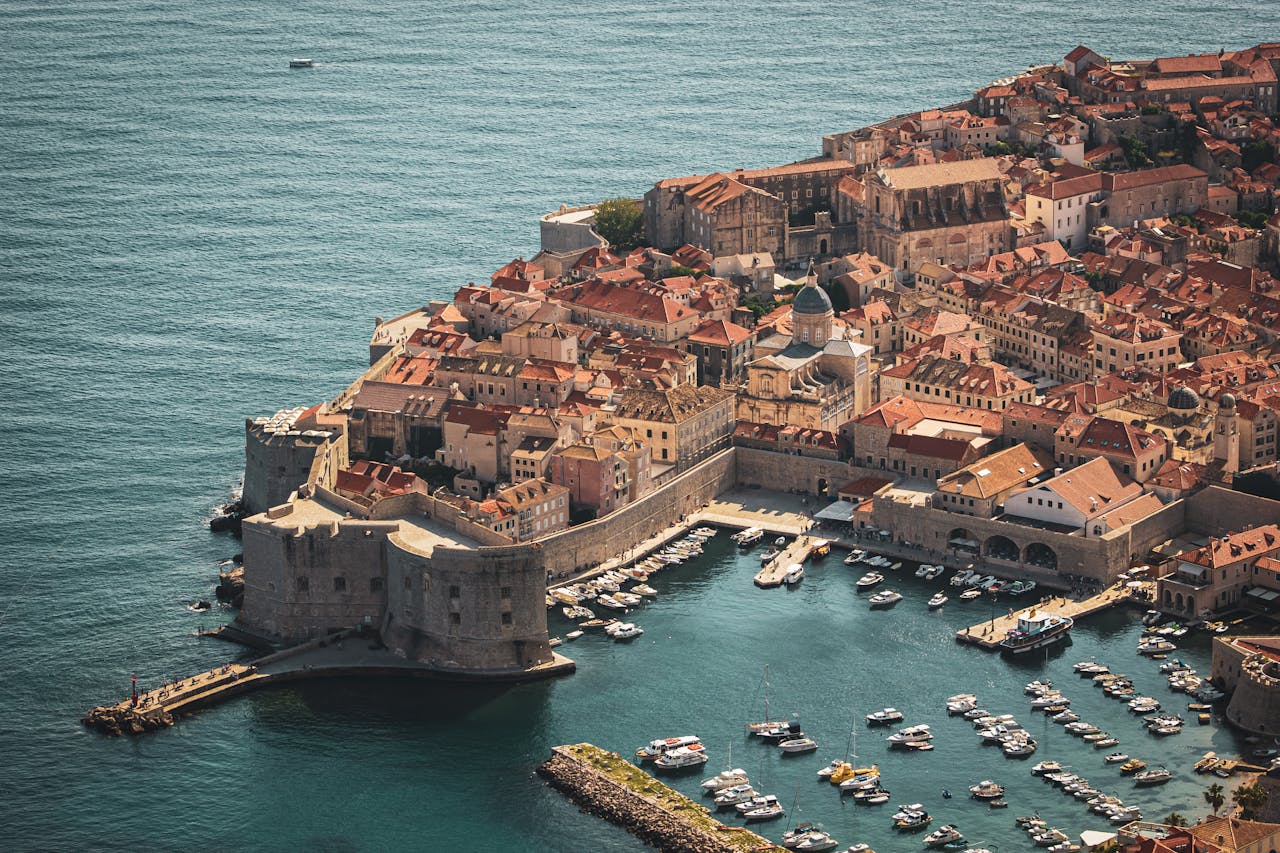
Argentina es un país de contrastes geográficos brutales. Desde montañas imponentes, bosques, grandes espejos de agua y glaciares en el sur, hasta selvas, desiertos, llanuras infinitas o playas sobre el Atlántico. Viajar por Argentina es atravesar climas, culturas y ritmos muy distintos en un mismo territorio.
Argentina 2026: 15 destinos imperdibles, rutas y consejos de ahorro
Argentina es un país de contrastes geográficos brutales. Desde montañas imponentes, bosques, grandes espejos de agua y glaciares en el sur, hasta selvas, desiertos, llanuras infinitas o playas sobre el Atlántico. Viajar por Argentina es atravesar climas, culturas y ritmos muy distintos en un mismo territorio.
Es un país realmente bello. Su identidad se vive tanto en sus paisajes como en su gente: la pasión por el fútbol, el mate, la música, el asado y una forma muy particular de relacionarse hacen que cada lugar tenga algo cercano y auténtico.
Claves para tu viaje en 2026
- Dinero: El uso de efectivo ha bajado; las tarjetas extranjeras aplican el Dólar MEP automáticamente, siendo la opción más rentable.
- Pagos: Configurar Mercado Pago es casi indispensable para ferias y comercios pequeños en todo el país.
- Presupuesto: Argentina es competitiva en 2026, pero requiere planificación. Calculá un gasto medio para disfrutar de la gastronomía y excursiones sin restricciones.
15 Destinos imperdibles para viajar por Argentina
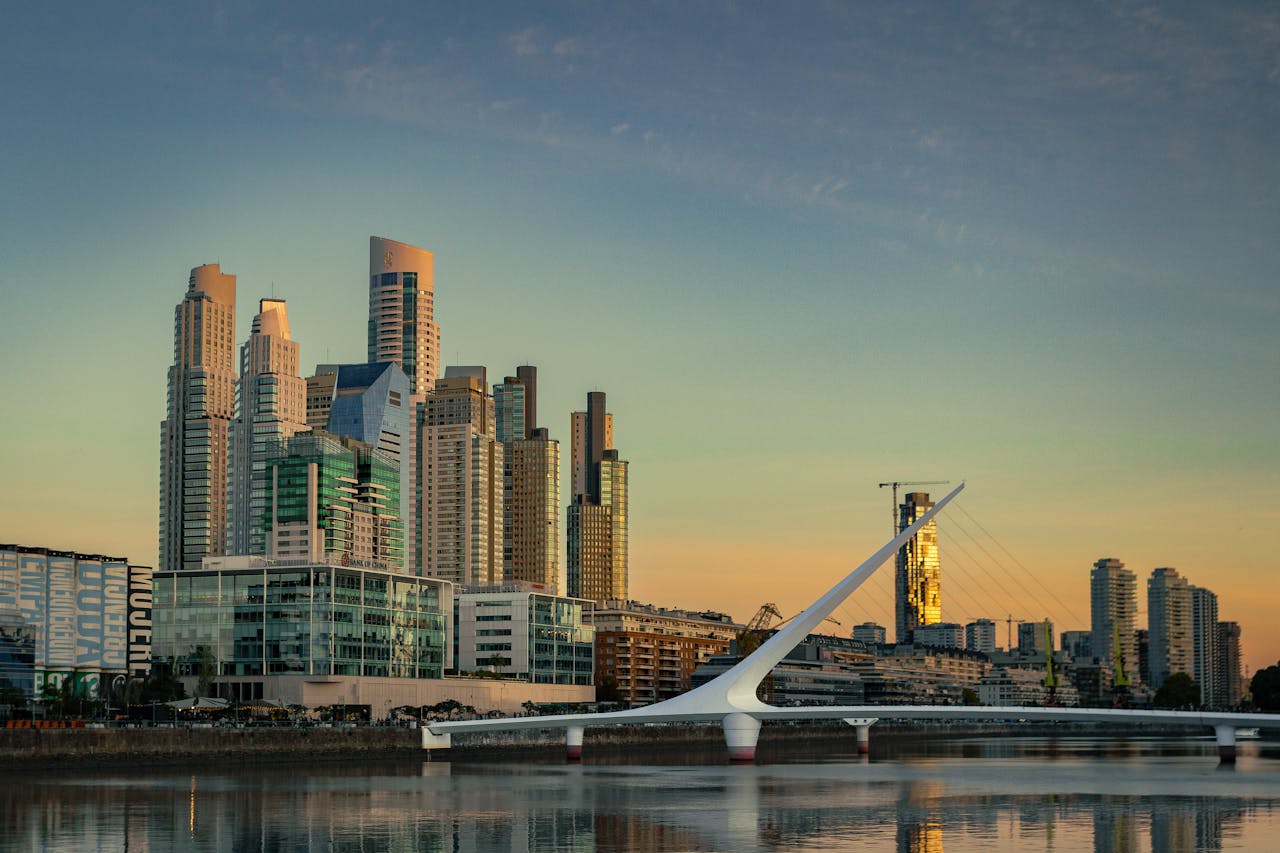
1- Buenos Aires – Cultura, gastronomía, tango y vida urbana.
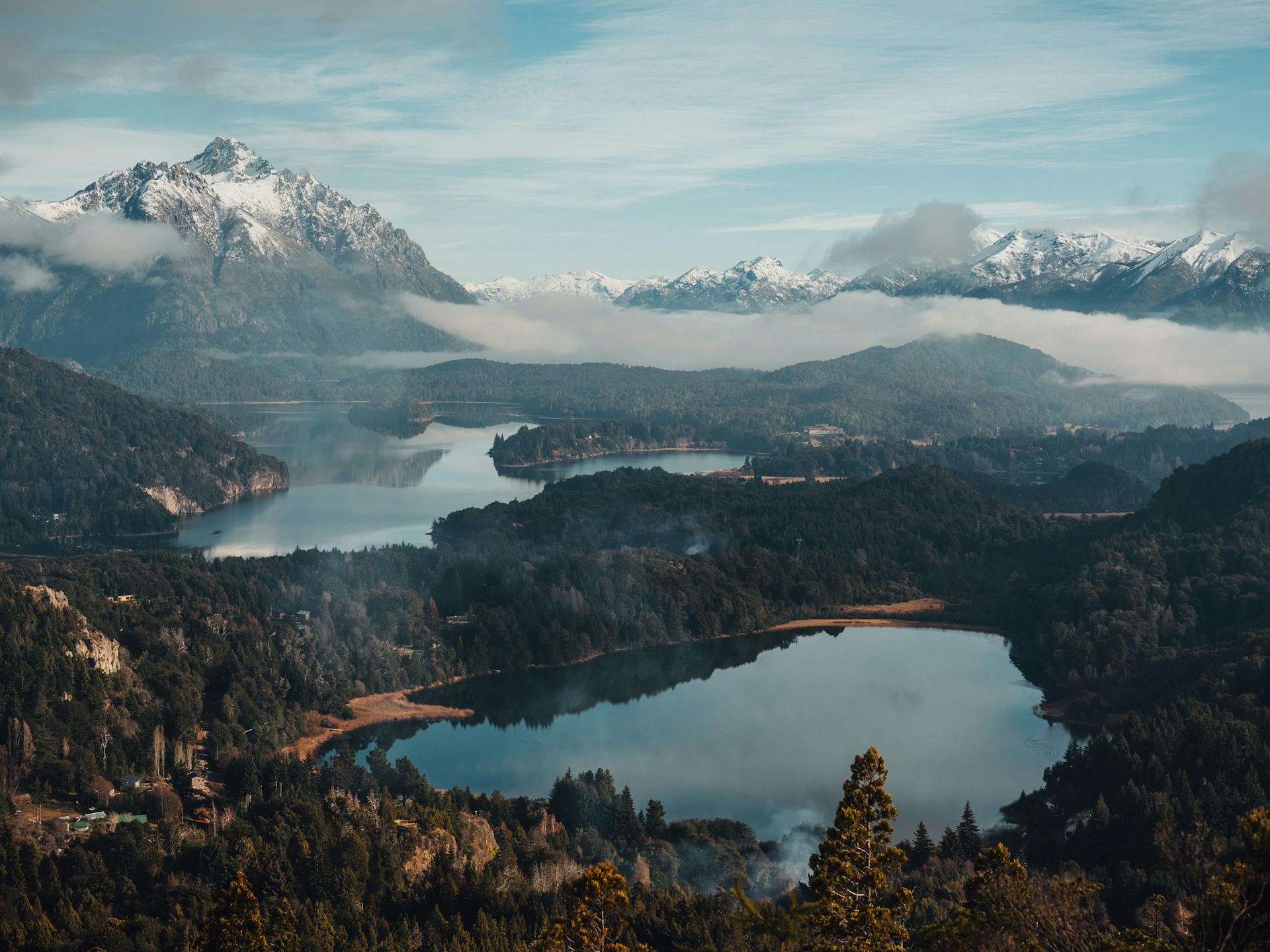
2- Bariloche – Lagos, montañas y base ideal para explorar la Patagonia norte.
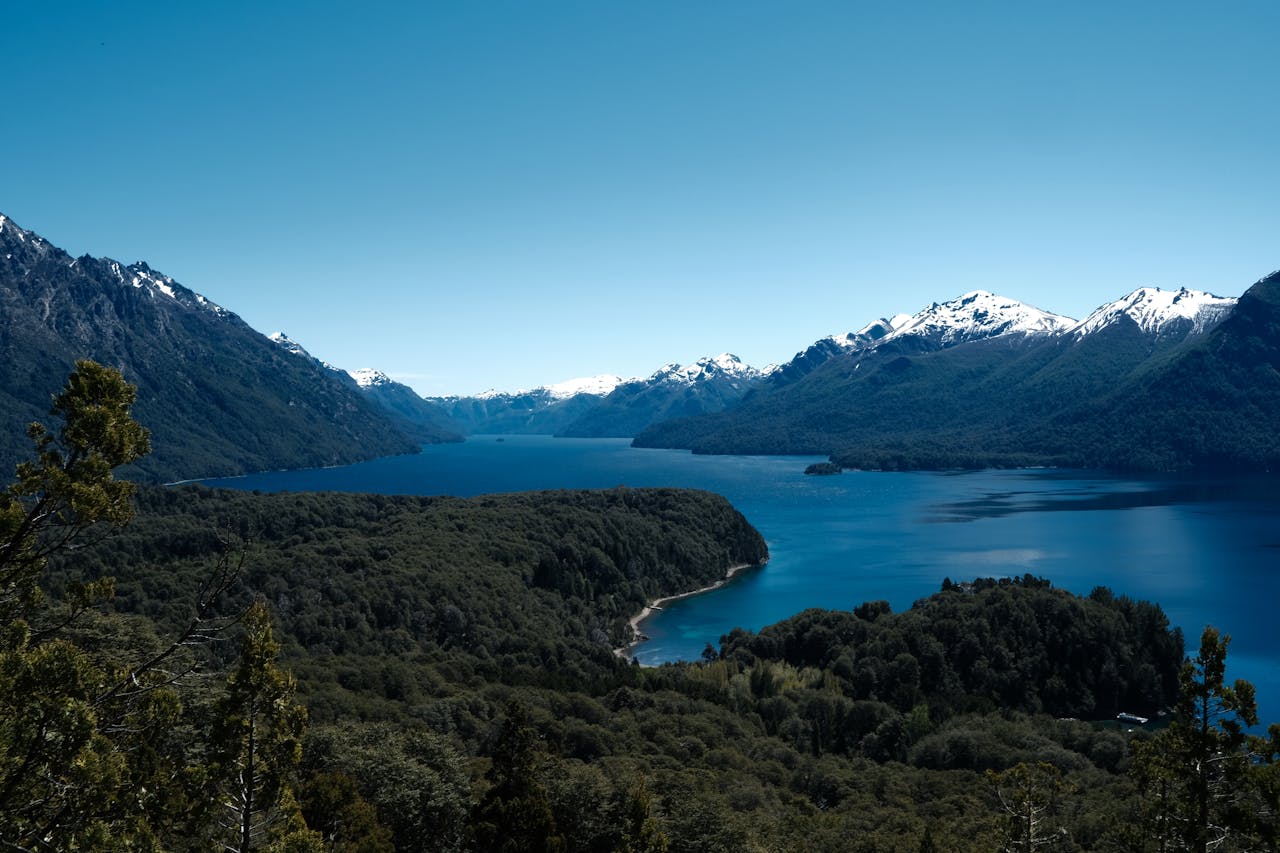
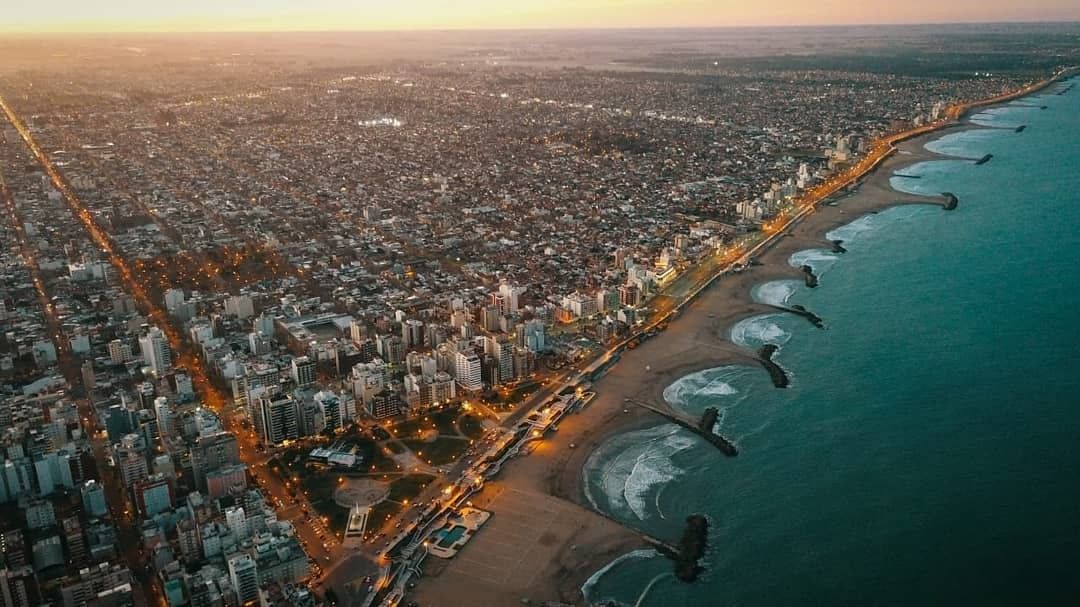
3- Mar del Plata – Ciudad balnearia más importante de Argentina y uno de los destinos turísticos más clásicos del país.
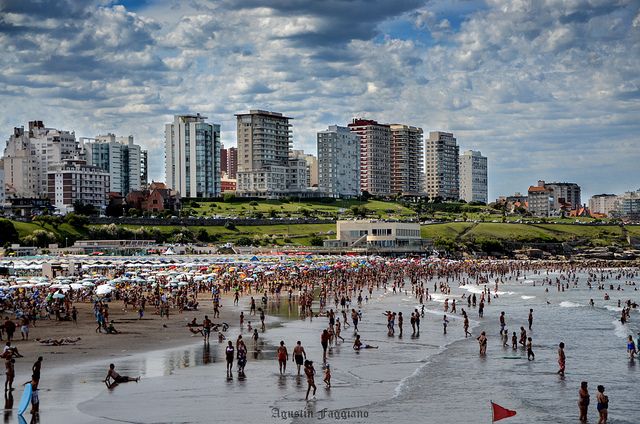
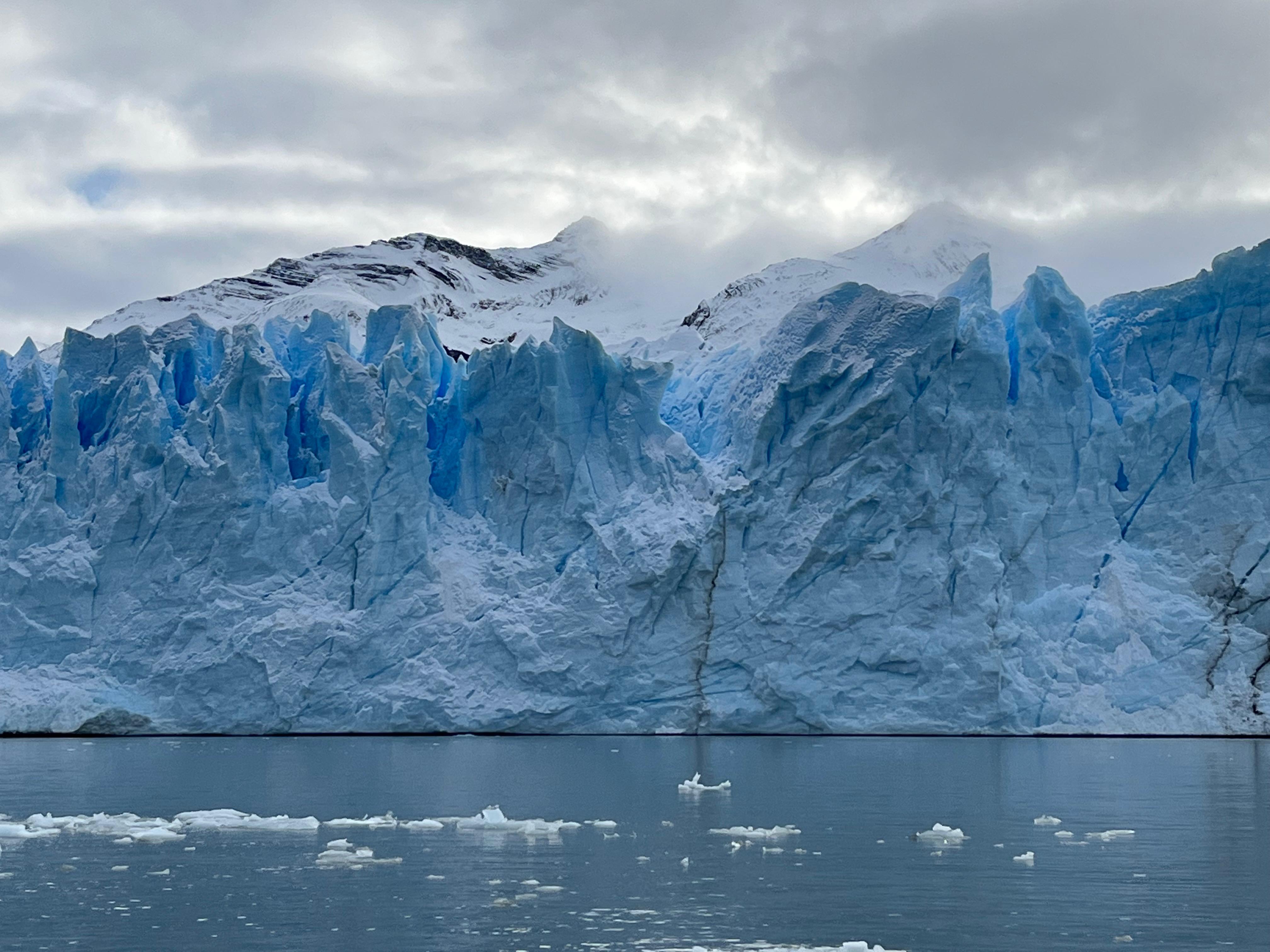
4- El Calafate – Glaciares, lagos y la puerta de entrada al Perito Moreno.
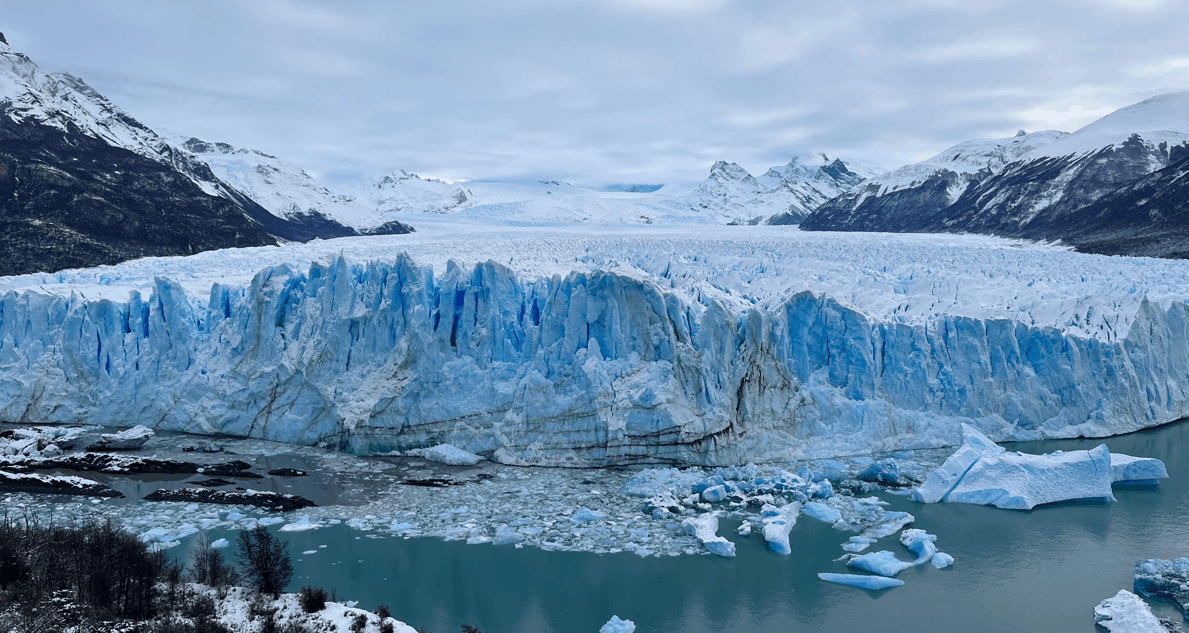
5- El Chaltén – Trekking, montañas y naturaleza pura.
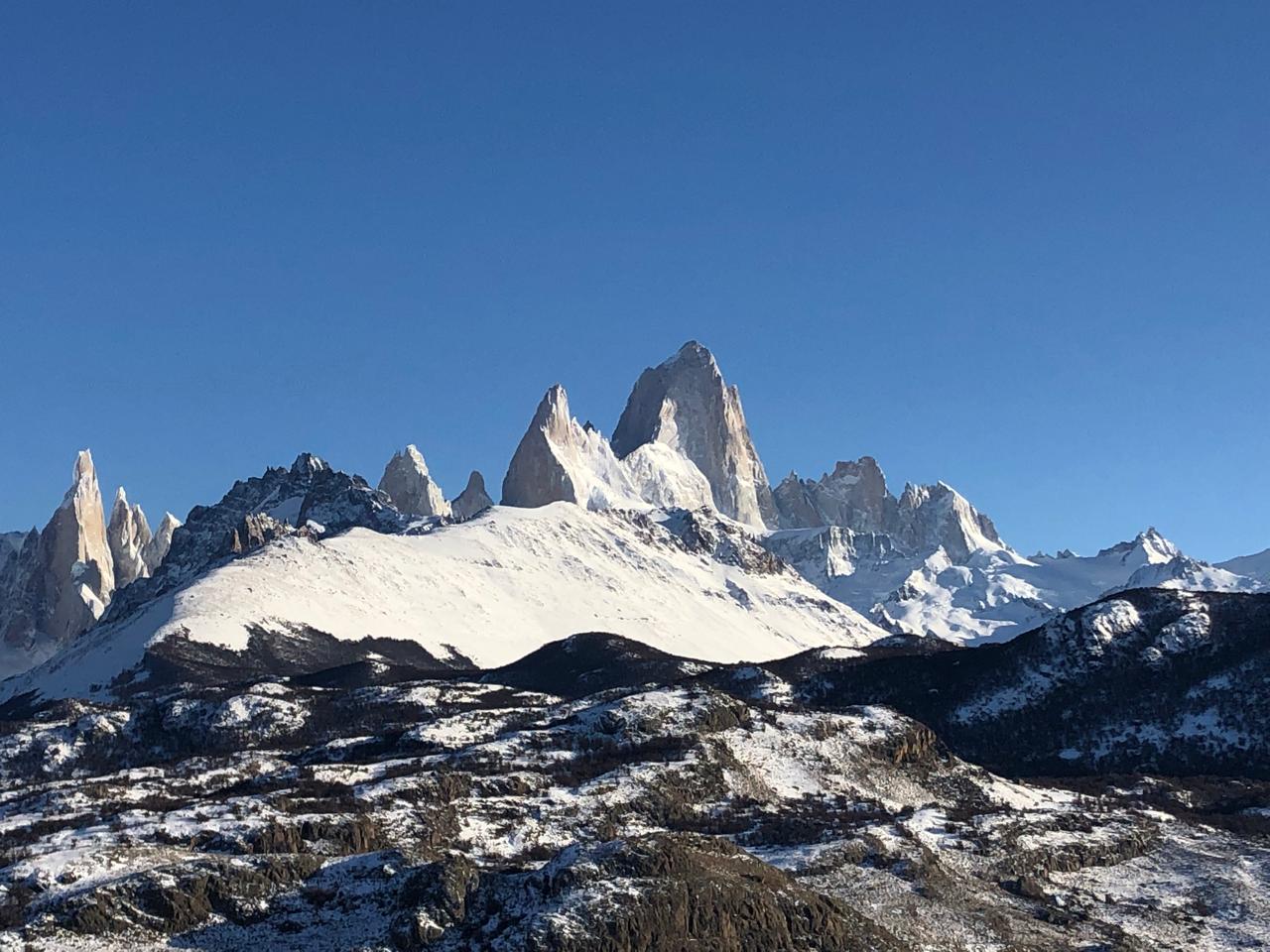
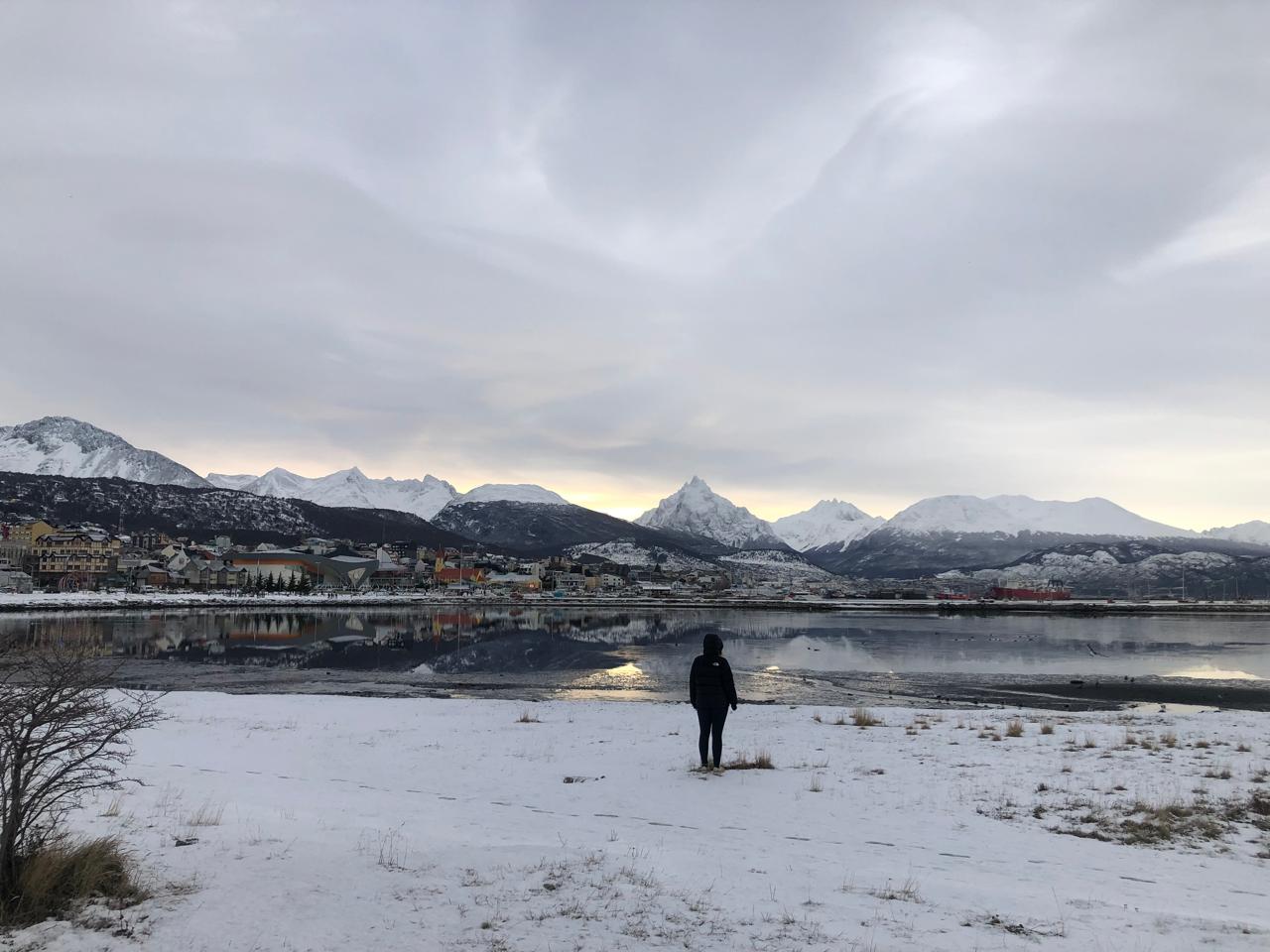
6- Ushuaia – La ciudad más austral del mundo y acceso a Tierra del Fuego.
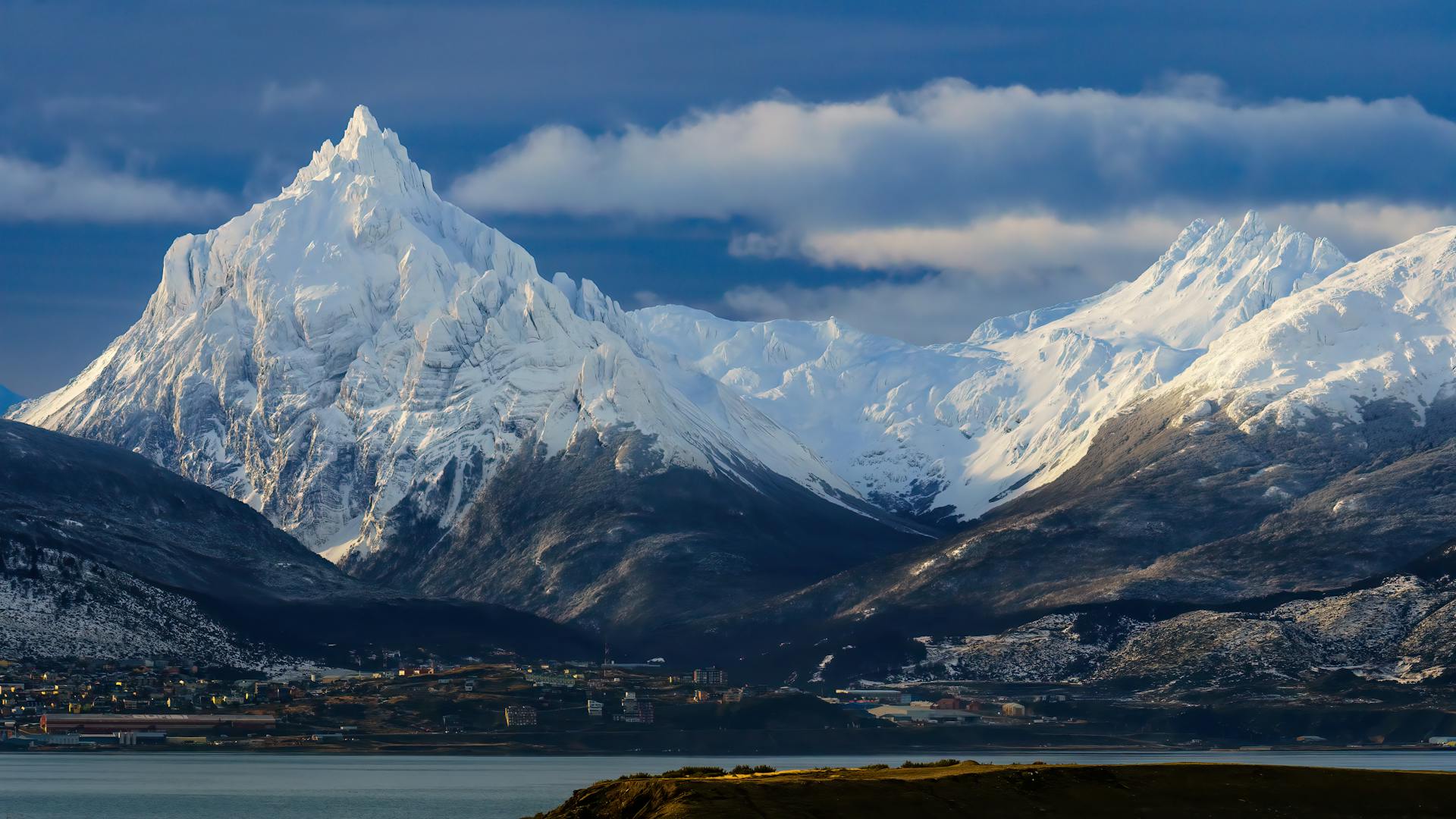
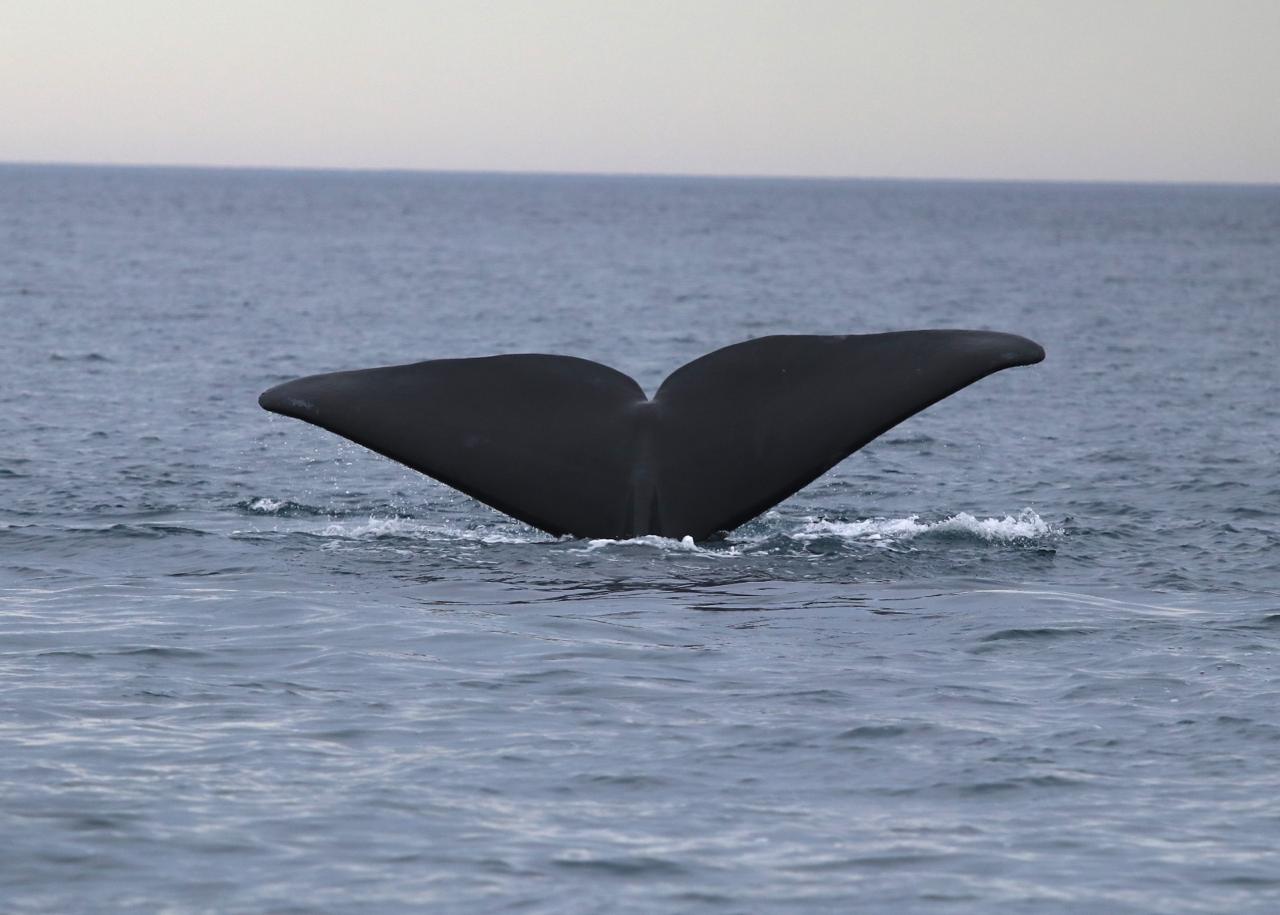
7- Puerto Madryn – Fauna marina y naturaleza patagónica.
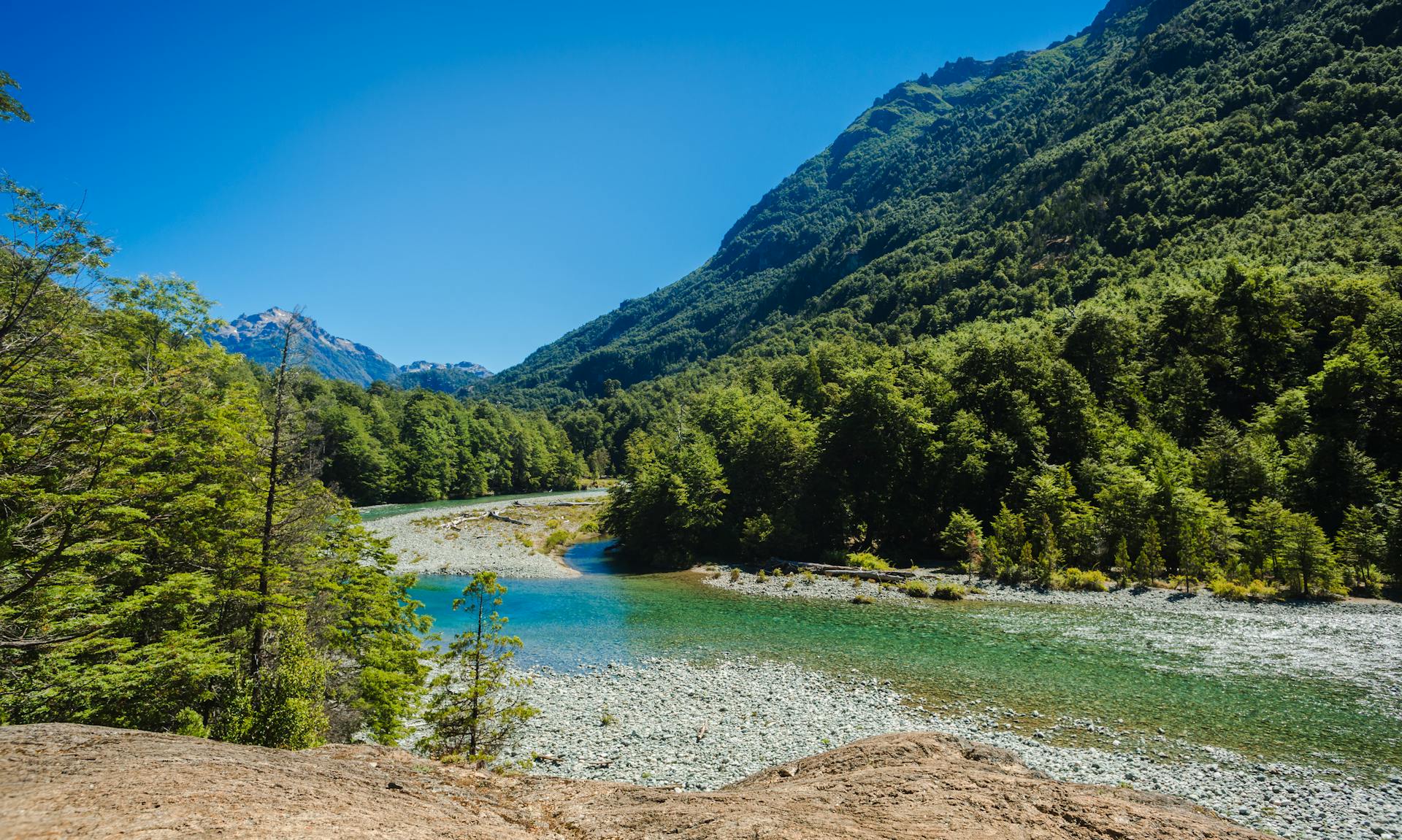
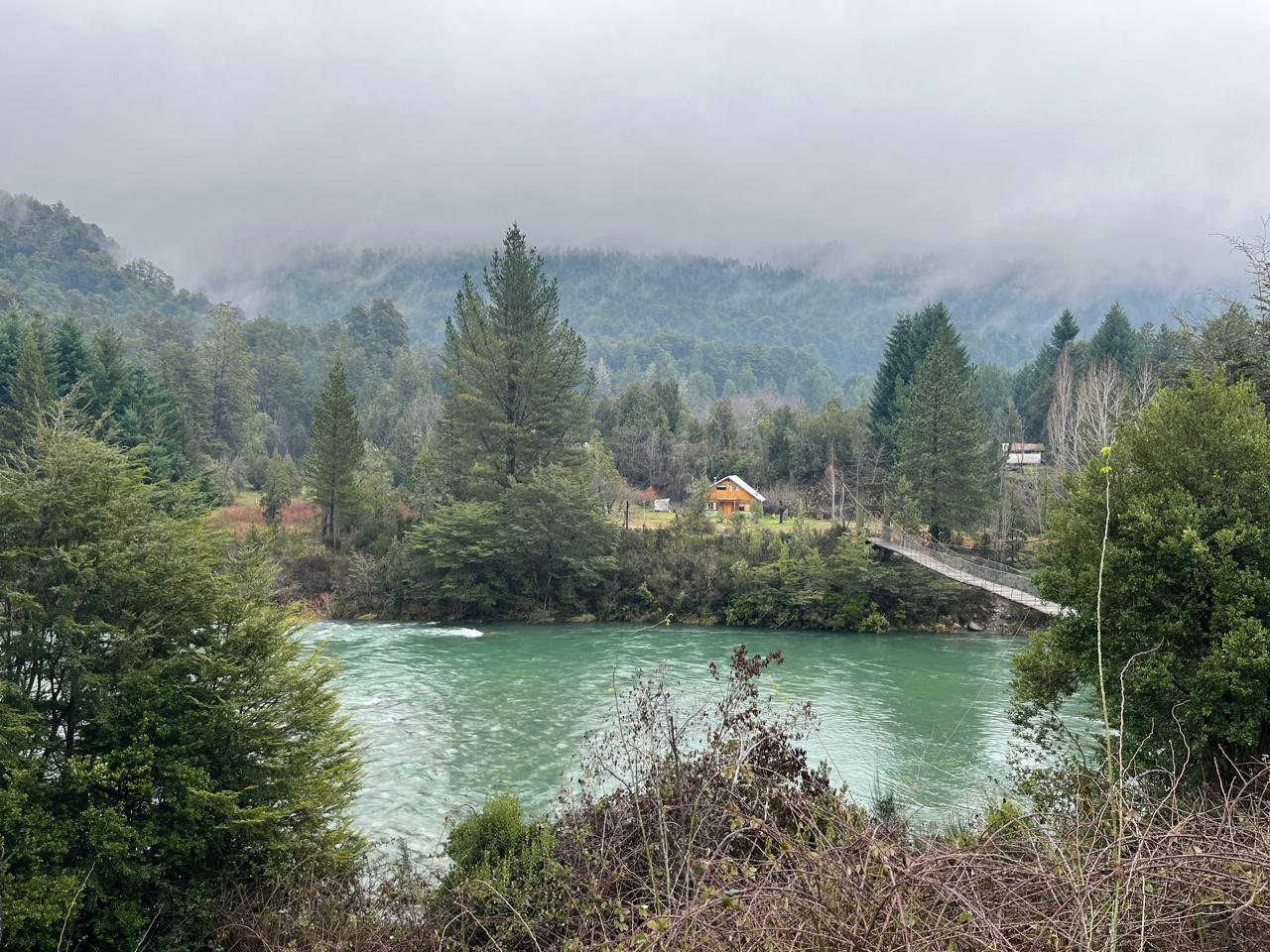
8- El Bolsón – valle rodeado de montañas, bosques y ríos de deshielo. Con un perfil mucho más tranquilo y alternativo.
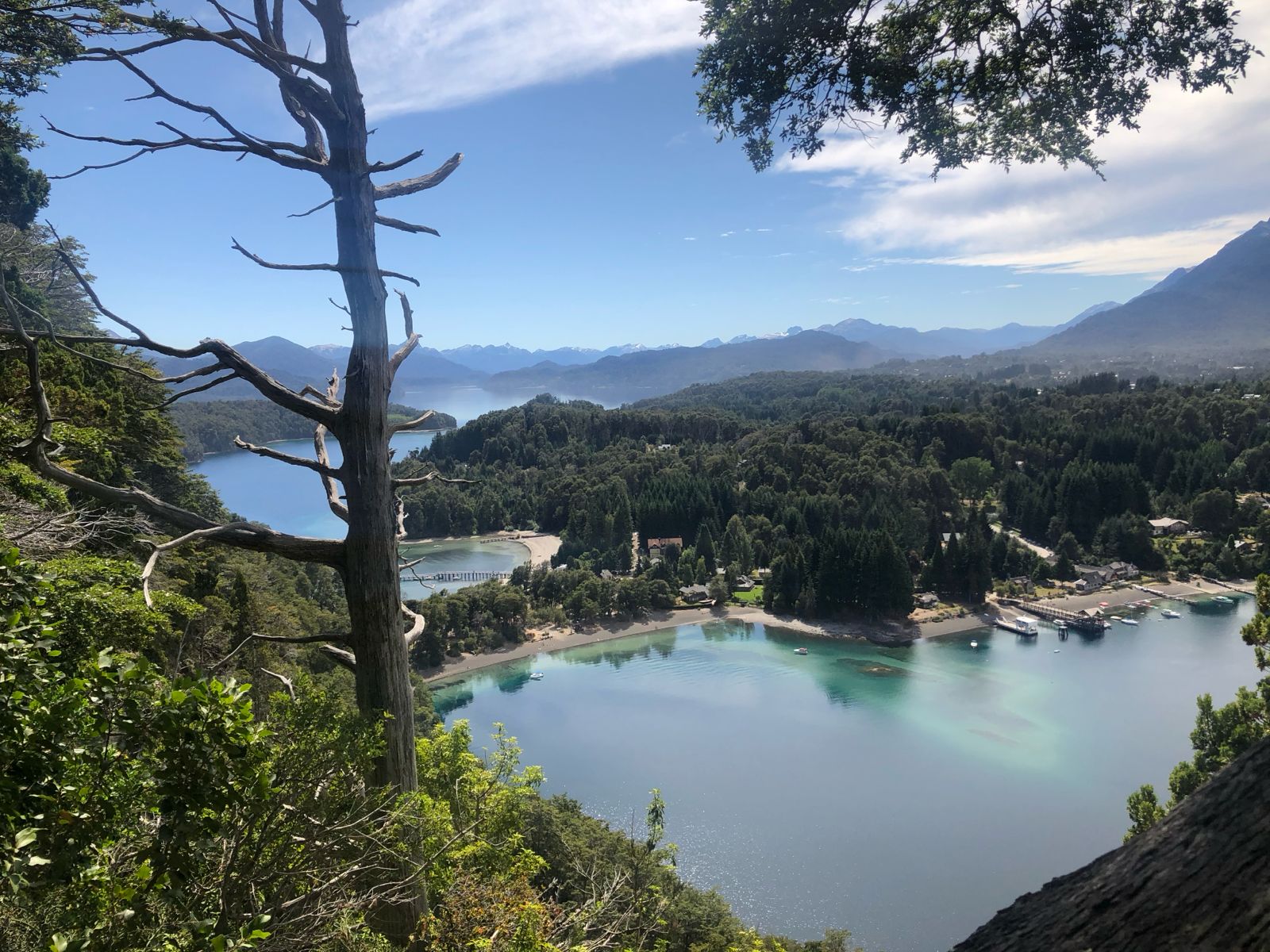
9- Villa La Angostura – Aldea de montaña boutique, famosa por su arquitectura alpina, playas turquesas y el Bosque de Arrayanes.
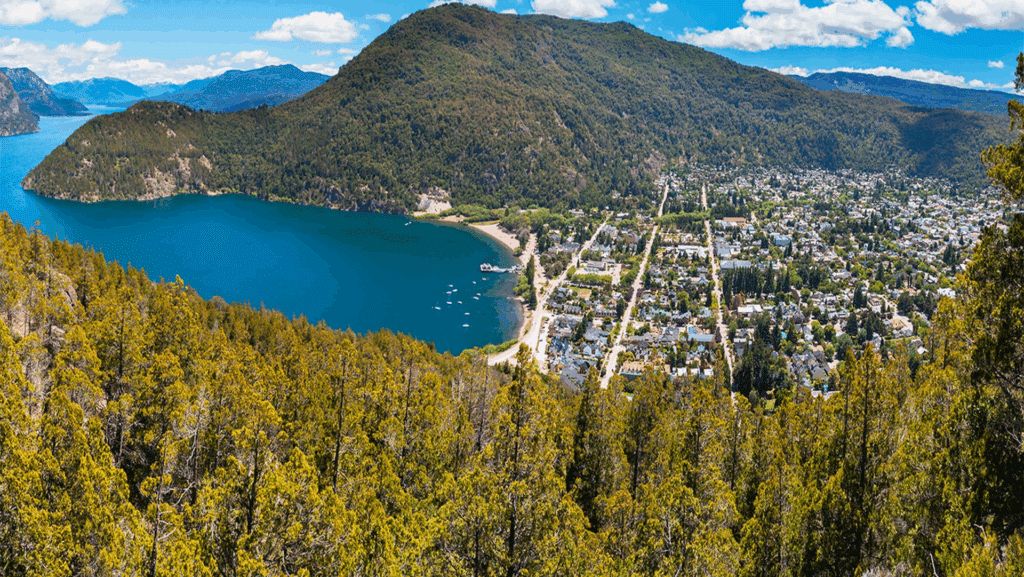
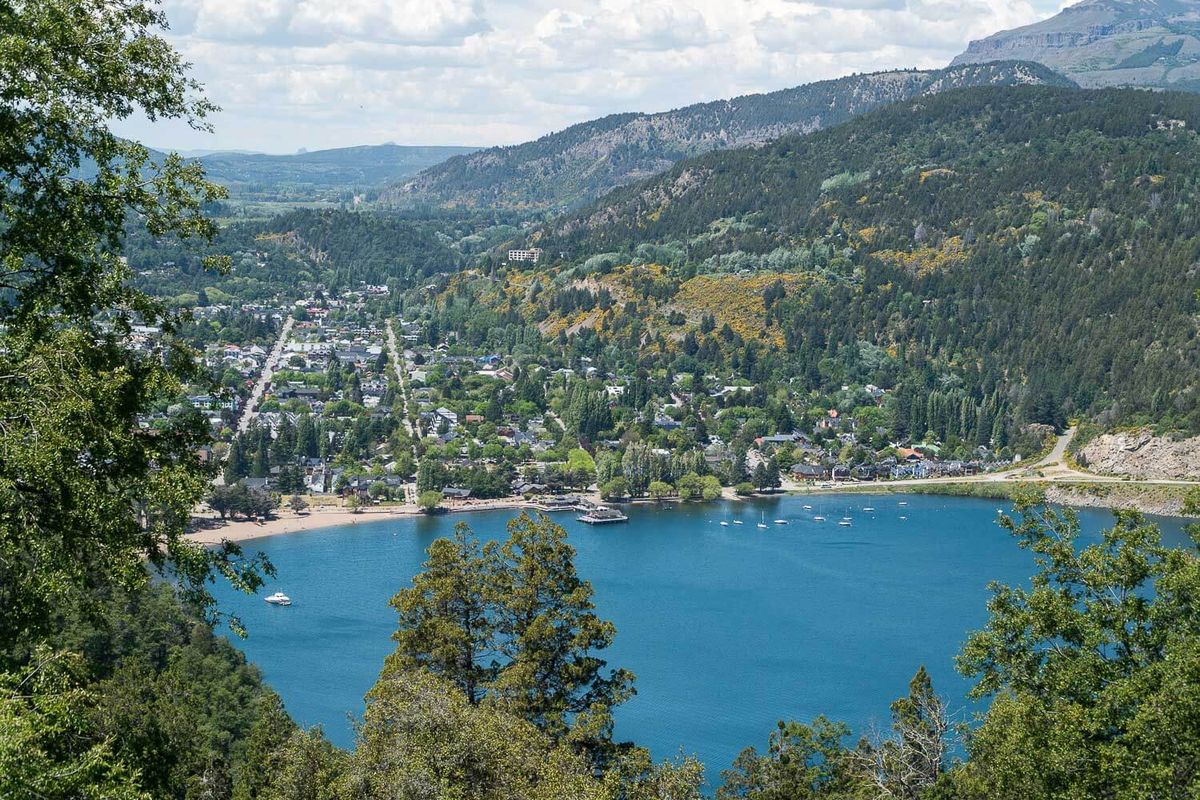
10- San Martín de los Andes – Aldea de montaña a orillas del Lago Lácar, famosa por su arquitectura de piedra y madera, playas paradisíacas y el Cerro Chapelco.
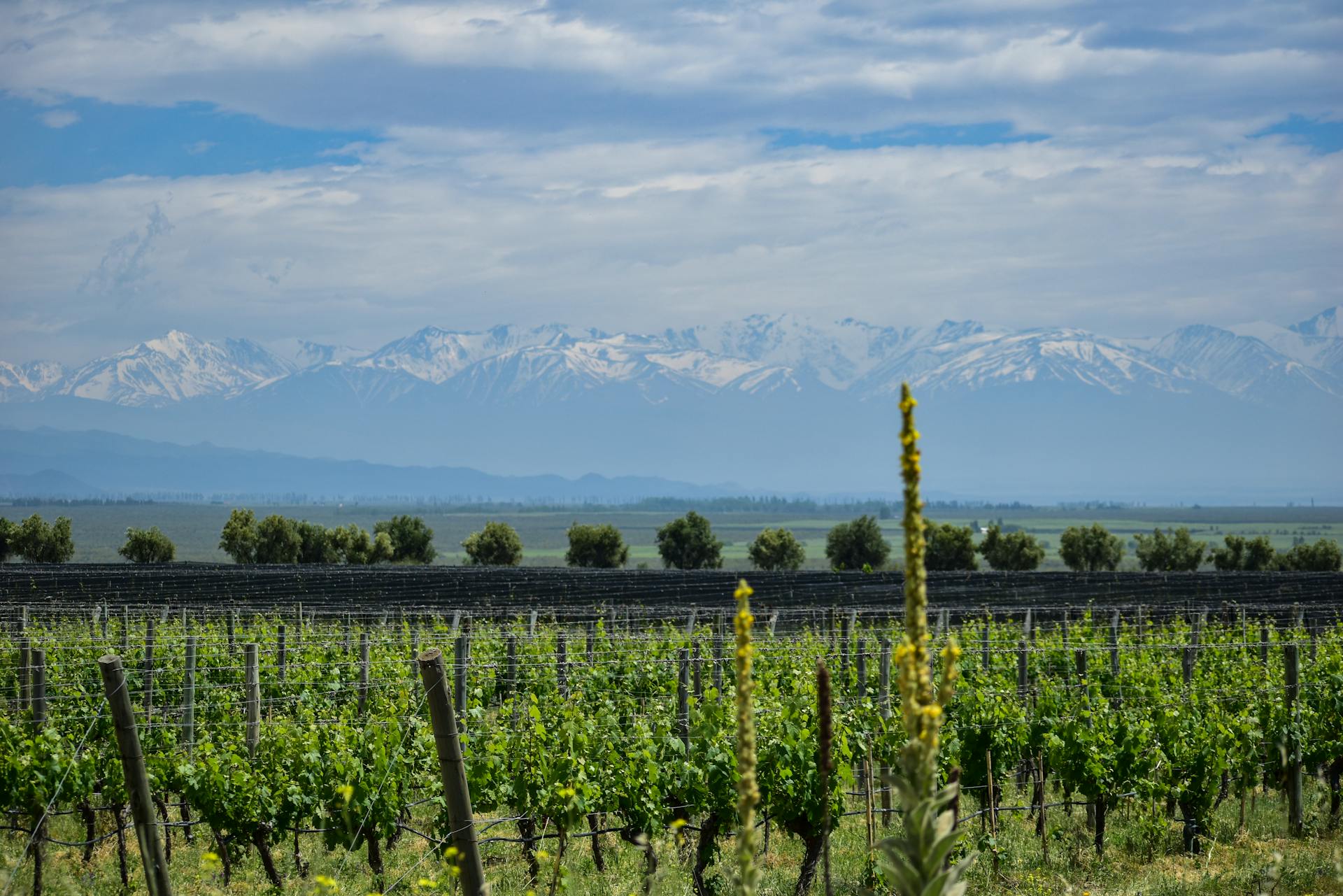
11- Mendoza – Vinos, bodegas y la Cordillera de los Andes.
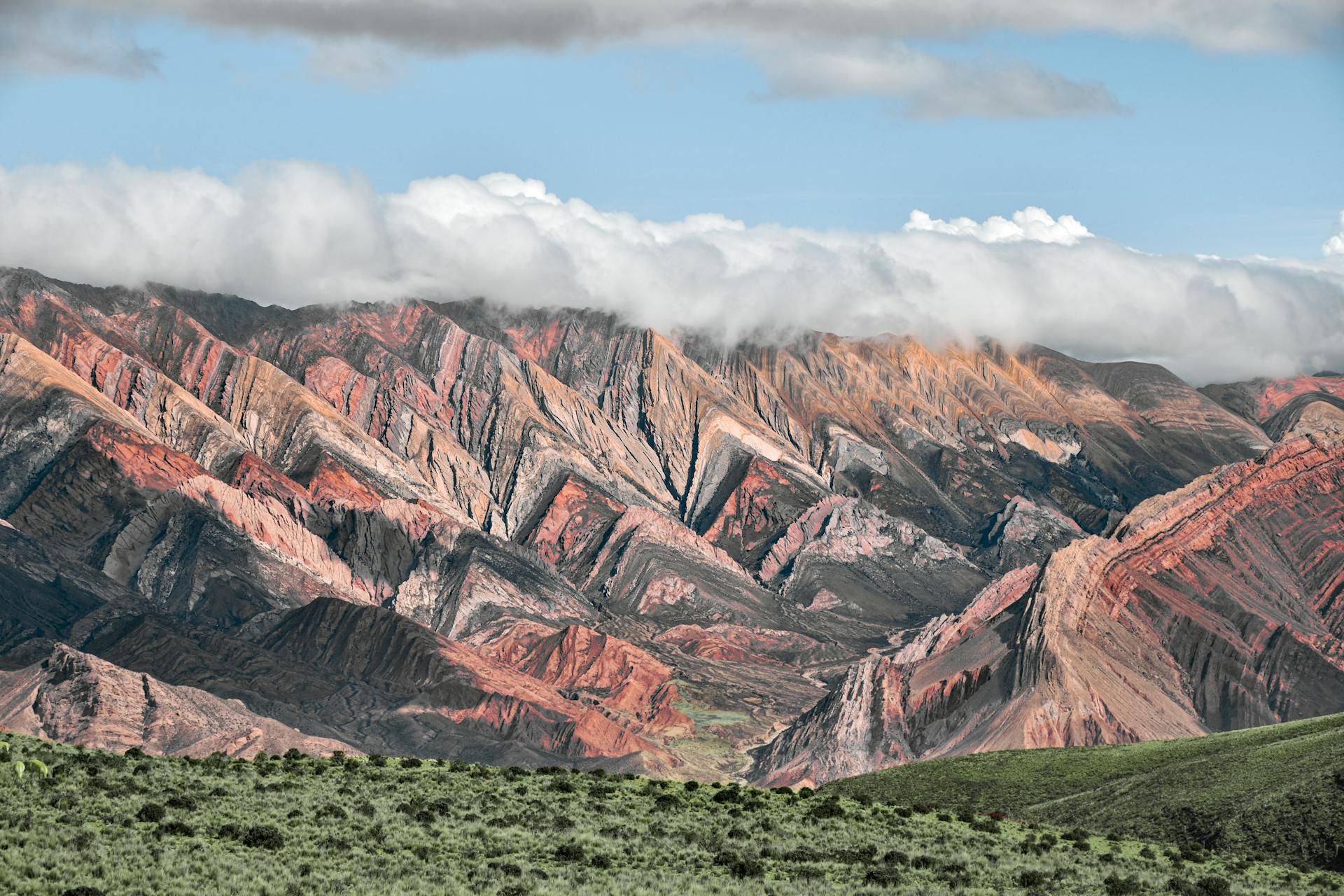
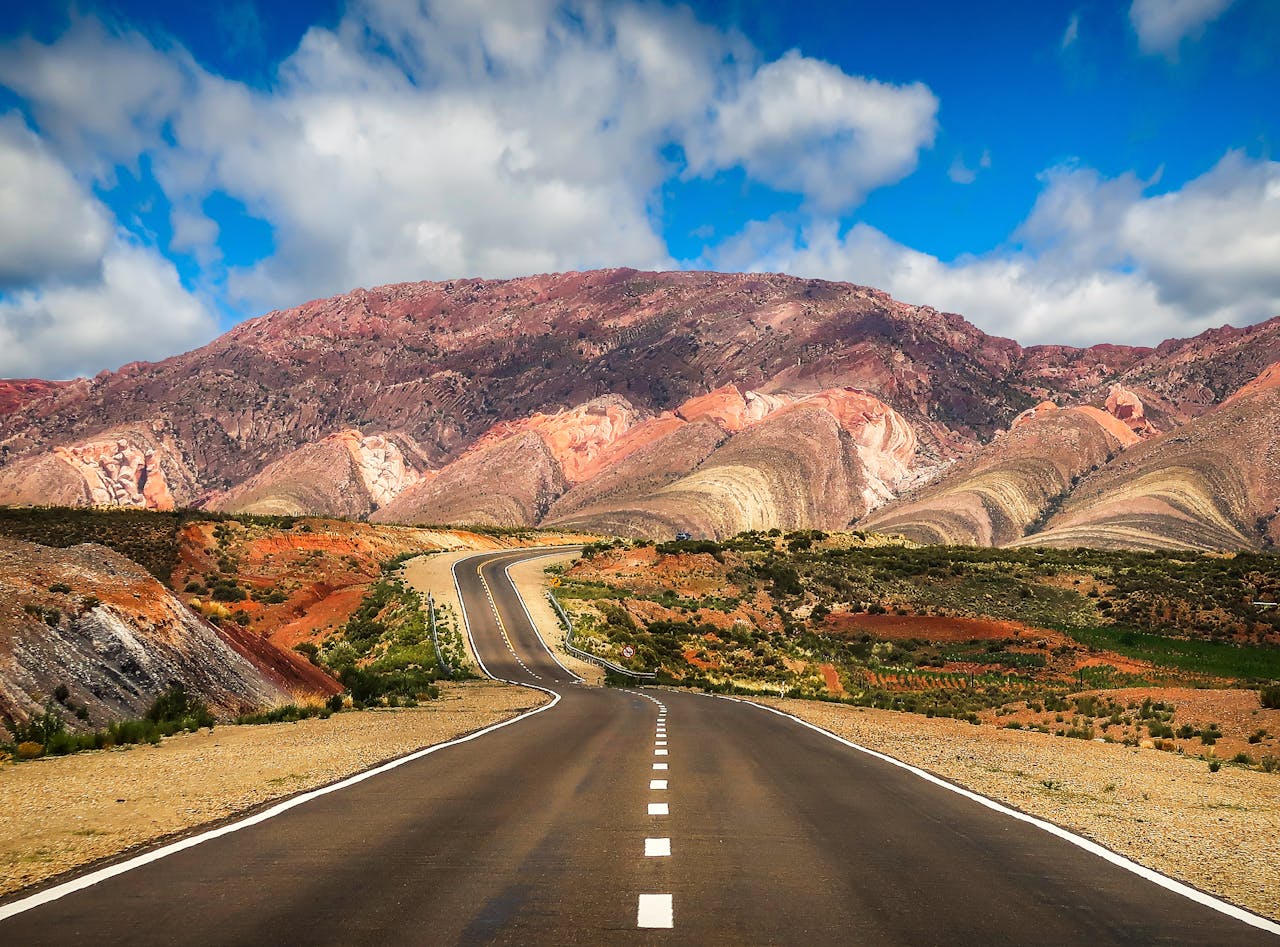
12- Salta y Jujuy – Paisajes andinos, cerros de colores, rutas escenicas, pueblos históricos y cultura del norte.
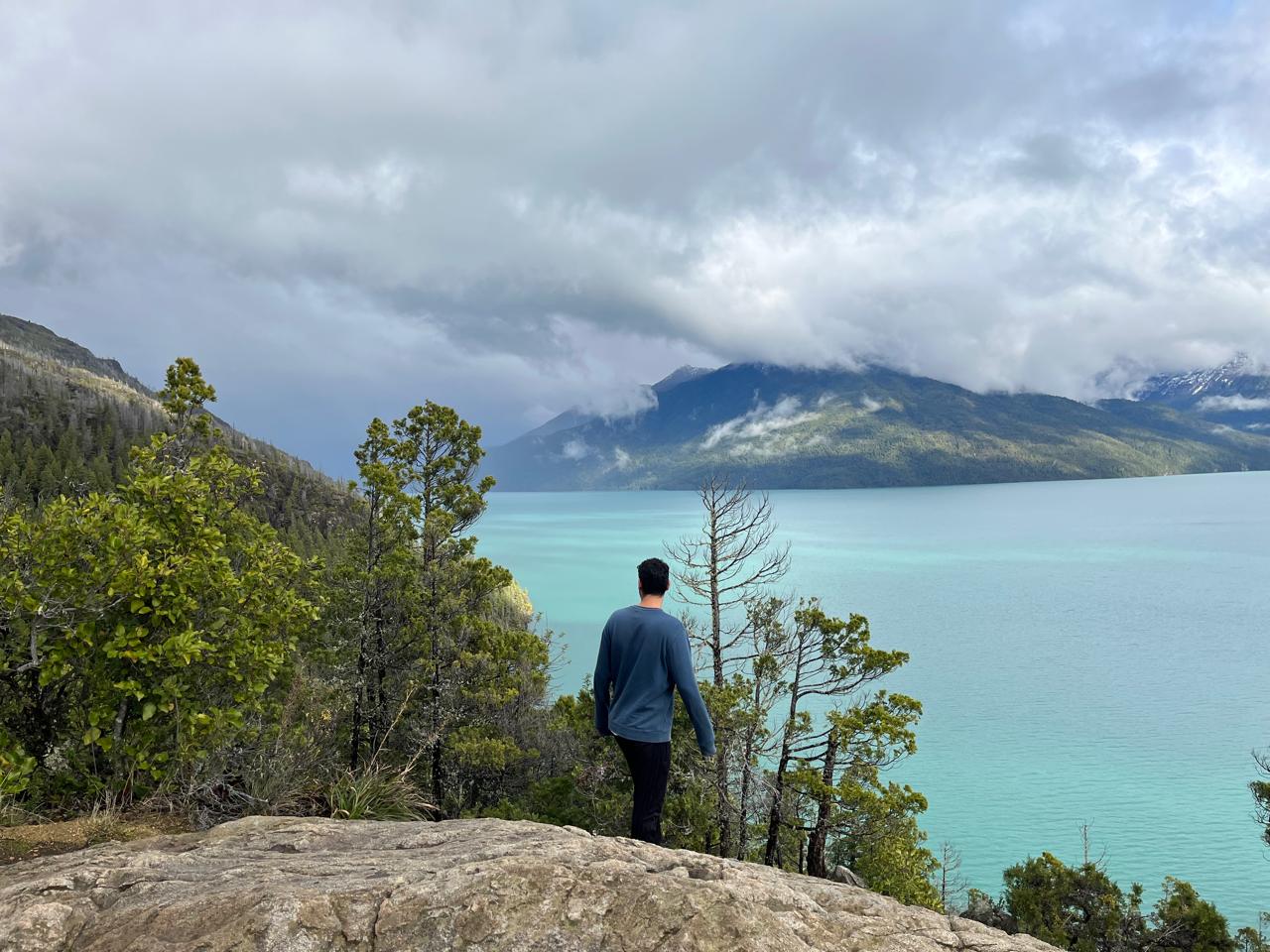
13- Lago Puelo – Pueblo rodeado de montañas, bosque nativo y uno de los lagos más accesibles de la Patagonia.
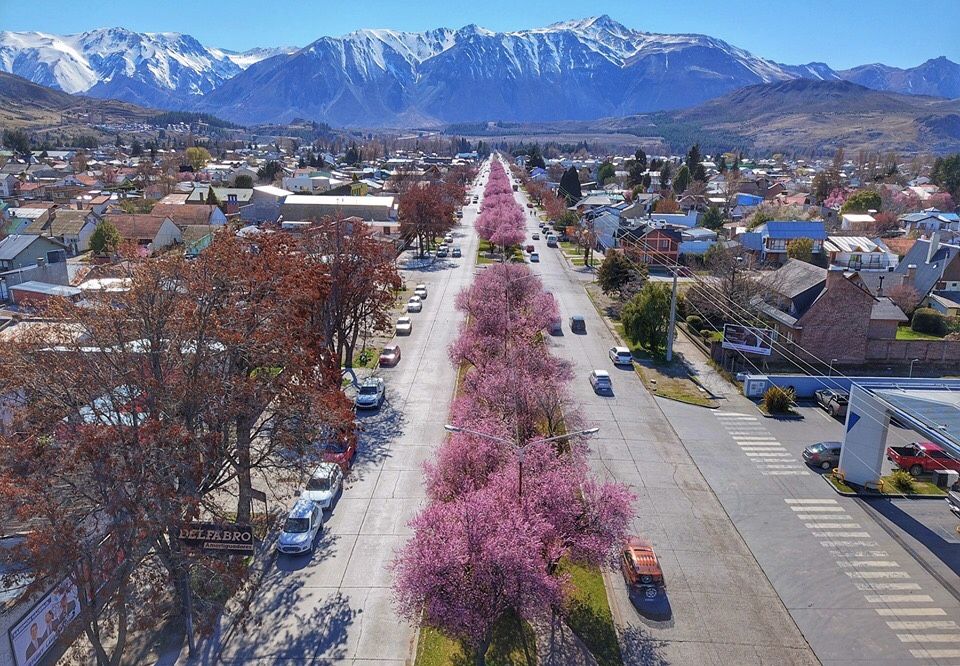
14- Esquel – Parques nacionales, montañas, tradicion en un pueblo de encanto.
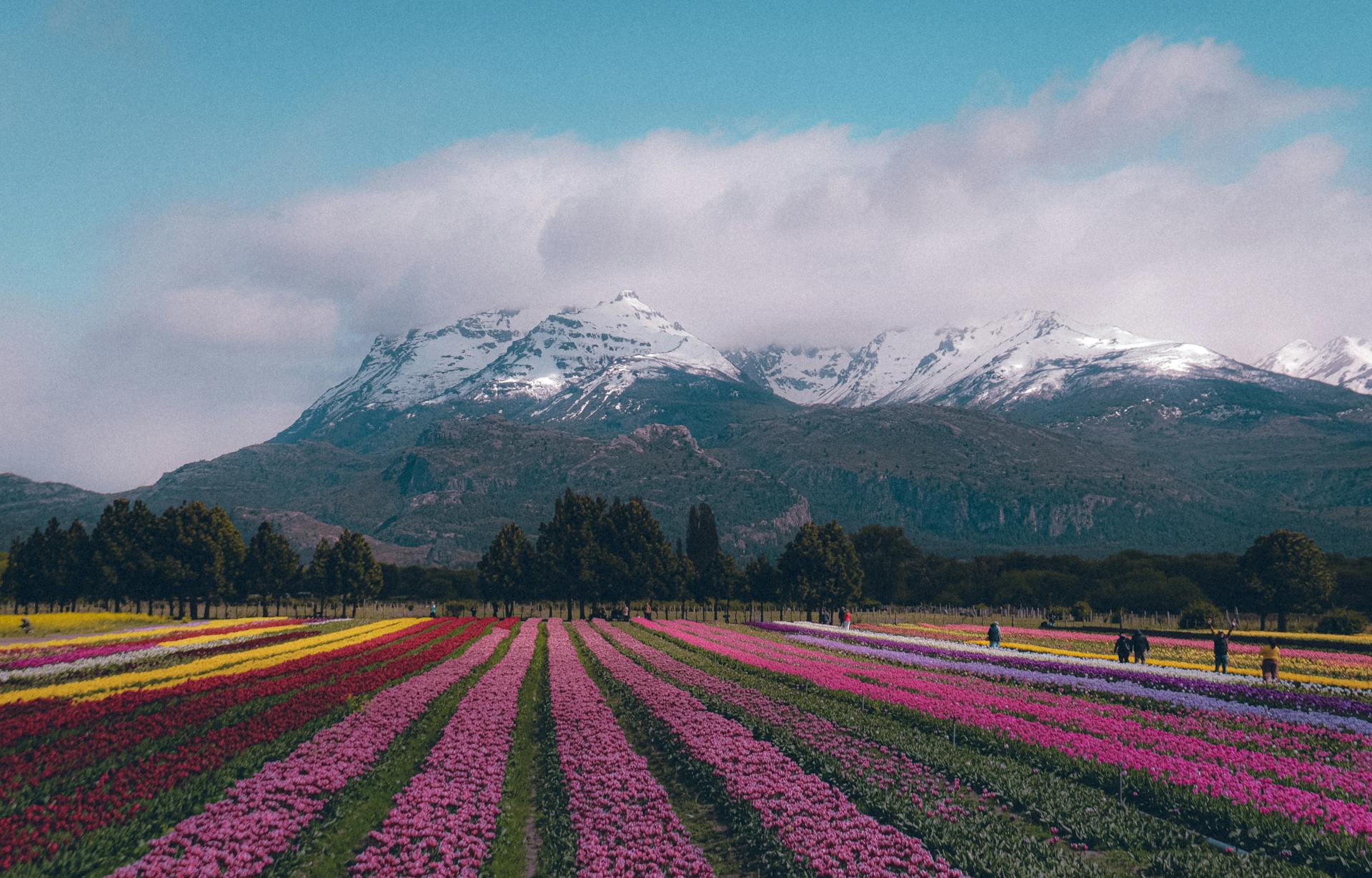
15- Iguazú – Una de las maravillas naturales del mundo.
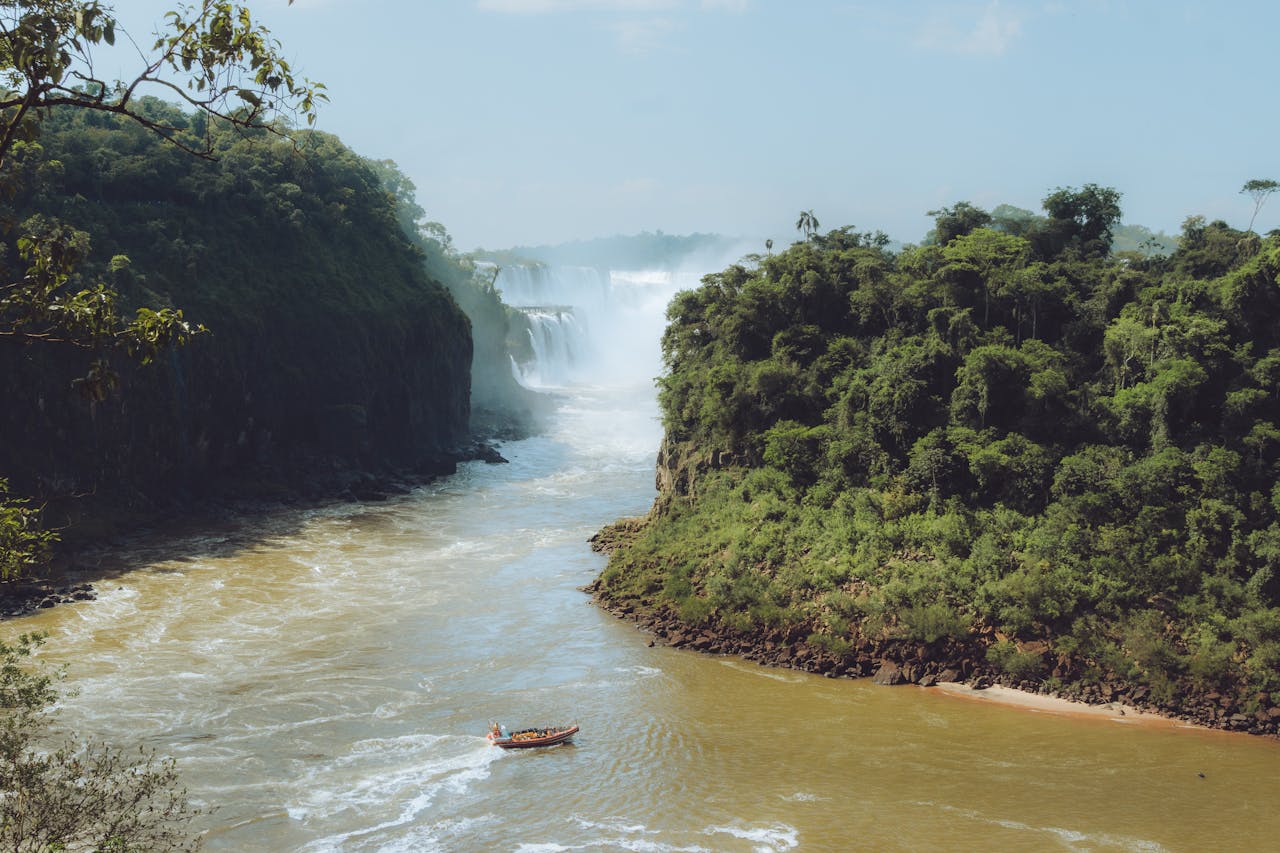
Perfil Geográfico: Un país de extremos
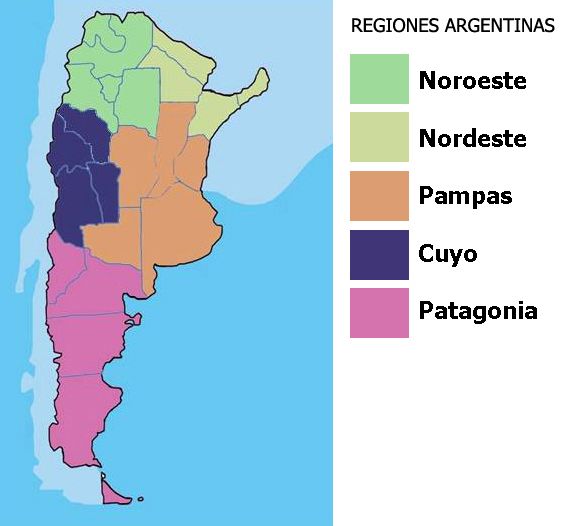
Argentina es el octavo país más extenso del mundo. Se divide principalmente en estas regiones:
- El Norte (NOA): Desértico y místico, con montañas de colores (como el Cerro de los Siete Colores) y salares inmensos a gran altura.
- El Litoral: Selva subtropical, tierra roja y grandes ríos. Aquí están las Cataratas del Iguazú, una de las 7 Maravillas Naturales del Mundo.
- La Pampa: El corazón agrícola y gaucho; llanuras infinitas donde nace la cultura del campo, las estancias y el asado tradicional.
- Cuyo: Al pie de la imponente Cordillera de los Andes. Es la tierra del vino (Mendoza) y del mítico cerro Aconcagua, el más alto de América.
- La Patagonia: Lagos turquesas, bosques andinos y glaciares majestuosos al oeste; estepa indomable y fauna marina (ballenas y pingüinos) al este.
4 Rutas épicas para recorrer Argentina
Para quienes prefieren la libertad del auto, Argentina ofrece trayectos que son un destino en sí mismos:
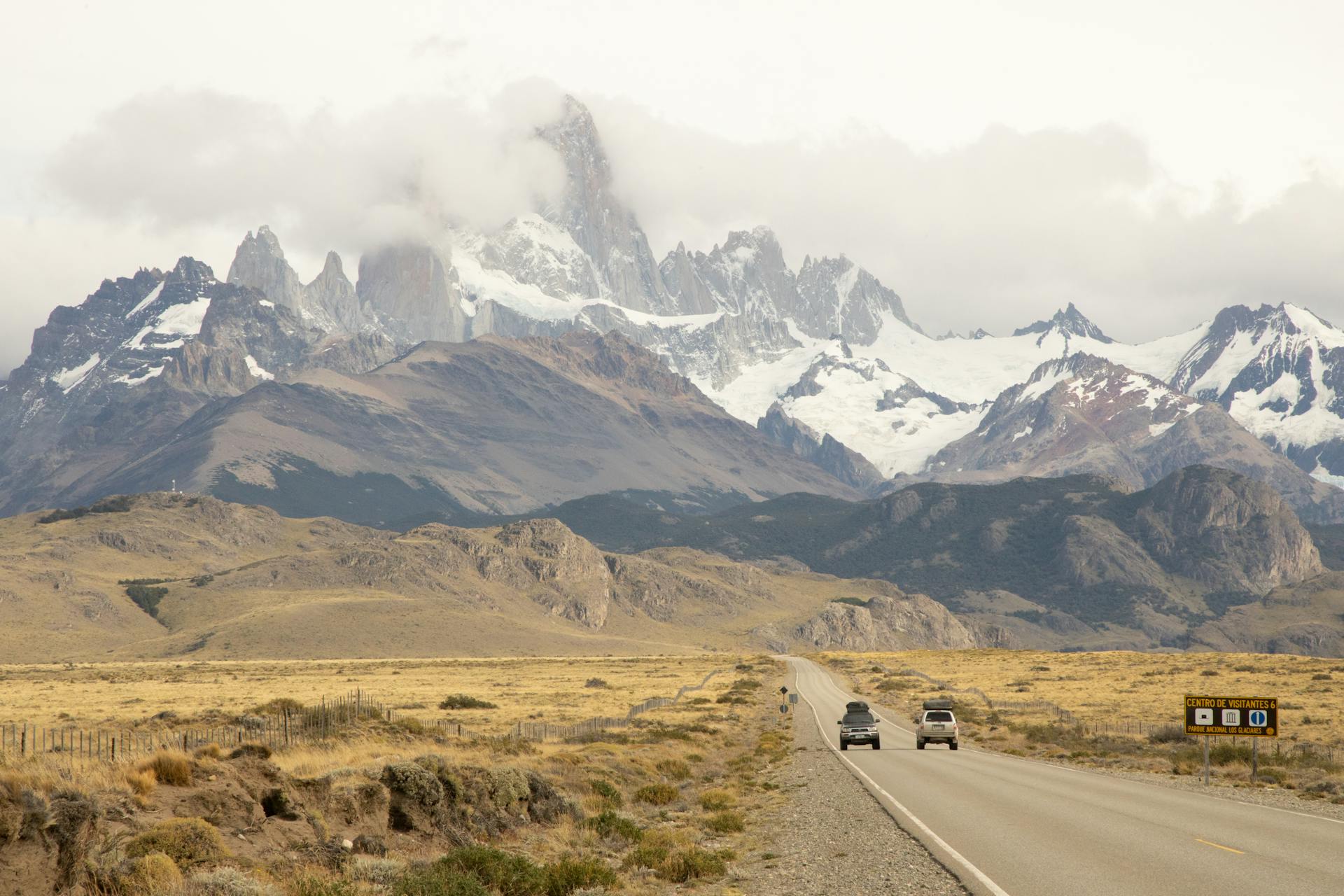
1- La mítica Ruta 40 (Tramo Sur): Es la columna vertebral del país. El tramo que une Bariloche con El Calafate atraviesa la estepa patagónica, bordeando la cordillera. Es ideal para ver lagos, glaciares y estancias infinitas.
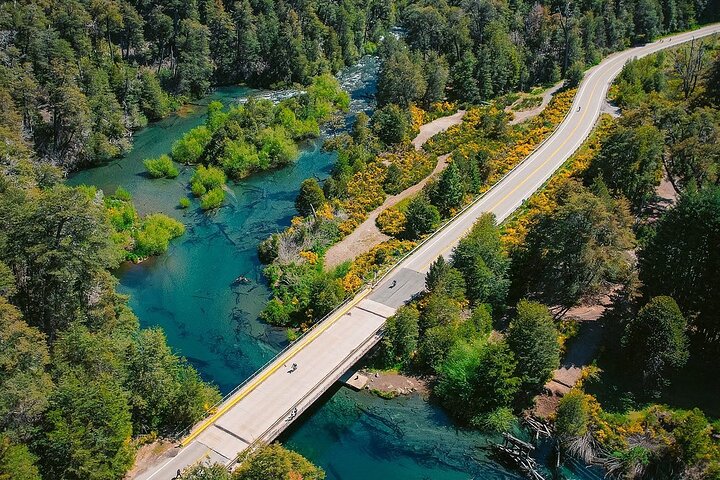
2- Ruta de los Siete Lagos (Neuquén): Son solo 108 km entre Villa La Angostura y San Martín de los Andes, pero es quizás el camino más lindo de la Patagonia. Atraviesa dos parques nacionales y bordea espejos de agua de colores increíbles.
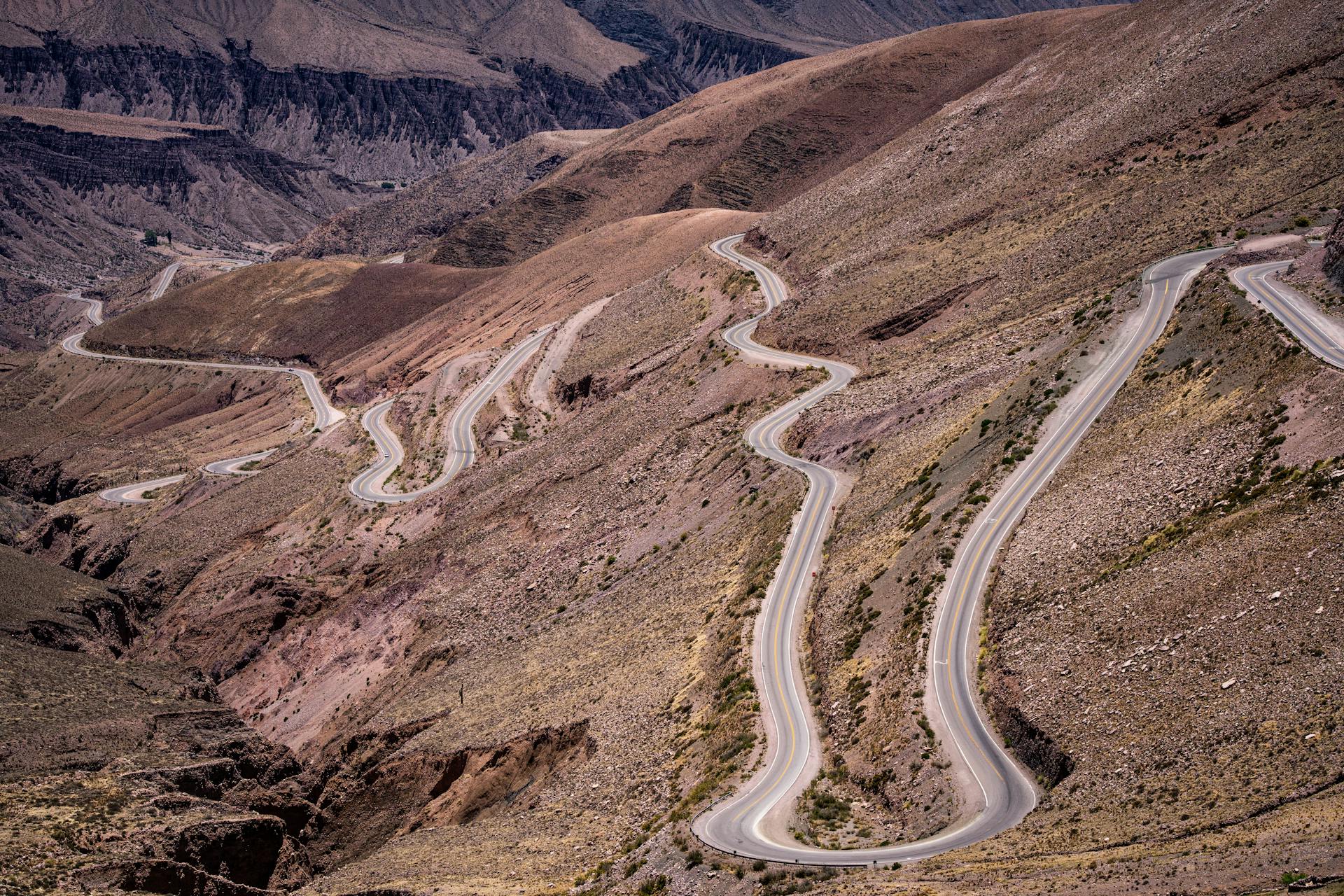
3- Cuesta del Lipán y Valles Calchaquíes (Norte): Una ruta de curvas sinuosas en Jujuy y Salta que te lleva desde los valles verdes hasta el blanco absoluto de las Salinas Grandes a más de 4.000 metros de altura.
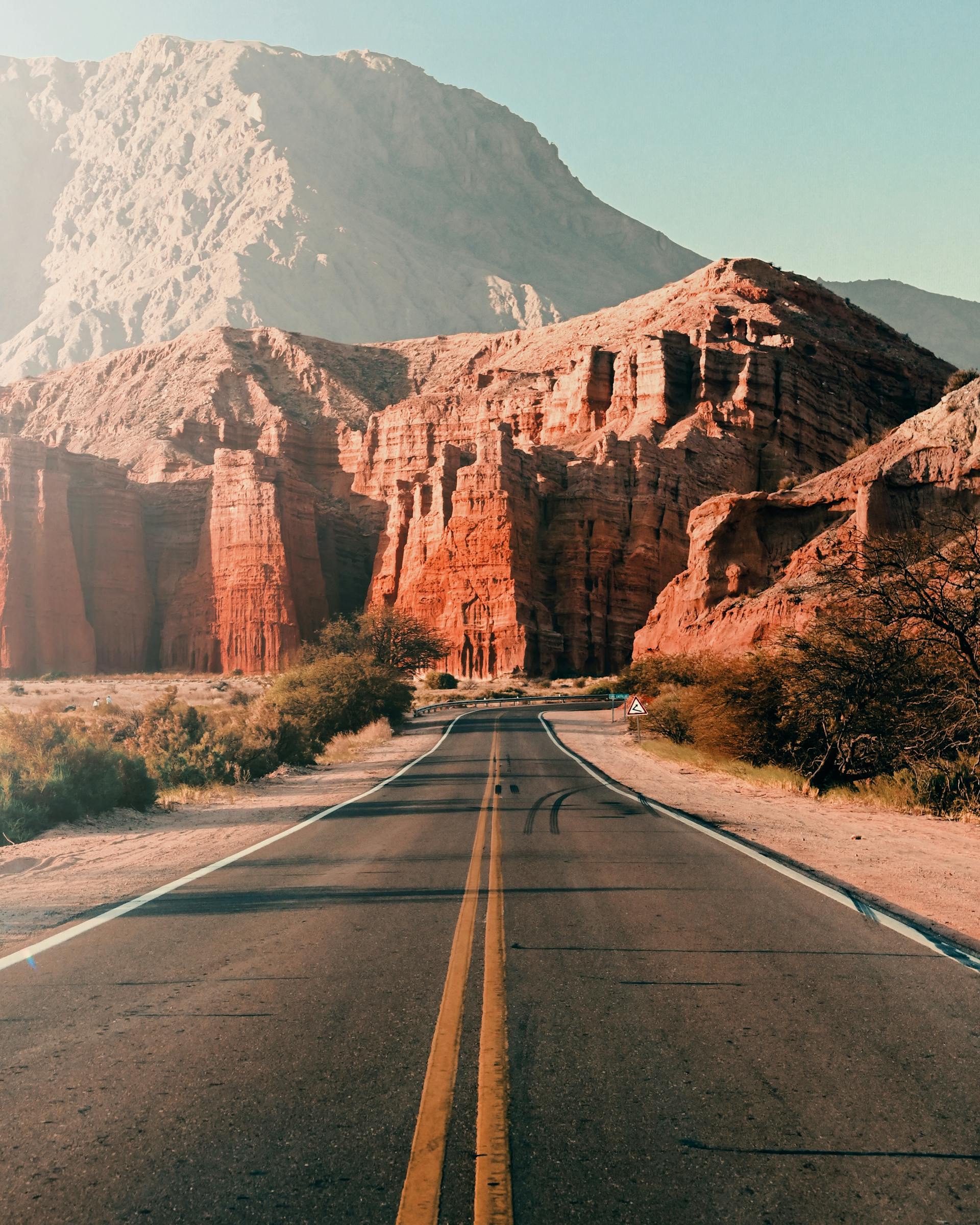
4- La mítica Ruta 40 (Tramo Norte): En Salta y Jujuy, la ruta se transforma en una aventura escénica rodeada de cardones gigantes y formaciones geológicas de otro planeta. El tramo que cruza los Valles Calchaquíes, pasando por pueblos históricos como Cachi y Cafayate, ofrece un paisaje desértico de montañas rojizas que es una verdadera obra de arte natural.
Qué comer en Argentina: 13 imperdibles
La gastronomía argentina es simple, contundente y muy ligada a la tradición:
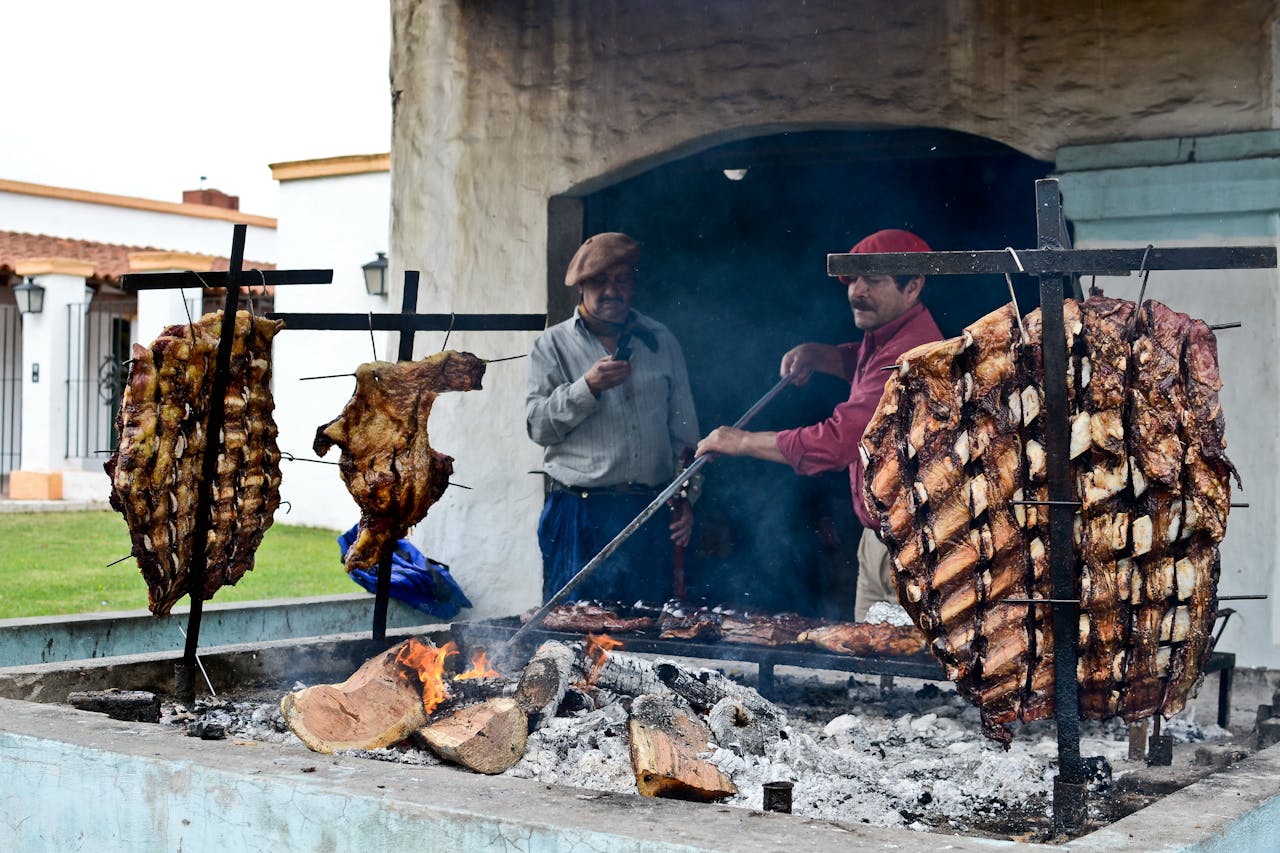
- Asado – Carne vacuna a la parrilla, mucho más que una comida: un verdadero ritual social.
- Empanadas – Varían según la región (salteñas, tucumanas, mendocinas), cada una con su estilo propio.
- Milanesas – De carne o pollo, en versión clásica o “a la napolitana”.
- Choripán – Chorizo a la parrilla en pan, con chimichurri o salsa criolla. Street food por excelencia.
- Provoleta – Queso a la parrilla condimentado, ideal como entrada del asado.
- Pizza argentina – Si bien pasa algo similar que con el helado, la reconocemos italiana, pero en masa alta y mucho queso nosotros no nos quedamos atrás.
- Facturas y medialunas – Clásicos indiscutibles del desayuno y la merienda argentina.
- Helado artesanal – De fuerte influencia italiana; para ser directo, no hemos encontrado aún un país que tenga mejor helado que Argentina (sacando Italia, nada más que por respeto a la historia).
- Dulce de leche – Crema dulce de leche y azúcar, emblema absoluto argentino.
- Alfajores – El dulce más consumido y emblemático del país.
- Vinos argentinos – Reconocidos a nivel mundial, especialmente el Malbec de Mendoza.
- Mate – Siento que me quedaría corto si solo dijera que es una bebida. Es una profunda tradición social; se prepara con yerba mate y agua caliente, compartiéndose en ronda como símbolo de encuentro y afecto diario.
- Fernet con cola – El trago largo más popular de los jóvenes, especialmente en Córdoba y Buenos Aires.
Datos prácticos para viajar por Argentina
We know staying connected is essential when traveling, which is why we use and recommend Saily eSIM. It's super easy to set up from the app, offers excellent plans, and connects you as soon as you land without swapping your physical SIM card. It's truly worth it!
- Moneda: Peso argentino (ARS).
- Idioma: Español. (No se habla mucho el inglés fuera de grandes ciudades o circuitos hoteleros lujosos).
- Enchufes: Tipo C e I, 220V.
- Propinas: No obligatorias por ley; suele dejarse voluntariamente un 10% en restaurantes.
- Conectividad: Buena velocidad en ciudades grandes; nula en tramos largos de rutas patagónicas o desiertos del norte.
- Pagos: Tarjetas muy aceptadas en urbes; billeteras virtuales (Mercado Pago) masificadas en comercios pequeños y ferias ambulantes.
- Alquiler de autos: En 2026, es clave reservar con seguro total. En la Patagonia, siempre cargá combustible cuando veas una estación, las distancias entre ellas pueden ser de cientos de kilómetros.

Cómo moverse por Argentina
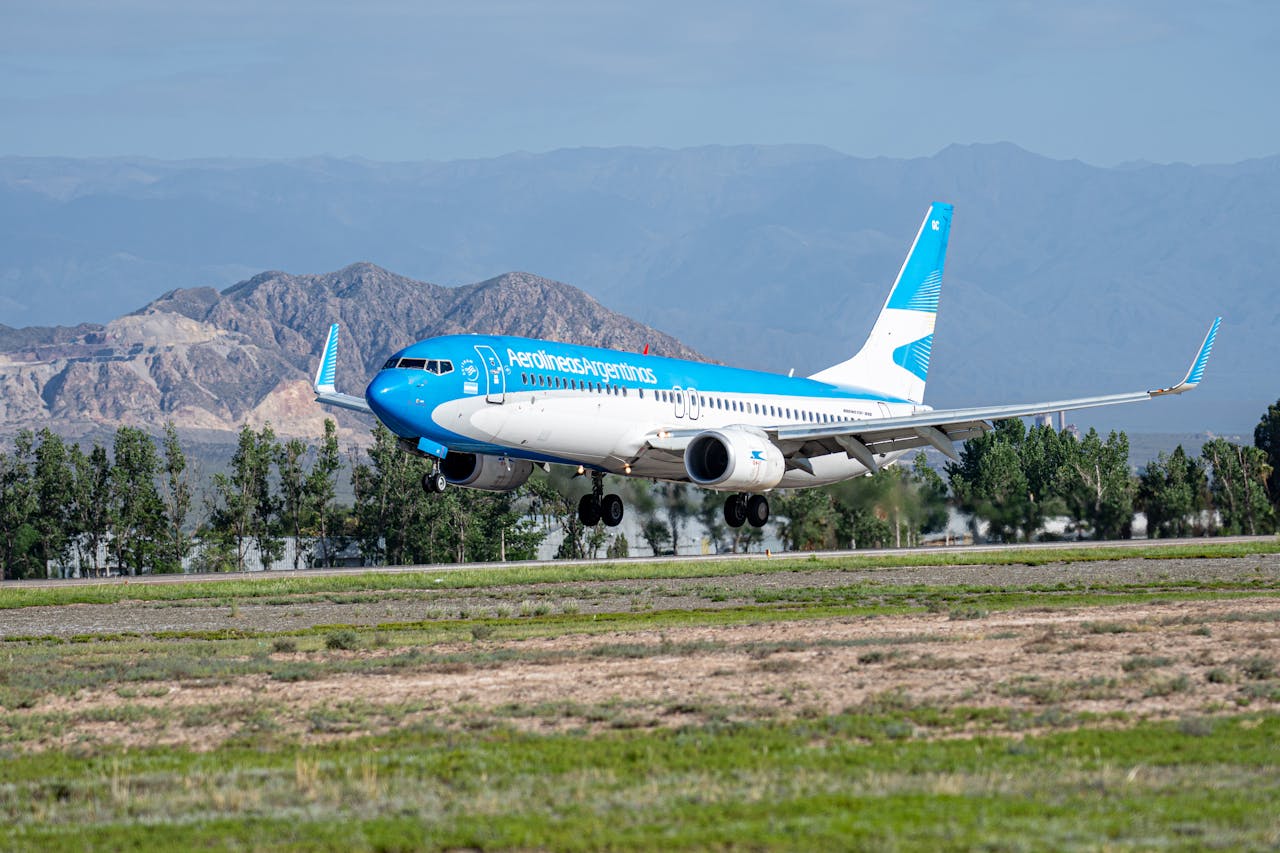
- Avión – La opción ideal para conectar regiones lejanas debido a la inmensidad del mapa.
- Bus de larga distancia – Muy usado, con excelente nivel de comodidad en coches cama, seguro y confiable.
- Auto de alquiler – Excelente para recorrer las rutas escénicas del sur (Siete Lagos) o el norte (Salta y Jujuy) a tu propio ritmo.
- Transporte urbano – Colectivos locales, metro (subte en Buenos Aires), taxis oficiales y apps de movilidad.
Clima y mejor época para viajar
Al estar en el hemisferio sur, las estaciones están invertidas respecto a Europa o EE. UU.
- Verano (diciembre-marzo): Ideal para la Patagonia, Ushuaia y la Costa Atlántica. El norte puede ser muy caluroso y lluvioso.
- Invierno (junio-septiembre): Temporada alta de esquí en centros como Catedral (Bariloche) o Cerro Castor (Ushuaia). También buena época para recorrer el norte árido.
- Otoño / Primavera: Las mejores épocas de transición general. Ideales para Buenos Aires y Mendoza (marzo es clave por la Fiesta de la Vendimia).
Tener en cuenta que el clima cambia radicalmente según la región geográfica.

Datos y Recordatorios útiles para viajar por Argentina
- Documentación: La mayoría de los países occidentales no necesitan visa para estancias turísticas de hasta 90 días.
- Economía digital: Tip Pro: En 2026, el uso de pagos digitales está masificado, pero los turistas suelen usar el tipo de cambio "MEP" que se aplica automáticamente a tarjetas extranjeras, obteniendo una excelente cotización oficial.
- Salud: La salud pública atiende de forma gratuita ante emergencias médicas, pero se recomienda siempre contratar un seguro de viaje privado.
- Seguridad: Es un país seguro para el turismo, pero como en cualquier lugar de Latinoamérica, hay que cuidar las pertenencias en zonas muy concurridas de Buenos Aires o Rosario.
- Planificá bien las distancias: Un viaje terrestre desde Buenos Aires hasta la Patagonia o el norte puede superar fácilmente las 15 horas de manejo. Evaluá vuelos internos.
- Carga nafta siempre que puedas: En la Patagonia profunda las estaciones de servicio pueden estar separadas por cientos de kilómetros desiertos.
- Reservas anticipadas: Crucial si viajás en temporada alta de verano (enero) o invierno (julio en centros de esquí).
También te puede interesar
- Qué hacer 5 días en Bariloche
- Qué llevar en la valija a la Patagonia
- Consejos útiles para viajar en 2026
- Guía para disfrutar Bariloche todo el año
- Imperdibles de Buenos Aires: cultura y barrios
- Glaciar Perito Moreno: guía para visitar El Calafate
- El Chaltén: las mejores rutas de trekking
- Avistaje de ballenas y fauna en Puerto Madryn
- Ushuaia: itinerario para el Fin del Mundo
- El Bolsón: ferias, cerros y vida natural
- Lago Puelo: un paraíso turquesa en Chubut
- Mar del Plata: mucho más que playa y puerto
- Esquel: Parque Los Alerces y el tren La Trochita
1- Buenos Aires – Cultura, gastronomía, tango y vida urbana.
2- Bariloche – Lagos, montañas y base ideal para explorar la Patagonia norte.
3- Mar del Plata – Ciudad balnearia más importante de Argentina y uno de los destinos turísticos más clásicos del país.
4- El Calafate – Glaciares, lagos y la puerta de entrada al Perito Moreno.
5- El Chaltén – Trekking, montañas y naturaleza pura.
6- Ushuaia – La ciudad más austral del mundo y acceso a Tierra del Fuego.
7- Puerto Madryn – Fauna marina y naturaleza patagónica.
8- El Bolsón – valle rodeado de montañas, bosques y ríos de deshielo. Con un perfil mucho más tranquilo y alternativo.
9- Villa La Angostura – Aldea de montaña boutique, famosa por su arquitectura alpina, playas turquesas y el Bosque de Arrayanes.
10- San Martín de los Andes – Aldea de montaña a orillas del Lago Lácar, famosa por su arquitectura de piedra y madera, playas paradisíacas y el Cerro Chapelco.
11- Mendoza – Vinos, bodegas y la Cordillera de los Andes.
12- Salta y Jujuy – Paisajes andinos, cerros de colores, rutas escenicas, pueblos históricos y cultura del norte.
13- Lago Puelo – Pueblo rodeado de montañas, bosque nativo y uno de los lagos más accesibles de la Patagonia.
14- Esquel – Parques nacionales, montañas, tradicion en un pueblo de encanto.
15- Iguazú – Una de las maravillas naturales del mundo.
PUBLICIDAD
Travel with Data: Get your Saily eSIM
- ✓Internet in seconds upon landing
- ✓Flexible plans in 180+ countries
- ✓Easy setup directly via the App
Argentina es el octavo país más extenso del mundo. Se divide principalmente en estas regiones:
- El Norte (NOA): Desértico y místico, con montañas de colores (como el Cerro de los Siete Colores) y salares inmensos a gran altura.
- El Litoral: Selva subtropical, tierra roja y grandes ríos. Aquí están las Cataratas del Iguazú, una de las 7 Maravillas Naturales del Mundo.
- La Pampa: El corazón agrícola y gaucho; llanuras infinitas donde nace la cultura del campo, las estancias y el asado tradicional.
- Cuyo: Al pie de la imponente Cordillera de los Andes. Es la tierra del vino (Mendoza) y del mítico cerro Aconcagua, el más alto de América.
- La Patagonia: Lagos turquesas, bosques andinos y glaciares majestuosos al oeste; estepa indomable y fauna marina (ballenas y pingüinos) al este.
Para quienes prefieren la libertad del auto, Argentina ofrece trayectos que son un destino en sí mismos:
1- La mítica Ruta 40 (Tramo Sur): Es la columna vertebral del país. El tramo que une Bariloche con El Calafate atraviesa la estepa patagónica, bordeando la cordillera. Es ideal para ver lagos, glaciares y estancias infinitas.
2- Ruta de los Siete Lagos (Neuquén): Son solo 108 km entre Villa La Angostura y San Martín de los Andes, pero es quizás el camino más lindo de la Patagonia. Atraviesa dos parques nacionales y bordea espejos de agua de colores increíbles.
3- Cuesta del Lipán y Valles Calchaquíes (Norte): Una ruta de curvas sinuosas en Jujuy y Salta que te lleva desde los valles verdes hasta el blanco absoluto de las Salinas Grandes a más de 4.000 metros de altura.
4- La mítica Ruta 40 (Tramo Norte): En Salta y Jujuy, la ruta se transforma en una aventura escénica rodeada de cardones gigantes y formaciones geológicas de otro planeta. El tramo que cruza los Valles Calchaquíes, pasando por pueblos históricos como Cachi y Cafayate, ofrece un paisaje desértico de montañas rojizas que es una verdadera obra de arte natural.
La gastronomía argentina es simple, contundente y muy ligada a la tradición:
- Asado – Carne vacuna a la parrilla, mucho más que una comida: un verdadero ritual social.
- Empanadas – Varían según la región (salteñas, tucumanas, mendocinas), cada una con su estilo propio.
- Milanesas – De carne o pollo, en versión clásica o “a la napolitana”.
- Choripán – Chorizo a la parrilla en pan, con chimichurri o salsa criolla. Street food por excelencia.
- Provoleta – Queso a la parrilla condimentado, ideal como entrada del asado.
- Pizza argentina – Si bien pasa algo similar que con el helado, la reconocemos italiana, pero en masa alta y mucho queso nosotros no nos quedamos atrás.
- Facturas y medialunas – Clásicos indiscutibles del desayuno y la merienda argentina.
- Helado artesanal – De fuerte influencia italiana; para ser directo, no hemos encontrado aún un país que tenga mejor helado que Argentina (sacando Italia, nada más que por respeto a la historia).
- Dulce de leche – Crema dulce de leche y azúcar, emblema absoluto argentino.
- Alfajores – El dulce más consumido y emblemático del país.
- Vinos argentinos – Reconocidos a nivel mundial, especialmente el Malbec de Mendoza.
- Mate – Siento que me quedaría corto si solo dijera que es una bebida. Es una profunda tradición social; se prepara con yerba mate y agua caliente, compartiéndose en ronda como símbolo de encuentro y afecto diario.
- Fernet con cola – El trago largo más popular de los jóvenes, especialmente en Córdoba y Buenos Aires.
We know staying connected is essential when traveling, which is why we use and recommend Saily eSIM. It's super easy to set up from the app, offers excellent plans, and connects you as soon as you land without swapping your physical SIM card. It's truly worth it!
- Moneda: Peso argentino (ARS).
- Idioma: Español. (No se habla mucho el inglés fuera de grandes ciudades o circuitos hoteleros lujosos).
- Enchufes: Tipo C e I, 220V.
- Propinas: No obligatorias por ley; suele dejarse voluntariamente un 10% en restaurantes.
- Conectividad: Buena velocidad en ciudades grandes; nula en tramos largos de rutas patagónicas o desiertos del norte.
- Pagos: Tarjetas muy aceptadas en urbes; billeteras virtuales (Mercado Pago) masificadas en comercios pequeños y ferias ambulantes.
- Alquiler de autos: En 2026, es clave reservar con seguro total. En la Patagonia, siempre cargá combustible cuando veas una estación, las distancias entre ellas pueden ser de cientos de kilómetros.
- Avión – La opción ideal para conectar regiones lejanas debido a la inmensidad del mapa.
- Bus de larga distancia – Muy usado, con excelente nivel de comodidad en coches cama, seguro y confiable.
- Auto de alquiler – Excelente para recorrer las rutas escénicas del sur (Siete Lagos) o el norte (Salta y Jujuy) a tu propio ritmo.
- Transporte urbano – Colectivos locales, metro (subte en Buenos Aires), taxis oficiales y apps de movilidad.
Al estar en el hemisferio sur, las estaciones están invertidas respecto a Europa o EE. UU.
- Verano (diciembre-marzo): Ideal para la Patagonia, Ushuaia y la Costa Atlántica. El norte puede ser muy caluroso y lluvioso.
- Invierno (junio-septiembre): Temporada alta de esquí en centros como Catedral (Bariloche) o Cerro Castor (Ushuaia). También buena época para recorrer el norte árido.
- Otoño / Primavera: Las mejores épocas de transición general. Ideales para Buenos Aires y Mendoza (marzo es clave por la Fiesta de la Vendimia).
Tener en cuenta que el clima cambia radicalmente según la región geográfica.
- Documentación: La mayoría de los países occidentales no necesitan visa para estancias turísticas de hasta 90 días.
- Economía digital: Tip Pro: En 2026, el uso de pagos digitales está masificado, pero los turistas suelen usar el tipo de cambio "MEP" que se aplica automáticamente a tarjetas extranjeras, obteniendo una excelente cotización oficial.
- Salud: La salud pública atiende de forma gratuita ante emergencias médicas, pero se recomienda siempre contratar un seguro de viaje privado.
- Seguridad: Es un país seguro para el turismo, pero como en cualquier lugar de Latinoamérica, hay que cuidar las pertenencias en zonas muy concurridas de Buenos Aires o Rosario.
- Planificá bien las distancias: Un viaje terrestre desde Buenos Aires hasta la Patagonia o el norte puede superar fácilmente las 15 horas de manejo. Evaluá vuelos internos.
- Carga nafta siempre que puedas: En la Patagonia profunda las estaciones de servicio pueden estar separadas por cientos de kilómetros desiertos.
- Reservas anticipadas: Crucial si viajás en temporada alta de verano (enero) o invierno (julio en centros de esquí).
PUBLICIDAD
- Qué hacer 5 días en Bariloche
- Qué llevar en la valija a la Patagonia
- Consejos útiles para viajar en 2026
- Guía para disfrutar Bariloche todo el año
- Imperdibles de Buenos Aires: cultura y barrios
- Glaciar Perito Moreno: guía para visitar El Calafate
- El Chaltén: las mejores rutas de trekking
- Avistaje de ballenas y fauna en Puerto Madryn
- Ushuaia: itinerario para el Fin del Mundo
- El Bolsón: ferias, cerros y vida natural
- Lago Puelo: un paraíso turquesa en Chubut
- Mar del Plata: mucho más que playa y puerto
- Esquel: Parque Los Alerces y el tren La Trochita
PUBLICIDAD
International Travel Insurance
- ✓International medical insurance
- ✓24/7 immediate assistance in your language
- ✓Ideal for trekking & adventure
Preferences
Language
Color
Text
Width