Table of contents and map
La guía más completa de Escocia: lugares imprescindibles, ciudades, rutas, Highlands y mas de 60 guías para recorrer el país entero
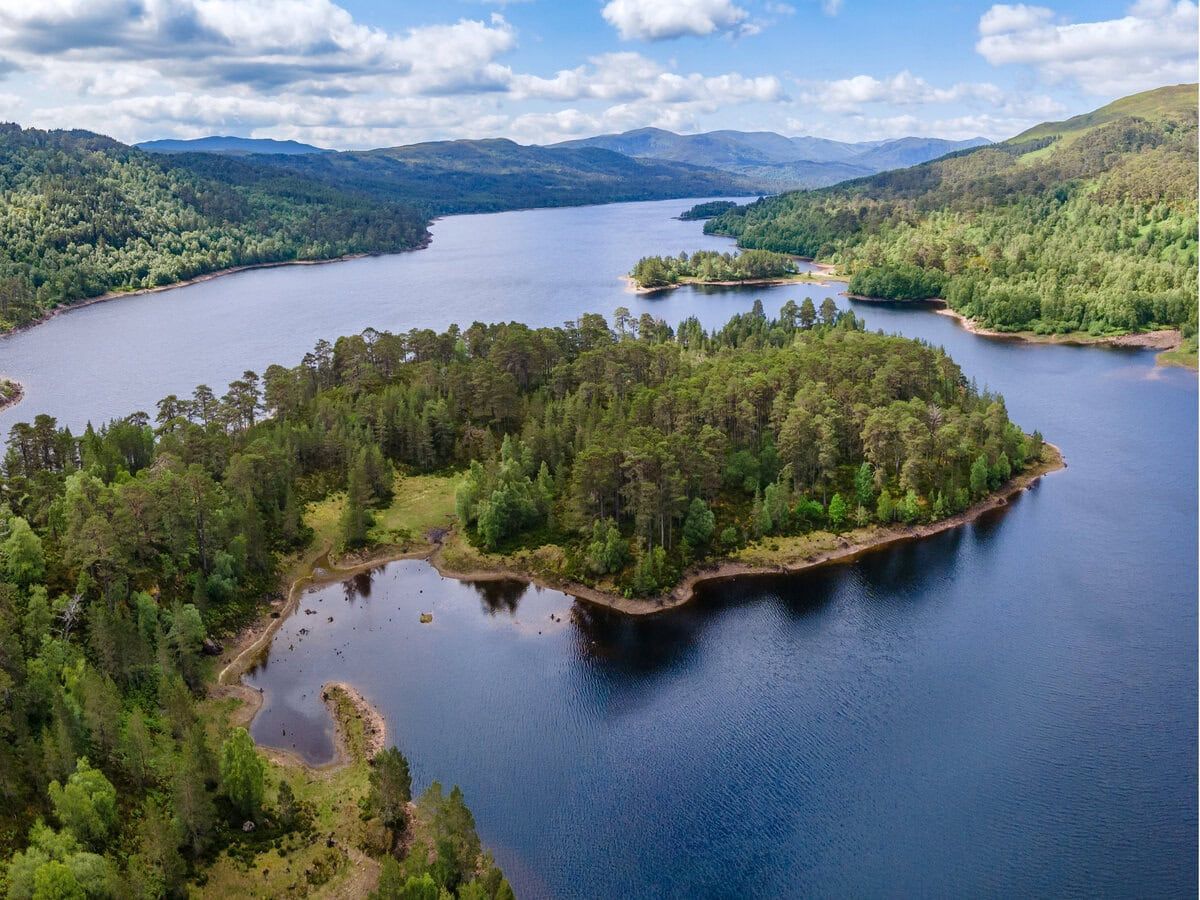
Escocia es un país de atmósfera mística y paisajes dramáticos, donde castillos antiguos, lagos profundos y colinas verdes crean escenarios cargados de historia y leyendas. Entre pueblos de piedra, rutas escénicas y una identidad cultural muy marcada, invita a viajar sin apuro, explorando su pasado, su naturaleza salvaje y ese carácter único que se siente incluso en el clima y la música.
La guía más completa de Escocia: lugares imprescindibles, ciudades, rutas, Highlands y mas de 60 guías para recorrer el país entero
Escocia es un país de atmósfera mística y paisajes dramáticos, donde castillos antiguos, lagos profundos y colinas verdes crean escenarios cargados de historia y leyendas. Entre pueblos de piedra, rutas escénicas y una identidad cultural muy marcada, invita a viajar sin apuro, explorando su pasado, su naturaleza salvaje y ese carácter único que se siente incluso en el clima y la música.

Escocia no es solo un destino más del blog para nosotros. Sophie es escocesa, asi que vamos y venimos constantemente. Durante el tiempo en Escocia recorremos gran parte del país en auto, atravesando rutas escénicas, ciudades medievales, pueblos pequeños, costas salvajes y las Highlands más remotas. Eso nos permite recopilar mucha información para compartirles más allá de los lugares turísticos, desde su ritmo cotidiano hasta su forma de vivir el paisaje.
Los escoceses tienen una identidad muy marcada: son reservados pero cercanos, orgullosos de su historia, profundamente conectados con su tierra y con un humor particular que se descubre con el tiempo. La música, los pubs, el clima cambiante y la naturaleza forman parte inseparable de su cultura.
19 destinos imperdibles de Escocia
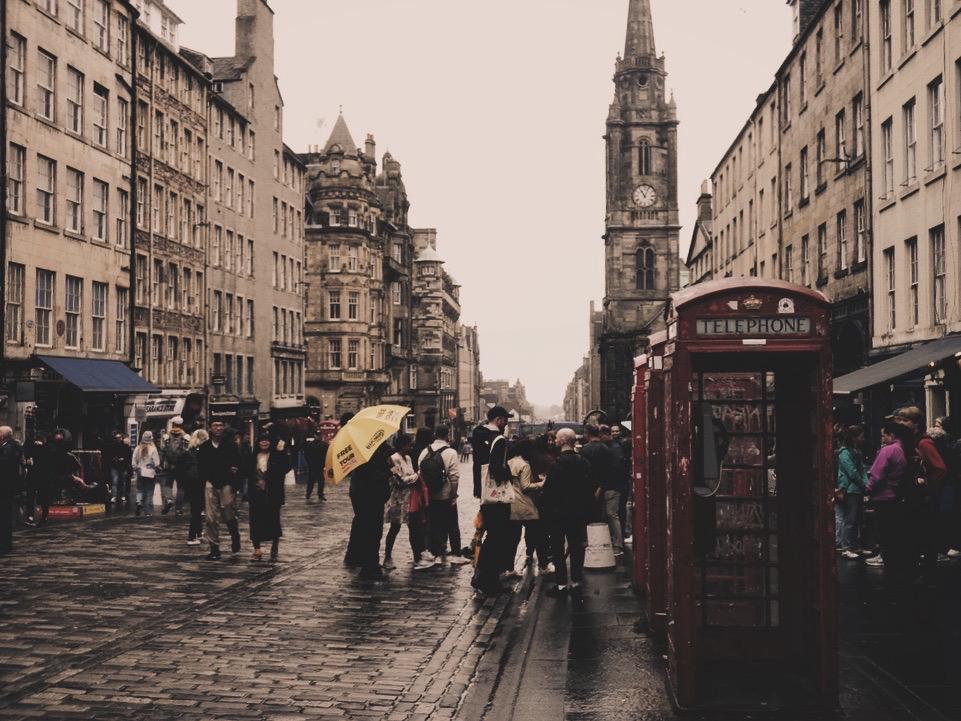
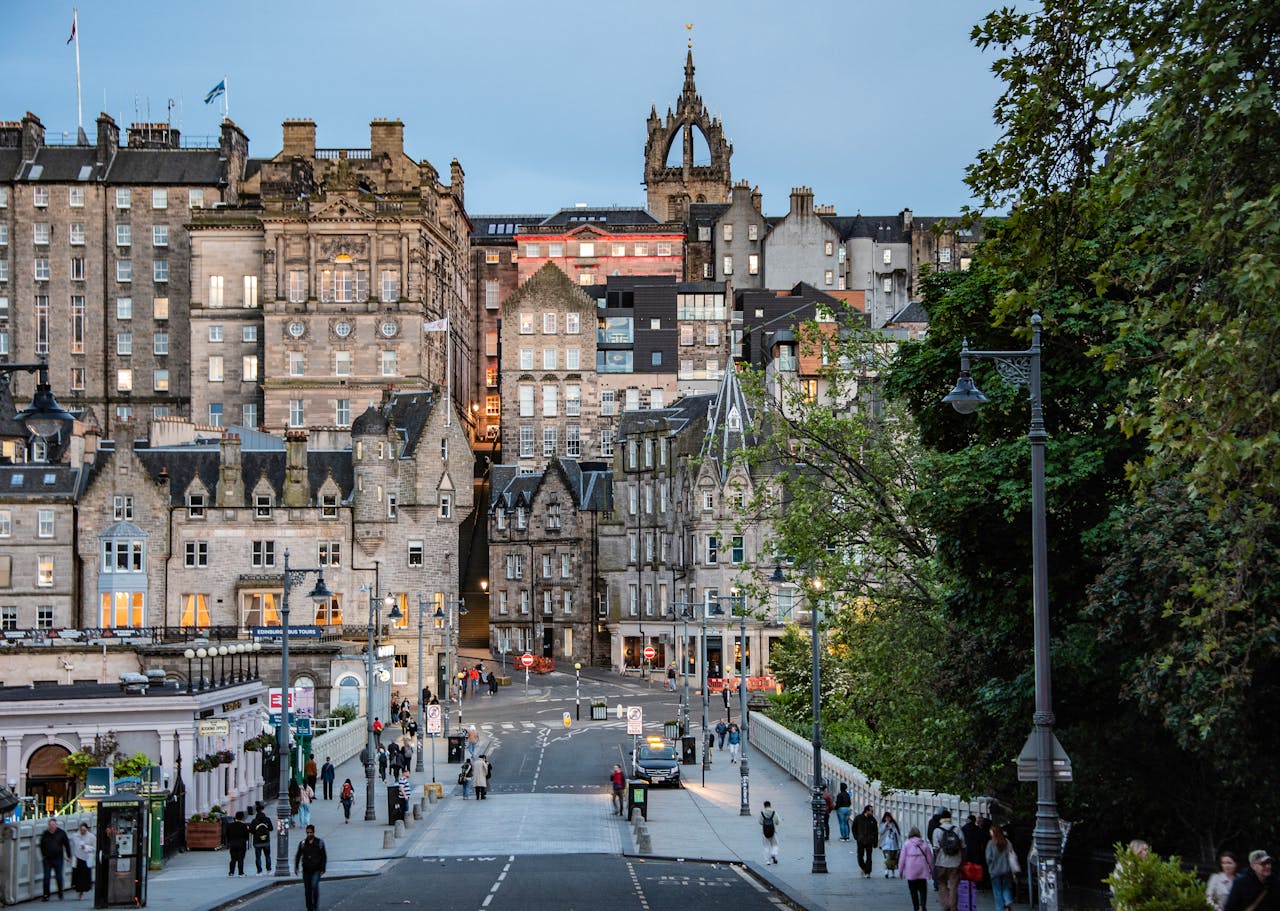
1- Edimburgo – Capital histórica, castillo y casco antiguo medieval.
2- Glasgow – Ciudad cultural, música y arquitectura victoriana.

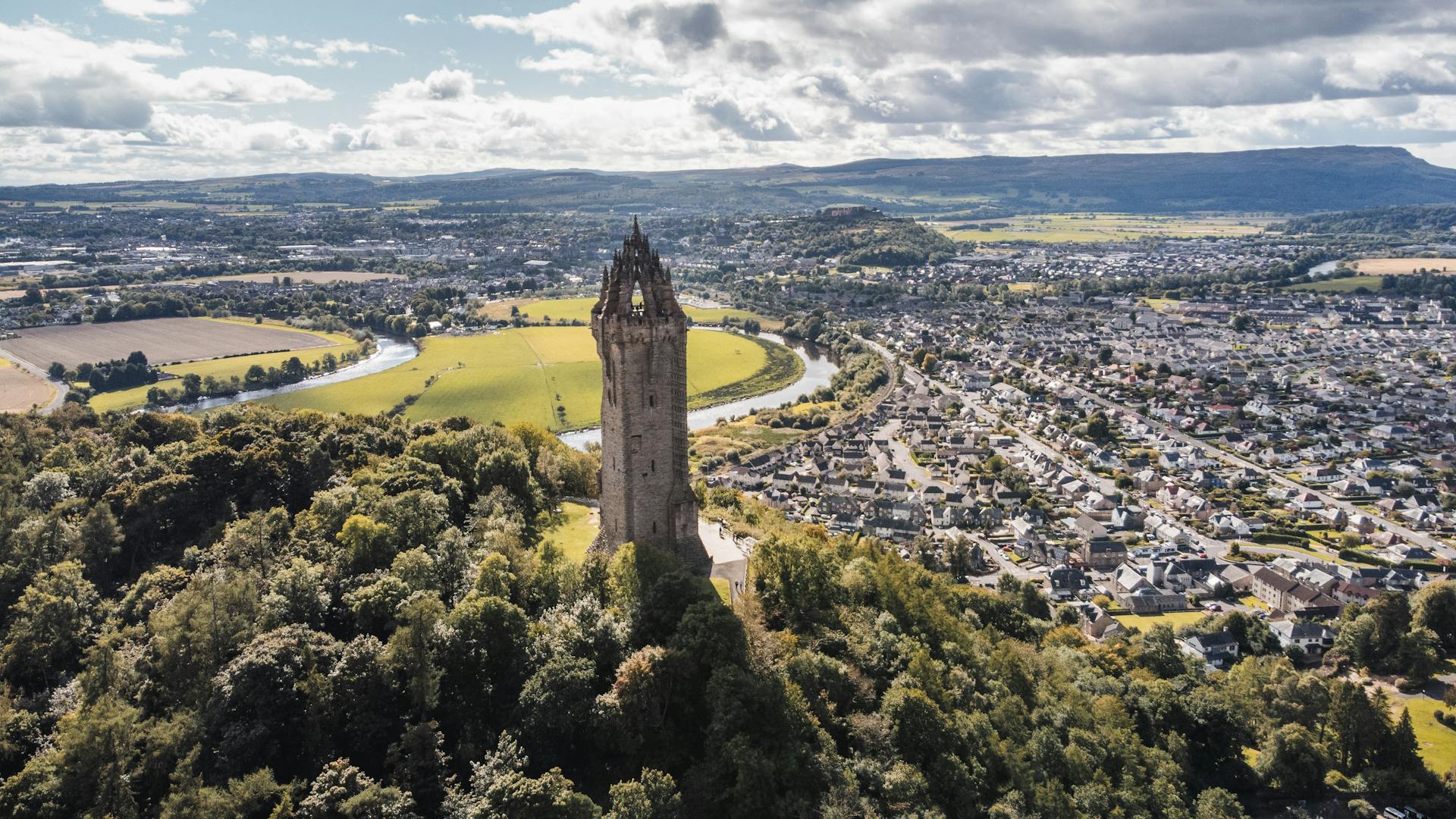
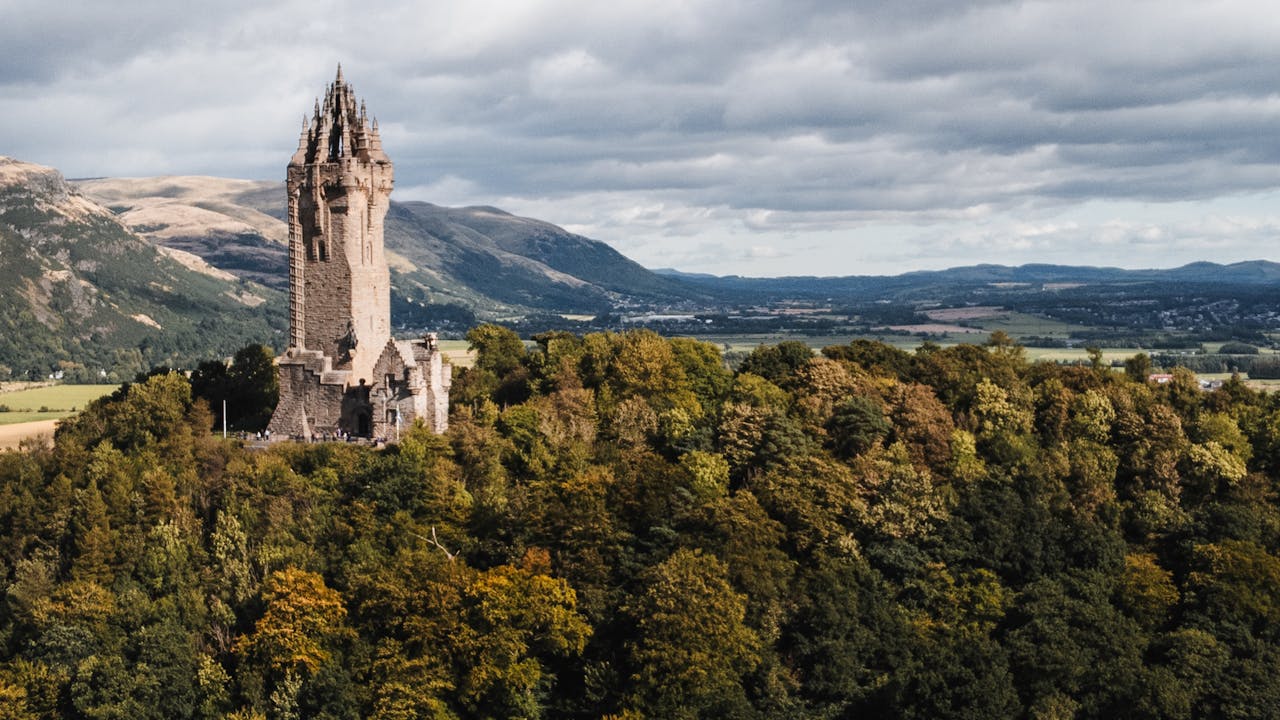
3- Stirling – Castillos y batallas históricas.
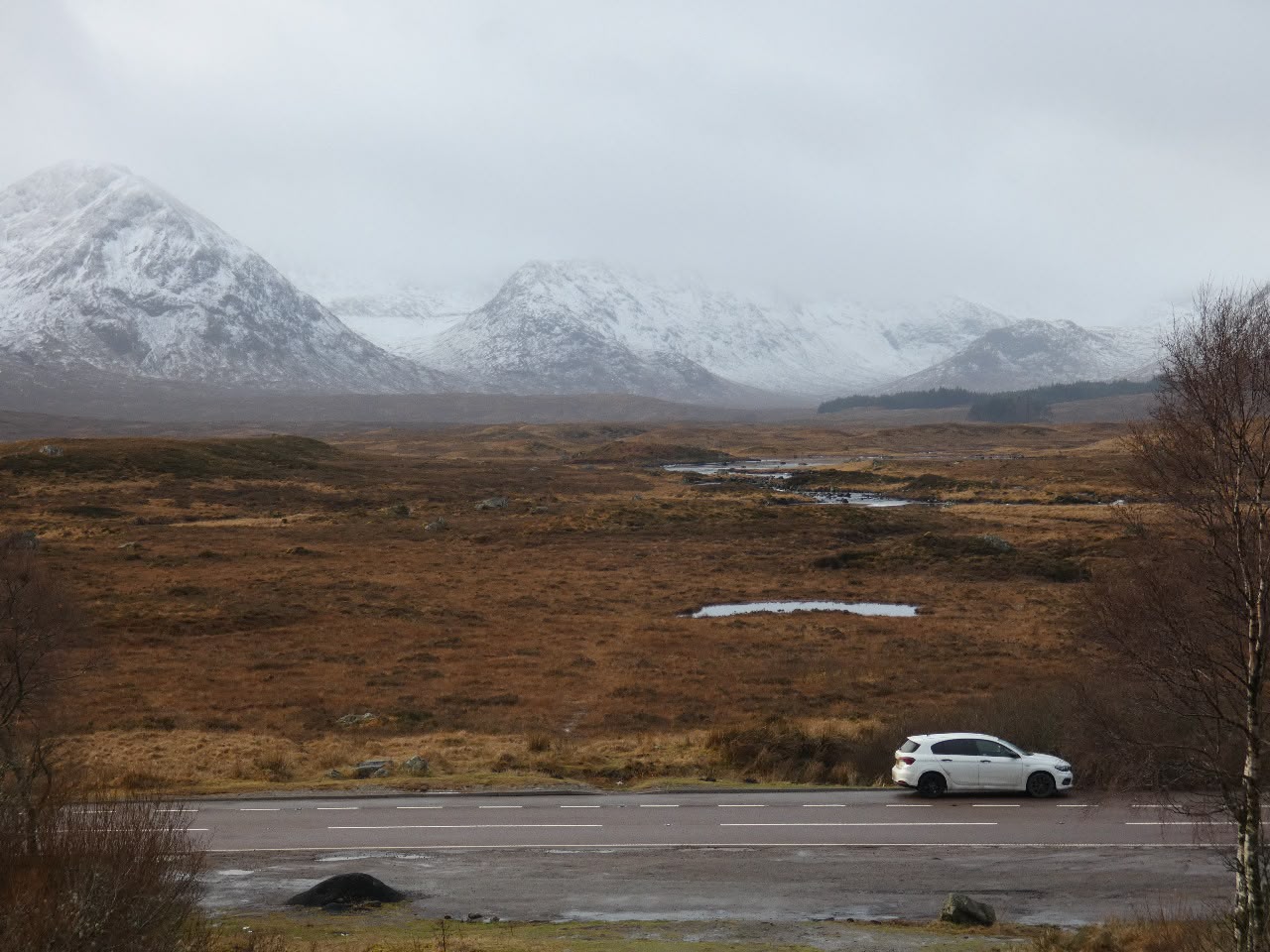
4- Highlands – Montañas, valles y naturaleza indómita.
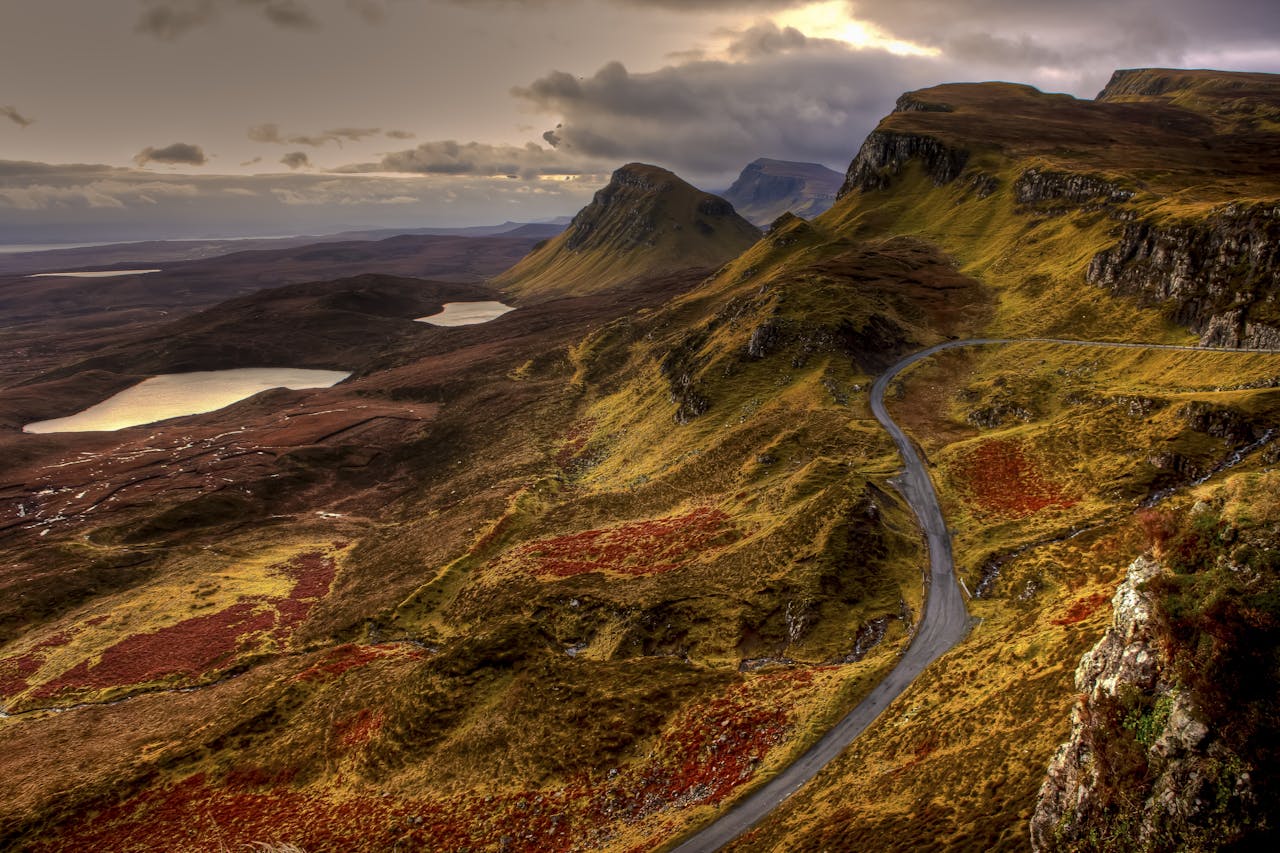
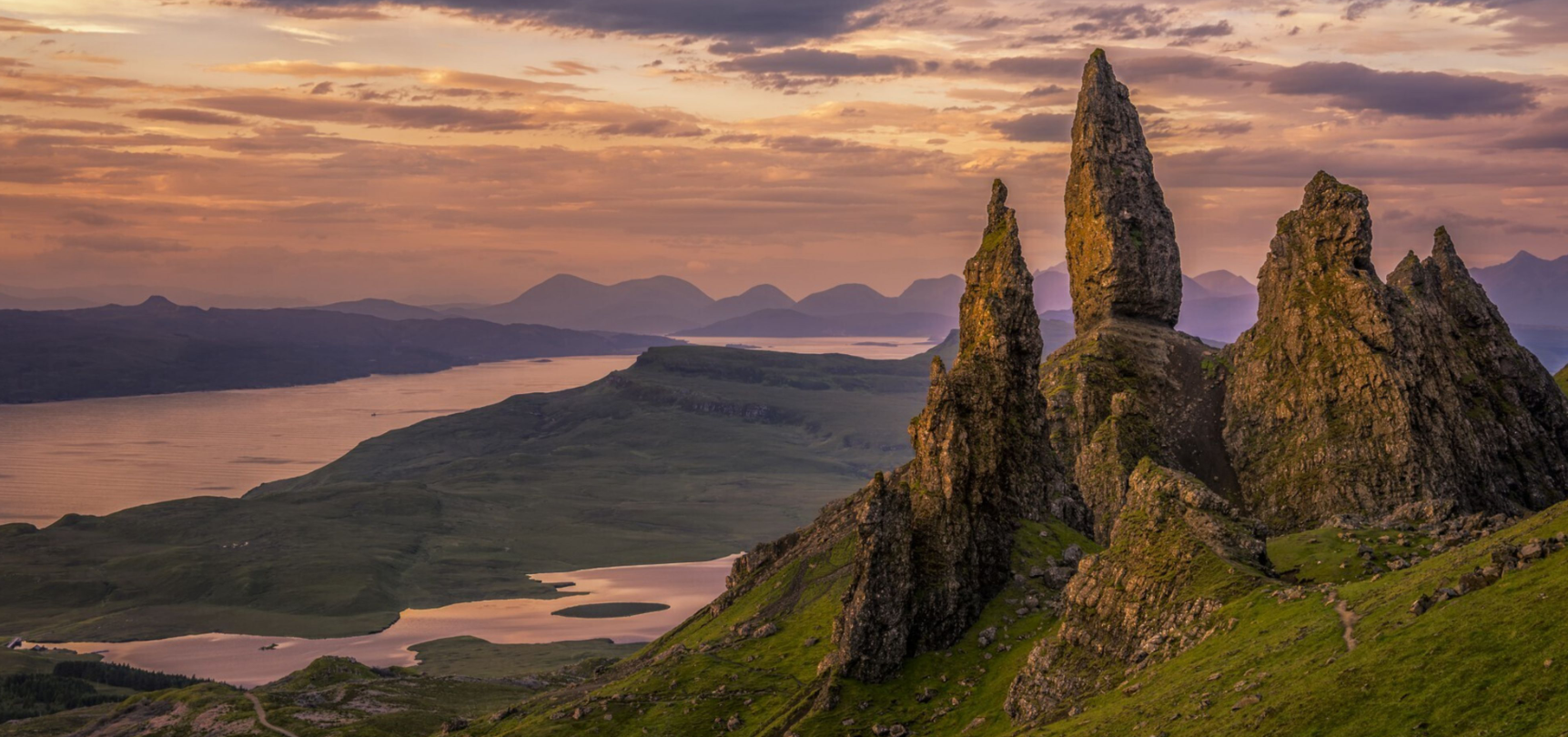
5- Isla de Skye – Paisajes dramáticos y rutas escénicas.
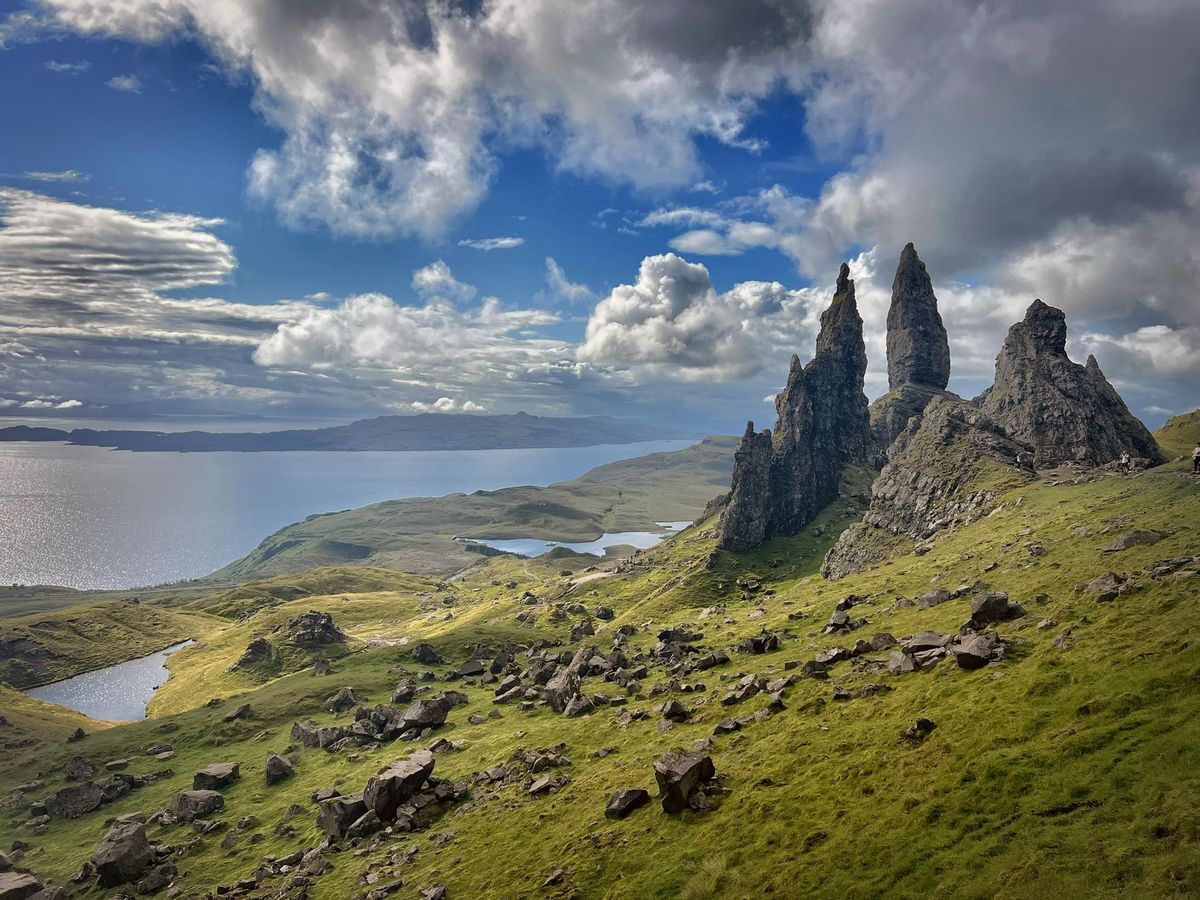
6- Inverness – Puerta de entrada a las Highlands.
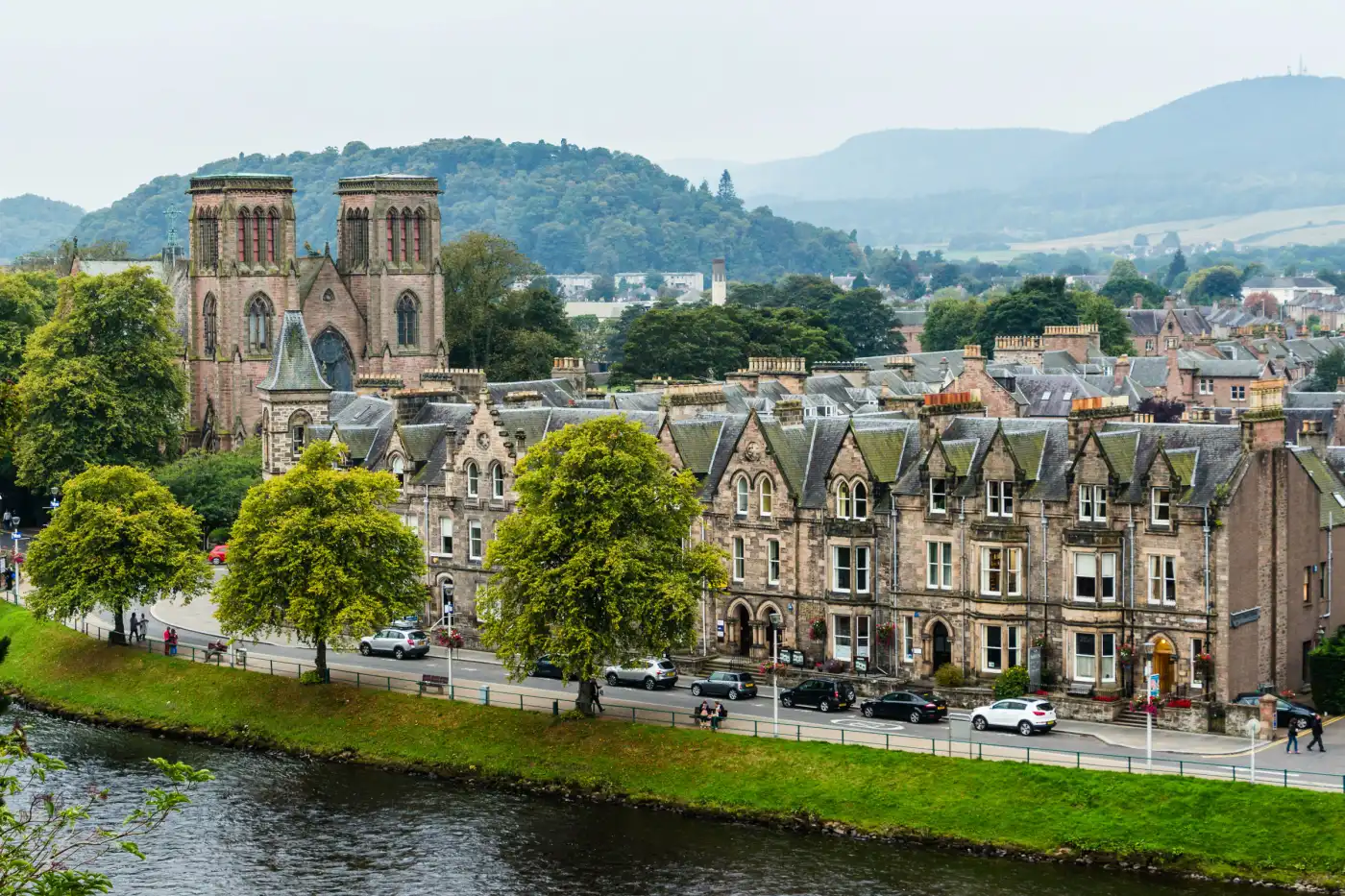
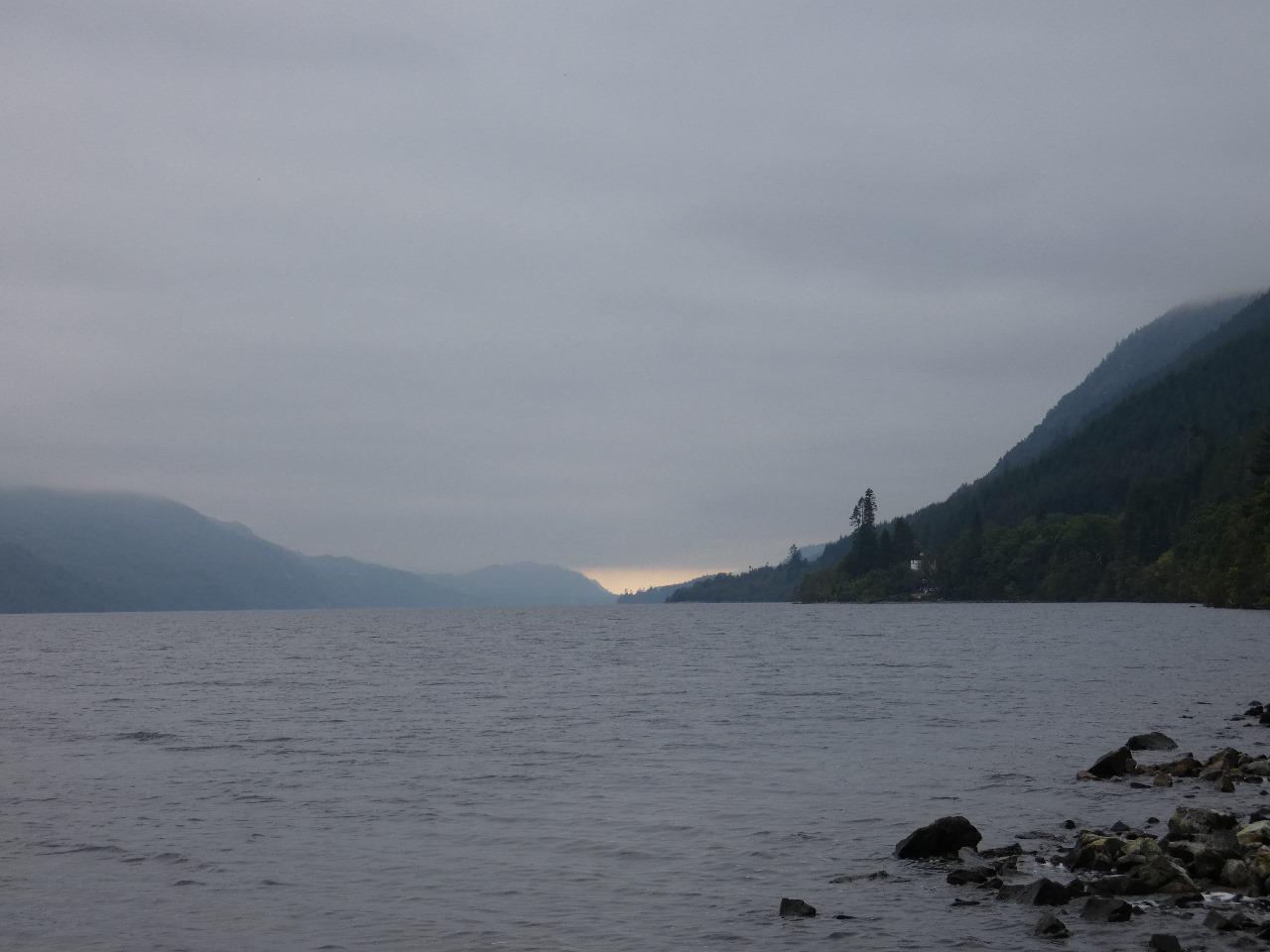
7- Lago Ness y Castillo Urquhart – Historia de clanes y misterio entre las ruinas más famosas de las Tierras Altas.
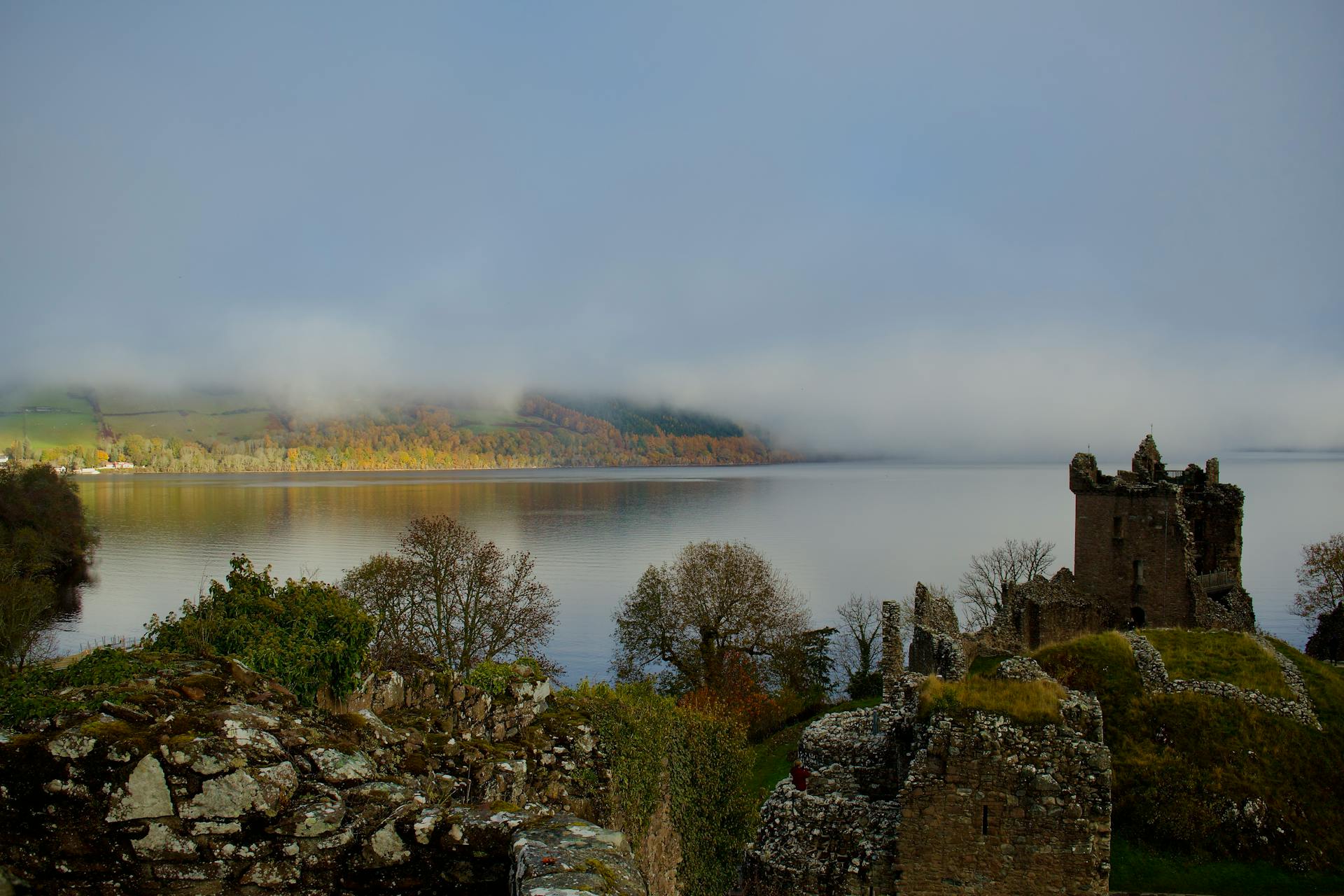
8- North Coast 500 – La mítica ruta circular por el extremo norte de Escocia.
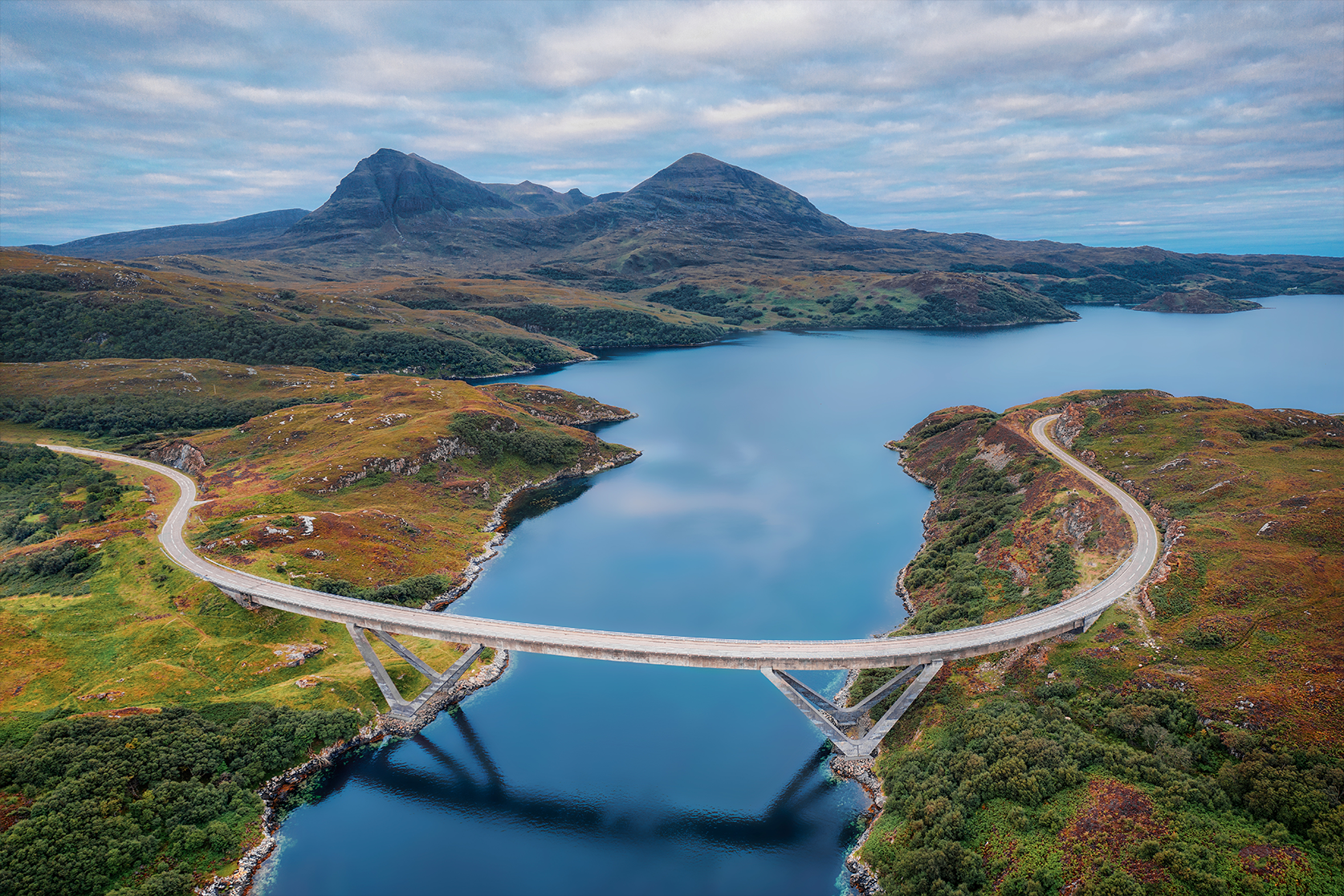
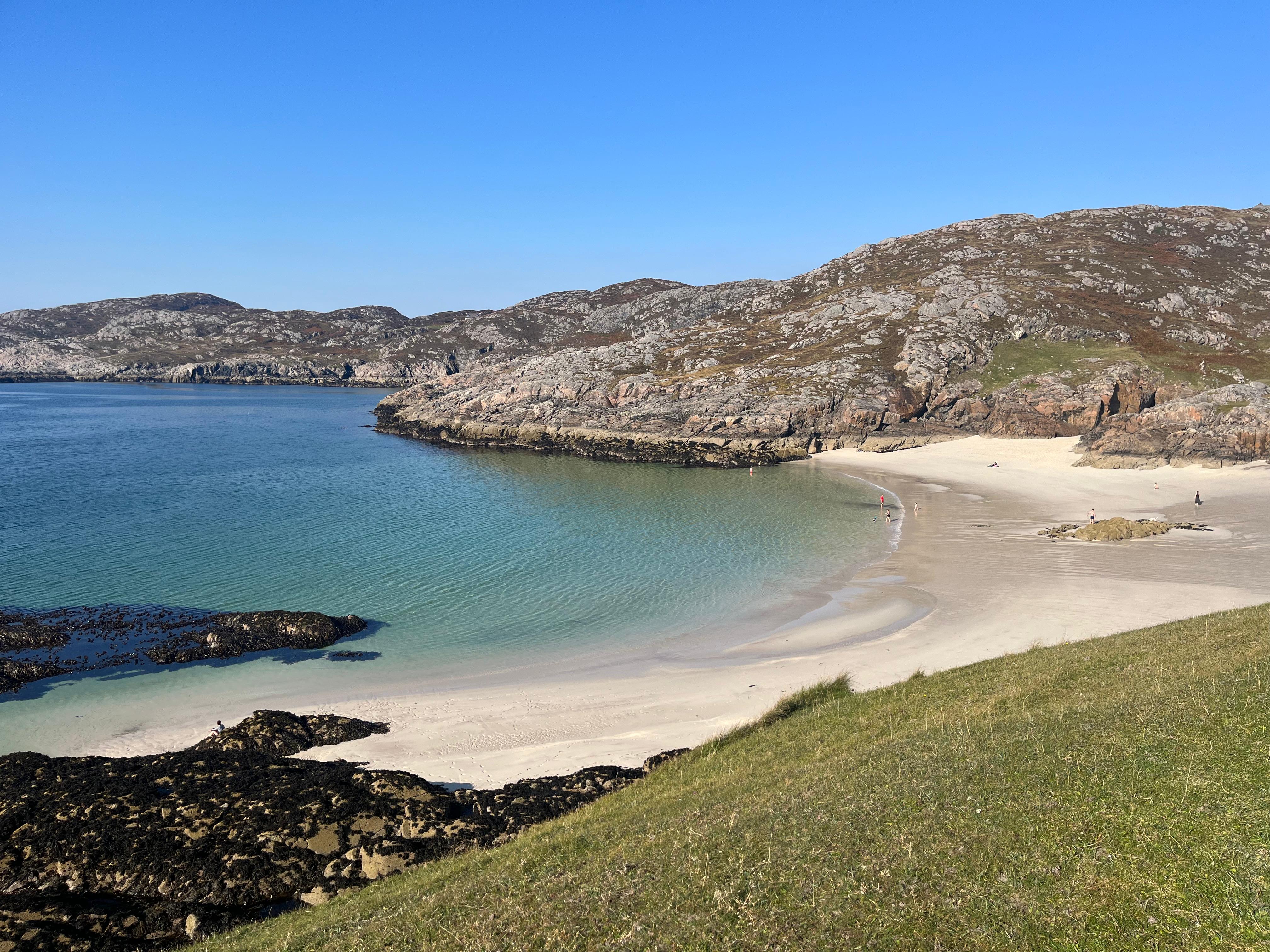
9- Achmelvich Beach – Playas increíbles de agua cristalina entre montañas.
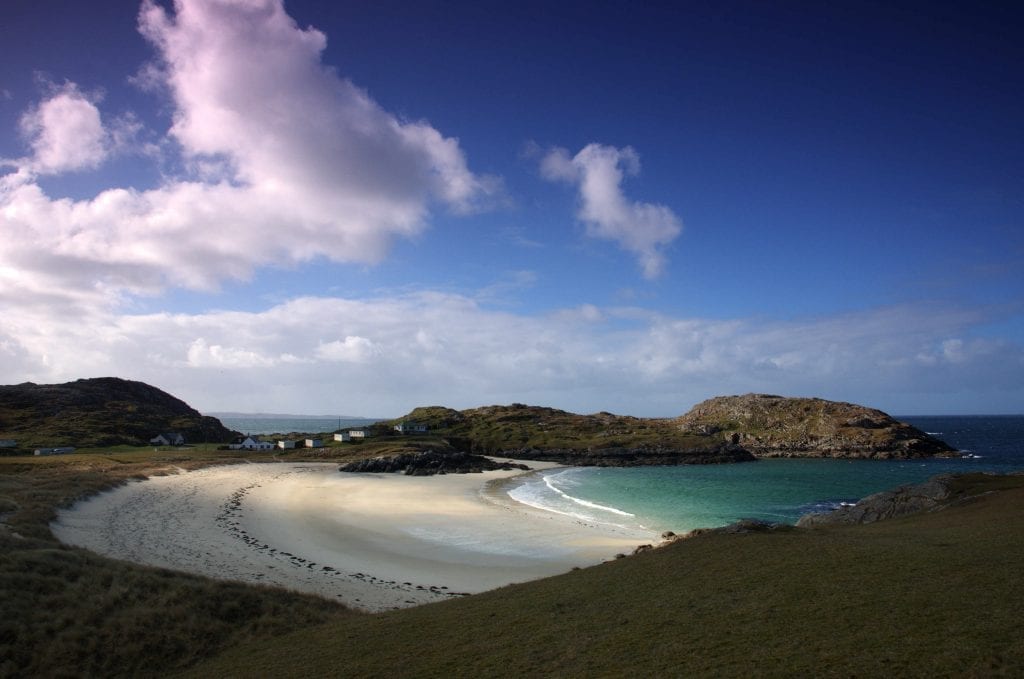
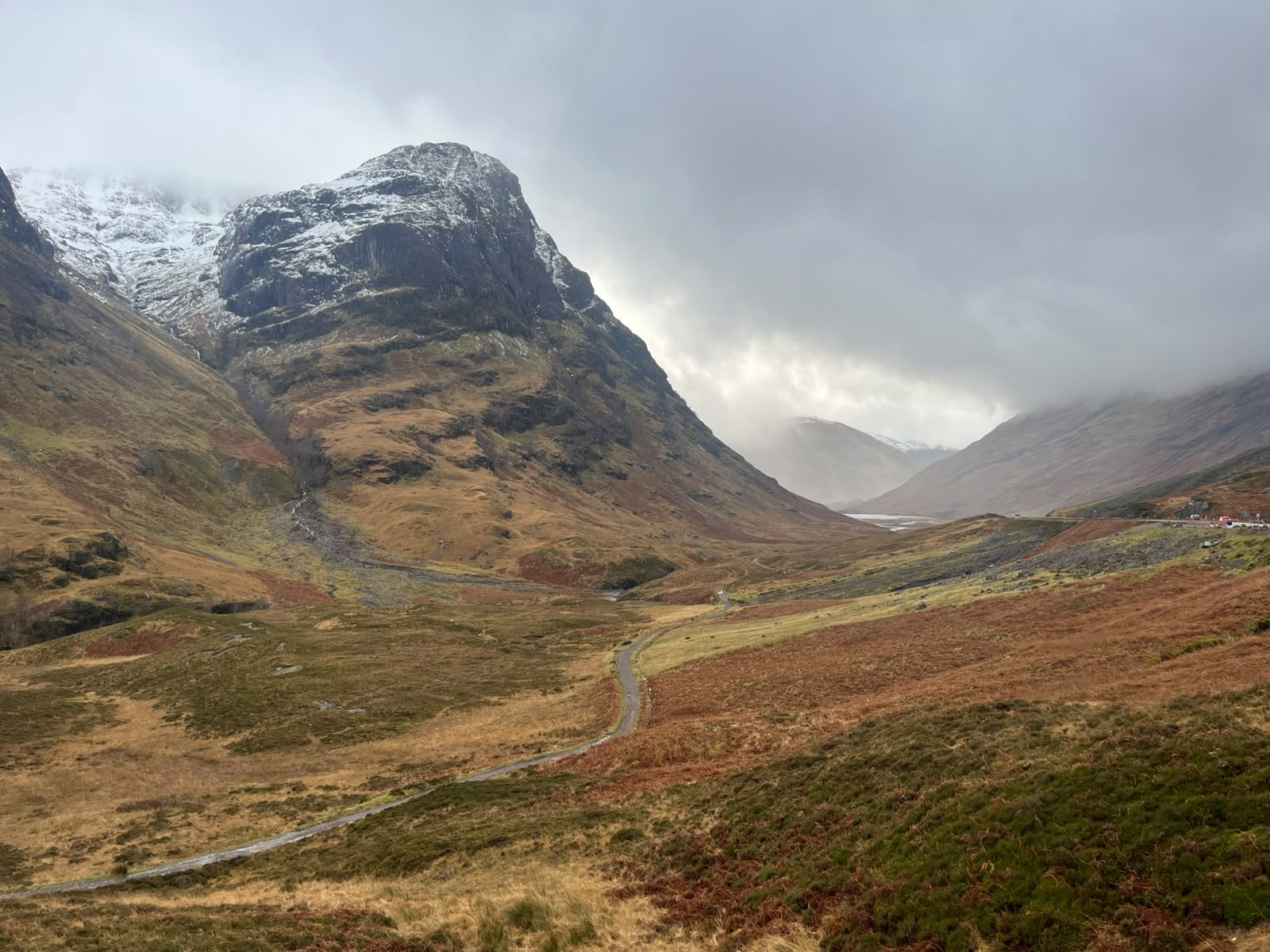
10- Glencoe – Valle icónico y rutas de trekking.
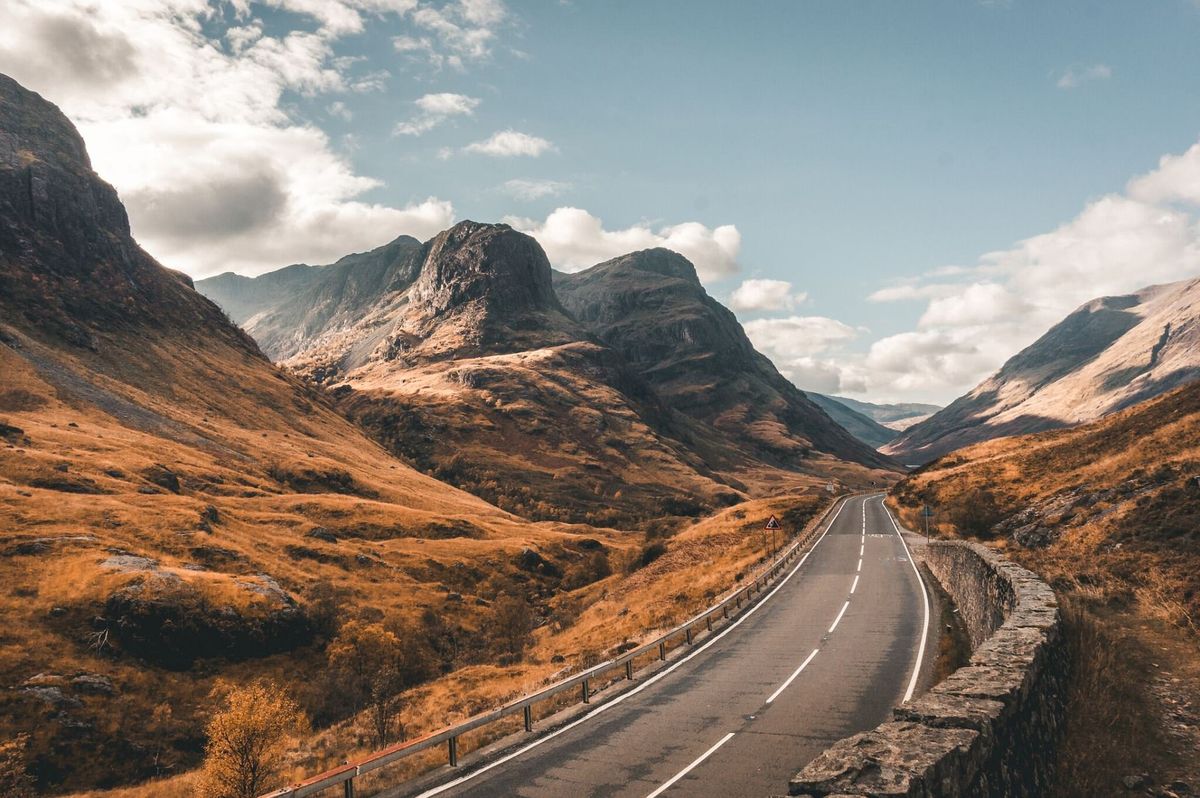
11- Loch Lomond – El lago de agua dulce más grande de Gran Bretaña.
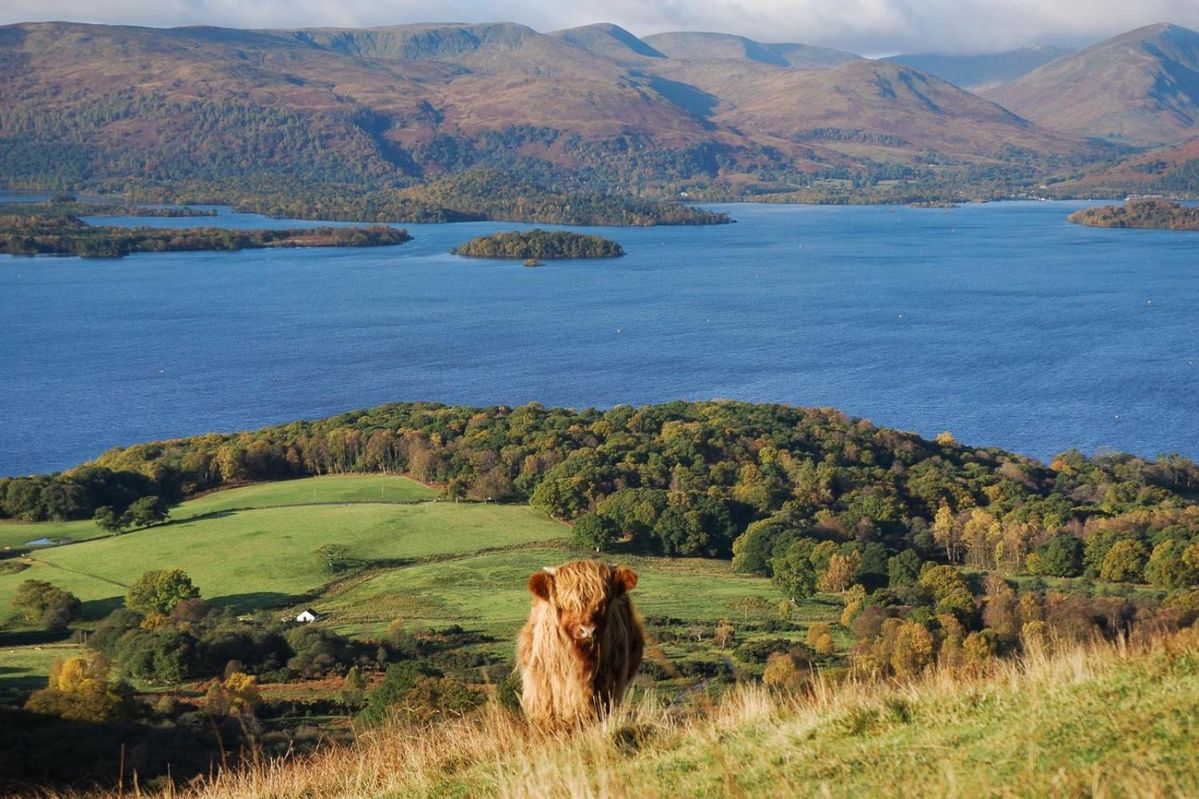
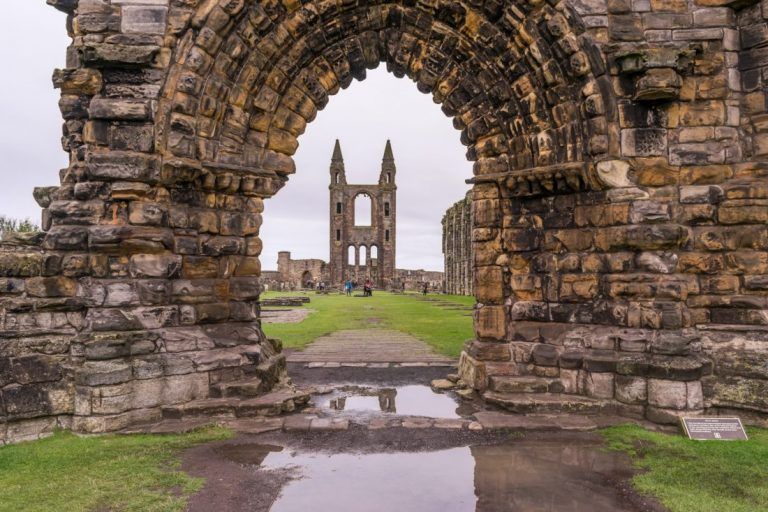
12- St. Andrews – Cuna del golf y famosa ciudad universitaria.
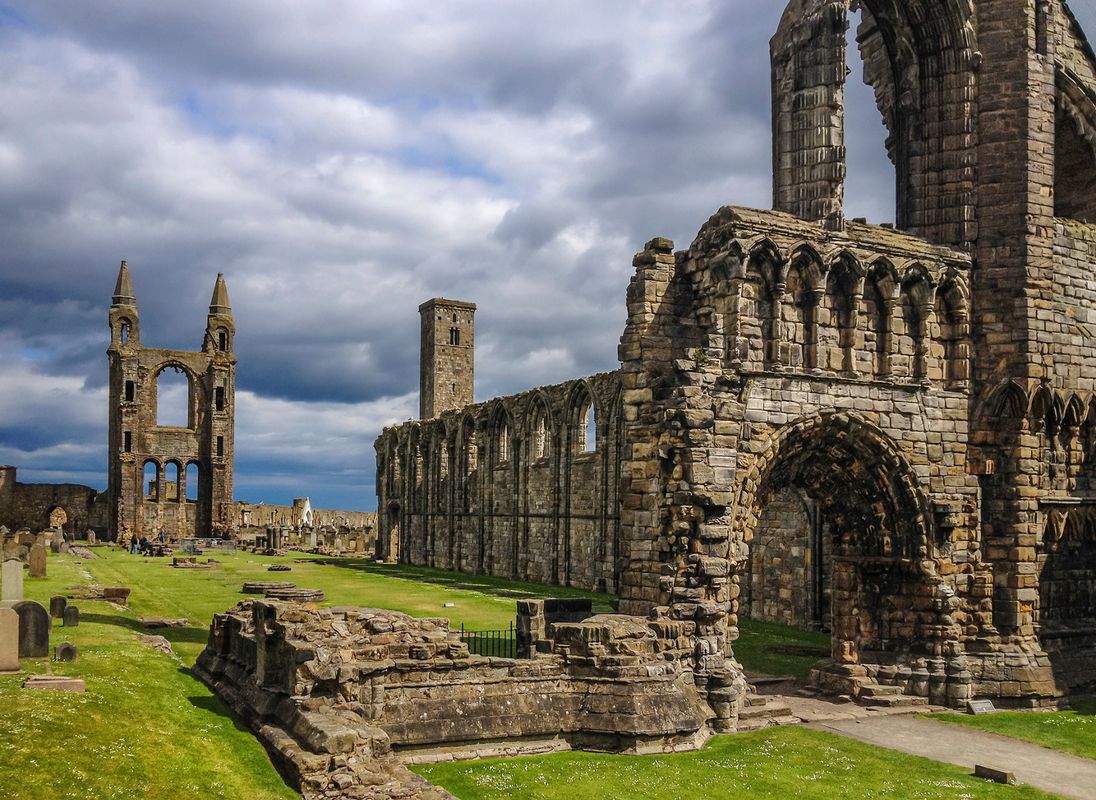
13- Falkland – El bonito pueblo de Outlander y la realeza escocesa.
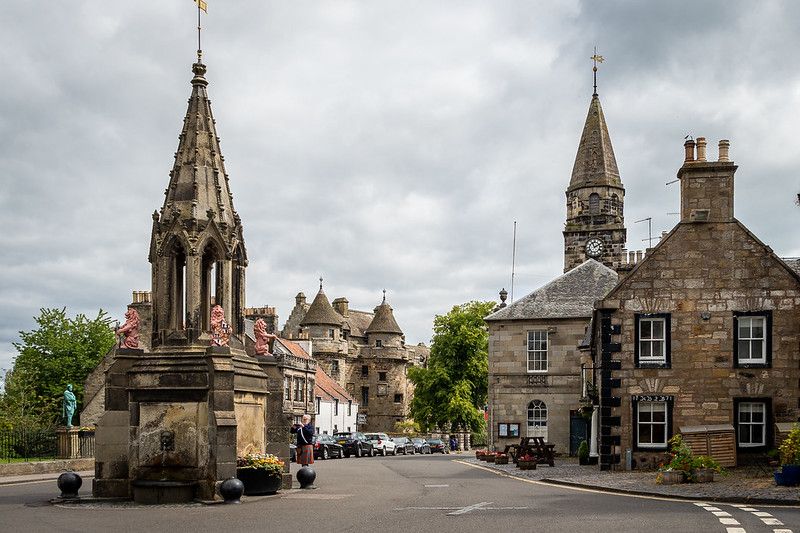
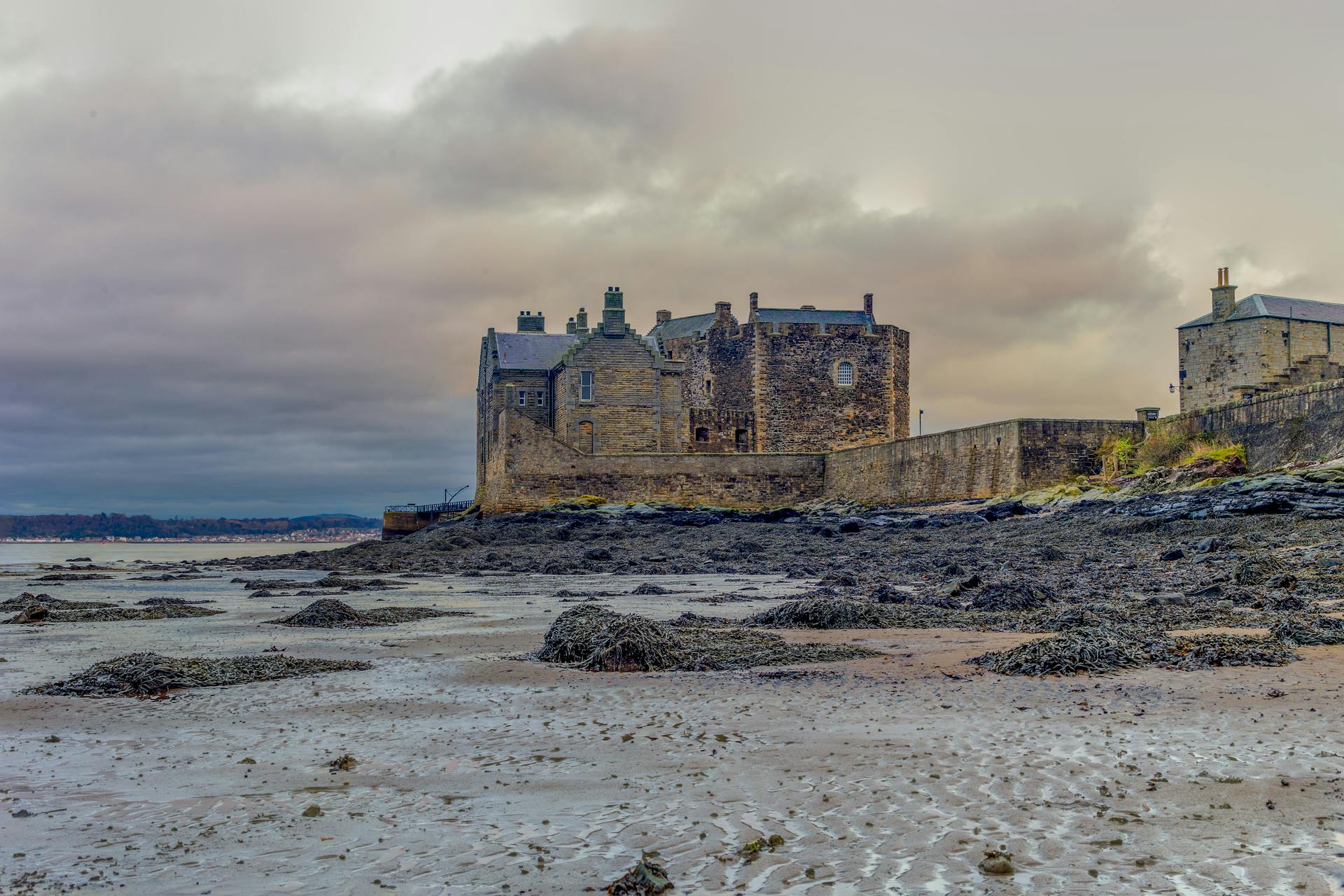
14- Blackness – El "barco de piedra" que nunca zarpó; un castillo cinematográfico a orillas del Forth.
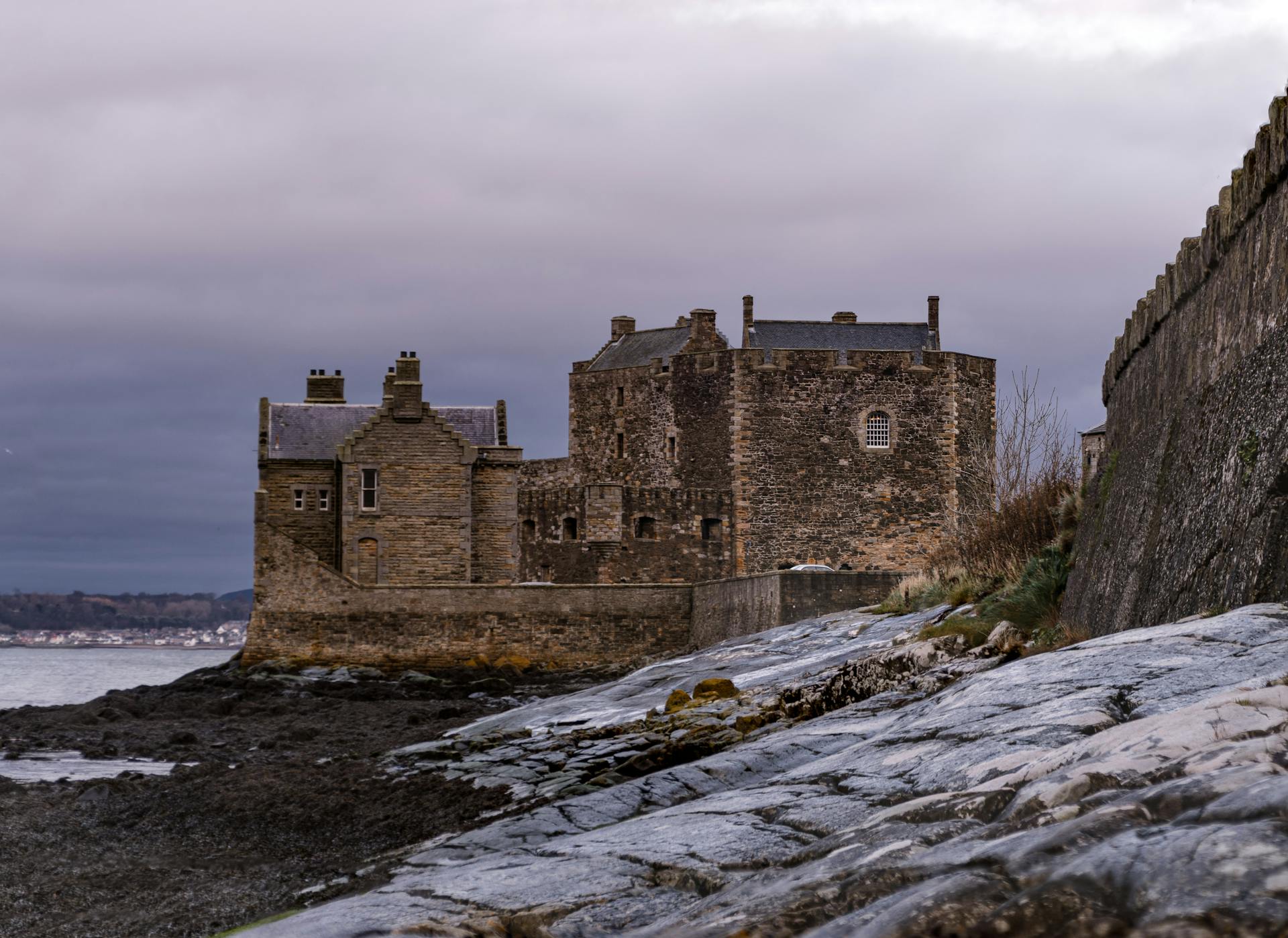
15- Aberdeen – Ciudad costera y arquitectura de granito.
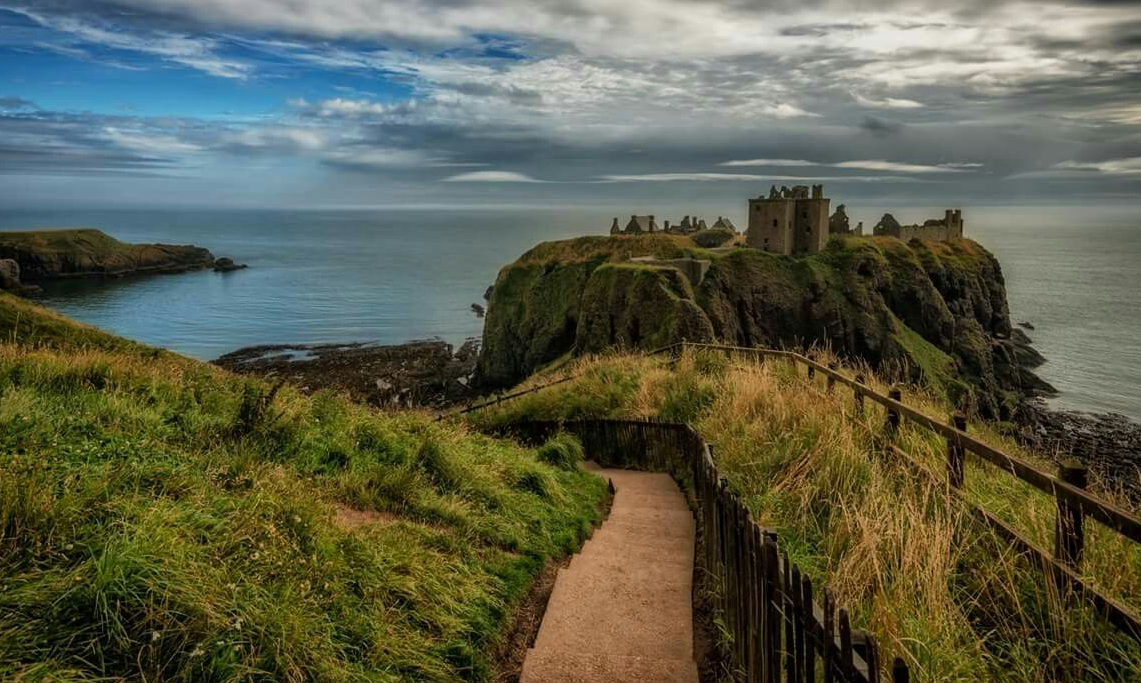
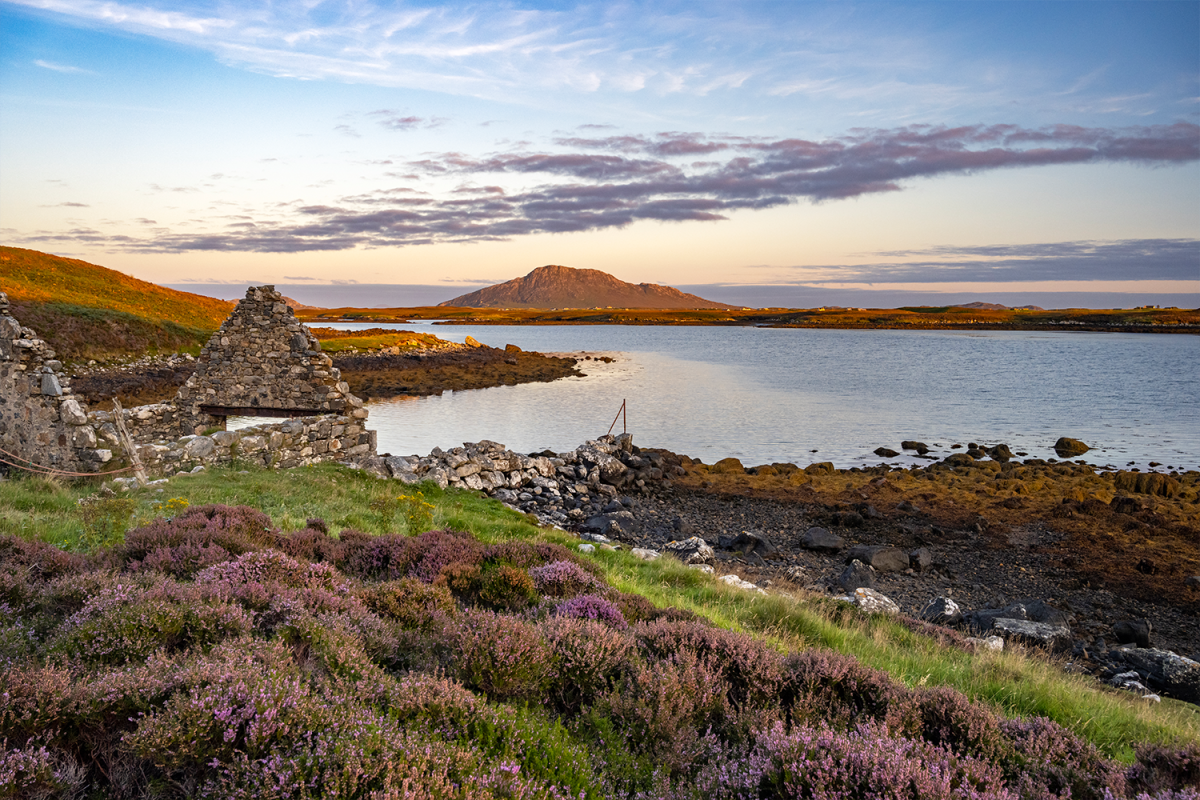
16- Outer Hebrides – Islas remotas y playas salvajes.
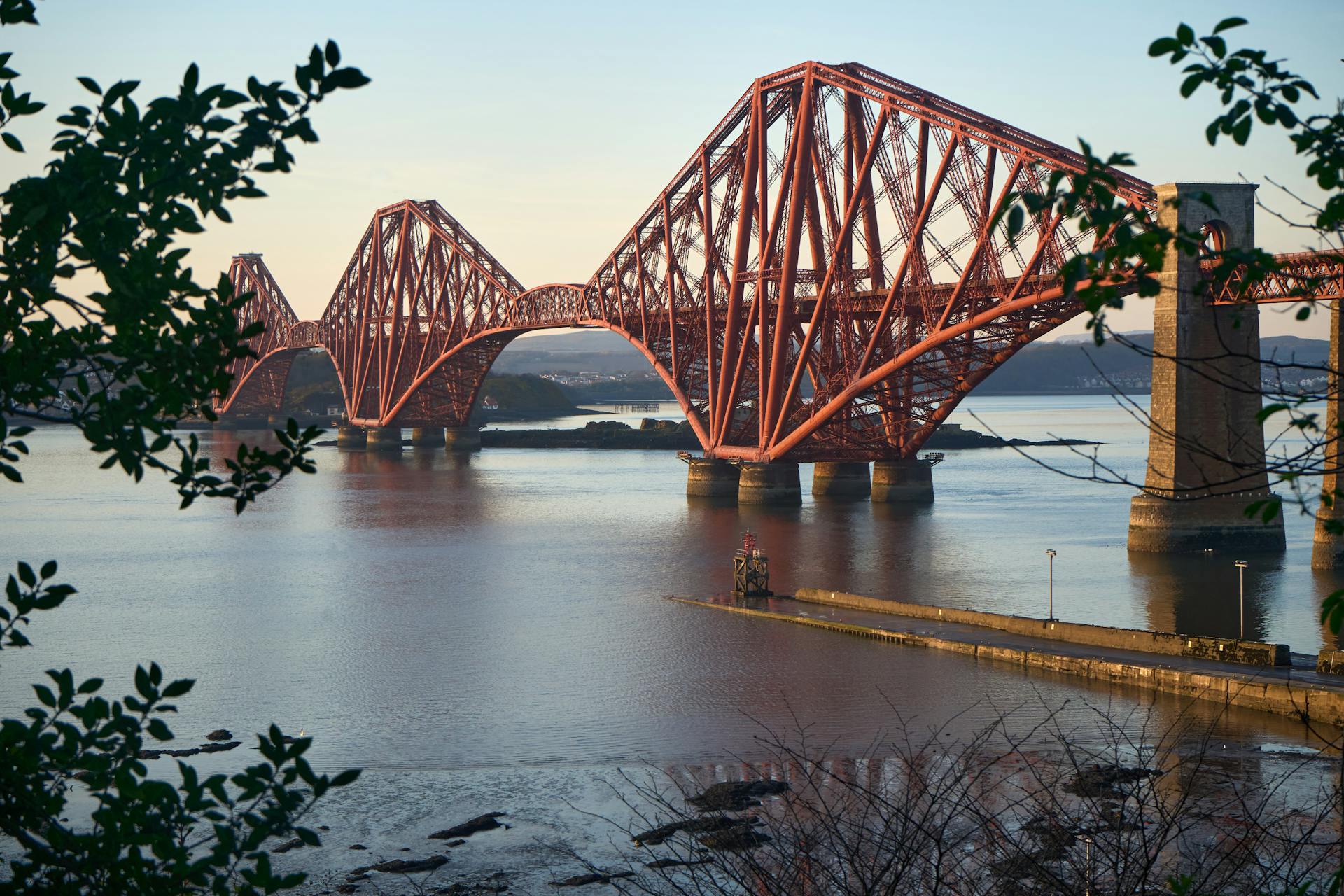
17- South Queensferry – La mejor perspectiva de los icónicos puentes rojos y el encanto de un puerto pesquero tradicional.
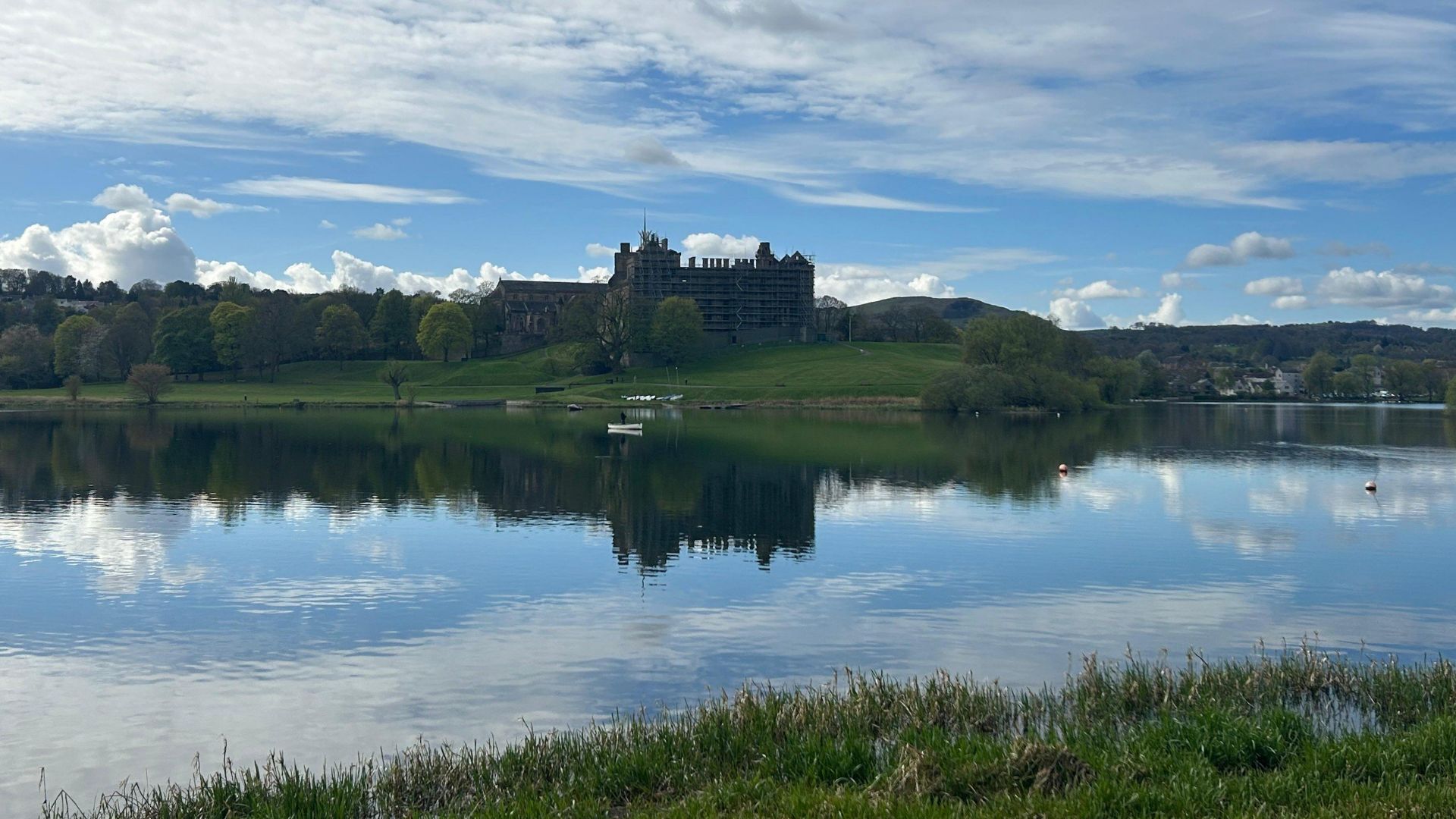
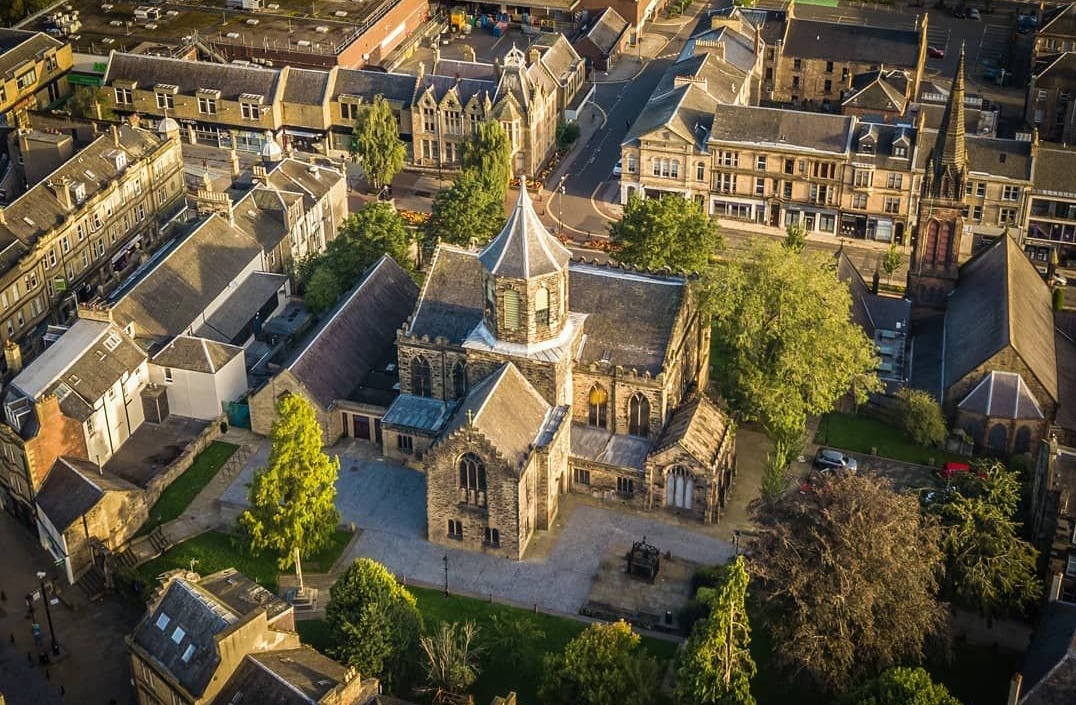
18- Linlithgow – Elegancia real y ruinas imponentes en el lugar de nacimiento de María Estuardo.
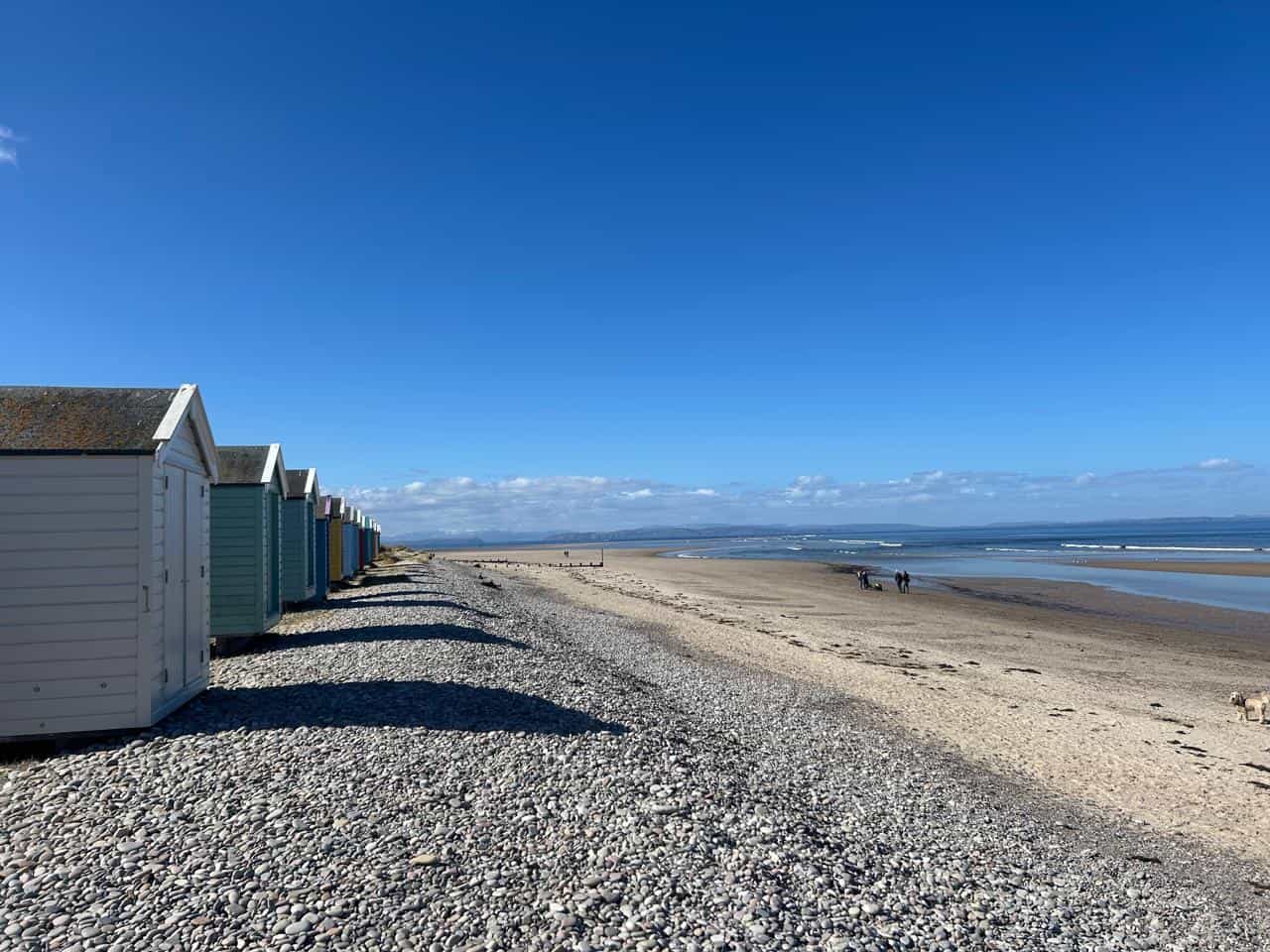
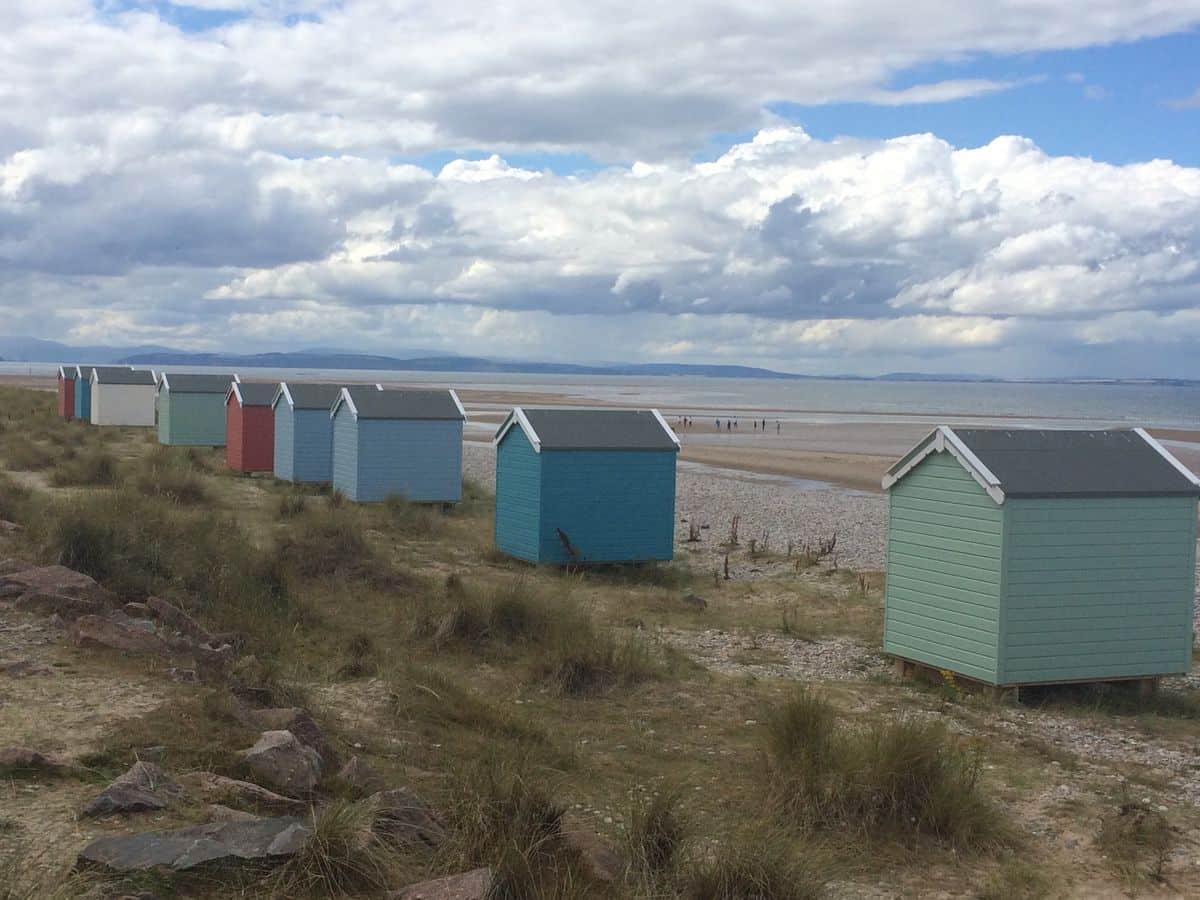
19- Findhorn – playa, naturaleza y la villa ecológica de Escocia.
Cómo moverse por Escocia
Escocia es ideal para viajes por carretera y tren:
- Tren: Excelente para conectar ciudades principales.
- Bus: Económico y confiable.
- Auto: La mejor opción para recorrer Highlands e islas. Recordá que se conduce por la izquierda y preparate para las "Single Track Roads" (rutas de un solo carril con apartaderos).
- Ferries: Necesarios para islas. Si viajás con auto en verano, reservá los tickets de CalMac con meses de antelación.
- Transporte urbano: Buses y tranvías en ciudades.
Además hemos creado esta guía super útil a detalle con las formas mas eficientes de recorrer Escocia por libre: Cómo moverse por Escocia: ¿Coche de alquiler, tren o autobús?
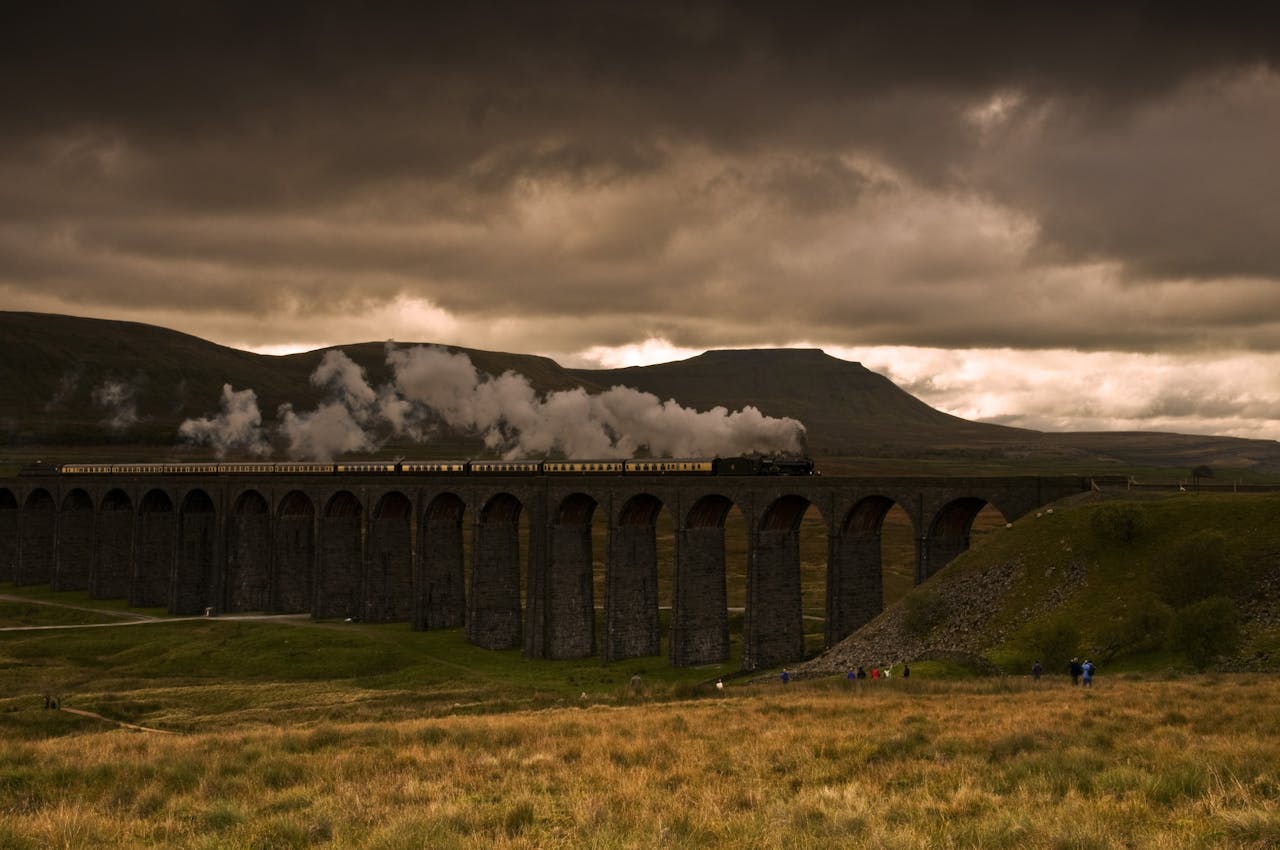
Mejor época para viajar
- Mayo a septiembre: Mejor clima y días con muchísimas horas de luz.
- Julio y agosto: Verano, festivales en Edimburgo y más afluencia de turistas.
- Otoño: Colores increíbles en los bosques y menos gente.
- Invierno: Frío, picos nevados, paisajes dramáticos y tarifas más bajas.
El clima en esta parte del mundo es fresco, húmedo y sumamente cambiante durante todo el año (¡pueden tocarte las cuatro estaciones en un solo día!).
Para ayudarte a decidir cuándo planificar tu aventura según el clima, las horas de luz y los eventos, escribimos esta guía al detalle: Mejor época para viajar a Escocia: clima, meses y consejos prácticos
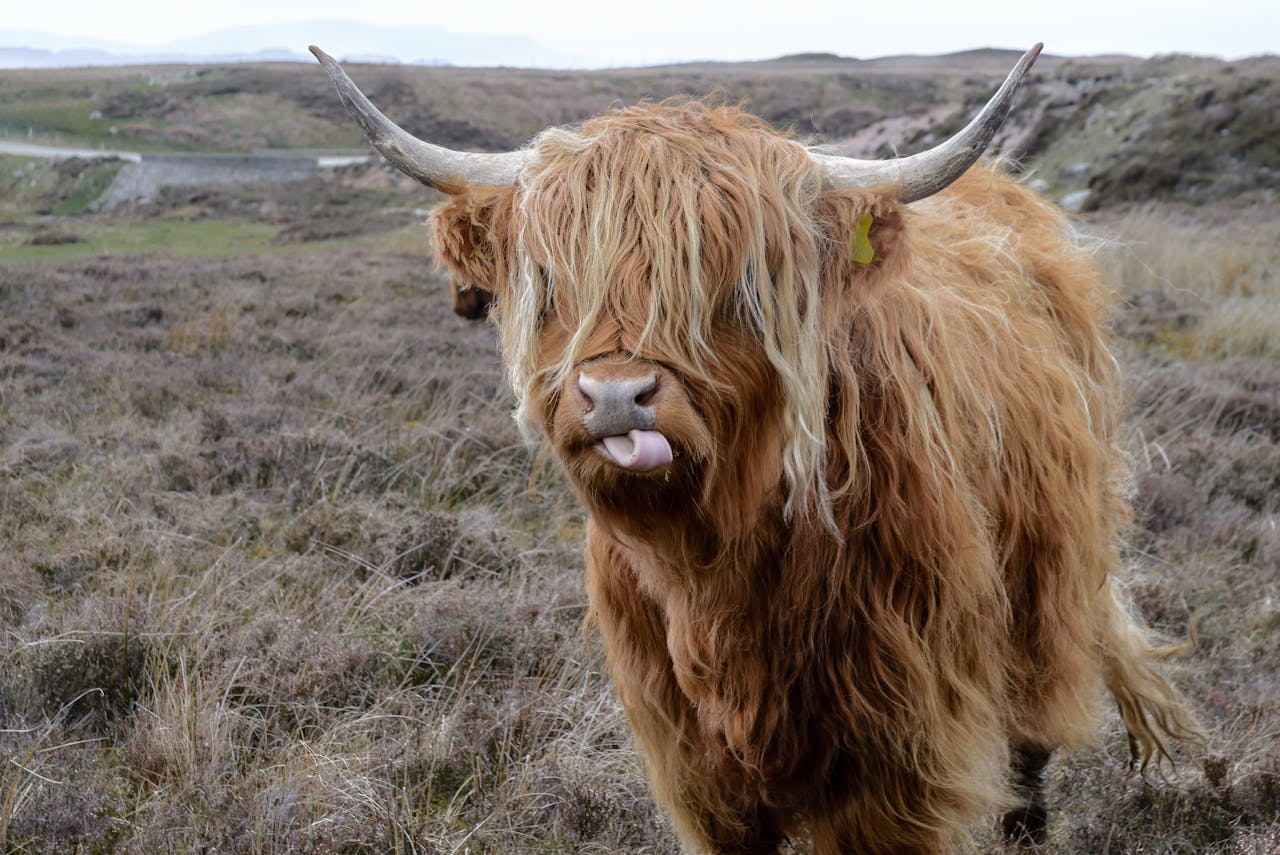
Qué comer en Escocia (imperdibles)
La gastronomía escocesa es tradicional, reconfortante y muy ligada al clima:
- Haggis: Plato nacional a base de carne especiada.
- Fish and chips: Muy popular en zonas costeras.
- Scotch pie: Pastel de carne típico.
- Cullen skink: Sopa cremosa de pescado ahumado.
- Porridge: Avena tradicional escocesa.
- Shortbread: Galletas de manteca.
- Salmón escocés: De los mejores del mundo.
- Whisky escocés: Famoso a nivel mundial, con regiones bien diferenciadas.
Si querés conocer a fondo la historia detrás de cada plato y descubrir qué otras delicias probar, no te pierdas nuestra guía completa: Comida típica de Escocia: qué comer y platos tradicionales imperdibles

Datos prácticos para viajar por Escocia
- Moneda: Libra esterlina (GBP).
- Idioma: Inglés; también gaélico escocés en algunas regiones.
- Enchufes: Tipo G, 230V.
- Propinas: No obligatorias; se deja 10% si el servicio fue bueno.
- Conectividad: Muy buena en ciudades; variable en zonas rurales.
- Pagos: Tarjetas ampliamente aceptadas; efectivo poco necesario.
Consejos útiles para viajar por Escocia
- Llevá impermeable: la lluvia puede aparecer en cualquier momento.
- Alquilá auto para explorar con libertad (recordá que conducen por la izquierda).
- Aprovechá el Right to Roam: en Escocia podés caminar libremente por casi cualquier terreno mientras respetes la naturaleza.
- Reservá alojamiento con anticipación en verano.
- Probá whiskys locales en destilerías, incluso si no sos experto.
- Tené cuidado con los midges (mosquitos) en verano; el repelente "Smidge" es el más efectivo.
- Respetá caminos rurales y zonas naturales.
- Aprovechá rutas escénicas como la North Coast 500
Lecturas que te pueden interesar
- Itinerario por Escocia: la ruta perfecta de 7, 10 y 14 días
- Harry Potter en Escocia: ruta por las locaciones reales
- Ruta de Castillos por el Este de Escocia e Inglaterra
- Guía para viajar por Inglaterra
- Edimburgo: la ciudad de cuento
- Glasgow, la ciudad de la musica
- Qué ver en Saint Andrews: guía completa de la cuna del golf y la historia
1- Edimburgo – Capital histórica, castillo y casco antiguo medieval.
2- Glasgow – Ciudad cultural, música y arquitectura victoriana.
3- Stirling – Castillos y batallas históricas.
4- Highlands – Montañas, valles y naturaleza indómita.
5- Isla de Skye – Paisajes dramáticos y rutas escénicas.
6- Inverness – Puerta de entrada a las Highlands.
7- Lago Ness y Castillo Urquhart – Historia de clanes y misterio entre las ruinas más famosas de las Tierras Altas.
8- North Coast 500 – La mítica ruta circular por el extremo norte de Escocia.
9- Achmelvich Beach – Playas increíbles de agua cristalina entre montañas.
10- Glencoe – Valle icónico y rutas de trekking.
11- Loch Lomond – El lago de agua dulce más grande de Gran Bretaña.
12- St. Andrews – Cuna del golf y famosa ciudad universitaria.
13- Falkland – El bonito pueblo de Outlander y la realeza escocesa.
14- Blackness – El "barco de piedra" que nunca zarpó; un castillo cinematográfico a orillas del Forth.
15- Aberdeen – Ciudad costera y arquitectura de granito.
16- Outer Hebrides – Islas remotas y playas salvajes.
17- South Queensferry – La mejor perspectiva de los icónicos puentes rojos y el encanto de un puerto pesquero tradicional.
18- Linlithgow – Elegancia real y ruinas imponentes en el lugar de nacimiento de María Estuardo.
19- Findhorn – playa, naturaleza y la villa ecológica de Escocia.
PUBLICIDAD
Travel with Data: Get your Saily eSIM
- ✓Internet in seconds upon landing
- ✓Flexible plans in 180+ countries
- ✓Easy setup directly via the App
Escocia es ideal para viajes por carretera y tren:
- Tren: Excelente para conectar ciudades principales.
- Bus: Económico y confiable.
- Auto: La mejor opción para recorrer Highlands e islas. Recordá que se conduce por la izquierda y preparate para las "Single Track Roads" (rutas de un solo carril con apartaderos).
- Ferries: Necesarios para islas. Si viajás con auto en verano, reservá los tickets de CalMac con meses de antelación.
- Transporte urbano: Buses y tranvías en ciudades.
Además hemos creado esta guía super útil a detalle con las formas mas eficientes de recorrer Escocia por libre: Cómo moverse por Escocia: ¿Coche de alquiler, tren o autobús?
- Mayo a septiembre: Mejor clima y días con muchísimas horas de luz.
- Julio y agosto: Verano, festivales en Edimburgo y más afluencia de turistas.
- Otoño: Colores increíbles en los bosques y menos gente.
- Invierno: Frío, picos nevados, paisajes dramáticos y tarifas más bajas.
El clima en esta parte del mundo es fresco, húmedo y sumamente cambiante durante todo el año (¡pueden tocarte las cuatro estaciones en un solo día!).
Para ayudarte a decidir cuándo planificar tu aventura según el clima, las horas de luz y los eventos, escribimos esta guía al detalle: Mejor época para viajar a Escocia: clima, meses y consejos prácticos
La gastronomía escocesa es tradicional, reconfortante y muy ligada al clima:
- Haggis: Plato nacional a base de carne especiada.
- Fish and chips: Muy popular en zonas costeras.
- Scotch pie: Pastel de carne típico.
- Cullen skink: Sopa cremosa de pescado ahumado.
- Porridge: Avena tradicional escocesa.
- Shortbread: Galletas de manteca.
- Salmón escocés: De los mejores del mundo.
- Whisky escocés: Famoso a nivel mundial, con regiones bien diferenciadas.
Si querés conocer a fondo la historia detrás de cada plato y descubrir qué otras delicias probar, no te pierdas nuestra guía completa: Comida típica de Escocia: qué comer y platos tradicionales imperdibles
- Moneda: Libra esterlina (GBP).
- Idioma: Inglés; también gaélico escocés en algunas regiones.
- Enchufes: Tipo G, 230V.
- Propinas: No obligatorias; se deja 10% si el servicio fue bueno.
- Conectividad: Muy buena en ciudades; variable en zonas rurales.
- Pagos: Tarjetas ampliamente aceptadas; efectivo poco necesario.
- Llevá impermeable: la lluvia puede aparecer en cualquier momento.
- Alquilá auto para explorar con libertad (recordá que conducen por la izquierda).
- Aprovechá el Right to Roam: en Escocia podés caminar libremente por casi cualquier terreno mientras respetes la naturaleza.
- Reservá alojamiento con anticipación en verano.
- Probá whiskys locales en destilerías, incluso si no sos experto.
- Tené cuidado con los midges (mosquitos) en verano; el repelente "Smidge" es el más efectivo.
- Respetá caminos rurales y zonas naturales.
- Aprovechá rutas escénicas como la North Coast 500
PUBLICIDAD
- Itinerario por Escocia: la ruta perfecta de 7, 10 y 14 días
- Harry Potter en Escocia: ruta por las locaciones reales
- Ruta de Castillos por el Este de Escocia e Inglaterra
- Guía para viajar por Inglaterra
- Edimburgo: la ciudad de cuento
- Glasgow, la ciudad de la musica
- Qué ver en Saint Andrews: guía completa de la cuna del golf y la historia
PUBLICIDAD
International Travel Insurance
- ✓International medical insurance
- ✓24/7 immediate assistance in your language
- ✓Ideal for trekking & adventure

Preferences
Language
Color
Text
Width