Table of contents and map
Brasil 2026: destinos imperdibles, consejos y formas de recorrerlo
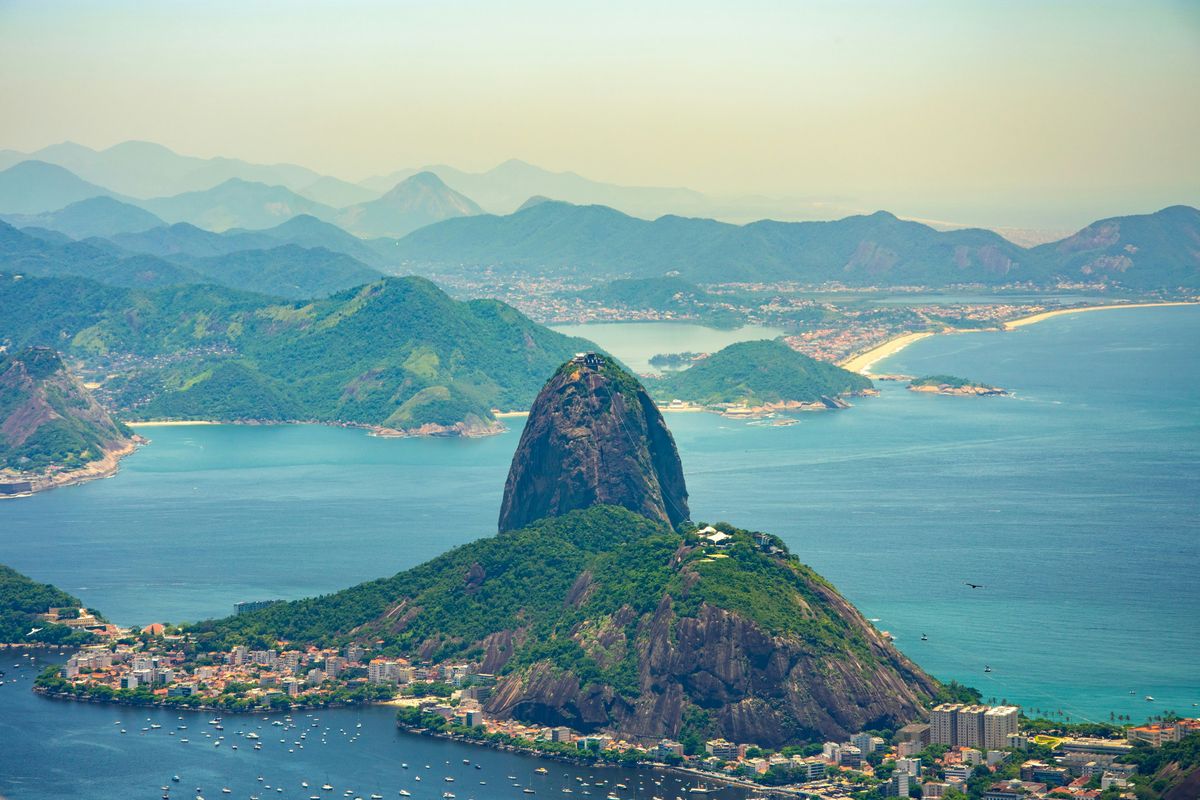
Brasil es un país de naturaleza desbordante, playas infinitas y una energía única. Desde selvas y cascadas imponentes hasta ciudades vibrantes y pueblos costeros, es un destino que mezcla aventura, cultura y alegría en cada viaje.
Brasil 2026: destinos imperdibles, consejos y formas de recorrerlo
Brasil es un país de naturaleza desbordante, playas infinitas y una energía única. Desde selvas y cascadas imponentes hasta ciudades vibrantes y pueblos costeros, es un destino que mezcla aventura, cultura y alegría en cada viaje.
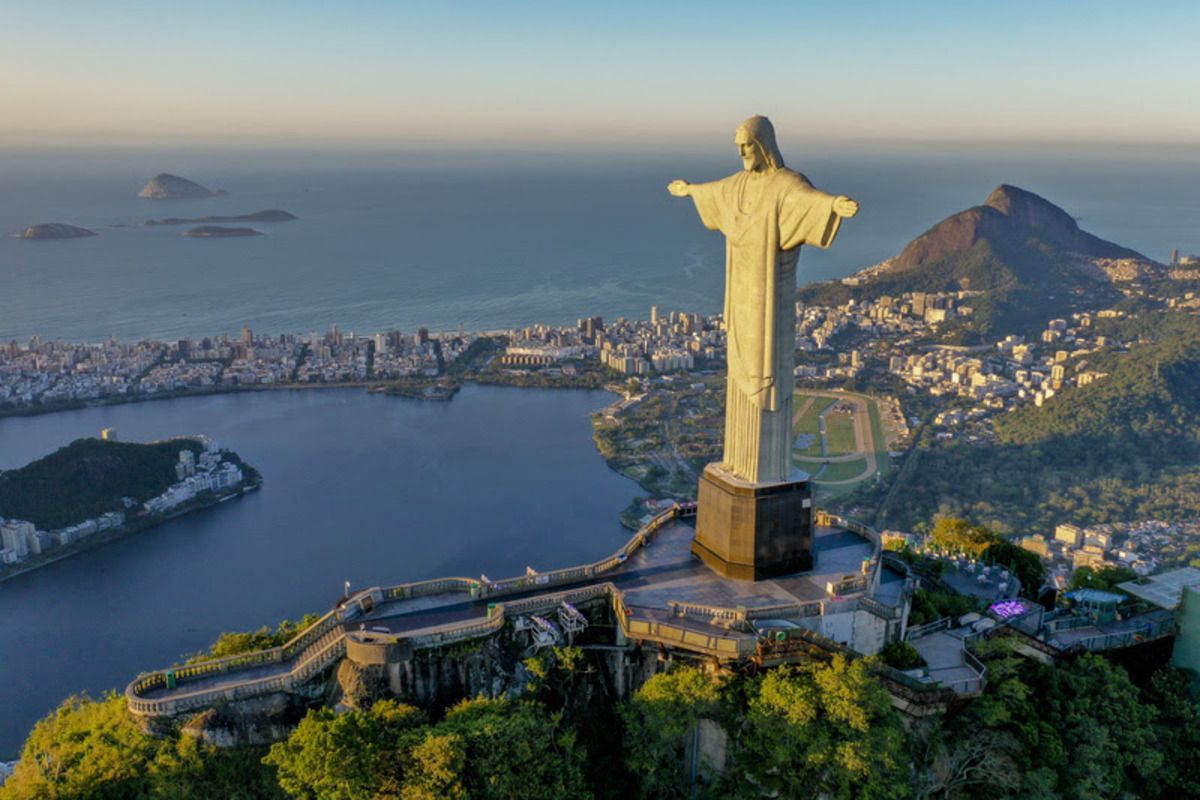
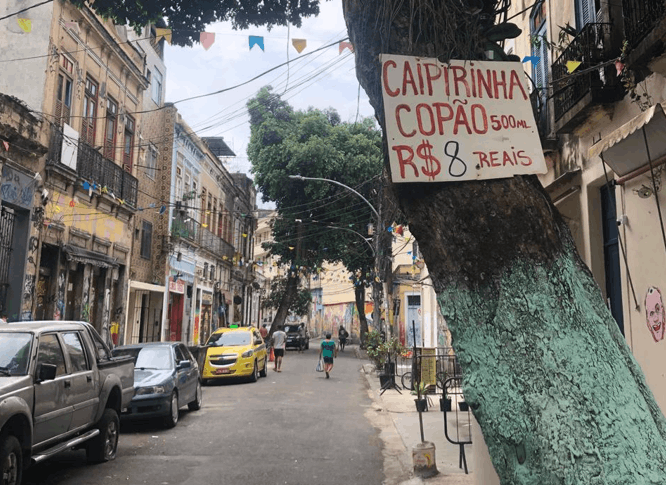
En Brasil hemos estado unos 5 meses: cuatro en Río de Janeiro y uno en la costa norte de São Paulo. Aún nos queda mucho por recorrer; es un país gigante.
Pero, desde los lugares donde estuvimos, pudimos entenderlo bastante y descubrir a fondo esas regiones. Próximamente volveremos para seguir recorriendo destinos nuevos.
13 destinos imperdibles de Brasil
Brasil es enorme, diverso y vibrante: playas infinitas, selva amazónica, grandes ciudades y una identidad cultural muy marcada.
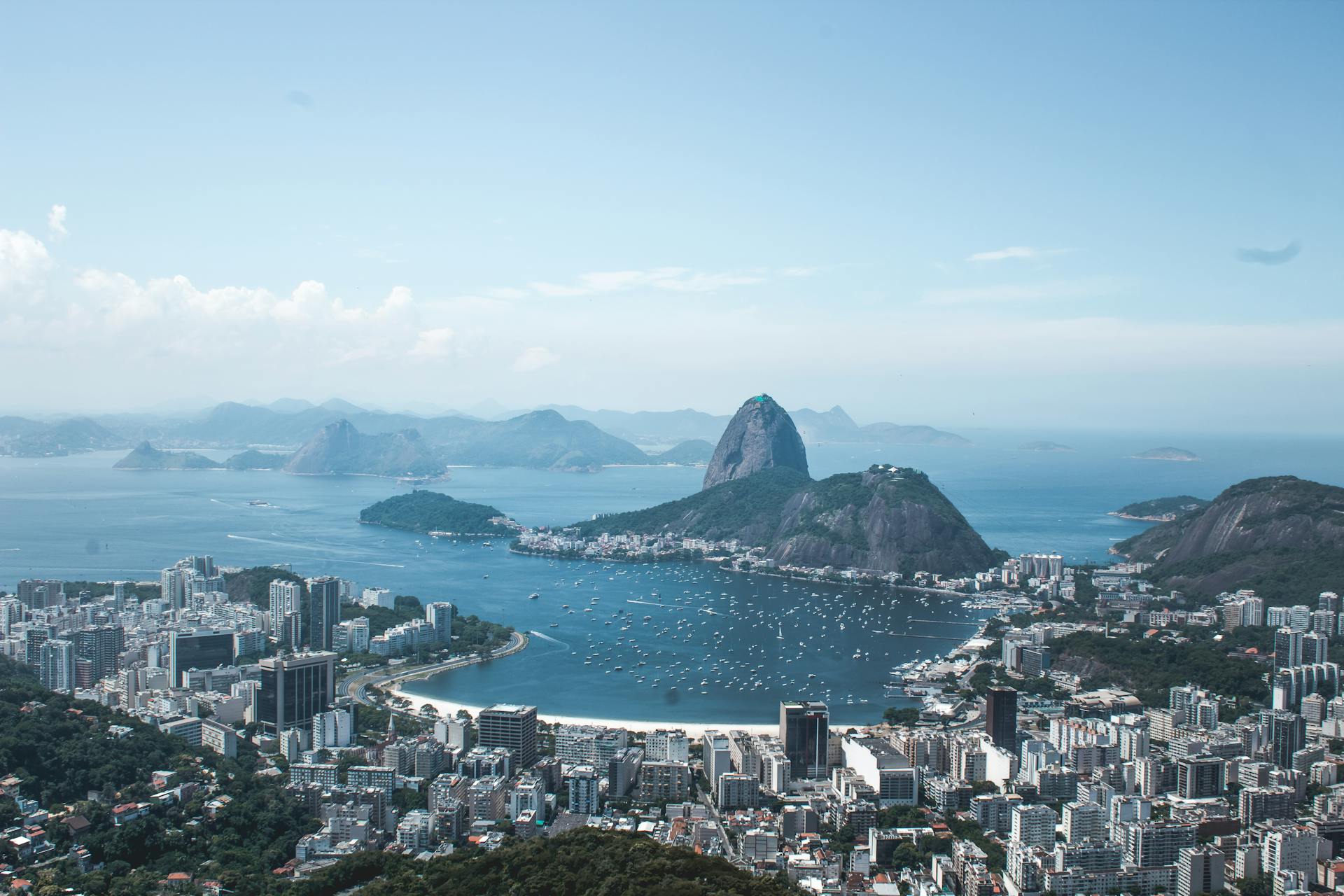
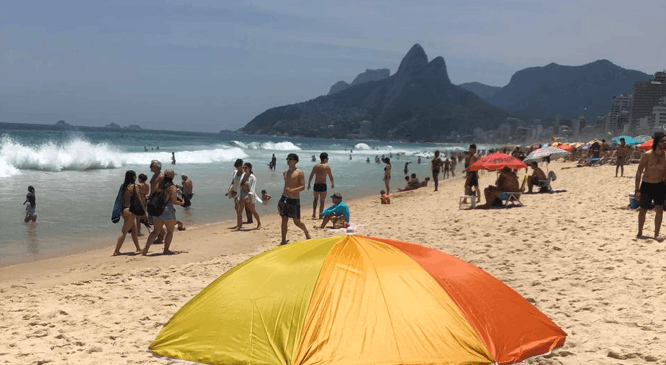
1- Río de Janeiro – Playas icónicas, Cristo Redentor y vida urbana intensa.
2- São Paulo – Capital cultural y gastronómica del país.
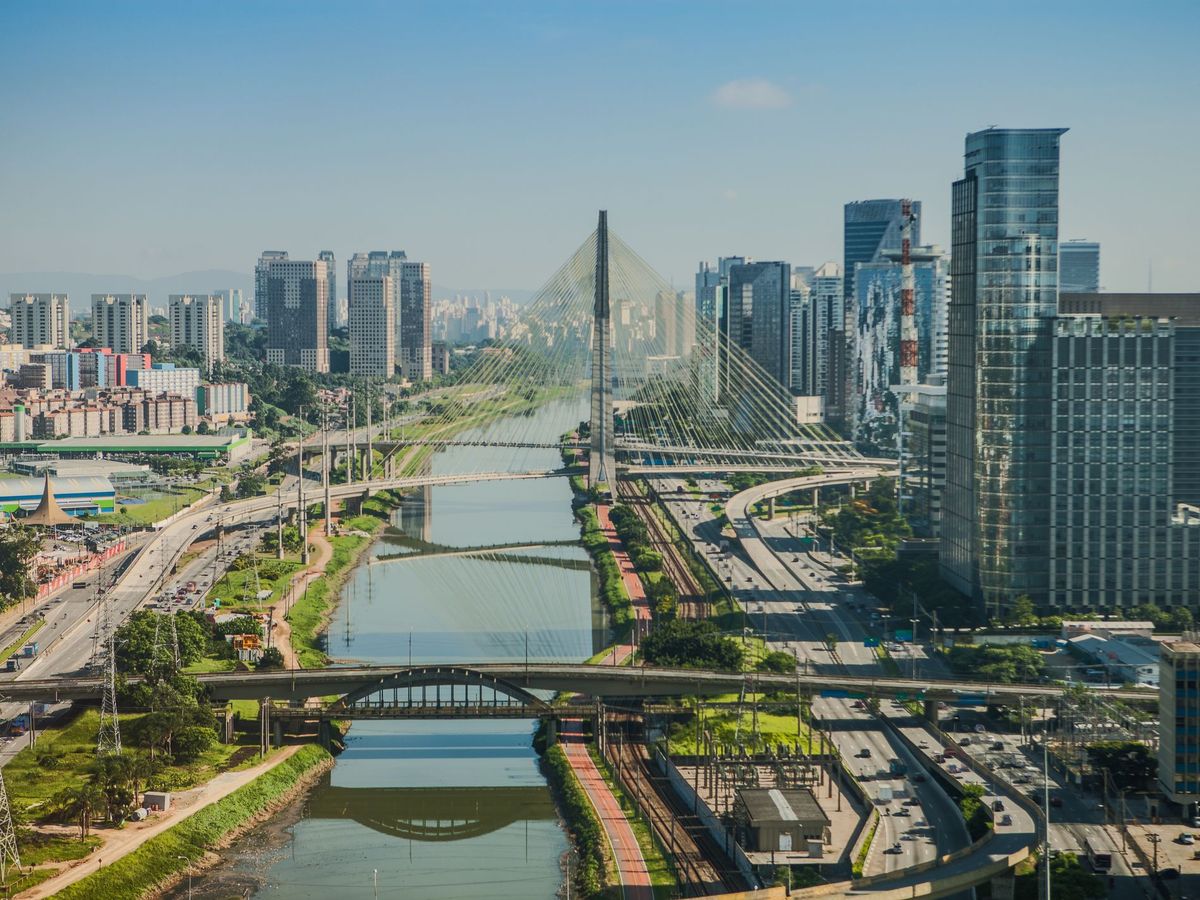
3- Salvador de Bahía – Historia colonial, música y herencia afrobrasileña.
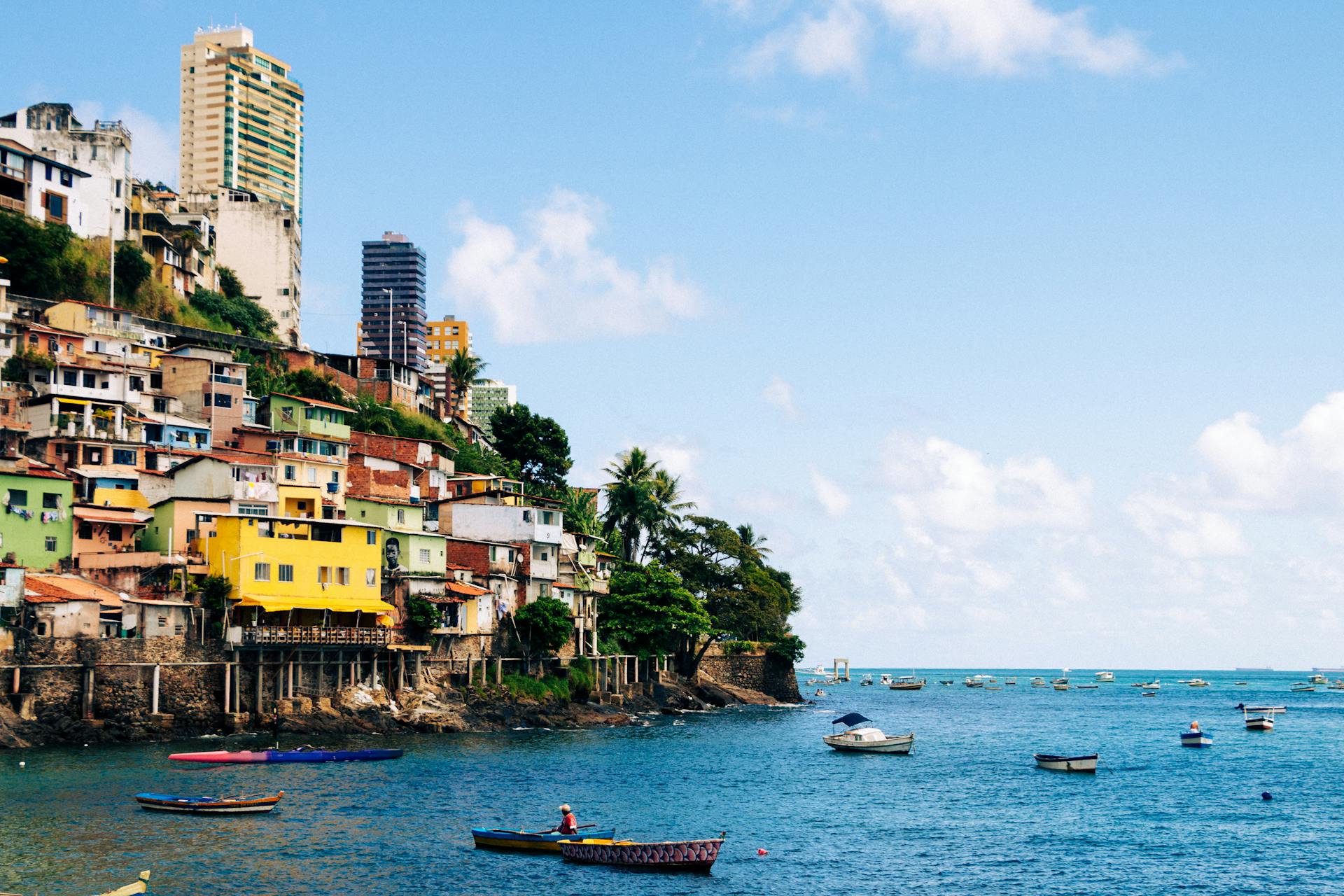
4- Florianópolis – Playas, surf y calidad de vida.
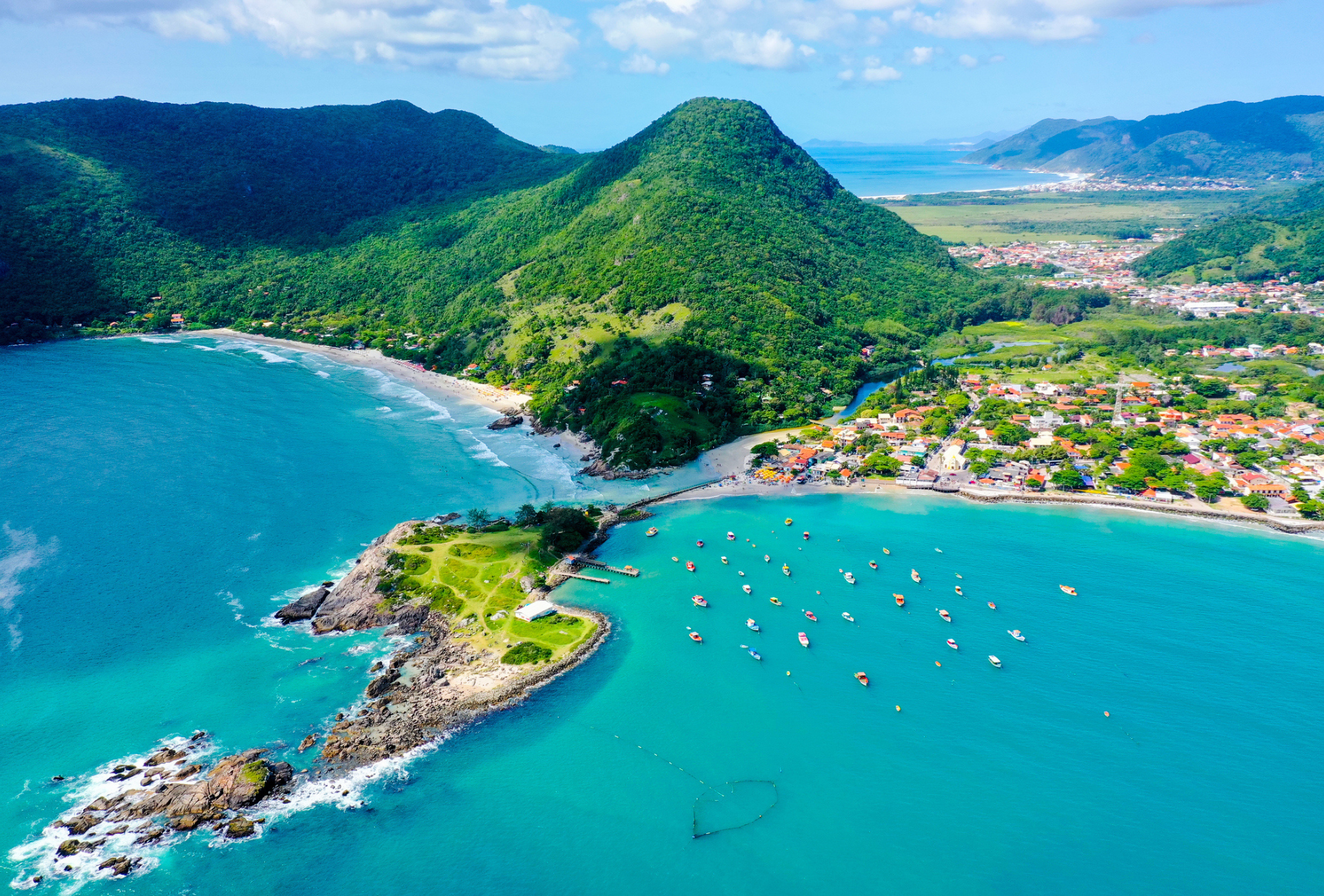
5- Ubatuba – Selva inmensa y playas salvajes en la costa norte del estado de São Paulo.
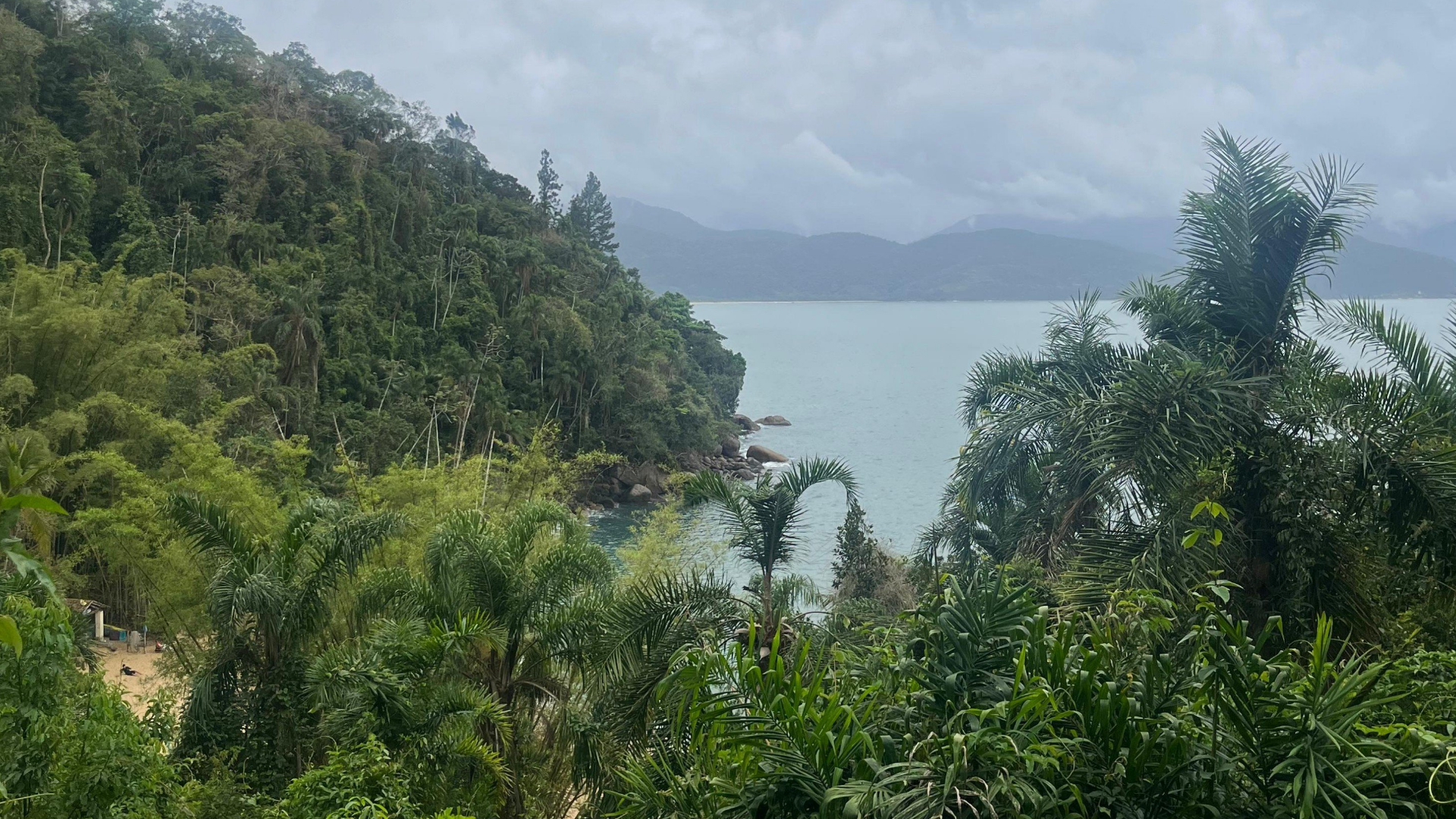
6- Arraial do Cabo – Pequeña ciudad balnearia conocida como el Caribe brasileño.
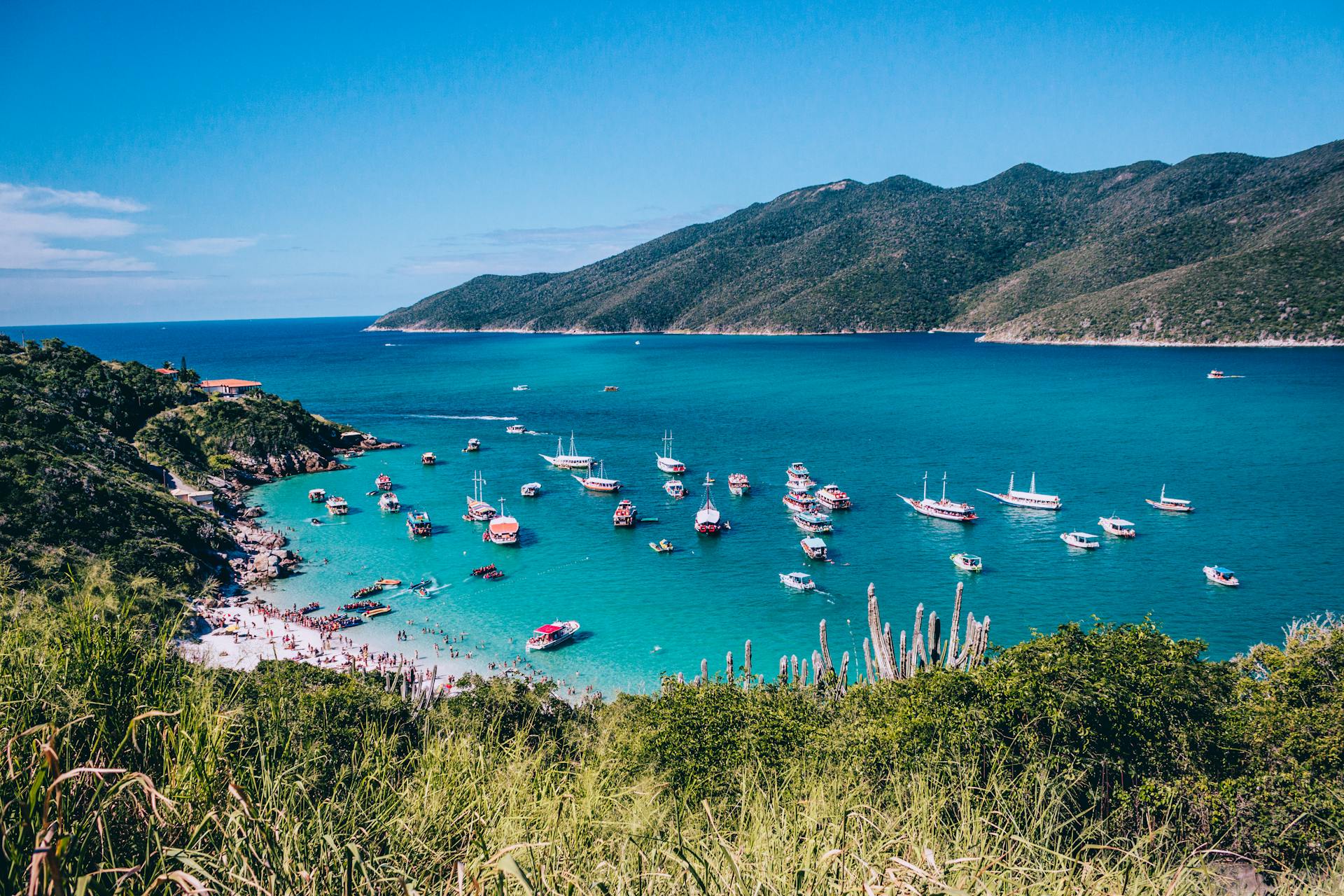
7- Ilha Grande – Isla paradisíaca frente a la costa de Río de Janeiro, selva y playas para relajarse.
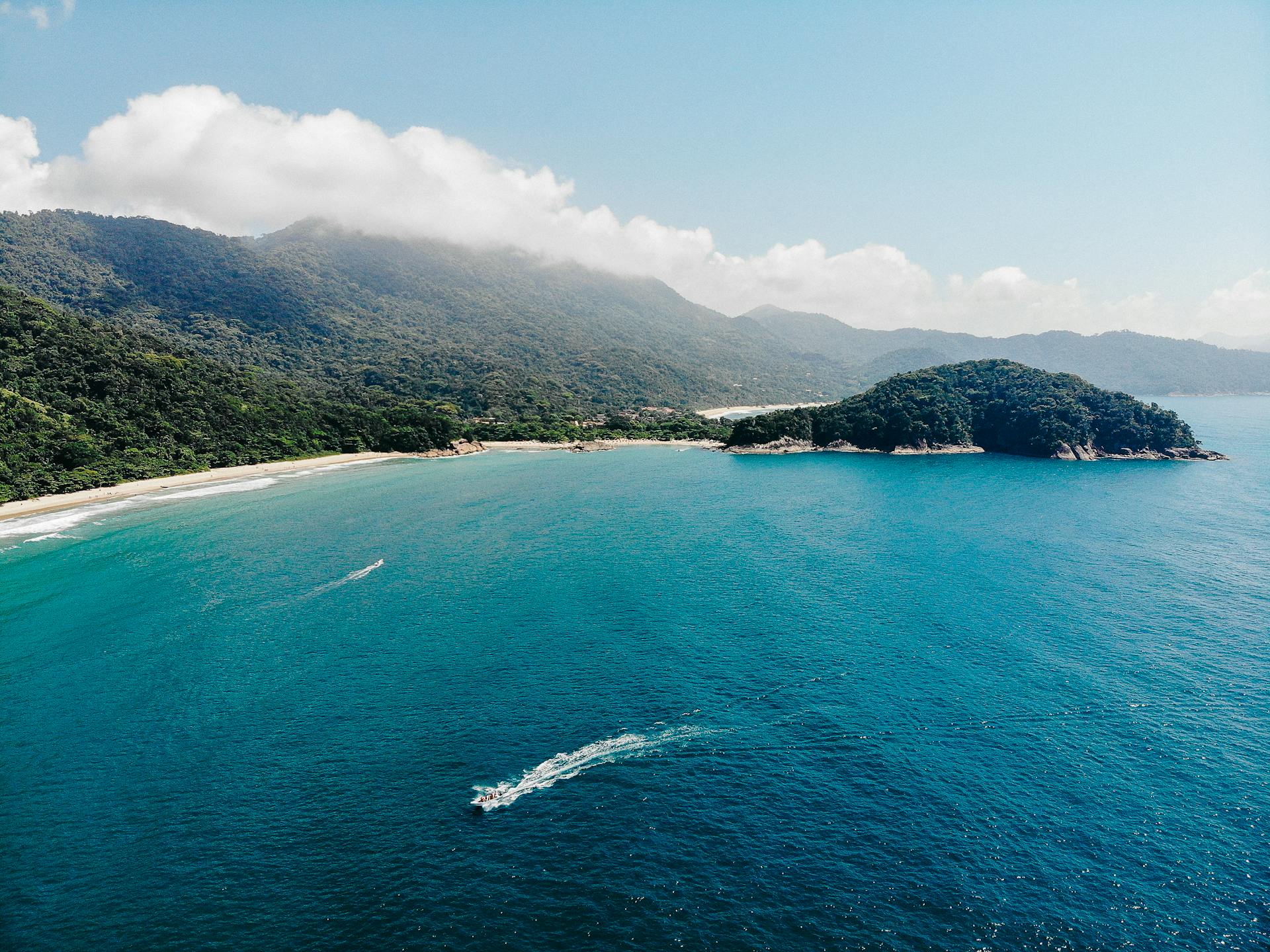
8- Foz do Iguaçu – Cataratas del Iguazú, una de las maravillas naturales del mundo.
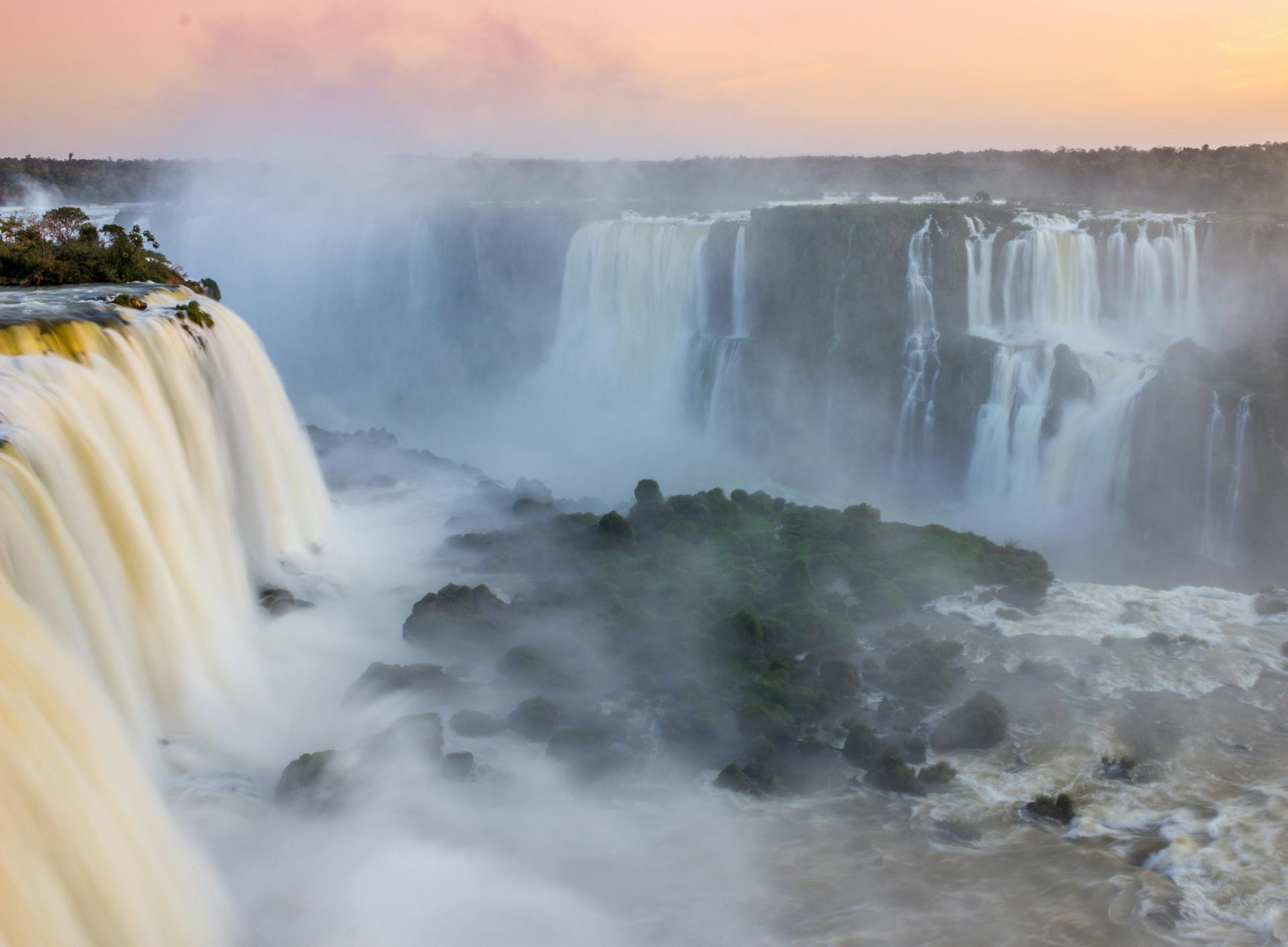
9- Lençóis Maranhenses – Dunas y lagunas naturales únicas.
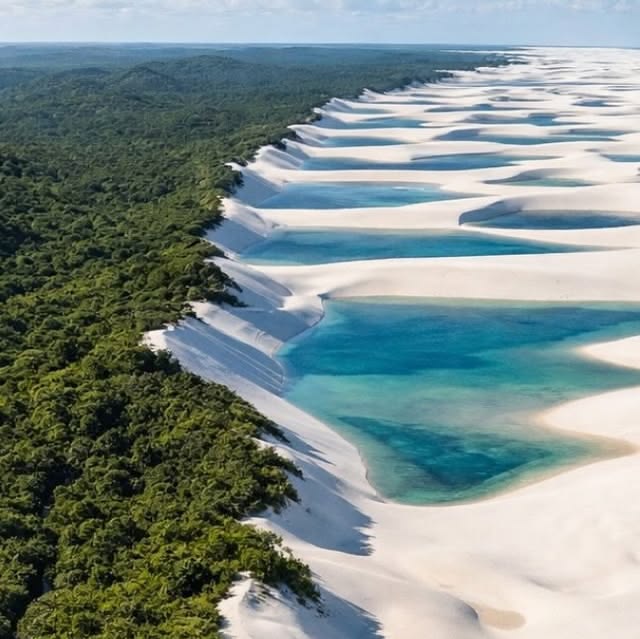
10- Fernando de Noronha – Islas, buceo y naturaleza protegida.
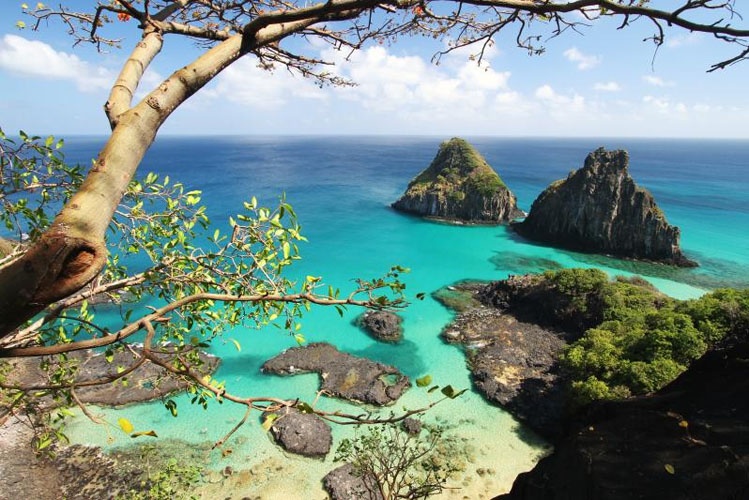
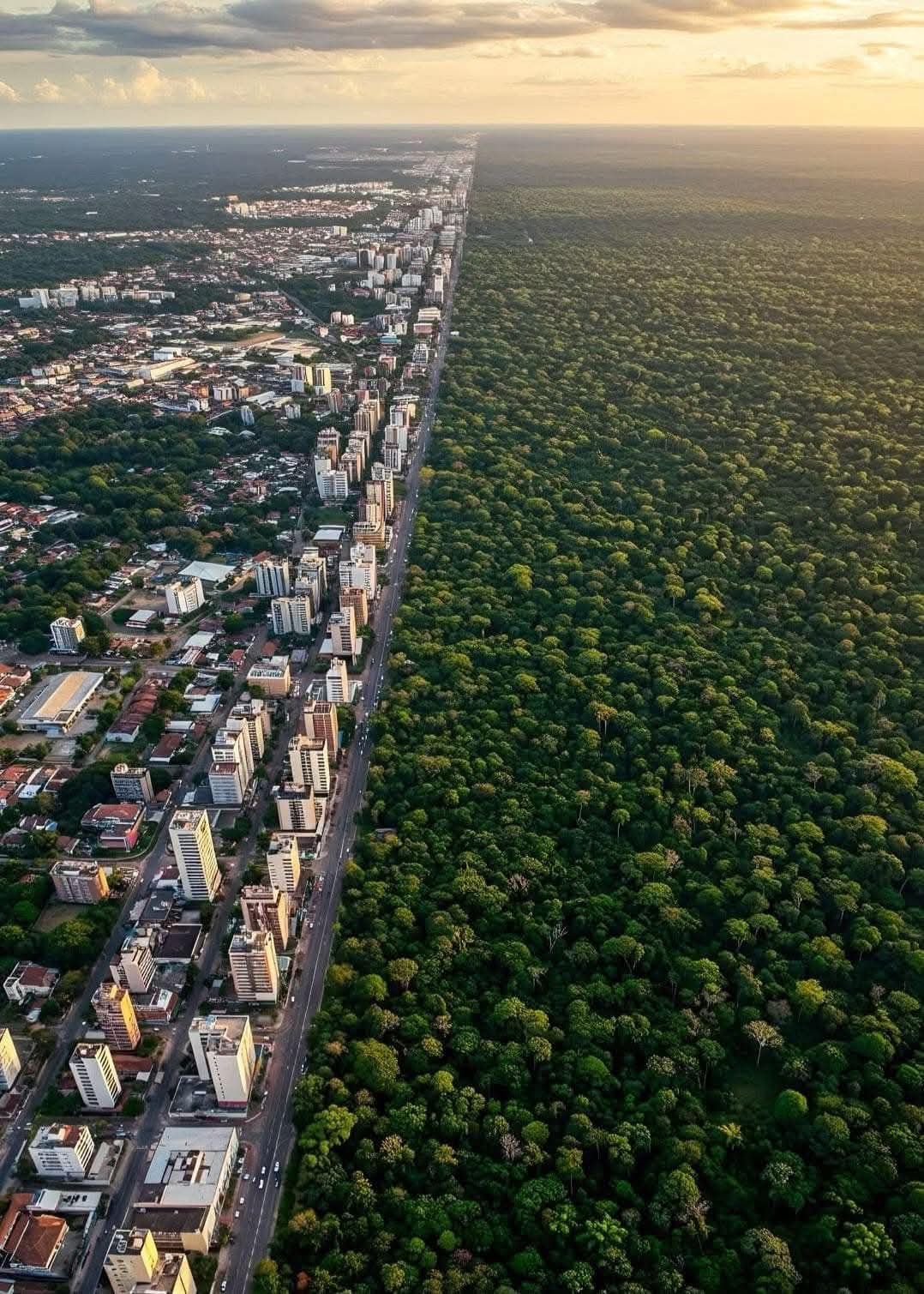
11- Manaos – Puerta de entrada a la Amazonía.
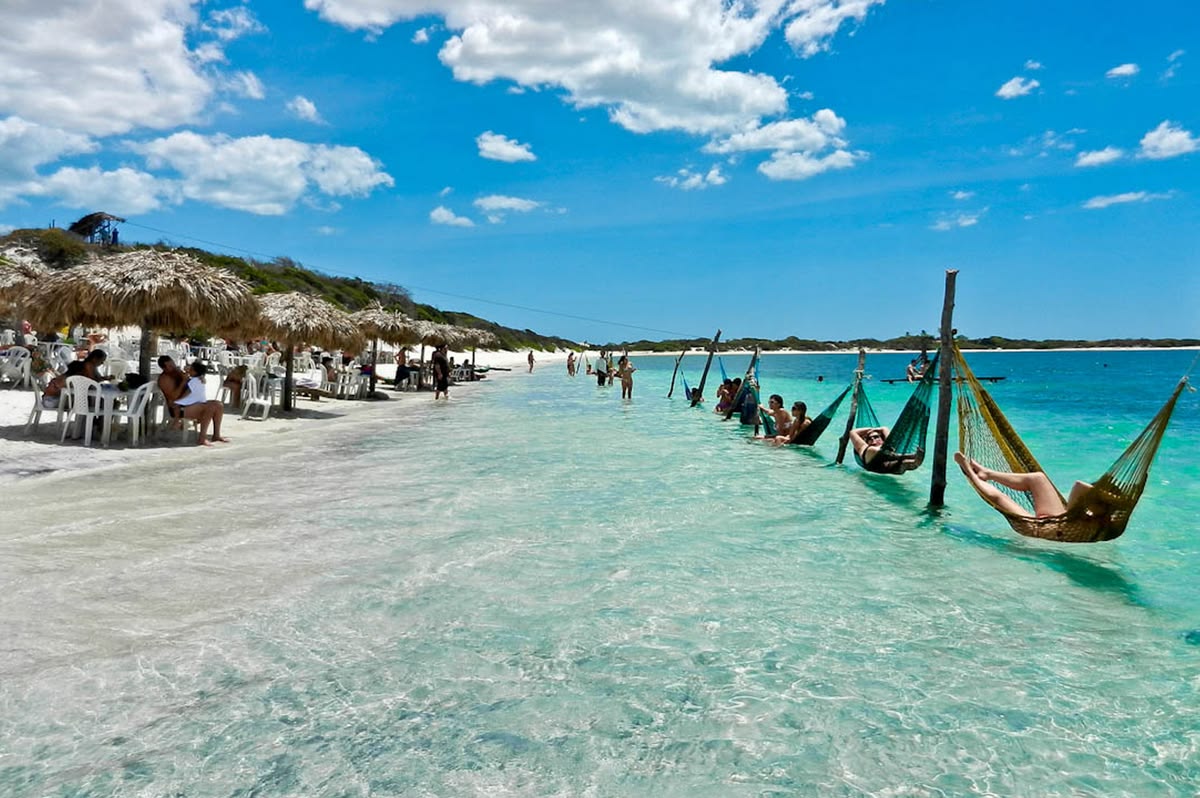
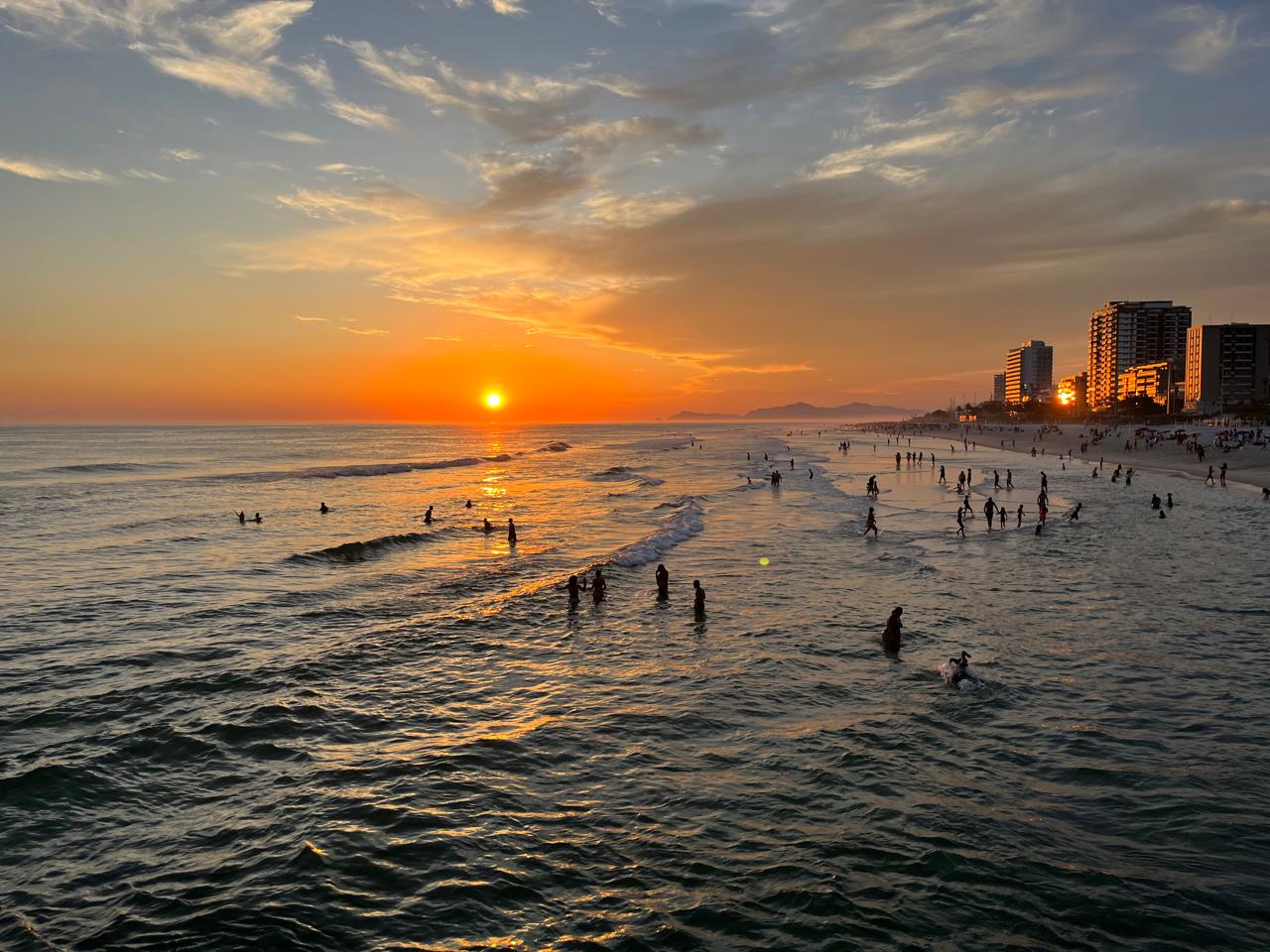
12- Jericoacoara – Playa, kitesurf y atardeceres espectaculares.
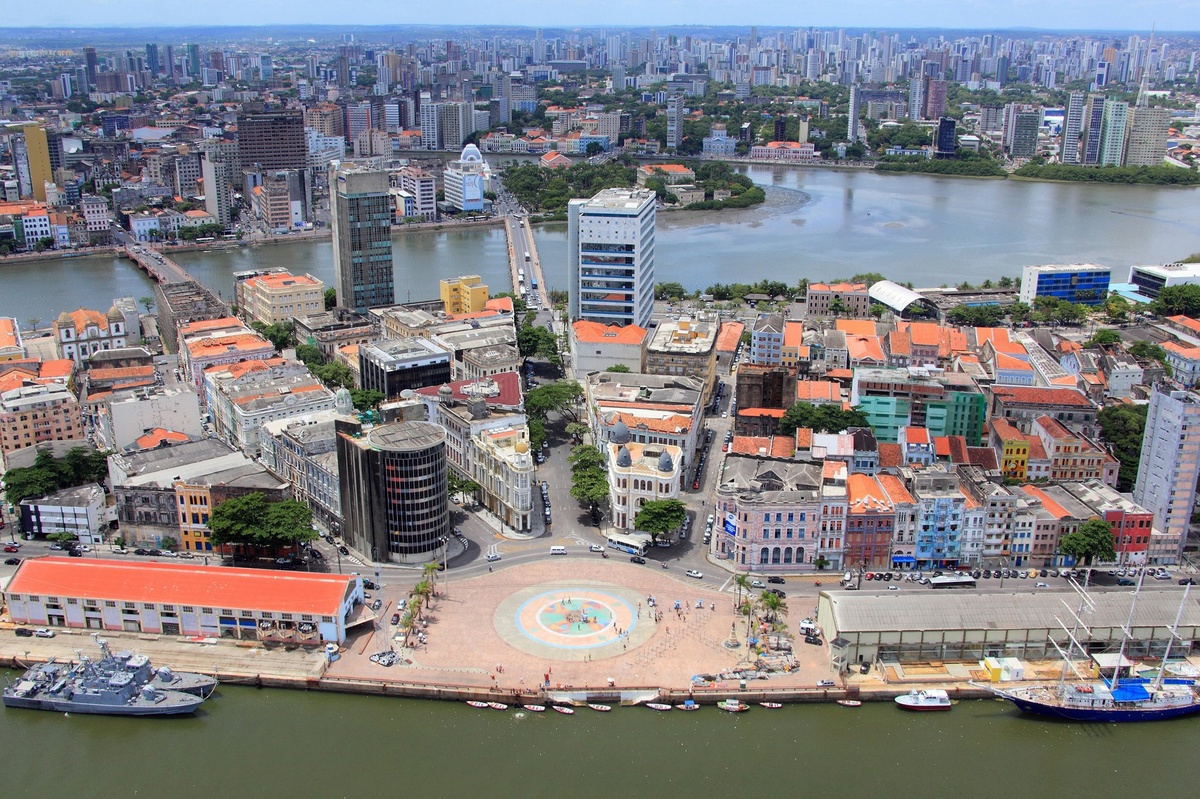
13- Recife y Olinda – Cultura, playas y arquitectura histórica.
Qué comer en Brasil (imperdibles)
La gastronomía brasileña es variada, regional y muy sabrosa:
-
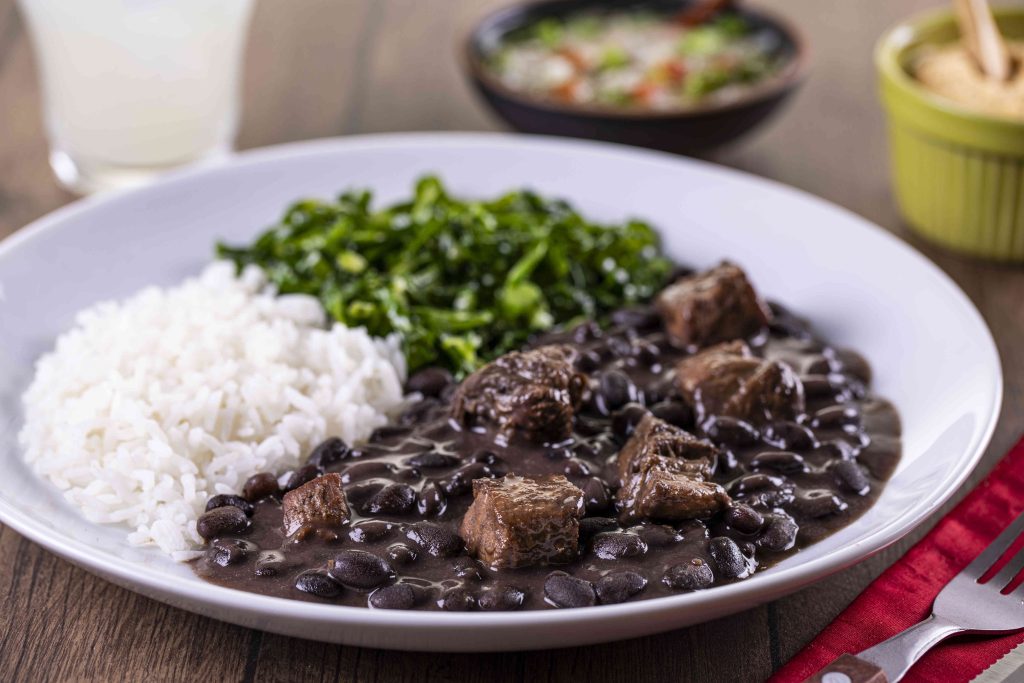
Feijoada – Guiso de porotos negros con carne.
-
Churrasco – Carnes a la parrilla, especialidad del sur.
-
Moqueca – Guiso de pescado con coco y dendê.
-
Acarajé – Frito de porotos relleno, típico de Bahía.
-
Pão de queijo – Panecillos de queso, ideales para cualquier momento.
-
Coxinha – Croqueta rellena de pollo.
-
Brigadeiro – Dulce clásico de chocolate.
-
Caipirinha – Cóctel nacional a base de cachaça y lima.
Datos prácticos para viajar por Brasil
-
Moneda: real brasileño (BRL).
-
Idioma: portugués (en algunos lugares te entienden el español si lo hablas lento y claro).
-
Enchufes: tipo C y N, 127/220V según la región.
-
Propinas: no obligatorias; en restaurantes suele incluirse un 10% en la cuenta (hasta descubrirlo, dábamos doble propina).
-
Conectividad: muy buena en ciudades; variable en zonas rurales.
-
Pagos: tarjetas ampliamente aceptadas (recomiendo usar billeteras virtuales por seguridad); efectivo útil en mercados y pueblos.
Cómo moverse por Brasil
Brasil es enorme, por lo que planificar traslados es clave:
-
Avión – La mejor opción para largas distancias.
-
Bus de larga distancia – Económicos, pero trayectos largos.
-
Auto – Útil para regiones específicas (playas y parques naturales).
-
Transporte urbano – Metro en grandes ciudades (buen servicio, simple y rápido), buses y apps de transporte (Uber, muy usado).
-
Apps de movilidad – Muy usadas y convenientes en ciudades grandes.
-
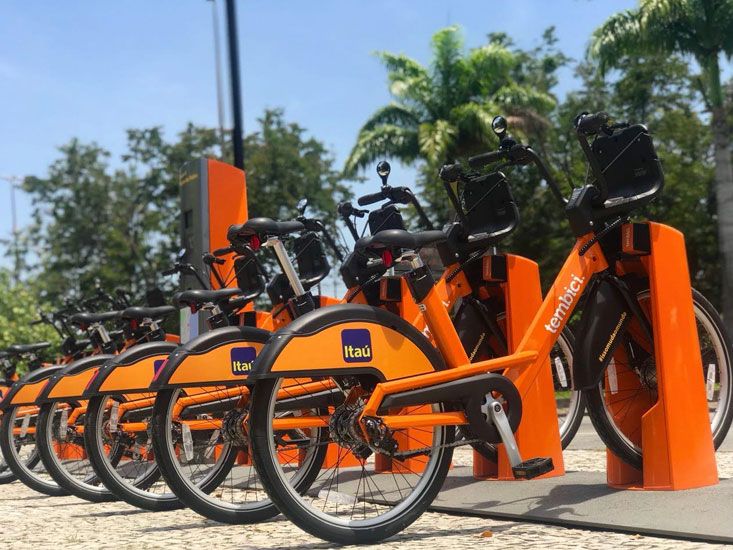
Bicicletas – Muy usadas, buena red de ciclovías en grandes ciudades. Escribimos un artículo muy útil para esto: Recorrer Río en bicicleta
Mejor época para viajar
-
Mayo a septiembre – Clima más seco y agradable en gran parte del país.
-
Verano (diciembre–marzo) – Calor, lluvias en algunas regiones y alta temporada.
-
Invierno – Ideal para el sur y ciudades grandes.
El clima varía mucho según la región: tropical, ecuatorial y subtropical.
Consejos útiles para viajar por Brasil
-
Aprendé algunas palabras básicas en portugués.
-
Usá apps de transporte en ciudades grandes.
-
Evitá pagar con tarjetas de débito o crédito a vendedores ambulantes; mejor usar billeteras virtuales como Belo para prevenir estafas.
-
Cuidá tus pertenencias en zonas muy turísticas.
-
Reservá con anticipación en verano y carnaval.
-
Probá la comida regional según cada estado.
-
Hidratate bien: el calor y la humedad pueden ser intensos.
-
Evitá mostrar objetos de valor en la vía pública.
Brasil es enorme, diverso y vibrante: playas infinitas, selva amazónica, grandes ciudades y una identidad cultural muy marcada.
1- Río de Janeiro – Playas icónicas, Cristo Redentor y vida urbana intensa.
2- São Paulo – Capital cultural y gastronómica del país.
3- Salvador de Bahía – Historia colonial, música y herencia afrobrasileña.
4- Florianópolis – Playas, surf y calidad de vida.
5- Ubatuba – Selva inmensa y playas salvajes en la costa norte del estado de São Paulo.
6- Arraial do Cabo – Pequeña ciudad balnearia conocida como el Caribe brasileño.
7- Ilha Grande – Isla paradisíaca frente a la costa de Río de Janeiro, selva y playas para relajarse.
8- Foz do Iguaçu – Cataratas del Iguazú, una de las maravillas naturales del mundo.
9- Lençóis Maranhenses – Dunas y lagunas naturales únicas.
10- Fernando de Noronha – Islas, buceo y naturaleza protegida.
11- Manaos – Puerta de entrada a la Amazonía.
12- Jericoacoara – Playa, kitesurf y atardeceres espectaculares.
13- Recife y Olinda – Cultura, playas y arquitectura histórica.
PUBLICIDAD
Travel with Data: Get your Saily eSIM
- ✓Internet in seconds upon landing
- ✓Flexible plans in 180+ countries
- ✓Easy setup directly via the App
La gastronomía brasileña es variada, regional y muy sabrosa:
-
Feijoada – Guiso de porotos negros con carne.
-
Churrasco – Carnes a la parrilla, especialidad del sur.
-
Moqueca – Guiso de pescado con coco y dendê.
-
Acarajé – Frito de porotos relleno, típico de Bahía.
-
Pão de queijo – Panecillos de queso, ideales para cualquier momento.
-
Coxinha – Croqueta rellena de pollo.
-
Brigadeiro – Dulce clásico de chocolate.
-
Caipirinha – Cóctel nacional a base de cachaça y lima.
-
Moneda: real brasileño (BRL).
-
Idioma: portugués (en algunos lugares te entienden el español si lo hablas lento y claro).
-
Enchufes: tipo C y N, 127/220V según la región.
-
Propinas: no obligatorias; en restaurantes suele incluirse un 10% en la cuenta (hasta descubrirlo, dábamos doble propina).
-
Conectividad: muy buena en ciudades; variable en zonas rurales.
-
Pagos: tarjetas ampliamente aceptadas (recomiendo usar billeteras virtuales por seguridad); efectivo útil en mercados y pueblos.
Brasil es enorme, por lo que planificar traslados es clave:
-
Avión – La mejor opción para largas distancias.
-
Bus de larga distancia – Económicos, pero trayectos largos.
-
Auto – Útil para regiones específicas (playas y parques naturales).
-
Transporte urbano – Metro en grandes ciudades (buen servicio, simple y rápido), buses y apps de transporte (Uber, muy usado).
-
Apps de movilidad – Muy usadas y convenientes en ciudades grandes.
-
Bicicletas – Muy usadas, buena red de ciclovías en grandes ciudades. Escribimos un artículo muy útil para esto: Recorrer Río en bicicleta
-
Mayo a septiembre – Clima más seco y agradable en gran parte del país.
-
Verano (diciembre–marzo) – Calor, lluvias en algunas regiones y alta temporada.
-
Invierno – Ideal para el sur y ciudades grandes.
El clima varía mucho según la región: tropical, ecuatorial y subtropical.
PUBLICIDAD
-
Aprendé algunas palabras básicas en portugués.
-
Usá apps de transporte en ciudades grandes.
-
Evitá pagar con tarjetas de débito o crédito a vendedores ambulantes; mejor usar billeteras virtuales como Belo para prevenir estafas.
-
Cuidá tus pertenencias en zonas muy turísticas.
-
Reservá con anticipación en verano y carnaval.
-
Probá la comida regional según cada estado.
-
Hidratate bien: el calor y la humedad pueden ser intensos.
-
Evitá mostrar objetos de valor en la vía pública.
PUBLICIDAD
International Travel Insurance
- ✓International medical insurance
- ✓24/7 immediate assistance in your language
- ✓Ideal for trekking & adventure
Posts in Brasil
Preferences
Language
Color
Text
Width