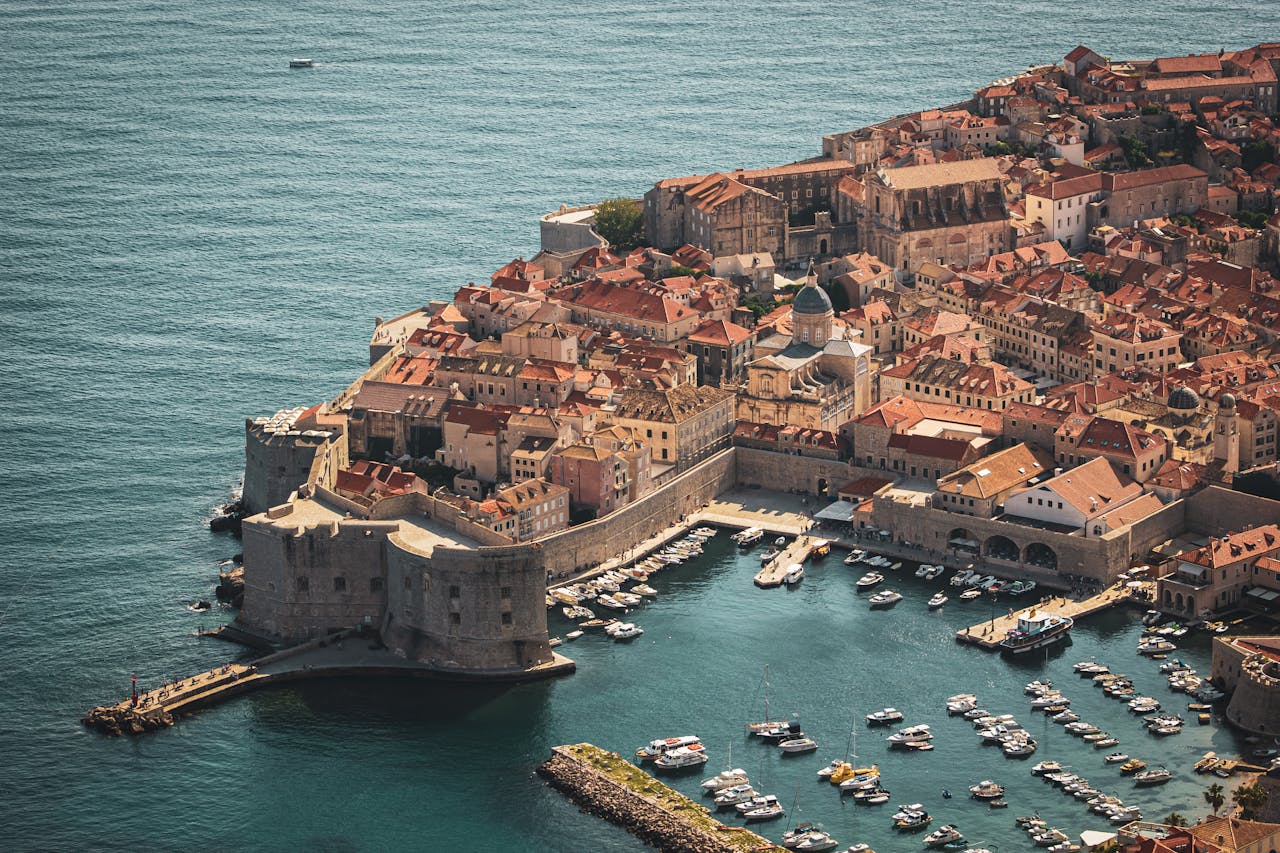
Table of contents and map
Guía completa para viajar por Inglaterra: 11destinos que visitar, rutas y consejos prácticos
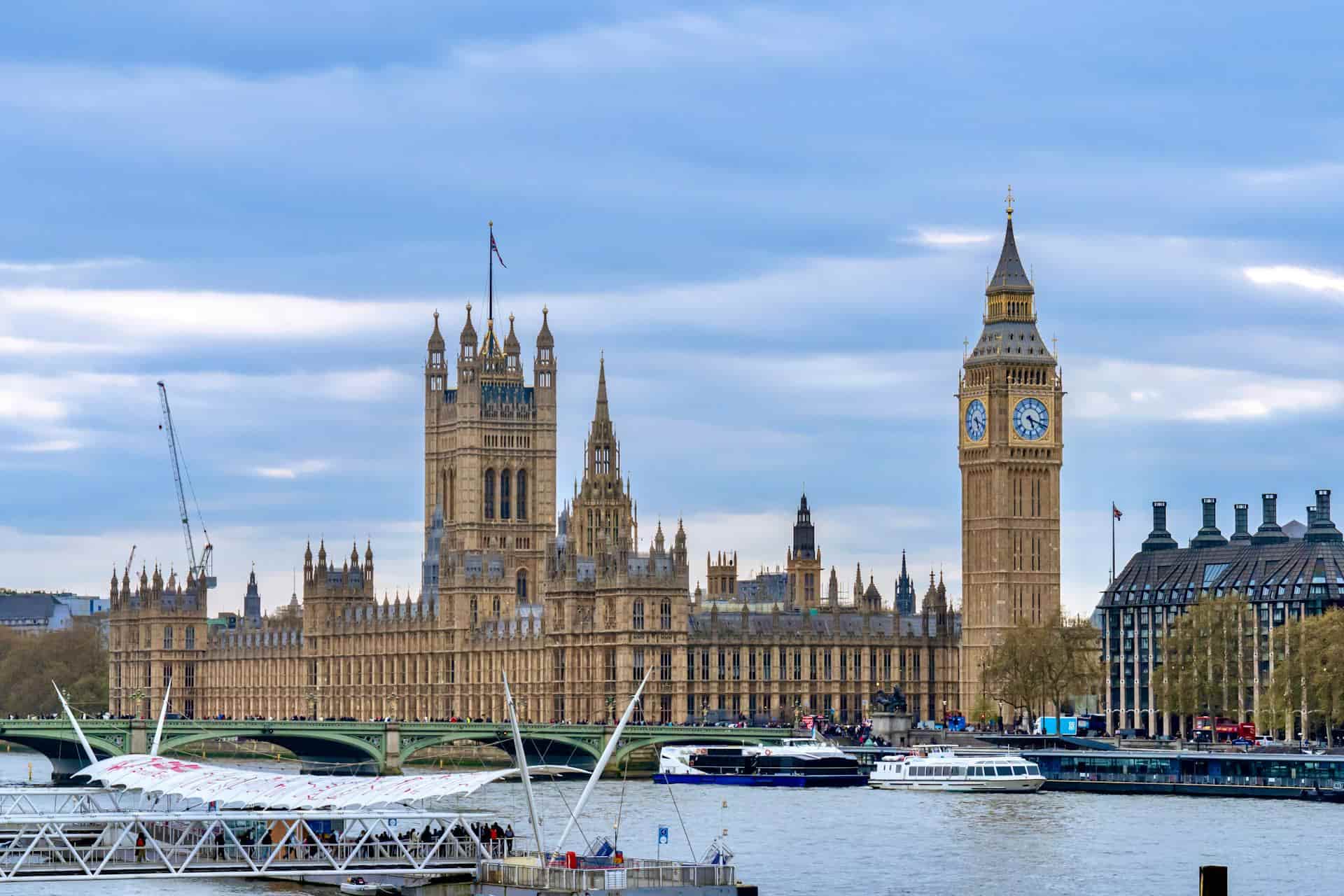
Inglaterra es una tierra donde la historia milenaria y la vanguardia conviven en cada esquina. Desde las colinas verdes de los Cotswolds y los acantilados blancos del sur, hasta ciudades vibrantes que marcan tendencia en música, fútbol y arte. Viajar por Inglaterra es descubrir castillos medievales por la mañana y disfrutar de la mejor gastronomía cosmopolita por la noche.
Guía completa para viajar por Inglaterra: 11destinos que visitar, rutas y consejos prácticos
Inglaterra es una tierra donde la historia milenaria y la vanguardia conviven en cada esquina. Desde las colinas verdes de los Cotswolds y los acantilados blancos del sur, hasta ciudades vibrantes que marcan tendencia en música, fútbol y arte. Viajar por Inglaterra es descubrir castillos medievales por la mañana y disfrutar de la mejor gastronomía cosmopolita por la noche.
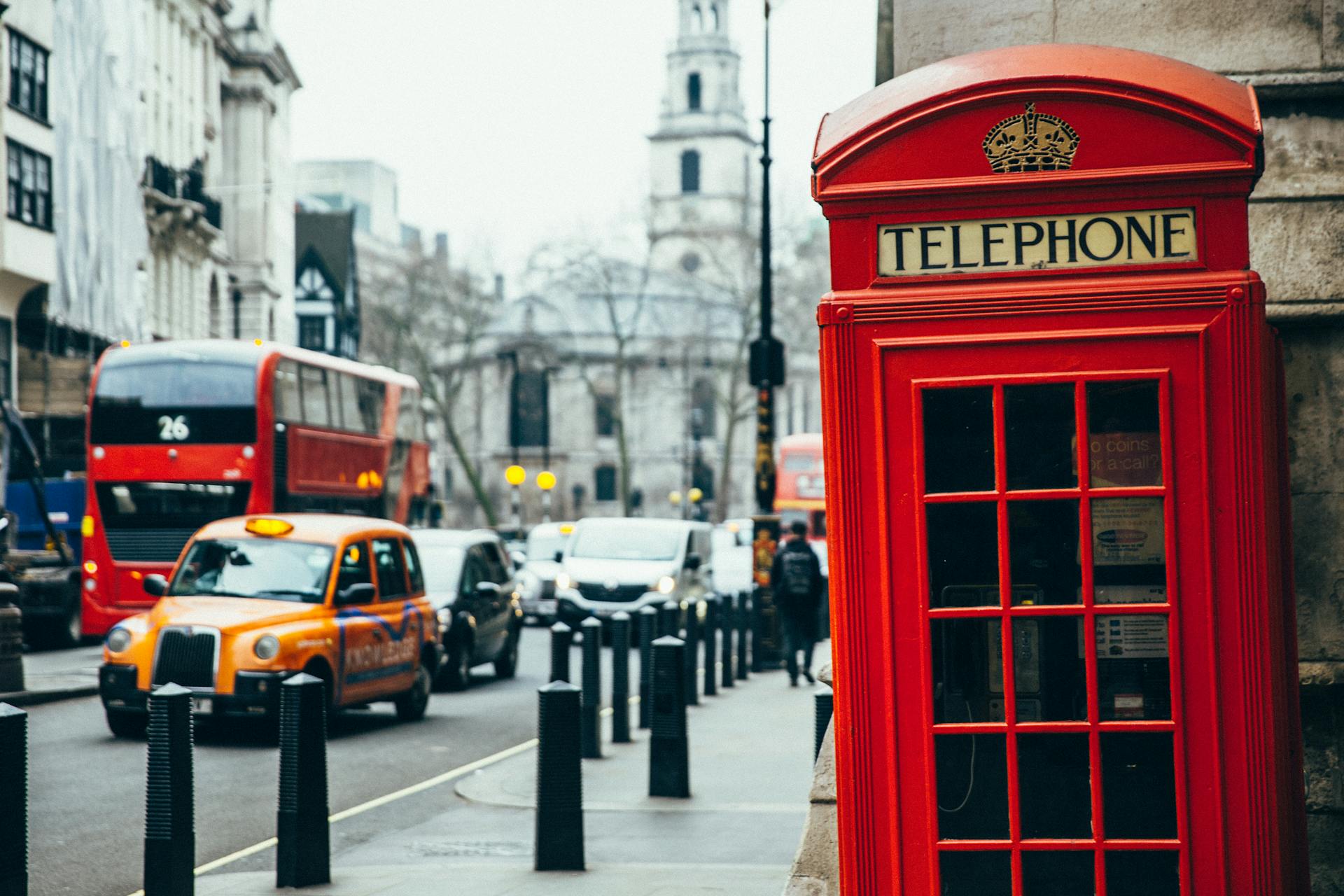
Es un país con una identidad marcada por sus tradiciones, su amor por la puntualidad, la cultura del pub y una pasión desbordante por el fútbol. Inglaterra no es solo Londres; es la calma del Distrito de los Lagos, la historia universitaria de Oxford y la energía industrial del norte. Cada región tiene un carácter propio que merece ser explorado sin prisas.
11 Destinos para visitar en Inglaterra
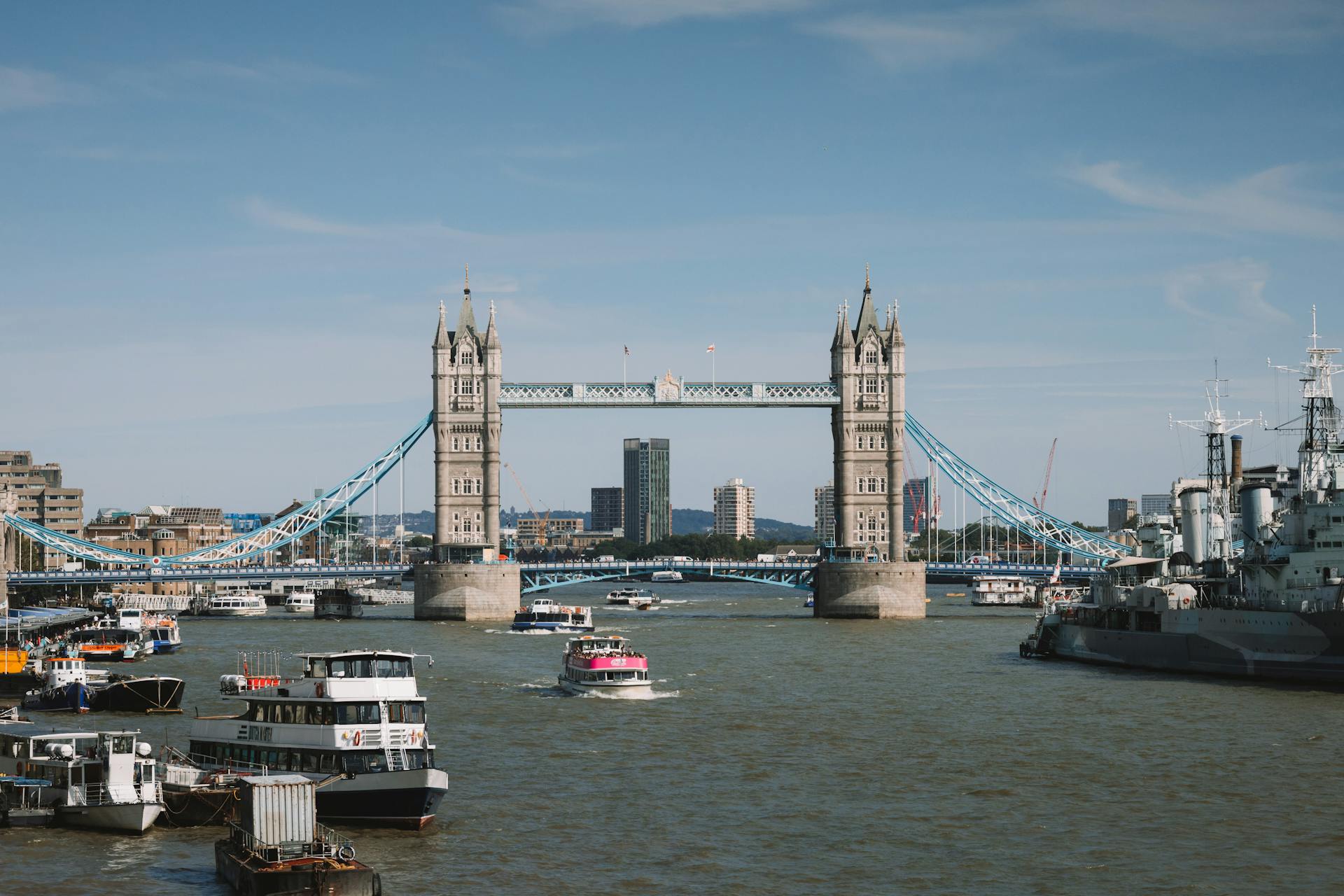
Londres – La capital del mundo: historia real, museos gratuitos, compras y una escena gastronómica infinita.
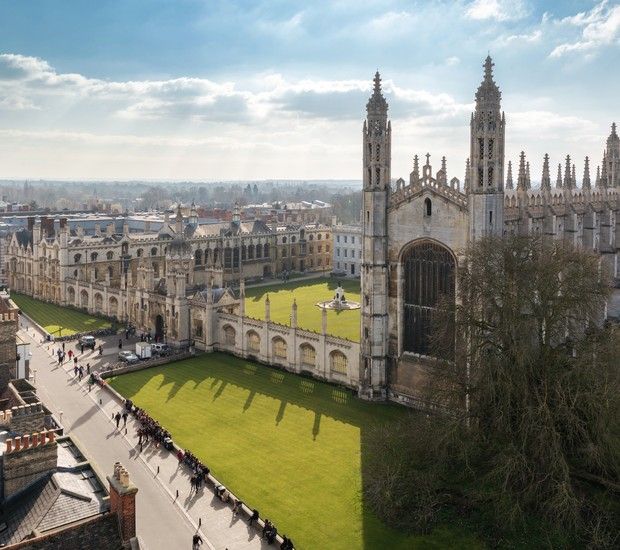
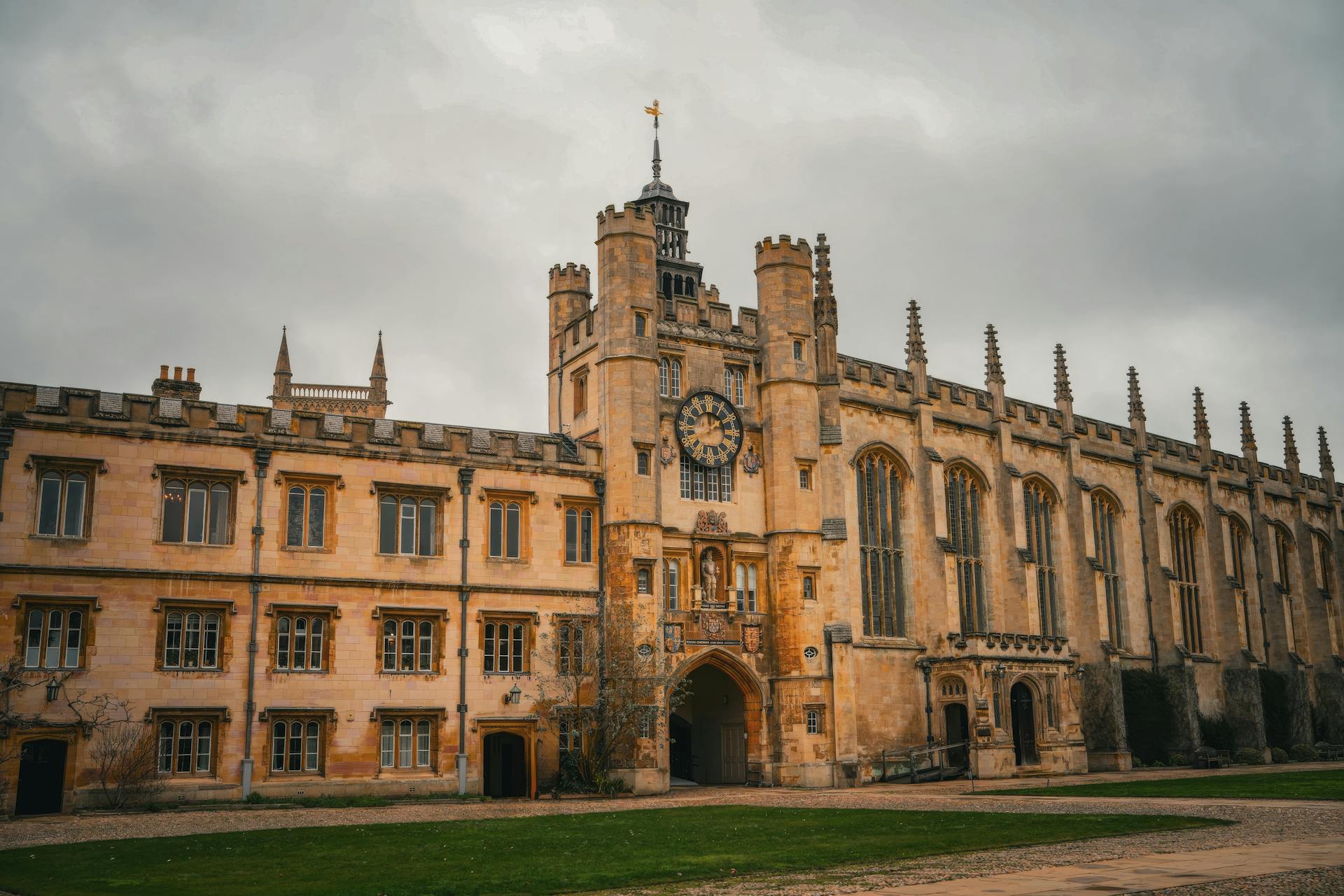
Oxford y Cambridge – Las ciudades universitarias más famosas, con una arquitectura gótica que parece sacada de Harry Potter.
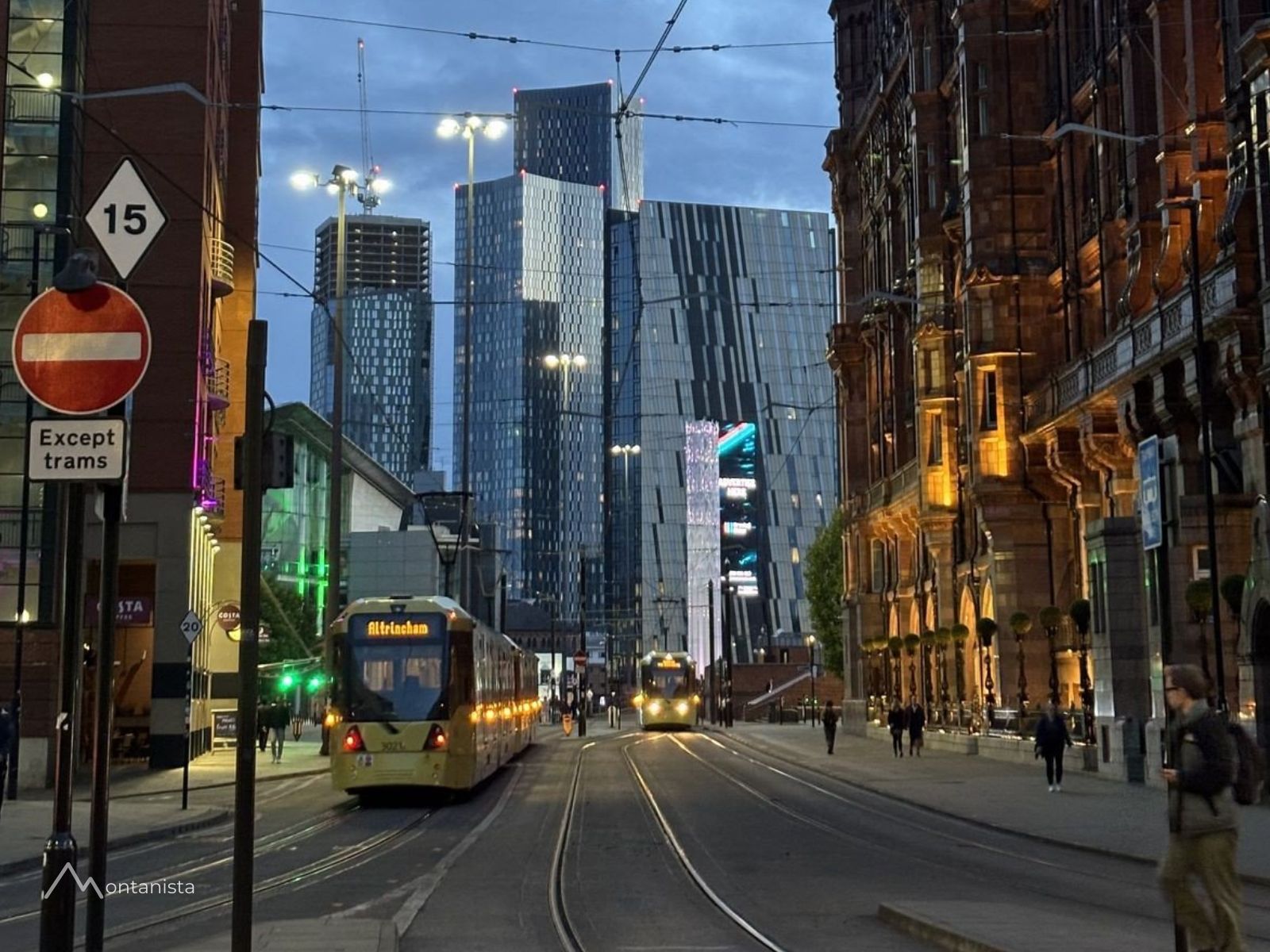
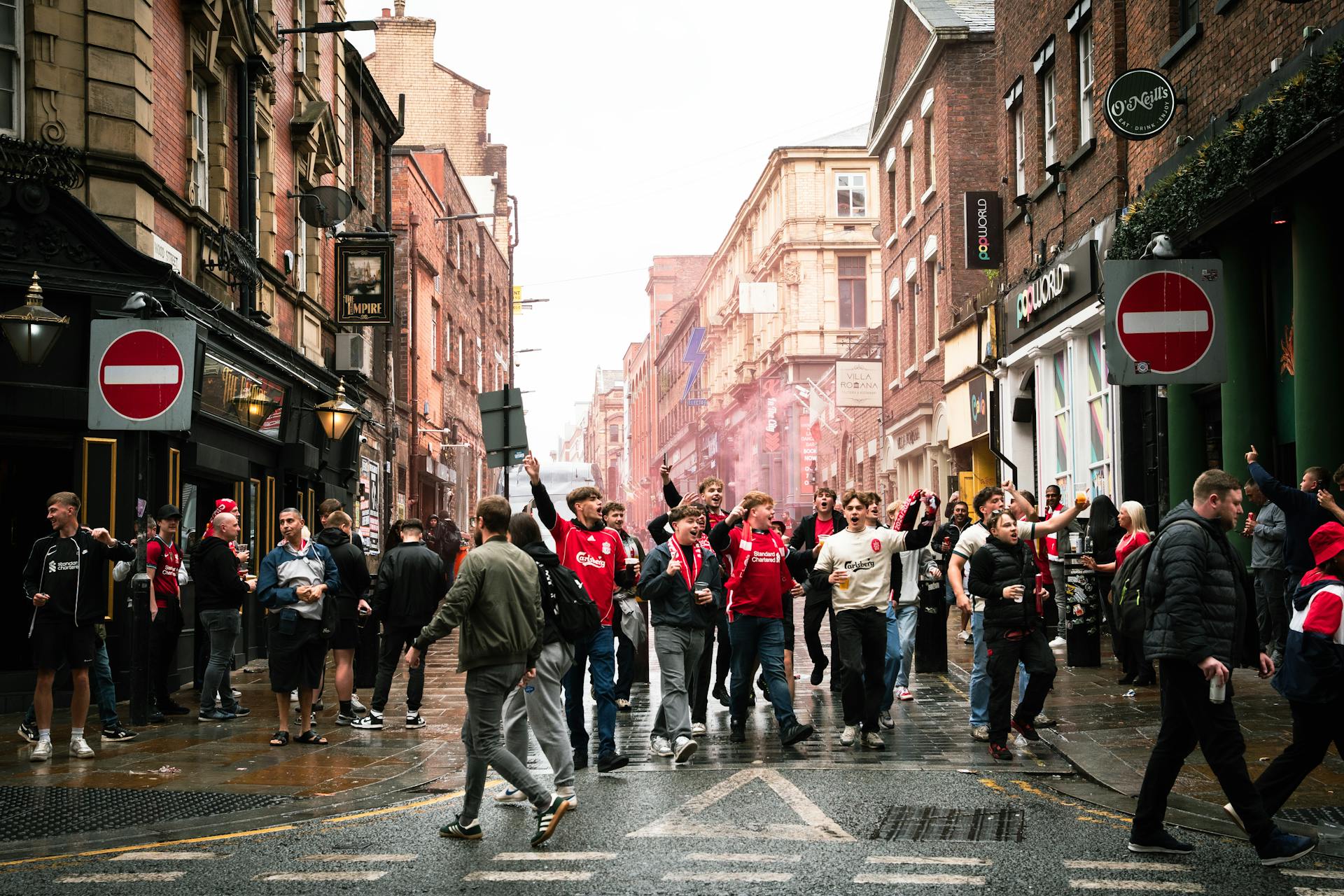
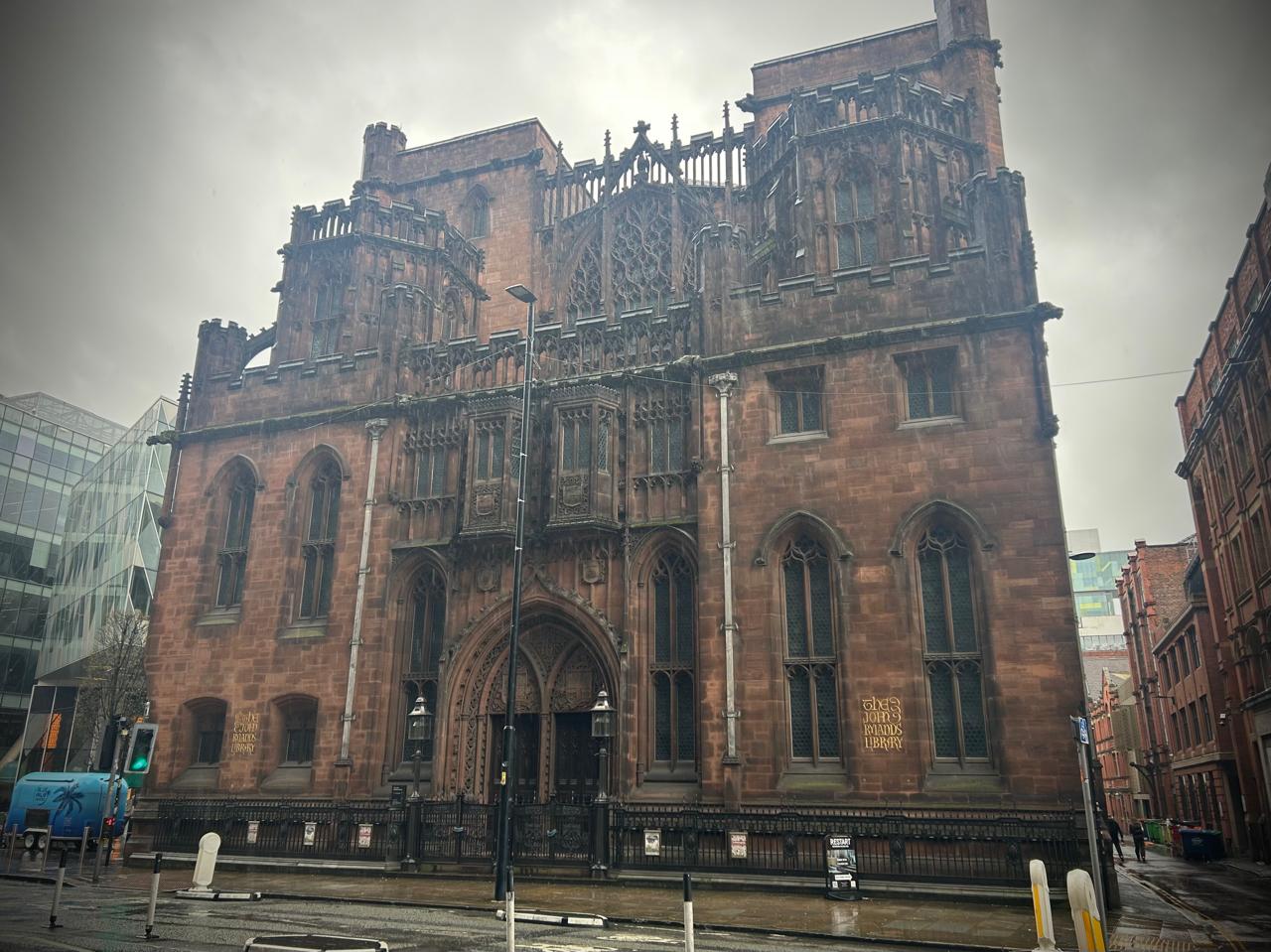
Manchester – Cuna de grandes bandas de música y la capital del fútbol moderno.
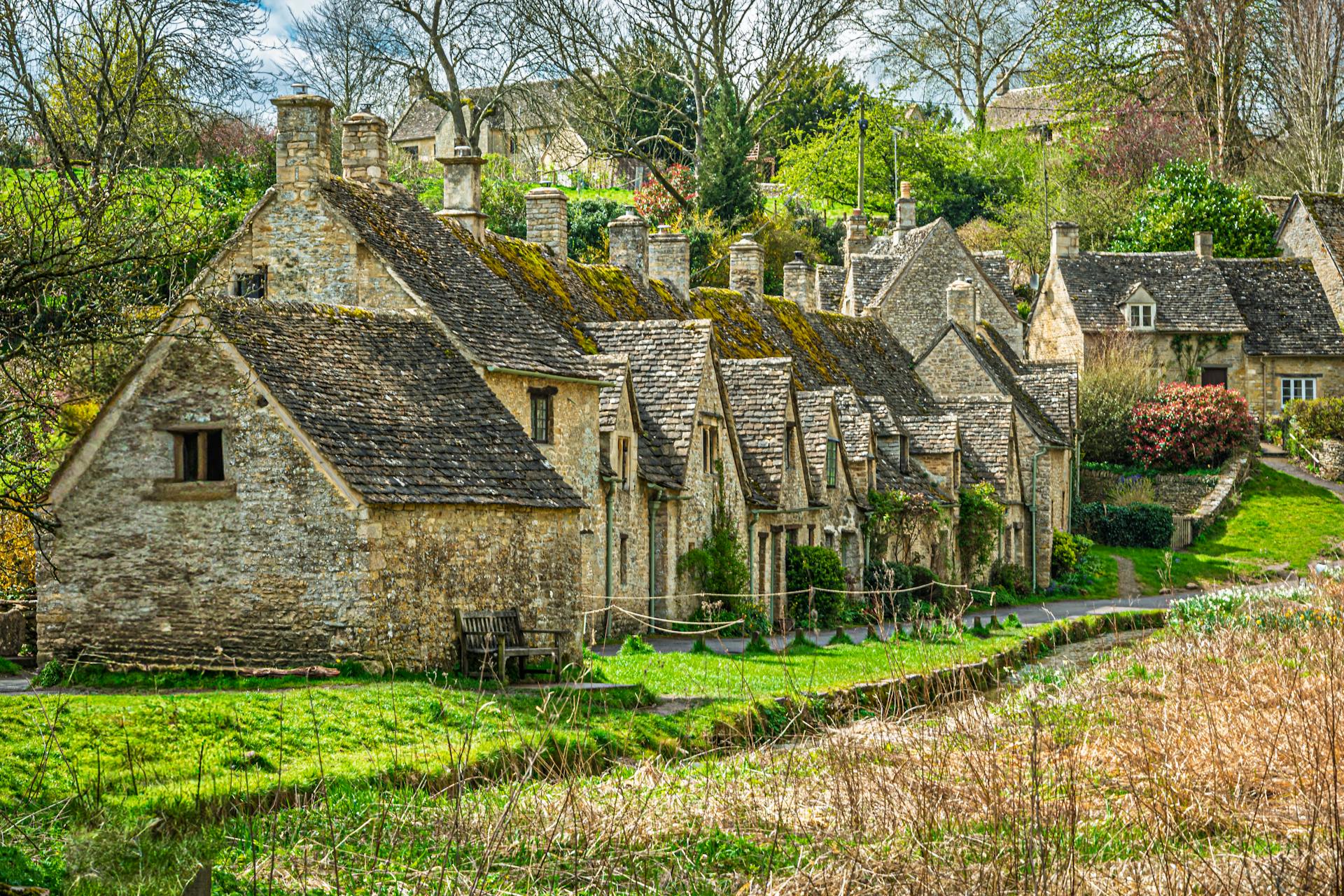
The Cotswolds – El corazón de la campiña inglesa: pueblos de piedra color miel y paisajes de postal.
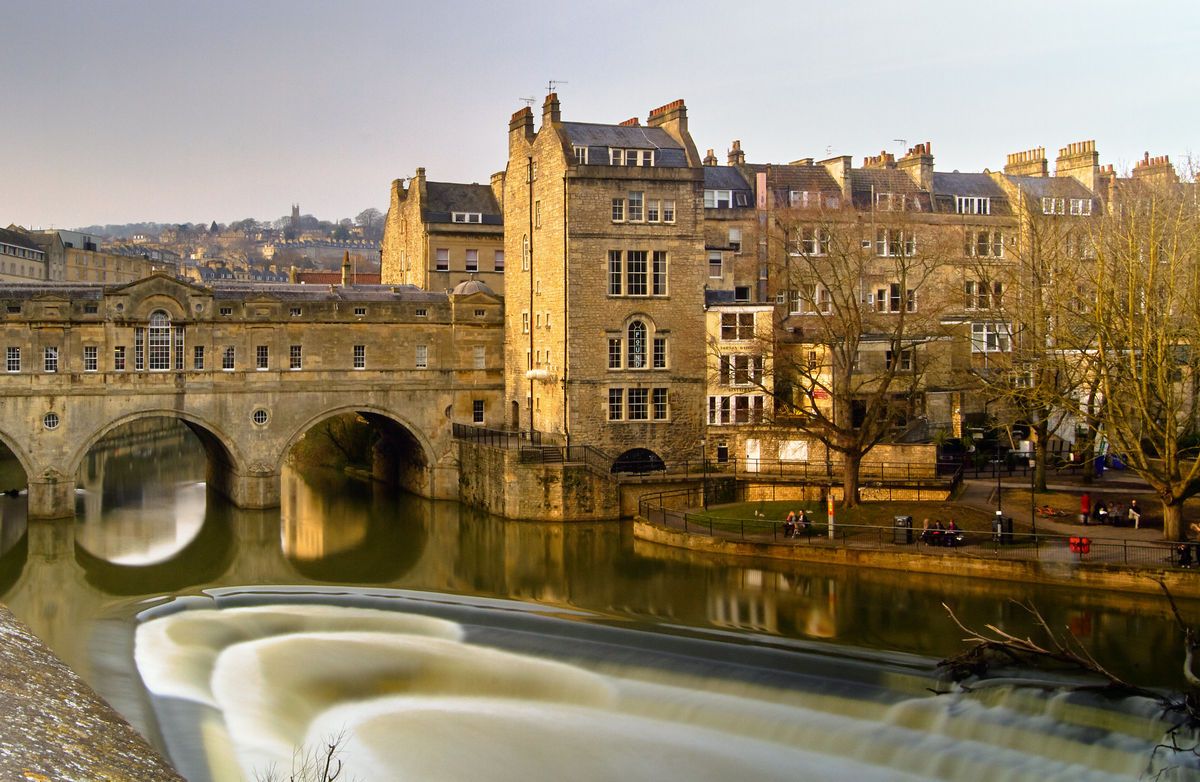
Bath – Una joya romana y georgiana famosa por sus termas naturales y su elegancia clásica.
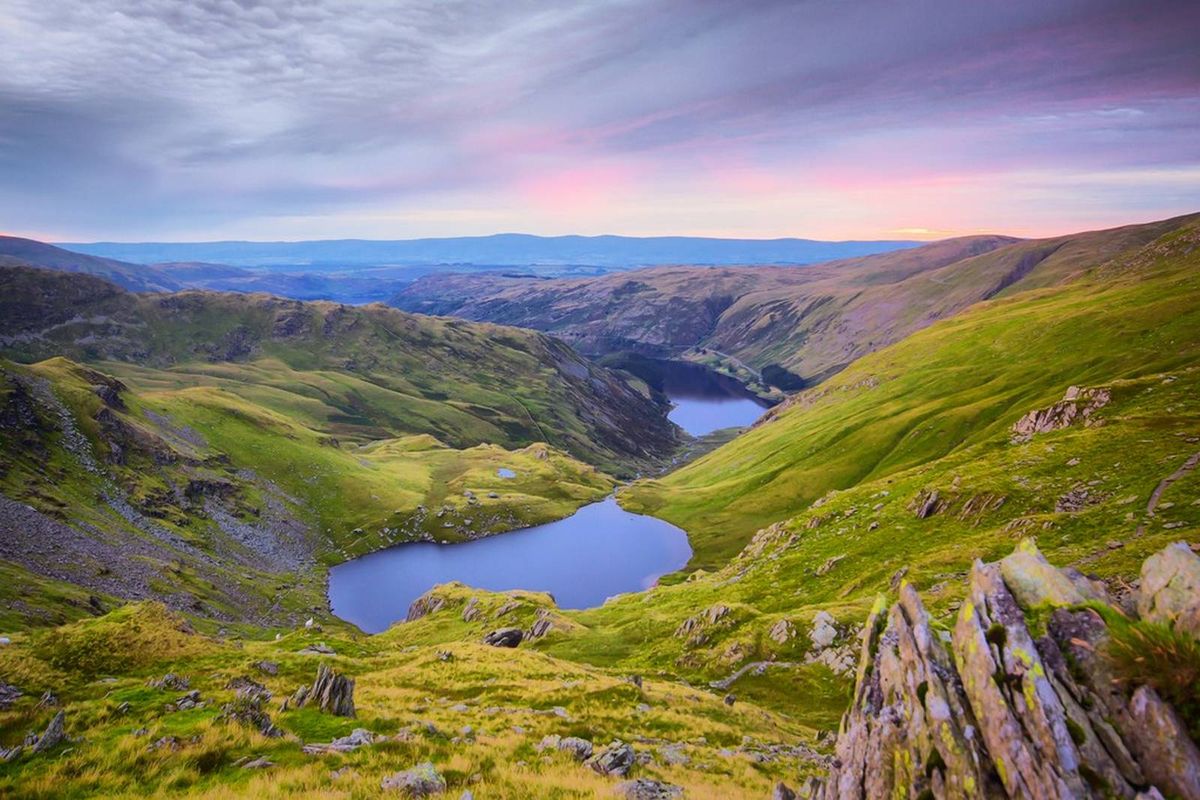
Distrito de los Lagos (Lake District) – El paraíso de los amantes del trekking y la naturaleza, con los paisajes más bellos del país.
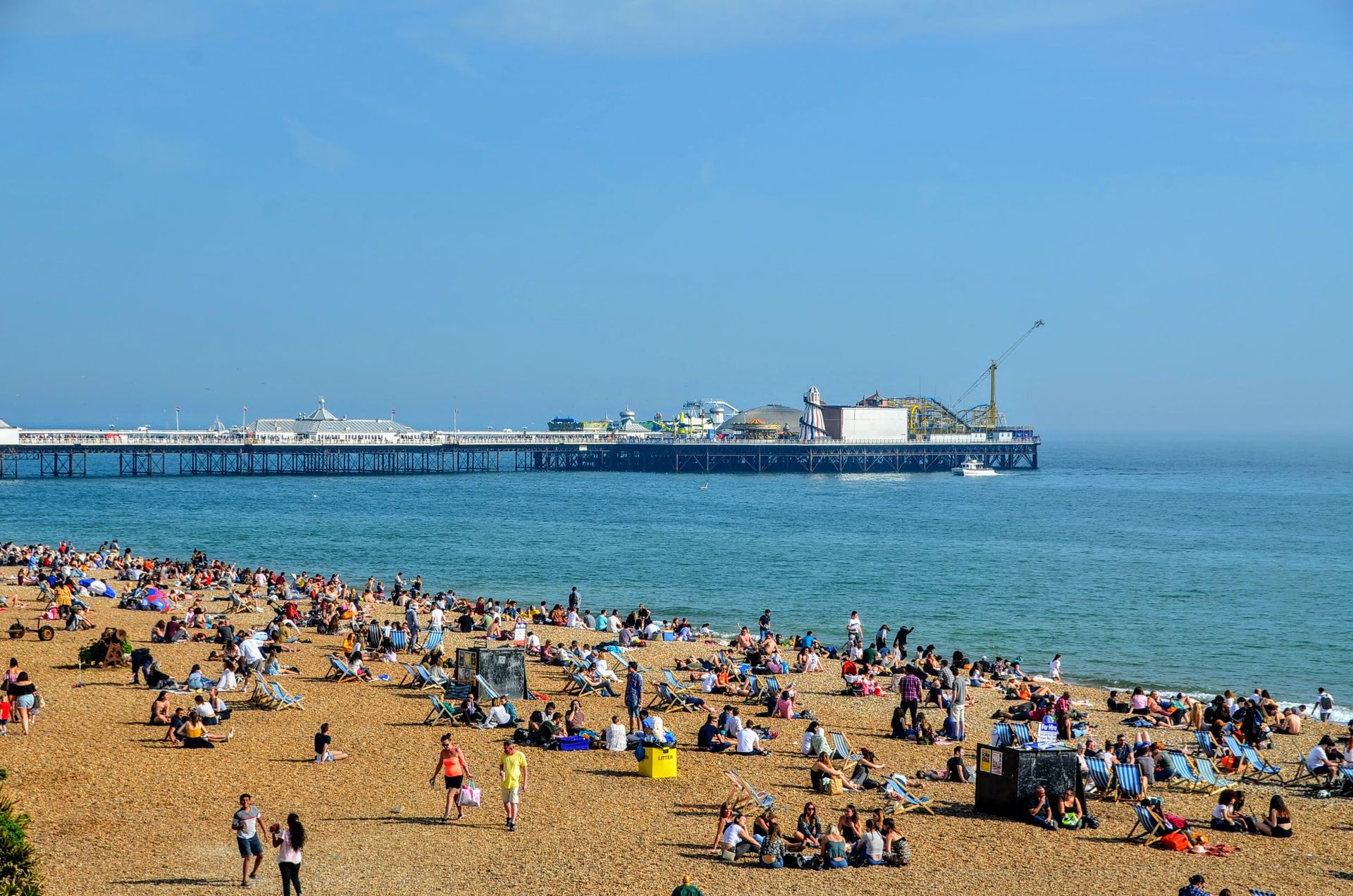
Brighton – Una ciudad costera alternativa, vibrante y con un muelle icónico lleno de vida.
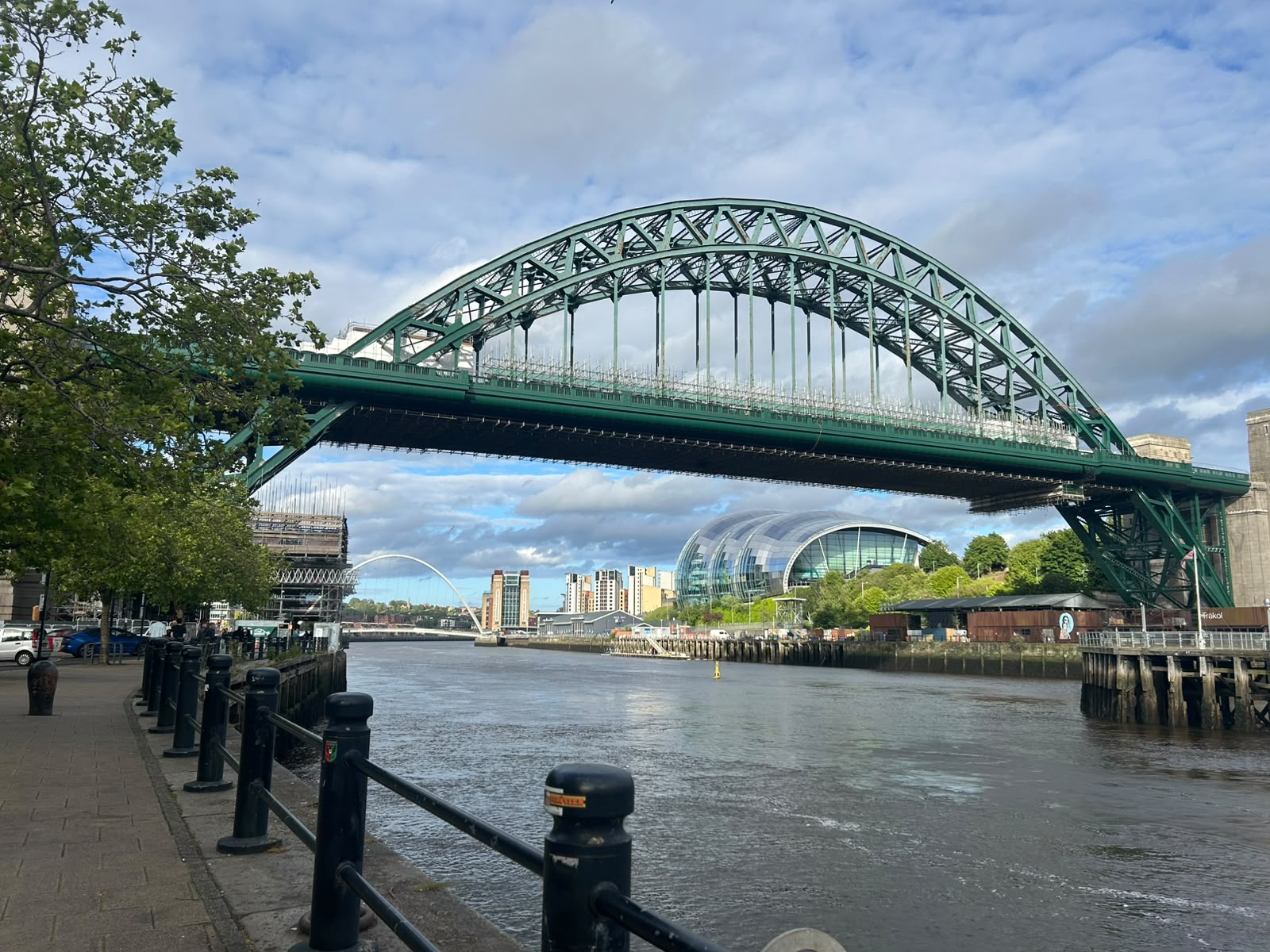
Newcastle - La capital del noreste: puentes imponentes sobre el río Tyne, pasión futbolera en pleno centro y una de las vidas nocturnas más vibrantes del Reino Unido.
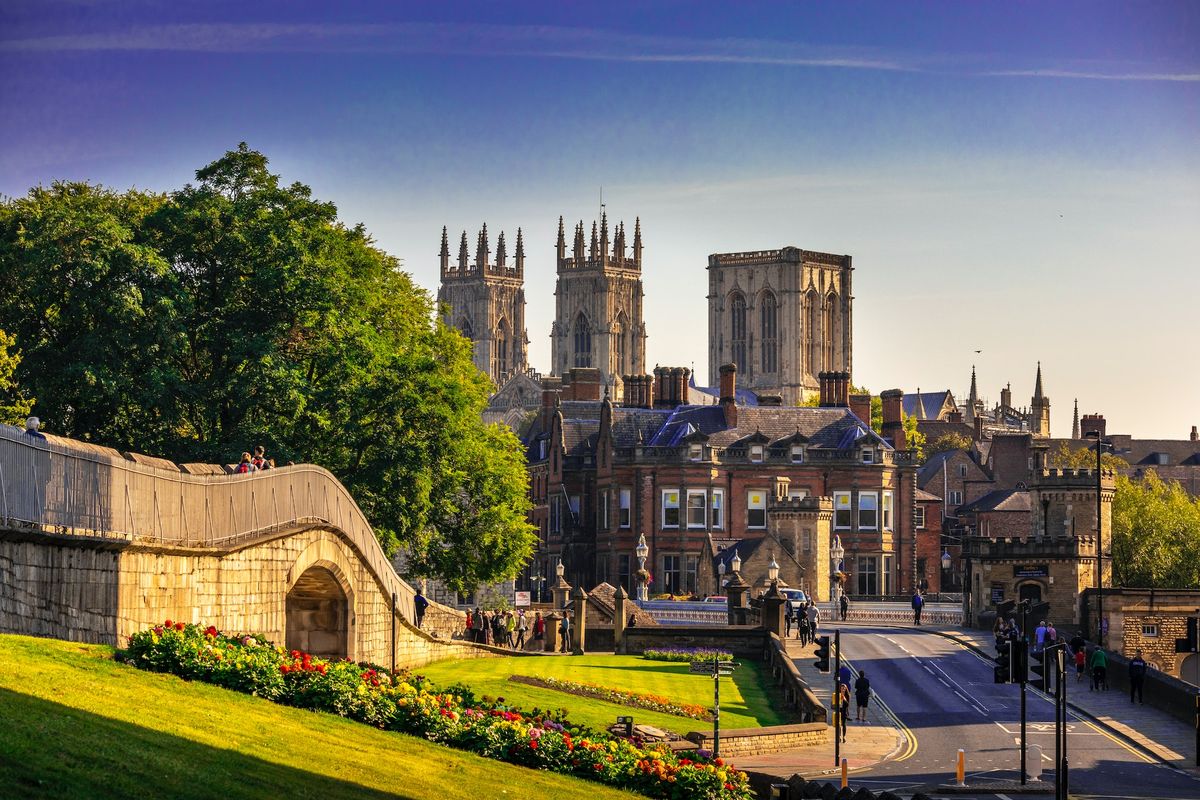
York – Ciudad amurallada con raíces vikingas y romanas; sus calles estrechas son de las más bonitas de Europa.
Cornualles (Cornwall) – Playas de aguas turquesas, acantilados salvajes y el mejor surf del Reino Unido.
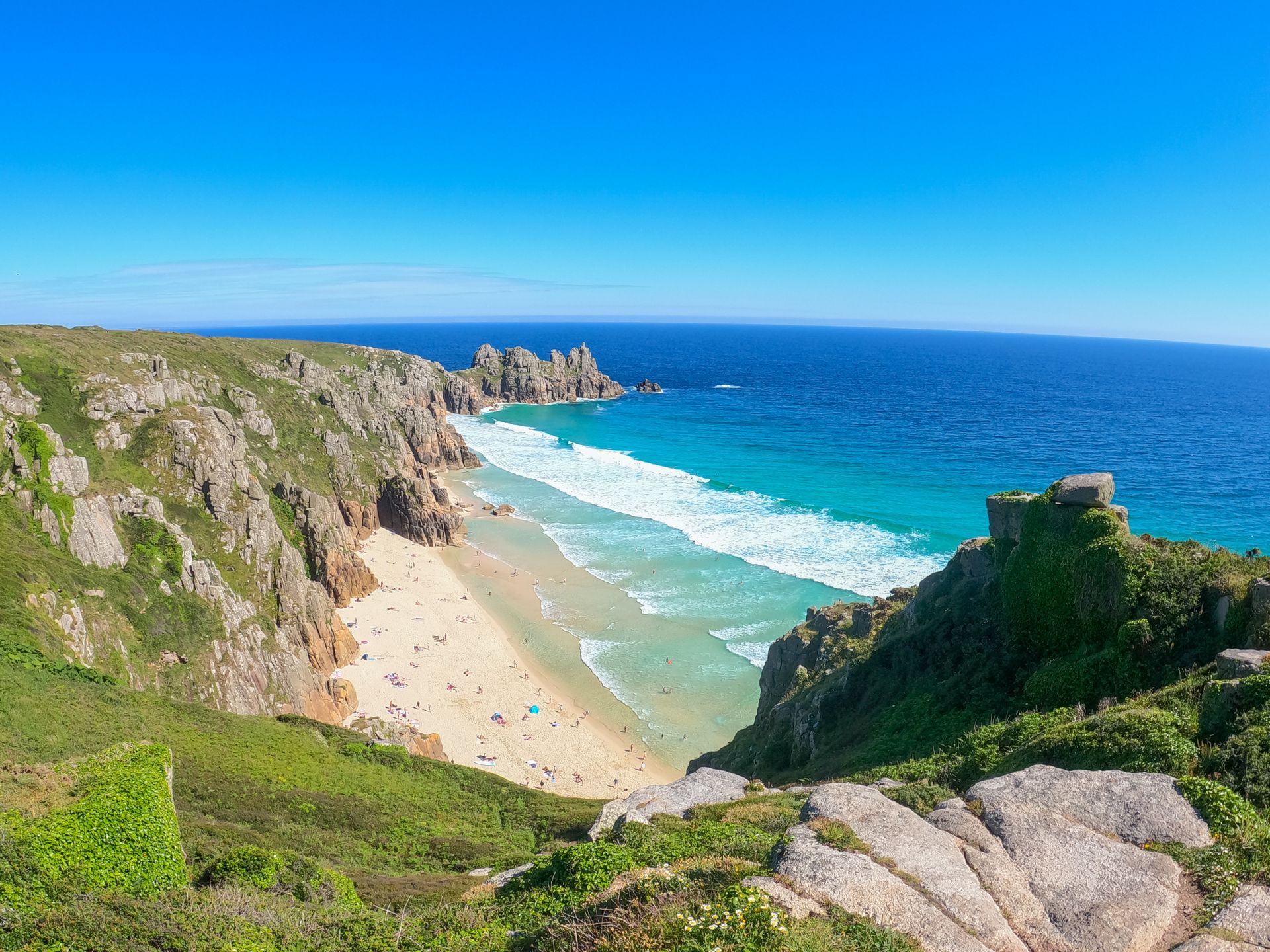
Liverpool – La ciudad de los Beatles y un puerto histórico lleno de cultura.
Perfil Geográfico: De los acantilados a los páramos
Inglaterra se divide en regiones con paisajes muy contrastados:
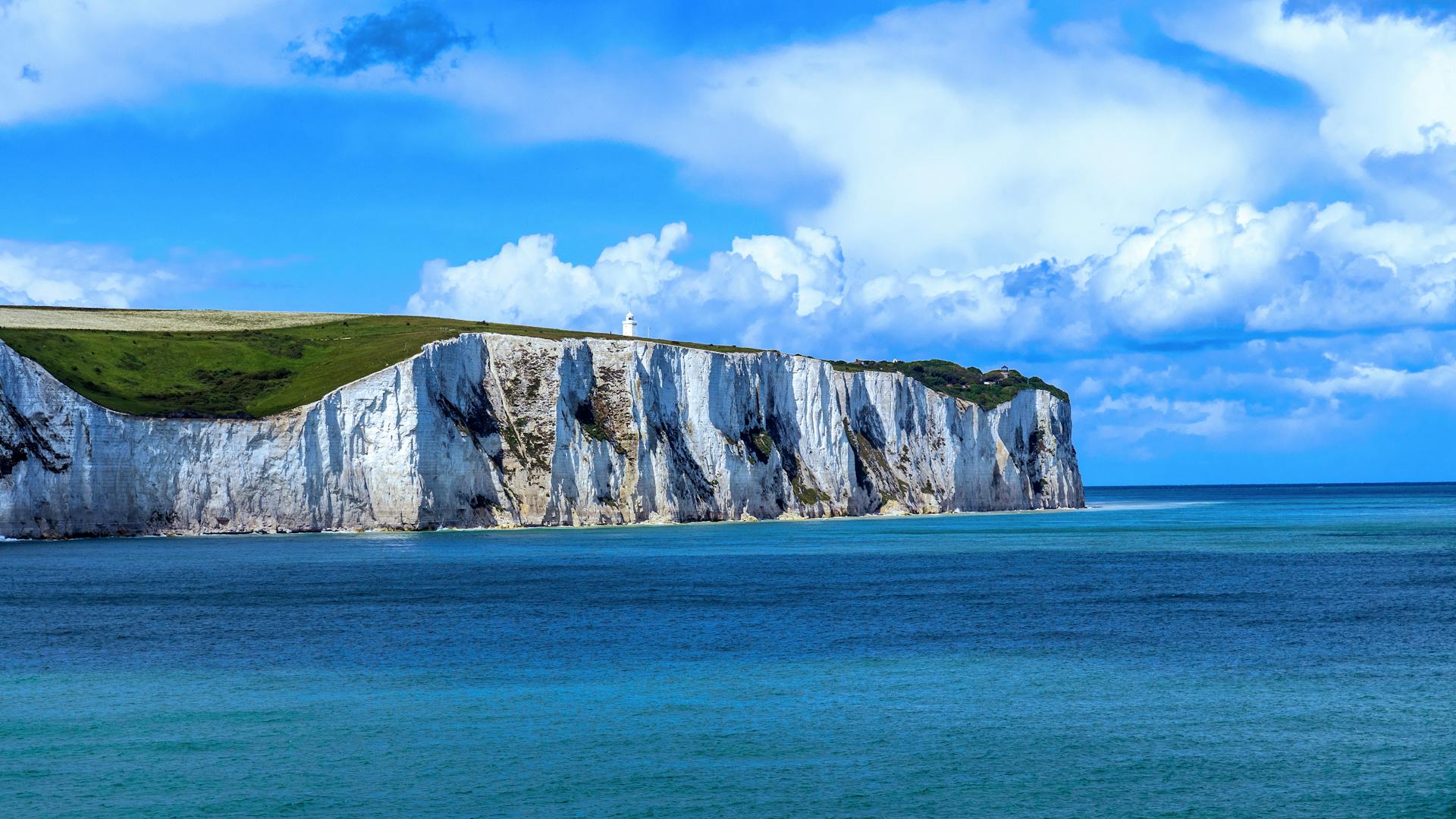
- El Sureste y Londres: El motor económico, con llanuras suaves y los famosos Acantilados Blancos de Dover frente al canal de la Mancha.
- El Suroeste (West Country): Tierra de leyendas (como Stonehenge), costas dramáticas y los mejores campos para la producción de sidra.
- The Midlands: El corazón industrial y cuna de Shakespeare (Stratford-upon-Avon), hoy convertido en un centro multicultural.
- El Norte: La zona más indómita, con los Peninos (la "columna vertebral" de Inglaterra), parques nacionales inmensos y ciudades con mucha personalidad.
Qué comer en Inglaterra (Más allá del Fish and Chips)
La cocina inglesa ha vivido una revolución en los últimos años, apostando por productos locales y la influencia de sus colonias:
- Full English Breakfast – Huevos, tocino, salchichas, frijoles, champiñones y tostadas. Un ritual de energía.
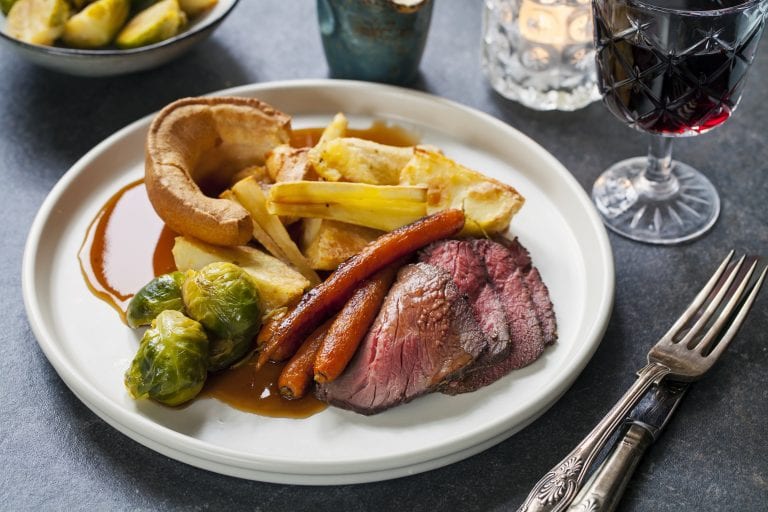
- Sunday Roast – Carne asada (vaca, cordero o pollo) con Yorkshire pudding, papas asadas y mucha salsa (gravy). Es sagrado los domingos.
- Fish and Chips – Pescado rebozado con papas fritas, imperdible si se come junto al mar.
- Afternoon Tea – Té acompañado de scones con crema y mermelada, y pequeños sándwiches. Una experiencia muy británica.
- Chicken Tikka Masala – Considerado por muchos como el verdadero plato nacional debido a la fuerte influencia india.
- Pies (Pasteles de carne) – Desde el Steak and Ale hasta el Cornish Pasty (una especie de empanada contundente).
- Quesos Ingleses – No te pierdas el Cheddar artesanal o el Blue Stilton.
- Cerveza Real (Ale) y Sidra – Disfrutadas preferentemente en un pub con siglos de historia.
Datos prácticos para viajar por Inglaterra
- Moneda: Libra Esterlina (GBP).
- Idioma: Inglés (con una variedad de acentos regionales increíble).
- Enchufes: Tipo G (tres clavijas planas), 230V. Necesitarás adaptador casi seguro.
- Propinas: Se suele dejar entre un 10% y 12.5% en restaurantes (a veces ya viene incluido como "Service Charge").
- Pagos: Inglaterra es casi 100% digital. En 2026, el efectivo es casi inexistente. Puedes pagar con tu celular o tarjeta contactless desde un café hasta el bus más remoto.
Cómo moverse por el país
- Tren – La forma más rápida de conectar ciudades. Es eficiente pero caro si no se compra con antelación (usa apps como Trainline).
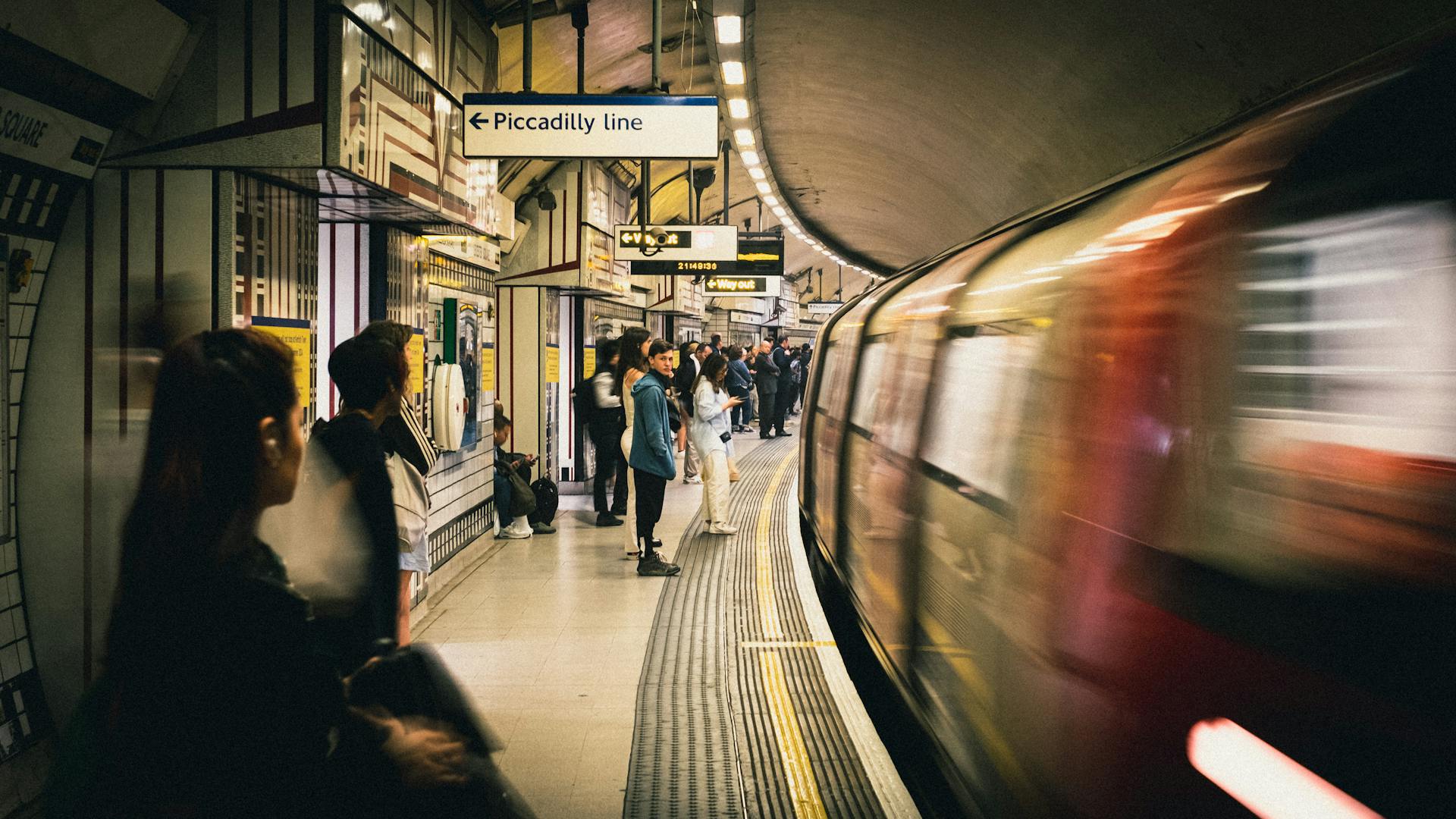
- Metro (The Tube) – Esencial en Londres. Olvídate de tickets físicos; usa tu tarjeta bancaria o móvil directamente en los torniquetes.
- Bus (Coach) – Empresas como National Express o Megabus son opciones muy baratas para viajes largos.
- Auto – Ideal para perderse en los Cotswolds o Cornualles. Recuerda: se conduce por la izquierda.
Clima y mejor época para viajar
El clima inglés es famoso por ser impredecible, pero cada estación tiene su encanto:
- Primavera (marzo-mayo): Los jardines ingleses están en su máximo esplendor.
- Verano (junio-agosto): Los días son larguísimos (anochece a las 22:00) y es la época de festivales.
- Otoño (septiembre-noviembre): Paisajes dorados y aire fresco, ideal para caminatas por el campo.
- Invierno (diciembre-febrero): Frío y días cortos, pero los mercaditos navideños y los pubs con chimenea lo hacen muy acogedor.
Tips y Recordatorios para 2026
- Reserva con tiempo: Para Stonehenge, la Torre de Londres o estudios de Harry Potter, las entradas se agotan meses antes.
- Etiqueta en las colas: Los ingleses aman hacer fila. Respetar el turno es la regla de oro de convivencia.
- Apps de Clima: Ten una siempre a mano. El dicho "cuatro estaciones en un solo día" aquí es una realidad.
- Museos Gratuitos: En Londres, la mayoría de los grandes museos (British Museum, National Gallery) son gratuitos, aunque se recomienda reservar hora online.
También te puede interesar
Londres – La capital del mundo: historia real, museos gratuitos, compras y una escena gastronómica infinita.
Oxford y Cambridge – Las ciudades universitarias más famosas, con una arquitectura gótica que parece sacada de Harry Potter.
Manchester – Cuna de grandes bandas de música y la capital del fútbol moderno.
The Cotswolds – El corazón de la campiña inglesa: pueblos de piedra color miel y paisajes de postal.
Bath – Una joya romana y georgiana famosa por sus termas naturales y su elegancia clásica.
Distrito de los Lagos (Lake District) – El paraíso de los amantes del trekking y la naturaleza, con los paisajes más bellos del país.
Brighton – Una ciudad costera alternativa, vibrante y con un muelle icónico lleno de vida.
Newcastle - La capital del noreste: puentes imponentes sobre el río Tyne, pasión futbolera en pleno centro y una de las vidas nocturnas más vibrantes del Reino Unido.
York – Ciudad amurallada con raíces vikingas y romanas; sus calles estrechas son de las más bonitas de Europa.
Cornualles (Cornwall) – Playas de aguas turquesas, acantilados salvajes y el mejor surf del Reino Unido.
Liverpool – La ciudad de los Beatles y un puerto histórico lleno de cultura.
PUBLICIDAD
Travel with Data: Get your Saily eSIM
- ✓Internet in seconds upon landing
- ✓Flexible plans in 180+ countries
- ✓Easy setup directly via the App
Inglaterra se divide en regiones con paisajes muy contrastados:
- El Sureste y Londres: El motor económico, con llanuras suaves y los famosos Acantilados Blancos de Dover frente al canal de la Mancha.
- El Suroeste (West Country): Tierra de leyendas (como Stonehenge), costas dramáticas y los mejores campos para la producción de sidra.
- The Midlands: El corazón industrial y cuna de Shakespeare (Stratford-upon-Avon), hoy convertido en un centro multicultural.
- El Norte: La zona más indómita, con los Peninos (la "columna vertebral" de Inglaterra), parques nacionales inmensos y ciudades con mucha personalidad.
La cocina inglesa ha vivido una revolución en los últimos años, apostando por productos locales y la influencia de sus colonias:
- Full English Breakfast – Huevos, tocino, salchichas, frijoles, champiñones y tostadas. Un ritual de energía.
- Sunday Roast – Carne asada (vaca, cordero o pollo) con Yorkshire pudding, papas asadas y mucha salsa (gravy). Es sagrado los domingos.
- Fish and Chips – Pescado rebozado con papas fritas, imperdible si se come junto al mar.
- Afternoon Tea – Té acompañado de scones con crema y mermelada, y pequeños sándwiches. Una experiencia muy británica.
- Chicken Tikka Masala – Considerado por muchos como el verdadero plato nacional debido a la fuerte influencia india.
- Pies (Pasteles de carne) – Desde el Steak and Ale hasta el Cornish Pasty (una especie de empanada contundente).
- Quesos Ingleses – No te pierdas el Cheddar artesanal o el Blue Stilton.
- Cerveza Real (Ale) y Sidra – Disfrutadas preferentemente en un pub con siglos de historia.
- Moneda: Libra Esterlina (GBP).
- Idioma: Inglés (con una variedad de acentos regionales increíble).
- Enchufes: Tipo G (tres clavijas planas), 230V. Necesitarás adaptador casi seguro.
- Propinas: Se suele dejar entre un 10% y 12.5% en restaurantes (a veces ya viene incluido como "Service Charge").
- Pagos: Inglaterra es casi 100% digital. En 2026, el efectivo es casi inexistente. Puedes pagar con tu celular o tarjeta contactless desde un café hasta el bus más remoto.
- Tren – La forma más rápida de conectar ciudades. Es eficiente pero caro si no se compra con antelación (usa apps como Trainline).
- Metro (The Tube) – Esencial en Londres. Olvídate de tickets físicos; usa tu tarjeta bancaria o móvil directamente en los torniquetes.
- Bus (Coach) – Empresas como National Express o Megabus son opciones muy baratas para viajes largos.
- Auto – Ideal para perderse en los Cotswolds o Cornualles. Recuerda: se conduce por la izquierda.
El clima inglés es famoso por ser impredecible, pero cada estación tiene su encanto:
- Primavera (marzo-mayo): Los jardines ingleses están en su máximo esplendor.
- Verano (junio-agosto): Los días son larguísimos (anochece a las 22:00) y es la época de festivales.
- Otoño (septiembre-noviembre): Paisajes dorados y aire fresco, ideal para caminatas por el campo.
- Invierno (diciembre-febrero): Frío y días cortos, pero los mercaditos navideños y los pubs con chimenea lo hacen muy acogedor.
- Reserva con tiempo: Para Stonehenge, la Torre de Londres o estudios de Harry Potter, las entradas se agotan meses antes.
- Etiqueta en las colas: Los ingleses aman hacer fila. Respetar el turno es la regla de oro de convivencia.
- Apps de Clima: Ten una siempre a mano. El dicho "cuatro estaciones en un solo día" aquí es una realidad.
- Museos Gratuitos: En Londres, la mayoría de los grandes museos (British Museum, National Gallery) son gratuitos, aunque se recomienda reservar hora online.
PUBLICIDAD
International Travel Insurance
- ✓International medical insurance
- ✓24/7 immediate assistance in your language
- ✓Ideal for trekking & adventure
Posts in Inglaterra
Preferences
Language
Color
Text
Width