Table of contents and map
Rio de Janeiro the Wonderful City: Complete guide, 16 must-sees, neighborhoods and viewpoints, payments, getting around, and itineraries

Known as the Cidade Maravilhosa, we lived for four months in Rio de Janeiro, which allowed us to experience it far beyond tourist highlights. Famous for its iconic beaches, vibrant cultural scene, and spectacular natural landscapes. Nestled between mountains and the sea, the city combines historic neighborhoods, Carnival, music, and a unique energy that makes it an emblematic destination in Brazil.
Rio de Janeiro the Wonderful City: Complete guide, 16 must-sees, neighborhoods and viewpoints, payments, getting around, and itineraries
Known as the Cidade Maravilhosa, we lived for four months in Rio de Janeiro, which allowed us to experience it far beyond tourist highlights. Famous for its iconic beaches, vibrant cultural scene, and spectacular natural landscapes. Nestled between mountains and the sea, the city combines historic neighborhoods, Carnival, music, and a unique energy that makes it an emblematic destination in Brazil.

During our time in Rio, we explored the city in many ways, especially by bicycle, which turned out to be one of the best ways to get around: Rio's coastal area is quite flat, features well-connected bike lanes, and has an ideal pace for two wheels. In addition, it is very well equipped with gyms, including many public outdoor options, especially near beaches and parks.
16 Must-See Things to Do and See in Rio de Janeiro
1- Christ the Redeemer - The iconic monument atop Mount Corcovado overlooking the city, offering breathtaking panoramic views of the coastline and Guanabara Bay.

2- Sugarloaf Mountain - The famous peak reached by cable car, offering 360° views over the city, its beaches, and the Atlantic Ocean.

3- Copacabana: Neighborhood and Beach - A neighborhood rich in history and energy with its iconic Portuguese wave-pattern promenade, vibrant nightlife, seaside kiosks, and traditional restaurants.

4- Ipanema: Neighborhood and Beach - Elegant and sophisticated, famous for its beach, boutiques, high-end gastronomy, sunsets at Arpoador Rock, and the impressive backdrop of the Dois Irmãos Mountains.

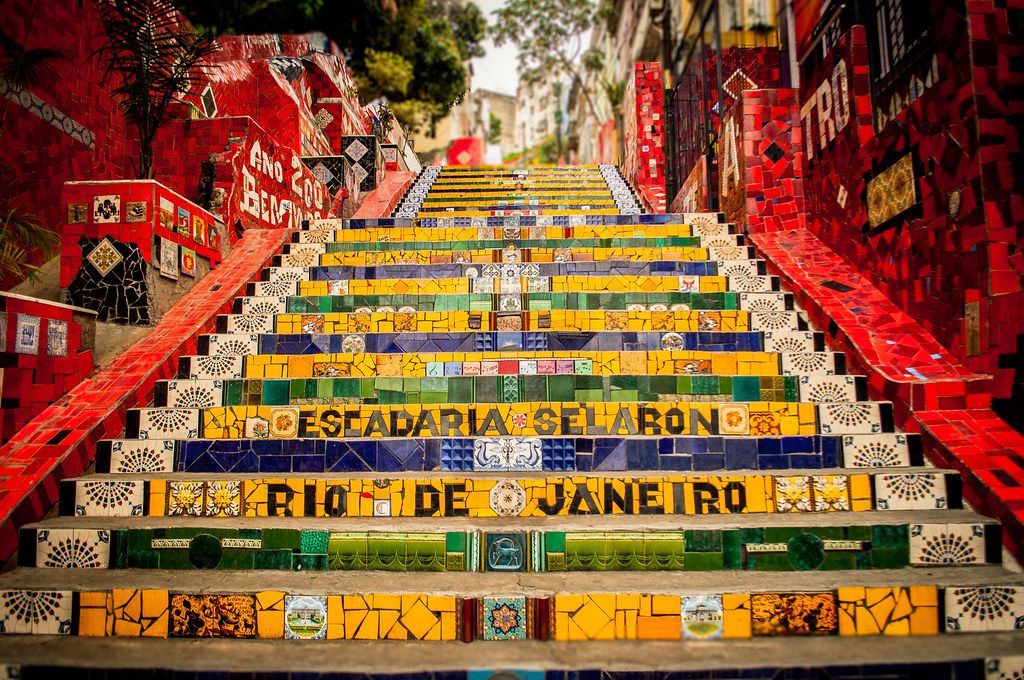
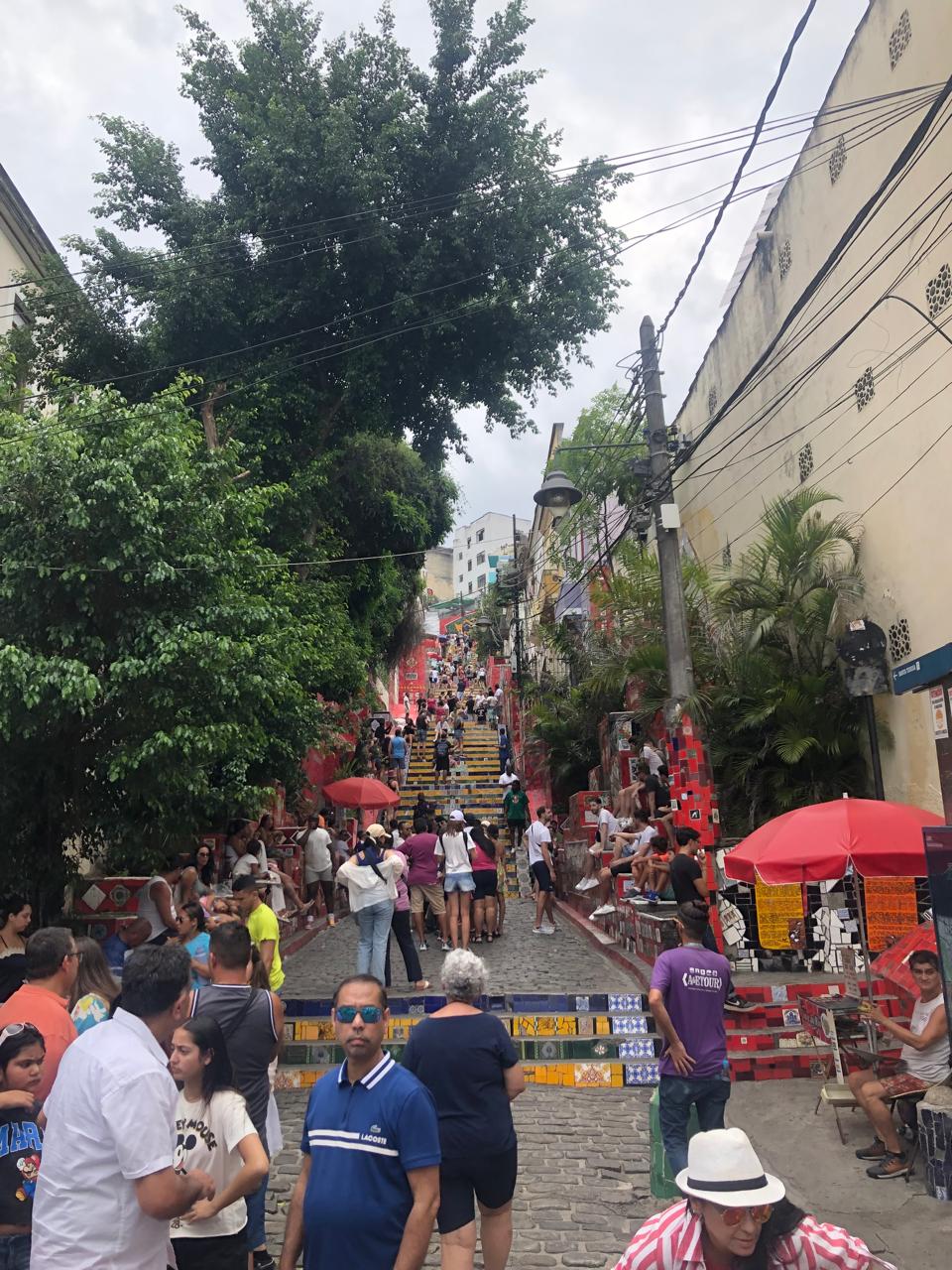
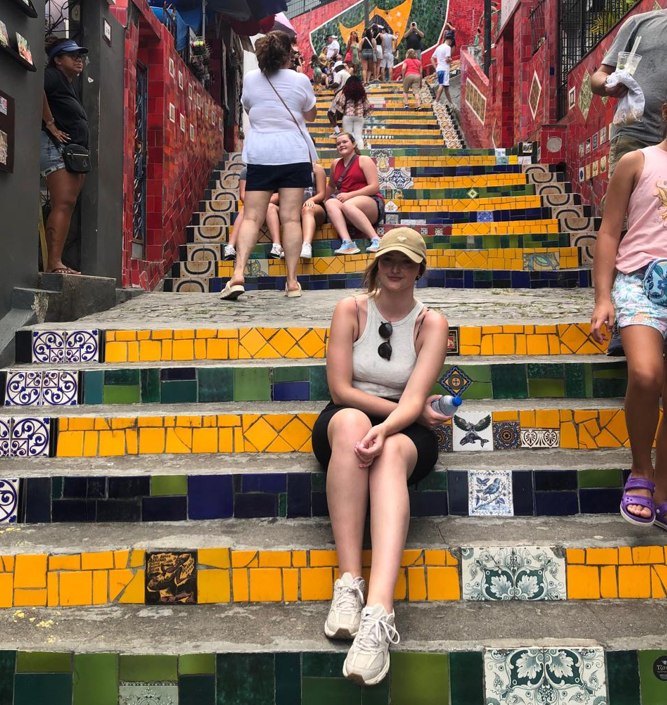
5- Escadaria Selarón - The masterpiece of artist Jorge Selarón: 215 steps covered with over 2,000 tiles from around the world connecting Lapa with Santa Teresa.
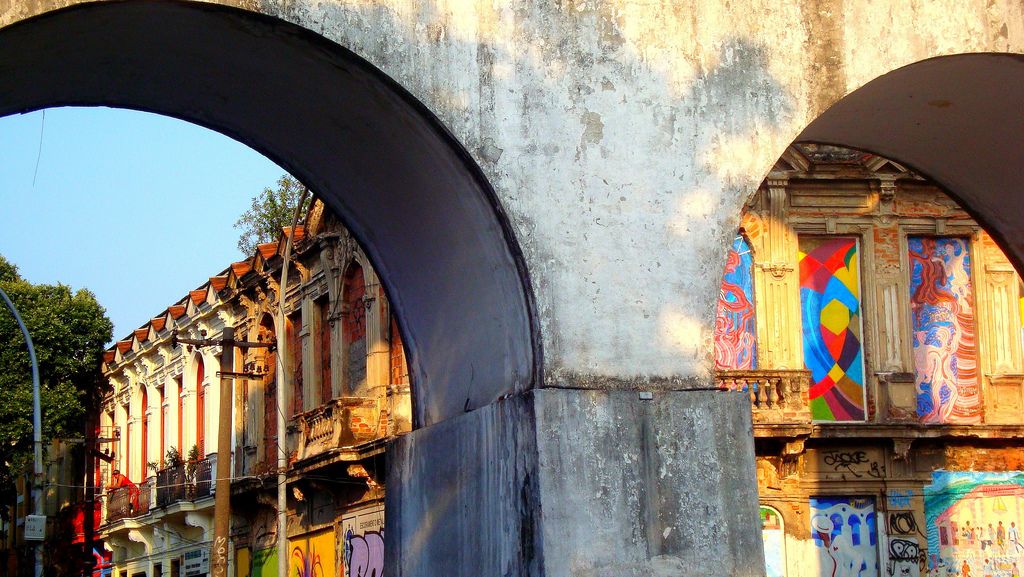
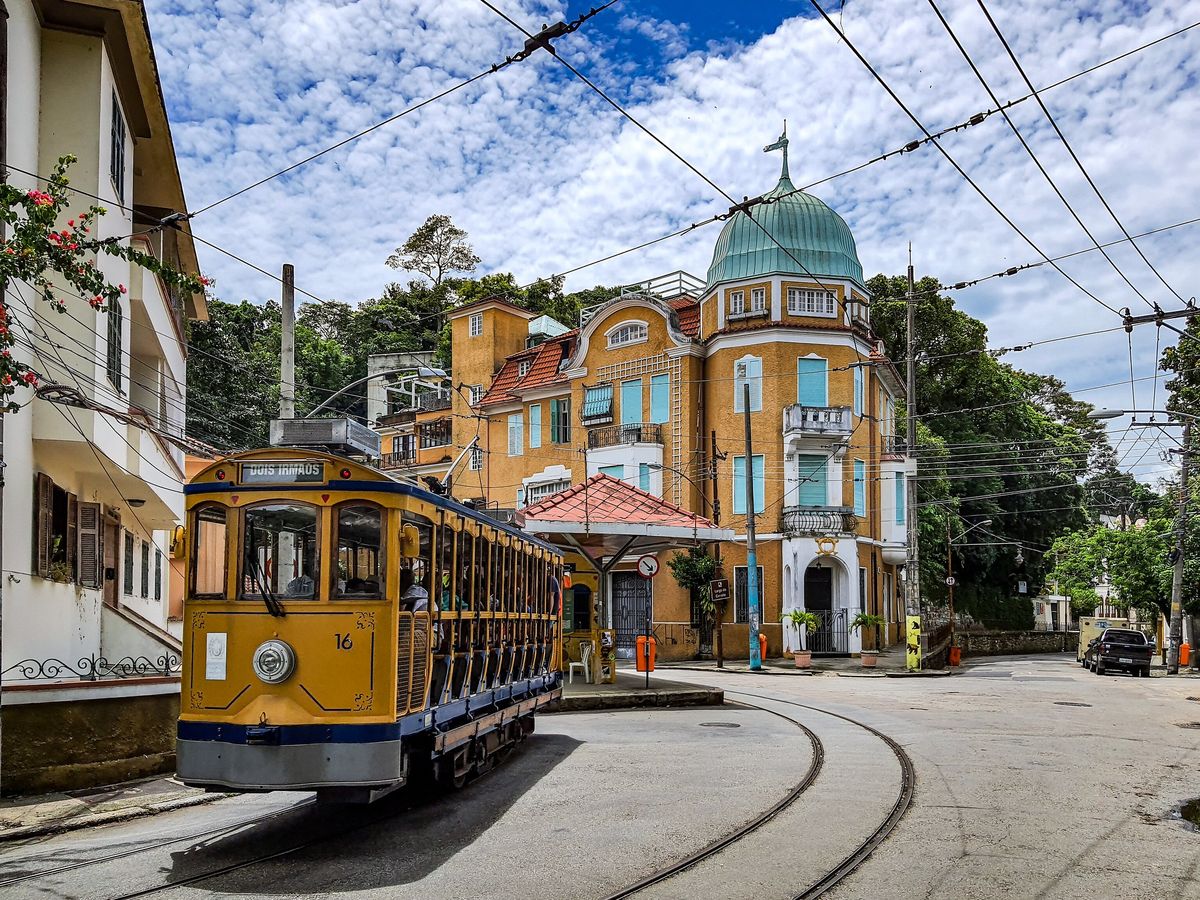
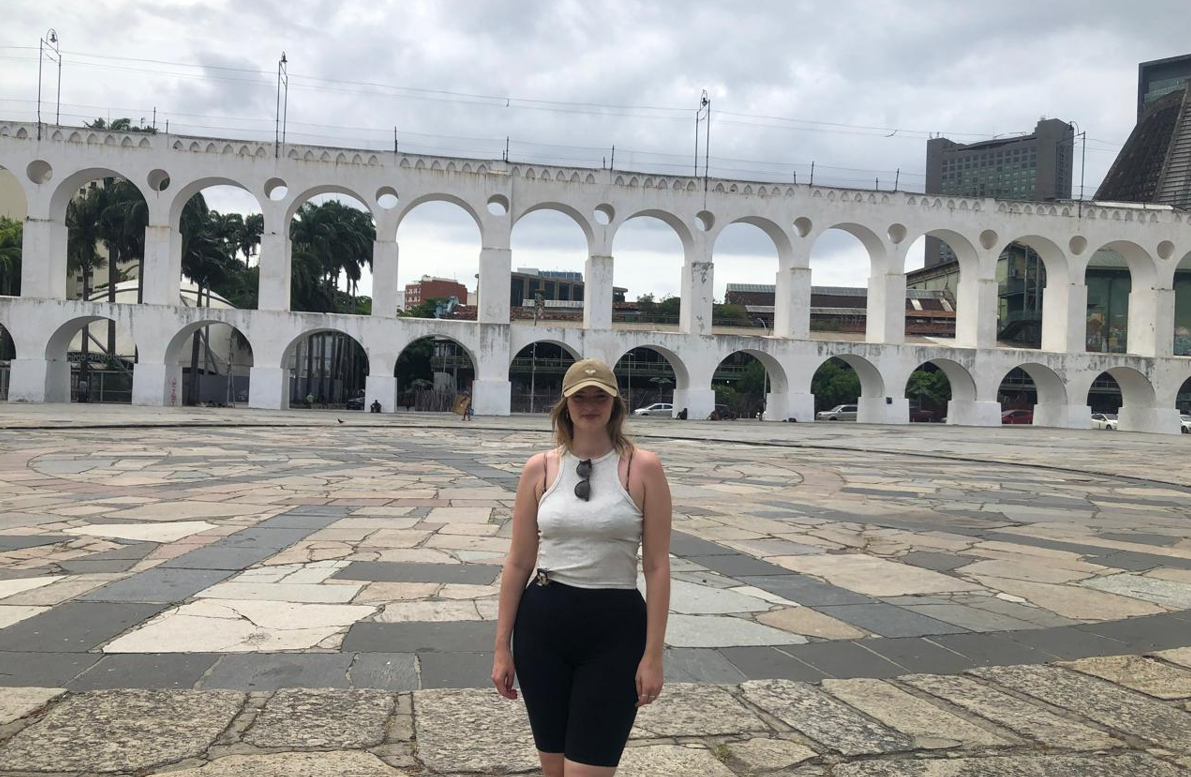
6- Arcos da Lapa - The monumental 18th-century Roman-style colonial aqueduct, symbol of the bohemian Lapa neighborhood, crossed by the historic tram (bondinho) heading to Santa Teresa.
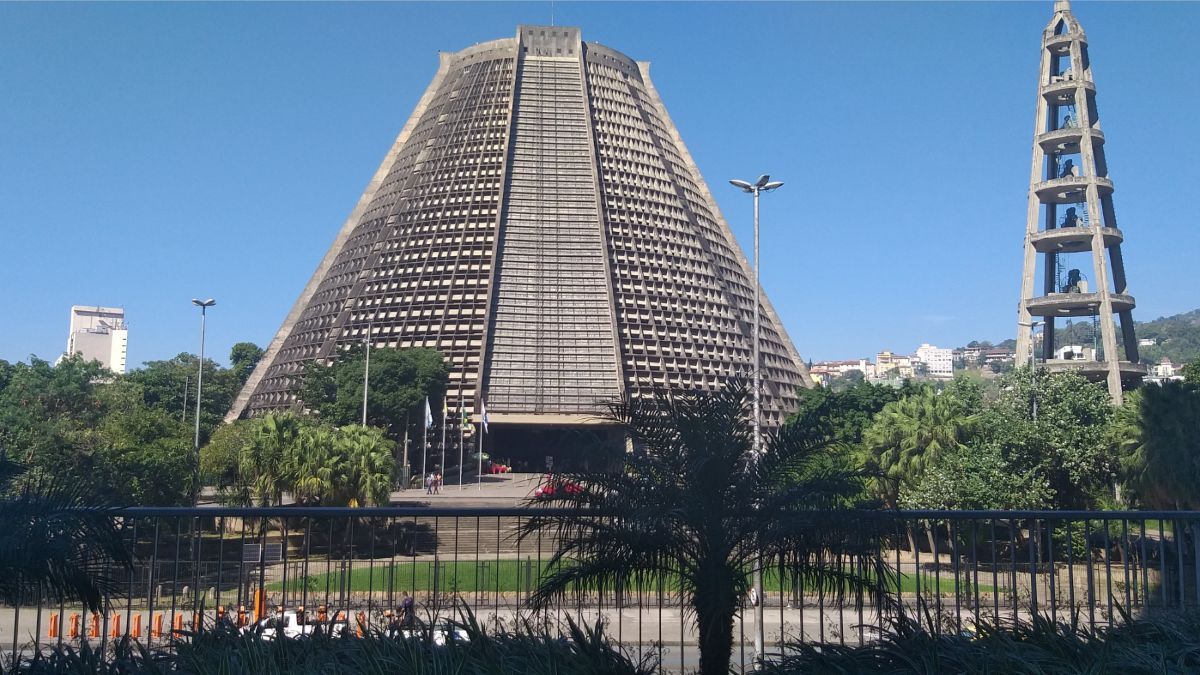
7- Metropolitan Cathedral - An impressive brutalist conical temple inspired by Mayan pyramids featuring four colossal 64-meter-high vertical stained-glass windows.
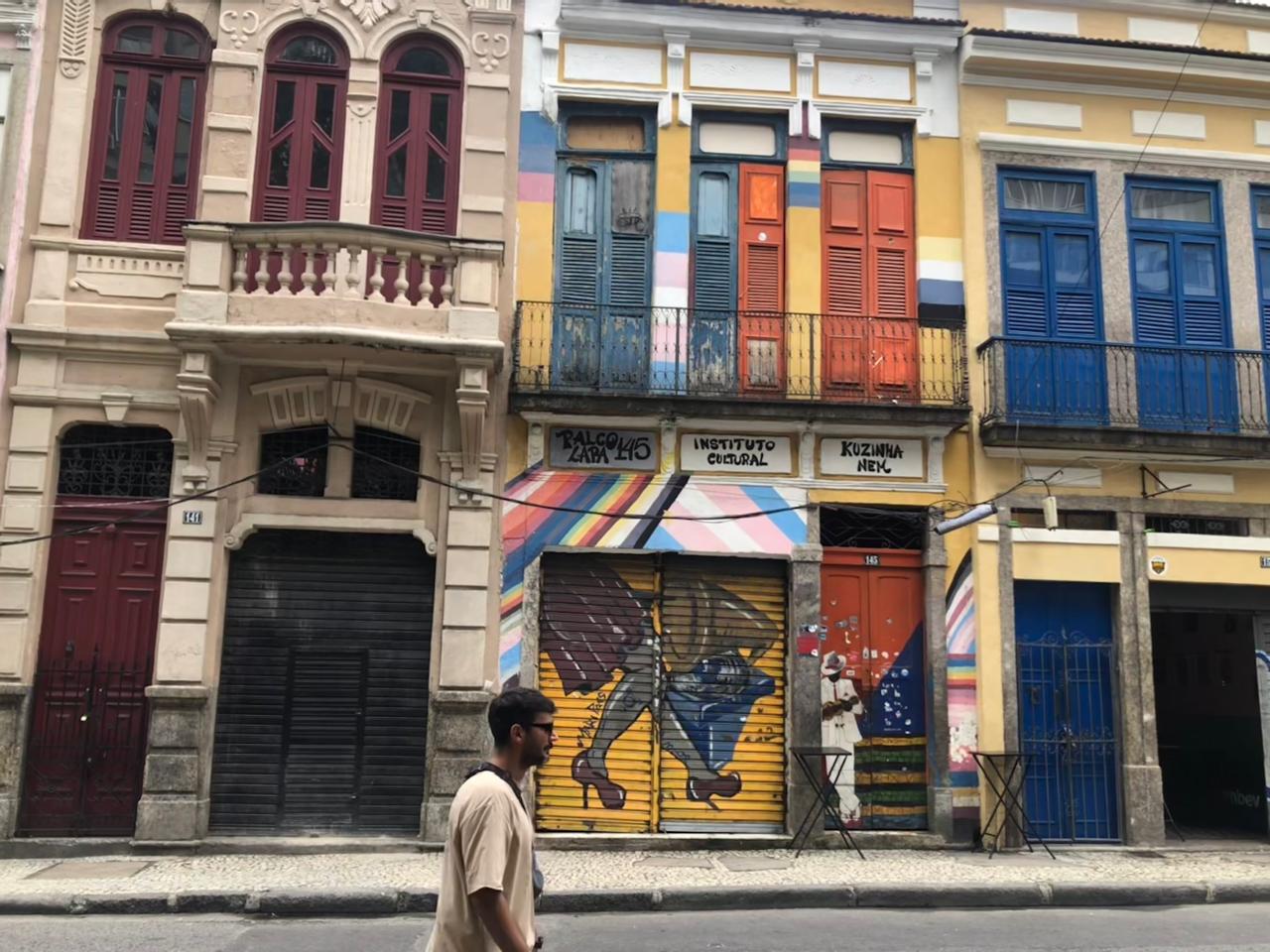
8- Lapa Neighborhood - The heart of Rio's nightlife, filled with live samba bars, street music, rich gastronomy, and unmatched cultural energy.

9- Santa Teresa - Bohemian hilltop neighborhood featuring cobblestone streets, 19th-century mansions, urban art, cafes, and artist workshops.
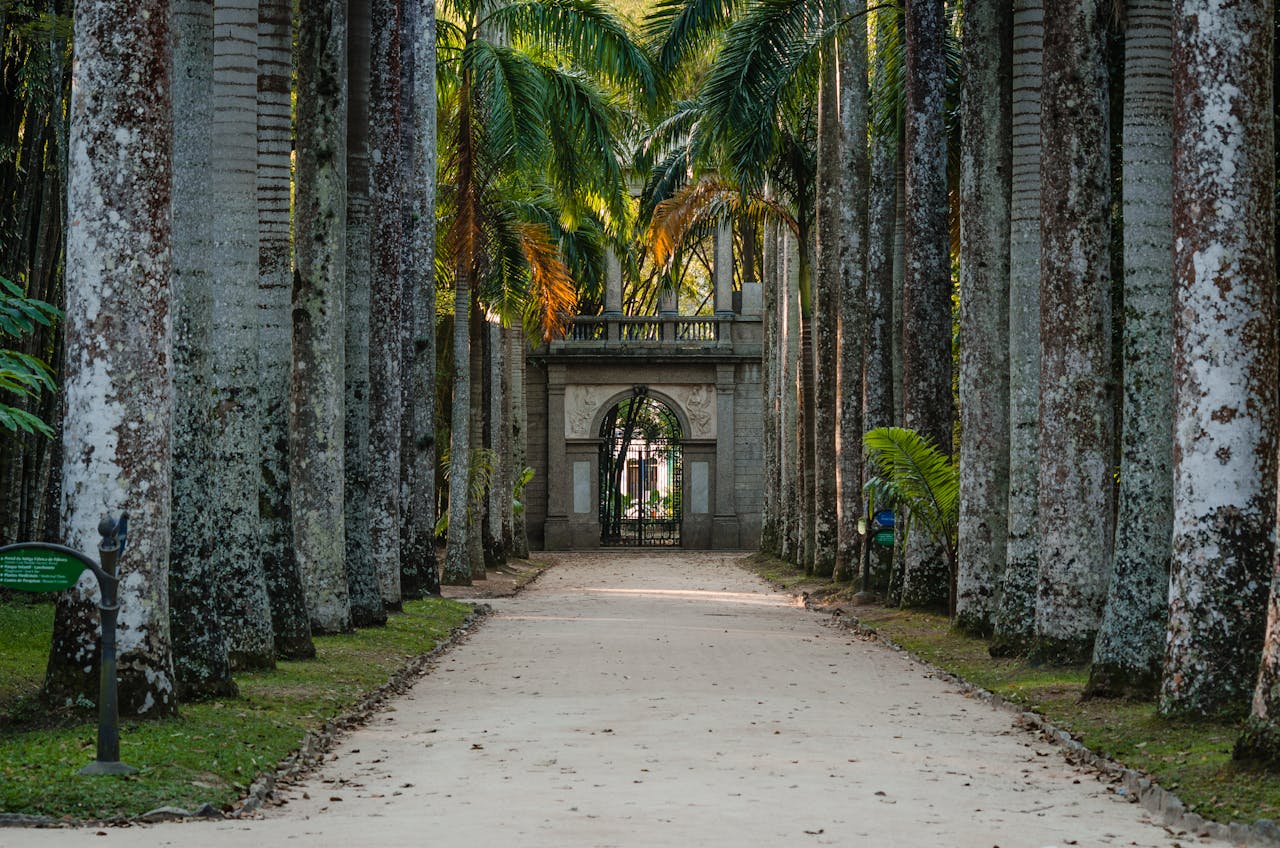
10- Botanical Garden - A green oasis within the city, featuring avenues of imperial palms, tropical species, and serene walking paths.

11- Maracanã Stadium - The legendary temple of world football, where Brazil's peak sporting passion can be felt firsthand.

12- Lagoa Rodrigo de Freitas - A special spot for us. Cycling around the lagoon is a fantastic, peaceful experience, very different from the bustling nearby beaches. Surrounded by mountains and relaxed open-air spots.

13- Museum of Tomorrow - A neo-futuristic science museum designed by Santiago Calatrava, located in the revamped port zone of Praça Mauá.

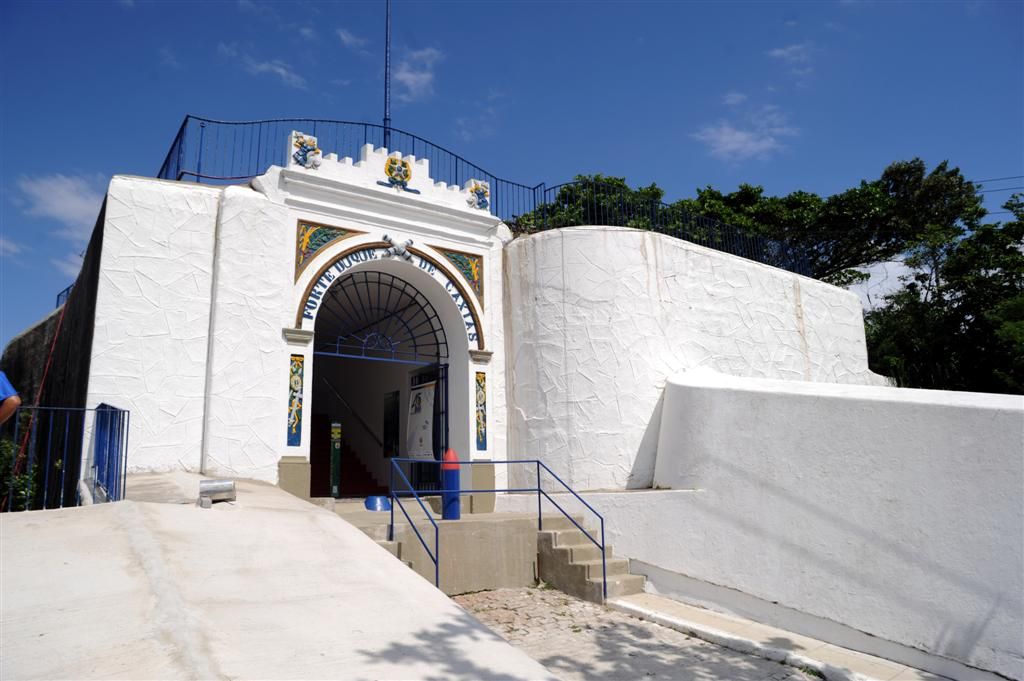
14- Fort Leme (Forte Duque de Caxias) - Former 1914 military base at the far end of Leme beach. Features a trail through nature and a privileged panoramic view of Copacabana and Sugarloaf Mountain.
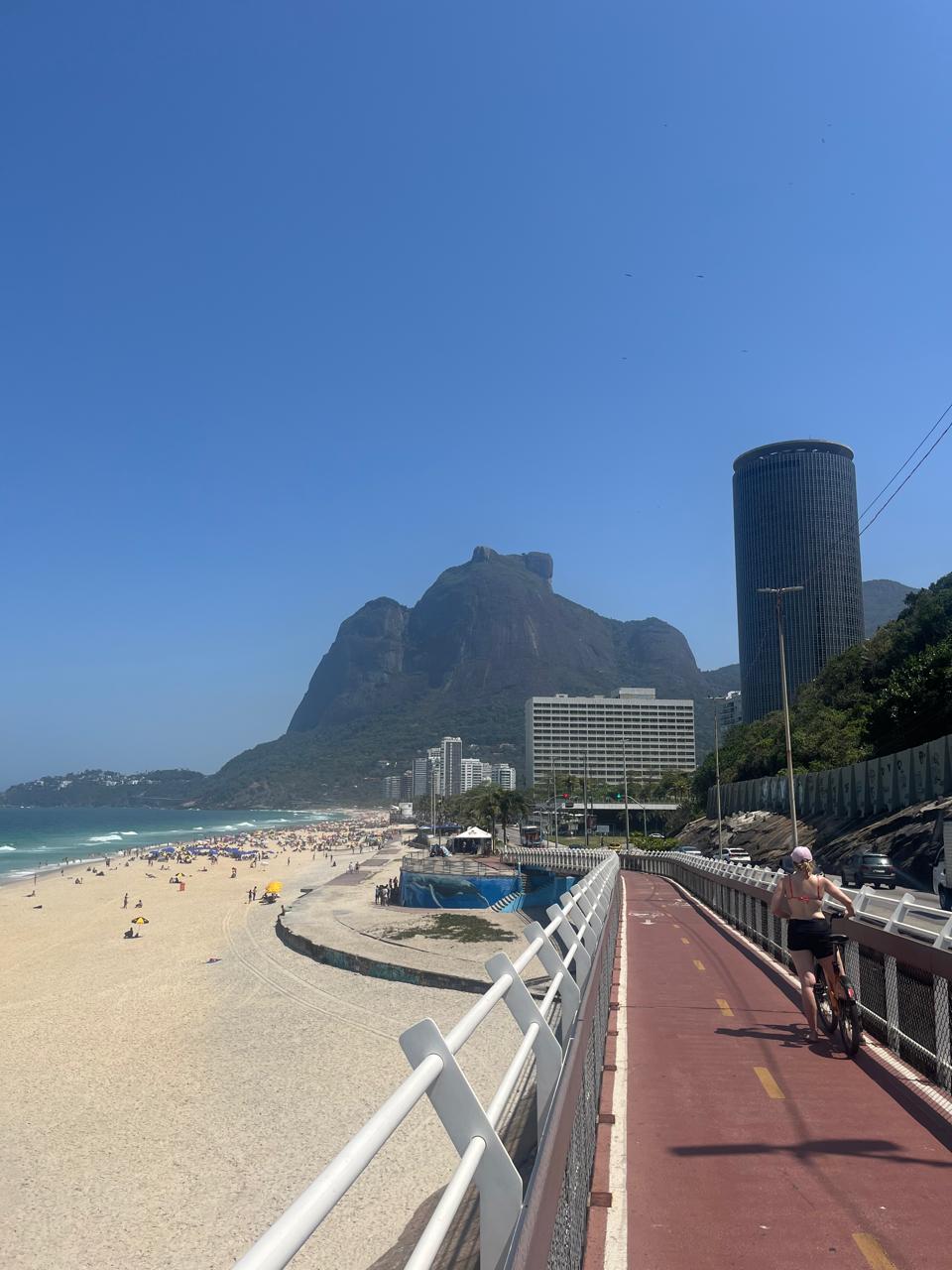
15- Exploring Rio by bike: from Copacabana to Barra da Tijuca - An unmissable route along the coast, passing beaches, lookouts, and the spectacular bike path suspended over the ocean.

16- Praia da Joatinga: the hidden gem between cliffs - A small, paradisiacal beach hidden within a residential neighborhood between São Conrado and Barra da Tijuca. Surrounded by wild nature, it is ideal for escaping crowds (note: accessible only during low tide).

Recommended Day Trips from Rio
- Ilha Grande - A paradisiacal car-free island getaway with pristine beaches like Lopes Mendes and lush jungle trails.
- Arraial do Cabo - Known as the "Brazilian Caribbean" for its crystal-clear turquoise waters and fine white sand.
Viewpoints in Rio de Janeiro
Rio is one of the world's most impressive cities to see from above. Nestled among mountains, ocean, and urban rainforest, viewpoints are an essential part of the experience.
Mirante Dona Marta - Probably the most famous viewpoint for seeing Christ the Redeemer with Guanabara Bay in the background. Easy access and incredible sunset views.

Pedra Bonita - A natural lookout inside Tijuca National Park. Famous as a paragliding launch point, offering open views of the ocean and Pedra da Gávea.

Pedra da Gávea - One of Rio's most iconic hikes. Demanding, but rewarded with one of the most stunning views in the entire city.

Morro Dois Irmãos - Accessible from Vidigal, it provides one of the best views of Ipanema, Leblon, and Rio's southern coastline.

To learn about difficulty levels, access routes, safety tips, and more top locations like Pedra do Telégrafo or Mureta da Urca, check out our complete guide to the best viewpoints and hiking trails in Rio de Janeiro.
Complete Beach Guides in Rio and Surrounding Areas
Rio de Janeiro combines world-famous urban beaches with secluded natural coves framed by cliffs and jungle. To help you structure your coastal itinerary, we created two detailed guides:
- Top 10 Beaches in Rio de Janeiro - From iconic Copacabana and Ipanema to secret gems like Praia da Joatinga, Prainha, and Grumari.
- Best Beaches Near Rio de Janeiro: Unmissable Getaways - Comprehensive guide for visiting Arraial do Cabo, Búzios, Ilha Grande, Paraty, and Cabo Frio on day trips or weekend excursions.
How to Plan Your Trip: 3, 5, and 7-Day Itineraries
The main challenge when visiting Rio is learning how to group attractions effectively so you don't lose hours stuck in traffic or traveling back and forth across town.
To help you structure your trip according to your available time, we built a detailed guide featuring route optimization by zone, recommended timing, and daily maps:
👉 Check out our suggested Rio de Janeiro itineraries for 3, 5, and 7 days
Where to Stay in Rio de Janeiro
Selecting the right neighborhood is essential to making the most of your trip. During our 4 months in Rio, we lived across several neighborhoods and put together a thorough comparison covering pros, cons, and price points: from the safety and charm of Ipanema or classic feel of Copacabana to local Botafogo vibes and peaceful Flamengo.
Check out our complete guide on Where to Stay in Rio de Janeiro: Best Neighborhoods and Areas
What to Eat in Rio de Janeiro
- Feijoada - Brazil's most traditional dish. Hearty and savory, typically served on Fridays or Saturdays alongside rice, farofa, and sliced oranges.
- Fish and Seafood - A staple of local carioca gastronomy, especially coastal offerings. Grilled fish, shrimp dishes, and moqueca stews are classics.
- Pastel and Coxinha - Popular, affordable street food staples commonly found near beaches and markets.
- Açaí - A classic post-beach staple. In Rio, it is usually served more natural and less sweetened.
- Churrasco - Barbecue meats served in traditional steakhouses or all-you-can-eat rodízios offering wide cuts.
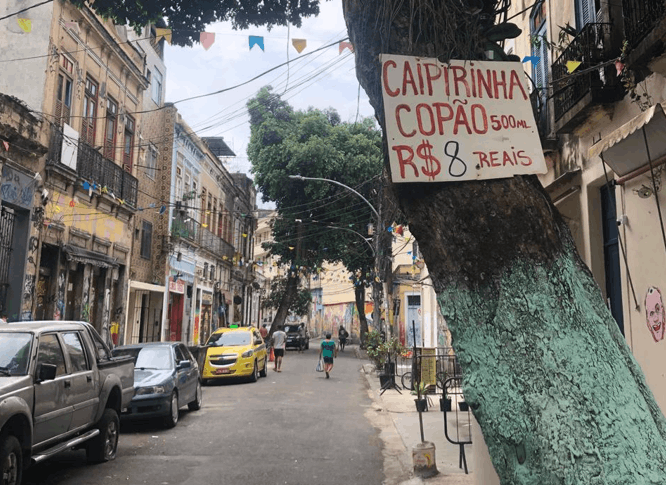
- Caipirinha - Brazil’s signature cocktail, perfect for watching the sunset.
How to Pay in Rio de Janeiro
- Virtual Wallets are Best - When paying in Rio de Janeiro, it is wise to minimize the use of physical debit and credit cards. For safety and convenience, digital wallets work far better.
- Brazil extensively uses Pix, an instant payment system. Using digital wallets supporting Pix simplifies transactions: you pay via QR code, review the amount beforehand, and avoid common physical card scams or read errors.
- Security benefit: before confirming payments, the exact amount is displayed on screen and requires manual approval from your mobile phone.
To see how to use Pix as a tourist, which wallets work best, and how to protect yourself against credit card scams, check our complete guide on paying in Rio de Janeiro: Pix, credit cards, and security tips.
Essential Travel Tips & Facts
-
Currency: Brazilian Real (BRL).
-
Transportation: Metro and Uber work seamlessly; bicycles are optimal along the coastal corridor.
-
Prices: Varies by neighborhood and season.
-
Climate: Tropical, hot, and humid throughout most of the year.
-
Safety: Stay alert, avoid quiet/isolated streets at night, and refrain from showing valuable items.
-
Traveler Tip: We lived across 4 months split between Botafogo, Flamengo, Copacabana, and Ipanema; each area offers a distinctly unique experience worth discovering.
Our Experience Traveling Through Rio de Janeiro
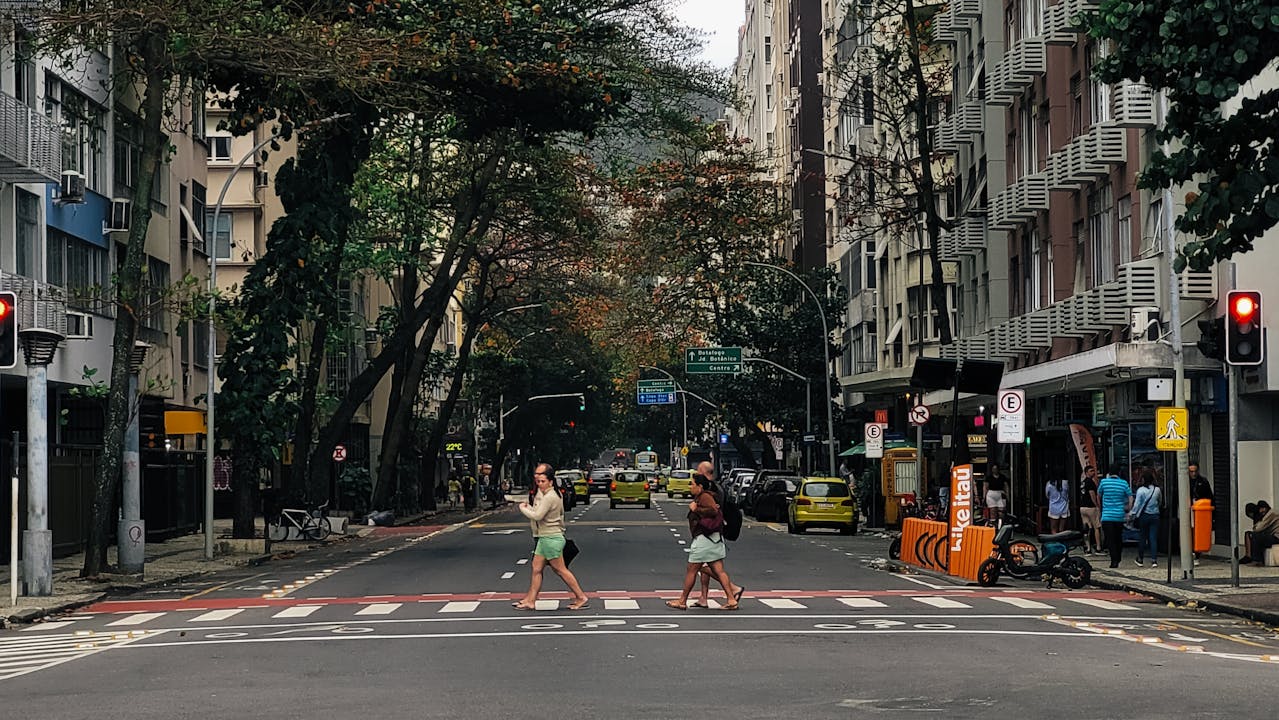
Rio uniquely combines natural beauty and urban life. Over our four months living here, we experienced varying urban dynamics depending on where we stayed.
Botafogo and Flamengo felt ideal for living: quieter, more authentic, residential, and very well connected. Copacabana and Ipanema concentrate tourist activity, with Copacabana feeling fast-paced and vibrant, while Ipanema offers a more orderly and refined setting.
Rio maintains a distinct rhythm combining beaches, outdoor sports, nature, and city life. It is a destination that can be experienced in many ways, and that flexibility is a big part of its charm.

Pro Tip: Exploring Rio by Bike is Amazing
Set aside a day to explore the city by bike. It is easily one of the best ways to get to know Rio and experience its authentic rhythm.
We created a dedicated article on this topic: Guide to Cycling Rio: Neighborhood by Neighborhood Routes.

You Might Also Like
- Rio de Janeiro Itineraries: 3, 5, or 7 Days
- 10 Best Beaches in Rio de Janeiro: Complete Guide
- Best Beaches Near Rio de Janeiro: Day Trips and Weekend Getaways
- Where to Stay in Rio de Janeiro: Best Neighborhoods
- Useful Tips for Traveling in 2026
- Cycling Around Rio de Janeiro
- Complete Travel Guide to Ilha Grande
- Complete Travel Guide to Arraial do Cabo
- Complete Travel Guide to Ubatuba
1- Christ the Redeemer - The iconic monument atop Mount Corcovado overlooking the city, offering breathtaking panoramic views of the coastline and Guanabara Bay.
2- Sugarloaf Mountain - The famous peak reached by cable car, offering 360° views over the city, its beaches, and the Atlantic Ocean.
3- Copacabana: Neighborhood and Beach - A neighborhood rich in history and energy with its iconic Portuguese wave-pattern promenade, vibrant nightlife, seaside kiosks, and traditional restaurants.
4- Ipanema: Neighborhood and Beach - Elegant and sophisticated, famous for its beach, boutiques, high-end gastronomy, sunsets at Arpoador Rock, and the impressive backdrop of the Dois Irmãos Mountains.
5- Escadaria Selarón - The masterpiece of artist Jorge Selarón: 215 steps covered with over 2,000 tiles from around the world connecting Lapa with Santa Teresa.
6- Arcos da Lapa - The monumental 18th-century Roman-style colonial aqueduct, symbol of the bohemian Lapa neighborhood, crossed by the historic tram (bondinho) heading to Santa Teresa.
7- Metropolitan Cathedral - An impressive brutalist conical temple inspired by Mayan pyramids featuring four colossal 64-meter-high vertical stained-glass windows.
8- Lapa Neighborhood - The heart of Rio's nightlife, filled with live samba bars, street music, rich gastronomy, and unmatched cultural energy.
9- Santa Teresa - Bohemian hilltop neighborhood featuring cobblestone streets, 19th-century mansions, urban art, cafes, and artist workshops.
10- Botanical Garden - A green oasis within the city, featuring avenues of imperial palms, tropical species, and serene walking paths.
11- Maracanã Stadium - The legendary temple of world football, where Brazil's peak sporting passion can be felt firsthand.
12- Lagoa Rodrigo de Freitas - A special spot for us. Cycling around the lagoon is a fantastic, peaceful experience, very different from the bustling nearby beaches. Surrounded by mountains and relaxed open-air spots.
13- Museum of Tomorrow - A neo-futuristic science museum designed by Santiago Calatrava, located in the revamped port zone of Praça Mauá.
14- Fort Leme (Forte Duque de Caxias) - Former 1914 military base at the far end of Leme beach. Features a trail through nature and a privileged panoramic view of Copacabana and Sugarloaf Mountain.
15- Exploring Rio by bike: from Copacabana to Barra da Tijuca - An unmissable route along the coast, passing beaches, lookouts, and the spectacular bike path suspended over the ocean.
16- Praia da Joatinga: the hidden gem between cliffs - A small, paradisiacal beach hidden within a residential neighborhood between São Conrado and Barra da Tijuca. Surrounded by wild nature, it is ideal for escaping crowds (note: accessible only during low tide).
PUBLICIDAD
Travel with Data: Get your Saily eSIM
- ✓Internet in seconds upon landing
- ✓Flexible plans in 180+ countries
- ✓Easy setup directly via the App
- Ilha Grande - A paradisiacal car-free island getaway with pristine beaches like Lopes Mendes and lush jungle trails.
- Arraial do Cabo - Known as the "Brazilian Caribbean" for its crystal-clear turquoise waters and fine white sand.
Rio is one of the world's most impressive cities to see from above. Nestled among mountains, ocean, and urban rainforest, viewpoints are an essential part of the experience.
Mirante Dona Marta - Probably the most famous viewpoint for seeing Christ the Redeemer with Guanabara Bay in the background. Easy access and incredible sunset views.
Pedra Bonita - A natural lookout inside Tijuca National Park. Famous as a paragliding launch point, offering open views of the ocean and Pedra da Gávea.
Pedra da Gávea - One of Rio's most iconic hikes. Demanding, but rewarded with one of the most stunning views in the entire city.
Morro Dois Irmãos - Accessible from Vidigal, it provides one of the best views of Ipanema, Leblon, and Rio's southern coastline.
To learn about difficulty levels, access routes, safety tips, and more top locations like Pedra do Telégrafo or Mureta da Urca, check out our complete guide to the best viewpoints and hiking trails in Rio de Janeiro.
Rio de Janeiro combines world-famous urban beaches with secluded natural coves framed by cliffs and jungle. To help you structure your coastal itinerary, we created two detailed guides:
- Top 10 Beaches in Rio de Janeiro - From iconic Copacabana and Ipanema to secret gems like Praia da Joatinga, Prainha, and Grumari.
- Best Beaches Near Rio de Janeiro: Unmissable Getaways - Comprehensive guide for visiting Arraial do Cabo, Búzios, Ilha Grande, Paraty, and Cabo Frio on day trips or weekend excursions.
The main challenge when visiting Rio is learning how to group attractions effectively so you don't lose hours stuck in traffic or traveling back and forth across town.
To help you structure your trip according to your available time, we built a detailed guide featuring route optimization by zone, recommended timing, and daily maps:
👉 Check out our suggested Rio de Janeiro itineraries for 3, 5, and 7 days
Selecting the right neighborhood is essential to making the most of your trip. During our 4 months in Rio, we lived across several neighborhoods and put together a thorough comparison covering pros, cons, and price points: from the safety and charm of Ipanema or classic feel of Copacabana to local Botafogo vibes and peaceful Flamengo.
Check out our complete guide on Where to Stay in Rio de Janeiro: Best Neighborhoods and Areas
- Feijoada - Brazil's most traditional dish. Hearty and savory, typically served on Fridays or Saturdays alongside rice, farofa, and sliced oranges.
- Fish and Seafood - A staple of local carioca gastronomy, especially coastal offerings. Grilled fish, shrimp dishes, and moqueca stews are classics.
- Pastel and Coxinha - Popular, affordable street food staples commonly found near beaches and markets.
- Açaí - A classic post-beach staple. In Rio, it is usually served more natural and less sweetened.
- Churrasco - Barbecue meats served in traditional steakhouses or all-you-can-eat rodízios offering wide cuts.
- Caipirinha - Brazil’s signature cocktail, perfect for watching the sunset.
- Virtual Wallets are Best - When paying in Rio de Janeiro, it is wise to minimize the use of physical debit and credit cards. For safety and convenience, digital wallets work far better.
- Brazil extensively uses Pix, an instant payment system. Using digital wallets supporting Pix simplifies transactions: you pay via QR code, review the amount beforehand, and avoid common physical card scams or read errors.
- Security benefit: before confirming payments, the exact amount is displayed on screen and requires manual approval from your mobile phone.
To see how to use Pix as a tourist, which wallets work best, and how to protect yourself against credit card scams, check our complete guide on paying in Rio de Janeiro: Pix, credit cards, and security tips.
-
Currency: Brazilian Real (BRL).
-
Transportation: Metro and Uber work seamlessly; bicycles are optimal along the coastal corridor.
-
Prices: Varies by neighborhood and season.
-
Climate: Tropical, hot, and humid throughout most of the year.
-
Safety: Stay alert, avoid quiet/isolated streets at night, and refrain from showing valuable items.
-
Traveler Tip: We lived across 4 months split between Botafogo, Flamengo, Copacabana, and Ipanema; each area offers a distinctly unique experience worth discovering.
Rio uniquely combines natural beauty and urban life. Over our four months living here, we experienced varying urban dynamics depending on where we stayed.
Botafogo and Flamengo felt ideal for living: quieter, more authentic, residential, and very well connected. Copacabana and Ipanema concentrate tourist activity, with Copacabana feeling fast-paced and vibrant, while Ipanema offers a more orderly and refined setting.
Rio maintains a distinct rhythm combining beaches, outdoor sports, nature, and city life. It is a destination that can be experienced in many ways, and that flexibility is a big part of its charm.
Set aside a day to explore the city by bike. It is easily one of the best ways to get to know Rio and experience its authentic rhythm.
We created a dedicated article on this topic: Guide to Cycling Rio: Neighborhood by Neighborhood Routes.
PUBLICIDAD
- Rio de Janeiro Itineraries: 3, 5, or 7 Days
- 10 Best Beaches in Rio de Janeiro: Complete Guide
- Best Beaches Near Rio de Janeiro: Day Trips and Weekend Getaways
- Where to Stay in Rio de Janeiro: Best Neighborhoods
- Useful Tips for Traveling in 2026
- Cycling Around Rio de Janeiro
- Complete Travel Guide to Ilha Grande
- Complete Travel Guide to Arraial do Cabo
- Complete Travel Guide to Ubatuba
Galery






















PUBLICIDAD
International Travel Insurance
- ✓International medical insurance
- ✓24/7 immediate assistance in your language
- ✓Ideal for trekking & adventure
Posts in Rio de janeiro

10 playas de Río de Janeiro
Arcos da Lapa en Río de Janeiro
Barra da Tijuca
Botafogo
Catedral Metropolitana de Río de Janeiro

Como pagar en Rio de Janeiro

Copacabana
Cristo Redentor en Río de Janeiro

Del aeropuerto de al centro

Dónde alojarse en Río de Janeiro
Escadaria Selarón en Río de Janeiro
Estadio Maracaná

Flamengo
Forte do Leme (Forte Duque de Caxias)
Ipanema
Itinerarios en Río de Janeiro en 3, 5 y 7 días
Jardín Botánico de Río de Janeiro
Lagoa Rodrigo de Freitas
Lapa en Río de Janeiro

Miradores y senderos en Río de Janeiro
Mirante Dona Marta

Morro da Urca

Morro Dois Irmãos

Museo del Mañana (Museu do Amanhã)

Pan de Azúcar en Río de Janeiro
Pedra Bonita
Pedra da Gávea

Pedra do Telégrafo

Playas cerca de Río de Janeiro
Praia da Joatinga

Praia do Leblon

Praia Vermelha
Santa Teresa en Río de Janeiro
Posts in Brasil



Preferences
Language
Color
Text
Width