Tabla de contenidos y mapa
Manzana de las Luces en Buenos Aires: Historia, Túneles y Visitas 2026
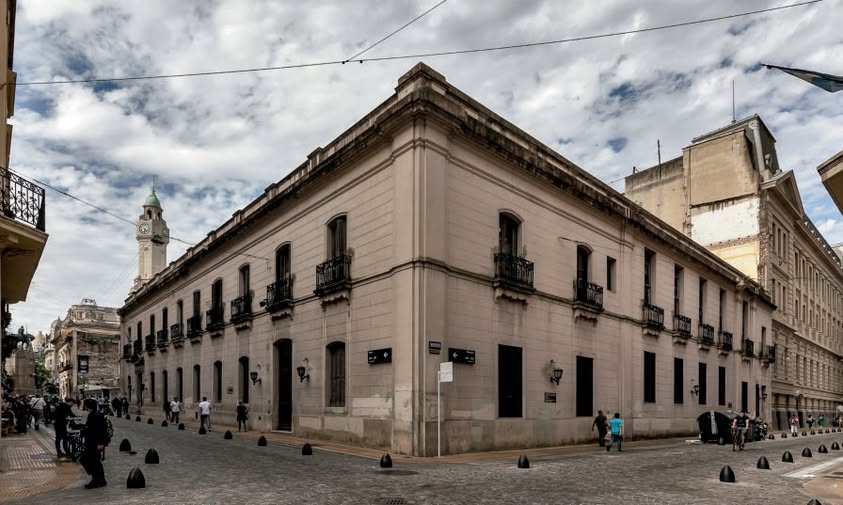
El corazón intelectual y colonial de Buenos Aires. Edificios del siglo XVIII, patios históricos y la mística de sus túneles subterráneos a pasos de Plaza de Mayo.
Manzana de las Luces en Buenos Aires: Historia, Túneles y Visitas 2026
El corazón intelectual y colonial de Buenos Aires. Edificios del siglo XVIII, patios históricos y la mística de sus túneles subterráneos a pasos de Plaza de Mayo.
A solo dos cuadras de la Plaza de Mayo se encuentra la Manzana de las Luces, uno de los conjuntos arquitectónicos e históricos más antiguos y fascinantes de Buenos Aires. Delimitada por las calles Perú, Alsina, Moreno y Bolívar, este predio colonial fue el centro del conocimiento, la educación y la política porteña desde fines del siglo XVII.
En esta guía te contamos su historia, qué ver en el complejo, la mística de sus túneles subterráneos y cómo visitarla.
Historia: El Centro Intelectual Porteño
El origen del complejo se remonta a la llegada de la Orden Jesuita en 1633. Tras la expulsión de los jesuitas en 1767, las instalaciones pasaron a albergar las instituciones más avanzadas de la época.
- ¿Por qué se llama "Manzana de las Luces"? El nombre fue acuñado en 1821 por el periódico El Argos, haciendo referencia a las "luces de la ilustración y el conocimiento", ya que allí convivían la Universidad de Buenos Aires (UBA), la Biblioteca Pública, el Colegio Nacional de Buenos Aires y la primera imprenta de la ciudad.
- Acontecimientos clave: En sus salas funcionó la Sala de Representantes de la Provincia de Buenos Aires y fue escenario de episodios trágicos como la "Noche de los Bastones Largos" en 1966.
Qué Ver en la Manzana de las Luces
1. Iglesia de San Ignacio de Loyola
Es la iglesia más antigua que se conserva en pie en la ciudad (construida entre 1686 y 1722). Destaca por su fachada barroca, su torre norte original y sus retablos dorados de época colonial.
2. Los Túneles Subterráneos Coloniales
Construidos entre los siglos XVII y XVIII por los jesuitas, forman una red oculta bajo el casco histórico que conectaba iglesias, edificios gubernamentales y el puerto con fines defensivos y de contrabando.
Nota de visita: El acceso a los tramos de túneles puede variar según los trabajos de conservación y restauración arqueológica vigentes. Es imprescindible verificar la disponibilidad de las visitas guiadas específicas.
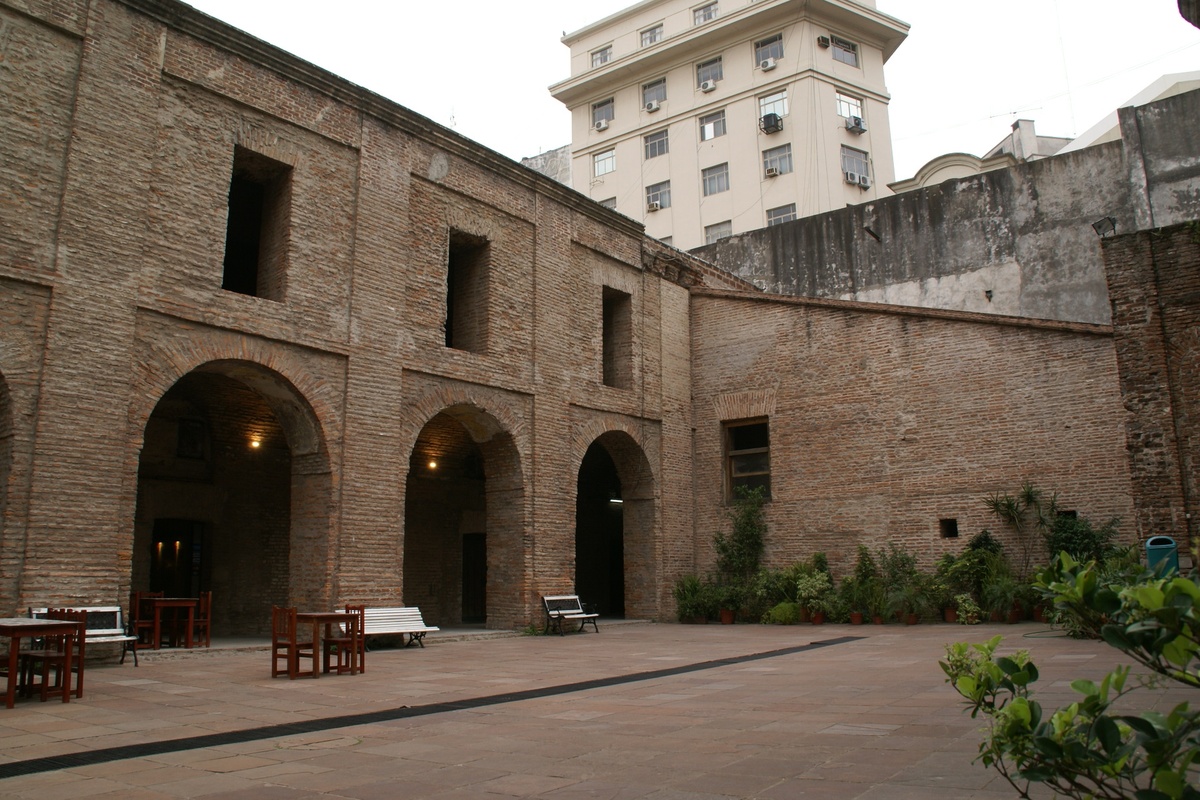
3. Patios Coloniales y Procuraduría de las Misiones
Espacios de arquitectura austera con muros de ladrillo pastelero y piedra donde se administraban los bienes que llegaban desde las misiones jesuíticas del litoral.
Cómo Llegar a la Manzana de las Luces
Ubicada en Perú 222 (entre Alsina y Moreno), en pleno barrio de Montserrat / Casco Histórico.
- En Subte (Metro):
- Línea A: Estación Plaza de Mayo o Perú (caminar 2 cuadras).
- Línea E: Estación Bolívar (a solo 100 metros).
- Línea D: Estación Catedral (caminar 3 cuadras).
- En Colectivo (Bus): Líneas 2, 7, 22, 24, 28, 29, 56, 64, 86, 103, 105, 126.
- Caminando: Está a 3 minutos a pie de Plaza de Mayo, la Catedral Metropolitana y el Cabildo.
Preguntas Frecuentes sobre la Manzana de las Luces (FAQ)
¿La entrada a la Manzana de las Luces es gratuita?
La entrada al predio y sus exposiciones suele ser gratuita (o con contribución voluntaria/bono contribución accesible para visitas guiadas).
¿Se pueden recorrer los túneles por cuenta propia?
No, la red de túneles subterráneos solo puede conocerse mediante visitas guiadas especializadas con cupo limitado para garantizar la conservación del patrimonio arqueológico.
Te puede interesar también
El origen del complejo se remonta a la llegada de la Orden Jesuita en 1633. Tras la expulsión de los jesuitas en 1767, las instalaciones pasaron a albergar las instituciones más avanzadas de la época.
- ¿Por qué se llama "Manzana de las Luces"? El nombre fue acuñado en 1821 por el periódico El Argos, haciendo referencia a las "luces de la ilustración y el conocimiento", ya que allí convivían la Universidad de Buenos Aires (UBA), la Biblioteca Pública, el Colegio Nacional de Buenos Aires y la primera imprenta de la ciudad.
- Acontecimientos clave: En sus salas funcionó la Sala de Representantes de la Provincia de Buenos Aires y fue escenario de episodios trágicos como la "Noche de los Bastones Largos" en 1966.
PUBLICIDAD
Viajá con Datos: Conseguí tu eSIM Saily
- ✓Internet al aterrizar en segundos
- ✓Planes flexibles en más de 180 países
- ✓Configuración simple desde la App
1. Iglesia de San Ignacio de Loyola
Es la iglesia más antigua que se conserva en pie en la ciudad (construida entre 1686 y 1722). Destaca por su fachada barroca, su torre norte original y sus retablos dorados de época colonial.
2. Los Túneles Subterráneos Coloniales
Construidos entre los siglos XVII y XVIII por los jesuitas, forman una red oculta bajo el casco histórico que conectaba iglesias, edificios gubernamentales y el puerto con fines defensivos y de contrabando.
Nota de visita: El acceso a los tramos de túneles puede variar según los trabajos de conservación y restauración arqueológica vigentes. Es imprescindible verificar la disponibilidad de las visitas guiadas específicas.
3. Patios Coloniales y Procuraduría de las Misiones
Espacios de arquitectura austera con muros de ladrillo pastelero y piedra donde se administraban los bienes que llegaban desde las misiones jesuíticas del litoral.
Ubicada en Perú 222 (entre Alsina y Moreno), en pleno barrio de Montserrat / Casco Histórico.
- En Subte (Metro):
- Línea A: Estación Plaza de Mayo o Perú (caminar 2 cuadras).
- Línea E: Estación Bolívar (a solo 100 metros).
- Línea D: Estación Catedral (caminar 3 cuadras).
- En Colectivo (Bus): Líneas 2, 7, 22, 24, 28, 29, 56, 64, 86, 103, 105, 126.
- Caminando: Está a 3 minutos a pie de Plaza de Mayo, la Catedral Metropolitana y el Cabildo.
¿La entrada a la Manzana de las Luces es gratuita?
La entrada al predio y sus exposiciones suele ser gratuita (o con contribución voluntaria/bono contribución accesible para visitas guiadas).
¿Se pueden recorrer los túneles por cuenta propia?
No, la red de túneles subterráneos solo puede conocerse mediante visitas guiadas especializadas con cupo limitado para garantizar la conservación del patrimonio arqueológico.
PUBLICIDAD
Seguro de Viaje Internacional
- ✓Seguro médico internacional
- ✓Asistencia inmediata en tu idioma 24/7
- ✓Ideal para senderismo y aventura
Posts dentro de Buenos-aires
10 Parrillas Recomendadas para Comer un Buen Asado en Buenos Aires
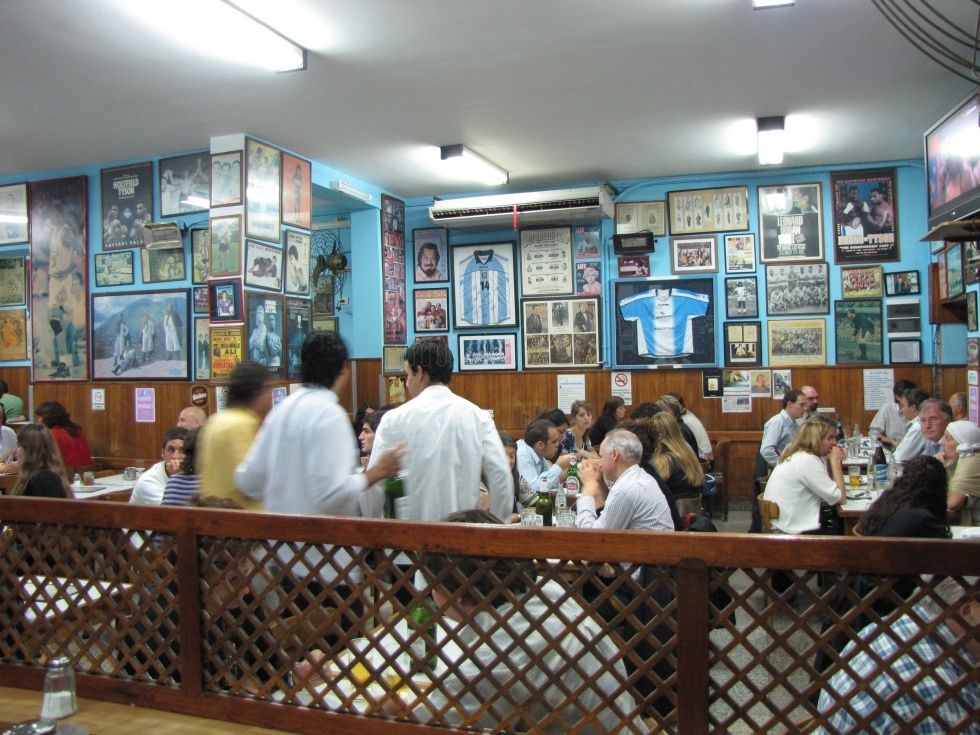
10 Pizzerías Clásicas e Icónicas de Buenos Aires
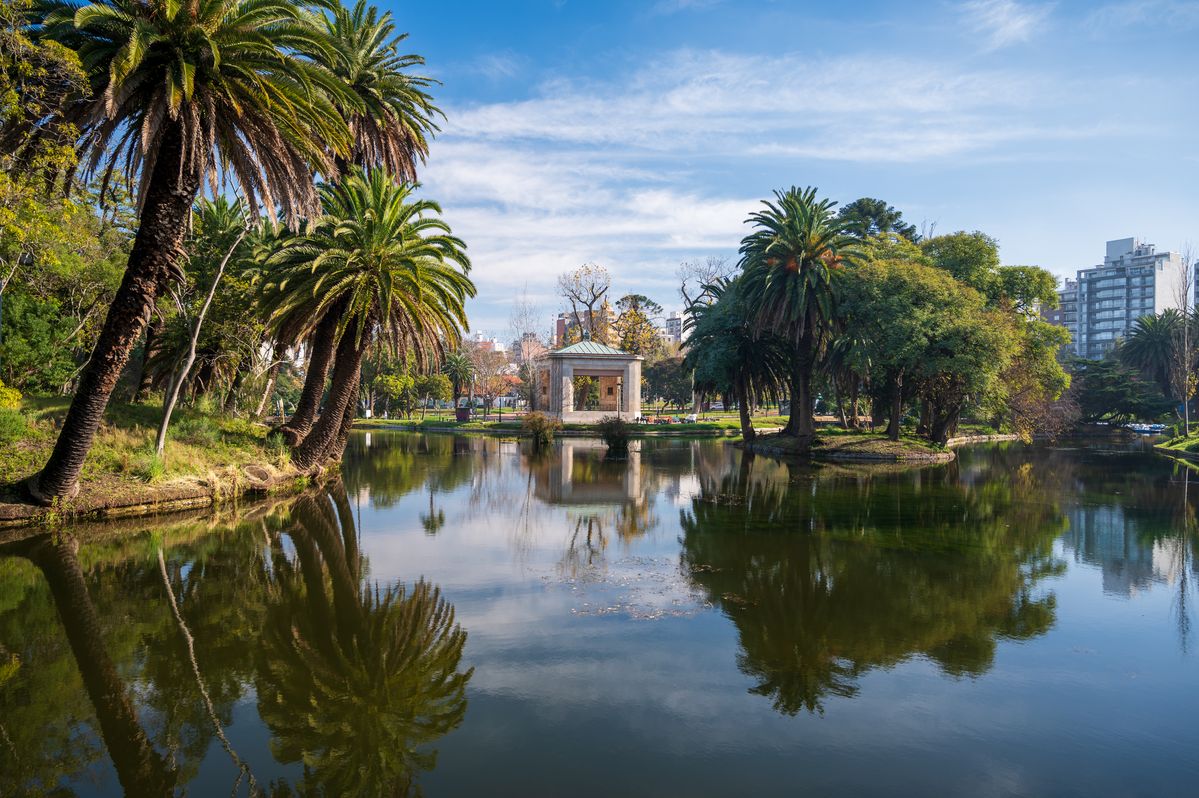
8 Parques y Espacios Verdes Imperdibles en Buenos Aires
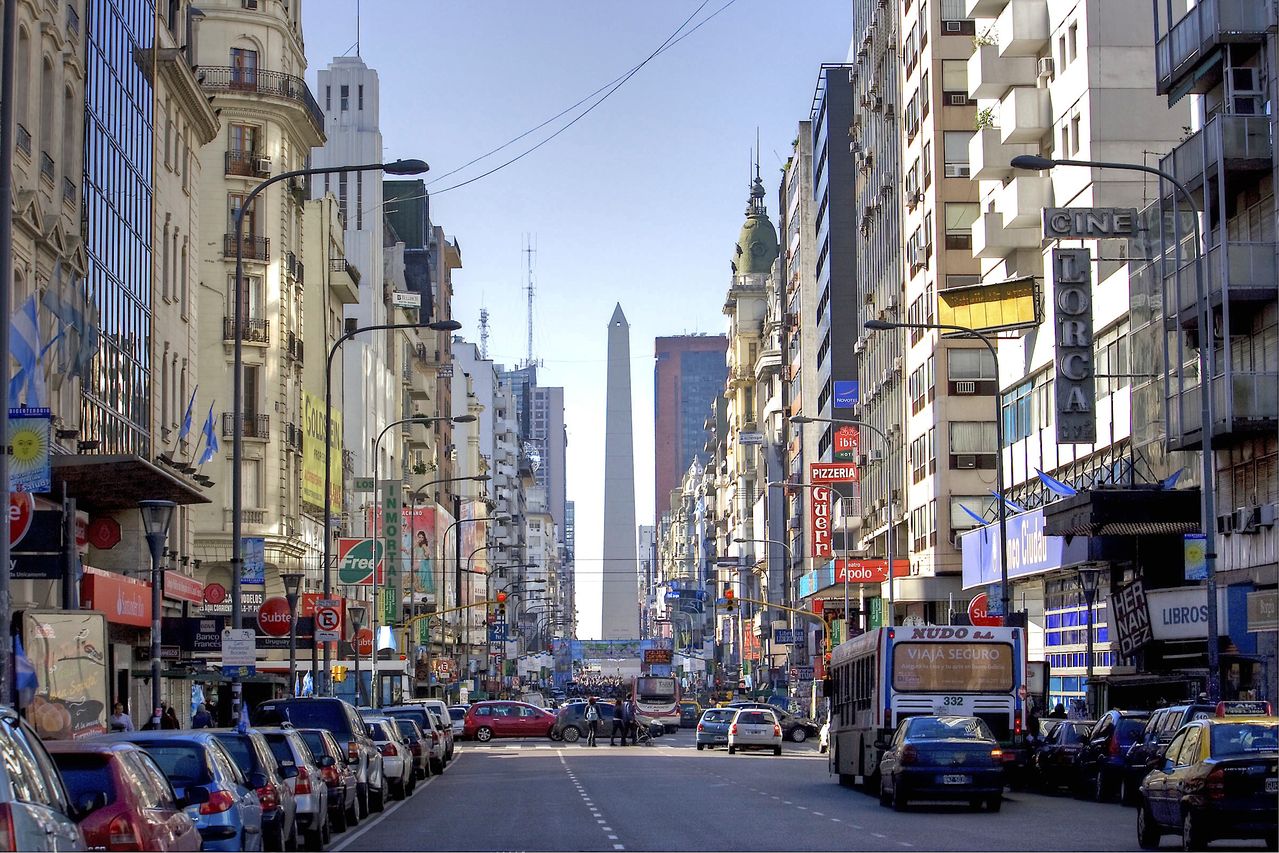
Avenida Corrientes
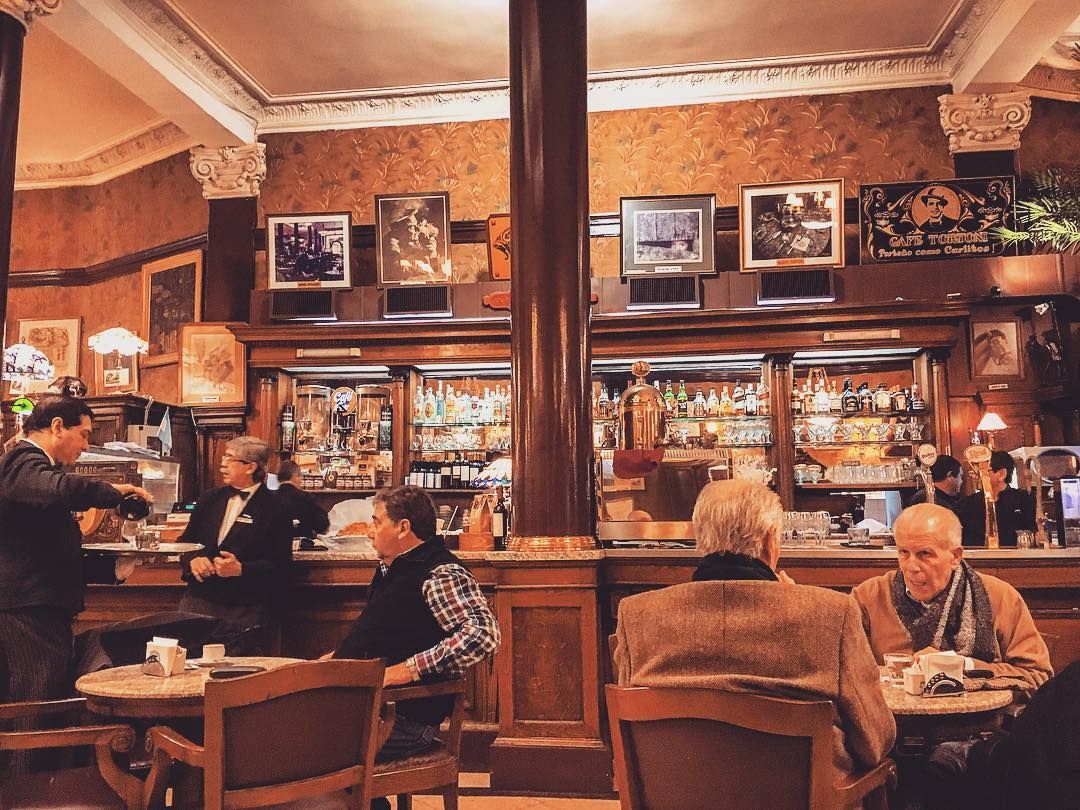
Cafés Notables de Buenos Aires
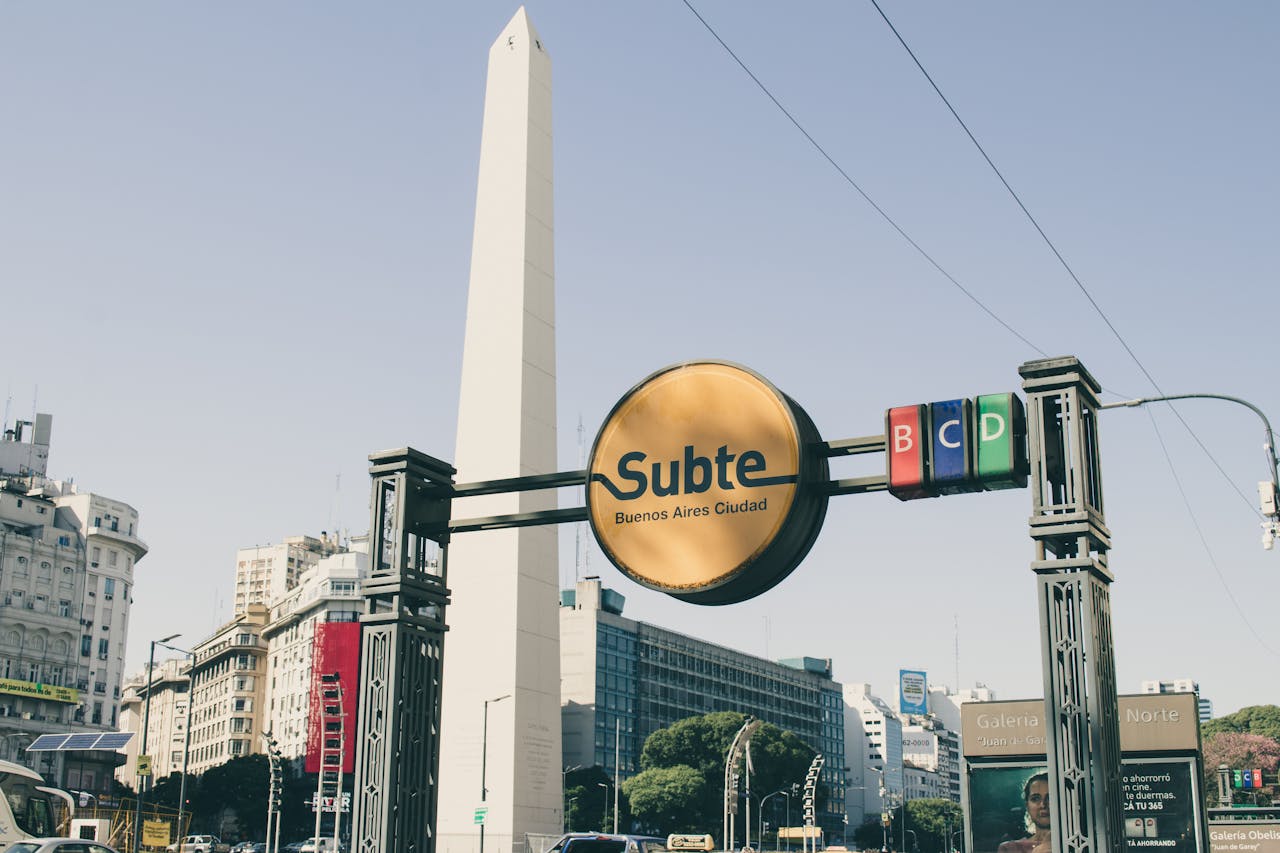
Cómo Moverse en Buenos Aires
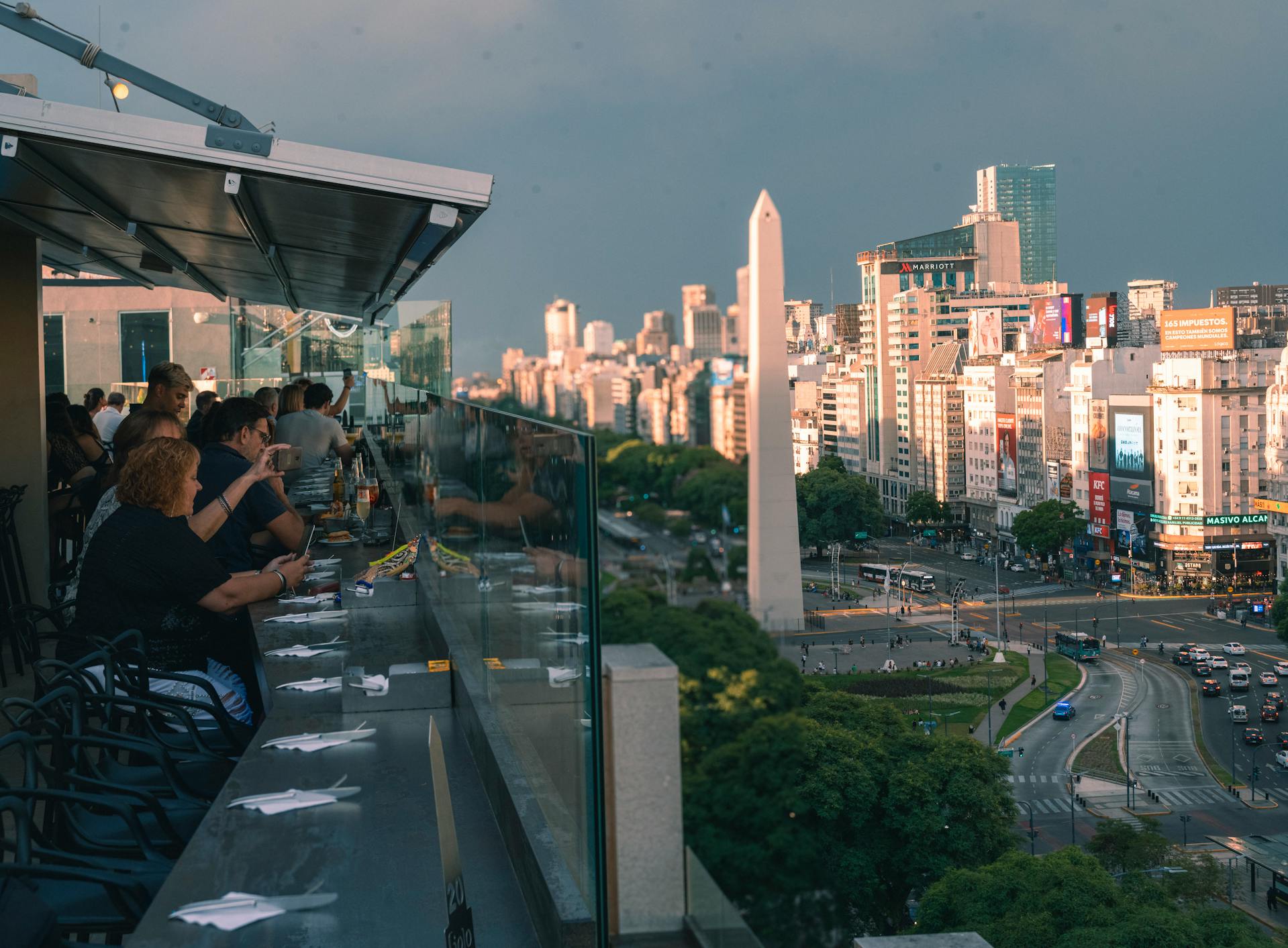
Dónde Alojarse en Buenos Aires: Mejores Barrios y Zonas Recomendadas
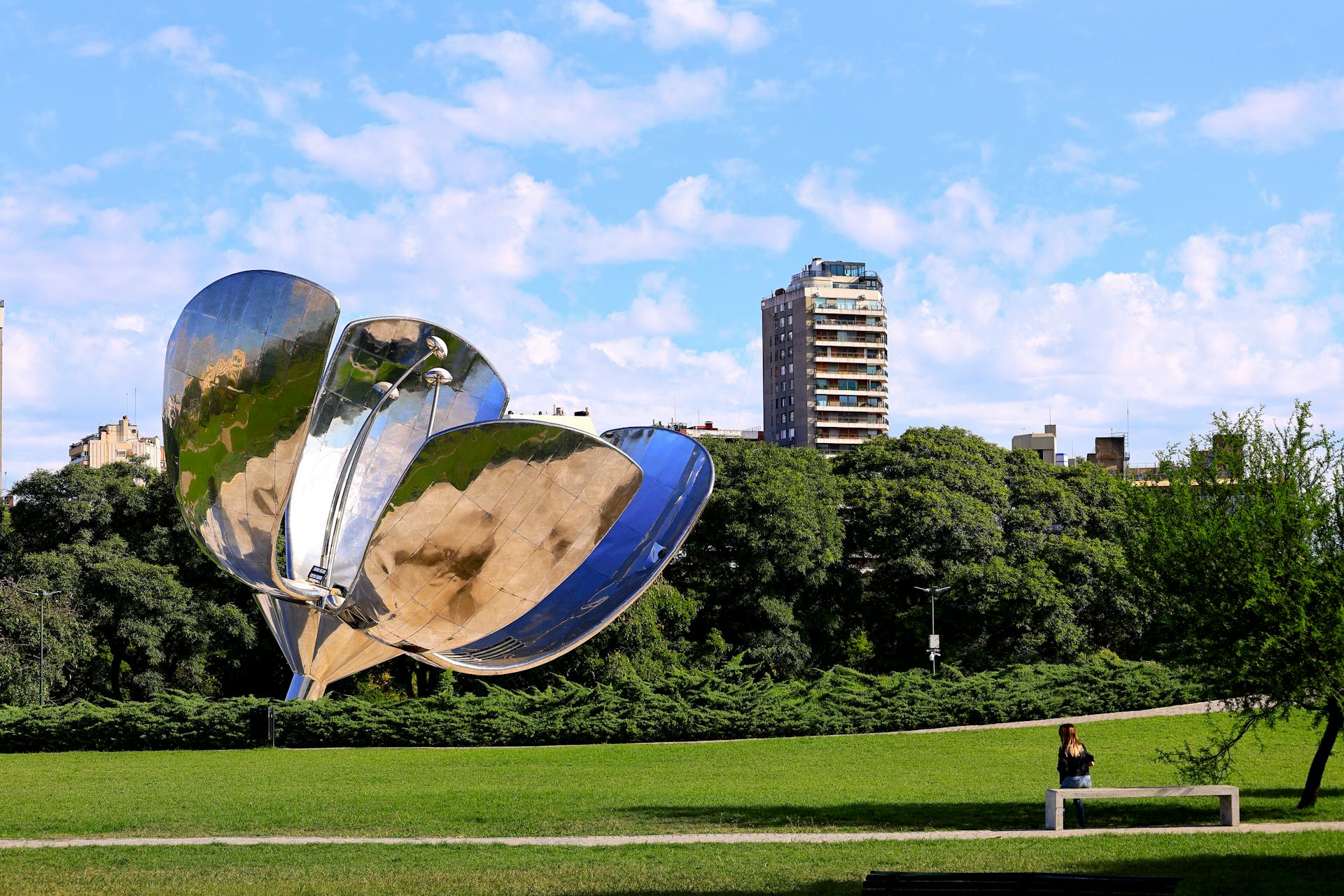
Floralis Genérica
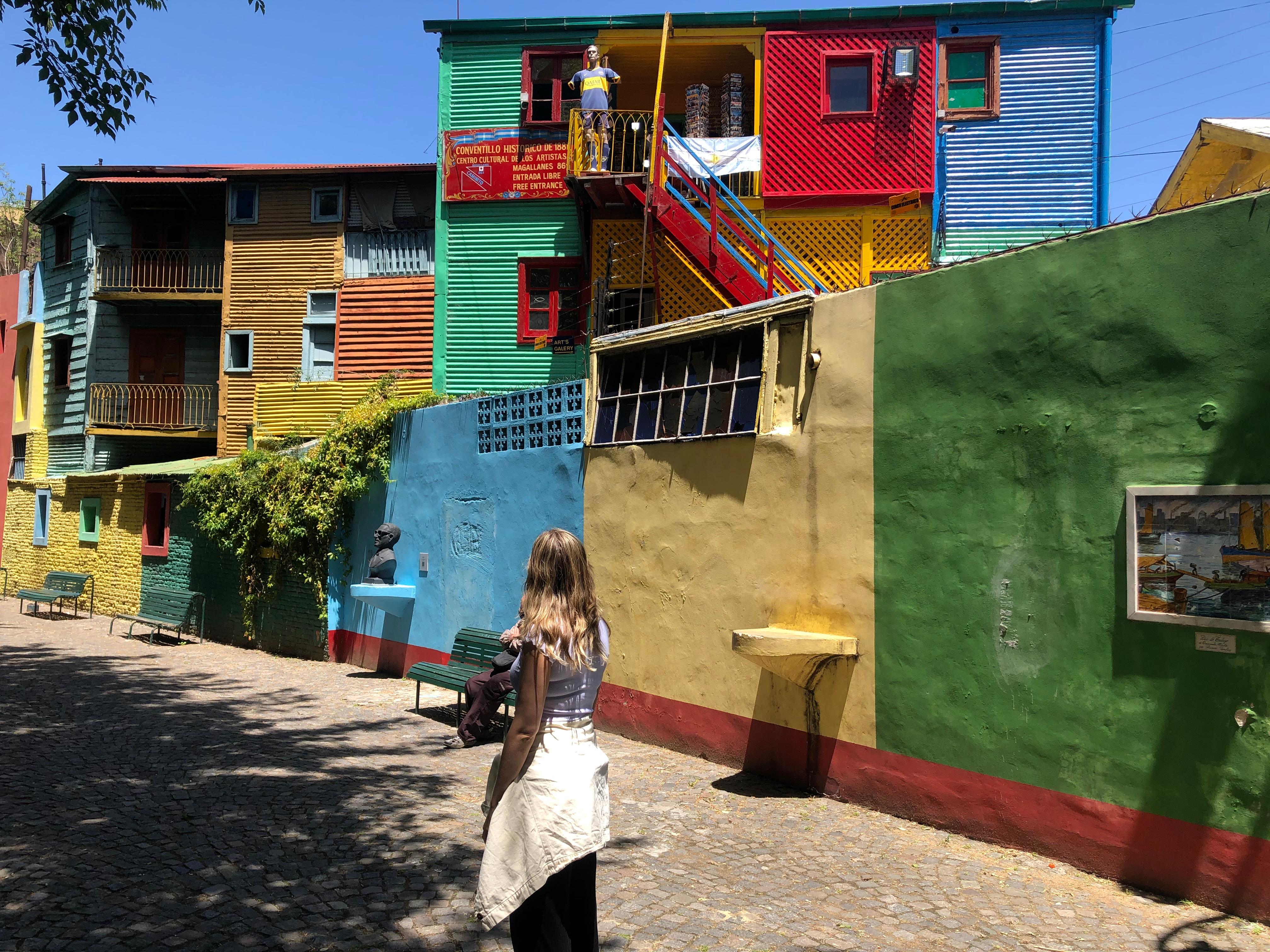
La Boca
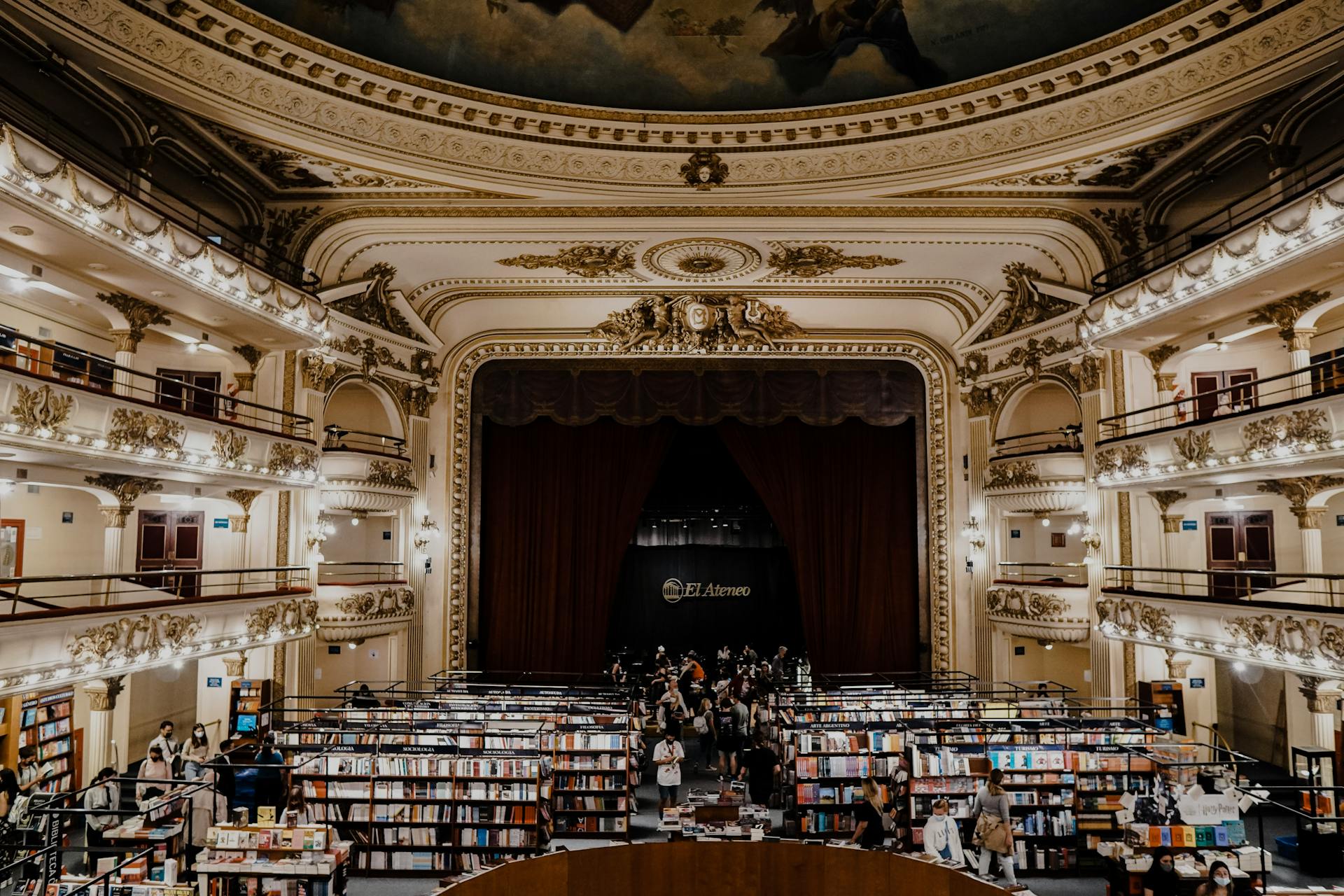
Librería El Ateneo Grand Splendid
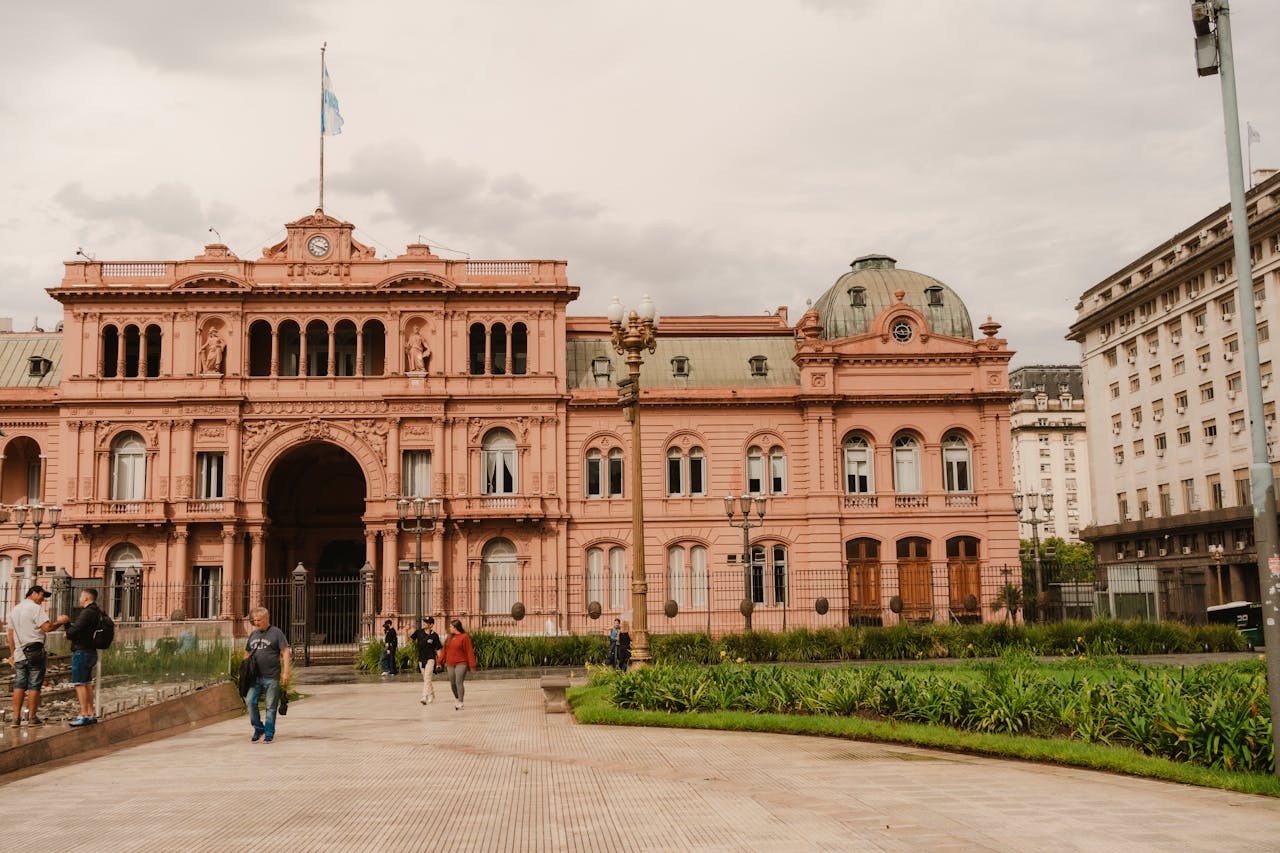
Montserrat
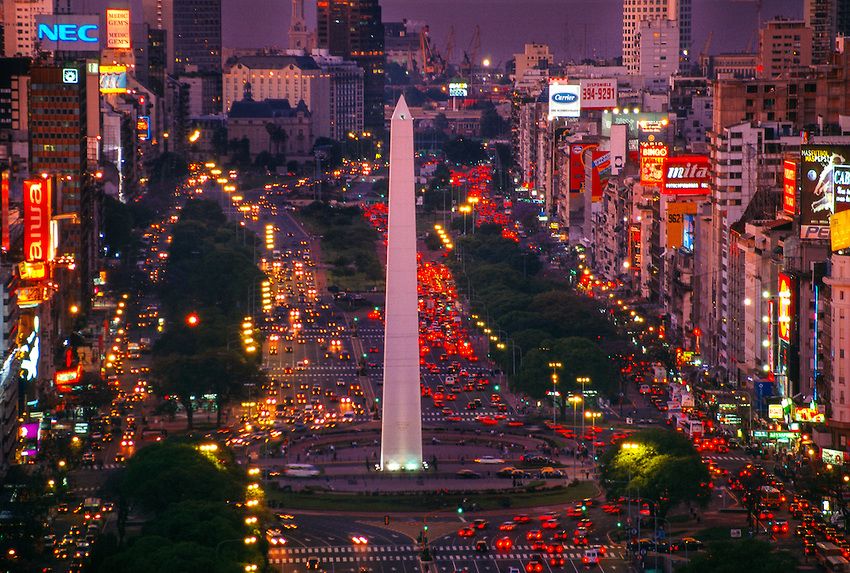
Obelisco de Buenos Aires
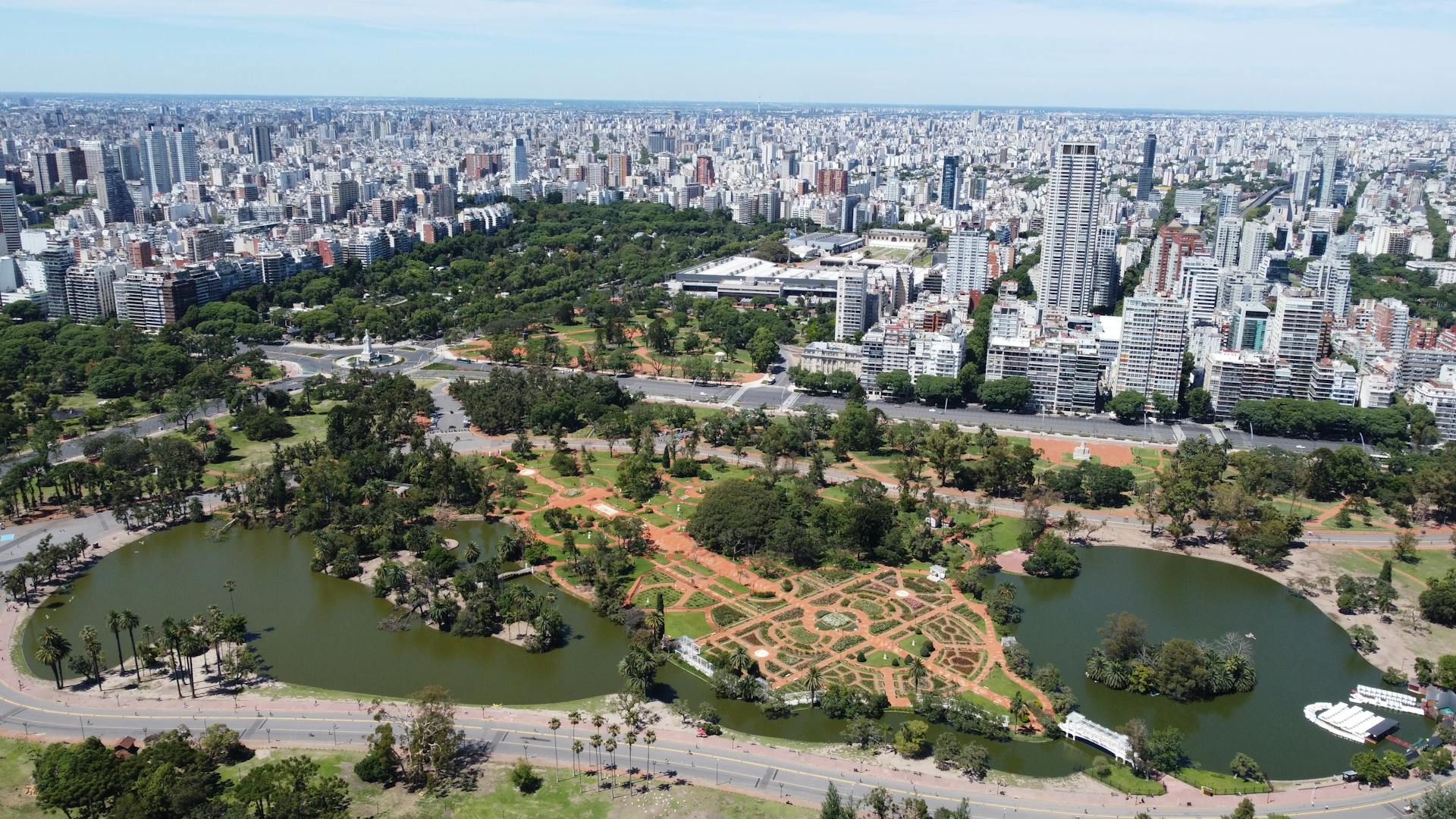
Palermo
Planetario Galileo Galilei
Plaza de Mayo
Puente de la Mujer
Puerto Madero
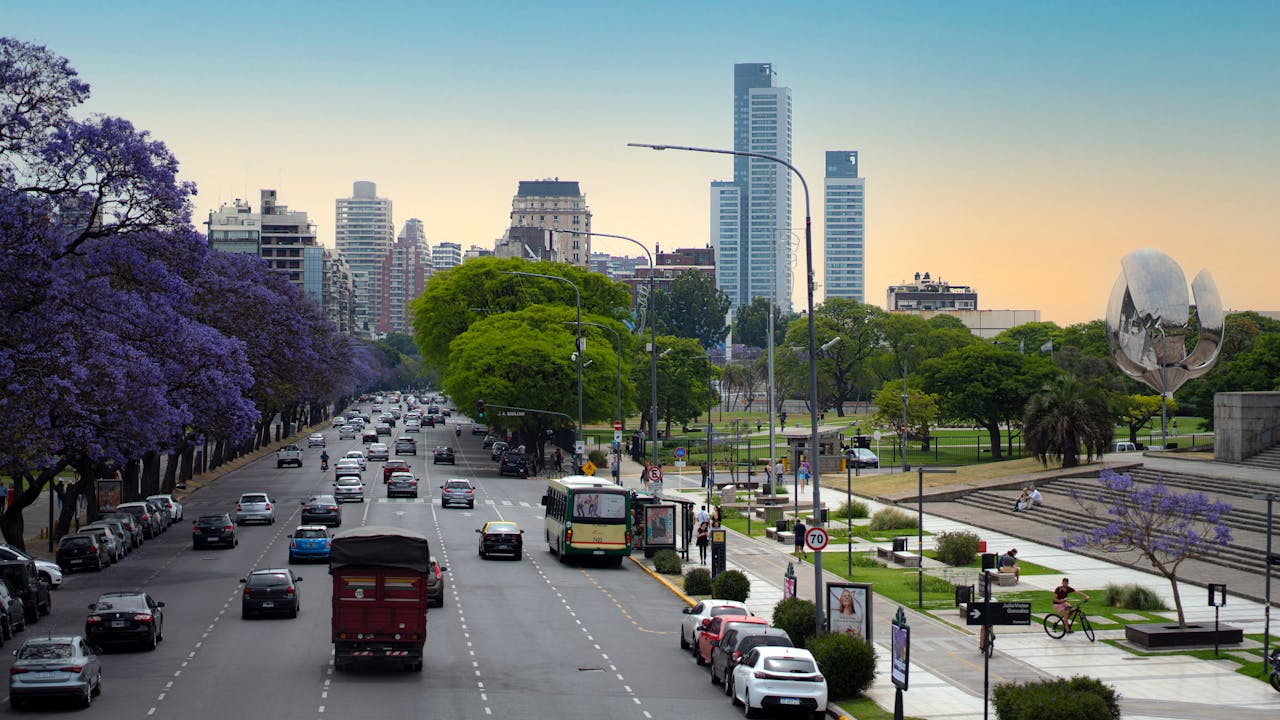
Recoleta
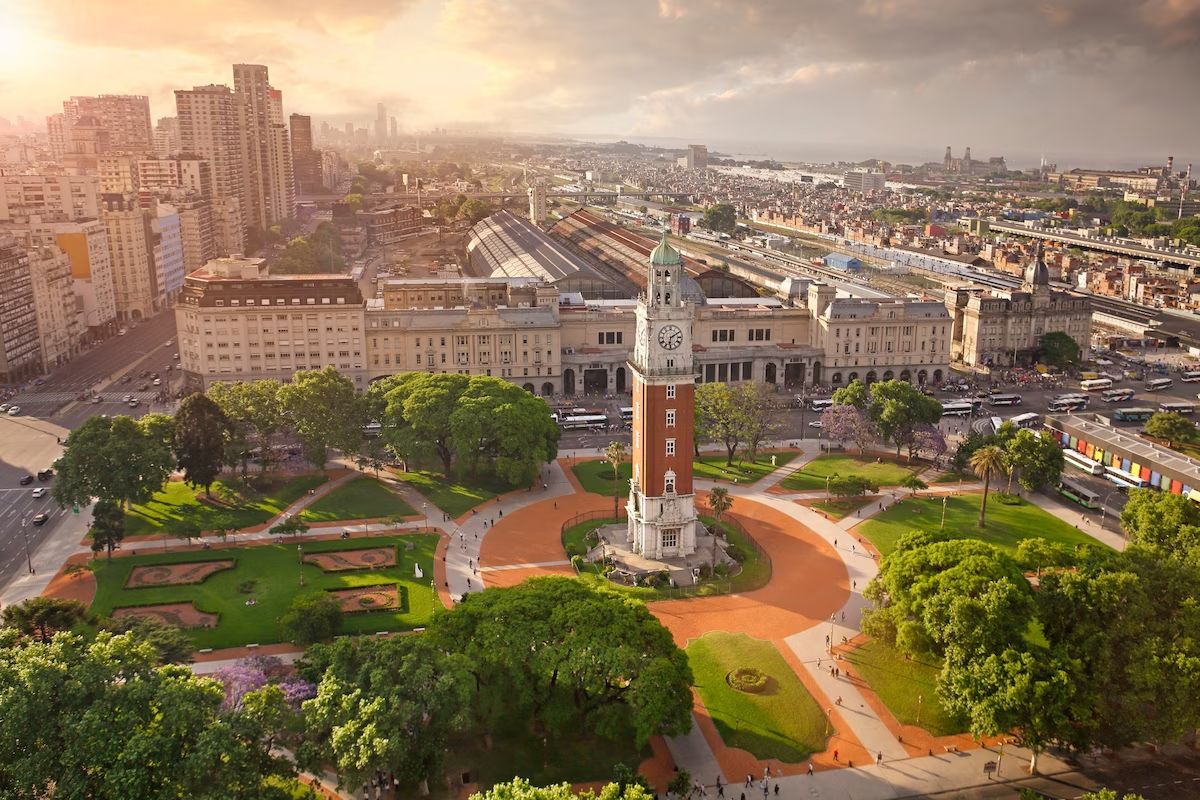
Retiro
San Nicolás
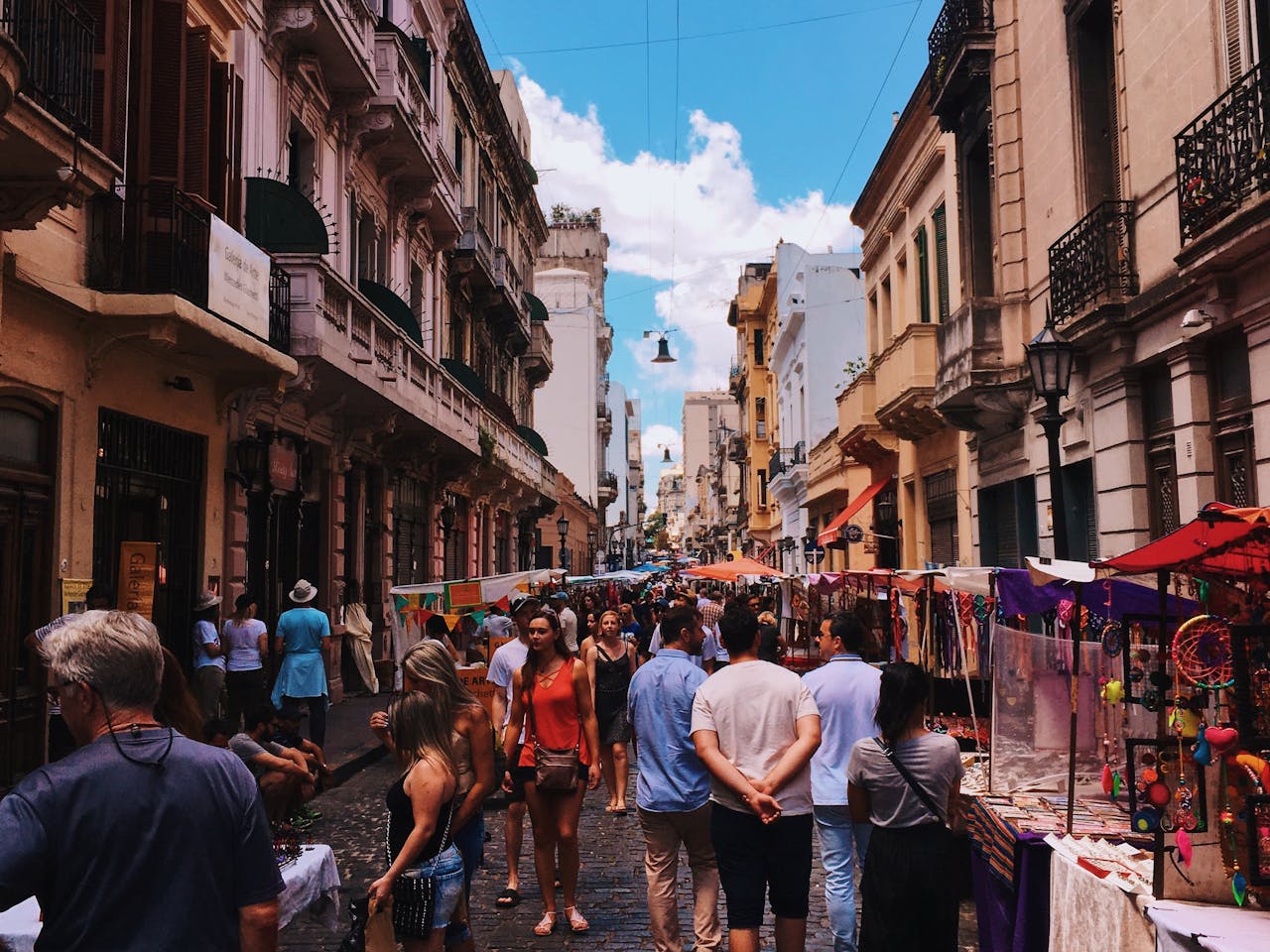
San Telmo
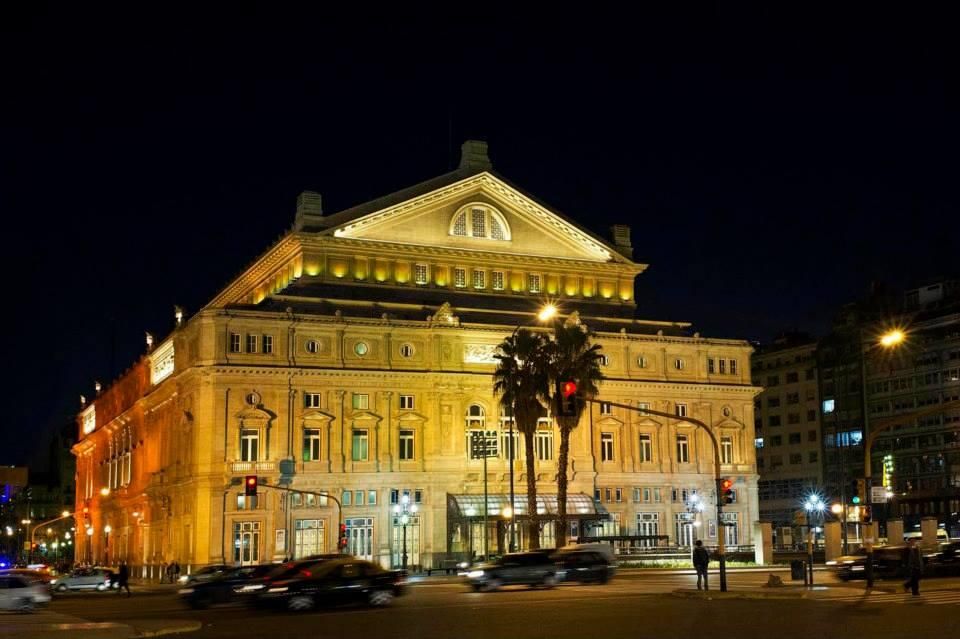
Teatro Colón
Preferencias
Idioma
Color
Texto
Anchura