Table of contents and map
The Obelisco of Buenos Aires: Visitor Guide, History & Best Photo Spots 2026
The undisputed symbol of Buenos Aires and the most photographed monument in the country. Discover the history of the Obelisk, its curious facts, and the best angles for your photos.
The Obelisco of Buenos Aires: Visitor Guide, History & Best Photo Spots 2026
The undisputed symbol of Buenos Aires and the most photographed monument in the country. Discover the history of the Obelisk, its curious facts, and the best angles for your photos.
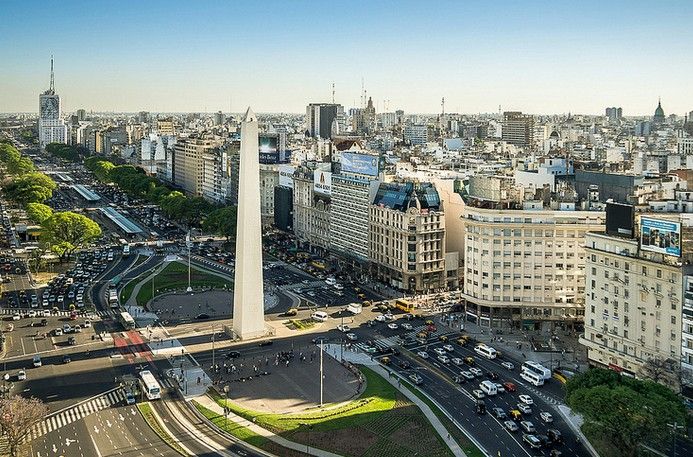
If there is one iconic landmark that represents Argentina around the world, it is the Obelisco of Buenos Aires. Located at the intersection of two of the city's most important avenues (Av. 9 de Julio and Av. Corrientes), this monument is the epicenter of major popular celebrations, cultural gatherings, and national sports triumphs.
In this guide, we share its fascinating history, construction trivia, the best spots to take an unforgettable photo, and everything you can do in the surrounding area.
History & Fun Facts About the Obelisco
The Obelisco was designed by the celebrated modernist architect Alberto Prebisch and built in a record time of just 31 days in 1936 to commemorate the fourth centenary of the first founding of Buenos Aires.
- How tall is it?: It has a total height of 67.5 meters (221 feet) and a square base measuring 6.8 meters per side.
- What is at the top?: It ends in a 3.5-meter pyramidal apex with a lightning rod at the tip. Inside the top section is a small room with four windows (one facing each cardinal point).
- Internal staircase: There is no elevator inside: access to the top is via a straight vertical ladder with 206 iron steps featuring safety landings along the way.
- Inscriptions on the faces: Each of its four sides commemorates key historical events of the city, including the first time the Argentine flag was raised in Buenos Aires (1812) at the former Church of San Nicolás de Mira, which once stood on this exact site.
Can You Climb Inside the Obelisco?
This is one of the most common questions from travelers:
⚠️ Short Answer: No, it is not regularly open to the general public.
For safety reasons, and because the interior space is extremely narrow with only a vertical ladder and no elevator, entry is strictly reserved for official maintenance personnel.
However, on special occasions or city celebrations (such as the Obelisco's Anniversary or the Night of the Museums), the Buenos Aires City Government occasionally holds public lotteries allowing winners to climb up to the apex lookout point.
Where to Take the Best Photos of the Obelisco
To get the perfect postcard shot of the monument, we recommend these key photo spots:
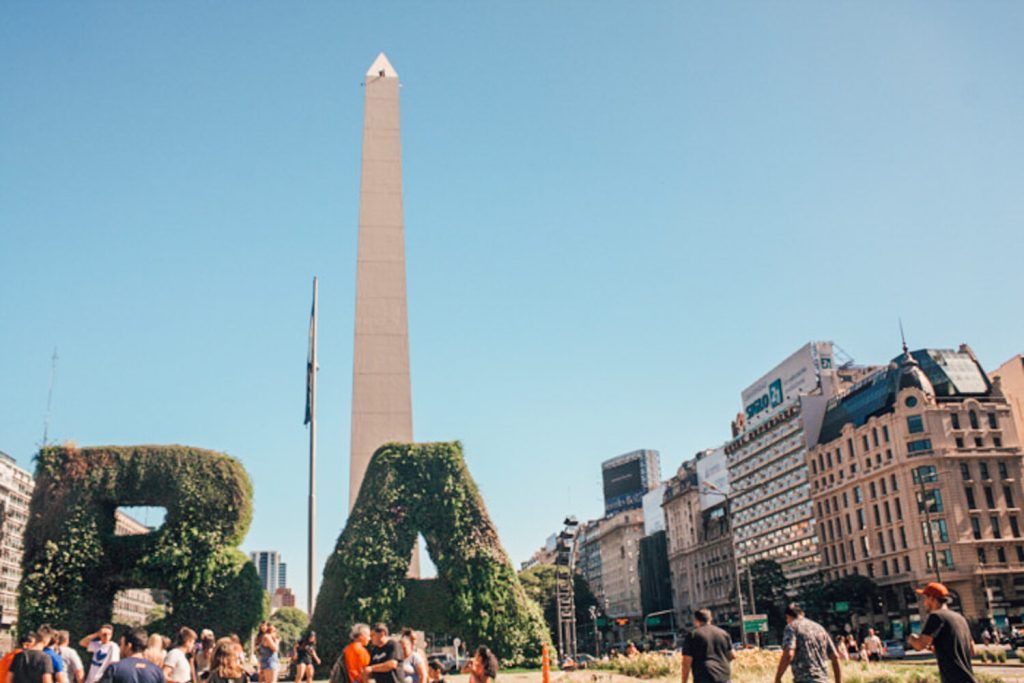
- Vertical Garden with the "BA" Sign: Located right in front of the monument on Plaza de la República. The green sign made of natural plants with the Obelisk in the background is the essential classic photo.
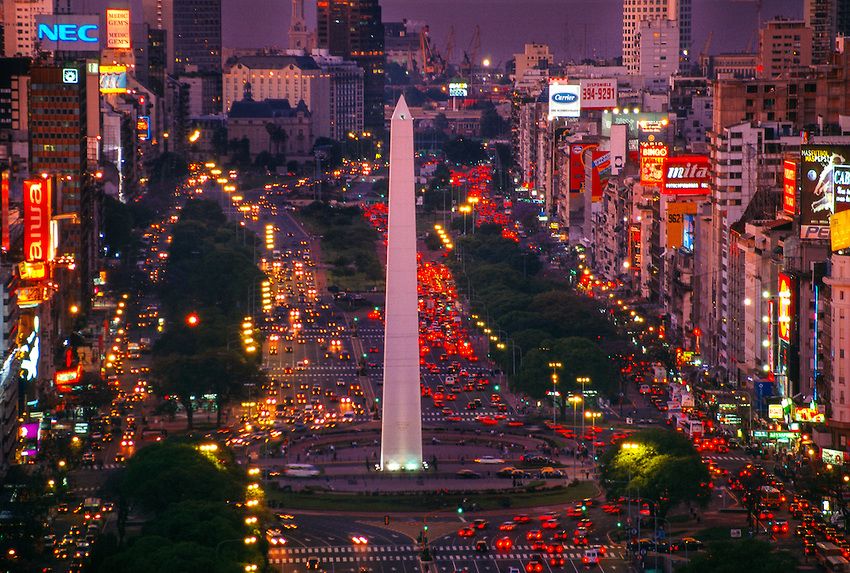
- From Avenida Corrientes (Night View): Walk two or three blocks down Corrientes Avenue towards the theater district. From there, you can capture the illuminated Obelisco framed by neon lights and theater marquees.
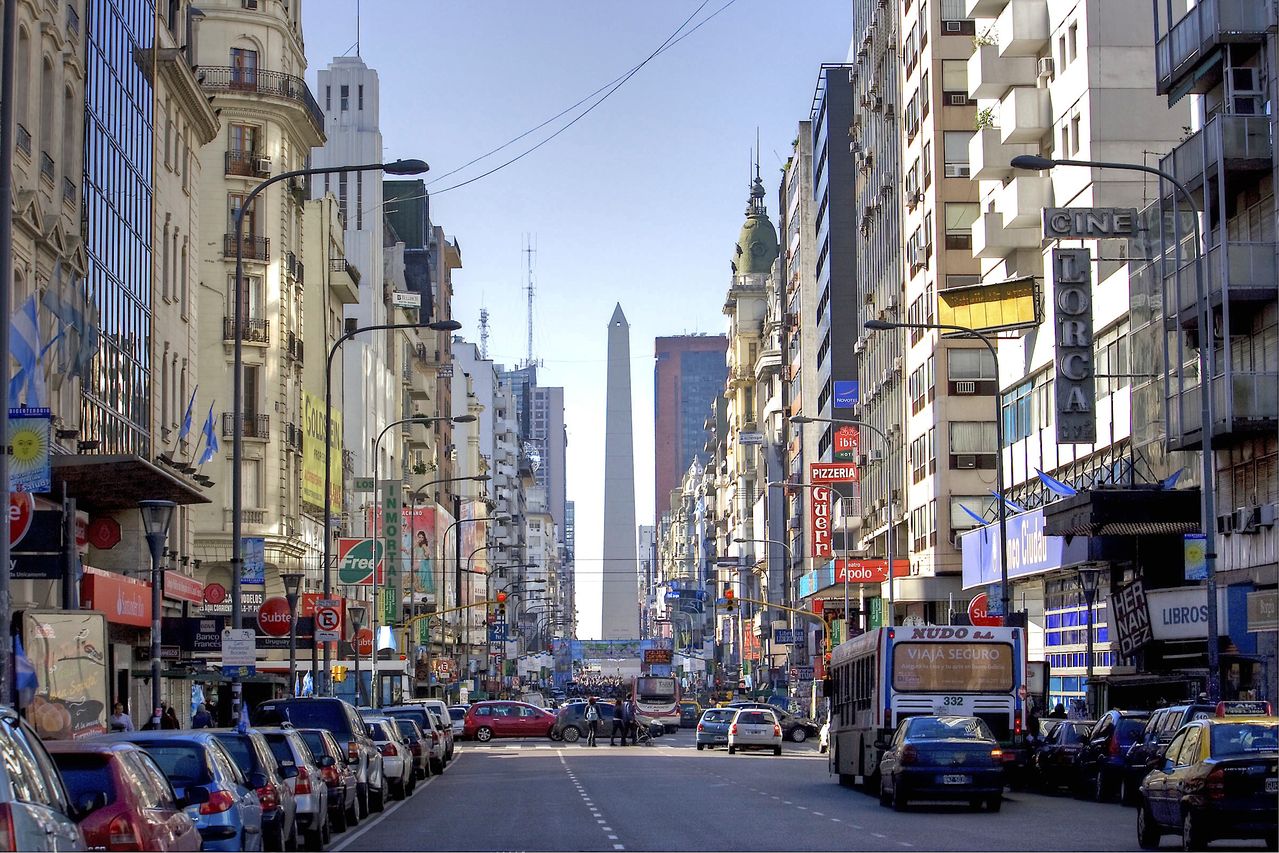
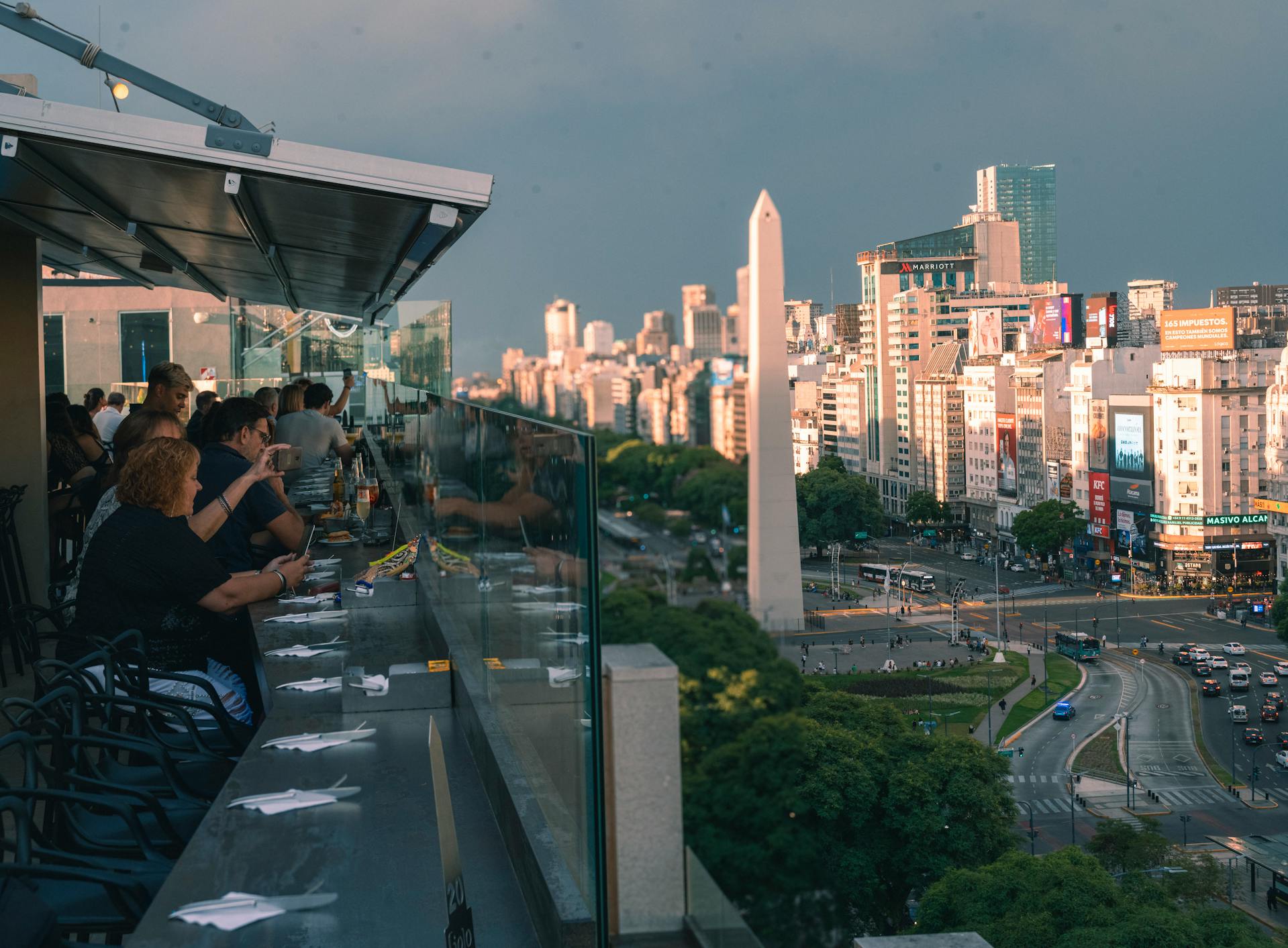
- Across Avenida 9 de Julio: Av. 9 de Julio is one of the widest avenues in the world. From the central Metrobús pedestrian islands, you can frame the Obelisco alongside city traffic and surrounding architecture.
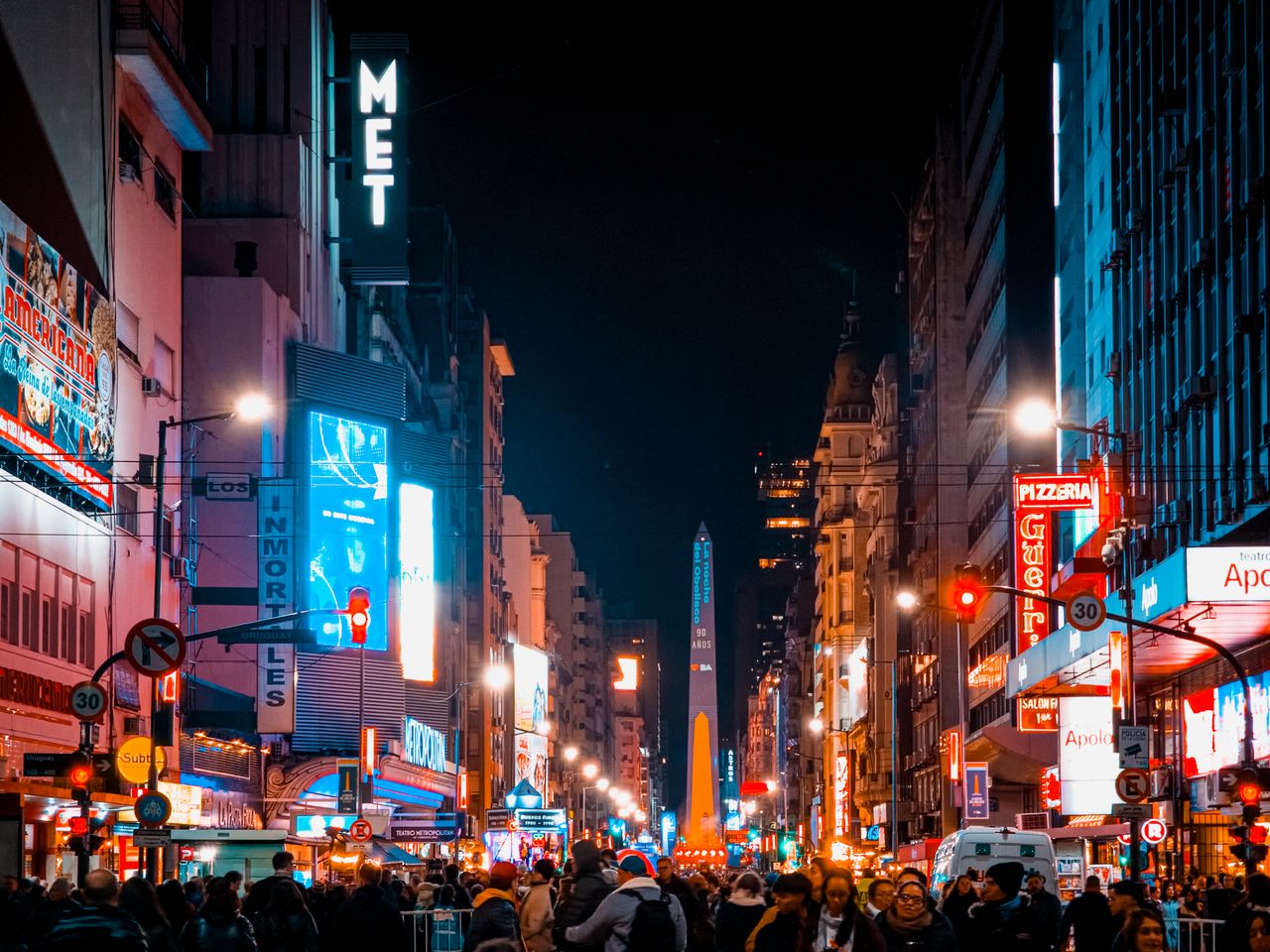
Location & How to Get There
The Obelisco is located in Plaza de la República, at the junction of Av. 9 de Julio, Av. Corrientes, and Roque Sáenz Peña Street (Diagonal Norte).
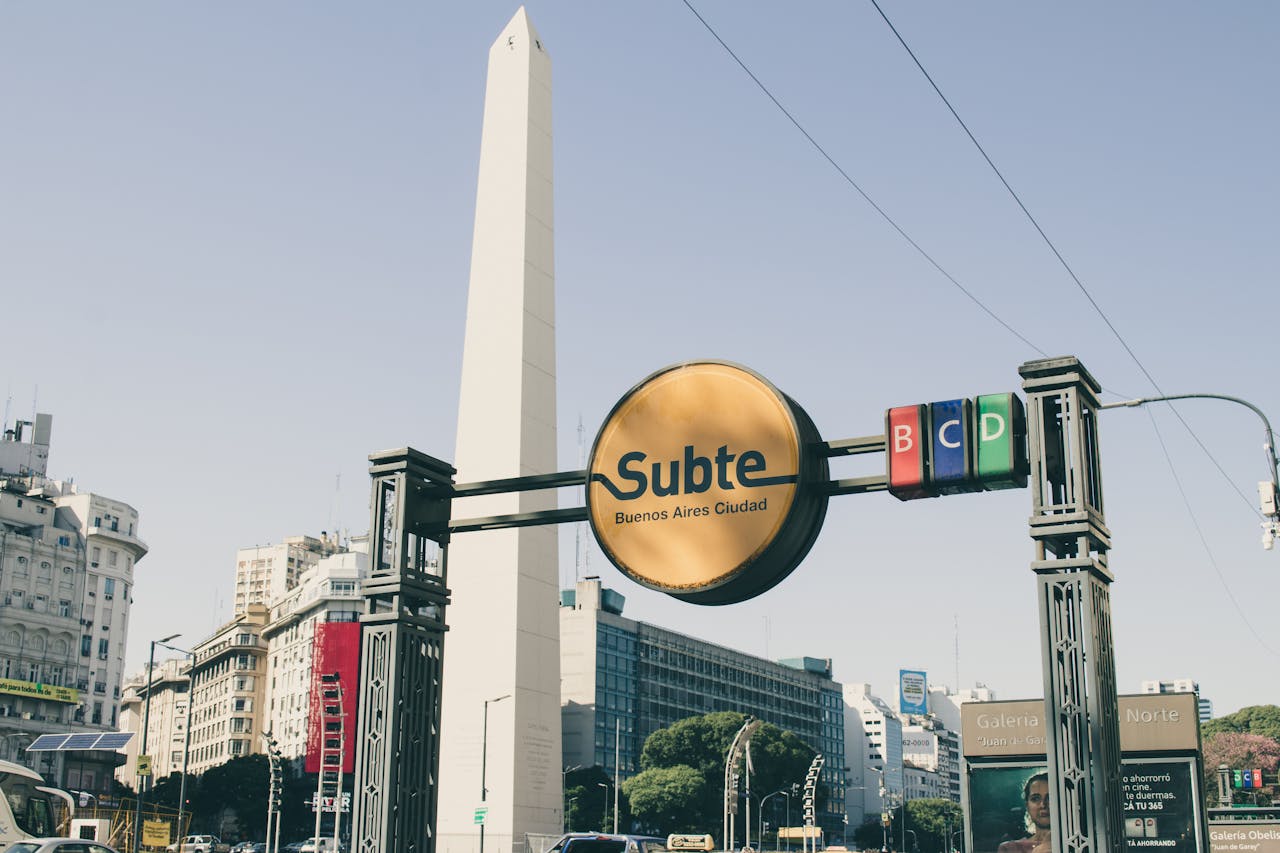
- By Subte (Subway): It is the most connected spot in the city. You can get off at Obelisco / Carlos Pellegrini / Diagonal Norte / 9 de Julio station, where Lines B, C, and D connect.
- By Bus (Colectivo): Dozens of bus lines run through the Metrobús 9 de Julio lanes (lines 9, 10, 17, 24, 29, 39, 59, 67, 100, 111, among many others).
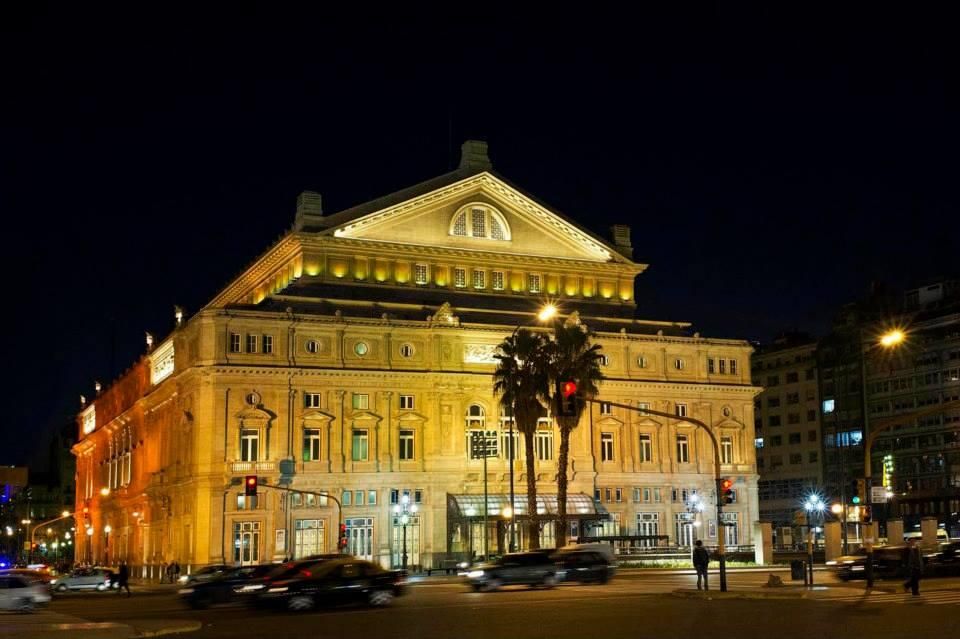
- Walking: It is just 3 blocks from Teatro Colón and 5 blocks from Florida Pedestrian Street.
What to See and Do Near the Obelisco
Being right in the heart of Downtown (Microcentro), you can easily combine your visit with these nearby attractions:
- Stroll along Avenida Corrientes: Discover the street that never sleeps, its historic theaters, and iconic pizzerias (Guerrin, Las Cuartetas, El Cuartito).
- Visit Teatro Colón: Located just 300 meters away along 9 de Julio Avenue.
- Walk along Florida Pedestrian Street: A car-free shopping street ideal for souvenirs, leather goods, and visiting Galerías Pacífico.
- Avenida de Mayo & Plaza de Mayo: A 10-minute walk down Diagonal Norte, taking you straight to the Casa Rosada.
Frequently Asked Questions about the Obelisco (FAQ)
How much does it cost to visit the Obelisco?
Viewing the Obelisco and walking around Plaza de la República is 100% free and open to access at any time of day.
Is the Obelisco illuminated at night?
Yes. Every night, the Obelisco lights up with LED lights. On national or international special occasions, the monument is lit up with themed colors or commemorative flag patterns.
Is it safe to visit the Obelisco at night?
Yes, the area around the Obelisco and Avenida Corrientes experiences high pedestrian traffic until late at night due to theater and restaurant activity. As in any major capital, simply keep an eye on your personal belongings in crowded areas.
You Might Also Like
The Obelisco was designed by the celebrated modernist architect Alberto Prebisch and built in a record time of just 31 days in 1936 to commemorate the fourth centenary of the first founding of Buenos Aires.
- How tall is it?: It has a total height of 67.5 meters (221 feet) and a square base measuring 6.8 meters per side.
- What is at the top?: It ends in a 3.5-meter pyramidal apex with a lightning rod at the tip. Inside the top section is a small room with four windows (one facing each cardinal point).
- Internal staircase: There is no elevator inside: access to the top is via a straight vertical ladder with 206 iron steps featuring safety landings along the way.
- Inscriptions on the faces: Each of its four sides commemorates key historical events of the city, including the first time the Argentine flag was raised in Buenos Aires (1812) at the former Church of San Nicolás de Mira, which once stood on this exact site.
PUBLICIDAD
Travel with Data: Get your Saily eSIM
- ✓Internet in seconds upon landing
- ✓Flexible plans in 180+ countries
- ✓Easy setup directly via the App
This is one of the most common questions from travelers:
⚠️ Short Answer: No, it is not regularly open to the general public.
For safety reasons, and because the interior space is extremely narrow with only a vertical ladder and no elevator, entry is strictly reserved for official maintenance personnel.
However, on special occasions or city celebrations (such as the Obelisco's Anniversary or the Night of the Museums), the Buenos Aires City Government occasionally holds public lotteries allowing winners to climb up to the apex lookout point.
To get the perfect postcard shot of the monument, we recommend these key photo spots:
- Vertical Garden with the "BA" Sign: Located right in front of the monument on Plaza de la República. The green sign made of natural plants with the Obelisk in the background is the essential classic photo.
- From Avenida Corrientes (Night View): Walk two or three blocks down Corrientes Avenue towards the theater district. From there, you can capture the illuminated Obelisco framed by neon lights and theater marquees.
- Across Avenida 9 de Julio: Av. 9 de Julio is one of the widest avenues in the world. From the central Metrobús pedestrian islands, you can frame the Obelisco alongside city traffic and surrounding architecture.
The Obelisco is located in Plaza de la República, at the junction of Av. 9 de Julio, Av. Corrientes, and Roque Sáenz Peña Street (Diagonal Norte).
- By Subte (Subway): It is the most connected spot in the city. You can get off at Obelisco / Carlos Pellegrini / Diagonal Norte / 9 de Julio station, where Lines B, C, and D connect.
- By Bus (Colectivo): Dozens of bus lines run through the Metrobús 9 de Julio lanes (lines 9, 10, 17, 24, 29, 39, 59, 67, 100, 111, among many others).
- Walking: It is just 3 blocks from Teatro Colón and 5 blocks from Florida Pedestrian Street.
Being right in the heart of Downtown (Microcentro), you can easily combine your visit with these nearby attractions:
- Stroll along Avenida Corrientes: Discover the street that never sleeps, its historic theaters, and iconic pizzerias (Guerrin, Las Cuartetas, El Cuartito).
- Visit Teatro Colón: Located just 300 meters away along 9 de Julio Avenue.
- Walk along Florida Pedestrian Street: A car-free shopping street ideal for souvenirs, leather goods, and visiting Galerías Pacífico.
- Avenida de Mayo & Plaza de Mayo: A 10-minute walk down Diagonal Norte, taking you straight to the Casa Rosada.
How much does it cost to visit the Obelisco?
Viewing the Obelisco and walking around Plaza de la República is 100% free and open to access at any time of day.
Is the Obelisco illuminated at night?
Yes. Every night, the Obelisco lights up with LED lights. On national or international special occasions, the monument is lit up with themed colors or commemorative flag patterns.
Is it safe to visit the Obelisco at night?
Yes, the area around the Obelisco and Avenida Corrientes experiences high pedestrian traffic until late at night due to theater and restaurant activity. As in any major capital, simply keep an eye on your personal belongings in crowded areas.
PUBLICIDAD
International Travel Insurance
- ✓International medical insurance
- ✓24/7 immediate assistance in your language
- ✓Ideal for trekking & adventure
Posts in Buenos-aires
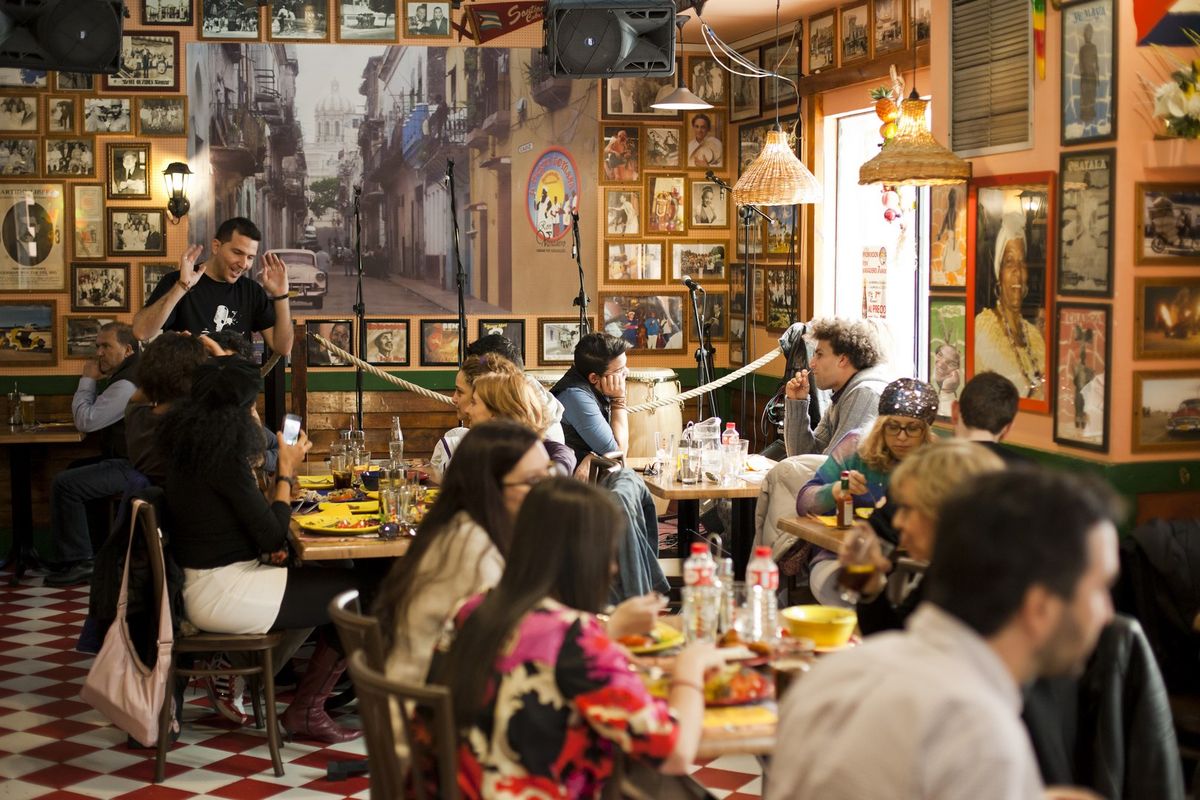
10 Parrillas Recomendadas para Comer un Buen Asado en Buenos Aires
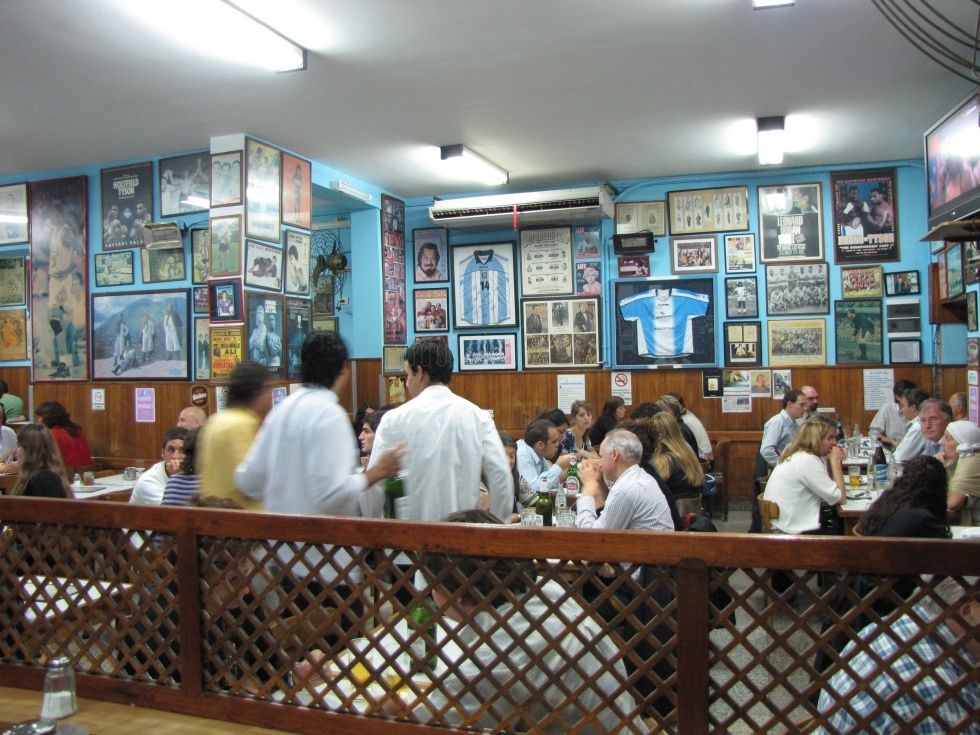
10 Pizzerías Clásicas e Icónicas de Buenos Aires
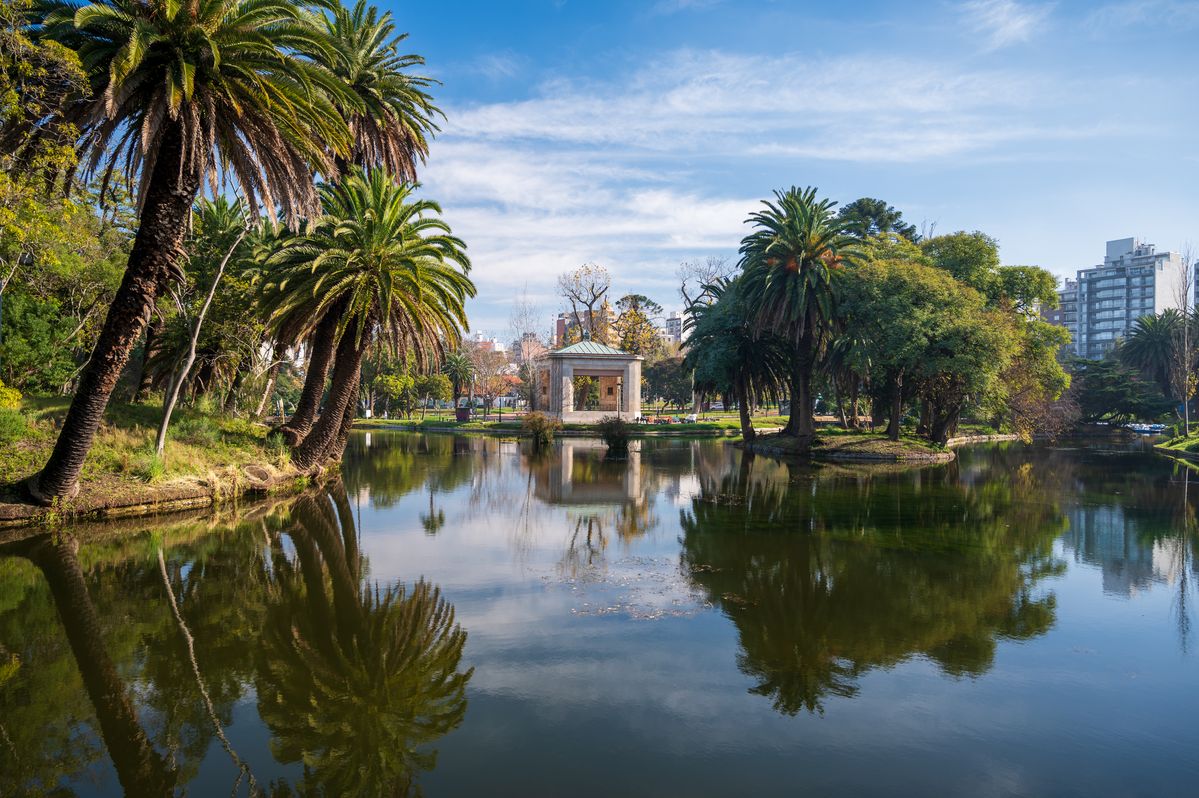
8 Parques y Espacios Verdes Imperdibles en Buenos Aires
Avenida Corrientes
Cafés Notables de Buenos Aires
Cómo Moverse en Buenos Aires
Dónde Alojarse en Buenos Aires: Mejores Barrios y Zonas Recomendadas
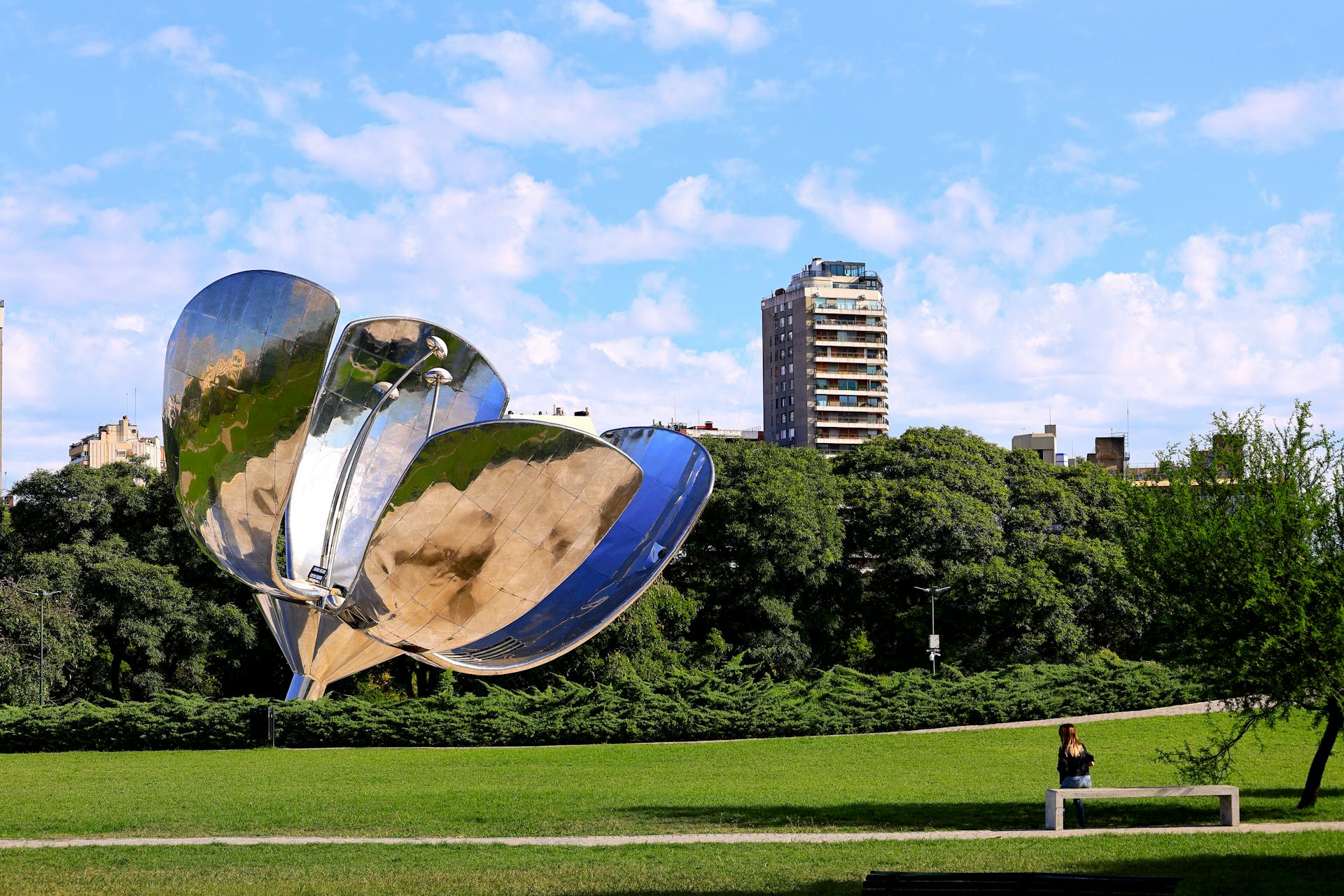
Floralis Genérica
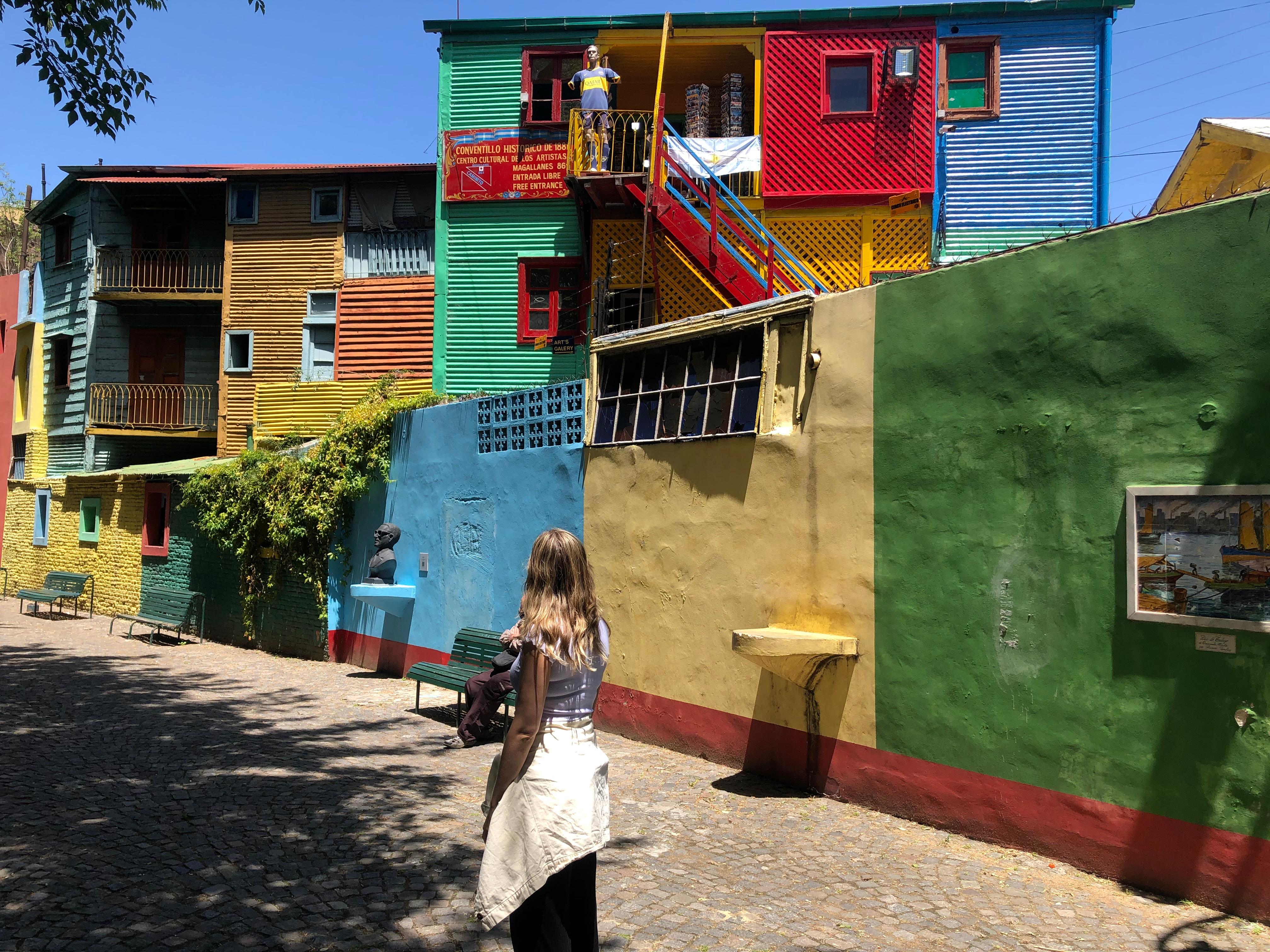
La Boca
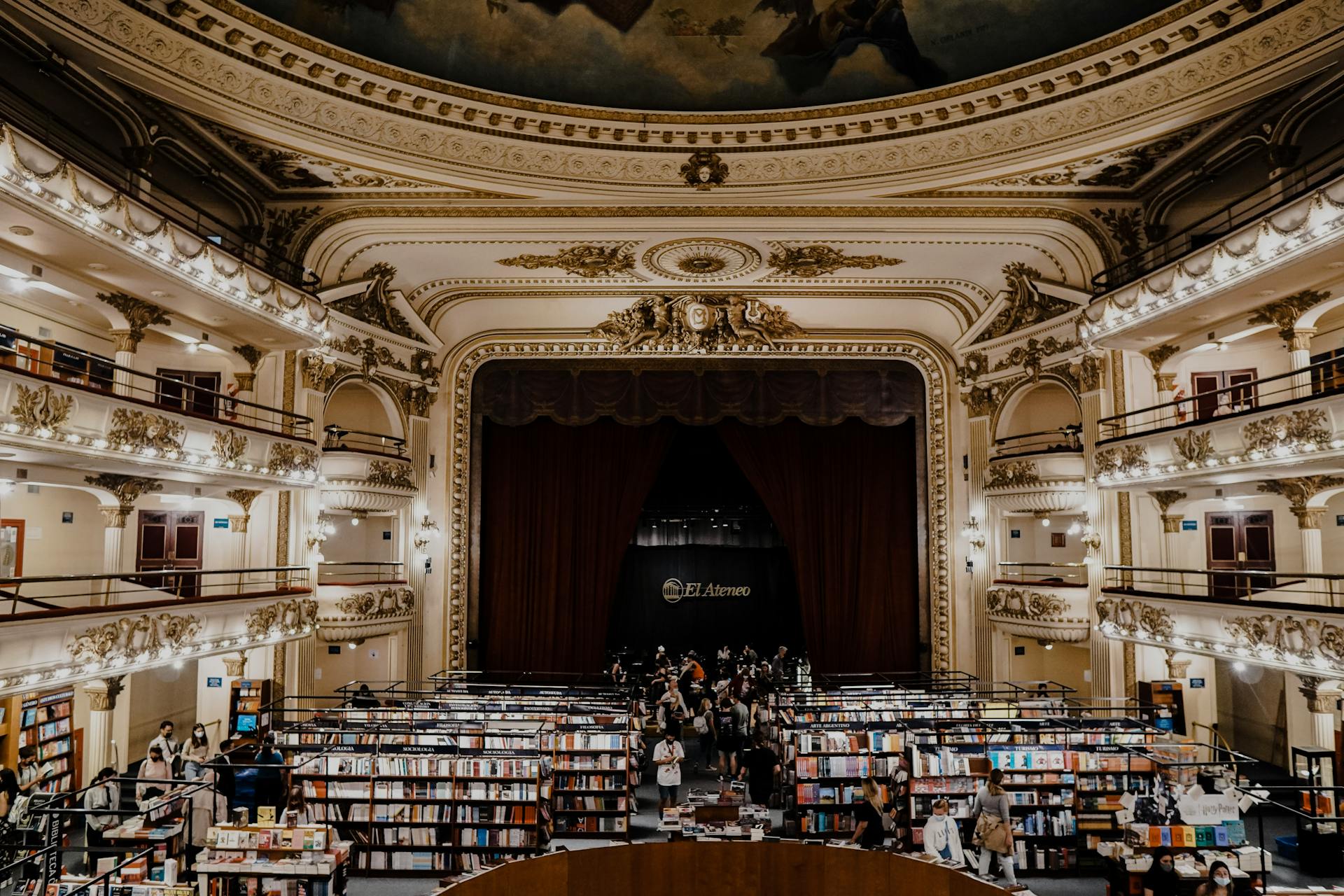
Librería El Ateneo Grand Splendid
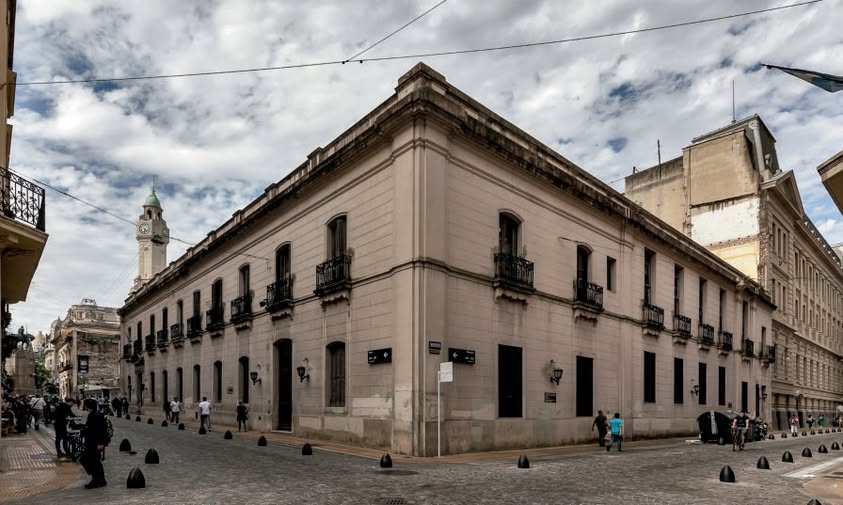
Manzana de las Luces
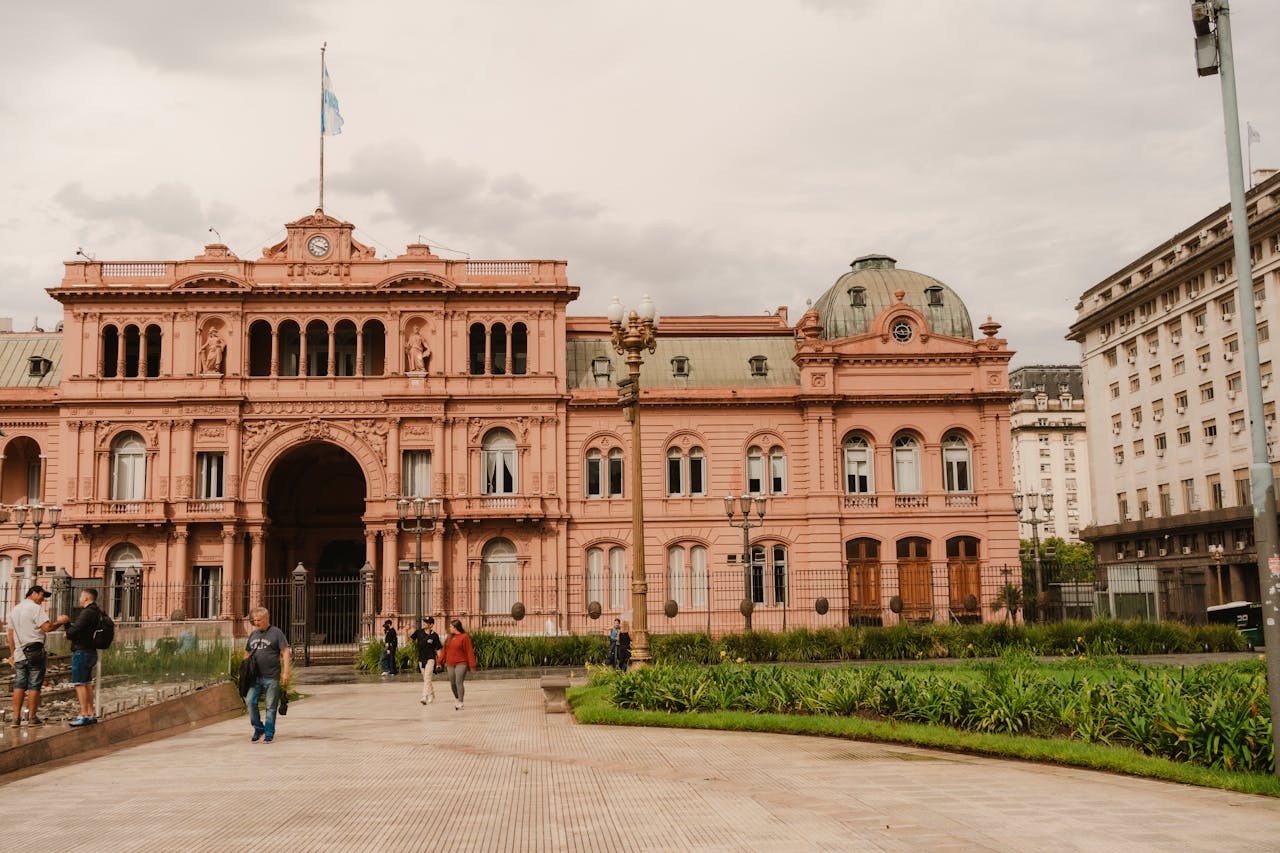
Montserrat
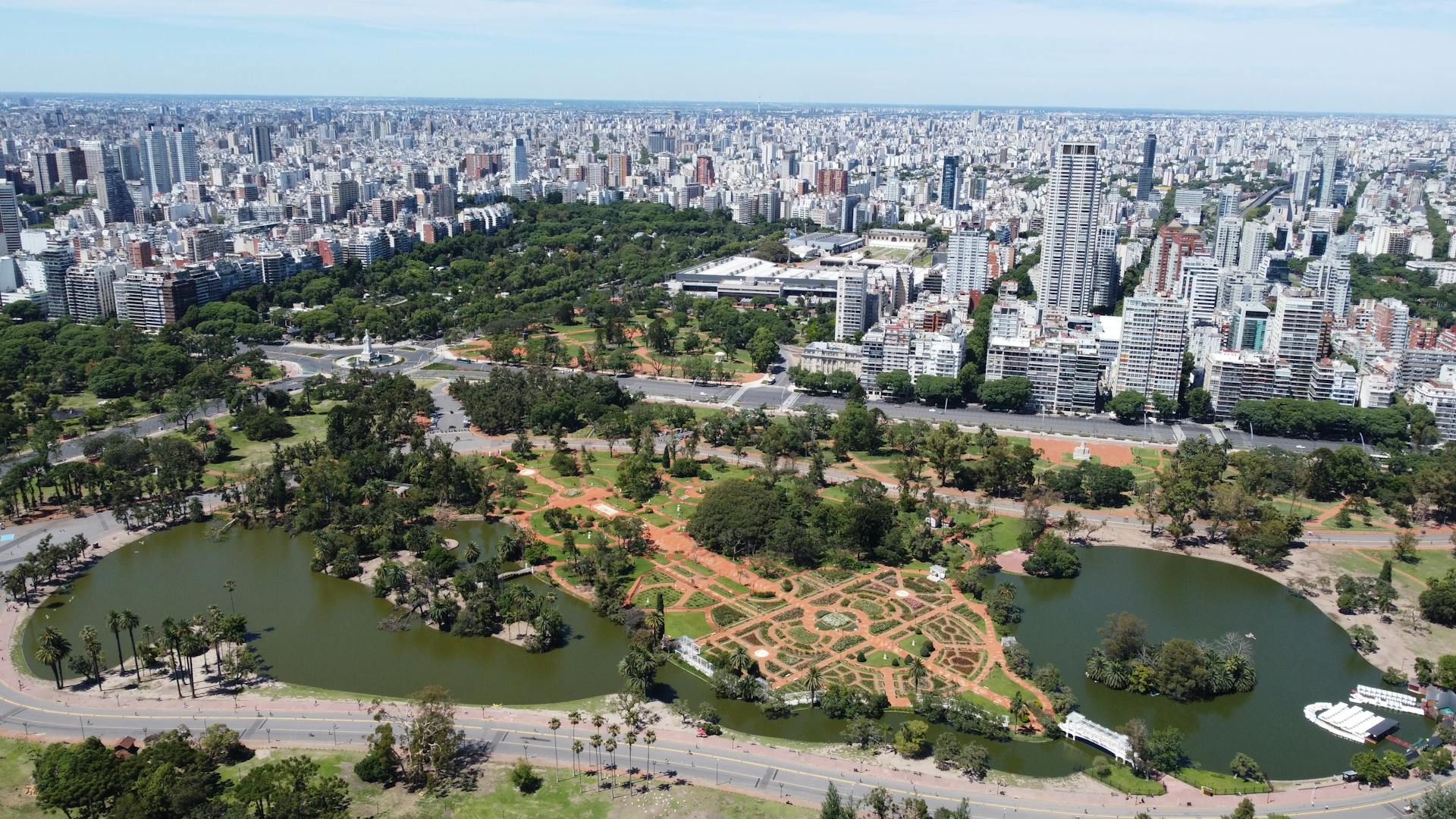
Palermo
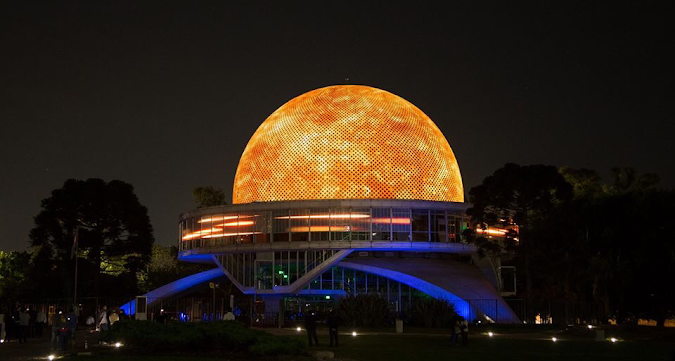
Planetario Galileo Galilei
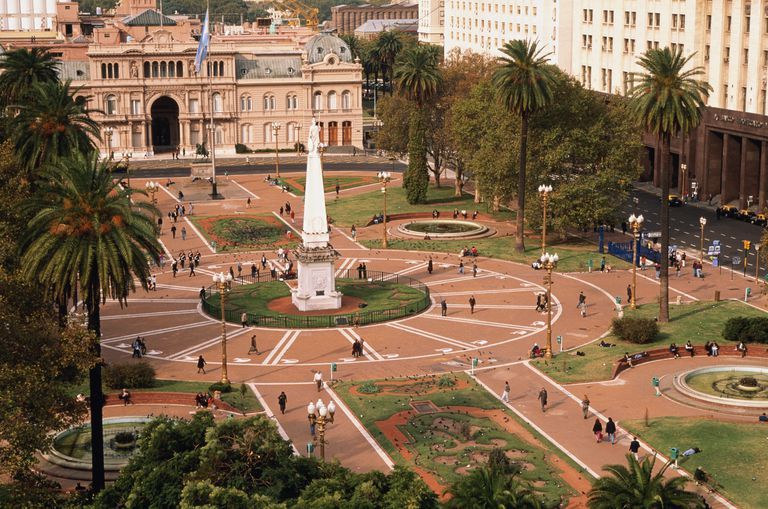
Plaza de Mayo
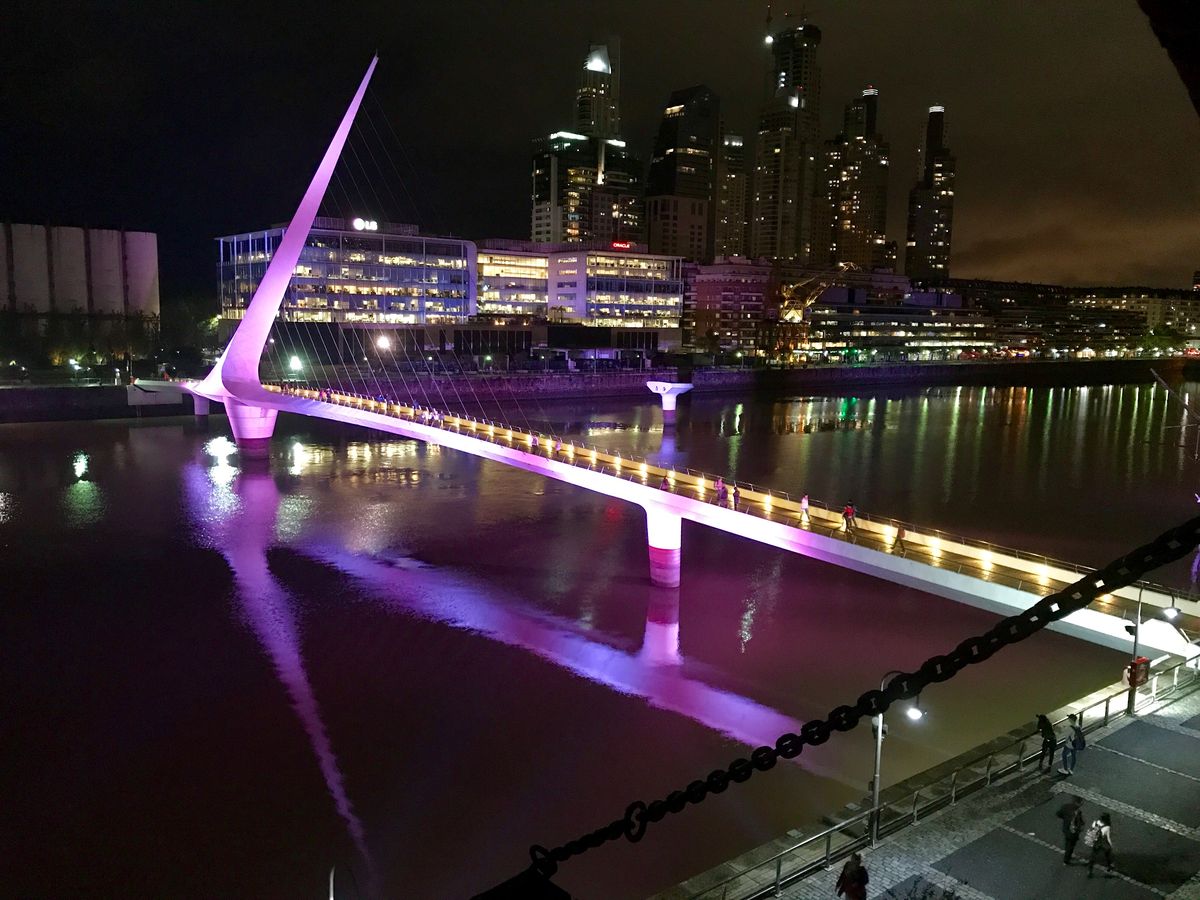
Puente de la Mujer
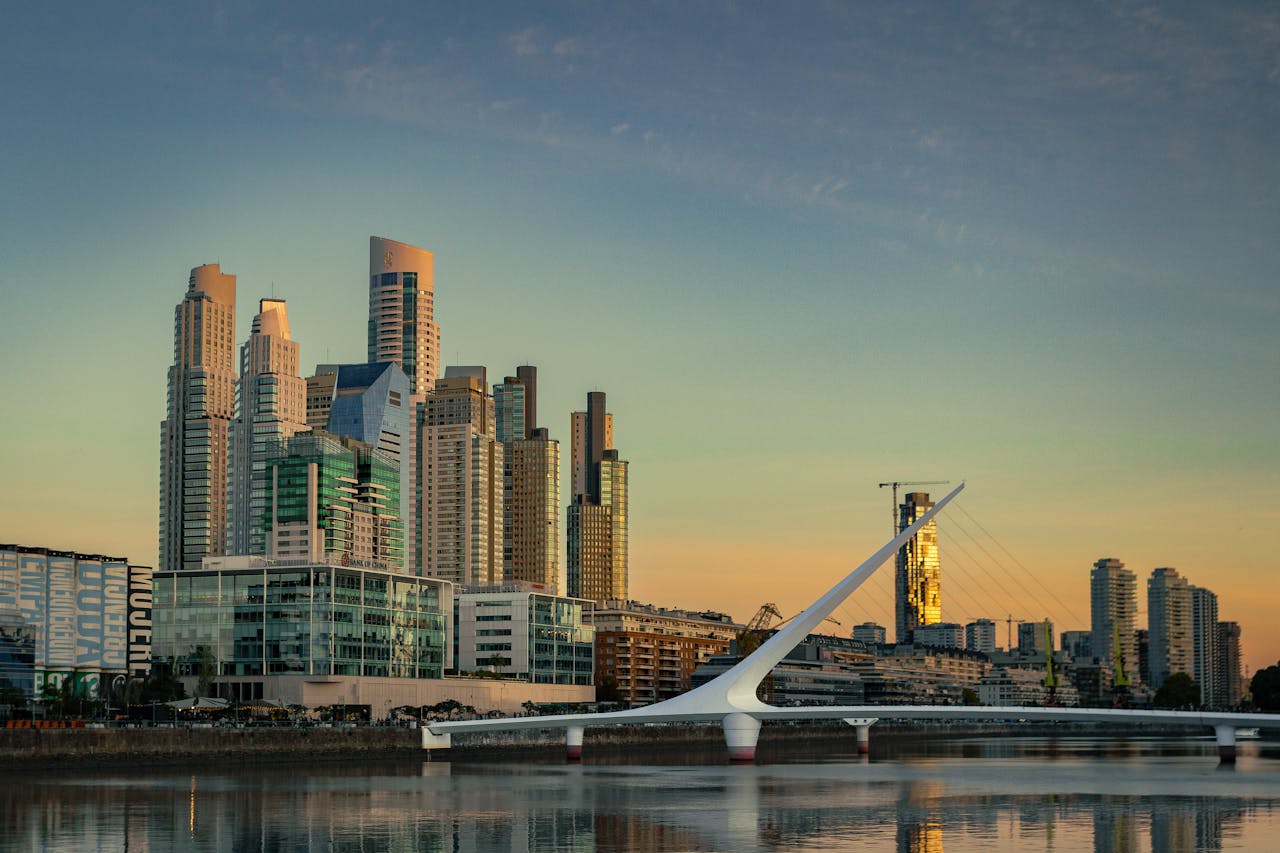
Puerto Madero
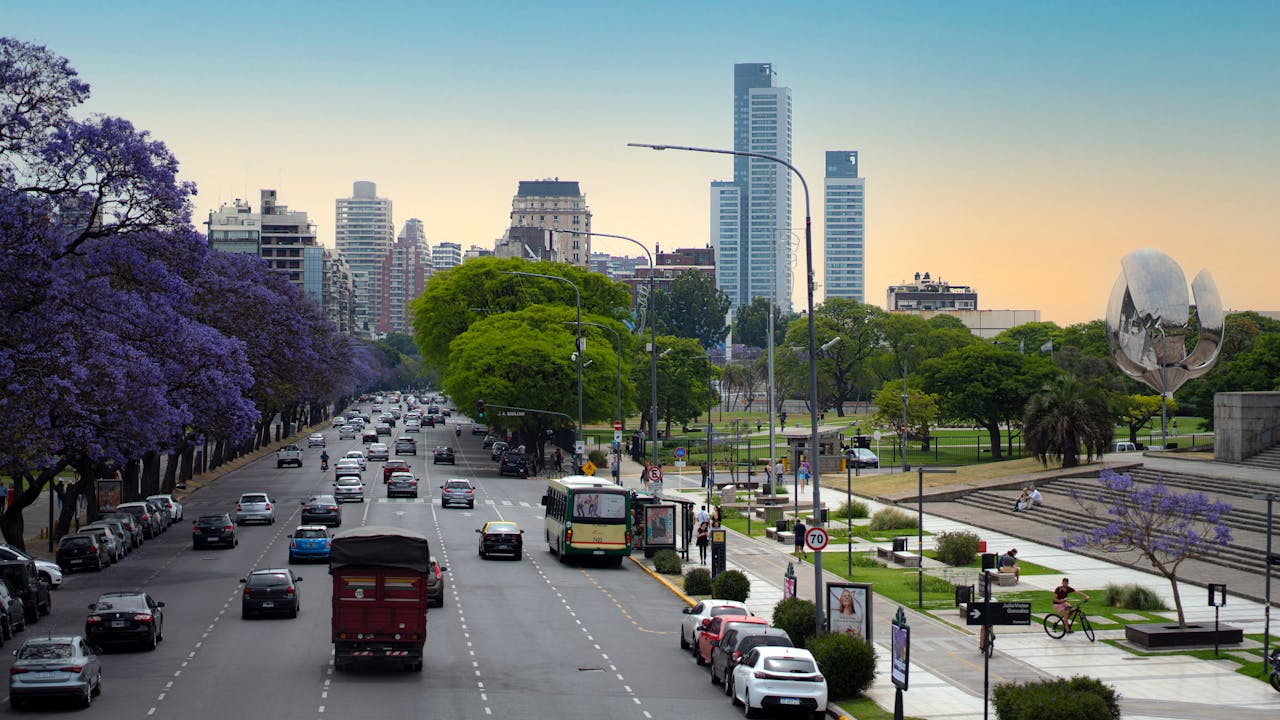
Recoleta
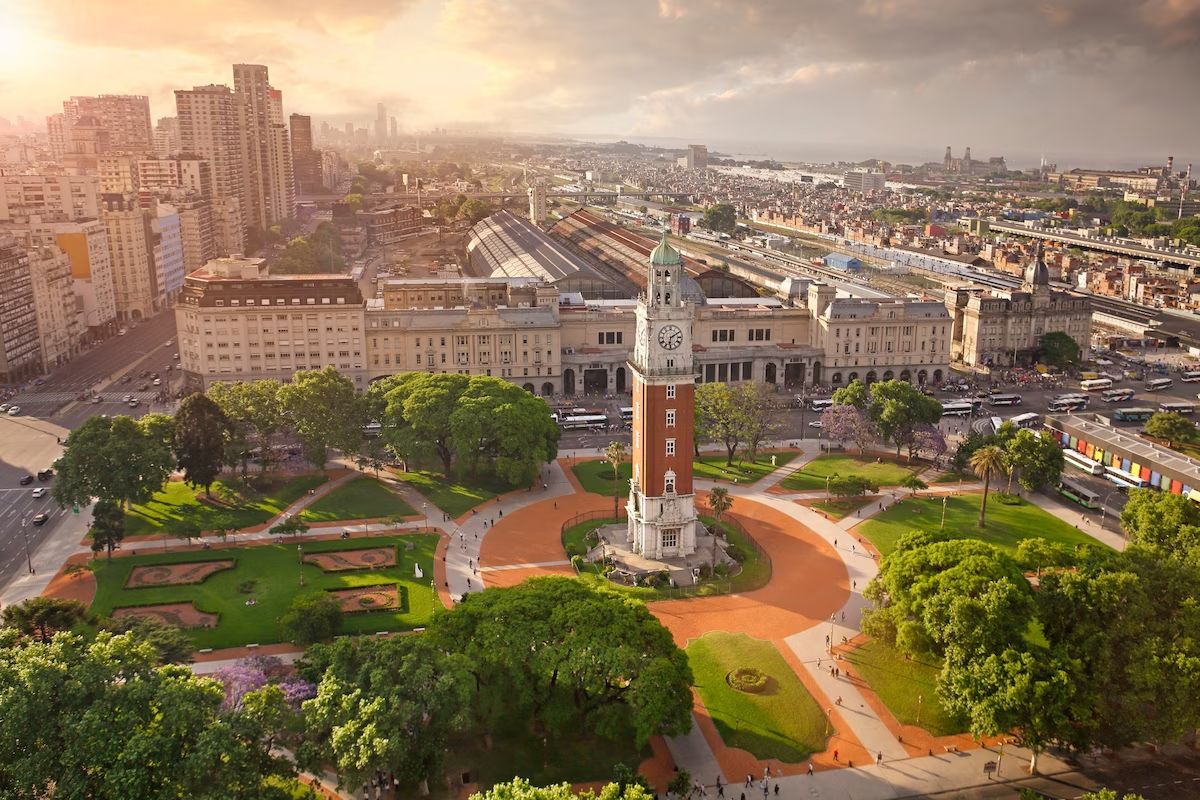
Retiro
San Nicolás
San Telmo
Teatro Colón
Preferences
Language
Color
Text
Width