Table of contents and map
La Boca (Buenos Aires) Travel Guide: Caminito, La Bombonera & Riachuelo
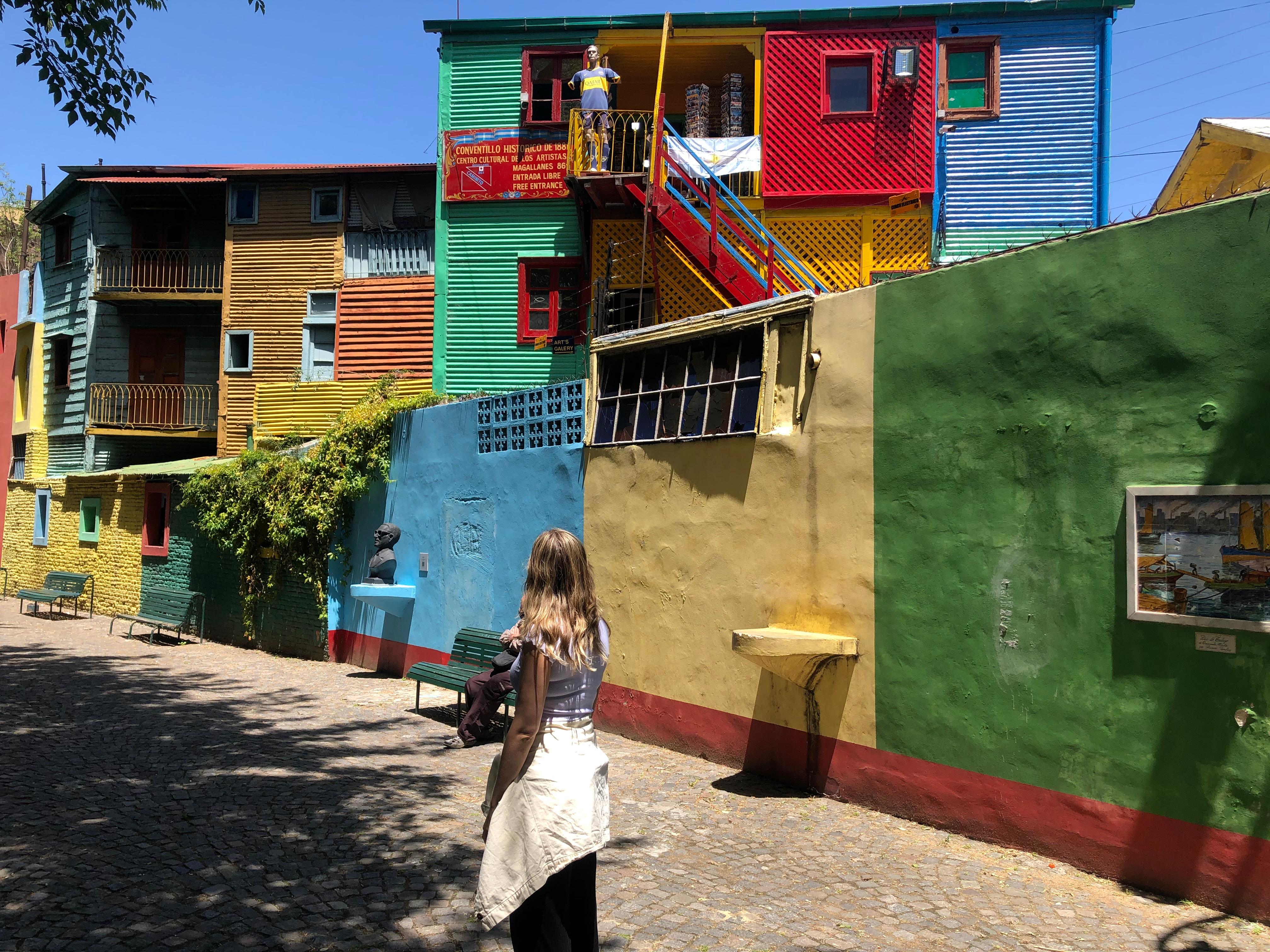
The historic port neighborhood of Italian immigrants and football passion. Between colorful sunsets over the Riachuelo, tin-and-wood tenements, and the pulsing beat of La Bombonera.
La Boca (Buenos Aires) Travel Guide: Caminito, La Bombonera & Riachuelo
The historic port neighborhood of Italian immigrants and football passion. Between colorful sunsets over the Riachuelo, tin-and-wood tenements, and the pulsing beat of La Bombonera.
La Boca is perhaps the most famous and iconic neighborhood in Buenos Aires internationally. Located at the mouth of the Riachuelo river, it originated as the city's historic port and home to thousands of immigrants (mainly from Genoa, Italy) in the late 19th century.
It is a unique district where tango culture, folk art championed by painter Benito Quinquela Martín, and die-hard football passion surrounding Boca Juniors come together to create an unforgettable visual experience. This guide covers everything you need to see, do, and eat in La Boca.
Understanding La Boca: Key Districts
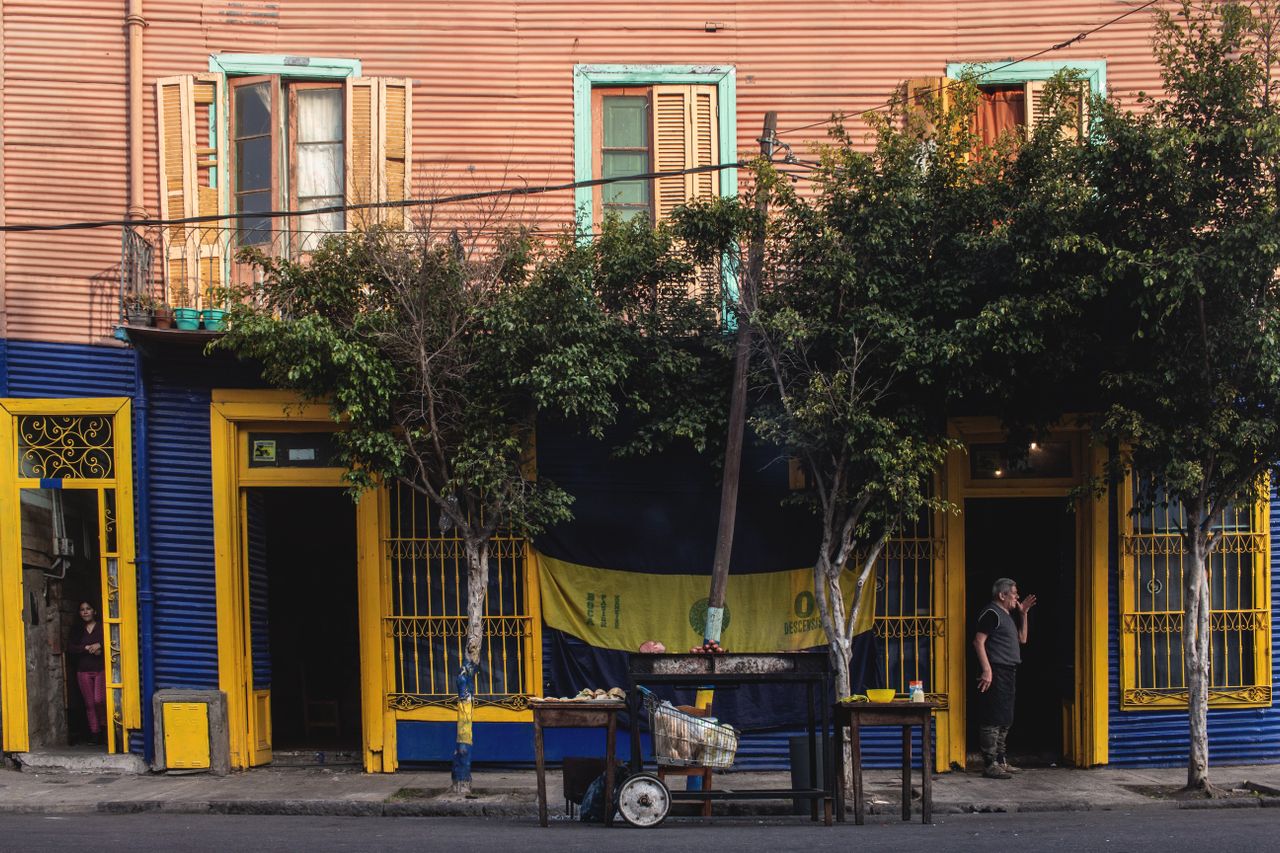
Caminito & Vuelta de Rocha Axis
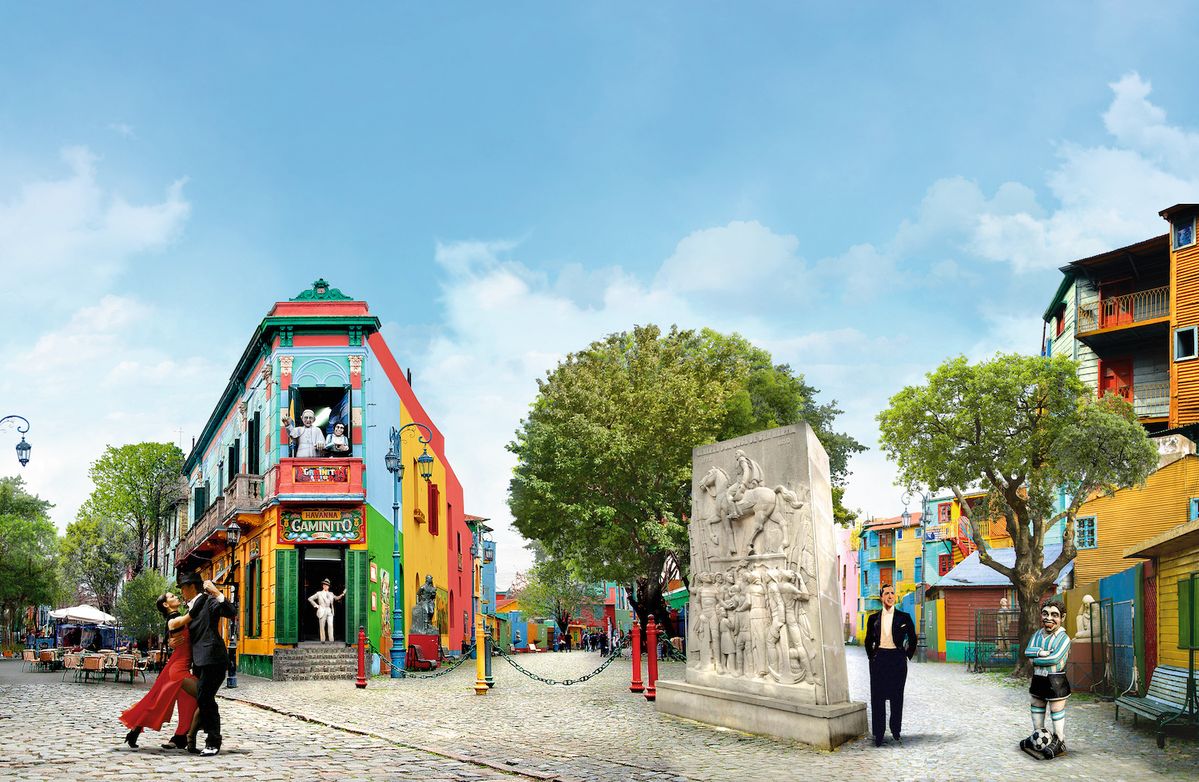
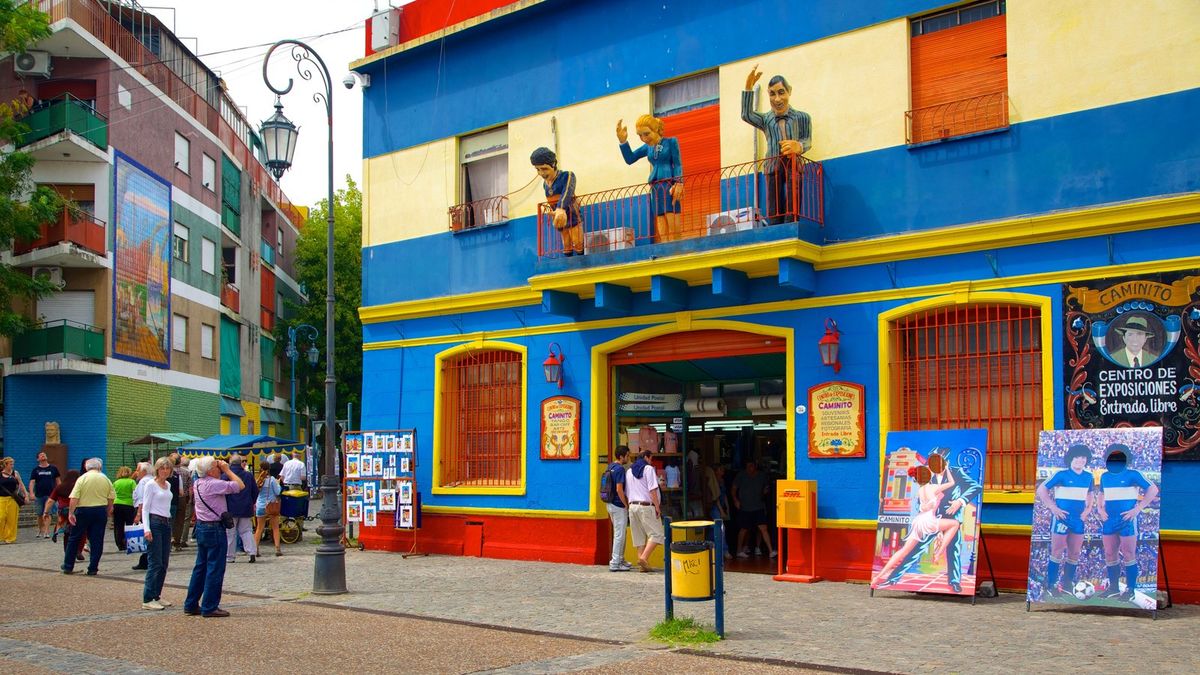
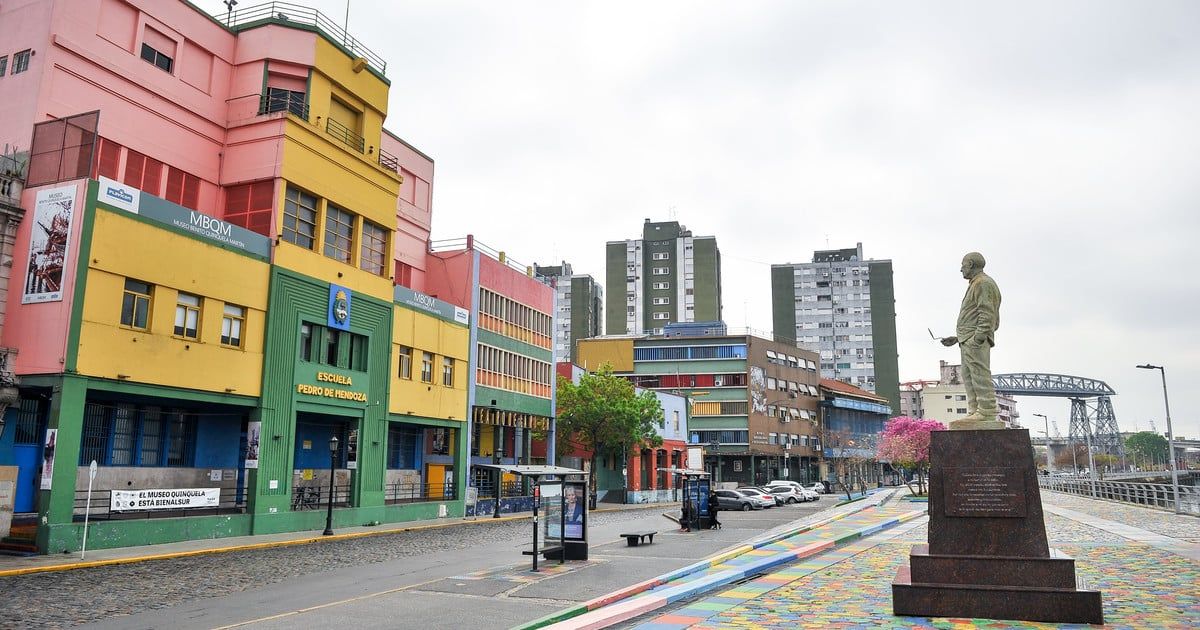
The primary tourist circuit. An open-air street museum surrounded by bright, brightly painted corrugated-tin tenement houses (conventillos), art markets, outdoor tango dancers, and the waterfront featuring the iconic Transporter Bridge.
La Bombonera Axis (Xeneize District)
Just a few blocks from Caminito on Brandsen Street sits the athletic beating heart of the neighborhood: Club Atlético Boca Juniors' stadium, surrounded by themed murals and official fan shops.
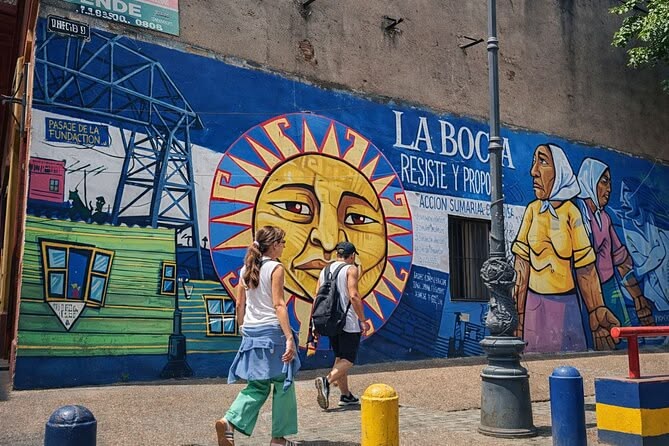
Arts District & Usina del Arte
The northern edge of the neighborhood (bordering San Telmo and Barracas), transformed into a modern cultural hub housing contemporary art venues like Usina del Arte and Fundación Proa.
Top Things to See and Do in La Boca
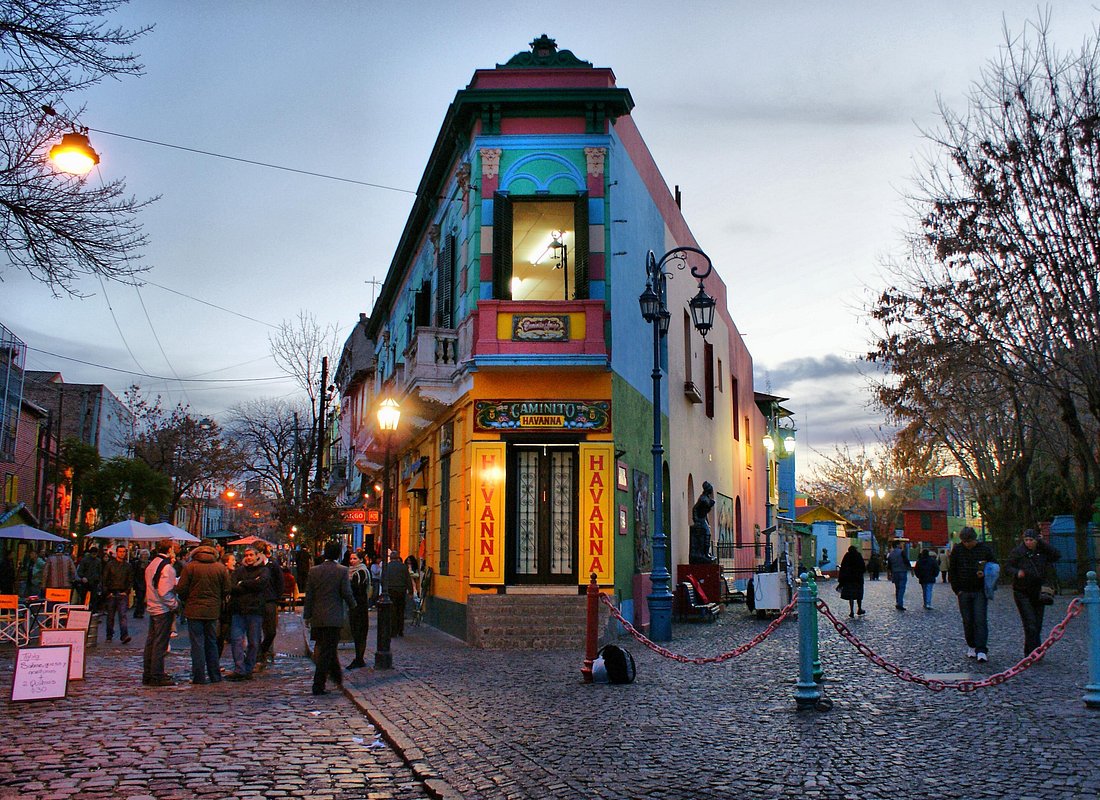
1 - Caminito (Street Museum)
A pedestrian street measuring just 150 meters that has become a symbol of Argentina. It owes its famous colorful facade to the historic tradition of immigrants painting their homes with leftover paint brought back from ships at the port.
2 - La Bombonera Stadium (Boca Juniors)
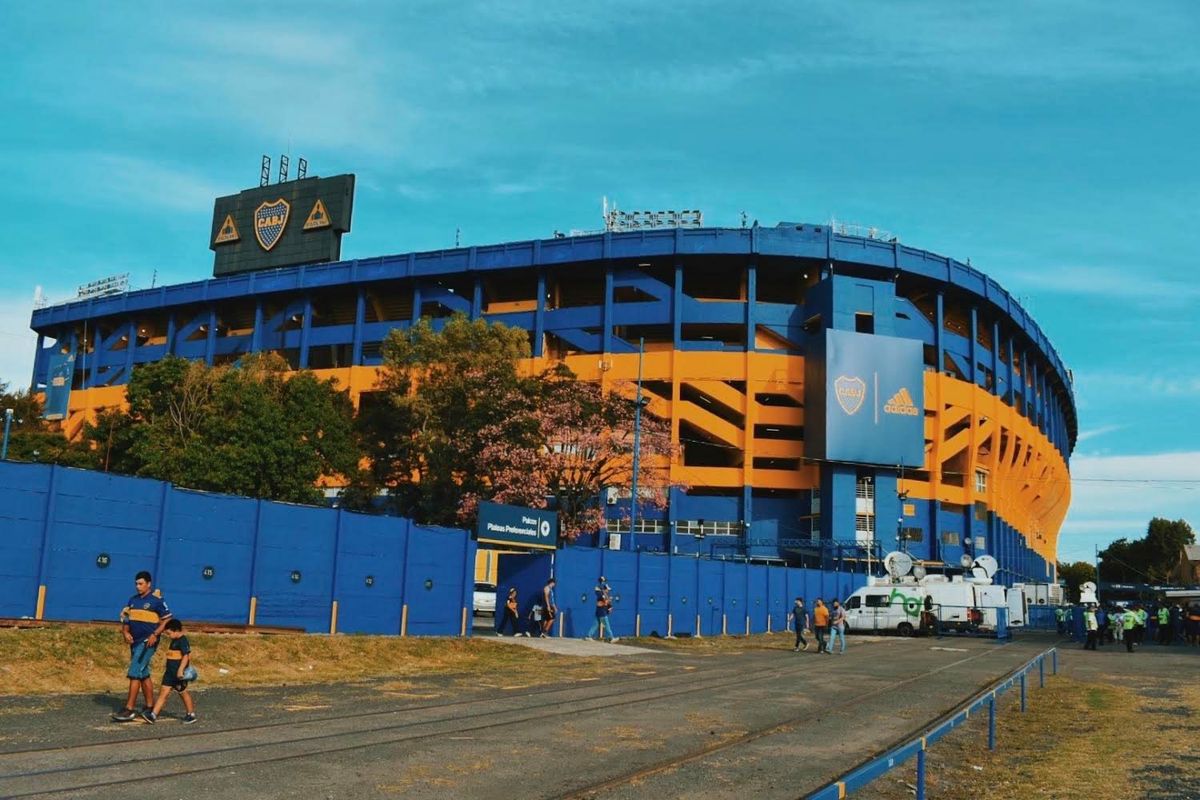
One of football’s legendary temples.
- What to do: Visit the Passion for Boca Juniors Museum (Museo de la Pasión Boquense, located inside the stadium) to view trophies, historic jerseys, and step out onto the stands.
3 - Vuelta de Rocha & Nicolás Avellaneda Transporter Bridge
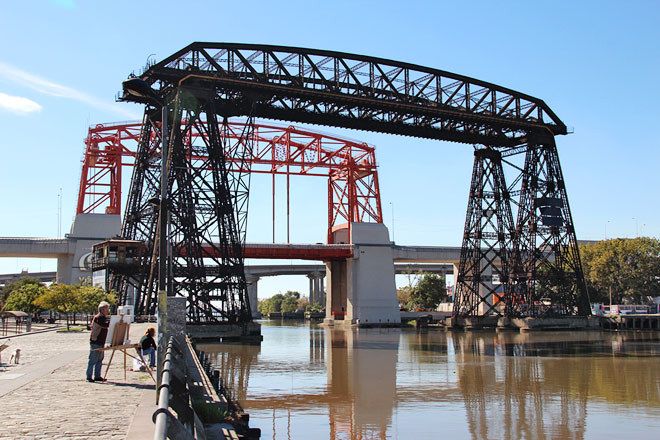
A natural bend along the Riachuelo river. From here, you can admire the monumental Transporter Bridge, a colossal iron structure built in 1914 (one of the few remaining examples of its kind worldwide).
4 - Fundación Proa
A world-class contemporary art center located right on the waterfront. It features cutting-edge exhibitions, a specialized bookstore, and a rooftop cafe offering panoramic views over the port and river.
5 - Benito Quinquela Martín Fine Arts Museum
Set inside the former home and studio that the famous painter donated to the neighborhood. It holds the largest collection of his artwork (focused on port labor and daily life in La Boca), alongside a remarkable collection of historic ship figureheads.
6 - Usina del Arte
A multidisciplinary cultural center operating inside a grand, former power plant built in Florentine Neo-Renaissance style (1916). It hosts classical music concerts, tango performances, art exhibitions, and free culinary events.
Where to Eat in La Boca: Classic Bodegones & Italian Traditions
Gastronomy in La Boca reflects strong Genoese and Italian heritage combined with classic Argentine traditions.
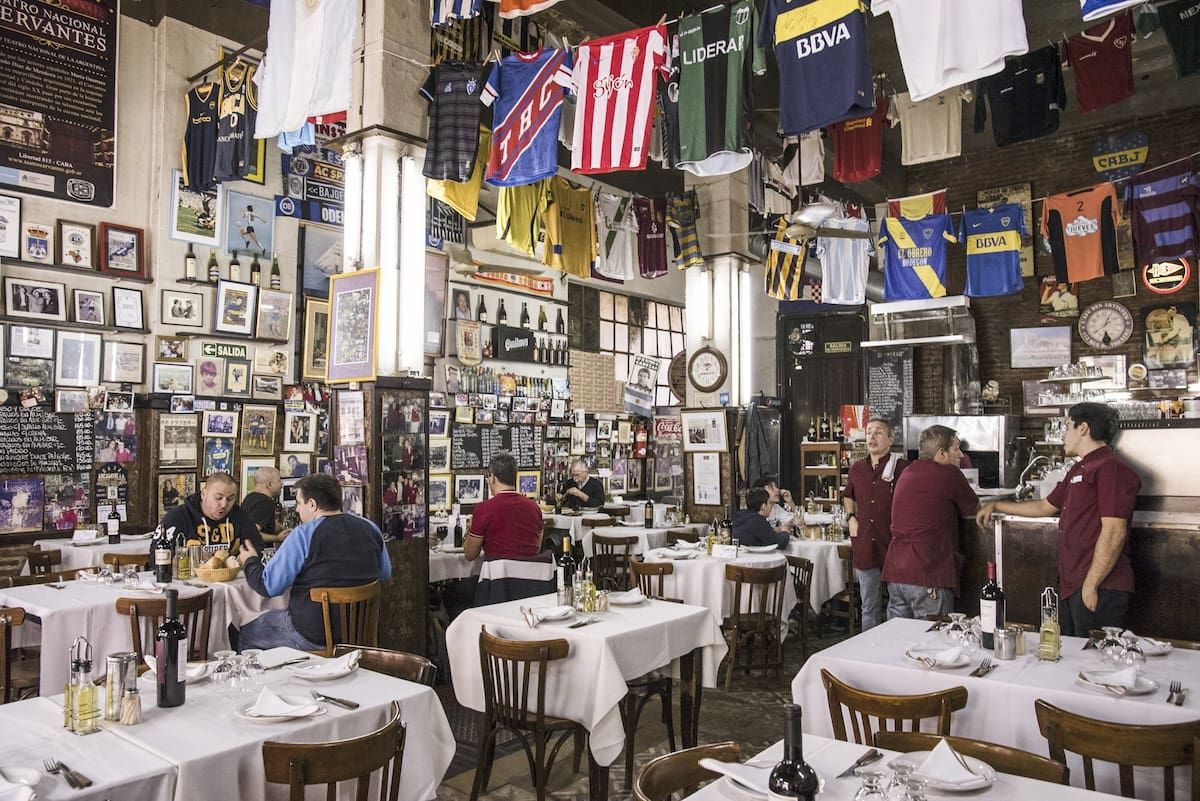
- El Obrero (Agustín R. Caffarena 64): A legendary neighborhood tavern (bodegón) founded in 1954 on the northern border of the district. Famous for its football decor, massive milanesas, fried calamari (rabas), and celebrity guests ranging from Bono to Francis Ford Coppola.
- El Gran Paraíso (Garibaldi 1428): Set inside a historic tenement house with an outdoor courtyard right next to Caminito. Ideal for authentic Argentine steak in a picturesque setting.
- Café Proa (Av. Pedro de Mendoza 1929): The rooftop cafe at Fundación Proa, perfect for coffee or a light lunch with sweeping river views.
- Pizzería Banchero (Original Location - Suárez & Av. Almirante Brown): The flagship pizzeria where the famous onion-and-cheese stuffed pizza (Fugazzeta) was invented in the early 20th century.
Where to Stay in La Boca
For safety and convenience reasons after dark, most travelers choose not to stay overnight in La Boca and instead visit as a daytime excursion.
- Recommendation: It is best to stay in nearby neighborhoods like San Telmo, Montserrat, Puerto Madero, or Palermo and travel to La Boca by public transport or taxi during daytime hours.
How to Get to La Boca from Key Arrival Points
La Boca is well connected by overland public transport:
From Ezeiza International Airport (EZE)
- Official Taxis and Remises (INSIDE THE TERMINAL): The safest option. Book exclusively at official counters inside the arrivals hall (Taxi Ezeiza or authorized cars) before stepping outside to pay a fixed upfront rate.
⚠️ Key Tip: Avoid unregistered drivers soliciting rides in the arrivals area to prevent overcharging.
- Rideshare Apps (Uber / Cabify): Works smoothly with fixed pricing in-app. The pickup point is usually in the parking zone.
- Public Bus (Line 8): You can take the service running toward Plaza de Mayo / Paseo Colón and make a short transfer.
From Aeroparque Jorge Newbery Airport (AEP)
- Official Taxi / Remís / Apps: A direct drive along the waterfront avenue taking 25 to 35 minutes.
- Public Bus: Bus lines 29 and 33 run directly from Aeroparque to La Boca (Caminito).
From San Telmo / Montserrat / Downtown
- Public Bus: Line 29 is the most popular bus for tourists heading to La Boca, as it cuts through Downtown, San Telmo, and drops you right outside Caminito. Other recommended lines include 64, 53, and 152.
Frequently Asked Questions (FAQ)
Is La Boca safe to visit?
The main tourist corridor—including Caminito, Fundación Proa, and the perimeter of La Bombonera—has a constant police presence and is safe to explore during daylight hours. It is strongly advised to stay strictly within the designated tourist areas and avoid wandering into quiet residential side streets or visiting at night.
How much time do you need to explore La Boca?
A standard day tour (Caminito, a walk along the waterfront, visiting Boca Juniors Museum, and lunch at a local tavern) takes around 3 to 4 hours.
You Might Also Like
Caminito & Vuelta de Rocha Axis
The primary tourist circuit. An open-air street museum surrounded by bright, brightly painted corrugated-tin tenement houses (conventillos), art markets, outdoor tango dancers, and the waterfront featuring the iconic Transporter Bridge.
La Bombonera Axis (Xeneize District)
Just a few blocks from Caminito on Brandsen Street sits the athletic beating heart of the neighborhood: Club Atlético Boca Juniors' stadium, surrounded by themed murals and official fan shops.
Arts District & Usina del Arte
The northern edge of the neighborhood (bordering San Telmo and Barracas), transformed into a modern cultural hub housing contemporary art venues like Usina del Arte and Fundación Proa.
PUBLICIDAD
Travel with Data: Get your Saily eSIM
- ✓Internet in seconds upon landing
- ✓Flexible plans in 180+ countries
- ✓Easy setup directly via the App
1 - Caminito (Street Museum)
A pedestrian street measuring just 150 meters that has become a symbol of Argentina. It owes its famous colorful facade to the historic tradition of immigrants painting their homes with leftover paint brought back from ships at the port.
2 - La Bombonera Stadium (Boca Juniors)
One of football’s legendary temples.
- What to do: Visit the Passion for Boca Juniors Museum (Museo de la Pasión Boquense, located inside the stadium) to view trophies, historic jerseys, and step out onto the stands.
3 - Vuelta de Rocha & Nicolás Avellaneda Transporter Bridge
A natural bend along the Riachuelo river. From here, you can admire the monumental Transporter Bridge, a colossal iron structure built in 1914 (one of the few remaining examples of its kind worldwide).
4 - Fundación Proa
A world-class contemporary art center located right on the waterfront. It features cutting-edge exhibitions, a specialized bookstore, and a rooftop cafe offering panoramic views over the port and river.
5 - Benito Quinquela Martín Fine Arts Museum
Set inside the former home and studio that the famous painter donated to the neighborhood. It holds the largest collection of his artwork (focused on port labor and daily life in La Boca), alongside a remarkable collection of historic ship figureheads.
6 - Usina del Arte
A multidisciplinary cultural center operating inside a grand, former power plant built in Florentine Neo-Renaissance style (1916). It hosts classical music concerts, tango performances, art exhibitions, and free culinary events.
Gastronomy in La Boca reflects strong Genoese and Italian heritage combined with classic Argentine traditions.
- El Obrero (Agustín R. Caffarena 64): A legendary neighborhood tavern (bodegón) founded in 1954 on the northern border of the district. Famous for its football decor, massive milanesas, fried calamari (rabas), and celebrity guests ranging from Bono to Francis Ford Coppola.
- El Gran Paraíso (Garibaldi 1428): Set inside a historic tenement house with an outdoor courtyard right next to Caminito. Ideal for authentic Argentine steak in a picturesque setting.
- Café Proa (Av. Pedro de Mendoza 1929): The rooftop cafe at Fundación Proa, perfect for coffee or a light lunch with sweeping river views.
- Pizzería Banchero (Original Location - Suárez & Av. Almirante Brown): The flagship pizzeria where the famous onion-and-cheese stuffed pizza (Fugazzeta) was invented in the early 20th century.
For safety and convenience reasons after dark, most travelers choose not to stay overnight in La Boca and instead visit as a daytime excursion.
- Recommendation: It is best to stay in nearby neighborhoods like San Telmo, Montserrat, Puerto Madero, or Palermo and travel to La Boca by public transport or taxi during daytime hours.
La Boca is well connected by overland public transport:
From Ezeiza International Airport (EZE)
- Official Taxis and Remises (INSIDE THE TERMINAL): The safest option. Book exclusively at official counters inside the arrivals hall (Taxi Ezeiza or authorized cars) before stepping outside to pay a fixed upfront rate.
⚠️ Key Tip: Avoid unregistered drivers soliciting rides in the arrivals area to prevent overcharging.
- Rideshare Apps (Uber / Cabify): Works smoothly with fixed pricing in-app. The pickup point is usually in the parking zone.
- Public Bus (Line 8): You can take the service running toward Plaza de Mayo / Paseo Colón and make a short transfer.
From Aeroparque Jorge Newbery Airport (AEP)
- Official Taxi / Remís / Apps: A direct drive along the waterfront avenue taking 25 to 35 minutes.
- Public Bus: Bus lines 29 and 33 run directly from Aeroparque to La Boca (Caminito).
From San Telmo / Montserrat / Downtown
- Public Bus: Line 29 is the most popular bus for tourists heading to La Boca, as it cuts through Downtown, San Telmo, and drops you right outside Caminito. Other recommended lines include 64, 53, and 152.
Is La Boca safe to visit?
The main tourist corridor—including Caminito, Fundación Proa, and the perimeter of La Bombonera—has a constant police presence and is safe to explore during daylight hours. It is strongly advised to stay strictly within the designated tourist areas and avoid wandering into quiet residential side streets or visiting at night.
How much time do you need to explore La Boca?
A standard day tour (Caminito, a walk along the waterfront, visiting Boca Juniors Museum, and lunch at a local tavern) takes around 3 to 4 hours.
PUBLICIDAD
International Travel Insurance
- ✓International medical insurance
- ✓24/7 immediate assistance in your language
- ✓Ideal for trekking & adventure
Posts in Buenos-aires
10 Parrillas Recomendadas para Comer un Buen Asado en Buenos Aires
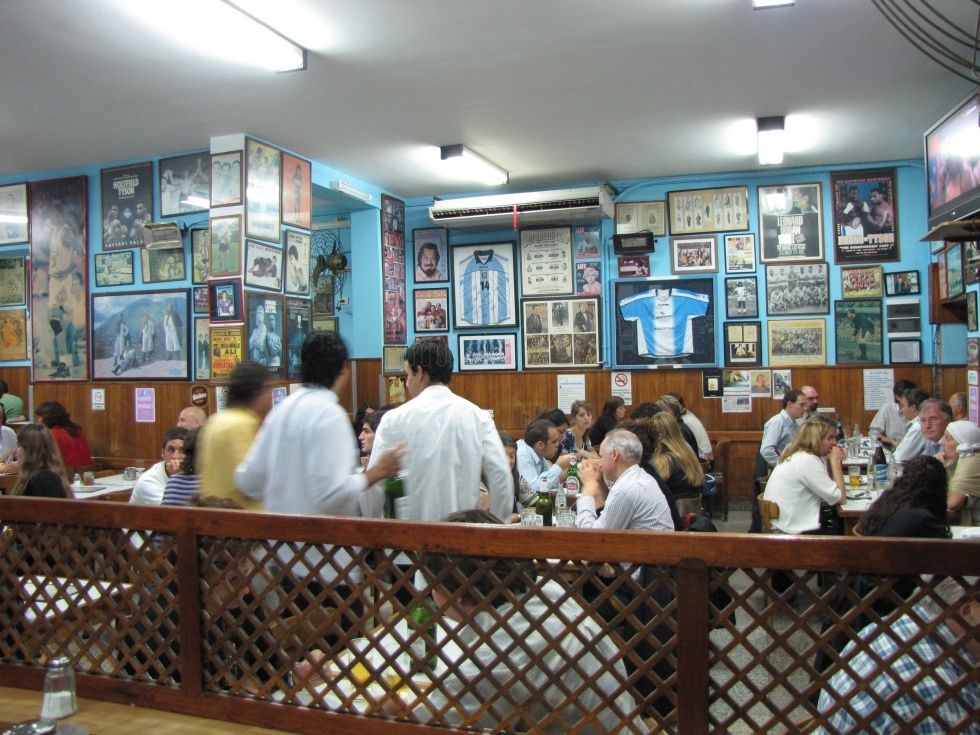
10 Pizzerías Clásicas e Icónicas de Buenos Aires
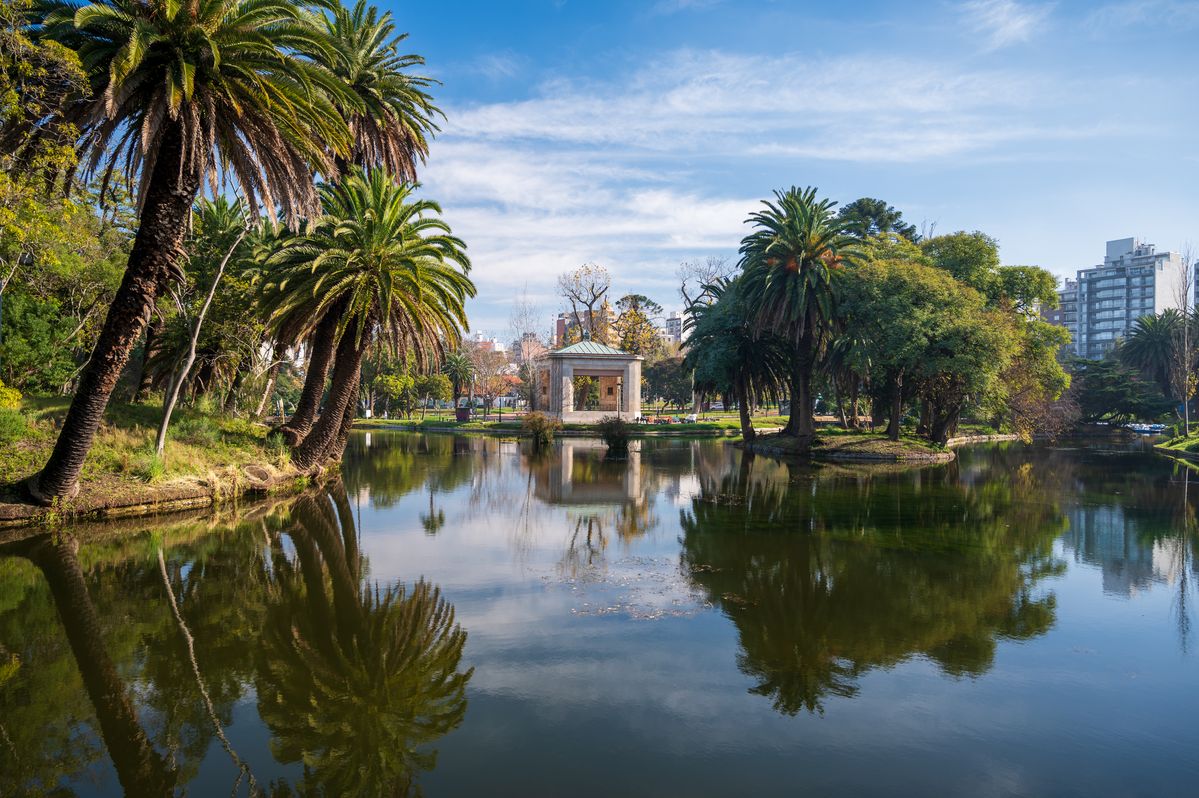
8 Parques y Espacios Verdes Imperdibles en Buenos Aires
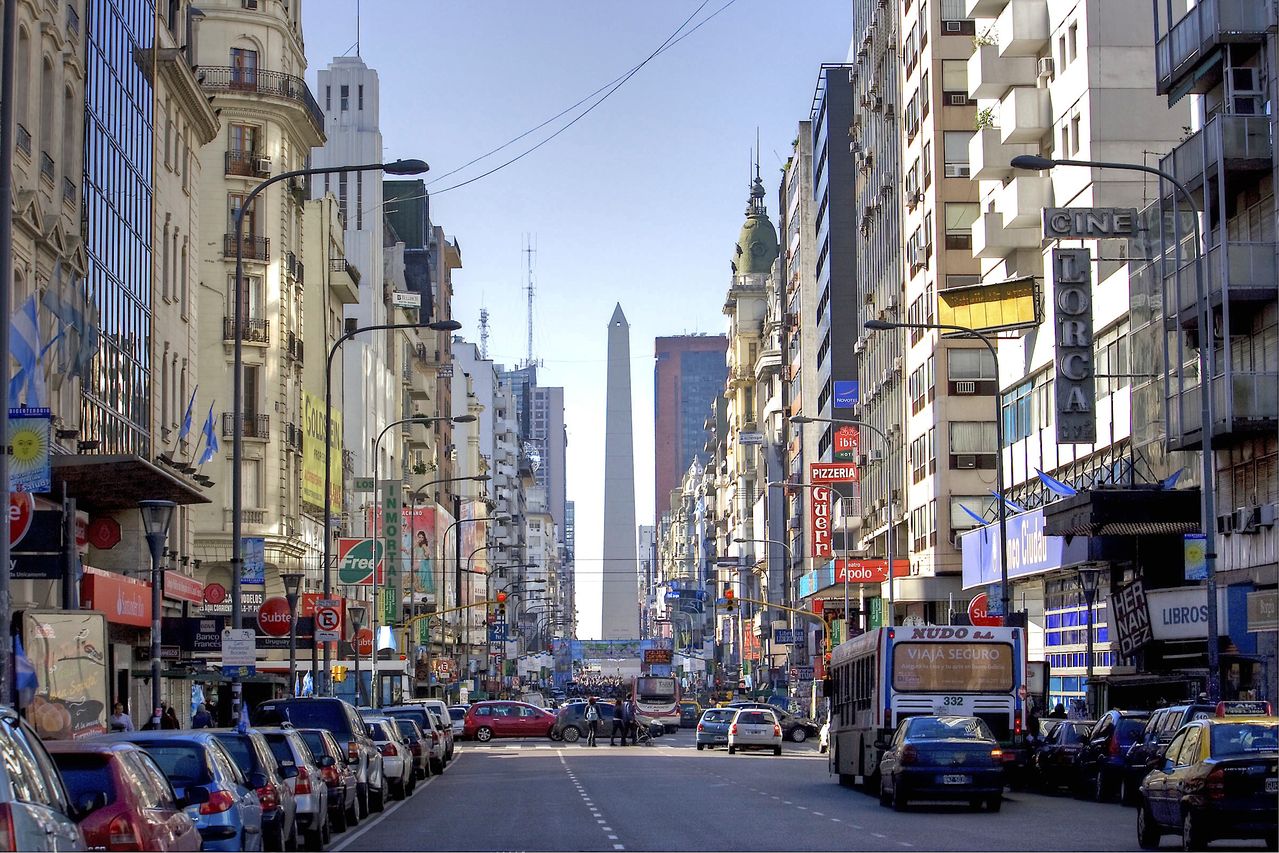
Avenida Corrientes
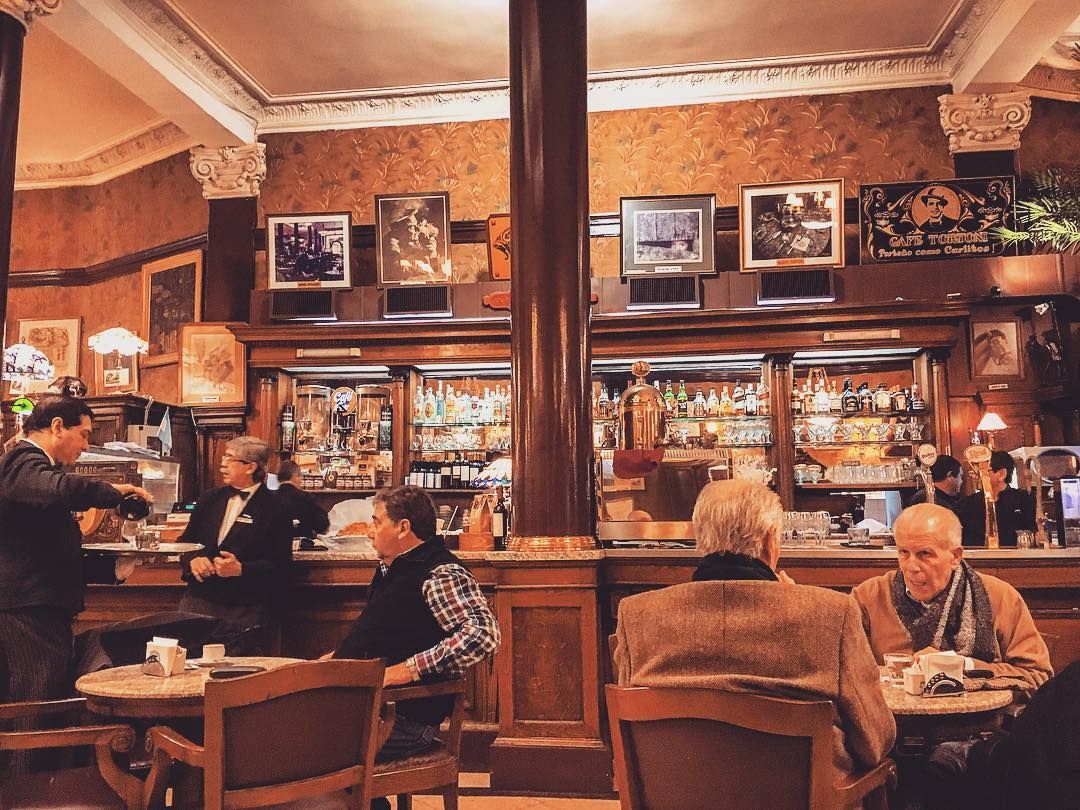
Cafés Notables de Buenos Aires
Cómo Moverse en Buenos Aires
Dónde Alojarse en Buenos Aires: Mejores Barrios y Zonas Recomendadas
Floralis Genérica
Librería El Ateneo Grand Splendid
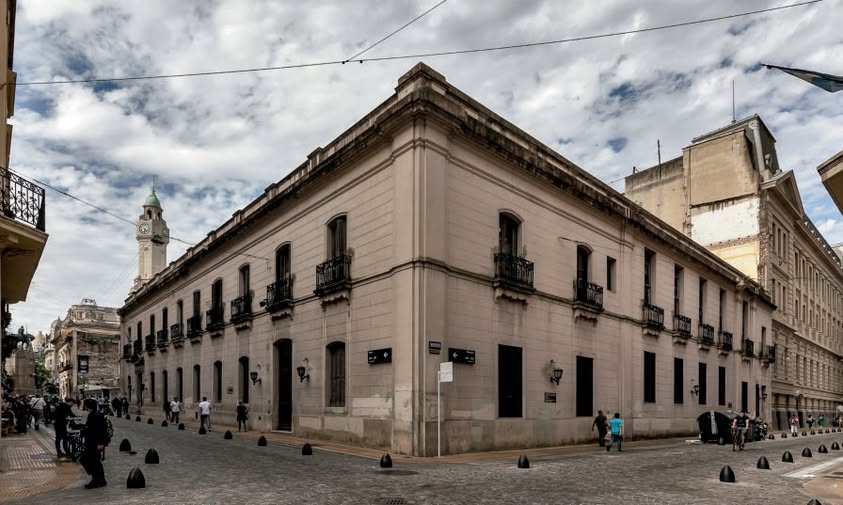
Manzana de las Luces
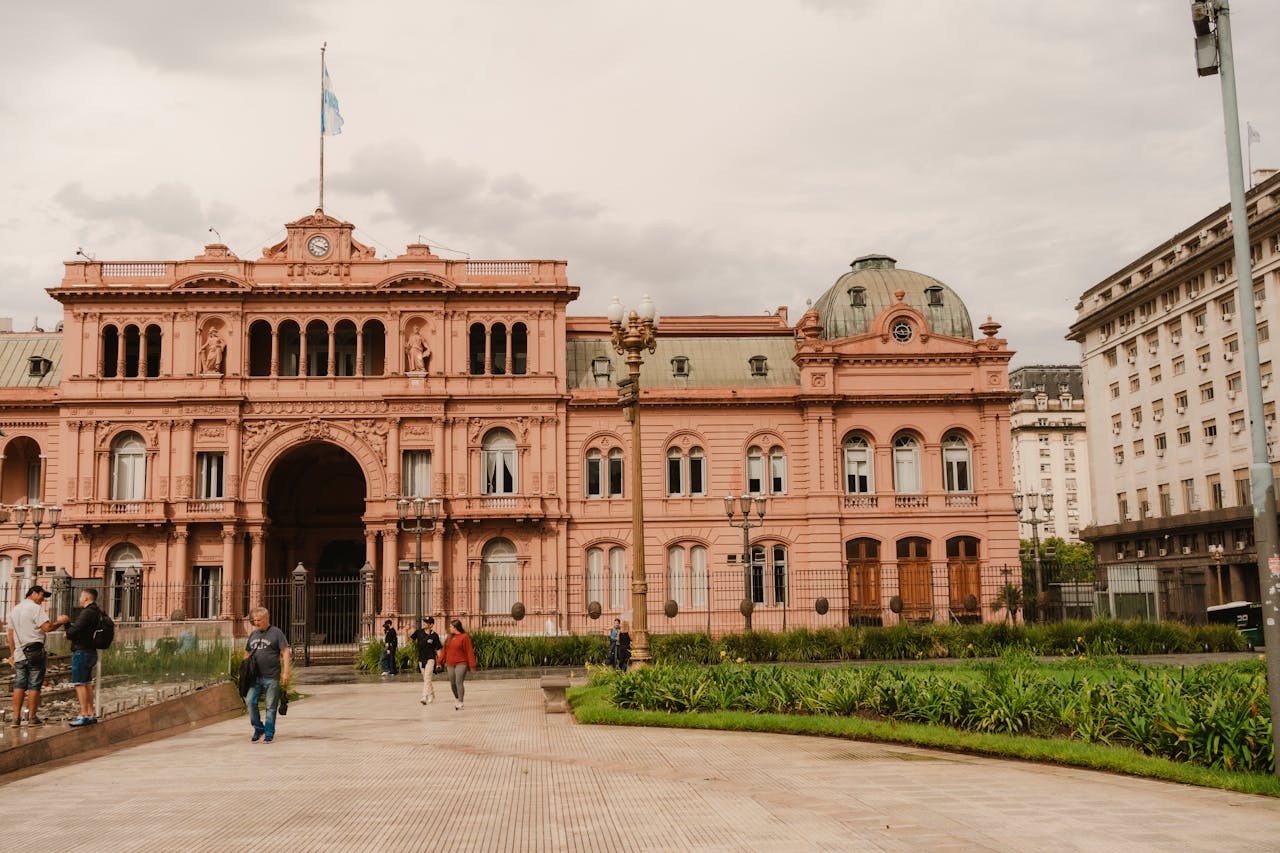
Montserrat
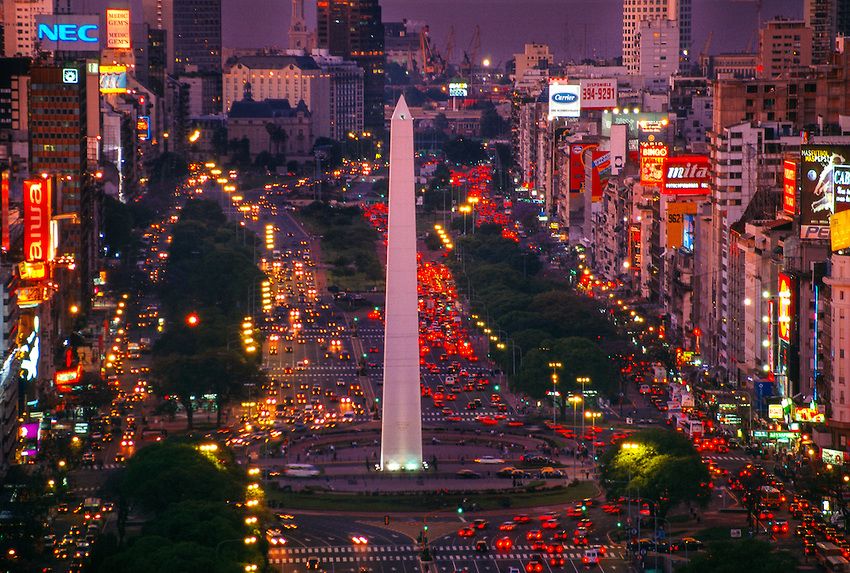
Obelisco de Buenos Aires
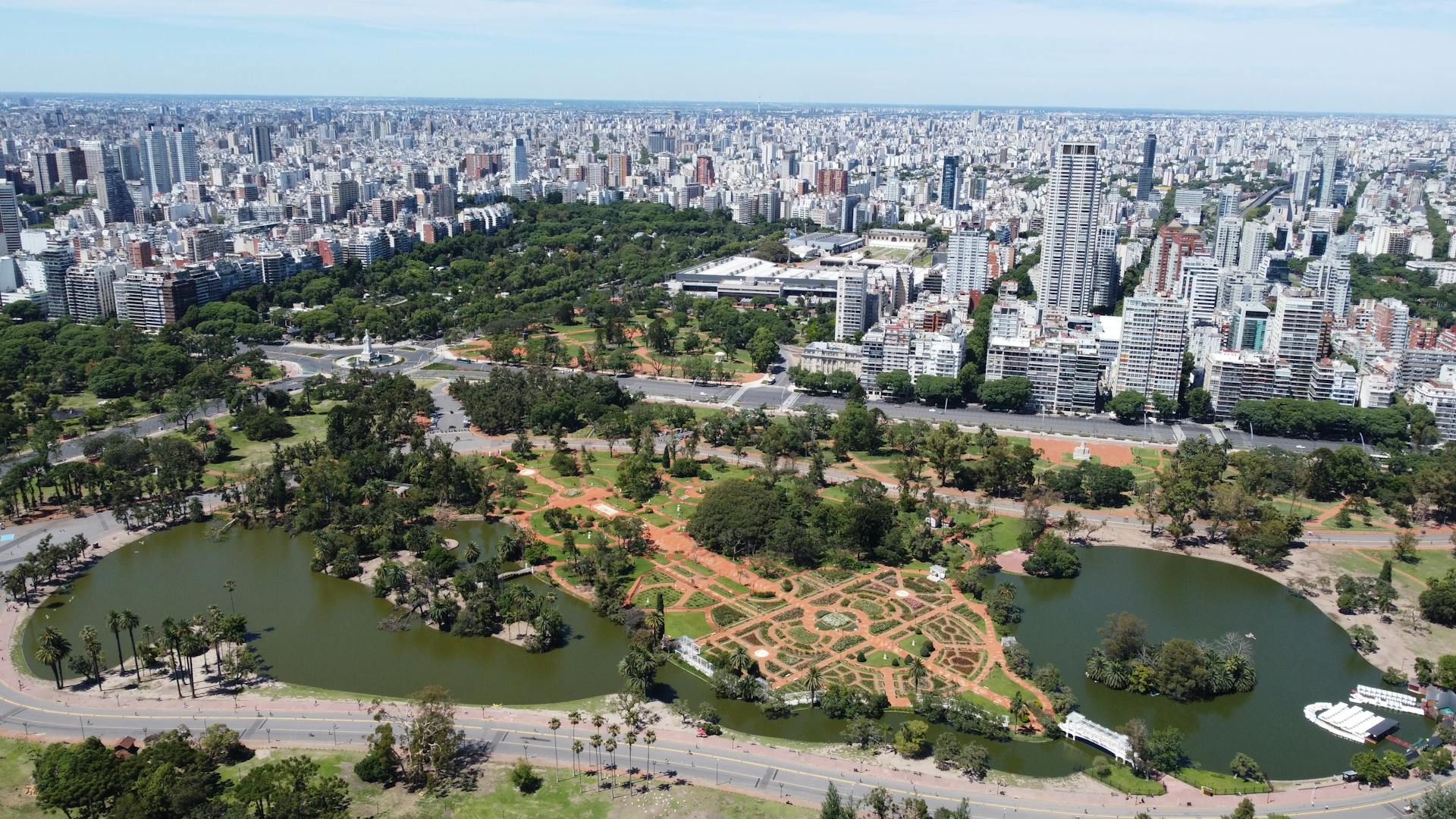
Palermo
Planetario Galileo Galilei
Plaza de Mayo
Puente de la Mujer
Puerto Madero
Recoleta
Retiro
San Nicolás
San Telmo
Teatro Colón
Preferences
Language
Color
Text
Width