Table of contents and map
Where to Stay in Buenos Aires: Best Neighborhoods, Areas & Tips 2026
Finding the ideal neighborhood in Buenos Aires depends on your travel style. We break down the pros and cons of each area to help you choose where to stay.
Where to Stay in Buenos Aires: Best Neighborhoods, Areas & Tips 2026
Finding the ideal neighborhood in Buenos Aires depends on your travel style. We break down the pros and cons of each area to help you choose where to stay.
Choosing the right area to stay in Buenos Aires is crucial to making the most of your trip. As a large and diverse metropolis, each neighborhood offers a completely different atmosphere, pace, and lifestyle.
In this guide, we analyze the 5 best neighborhoods to stay in, complete with their pros, cons, ideal traveler profiles, and key transportation and safety tips.
Quick Summary: Which neighborhood to choose based on your travel style?
- 🎨 Palermo: If you are looking for design, cutting-edge gastronomy, trendy bars, and nightlife.
- 🏛️ Recoleta: If you prefer elegance, quiet streets, world-class museums, and walks among grand palaces.
- 🎷 San Telmo: If you are drawn to bohemian charm, history, tango, and historic architecture.
- 📍 Microcentro / San Nicolás: If you are visiting for a few days, want to be close to everything, and prioritize easy public transit.
- 🌳 Belgrano: If you want a residential, safe, peaceful area with a rich local neighborhood feel.
1. Palermo: Design, Gastronomy, and Nightlife
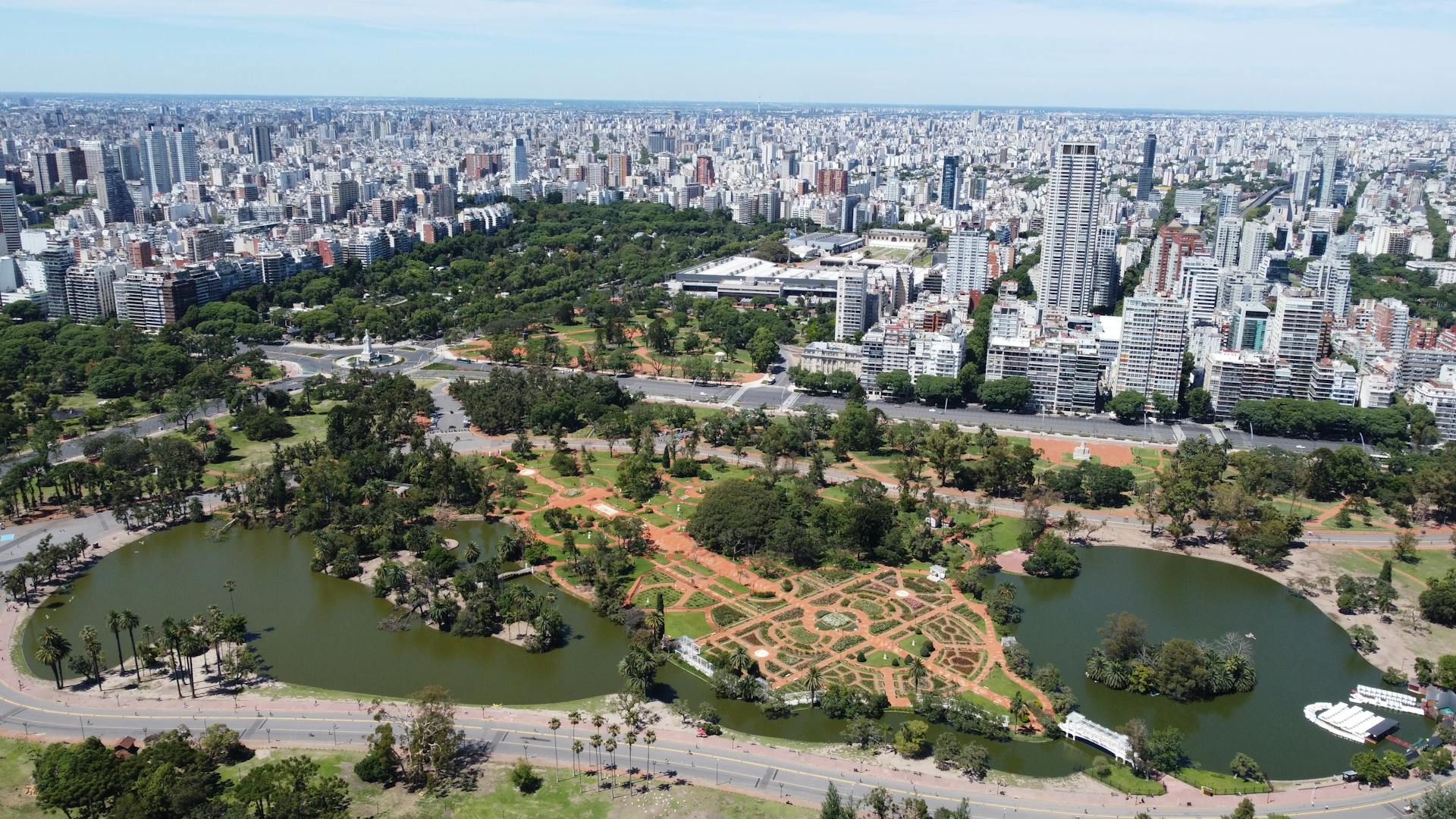
Palermo is the largest neighborhood in the city and the epicenter of trends. It is mainly divided into two key tourist areas: Palermo Soho (centered around Plaza Serrano and Plaza Armenia, packed with boutiques, specialty coffee shops, and bars) and Palermo Hollywood (across the train tracks, famous for its restaurants, craft breweries, and media hubs).
- Pros: Excellent dining options at all hours, a wide variety of boutique hotels and short-term apartment rentals, and close proximity to Palermo Parks (Bosques de Palermo).
- Cons: Higher average prices than other neighborhoods and quite noisy on weekend nights.
- Ideal for: Couples, young travelers, foodies, and travelers who want to walk to bars and restaurants at night.
2. Recoleta: Elegance, Culture, and Tranquility
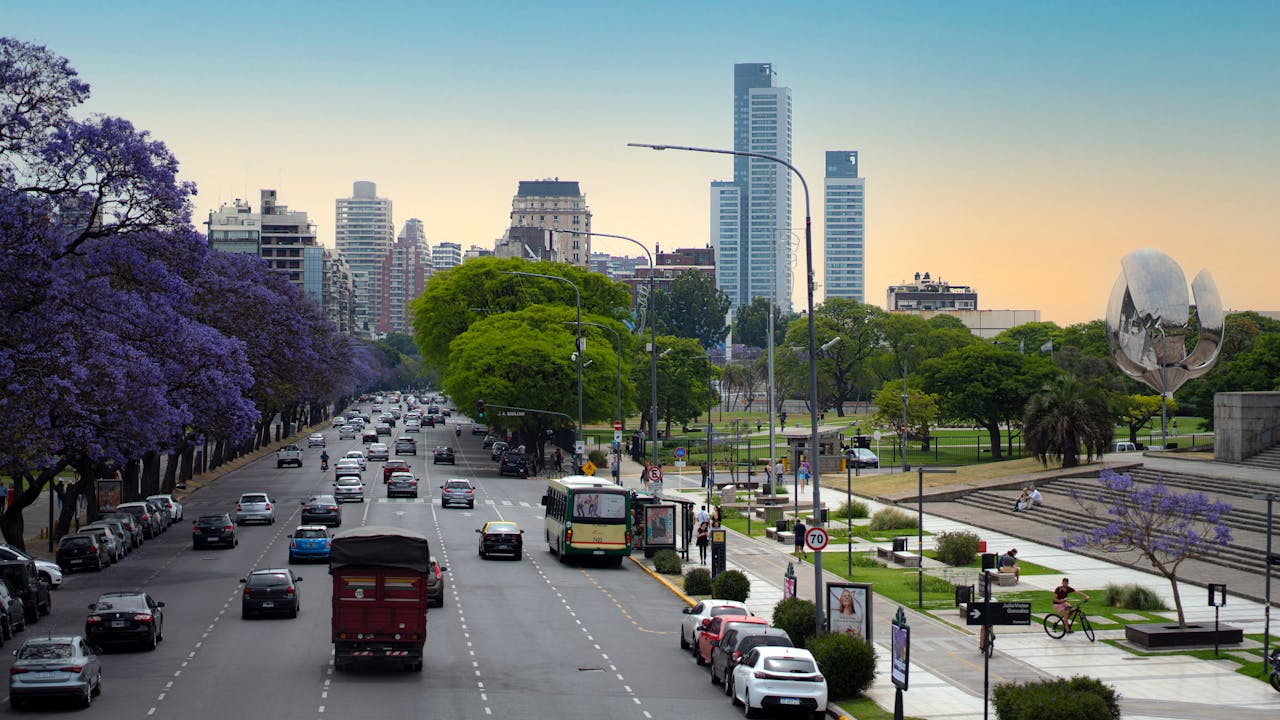
Recoleta is the most "Parisian" neighborhood in Buenos Aires. It is characterized by wide avenues, French-influenced architecture, major museums (MALBA, Fine Arts), and grand parks. Staying in Recoleta guarantees a relaxed, upscale, and very safe environment.
- Pros: Extremely safe, quiet at night, perfect for walking, and very close to the classic cultural circuit.
- Cons: Nightlife options (bars and clubs) are more limited compared to Palermo, and traditional-style hotels dominate the area.
- Ideal for: Families, older adults, first-time visitors seeking absolute safety, and art or architecture lovers.
3. San Telmo: History, Tango, and Bohemian Vibe
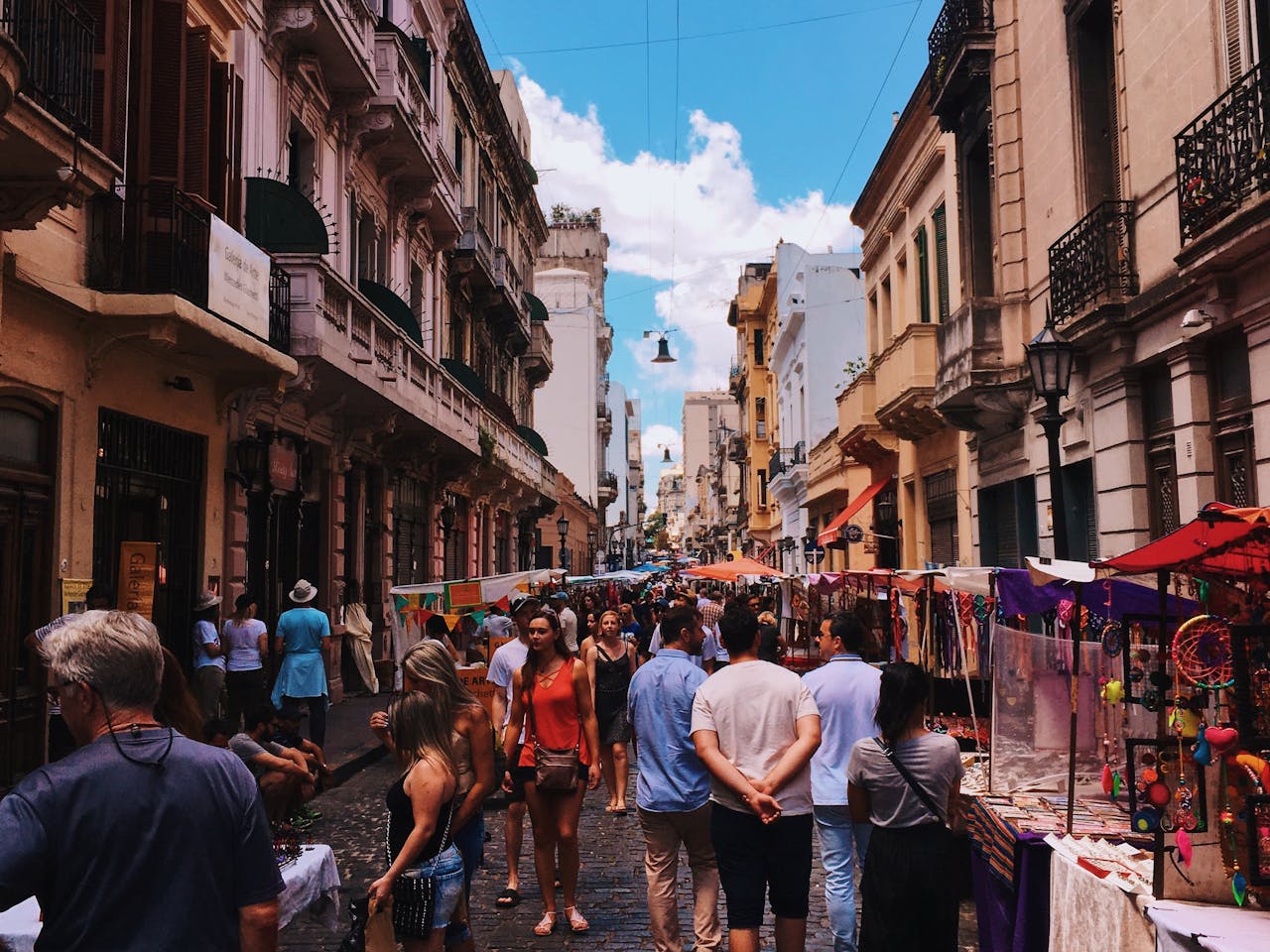
San Telmo is the oldest neighborhood in the city. Its cobblestone streets, colonial passageways, antique markets, and 19th-century mansions turned into boutique inns give it a unique atmosphere. Here, the pulse is set by historic cafes, milongas (tango halls), and street performers.
- Pros: Highly competitive accommodation rates, strong local personality, great traditional food, and close proximity to Plaza de Mayo.
- Contras: Some side streets can feel deserted late at night; standard awareness is recommended when walking late.
- Ideal for: Backpackers, mid-budget travelers, photography enthusiasts, and lovers of authentic Argentine culture.
4. Microcentro and San Nicolás: Connectivity and Short Stays
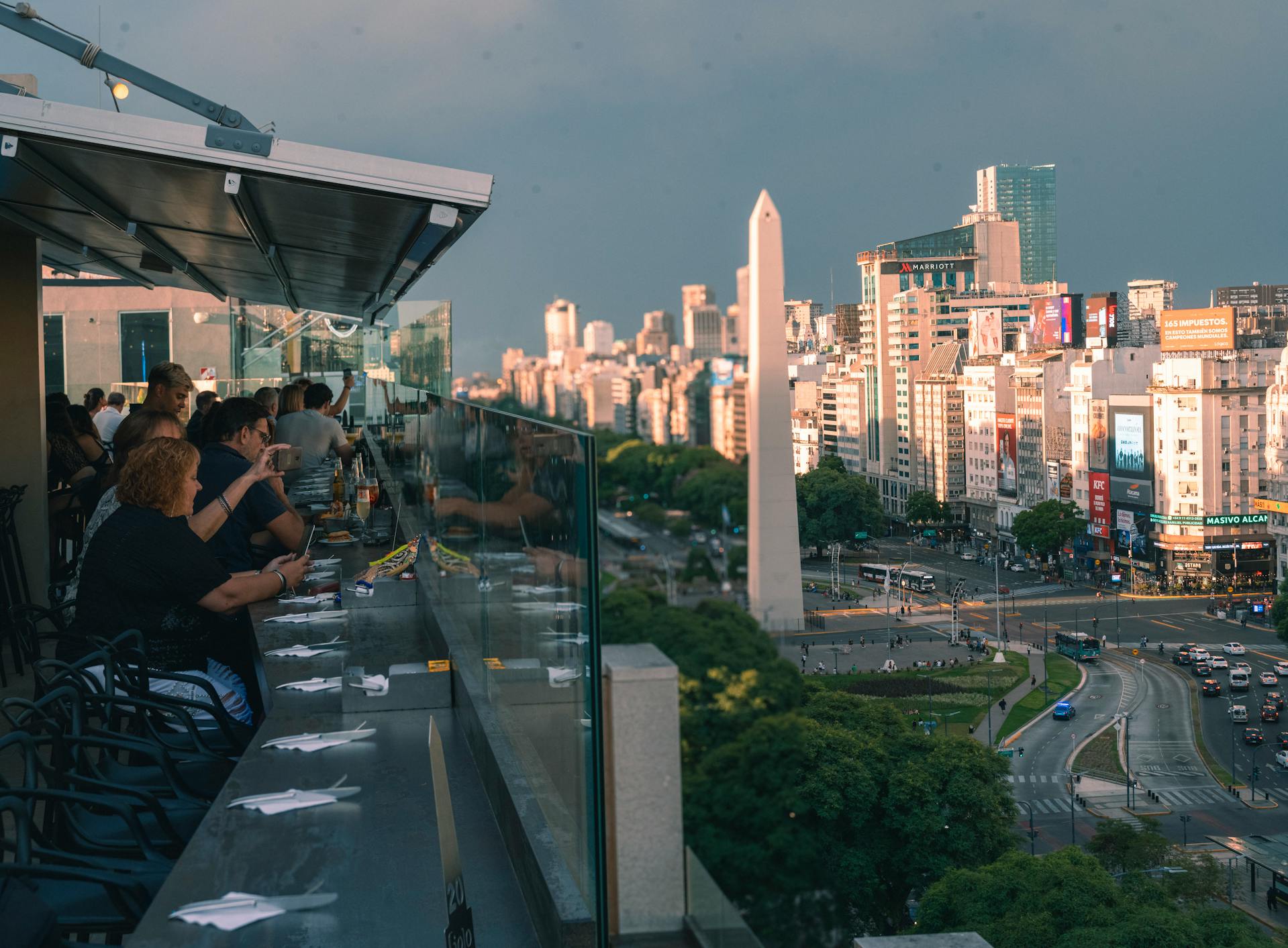
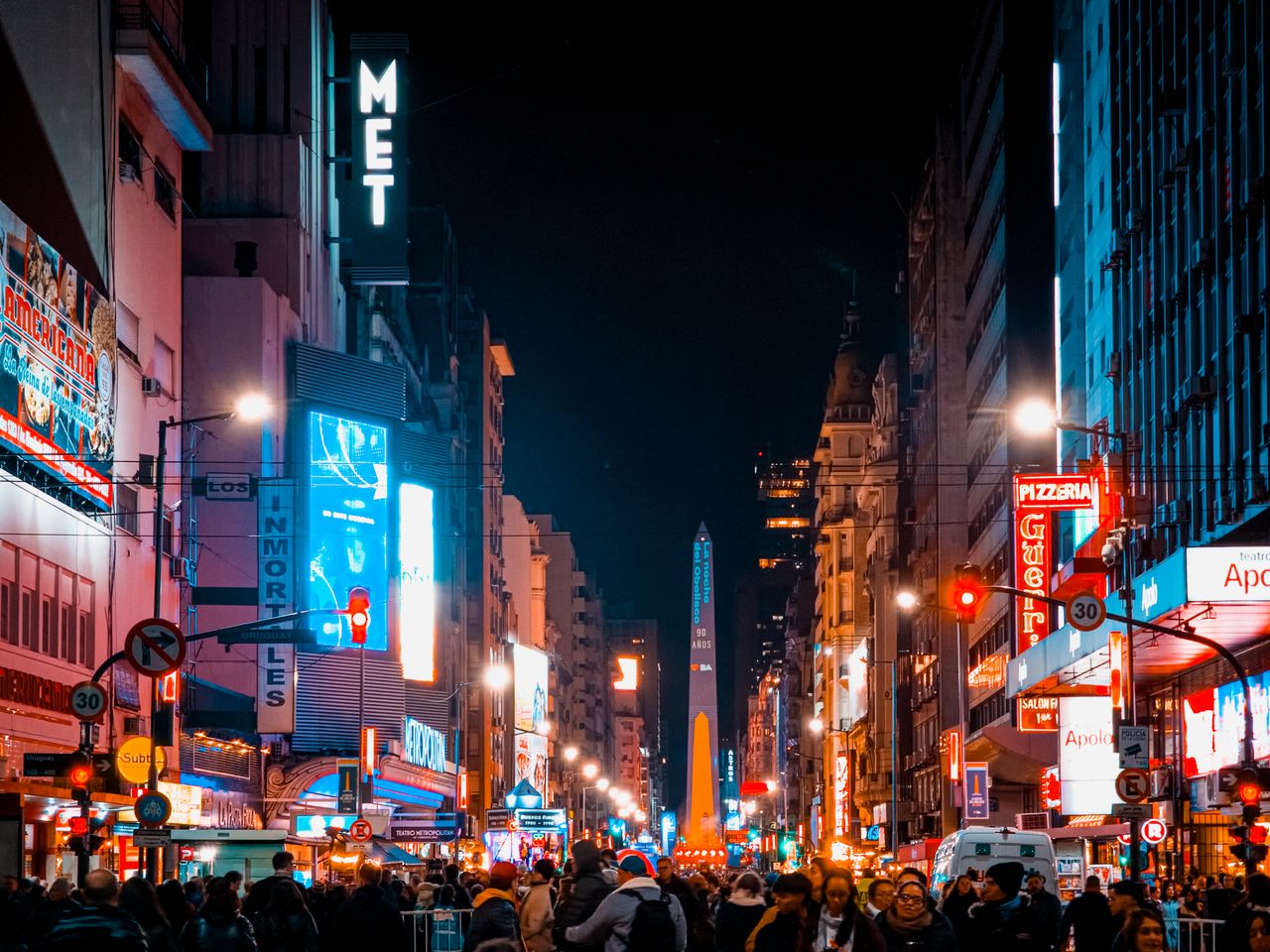
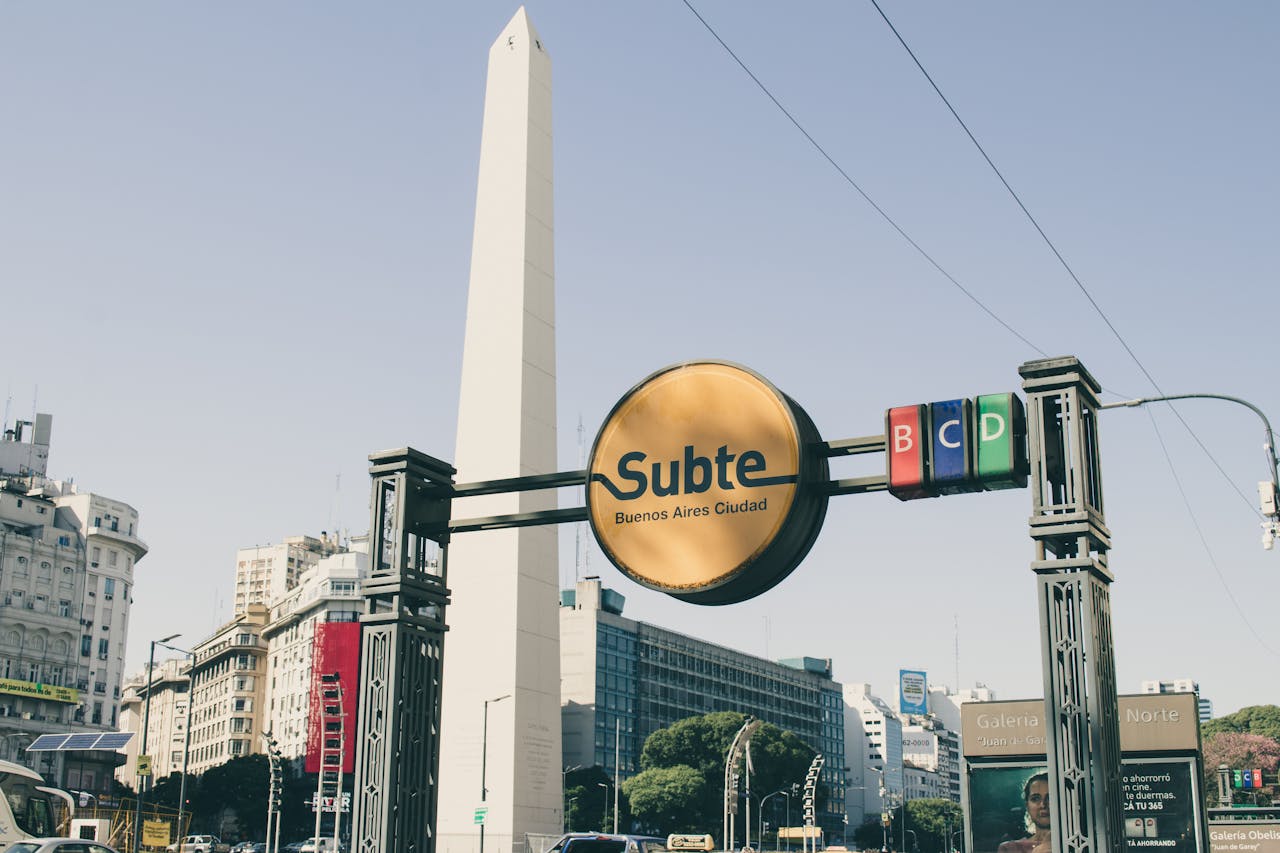
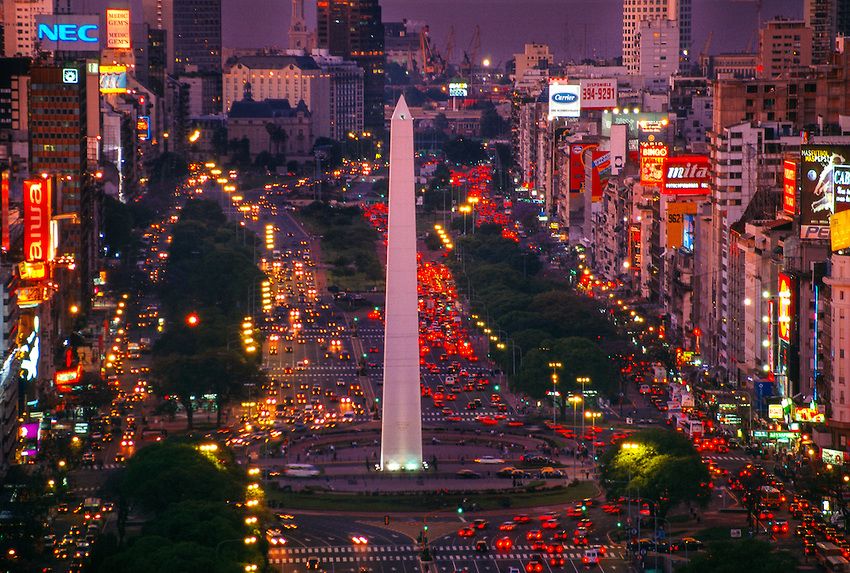
Microcentro is the commercial and financial heart of the city. This area is home to the Obelisco, Avenida Corrientes, historic theaters, and the pedestrian streets Florida and Lavalle. It is the hub of public transit in Buenos Aires, as nearly all Subway (Subte) lines converge here.
- Pros: Very affordable accommodation prices, maximum connectivity via Subte and buses, and close proximity to iconic landmarks.
- Cons: High-paced and noisy during business hours, while losing commercial activity at night and on weekends.
- Ideal for: Business travelers, visitors staying for 1 or 2 days, and budget-conscious tourists looking to maximize their stay.
5. Belgrano: Residential, Safe, and Local Vibe
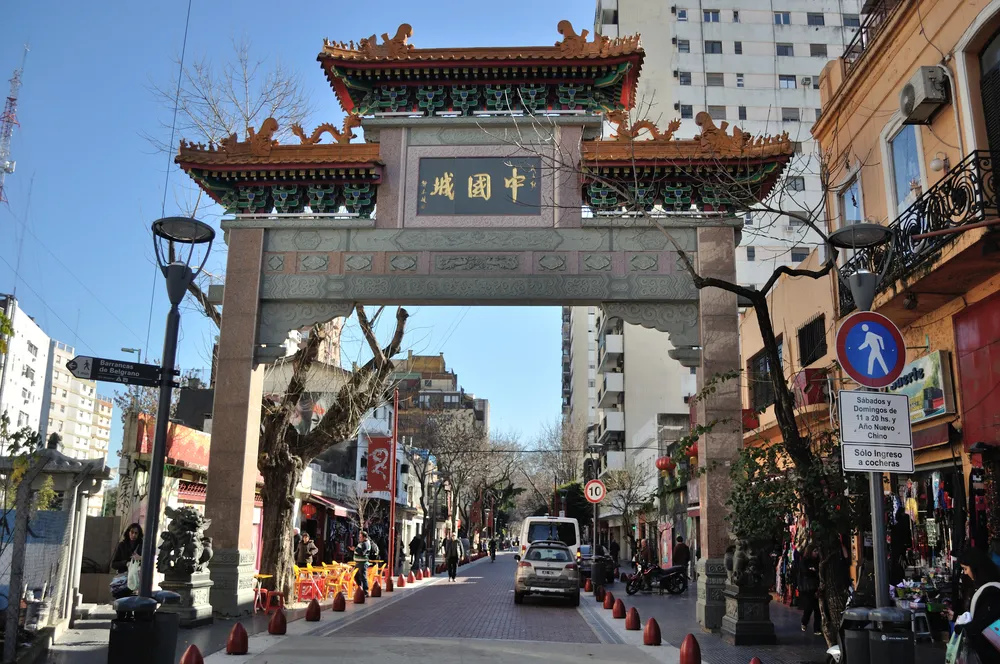
Located to the north of the city, Belgrano combines a leafy residential area of grand family homes with vibrant commercial avenues (Av. Cabildo). Additionally, it houses the iconic Chinatown (Barrio Chino), famous for its Asian gastronomy and food markets.
- Pros: Very safe, orderly, and authentic local lifestyle with excellent subway (Line D) and train connectivity.
- Cons: Located further from the historic center (San Telmo, Plaza de Mayo) compared to other neighborhoods.
- Ideal for: Families with children, long-term stays, or digital nomads looking for a peaceful stay in a well-equipped neighborhood.
Types of Accommodation Available in Buenos Aires
- Vacation Rentals / Apartments (Airbnb/VRBO): The most popular choice in Palermo and Belgrano. Ideal if you are staying for more than 4 or 5 days and want space to cook or work.
- Boutique Hotels: Plentiful in Palermo Soho and Recoleta. Known for personalized design, attentive service, and rooftop terraces or internal gardens.
- International Hotel Chains: Mostly concentrated in Retiro, Puerto Madero, and Microcentro.
- Hostels and Historic Inns: Very common in San Telmo and Montserrat, ideal for solo travelers and budget-friendly trips.
Useful Tips Before Booking Your Stay
- Proximity to the Subte (Subway): Make sure your accommodation is within walking distance of a Subte station—especially Line D (connecting Microcentro, Recoleta, Palermo, and Belgrano) or Line A (connecting downtown with Almagro and Caballito).
- Air Conditioning & Heating: Buenos Aires can get very hot and humid in summer (December to March) and chilly in winter. Verify that the accommodation includes reverse-cycle air conditioning (AC/heating).
- General Safety: Overall, Buenos Aires is a safe capital for tourism. As in any large city, exercise standard precautions with personal belongings when walking at night, especially in Microcentro or quieter streets in San Telmo.
You Might Also Like
- Complete Buenos Aires Travel Guide: Things to See & Do
- How to Get Around Buenos Aires: SUBE Card, Subte, and Buses
- 10 Recommended Parrillas for Great Steak in Buenos Aires
- 10 Historic Cafés Notables in Buenos Aires: History & Route
- 10 Iconic & Classic Pizzerias in Buenos Aires
- 8 Must-Visit Parks and Green Spaces in Buenos Aires
- 🎨 Palermo: If you are looking for design, cutting-edge gastronomy, trendy bars, and nightlife.
- 🏛️ Recoleta: If you prefer elegance, quiet streets, world-class museums, and walks among grand palaces.
- 🎷 San Telmo: If you are drawn to bohemian charm, history, tango, and historic architecture.
- 📍 Microcentro / San Nicolás: If you are visiting for a few days, want to be close to everything, and prioritize easy public transit.
- 🌳 Belgrano: If you want a residential, safe, peaceful area with a rich local neighborhood feel.
PUBLICIDAD
Travel with Data: Get your Saily eSIM
- ✓Internet in seconds upon landing
- ✓Flexible plans in 180+ countries
- ✓Easy setup directly via the App
Palermo is the largest neighborhood in the city and the epicenter of trends. It is mainly divided into two key tourist areas: Palermo Soho (centered around Plaza Serrano and Plaza Armenia, packed with boutiques, specialty coffee shops, and bars) and Palermo Hollywood (across the train tracks, famous for its restaurants, craft breweries, and media hubs).
- Pros: Excellent dining options at all hours, a wide variety of boutique hotels and short-term apartment rentals, and close proximity to Palermo Parks (Bosques de Palermo).
- Cons: Higher average prices than other neighborhoods and quite noisy on weekend nights.
- Ideal for: Couples, young travelers, foodies, and travelers who want to walk to bars and restaurants at night.
Recoleta is the most "Parisian" neighborhood in Buenos Aires. It is characterized by wide avenues, French-influenced architecture, major museums (MALBA, Fine Arts), and grand parks. Staying in Recoleta guarantees a relaxed, upscale, and very safe environment.
- Pros: Extremely safe, quiet at night, perfect for walking, and very close to the classic cultural circuit.
- Cons: Nightlife options (bars and clubs) are more limited compared to Palermo, and traditional-style hotels dominate the area.
- Ideal for: Families, older adults, first-time visitors seeking absolute safety, and art or architecture lovers.
San Telmo is the oldest neighborhood in the city. Its cobblestone streets, colonial passageways, antique markets, and 19th-century mansions turned into boutique inns give it a unique atmosphere. Here, the pulse is set by historic cafes, milongas (tango halls), and street performers.
- Pros: Highly competitive accommodation rates, strong local personality, great traditional food, and close proximity to Plaza de Mayo.
- Contras: Some side streets can feel deserted late at night; standard awareness is recommended when walking late.
- Ideal for: Backpackers, mid-budget travelers, photography enthusiasts, and lovers of authentic Argentine culture.
Microcentro is the commercial and financial heart of the city. This area is home to the Obelisco, Avenida Corrientes, historic theaters, and the pedestrian streets Florida and Lavalle. It is the hub of public transit in Buenos Aires, as nearly all Subway (Subte) lines converge here.
- Pros: Very affordable accommodation prices, maximum connectivity via Subte and buses, and close proximity to iconic landmarks.
- Cons: High-paced and noisy during business hours, while losing commercial activity at night and on weekends.
- Ideal for: Business travelers, visitors staying for 1 or 2 days, and budget-conscious tourists looking to maximize their stay.
Located to the north of the city, Belgrano combines a leafy residential area of grand family homes with vibrant commercial avenues (Av. Cabildo). Additionally, it houses the iconic Chinatown (Barrio Chino), famous for its Asian gastronomy and food markets.
- Pros: Very safe, orderly, and authentic local lifestyle with excellent subway (Line D) and train connectivity.
- Cons: Located further from the historic center (San Telmo, Plaza de Mayo) compared to other neighborhoods.
- Ideal for: Families with children, long-term stays, or digital nomads looking for a peaceful stay in a well-equipped neighborhood.
- Vacation Rentals / Apartments (Airbnb/VRBO): The most popular choice in Palermo and Belgrano. Ideal if you are staying for more than 4 or 5 days and want space to cook or work.
- Boutique Hotels: Plentiful in Palermo Soho and Recoleta. Known for personalized design, attentive service, and rooftop terraces or internal gardens.
- International Hotel Chains: Mostly concentrated in Retiro, Puerto Madero, and Microcentro.
- Hostels and Historic Inns: Very common in San Telmo and Montserrat, ideal for solo travelers and budget-friendly trips.
- Proximity to the Subte (Subway): Make sure your accommodation is within walking distance of a Subte station—especially Line D (connecting Microcentro, Recoleta, Palermo, and Belgrano) or Line A (connecting downtown with Almagro and Caballito).
- Air Conditioning & Heating: Buenos Aires can get very hot and humid in summer (December to March) and chilly in winter. Verify that the accommodation includes reverse-cycle air conditioning (AC/heating).
- General Safety: Overall, Buenos Aires is a safe capital for tourism. As in any large city, exercise standard precautions with personal belongings when walking at night, especially in Microcentro or quieter streets in San Telmo.
PUBLICIDAD
- Complete Buenos Aires Travel Guide: Things to See & Do
- How to Get Around Buenos Aires: SUBE Card, Subte, and Buses
- 10 Recommended Parrillas for Great Steak in Buenos Aires
- 10 Historic Cafés Notables in Buenos Aires: History & Route
- 10 Iconic & Classic Pizzerias in Buenos Aires
- 8 Must-Visit Parks and Green Spaces in Buenos Aires
PUBLICIDAD
International Travel Insurance
- ✓International medical insurance
- ✓24/7 immediate assistance in your language
- ✓Ideal for trekking & adventure
Posts in Buenos-aires
10 Parrillas Recomendadas para Comer un Buen Asado en Buenos Aires
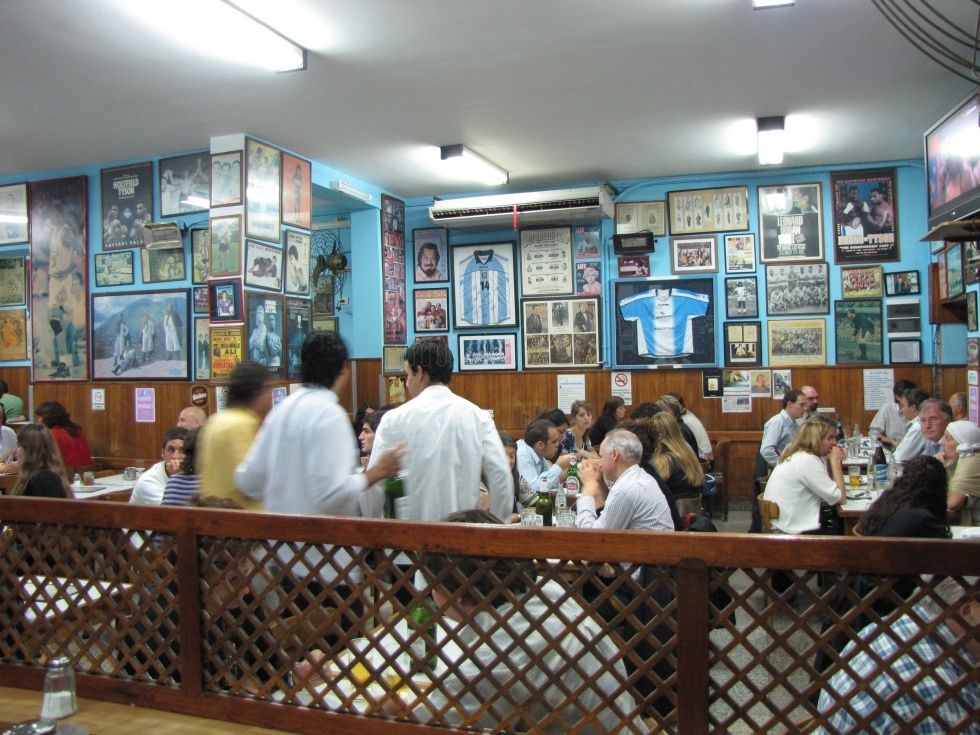
10 Pizzerías Clásicas e Icónicas de Buenos Aires
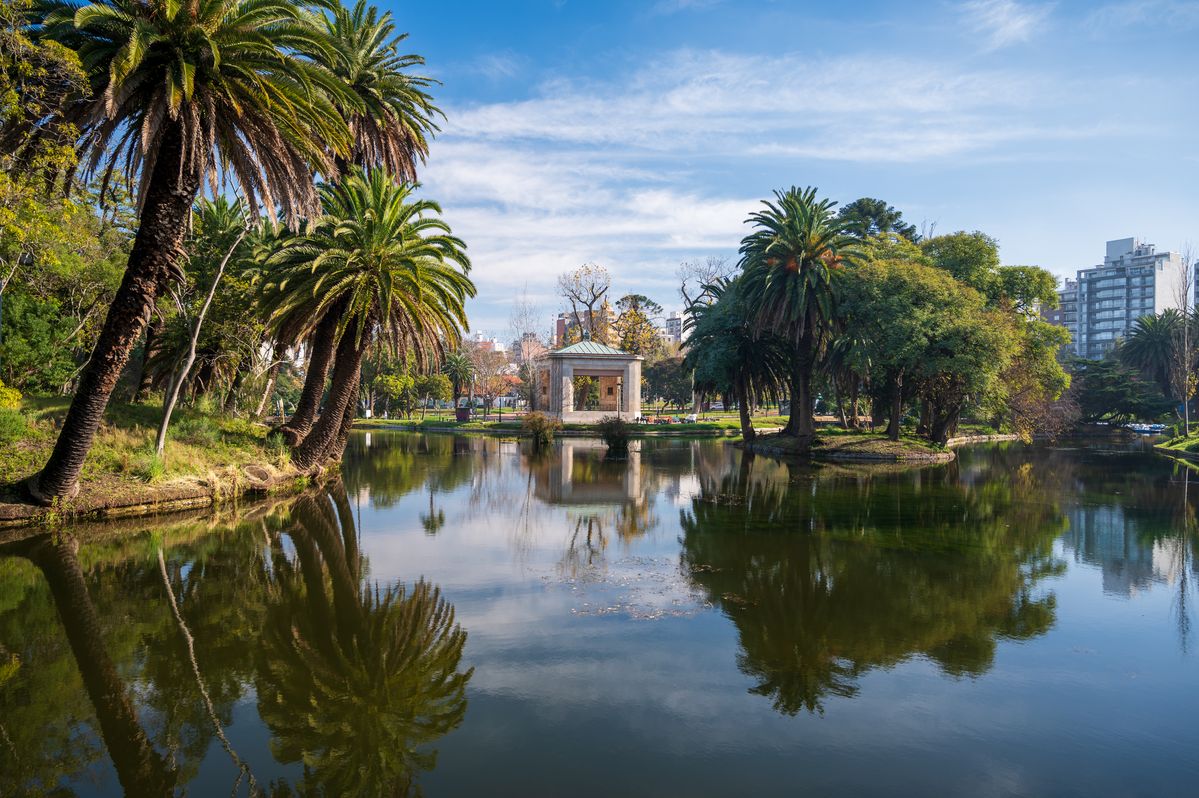
8 Parques y Espacios Verdes Imperdibles en Buenos Aires
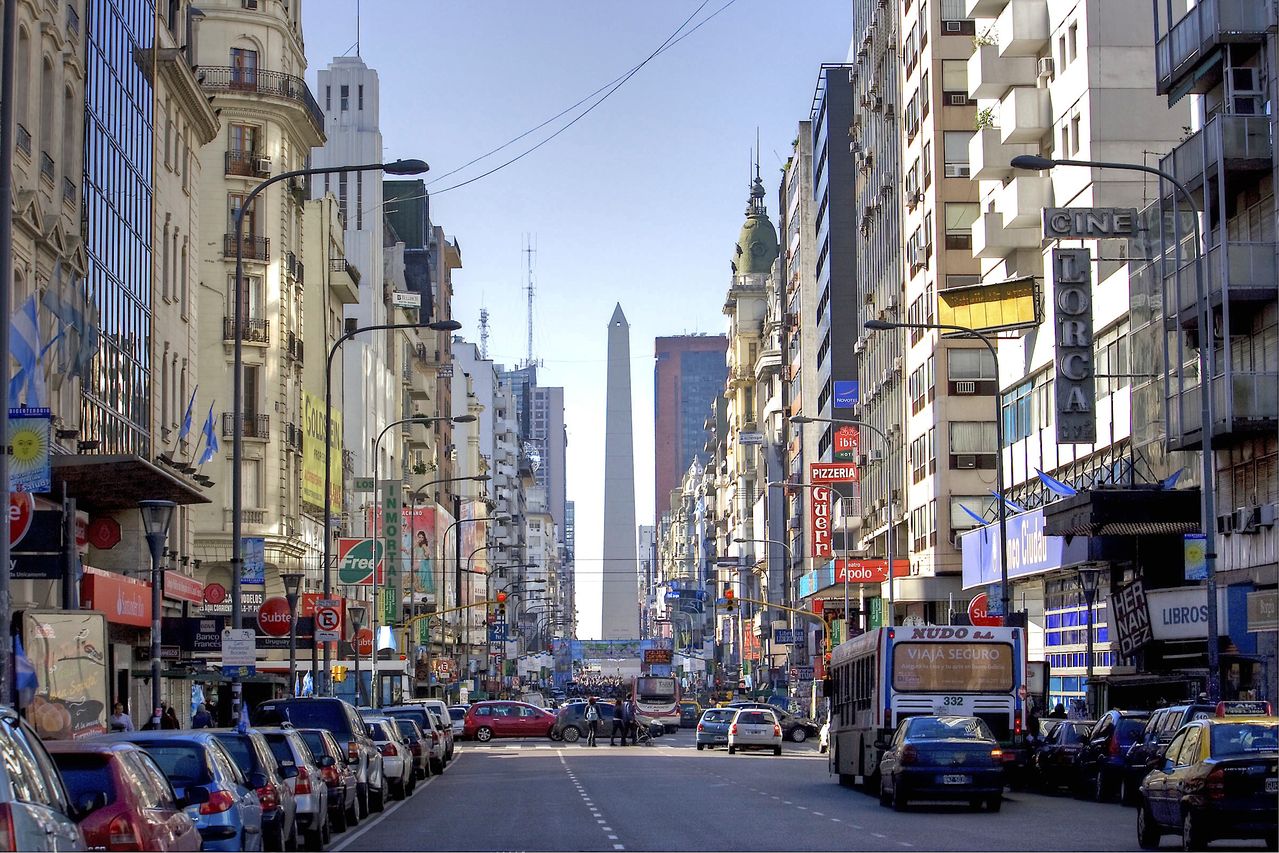
Avenida Corrientes
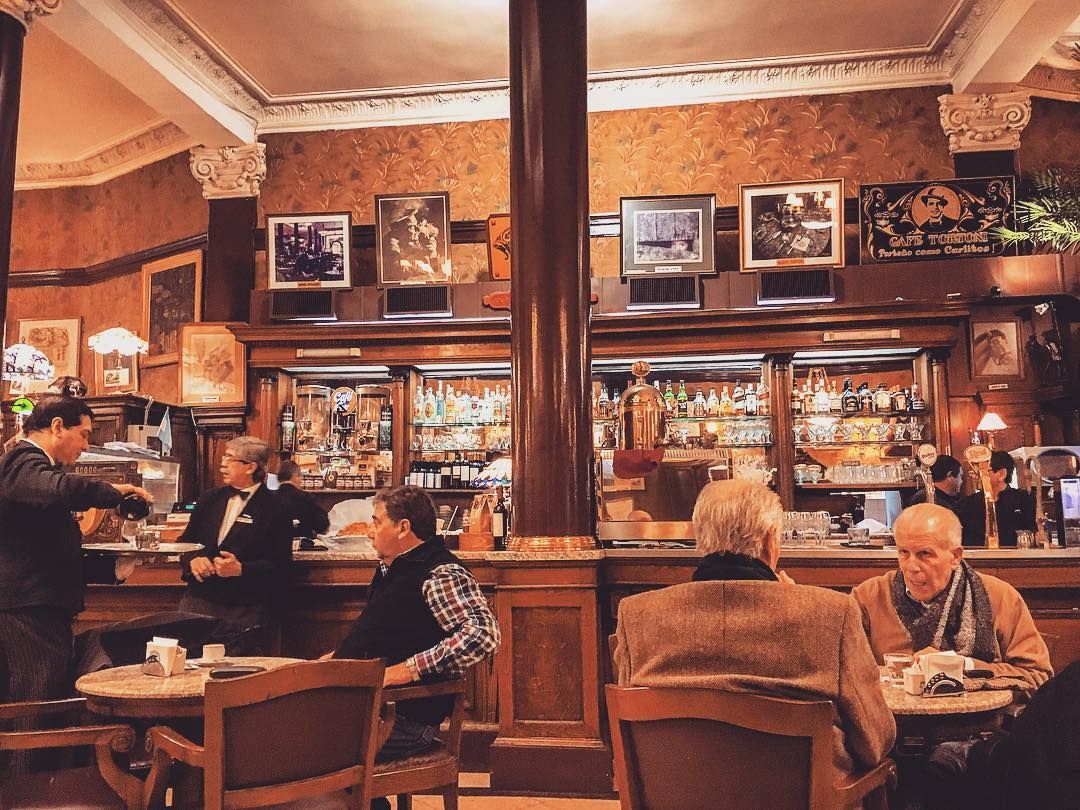
Cafés Notables de Buenos Aires
Cómo Moverse en Buenos Aires
Floralis Genérica
La Boca
Librería El Ateneo Grand Splendid
Manzana de las Luces
Montserrat
Obelisco de Buenos Aires
Palermo

Planetario Galileo Galilei
Plaza de Mayo
Puente de la Mujer
Puerto Madero
Recoleta
Retiro
San Nicolás
San Telmo
Teatro Colón
Preferences
Language
Color
Text
Width