Table of contents and map
How to Get Around in Buenos Aires: Public Transit, SUBE & Taxi Guide 2026
Navigate like a local. From subway cars to 24/7 buses and bike lanes, discover how to master the transport network of Buenos Aires.
How to Get Around in Buenos Aires: Public Transit, SUBE & Taxi Guide 2026
Navigate like a local. From subway cars to 24/7 buses and bike lanes, discover how to master the transport network of Buenos Aires.
Buenos Aires boasts one of the most extensive, efficient, and affordable public transportation networks in Latin America. Whether riding the historic Subte (subway), hopping on a 24/7 colectivo (city bus), or booking a ride via an app, navigating the Argentine capital is straightforward once you know the basics.
In this practical guide, we cover everything you need to know: how the SUBE card works, public transit options, safety tips, and how to travel from the airports to the city center.
The Essentials: The SUBE Card
To ride the Subte, colectivos, and commuter trains in Buenos Aires, you are required to use a reloadable smart card called SUBE.
- Can you pay with cash or credit cards? No. Public transportation in the city does not accept cash or direct payment with bank cards at turnstiles or on buses.
- Where to buy it: You can get one at Subte station ticket booths, SUBE Customer Service Centers, or most corner shops (Kioscos) displaying the official logo.
- How to top it up: You can add funds with cash or card at Subte ticket booths, self-service machines, and authorized kiosks. You can also reload digitally via digital wallet apps (such as Mercado Pago).
- Can you share the card? Yes! Multiple people can share a single SUBE card for the Subte and commuter trains. On buses, tap the card once per passenger after telling the driver how many tickets you need.
1. Subte (Subway)
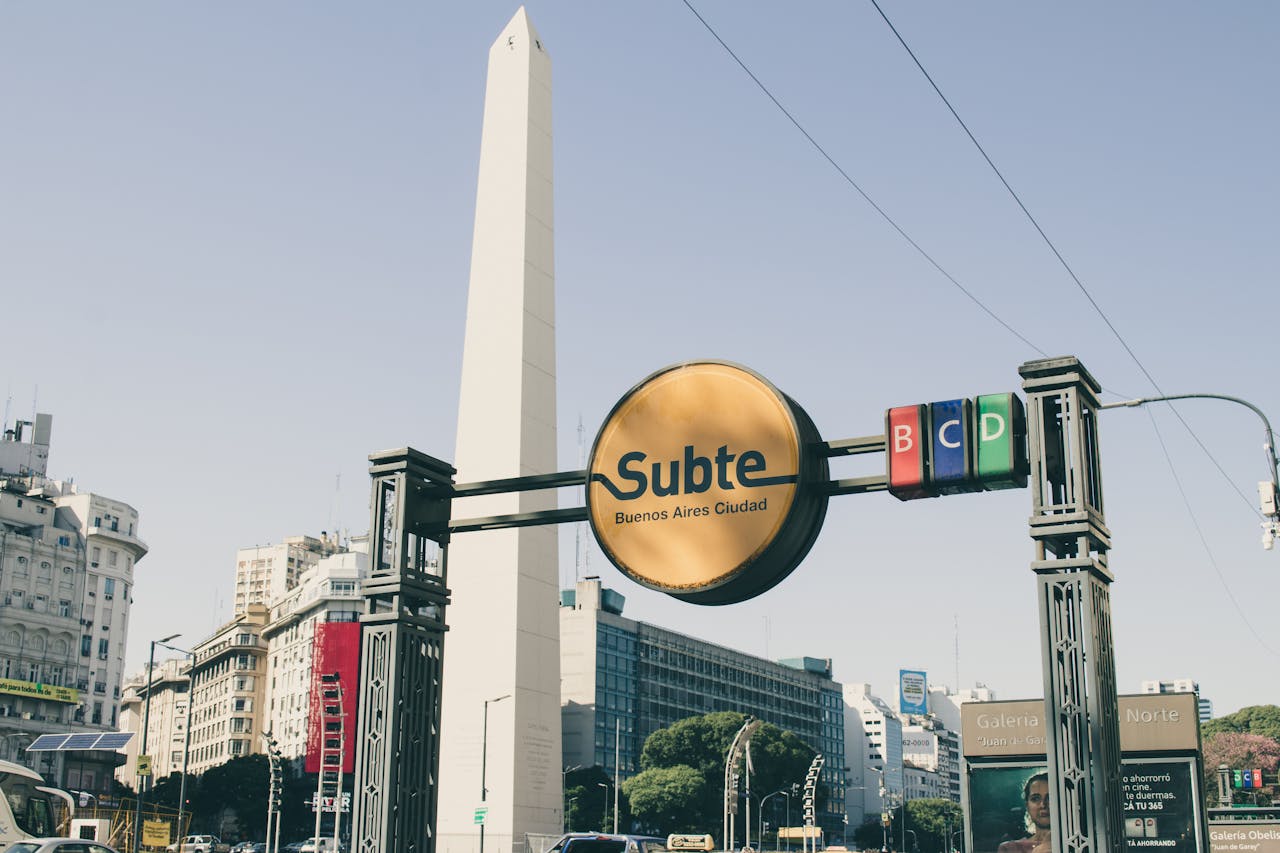
The Subte is the fastest and most convenient way to move between major tourist neighborhoods like Microcentro, Recoleta, San Telmo, and Palermo.
- Lines: There are 6 main lines (A, B, C, D, E, H) identified by letters and colors.
- Key lines for tourists:
- Line A (Cyan): Connects Plaza de Mayo with Congress and Balvanera.
- Line D (Green): Runs from Plaza de Mayo/Catedral toward Recoleta, Palermo, and Belgrano.
- Line B (Red): Ideal for Corrientes Avenue (the theater district) and Villa Crespo.
- Line H (Yellow): Crosses north to south, linking San Telmo/Parque Lezama with Recoleta and Palermo.
- Hours: Operates Monday to Saturday from approx. 5:30 AM to 11:00 PM, and Sundays/holidays from 8:00 AM to 10:00 PM.
💡 Traveler Tip: Avoid peak rush hours (8:00 AM to 10:00 AM and 5:00 PM to 7:30 PM) for a more comfortable ride, as trains can get very packed.
2. Colectivos (City Buses)
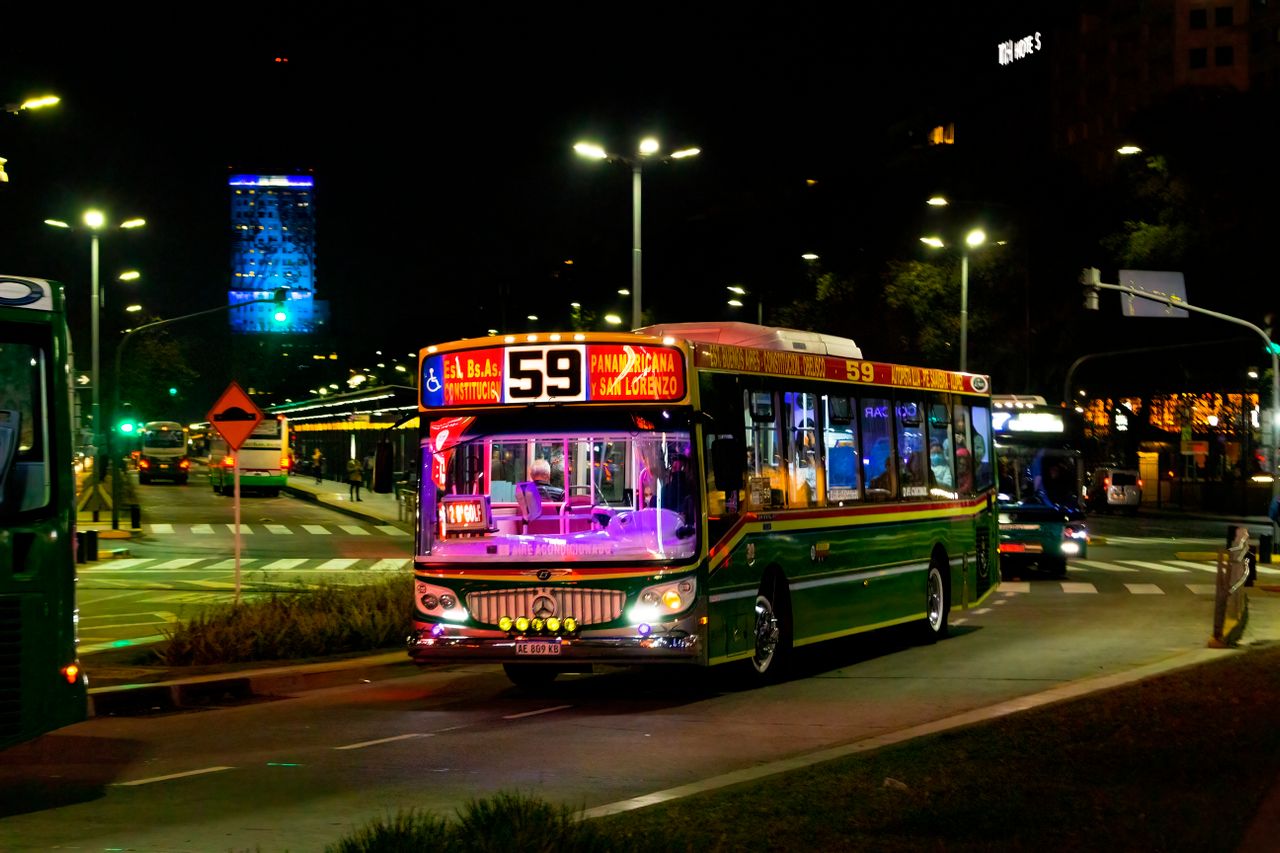
Buenos Aires city buses operate 24 hours a day, 7 days a week, connecting virtually every corner of the city and Greater Buenos Aires.
- How to ride: Board through the front door, tell the driver your street destination or intersection so they can set the correct fare, and tap your SUBE card on the reader. Exit through the rear doors.
- Fares: They vary based on distance, though they remain extremely budget-friendly for international travelers.
- Best route apps: Download Google Maps or Moovit to check real-time routes, nearby stops, and schedules.
3. Taxis and Ride-Hailing Apps
If you prefer door-to-door convenience—especially at night or when carrying heavy luggage—taxis and ride-hailing apps are abundant and safe.
- Ride-Hailing Apps: Uber and Cabify operate legally and extensively in Buenos Aires. They allow you to know the fare upfront and pay by card.
- Traditional Taxis: Distinctive black cars with yellow roofs. You can hail them directly on the street. Make sure the driver turns on the taximeter when starting the trip, and try to pay with small bills if using cash.
4. Getting Around by Bike (EcoBici)
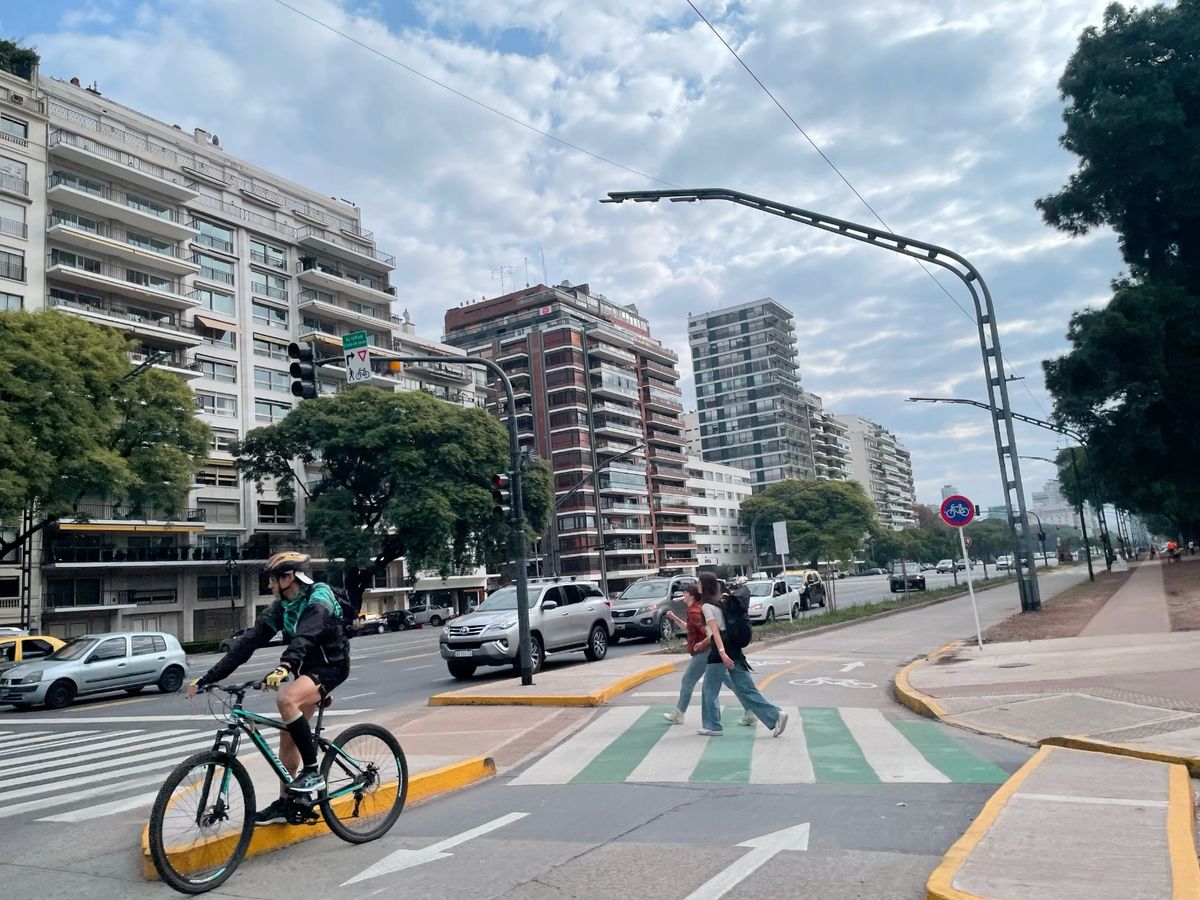
Buenos Aires is a completely flat city featuring over 300 km (186 miles) of protected bike paths and lanes.
- The city offers a public bike system called BA Ecobici.
- Foreign tourists can register through the BA Ecobici by Tembici app using a credit card to purchase daily or weekend passes.
Airport Transfers: Ezeiza (EZE) and Aeroparque (AEP)
From Ezeiza International Airport (EZE)
Located about 30 km (19 miles) southwest of the city.
- Charter Bus / Shuttle (Tienda León): A direct, safe service connecting Ezeiza to the Madero terminal (near Plaza de Mayo).
- Uber / Cabify: Designated pickup areas are available at the airport.
- Official Taxis and Remises: Bookable at official counters inside the arrivals terminal before walking outside. I do not recommend taking street taxis directly outside the airport terminal—in my experience, drivers often refrain from turning on the meter and instead charge arbitrary, inflated fares.
From Aeroparque Jorge Newbery (AEP)
Located inside the city along the northern waterfront (Palermo/Recoleta).
- Taxi / Uber: A quick 15 to 20-minute ride to Recoleta or Palermo.
- Colectivo (Bus): Bus lines 33, 45, and 160 stop right outside and connect to the city center (requires a SUBE card).
Frequently Asked Questions (FAQ)
Is public transportation in Buenos Aires safe?
Yes, it is generally safe. The main precaution is to watch your belongings (phone, wallet) to prevent pickpocketing or distraction thefts on crowded buses or Subte cars.
What is the best app for navigating the city?
Google Maps and Moovit work seamlessly to calculate multi-modal trips combining Subte, walking, and bus routes in real time.
You Might Also Like
To ride the Subte, colectivos, and commuter trains in Buenos Aires, you are required to use a reloadable smart card called SUBE.
- Can you pay with cash or credit cards? No. Public transportation in the city does not accept cash or direct payment with bank cards at turnstiles or on buses.
- Where to buy it: You can get one at Subte station ticket booths, SUBE Customer Service Centers, or most corner shops (Kioscos) displaying the official logo.
- How to top it up: You can add funds with cash or card at Subte ticket booths, self-service machines, and authorized kiosks. You can also reload digitally via digital wallet apps (such as Mercado Pago).
- Can you share the card? Yes! Multiple people can share a single SUBE card for the Subte and commuter trains. On buses, tap the card once per passenger after telling the driver how many tickets you need.
PUBLICIDAD
Travel with Data: Get your Saily eSIM
- ✓Internet in seconds upon landing
- ✓Flexible plans in 180+ countries
- ✓Easy setup directly via the App
The Subte is the fastest and most convenient way to move between major tourist neighborhoods like Microcentro, Recoleta, San Telmo, and Palermo.
- Lines: There are 6 main lines (A, B, C, D, E, H) identified by letters and colors.
- Key lines for tourists:
- Line A (Cyan): Connects Plaza de Mayo with Congress and Balvanera.
- Line D (Green): Runs from Plaza de Mayo/Catedral toward Recoleta, Palermo, and Belgrano.
- Line B (Red): Ideal for Corrientes Avenue (the theater district) and Villa Crespo.
- Line H (Yellow): Crosses north to south, linking San Telmo/Parque Lezama with Recoleta and Palermo.
- Hours: Operates Monday to Saturday from approx. 5:30 AM to 11:00 PM, and Sundays/holidays from 8:00 AM to 10:00 PM.
💡 Traveler Tip: Avoid peak rush hours (8:00 AM to 10:00 AM and 5:00 PM to 7:30 PM) for a more comfortable ride, as trains can get very packed.
Buenos Aires city buses operate 24 hours a day, 7 days a week, connecting virtually every corner of the city and Greater Buenos Aires.
- How to ride: Board through the front door, tell the driver your street destination or intersection so they can set the correct fare, and tap your SUBE card on the reader. Exit through the rear doors.
- Fares: They vary based on distance, though they remain extremely budget-friendly for international travelers.
- Best route apps: Download Google Maps or Moovit to check real-time routes, nearby stops, and schedules.
If you prefer door-to-door convenience—especially at night or when carrying heavy luggage—taxis and ride-hailing apps are abundant and safe.
- Ride-Hailing Apps: Uber and Cabify operate legally and extensively in Buenos Aires. They allow you to know the fare upfront and pay by card.
- Traditional Taxis: Distinctive black cars with yellow roofs. You can hail them directly on the street. Make sure the driver turns on the taximeter when starting the trip, and try to pay with small bills if using cash.
Buenos Aires is a completely flat city featuring over 300 km (186 miles) of protected bike paths and lanes.
- The city offers a public bike system called BA Ecobici.
- Foreign tourists can register through the BA Ecobici by Tembici app using a credit card to purchase daily or weekend passes.
From Ezeiza International Airport (EZE)
Located about 30 km (19 miles) southwest of the city.
- Charter Bus / Shuttle (Tienda León): A direct, safe service connecting Ezeiza to the Madero terminal (near Plaza de Mayo).
- Uber / Cabify: Designated pickup areas are available at the airport.
- Official Taxis and Remises: Bookable at official counters inside the arrivals terminal before walking outside. I do not recommend taking street taxis directly outside the airport terminal—in my experience, drivers often refrain from turning on the meter and instead charge arbitrary, inflated fares.
From Aeroparque Jorge Newbery (AEP)
Located inside the city along the northern waterfront (Palermo/Recoleta).
- Taxi / Uber: A quick 15 to 20-minute ride to Recoleta or Palermo.
- Colectivo (Bus): Bus lines 33, 45, and 160 stop right outside and connect to the city center (requires a SUBE card).
Is public transportation in Buenos Aires safe?
Yes, it is generally safe. The main precaution is to watch your belongings (phone, wallet) to prevent pickpocketing or distraction thefts on crowded buses or Subte cars.
What is the best app for navigating the city?
Google Maps and Moovit work seamlessly to calculate multi-modal trips combining Subte, walking, and bus routes in real time.
PUBLICIDAD
International Travel Insurance
- ✓International medical insurance
- ✓24/7 immediate assistance in your language
- ✓Ideal for trekking & adventure
Posts in Buenos-aires
10 Parrillas Recomendadas para Comer un Buen Asado en Buenos Aires
10 Pizzerías Clásicas e Icónicas de Buenos Aires
8 Parques y Espacios Verdes Imperdibles en Buenos Aires
Avenida Corrientes
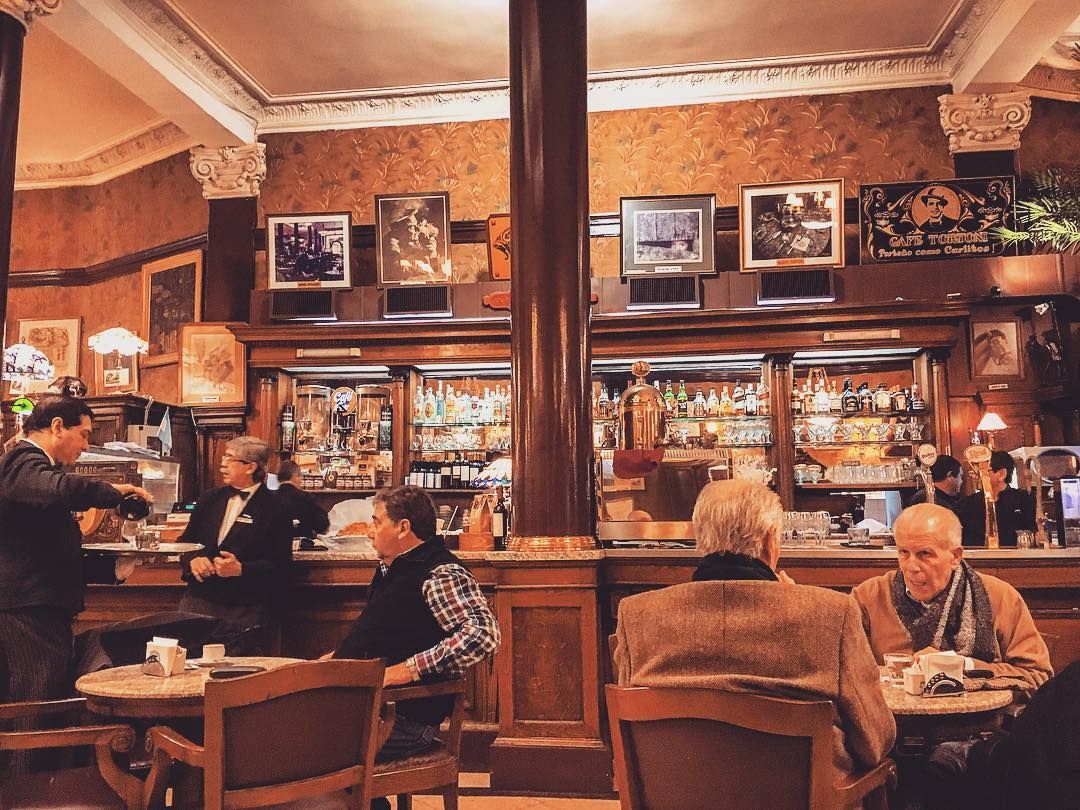
Cafés Notables de Buenos Aires
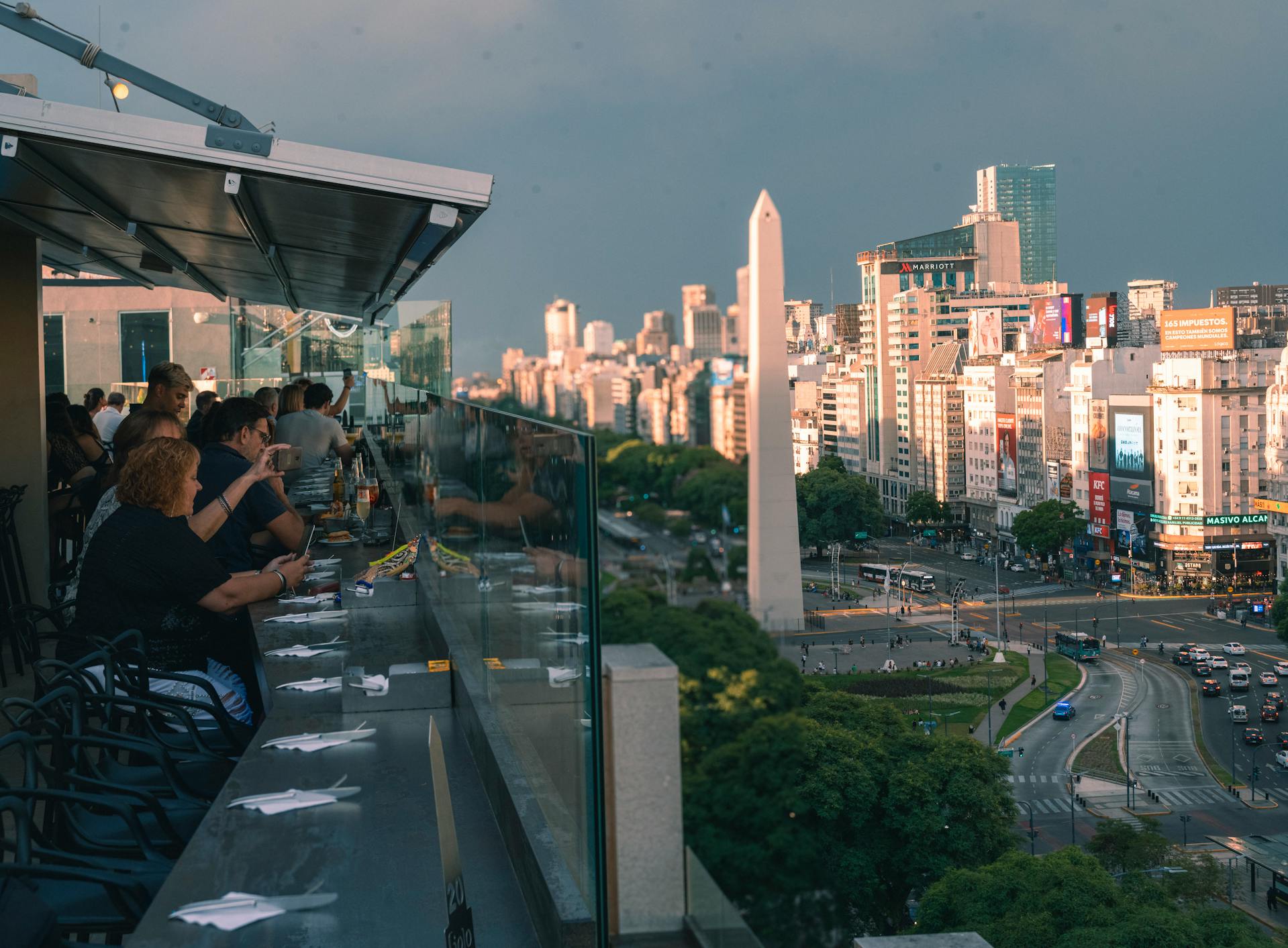
Dónde Alojarse en Buenos Aires: Mejores Barrios y Zonas Recomendadas
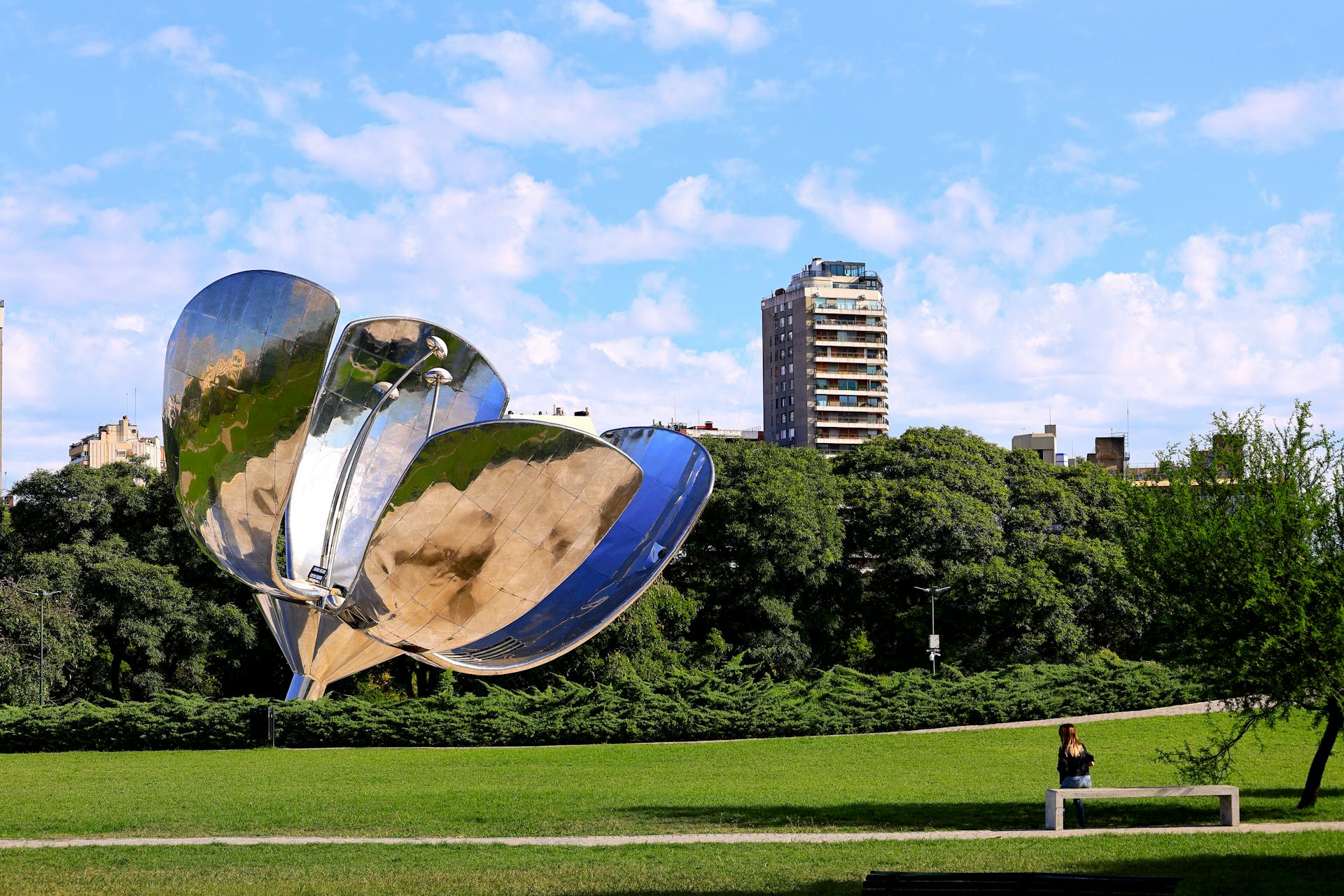
Floralis Genérica
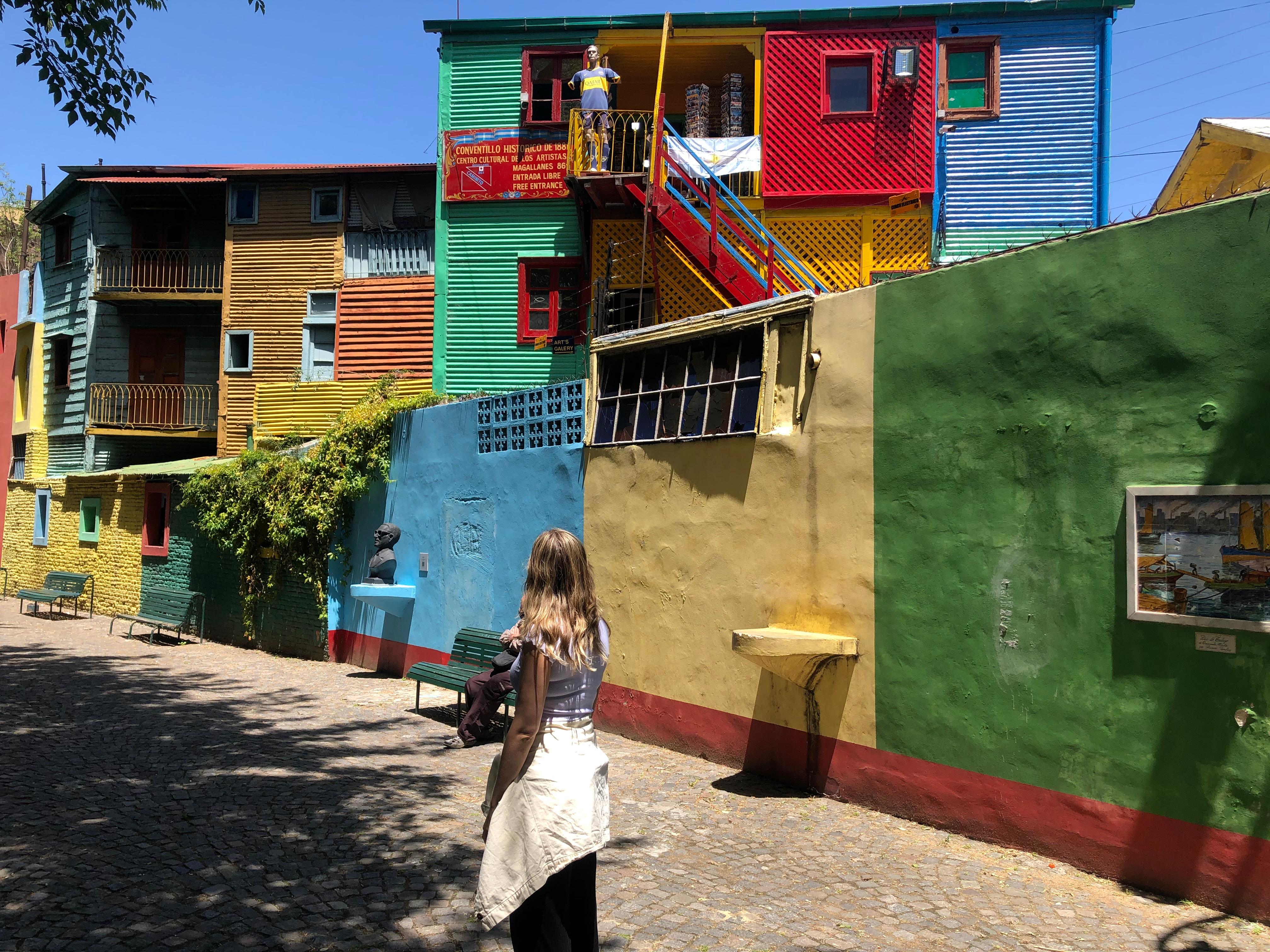
La Boca
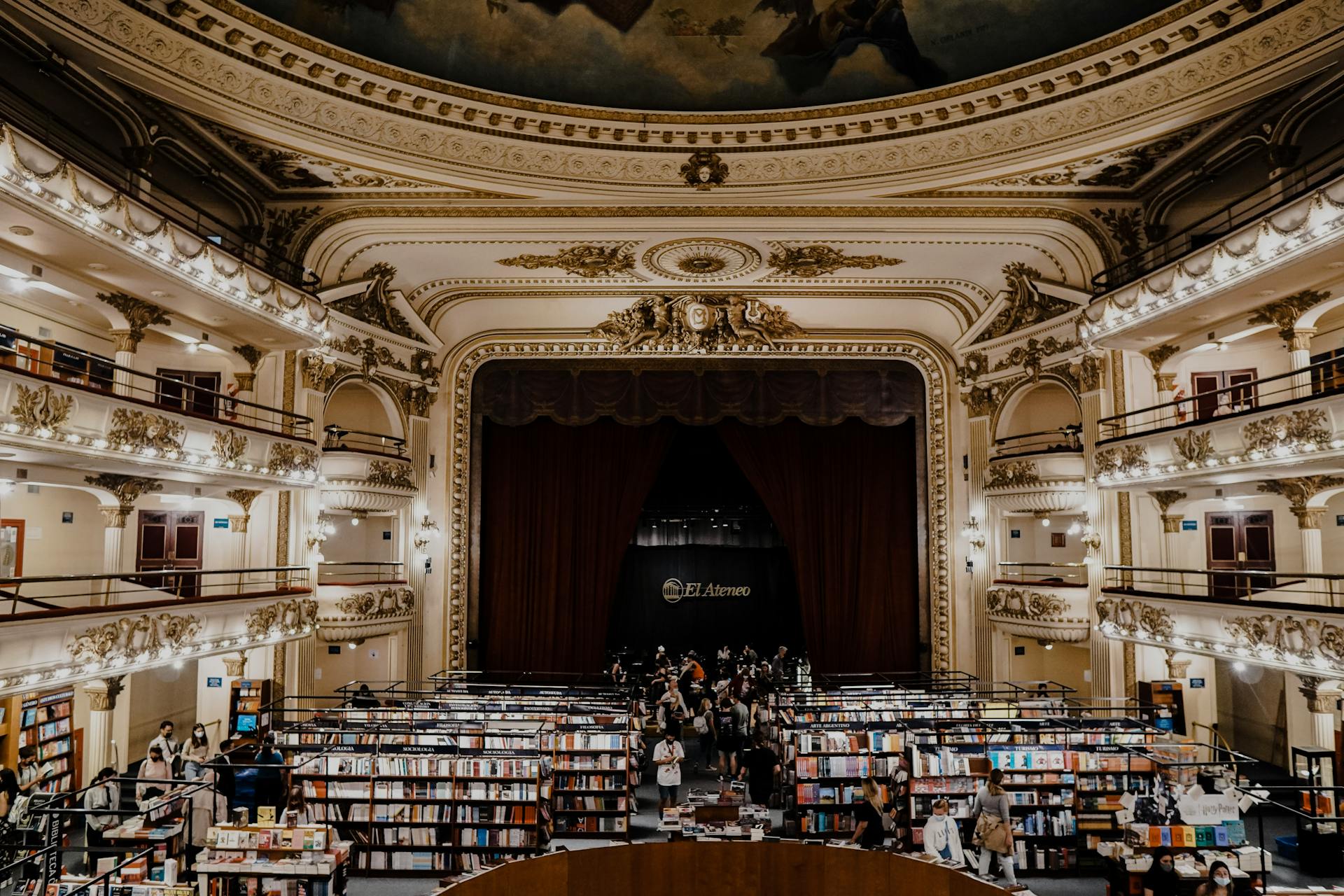
Librería El Ateneo Grand Splendid
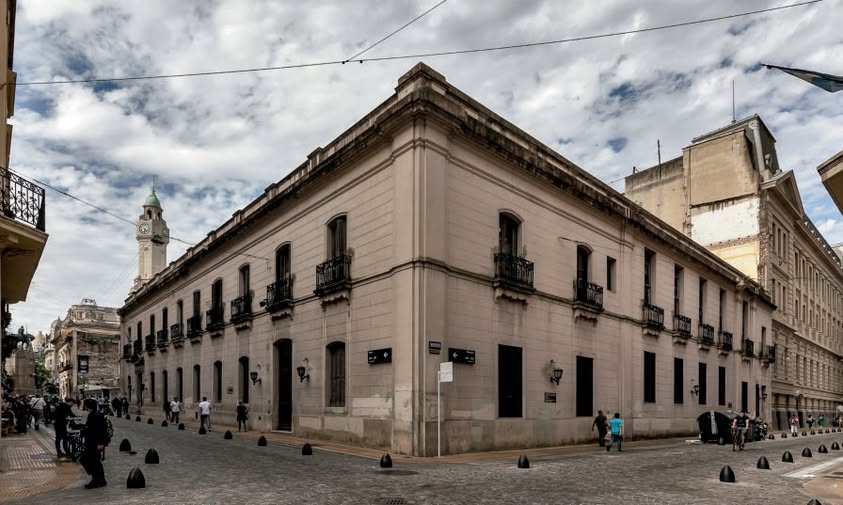
Manzana de las Luces
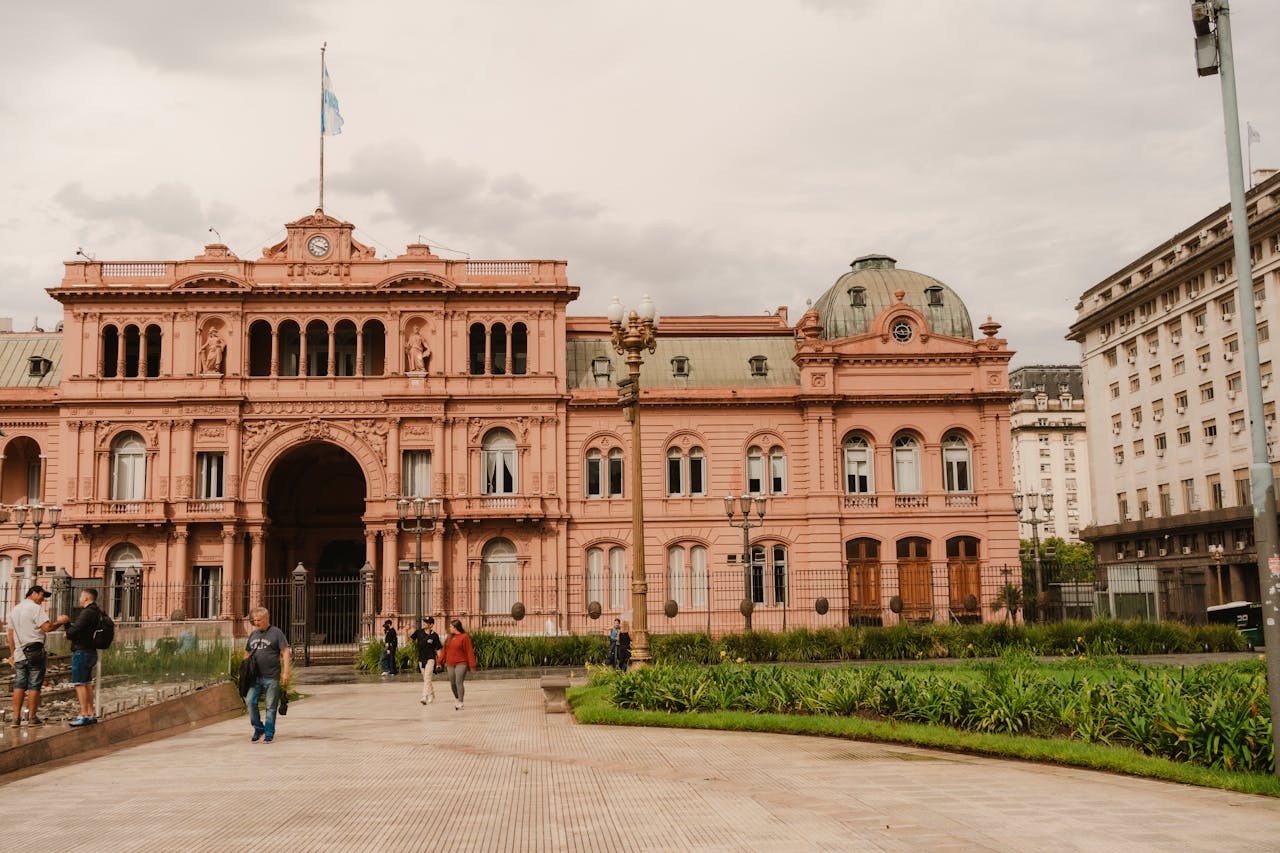
Montserrat
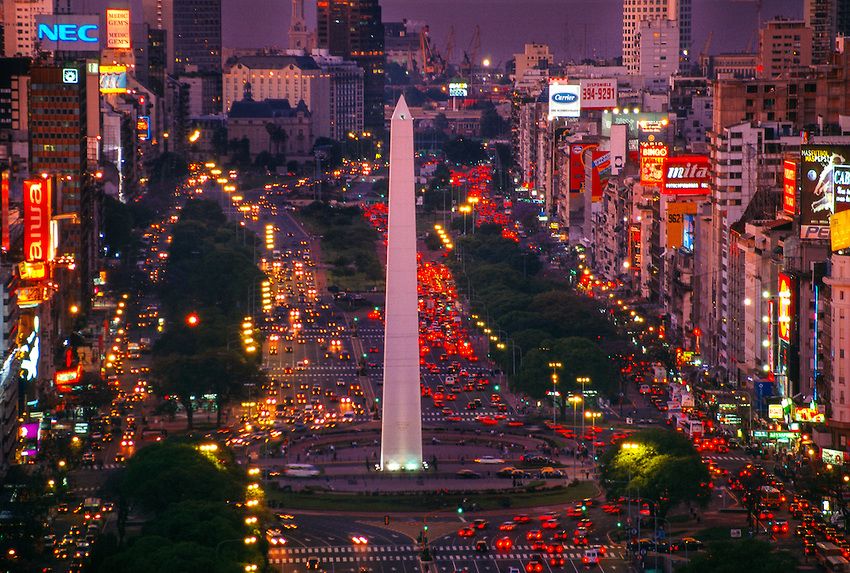
Obelisco de Buenos Aires
Palermo

Planetario Galileo Galilei
Plaza de Mayo
Puente de la Mujer
Puerto Madero
Recoleta
Retiro
San Nicolás
San Telmo
Teatro Colón
Preferences
Language
Color
Text
Width