Table of contents and map
Top 10 Historic Cafés in Buenos Aires: Guide, History & Route 2026
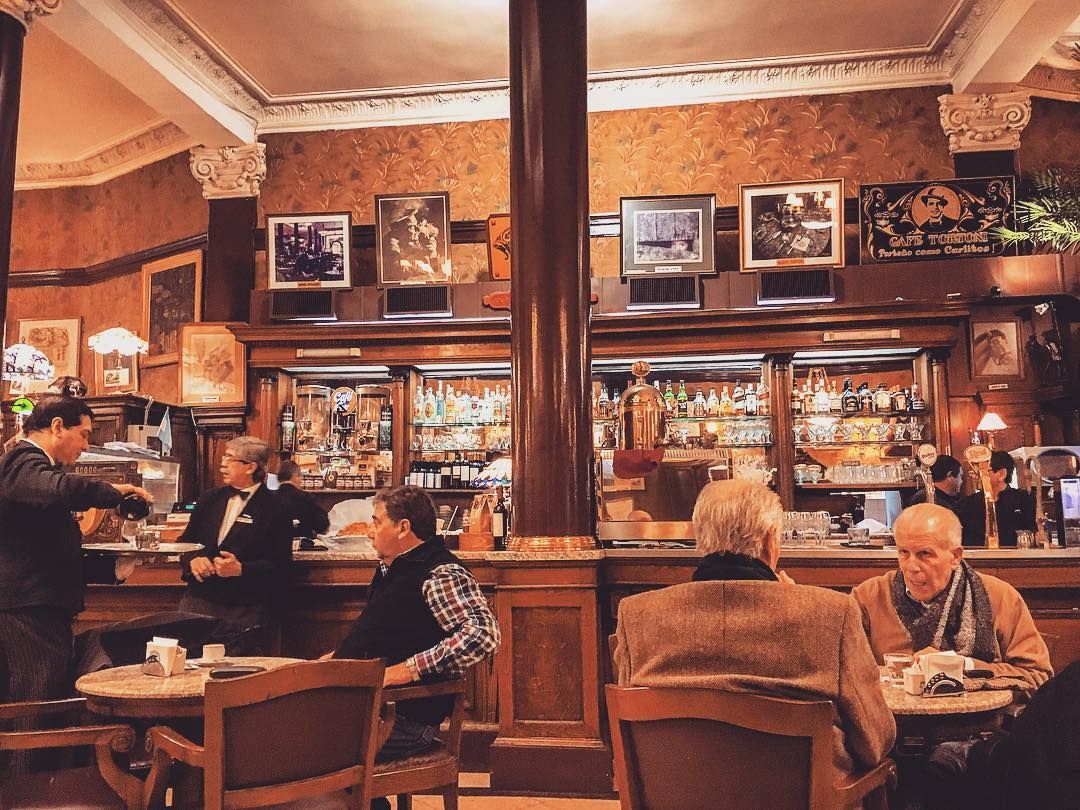
Tango corners, dark wood boiserie, stained glass, and literary history. A journey through the historic cafés that shaped the cultural identity of Buenos Aires.
Top 10 Historic Cafés in Buenos Aires: Guide, History & Route 2026
Tango corners, dark wood boiserie, stained glass, and literary history. A journey through the historic cafés that shaped the cultural identity of Buenos Aires.
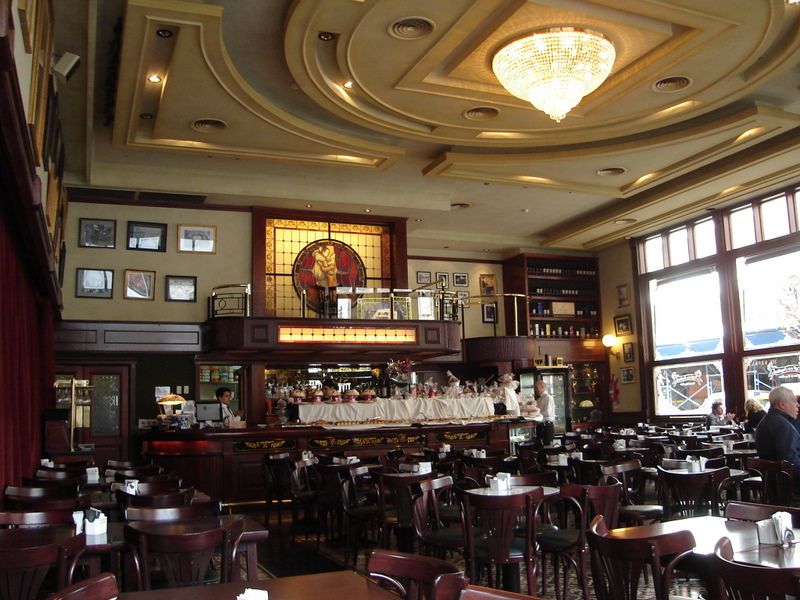
In Buenos Aires, sitting down at a coffeehouse is far more than a break: it is a cultural, social, and poetic ritual. The Cafés Notables are official heritage bars, confiterías, and billiard halls declared Cultural Heritage of the City for their antiquity, monumental architecture, and for serving as a sanctuary for legends like Jorge Luis Borges, Carlos Gardel, Julio Cortázar, and Alfonsina Storni.
In this guide, we highlight the 10 most famous, beautiful, and iconic Cafés Notables in Buenos Aires so you can build your own historic coffee route.
What is a Café Notable and Why Visit Them?
To be officially recognized as a "Notable" café by the Buenos Aires City Government, an establishment must meet strict criteria regarding heritage preservation, architectural value, and cultural history.
There are currently over 80 designated historic cafés across the city, but a select group stands out for its breathtaking architecture, rich atmosphere, and priceless historic value.
Top 10 Must-Visit Historic Cafés in Buenos Aires
1. Café Tortoni (Montserrat)
Founded in 1858, it is the oldest and most famous café in Argentina. Featuring a Belle Époque aesthetic, bevelled mirrors, and bronze chandeliers, its tables have welcomed Carlos Gardel, Federico García Lorca, and Albert Einstein.
- Location: Av. de Mayo 825.
- Must-Try: A coffee paired with crispy churros and hot chocolate, or catching an intimate live tango show in its basement (La Bodega).
2. Confitería Las Violetas (Almagro)
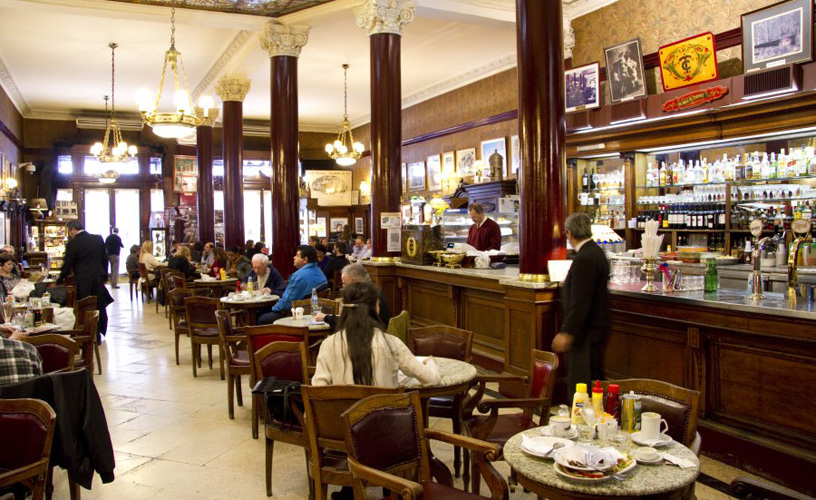
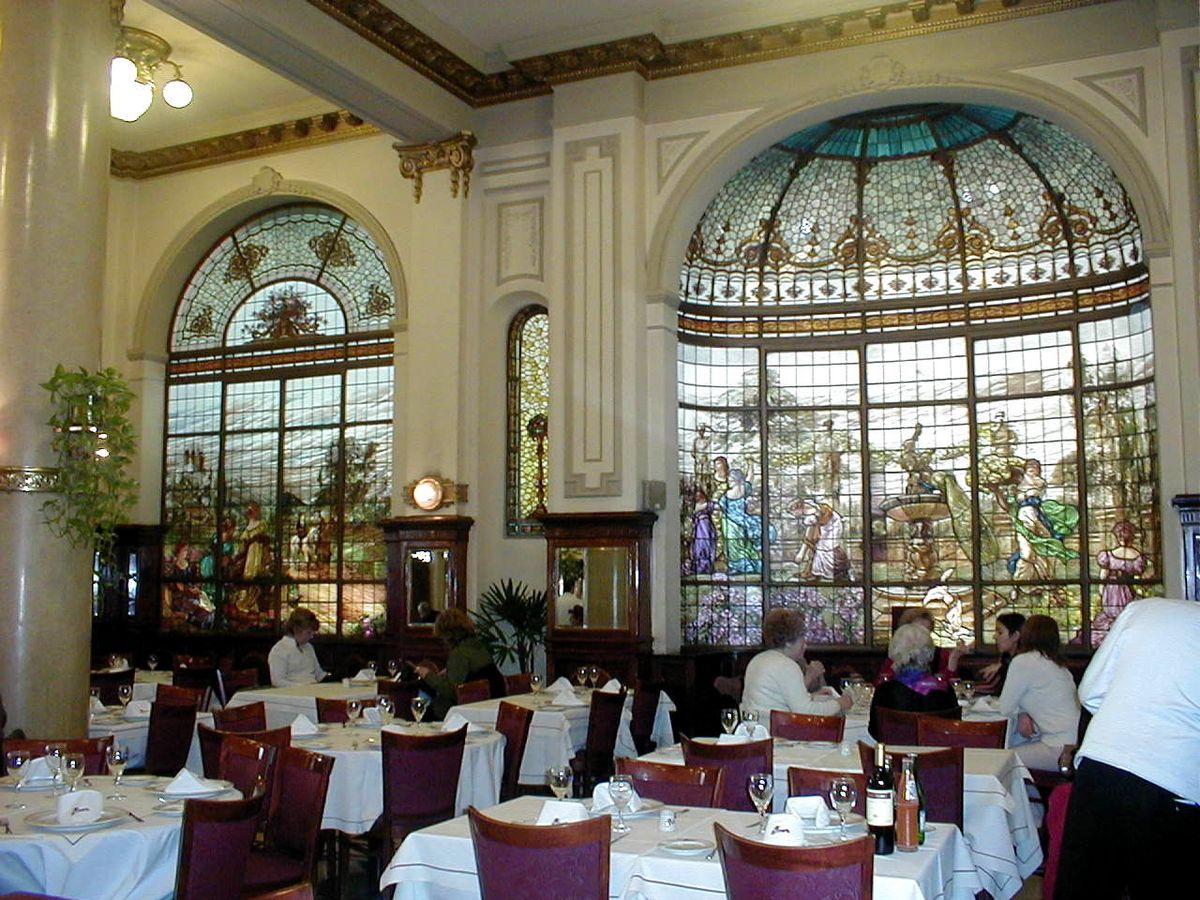
Opened in 1884 and repeatedly voted the most beautiful café in the city. It is famous for its stunning French stained-glass windows, crystal chandeliers, and Carrara marble floors.
- Location: Av. Rivadavia 3899 (corner of Av. Medrano).
- Must-Try: Its legendary full afternoon tea set "Merendero Las Violetas" (savoury sandwiches, puff pastries, mini cakes, and fine pastries).
3. Bar El Federal (San Telmo)
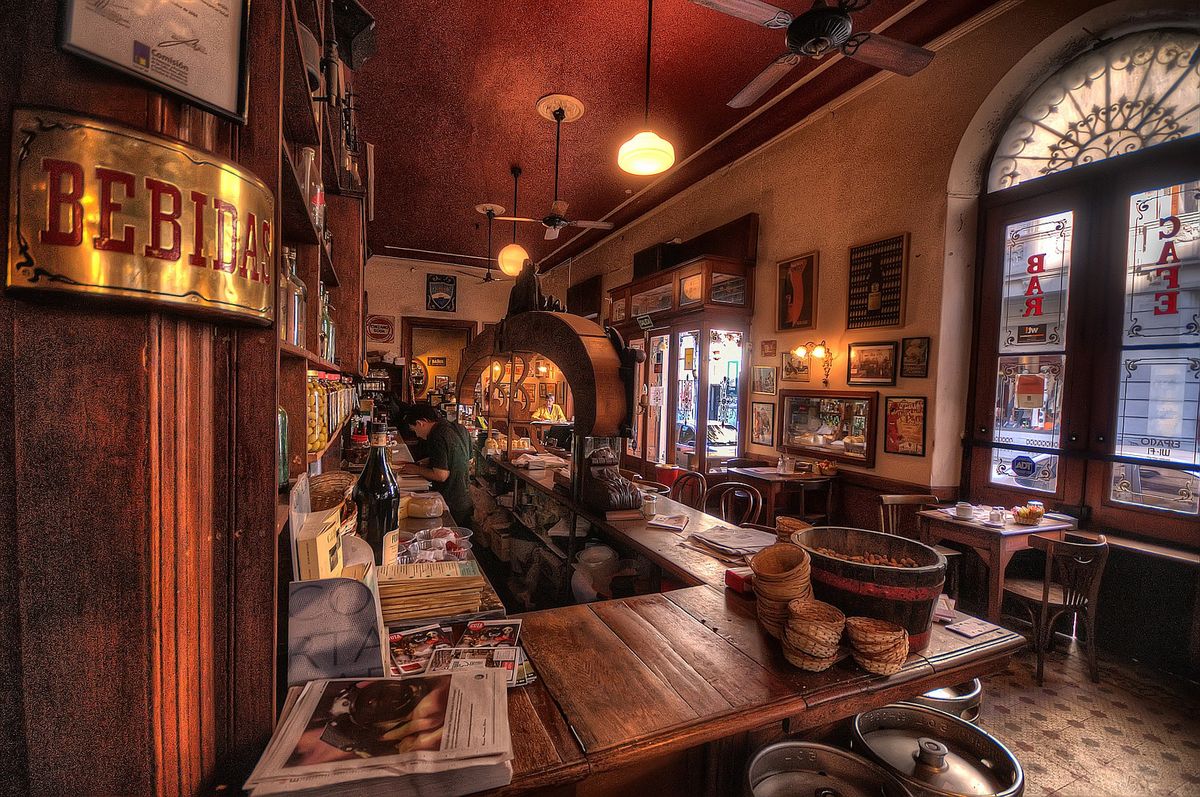
A cornerstone of the San Telmo neighborhood operating since 1864. Its hand-carved wooden bar with glass shelving, Art Nouveau stained glass, and antique clock transport you straight to the 19th century.
- Location: Carlos Calvo 599 (corner of Perú).
- Must-Try: Ordering a house vermouth or aperitif paired with a generous picada (cured meats and cheese board).
4. La Biela (Recoleta)
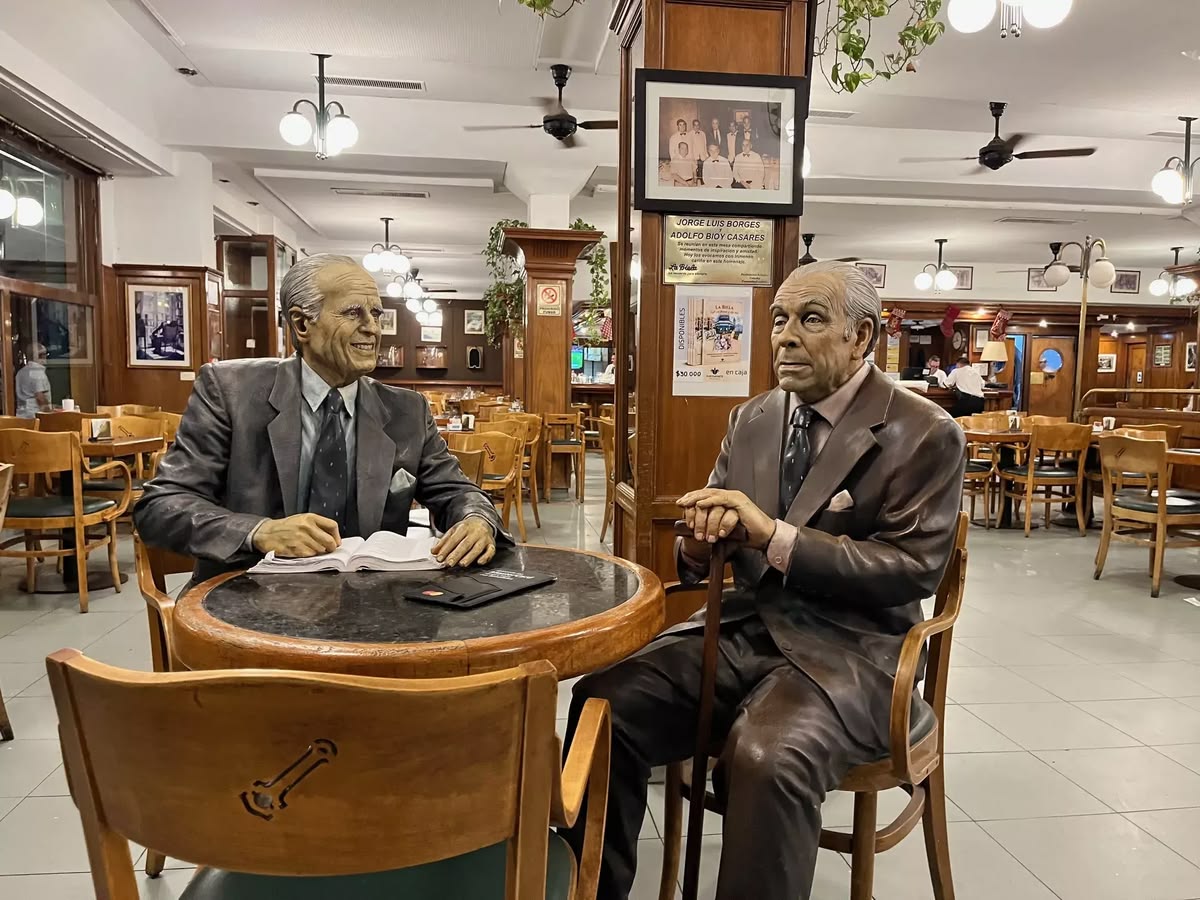
Nestled under the shade of a massive centennial rubber tree in the heart of Recoleta. Historically tied to sports car racing and literature, it was the favorite café of authors Jorge Luis Borges and Adolfo Bioy Casares.
- Location: Av. Quintana 600.
- Must-Try: Sitting at its outdoor terrace for an espresso (cortado) with butter croissants (medialunas) while watching Recoleta go by.
5. Café de los Angelitos (Balvanera)
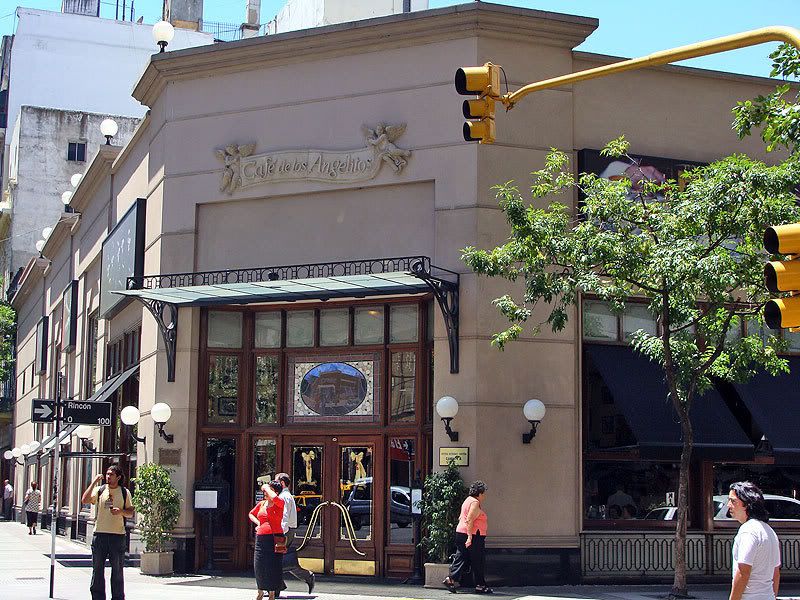
A mythical tango corner dating back to 1890. Decorated with dark wood boiserie, gold trim, and over 350 historical photographs chronicling the Golden Age of Tango and its illustrious guests.
- Location: Av. Rivadavia 2100 (corner of Rincón).
- Must-Try: Enjoying an executive afternoon tea or attending its spectacular tango dinner show in the evening.
6. London City (Montserrat)
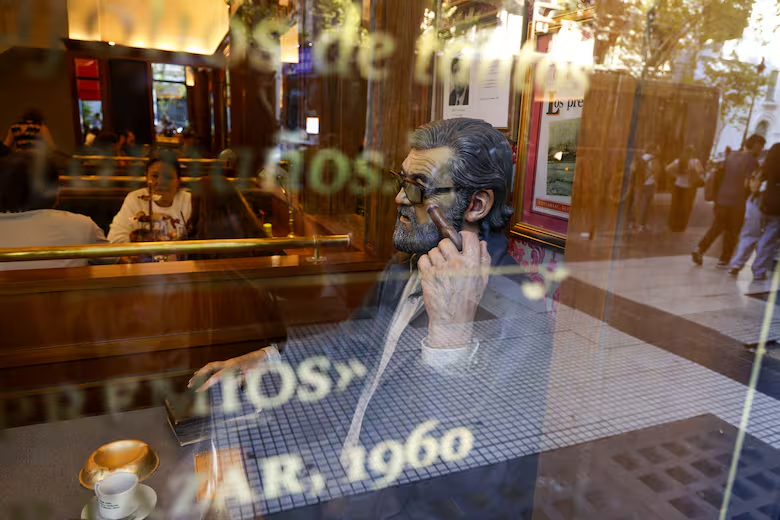
Popularly known as "Cortázar's Café", this elegant café opened in 1954 on the corner of Perú pedestrian street became the working sanctuary for famous author Julio Cortázar, who set scenes of his novel The Winners right here.
- Location: Av. de Mayo 599.
- Must-Try: Snagging the window table next to Julio Cortázar's bronze sculpture and ordering a black coffee with toast.
7. Esquina Homero Manzi (Boedo)
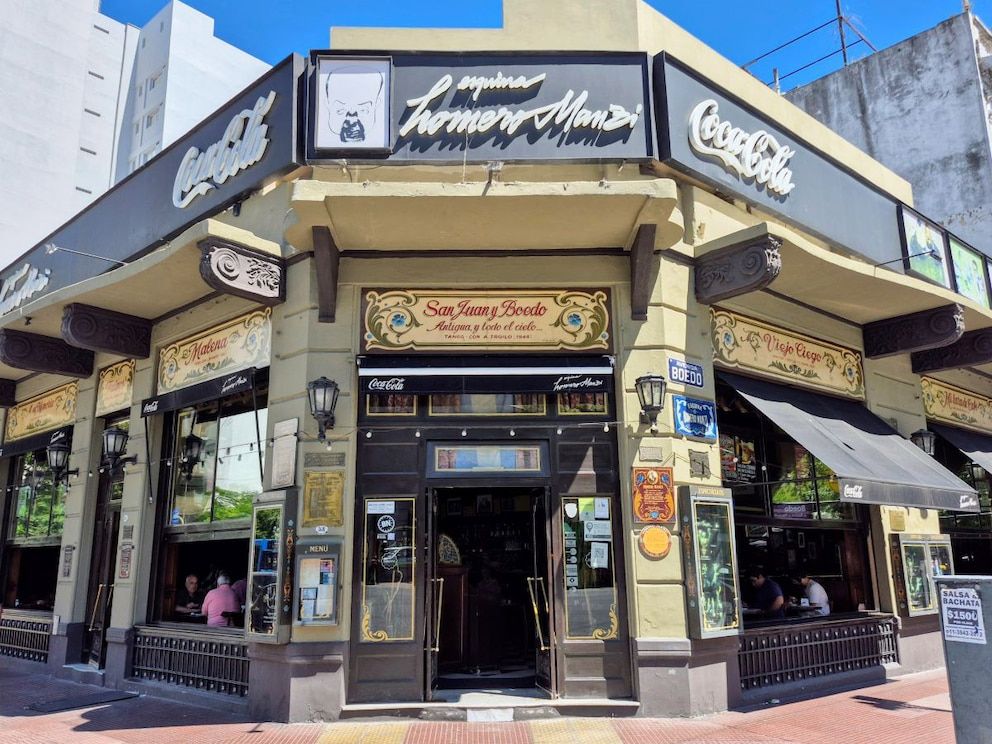
Situated at the legendary tango intersection of San Juan and Boedo. Designated a Historic Cultural Site, it was at one of these tables where lyricist Homero Manzi wrote the iconic tango Sur in 1948.
- Location: Av. San Juan 3601 (corner of Av. Boedo).
- Must-Try: Visiting in the afternoon for a traditional coffee or attending one of its tango dinner shows at night.
8. El Querandí (San Telmo)
An intimate spot founded in 1920 with guatambú wood columns, a pewter bar, and an untouched 1920s atmosphere.
- Location: Perú 302 (corner of Moreno).
- Must-Try: Sampling its classic Argentine cuisine menu alongside a glass of local wine.
9. Café Margot (Boedo)
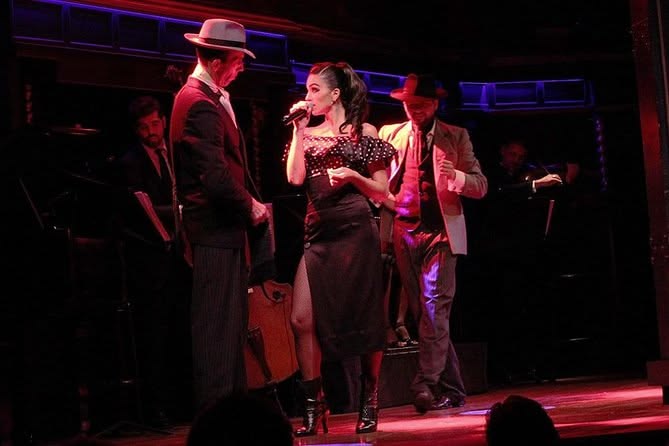
A historic bar with a traditional tavern feel, once a meeting place for political debates and literary groups like the famous Grupo de Boedo. It preserves exposed brick walls, original tiled floors, and vintage artwork.
- Location: Av. Boedo 857.
- Must-Try: Trying the famous pickled turkey sandwich (sándwich de pavita al escabeche), an iconic house recipe created on-site.
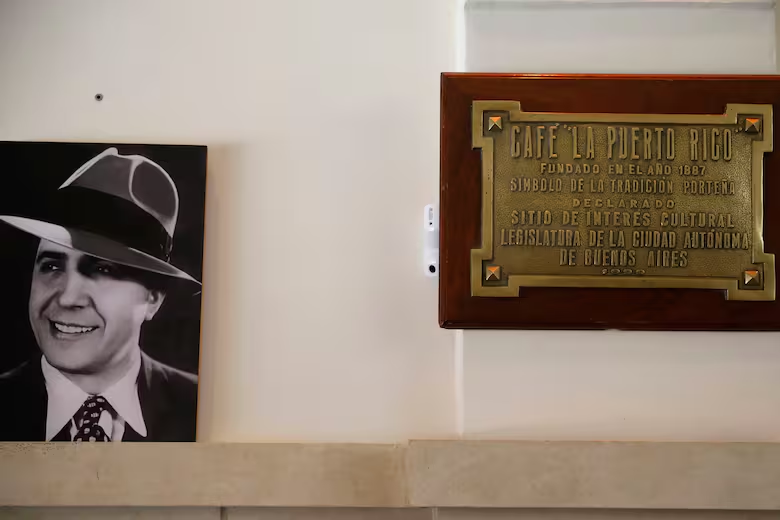
10. La Puerto Rico (Montserrat)
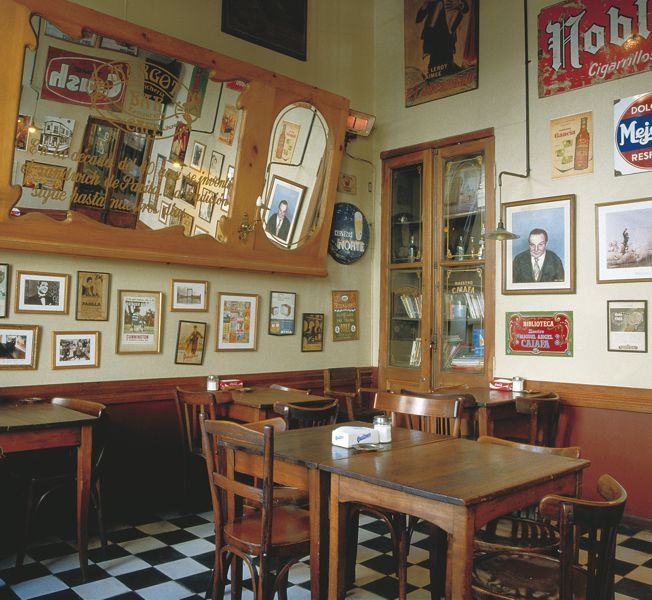
First opened in 1887 just steps from Plaza de Mayo. Reopened in 2021 by new owners who carefully restored its original heritage, it is famous for the irresistible aroma of freshly roasted coffee beans wafting onto the sidewalk and its classic, formal servers.
- Location: Alsina 416.
- Must-Try: An espresso paired with traditional house-made pastries like palmeritas or cremonas.
Porteño Coffee Dictionary: How to Order
To order coffee like a true local, master these classic Argentine menu options:
- Cortado: An espresso served in a small cup with a splash of hot steamed milk.
- Lágrima: A cup of hot milk served with just a drop ("tear") of coffee.
- Café con Leche: Half coffee and half milk served in a larger cup—perfect to pair with 3 medialunas (croissants).
- Ristretto / Café Solo: A short, strong, concentrated espresso shot.
- Clarito: Mild filtered coffee served diluted with extra hot water.
How to Explore the Historic Café Route
The great advantage of exploring Buenos Aires' historic cafés is that many central options (Café Tortoni, London City, El Querandí, and La Puerto Rico) are located within easy walking distance in Microcentro (Downtown). You can connect them on foot or by taking Subway Lines A, D, and E.
To visit Las Violetas or Esquina Homero Manzi, simply take Subway Line A or Line E, respectively.
Frequently Asked Questions about Historic Cafés (FAQ)
Do I need to queue to get into Café Tortoni?
Yes, Café Tortoni does not take advance reservations for main floor seating. Service is strictly first-come, first-served, and queues often form on the sidewalk during afternoon tea hours. Advance booking is only required for their underground tango shows.
Are Cafés Notables expensive?
Prices at historic cafés are slightly higher than standard neighbourhood coffee shops due to their heritage status and preservation efforts, but they remain very affordable for international travelers.
You Might Also Like
To be officially recognized as a "Notable" café by the Buenos Aires City Government, an establishment must meet strict criteria regarding heritage preservation, architectural value, and cultural history.
There are currently over 80 designated historic cafés across the city, but a select group stands out for its breathtaking architecture, rich atmosphere, and priceless historic value.
PUBLICIDAD
Travel with Data: Get your Saily eSIM
- ✓Internet in seconds upon landing
- ✓Flexible plans in 180+ countries
- ✓Easy setup directly via the App
1. Café Tortoni (Montserrat)
Founded in 1858, it is the oldest and most famous café in Argentina. Featuring a Belle Époque aesthetic, bevelled mirrors, and bronze chandeliers, its tables have welcomed Carlos Gardel, Federico García Lorca, and Albert Einstein.
- Location: Av. de Mayo 825.
- Must-Try: A coffee paired with crispy churros and hot chocolate, or catching an intimate live tango show in its basement (La Bodega).
2. Confitería Las Violetas (Almagro)
Opened in 1884 and repeatedly voted the most beautiful café in the city. It is famous for its stunning French stained-glass windows, crystal chandeliers, and Carrara marble floors.
- Location: Av. Rivadavia 3899 (corner of Av. Medrano).
- Must-Try: Its legendary full afternoon tea set "Merendero Las Violetas" (savoury sandwiches, puff pastries, mini cakes, and fine pastries).
3. Bar El Federal (San Telmo)
A cornerstone of the San Telmo neighborhood operating since 1864. Its hand-carved wooden bar with glass shelving, Art Nouveau stained glass, and antique clock transport you straight to the 19th century.
- Location: Carlos Calvo 599 (corner of Perú).
- Must-Try: Ordering a house vermouth or aperitif paired with a generous picada (cured meats and cheese board).
4. La Biela (Recoleta)
Nestled under the shade of a massive centennial rubber tree in the heart of Recoleta. Historically tied to sports car racing and literature, it was the favorite café of authors Jorge Luis Borges and Adolfo Bioy Casares.
- Location: Av. Quintana 600.
- Must-Try: Sitting at its outdoor terrace for an espresso (cortado) with butter croissants (medialunas) while watching Recoleta go by.
5. Café de los Angelitos (Balvanera)
A mythical tango corner dating back to 1890. Decorated with dark wood boiserie, gold trim, and over 350 historical photographs chronicling the Golden Age of Tango and its illustrious guests.
- Location: Av. Rivadavia 2100 (corner of Rincón).
- Must-Try: Enjoying an executive afternoon tea or attending its spectacular tango dinner show in the evening.
6. London City (Montserrat)
Popularly known as "Cortázar's Café", this elegant café opened in 1954 on the corner of Perú pedestrian street became the working sanctuary for famous author Julio Cortázar, who set scenes of his novel The Winners right here.
- Location: Av. de Mayo 599.
- Must-Try: Snagging the window table next to Julio Cortázar's bronze sculpture and ordering a black coffee with toast.
7. Esquina Homero Manzi (Boedo)
Situated at the legendary tango intersection of San Juan and Boedo. Designated a Historic Cultural Site, it was at one of these tables where lyricist Homero Manzi wrote the iconic tango Sur in 1948.
- Location: Av. San Juan 3601 (corner of Av. Boedo).
- Must-Try: Visiting in the afternoon for a traditional coffee or attending one of its tango dinner shows at night.
8. El Querandí (San Telmo)
An intimate spot founded in 1920 with guatambú wood columns, a pewter bar, and an untouched 1920s atmosphere.
- Location: Perú 302 (corner of Moreno).
- Must-Try: Sampling its classic Argentine cuisine menu alongside a glass of local wine.
9. Café Margot (Boedo)
A historic bar with a traditional tavern feel, once a meeting place for political debates and literary groups like the famous Grupo de Boedo. It preserves exposed brick walls, original tiled floors, and vintage artwork.
- Location: Av. Boedo 857.
- Must-Try: Trying the famous pickled turkey sandwich (sándwich de pavita al escabeche), an iconic house recipe created on-site.
10. La Puerto Rico (Montserrat)
First opened in 1887 just steps from Plaza de Mayo. Reopened in 2021 by new owners who carefully restored its original heritage, it is famous for the irresistible aroma of freshly roasted coffee beans wafting onto the sidewalk and its classic, formal servers.
- Location: Alsina 416.
- Must-Try: An espresso paired with traditional house-made pastries like palmeritas or cremonas.
To order coffee like a true local, master these classic Argentine menu options:
- Cortado: An espresso served in a small cup with a splash of hot steamed milk.
- Lágrima: A cup of hot milk served with just a drop ("tear") of coffee.
- Café con Leche: Half coffee and half milk served in a larger cup—perfect to pair with 3 medialunas (croissants).
- Ristretto / Café Solo: A short, strong, concentrated espresso shot.
- Clarito: Mild filtered coffee served diluted with extra hot water.
The great advantage of exploring Buenos Aires' historic cafés is that many central options (Café Tortoni, London City, El Querandí, and La Puerto Rico) are located within easy walking distance in Microcentro (Downtown). You can connect them on foot or by taking Subway Lines A, D, and E.
To visit Las Violetas or Esquina Homero Manzi, simply take Subway Line A or Line E, respectively.
Do I need to queue to get into Café Tortoni?
Yes, Café Tortoni does not take advance reservations for main floor seating. Service is strictly first-come, first-served, and queues often form on the sidewalk during afternoon tea hours. Advance booking is only required for their underground tango shows.
Are Cafés Notables expensive?
Prices at historic cafés are slightly higher than standard neighbourhood coffee shops due to their heritage status and preservation efforts, but they remain very affordable for international travelers.
PUBLICIDAD
International Travel Insurance
- ✓International medical insurance
- ✓24/7 immediate assistance in your language
- ✓Ideal for trekking & adventure
Posts in Buenos-aires
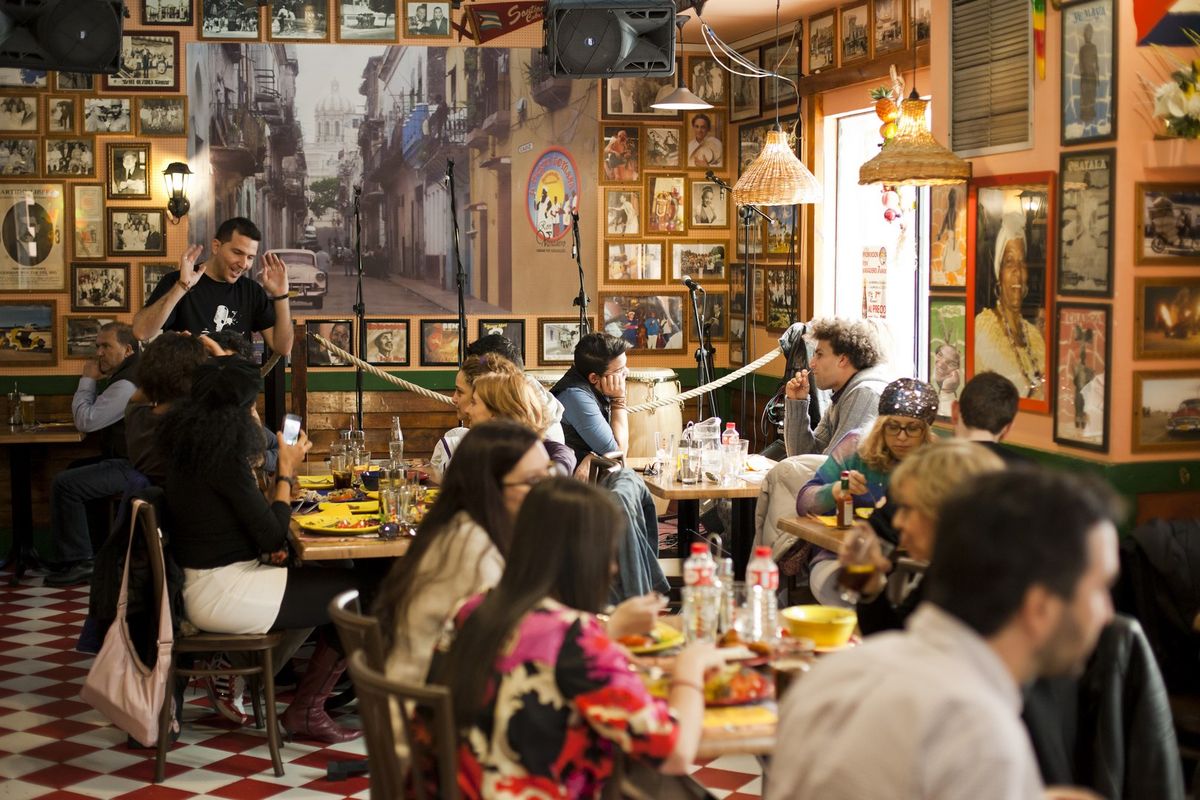
10 Parrillas Recomendadas para Comer un Buen Asado en Buenos Aires
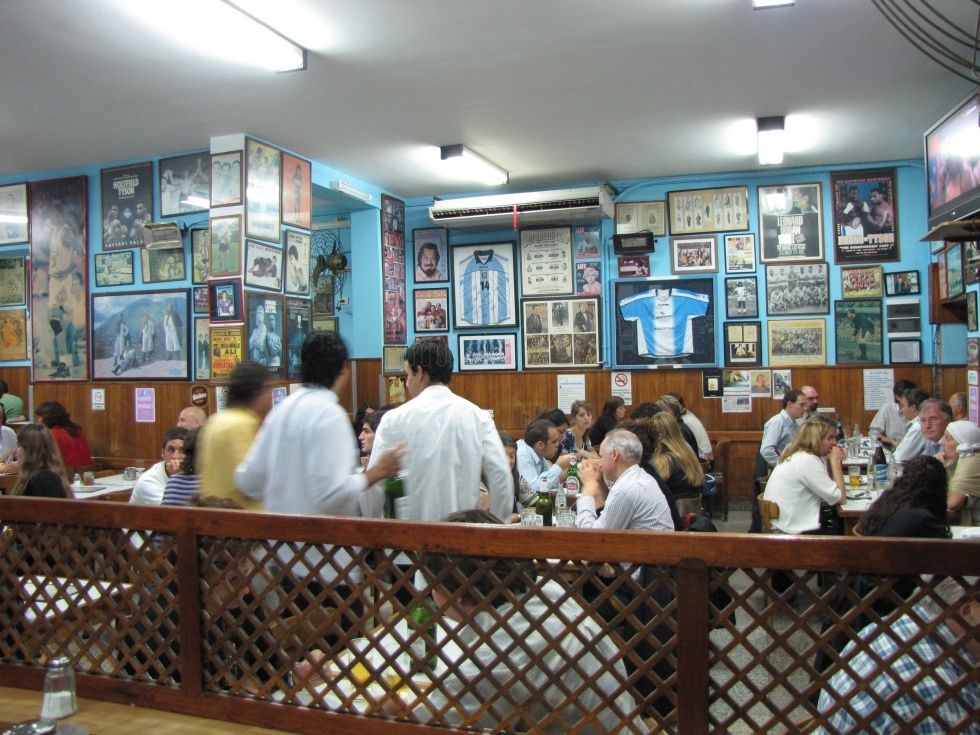
10 Pizzerías Clásicas e Icónicas de Buenos Aires
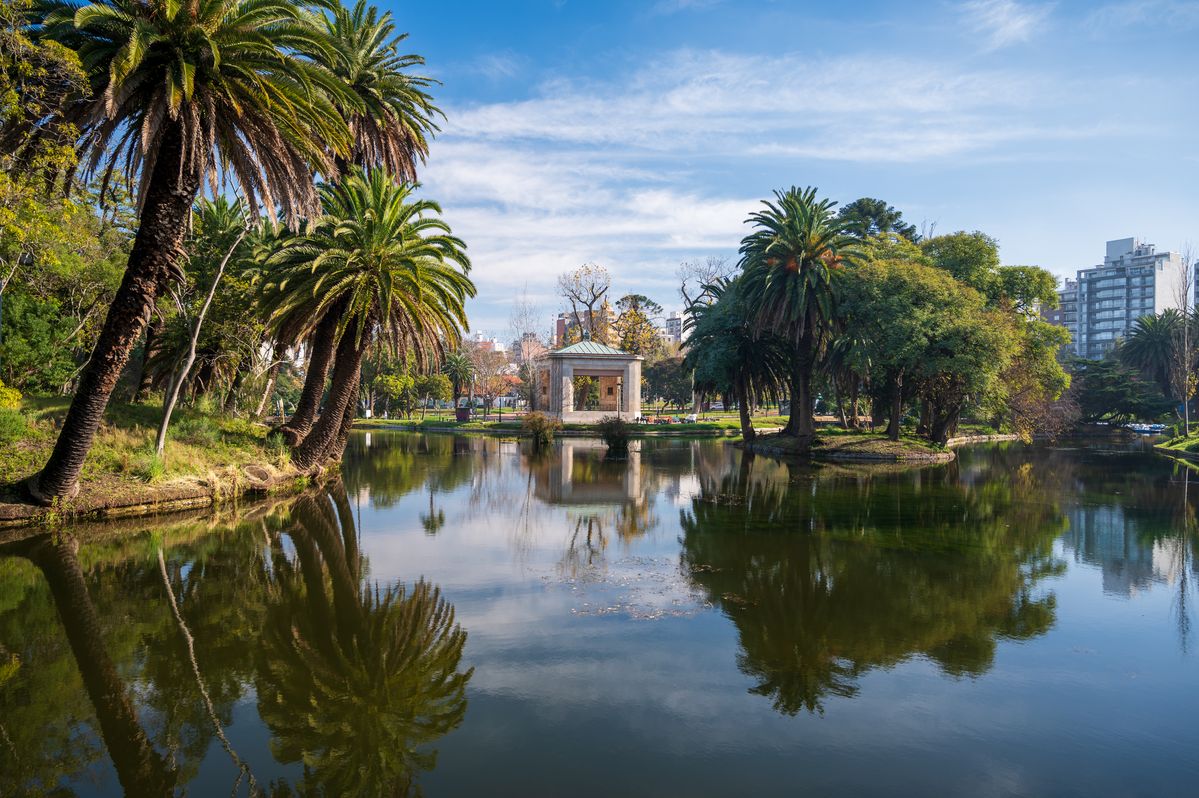
8 Parques y Espacios Verdes Imperdibles en Buenos Aires
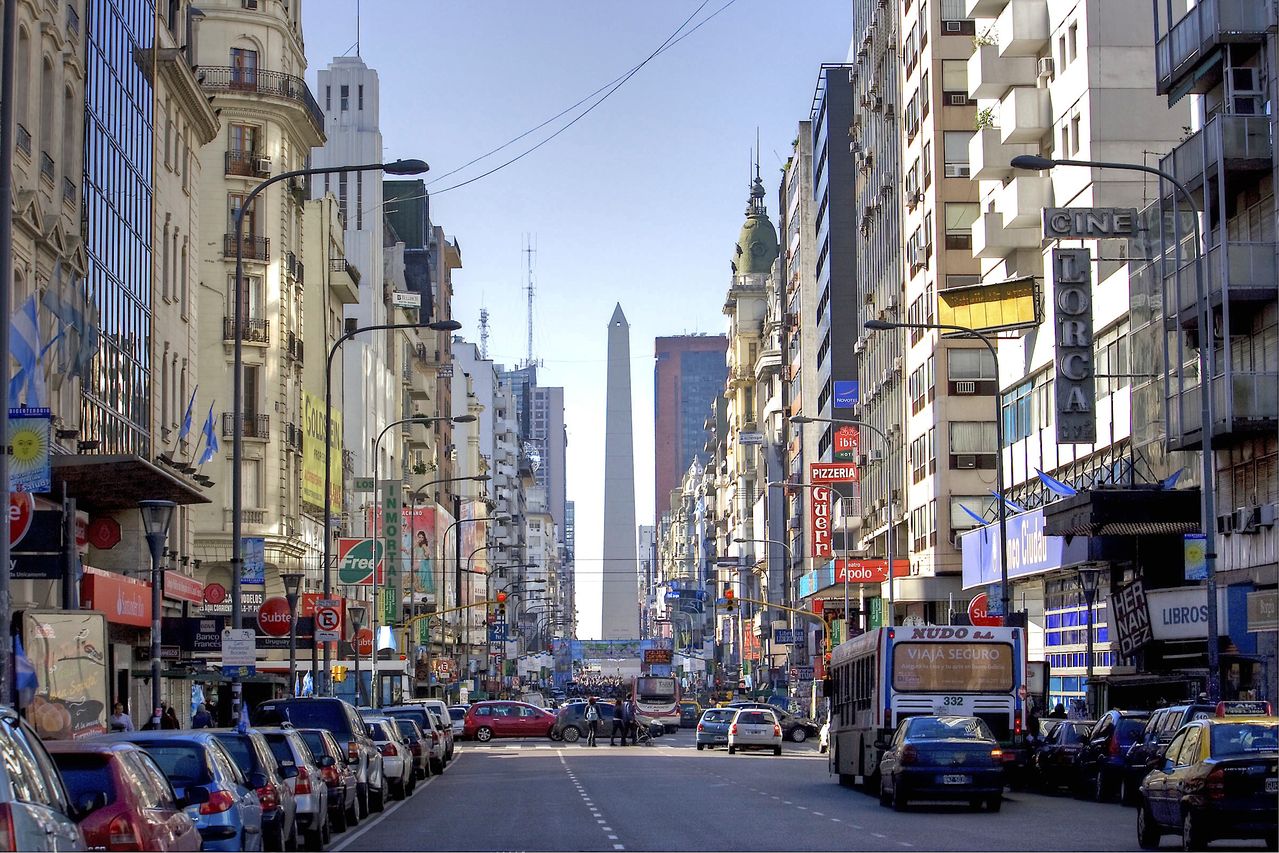
Avenida Corrientes
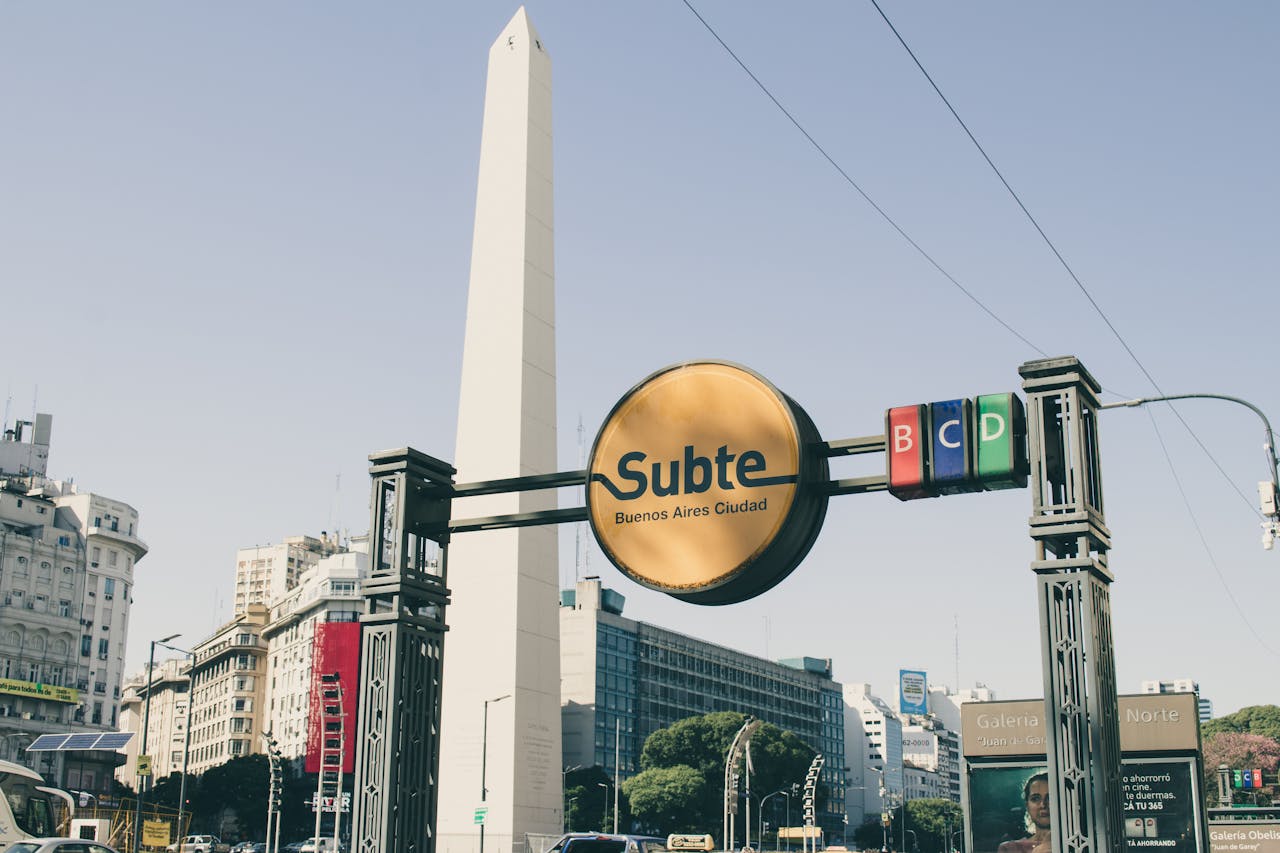
Cómo Moverse en Buenos Aires
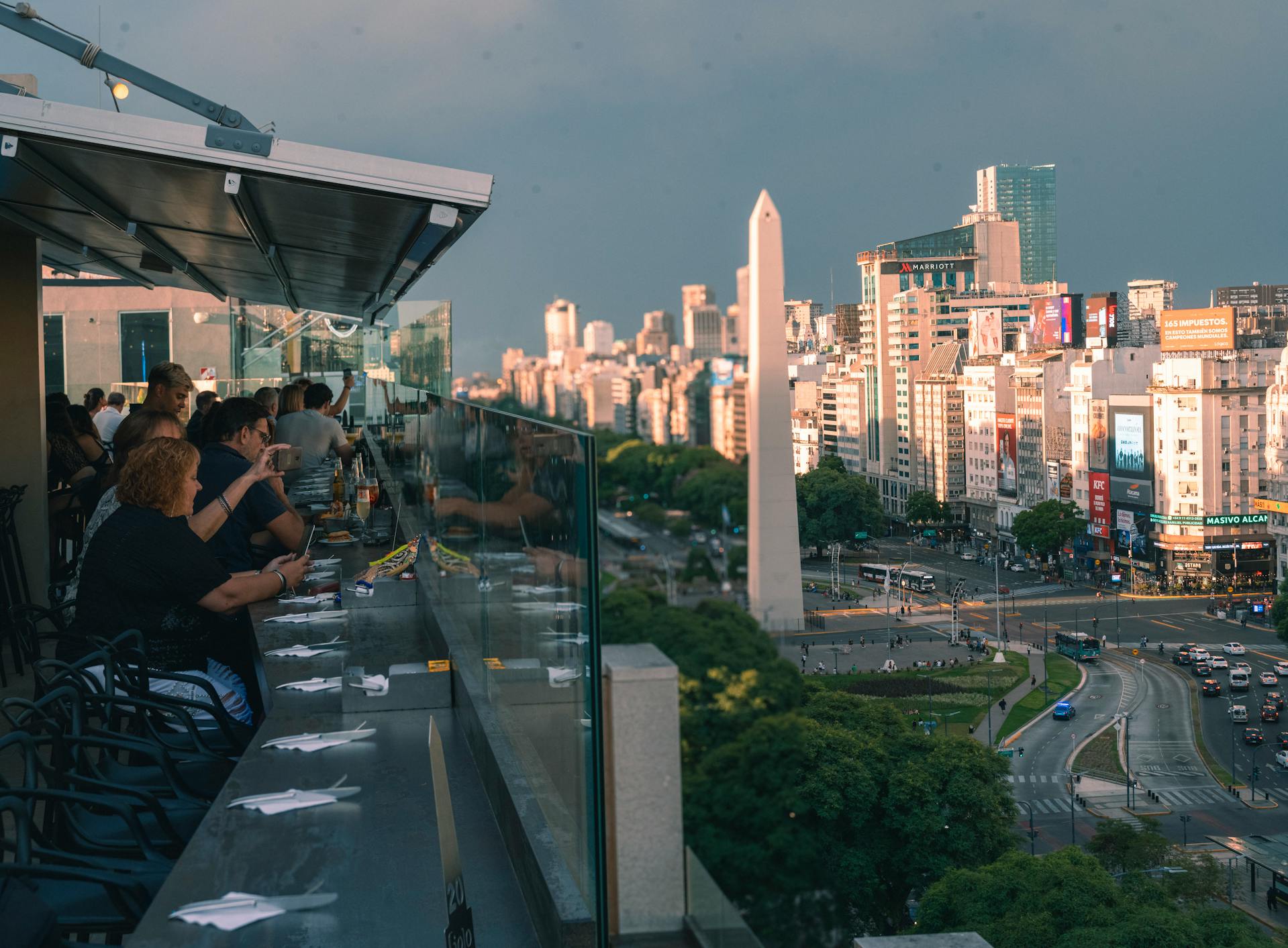
Dónde Alojarse en Buenos Aires: Mejores Barrios y Zonas Recomendadas
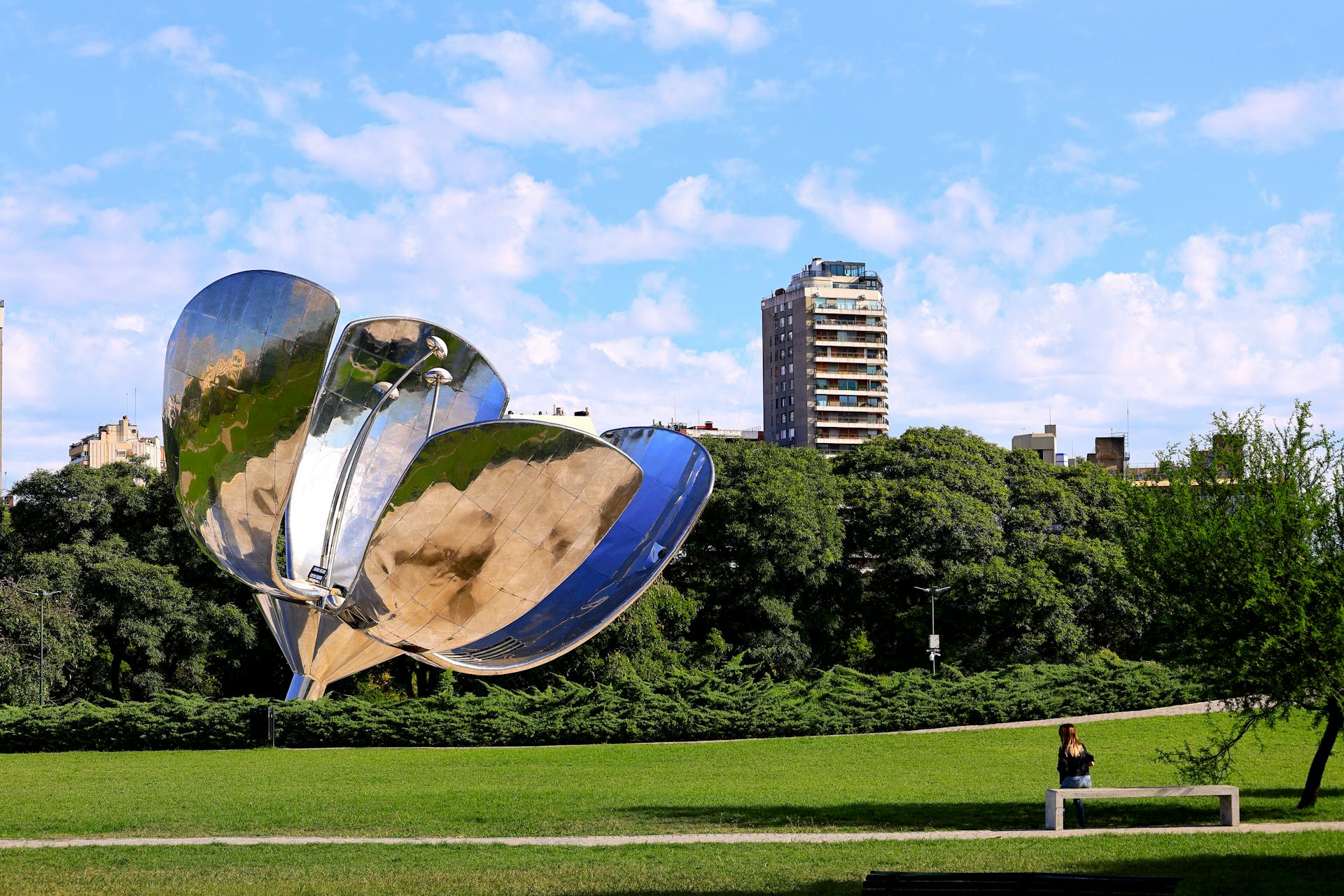
Floralis Genérica
La Boca
Librería El Ateneo Grand Splendid
Manzana de las Luces
Montserrat
Obelisco de Buenos Aires
Palermo
Planetario Galileo Galilei
Plaza de Mayo
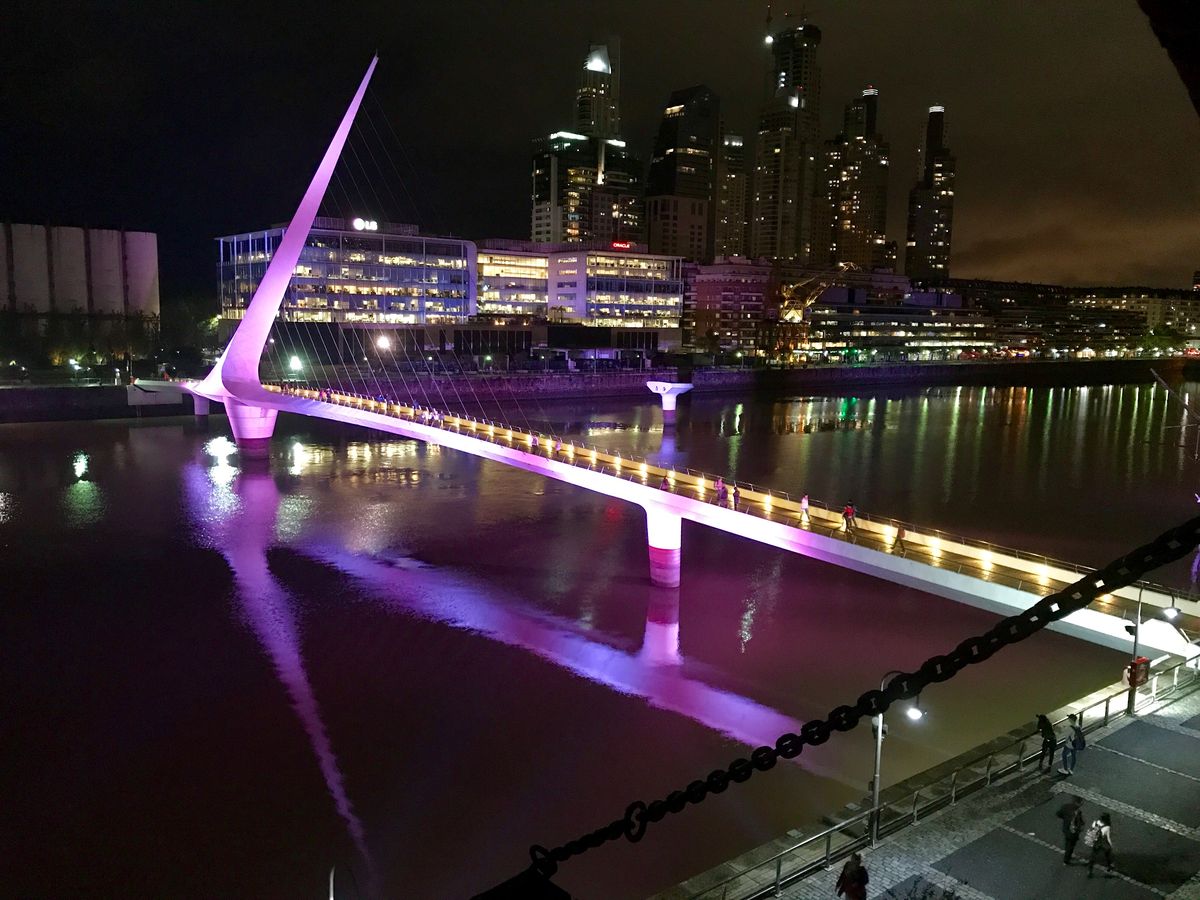
Puente de la Mujer
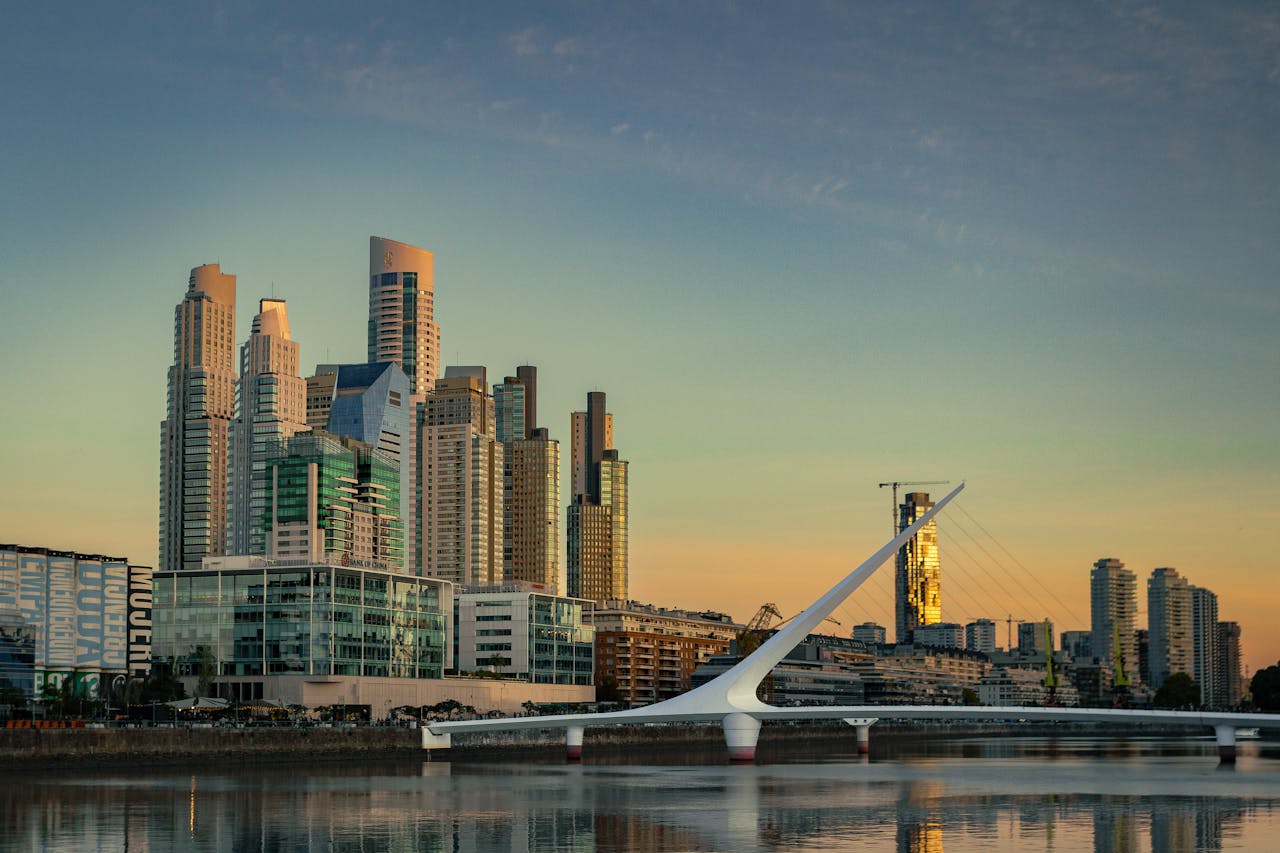
Puerto Madero
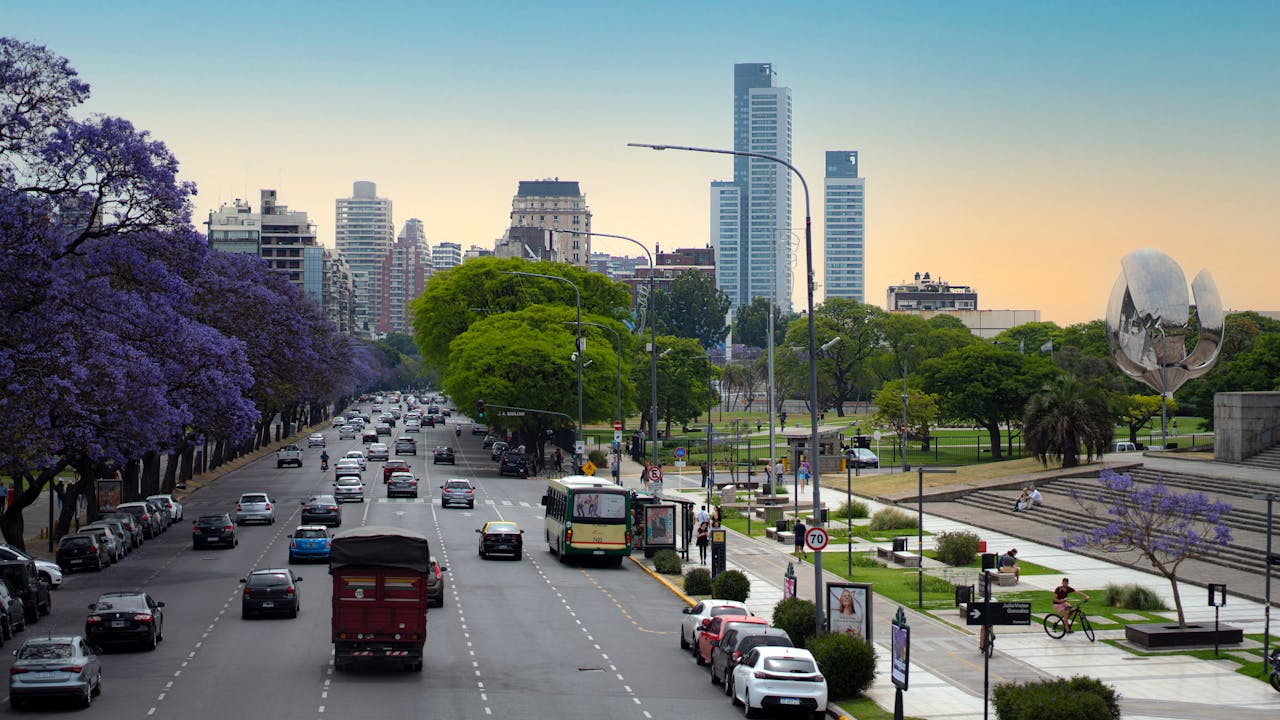
Recoleta
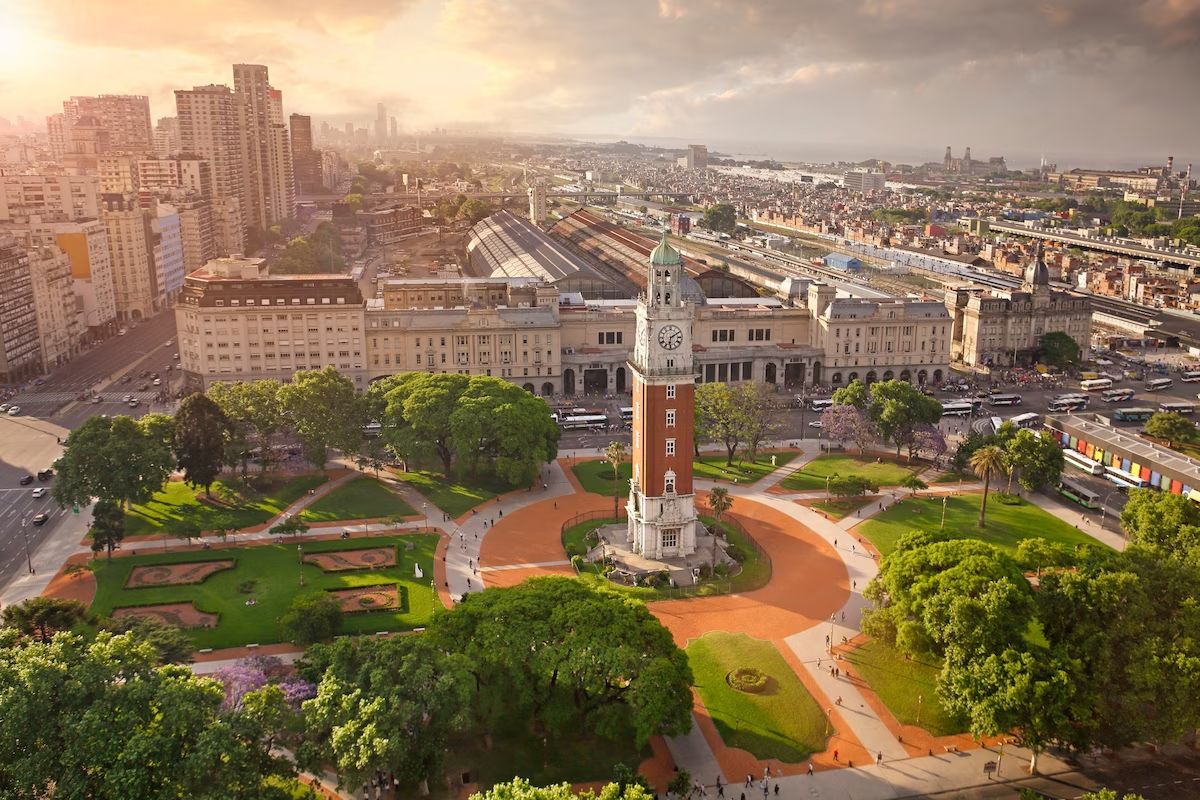
Retiro
San Nicolás
San Telmo
Teatro Colón
Preferences
Language
Color
Text
Width