Table of contents and map
Best Time to Visit Scotland: Weather, Months, and First-Hand Tips
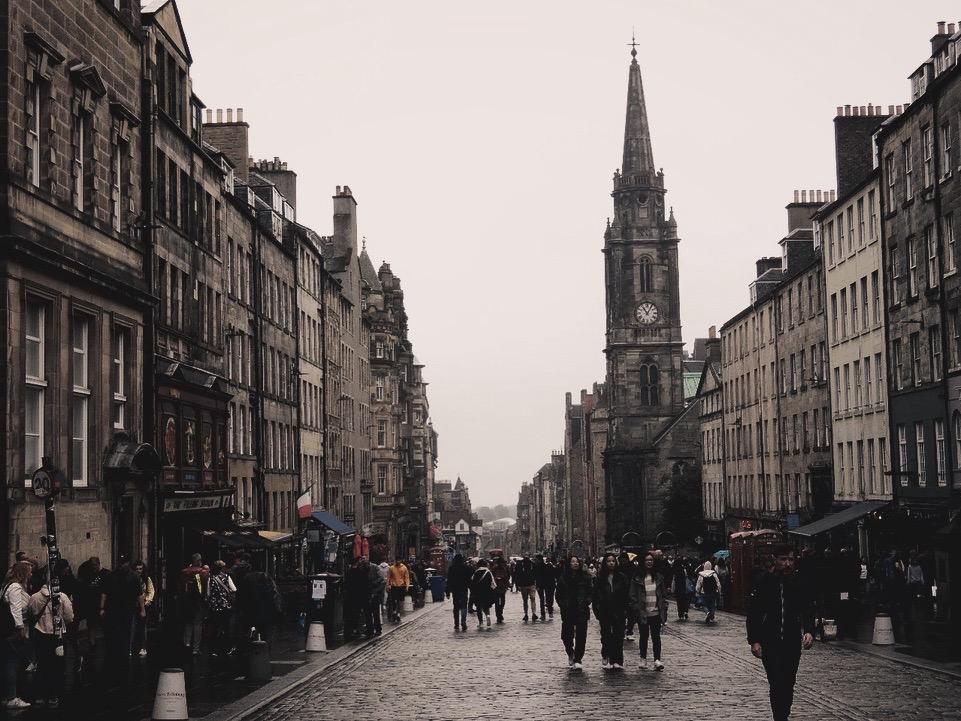
The Scottish weather is famous for its wild personality: ever-changing, damp, and capable of giving you bright sunshine and pouring rain in the very same afternoon. However, every season paints the country with a unique magic. From the endless daylight hours of summer to the glowing colors of autumn in the Highlands, we help you choose the perfect moment for your journey.
Best Time to Visit Scotland: Weather, Months, and First-Hand Tips
The Scottish weather is famous for its wild personality: ever-changing, damp, and capable of giving you bright sunshine and pouring rain in the very same afternoon. However, every season paints the country with a unique magic. From the endless daylight hours of summer to the glowing colors of autumn in the Highlands, we help you choose the perfect moment for your journey.
One of the questions we get asked the most on the blog is: What is the best month to visit Scotland? The quick answer is that there is no bad time, just different types of trips. Living here for a full year has taught us to respect the local climate and truly enjoy what every single season brings to the table.
In this detailed guide, we are going to break down the weather by season, the daylight hours (a crucial factor that many travelers overlook), and the pros and cons of each month so you can decide exactly when to pack your bags.
Scotland by Season: What Can You Expect?
Spring (March to May) — Nature Reborn
For many (including us), spring is one of the absolute best times to explore the country.
- The Weather: Days start getting longer, and temperatures slowly rise (averaging 7°C to 13°C). Statistically, May is often one of the driest months of the year.
- The Landscape: The hills turn a brilliant, fresh green, daffodils bloom in Edinburgh's parks, and the peaks of the Highlands still hold onto a dusting of snow.
- Key Advantage: It is the shoulder season. There are far fewer tourists than in summer, which translates to better prices on accommodation and less crowded roads.
Summer (June to August) — Endless Days and Festivals
This is Scotland's undisputed peak high season.
- The Weather: This period brings the warmest temperatures of the year (averaging 15°C to 20°C, though it sometimes pushes past 23°C).
- Daylight Hours: In June and July, you can enjoy daylight until past 22:30 or 23:00. This gives you massive amounts of time to maximize your road trip days.
- Festivales: August completely transforms Edinburgh with the world-famous Fringe Festival. The atmosphere is electric.
- The Downside: It is the most expensive time to visit, top attractions get crowded, and the dreaded midges (tiny, annoying biting insects in the Highlands) make their grand appearance.
Autumn (September to November) — Photography and Mysticism
If you are looking for dramatic, moody, and poetic landscapes, autumn will steal your heart.
- The Weather: It starts cooling down (8°C to 14°C) and the wind begins to pick up.
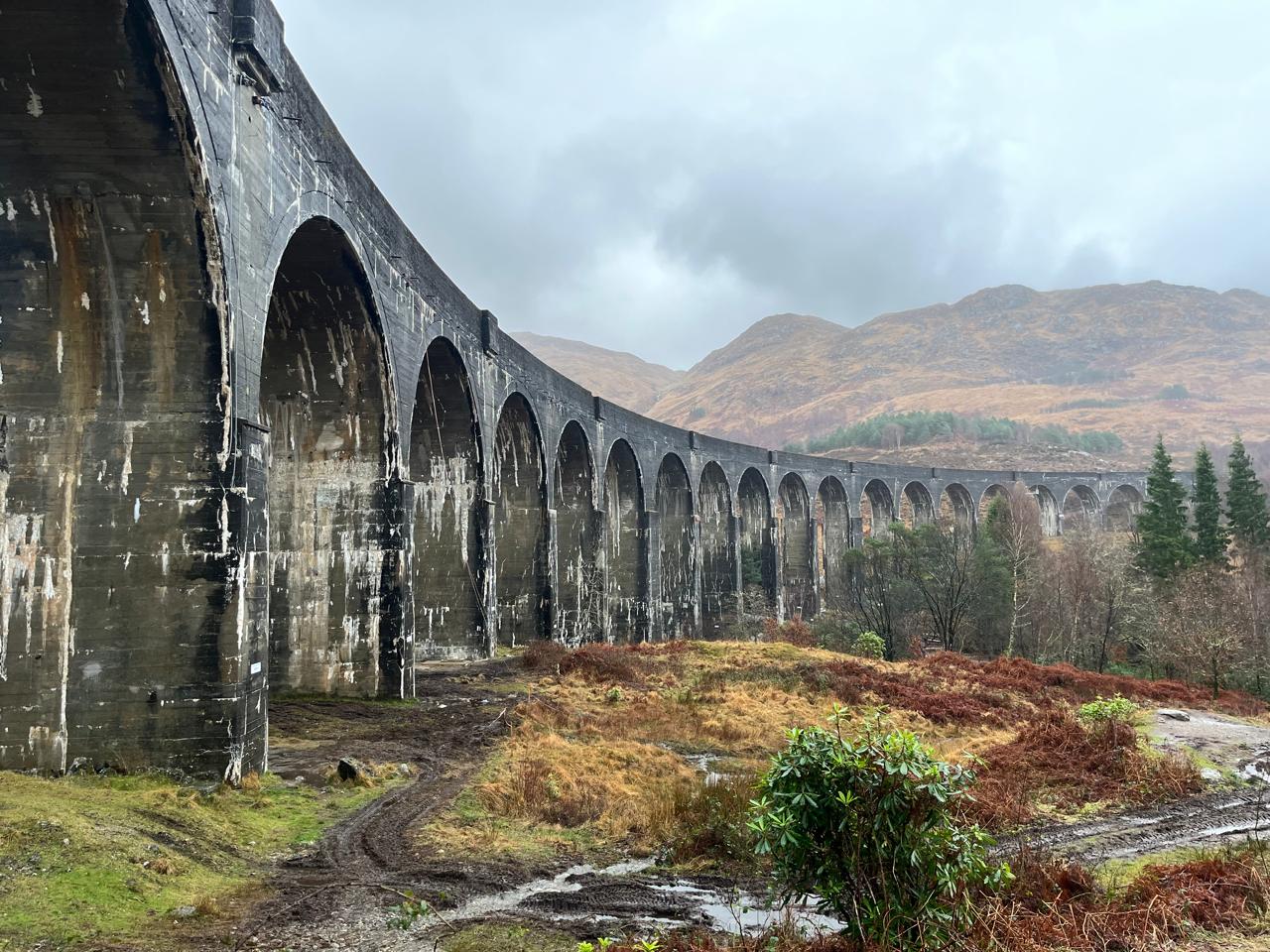
- The Landscape: The forests of the Highlands (especially around Perthshire and the Cairngorms National Park) turn into spectacular shades of gold, copper, and deep red. It is a jaw-dropping visual show.
- Key Advantage: Accommodation prices drop drastically, tour groups vanish, and the midges disappear with the first cold snaps.
Winter (December to February) — Winter Magic and Short Days
Scottish winters can be harsh, but they hold undeniable charm for travelers looking for an authentic vibe.
- The Weather: Temperatures hover around 1°C to 6°C. In the Highlands, snowfall is common, creating postcard-perfect winter wonderland scenes.
- Daylight Hours: This is the most critical factor. In December, the sun rises around 8:45 and sets by 15:30. You have to plan your outdoor sightseeing with high precision.
- Key Advantage: You will have the castles and lochs almost entirely to yourself. Pubs with roaring fireplaces and a dram of good Scotch whisky become the best refuges in the world.
Key Factors to Keep in Mind Before Choosing Your Dates
1. Daylight Hours (The Ultimate Culture Shock)
Being situated so far north, the difference in daylight between seasons is massive:
- June (Summer Solstice): ~17-18 hours of daylight.
- December (Winter Solstice): ~7 hours of daylight.
If you travel in winter, you must wake up early to seize the mornings and save museum visits or indoor activities for the late afternoon. In summer, you can easily be driving through the Highlands at 21:00 under broad daylight.
2. The Highland Nightmare: The Midges
If you are planning to travel between June and September and want to hike or camp in the north or west of Scotland, you need to know about midges. They are tiny biting insects that swarm in massive clouds when there is no wind.
- Expert Tip: Do not buy generic insect repellents in your home country; they simply don't work against them. Once you land in Scotland, head to any local pharmacy or supermarket and buy "Smidge". It is the only formula that actually works.
3. Seasonal Closures in Rural Areas
Keep in mind that in Scotland, many smaller castles, boat tours, seafood shacks, and accommodations on smaller islands close down completely from late October until Easter (March/April). If you are traveling in the off-season, always double-check the opening times of the sights that are absolute must-sees on your itinerary.
Summary: When to Travel to Scotland Based on Your Style?
- For the best overall weather: May, June, or September.
- For landscape photographers: October (for autumn colors) or May.
- To save money on flights and hotels: April or October.
- To experience local culture and events: August (Edinburgh).
- To hunt for snow and cozy winter vibes: January or February.
Ready to Keep Organizing Your Trip to Scotland?
Spring (March to May) — Nature Reborn
For many (including us), spring is one of the absolute best times to explore the country.
- The Weather: Days start getting longer, and temperatures slowly rise (averaging 7°C to 13°C). Statistically, May is often one of the driest months of the year.
- The Landscape: The hills turn a brilliant, fresh green, daffodils bloom in Edinburgh's parks, and the peaks of the Highlands still hold onto a dusting of snow.
- Key Advantage: It is the shoulder season. There are far fewer tourists than in summer, which translates to better prices on accommodation and less crowded roads.
Summer (June to August) — Endless Days and Festivals
This is Scotland's undisputed peak high season.
- The Weather: This period brings the warmest temperatures of the year (averaging 15°C to 20°C, though it sometimes pushes past 23°C).
- Daylight Hours: In June and July, you can enjoy daylight until past 22:30 or 23:00. This gives you massive amounts of time to maximize your road trip days.
- Festivales: August completely transforms Edinburgh with the world-famous Fringe Festival. The atmosphere is electric.
- The Downside: It is the most expensive time to visit, top attractions get crowded, and the dreaded midges (tiny, annoying biting insects in the Highlands) make their grand appearance.
Autumn (September to November) — Photography and Mysticism
If you are looking for dramatic, moody, and poetic landscapes, autumn will steal your heart.
- The Weather: It starts cooling down (8°C to 14°C) and the wind begins to pick up.
- The Landscape: The forests of the Highlands (especially around Perthshire and the Cairngorms National Park) turn into spectacular shades of gold, copper, and deep red. It is a jaw-dropping visual show.
- Key Advantage: Accommodation prices drop drastically, tour groups vanish, and the midges disappear with the first cold snaps.
Winter (December to February) — Winter Magic and Short Days
Scottish winters can be harsh, but they hold undeniable charm for travelers looking for an authentic vibe.
- The Weather: Temperatures hover around 1°C to 6°C. In the Highlands, snowfall is common, creating postcard-perfect winter wonderland scenes.
- Daylight Hours: This is the most critical factor. In December, the sun rises around 8:45 and sets by 15:30. You have to plan your outdoor sightseeing with high precision.
- Key Advantage: You will have the castles and lochs almost entirely to yourself. Pubs with roaring fireplaces and a dram of good Scotch whisky become the best refuges in the world.
PUBLICIDAD
Travel with Data: Get your Saily eSIM
- ✓Internet in seconds upon landing
- ✓Flexible plans in 180+ countries
- ✓Easy setup directly via the App
1. Daylight Hours (The Ultimate Culture Shock)
Being situated so far north, the difference in daylight between seasons is massive:
- June (Summer Solstice): ~17-18 hours of daylight.
- December (Winter Solstice): ~7 hours of daylight.
If you travel in winter, you must wake up early to seize the mornings and save museum visits or indoor activities for the late afternoon. In summer, you can easily be driving through the Highlands at 21:00 under broad daylight.
2. The Highland Nightmare: The Midges
If you are planning to travel between June and September and want to hike or camp in the north or west of Scotland, you need to know about midges. They are tiny biting insects that swarm in massive clouds when there is no wind.
- Expert Tip: Do not buy generic insect repellents in your home country; they simply don't work against them. Once you land in Scotland, head to any local pharmacy or supermarket and buy "Smidge". It is the only formula that actually works.
3. Seasonal Closures in Rural Areas
Keep in mind that in Scotland, many smaller castles, boat tours, seafood shacks, and accommodations on smaller islands close down completely from late October until Easter (March/April). If you are traveling in the off-season, always double-check the opening times of the sights that are absolute must-sees on your itinerary.
- For the best overall weather: May, June, or September.
- For landscape photographers: October (for autumn colors) or May.
- To save money on flights and hotels: April or October.
- To experience local culture and events: August (Edinburgh).
- To hunt for snow and cozy winter vibes: January or February.
PUBLICIDAD
International Travel Insurance
- ✓International medical insurance
- ✓24/7 immediate assistance in your language
- ✓Ideal for trekking & adventure
Preferences
Language
Color
Text
Width