Table of contents and map
Best Time to Visit Edinburgh: Weather, Festivals, and First-Hand Tips
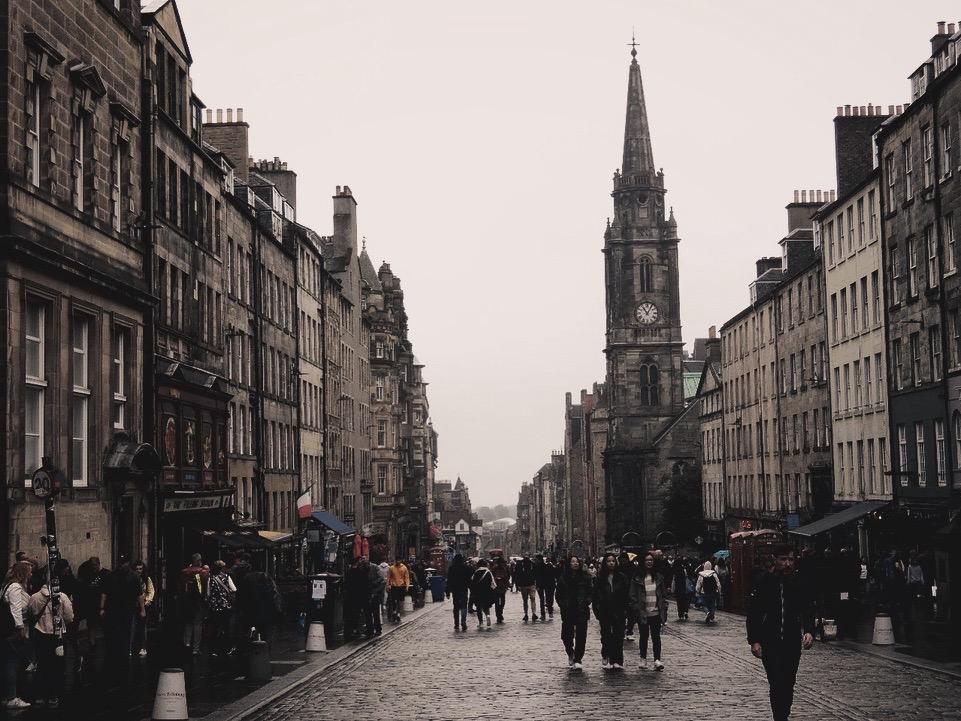
Edinburgh is a city that shines with different lights throughout the year. From the cultural madness and crowded streets of August to the mystical melancholy of its cobbled, misty winters, when you choose to visit will completely change your experience in the Scottish capital.
Best Time to Visit Edinburgh: Weather, Festivals, and First-Hand Tips
Edinburgh is a city that shines with different lights throughout the year. From the cultural madness and crowded streets of August to the mystical melancholy of its cobbled, misty winters, when you choose to visit will completely change your experience in the Scottish capital.
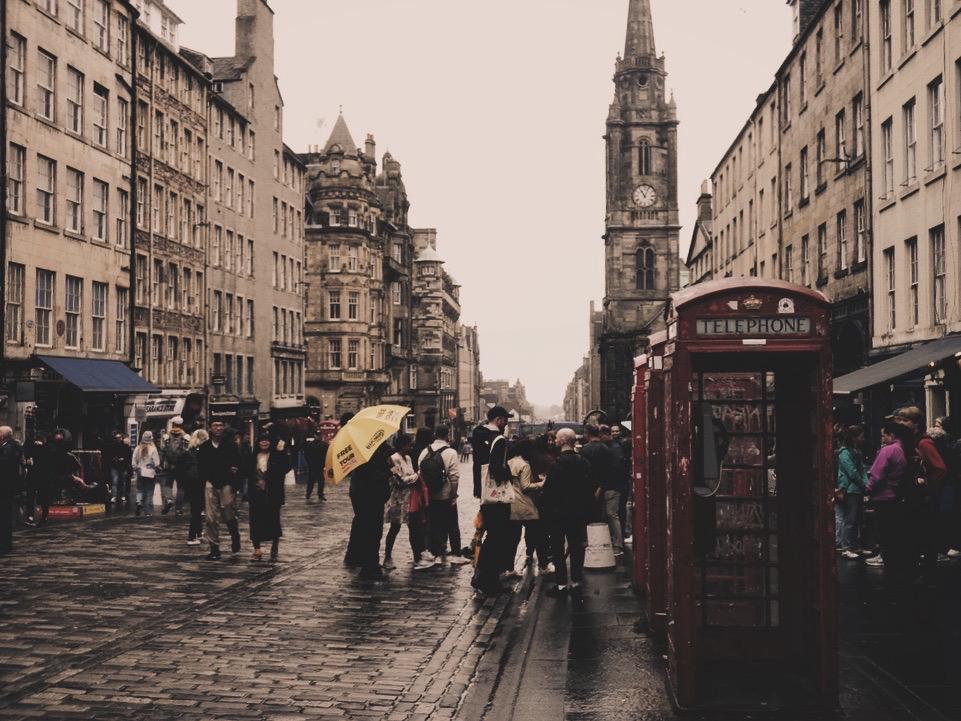
Planning a trip to Edinburgh always comes with the ultimate question: when is the best time to go? Although the capital shares Scotland's famous ever-changing weather, its dynamics are very unique. Being a coastal city in the east, it gets almost half the rainfall of the west coast, but the wind and major cultural events shape the calendar in a way that doesn't happen anywhere else in the country.
Having lived in Edinburgh for a year and experienced all its seasons, in this guide we tell you what to expect from each time of year, how to avoid the crowds, and what to keep in mind to enjoy this fairytale city to the absolute fullest.
Edinburgh by Season: Weather and Atmosphere
1. Spring (March to June) — Our Favorite Time
If you ask us, this is the perfect time of the year to discover Edinburgh.
- The Weather: Days lengthen rapidly, and temperatures start to get pleasant (between 9°C and 15°C). May is typically the sunniest and driest month of the year in the city.
- The Landscape: Princes Street Gardens burst into bloom, and the city fills up with a contagious, joyful vibe after the long winter.
- The Advantage: Since it is the shoulder season, accommodation prices are reasonable, and you can walk down the Royal Mile without having to weave through endless crowds of tourists.
2. Summer (July and August) — The Cultural Whirlwind
Summer in Edinburgh is incredible, but it comes with a massive warning for your wallet.
- The Weather: Temperatures are the warmest of the year (averaging 17°C to 21°C), making it ideal for sitting on outdoor terraces or having picnics in the Meadows.
- The August Madness (The Festivals): During this month, Edinburgh's population literally doubles. The city hosts the Fringe (the largest performing arts festival in the world), the International Festival, and the breathtaking Military Tattoo at the castle. The street atmosphere is electric, with free outdoor shows at every turn.
- The Downside: If you don't book months in advance, finding accommodation at reasonable prices is next to impossible. The streets of the Old Town are completely packed.
3. Autumn (September to November) — Pure Photogenic Beauty
Edinburgh has a gothic soul, and autumn fits it like a glove.
- The Weather: It starts to cool down (6°C to 13°C), the North Sea wind gets sharper, and the days begin to shorten.
- The Landscape: Golden leaves blanketing Greyfriars Kirkyard or Dean Village create picture-perfect scenes straight out of a movie. Plus, the spooky, mysterious vibe in October is absolutely unmatched for taking a ghost tour.
- The Advantage: The city returns to its local rhythm, prices drop drastically, and it is the ideal season to cozy up in specialty coffee shops and traditional pubs.
4. Winter (December to February) — Lights, Festivals, and Roaring Fireplaces
Winter is cold, and it gets dark very early (the sun sets by 15:45 in December), but the city definitely knows how to chase away the darkness.
- Christmas and Hogmanay: Throughout December, Princes Street is filled with one of the most beautiful Christmas markets in Europe. For New Year's Eve, Hogmanay (the Scottish New Year) fills the streets with street parties, concerts, torchlight processions, and fireworks over the castle.
- January and February: These are the coldest and quietest months. It is the perfect time to hide away in historic pubs with a roaring fireplace and a dram of whisky, or spend the afternoons exploring the city's world-class museums (most of which are completely free).

Frequently Asked Questions (FAQ)
Does it rain a lot in Edinburgh?
Much less than people think! Due to its location on the east coast of Scotland, Edinburgh receives about half the rainfall of Glasgow or the Highlands. That said, a fine drizzle and a constant coastal wind are common throughout the year, so a good waterproof jacket is absolutely essential.
How far in advance should I book if I am traveling in August?
For August, we highly recommend booking your accommodation at least 5 to 6 months in advance. If you wait until the last few weeks, prices for hostels and hotels skyrocket to ridiculous rates, or you will simply run out of options within the city.
Are there midges in Edinburgh?
No, midges are not a problem in Edinburgh. These tiny biting insects prefer wet, wooded, boggy, and windless areas of the Highlands and the west coast. In the capital, the constant breeze from the Firth of Forth keeps them completely at bay.
Can you see the Northern Lights in Edinburgh?
It is difficult due to the city's light pollution, but not impossible. During peaks of high solar activity (especially between October and March), many locals head to high, dark spots like Calton Hill, Arthur’s Seat, or Portobello Beach to try and catch them on the northern horizon.
What clothes should I pack no matter the season?
Edinburgh's weather is highly unpredictable. The golden rule is to dress in layers and always include a windproof, waterproof jacket (umbrellas are pretty useless because the strong wind easily breaks them). Comfortable shoes with good grip are also vital for walking on the steep, cobbled streets of the Old Town without slipping.
Ready to Keep Organizing Your Trip to Edinburgh?
- Edinburgh Guide: What to See in the Fairytale City
- The Vennel: The Best View of Edinburgh Castle
- How to Get from Edinburgh Airport to the City Center: Prices and Options
- Scotland Itinerary: The Perfect 7, 10, and 14-Day Route
- Greyfriars Kirkyard: The Mysterious Cemetery Just a 5-Minute Walk Away
- Victoria Street: The Most Famous Colorful Shops in the Old Town
- Stirling: Medieval Castle and William Wallace Monument
- Linlithgow: Royal History Behind Wentworth Prison
- South Queensferry: Views of the Bridges and Closeness to Lallybroch
- Best 10 Beaches in Scotland
1. Spring (March to June) — Our Favorite Time
If you ask us, this is the perfect time of the year to discover Edinburgh.
- The Weather: Days lengthen rapidly, and temperatures start to get pleasant (between 9°C and 15°C). May is typically the sunniest and driest month of the year in the city.
- The Landscape: Princes Street Gardens burst into bloom, and the city fills up with a contagious, joyful vibe after the long winter.
- The Advantage: Since it is the shoulder season, accommodation prices are reasonable, and you can walk down the Royal Mile without having to weave through endless crowds of tourists.
2. Summer (July and August) — The Cultural Whirlwind
Summer in Edinburgh is incredible, but it comes with a massive warning for your wallet.
- The Weather: Temperatures are the warmest of the year (averaging 17°C to 21°C), making it ideal for sitting on outdoor terraces or having picnics in the Meadows.
- The August Madness (The Festivals): During this month, Edinburgh's population literally doubles. The city hosts the Fringe (the largest performing arts festival in the world), the International Festival, and the breathtaking Military Tattoo at the castle. The street atmosphere is electric, with free outdoor shows at every turn.
- The Downside: If you don't book months in advance, finding accommodation at reasonable prices is next to impossible. The streets of the Old Town are completely packed.
3. Autumn (September to November) — Pure Photogenic Beauty
Edinburgh has a gothic soul, and autumn fits it like a glove.
- The Weather: It starts to cool down (6°C to 13°C), the North Sea wind gets sharper, and the days begin to shorten.
- The Landscape: Golden leaves blanketing Greyfriars Kirkyard or Dean Village create picture-perfect scenes straight out of a movie. Plus, the spooky, mysterious vibe in October is absolutely unmatched for taking a ghost tour.
- The Advantage: The city returns to its local rhythm, prices drop drastically, and it is the ideal season to cozy up in specialty coffee shops and traditional pubs.
4. Winter (December to February) — Lights, Festivals, and Roaring Fireplaces
Winter is cold, and it gets dark very early (the sun sets by 15:45 in December), but the city definitely knows how to chase away the darkness.
- Christmas and Hogmanay: Throughout December, Princes Street is filled with one of the most beautiful Christmas markets in Europe. For New Year's Eve, Hogmanay (the Scottish New Year) fills the streets with street parties, concerts, torchlight processions, and fireworks over the castle.
- January and February: These are the coldest and quietest months. It is the perfect time to hide away in historic pubs with a roaring fireplace and a dram of whisky, or spend the afternoons exploring the city's world-class museums (most of which are completely free).
PUBLICIDAD
Travel with Data: Get your Saily eSIM
- ✓Internet in seconds upon landing
- ✓Flexible plans in 180+ countries
- ✓Easy setup directly via the App
Does it rain a lot in Edinburgh?
Much less than people think! Due to its location on the east coast of Scotland, Edinburgh receives about half the rainfall of Glasgow or the Highlands. That said, a fine drizzle and a constant coastal wind are common throughout the year, so a good waterproof jacket is absolutely essential.
How far in advance should I book if I am traveling in August?
For August, we highly recommend booking your accommodation at least 5 to 6 months in advance. If you wait until the last few weeks, prices for hostels and hotels skyrocket to ridiculous rates, or you will simply run out of options within the city.
Are there midges in Edinburgh?
No, midges are not a problem in Edinburgh. These tiny biting insects prefer wet, wooded, boggy, and windless areas of the Highlands and the west coast. In the capital, the constant breeze from the Firth of Forth keeps them completely at bay.
Can you see the Northern Lights in Edinburgh?
It is difficult due to the city's light pollution, but not impossible. During peaks of high solar activity (especially between October and March), many locals head to high, dark spots like Calton Hill, Arthur’s Seat, or Portobello Beach to try and catch them on the northern horizon.
What clothes should I pack no matter the season?
Edinburgh's weather is highly unpredictable. The golden rule is to dress in layers and always include a windproof, waterproof jacket (umbrellas are pretty useless because the strong wind easily breaks them). Comfortable shoes with good grip are also vital for walking on the steep, cobbled streets of the Old Town without slipping.
PUBLICIDAD
- Edinburgh Guide: What to See in the Fairytale City
- The Vennel: The Best View of Edinburgh Castle
- How to Get from Edinburgh Airport to the City Center: Prices and Options
- Scotland Itinerary: The Perfect 7, 10, and 14-Day Route
- Greyfriars Kirkyard: The Mysterious Cemetery Just a 5-Minute Walk Away
- Victoria Street: The Most Famous Colorful Shops in the Old Town
- Stirling: Medieval Castle and William Wallace Monument
- Linlithgow: Royal History Behind Wentworth Prison
- South Queensferry: Views of the Bridges and Closeness to Lallybroch
- Best 10 Beaches in Scotland
PUBLICIDAD
International Travel Insurance
- ✓International medical insurance
- ✓24/7 immediate assistance in your language
- ✓Ideal for trekking & adventure
Preferences
Language
Color
Text
Width