Table of contents and map
Praia da Joatinga: the semi-secret hidden beach of Rio de Janeiro
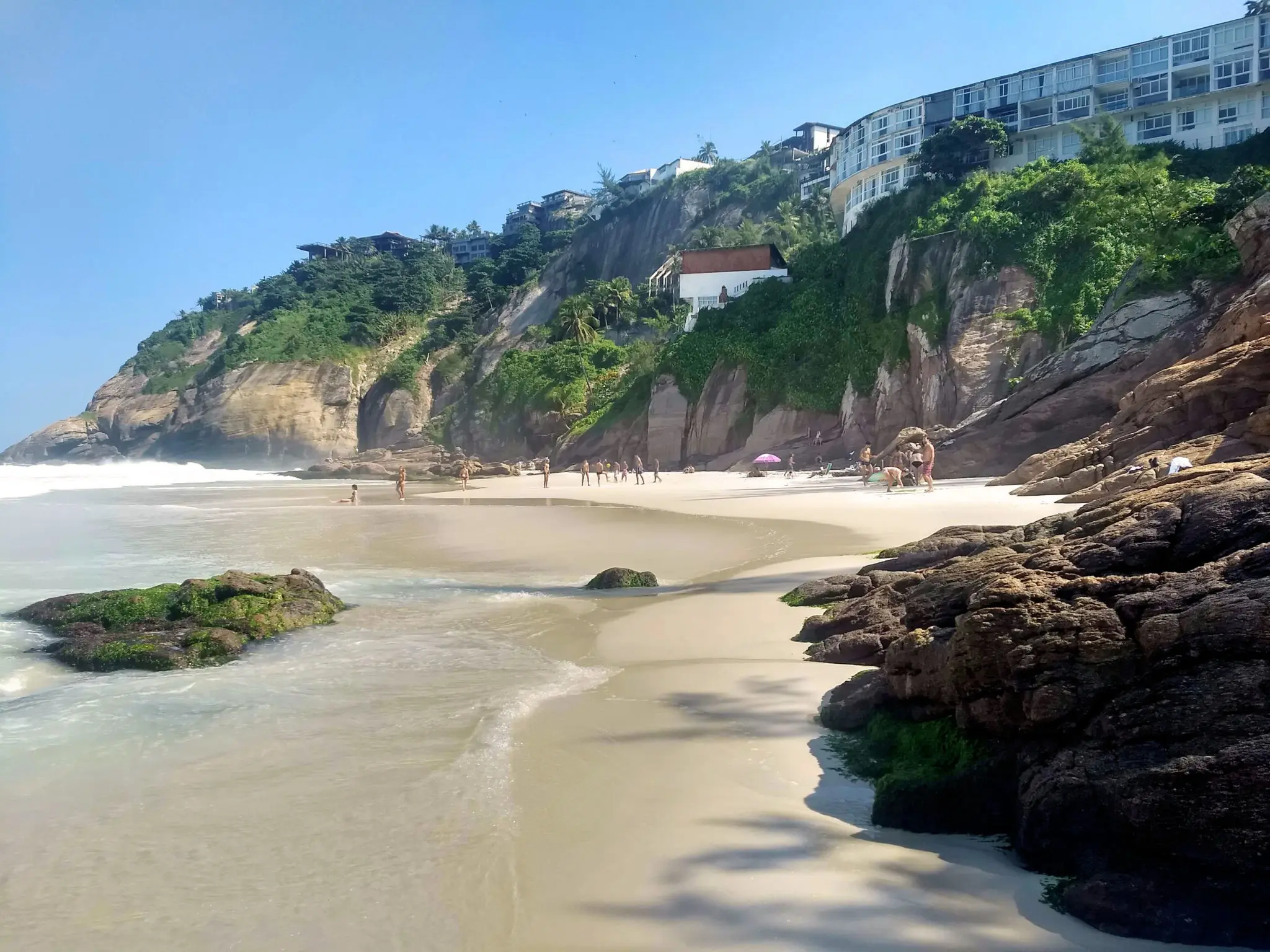
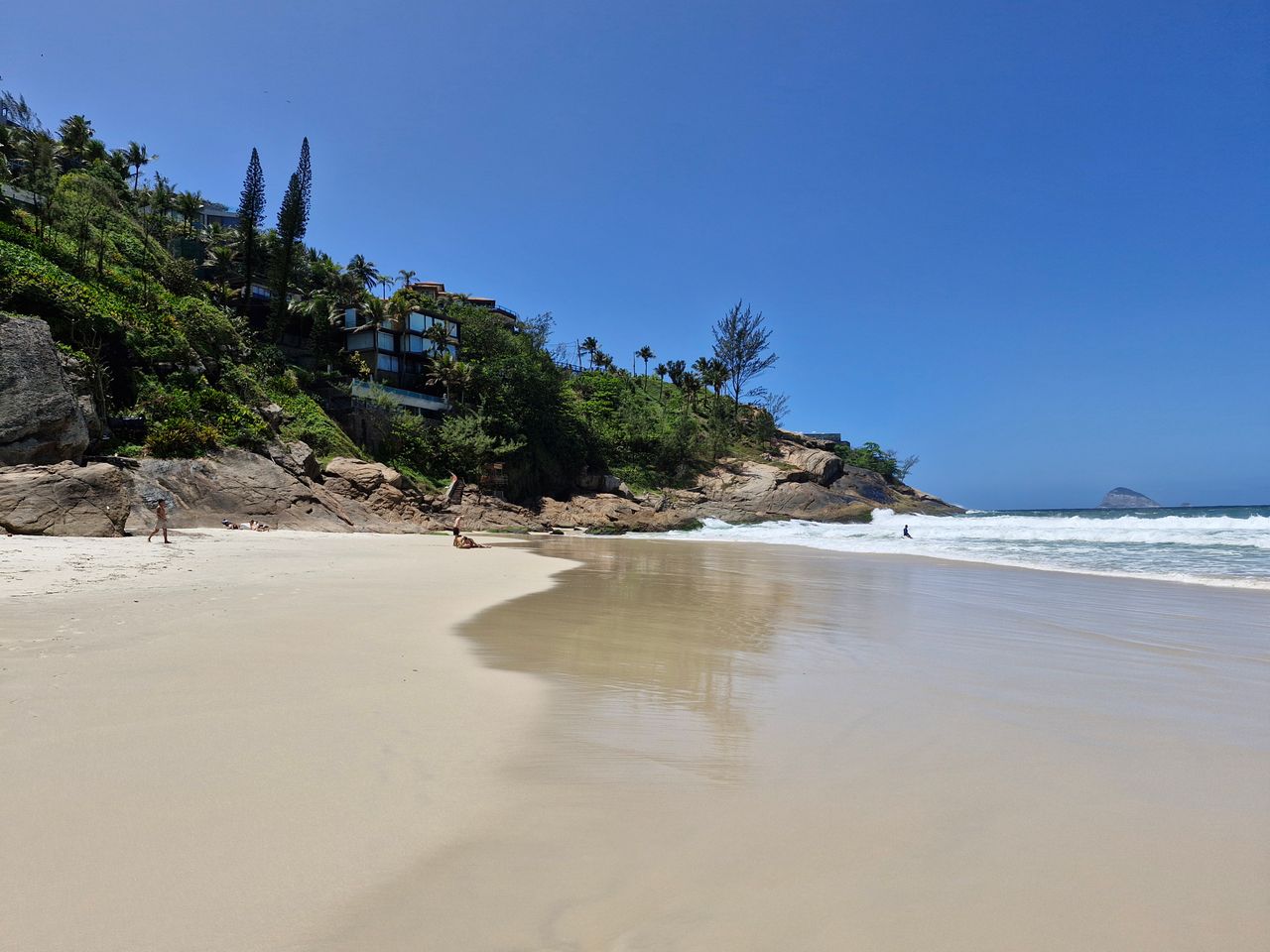
Hidden among the mansions of a private neighborhood and surrounded by impressive cliffs, Praia da Joatinga is one of Rio de Janeiro's best-kept secrets. With barely 300 meters of length, this wild gem of turquoise waters and perfect waves offers a heavenly refuge away from the crowded beaches of the South Zone.
Praia da Joatinga: the semi-secret hidden beach of Rio de Janeiro
Hidden among the mansions of a private neighborhood and surrounded by impressive cliffs, Praia da Joatinga is one of Rio de Janeiro's best-kept secrets. With barely 300 meters of length, this wild gem of turquoise waters and perfect waves offers a heavenly refuge away from the crowded beaches of the South Zone.
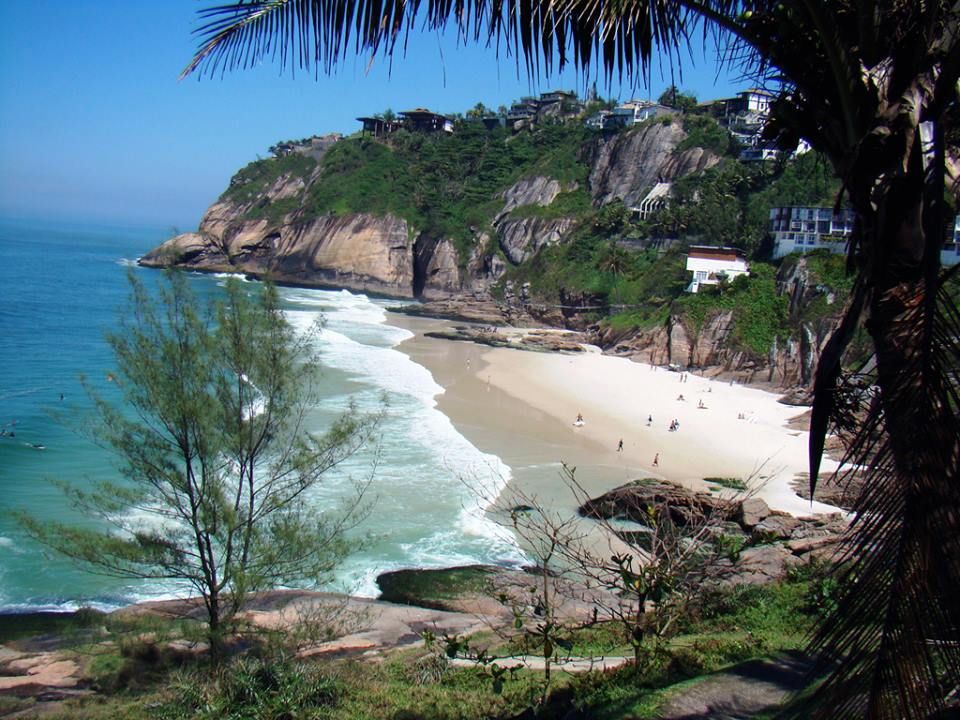
If you want to escape the urban bustle of Copacabana and Ipanema and discover a truly wild and exclusive corner, Praia da Joatinga is a must-visit. Many travelers —and even locals— pass it by because it's hidden inside a private residential neighborhood and requires a short hike over rocks, but those who venture to find it are met with one of the most stunning landscapes in all of Rio de Janeiro.
Where it is and what makes it so special
Praia da Joatinga is located in the exclusive and mountainous neighborhood of Joá, a small residential area situated right on the border where the South Zone (São Conrado) ends and the West Zone (Barra da Tijuca) begins.
What makes it unique is its geographical setting: it is boxed in between imposing stone cliffs covered in Atlantic vegetation and divided by mansions with avant-garde architecture suspended over the sea. Its strip of sand is narrow (about 300 meters) and the waters often exhibit a striking turquoise blue tone.
Key factor: check the tide before you go
⚠️ GOLDEN RULE: Never go to Joatinga without checking the tide chart (tábua de marés).
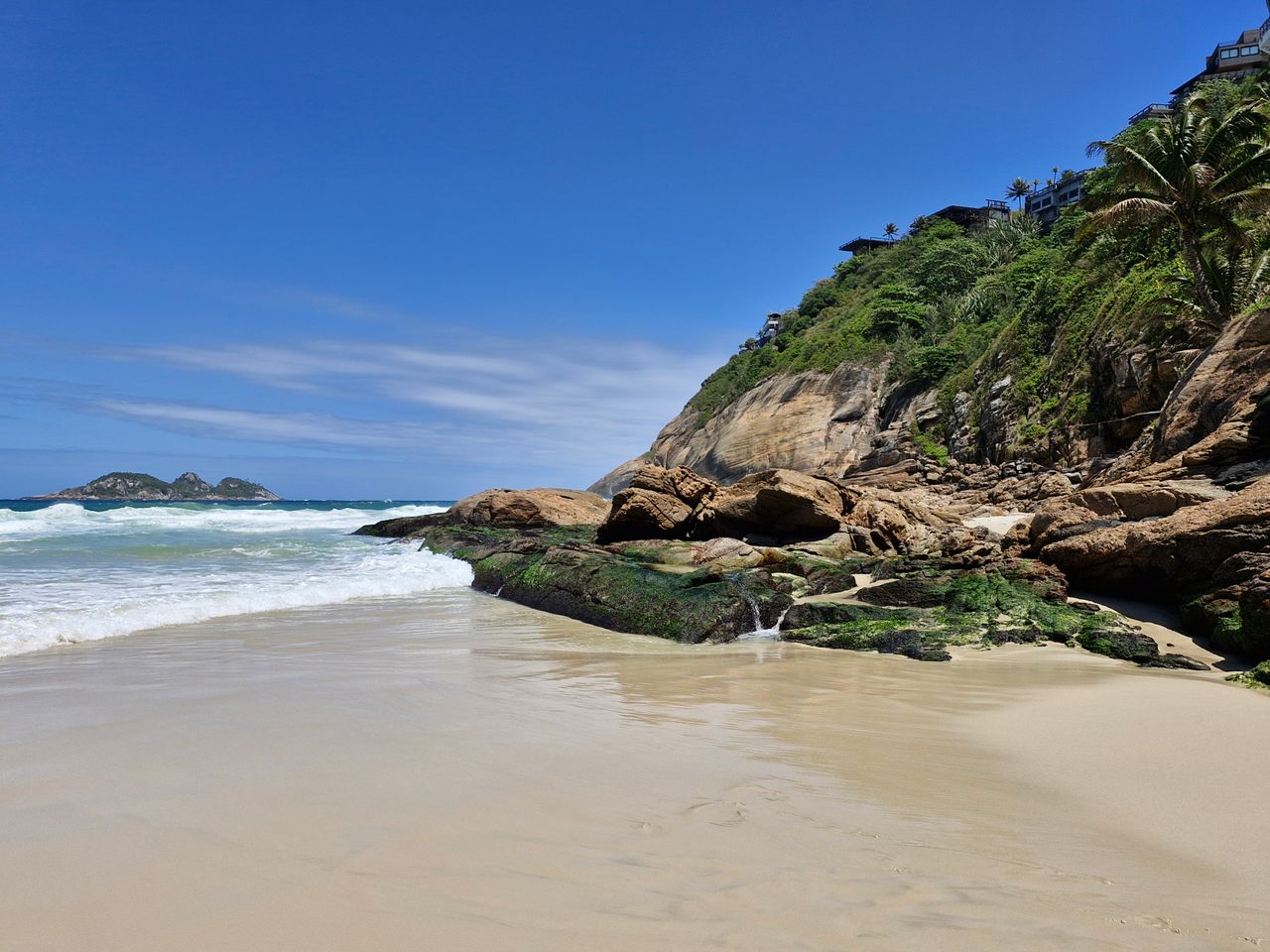
Due to its location between stone walls, when the tide is high, the strip of sand disappears completely and the water crashes directly against the rocks.
- Low tide (Marea Baixa): This is the only time you can enjoy the beach, sunbathe on the sand, and leave your belongings safely.
- High tide (Marea Alta): The sand is covered. Only experienced surfers who enter the water directly from the rocks come here.
How to get to Praia da Joatinga step by step
Being inside a gated community (Condomínio do Joá), access might seem confusing the first time, but it is entirely public and legal.
1. By Uber or taxi (most recommended option)
It is the fastest and most comfortable way.
- Set your destination in the app to: "Praia da Joatinga" or "Rua Pascoal Segreto".
- The car will enter through the community's security booth (the guards allow pedestrian and vehicular access for visitors heading to the beach without any problems).
- Ask the driver to drop you off at the end of the street, where the descent trail begins.
2. By metro + Uber / bus
- Take Metro Line 4 to the terminal station Jardim Oceânico (in Barra da Tijuca) or São Conrado station.
- From either of the two stations, take an Uber (it's only a 5 to 10-minute ride to the Joá security booth).
- Bus option: The buses that travel along Estrada do Joá drop you off near the entrance to the gated community, but you will have to walk about 15-20 minutes uphill/downhill on steep streets to reach the beach access.
3. By private car
- Enter via Estrada do Joá towards the gated community.
- Watch out for parking: Parking spots on the internal streets of the community are extremely limited. On sunny weekends, it fills up very early, and finding a spot is difficult.
The descent to the beach: difficulty and access
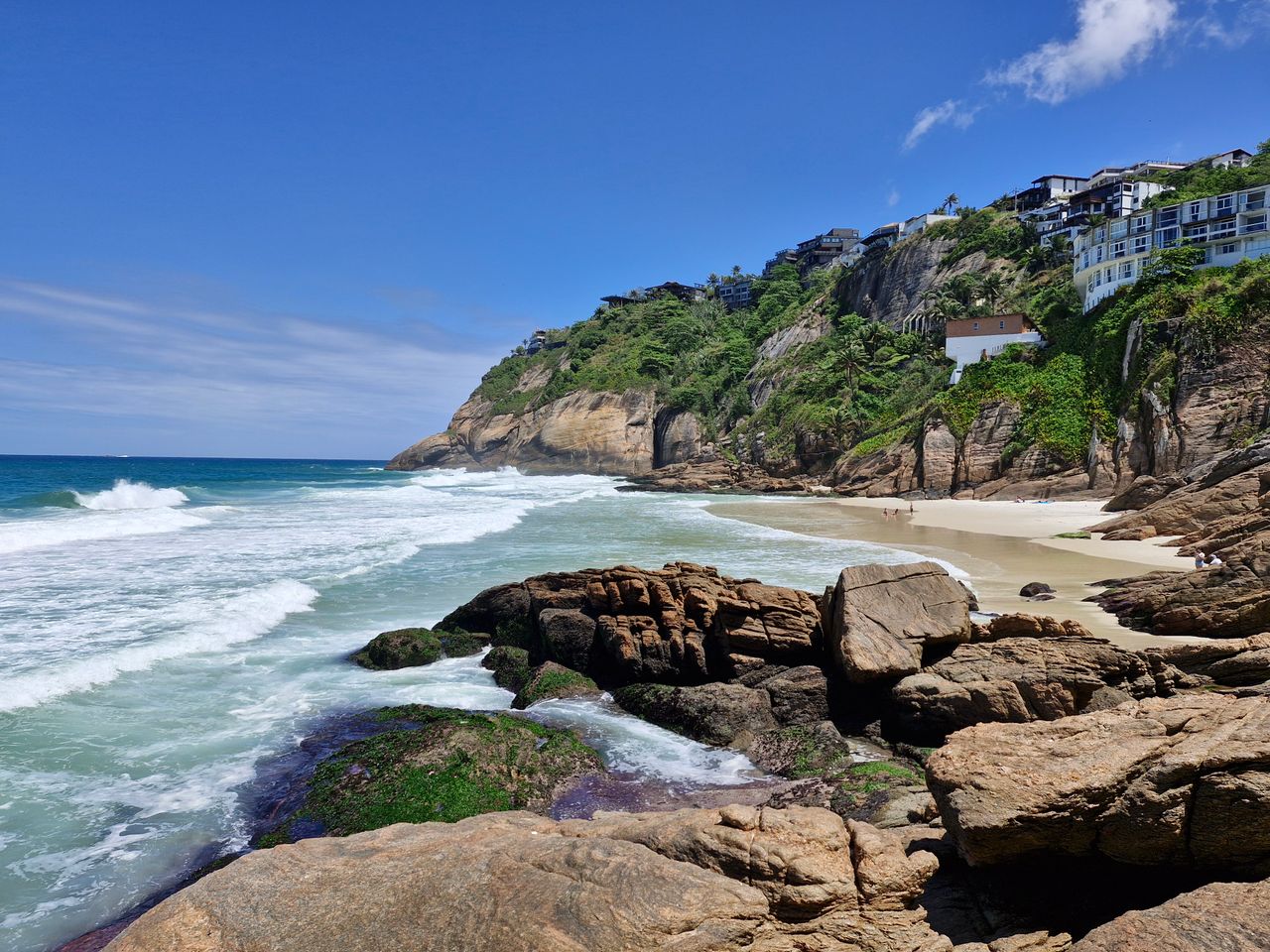
Once at the end of the residential street, you will find a small concrete staircase that then turns into a natural trail over rocks.
- Difficulty: Moderate. It's not a long trek (takes about 5 to 10 minutes), but it requires climbing up and down uneven stone blocks.
- Recommended footwear: Avoid going down in flip-flops (havaianas) if you don't have good balance; ideally, wear sneakers or sandals strapped to your feet.
- Accessibility: It is not suitable for people with reduced mobility, baby strollers, or older adults with joint problems.
What to do in Praia da Joatinga
1. World-class surfing
Joatinga is one of the most coveted surf spots in Rio. Its waves are powerful, tubular, and break close to the shore over a sand and stone bottom. It is an ideal spot for intermediate to advanced surfers.
2. Disconnection and wild landscape
Unlike Ipanema, here you won't find tall buildings behind the sand or noisy avenues. You are surrounded by pure nature, the sound of the waves, and open views of the Atlantic Ocean.
3. Mirante do Joá
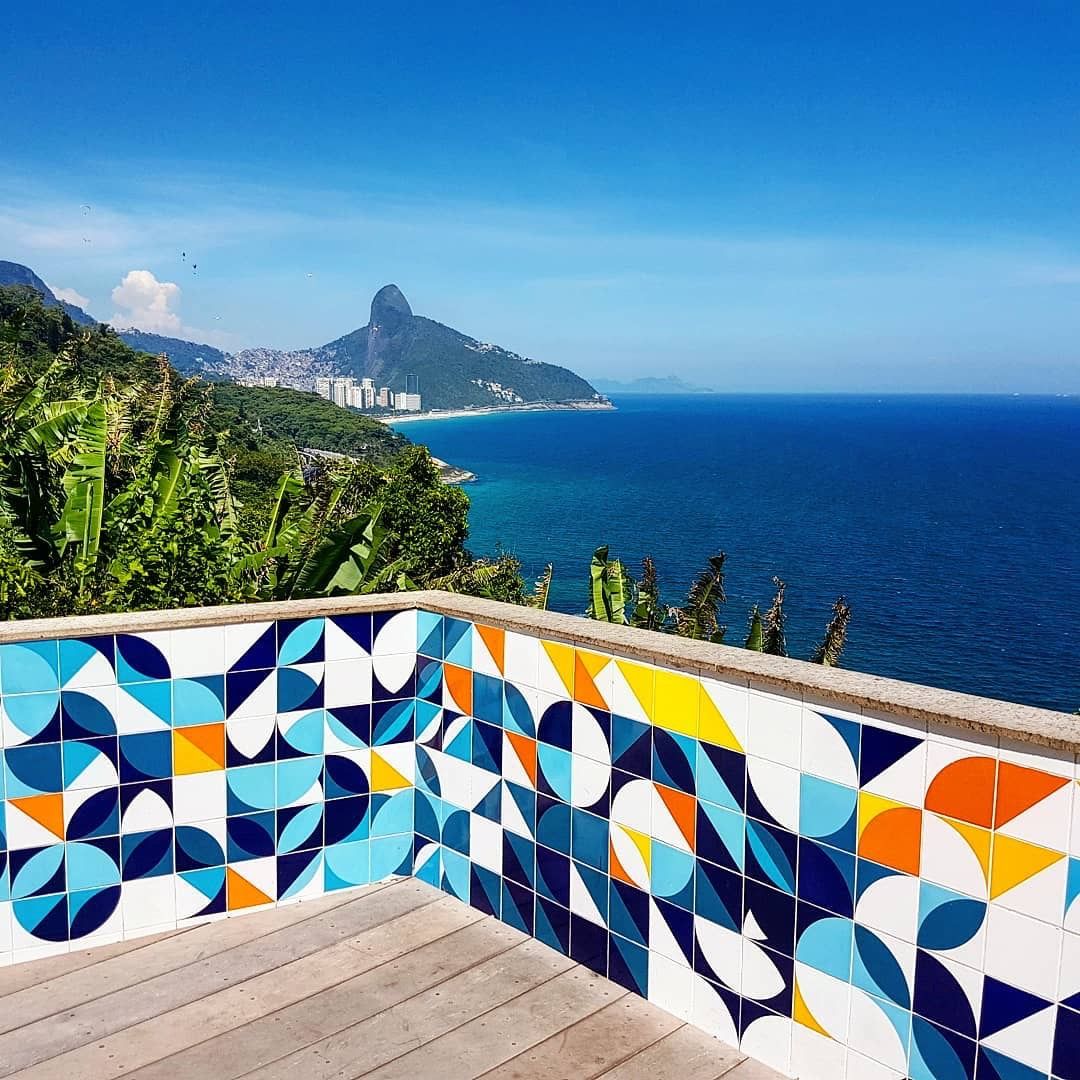
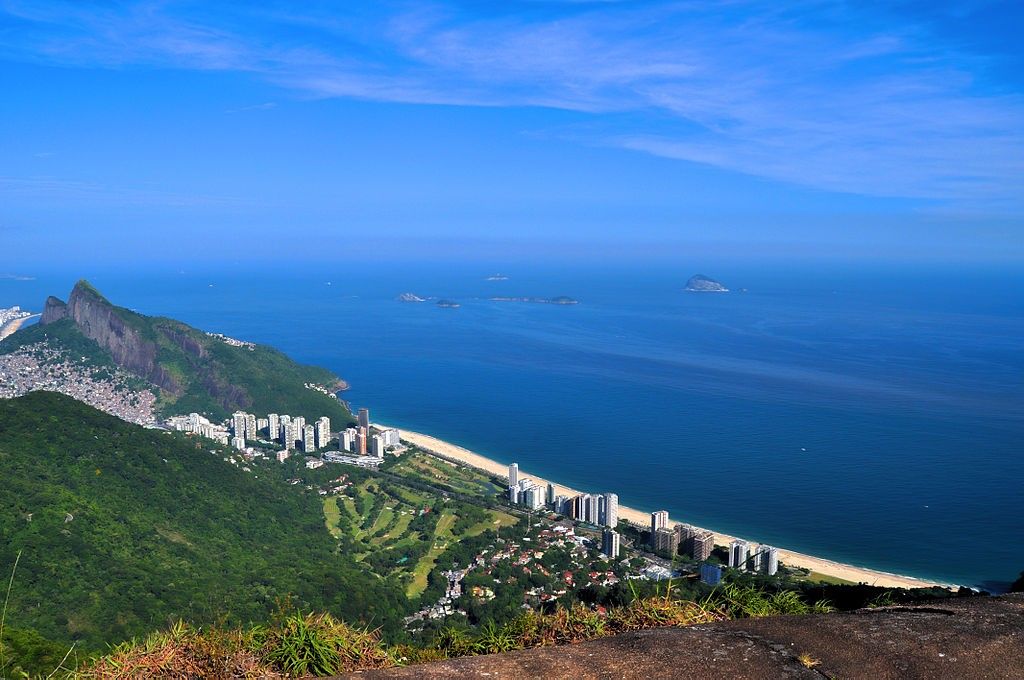
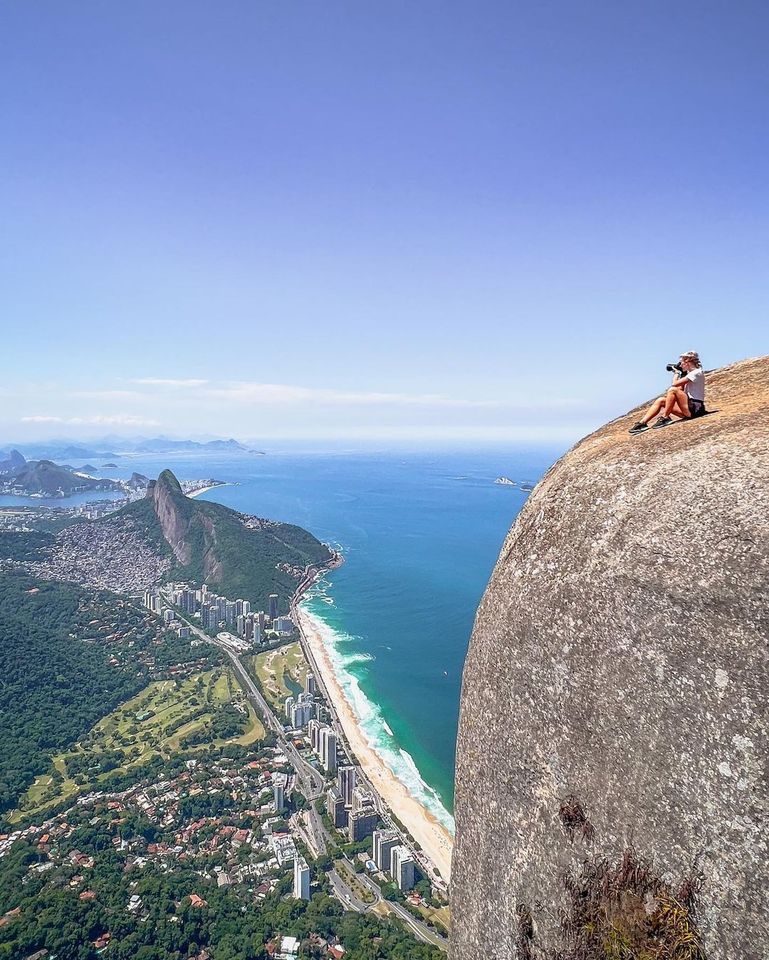
On the way to the beach or when leaving, you can make a stop at the Joá Viewpoint, located on the main road. It offers a spectacular panoramic view of São Conrado beach, Pedra da Gávea, and the South Zone coast.
Infrastructure and services (what to bring)
Praia da Joatinga preserves its virgin character, so the infrastructure is minimalist:
- Food and drink: On sunny days and weekends, there are usually beach vendors (vendors selling Globo biscuits, matte, caipirinhas, and water), but there are no fixed kiosks or restaurants on the beach. It is recommended to bring your own water, snacks, and fruits.
- Umbrellas and beach chairs: There are local rentals near the access during high season, but prices are higher than in Copacabana. If you can, bring your own beach towel or umbrella.
- Restrooms: There are no public restrooms on the beach or on the trail.
Frequently asked questions about Praia da Joatinga (FAQ)
Is it safe to visit Praia da Joatinga?
Yes, it is one of the safest beaches in Rio de Janeiro. Being inside a private neighborhood with access control and constant patrolling, the theft rate is extremely low compared to other central beaches.
Do you have to pay an entrance fee?
No, all beaches in Brazil are public by law. Access to the gated community and the beach is 100% free.
Is the water dangerous for swimming?
Yes, it requires caution. Being open ocean boxed in between rocks, there are often strong rip currents (correntes de retorno) and powerful waves. If you are not an experienced swimmer or the sea is rough, it's best to stay near the shore.
What time does the sun hit Joatinga?
Due to the high cliffs surrounding it to the west, the shade starts to cover the beach earlier than in other areas (usually around 3:30 PM or 4:00 PM depending on the time of year). The ideal time to go is in the morning.
You might also be interested in
Praia da Joatinga is located in the exclusive and mountainous neighborhood of Joá, a small residential area situated right on the border where the South Zone (São Conrado) ends and the West Zone (Barra da Tijuca) begins.
What makes it unique is its geographical setting: it is boxed in between imposing stone cliffs covered in Atlantic vegetation and divided by mansions with avant-garde architecture suspended over the sea. Its strip of sand is narrow (about 300 meters) and the waters often exhibit a striking turquoise blue tone.
PUBLICIDAD
Travel with Data: Get your Saily eSIM
- ✓Internet in seconds upon landing
- ✓Flexible plans in 180+ countries
- ✓Easy setup directly via the App
⚠️ GOLDEN RULE: Never go to Joatinga without checking the tide chart (tábua de marés).
Due to its location between stone walls, when the tide is high, the strip of sand disappears completely and the water crashes directly against the rocks.
- Low tide (Marea Baixa): This is the only time you can enjoy the beach, sunbathe on the sand, and leave your belongings safely.
- High tide (Marea Alta): The sand is covered. Only experienced surfers who enter the water directly from the rocks come here.
Being inside a gated community (Condomínio do Joá), access might seem confusing the first time, but it is entirely public and legal.
1. By Uber or taxi (most recommended option)
It is the fastest and most comfortable way.
- Set your destination in the app to: "Praia da Joatinga" or "Rua Pascoal Segreto".
- The car will enter through the community's security booth (the guards allow pedestrian and vehicular access for visitors heading to the beach without any problems).
- Ask the driver to drop you off at the end of the street, where the descent trail begins.
2. By metro + Uber / bus
- Take Metro Line 4 to the terminal station Jardim Oceânico (in Barra da Tijuca) or São Conrado station.
- From either of the two stations, take an Uber (it's only a 5 to 10-minute ride to the Joá security booth).
- Bus option: The buses that travel along Estrada do Joá drop you off near the entrance to the gated community, but you will have to walk about 15-20 minutes uphill/downhill on steep streets to reach the beach access.
3. By private car
- Enter via Estrada do Joá towards the gated community.
- Watch out for parking: Parking spots on the internal streets of the community are extremely limited. On sunny weekends, it fills up very early, and finding a spot is difficult.
Once at the end of the residential street, you will find a small concrete staircase that then turns into a natural trail over rocks.
- Difficulty: Moderate. It's not a long trek (takes about 5 to 10 minutes), but it requires climbing up and down uneven stone blocks.
- Recommended footwear: Avoid going down in flip-flops (havaianas) if you don't have good balance; ideally, wear sneakers or sandals strapped to your feet.
- Accessibility: It is not suitable for people with reduced mobility, baby strollers, or older adults with joint problems.
1. World-class surfing
Joatinga is one of the most coveted surf spots in Rio. Its waves are powerful, tubular, and break close to the shore over a sand and stone bottom. It is an ideal spot for intermediate to advanced surfers.
2. Disconnection and wild landscape
Unlike Ipanema, here you won't find tall buildings behind the sand or noisy avenues. You are surrounded by pure nature, the sound of the waves, and open views of the Atlantic Ocean.
3. Mirante do Joá
On the way to the beach or when leaving, you can make a stop at the Joá Viewpoint, located on the main road. It offers a spectacular panoramic view of São Conrado beach, Pedra da Gávea, and the South Zone coast.
Praia da Joatinga preserves its virgin character, so the infrastructure is minimalist:
- Food and drink: On sunny days and weekends, there are usually beach vendors (vendors selling Globo biscuits, matte, caipirinhas, and water), but there are no fixed kiosks or restaurants on the beach. It is recommended to bring your own water, snacks, and fruits.
- Umbrellas and beach chairs: There are local rentals near the access during high season, but prices are higher than in Copacabana. If you can, bring your own beach towel or umbrella.
- Restrooms: There are no public restrooms on the beach or on the trail.
Is it safe to visit Praia da Joatinga?
Yes, it is one of the safest beaches in Rio de Janeiro. Being inside a private neighborhood with access control and constant patrolling, the theft rate is extremely low compared to other central beaches.
Do you have to pay an entrance fee?
No, all beaches in Brazil are public by law. Access to the gated community and the beach is 100% free.
Is the water dangerous for swimming?
Yes, it requires caution. Being open ocean boxed in between rocks, there are often strong rip currents (correntes de retorno) and powerful waves. If you are not an experienced swimmer or the sea is rough, it's best to stay near the shore.
What time does the sun hit Joatinga?
Due to the high cliffs surrounding it to the west, the shade starts to cover the beach earlier than in other areas (usually around 3:30 PM or 4:00 PM depending on the time of year). The ideal time to go is in the morning.
PUBLICIDAD
International Travel Insurance
- ✓International medical insurance
- ✓24/7 immediate assistance in your language
- ✓Ideal for trekking & adventure
Posts in Rio-de-janeiro
10 playas de Río de Janeiro
Arcos da Lapa en Río de Janeiro
Barra da Tijuca
Botafogo
Catedral Metropolitana de Río de Janeiro
Como pagar en Rio de Janeiro
Copacabana

Cristo Redentor en Río de Janeiro

Del aeropuerto de al centro

Dónde alojarse en Río de Janeiro
Escadaria Selarón en Río de Janeiro

Estadio Maracaná
Flamengo
Forte do Leme (Forte Duque de Caxias)
Ipanema
Itinerarios en Río de Janeiro en 3, 5 y 7 días
Jardín Botánico de Río de Janeiro
Lagoa Rodrigo de Freitas
Lapa en Río de Janeiro
Miradores y senderos en Río de Janeiro
Mirante Dona Marta
Morro da Urca
Morro Dois Irmãos
Museo del Mañana (Museu do Amanhã)
Pan de Azúcar en Río de Janeiro
Pedra Bonita
Pedra da Gávea
Pedra do Telégrafo
Playas cerca de Río de Janeiro
Praia do Leblon
Praia Vermelha
Santa Teresa en Río de Janeiro
Preferences
Language
Color
Text
Width