Table of contents and map
Things to Do in Copacabana: Beach Guide, Neighborhood, Attractions & Travel Tips
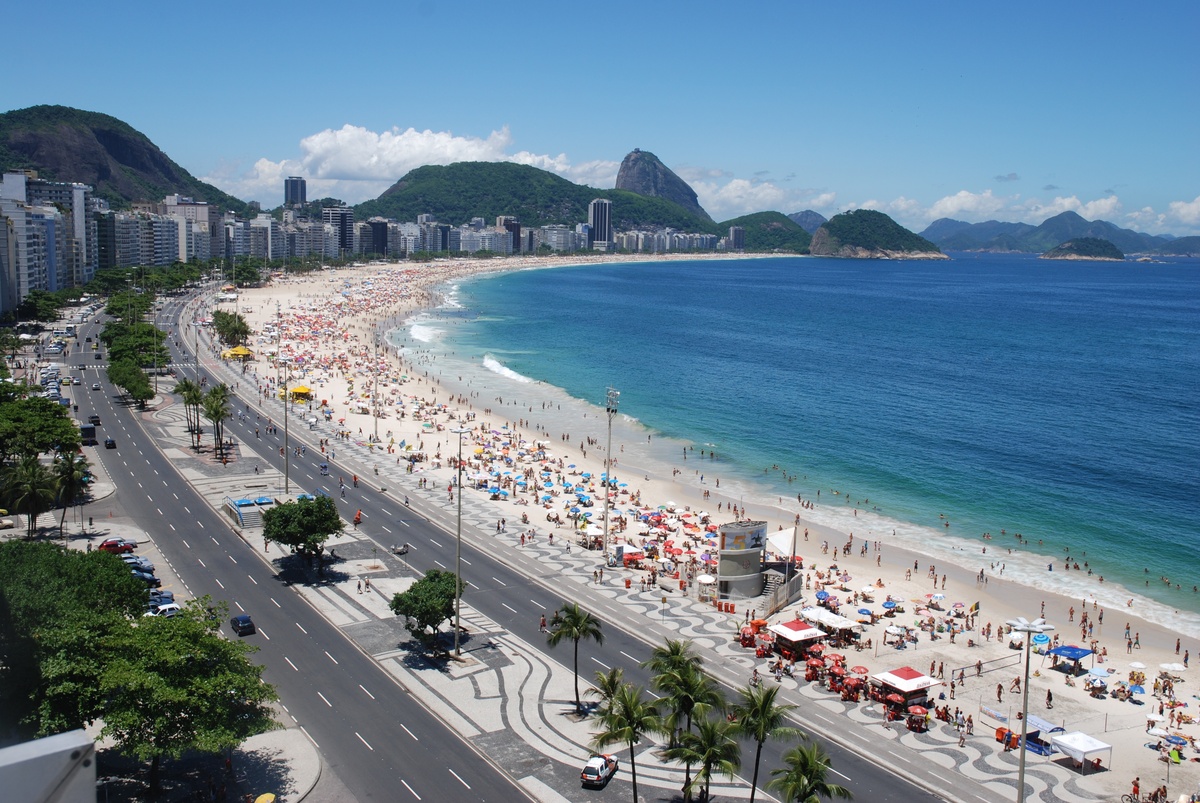
Copacabana is the historical and cultural epicenter of tourism in Rio de Janeiro. With its famous 4-kilometer crescent-shaped beach, iconic Portuguese pavement tiles, the imposing presence of Copacabana Fort, and its unmatched urban energy, the 'Little Princess of the Sea' offers a vibrant experience where city life and beach culture merge seamlessly.
Things to Do in Copacabana: Beach Guide, Neighborhood, Attractions & Travel Tips
Copacabana is the historical and cultural epicenter of tourism in Rio de Janeiro. With its famous 4-kilometer crescent-shaped beach, iconic Portuguese pavement tiles, the imposing presence of Copacabana Fort, and its unmatched urban energy, the 'Little Princess of the Sea' offers a vibrant experience where city life and beach culture merge seamlessly.
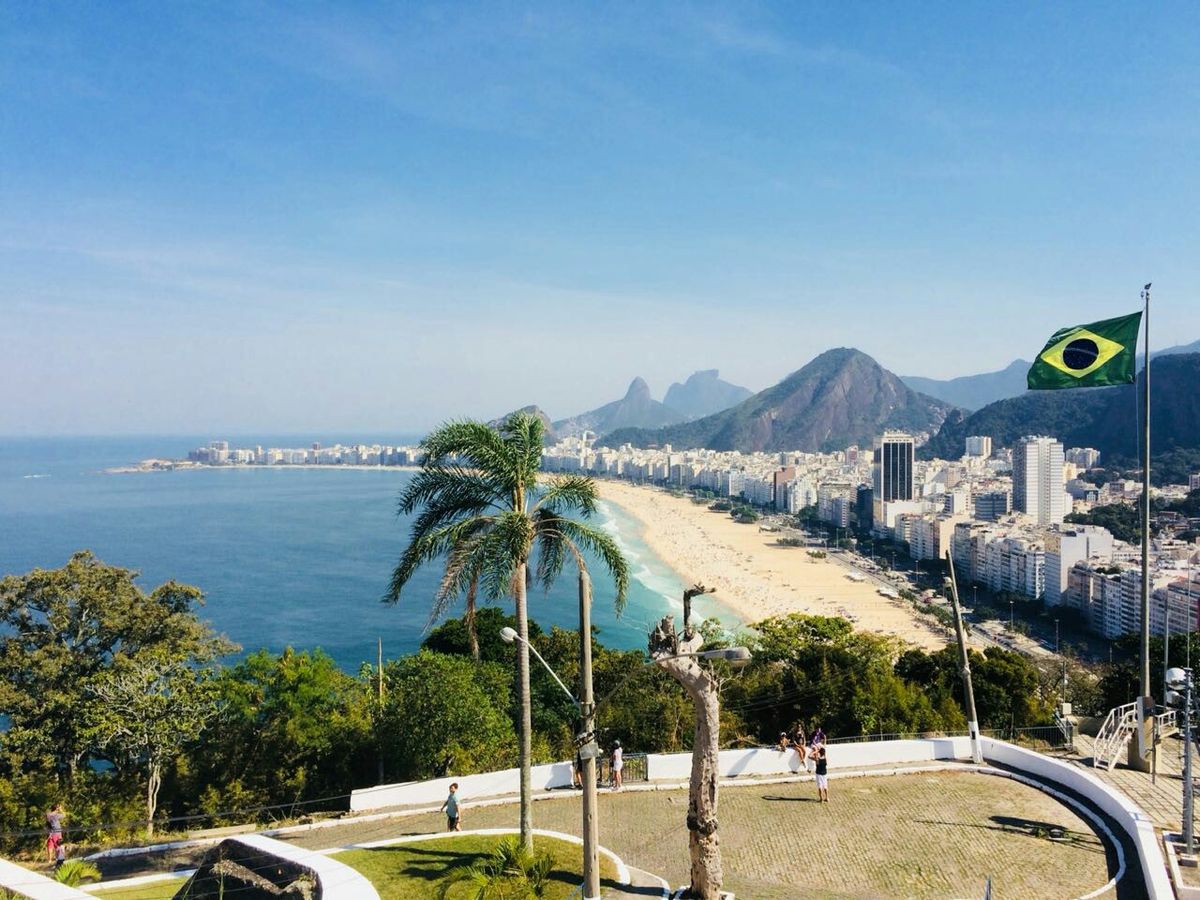
Copacabana is without a doubt the most famous name when thinking about Brazilian beaches. Known worldwide as the "Princesinha do Mar" (Little Princess of the Sea), this iconic neighborhood in Rio de Janeiro’s South Zone combines a stunning crescent-shaped beach with a vibrant, historic, 24-hour urban atmosphere.
Out of the four months we spent living in the city, we spent an entire month in Copacabana, enjoying its beachfront kiosks and exploring its historic corners. It is a neighborhood with a powerful identity where locals, street artists, athletes, and travelers from around the world coexist seamlessly.
Top Things to Do in Copacabana: Beach, Neighborhood & Culture
1. Enjoy Copacabana Beach and Understand Its Postos
The beach stretches along 4 kilometers bordered by the famous Avenida Atlântica and is organized by postos (lifeguard towers numbered 1 to 6):
- Posto 1 to 2 (Leme): The quietest and most family-friendly area, right at the foot of Morro do Leme. Ideal if you are looking for fewer crowds and calmer water near the rocks.
- Posto 3 to 4: The central hub of Copacabana, right in front of the historic Belmond Copacabana Palace hotel. Very lively, with plenty of beach sports on the sand.
- Posto 5 and 6: The area closest to Ipanema. Posto 6 is famous for housing traditional fishermen, the Stand Up Paddleboard (SUP) community, and the imposing Copacabana Fort.
2. Visit Copacabana Fort and Have Breakfast at Confeitaria Colombo
Located at the southern end of the beach (Posto 6), this early 20th-century military fort offers one of the best panoramic views of Copacabana Bay. Besides exploring its historic cannons and exhibitions, stopping for breakfast or afternoon tea at the Confeitaria Colombo branch while enjoying a coffee overlooking the ocean is a must-do.

3. Walk Along Avenida Atlântica and Take a Picture with the Drummond Statue
Copacabana’s promenade is world-famous for its black-and-white wave-patterned Portuguese pavement (designed by landscape architect Burle Marx). Near Posto 6, you will find the popular bronze statue of Brazilian poet Carlos Drummond de Andrade, sitting on a bench facing the ocean—a classic spot for a souvenir photo.
4. Hike Up to Leme Fort (Forte Duque de Caxias)
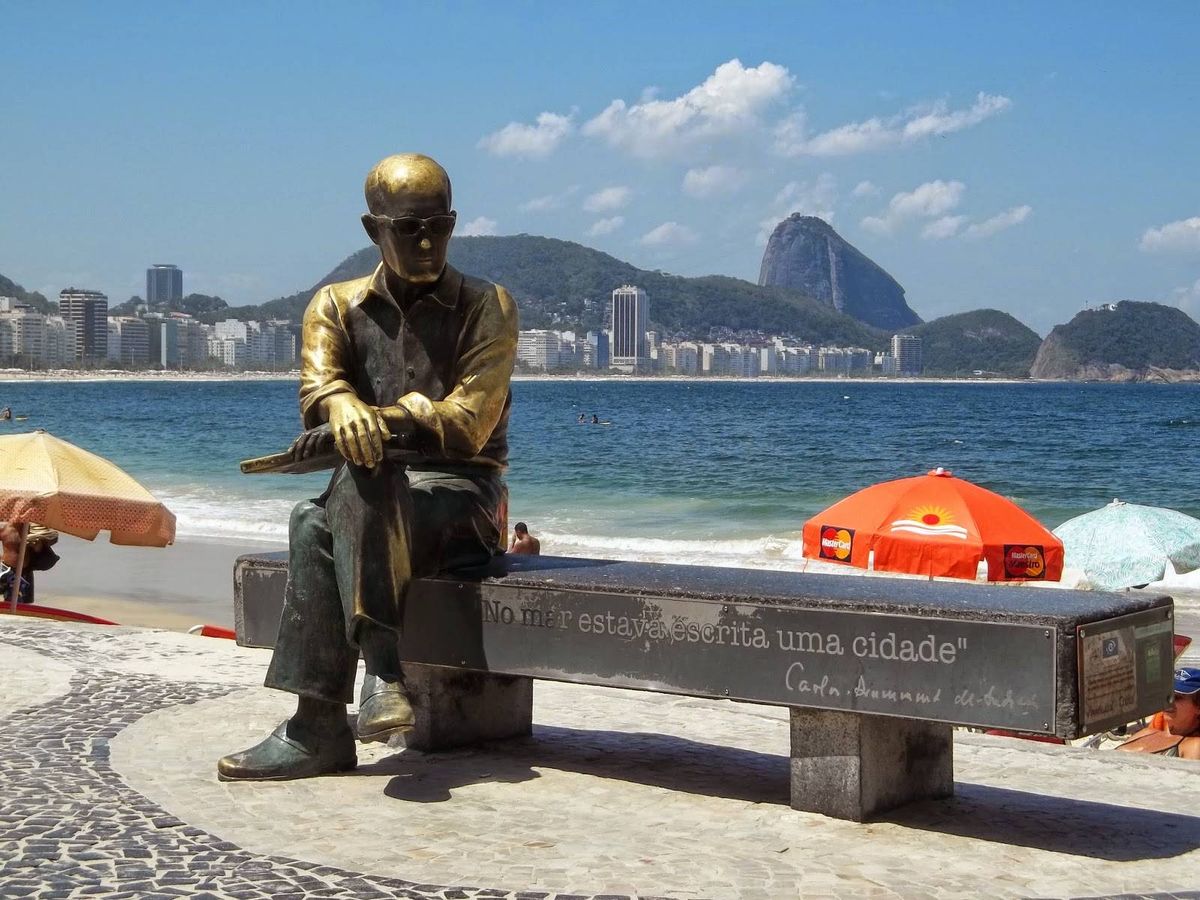
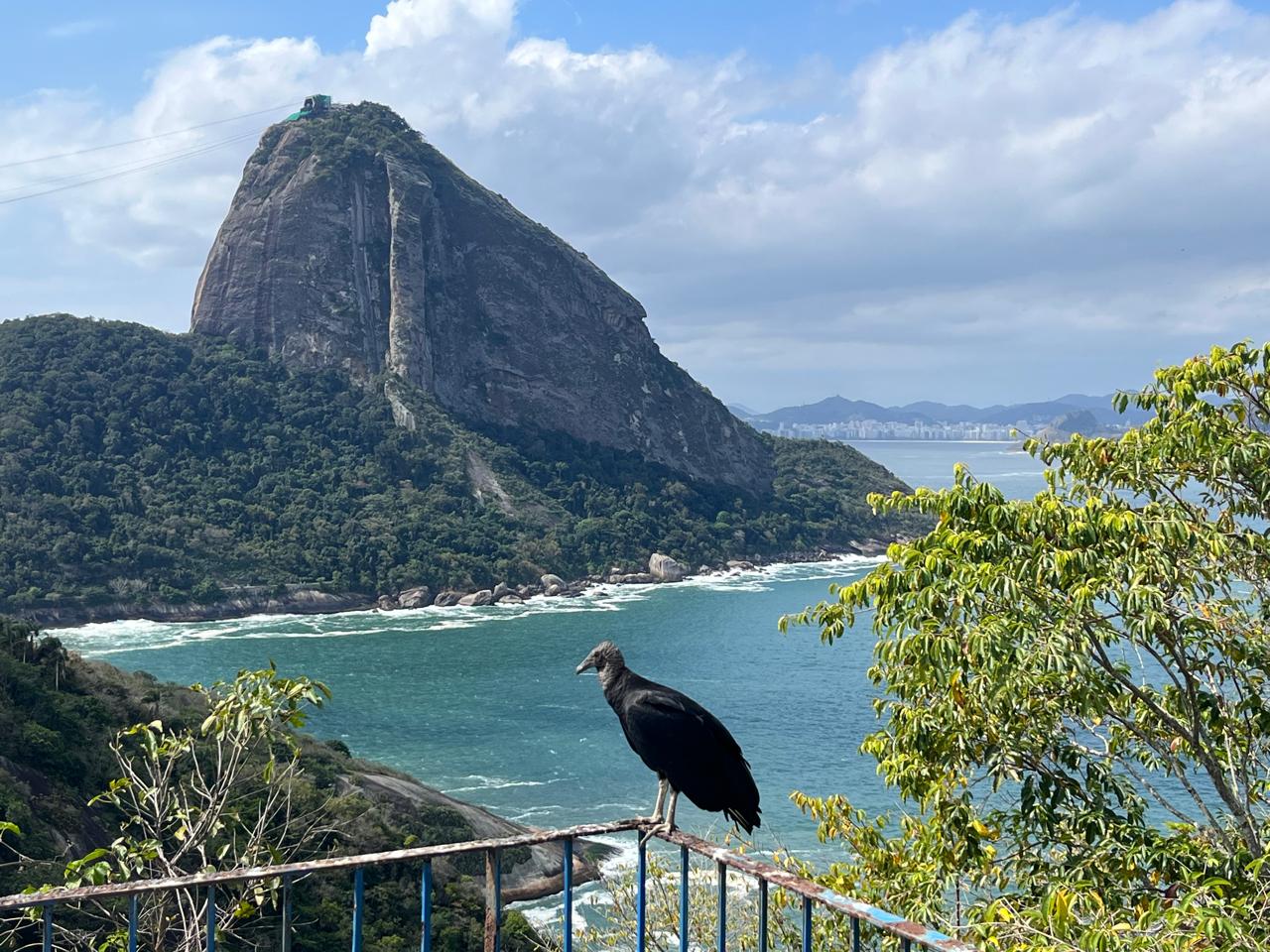
At the opposite end of Copacabana (Posto 1) lies the neighborhood of Leme. A short 15 to 20-minute uphill walk along a shaded cobblestone path through an environmental preservation area leads you to the top of Forte do Leme. The view from the summit overlooking the entire curve of Copacabana and Sugarloaf Mountain is simply spectacular.
5. Browse the Copacabana Night Market (Feirinha Noturna)
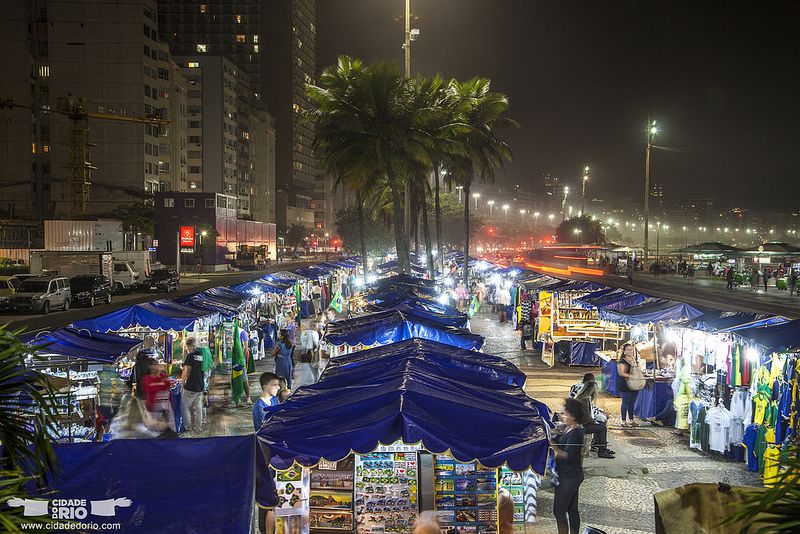
Every evening, along the central median of Avenida Atlântica (between Posto 4 and 5), an open-air market sets up stall. It is a great place to buy souvenirs, local handicrafts, paintings, beachwear, and gifts at very reasonable prices.
6. Relax at the Kiosks along Avenida Atlântica
Dozens of modern, well-equipped kiosks line the boardwalk, operating day and night. You can sit down for a cold caipirinha, a fresh coconut water, or lunch right by the sand while enjoying live music (bossa nova, samba, or MPB).
Where to Eat in Copacabana: Dining Recommendations
Copacabana offers a massive food scene suitable for all budgets:
- Confeitaria Colombo (Copacabana Fort): Essential for coffee, traditional pastries, or brunch by the ocean.
- Adega Pérola: A historic and bohemian boteco (near Siqueira Campos station) famous for its seafood tapas, pickled delicacies, and traditional Carioca snacks.
- Cervantes: An absolute late-night classic, legendary for its generous pork tenderloin (pernil) sandwiches served with melted cheese and pineapple (abacaxi).
- Churrascarias: If you want an authentic Brazilian steakhouse rodizio experience, top neighborhood spots include Churrascaria Palace.
- Corner Juice Bars & Botecos: At almost every inner street corner (Nossa Senhora de Copacabana, Barata Ribeiro), you can grab a cold açaí or fresh fruit juices paired with freshly made salgados.
Practical Travel Information for Copacabana
Is Copacabana Safe?
Copacabana is a busy, well-lit neighborhood, but as a major tourist hub, standard precautions are necessary:
- On the beach: Never leave valuables (phones, cameras, wallets) unattended on your towel when going into the ocean.
- At night: The main promenade (Av. Atlântica) is usually well-policed and busy, but avoid walking on the dark sand near the water or down quiet side streets late at night.
- Personal safety: Maintain a low profile and avoid displaying expensive jewelry or watches.
How to Get to Copacabana
- By Metro: The easiest and fastest way to get here from Downtown or Ipanema/Leblon. Line 1 serves the neighborhood with three main stations: Cardeal Arcoverde (Posto 1-2), Siqueira Campos (Posto 3-4), and Cantagalo (Posto 5).
- By Uber / Taxi: Readily available at any hour.
- By Bike: Via the continuous coastal bike lane connecting the entire boardwalk northward to Leme and southward to Ipanema.
Beach Services: Chairs, Umbrellas, and Expenses
Just like in Ipanema, there is no need to haul heavy gear to the beach. Local barracas (numbered beach tents) on the sand offer rentals:
- Beach Umbrella (Guarda-sol): Approx. 10 to 15 BRL.
- Beach Chairs (Cadeiras): Approx. 5 to 10 BRL each.
You can easily pay for snacks, drinks, coconut water, or rentals on the sand using debit/credit cards or Pix.
Where to Stay in Copacabana
Copacabana has Rio de Janeiro’s largest concentration of hotels and vacation rentals:
- Beachfront (Av. Atlântica): Ideal if you want direct ocean views and full-service hotels (such as the iconic Copacabana Palace or international chains).
- Between Av. Nossa Senhora de Copacabana and Barata Ribeiro: Excellent location 1 or 2 blocks from the beach, with supermarkets, banks, restaurants, and metro stations right at hand.
- Leme Area (Posto 1): A quieter, more residential corner within Copacabana’s energetic atmosphere.
How to Pay in Copacabana
- Digital Wallets are Best: When paying in Rio de Janeiro, it is best to avoid physical debit and credit cards whenever possible. For safety and convenience, digital wallets work much better.
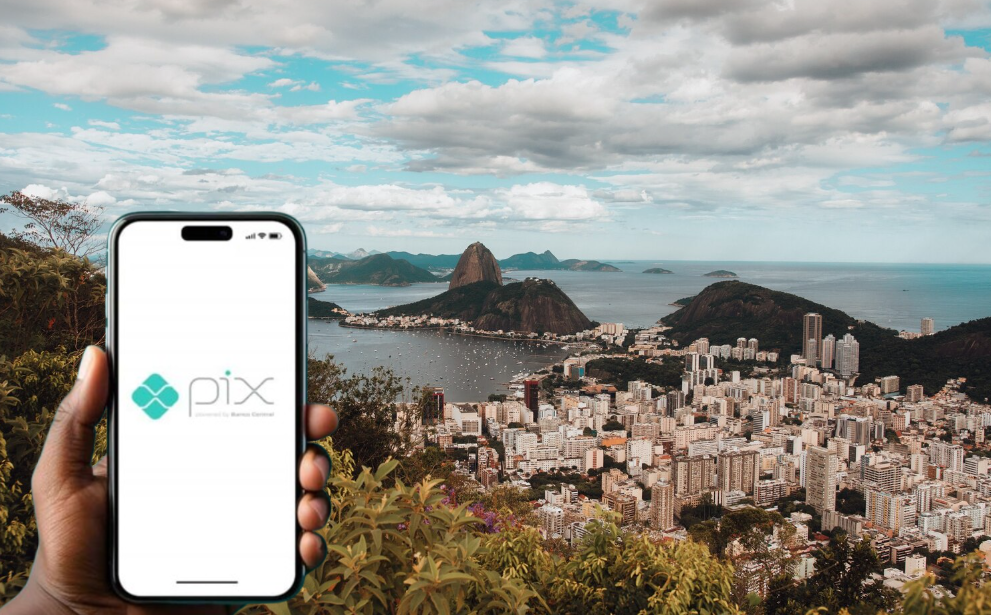
- Brazil relies heavily on Pix, an instant payment system. Using wallets that support Pix payments makes transactions simple: you pay via QR code, see the exact amount before confirming, and avoid common card cloning issues.
- Security is key: before confirming any payment, the exact amount is shown on your screen and requires manual approval on your phone.
To learn how to use Pix as a foreigner, which wallets work best, and how to avoid common card scams, check out our complete guide on how to pay in Rio de Janeiro: Pix, cards, and safety.
Frequently Asked Questions about Copacabana (FAQ)
What is the best section of Copacabana Beach?
It depends on what you are looking for. If you prefer peace and a family atmosphere, Posto 1 and Leme are ideal. If you want action, sports, and proximity to Ipanema, the Posto 5 and 6 area is best.
Is it safe to swim at Copacabana Beach?
Yes, the water is clean for swimming, although on some days there are strong waves or rip currents (repuxo). Pay attention to red flags posted by lifeguards. The water is usually calmer near Leme and Posto 6.
What is the difference between Copacabana and Ipanema?
Copacabana is more historic, densely built, has a busy local commercial neighborhood feel, and a traditional, diverse beach crowd. Ipanema is more modern, elegant, filled with fashion boutiques, and has a slightly more exclusive beach vibe.
How much does it cost to enter Copacabana Fort?
General admission is around 10 to 20 BRL (with discounts for students and seniors). Entrance is often free on Tuesdays (check updated schedules before visiting).
You Might Also Like
1. Enjoy Copacabana Beach and Understand Its Postos
The beach stretches along 4 kilometers bordered by the famous Avenida Atlântica and is organized by postos (lifeguard towers numbered 1 to 6):
- Posto 1 to 2 (Leme): The quietest and most family-friendly area, right at the foot of Morro do Leme. Ideal if you are looking for fewer crowds and calmer water near the rocks.
- Posto 3 to 4: The central hub of Copacabana, right in front of the historic Belmond Copacabana Palace hotel. Very lively, with plenty of beach sports on the sand.
- Posto 5 and 6: The area closest to Ipanema. Posto 6 is famous for housing traditional fishermen, the Stand Up Paddleboard (SUP) community, and the imposing Copacabana Fort.
2. Visit Copacabana Fort and Have Breakfast at Confeitaria Colombo
Located at the southern end of the beach (Posto 6), this early 20th-century military fort offers one of the best panoramic views of Copacabana Bay. Besides exploring its historic cannons and exhibitions, stopping for breakfast or afternoon tea at the Confeitaria Colombo branch while enjoying a coffee overlooking the ocean is a must-do.
3. Walk Along Avenida Atlântica and Take a Picture with the Drummond Statue
Copacabana’s promenade is world-famous for its black-and-white wave-patterned Portuguese pavement (designed by landscape architect Burle Marx). Near Posto 6, you will find the popular bronze statue of Brazilian poet Carlos Drummond de Andrade, sitting on a bench facing the ocean—a classic spot for a souvenir photo.
4. Hike Up to Leme Fort (Forte Duque de Caxias)
At the opposite end of Copacabana (Posto 1) lies the neighborhood of Leme. A short 15 to 20-minute uphill walk along a shaded cobblestone path through an environmental preservation area leads you to the top of Forte do Leme. The view from the summit overlooking the entire curve of Copacabana and Sugarloaf Mountain is simply spectacular.
5. Browse the Copacabana Night Market (Feirinha Noturna)
Every evening, along the central median of Avenida Atlântica (between Posto 4 and 5), an open-air market sets up stall. It is a great place to buy souvenirs, local handicrafts, paintings, beachwear, and gifts at very reasonable prices.
6. Relax at the Kiosks along Avenida Atlântica
Dozens of modern, well-equipped kiosks line the boardwalk, operating day and night. You can sit down for a cold caipirinha, a fresh coconut water, or lunch right by the sand while enjoying live music (bossa nova, samba, or MPB).
PUBLICIDAD
Travel with Data: Get your Saily eSIM
- ✓Internet in seconds upon landing
- ✓Flexible plans in 180+ countries
- ✓Easy setup directly via the App
Copacabana offers a massive food scene suitable for all budgets:
- Confeitaria Colombo (Copacabana Fort): Essential for coffee, traditional pastries, or brunch by the ocean.
- Adega Pérola: A historic and bohemian boteco (near Siqueira Campos station) famous for its seafood tapas, pickled delicacies, and traditional Carioca snacks.
- Cervantes: An absolute late-night classic, legendary for its generous pork tenderloin (pernil) sandwiches served with melted cheese and pineapple (abacaxi).
- Churrascarias: If you want an authentic Brazilian steakhouse rodizio experience, top neighborhood spots include Churrascaria Palace.
- Corner Juice Bars & Botecos: At almost every inner street corner (Nossa Senhora de Copacabana, Barata Ribeiro), you can grab a cold açaí or fresh fruit juices paired with freshly made salgados.
Is Copacabana Safe?
Copacabana is a busy, well-lit neighborhood, but as a major tourist hub, standard precautions are necessary:
- On the beach: Never leave valuables (phones, cameras, wallets) unattended on your towel when going into the ocean.
- At night: The main promenade (Av. Atlântica) is usually well-policed and busy, but avoid walking on the dark sand near the water or down quiet side streets late at night.
- Personal safety: Maintain a low profile and avoid displaying expensive jewelry or watches.
- By Metro: The easiest and fastest way to get here from Downtown or Ipanema/Leblon. Line 1 serves the neighborhood with three main stations: Cardeal Arcoverde (Posto 1-2), Siqueira Campos (Posto 3-4), and Cantagalo (Posto 5).
- By Uber / Taxi: Readily available at any hour.
- By Bike: Via the continuous coastal bike lane connecting the entire boardwalk northward to Leme and southward to Ipanema.
Just like in Ipanema, there is no need to haul heavy gear to the beach. Local barracas (numbered beach tents) on the sand offer rentals:
- Beach Umbrella (Guarda-sol): Approx. 10 to 15 BRL.
- Beach Chairs (Cadeiras): Approx. 5 to 10 BRL each.
You can easily pay for snacks, drinks, coconut water, or rentals on the sand using debit/credit cards or Pix.
Copacabana has Rio de Janeiro’s largest concentration of hotels and vacation rentals:
- Beachfront (Av. Atlântica): Ideal if you want direct ocean views and full-service hotels (such as the iconic Copacabana Palace or international chains).
- Between Av. Nossa Senhora de Copacabana and Barata Ribeiro: Excellent location 1 or 2 blocks from the beach, with supermarkets, banks, restaurants, and metro stations right at hand.
- Leme Area (Posto 1): A quieter, more residential corner within Copacabana’s energetic atmosphere.
- Digital Wallets are Best: When paying in Rio de Janeiro, it is best to avoid physical debit and credit cards whenever possible. For safety and convenience, digital wallets work much better.
- Brazil relies heavily on Pix, an instant payment system. Using wallets that support Pix payments makes transactions simple: you pay via QR code, see the exact amount before confirming, and avoid common card cloning issues.
- Security is key: before confirming any payment, the exact amount is shown on your screen and requires manual approval on your phone.
To learn how to use Pix as a foreigner, which wallets work best, and how to avoid common card scams, check out our complete guide on how to pay in Rio de Janeiro: Pix, cards, and safety.
What is the best section of Copacabana Beach?
It depends on what you are looking for. If you prefer peace and a family atmosphere, Posto 1 and Leme are ideal. If you want action, sports, and proximity to Ipanema, the Posto 5 and 6 area is best.
Is it safe to swim at Copacabana Beach?
Yes, the water is clean for swimming, although on some days there are strong waves or rip currents (repuxo). Pay attention to red flags posted by lifeguards. The water is usually calmer near Leme and Posto 6.
What is the difference between Copacabana and Ipanema?
Copacabana is more historic, densely built, has a busy local commercial neighborhood feel, and a traditional, diverse beach crowd. Ipanema is more modern, elegant, filled with fashion boutiques, and has a slightly more exclusive beach vibe.
How much does it cost to enter Copacabana Fort?
General admission is around 10 to 20 BRL (with discounts for students and seniors). Entrance is often free on Tuesdays (check updated schedules before visiting).
PUBLICIDAD
International Travel Insurance
- ✓International medical insurance
- ✓24/7 immediate assistance in your language
- ✓Ideal for trekking & adventure
Posts in Rio-de-janeiro
10 playas de Río de Janeiro
Arcos da Lapa en Río de Janeiro
Barra da Tijuca

Botafogo
Catedral Metropolitana de Río de Janeiro
Como pagar en Rio de Janeiro

Cristo Redentor en Río de Janeiro

Del aeropuerto de al centro

Dónde alojarse en Río de Janeiro
Escadaria Selarón en Río de Janeiro

Estadio Maracaná
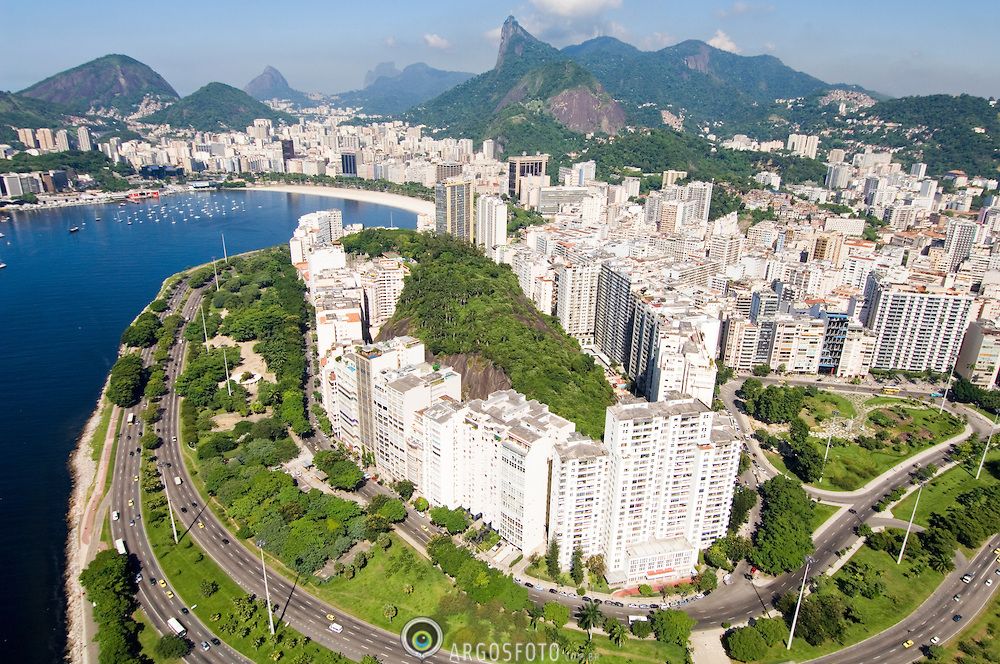
Flamengo
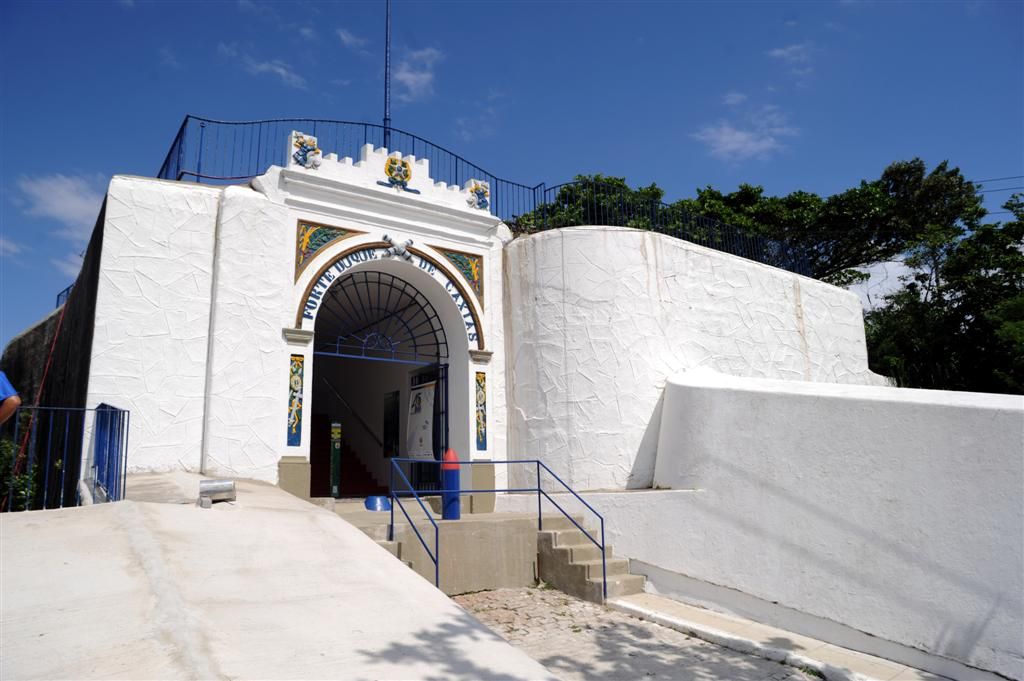
Forte do Leme (Forte Duque de Caxias)
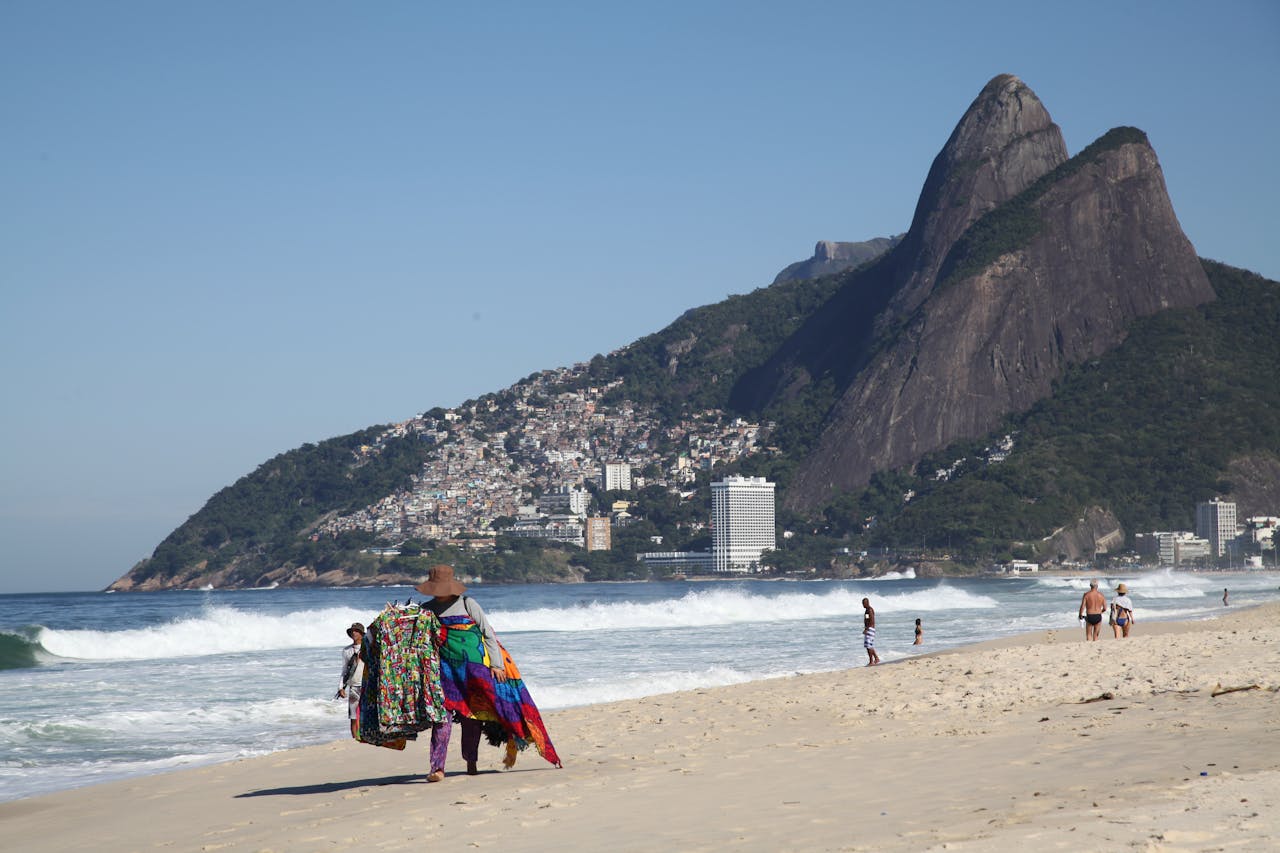
Ipanema
Itinerarios en Río de Janeiro en 3, 5 y 7 días
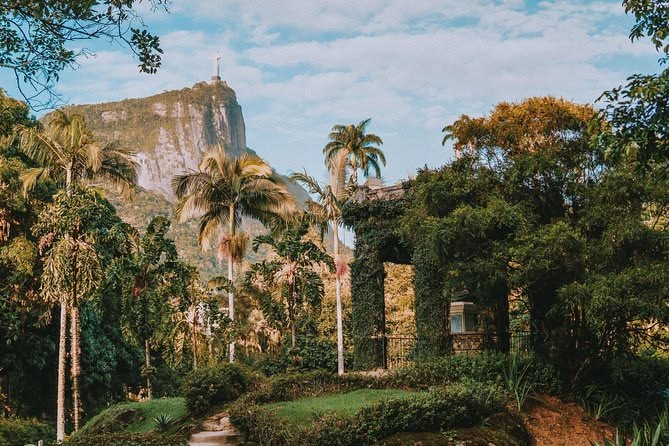
Jardín Botánico de Río de Janeiro

Lagoa Rodrigo de Freitas
Lapa en Río de Janeiro

Miradores y senderos en Río de Janeiro

Mirante Dona Marta
Morro da Urca
Morro Dois Irmãos
Museo del Mañana (Museu do Amanhã)
Pan de Azúcar en Río de Janeiro
Pedra Bonita
Pedra da Gávea
Pedra do Telégrafo
Playas cerca de Río de Janeiro
Praia da Joatinga
Praia do Leblon
Praia Vermelha
Santa Teresa en Río de Janeiro
Preferences
Language
Color
Text
Width