Table of contents and map
Pedra da Gávea: Hike, Carrasqueira, Opening Hours, Difficulty & Guides
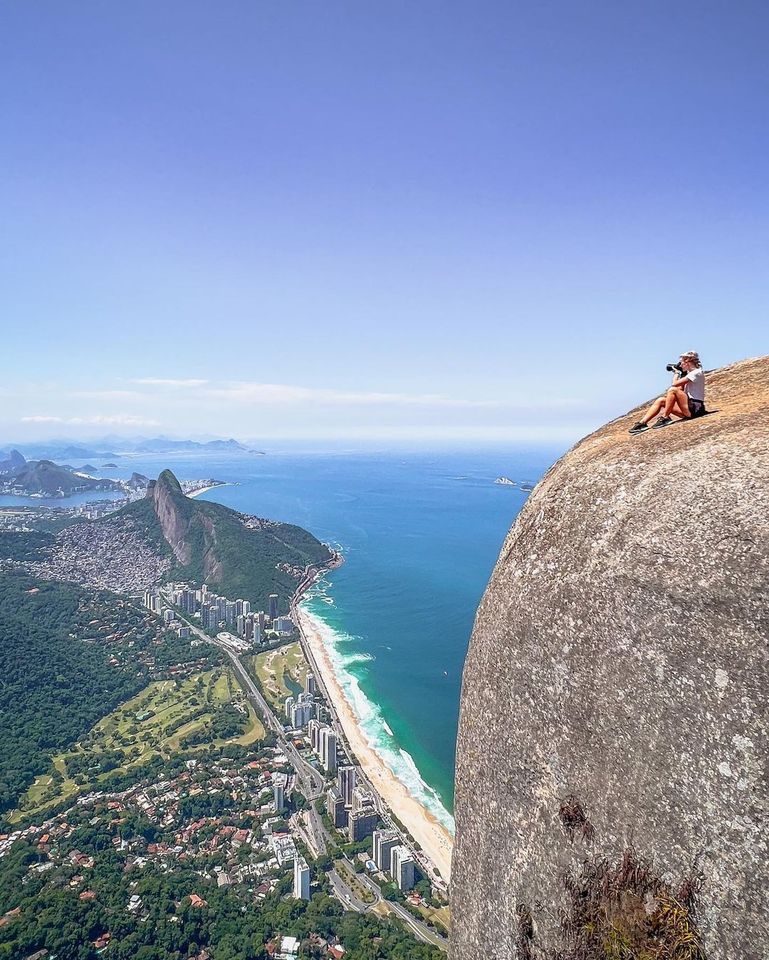
Rising 844 meters above sea level, Pedra da Gávea is the world's largest seaside monolith. It offers one of Rio de Janeiro's most challenging, epic, and legendary hikes, famous for the Carrasqueira rock climb and its 360-degree views.
Pedra da Gávea: Hike, Carrasqueira, Opening Hours, Difficulty & Guides
Rising 844 meters above sea level, Pedra da Gávea is the world's largest seaside monolith. It offers one of Rio de Janeiro's most challenging, epic, and legendary hikes, famous for the Carrasqueira rock climb and its 360-degree views.
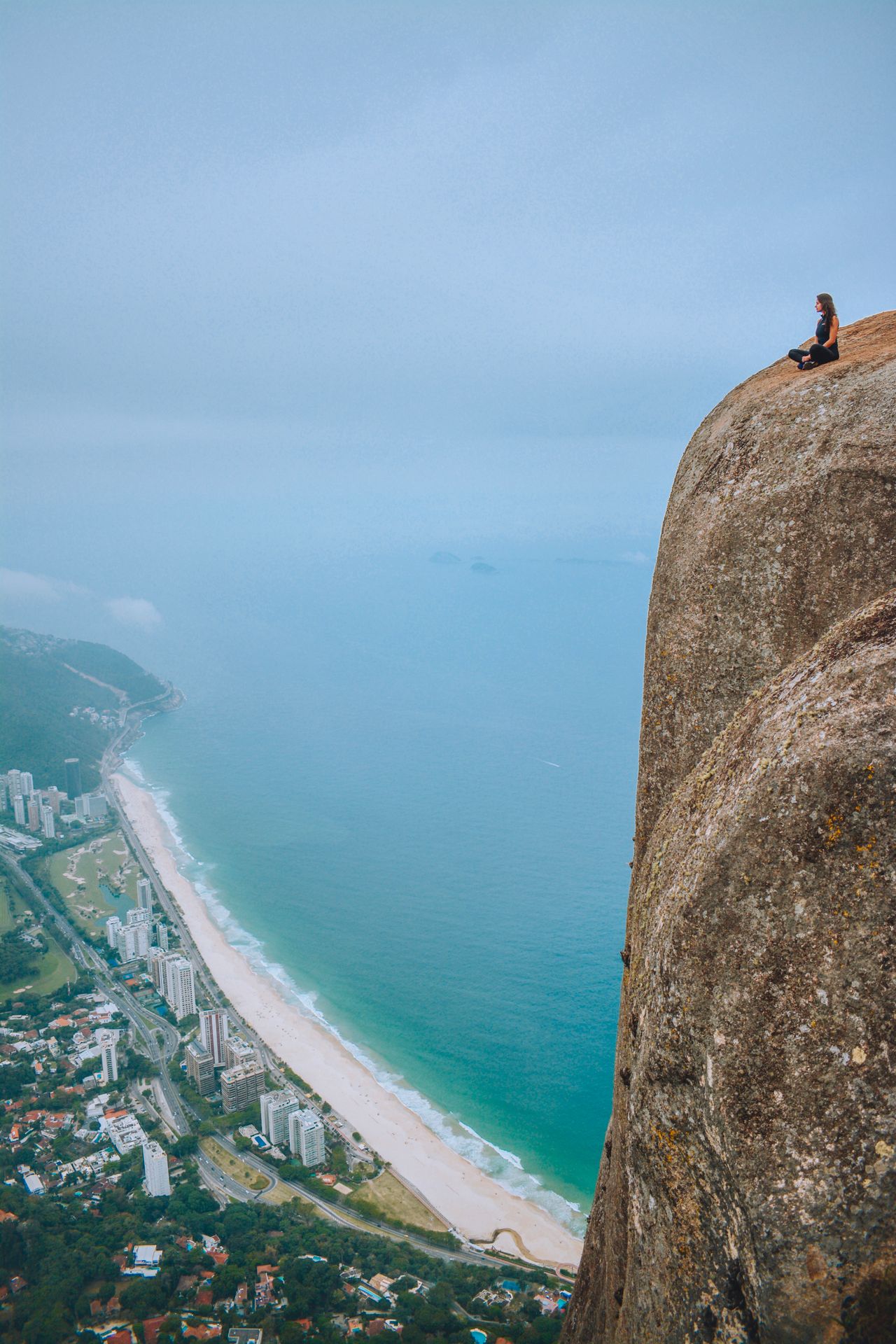
Pedra da Gávea is undoubtedly the ultimate challenge for outdoor enthusiasts and adventure seekers visiting Rio de Janeiro. Soaring to 844 meters above sea level inside Tijuca National Park, it holds the title of the largest coastal monolith on Earth.
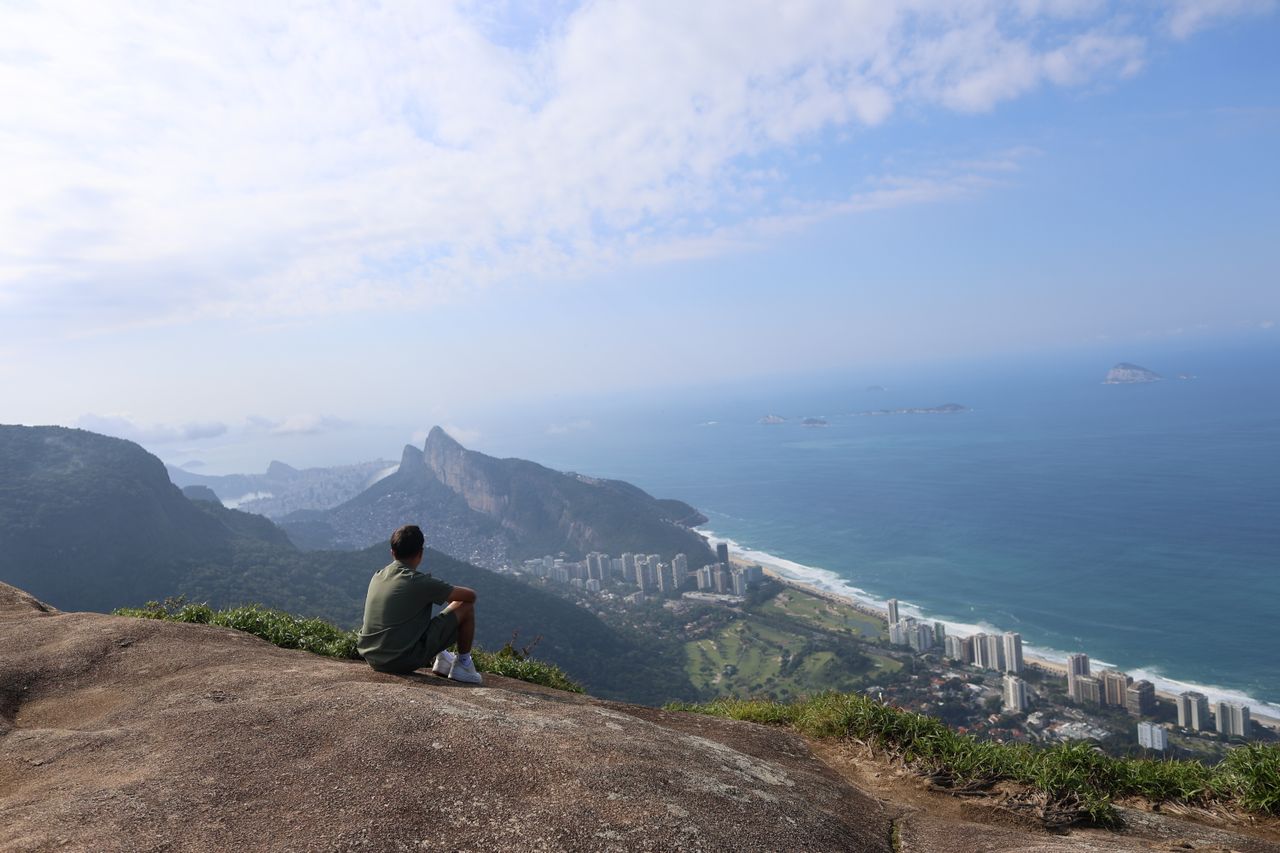
Its summit provides one of the most breathtaking perspectives on the planet: a 360-degree panorama encompassing Barra da Tijuca, São Conrado, the South Zone beaches, Rodrigo de Freitas Lagoon, and Christ the Redeemer in the distance. However, reaching the peak demands high physical endurance and navigating the Carrasqueira, a famous 30-meter rock climbing section.
What to See & Trail Highlights
The trek to the top of Pedra da Gávea is filled with history, legends, and awe-inspiring landscapes:
1. The Atlantic Forest Trail
The journey begins at the National Park booth in Barra da Tijuca (Estrada do Sorimã). The first half of the hike is a steep, continuous climb through dense rainforest with exposed roots, packed dirt, and high humidity.
2. The Emperor's Head (O Rosto do Imperador)
The mountain features a peculiar rock contour that resembles a giant sculpted face from certain angles. Local folklore and ancient theories surround this formation, with tales of Phoenician inscriptions carved into the cliff.
3. The Carrasqueira (Technical Climbing Section)
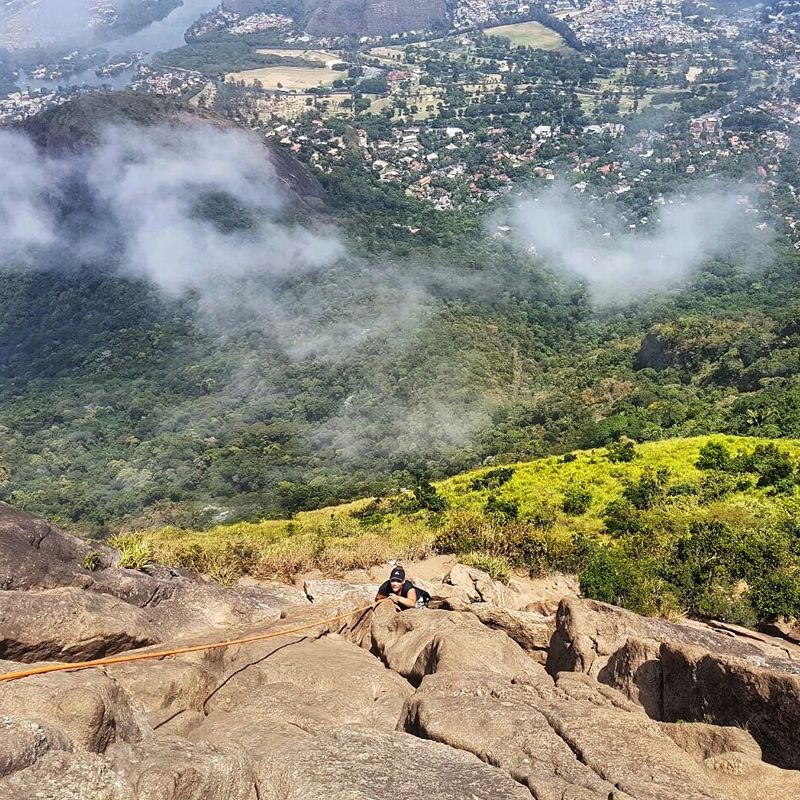
This is the most critical and famous part of the ascent. It is a near-vertical rock face roughly 30 meters high. While technical rock climbing skills aren't mandatory, it requires hand-and-foot scrambling over exposed rock. Using ropes and safety gear with a certified guide is strongly recommended.
4. The Summit Plateau
After conquering the Carrasqueira, you reach a vast rocky plateau. Here you'll find iconic rock overhangs where hikers capture classic photos overlooking the abyss.
Operating Hours & Entry Registration
- Days Open: Every day of the week (Monday to Sunday).
- Entry Hours: Park rangers allow trail registration from 8:00 AM to 2:00 PM. Starting early at 8:00 AM is highly advised to avoid midday heat and finish before sunset.
- Registration: All hikers must present identification and register at the park entrance booth (Estrada do Sorimã).
Prices and Guides
- Park Admission: FREE. No entrance ticket is required by the national park.
- Hiring a Guide (Highly Recommended): While not legally required, hiring a professional mountain guide is essential if you lack scrambling or rock climbing experience. Tours usually supply safety equipment (harnesses, helmets, and ropes for the Carrasqueira).
How to Get to the Trailhead
The official access point is located in Barrinha / Barra da Tijuca, at the end of Estrada do Sorimã.
- By Uber / Taxi (Fastest Option):
- Set your destination to Estrada do Sorimã or Trilha da Pedra da Gávea. The vehicle will drop you off right at the square or park entrance gate.
- By Metro + Short Taxi or Bus:
- Take Metro Line 4 to the terminal station
Jardim Ocoâncio / Barra da Tijuca. - From there, take a short 5 to 10-minute Uber or taxi ride directly to Estrada do Sorimã.
- Take Metro Line 4 to the terminal station
Frequently Asked Questions (FAQ)
How difficult is the Pedra da Gávea hike?
It is rated STRENUOUS / HARD. It requires excellent physical conditioning, stamina for 2.5 to 4 hours of steep uphill hiking, and comfort with extreme heights and exposure.
Is it dangerous without a guide?
Most of the forest trail is straightforward, but the Carrasqueira carries a significant risk of falling without proper foot/handhold placement or if the rock surface is wet. If you have no scrambling experience, go with a certified guide.
How long does the entire trek take?
Ascending takes 2.5 to 3.5 hours, while the descent takes around 2 to 3 hours. Including time spent relaxing and taking photos at the top, plan for a 6 to 8-hour total round trip.
What should I pack in my backpack?
- At least 2.5 to 3 liters of water per person (there are no water refills along the trail).
- High-energy snacks and food (nuts, sandwiches, protein bars).
- Hiking boots or trail running shoes with excellent grip (essential).
- Sunscreen, insect repellent, and a hat.
- Breathable, comfortable clothing.
You Might Also Like
The trek to the top of Pedra da Gávea is filled with history, legends, and awe-inspiring landscapes:
1. The Atlantic Forest Trail
The journey begins at the National Park booth in Barra da Tijuca (Estrada do Sorimã). The first half of the hike is a steep, continuous climb through dense rainforest with exposed roots, packed dirt, and high humidity.
2. The Emperor's Head (O Rosto do Imperador)
The mountain features a peculiar rock contour that resembles a giant sculpted face from certain angles. Local folklore and ancient theories surround this formation, with tales of Phoenician inscriptions carved into the cliff.
3. The Carrasqueira (Technical Climbing Section)
This is the most critical and famous part of the ascent. It is a near-vertical rock face roughly 30 meters high. While technical rock climbing skills aren't mandatory, it requires hand-and-foot scrambling over exposed rock. Using ropes and safety gear with a certified guide is strongly recommended.
4. The Summit Plateau
After conquering the Carrasqueira, you reach a vast rocky plateau. Here you'll find iconic rock overhangs where hikers capture classic photos overlooking the abyss.
PUBLICIDAD
Travel with Data: Get your Saily eSIM
- ✓Internet in seconds upon landing
- ✓Flexible plans in 180+ countries
- ✓Easy setup directly via the App
- Days Open: Every day of the week (Monday to Sunday).
- Entry Hours: Park rangers allow trail registration from 8:00 AM to 2:00 PM. Starting early at 8:00 AM is highly advised to avoid midday heat and finish before sunset.
- Registration: All hikers must present identification and register at the park entrance booth (Estrada do Sorimã).
- Park Admission: FREE. No entrance ticket is required by the national park.
- Hiring a Guide (Highly Recommended): While not legally required, hiring a professional mountain guide is essential if you lack scrambling or rock climbing experience. Tours usually supply safety equipment (harnesses, helmets, and ropes for the Carrasqueira).
The official access point is located in Barrinha / Barra da Tijuca, at the end of Estrada do Sorimã.
- By Uber / Taxi (Fastest Option):
- Set your destination to Estrada do Sorimã or Trilha da Pedra da Gávea. The vehicle will drop you off right at the square or park entrance gate.
- By Metro + Short Taxi or Bus:
- Take Metro Line 4 to the terminal station
Jardim Ocoâncio / Barra da Tijuca. - From there, take a short 5 to 10-minute Uber or taxi ride directly to Estrada do Sorimã.
- Take Metro Line 4 to the terminal station
How difficult is the Pedra da Gávea hike?
It is rated STRENUOUS / HARD. It requires excellent physical conditioning, stamina for 2.5 to 4 hours of steep uphill hiking, and comfort with extreme heights and exposure.
Is it dangerous without a guide?
Most of the forest trail is straightforward, but the Carrasqueira carries a significant risk of falling without proper foot/handhold placement or if the rock surface is wet. If you have no scrambling experience, go with a certified guide.
How long does the entire trek take?
Ascending takes 2.5 to 3.5 hours, while the descent takes around 2 to 3 hours. Including time spent relaxing and taking photos at the top, plan for a 6 to 8-hour total round trip.
What should I pack in my backpack?
- At least 2.5 to 3 liters of water per person (there are no water refills along the trail).
- High-energy snacks and food (nuts, sandwiches, protein bars).
- Hiking boots or trail running shoes with excellent grip (essential).
- Sunscreen, insect repellent, and a hat.
- Breathable, comfortable clothing.
PUBLICIDAD
PUBLICIDAD
International Travel Insurance
- ✓International medical insurance
- ✓24/7 immediate assistance in your language
- ✓Ideal for trekking & adventure
Posts in Rio-de-janeiro
10 playas de Río de Janeiro
Arcos da Lapa en Río de Janeiro
Barra da Tijuca
Botafogo
Catedral Metropolitana de Río de Janeiro
Como pagar en Rio de Janeiro
Copacabana
Cristo Redentor en Río de Janeiro
Del aeropuerto de al centro
Dónde alojarse en Río de Janeiro
Escadaria Selarón en Río de Janeiro

Estadio Maracaná
Flamengo
Forte do Leme (Forte Duque de Caxias)
Ipanema
Itinerarios en Río de Janeiro en 3, 5 y 7 días
Jardín Botánico de Río de Janeiro
Lagoa Rodrigo de Freitas
Lapa en Río de Janeiro
Miradores y senderos en Río de Janeiro
Mirante Dona Marta
Morro da Urca
Morro Dois Irmãos
Museo del Mañana (Museu do Amanhã)
Pan de Azúcar en Río de Janeiro
Pedra Bonita
Pedra do Telégrafo
Playas cerca de Río de Janeiro
Praia da Joatinga
Praia do Leblon
Praia Vermelha
Santa Teresa en Río de Janeiro
Preferences
Language
Color
Text
Width