Table of contents and map
Flamengo: The Historic and Residential Neighborhood of Rio de Janeiro
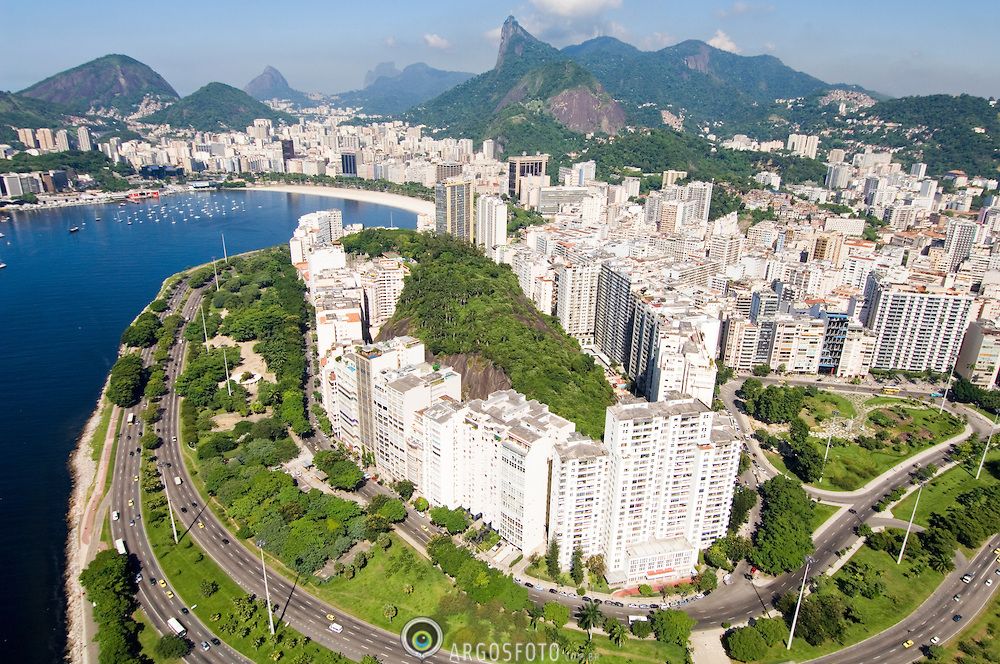
Flamengo is classic elegance, endless green spaces, and peaceful neighborhood life in Rio de Janeiro's South Zone. Featuring the massive Aterro do Flamengo Park lining the coast, stately architecture, and a privileged view of the bay and Sugarloaf Mountain, this neighborhood blends nature, sports, history, and unmatched urban calm.
Flamengo: The Historic and Residential Neighborhood of Rio de Janeiro
Flamengo is classic elegance, endless green spaces, and peaceful neighborhood life in Rio de Janeiro's South Zone. Featuring the massive Aterro do Flamengo Park lining the coast, stately architecture, and a privileged view of the bay and Sugarloaf Mountain, this neighborhood blends nature, sports, history, and unmatched urban calm.
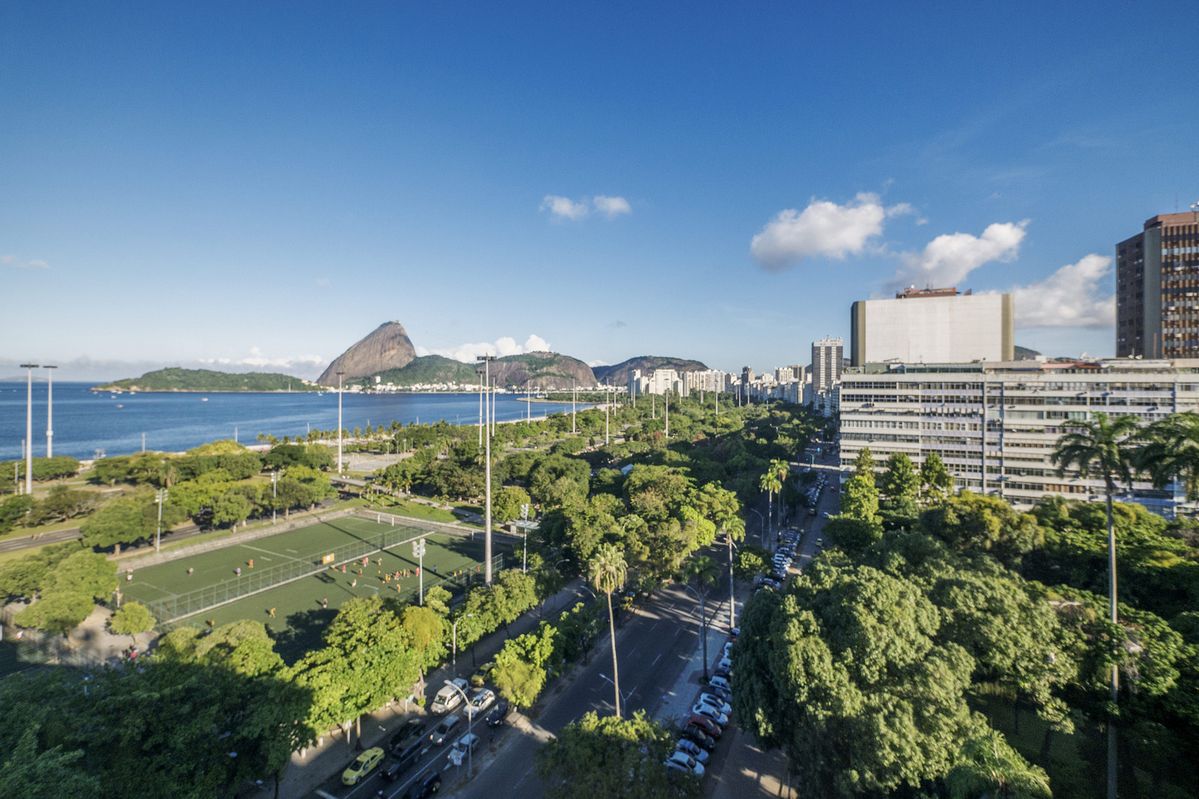
If you are looking for a traditional, green, safe neighborhood with a taste of everyday Carioca life, Flamengo is an undisputed gem in Rio de Janeiro's South Zone.
Known worldwide for hosting the monumental Aterro do Flamengo (designed by renowned landscape architect Roberto Burle Marx), this neighborhood evolved from the epicenter of early 20th-century Carioca aristocracy into a serene residential area ideal for walkers, athletes, and history lovers.
Where is Flamengo and How to Get There
Flamengo is bordered to the north by Glória and the Historic Center, to the south by Botafogo, to the west by Catete and Laranjeiras, and to the east by the waters of Guanabara Bay.
Getting Around and Getting There
- Metro (Line 1 and Line 2): Features strategic stations like Flamengo and Largo do Machado (on the border with Catete). They put you 10 minutes from Downtown or 12 minutes from Copacabana.
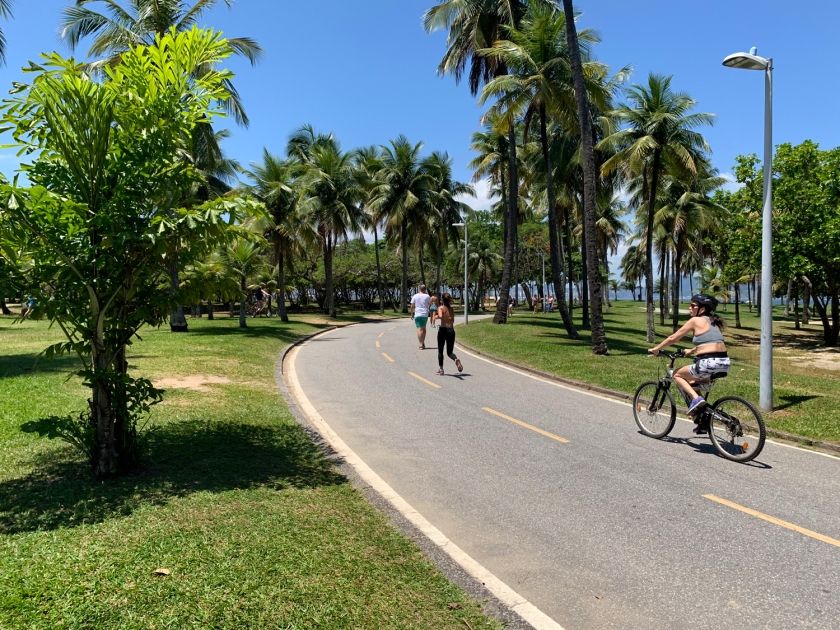
- Bicycle: It is one of the most cyclist-friendly neighborhoods in all of Rio. The Aterro do Flamengo bike path allows you to ride seamlessly from the MAM cultural center all the way to Botafogo and Ipanema.
- Uber / Taxis: Excellent connectivity. Reaching Santos Dumont Airport (SDU) takes just 10 minutes by car.
Is It Worth Staying in Flamengo?
Flamengo is a fantastic choice for those who prefer residential tranquility and proximity to green areas over the purely tourist hustle of open-ocean beaches.
Pros of Staying in Flamengo
- Safety and tranquility: Tree-lined streets, family atmosphere, and constant urban guard presence, especially around the park and metro.
- Giant urban park: Walk or have a picnic in the morning surrounded by tropical greenery and views of Sugarloaf Mountain.
- Lower prices: Accommodations, vacation rentals, and restaurants offer great value compared to Ipanema or Leblon.
- Strategic proximity to Downtown and Santos Dumont: Very convenient for combining cultural sightseeing with quick airport transfers.
Things to Keep in Mind About the Beach
- Variable water quality: Although facing the bay, many locals swim daily at Praia do Flamengo, especially on clear days when tides refresh the shoreline. However, water cleanliness varies and isn't always comparable to open-ocean beaches like Copacabana or Ipanema.
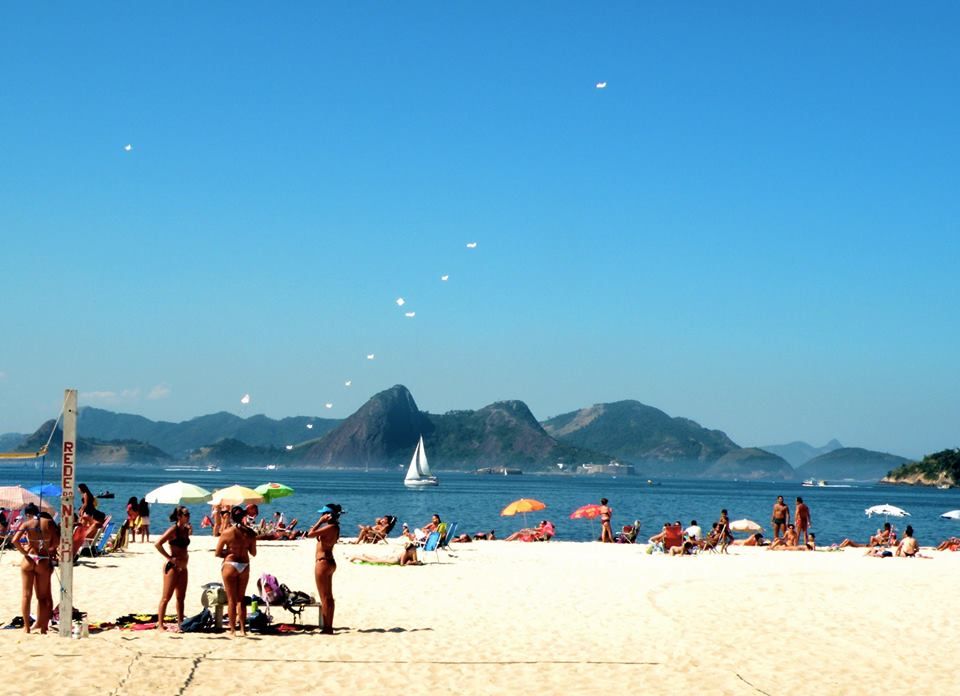
Things to Do in Flamengo: Highlights and Culture
1. Explore Aterro do Flamengo Park
One of the world's largest urban coastal parks. Landscaped by Burle Marx, it features thousands of native plant species, picnic areas, public sports courts, and paved roads that close to car traffic on Sundays exclusively for pedestrians and cyclists.
2. Walk Around the Nautical Club and Marina Area
Past the main strip of the beach toward the neighborhood curve lies the historic headquarters of Clube de Regatas do Flamengo and the marina area. It is a scenic, peaceful walk alongside the sea to watch moored sailboats and take in direct views of Sugarloaf Mountain.
3. Spot Sea Turtles in the Bay
A secret highlight of this coastal stretch is the frequent presence of sea turtles. If you pause to look closely at the calm waters from the promenade, rocks, or near the sailboats, you'll very likely see them popping their heads up to breathe.
4. Visit MAM (Museum of Modern Art)
Located at the northern tip of the park, MAM is a landmark of Brazilian modernist architecture designed by Affonso Eduardo Reidy. It offers avant-garde art exhibits, indie film screenings, and outdoor sculpture gardens.
5. Discover Catete Palace (Republic Museum)
Technically on the border with neighboring Catete, this is a must-visit from Flamengo. This former neoclassical presidential palace features breathtaking historic gardens (free entry) and a museum covering key moments in Brazilian history.
6. Enjoy the Sunset Over Flamengo Beach
The benches and lawns by the sand offer a magnificent photo setup: sailboat silhouettes, Sugarloaf Mountain, and the ocean breeze lit by golden afternoon light.

Where to Eat and Drink: Local Food Scene
Flamengo's dining scene features bistros in old mansions, historic cafés, and neighborhood botequins serving generous portions:
- Traditional Botequins: Iconic spots for ice-cold beer paired with savory meat pastries or cassava croquettes.
- Specialty Coffee & Bakeries: Quiet street corners like Rua Marquês de Abrantes or Rua Paissandu are packed with cafés perfect for breakfast or remote work.
- Per-Kilo Buffets & Plaza Restaurants: Around Largo do Machado, you'll find plenty of local food joints, fresh juice bars (sucos), and budget-friendly buffets.
Frequently Asked Questions about Flamengo (FAQ)
Is it safe to walk at night in Flamengo?
Yes, main avenues like Praia do Flamengo and inner tree-lined streets remain safe and active at night. However, it's best to avoid deserted areas inside Aterro Park after dark and keep valuables secure.
Can you swim at Flamengo Beach?
Yes, you certainly can, and it's common to see locals swimming there daily. However, because it's bay water, cleanliness fluctuates depending on weather and tides. For guaranteed open-ocean swimming, head to Copacabana, Leme, or Ipanema.
Are sea turtles visible in Flamengo?
Yes! It's quite common to spot sea turtles swimming near the shoreline, rocks, or marina area. Take a slow stroll along the waterfront and keep an eye on the water.
Do they close the streets for pedestrians on Sundays?
Yes! On Sundays and public holidays, the main lanes of Aterro do Flamengo close to car traffic from morning to sunset, turning into a massive recreational area for bikes, skates, strollers, and pets.
How far is it from Santos Dumont Airport (SDU)?
It's extremely close—just 5 to 10 minutes by Uber or taxi, or a few metro stops away (Cinelândia or Carioca station), making it a super convenient base for domestic flights.
You Might Also Like
Flamengo is bordered to the north by Glória and the Historic Center, to the south by Botafogo, to the west by Catete and Laranjeiras, and to the east by the waters of Guanabara Bay.
Getting Around and Getting There
- Metro (Line 1 and Line 2): Features strategic stations like Flamengo and Largo do Machado (on the border with Catete). They put you 10 minutes from Downtown or 12 minutes from Copacabana.
- Bicycle: It is one of the most cyclist-friendly neighborhoods in all of Rio. The Aterro do Flamengo bike path allows you to ride seamlessly from the MAM cultural center all the way to Botafogo and Ipanema.
- Uber / Taxis: Excellent connectivity. Reaching Santos Dumont Airport (SDU) takes just 10 minutes by car.
PUBLICIDAD
Travel with Data: Get your Saily eSIM
- ✓Internet in seconds upon landing
- ✓Flexible plans in 180+ countries
- ✓Easy setup directly via the App
Flamengo is a fantastic choice for those who prefer residential tranquility and proximity to green areas over the purely tourist hustle of open-ocean beaches.
Pros of Staying in Flamengo
- Safety and tranquility: Tree-lined streets, family atmosphere, and constant urban guard presence, especially around the park and metro.
- Giant urban park: Walk or have a picnic in the morning surrounded by tropical greenery and views of Sugarloaf Mountain.
- Lower prices: Accommodations, vacation rentals, and restaurants offer great value compared to Ipanema or Leblon.
- Strategic proximity to Downtown and Santos Dumont: Very convenient for combining cultural sightseeing with quick airport transfers.
Things to Keep in Mind About the Beach
- Variable water quality: Although facing the bay, many locals swim daily at Praia do Flamengo, especially on clear days when tides refresh the shoreline. However, water cleanliness varies and isn't always comparable to open-ocean beaches like Copacabana or Ipanema.
1. Explore Aterro do Flamengo Park
One of the world's largest urban coastal parks. Landscaped by Burle Marx, it features thousands of native plant species, picnic areas, public sports courts, and paved roads that close to car traffic on Sundays exclusively for pedestrians and cyclists.
2. Walk Around the Nautical Club and Marina Area
Past the main strip of the beach toward the neighborhood curve lies the historic headquarters of Clube de Regatas do Flamengo and the marina area. It is a scenic, peaceful walk alongside the sea to watch moored sailboats and take in direct views of Sugarloaf Mountain.
3. Spot Sea Turtles in the Bay
A secret highlight of this coastal stretch is the frequent presence of sea turtles. If you pause to look closely at the calm waters from the promenade, rocks, or near the sailboats, you'll very likely see them popping their heads up to breathe.
4. Visit MAM (Museum of Modern Art)
Located at the northern tip of the park, MAM is a landmark of Brazilian modernist architecture designed by Affonso Eduardo Reidy. It offers avant-garde art exhibits, indie film screenings, and outdoor sculpture gardens.
5. Discover Catete Palace (Republic Museum)
Technically on the border with neighboring Catete, this is a must-visit from Flamengo. This former neoclassical presidential palace features breathtaking historic gardens (free entry) and a museum covering key moments in Brazilian history.
6. Enjoy the Sunset Over Flamengo Beach
The benches and lawns by the sand offer a magnificent photo setup: sailboat silhouettes, Sugarloaf Mountain, and the ocean breeze lit by golden afternoon light.
Flamengo's dining scene features bistros in old mansions, historic cafés, and neighborhood botequins serving generous portions:
- Traditional Botequins: Iconic spots for ice-cold beer paired with savory meat pastries or cassava croquettes.
- Specialty Coffee & Bakeries: Quiet street corners like Rua Marquês de Abrantes or Rua Paissandu are packed with cafés perfect for breakfast or remote work.
- Per-Kilo Buffets & Plaza Restaurants: Around Largo do Machado, you'll find plenty of local food joints, fresh juice bars (sucos), and budget-friendly buffets.
Is it safe to walk at night in Flamengo?
Yes, main avenues like Praia do Flamengo and inner tree-lined streets remain safe and active at night. However, it's best to avoid deserted areas inside Aterro Park after dark and keep valuables secure.
Can you swim at Flamengo Beach?
Yes, you certainly can, and it's common to see locals swimming there daily. However, because it's bay water, cleanliness fluctuates depending on weather and tides. For guaranteed open-ocean swimming, head to Copacabana, Leme, or Ipanema.
Are sea turtles visible in Flamengo?
Yes! It's quite common to spot sea turtles swimming near the shoreline, rocks, or marina area. Take a slow stroll along the waterfront and keep an eye on the water.
Do they close the streets for pedestrians on Sundays?
Yes! On Sundays and public holidays, the main lanes of Aterro do Flamengo close to car traffic from morning to sunset, turning into a massive recreational area for bikes, skates, strollers, and pets.
How far is it from Santos Dumont Airport (SDU)?
It's extremely close—just 5 to 10 minutes by Uber or taxi, or a few metro stops away (Cinelândia or Carioca station), making it a super convenient base for domestic flights.
PUBLICIDAD
International Travel Insurance
- ✓International medical insurance
- ✓24/7 immediate assistance in your language
- ✓Ideal for trekking & adventure
Posts in Rio-de-janeiro
10 playas de Río de Janeiro
Arcos da Lapa en Río de Janeiro
Barra da Tijuca
Botafogo
Catedral Metropolitana de Río de Janeiro
Como pagar en Rio de Janeiro
Copacabana
Cristo Redentor en Río de Janeiro
Del aeropuerto de al centro
Dónde alojarse en Río de Janeiro
Escadaria Selarón en Río de Janeiro

Estadio Maracaná
Forte do Leme (Forte Duque de Caxias)
Ipanema
Itinerarios en Río de Janeiro en 3, 5 y 7 días
Jardín Botánico de Río de Janeiro
Lagoa Rodrigo de Freitas
Lapa en Río de Janeiro
Miradores y senderos en Río de Janeiro
Mirante Dona Marta
Morro da Urca
Morro Dois Irmãos
Museo del Mañana (Museu do Amanhã)
Pan de Azúcar en Río de Janeiro
Pedra Bonita
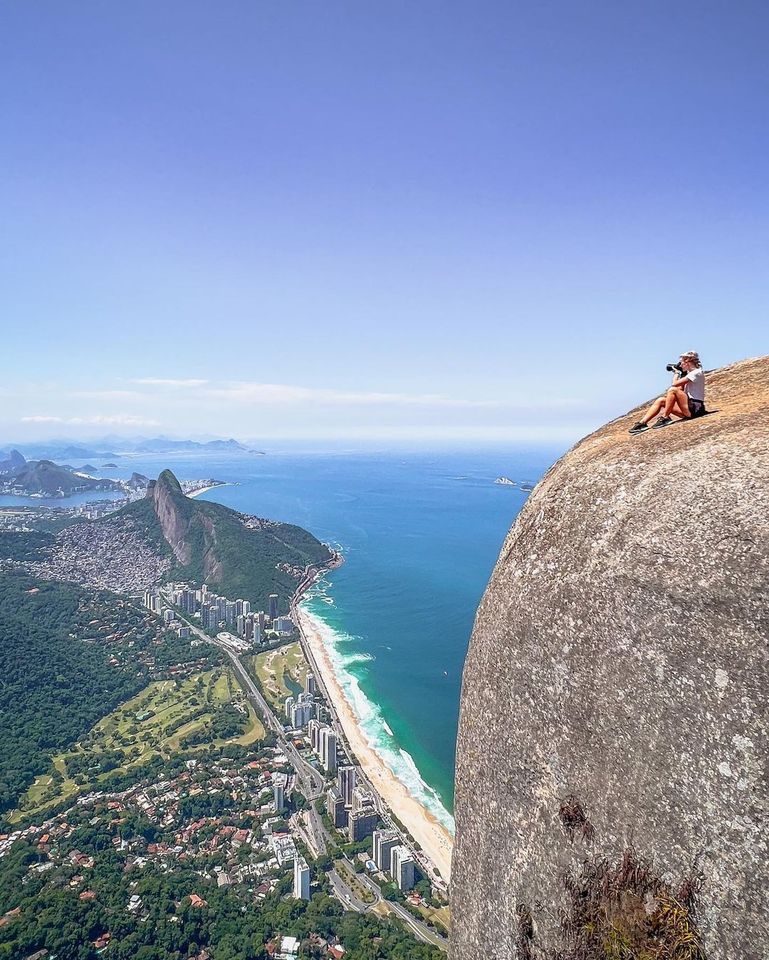
Pedra da Gávea
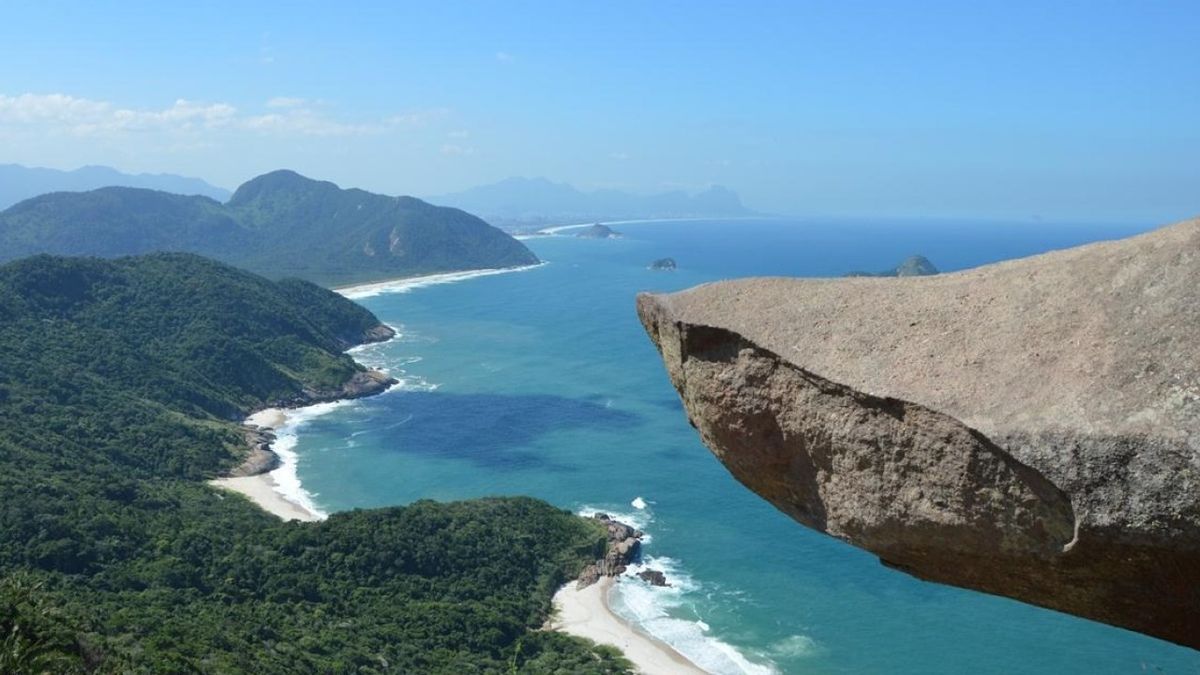
Pedra do Telégrafo
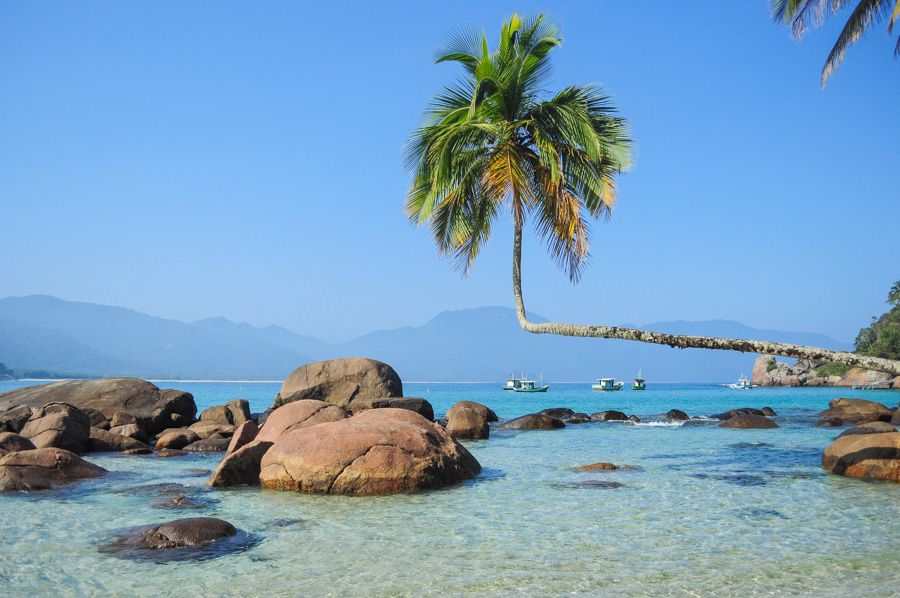
Playas cerca de Río de Janeiro
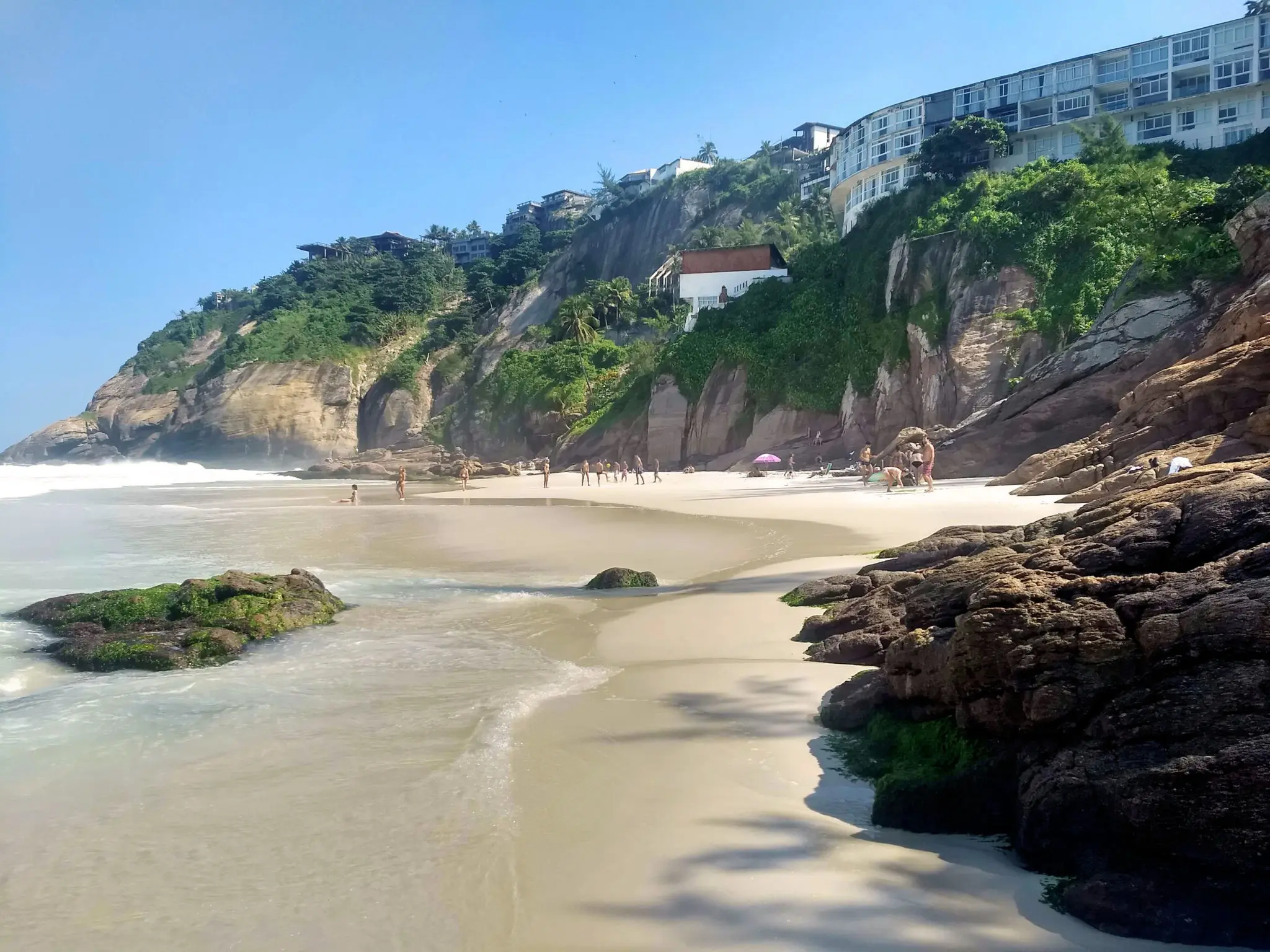
Praia da Joatinga
Praia do Leblon
Praia Vermelha
Santa Teresa en Río de Janeiro
Preferences
Language
Color
Text
Width