Table of contents and map
Escadaria Selarón in Rio de Janeiro: History, map, photos, and how to visit
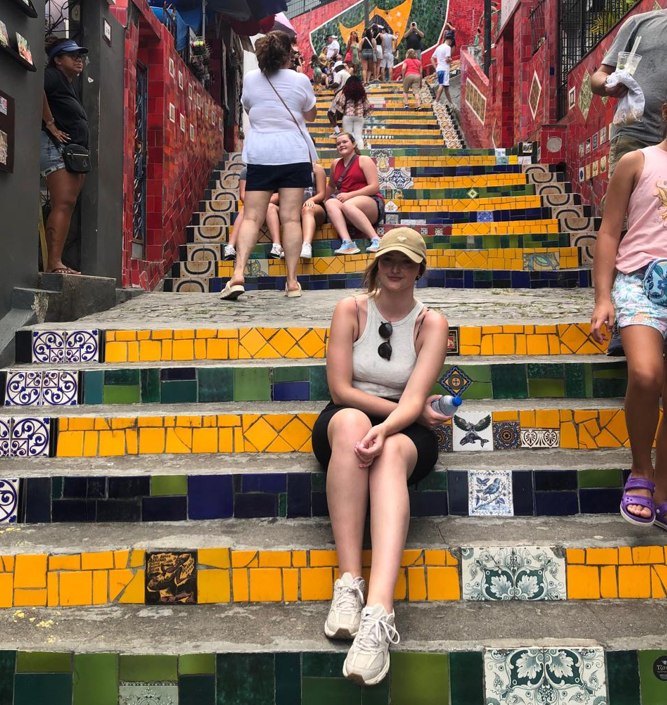
A living tribute to the Brazilian people: 215 steps of pure art, color, and over 2,000 tiles from around the world connecting Lapa and Santa Teresa.
Escadaria Selarón in Rio de Janeiro: History, map, photos, and how to visit
A living tribute to the Brazilian people: 215 steps of pure art, color, and over 2,000 tiles from around the world connecting Lapa and Santa Teresa.

The Escadaria Selarón (Selarón Steps) is one of the most famous, vibrant, and photographed tourist attractions in the world. Located on the border between the bohemian neighborhood of Lapa and the artistic hill of Santa Teresa, this monumental 215-step staircase is an open-air work of art paying tribute to Brazilian culture.
What began as a personal, solitary project by a Chilean artist living in the area evolved over the years into an international icon of Rio de Janeiro, featured in music videos (such as those by U2 and Snoop Dogg), documentaries, and travel magazine covers.
History and Legacy of Jorge Selarón
The history of the staircase is inextricably linked to the life of Chilean visual artist Jorge Selarón (1947–2013). After traveling through more than 50 countries, Selarón settled in 1983 in a humble house facing the dilapidated steps of Manuel Carvalho Street.
In 1990, frustrated by the neglected and dirty state of the stairs, he decided to start renovating them by painting the step fronts in yellow, green, and blue—the colors of the Brazilian flag. Initially mocked by neighbors for his obsession, Selarón funded the project by selling his own paintings.
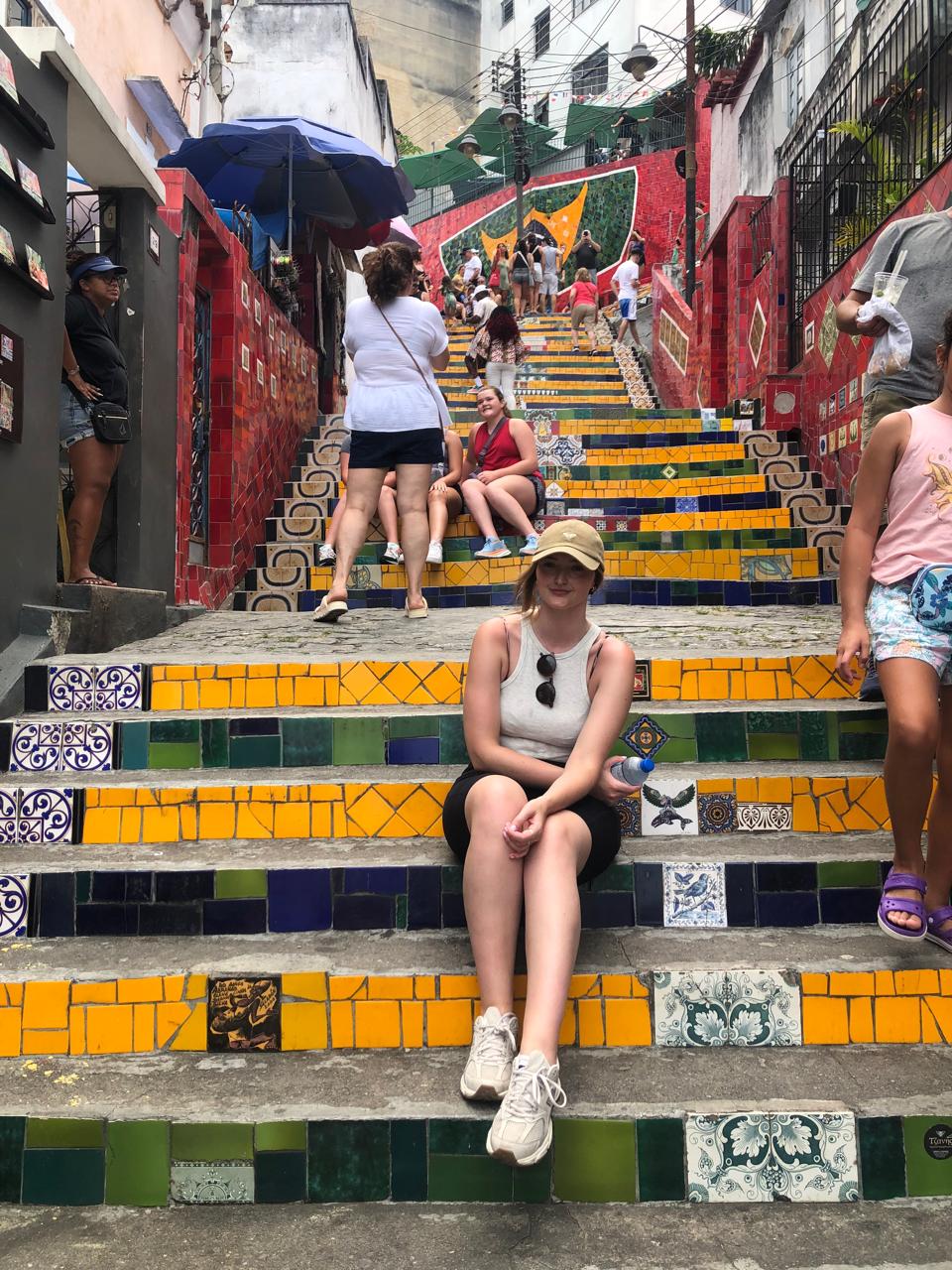
Over time, he began embedding ceramic tiles brought by himself or gifted by visitors from all corners of the planet. Selarón described the staircase as "a living and changing dream" that would only end on the day of his death, constantly updating and swapping pieces. In January 2013, the artist was found dead on the very steps to which he devoted more than two decades of his life.
Fun Facts and Details of the Staircase
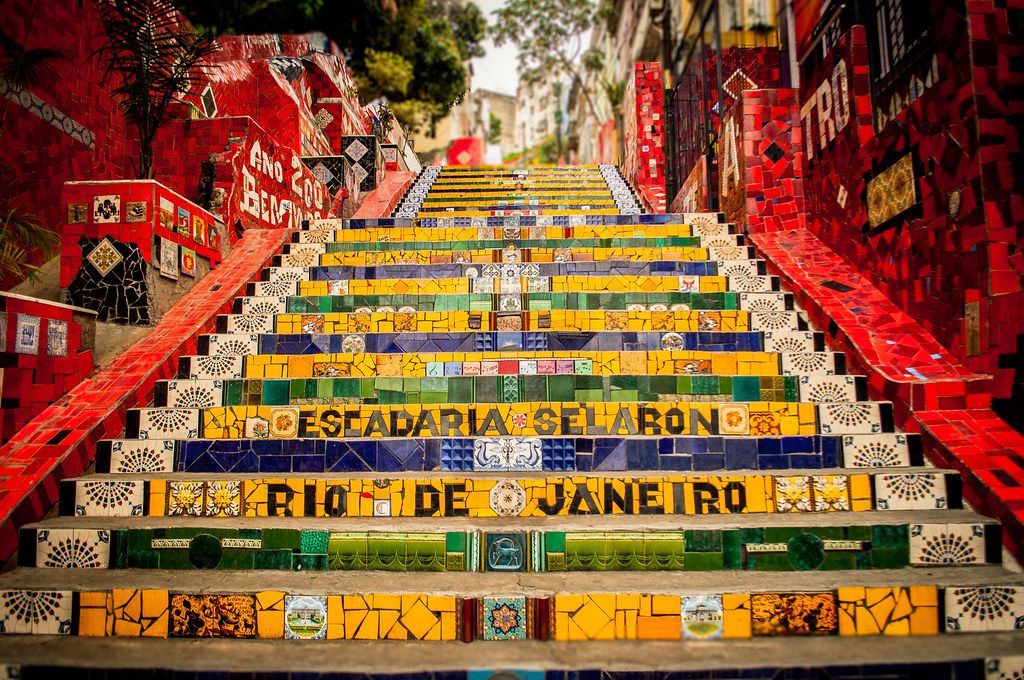
- Dimensions: The staircase measures 125 meters long and features 215 steps.
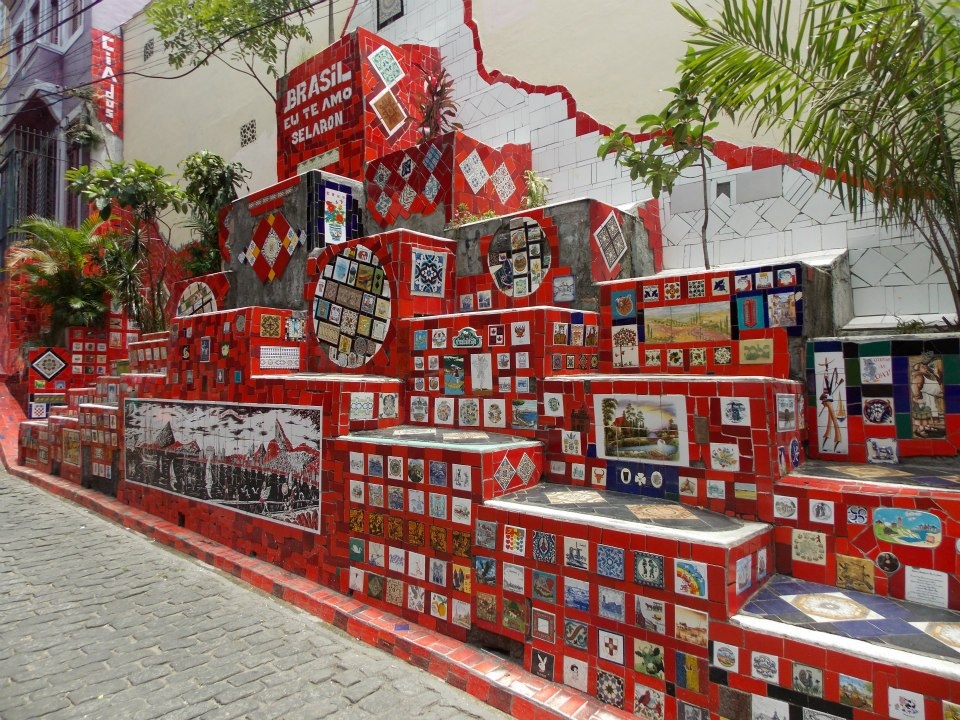
- Over 2,000 tiles: It contains pieces from more than 60 countries. If you look closely, you will find tiles featuring national flags, football team crests, pop culture icons, and religious motifs.
- The pregnant woman tile: In several spots along the steps, a painting of a pregnant Afro-Brazilian woman appears repeatedly—a mysterious recurring symbol in Selarón's work that the artist never fully explained.
- Historical Heritage: In 2015, the Escadaria Selarón was officially declared Historical and Cultural Heritage of the city of Rio de Janeiro.
Tips for Visiting the Escadaria Selarón
1. The Best Time for Photos
As a highly popular location, the staircase usually fills with tourists starting around 10:00 AM.
- For crowds-free photos: Arrive early in the morning (between 7:30 AM and 9:00 AM).
- Best natural light: Morning sunlight illuminates the vibrant colors optimally without creating harsh shadows.
2. Walk the Entire Staircase
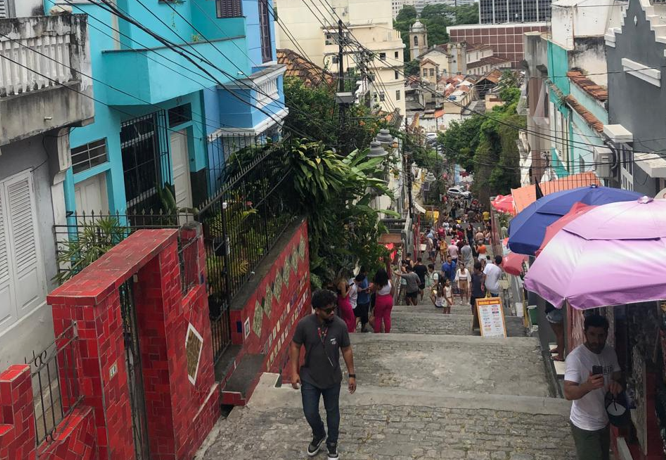
Most visitors stay near the base taking photos. However, we recommend climbing all 215 steps to the upper section (Rua Teotônio Regadas / Santa Teresa):
- On the upper flights, you will find fascinating mosaics, including a giant Brazilian flag crafted entirely out of ceramic tiles.
- There are small handicraft workshops and local cafes lining the sides along the way.
Safety Tips
- At the base of the staircase (Lapa): This area is heavily monitored and busy during the day. You can take photos comfortably, but keep your belongings secure.
- At the upper section (Santa Teresa): Once you reach the top of the steps, avoid wandering into quiet side alleys. If you wish to continue exploring Santa Teresa, stick to the main streets or take an Uber/taxi.
- At night: The staircase becomes dark and isolated at night; visiting or climbing the steps late at night is not recommended.

How to Get There
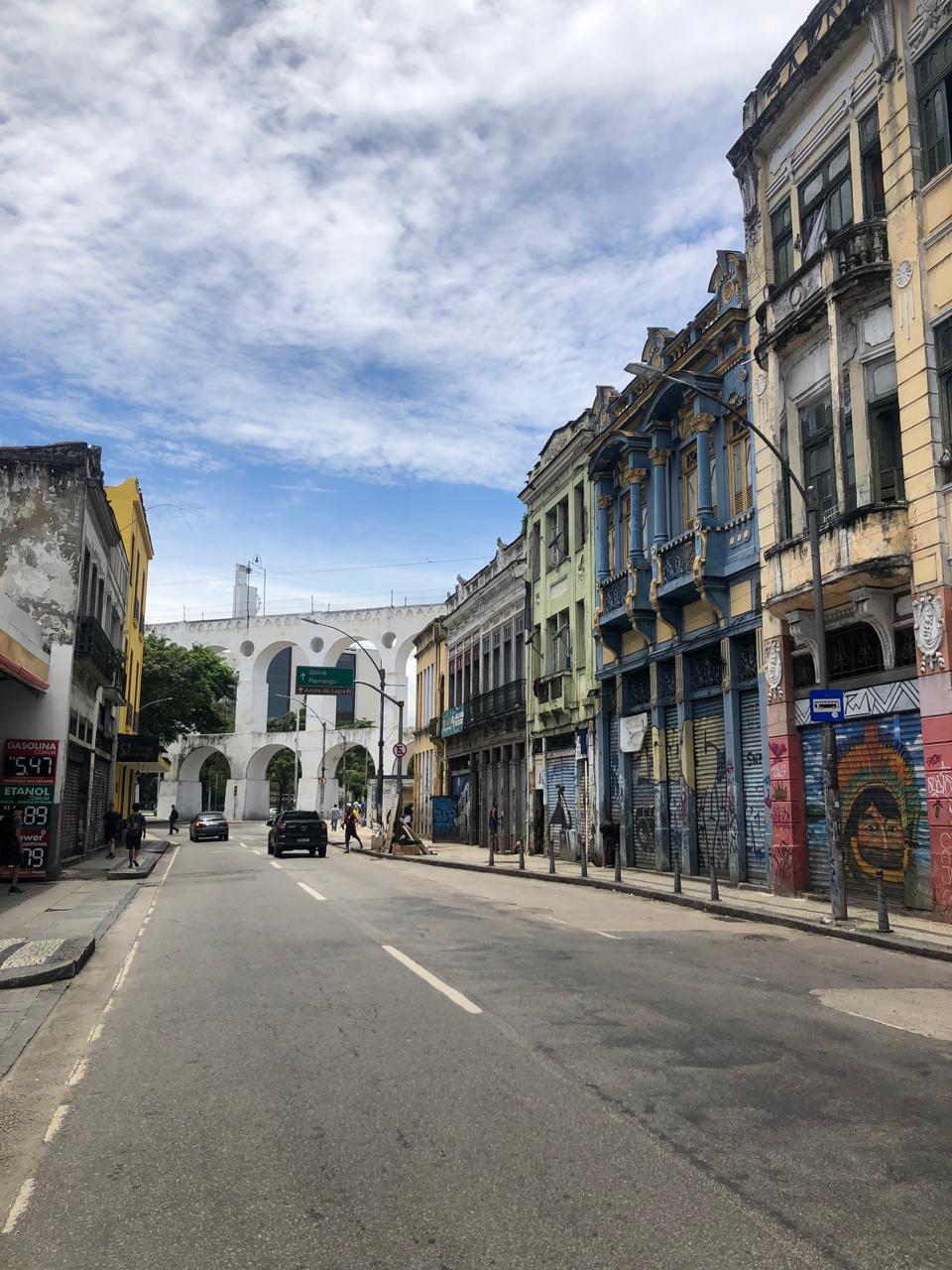
- On foot from Lapa: Located just 300 meters from the Arcos da Lapa. Walk along Rua Joaquim Silva to the entrance of the staircase.
- By Metro: Get off at
Cinelândiastation (Lines 1 and 2). From there, it is about a 10-minute walk. - By Uber / Taxi: Set "Escadaria Selarón - Lapa" as your drop-off destination.
Frequently Asked Questions (FAQ)
How much does it cost to enter the Escadaria Selarón?
Access is completely free 24 hours a day, as it is a public street.
How long does a visit to the staircase take?
A typical visit takes between 30 and 45 minutes to take photos, climb the steps, and admire the detailed tilework.
Is it difficult to climb the 215 steps?
The climb is moderate. Although there are 215 steps, the walk is taken at a relaxed pace as you pause to admire the walls and take photographs.
You Might Also Like
The history of the staircase is inextricably linked to the life of Chilean visual artist Jorge Selarón (1947–2013). After traveling through more than 50 countries, Selarón settled in 1983 in a humble house facing the dilapidated steps of Manuel Carvalho Street.
In 1990, frustrated by the neglected and dirty state of the stairs, he decided to start renovating them by painting the step fronts in yellow, green, and blue—the colors of the Brazilian flag. Initially mocked by neighbors for his obsession, Selarón funded the project by selling his own paintings.
Over time, he began embedding ceramic tiles brought by himself or gifted by visitors from all corners of the planet. Selarón described the staircase as "a living and changing dream" that would only end on the day of his death, constantly updating and swapping pieces. In January 2013, the artist was found dead on the very steps to which he devoted more than two decades of his life.
PUBLICIDAD
Travel with Data: Get your Saily eSIM
- ✓Internet in seconds upon landing
- ✓Flexible plans in 180+ countries
- ✓Easy setup directly via the App
- Dimensions: The staircase measures 125 meters long and features 215 steps.
- Over 2,000 tiles: It contains pieces from more than 60 countries. If you look closely, you will find tiles featuring national flags, football team crests, pop culture icons, and religious motifs.
- The pregnant woman tile: In several spots along the steps, a painting of a pregnant Afro-Brazilian woman appears repeatedly—a mysterious recurring symbol in Selarón's work that the artist never fully explained.
- Historical Heritage: In 2015, the Escadaria Selarón was officially declared Historical and Cultural Heritage of the city of Rio de Janeiro.
1. The Best Time for Photos
As a highly popular location, the staircase usually fills with tourists starting around 10:00 AM.
- For crowds-free photos: Arrive early in the morning (between 7:30 AM and 9:00 AM).
- Best natural light: Morning sunlight illuminates the vibrant colors optimally without creating harsh shadows.
2. Walk the Entire Staircase
Most visitors stay near the base taking photos. However, we recommend climbing all 215 steps to the upper section (Rua Teotônio Regadas / Santa Teresa):
- On the upper flights, you will find fascinating mosaics, including a giant Brazilian flag crafted entirely out of ceramic tiles.
- There are small handicraft workshops and local cafes lining the sides along the way.
- At the base of the staircase (Lapa): This area is heavily monitored and busy during the day. You can take photos comfortably, but keep your belongings secure.
- At the upper section (Santa Teresa): Once you reach the top of the steps, avoid wandering into quiet side alleys. If you wish to continue exploring Santa Teresa, stick to the main streets or take an Uber/taxi.
- At night: The staircase becomes dark and isolated at night; visiting or climbing the steps late at night is not recommended.
- On foot from Lapa: Located just 300 meters from the Arcos da Lapa. Walk along Rua Joaquim Silva to the entrance of the staircase.
- By Metro: Get off at
Cinelândiastation (Lines 1 and 2). From there, it is about a 10-minute walk. - By Uber / Taxi: Set "Escadaria Selarón - Lapa" as your drop-off destination.
How much does it cost to enter the Escadaria Selarón?
Access is completely free 24 hours a day, as it is a public street.
How long does a visit to the staircase take?
A typical visit takes between 30 and 45 minutes to take photos, climb the steps, and admire the detailed tilework.
Is it difficult to climb the 215 steps?
The climb is moderate. Although there are 215 steps, the walk is taken at a relaxed pace as you pause to admire the walls and take photographs.
Galery



PUBLICIDAD
International Travel Insurance
- ✓International medical insurance
- ✓24/7 immediate assistance in your language
- ✓Ideal for trekking & adventure
Posts in Rio-de-janeiro
10 playas de Río de Janeiro
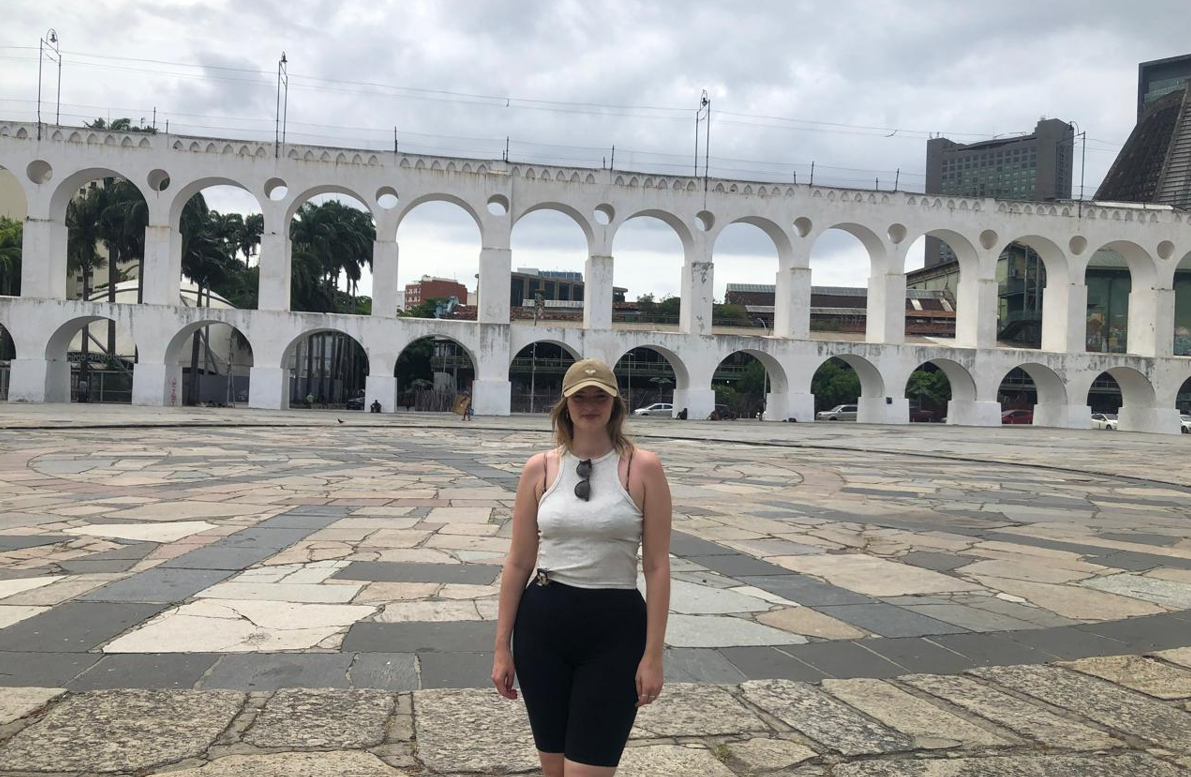
Arcos da Lapa en Río de Janeiro

Barra da Tijuca

Botafogo
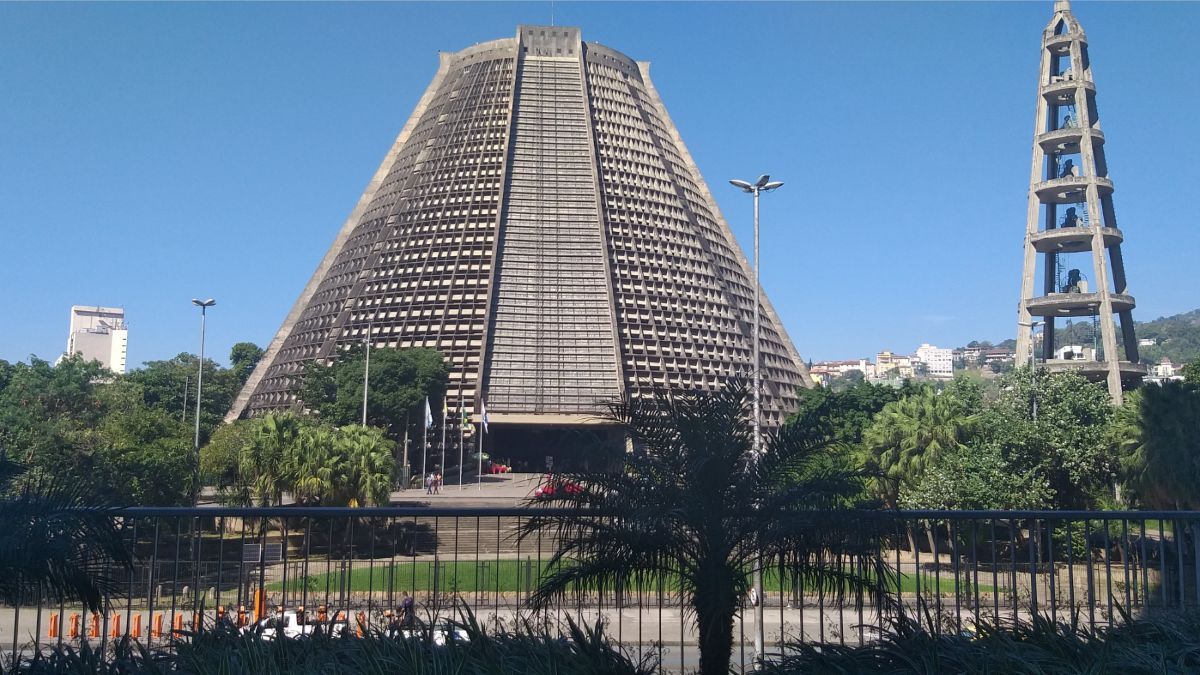
Catedral Metropolitana de Río de Janeiro

Como pagar en Rio de Janeiro

Copacabana

Cristo Redentor en Río de Janeiro

Del aeropuerto de al centro

Dónde alojarse en Río de Janeiro

Estadio Maracaná

Flamengo
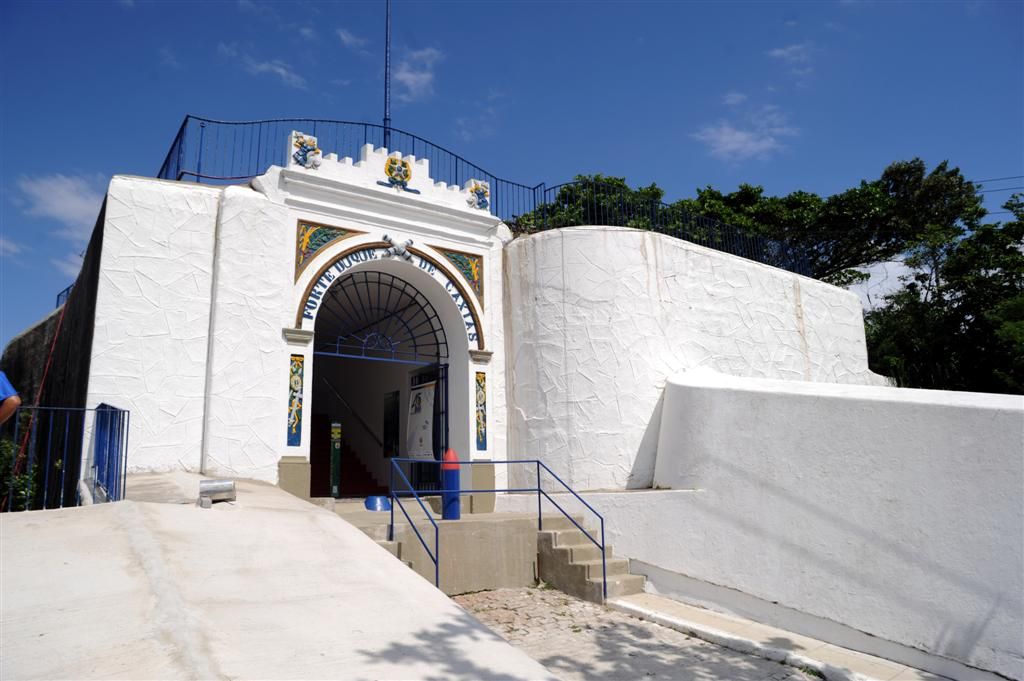
Forte do Leme (Forte Duque de Caxias)

Ipanema
Itinerarios en Río de Janeiro en 3, 5 y 7 días
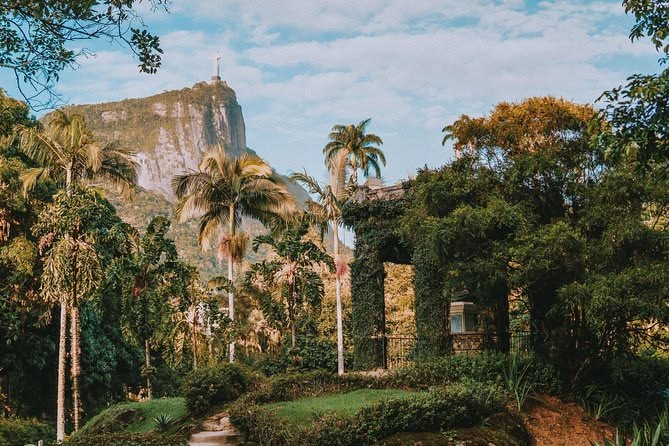
Jardín Botánico de Río de Janeiro

Lagoa Rodrigo de Freitas
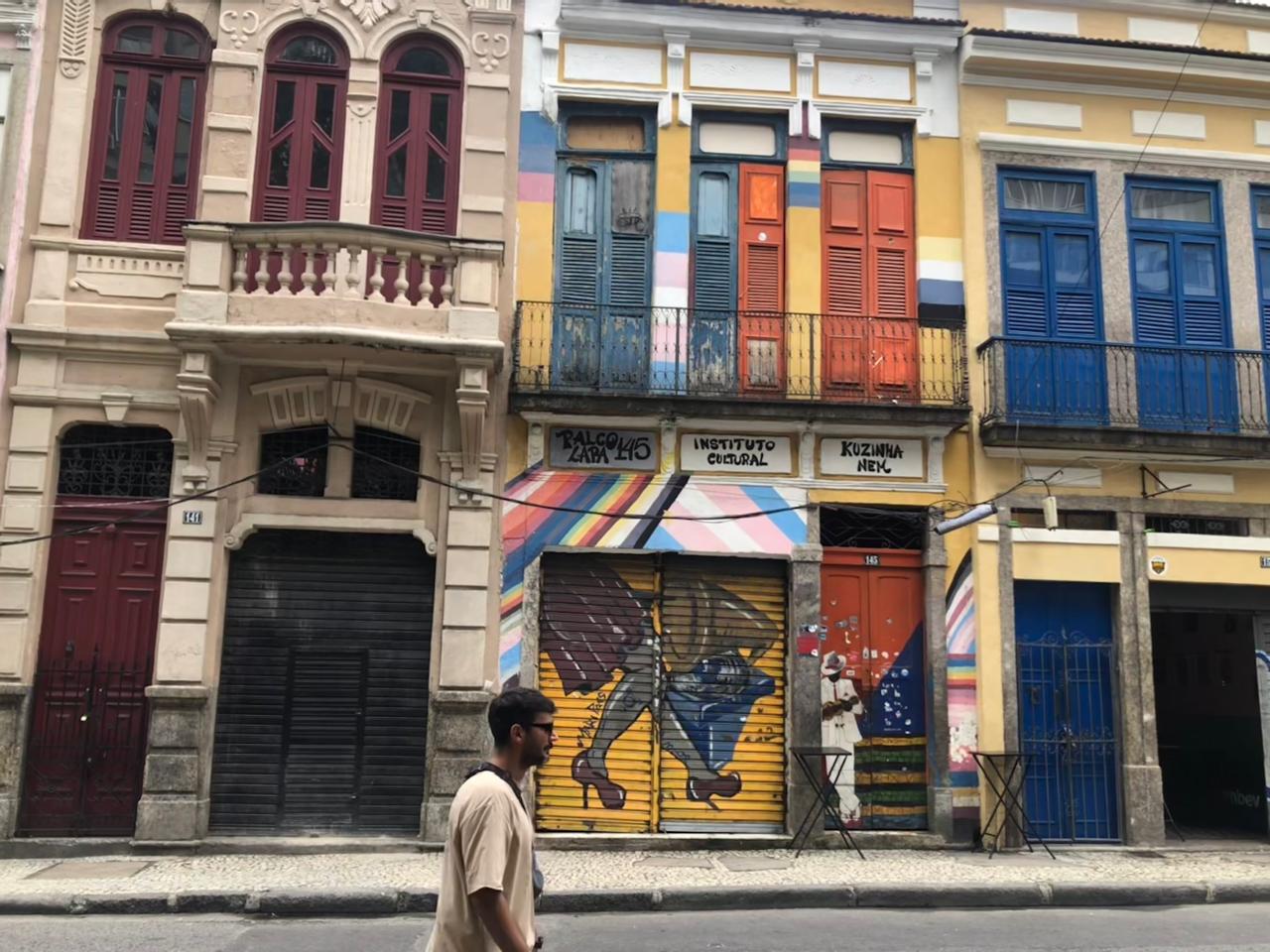
Lapa en Río de Janeiro

Miradores y senderos en Río de Janeiro

Mirante Dona Marta
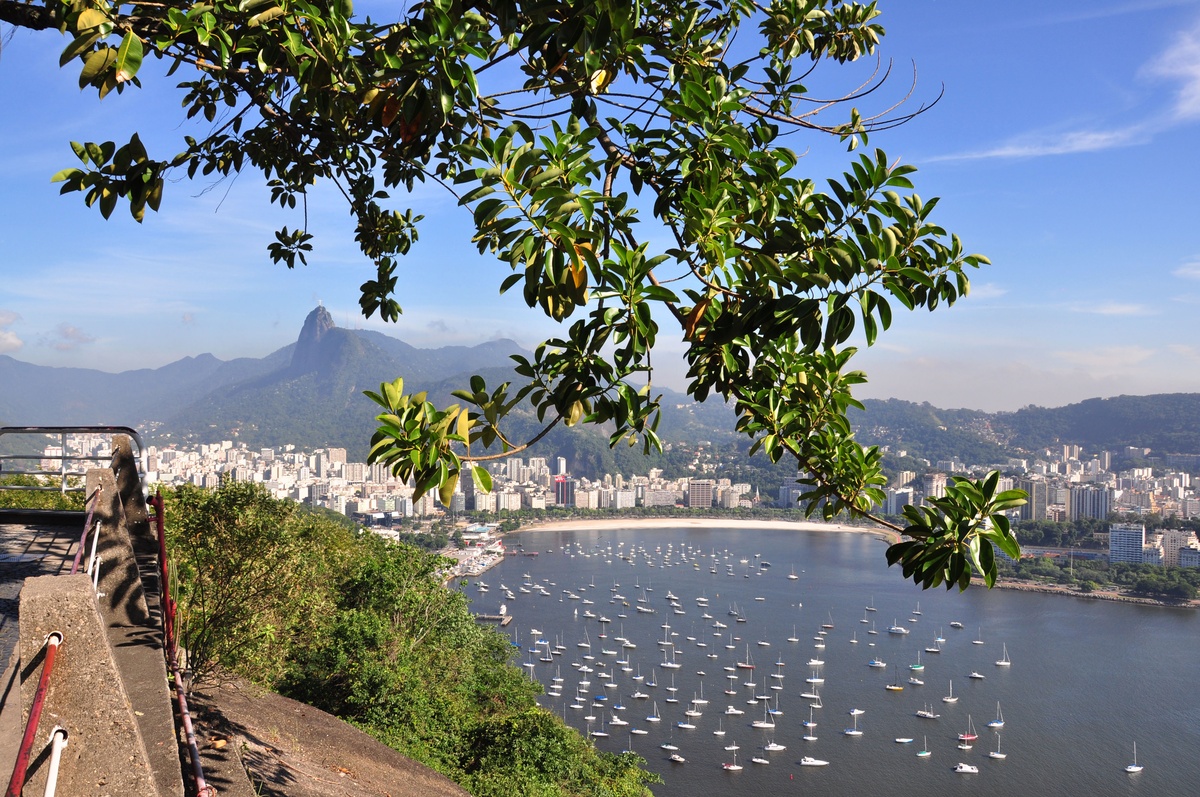
Morro da Urca

Morro Dois Irmãos

Museo del Mañana (Museu do Amanhã)

Pan de Azúcar en Río de Janeiro

Pedra Bonita

Pedra da Gávea

Pedra do Telégrafo

Playas cerca de Río de Janeiro
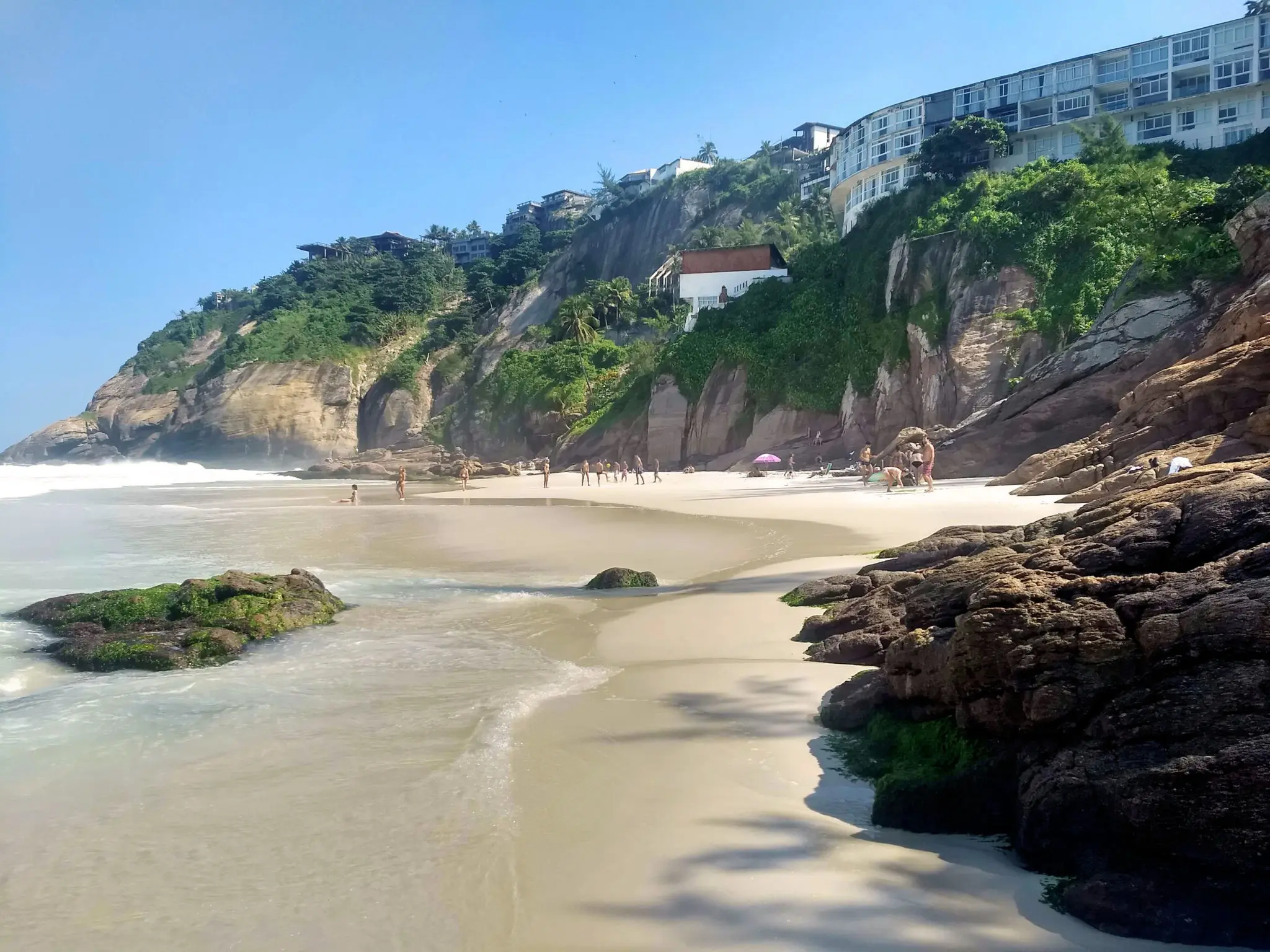
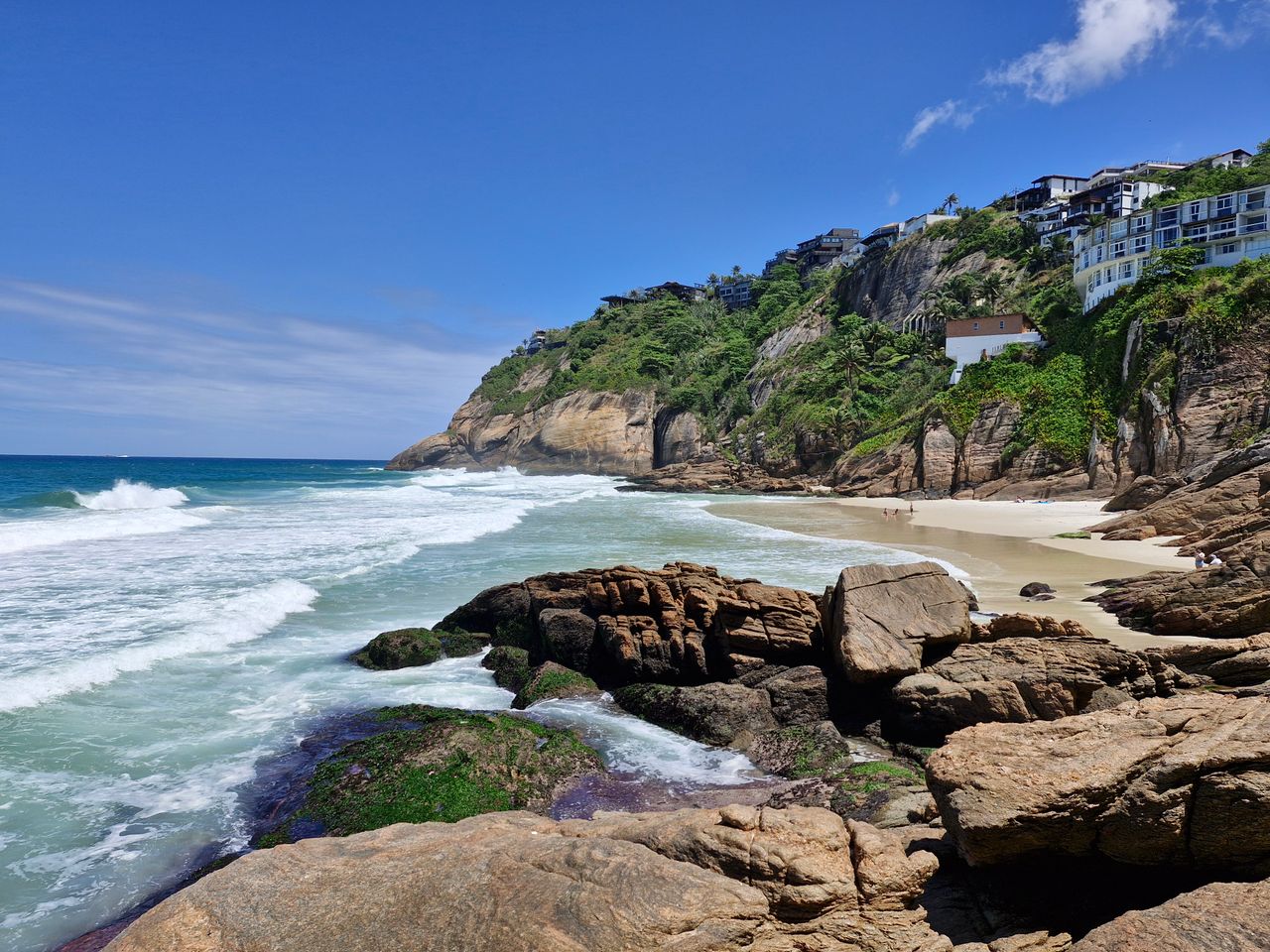
Praia da Joatinga

Praia do Leblon

Praia Vermelha
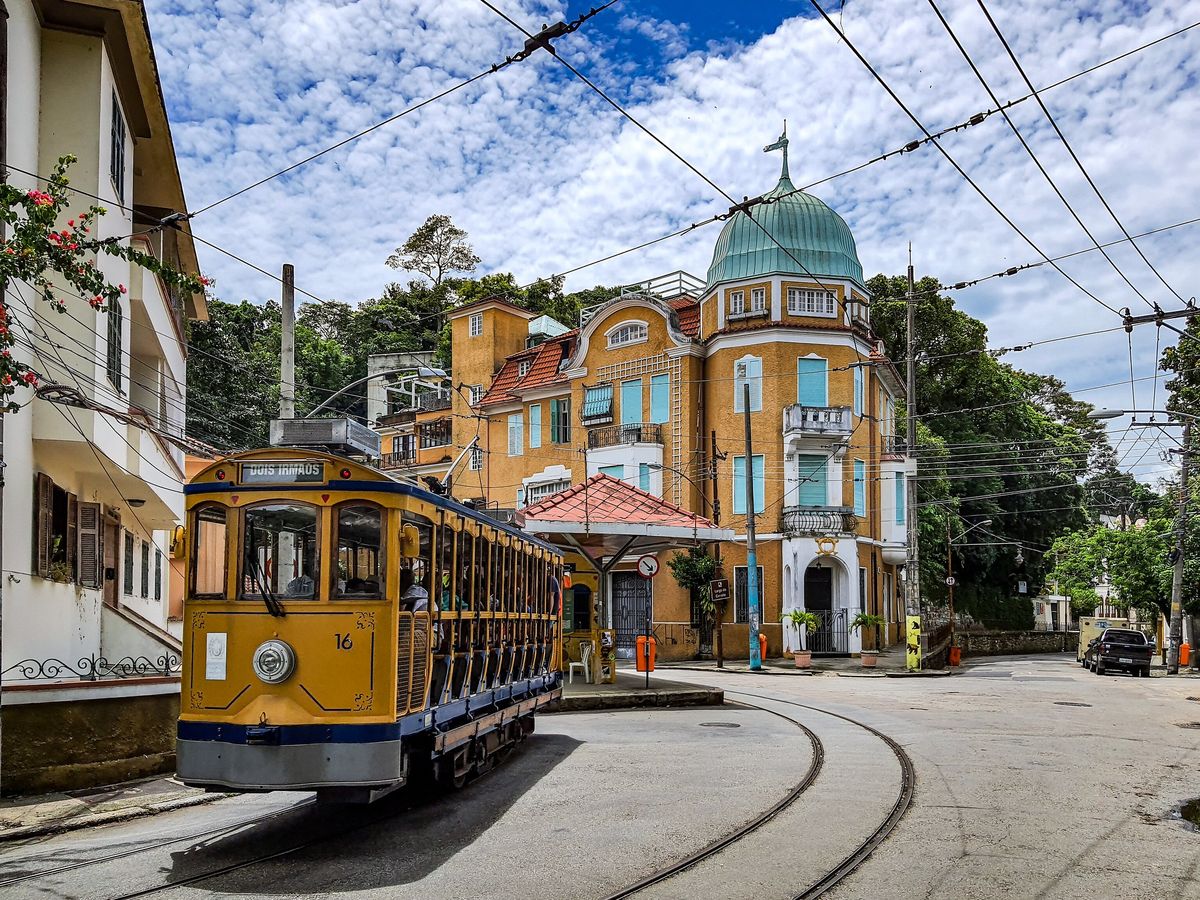
Santa Teresa en Río de Janeiro
Preferences
Language
Color
Text
Width