Table of contents and map
Where to Stay in Rio de Janeiro in 2026: Best Neighborhoods & Areas

Choosing where to stay in Rio de Janeiro can completely change your travel experience. During the four months we lived in the city, we tested different areas —from vibrant Ipanema and Copacabana to the peaceful residential vibe of Botafogo and Flamengo. Here are the pros, cons, and budget details for each neighborhood.
Where to Stay in Rio de Janeiro in 2026: Best Neighborhoods & Areas
Choosing where to stay in Rio de Janeiro can completely change your travel experience. During the four months we lived in the city, we tested different areas —from vibrant Ipanema and Copacabana to the peaceful residential vibe of Botafogo and Flamengo. Here are the pros, cons, and budget details for each neighborhood.
Each neighborhood has its own rhythm, safety level, beach vibe, and nightlife dynamic. In this guide, we break down the best neighborhoods in order of preference and popularity so you can choose the ideal spot based on your budget and travel style.
1. Ipanema & Leblon: The Safest, Chicest, and Most Enjoyable Option
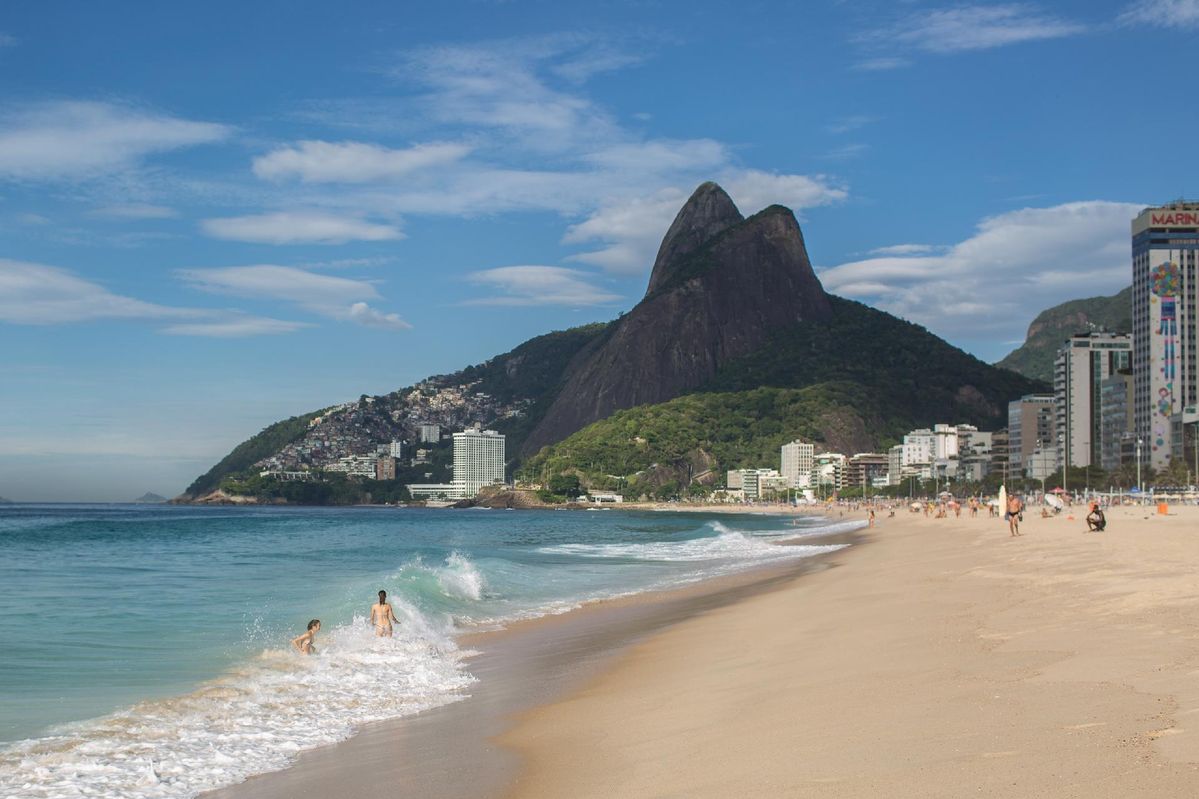
If it's your first time in Rio and you have the budget, Ipanema and Leblon are without a doubt the best choice. Both beaches are adjacent and offer a clean, orderly environment with an excellent vibe day and night.
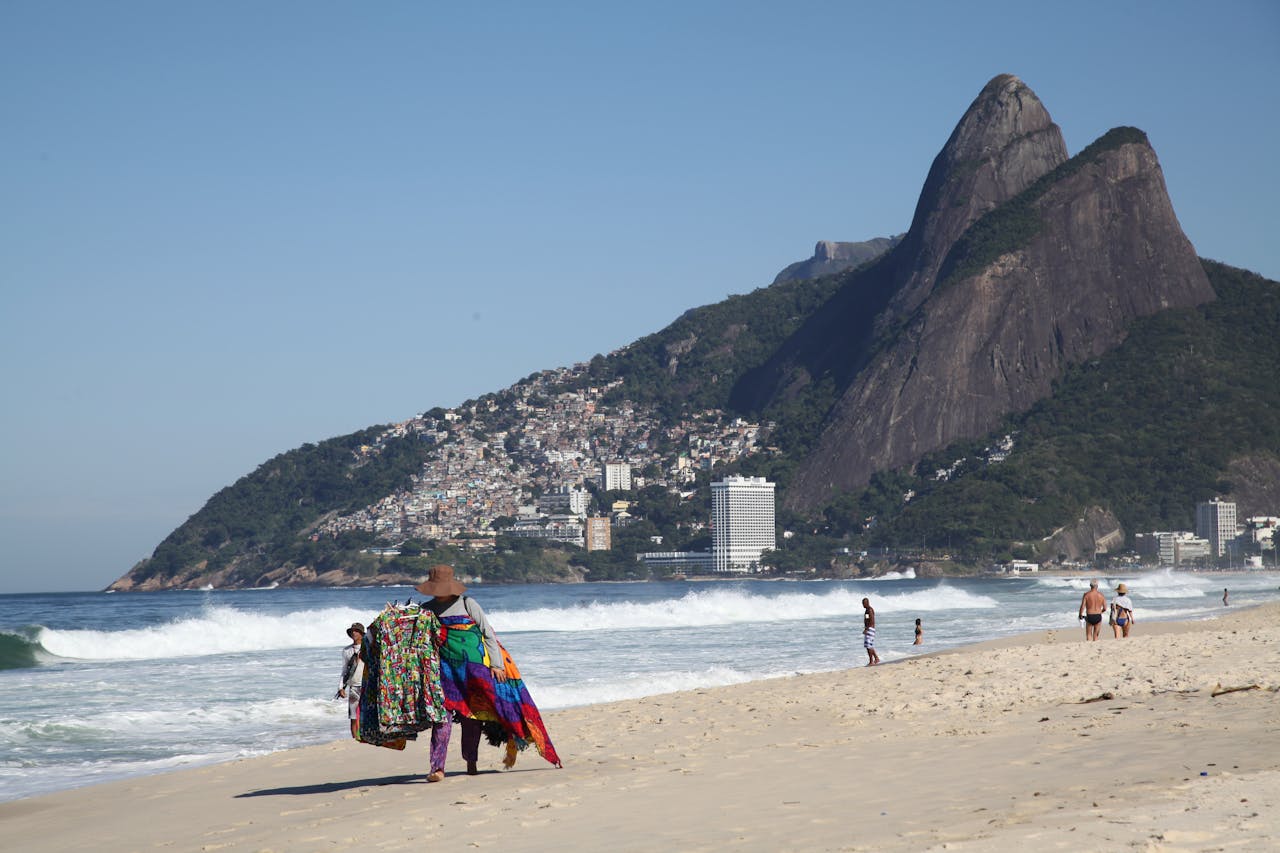
- The Vibe: Sophisticated, safe, and very walkable. It's packed with specialty coffee shops, top-tier restaurants, boutiques, and local juice bars.
- The Beach: Cleaner, wider, and featuring a younger, diverse crowd compared to Copacabana. Sunset at Arpoador (the rocky point between Ipanema and Copacabana) is an unmissable ritual.
- Safety: It is the most heavily patrolled and safest area in Rio's South Zone.
- Drawbacks: Hotel, Airbnb, and dining prices are the highest in the city.
- Ideal for: Couples, families, solo travelers seeking safety, and anyone prioritizing being steps from the beach without urban chaos.
Discover everything about Ipanema in Ipanema Neighborhood in Rio de Janeiro
2. Copacabana: The Iconic and Vibrant Classic
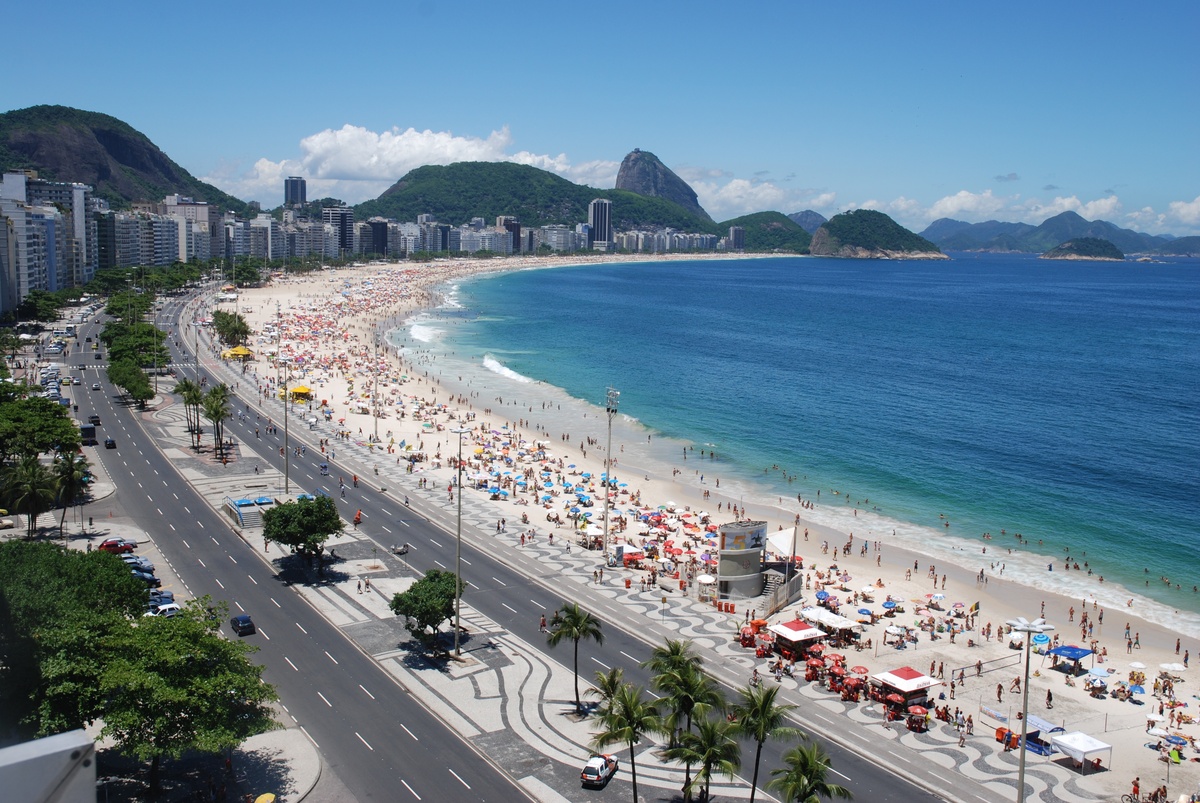
Copacabana is the tourist heart of Rio. If you are looking for the postcard Brazilian experience, complete with the iconic wave-patterned black and white tiled boardwalk and beach kiosks playing live music at all hours, this is your place.
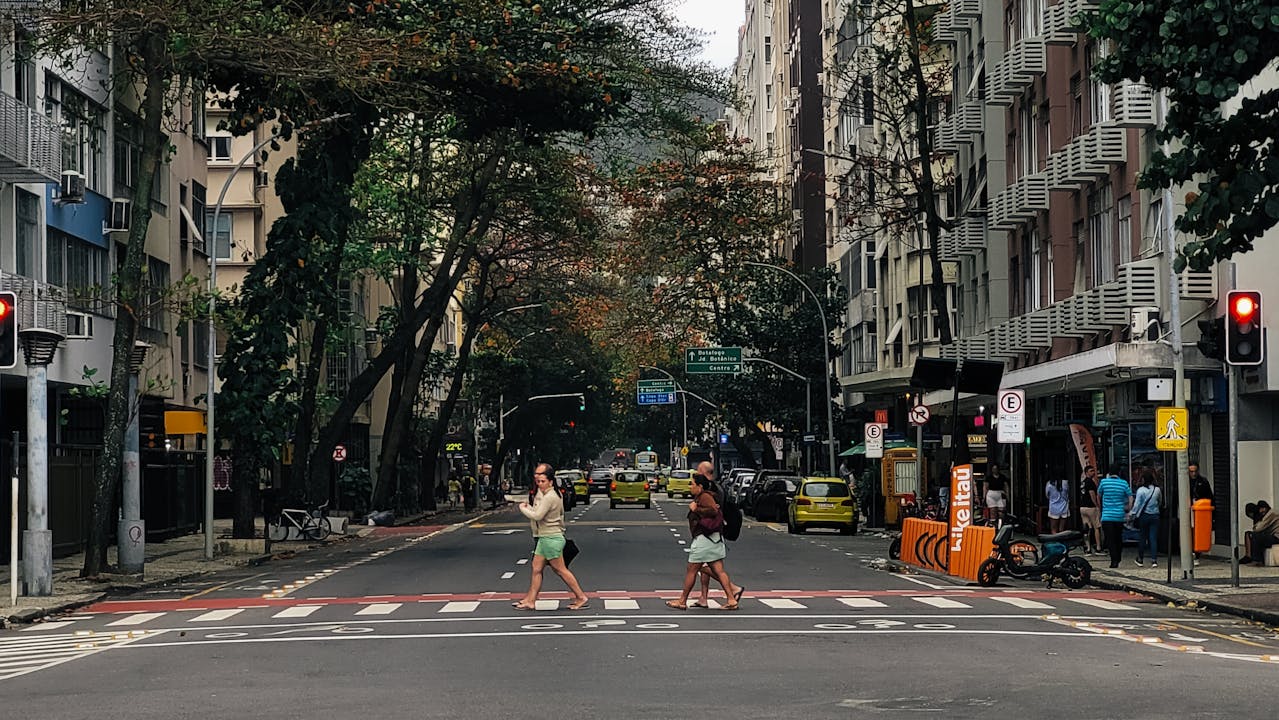
- The Vibe: Intense, chaotic, full of life, and highly commercial. Supermarkets, pharmacies, public transit, and activity are everywhere at any time.
- The Beach: World-famous, perfect for strolling along the calçadão or sipping a caipirinha at the beach stands.
- Prices: Wide variety of accommodations, ranging from budget hostels to luxury boutique hotels like the Copacabana Palace.
- Drawbacks: Street vendors can be persistent with tourists, and it requires extra attention to personal belongings at night.
- Ideal for: First-time visitors, mid-range budgets, and travelers who enjoy constant city movement.
💡 Traveler tip from our experience: If you choose Copacabana, look for accommodation near Posto 5 or Posto 6 (near the border with Ipanema). It is the quietest, cleanest area and provides easy walking access to both beaches.
Discover everything about Copacabana in Copacabana Neighborhood in Rio de Janeiro
3. Botafogo: The Hipster Neighborhood with Top Views & Great Connectivity
During our stay in Rio, Botafogo became one of our absolute favorite neighborhoods to live in. It offers a much more authentic look at daily city life, away from tourist crowds yet close to everything.

- The Vibe: Youthful, alternative, and foodie-centric. Connected by an indie bar scene, modern eateries, cozy cafes, and cultural spots.
- The View: Botafogo Bay delivers one of the most stunning, iconic views of Sugarloaf Mountain.
- Connectivity: Outstanding geographic location. The Botafogo metro station quickly connects you to both Downtown Rio and the beaches of Ipanema and Copacabana.
- Drawbacks: It is a port bay filled with boats, so for full days of open ocean swimming and waves, you'll want to head over to Ipanema or Copacabana.
- Ideal for: Digital nomads, young couples, culinary travelers, and anyone looking for more reasonable rental prices.
Discover everything about Botafogo in Botafogo Neighborhood in Rio de Janeiro
4. Flamengo & Laranjeiras: Residential Peace & Green Spaces
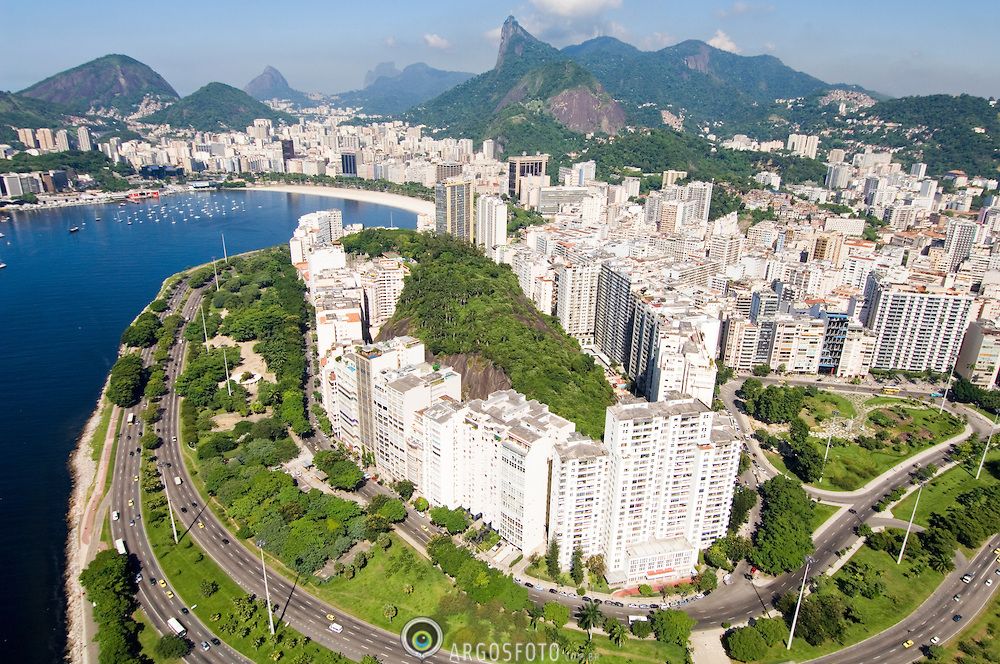
Adjacent to Botafogo lies Flamengo, an elegant, quiet residential area highlighted by Aterro do Flamengo, one of the world's largest urban parks (designed by Burle Marx). It is an impressive green lung full of landscaped gardens, running paths, bike lanes, and sports courts along the bay front.

- The Vibe: Family-friendly, safe, residential, and operating at a local rhythm.
- Highlights: Massive green areas, shady paths, classic architecture, and great proximity to the historic center and airports.
- The Beach: Very calm bay waters (ideal for swimming without waves or doing water sports), though it lacks the dynamic wave action and water consistency of open-ocean beaches like Copacabana or Ipanema.
- Drawbacks: Not the primary choice if you are seeking a classic open-ocean beach experience with bustling tourist kiosks.
- Ideal for: Travelers looking for rest, sports enthusiasts, long-term stays, moderate budgets, and families traveling with children.
Discover everything about Flamengo in Flamengo Neighborhood in Rio de Janeiro
5. Barra da Tijuca: The Brazilian "Miami" for Surf Lovers & Tranquility
Located west of the South Zone, Barra da Tijuca is a modern urban development defined by wide avenues, gated residential complexes, massive shopping malls, and miles of open beaches with great surf.

- The Vibe: Modern, relaxed, and focused on an outdoor lifestyle, surfing, and comfort.
- The Beach: Much cleaner, broader, and far less crowded than South Zone beaches.
- Drawbacks: You will need a car or Uber to get around; it is not a neighborhood built for walking everywhere. It is located farther from iconic landmarks like Christ the Redeemer or Sugarloaf (around 40-50 minutes away).
- Ideal for: Families, sports lovers, surfers, and repeat visitors looking for a relaxing beach vacation away from city noise.
Discover everything about Barra da Tijuca in Barra da Tijuca Neighborhood in Rio de Janeiro
6. Lapa & Santa Teresa: Bohemian Vibe, Nightlife, and Artistic Charm
If culture, colonial architecture, art, and nightlife are your passion, the combination of Lapa and Santa Teresa will captivate you.
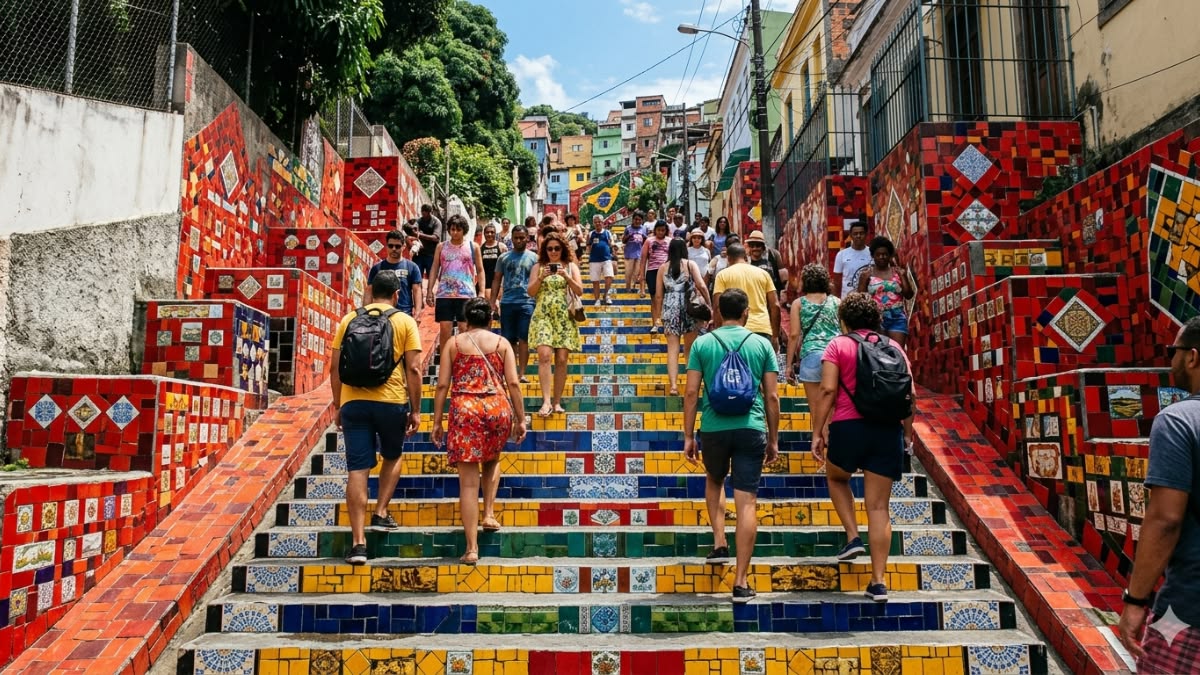
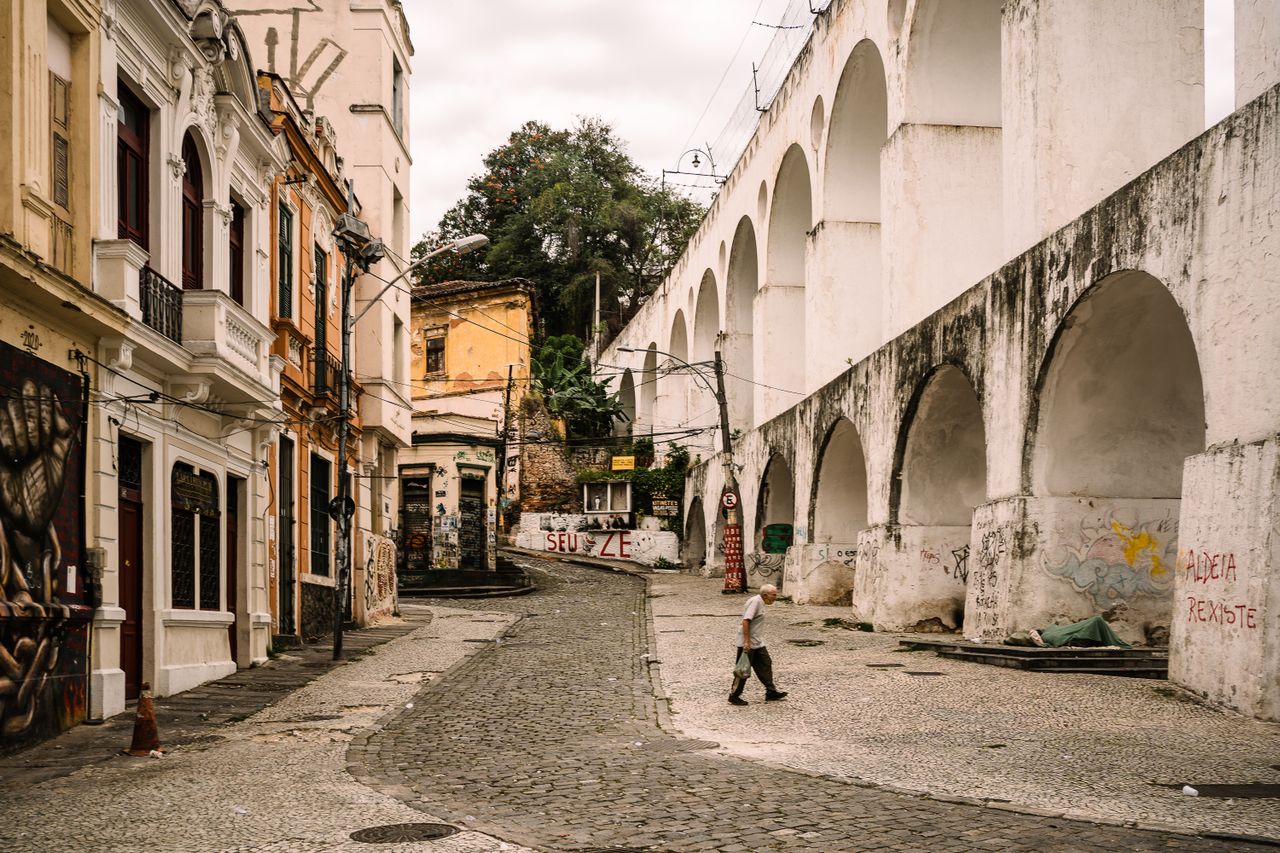
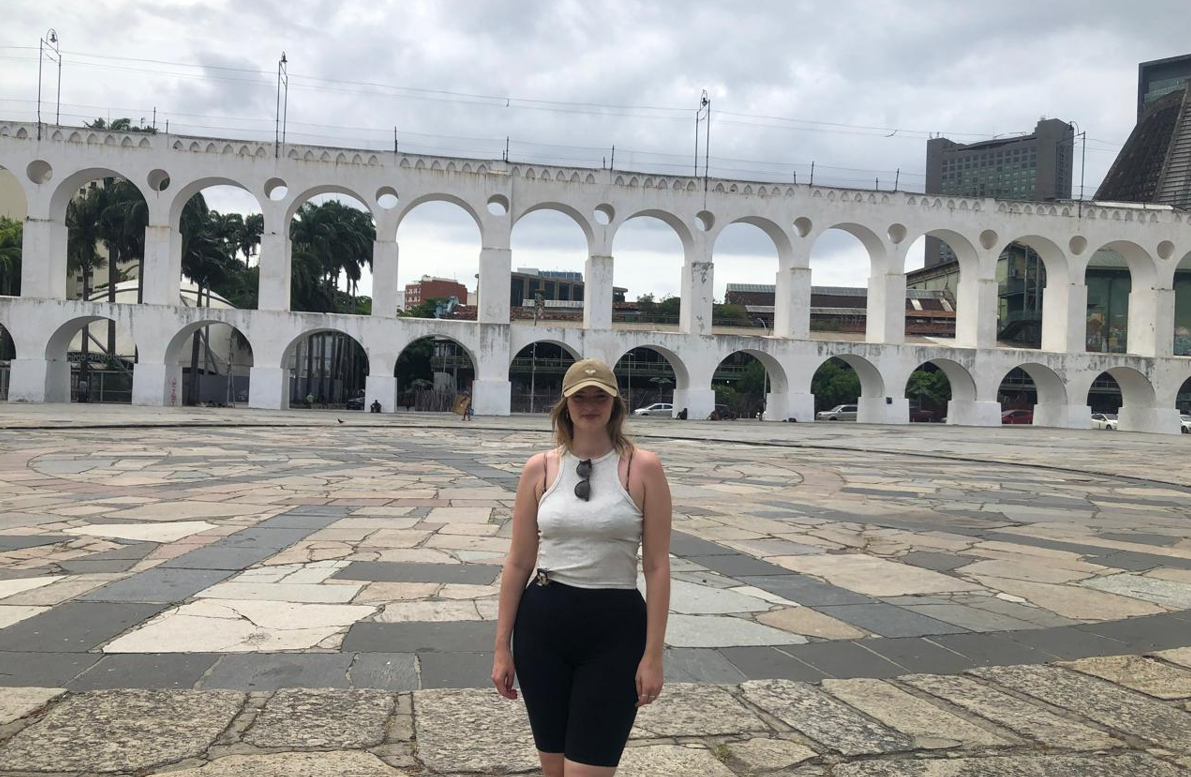
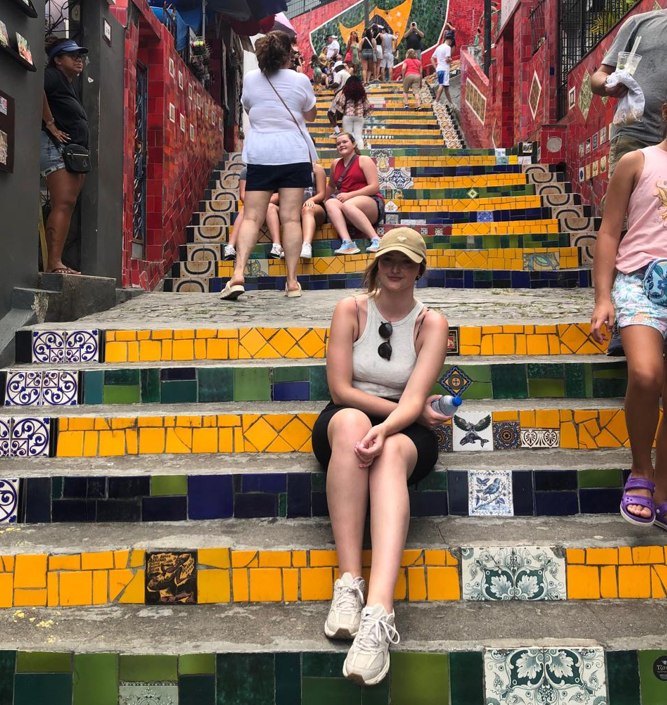
- Lapa: The epicenter of nightlife. Home to the famous Arcos de Lapa, samba houses, bars, and the Selarón Steps. Highly commercial by day and a non-stop street party by night.
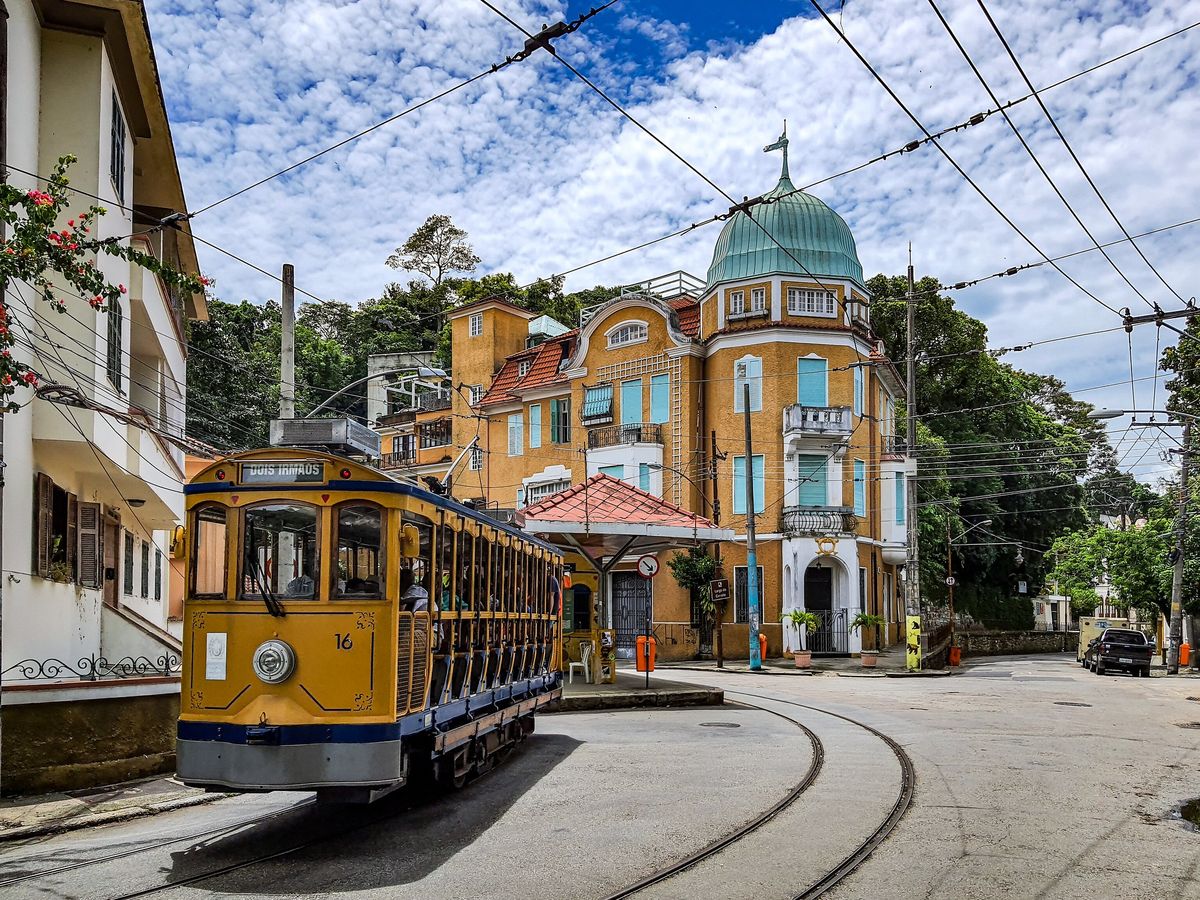
- Santa Teresa: Perched on a hill above Lapa, this bohemian neighborhood features cobblestone streets, 19th-century mansions, art studios, and the iconic yellow tram (bondinho).
- Drawbacks: Extra safety precautions are needed at night, especially in Lapa. There are no beaches nearby.
- Ideal for: Art lovers, backpackers, and travelers seeking party scenes, samba, and cultural events.
Discover everything about Lapa in Lapa Neighborhood in Rio de Janeiro
Discover everything about Santa Teresa in Santa Teresa Neighborhood in Rio de Janeiro
Summary: Which Neighborhood Should You Choose?
- First Time in Rio (Safety + Beach): Ipanema / Leblon. Cleanest surroundings, high security, and the ultimate beach experience.
- Mid Budget + Classic Sightseeing: Copacabana (Posto 5 or 6). Great value for money and lively steps from the beach.
- Digital Nomads / Long Stays: Botafogo. Excellent metro connections, bar culture, fair prices, and local vibe.
- Families & Relaxation: Flamengo or Barra da Tijuca. Parks, peace, and security.
- Backpackers & Samba Enthusiasts: Lapa / Santa Teresa. Budget accommodations and the best cultural nightlife in the city.
Frequently Asked Questions (FAQ)
What is the safest area to stay in Rio de Janeiro?
Leblon and Ipanema are considered the safest areas in the city. They feature constant police patrols, allowing for comfortable walking at almost any time of day or night.
Is it better to stay in Copacabana or Ipanema?
If you prioritize quiet, safety, and cleaner beaches, choose Ipanema. If you prefer constant city activity, historic charm, and slightly lower hotel rates, Copacabana is better.
Is it worth staying near a metro station in Rio?
Yes, absolutely. Moving by metro in Rio is fast, safe, and inexpensive. Choosing an accommodation within 5 blocks of a Line 1 station will save you a lot of time in traffic jams and money on Uber rides.
You Might Also Like
If it's your first time in Rio and you have the budget, Ipanema and Leblon are without a doubt the best choice. Both beaches are adjacent and offer a clean, orderly environment with an excellent vibe day and night.
- The Vibe: Sophisticated, safe, and very walkable. It's packed with specialty coffee shops, top-tier restaurants, boutiques, and local juice bars.
- The Beach: Cleaner, wider, and featuring a younger, diverse crowd compared to Copacabana. Sunset at Arpoador (the rocky point between Ipanema and Copacabana) is an unmissable ritual.
- Safety: It is the most heavily patrolled and safest area in Rio's South Zone.
- Drawbacks: Hotel, Airbnb, and dining prices are the highest in the city.
- Ideal for: Couples, families, solo travelers seeking safety, and anyone prioritizing being steps from the beach without urban chaos.
Discover everything about Ipanema in Ipanema Neighborhood in Rio de Janeiro
PUBLICIDAD
Travel with Data: Get your Saily eSIM
- ✓Internet in seconds upon landing
- ✓Flexible plans in 180+ countries
- ✓Easy setup directly via the App
Copacabana is the tourist heart of Rio. If you are looking for the postcard Brazilian experience, complete with the iconic wave-patterned black and white tiled boardwalk and beach kiosks playing live music at all hours, this is your place.
- The Vibe: Intense, chaotic, full of life, and highly commercial. Supermarkets, pharmacies, public transit, and activity are everywhere at any time.
- The Beach: World-famous, perfect for strolling along the calçadão or sipping a caipirinha at the beach stands.
- Prices: Wide variety of accommodations, ranging from budget hostels to luxury boutique hotels like the Copacabana Palace.
- Drawbacks: Street vendors can be persistent with tourists, and it requires extra attention to personal belongings at night.
- Ideal for: First-time visitors, mid-range budgets, and travelers who enjoy constant city movement.
💡 Traveler tip from our experience: If you choose Copacabana, look for accommodation near Posto 5 or Posto 6 (near the border with Ipanema). It is the quietest, cleanest area and provides easy walking access to both beaches.
Discover everything about Copacabana in Copacabana Neighborhood in Rio de Janeiro
During our stay in Rio, Botafogo became one of our absolute favorite neighborhoods to live in. It offers a much more authentic look at daily city life, away from tourist crowds yet close to everything.
- The Vibe: Youthful, alternative, and foodie-centric. Connected by an indie bar scene, modern eateries, cozy cafes, and cultural spots.
- The View: Botafogo Bay delivers one of the most stunning, iconic views of Sugarloaf Mountain.
- Connectivity: Outstanding geographic location. The Botafogo metro station quickly connects you to both Downtown Rio and the beaches of Ipanema and Copacabana.
- Drawbacks: It is a port bay filled with boats, so for full days of open ocean swimming and waves, you'll want to head over to Ipanema or Copacabana.
- Ideal for: Digital nomads, young couples, culinary travelers, and anyone looking for more reasonable rental prices.
Discover everything about Botafogo in Botafogo Neighborhood in Rio de Janeiro
Adjacent to Botafogo lies Flamengo, an elegant, quiet residential area highlighted by Aterro do Flamengo, one of the world's largest urban parks (designed by Burle Marx). It is an impressive green lung full of landscaped gardens, running paths, bike lanes, and sports courts along the bay front.
- The Vibe: Family-friendly, safe, residential, and operating at a local rhythm.
- Highlights: Massive green areas, shady paths, classic architecture, and great proximity to the historic center and airports.
- The Beach: Very calm bay waters (ideal for swimming without waves or doing water sports), though it lacks the dynamic wave action and water consistency of open-ocean beaches like Copacabana or Ipanema.
- Drawbacks: Not the primary choice if you are seeking a classic open-ocean beach experience with bustling tourist kiosks.
- Ideal for: Travelers looking for rest, sports enthusiasts, long-term stays, moderate budgets, and families traveling with children.
Discover everything about Flamengo in Flamengo Neighborhood in Rio de Janeiro
Located west of the South Zone, Barra da Tijuca is a modern urban development defined by wide avenues, gated residential complexes, massive shopping malls, and miles of open beaches with great surf.
- The Vibe: Modern, relaxed, and focused on an outdoor lifestyle, surfing, and comfort.
- The Beach: Much cleaner, broader, and far less crowded than South Zone beaches.
- Drawbacks: You will need a car or Uber to get around; it is not a neighborhood built for walking everywhere. It is located farther from iconic landmarks like Christ the Redeemer or Sugarloaf (around 40-50 minutes away).
- Ideal for: Families, sports lovers, surfers, and repeat visitors looking for a relaxing beach vacation away from city noise.
Discover everything about Barra da Tijuca in Barra da Tijuca Neighborhood in Rio de Janeiro
If culture, colonial architecture, art, and nightlife are your passion, the combination of Lapa and Santa Teresa will captivate you.
- Lapa: The epicenter of nightlife. Home to the famous Arcos de Lapa, samba houses, bars, and the Selarón Steps. Highly commercial by day and a non-stop street party by night.
- Santa Teresa: Perched on a hill above Lapa, this bohemian neighborhood features cobblestone streets, 19th-century mansions, art studios, and the iconic yellow tram (bondinho).
- Drawbacks: Extra safety precautions are needed at night, especially in Lapa. There are no beaches nearby.
- Ideal for: Art lovers, backpackers, and travelers seeking party scenes, samba, and cultural events.
Discover everything about Lapa in Lapa Neighborhood in Rio de Janeiro
Discover everything about Santa Teresa in Santa Teresa Neighborhood in Rio de Janeiro
- First Time in Rio (Safety + Beach): Ipanema / Leblon. Cleanest surroundings, high security, and the ultimate beach experience.
- Mid Budget + Classic Sightseeing: Copacabana (Posto 5 or 6). Great value for money and lively steps from the beach.
- Digital Nomads / Long Stays: Botafogo. Excellent metro connections, bar culture, fair prices, and local vibe.
- Families & Relaxation: Flamengo or Barra da Tijuca. Parks, peace, and security.
- Backpackers & Samba Enthusiasts: Lapa / Santa Teresa. Budget accommodations and the best cultural nightlife in the city.
What is the safest area to stay in Rio de Janeiro?
Leblon and Ipanema are considered the safest areas in the city. They feature constant police patrols, allowing for comfortable walking at almost any time of day or night.
Is it better to stay in Copacabana or Ipanema?
If you prioritize quiet, safety, and cleaner beaches, choose Ipanema. If you prefer constant city activity, historic charm, and slightly lower hotel rates, Copacabana is better.
Is it worth staying near a metro station in Rio?
Yes, absolutely. Moving by metro in Rio is fast, safe, and inexpensive. Choosing an accommodation within 5 blocks of a Line 1 station will save you a lot of time in traffic jams and money on Uber rides.
PUBLICIDAD
International Travel Insurance
- ✓International medical insurance
- ✓24/7 immediate assistance in your language
- ✓Ideal for trekking & adventure
Posts in Rio-de-janeiro
10 playas de Río de Janeiro
Arcos da Lapa en Río de Janeiro
Barra da Tijuca
Botafogo
Catedral Metropolitana de Río de Janeiro
Como pagar en Rio de Janeiro
Copacabana

Cristo Redentor en Río de Janeiro

Del aeropuerto de al centro
Escadaria Selarón en Río de Janeiro

Estadio Maracaná
Flamengo
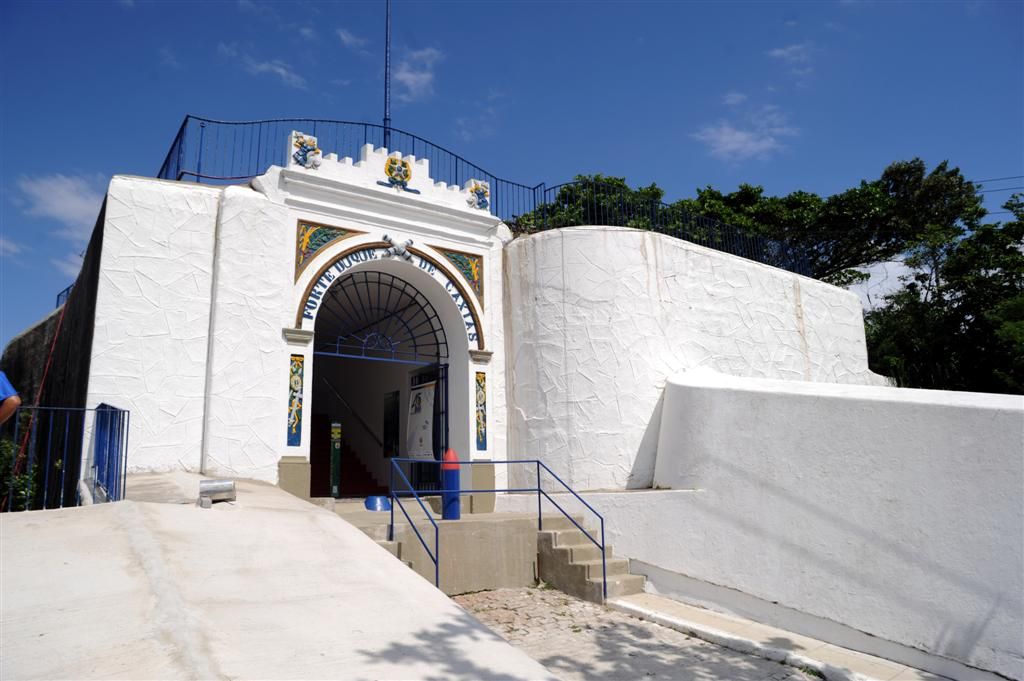
Forte do Leme (Forte Duque de Caxias)
Ipanema
Itinerarios en Río de Janeiro en 3, 5 y 7 días
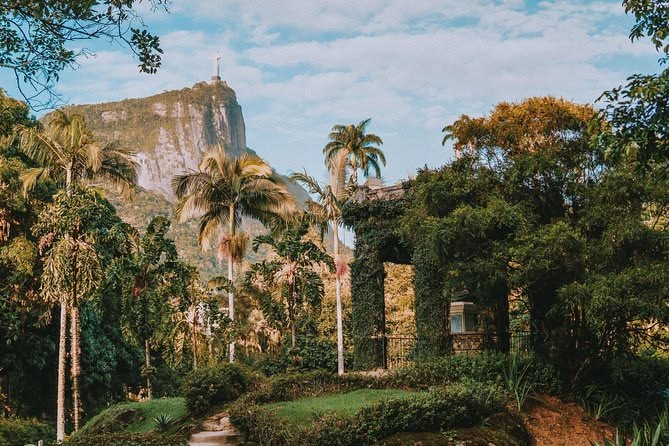
Jardín Botánico de Río de Janeiro

Lagoa Rodrigo de Freitas
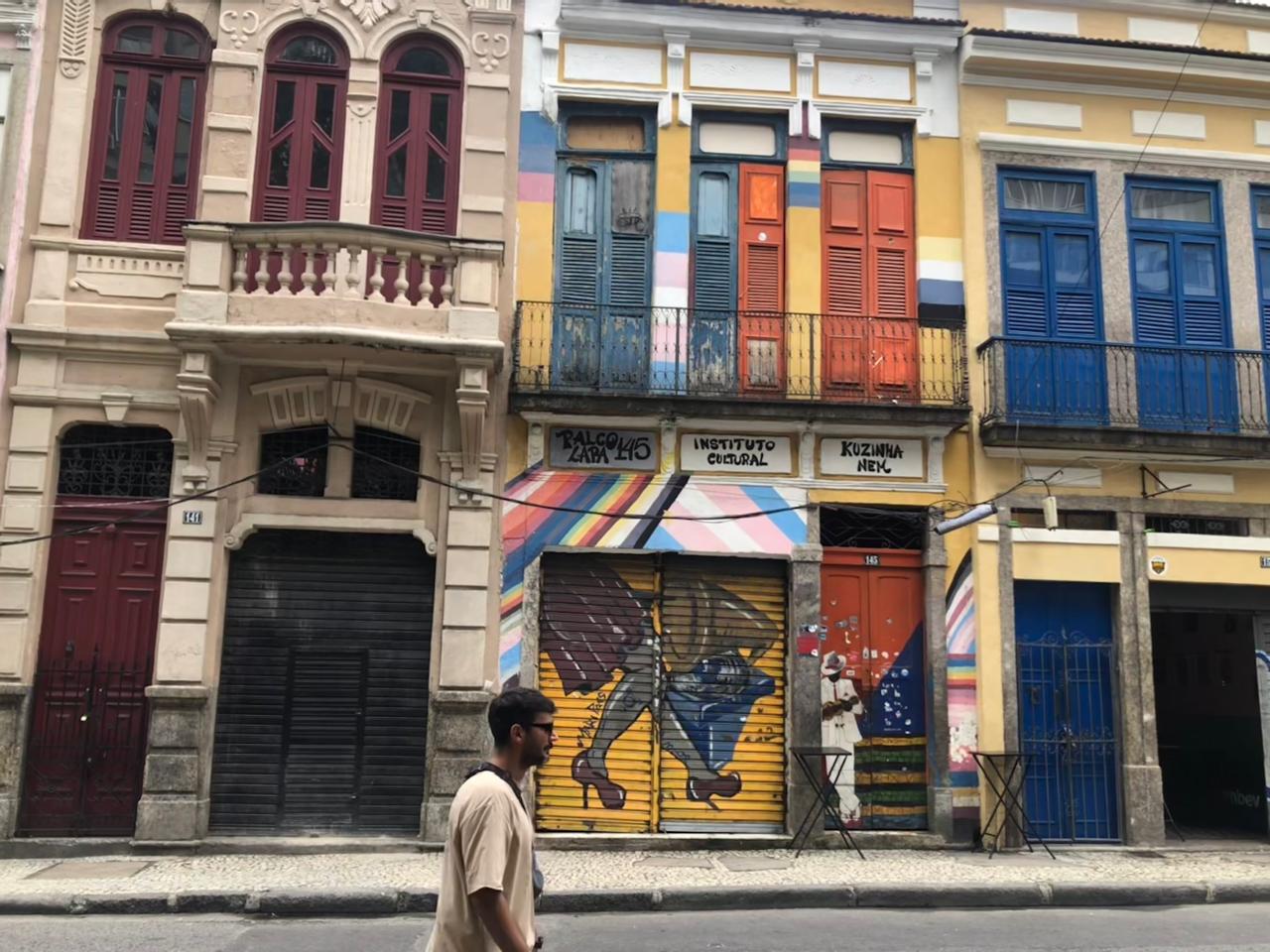
Lapa en Río de Janeiro
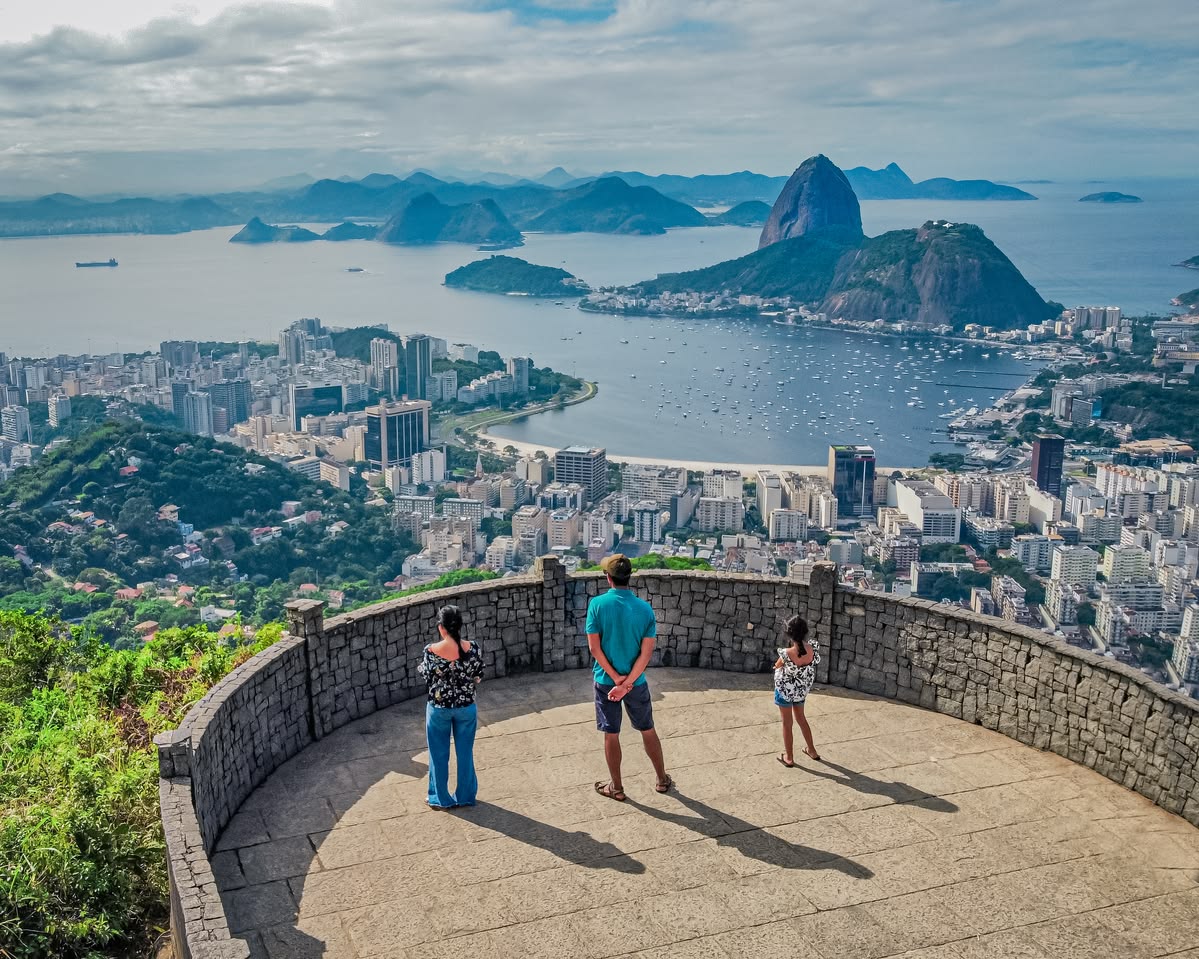
Miradores y senderos en Río de Janeiro
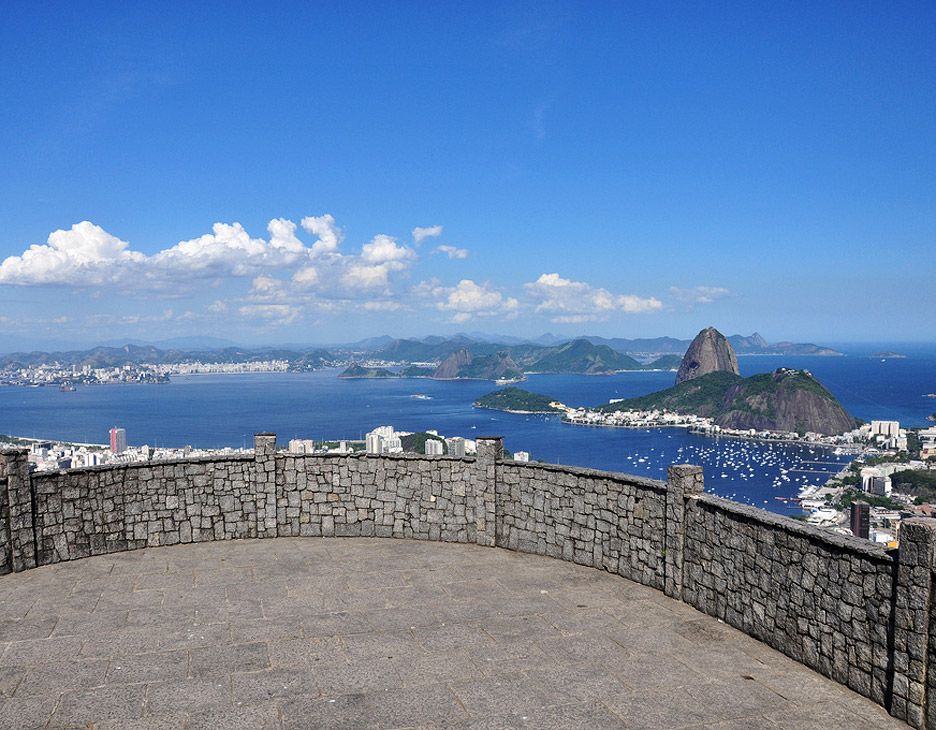
Mirante Dona Marta
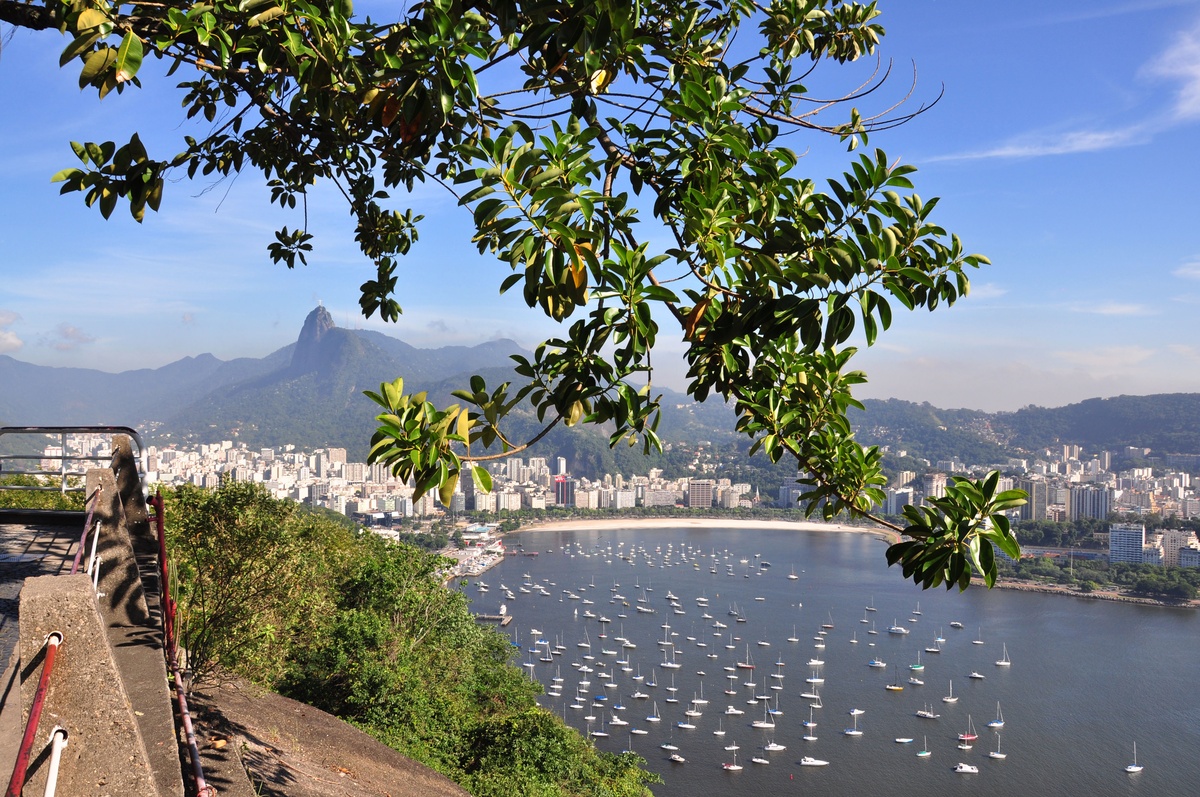
Morro da Urca
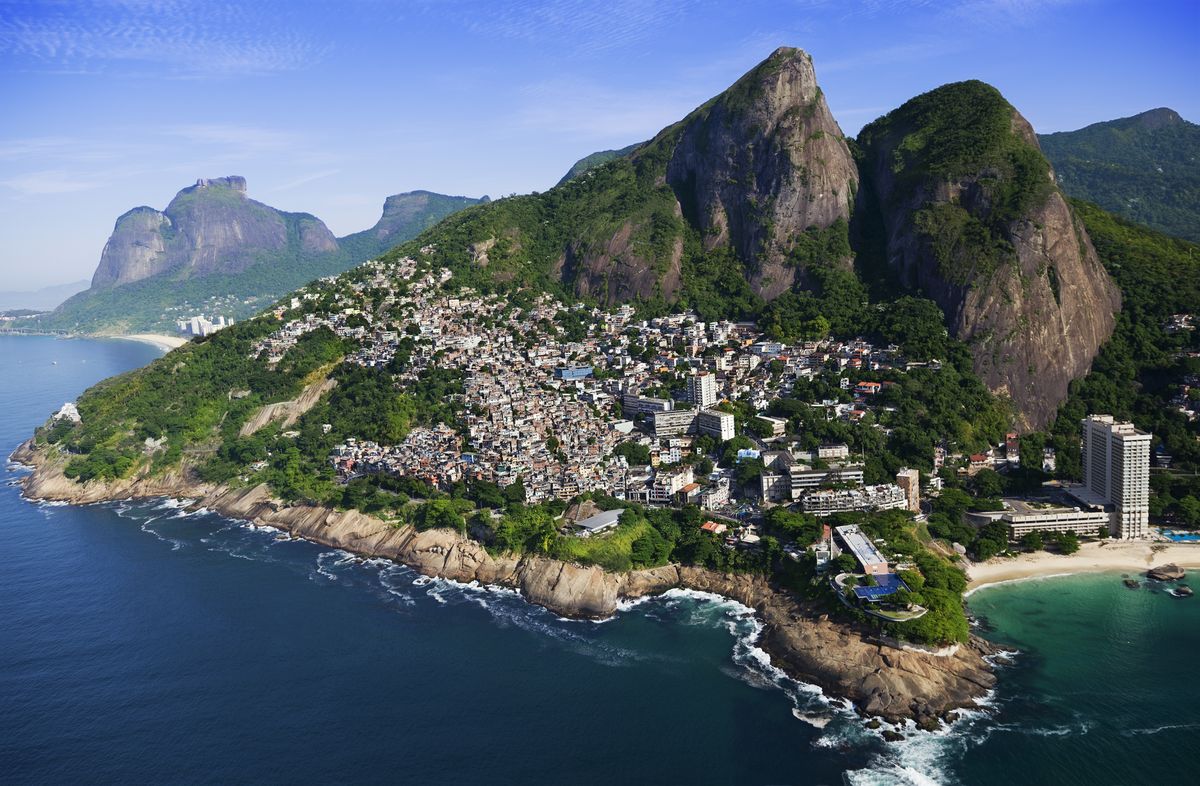
Morro Dois Irmãos

Museo del Mañana (Museu do Amanhã)
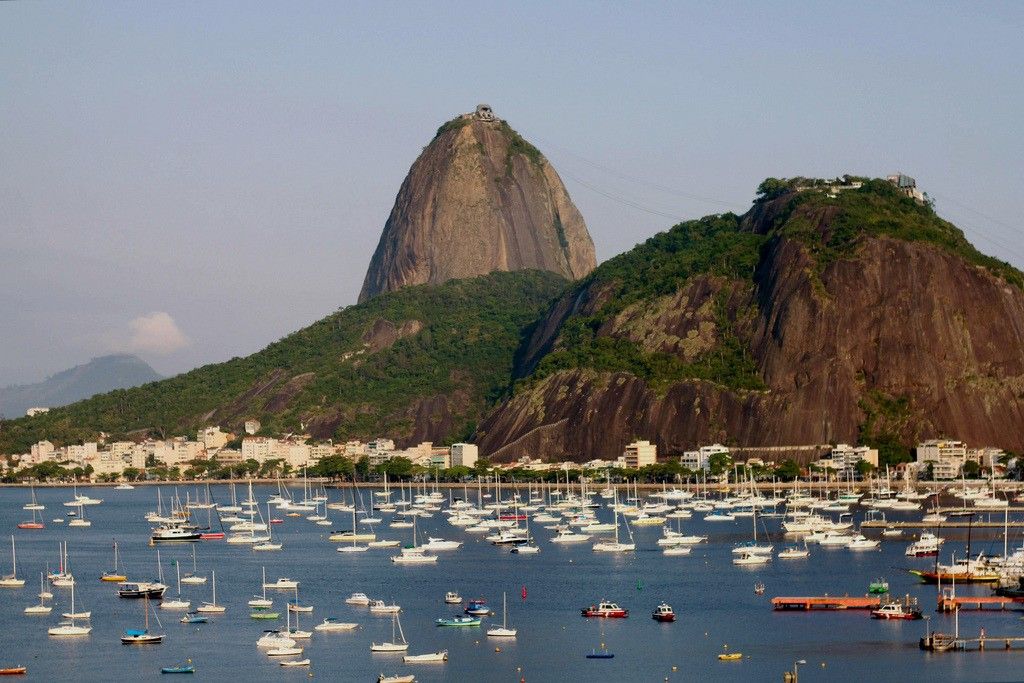
Pan de Azúcar en Río de Janeiro

Pedra Bonita

Pedra da Gávea

Pedra do Telégrafo
Playas cerca de Río de Janeiro
Praia da Joatinga
Praia do Leblon
Praia Vermelha
Santa Teresa en Río de Janeiro
Preferences
Language
Color
Text
Width