
Table of contents and map
How to Pay in Rio de Janeiro in 2026: Pix, Cards, Cash, and Safety Tips
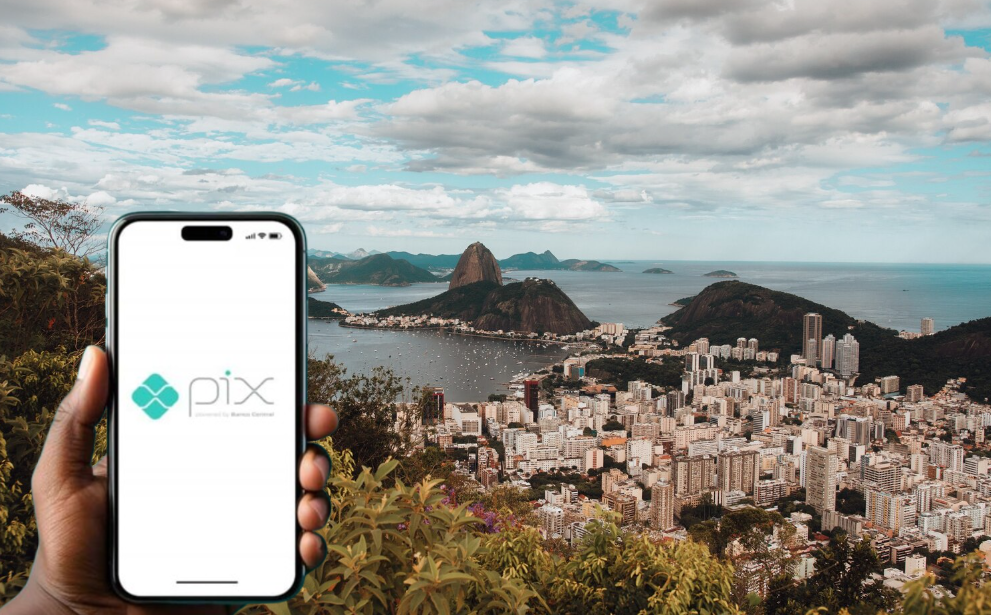
Knowing how to pay in Rio de Janeiro is just as important as choosing the right neighborhood to stay in. During our four months living in the city, we learned that cash is a thing of the past and that Brazil runs on Pix. Here is how to pay with QR codes as a foreigner, which cards to use, and how to avoid the most common card reader scams.
How to Pay in Rio de Janeiro in 2026: Pix, Cards, Cash, and Safety Tips
Knowing how to pay in Rio de Janeiro is just as important as choosing the right neighborhood to stay in. During our four months living in the city, we learned that cash is a thing of the past and that Brazil runs on Pix. Here is how to pay with QR codes as a foreigner, which cards to use, and how to avoid the most common card reader scams.
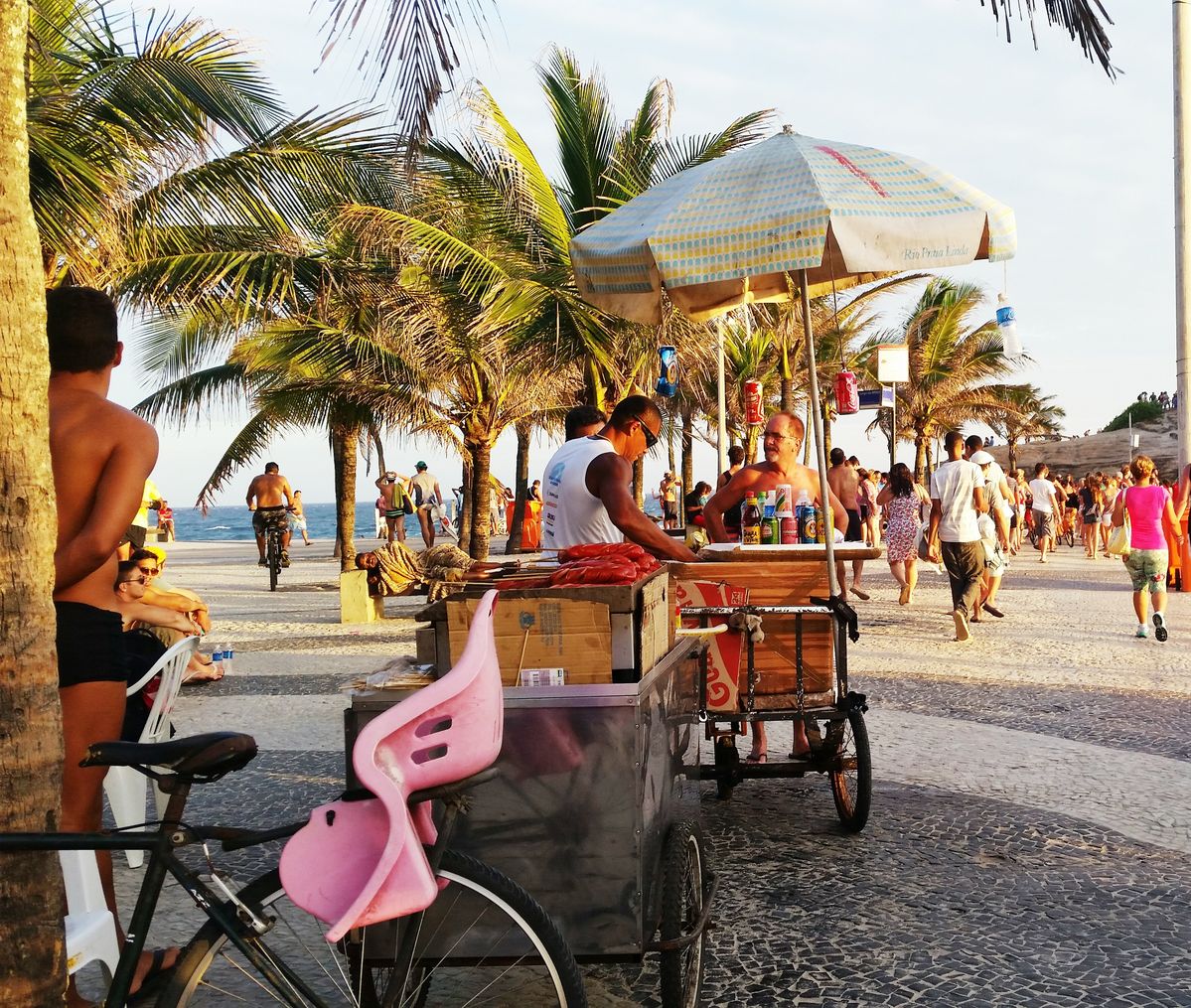
Brazil is currently one of the most digitized countries in the world when it comes to payments. In Rio de Janeiro, you can buy everything from a fresh coconut on the beach to a subway ticket simply by tapping your phone or card. However, for foreign tourists, the system has a few quirks and safety details worth knowing in advance.
1. The King of the System: What is Pix and how to use it as a foreigner?
Pix is the instant payment system created by the Central Bank of Brazil. It works via QR codes or dynamic keys (chaves Pix). In Rio, absolutely everyone uses it: beach vendors, açaí carts, taxis, brick-and-mortar shops, and street performers.
The issue for tourists
To open a traditional Brazilian bank account and use native Pix, you need a CPF number (Brazilian tax ID). Fortunately, you no longer need a local bank account to pay with Pix.
Digital wallets that allow tourists to pay with Pix
Several fintech companies and international digital wallets now allow travelers to scan QR Pix codes, converting your balance from your home currency or dollars to Reais instantly:
- Wise: Allows you to open a Brazilian Real (BRL) balance and make Pix transfers by scanning QR codes directly from the app or sending BRL to a chave Pix. It offers some of the best exchange rates.
- AstroPay / Belo / Let'sBit (depending on your country of origin): Several Latin American financial apps have built-in QR Pix scanning capabilities for Brazil, deducting from your USD, crypto, or local currency balance.
- Mercado Pago: If you have a verified account, it often allows scanning QR codes at participating merchants.
💡 Key Pix Safety Tip: The biggest advantage of using Pix on the street is that you scan the vendor's QR code with your phone and you type/confirm the amount yourself. You don't hand your card to anyone, eliminating the risk of someone entering the wrong amount on a POS terminal.
2. Using Credit and Debit Cards
Credit and debit cards (Visa and Mastercard) are accepted in 99% of formal establishments, restaurants, supermarkets, pharmacies, and ride-hailing apps like Uber.
Physical Card vs. Contactless (NFC)
Always choose to pay using Contactless (Apple Pay, Google Wallet, or tap-to-pay cards).
- Safety: Tapping your phone or card avoids inserting it into card readers (maquininhas), which is where most magnetic stripe cloning occurs.
- Convenience: On the Rio Subway (MetrôRio), you can tap your contactless card or smartwatch directly at the turnstiles without buying a transit card (Cartão Giro).
3. Most Common Financial Scams in Rio (and how to avoid them)
During our 4-month stay, we saw and heard it all. Card cloning or overcharging rarely happens in sit-down restaurants or major stores; it mostly occurs on the beach, with late-night street vendors, or at informal stalls.
⚠️ The "Golpe da Maquininha" (POS Machine Scam)
This mainly happens on the beach when buying drinks, renting beach chairs, or buying souvenirs:
- The extra zero: They tell you a coconut costs R$ 10, but type R$ 100 or R$ 1,000 on the card reader screen, taking advantage of the bright sun or your rush.
- Broken or covered screen: They claim the screen doesn't work well or use a dark cover so you can't see the total amount before typing your PIN.
- Card swapping: They distract you while returning your card and hand back an identical card belonging to someone else that was cloned earlier.
Golden rules for paying with cards on the street:
- ALWAYS look at the POS screen: Never enter your PIN or tap your phone without seeing the exact amount written in Reais.
- Ask for the printed receipt: If a vendor claims the payment was "declined," ask for the cancellation slip before trying another card.
- Never lose sight of your card: If contactless isn't available and you must hand over a physical card, don't let them take it below the counter or cover it with their hand.
- Instant notifications: Turn on instant transaction alerts on your banking app to catch any incorrect charges right away.
4. Do You Need to Carry Cash (Paper Reais)?
Carry very little cash. R$ 200 to R$ 300 in small bills (5, 10, and 20 Reais notes) per person for your entire trip is more than enough.

- What cash is good for: Small tips, the occasional craft market stall with a dead POS battery, or emergencies.
- Why avoid cash: Beach vendors often lack change for large bills (R$ 50 or R$ 100), and flashing stacks of cash in public creates unnecessary safety risks.
5. Summary Recommendation for Your Trip
- For everyday street and beach purchases: Use Pix via a digital wallet (Wise, etc.). It is the safest method and completely immune to card cloning.
- For supermarkets, restaurants, and Uber: Use a digital credit/debit card via Apple Pay or Google Wallet.
- For public transport: Pay for the subway directly by tapping your contactless card at the turnstile.
- Cash: Keep just one small bill in your pocket for unexpected needs.
You Might Also Like
Pix is the instant payment system created by the Central Bank of Brazil. It works via QR codes or dynamic keys (chaves Pix). In Rio, absolutely everyone uses it: beach vendors, açaí carts, taxis, brick-and-mortar shops, and street performers.
The issue for tourists
To open a traditional Brazilian bank account and use native Pix, you need a CPF number (Brazilian tax ID). Fortunately, you no longer need a local bank account to pay with Pix.
Digital wallets that allow tourists to pay with Pix
Several fintech companies and international digital wallets now allow travelers to scan QR Pix codes, converting your balance from your home currency or dollars to Reais instantly:
- Wise: Allows you to open a Brazilian Real (BRL) balance and make Pix transfers by scanning QR codes directly from the app or sending BRL to a chave Pix. It offers some of the best exchange rates.
- AstroPay / Belo / Let'sBit (depending on your country of origin): Several Latin American financial apps have built-in QR Pix scanning capabilities for Brazil, deducting from your USD, crypto, or local currency balance.
- Mercado Pago: If you have a verified account, it often allows scanning QR codes at participating merchants.
💡 Key Pix Safety Tip: The biggest advantage of using Pix on the street is that you scan the vendor's QR code with your phone and you type/confirm the amount yourself. You don't hand your card to anyone, eliminating the risk of someone entering the wrong amount on a POS terminal.
PUBLICIDAD
Travel with Data: Get your Saily eSIM
- ✓Internet in seconds upon landing
- ✓Flexible plans in 180+ countries
- ✓Easy setup directly via the App
Credit and debit cards (Visa and Mastercard) are accepted in 99% of formal establishments, restaurants, supermarkets, pharmacies, and ride-hailing apps like Uber.
Physical Card vs. Contactless (NFC)
Always choose to pay using Contactless (Apple Pay, Google Wallet, or tap-to-pay cards).
- Safety: Tapping your phone or card avoids inserting it into card readers (maquininhas), which is where most magnetic stripe cloning occurs.
- Convenience: On the Rio Subway (MetrôRio), you can tap your contactless card or smartwatch directly at the turnstiles without buying a transit card (Cartão Giro).
During our 4-month stay, we saw and heard it all. Card cloning or overcharging rarely happens in sit-down restaurants or major stores; it mostly occurs on the beach, with late-night street vendors, or at informal stalls.
⚠️ The "Golpe da Maquininha" (POS Machine Scam)
This mainly happens on the beach when buying drinks, renting beach chairs, or buying souvenirs:
- The extra zero: They tell you a coconut costs R$ 10, but type R$ 100 or R$ 1,000 on the card reader screen, taking advantage of the bright sun or your rush.
- Broken or covered screen: They claim the screen doesn't work well or use a dark cover so you can't see the total amount before typing your PIN.
- Card swapping: They distract you while returning your card and hand back an identical card belonging to someone else that was cloned earlier.
Golden rules for paying with cards on the street:
- ALWAYS look at the POS screen: Never enter your PIN or tap your phone without seeing the exact amount written in Reais.
- Ask for the printed receipt: If a vendor claims the payment was "declined," ask for the cancellation slip before trying another card.
- Never lose sight of your card: If contactless isn't available and you must hand over a physical card, don't let them take it below the counter or cover it with their hand.
- Instant notifications: Turn on instant transaction alerts on your banking app to catch any incorrect charges right away.
Carry very little cash. R$ 200 to R$ 300 in small bills (5, 10, and 20 Reais notes) per person for your entire trip is more than enough.
- What cash is good for: Small tips, the occasional craft market stall with a dead POS battery, or emergencies.
- Why avoid cash: Beach vendors often lack change for large bills (R$ 50 or R$ 100), and flashing stacks of cash in public creates unnecessary safety risks.
- For everyday street and beach purchases: Use Pix via a digital wallet (Wise, etc.). It is the safest method and completely immune to card cloning.
- For supermarkets, restaurants, and Uber: Use a digital credit/debit card via Apple Pay or Google Wallet.
- For public transport: Pay for the subway directly by tapping your contactless card at the turnstile.
- Cash: Keep just one small bill in your pocket for unexpected needs.
PUBLICIDAD
International Travel Insurance
- ✓International medical insurance
- ✓24/7 immediate assistance in your language
- ✓Ideal for trekking & adventure
Posts in Rio-de-janeiro

10 playas de Río de Janeiro
Arcos da Lapa en Río de Janeiro

Barra da Tijuca

Botafogo
Catedral Metropolitana de Río de Janeiro

Copacabana

Cristo Redentor en Río de Janeiro

Del aeropuerto de al centro

Dónde alojarse en Río de Janeiro
Escadaria Selarón en Río de Janeiro

Estadio Maracaná

Flamengo
Forte do Leme (Forte Duque de Caxias)

Ipanema
Itinerarios en Río de Janeiro en 3, 5 y 7 días

Jardín Botánico de Río de Janeiro

Lagoa Rodrigo de Freitas
Lapa en Río de Janeiro

Miradores y senderos en Río de Janeiro

Mirante Dona Marta

Morro da Urca

Morro Dois Irmãos

Museo del Mañana (Museu do Amanhã)

Pan de Azúcar en Río de Janeiro

Pedra Bonita

Pedra da Gávea

Pedra do Telégrafo

Playas cerca de Río de Janeiro

Praia da Joatinga

Praia do Leblon

Praia Vermelha

Santa Teresa en Río de Janeiro
Preferences
Language
Color
Text
Width