Table of contents and map
Metropolitan Cathedral of Rio de Janeiro: Architecture, Photos, Hours, and Visiting Tips
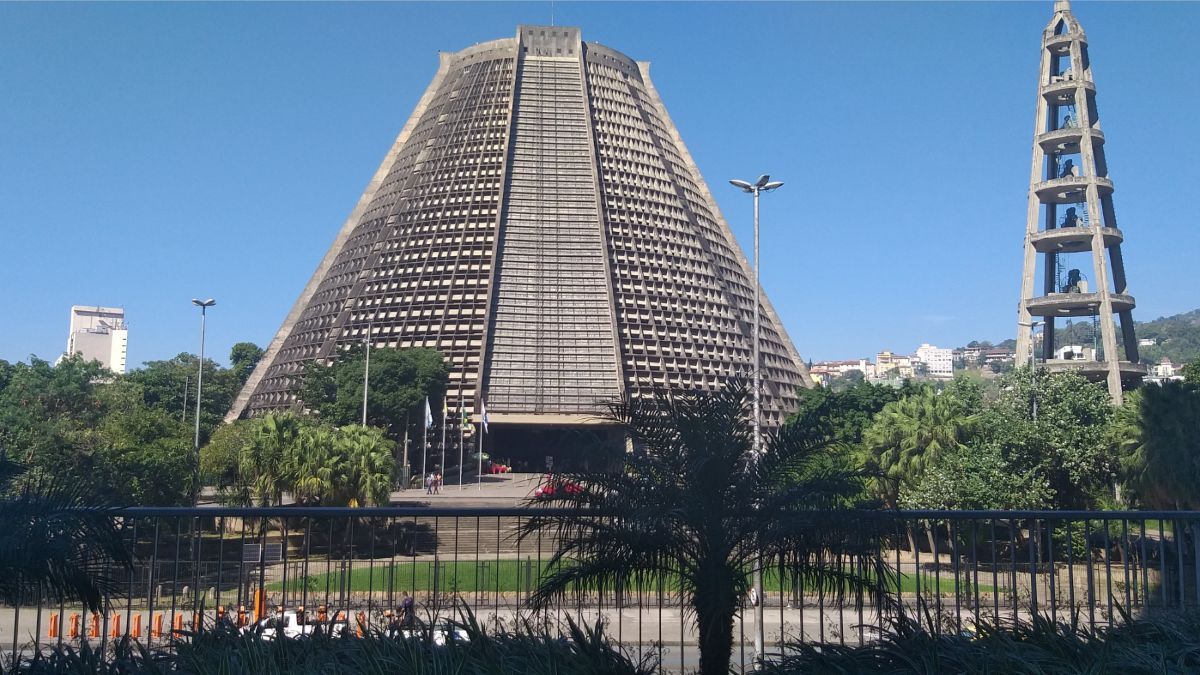
Una obra maestra brutalista inspirada en las pirámides mayas: un cono gigante de 75 metros de altura con vitrales deslumbrantes en pleno centro.
Metropolitan Cathedral of Rio de Janeiro: Architecture, Photos, Hours, and Visiting Tips
Una obra maestra brutalista inspirada en las pirámides mayas: un cono gigante de 75 metros de altura con vitrales deslumbrantes en pleno centro.
The Metropolitan Cathedral of Saint Sebastian is one of the most unique, surprising, and visually striking religious buildings in the world. Breaking away from traditional Baroque or Neo-Gothic cathedral designs, this impressive brutalist structure stands out on Downtown Rio's skyline due to its unconventional conical shape.
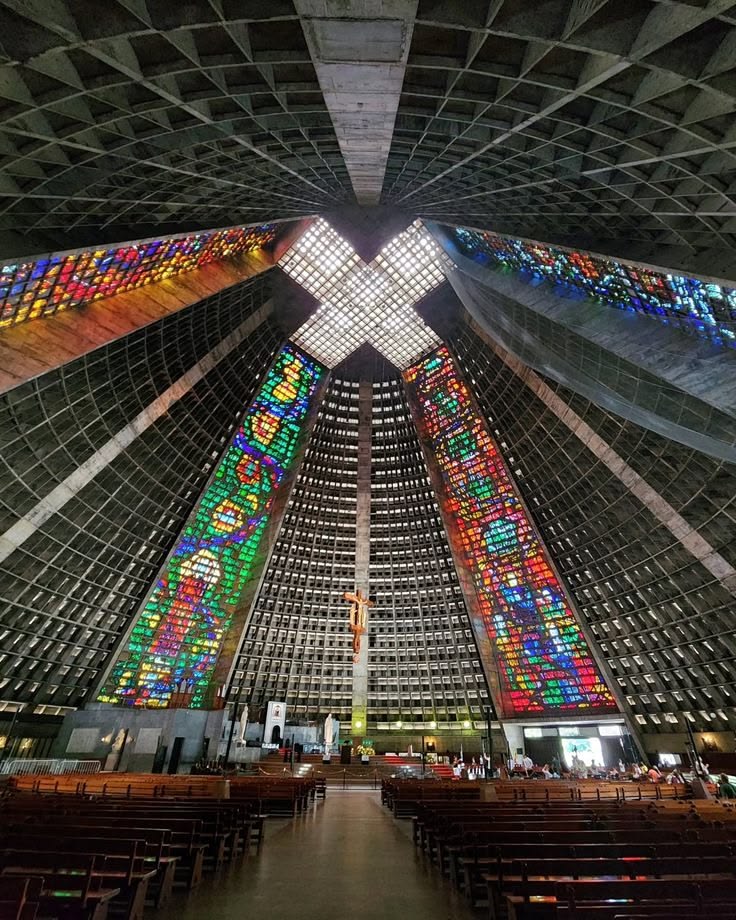
Dedicated to Saint Sebastian, the patron saint of Rio de Janeiro, the cathedral amazes visitors both with its Mayan pyramid-inspired exterior and its breathtaking interior, where four massive 64-meter-tall stained-glass windows filter natural light into a vibrant spectacle of color.
History and Architecture
Built between 1964 and 1979 under the supervision of architect Edgar de Oliveira da Fonseca, the cathedral was designed to replace the small 18th-century Old Cathedral (Church of Our Lady of Mount Carmel) as the seat of the Archdiocese.
- Mayan Inspiration: The conical structure pays homage to ancient Mayan pyramids in Mexico, symbolizing the bridge between humanity and God as it tapers toward the sky.
- Monumental Scale: Features an outer base diameter of 106 meters, an inner diameter of 96 meters, and stands 75 meters (246 feet) high.
- Capacity: It can accommodate over 20,000 standing worshipers (or around 5,000 seated), making it one of the largest cathedrals in South America.
- Stained-Glass Windows: Four continuous vertical panels run from floor to ceiling, meeting at the top in a massive transparent cross. They represent the four marks of the Church: One, Holy, Catholic, and Apostolic.
What to See Inside the Cathedral
1. The Overhead Glass Cross
At the peak of the cone, the four stained-glass panels join together in a giant transparent cross. When sunlight hits directly from above, it casts a soft light down onto the central altar.
2. Central Altar and Suspended Crucifix
The main altar sits directly in the center of the structure. Above it hangs a dramatic suspended bronze crucifix, surrounded by minimalist liturgical artwork.
3. Museum of Sacred Art (Basement)
Located in the cathedral's underground level, this museum houses an important collection of historical relics:
- The baptismal font used for the royal princes of the Portuguese Imperial family.
- The throne of Emperor Pedro II, Brazil’s last emperor.
- Sacred vestments worn by Pope John Paul II during his visits to Rio.
Practical Visiting Tips
- Best Time to Visit: Between 11:00 AM and 2:00 PM, when overhead sunlight shines directly through the stained glass, casting vivid colors across the concrete interior.
- Dress Code: As an active house of worship, modest clothing is encouraged (avoid swimsuits or revealing attire).
- Free Admission: Entry to the main cathedral is completely free. The basement Sacred Art Museum requires a small, symbolic fee.
Hours and Location
- Cathedral Hours: Monday to Sunday from 7:00 AM to 5:00 PM.
- Location: Av. Chile, 245 – Centro. Just 400 meters from Arcos da Lapa.
How to Get There
- By Metro: Get off at
CariocaorCinelândiastation (Lines 1 and 2). Walk about 5 minutes along Avenida República do Chile. - On Foot from Lapa: Located a 5-minute walk from Arcos da Lapa and the Selarón Steps.
- By Uber / Taxi: Set destination to "Catedral Metropolitana do Rio de Janeiro".
Frequently Asked Questions (FAQ)
How much does it cost to visit Rio's Cathedral?
Entrance to the main cathedral sanctuary is free. Entering the underground Museum of Sacred Art costs a small fee of a few Brazilian Reais.
Are photos permitted inside?
Yes, non-flash photography and video recording are allowed, provided visitors maintain quiet respect for those praying or attending mass.
You Might Also Like
Built between 1964 and 1979 under the supervision of architect Edgar de Oliveira da Fonseca, the cathedral was designed to replace the small 18th-century Old Cathedral (Church of Our Lady of Mount Carmel) as the seat of the Archdiocese.
- Mayan Inspiration: The conical structure pays homage to ancient Mayan pyramids in Mexico, symbolizing the bridge between humanity and God as it tapers toward the sky.
- Monumental Scale: Features an outer base diameter of 106 meters, an inner diameter of 96 meters, and stands 75 meters (246 feet) high.
- Capacity: It can accommodate over 20,000 standing worshipers (or around 5,000 seated), making it one of the largest cathedrals in South America.
- Stained-Glass Windows: Four continuous vertical panels run from floor to ceiling, meeting at the top in a massive transparent cross. They represent the four marks of the Church: One, Holy, Catholic, and Apostolic.
PUBLICIDAD
Travel with Data: Get your Saily eSIM
- ✓Internet in seconds upon landing
- ✓Flexible plans in 180+ countries
- ✓Easy setup directly via the App
1. The Overhead Glass Cross
At the peak of the cone, the four stained-glass panels join together in a giant transparent cross. When sunlight hits directly from above, it casts a soft light down onto the central altar.
2. Central Altar and Suspended Crucifix
The main altar sits directly in the center of the structure. Above it hangs a dramatic suspended bronze crucifix, surrounded by minimalist liturgical artwork.
3. Museum of Sacred Art (Basement)
Located in the cathedral's underground level, this museum houses an important collection of historical relics:
- The baptismal font used for the royal princes of the Portuguese Imperial family.
- The throne of Emperor Pedro II, Brazil’s last emperor.
- Sacred vestments worn by Pope John Paul II during his visits to Rio.
- Best Time to Visit: Between 11:00 AM and 2:00 PM, when overhead sunlight shines directly through the stained glass, casting vivid colors across the concrete interior.
- Dress Code: As an active house of worship, modest clothing is encouraged (avoid swimsuits or revealing attire).
- Free Admission: Entry to the main cathedral is completely free. The basement Sacred Art Museum requires a small, symbolic fee.
- Cathedral Hours: Monday to Sunday from 7:00 AM to 5:00 PM.
- Location: Av. Chile, 245 – Centro. Just 400 meters from Arcos da Lapa.
- By Metro: Get off at
CariocaorCinelândiastation (Lines 1 and 2). Walk about 5 minutes along Avenida República do Chile. - On Foot from Lapa: Located a 5-minute walk from Arcos da Lapa and the Selarón Steps.
- By Uber / Taxi: Set destination to "Catedral Metropolitana do Rio de Janeiro".
How much does it cost to visit Rio's Cathedral?
Entrance to the main cathedral sanctuary is free. Entering the underground Museum of Sacred Art costs a small fee of a few Brazilian Reais.
Are photos permitted inside?
Yes, non-flash photography and video recording are allowed, provided visitors maintain quiet respect for those praying or attending mass.
PUBLICIDAD
International Travel Insurance
- ✓International medical insurance
- ✓24/7 immediate assistance in your language
- ✓Ideal for trekking & adventure
Posts in Rio-de-janeiro
10 playas de Río de Janeiro
Arcos da Lapa en Río de Janeiro

Barra da Tijuca

Botafogo
Como pagar en Rio de Janeiro
Copacabana

Cristo Redentor en Río de Janeiro
Del aeropuerto de al centro
Dónde alojarse en Río de Janeiro
Escadaria Selarón en Río de Janeiro

Estadio Maracaná
Flamengo
Forte do Leme (Forte Duque de Caxias)
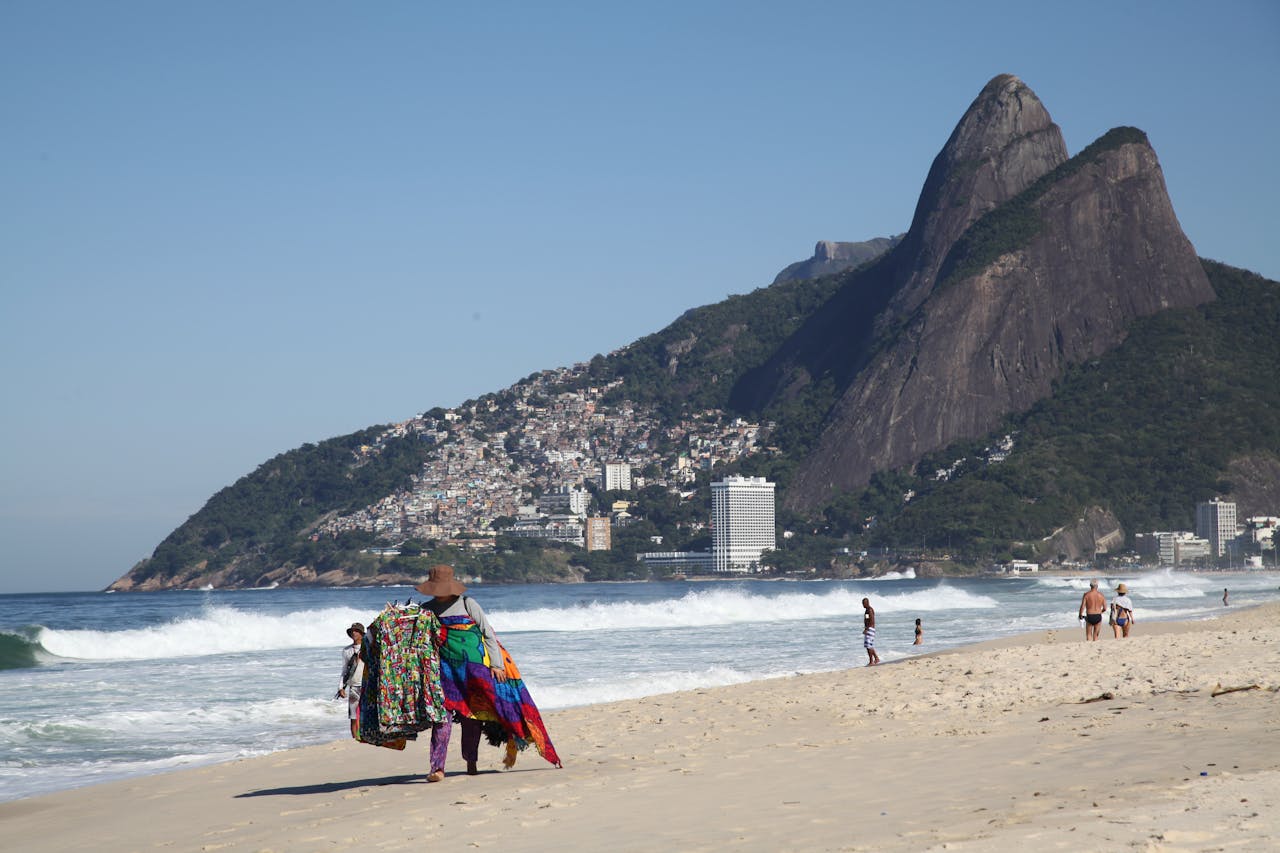
Ipanema
Itinerarios en Río de Janeiro en 3, 5 y 7 días
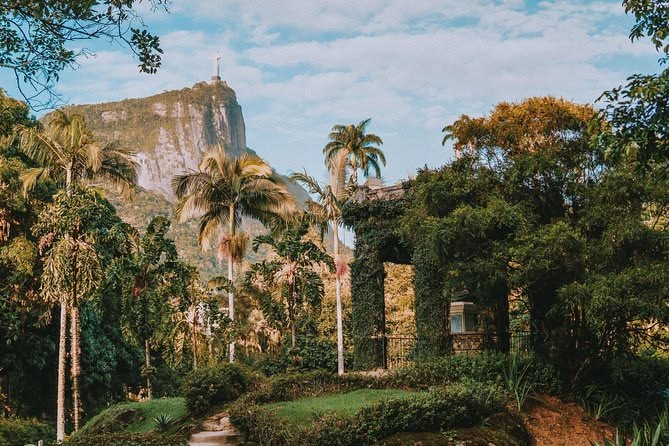
Jardín Botánico de Río de Janeiro

Lagoa Rodrigo de Freitas
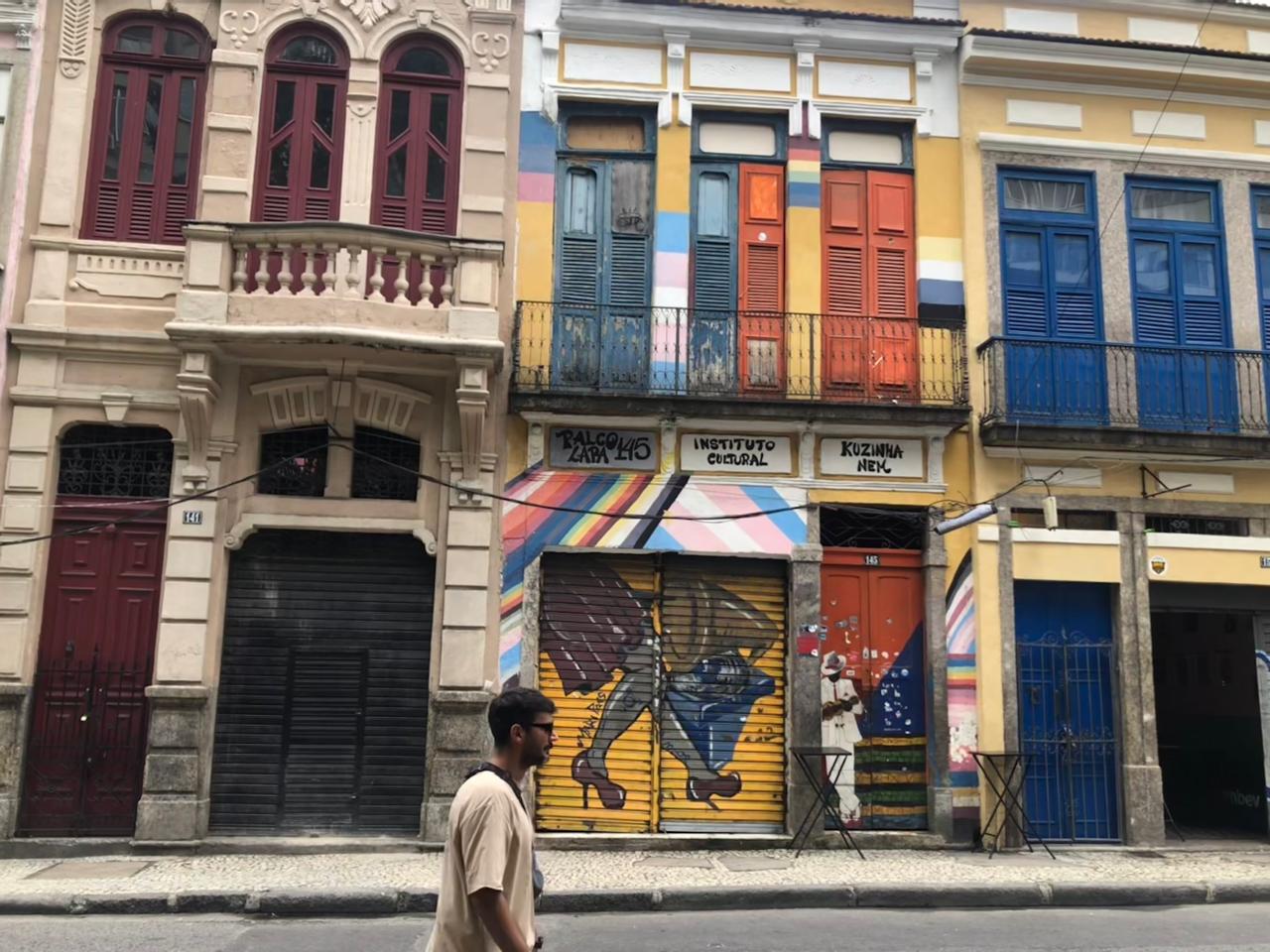
Lapa en Río de Janeiro
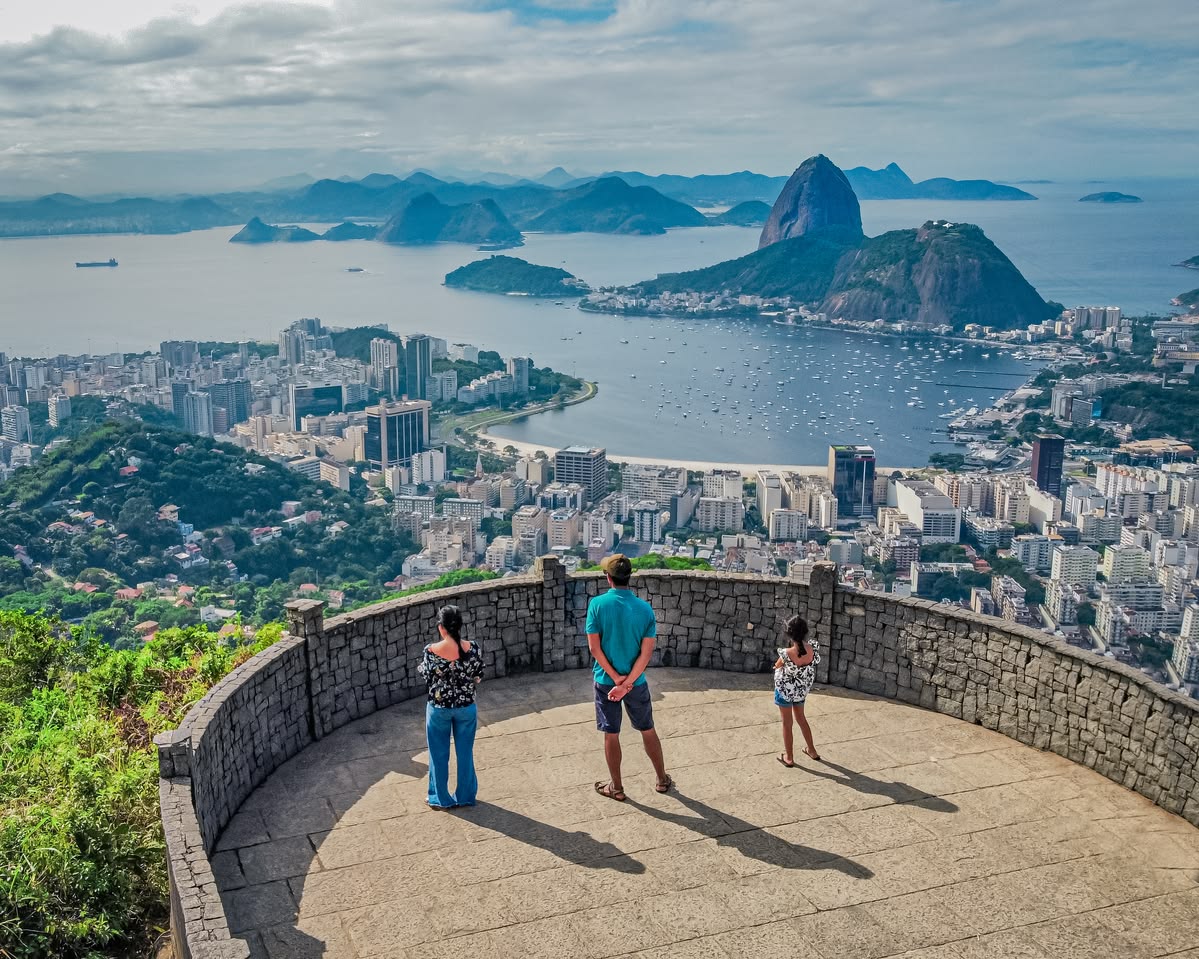
Miradores y senderos en Río de Janeiro
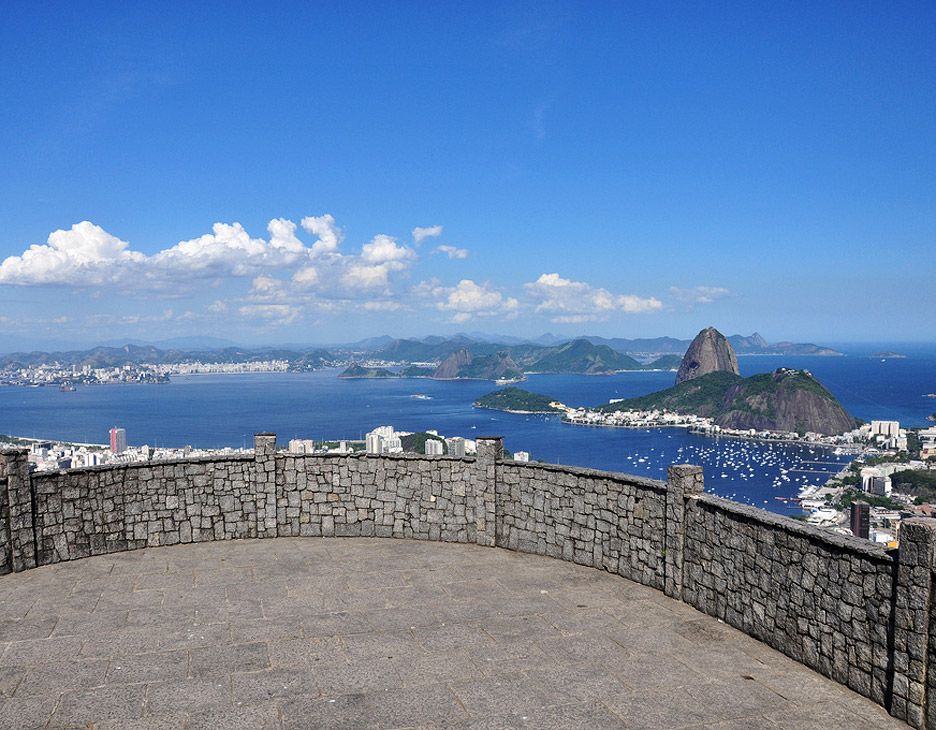
Mirante Dona Marta
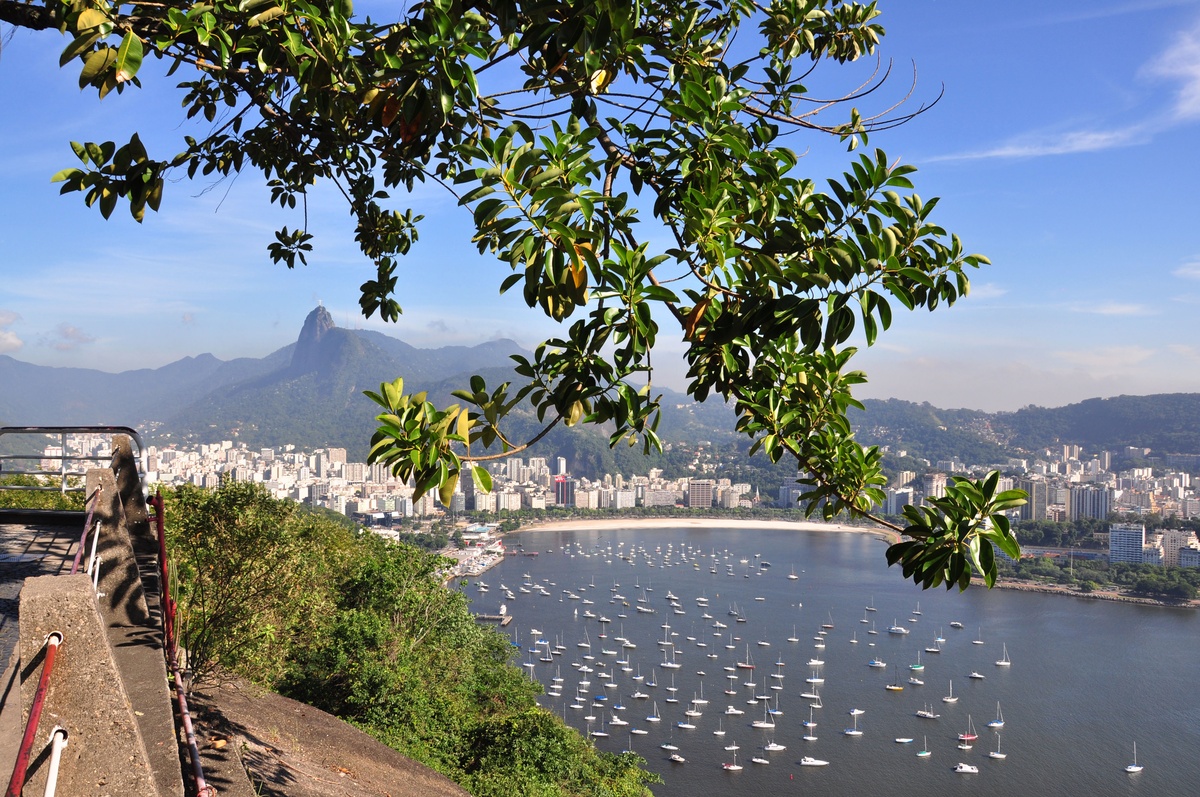
Morro da Urca
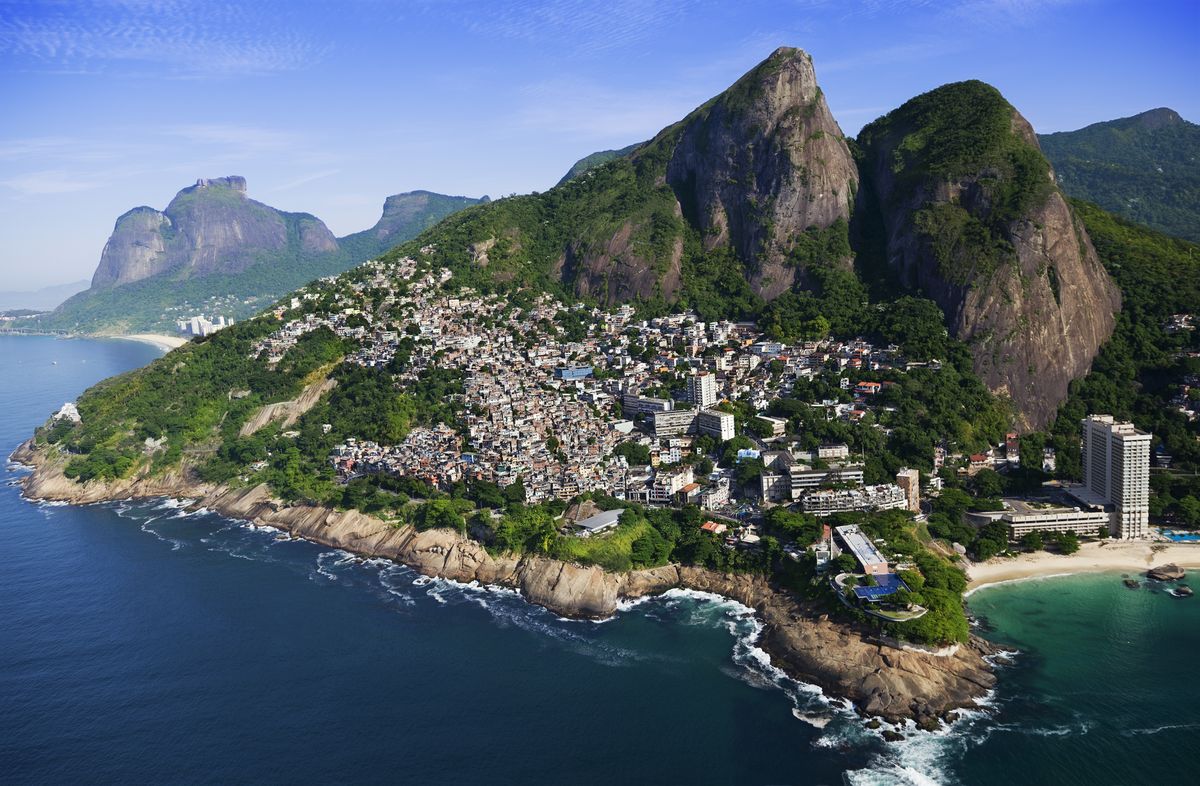
Morro Dois Irmãos
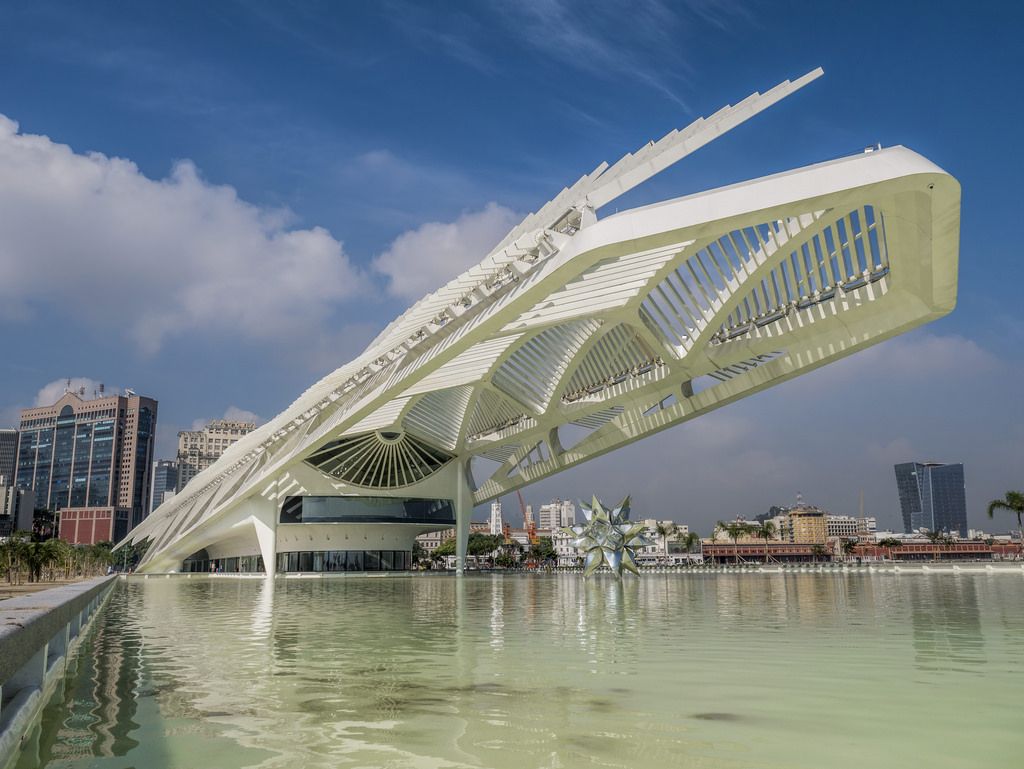
Museo del Mañana (Museu do Amanhã)
Pan de Azúcar en Río de Janeiro

Pedra Bonita
Pedra da Gávea
Pedra do Telégrafo
Playas cerca de Río de Janeiro
Praia da Joatinga
Praia do Leblon

Praia Vermelha
Santa Teresa en Río de Janeiro
Preferences
Language
Color
Text
Width