Table of contents and map
Barra da Tijuca: Rio de Janeiro's Modern Hub & Paradise Beaches
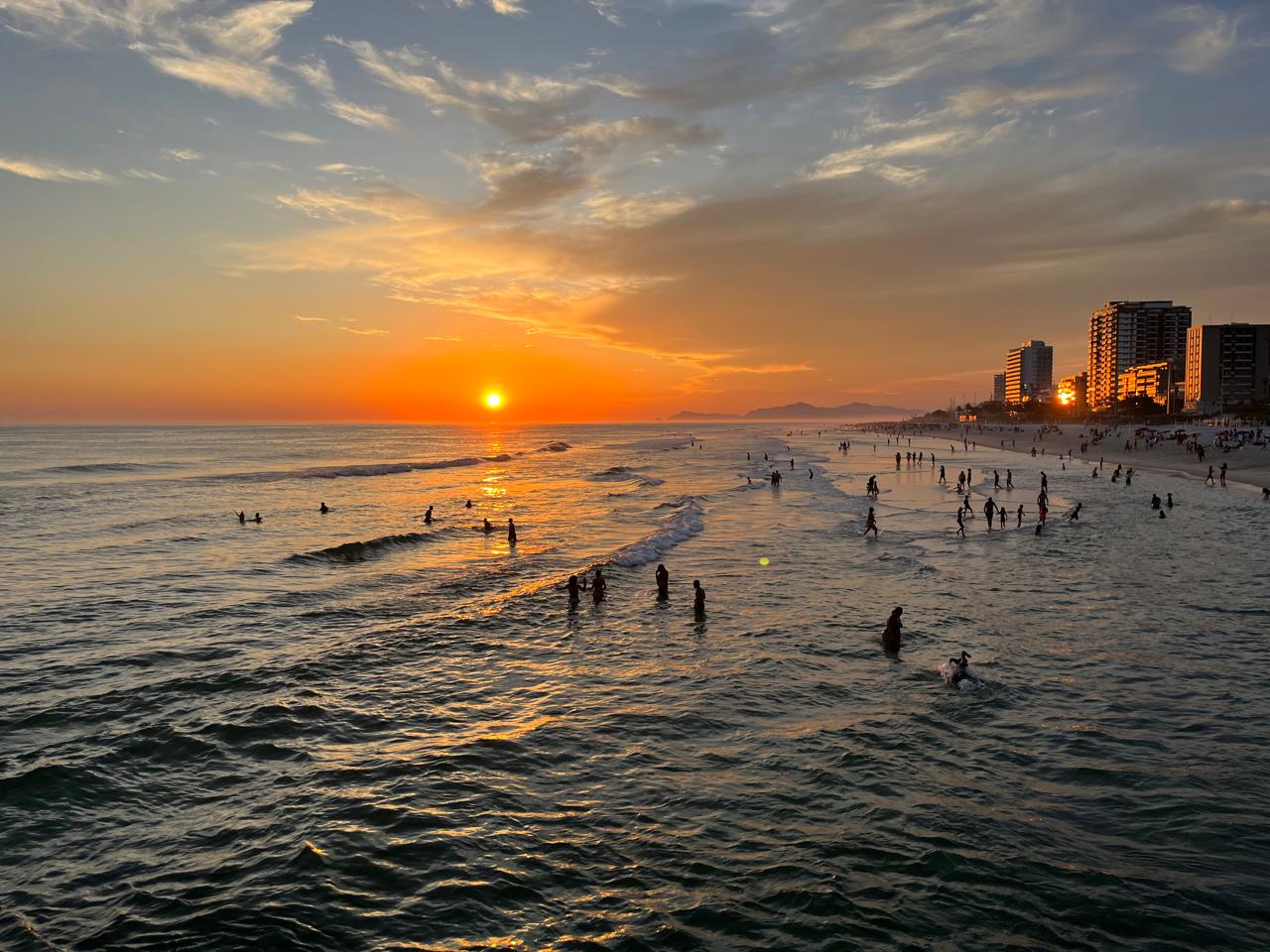
Barra da Tijuca is the modern, expansive, and paradise side of Rio de Janeiro. Featuring over 18 kilometers of fine golden sand continental beaches, open turquoise waters, ideal surfing waves, and a fascinating natural ecosystem of lagoons and mangroves, Barra offers an experience completely distinct from the rest of the city.
Barra da Tijuca: Rio de Janeiro's Modern Hub & Paradise Beaches
Barra da Tijuca is the modern, expansive, and paradise side of Rio de Janeiro. Featuring over 18 kilometers of fine golden sand continental beaches, open turquoise waters, ideal surfing waves, and a fascinating natural ecosystem of lagoons and mangroves, Barra offers an experience completely distinct from the rest of the city.
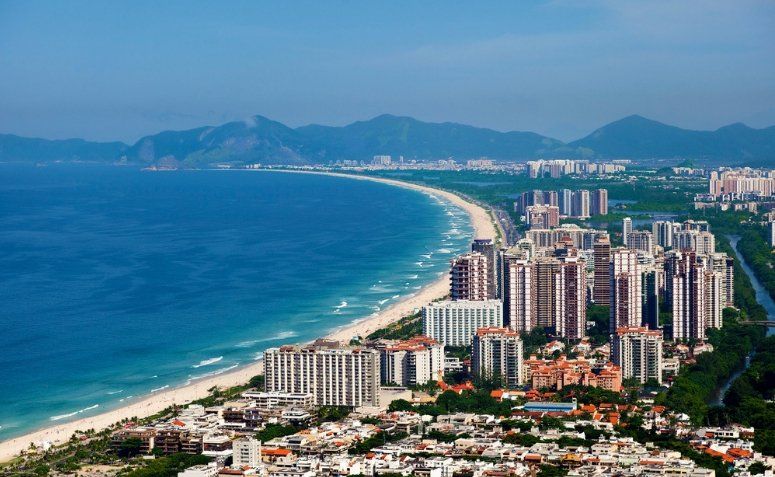
If you are looking for a truly spectacular beach with endless clean stretches of sand, crystal-clear open ocean, modern infrastructure, and total disconnection from the traditional urban hustle, Barra da Tijuca is Rio de Janeiro's greatest coastal gem.
Simply known as Barra, this area in the West Zone blends tree-lined avenues and upscale modern condominiums with a fascinating ecosystem of coastal lagoons, protected nature reserves, and the most imposing beach coastline in all of Rio.
Where is Barra da Tijuca & How to Get There
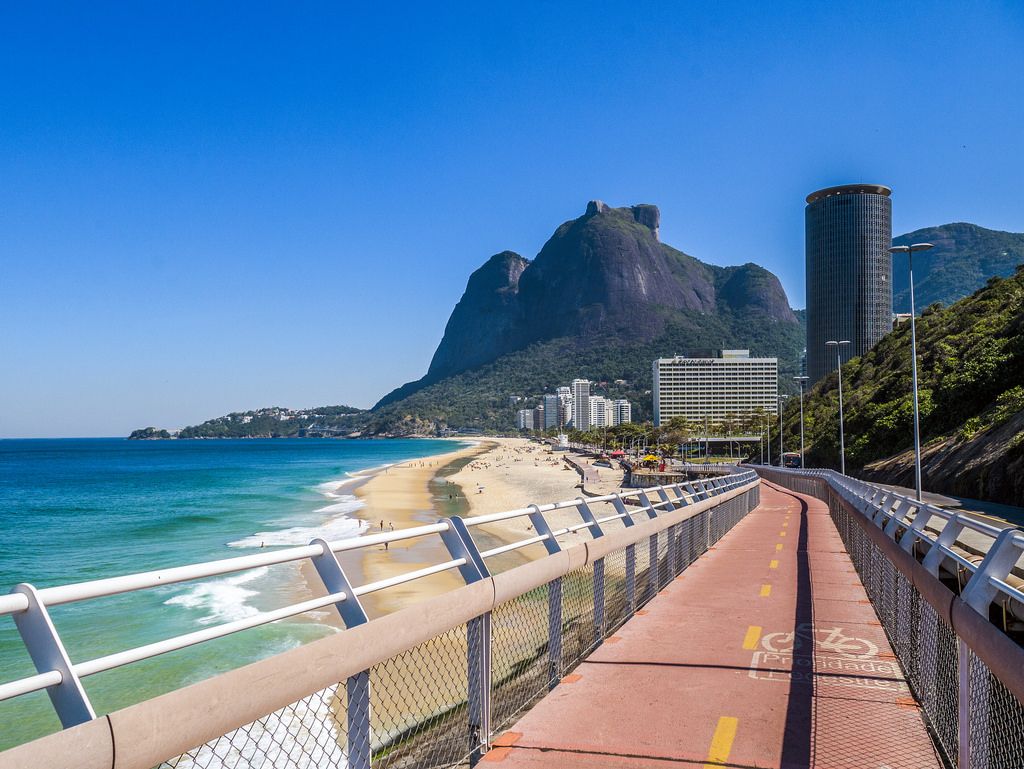
Barra da Tijuca is located in the West Zone of Rio de Janeiro, right past São Conrado and framed by the impressive rock wall of Pedra da Gávea and the mountains of Tijuca National Park.
Right upon entering the neighborhood, you cross the iconic Joatinga Canal, the waterway connecting the vast interior lagoon system directly to the Atlantic Ocean beneath the access bridges.
Getting Around & How to Get There
- By bicycle from the South Zone (Recommended Adventure!): For cycling enthusiasts, riding to Barra from Leblon or São Conrado along the spectacular bike path suspended over the sea cliffs is an unforgettable experience. If you want to take this route with breathtaking views of Pedra da Gávea, check out our Guide to Cycling Around Rio de Janeiro.
- Metro (Line 4): The Jardim Oceânico terminal station connects the South Zone (Ipanema/Copacabana) to the entrance of Barra in just 15–20 minutes.
- BRT (Bus Rapid Transit): From Jardim Oceânico, the dedicated BRT bus lanes span across Avenida das Américas, connecting farther sectors of the coast and shopping centers.
- Uber / Taxis: An excellent option within the neighborhood given the large size of the avenues.
Is It Worth Staying in Barra da Tijuca?
Staying in Barra offers superior comfort and beach landscapes compared to Copacabana or Ipanema. It is ideal for families, clean-beach lovers, surfers, and travelers who prefer large resorts, top-tier safety, and a constant ocean breeze.
Advantages of Staying in Barra
- One of Rio's Best Beaches: Fine sand, turquoise ocean tones, and none of the overcrowding or crowded umbrellas seen in the South Zone.
- High Level of Safety: Considered one of the safest residential areas in Rio, featuring continuous public and private security patrols.
- World-Class Hotels & Resorts: Great selection of international chains featuring oceanfront infinity pools, spas, and spacious rooms.
- Dining & Shopping: Home to Rio's largest and most modern shopping malls and culinary hubs.
Disadvantages to Consider
- Long Distances: The neighborhood is not designed to be covered entirely on foot; you will need transport (Uber, bike, or BRT) to move between spots.
- Distance to Historic Center: Getting to the Christ the Redeemer, Sugarloaf Mountain, or Lapa takes more travel time.
Things to Do in Barra da Tijuca: Top Highlights & Nature
1. Enjoy Praia da Barra da Tijuca and Praia do Pepê
Stretching over 14 continuous kilometers of open coastline, it is a magnificent, clean, and radiant beach. At the starting sector (Praia do Pepê, near Posto 1), steady breezes create the ultimate playground for hundreds of kitesurfers, surfers, and windsurfers. As you move towards central posts (Posto 3 to 6), the beach becomes wider, calmer, and perfect for long seaside strolls.
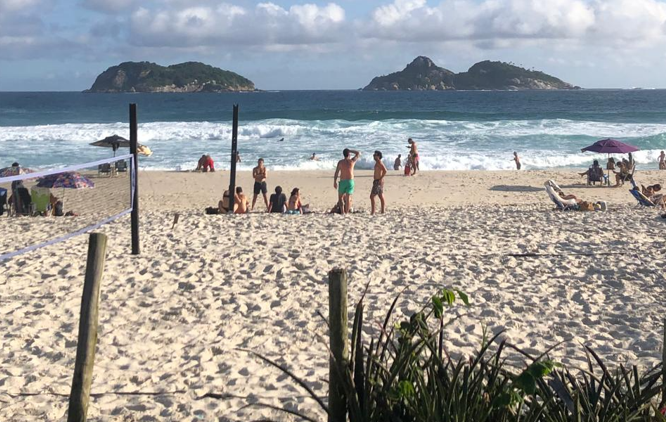
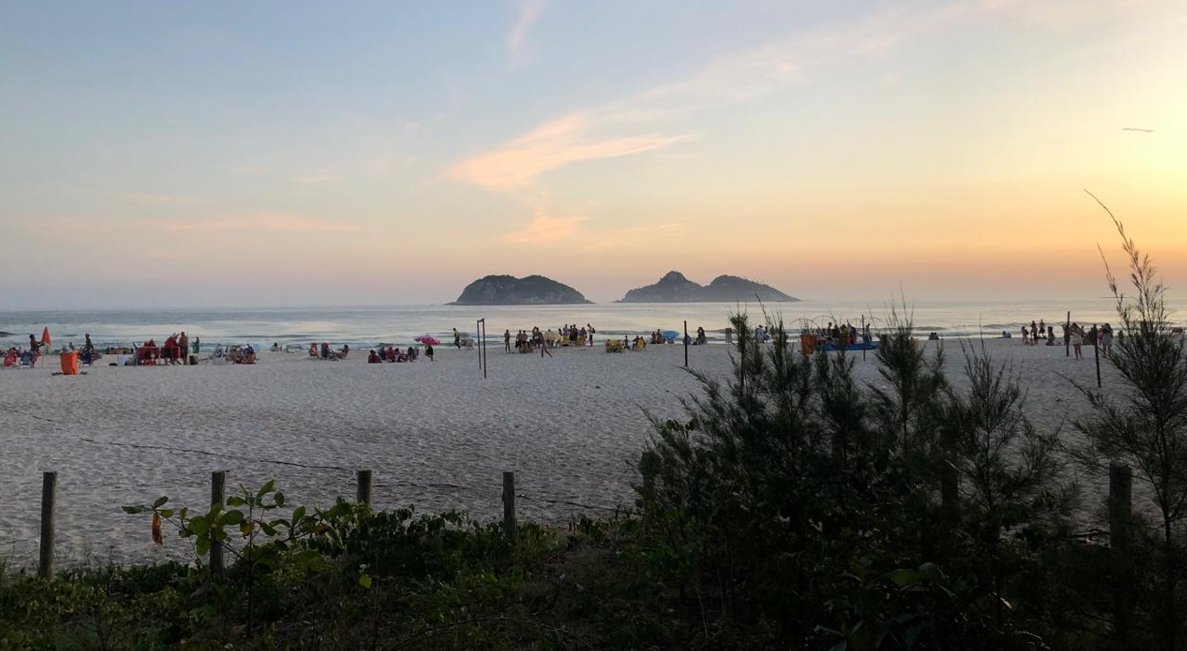
At sunset, sitting on the sand to watch the sun dip below the horizon provides one of Rio's most stunning postcards, with the silhouettes of the Tijucas Islands (Arquipélago das Tijucas) emerging from the sea right off the coast.
2. Visit the Scenic Corner of Joatinga Canal & Quebra-Mar
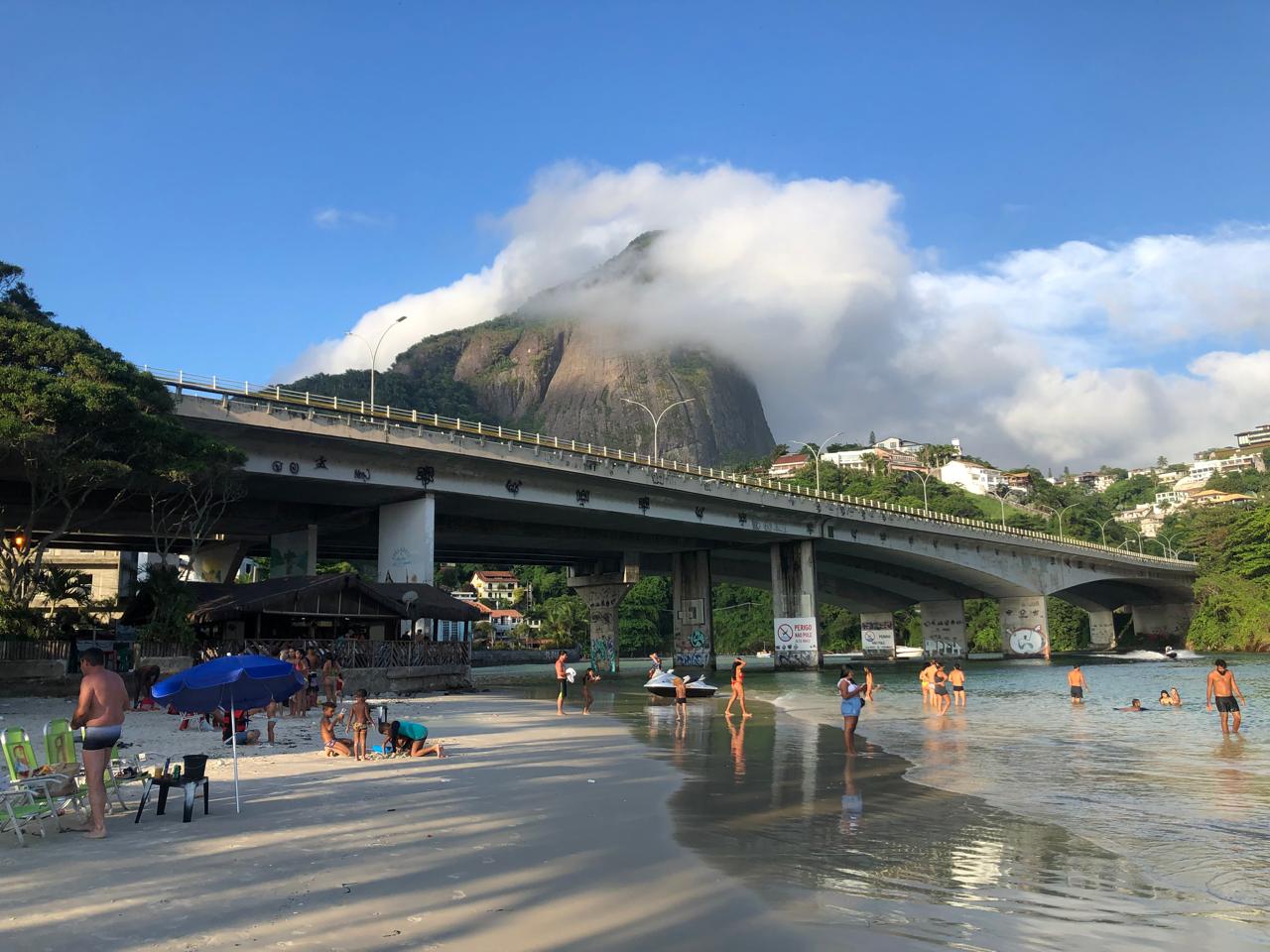
At the very beginning of the beach (where the lagoon canal meets the ocean), a unique, calm corner of sea and stream is formed, highly favored by locals. It is common to see Cariocas swimming in its clear waters, fishermen on the rocks, and youths diving into the canal from the bridge or breakwater (quebra-mar). It is a super photogenic spot ideal for observing local daily life away from crowded tourist areas.
3. Navigate the Lagoon Complex & Explore Ilha da Gigóia
Behind Jardim Oceânico metro station lies a surprising aquatic ecosystem: the Barra Lagoon Complex. Boarding a small wooden boat tour through its dark-water canals and mangroves (often called the "Carioca Pantanal") reveals incredible biodiversity right inside Rio de Janeiro, where you can easily spot herons, mangrove birds, and even broad-snouted caimans (jacarés-de-papo-amarelo) resting on vegetation banks.
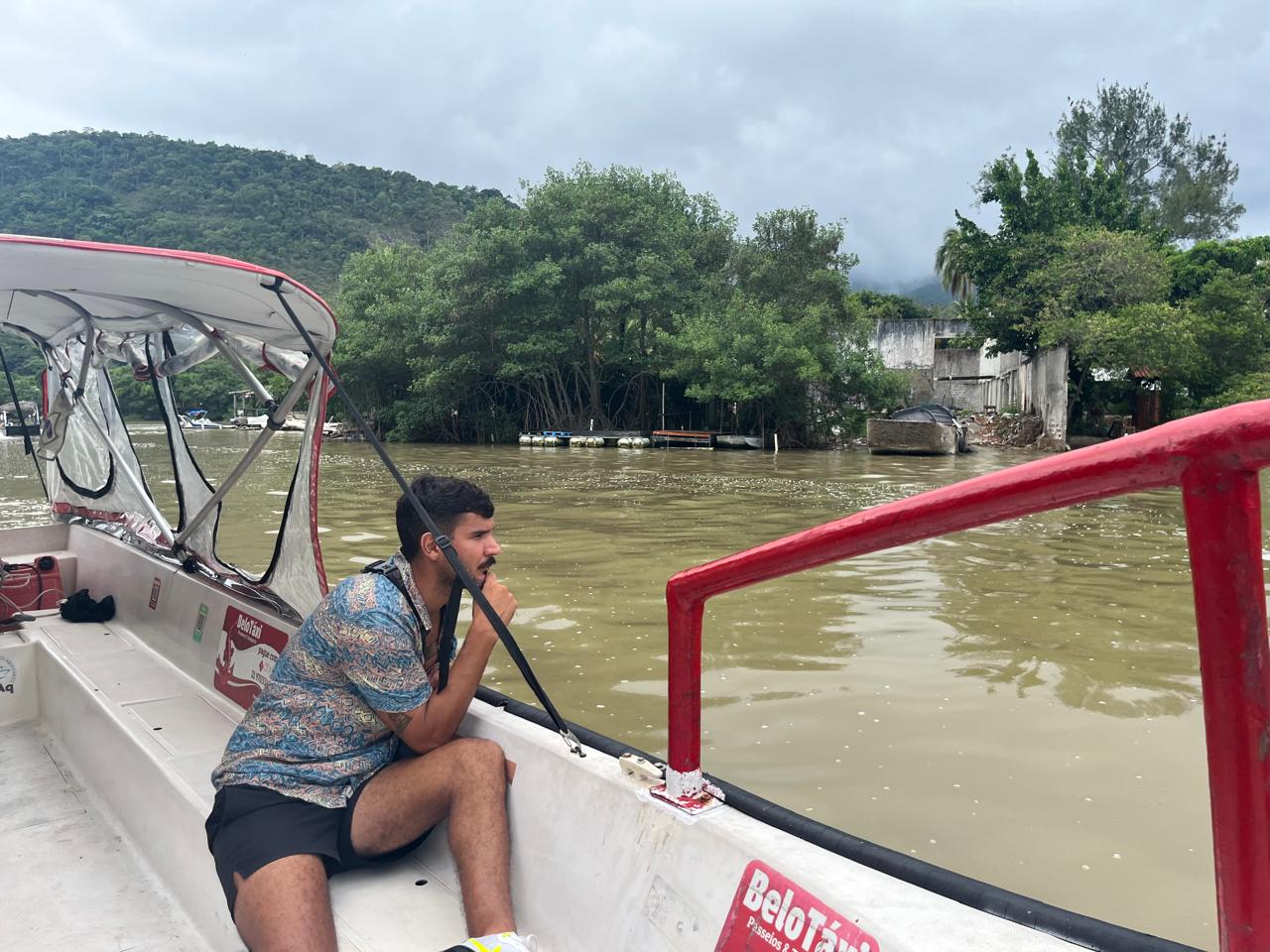
The tour usually includes a stop at picturesque Ilha da Gigóia, a car-free island full of dirt alleys, floating bars with live music, and seafood restaurants with wooden decks over the water.
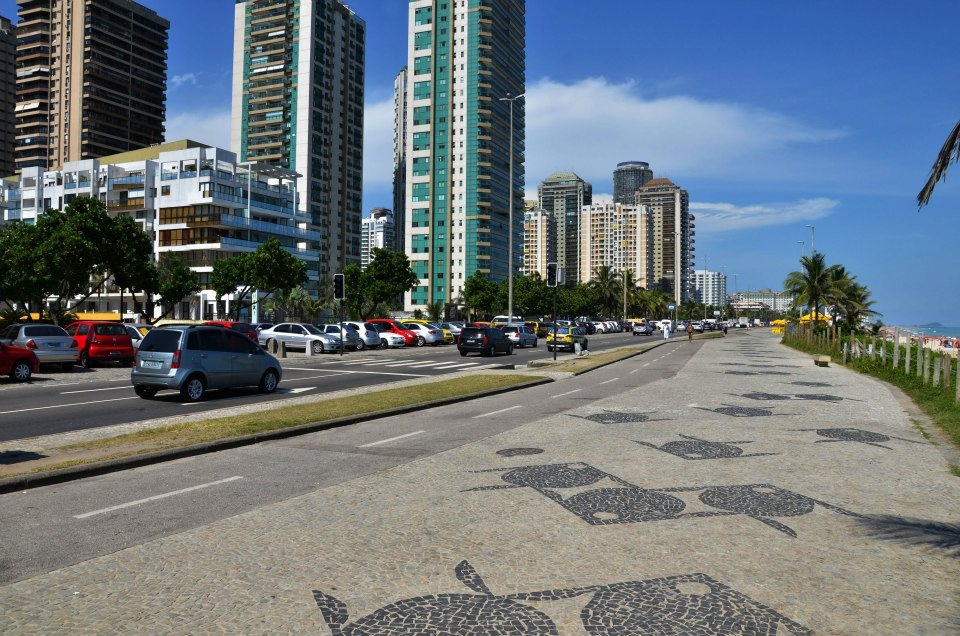
4. Walk or Cycle Along Avenida Lúcio Costa
The entire oceanfront features a wide, paved bike lane separated from vehicle traffic. It is a favorite spot for locals to cycle, rollerblade, or jog next to the ocean, stopping at modern beach kiosks (quioques) for fresh coconut water.
5. Visit Bosque da Barra
An urban nature reserve spanning over 50 hectares, perfect for picnics, walking under the shade of native trees, and observing local wildlife, including capybaras (capivaras), birds, and small reptiles around its lagoons.
6. Go Shopping at BarraShopping & VillageMall
BarraShopping is a monumental complex featuring over 700 stores, movie theaters, and entertainment options. Right next door sits VillageMall, focused on international luxury brands and fine dining restaurants with panoramic terraces.
Where to Eat and Drink: Dining in Barra
The culinary scene ranges from gourmet beach kiosks on the sand to award-winning restaurants:
- Gourmet Beach Kiosks: Along Avenida Lúcio Costa, traditional beach stands have evolved into sophisticated open-air lounges with signature menus, fresh seafood, tropical cocktails, and sunset DJs.
- Dining Hubs in Jardim Oceânico: Streets like Rua Olegário Maciel are Barra's bohemian heart, filled with craft beer bars, burger joints, pizzerias, and lively bistros every night.
- Seafood Restaurants in Ilha da Gigóia: Ideal for enjoying moqueca or fresh grilled fish over wooden platforms right on the water.
Frequently Asked Questions about Barra da Tijuca (FAQ)
Is Barra da Tijuca a safe neighborhood?
Yes, it is one of the safest urban areas in Rio de Janeiro. It boasts extensive public and private security coverage across residential complexes, shopping malls, and beach promenades. Standard precautions with personal belongings in crowded areas are still recommended.
Is the sea in Barra da Tijuca good for swimming?
Absolutely! The ocean at Barra da Tijuca is open, clean, and of excellent water quality. Just keep in mind that as open sea, it can feature strong waves and rip currents depending on the day, so always pay attention to lifeguard flags (salva-vidas).
Can you see real caimans in Barra's lagoons?
Yes! On boat tours through the lagoon canals and mangroves, it is very common to spot the broad-snouted caiman (jacaré-de-papo-amarelo) in its natural habitat, along with capybaras and aquatic bird species. Tours are completely safe and guided by local boatmen.
How do I get to Ilha da Gigóia from the metro?
Upon exiting Jardim Oceânico metro station (exit towards Av. Armando Nogueira), walk about 100 meters to the small pier on the lagoon. There, board a traditional water taxi that takes you across to the island in a couple of minutes for a very affordable fee.
How long does it take from Barra to Copacabana or Ipanema?
By metro (Line 4), the trip from Jardim Oceânico station to Ipanema (Nossa Senhora da Paz station) takes approximately 15 to 20 minutes. By Uber or car, depending on peak traffic hours, it can take between 25 and 45 minutes.
You Might Also Like
Barra da Tijuca is located in the West Zone of Rio de Janeiro, right past São Conrado and framed by the impressive rock wall of Pedra da Gávea and the mountains of Tijuca National Park.
Right upon entering the neighborhood, you cross the iconic Joatinga Canal, the waterway connecting the vast interior lagoon system directly to the Atlantic Ocean beneath the access bridges.
Getting Around & How to Get There
- By bicycle from the South Zone (Recommended Adventure!): For cycling enthusiasts, riding to Barra from Leblon or São Conrado along the spectacular bike path suspended over the sea cliffs is an unforgettable experience. If you want to take this route with breathtaking views of Pedra da Gávea, check out our Guide to Cycling Around Rio de Janeiro.
- Metro (Line 4): The Jardim Oceânico terminal station connects the South Zone (Ipanema/Copacabana) to the entrance of Barra in just 15–20 minutes.
- BRT (Bus Rapid Transit): From Jardim Oceânico, the dedicated BRT bus lanes span across Avenida das Américas, connecting farther sectors of the coast and shopping centers.
- Uber / Taxis: An excellent option within the neighborhood given the large size of the avenues.
PUBLICIDAD
Travel with Data: Get your Saily eSIM
- ✓Internet in seconds upon landing
- ✓Flexible plans in 180+ countries
- ✓Easy setup directly via the App
Staying in Barra offers superior comfort and beach landscapes compared to Copacabana or Ipanema. It is ideal for families, clean-beach lovers, surfers, and travelers who prefer large resorts, top-tier safety, and a constant ocean breeze.
Advantages of Staying in Barra
- One of Rio's Best Beaches: Fine sand, turquoise ocean tones, and none of the overcrowding or crowded umbrellas seen in the South Zone.
- High Level of Safety: Considered one of the safest residential areas in Rio, featuring continuous public and private security patrols.
- World-Class Hotels & Resorts: Great selection of international chains featuring oceanfront infinity pools, spas, and spacious rooms.
- Dining & Shopping: Home to Rio's largest and most modern shopping malls and culinary hubs.
Disadvantages to Consider
- Long Distances: The neighborhood is not designed to be covered entirely on foot; you will need transport (Uber, bike, or BRT) to move between spots.
- Distance to Historic Center: Getting to the Christ the Redeemer, Sugarloaf Mountain, or Lapa takes more travel time.
1. Enjoy Praia da Barra da Tijuca and Praia do Pepê
Stretching over 14 continuous kilometers of open coastline, it is a magnificent, clean, and radiant beach. At the starting sector (Praia do Pepê, near Posto 1), steady breezes create the ultimate playground for hundreds of kitesurfers, surfers, and windsurfers. As you move towards central posts (Posto 3 to 6), the beach becomes wider, calmer, and perfect for long seaside strolls.
At sunset, sitting on the sand to watch the sun dip below the horizon provides one of Rio's most stunning postcards, with the silhouettes of the Tijucas Islands (Arquipélago das Tijucas) emerging from the sea right off the coast.
2. Visit the Scenic Corner of Joatinga Canal & Quebra-Mar
At the very beginning of the beach (where the lagoon canal meets the ocean), a unique, calm corner of sea and stream is formed, highly favored by locals. It is common to see Cariocas swimming in its clear waters, fishermen on the rocks, and youths diving into the canal from the bridge or breakwater (quebra-mar). It is a super photogenic spot ideal for observing local daily life away from crowded tourist areas.
3. Navigate the Lagoon Complex & Explore Ilha da Gigóia
Behind Jardim Oceânico metro station lies a surprising aquatic ecosystem: the Barra Lagoon Complex. Boarding a small wooden boat tour through its dark-water canals and mangroves (often called the "Carioca Pantanal") reveals incredible biodiversity right inside Rio de Janeiro, where you can easily spot herons, mangrove birds, and even broad-snouted caimans (jacarés-de-papo-amarelo) resting on vegetation banks.
The tour usually includes a stop at picturesque Ilha da Gigóia, a car-free island full of dirt alleys, floating bars with live music, and seafood restaurants with wooden decks over the water.
4. Walk or Cycle Along Avenida Lúcio Costa
The entire oceanfront features a wide, paved bike lane separated from vehicle traffic. It is a favorite spot for locals to cycle, rollerblade, or jog next to the ocean, stopping at modern beach kiosks (quioques) for fresh coconut water.
5. Visit Bosque da Barra
An urban nature reserve spanning over 50 hectares, perfect for picnics, walking under the shade of native trees, and observing local wildlife, including capybaras (capivaras), birds, and small reptiles around its lagoons.
6. Go Shopping at BarraShopping & VillageMall
BarraShopping is a monumental complex featuring over 700 stores, movie theaters, and entertainment options. Right next door sits VillageMall, focused on international luxury brands and fine dining restaurants with panoramic terraces.
The culinary scene ranges from gourmet beach kiosks on the sand to award-winning restaurants:
- Gourmet Beach Kiosks: Along Avenida Lúcio Costa, traditional beach stands have evolved into sophisticated open-air lounges with signature menus, fresh seafood, tropical cocktails, and sunset DJs.
- Dining Hubs in Jardim Oceânico: Streets like Rua Olegário Maciel are Barra's bohemian heart, filled with craft beer bars, burger joints, pizzerias, and lively bistros every night.
- Seafood Restaurants in Ilha da Gigóia: Ideal for enjoying moqueca or fresh grilled fish over wooden platforms right on the water.
Is Barra da Tijuca a safe neighborhood?
Yes, it is one of the safest urban areas in Rio de Janeiro. It boasts extensive public and private security coverage across residential complexes, shopping malls, and beach promenades. Standard precautions with personal belongings in crowded areas are still recommended.
Is the sea in Barra da Tijuca good for swimming?
Absolutely! The ocean at Barra da Tijuca is open, clean, and of excellent water quality. Just keep in mind that as open sea, it can feature strong waves and rip currents depending on the day, so always pay attention to lifeguard flags (salva-vidas).
Can you see real caimans in Barra's lagoons?
Yes! On boat tours through the lagoon canals and mangroves, it is very common to spot the broad-snouted caiman (jacaré-de-papo-amarelo) in its natural habitat, along with capybaras and aquatic bird species. Tours are completely safe and guided by local boatmen.
How do I get to Ilha da Gigóia from the metro?
Upon exiting Jardim Oceânico metro station (exit towards Av. Armando Nogueira), walk about 100 meters to the small pier on the lagoon. There, board a traditional water taxi that takes you across to the island in a couple of minutes for a very affordable fee.
How long does it take from Barra to Copacabana or Ipanema?
By metro (Line 4), the trip from Jardim Oceânico station to Ipanema (Nossa Senhora da Paz station) takes approximately 15 to 20 minutes. By Uber or car, depending on peak traffic hours, it can take between 25 and 45 minutes.
PUBLICIDAD
PUBLICIDAD
International Travel Insurance
- ✓International medical insurance
- ✓24/7 immediate assistance in your language
- ✓Ideal for trekking & adventure
Posts in Rio-de-janeiro
10 playas de Río de Janeiro
Arcos da Lapa en Río de Janeiro
Botafogo
Catedral Metropolitana de Río de Janeiro
Como pagar en Rio de Janeiro
Copacabana

Cristo Redentor en Río de Janeiro

Del aeropuerto de al centro

Dónde alojarse en Río de Janeiro
Escadaria Selarón en Río de Janeiro

Estadio Maracaná
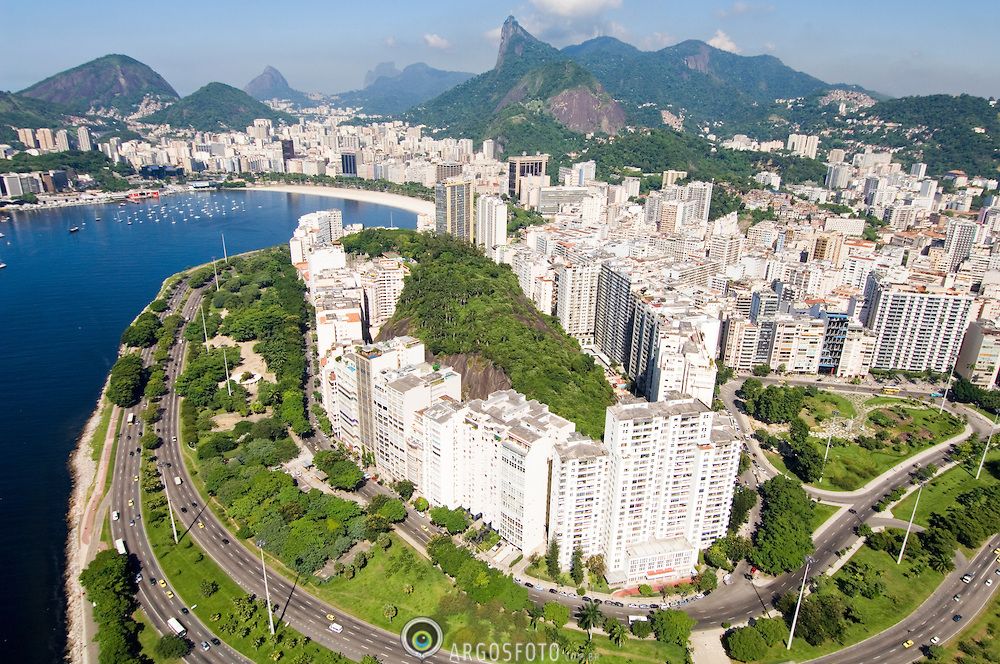
Flamengo
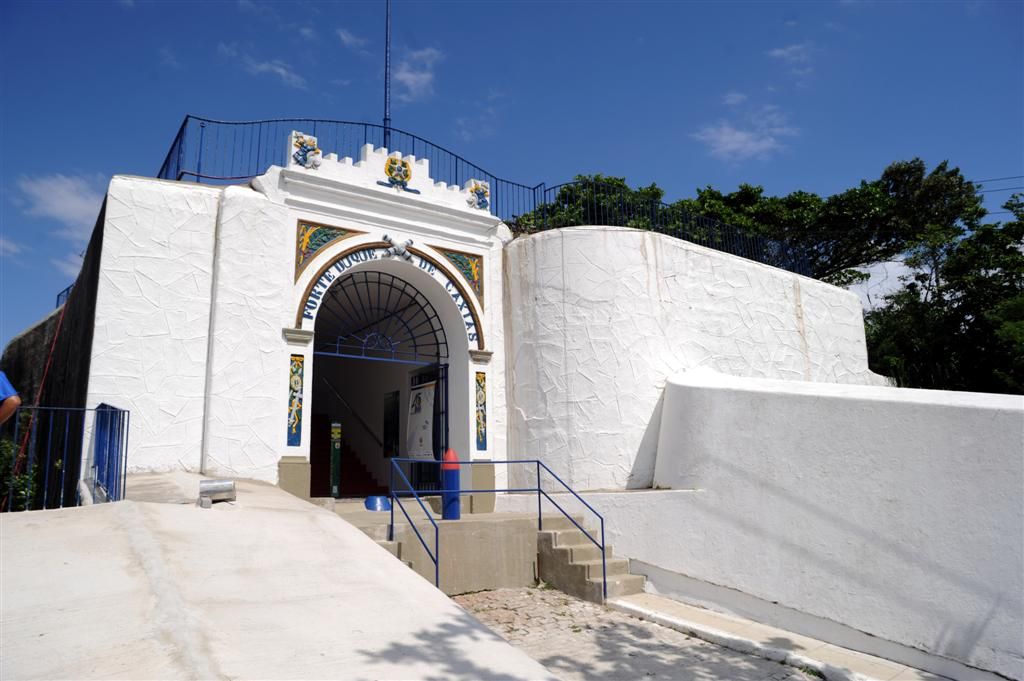
Forte do Leme (Forte Duque de Caxias)
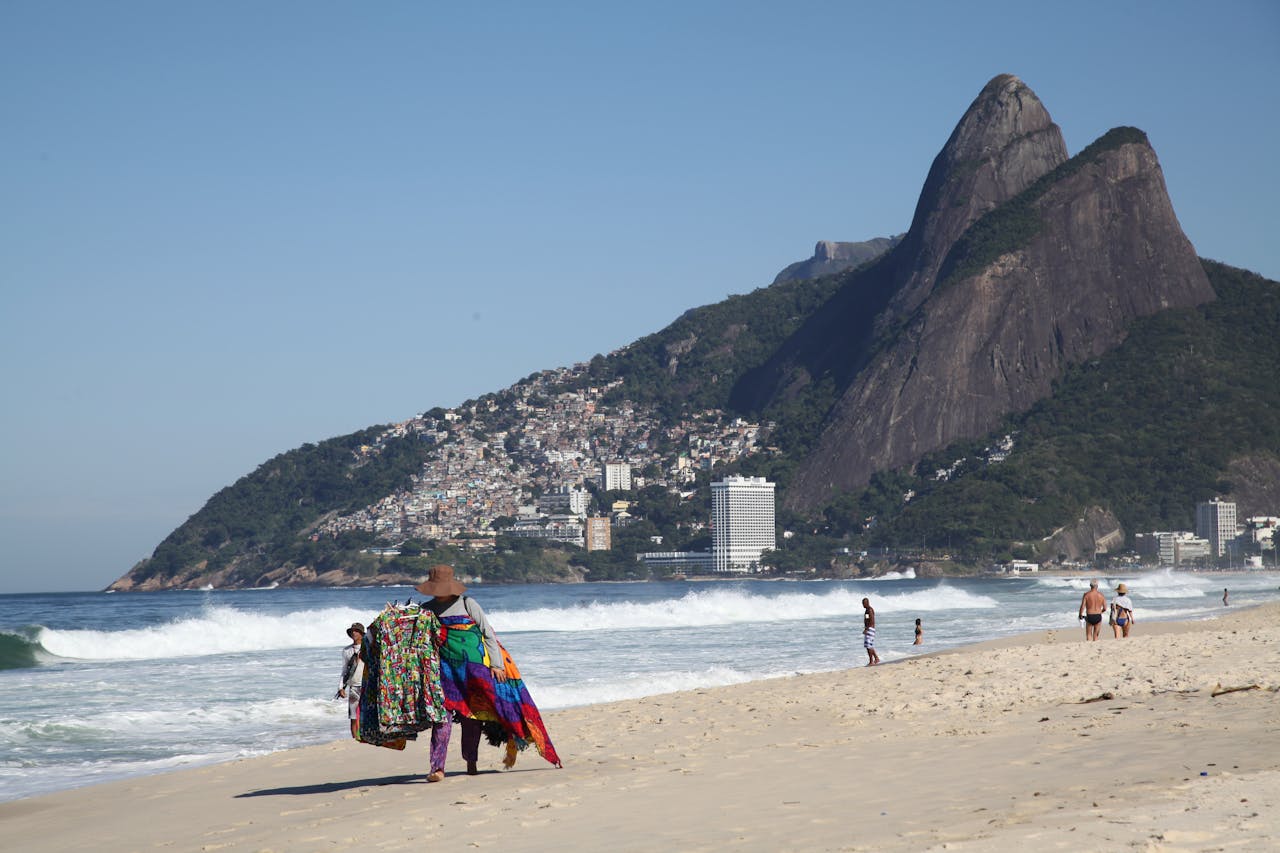
Ipanema
Itinerarios en Río de Janeiro en 3, 5 y 7 días
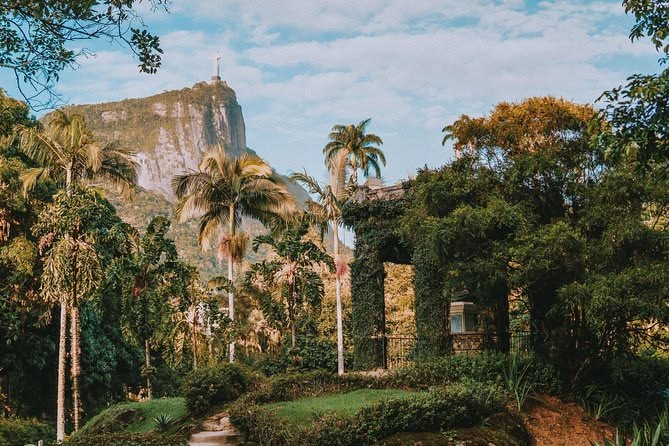
Jardín Botánico de Río de Janeiro
Lagoa Rodrigo de Freitas
Lapa en Río de Janeiro
Miradores y senderos en Río de Janeiro
Mirante Dona Marta
Morro da Urca
Morro Dois Irmãos
Museo del Mañana (Museu do Amanhã)
Pan de Azúcar en Río de Janeiro
Pedra Bonita
Pedra da Gávea
Pedra do Telégrafo
Playas cerca de Río de Janeiro
Praia da Joatinga
Praia do Leblon
Praia Vermelha
Santa Teresa en Río de Janeiro
Preferences
Language
Color
Text
Width