Table of contents and map
Arcos da Lapa in Rio de Janeiro: History, Tram, Map, and What to See
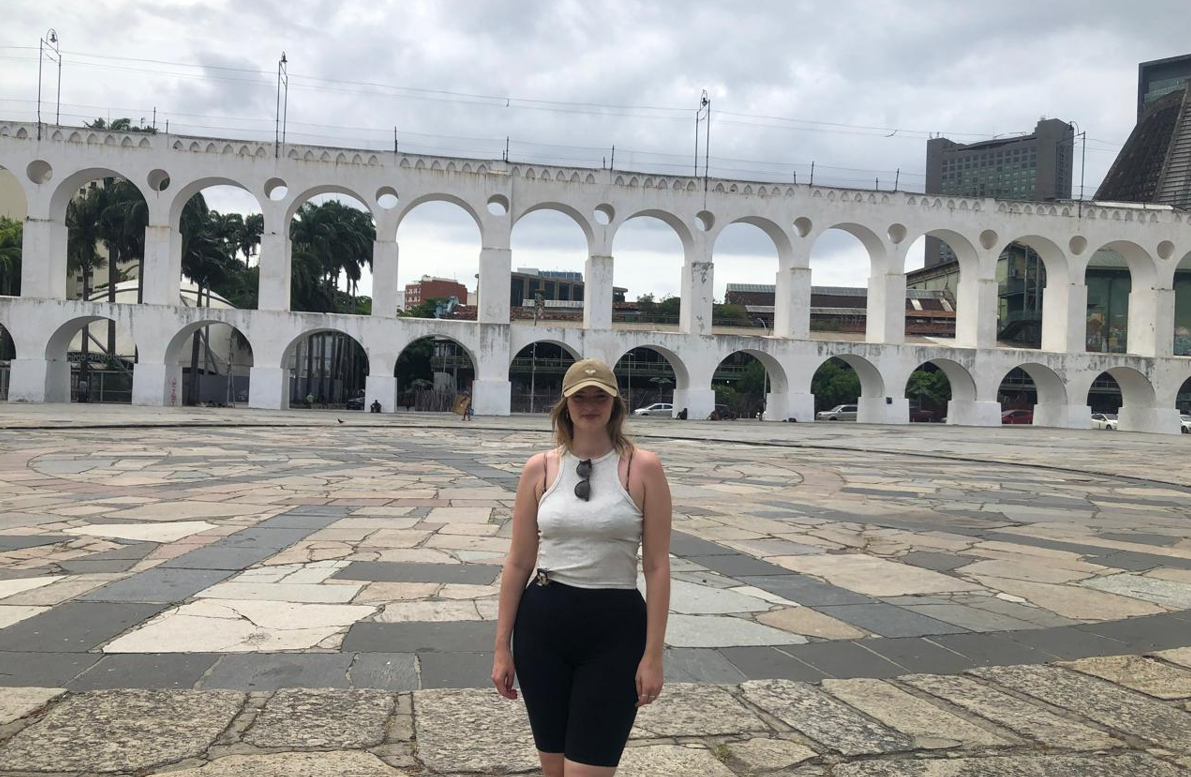
The masterpiece of Brazilian colonial architecture: 42 double arches connecting history, the Santa Teresa tram, and the best Carioca nightlife.
Arcos da Lapa in Rio de Janeiro: History, Tram, Map, and What to See
The masterpiece of Brazilian colonial architecture: 42 double arches connecting history, the Santa Teresa tram, and the best Carioca nightlife.
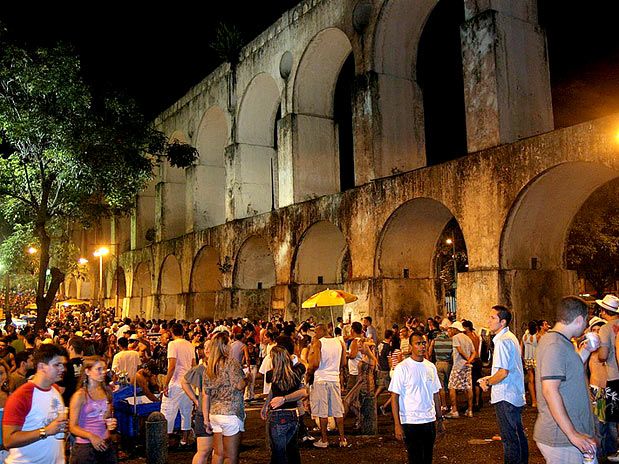
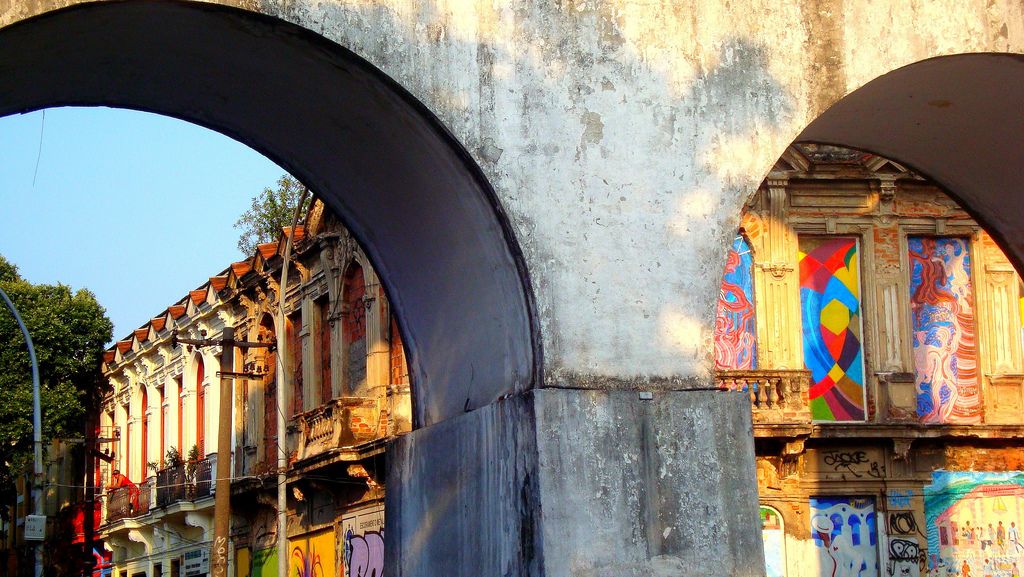
The Arcos da Lapa, whose official name is Aqueduto da Carioca, constitute one of the most imposing and iconic colonial architectural structures in all of Brazil. Located in the heart of the bohemian neighborhood of Lapa, these gigantic stone and mortar arches represent not only a crucial historical monument for the city, but also the starting point for exploring Carioca culture, samba, and nightlife.
Today, in addition to being one of the most photographed postcards of Rio de Janeiro, the Arcos serve as a transit route for the famous yellow tram (Bonde de Santa Teresa), which crosses over their top section connecting the commercial downtown with the hills of the picturesque Santa Teresa neighborhood.
History of the Aqueduto da Carioca
Built in the mid-18th century (between 1744 and 1750) under the order of colonial governor Gomes Freire de Andrade, the arches were created with a purely practical function: to supply drinking water to the city's growing population. The aqueduct carried water from the Carioca River from Santa Teresa hill to the urban center, emptying into a large public fountain located in Largo da Carioca.
The monumental engineering work was designed with inspiration from classic Roman aqueducts, consisting of 42 superimposed double arches in neoclassical style that reach about 17.6 meters in height and an extension of approximately 270 meters long.
At the end of the 19th century, with the development of new underground pipe networks, the aqueduct stopped functioning as a water supply. In 1896, the structure was adapted to serve as a railway viaduct for the historic electric tramway, a function it continues to fulfill to this day.
What to Do and How to Visit the Arcos da Lapa
1. Explore the Square and Photograph the Structure
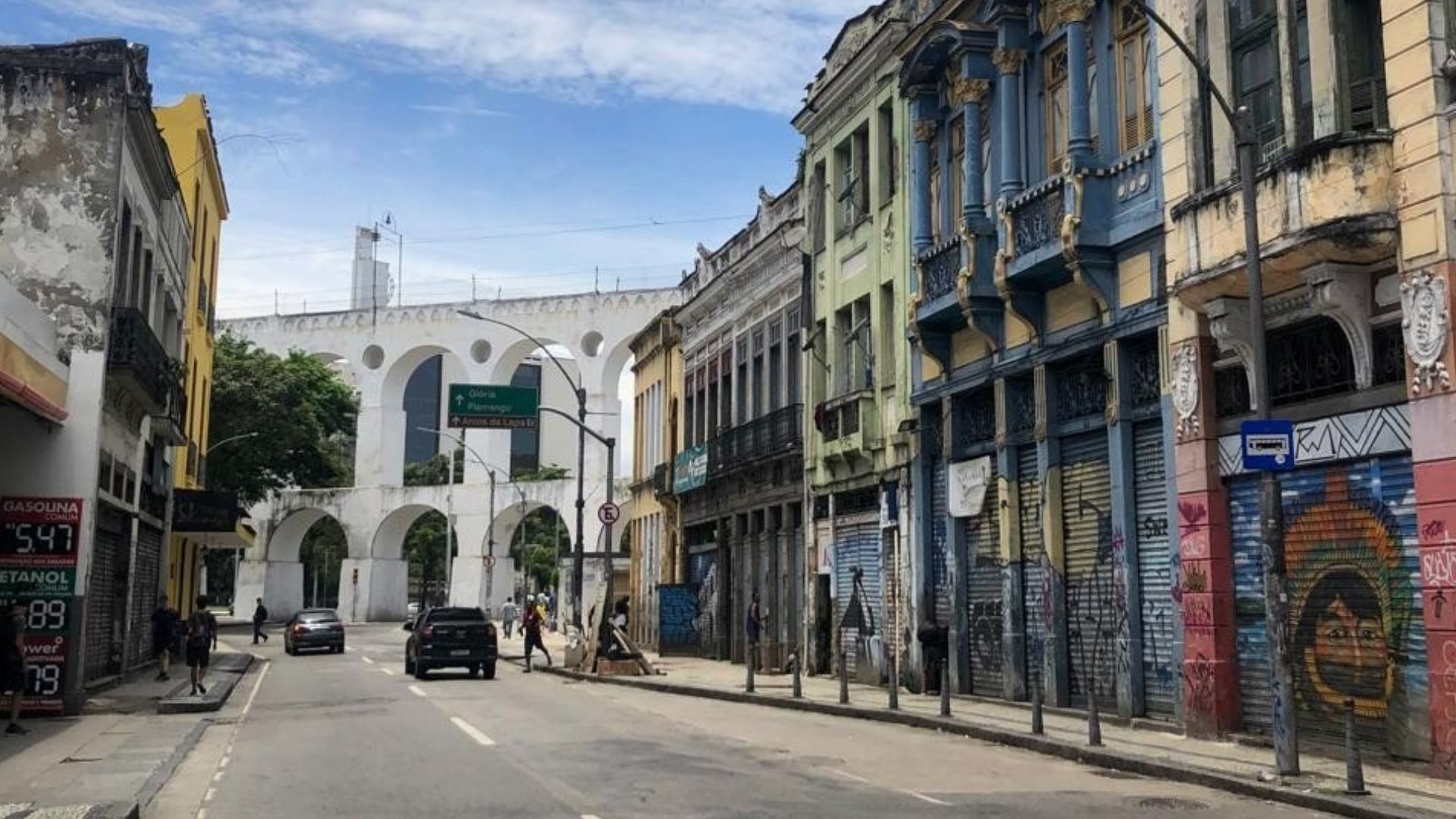
The Arcos Square (Praça das Mães / Largo dos Arcos) offers the perfect perspective to appreciate the magnitude of the work.
- Daytime photography: Early in the morning or during sunset (4:30 PM - 6:00 PM), natural light highlights the spotless white tone of the arches against the Carioca sky.
- Nighttime photography: At night, the arches are lit with a warm spotlight system, turning into the backdrop for street samba circles.
2. Ride the Santa Teresa Tram (Bonde)
Watching the historic yellow bonde pass over the top of the arches is a classic experience, but riding it is even better. The main tram station (Estação do Bondinho) is located just a 5-minute walk from the arches (Rua Lélio Gama). From there, you can board the tram, cross over the Arcos da Lapa, and head up into the viewpoints and cobblestone streets of Santa Teresa.
3. Enjoy Events and Street Parties
The Arcos da Lapa are the epicenter of the city's major popular celebrations. During weekends (especially Friday and Saturday nights), the area underneath the arches fills up with food stalls, artisanal caipirinhas, and informal stages with live music. It is also a main stage for blocos during the Rio Carnival.
What to See Near the Arcos da Lapa
Due to its privileged location in the Central Zone, you can combine a visit to the arches with other attractions located just a few steps away:
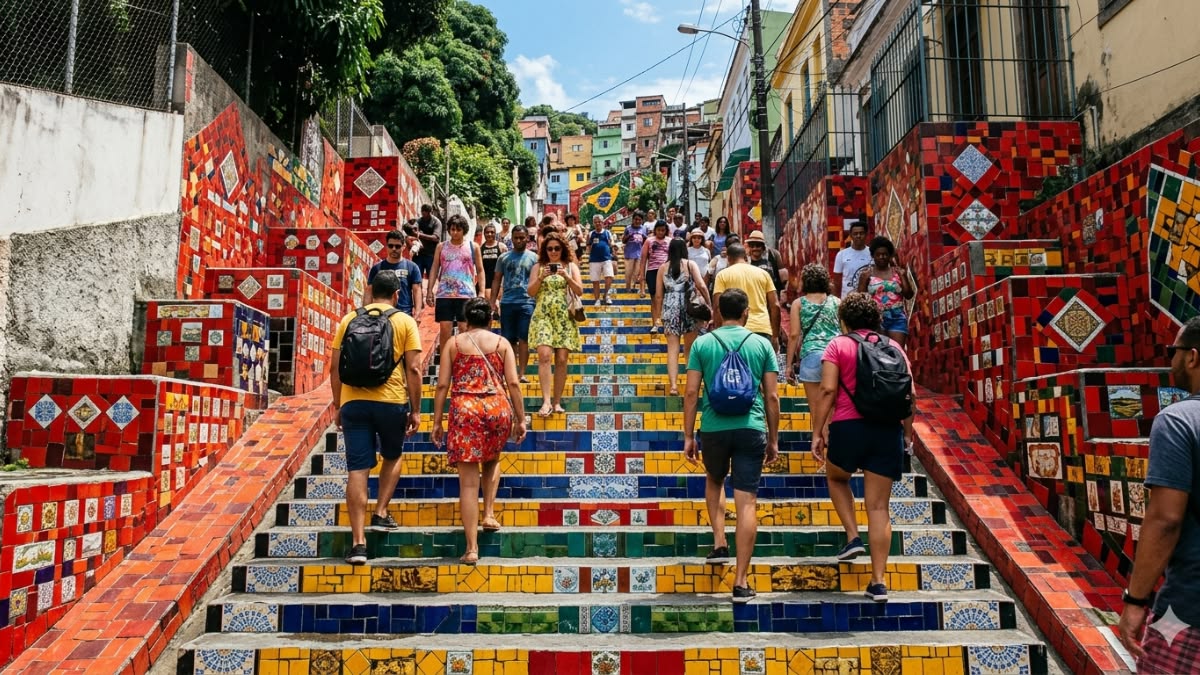
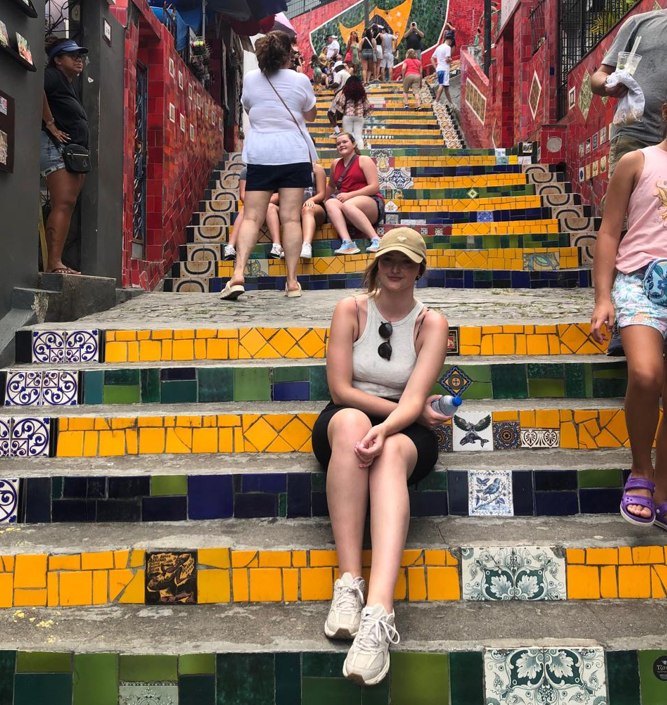
- Escadaria Selarón: Just 300 meters away (a 5-minute walk), the iconic tiled steps connecting Lapa to Santa Teresa.
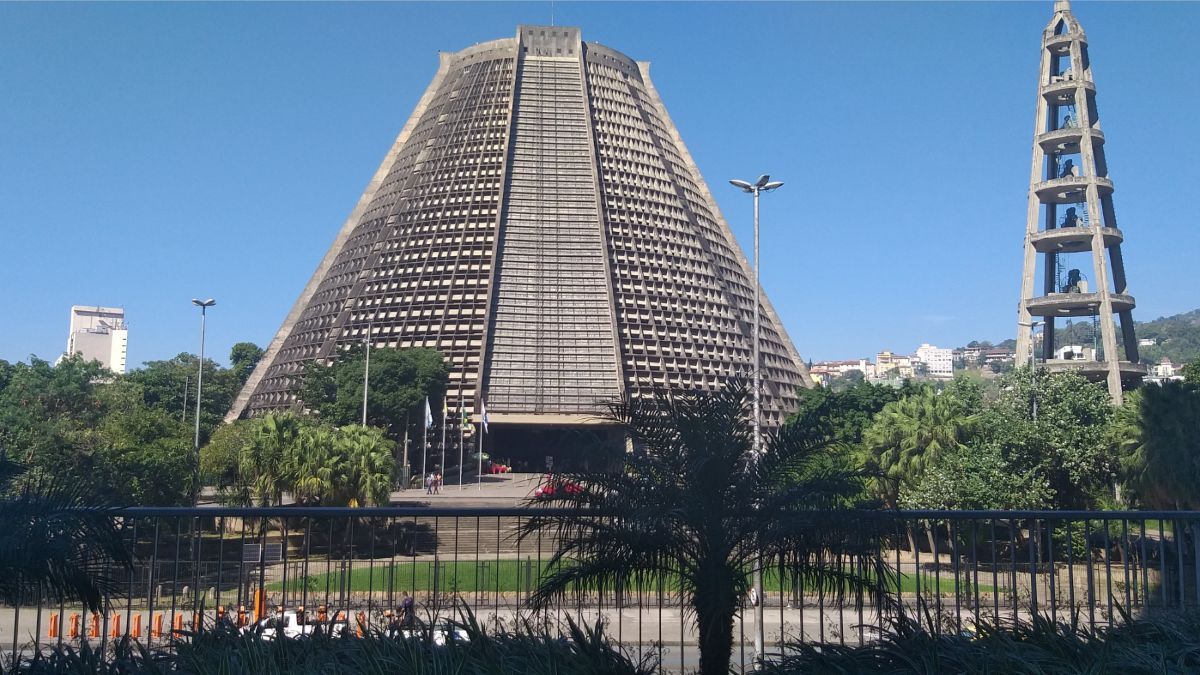
- Metropolitan Cathedral of Saint Sebastian: 400 meters away, famous for its striking conical architecture and giant stained-glass windows.
- Circo Voador and Fundição Progresso: Two legendary cultural centers and open-air concert venues located right at the foot of the arches.
- Municipal Theater and Passeio Público: Located less than a 10-minute walk towards the historic center.
Practical Tips and Safety
- Daytime safety: During the day, it is a fairly busy area with a tourist and police presence. Even so, as in any urban center, keep your mobile phone and camera in secure bags while walking.
- Nighttime safety: If you visit the arches at night to enjoy the nightlife, stay in the illuminated and crowded section of the square. Avoid walking alone into deserted downtown streets or crossing dark parks like Passeio Público late at night.
- Night transport: When leaving late at night, request an Uber or catch a taxi directly in front of the main bars or the Arcos square.
How to Get There
- By Metro: Disembark at
CinelândiaorCariocastation (Lines 1 and 2). Walk about 8 minutes along Rua Evaristo da Veiga or Avenida Mem de Sá towards Lapa. - By Uber / Taxi: The fastest destination point to enter in apps is "Arcos da Lapa" or "Praça da Lapa".
Frequently Asked Questions (FAQ)
How much does it cost to visit the Arcos da Lapa?
Access to the public space and the square around the Arcos da Lapa is completely free. You only need to pay if you want to take the tram to Santa Teresa or make purchases at nearby venues and stalls.
What time does the tram pass over the Arcos?
The Bonde de Santa Teresa operates Monday through Friday from 8:00 AM to 5:00 PM, and on Saturdays, Sundays, and holidays from 9:00 AM to 4:00 PM. It passes over the arches approximately every 20 to 30 minutes.
Can you walk to the top of the Arcos da Lapa?
No. The top of the arches is strictly reserved for the tram (bonde) track and does not have pedestrian access for safety reasons.
You Might Also Like
Built in the mid-18th century (between 1744 and 1750) under the order of colonial governor Gomes Freire de Andrade, the arches were created with a purely practical function: to supply drinking water to the city's growing population. The aqueduct carried water from the Carioca River from Santa Teresa hill to the urban center, emptying into a large public fountain located in Largo da Carioca.
The monumental engineering work was designed with inspiration from classic Roman aqueducts, consisting of 42 superimposed double arches in neoclassical style that reach about 17.6 meters in height and an extension of approximately 270 meters long.
At the end of the 19th century, with the development of new underground pipe networks, the aqueduct stopped functioning as a water supply. In 1896, the structure was adapted to serve as a railway viaduct for the historic electric tramway, a function it continues to fulfill to this day.
PUBLICIDAD
Travel with Data: Get your Saily eSIM
- ✓Internet in seconds upon landing
- ✓Flexible plans in 180+ countries
- ✓Easy setup directly via the App
1. Explore the Square and Photograph the Structure
The Arcos Square (Praça das Mães / Largo dos Arcos) offers the perfect perspective to appreciate the magnitude of the work.
- Daytime photography: Early in the morning or during sunset (4:30 PM - 6:00 PM), natural light highlights the spotless white tone of the arches against the Carioca sky.
- Nighttime photography: At night, the arches are lit with a warm spotlight system, turning into the backdrop for street samba circles.
2. Ride the Santa Teresa Tram (Bonde)
Watching the historic yellow bonde pass over the top of the arches is a classic experience, but riding it is even better. The main tram station (Estação do Bondinho) is located just a 5-minute walk from the arches (Rua Lélio Gama). From there, you can board the tram, cross over the Arcos da Lapa, and head up into the viewpoints and cobblestone streets of Santa Teresa.
3. Enjoy Events and Street Parties
The Arcos da Lapa are the epicenter of the city's major popular celebrations. During weekends (especially Friday and Saturday nights), the area underneath the arches fills up with food stalls, artisanal caipirinhas, and informal stages with live music. It is also a main stage for blocos during the Rio Carnival.
Due to its privileged location in the Central Zone, you can combine a visit to the arches with other attractions located just a few steps away:
- Escadaria Selarón: Just 300 meters away (a 5-minute walk), the iconic tiled steps connecting Lapa to Santa Teresa.
- Metropolitan Cathedral of Saint Sebastian: 400 meters away, famous for its striking conical architecture and giant stained-glass windows.
- Circo Voador and Fundição Progresso: Two legendary cultural centers and open-air concert venues located right at the foot of the arches.
- Municipal Theater and Passeio Público: Located less than a 10-minute walk towards the historic center.
- Daytime safety: During the day, it is a fairly busy area with a tourist and police presence. Even so, as in any urban center, keep your mobile phone and camera in secure bags while walking.
- Nighttime safety: If you visit the arches at night to enjoy the nightlife, stay in the illuminated and crowded section of the square. Avoid walking alone into deserted downtown streets or crossing dark parks like Passeio Público late at night.
- Night transport: When leaving late at night, request an Uber or catch a taxi directly in front of the main bars or the Arcos square.
- By Metro: Disembark at
CinelândiaorCariocastation (Lines 1 and 2). Walk about 8 minutes along Rua Evaristo da Veiga or Avenida Mem de Sá towards Lapa. - By Uber / Taxi: The fastest destination point to enter in apps is "Arcos da Lapa" or "Praça da Lapa".
How much does it cost to visit the Arcos da Lapa?
Access to the public space and the square around the Arcos da Lapa is completely free. You only need to pay if you want to take the tram to Santa Teresa or make purchases at nearby venues and stalls.
What time does the tram pass over the Arcos?
The Bonde de Santa Teresa operates Monday through Friday from 8:00 AM to 5:00 PM, and on Saturdays, Sundays, and holidays from 9:00 AM to 4:00 PM. It passes over the arches approximately every 20 to 30 minutes.
Can you walk to the top of the Arcos da Lapa?
No. The top of the arches is strictly reserved for the tram (bonde) track and does not have pedestrian access for safety reasons.
PUBLICIDAD
International Travel Insurance
- ✓International medical insurance
- ✓24/7 immediate assistance in your language
- ✓Ideal for trekking & adventure
Posts in Rio-de-janeiro

10 playas de Río de Janeiro

Barra da Tijuca

Botafogo
Catedral Metropolitana de Río de Janeiro

Como pagar en Rio de Janeiro

Copacabana

Cristo Redentor en Río de Janeiro

Del aeropuerto de al centro

Dónde alojarse en Río de Janeiro
Escadaria Selarón en Río de Janeiro

Estadio Maracaná

Flamengo
Forte do Leme (Forte Duque de Caxias)

Ipanema
Itinerarios en Río de Janeiro en 3, 5 y 7 días
Jardín Botánico de Río de Janeiro

Lagoa Rodrigo de Freitas
Lapa en Río de Janeiro

Miradores y senderos en Río de Janeiro

Mirante Dona Marta
Morro da Urca

Morro Dois Irmãos
Museo del Mañana (Museu do Amanhã)

Pan de Azúcar en Río de Janeiro

Pedra Bonita

Pedra da Gávea

Pedra do Telégrafo

Playas cerca de Río de Janeiro
Praia da Joatinga

Praia do Leblon

Praia Vermelha
Santa Teresa en Río de Janeiro
Preferences
Language
Color
Text
Width