Table of contents and map
10 Beaches in Rio de Janeiro: From Classic Urban Waterfronts to Wild Hidden Coves
From iconic urban stretches like Copacabana and Ipanema to pristine natural reserves and hidden rock pools, Rio de Janeiro displays a diverse and captivating coastline. Discover the features, access points, and key travel tips to explore 10 of the best beaches in the Marvelous City.
10 Beaches in Rio de Janeiro: From Classic Urban Waterfronts to Wild Hidden Coves
From iconic urban stretches like Copacabana and Ipanema to pristine natural reserves and hidden rock pools, Rio de Janeiro displays a diverse and captivating coastline. Discover the features, access points, and key travel tips to explore 10 of the best beaches in the Marvelous City.
Rio de Janeiro is one of the few global metropolises where tropical rainforests, granite peaks, and the Atlantic Ocean merge into a unique urban setting. The Carioca coastline offers options for everyone: from calm, protected bays ideal for peaceful swimming to powerful surf breaks and wild beaches shielded by environmental reserves.
Below, we explore 10 beaches in Rio de Janeiro organized from east to west, detailing their vibe, access routes, and essential practical tips before you go.
1. Praia Vermelha (Urca): Calm Waters at the Foot of Sugarloaf Mountain
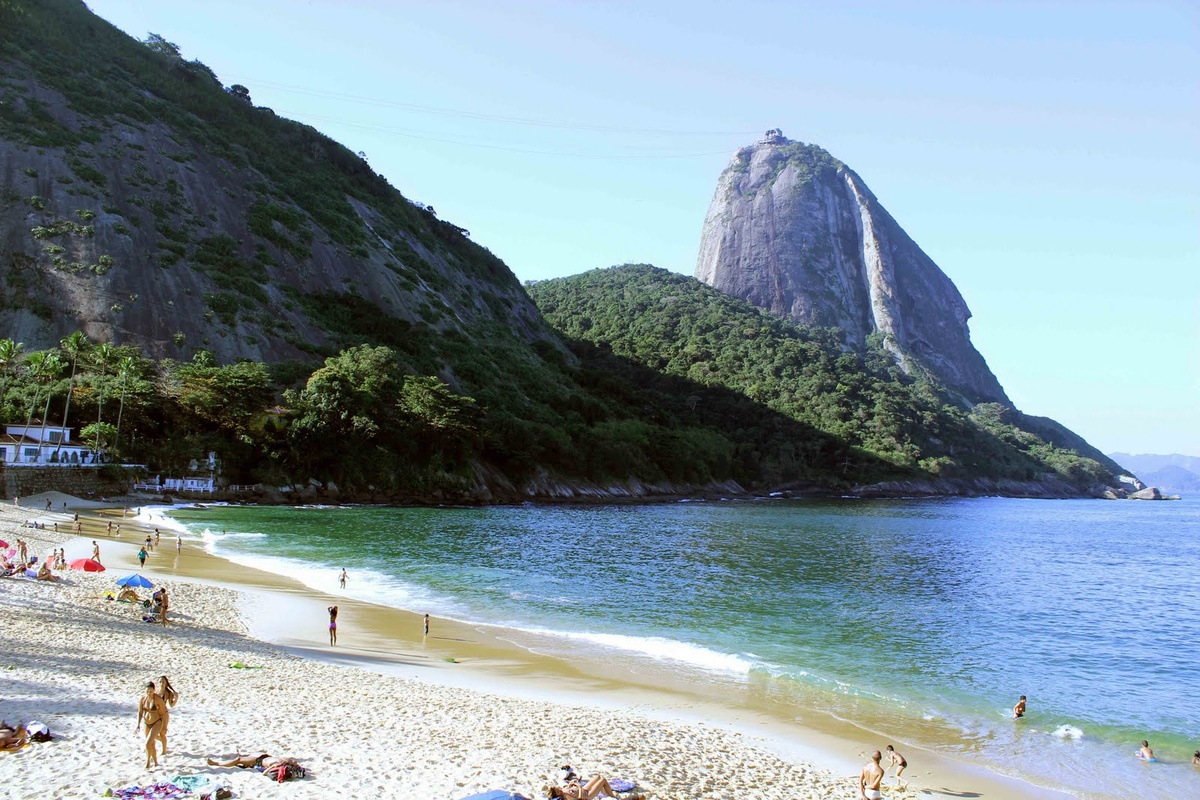
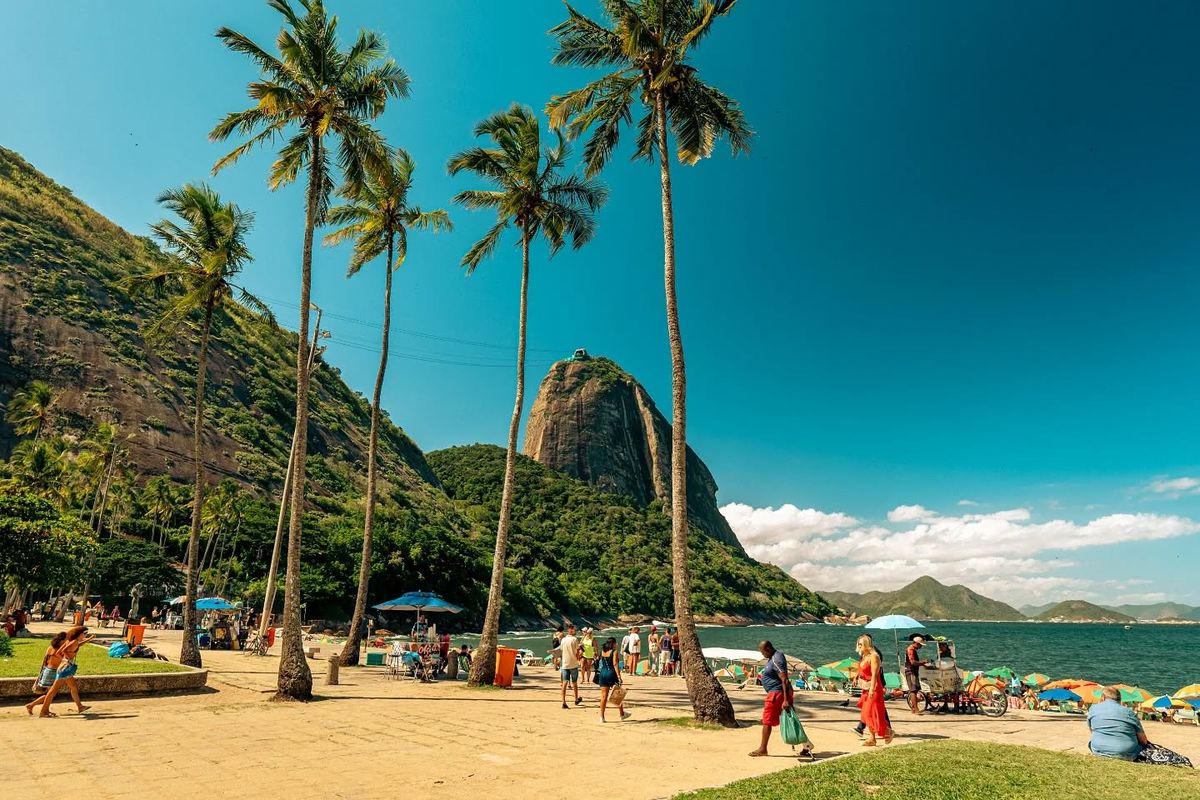
Nestled in the quiet residential neighborhood of Urca, Praia Vermelha stands out for its intimate size and dramatic setting, flanked by Morro da Urca and the iconic Sugarloaf Mountain.
Its sand has a unique reddish-gold hue, and its waters are usually extremely calm with virtually no waves, making it a favorite spot for kayaking and stand-up paddleboarding (SUP).
- Vibe: Family-friendly, relaxed, and very safe.
- How to get there: By bus or Uber to Praça General Tibúrcio. The closest metro station is Botafogo (from there, take a feeder bus or a quick 5-minute Uber).
- Local tip: At late afternoon, take a walk along Pista Cláudio Coutinho, a paved seaside trail starting at the left corner of the beach.
Here you can find the complete guide to Praia Vermelha
2. Copacabana: The Most Famous Beach Postcard in the World
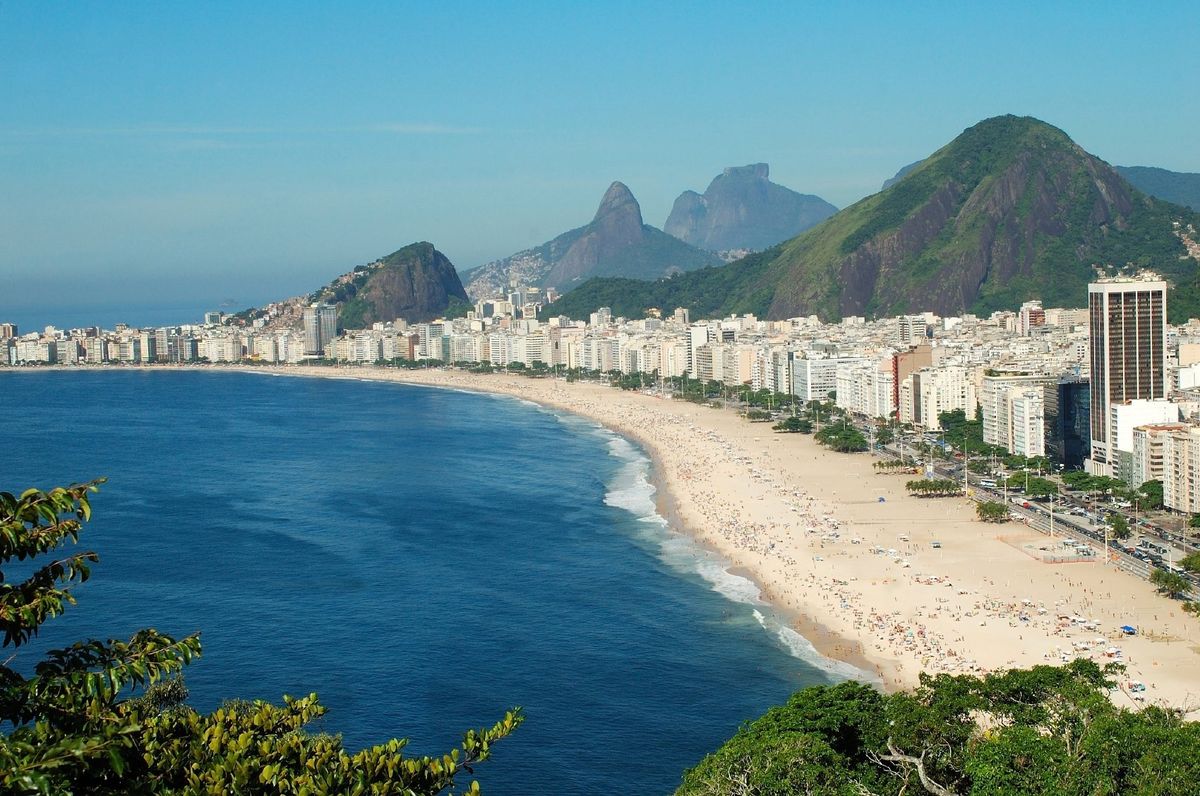
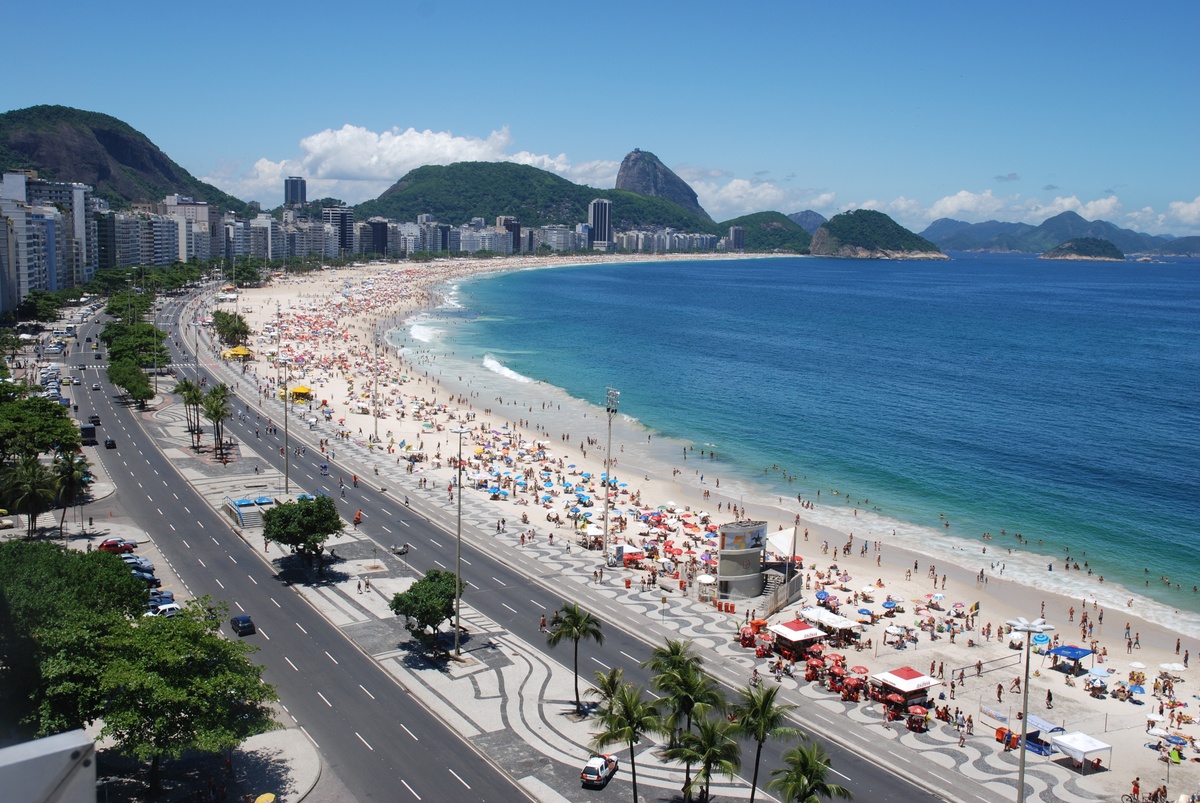
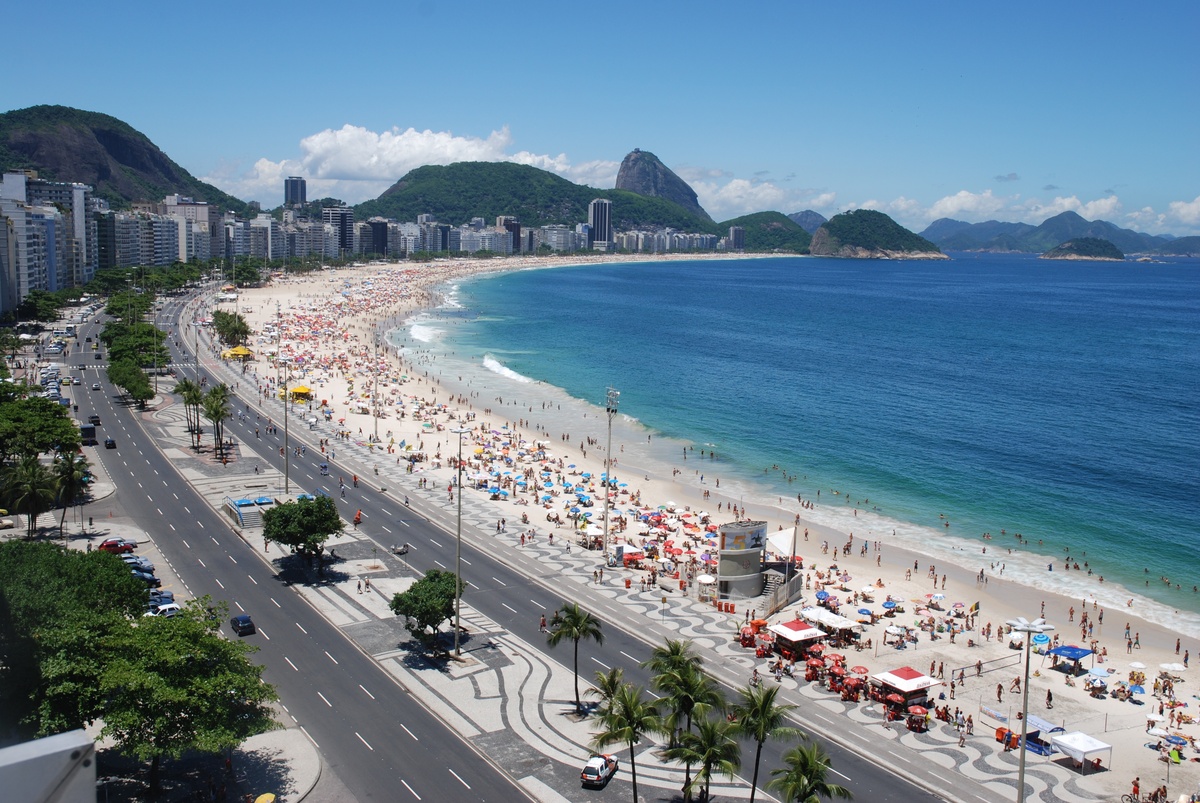
Stretching 4 kilometers in a crescent shape, Copacabana is the ultimate urban beach. Its iconic wave-patterned Portuguese mosaic boardwalk (calçadão), designed by Roberto Burle Marx, is a constant hub for joggers, strollers, and travelers from around the world.
It is divided into lifeguard stations called "postos" (from Posto 2 to Posto 6). All along the shore, you will find traditional beach kiosks (quiosques) operating day and night, offering drinks, food, and live music.
- Vibe: Lively, cosmopolitan, and sports-oriented (beach soccer, volleyball, and altinha).
- How to get there: By metro (Line 1, exiting at Cardeal Arcoverde, Siqueira Campos, or Cantagalo stations).
- Local tip: The far end near Posto 6, close to Fort Copacabana, typically features the calmest waters in the area for a easy swim.
Here you can find the complete guide to Copacabana Beach
3. Ipanema: Culture, Diversity, and Sunset at Arpoador
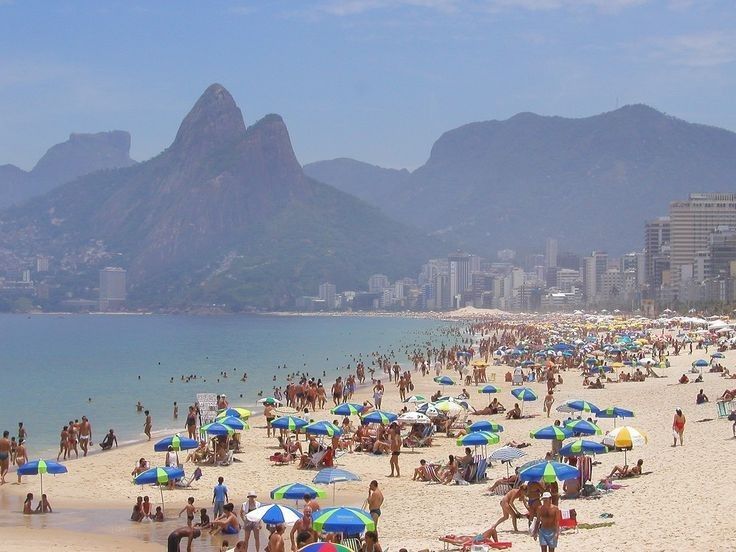
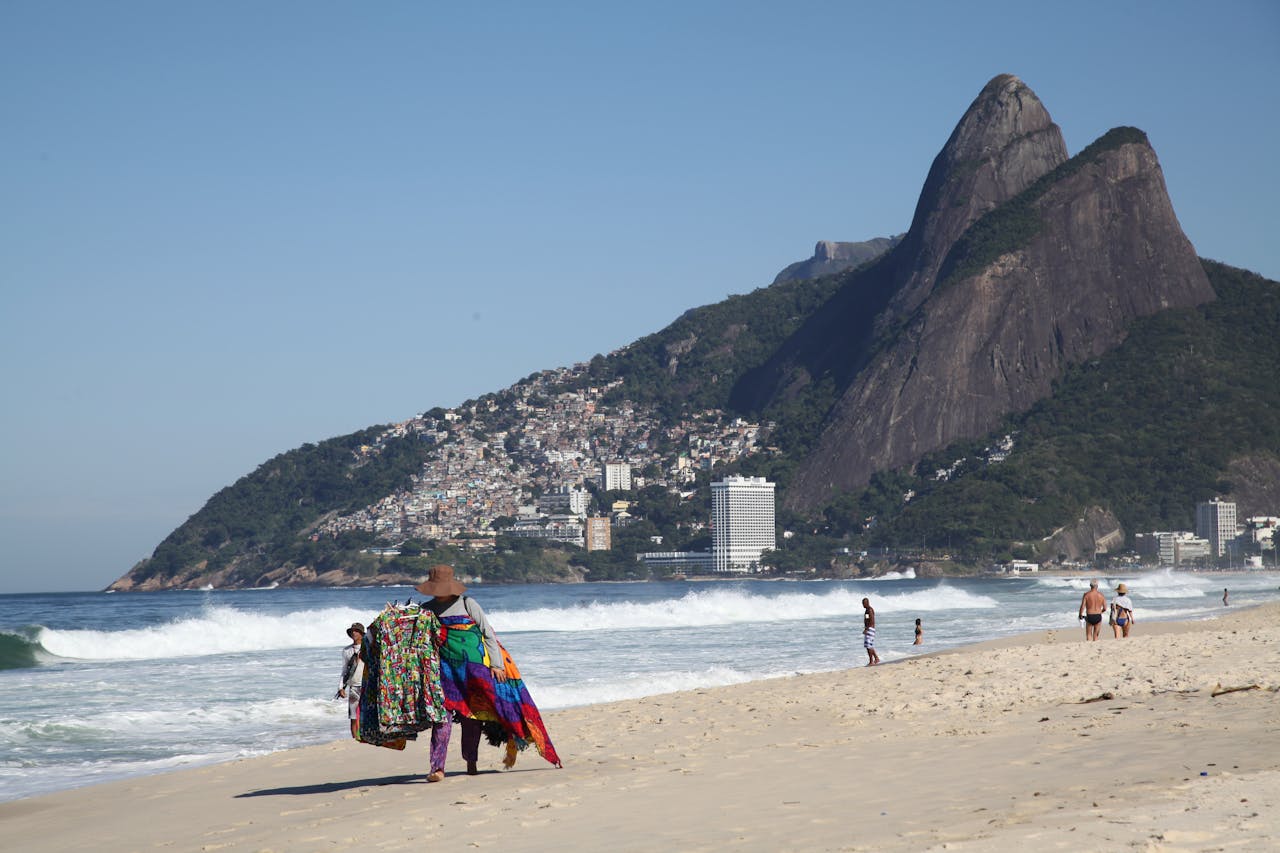
Separated from Copacabana by Arpoador Rock, Ipanema is synonymous with urban culture, trends, and diversity. Each "posto" along the beach attracts a distinct crowd: Posto 8 is a popular gathering point for the LGBTQ+ community, Posto 9 draws younger crowds and artists, while Posto 10 is favored by beach sports enthusiasts.
Ipanema's waters are open to the ocean, featuring bigger waves and rip currents more frequently than Copacabana.
- Vibe: Vibrant, trendy, and social.
- How to get there: By metro (Line 1, Nossa Senhora da Paz or General Osório stations).
- Local tip: At the end of the day, follow the local tradition and head to Pedra do Arpoador (Posto 7) to watch the sunset over the ocean and join the crowd in applauding the day's end.
Here you can find the complete guide to Ipanema Beach
4. Leblon: Sophistication and Picturesque Coastal Scenery
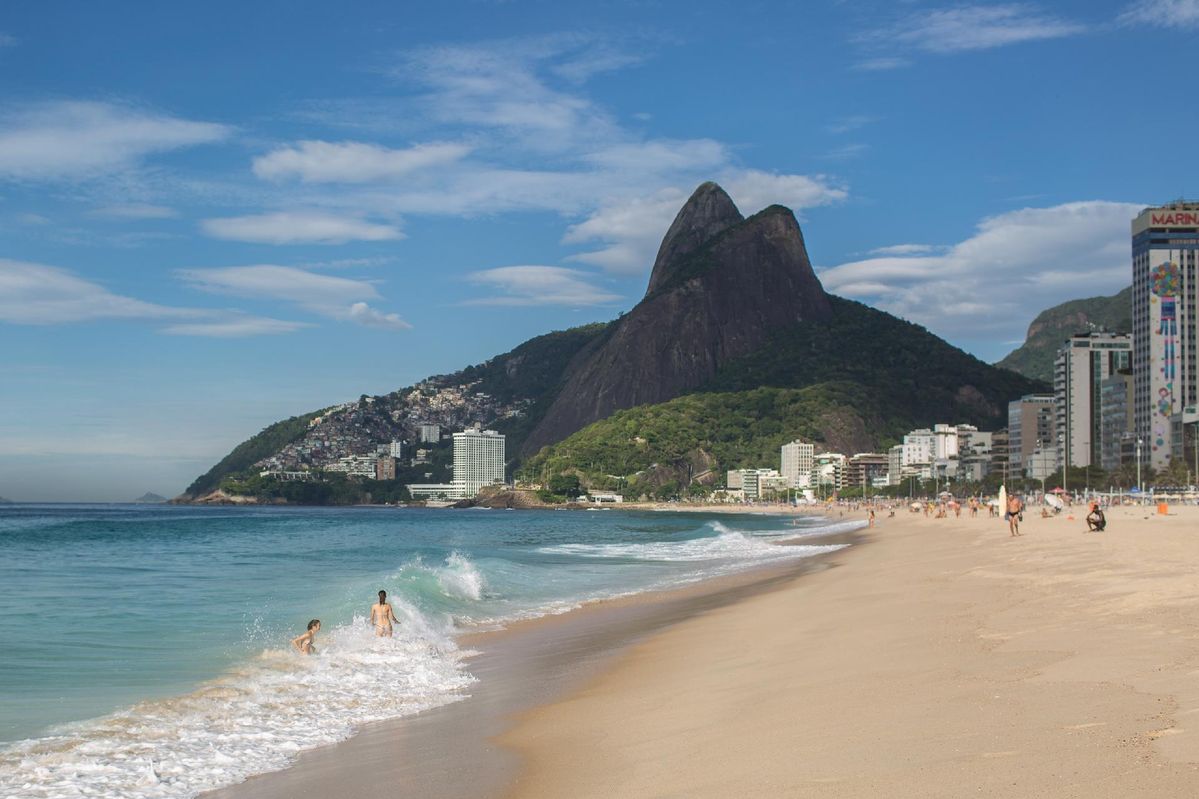
A seamless extension of Ipanema to the west, Leblon extends from the Visconde de Albuquerque canal (Posto 11) to the base of the Two Brothers Mountain (Posto 12).
It features an upscale, relaxed vibe, surrounded by one of the city's finest dining districts. The area near the mountain, known as "Baixo Bebê," is particularly popular among families with young children.
- Vibe: Family-oriented, upscale, and residential.
- How to get there: By metro (Line 4, Antero de Quental station).
- Local tip: At the far western end of the beach lies Mirante do Leblon, an elevated wooden viewpoint offering sweeping panoramic views of the entire Leblon and Ipanema coastline.
Here you can find the complete guide to Leblon Beach
5. Praia da Joatinga: A Hidden Gem Among Sea Cliffs
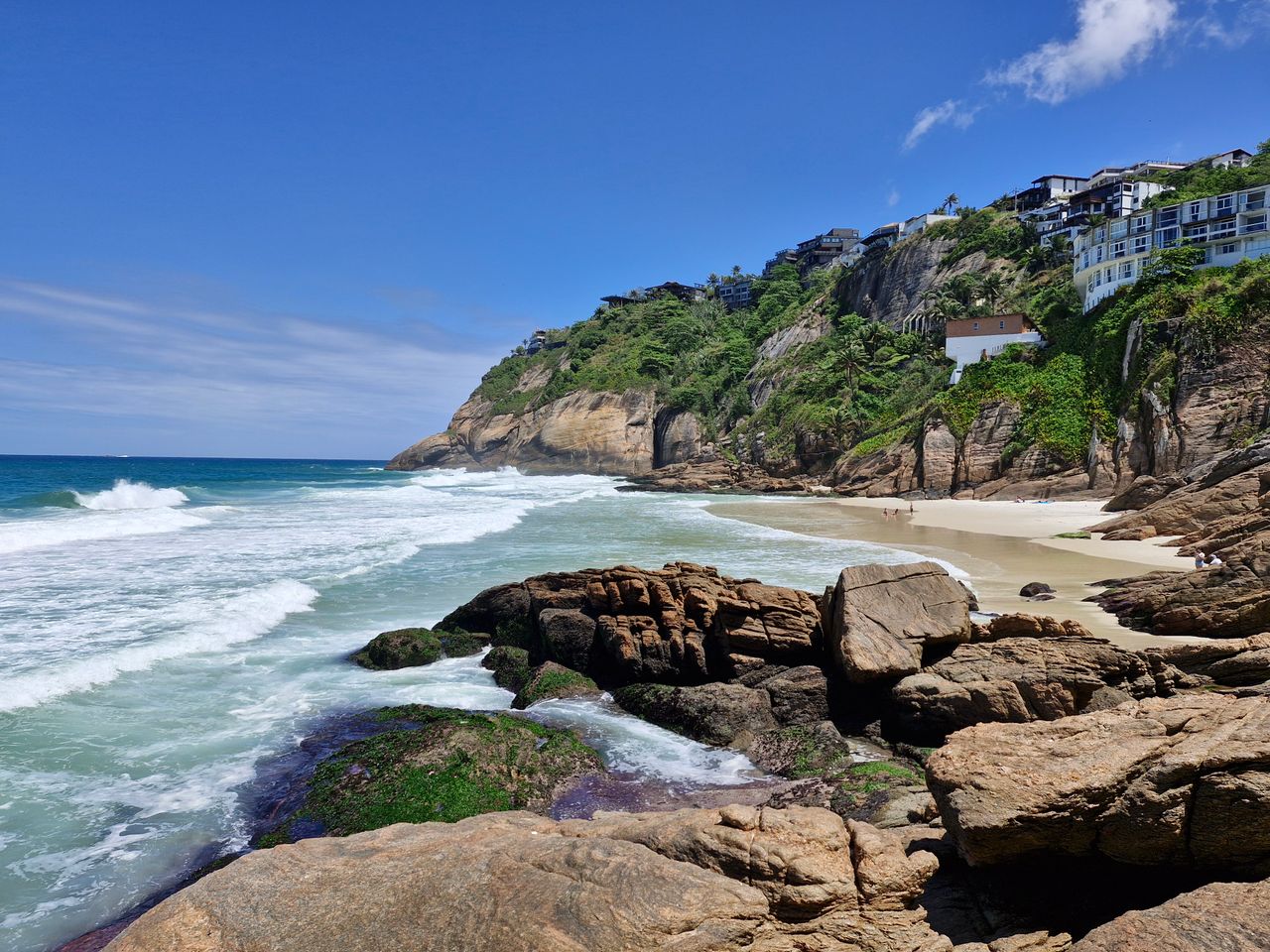
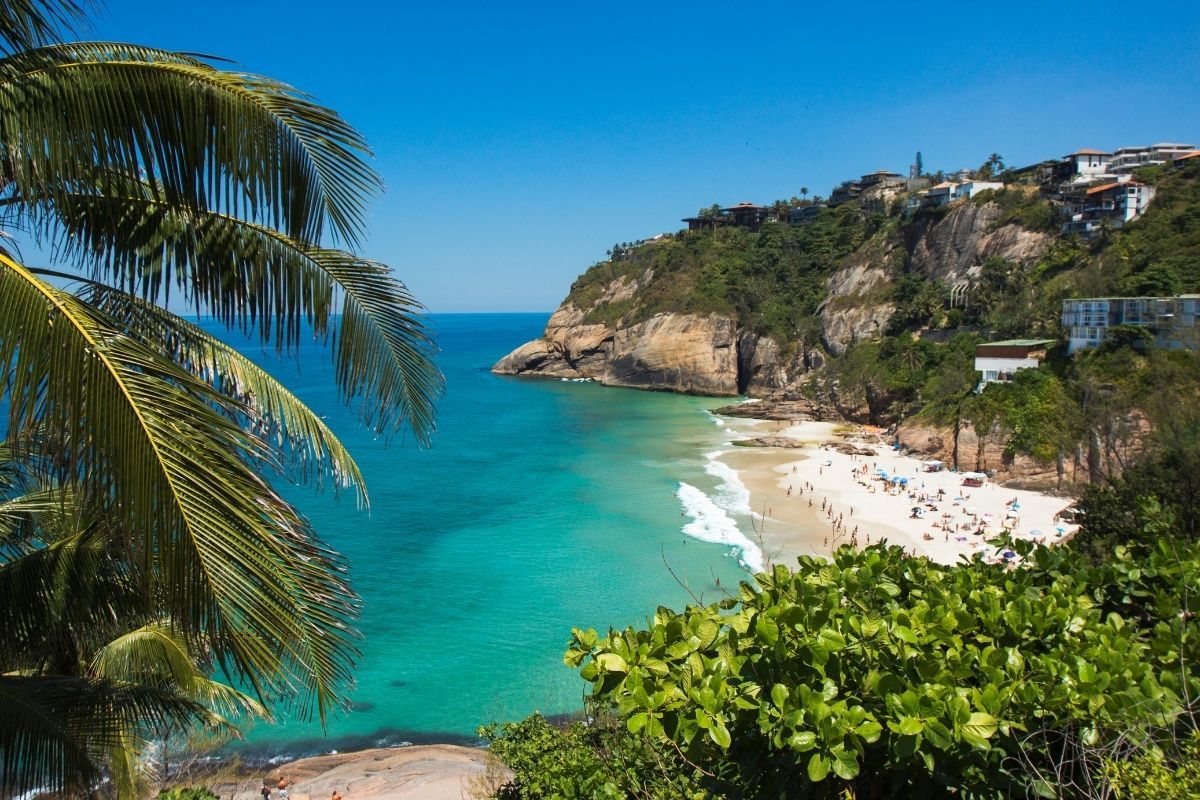
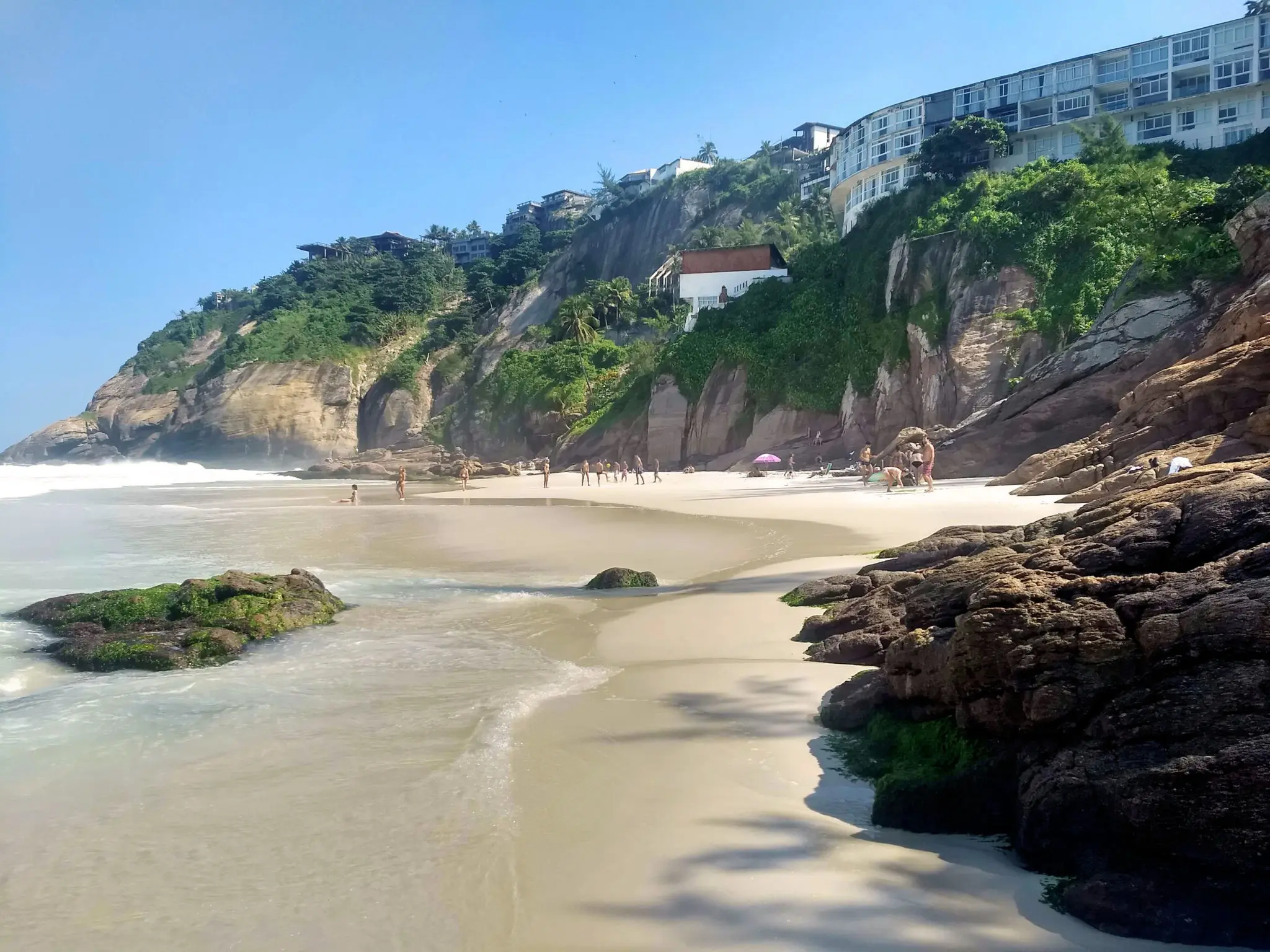
Tucked away in the hillside neighborhood of Joá, Praia da Joatinga is a narrow 300-meter strip of sand enclosed by steep cliffs and designer mansions perched above the rocks.
It maintains a wild atmosphere, but visiting requires planning: the sandy beach completely disappears during high tide. Additionally, getting down to the shore requires a short 10-minute climb down rocky terrain.
- Vibe: Youthful, surf-centric, and secluded.
- How to get there: By Uber to the security gate at Condomínio do Joá on Rua Pascoal Segreto. Via public transit, take metro Line 4 to Jardim Oceânico and continue with a short ride-share.
- Local tip: Always check the tide chart (tábua de marés) before visiting and aim for morning hours, as the tall cliffs cast shade over the beach by mid-afternoon.
Here you can find the complete guide to Praia da Joatinga
6. Barra da Tijuca: Endless Sands, Waves, and Water Sports
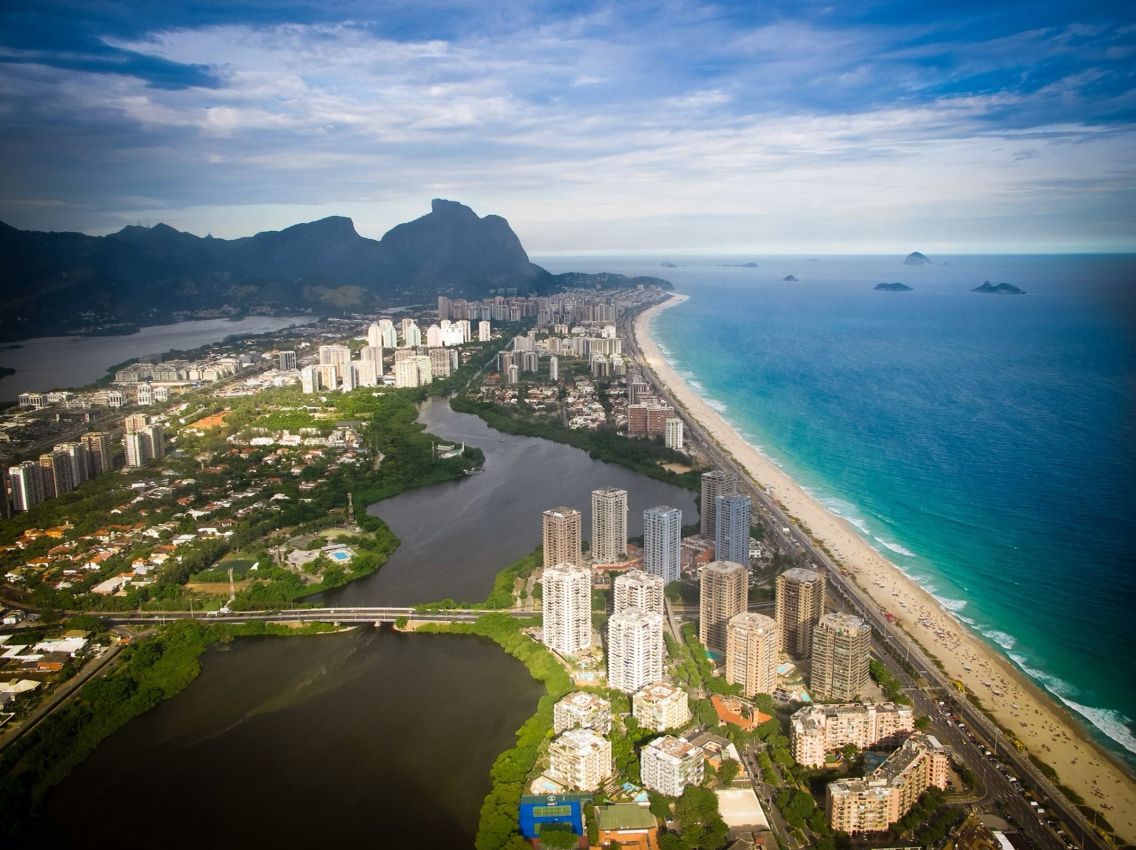
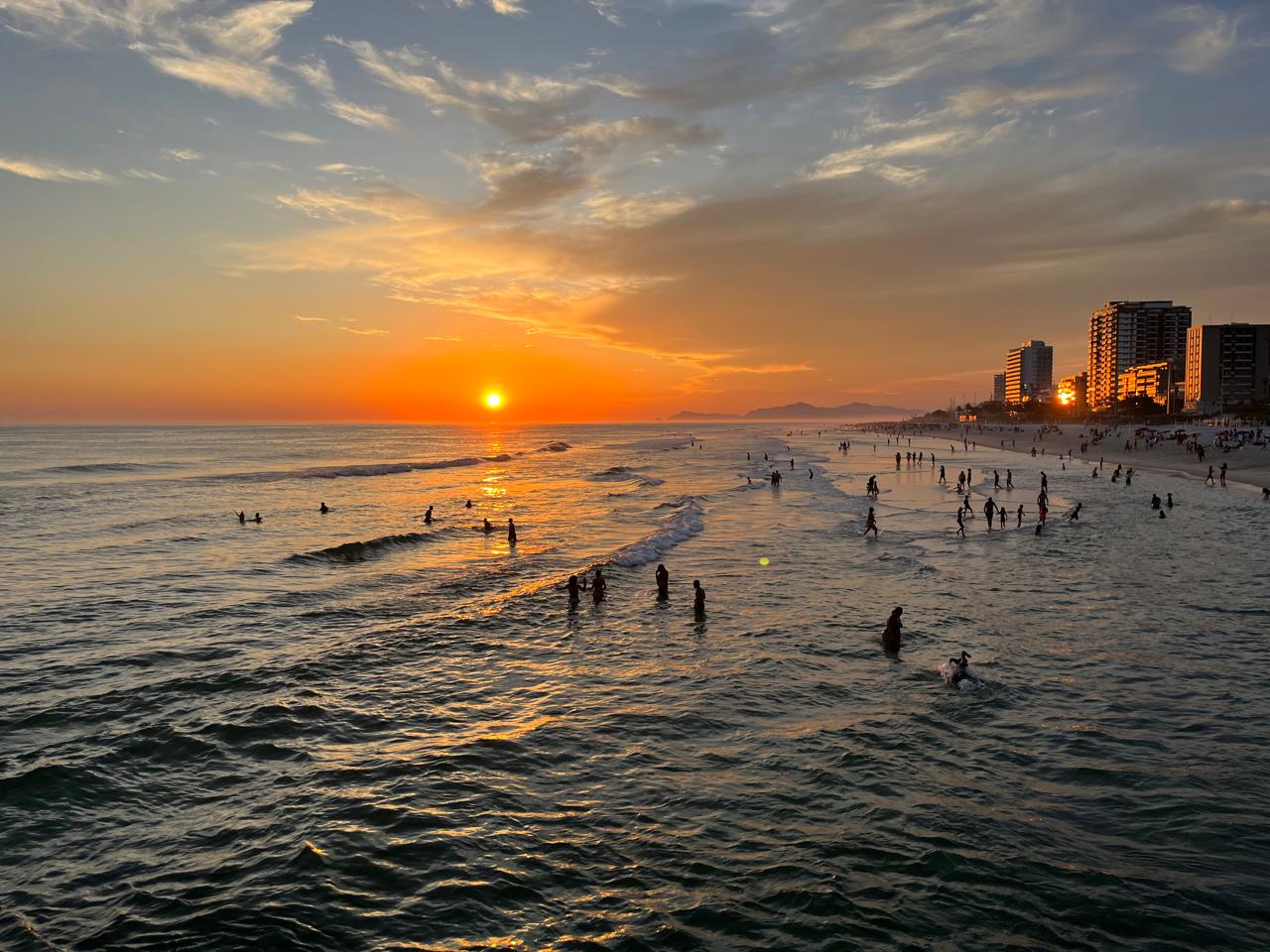
Spanning over 14 continuous kilometers of light sand and open ocean, Barra da Tijuca is the longest beach in the municipality of Rio de Janeiro.
The eastern stretch (Praia do Pepê) is a hub for wind sports like kitesurfing and windsurfing. Heading west, the shore becomes increasingly tranquil and transitions into Praia da Reserva, an environmentally protected area free of high-rise buildings.
- Vibe: Spacious, athletic, and modern.
- How to get there: By metro (Line 4 to Jardim Oceânico station), then take a BRT bus or Uber along Av. Lúcio Costa.
- Local tip: The kiosks along Praia da Reserva offer a peaceful atmosphere away from the busier crowds of the South Zone.
Here you can find the complete guide to Barra da Tijuca
7. Prainha: A Pristine Surfing Sanctuary
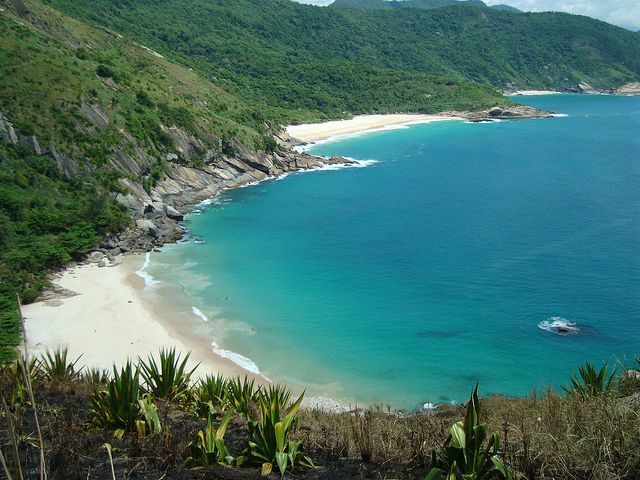
Enclosed in the far west of the city, Prainha is a small cove framed by hills blanketed in dense Atlantic Rainforest. Located inside a protected natural park, it has no commercial developments or residential buildings.
It is widely considered one of Rio's best surfing beaches due to its consistent, powerful waves. Facilities are limited to a couple of eco-friendly wooden kiosks.
- Vibe: 100% natural, surf-focused, and detached from urban city life.
- How to get there: Requires a car, taxi, or Uber, as public buses do not reach the beach. Vehicle entry is capped by a barrier once the parking lot reaches full capacity.
- Local tip: On sunny weekends, aim to arrive before 8:30 AM to secure a parking space.
8. Praia de Grumari: Wild and Protected Coastal Reserve
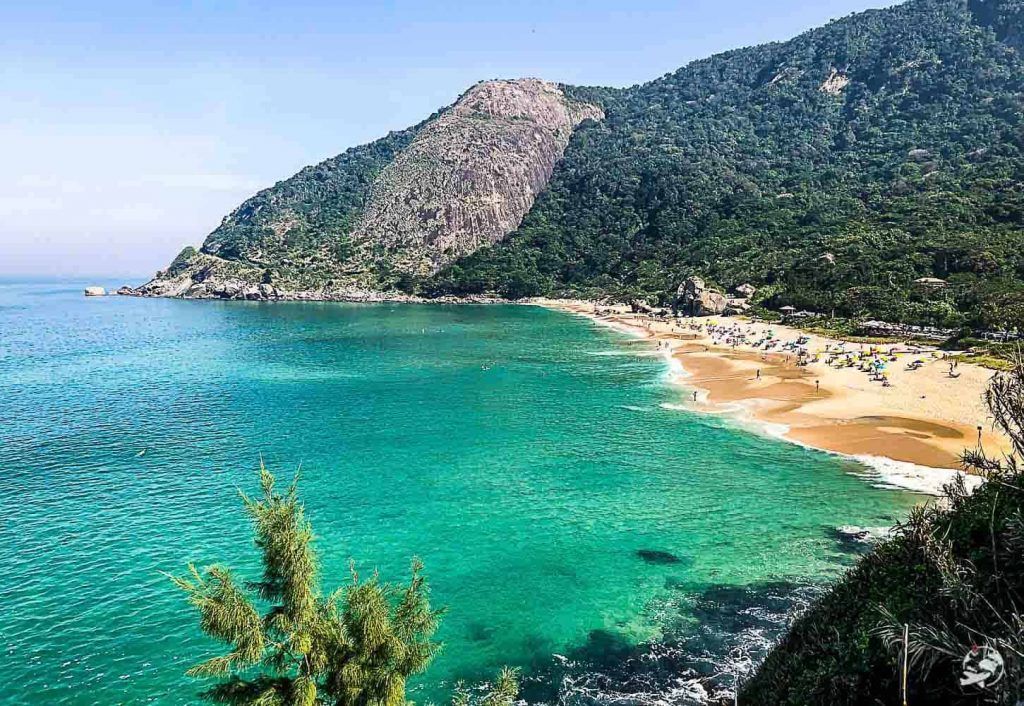
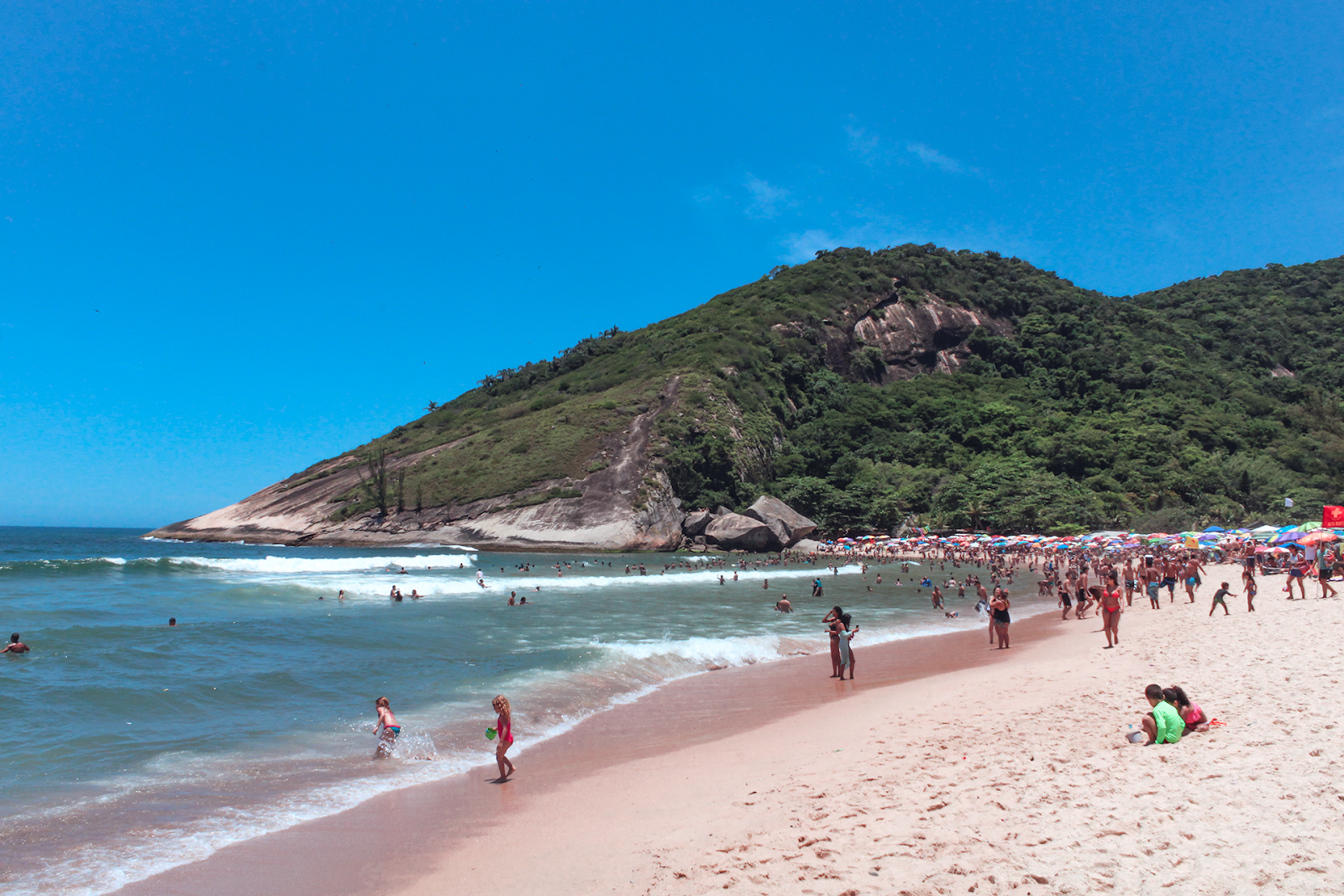
Located right past Prainha, Grumari stretches across 2.5 kilometers of rustic sand within a Municipal Biological Reserve.
Free from high-rises and commercial streets, it preserves a wild landscape dominated by coastal dunes, native restinga vegetation, and rolling ocean surf. At its far end lies Abricó Beach, the only officially designated clothing-optional beach in Rio.
- Vibe: Wild, peaceful, and unpolished.
- How to get there: Accessible only by car, taxi, or Uber via the coastal road from Recreio dos Bandeirantes or the winding hill road from Barra de Guaratiba.
- Local tip: Bring insect repellent, extra water, and snacks if you plan to settle far from the central kiosks.
9. Praia do Secreto: A Natural Tidal Pool Sculpted in Rock
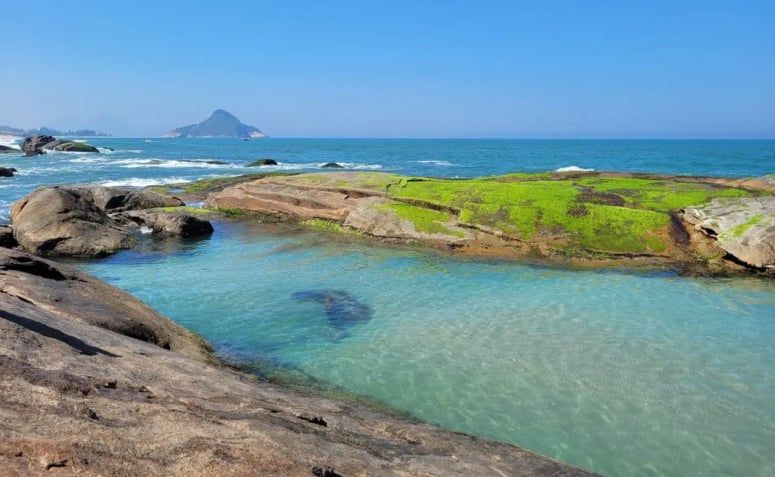
Tucked between Praia do Recreio and Prainha lies Praia do Secreto, a unique coastal spot without a traditional sandy shore, featuring a natural swimming pool formed by volcanic rocks.
During low tide, calm ocean waters fill the rock basin, creating a clear pool perfect for swimming. However, during high tide or rough seas, waves crash over the rocky ledge, making it hazardous.
- Vibe: Adventurous and scenic.
- How to get there: Park along Estrada do Pontal and walk down a short but steep path over loose rocks.
- Local tip: Visit strictly during low tide and calm sea conditions. Wear sturdy footwear with good grip for the rocky descent.
10. Praia do Perigoso: Hiking and Adventure in Barra de Guaratiba
For travelers who love combining hiking with secluded beaches, Praia do Perigoso is an ideal destination. Located on the Barra de Guaratiba peninsula, it forms part of the wild beaches circuit (Praias Selvagens).
Despite its name ("Dangerous Beach"), the beach itself is safe regarding security; it gets its name from open ocean waves and its remote access. It can only be reached via a 45-to-60-minute jungle trail or by hiring a boat taxi from Guaratiba pier.
- Vibe: Unspoiled, rustic, and uncrowded.
- How to get there: Drive or take public transport to Barra de Guaratiba and follow the trail starting near the main village beach (Trilha das Praias Selvagens).
- Local tip: Pack plenty of water, proper hiking shoes, and snacks, as there are no services or commercial kiosks on the beach.
Frequently Asked Questions About Rio de Janeiro Beaches (FAQ)
Which is the safest beach in Rio de Janeiro?
Praia Vermelha in the Urca neighborhood and secluded beaches within controlled access areas like Praia da Joatinga report the lowest safety incidents. On busier urban beaches like Copacabana and Ipanema, standard precautions apply: keep an eye on belongings and avoid leaving valuables unattended when swimming.
Are all beaches in Rio de Janeiro public?
Yes. Under Brazilian federal law, all coastal lines and beaches are public property, offering free access to both locals and visitors.
What is the best time of year to visit Rio's beaches?
Summer months (December to March) bring high temperatures along with higher rainfall and humidity. Spring (September to November) and autumn (March to May) typically offer sunny days, pleasant temperatures, and smaller tourist crowds.
You Might Also Like
Nestled in the quiet residential neighborhood of Urca, Praia Vermelha stands out for its intimate size and dramatic setting, flanked by Morro da Urca and the iconic Sugarloaf Mountain.
Its sand has a unique reddish-gold hue, and its waters are usually extremely calm with virtually no waves, making it a favorite spot for kayaking and stand-up paddleboarding (SUP).
- Vibe: Family-friendly, relaxed, and very safe.
- How to get there: By bus or Uber to Praça General Tibúrcio. The closest metro station is Botafogo (from there, take a feeder bus or a quick 5-minute Uber).
- Local tip: At late afternoon, take a walk along Pista Cláudio Coutinho, a paved seaside trail starting at the left corner of the beach.
Here you can find the complete guide to Praia Vermelha
PUBLICIDAD
Travel with Data: Get your Saily eSIM
- ✓Internet in seconds upon landing
- ✓Flexible plans in 180+ countries
- ✓Easy setup directly via the App
Stretching 4 kilometers in a crescent shape, Copacabana is the ultimate urban beach. Its iconic wave-patterned Portuguese mosaic boardwalk (calçadão), designed by Roberto Burle Marx, is a constant hub for joggers, strollers, and travelers from around the world.
It is divided into lifeguard stations called "postos" (from Posto 2 to Posto 6). All along the shore, you will find traditional beach kiosks (quiosques) operating day and night, offering drinks, food, and live music.
- Vibe: Lively, cosmopolitan, and sports-oriented (beach soccer, volleyball, and altinha).
- How to get there: By metro (Line 1, exiting at Cardeal Arcoverde, Siqueira Campos, or Cantagalo stations).
- Local tip: The far end near Posto 6, close to Fort Copacabana, typically features the calmest waters in the area for a easy swim.
Here you can find the complete guide to Copacabana Beach
Separated from Copacabana by Arpoador Rock, Ipanema is synonymous with urban culture, trends, and diversity. Each "posto" along the beach attracts a distinct crowd: Posto 8 is a popular gathering point for the LGBTQ+ community, Posto 9 draws younger crowds and artists, while Posto 10 is favored by beach sports enthusiasts.
Ipanema's waters are open to the ocean, featuring bigger waves and rip currents more frequently than Copacabana.
- Vibe: Vibrant, trendy, and social.
- How to get there: By metro (Line 1, Nossa Senhora da Paz or General Osório stations).
- Local tip: At the end of the day, follow the local tradition and head to Pedra do Arpoador (Posto 7) to watch the sunset over the ocean and join the crowd in applauding the day's end.
Here you can find the complete guide to Ipanema Beach
A seamless extension of Ipanema to the west, Leblon extends from the Visconde de Albuquerque canal (Posto 11) to the base of the Two Brothers Mountain (Posto 12).
It features an upscale, relaxed vibe, surrounded by one of the city's finest dining districts. The area near the mountain, known as "Baixo Bebê," is particularly popular among families with young children.
- Vibe: Family-oriented, upscale, and residential.
- How to get there: By metro (Line 4, Antero de Quental station).
- Local tip: At the far western end of the beach lies Mirante do Leblon, an elevated wooden viewpoint offering sweeping panoramic views of the entire Leblon and Ipanema coastline.
Here you can find the complete guide to Leblon Beach
Tucked away in the hillside neighborhood of Joá, Praia da Joatinga is a narrow 300-meter strip of sand enclosed by steep cliffs and designer mansions perched above the rocks.
It maintains a wild atmosphere, but visiting requires planning: the sandy beach completely disappears during high tide. Additionally, getting down to the shore requires a short 10-minute climb down rocky terrain.
- Vibe: Youthful, surf-centric, and secluded.
- How to get there: By Uber to the security gate at Condomínio do Joá on Rua Pascoal Segreto. Via public transit, take metro Line 4 to Jardim Oceânico and continue with a short ride-share.
- Local tip: Always check the tide chart (tábua de marés) before visiting and aim for morning hours, as the tall cliffs cast shade over the beach by mid-afternoon.
Here you can find the complete guide to Praia da Joatinga
Spanning over 14 continuous kilometers of light sand and open ocean, Barra da Tijuca is the longest beach in the municipality of Rio de Janeiro.
The eastern stretch (Praia do Pepê) is a hub for wind sports like kitesurfing and windsurfing. Heading west, the shore becomes increasingly tranquil and transitions into Praia da Reserva, an environmentally protected area free of high-rise buildings.
- Vibe: Spacious, athletic, and modern.
- How to get there: By metro (Line 4 to Jardim Oceânico station), then take a BRT bus or Uber along Av. Lúcio Costa.
- Local tip: The kiosks along Praia da Reserva offer a peaceful atmosphere away from the busier crowds of the South Zone.
Here you can find the complete guide to Barra da Tijuca
Enclosed in the far west of the city, Prainha is a small cove framed by hills blanketed in dense Atlantic Rainforest. Located inside a protected natural park, it has no commercial developments or residential buildings.
It is widely considered one of Rio's best surfing beaches due to its consistent, powerful waves. Facilities are limited to a couple of eco-friendly wooden kiosks.
- Vibe: 100% natural, surf-focused, and detached from urban city life.
- How to get there: Requires a car, taxi, or Uber, as public buses do not reach the beach. Vehicle entry is capped by a barrier once the parking lot reaches full capacity.
- Local tip: On sunny weekends, aim to arrive before 8:30 AM to secure a parking space.
Located right past Prainha, Grumari stretches across 2.5 kilometers of rustic sand within a Municipal Biological Reserve.
Free from high-rises and commercial streets, it preserves a wild landscape dominated by coastal dunes, native restinga vegetation, and rolling ocean surf. At its far end lies Abricó Beach, the only officially designated clothing-optional beach in Rio.
- Vibe: Wild, peaceful, and unpolished.
- How to get there: Accessible only by car, taxi, or Uber via the coastal road from Recreio dos Bandeirantes or the winding hill road from Barra de Guaratiba.
- Local tip: Bring insect repellent, extra water, and snacks if you plan to settle far from the central kiosks.
Tucked between Praia do Recreio and Prainha lies Praia do Secreto, a unique coastal spot without a traditional sandy shore, featuring a natural swimming pool formed by volcanic rocks.
During low tide, calm ocean waters fill the rock basin, creating a clear pool perfect for swimming. However, during high tide or rough seas, waves crash over the rocky ledge, making it hazardous.
- Vibe: Adventurous and scenic.
- How to get there: Park along Estrada do Pontal and walk down a short but steep path over loose rocks.
- Local tip: Visit strictly during low tide and calm sea conditions. Wear sturdy footwear with good grip for the rocky descent.
For travelers who love combining hiking with secluded beaches, Praia do Perigoso is an ideal destination. Located on the Barra de Guaratiba peninsula, it forms part of the wild beaches circuit (Praias Selvagens).
Despite its name ("Dangerous Beach"), the beach itself is safe regarding security; it gets its name from open ocean waves and its remote access. It can only be reached via a 45-to-60-minute jungle trail or by hiring a boat taxi from Guaratiba pier.
- Vibe: Unspoiled, rustic, and uncrowded.
- How to get there: Drive or take public transport to Barra de Guaratiba and follow the trail starting near the main village beach (Trilha das Praias Selvagens).
- Local tip: Pack plenty of water, proper hiking shoes, and snacks, as there are no services or commercial kiosks on the beach.
Which is the safest beach in Rio de Janeiro?
Praia Vermelha in the Urca neighborhood and secluded beaches within controlled access areas like Praia da Joatinga report the lowest safety incidents. On busier urban beaches like Copacabana and Ipanema, standard precautions apply: keep an eye on belongings and avoid leaving valuables unattended when swimming.
Are all beaches in Rio de Janeiro public?
Yes. Under Brazilian federal law, all coastal lines and beaches are public property, offering free access to both locals and visitors.
What is the best time of year to visit Rio's beaches?
Summer months (December to March) bring high temperatures along with higher rainfall and humidity. Spring (September to November) and autumn (March to May) typically offer sunny days, pleasant temperatures, and smaller tourist crowds.
PUBLICIDAD
International Travel Insurance
- ✓International medical insurance
- ✓24/7 immediate assistance in your language
- ✓Ideal for trekking & adventure
Posts in Rio-de-janeiro
Arcos da Lapa en Río de Janeiro
Barra da Tijuca
Botafogo
Catedral Metropolitana de Río de Janeiro
Como pagar en Rio de Janeiro
Copacabana

Cristo Redentor en Río de Janeiro

Del aeropuerto de al centro
Dónde alojarse en Río de Janeiro
Escadaria Selarón en Río de Janeiro

Estadio Maracaná
Flamengo
Forte do Leme (Forte Duque de Caxias)
Ipanema
Itinerarios en Río de Janeiro en 3, 5 y 7 días
Jardín Botánico de Río de Janeiro
Lagoa Rodrigo de Freitas
Lapa en Río de Janeiro
Miradores y senderos en Río de Janeiro
Mirante Dona Marta
Morro da Urca
Morro Dois Irmãos
Museo del Mañana (Museu do Amanhã)
Pan de Azúcar en Río de Janeiro
Pedra Bonita
Pedra da Gávea
Pedra do Telégrafo
Playas cerca de Río de Janeiro
Praia da Joatinga
Praia do Leblon
Praia Vermelha
Santa Teresa en Río de Janeiro
Preferences
Language
Color
Text
Width