Table of contents and map
Holyrood Park in Edinburgh: What to See, Trails, and Practical Tips
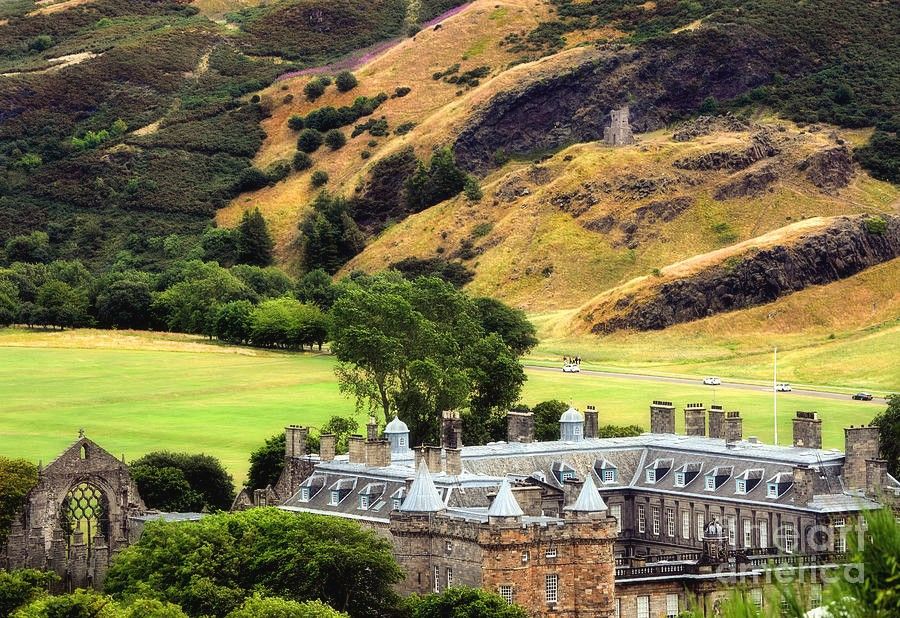
Right next to the Palace of Holyroodhouse at the end of the Royal Mile, an untamed and prehistoric 260-hectare landscape unfolds in the heart of Edinburgh. Holyrood Park is a miniature slice of the Highlands, crowned by an extinct volcano and steeped in legends. Here is how to explore it during your visit.
Holyrood Park in Edinburgh: What to See, Trails, and Practical Tips
Right next to the Palace of Holyroodhouse at the end of the Royal Mile, an untamed and prehistoric 260-hectare landscape unfolds in the heart of Edinburgh. Holyrood Park is a miniature slice of the Highlands, crowned by an extinct volcano and steeped in legends. Here is how to explore it during your visit.
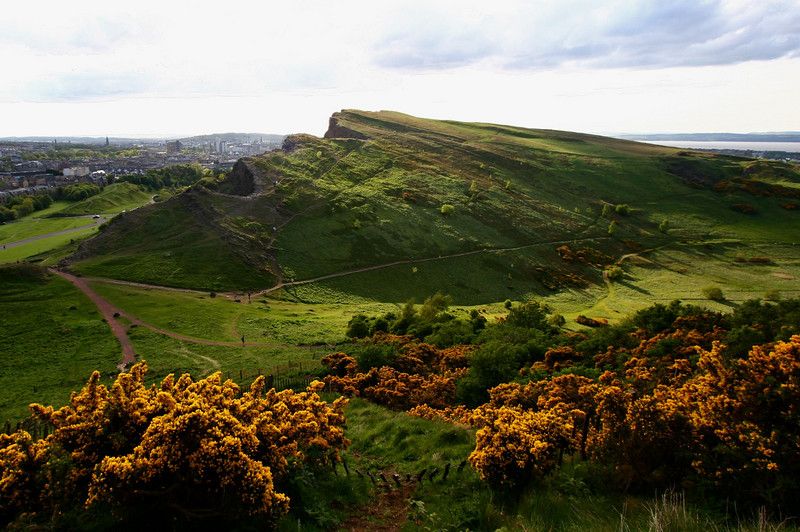
If you think you have to travel all the way north to see Scotland's wild landscapes, green hills, and lochs, Holyrood Park will prove you wrong. This 260-hectare royal park sits right next to Edinburgh's historic Old Town, just at the end of the famous Royal Mile.
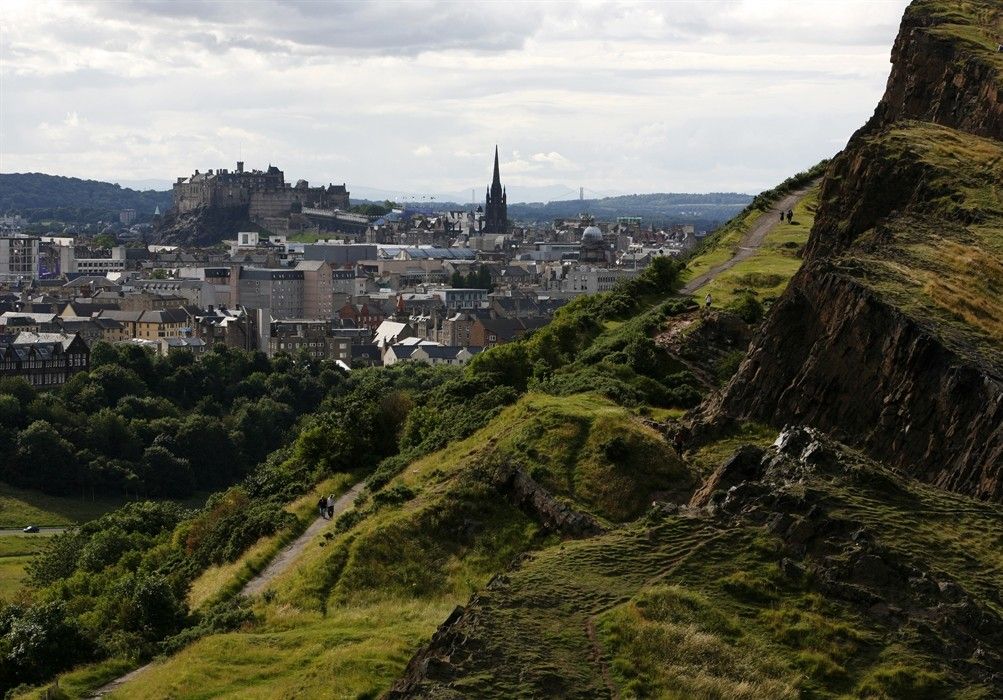
This is no ordinary urban park with manicured lawns and symmetrical benches; it is an untamed, fascinating volcanic landscape featuring sheer cliffs, swan-filled lochs, 15th-century ruins, and the city's most famous peak: Arthur's Seat. It is the perfect place to escape the pavement and breathe in some fresh air without leaving the capital.
What is Holyrood Park? A Bit of History and Geology
The dramatic terrain of Holyrood Park was formed about 340 million years ago by intense volcanic activity, which was later sculpted by glaciers during the Ice Age.
Historically, this land served as a royal hunting estate from the 12th century onward, helping to preserve its biodiversity and geography completely intact to this day. Although technically owned by the British monarch (it is a Royal Park managed by Historic Environment Scotland), it is fully open to the public and serves as a massive green lung for locals and travelers alike.
What to See and Do in Holyrood Park
The park is massive and hides magical corners that most tourists skip in their rush to climb the highest peak. Here are the places you cannot miss on your walk:
1. Arthur's Seat
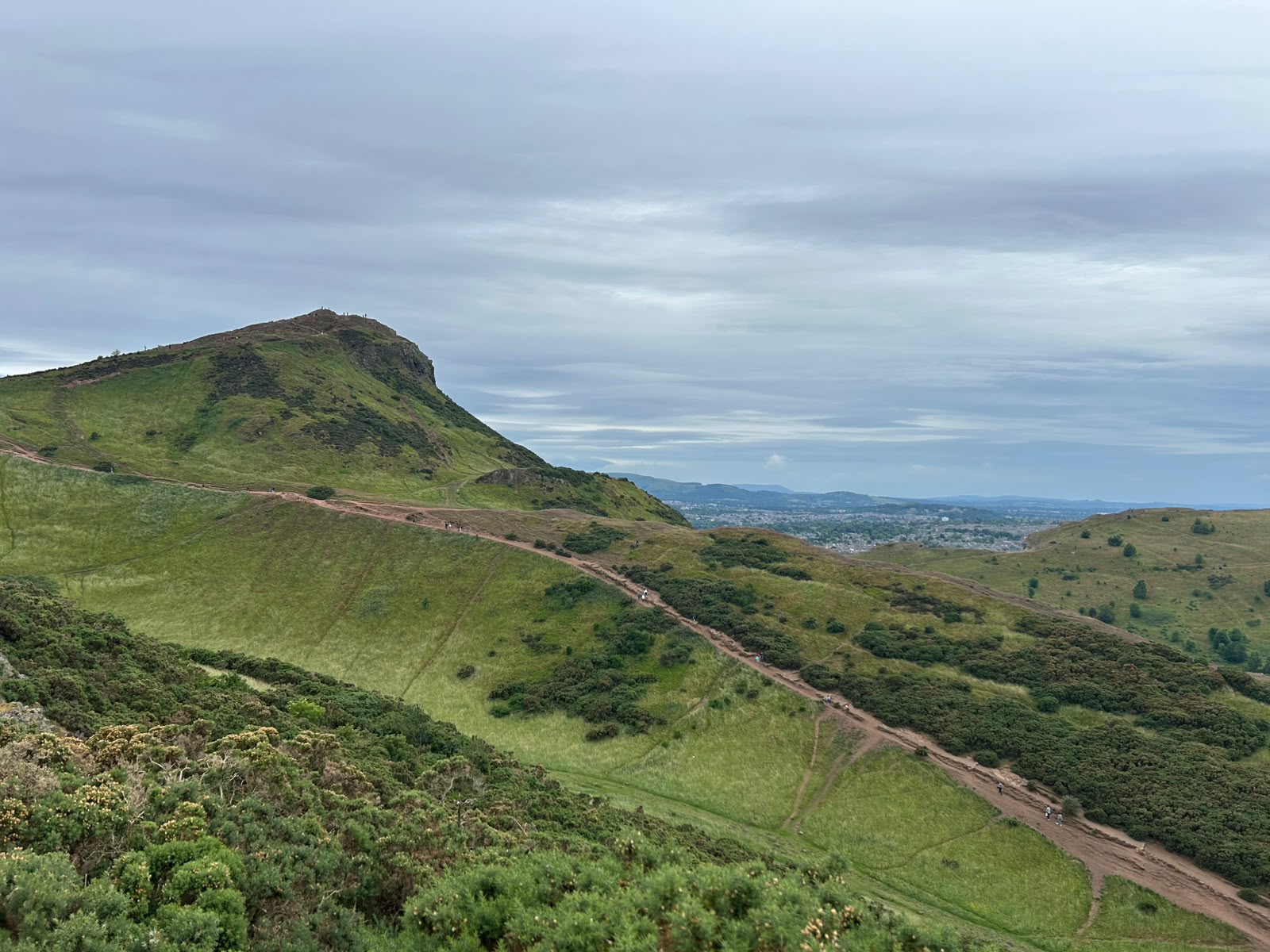
The highest point in Edinburgh (251 meters) and the heart of the ancient, extinct volcano. Climbing to the summit is an absolute must for the city's more adventurous visitors. From the top, you will enjoy a spectacular 360-degree panorama of the Old Town, the New Town, the Firth of Forth estuary, and—on clear days—the distant Highlands on the horizon.
2. Salisbury Crags
These towering basalt cliffs flank the western side of the park, dominating Edinburgh's skyline. You can walk along the path that runs just beneath them (Radical Road, though sections are occasionally closed for rockfall prevention) to get incredible views of the city from a very accessible mid-level height.
3. The Ruins of St Anthony's Chapel
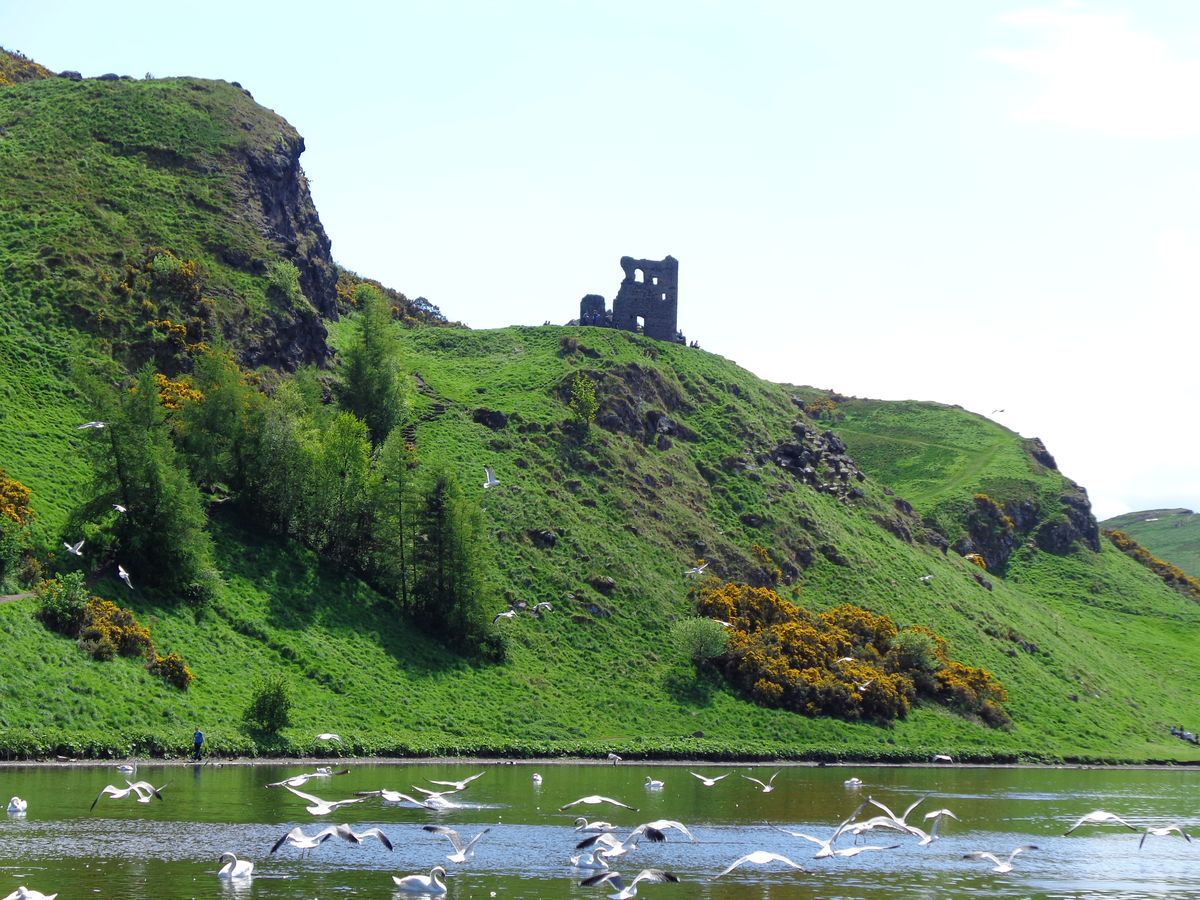
Perched on a rocky hillside overlooking St Margaret's Loch, these mysterious 15th-century stone ruins are the only medieval building still standing in the park. Its origins remain uncertain—it may have been a beacon for ships in the Forth or a chapel for visiting pilgrims—but its silhouette set against the sky and water is one of the most magical sights in Edinburgh.
4. The Three Lochs: St Margaret's, Dunsapie, and Duddingston
The park features three beautiful bodies of water, each with its own unique character:
- St Margaret's Loch: A beautiful artificial lake right below the chapel, famous for being packed with swans, ducks, and geese that frequently gather by the shore.
- Dunsapie Loch: A smaller, quieter loch located higher up, surrounded by grassy banks where you will usually find far fewer crowds.
- Duddingston Loch: The only natural loch in the park, situated on the south side. It is a protected nature reserve, making it ideal for birdwatching.
5. Duddingston Village and Scotland's Oldest Pub
If you cross the park toward the southern side, you will find yourself in Duddingston, a picturesque, cobbled village that feels completely frozen in time. Here you will find The Sheep Heid Inn, a legendary pub that has been serving drinks since 1360. It is the perfect place to reward your hiking efforts with a pint and some traditional pub food!
Hiking Trails in Holyrood Park
Depending on your energy and fitness levels, you can choose from several paths winding through the park. Here are the three most popular routes:
- Climbing Arthur's Seat (Direct Route): Moderate. 1.5 - 2 hours (round trip). Spectacular 360-degree views from the top of the volcano.
- Loch Walk (Circular): Easy. 1 hour. A flat path looping past the lochs, perfect for families with kids or a relaxed stroll.
- Salisbury Crags Path: Easy / Moderate. 45 minutes. A steady walk offering incredible views of the Old Town without having to climb too high.
Survival Tips for Visiting the Park
Because this is an exposed, wild natural environment right in the middle of Scotland, it is vital to go prepared so you can enjoy the experience safely:
- Prepare for wind and unpredictable weather: At the top of Arthur's Seat or Salisbury Crags, the wind can blow incredibly hard, and temperatures drop fast. Always pack layers and a windproof or waterproof jacket, even if the day starts out sunny.
- Wear shoes with good grip: Leave the canvas shoes and flat sneakers behind. The trails in Holyrood Park consist of dirt, loose gravel, and grass, which quickly turn slippery under damp Scottish conditions. A solid pair of hiking boots or trail running shoes will save you from taking a spill.
- No facilities inside the park: Holyrood Park is kept in a protected natural state. This means there are no public restrooms, cafes, or shops within the park boundaries. We highly recommend using the facilities at the Scottish Parliament or the Palace of Holyroodhouse before heading in, and carrying water and snacks in your backpack.
- Stick to the marked trails: For your own safety and to protect the local flora and fauna, do not veer off the established paths. Some cliffside areas present real dangers of falling rocks.
Frequently Asked Questions (FAQ)
Is there an entrance fee for Holyrood Park?
No, access to the park and the climb up Arthur's Seat are completely free 24 hours a day, 365 days a year.
Can you drive up the hills?
Not entirely. The circular road running through the park (Queen's Drive) is regularly closed to motor vehicles—especially on weekends—to encourage pedestrian and cyclist use. It is a space designed to be explored on foot or by bike.
Where can I park if I go by car? (Is it free or paid?)
The park has authorized parking lots along its edges, though strict regulations apply (overnight parking is not allowed in any of them):
- Broad Pavement Car Park: This is the largest and most convenient parking lot, located near the Palace of Holyroodhouse. It costs approximately £1 per hour and operates Monday through Friday from 8:30 AM to 5:30 PM. It is free on Saturdays and Sundays, though keep in mind that the park's internal roads are closed to traffic on weekends, meaning you can only access this lot from outside the park boundaries.
- St Margaret's Loch Car Park: Located right next to St Margaret's Loch. This is the ideal spot if you plan on a short walk around the water or heading straight up to the ruins of St Anthony's Chapel.
- Duddingston Loch Car Park: Situated on the south side, perfect if you want to finish your hike in Duddingston village with a visit to The Sheep Heid Inn.
How much time do I need to visit?
If you just want to stroll around the lochs and view the chapel ruins, 1 to 1.5 hours is plenty of time. If you plan to complete the full hike up to Arthur's Seat and explore Salisbury Crags, set aside at least 3 hours in your itinerary.
Useful Links to Keep Planning Your Scotland Itinerary
- Edinburgh step by step: the ultimate guide to squeezing the capital
- Arthur's Seat: How to climb the city's famous extinct volcano
- Dean Village: The picturesque fairytale oasis hidden in Edinburgh
- Calton Hill: The national monument and the best panoramic views
- How to go from Edinburgh Airport to the center: Prices and options
- Itinerary through Scotland: the perfect 7, 10, and 14-day route
The dramatic terrain of Holyrood Park was formed about 340 million years ago by intense volcanic activity, which was later sculpted by glaciers during the Ice Age.
Historically, this land served as a royal hunting estate from the 12th century onward, helping to preserve its biodiversity and geography completely intact to this day. Although technically owned by the British monarch (it is a Royal Park managed by Historic Environment Scotland), it is fully open to the public and serves as a massive green lung for locals and travelers alike.
PUBLICIDAD
Travel with Data: Get your Saily eSIM
- ✓Internet in seconds upon landing
- ✓Flexible plans in 180+ countries
- ✓Easy setup directly via the App
The park is massive and hides magical corners that most tourists skip in their rush to climb the highest peak. Here are the places you cannot miss on your walk:
1. Arthur's Seat
The highest point in Edinburgh (251 meters) and the heart of the ancient, extinct volcano. Climbing to the summit is an absolute must for the city's more adventurous visitors. From the top, you will enjoy a spectacular 360-degree panorama of the Old Town, the New Town, the Firth of Forth estuary, and—on clear days—the distant Highlands on the horizon.
2. Salisbury Crags
These towering basalt cliffs flank the western side of the park, dominating Edinburgh's skyline. You can walk along the path that runs just beneath them (Radical Road, though sections are occasionally closed for rockfall prevention) to get incredible views of the city from a very accessible mid-level height.
3. The Ruins of St Anthony's Chapel
Perched on a rocky hillside overlooking St Margaret's Loch, these mysterious 15th-century stone ruins are the only medieval building still standing in the park. Its origins remain uncertain—it may have been a beacon for ships in the Forth or a chapel for visiting pilgrims—but its silhouette set against the sky and water is one of the most magical sights in Edinburgh.
4. The Three Lochs: St Margaret's, Dunsapie, and Duddingston
The park features three beautiful bodies of water, each with its own unique character:
- St Margaret's Loch: A beautiful artificial lake right below the chapel, famous for being packed with swans, ducks, and geese that frequently gather by the shore.
- Dunsapie Loch: A smaller, quieter loch located higher up, surrounded by grassy banks where you will usually find far fewer crowds.
- Duddingston Loch: The only natural loch in the park, situated on the south side. It is a protected nature reserve, making it ideal for birdwatching.
5. Duddingston Village and Scotland's Oldest Pub
If you cross the park toward the southern side, you will find yourself in Duddingston, a picturesque, cobbled village that feels completely frozen in time. Here you will find The Sheep Heid Inn, a legendary pub that has been serving drinks since 1360. It is the perfect place to reward your hiking efforts with a pint and some traditional pub food!
Depending on your energy and fitness levels, you can choose from several paths winding through the park. Here are the three most popular routes:
- Climbing Arthur's Seat (Direct Route): Moderate. 1.5 - 2 hours (round trip). Spectacular 360-degree views from the top of the volcano.
- Loch Walk (Circular): Easy. 1 hour. A flat path looping past the lochs, perfect for families with kids or a relaxed stroll.
- Salisbury Crags Path: Easy / Moderate. 45 minutes. A steady walk offering incredible views of the Old Town without having to climb too high.
Because this is an exposed, wild natural environment right in the middle of Scotland, it is vital to go prepared so you can enjoy the experience safely:
- Prepare for wind and unpredictable weather: At the top of Arthur's Seat or Salisbury Crags, the wind can blow incredibly hard, and temperatures drop fast. Always pack layers and a windproof or waterproof jacket, even if the day starts out sunny.
- Wear shoes with good grip: Leave the canvas shoes and flat sneakers behind. The trails in Holyrood Park consist of dirt, loose gravel, and grass, which quickly turn slippery under damp Scottish conditions. A solid pair of hiking boots or trail running shoes will save you from taking a spill.
- No facilities inside the park: Holyrood Park is kept in a protected natural state. This means there are no public restrooms, cafes, or shops within the park boundaries. We highly recommend using the facilities at the Scottish Parliament or the Palace of Holyroodhouse before heading in, and carrying water and snacks in your backpack.
- Stick to the marked trails: For your own safety and to protect the local flora and fauna, do not veer off the established paths. Some cliffside areas present real dangers of falling rocks.
Is there an entrance fee for Holyrood Park?
No, access to the park and the climb up Arthur's Seat are completely free 24 hours a day, 365 days a year.
Can you drive up the hills?
Not entirely. The circular road running through the park (Queen's Drive) is regularly closed to motor vehicles—especially on weekends—to encourage pedestrian and cyclist use. It is a space designed to be explored on foot or by bike.
Where can I park if I go by car? (Is it free or paid?)
The park has authorized parking lots along its edges, though strict regulations apply (overnight parking is not allowed in any of them):
- Broad Pavement Car Park: This is the largest and most convenient parking lot, located near the Palace of Holyroodhouse. It costs approximately £1 per hour and operates Monday through Friday from 8:30 AM to 5:30 PM. It is free on Saturdays and Sundays, though keep in mind that the park's internal roads are closed to traffic on weekends, meaning you can only access this lot from outside the park boundaries.
- St Margaret's Loch Car Park: Located right next to St Margaret's Loch. This is the ideal spot if you plan on a short walk around the water or heading straight up to the ruins of St Anthony's Chapel.
- Duddingston Loch Car Park: Situated on the south side, perfect if you want to finish your hike in Duddingston village with a visit to The Sheep Heid Inn.
How much time do I need to visit?
If you just want to stroll around the lochs and view the chapel ruins, 1 to 1.5 hours is plenty of time. If you plan to complete the full hike up to Arthur's Seat and explore Salisbury Crags, set aside at least 3 hours in your itinerary.
PUBLICIDAD
- Edinburgh step by step: the ultimate guide to squeezing the capital
- Arthur's Seat: How to climb the city's famous extinct volcano
- Dean Village: The picturesque fairytale oasis hidden in Edinburgh
- Calton Hill: The national monument and the best panoramic views
- How to go from Edinburgh Airport to the center: Prices and options
- Itinerary through Scotland: the perfect 7, 10, and 14-day route
PUBLICIDAD
International Travel Insurance
- ✓International medical insurance
- ✓24/7 immediate assistance in your language
- ✓Ideal for trekking & adventure
Posts in Edimburgo
Arthur's Seat
Calton Hill
Castillo de Craigmillar
Castillo de Edimburgo
Catedral de St Giles
Dean Village
Festival del Fuego de Samhuinn
Festival Fringe de Edimburgo
Galería Nacional de Escocia
Grassmarket
Greyfriars Kirkyard
La Royal Mile
Leith
Museo de Edimburgo
Museo Nacional de Escocia
Palacio de Holyroodhouse
Princes Street Gardens
Real Jardín Botánico de Edimburgo
Scott Monument
The Real Mary King's Close
The Vennel
Victoria Street
Preferences
Language
Color
Text
Width