Table of contents and map
Things to Do in Santa Marta: 9 Must-Sees Between the Caribbean, Tayrona, and the Jungle
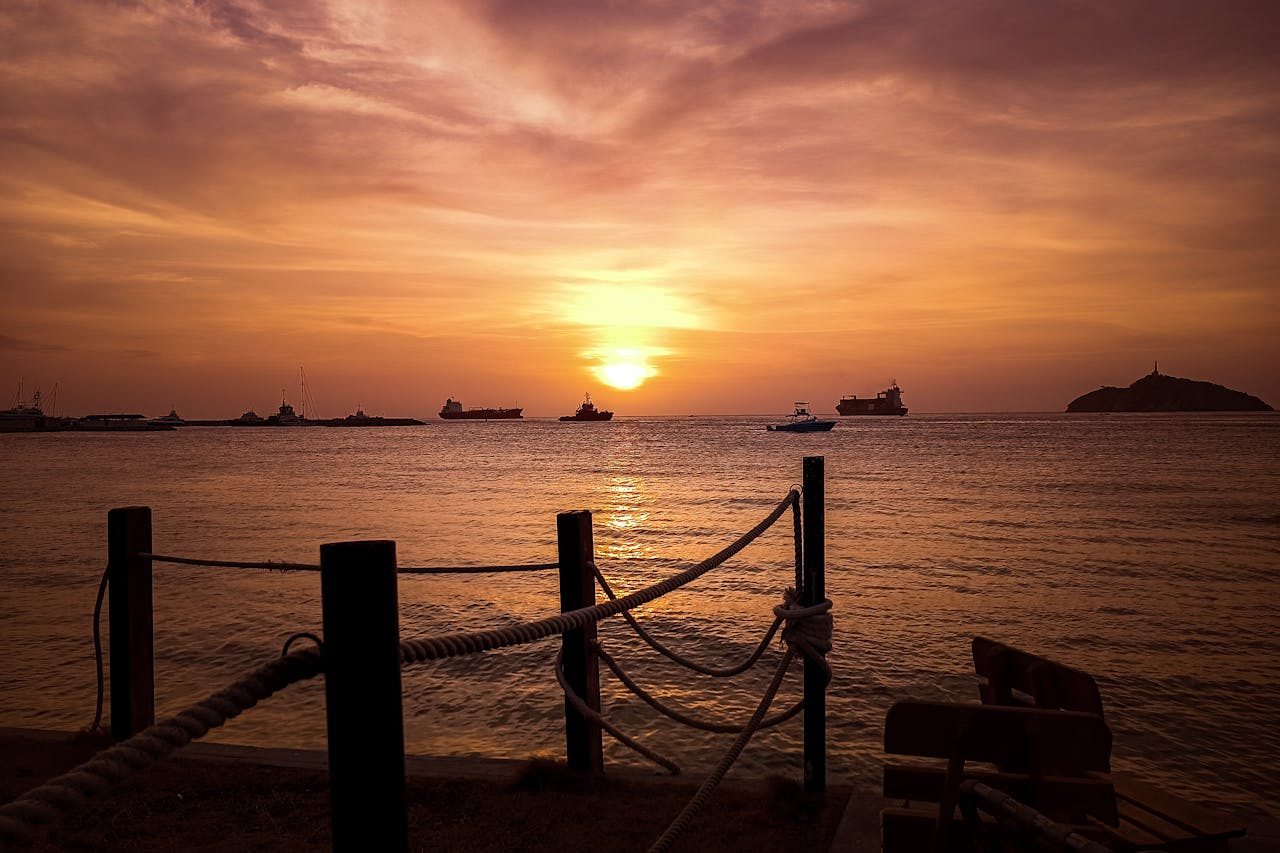
Santa Marta is Colombia's oldest city and the gateway to a universe where the Sierra Nevada meets the sea. It is the perfect base camp: one foot in the Caribbean and the other in the jungle, where the history of Simón Bolívar coexists with the mysticism of indigenous communities.
Things to Do in Santa Marta: 9 Must-Sees Between the Caribbean, Tayrona, and the Jungle
Santa Marta is Colombia's oldest city and the gateway to a universe where the Sierra Nevada meets the sea. It is the perfect base camp: one foot in the Caribbean and the other in the jungle, where the history of Simón Bolívar coexists with the mysticism of indigenous communities.
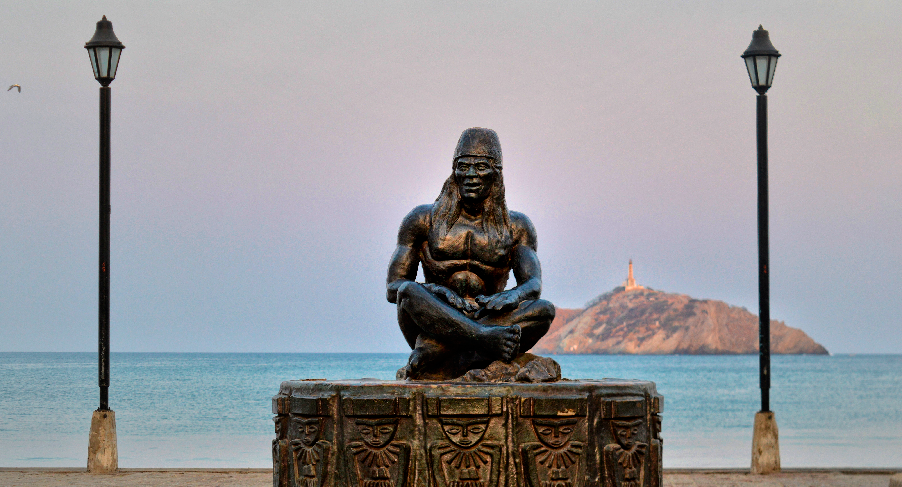
Santa Marta has a calmer pace than Cartagena. Its main appeal lies not so much in the city itself, but in the natural escapes surrounding it. It is an ideal place to plan beach days, hikes, and nature outings, combining relaxation with adventure on the world's highest coastal mountain range.
9 Things to See and Do in Santa Marta
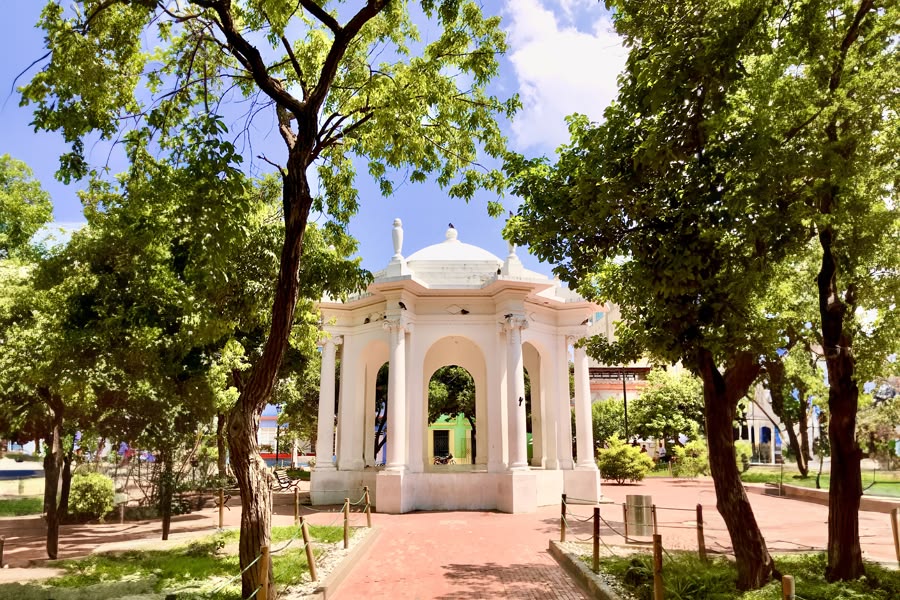
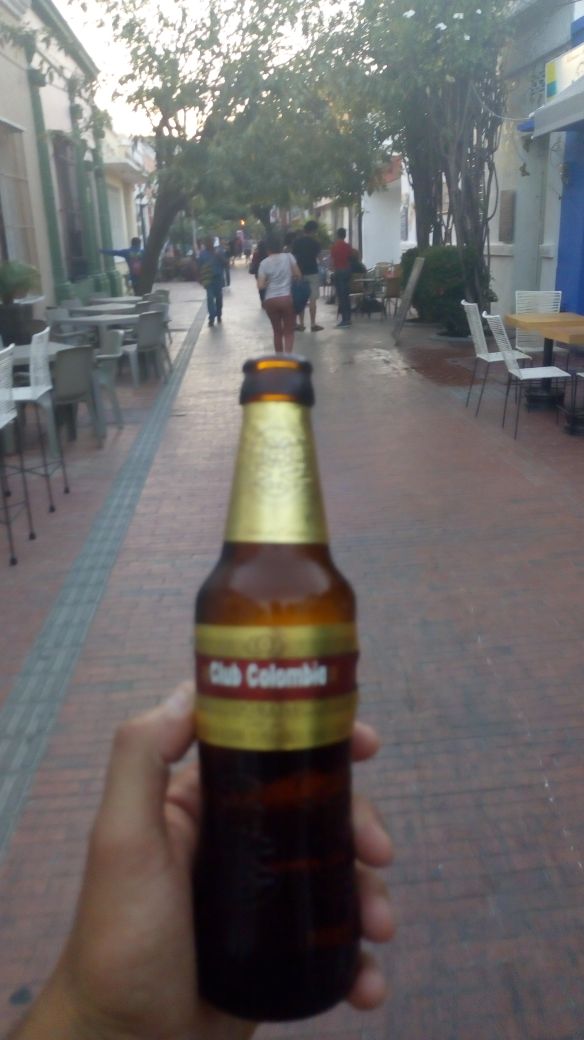
Historic Center and Parque de los Novios - A compact area packed with nightlife. It is the best spot for dinner and drinks. Colonial architecture blends seamlessly with modern bars and specialty coffee shops.
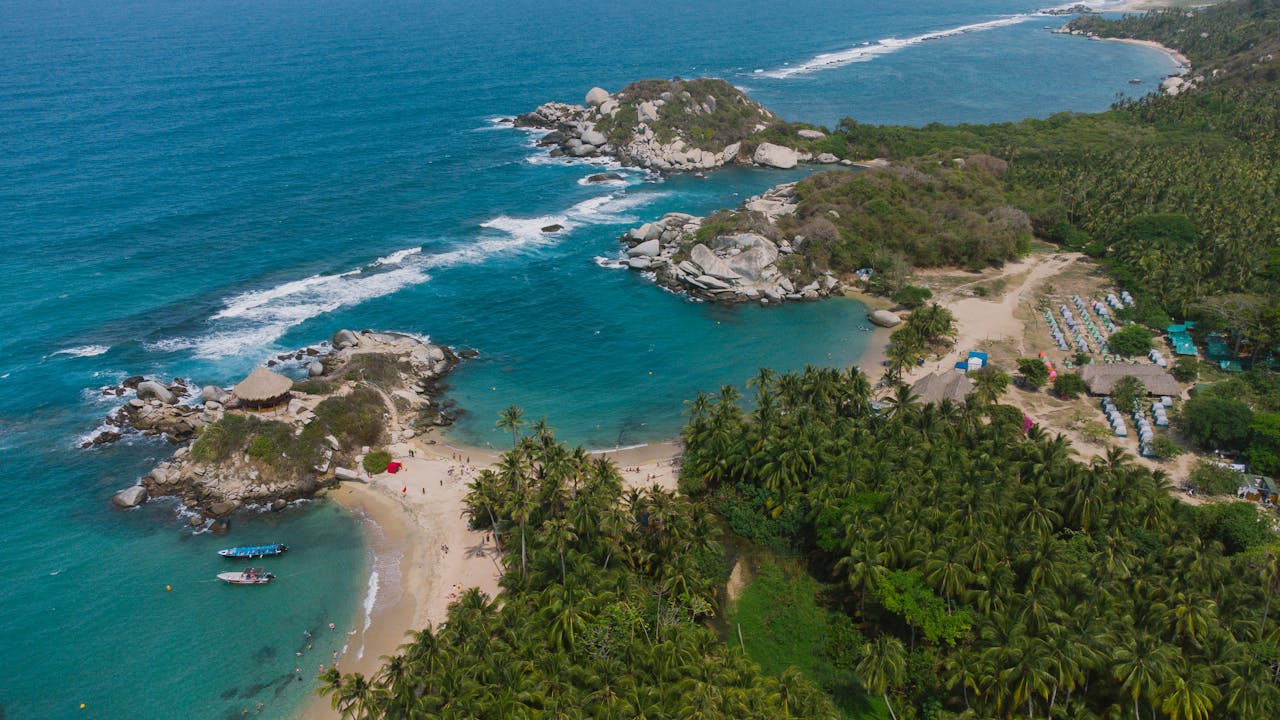
Tayrona National Natural Park - The absolute number one must-see. Trails winding through jungles lead to iconic beaches like Cabo San Juan or La Piscina. Vital tip: The park closes three times a year for an "environmental breathing period" (agreed upon with indigenous communities). Check the dates on the official National Parks website.
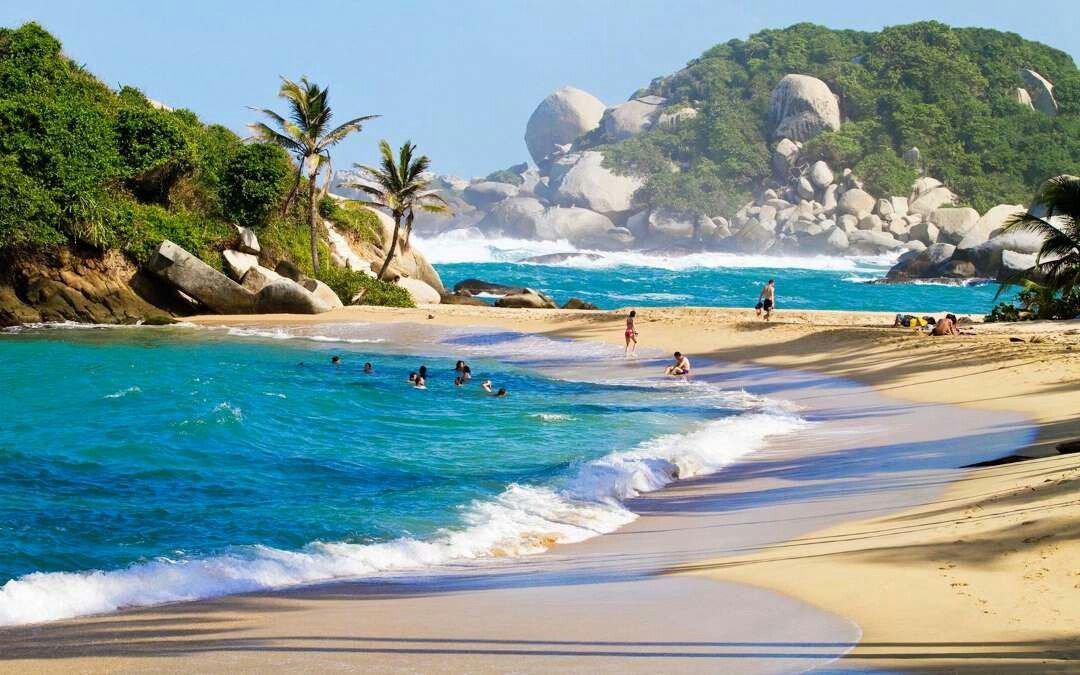
Lost City Trek (Teyuna) - One of the most important archaeological hikes in South America. It is a 4-day expedition crossing rivers, deep jungle, and climbing over 1,200 stone steps built by the Tayronas around the year 800. It is not just a physical challenge, but a guided cultural immersion approved by current indigenous communities (Kogui and Wiwa).
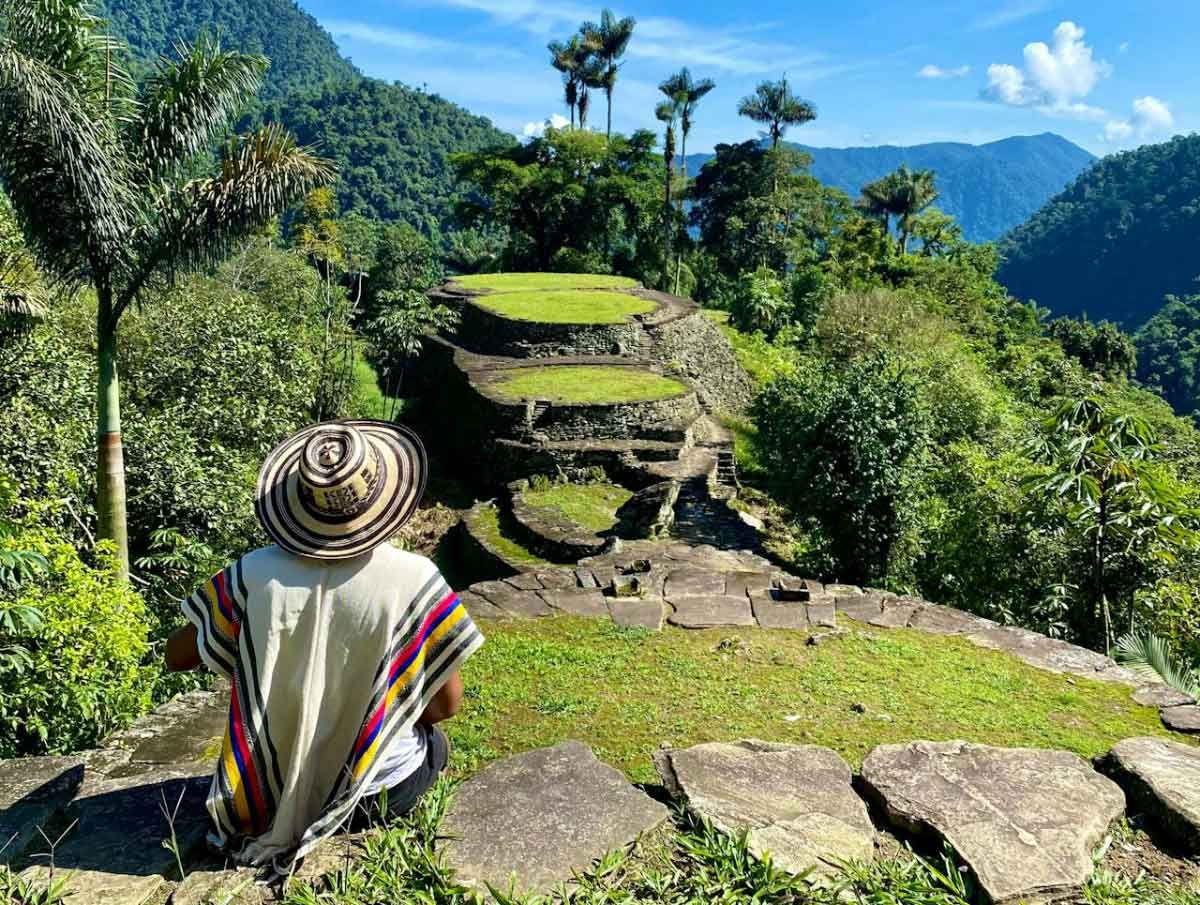
Minca - Just 45 minutes up into the mountains. This coffee-growing town offers cool weather, waterfalls, and fantastic birdwatching. It is ideal for escaping the port's intense heat.
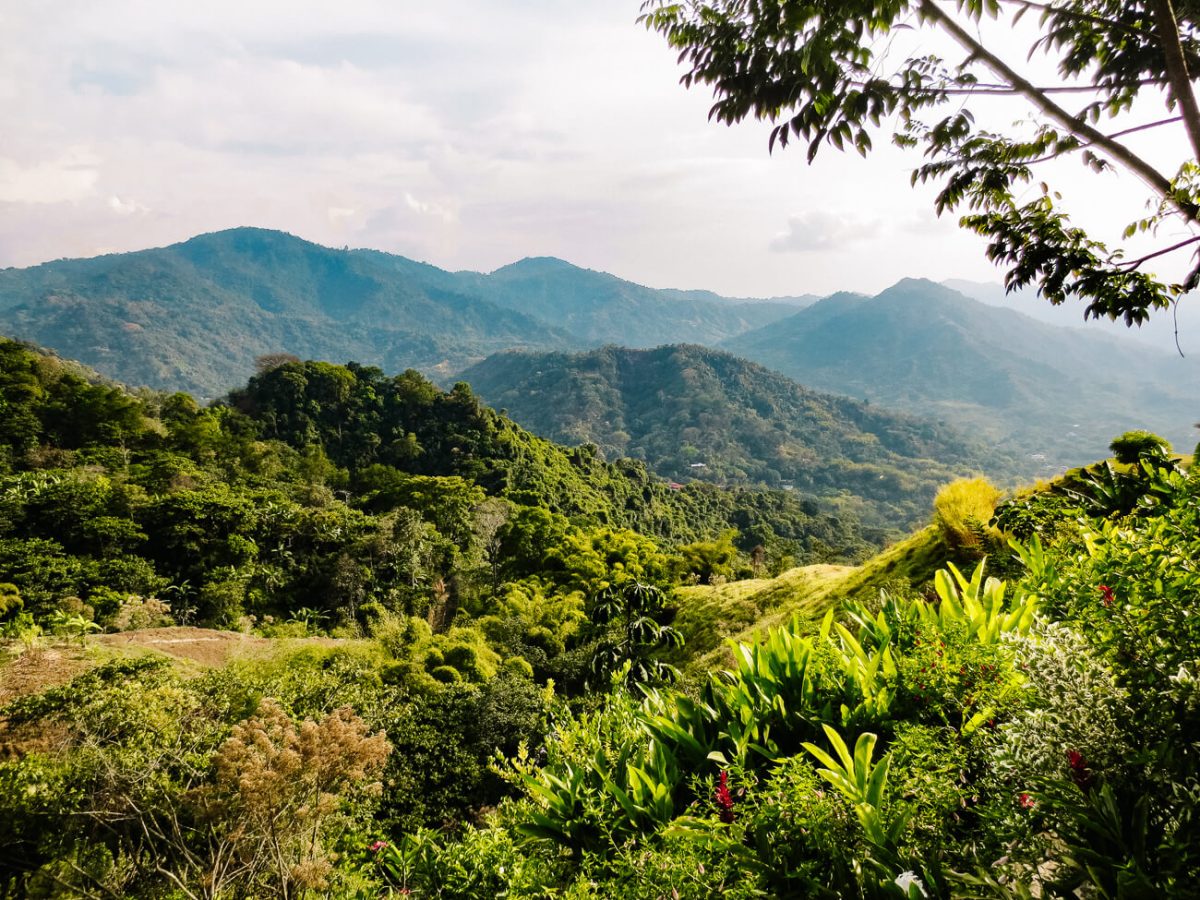
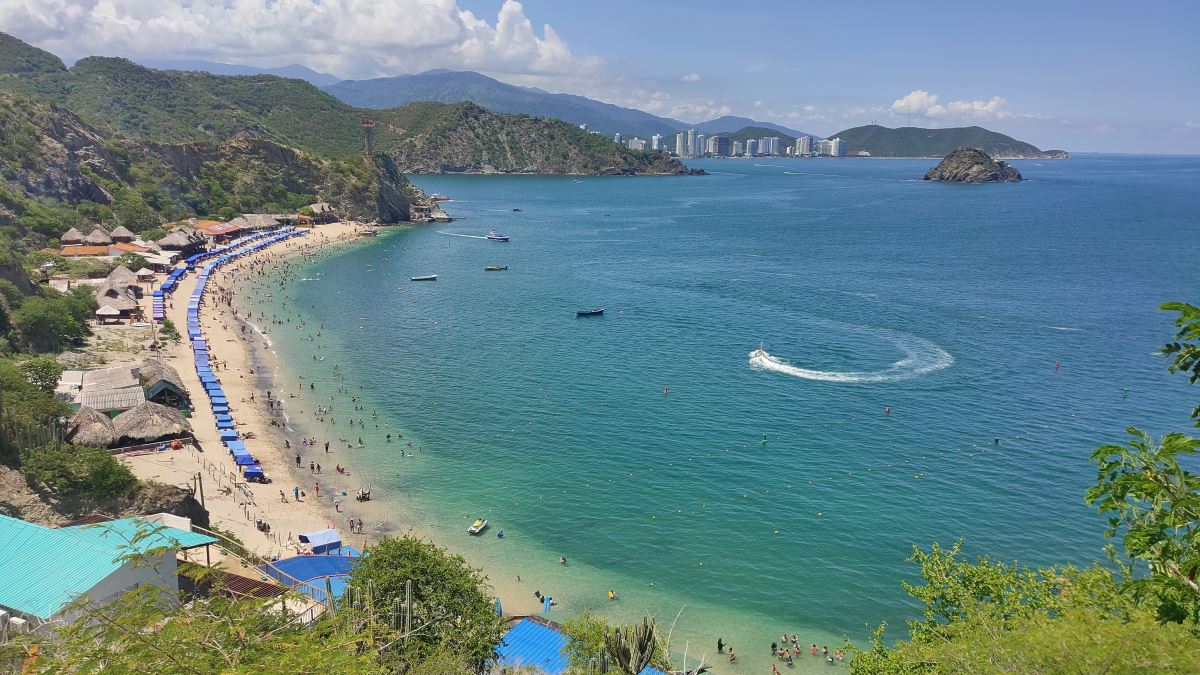
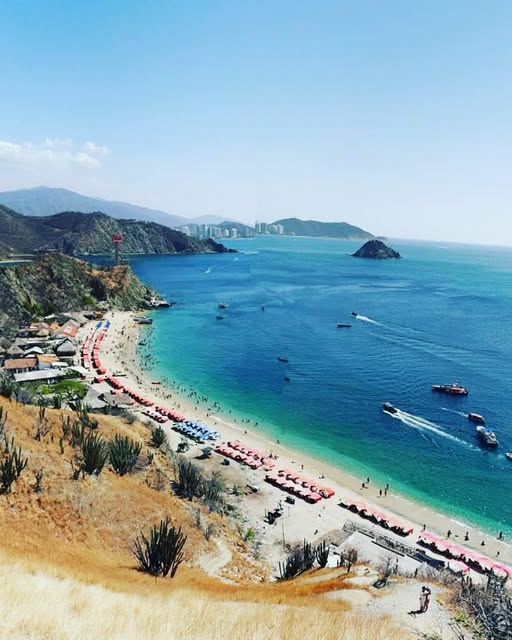
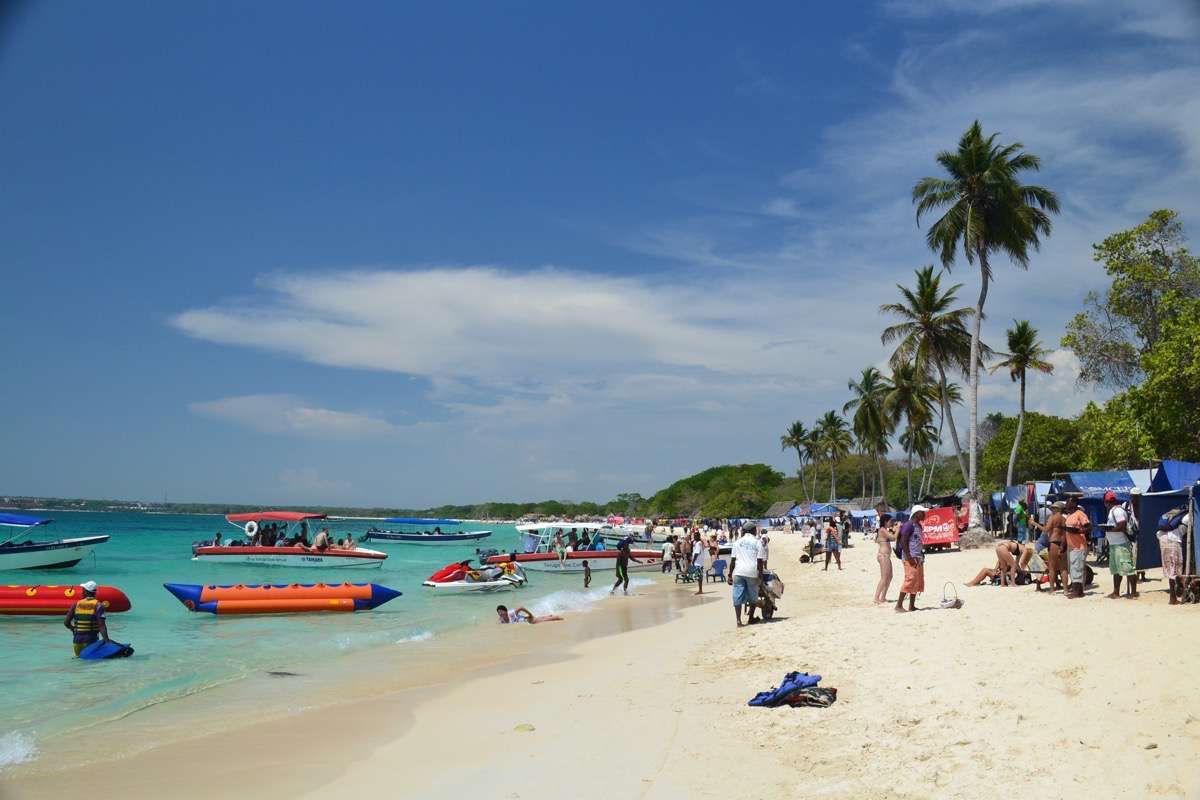
Playa Blanca - If you are looking for a Caribbean postcard setting with clear sand and calm water without Tayrona's long hike, this is your best option. It features local beachfront restaurants to eat lunch and spend the day.
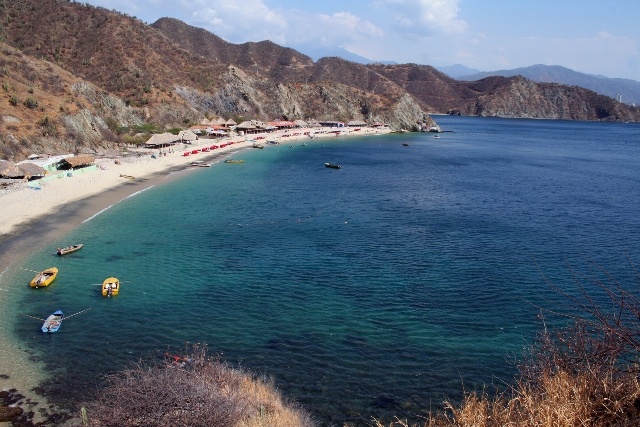
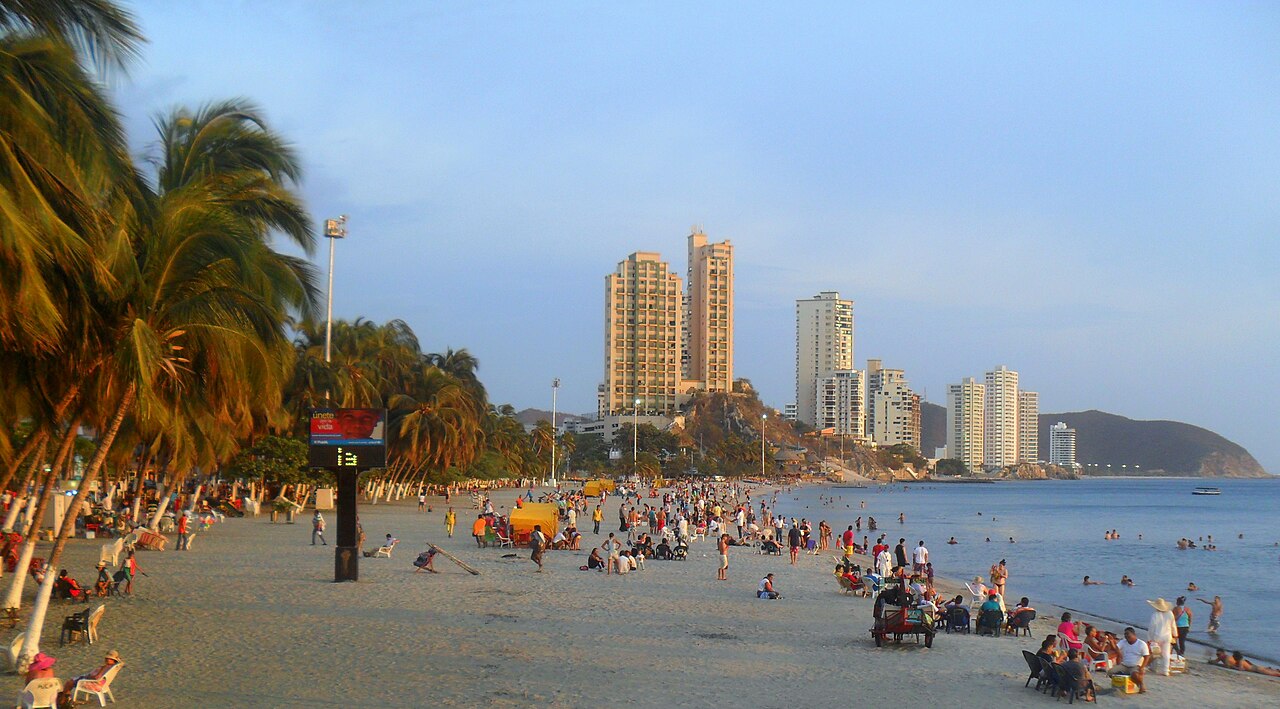
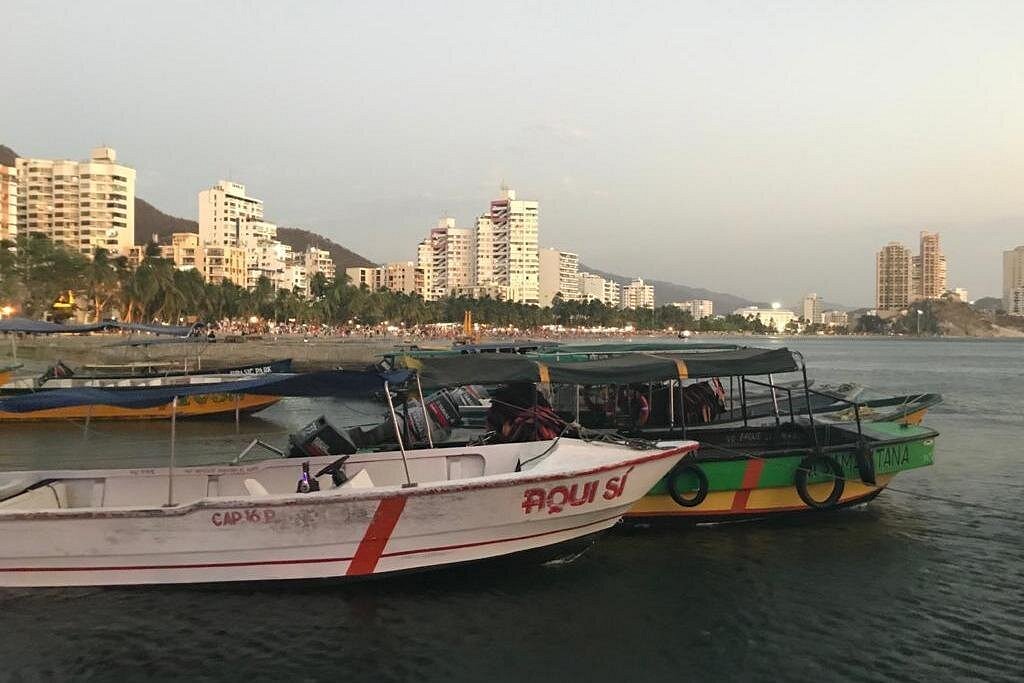
El Rodadero - The most commercial tourist district in the city, packed with apartment buildings, hotels, restaurants, and a wide, busy beach. It is the main hub from which boats set sail to Playa Blanca and the Aquarium.
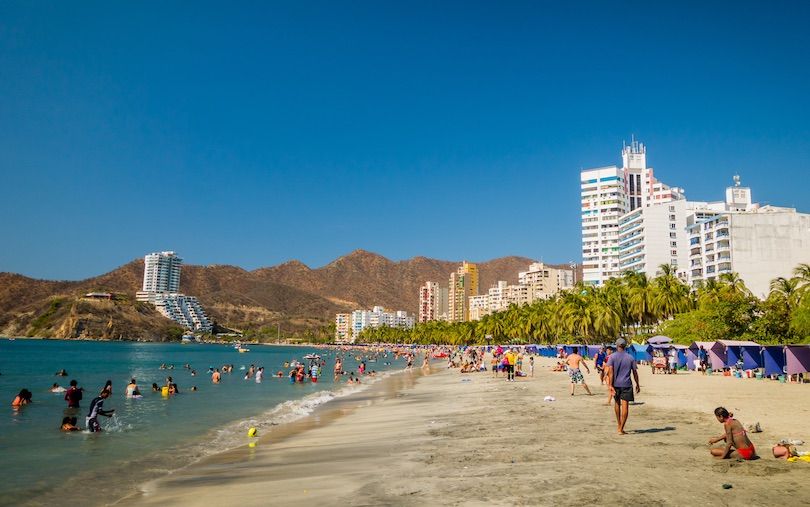
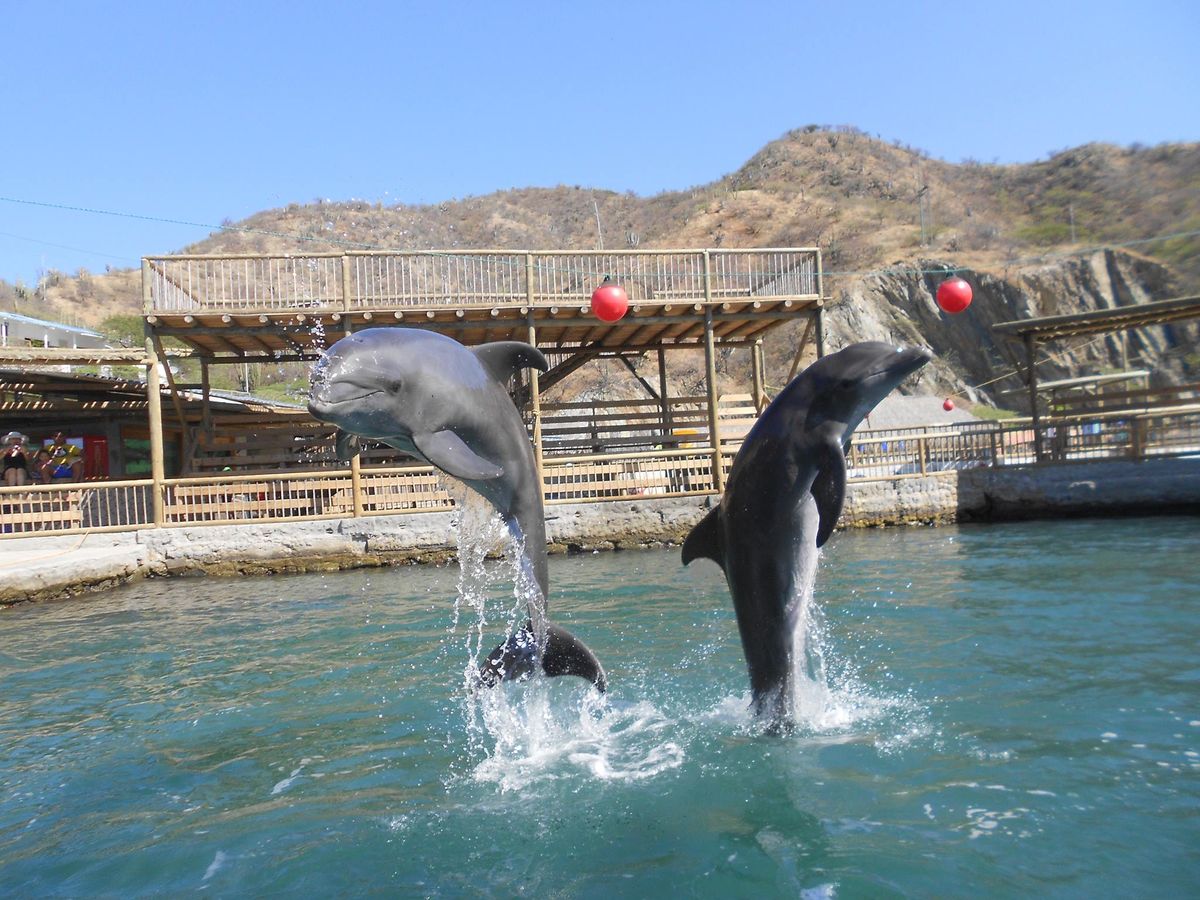
Aquarium and Sea Museum - Located in the Inca Inca cove, very close to El Rodadero. It is a great spot if you are traveling with family, displaying local marine species such as dolphins, sea turtles, sharks, and Caribbean fish, alongside a museum dedicated to Tayrona culture and maritime navigation.
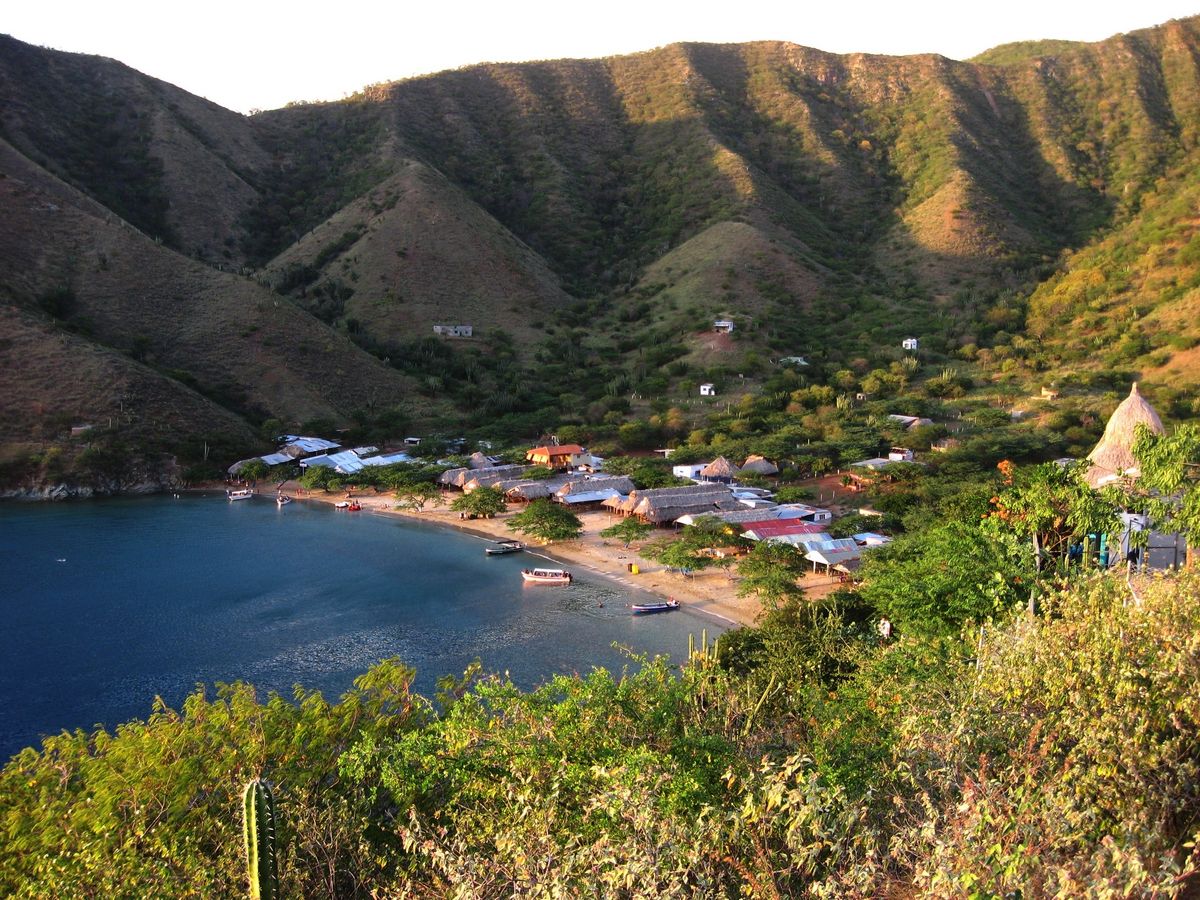
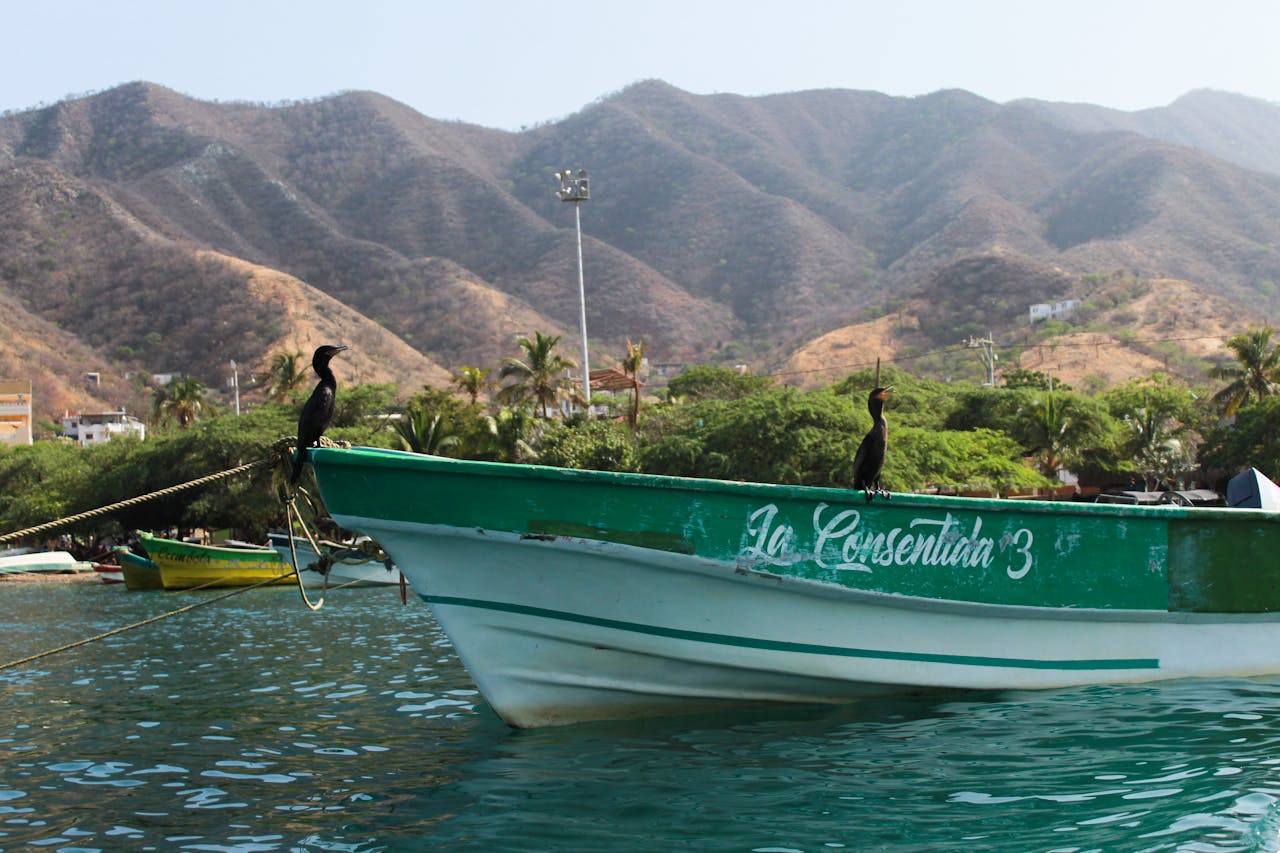
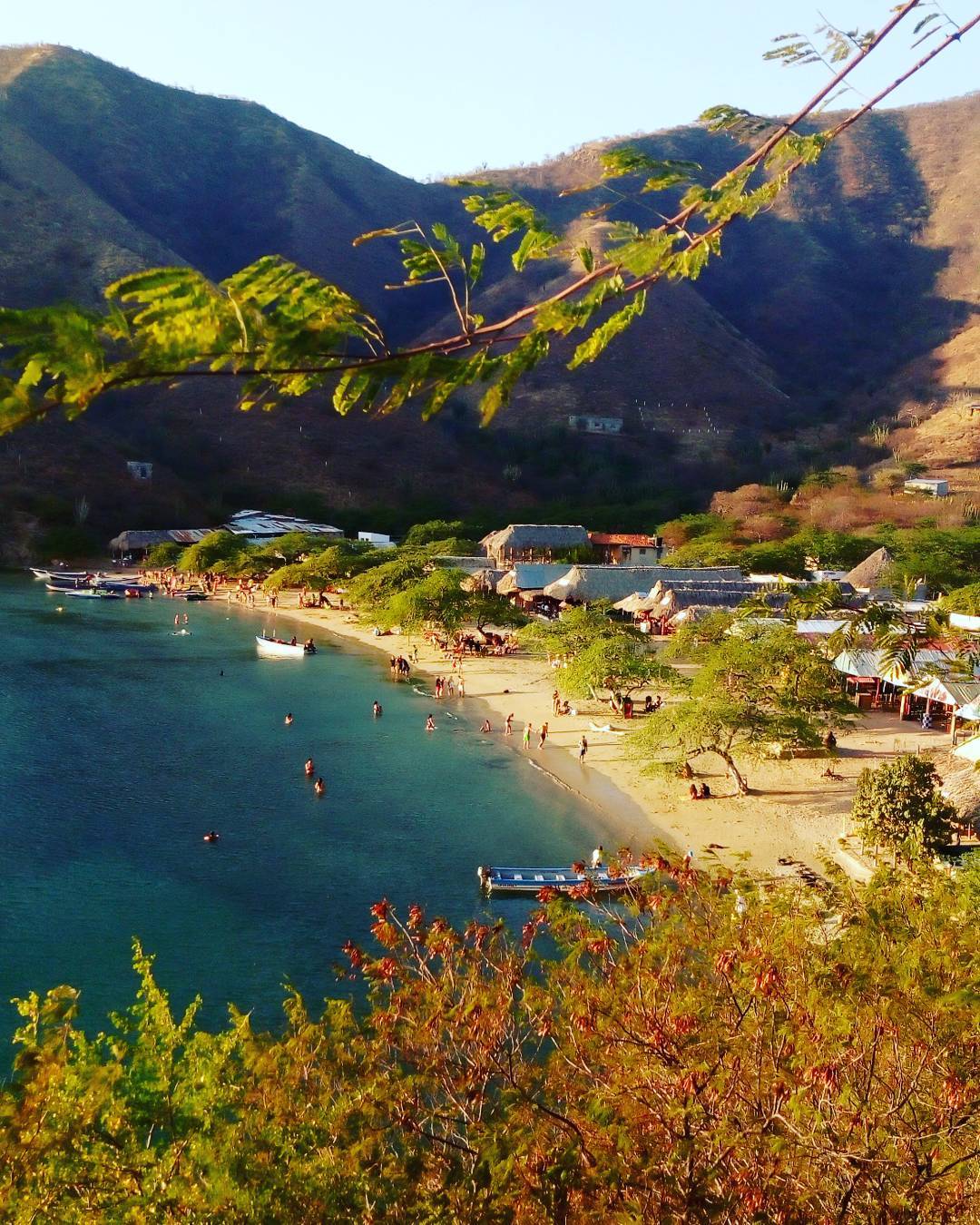
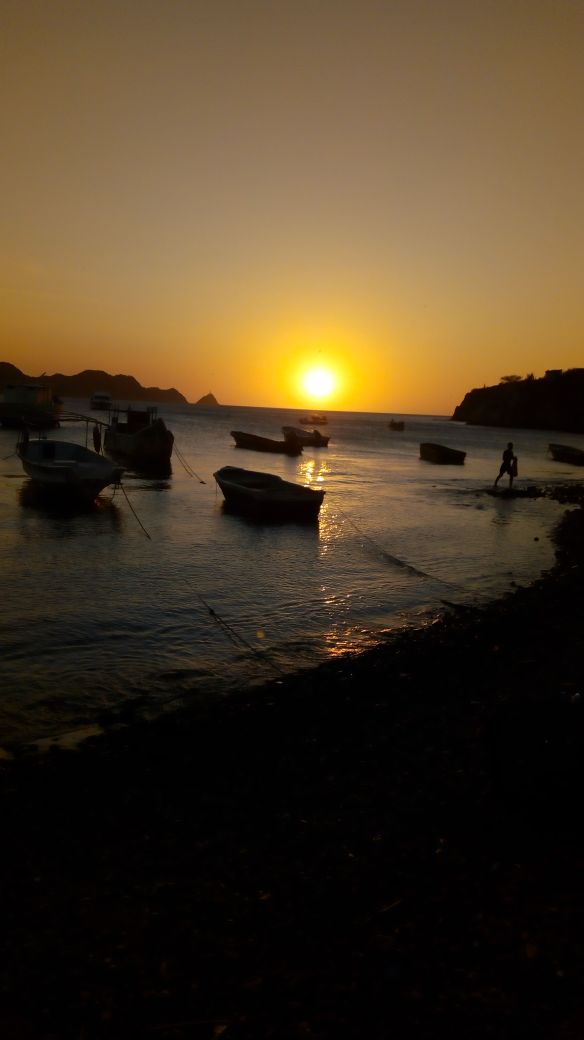
Taganga - A fishing village with a strong backpacker mystique. It is the best spot to catch the sunset and the most budget-friendly starting point to take a boat to Playa Grande, Playa Cristal, or Bahía Concha.
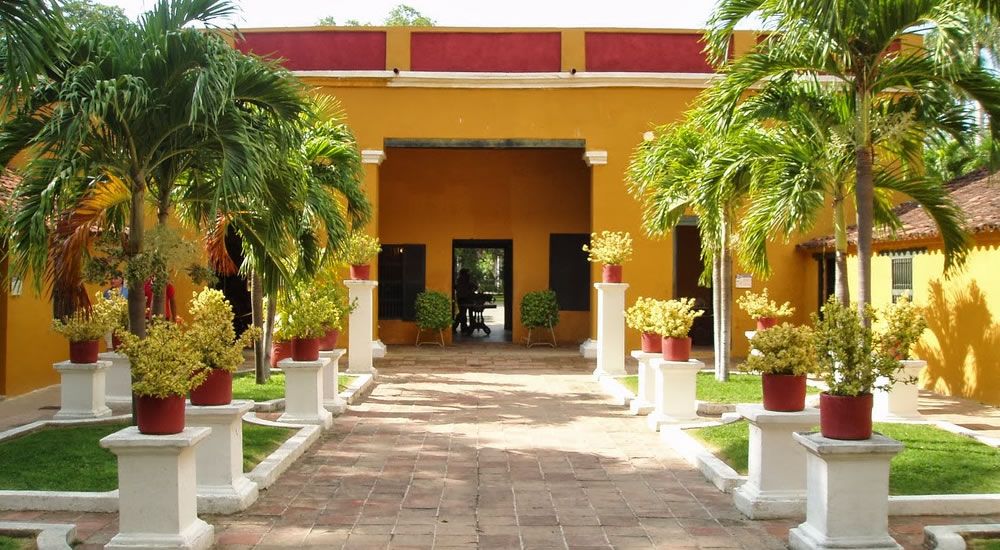
Quinta de San Pedro Alejandrino - The hacienda where Simón Bolívar passed away. It is a beautiful historical estate and botanical garden that provides the necessary context to understand this city's historical weight.
Tayrona National Park: 2026 Guide
As one of the most biodiverse parks in the world, its logistics require planning to fully enjoy the experience.
- How to get there: The main entrance is the El Zaino sector (a 45-minute bus ride from Santa Marta's Public Market). You can also enter through Palangana to reach Playa Cristal, or take a speedboat directly from Taganga to Cabo San Juan.
- Recommended days: Spending 2 days and 1 night is ideal to experience the magic of the park once day-trippers leave. If you are going for just the day, enter as soon as it opens (08:00 AM) since the hike to Cabo San Juan takes nearly 2 hours each way.
- Accommodation: You can sleep in hammocks or tents at Cabo San Juan, or stay in the Ecohabs for a luxury experience. Booking well in advance is mandatory during high season.
- Closure dates: In 2026, the park maintains its scheduled closures in February, June, and October. These periods of silence allow the ecosystem to regenerate.
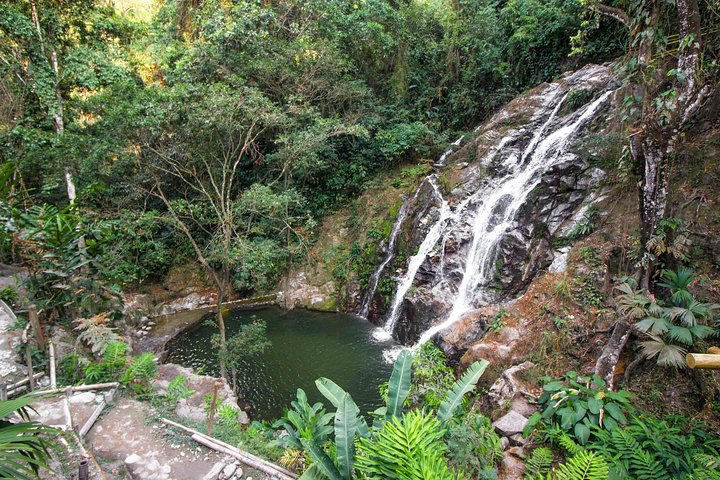
Minca: The Eco-Capital of the Sierra
Heading up to Minca means changing your mindset: you go from tropical heat to fresh mountain air in less than an hour. It is an essential destination to connect with the Sierra Nevada de Santa Marta.
- How to get there: From Santa Marta's Public Market, 4x4 trucks or shared minibuses (colectivos) leave regularly, dropping you in the town center in about 45 minutes. You can also catch a motorcycle taxi if you are looking for an adrenaline rush.
- What to do: Visit the Marinka Waterfalls or Pozo Azul for a dip in cold mountain water. Don't miss Finca Victoria to learn about organic coffee processing, or the Los Pinos viewpoint for an epic view of the ocean stretching past the jungle.
- Top Attraction: Lodgings featuring giant hammocks suspended over the jungle canopy. It is the premier spot for spotting birds and toucans.
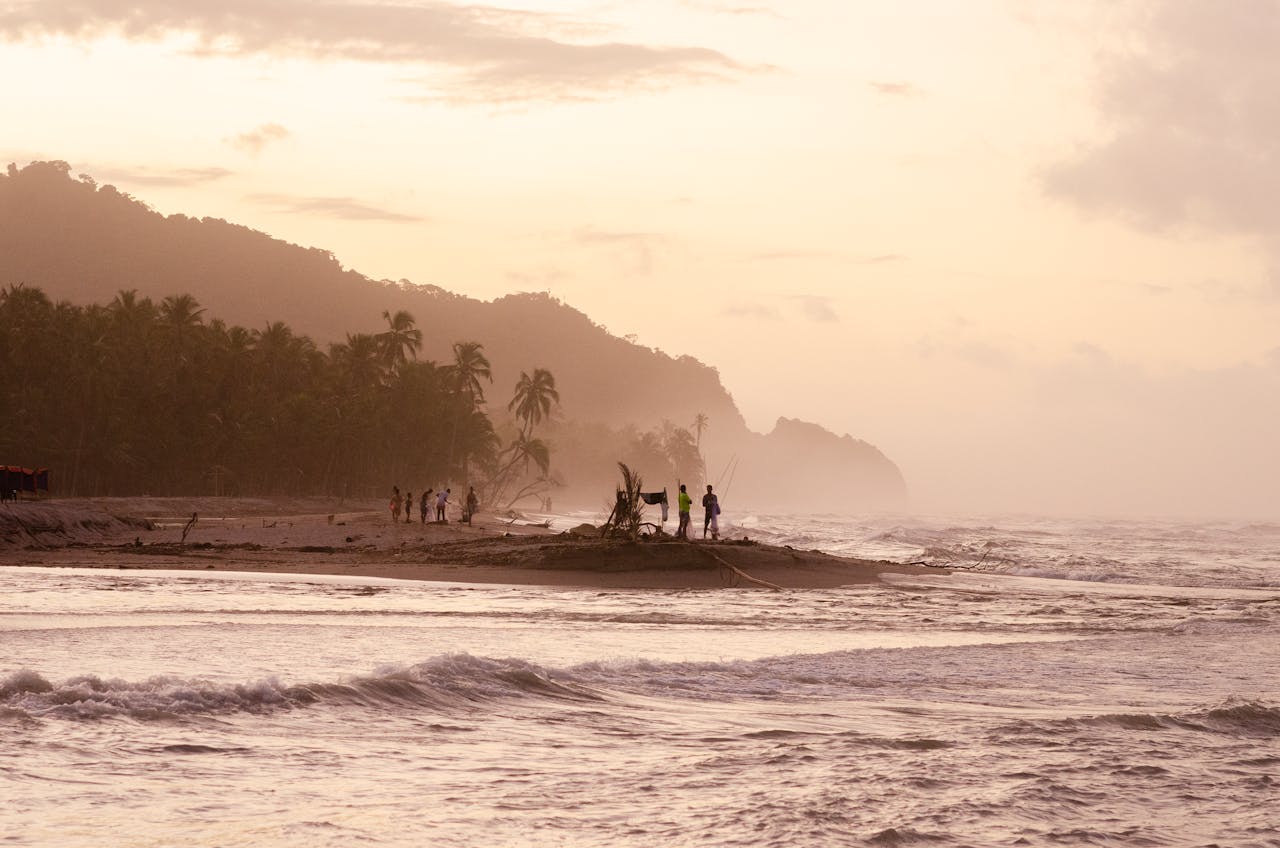
La Guajira: The Desert That Meets the Sea
If you have a few extra days, travel connections can be organized from Santa Marta to the neighboring department—a landscape that looks out of this world.
- Connecting point: Riohacha is the capital city and sits about 3 hours from Santa Marta. From there, expeditions set off toward Cabo de la Vela and Punta Gallinas, the northernmost point of South America.
- What to expect: This is an extreme adventure trip. You will sleep in Wayúu rancherías, see the Taroa dunes cascade directly into the sea, and enjoy incredibly fresh lobster.
- How to go: It is best to book a 3 or 4-day tour in a 4x4 that includes a local guide, as there are no marked roads through the desert.
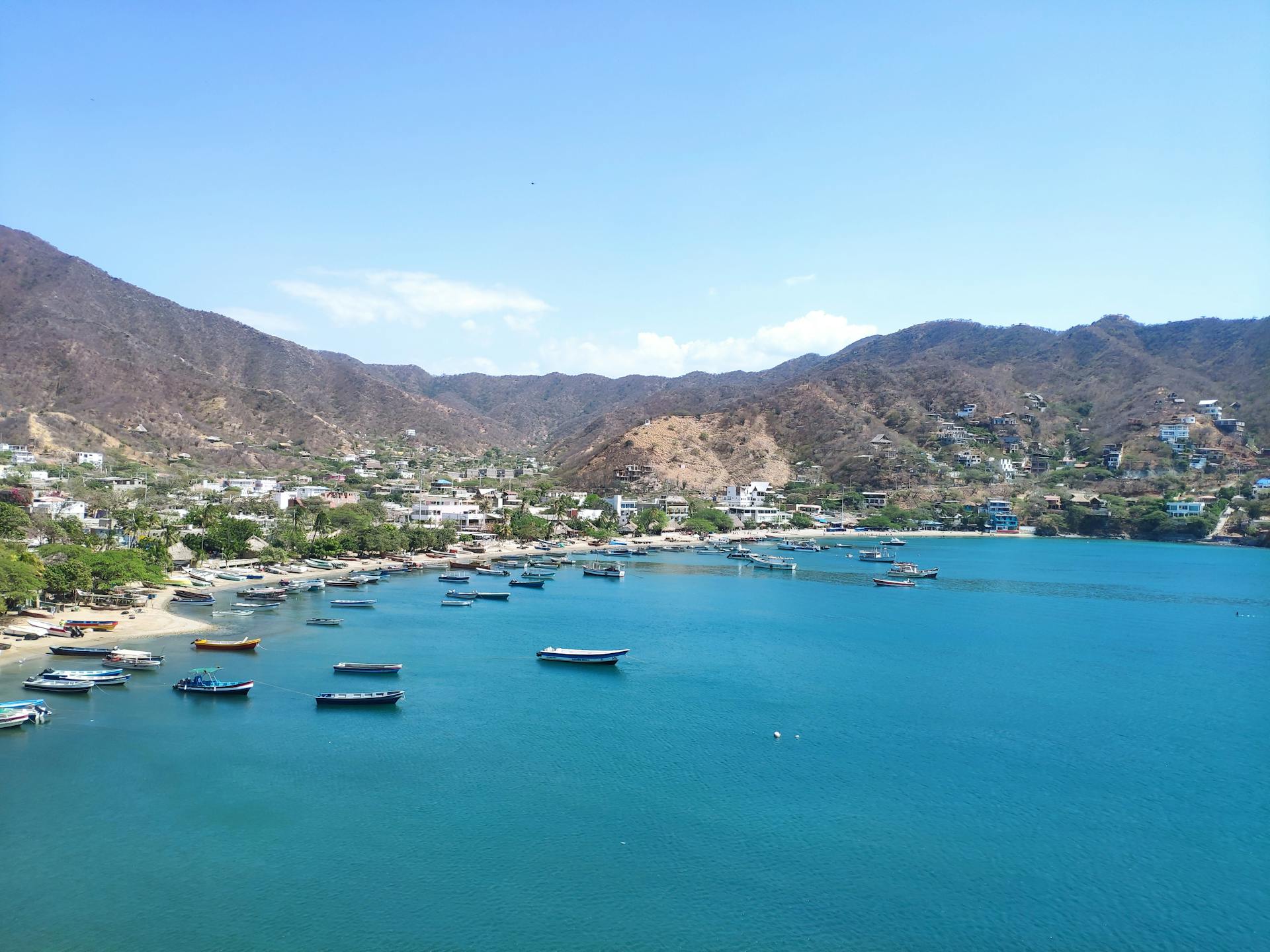
Taganga: A Haven for Fishermen and Divers
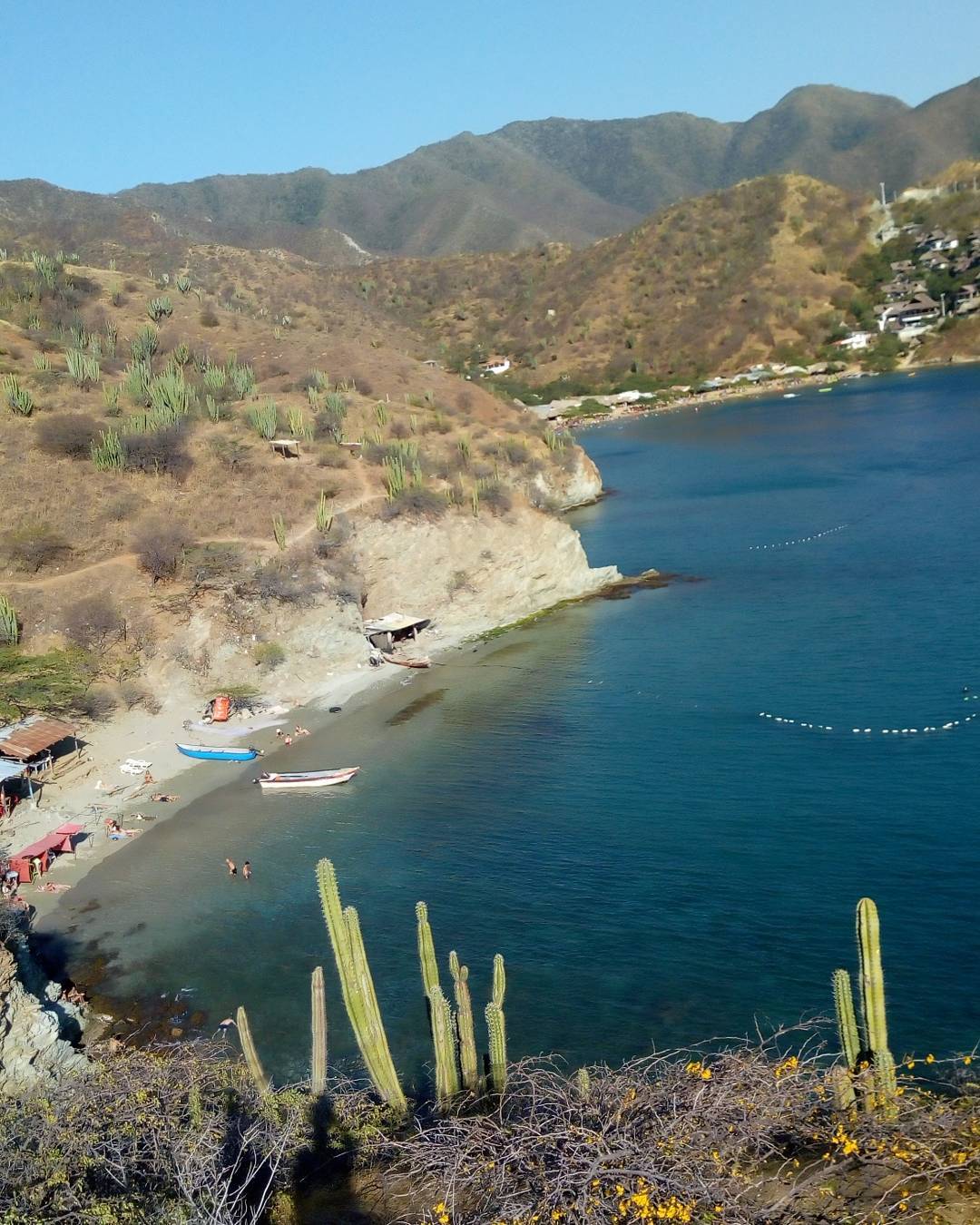
Taganga is a small township that feels frozen in time. Nestled in a deep bay surrounded by arid mountains, it is a favorite hideaway for travelers seeking a bohemian atmosphere.
- How to get there: It is located just 5 kilometers from the city center. You can get there in 15 minutes by taxi or by catching the blue buses marked "Taganga" along Carrera 5ta downtown.
- What to do there: It is the main scuba diving hub in the region. It is also famous for its roadside viewpoint, which offers some of the best sunset views over the Caribbean.
- Beaches: Its main beach serves as the boat port. For swimming, we recommend walking 20 minutes along the trail to Playa Grande, where the water is much cleaner.
Playa Blanca: Paradise Steps Away from El Rodadero
If you want that clear sand and crystal-clear water postcard without trekking for 3 hours through Tayrona, this is your best option.
- What it is: A beach featuring white sand and calm waters located right behind the El Rodadero hill.
- How to get there: The most common way is taking a short boat ride from El Rodadero pier. The trip takes just 10 to 15 minutes.
- Pro Tip: Because it is so accessible, it gets very crowded on weekends. Try to visit early on a weekday instead.
Experiences and Adventure
-
Lost City Trekking - A 4-day expedition through the Sierra Nevada. It's more than a hike; it's an opportunity to learn directly from the Kogui and Wiwa cultures.
-
Caribbean Diving - Taganga is one of the most affordable places worldwide to try a discovery dive or get your PADI certification along nearby coral reefs.
-
El Rodadero Beach - The high-rise and hotel zone. This is the main departure area for boats heading to the Aquarium and Playa Blanca.
What to Eat in Santa Marta
Samarian cuisine brings together flavors from both the sea and the mountains:
-
Cayeye: The traditional breakfast. It consists of mashed green guineo bananas topped with grated costeño cheese and butter.
-
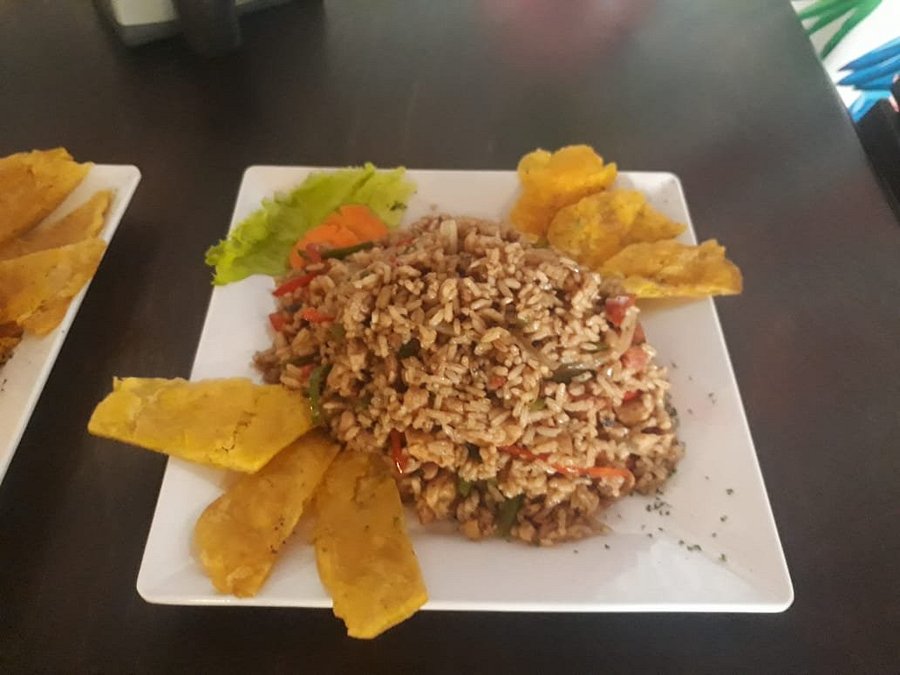
Shrimp Rice (Arroz de Camarón): A staple classic found in restaurants across downtown and Taganga.
-
Fried Fish: Red snapper (pargo) or king mackerel (sierra) served alongside coconut rice and patacones.
-
Corozo Juice: A small, tart red fruit native to the region, perfect for refreshing juices.
Tips and Characteristics
-
Transportation: Taxis do not use meters; always agree on the price before getting in. To head out to Tayrona or Minca, catch frequent buses leaving from the Public Market.
-
Weather: Intense heat (averaging 32°C / 90°F). Stay constantly hydrated.
-
Safety: Downtown and El Rodadero are safe during the day. In Tayrona, avoid hiking along the trails after dark.
-
Travel Requirement: To enter Tayrona Park, carrying and presenting your Yellow Fever vaccination certificate is mandatory.
Our Experience Traveling Through Santa Marta
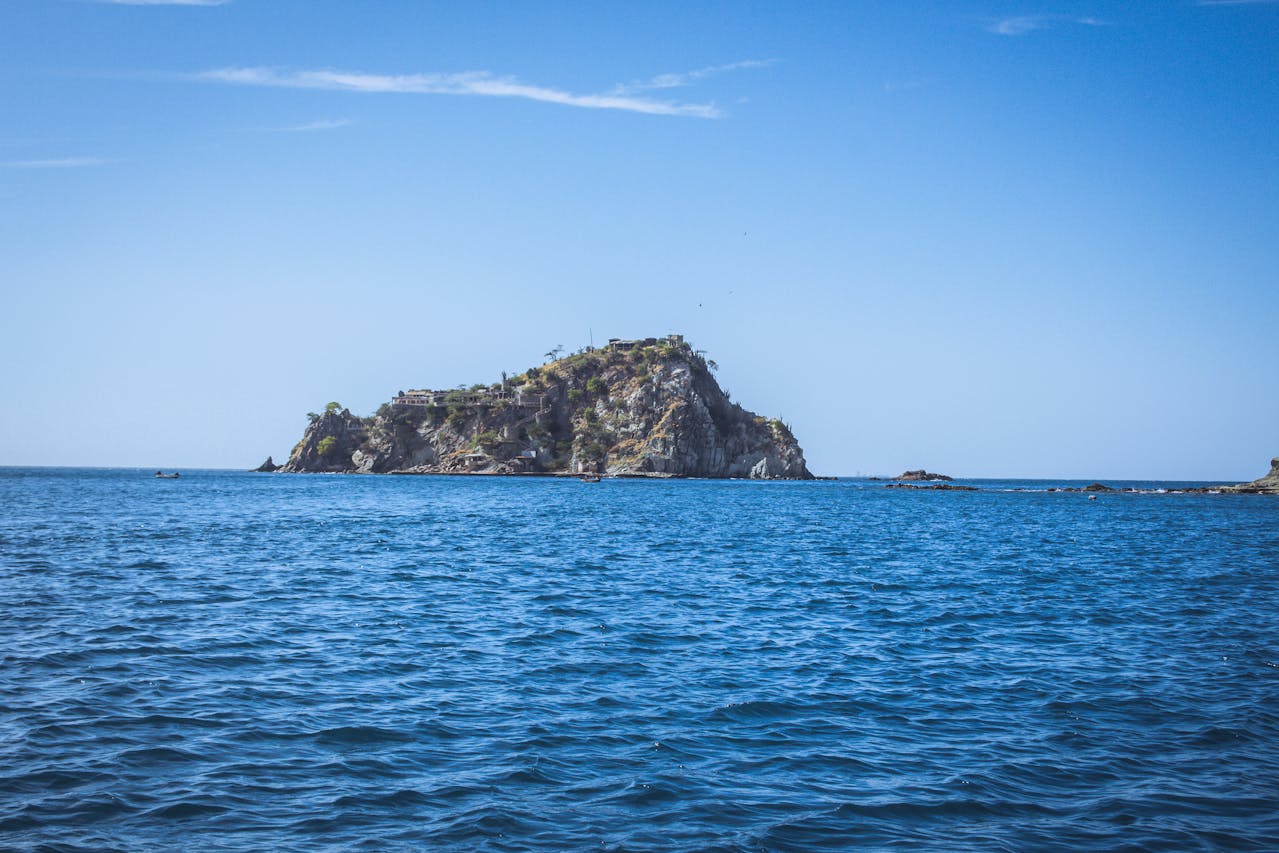
I spent a month in Santa Marta. It is best enjoyed when you treat it as a base camp. Don't look for white sand beaches right in the city center; look for them in Tayrona, Minca, or Playa Blanca. What we loved most was the contrast: you can be melting from the heat on the beach at noon, and by afternoon you'll be cooling off high up in the mountain air.
You Might Also Be Interested In
Historic Center and Parque de los Novios - A compact area packed with nightlife. It is the best spot for dinner and drinks. Colonial architecture blends seamlessly with modern bars and specialty coffee shops.
Tayrona National Natural Park - The absolute number one must-see. Trails winding through jungles lead to iconic beaches like Cabo San Juan or La Piscina. Vital tip: The park closes three times a year for an "environmental breathing period" (agreed upon with indigenous communities). Check the dates on the official National Parks website.
Lost City Trek (Teyuna) - One of the most important archaeological hikes in South America. It is a 4-day expedition crossing rivers, deep jungle, and climbing over 1,200 stone steps built by the Tayronas around the year 800. It is not just a physical challenge, but a guided cultural immersion approved by current indigenous communities (Kogui and Wiwa).
Minca - Just 45 minutes up into the mountains. This coffee-growing town offers cool weather, waterfalls, and fantastic birdwatching. It is ideal for escaping the port's intense heat.
Playa Blanca - If you are looking for a Caribbean postcard setting with clear sand and calm water without Tayrona's long hike, this is your best option. It features local beachfront restaurants to eat lunch and spend the day.
El Rodadero - The most commercial tourist district in the city, packed with apartment buildings, hotels, restaurants, and a wide, busy beach. It is the main hub from which boats set sail to Playa Blanca and the Aquarium.
Aquarium and Sea Museum - Located in the Inca Inca cove, very close to El Rodadero. It is a great spot if you are traveling with family, displaying local marine species such as dolphins, sea turtles, sharks, and Caribbean fish, alongside a museum dedicated to Tayrona culture and maritime navigation.
Taganga - A fishing village with a strong backpacker mystique. It is the best spot to catch the sunset and the most budget-friendly starting point to take a boat to Playa Grande, Playa Cristal, or Bahía Concha.
Quinta de San Pedro Alejandrino - The hacienda where Simón Bolívar passed away. It is a beautiful historical estate and botanical garden that provides the necessary context to understand this city's historical weight.
PUBLICIDAD
Travel with Data: Get your Saily eSIM
- ✓Internet in seconds upon landing
- ✓Flexible plans in 180+ countries
- ✓Easy setup directly via the App
As one of the most biodiverse parks in the world, its logistics require planning to fully enjoy the experience.
- How to get there: The main entrance is the El Zaino sector (a 45-minute bus ride from Santa Marta's Public Market). You can also enter through Palangana to reach Playa Cristal, or take a speedboat directly from Taganga to Cabo San Juan.
- Recommended days: Spending 2 days and 1 night is ideal to experience the magic of the park once day-trippers leave. If you are going for just the day, enter as soon as it opens (08:00 AM) since the hike to Cabo San Juan takes nearly 2 hours each way.
- Accommodation: You can sleep in hammocks or tents at Cabo San Juan, or stay in the Ecohabs for a luxury experience. Booking well in advance is mandatory during high season.
- Closure dates: In 2026, the park maintains its scheduled closures in February, June, and October. These periods of silence allow the ecosystem to regenerate.
Heading up to Minca means changing your mindset: you go from tropical heat to fresh mountain air in less than an hour. It is an essential destination to connect with the Sierra Nevada de Santa Marta.
- How to get there: From Santa Marta's Public Market, 4x4 trucks or shared minibuses (colectivos) leave regularly, dropping you in the town center in about 45 minutes. You can also catch a motorcycle taxi if you are looking for an adrenaline rush.
- What to do: Visit the Marinka Waterfalls or Pozo Azul for a dip in cold mountain water. Don't miss Finca Victoria to learn about organic coffee processing, or the Los Pinos viewpoint for an epic view of the ocean stretching past the jungle.
- Top Attraction: Lodgings featuring giant hammocks suspended over the jungle canopy. It is the premier spot for spotting birds and toucans.
If you have a few extra days, travel connections can be organized from Santa Marta to the neighboring department—a landscape that looks out of this world.
- Connecting point: Riohacha is the capital city and sits about 3 hours from Santa Marta. From there, expeditions set off toward Cabo de la Vela and Punta Gallinas, the northernmost point of South America.
- What to expect: This is an extreme adventure trip. You will sleep in Wayúu rancherías, see the Taroa dunes cascade directly into the sea, and enjoy incredibly fresh lobster.
- How to go: It is best to book a 3 or 4-day tour in a 4x4 that includes a local guide, as there are no marked roads through the desert.
Taganga is a small township that feels frozen in time. Nestled in a deep bay surrounded by arid mountains, it is a favorite hideaway for travelers seeking a bohemian atmosphere.
- How to get there: It is located just 5 kilometers from the city center. You can get there in 15 minutes by taxi or by catching the blue buses marked "Taganga" along Carrera 5ta downtown.
- What to do there: It is the main scuba diving hub in the region. It is also famous for its roadside viewpoint, which offers some of the best sunset views over the Caribbean.
- Beaches: Its main beach serves as the boat port. For swimming, we recommend walking 20 minutes along the trail to Playa Grande, where the water is much cleaner.
If you want that clear sand and crystal-clear water postcard without trekking for 3 hours through Tayrona, this is your best option.
- What it is: A beach featuring white sand and calm waters located right behind the El Rodadero hill.
- How to get there: The most common way is taking a short boat ride from El Rodadero pier. The trip takes just 10 to 15 minutes.
- Pro Tip: Because it is so accessible, it gets very crowded on weekends. Try to visit early on a weekday instead.
-
Lost City Trekking - A 4-day expedition through the Sierra Nevada. It's more than a hike; it's an opportunity to learn directly from the Kogui and Wiwa cultures.
-
Caribbean Diving - Taganga is one of the most affordable places worldwide to try a discovery dive or get your PADI certification along nearby coral reefs.
-
El Rodadero Beach - The high-rise and hotel zone. This is the main departure area for boats heading to the Aquarium and Playa Blanca.
Samarian cuisine brings together flavors from both the sea and the mountains:
-
Cayeye: The traditional breakfast. It consists of mashed green guineo bananas topped with grated costeño cheese and butter.
-
Shrimp Rice (Arroz de Camarón): A staple classic found in restaurants across downtown and Taganga.
-
Fried Fish: Red snapper (pargo) or king mackerel (sierra) served alongside coconut rice and patacones.
-
Corozo Juice: A small, tart red fruit native to the region, perfect for refreshing juices.
-
Transportation: Taxis do not use meters; always agree on the price before getting in. To head out to Tayrona or Minca, catch frequent buses leaving from the Public Market.
-
Weather: Intense heat (averaging 32°C / 90°F). Stay constantly hydrated.
-
Safety: Downtown and El Rodadero are safe during the day. In Tayrona, avoid hiking along the trails after dark.
-
Travel Requirement: To enter Tayrona Park, carrying and presenting your Yellow Fever vaccination certificate is mandatory.
I spent a month in Santa Marta. It is best enjoyed when you treat it as a base camp. Don't look for white sand beaches right in the city center; look for them in Tayrona, Minca, or Playa Blanca. What we loved most was the contrast: you can be melting from the heat on the beach at noon, and by afternoon you'll be cooling off high up in the mountain air.
Galery
PUBLICIDAD
International Travel Insurance
- ✓International medical insurance
- ✓24/7 immediate assistance in your language
- ✓Ideal for trekking & adventure
Posts in Colombia
Preferences
Language
Color
Text
Width