Table of contents and map
Medellín 2026: 8 Must-See Attractions, Paisa Culture, and Essential Neighborhoods
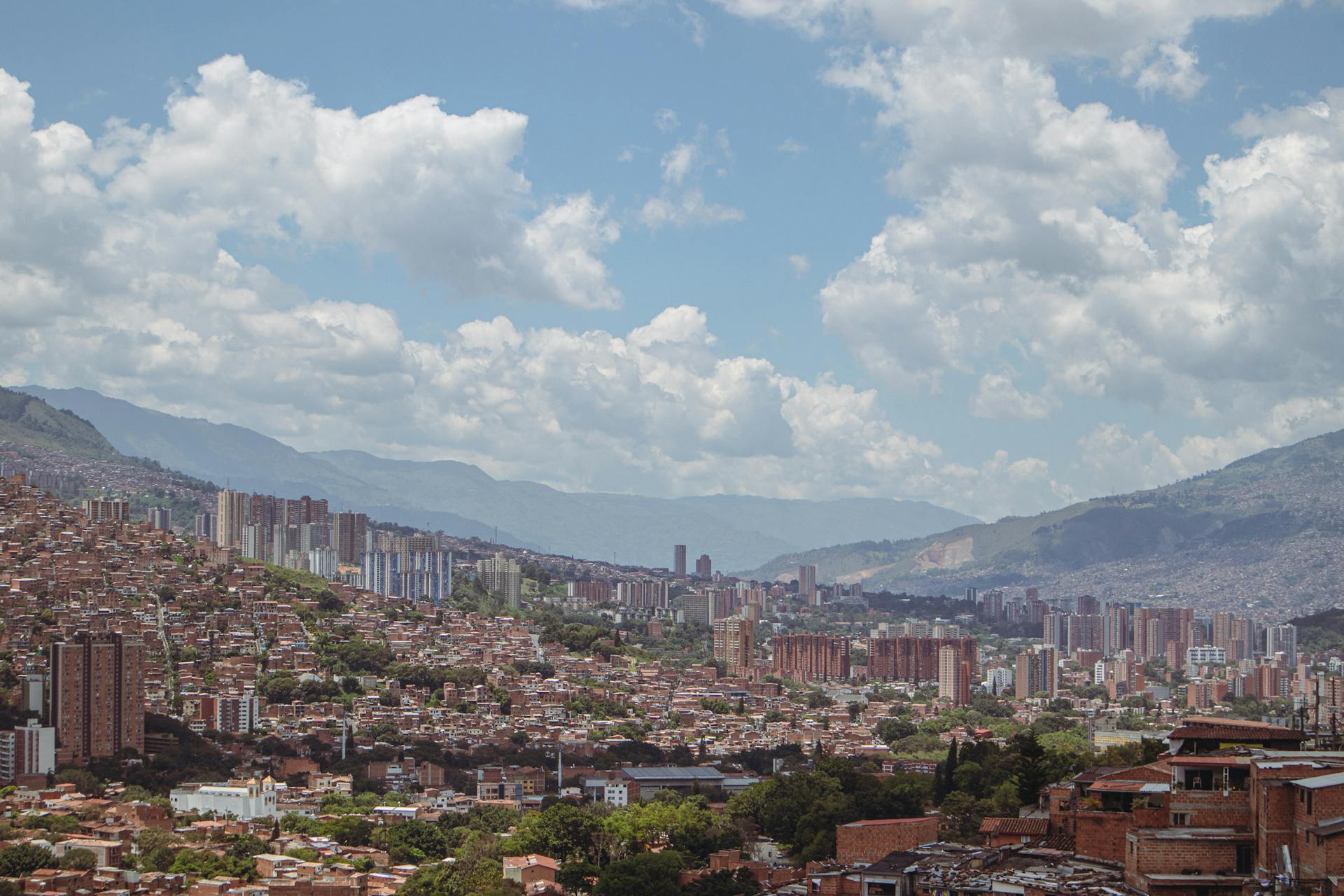
Medellín is the city of eternal spring, a valley surrounded by mountains that managed to reinvent itself to become a global benchmark for innovation. It is the place where Botero's art, the rhythm of reggaeton in Provenza, and the warmth of Paisa culture blend into a vibrant energy that catches you from day one.
Medellín 2026: 8 Must-See Attractions, Paisa Culture, and Essential Neighborhoods
Medellín is the city of eternal spring, a valley surrounded by mountains that managed to reinvent itself to become a global benchmark for innovation. It is the place where Botero's art, the rhythm of reggaeton in Provenza, and the warmth of Paisa culture blend into a vibrant energy that catches you from day one.
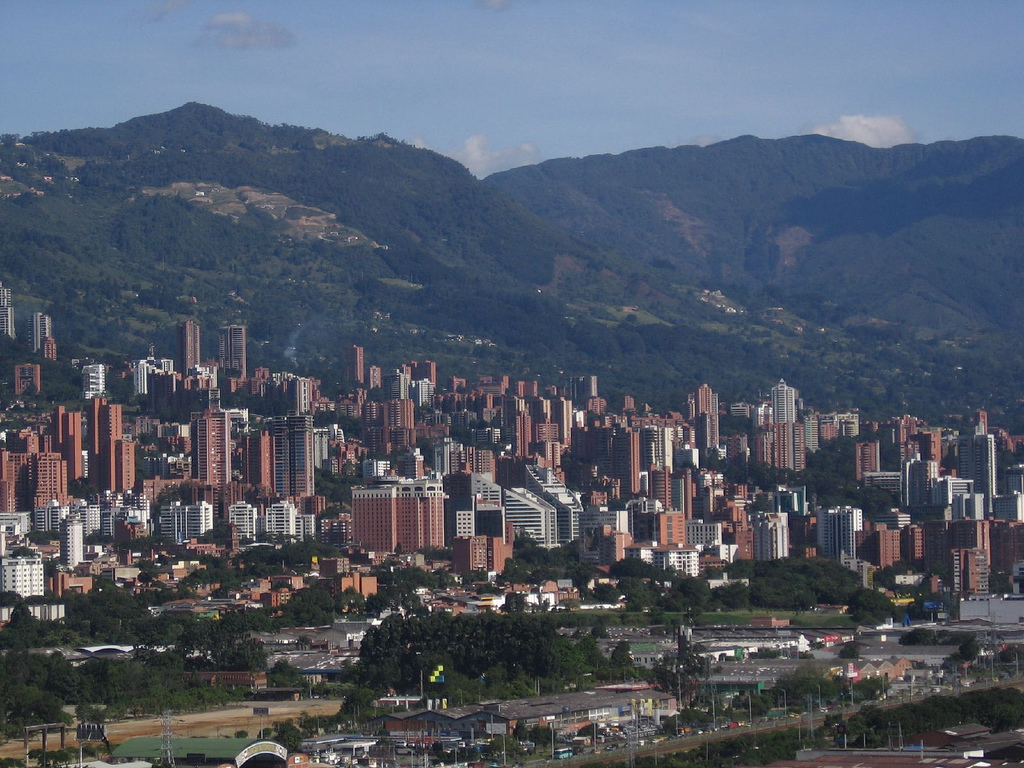
I spent a month in this wonderful city full of culture, living it like a local, and I can say that exploring Medellín is understanding how a city can reinvent itself. Beyond its tourist attractions, the most interesting part lies in its neighborhoods, its people, and the way public space became the main character. It is a city that feels modern but keeps its rural roots around every corner.
8 Attractions to See in Medellín
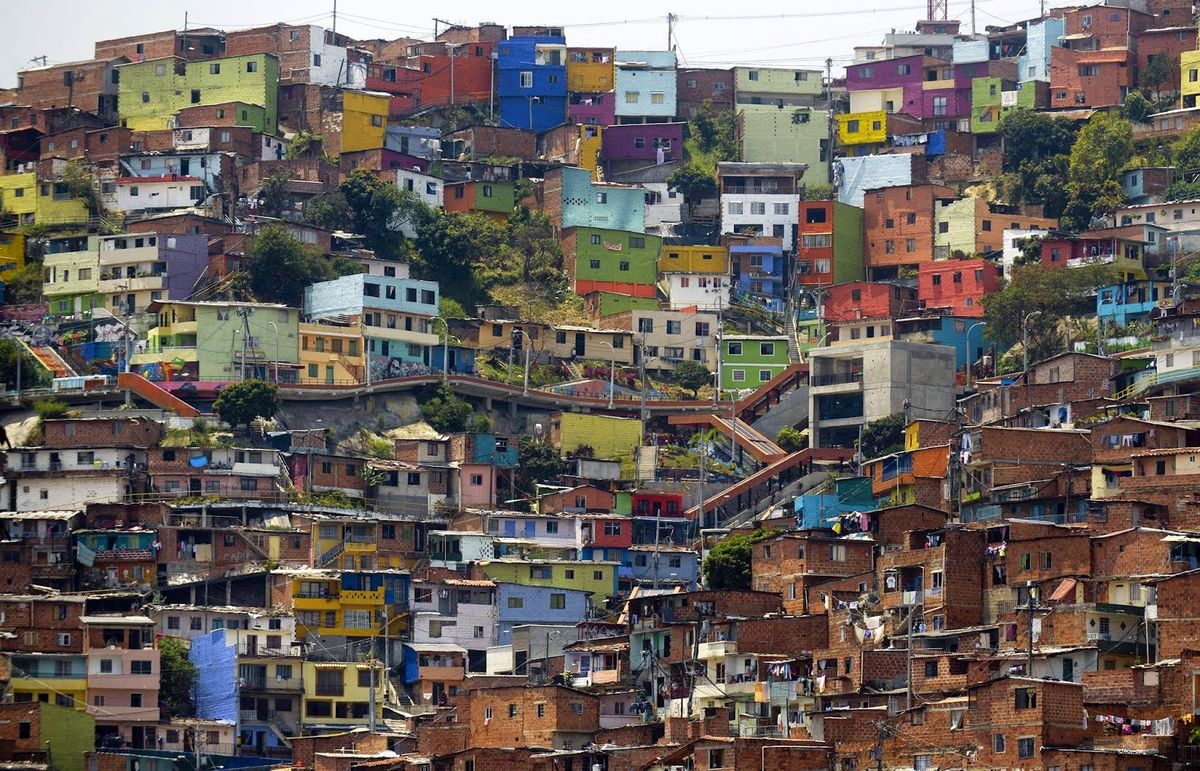
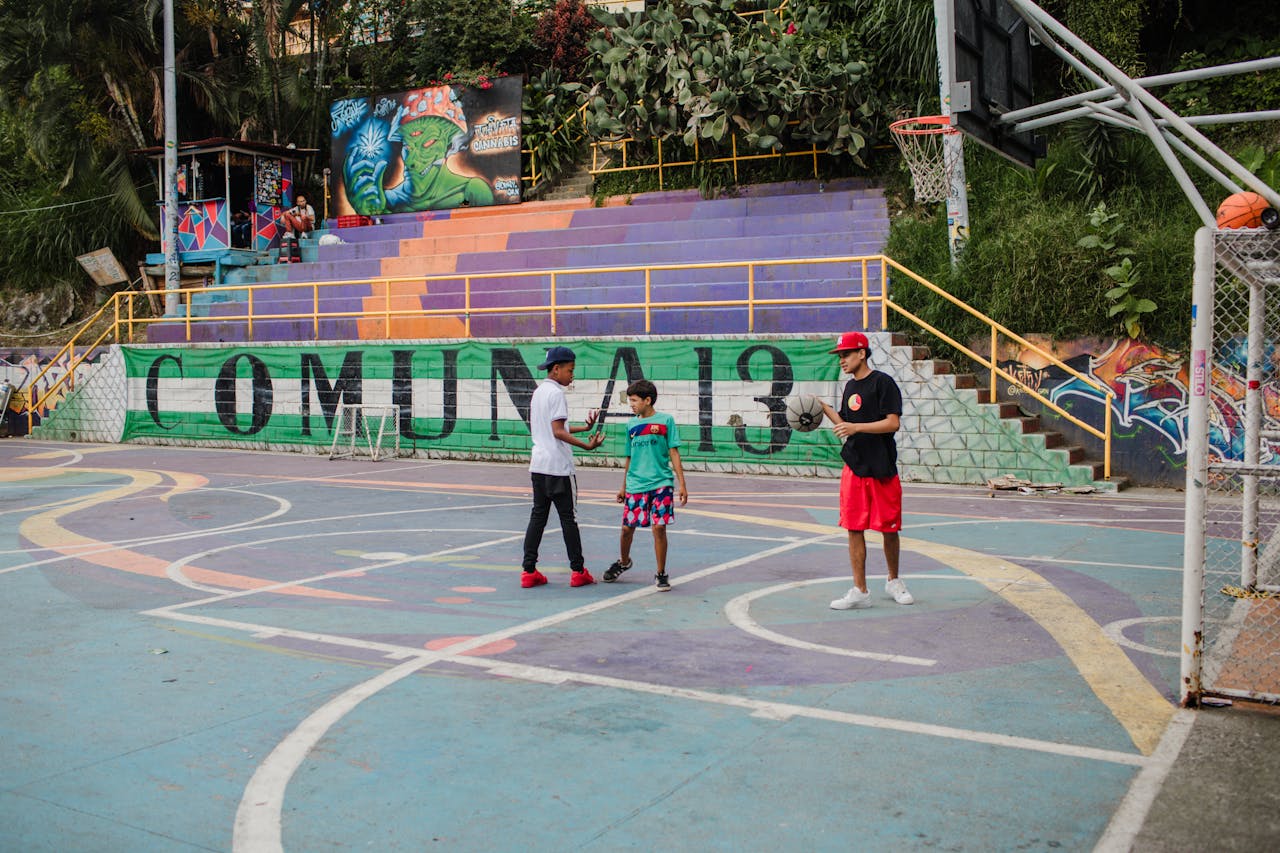
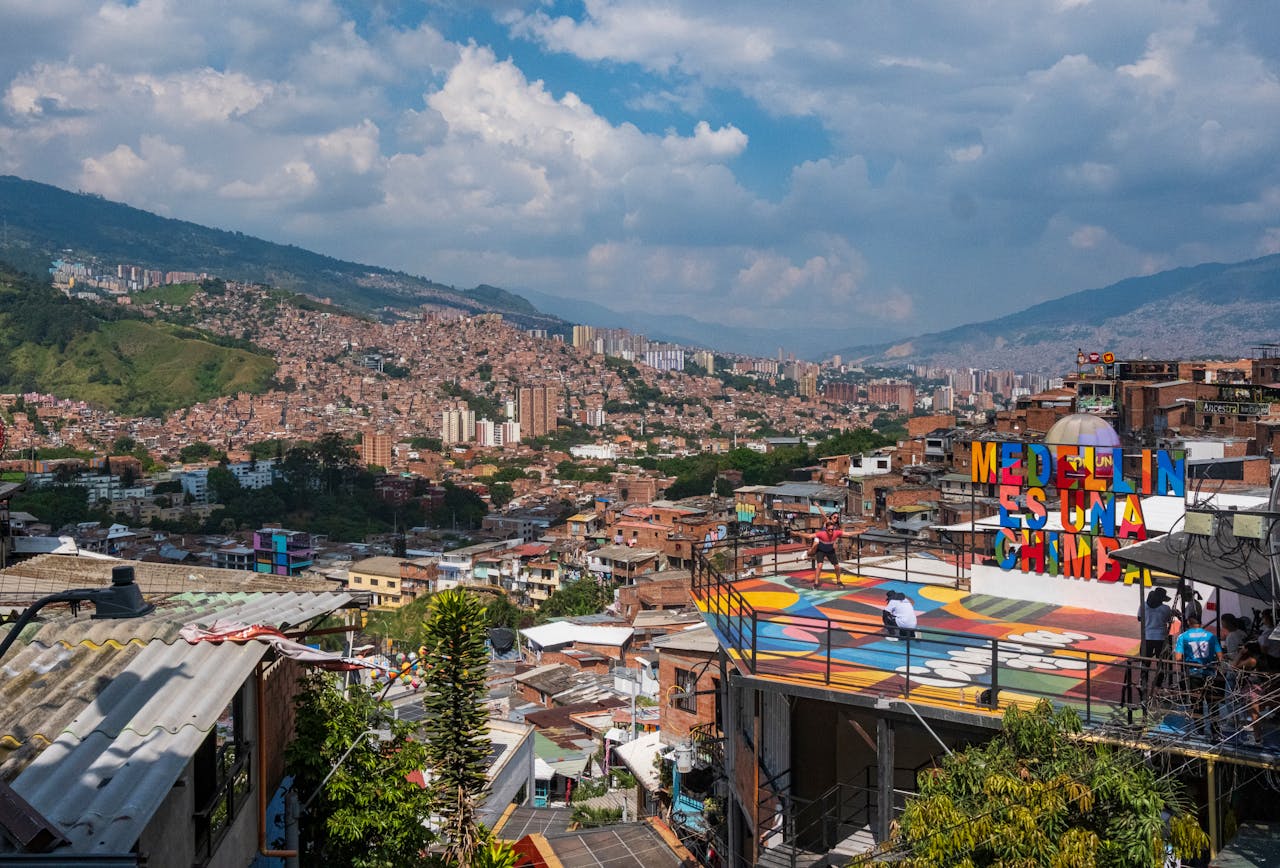
Comuna 13 (San Javier) - A global symbol of social transformation. Walking through its open-air escalators while looking at graffiti that tells stories of resilience is a must. Don't miss the breakdance shows and try the famous mango biche popsicles with salt.
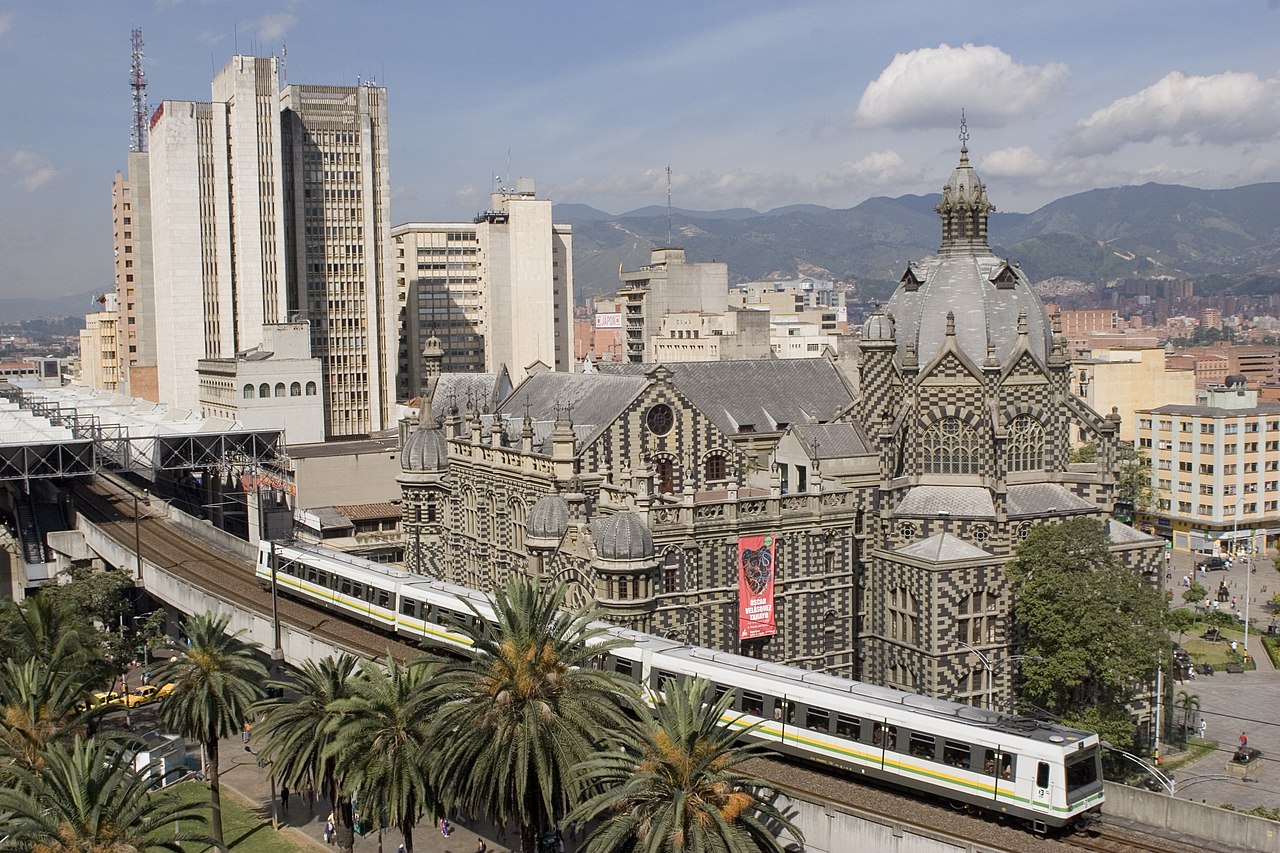
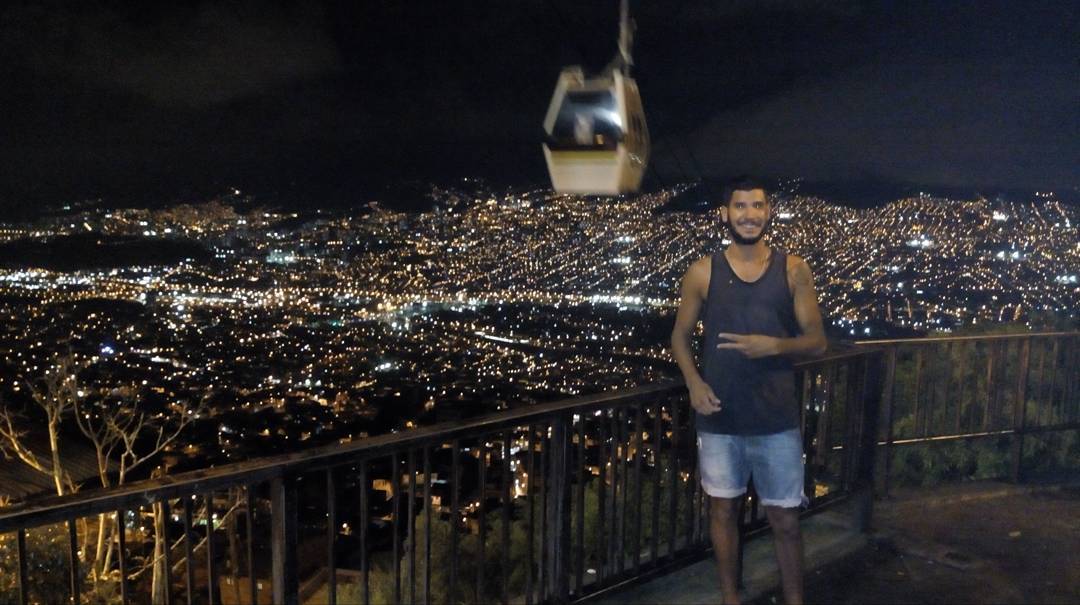
Metro and Metrocable System - It is the pride of the locals. Using the Medellín Metro is not just transport, it is a unique urban experience. The line that goes up to Parque Arví takes you out of the city and into a cloud forest in minutes.
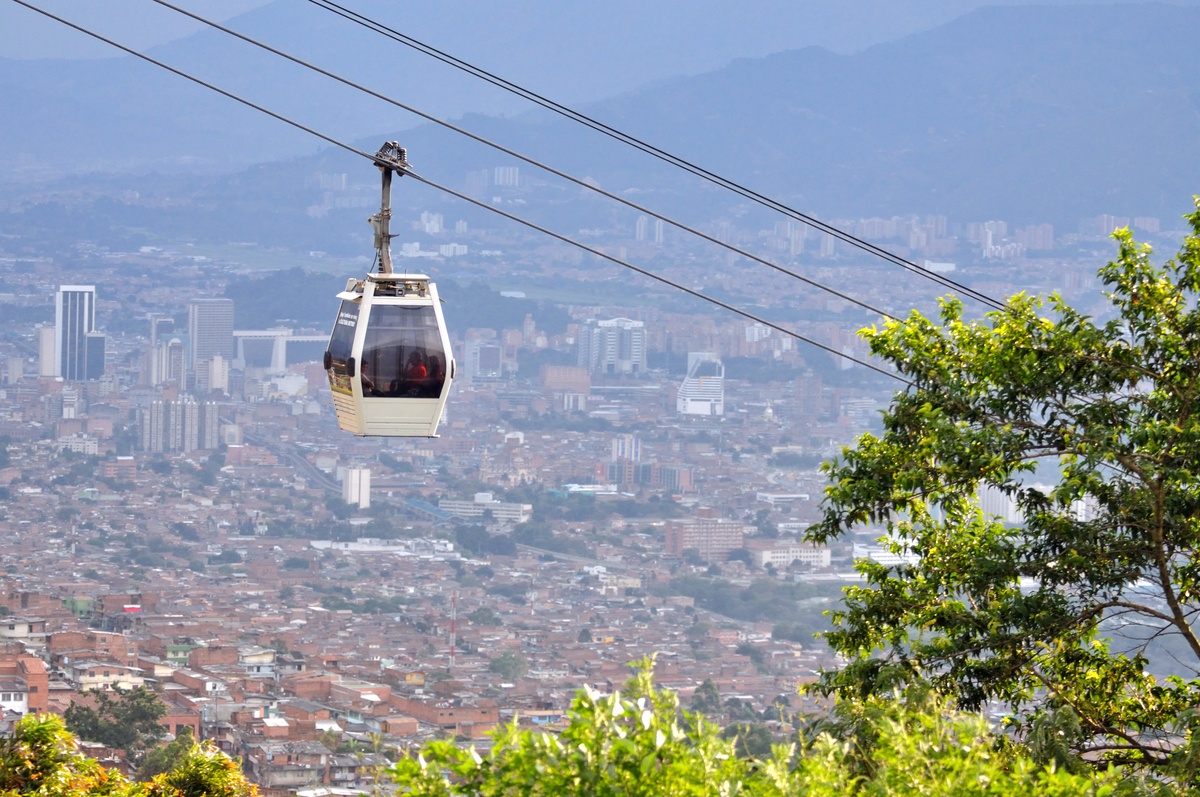
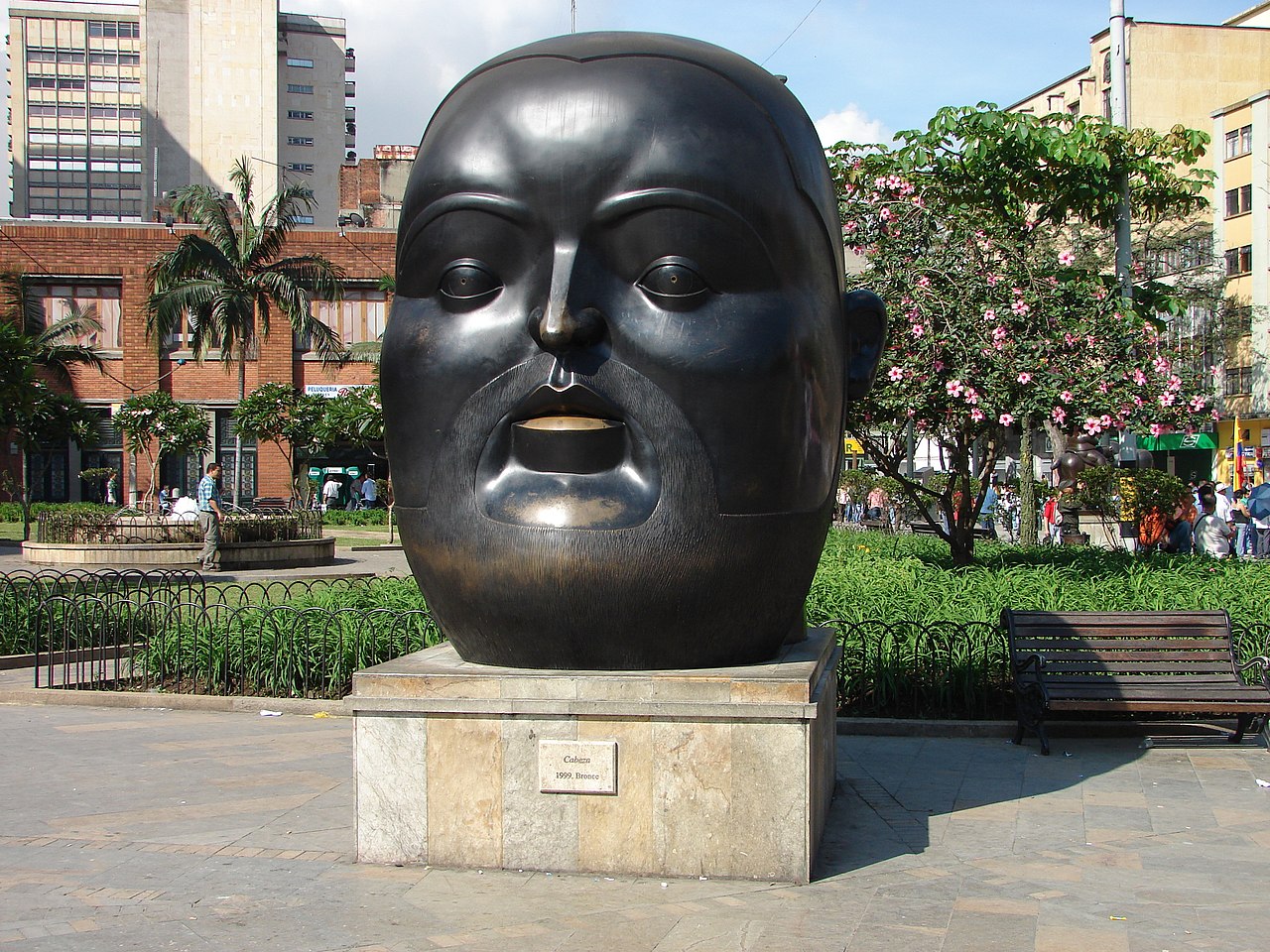
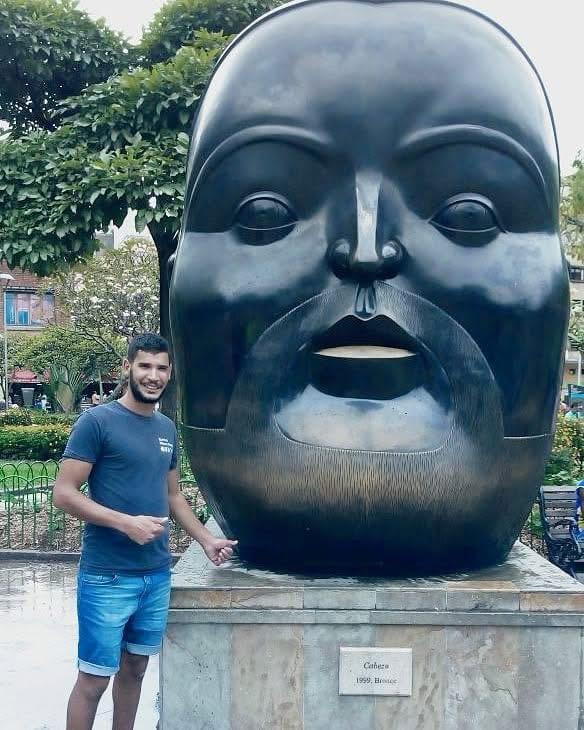
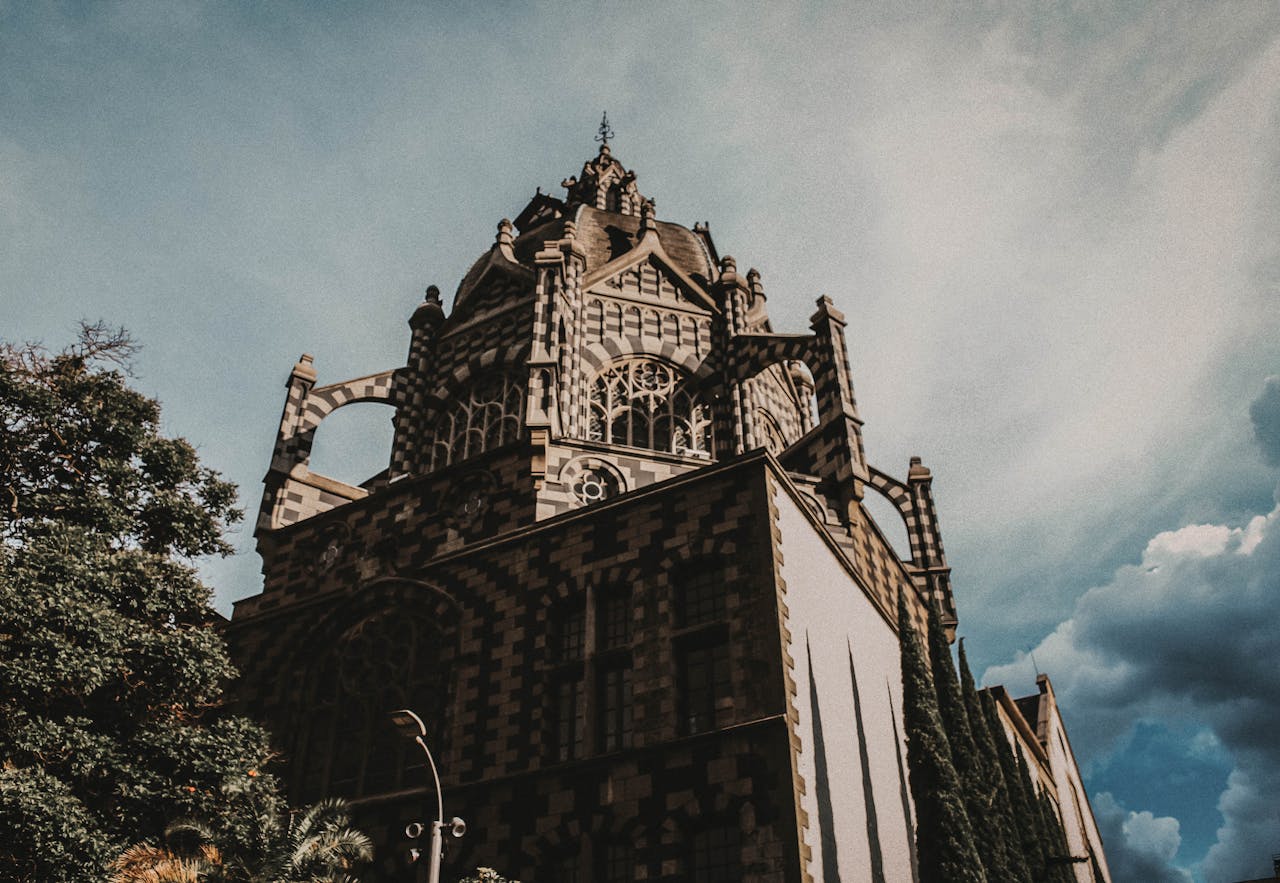
Plaza Botero and Museum of Antioquia - An open-air museum with 23 monumental sculptures by Fernando Botero. It is the heart of the historic center and the perfect place to understand "volume" in Colombian art.
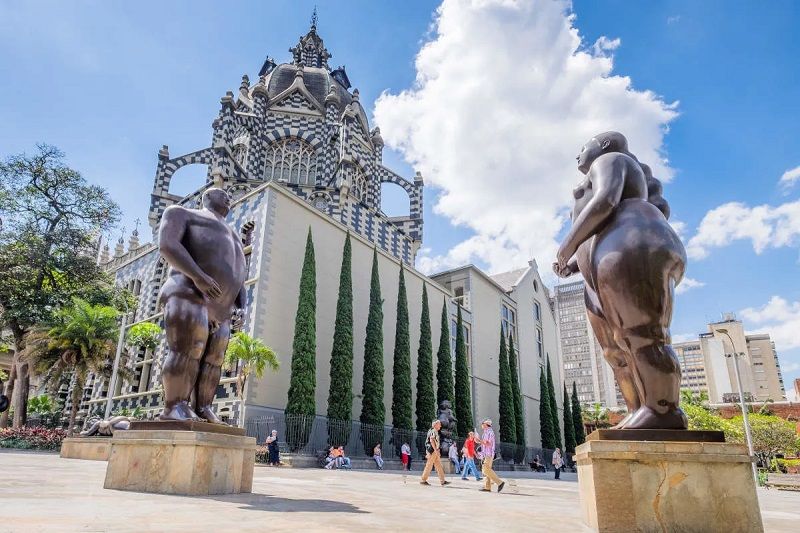
Botanical Garden and Orquideorama - A 13-hectare oasis with free admission. Its wooden structure inspired by honeycombs (Orquideorama) is an architectural gem. Ideal for spotting free-roaming iguanas and exotic flowers.
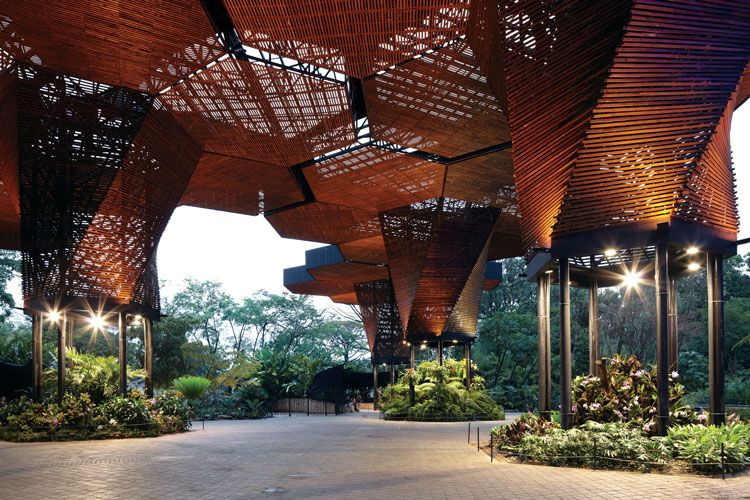
Pueblito Paisa - Located at the top of Cerro Nutibara, it is a replica of a traditional Antioquian village. It offers a 360-degree view of the entire Aburrá Valley, ideal for sunset.
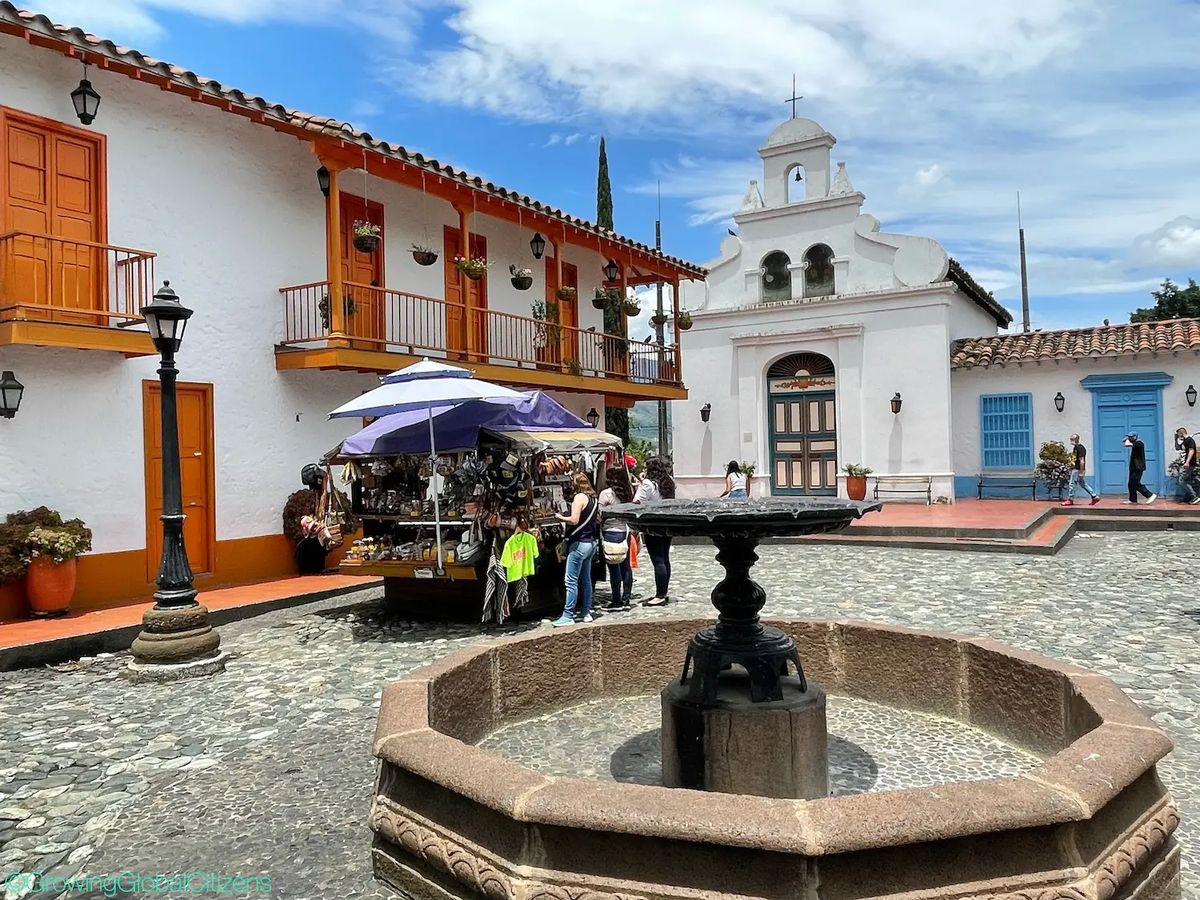
Provenza and El Poblado - The epicenter of nightlife and design. Provenza Street (famous for Karol G's song) is pedestrian-only, full of greenery, lights, and the best bars and rooftops in the city.
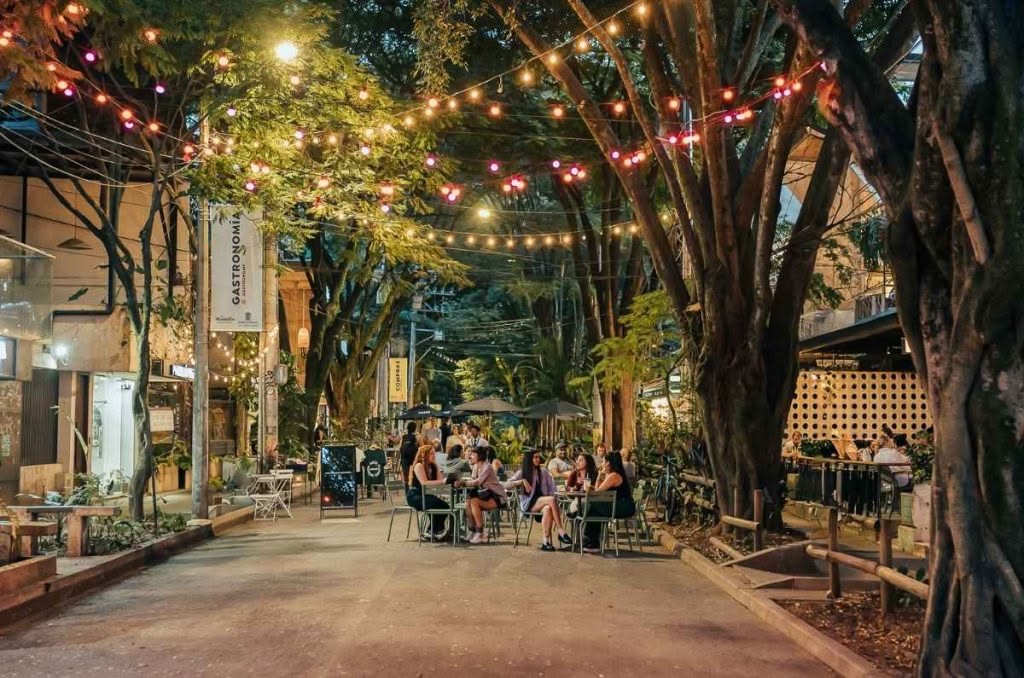
Laureles and its Local Rhythm - Voted as one of the coolest neighborhoods in the world. It is flatter, more tree-lined, and residential than El Poblado. Perfect for experiencing everyday life in Medellín, with specialty coffee shops like Rituales or Pergamino.
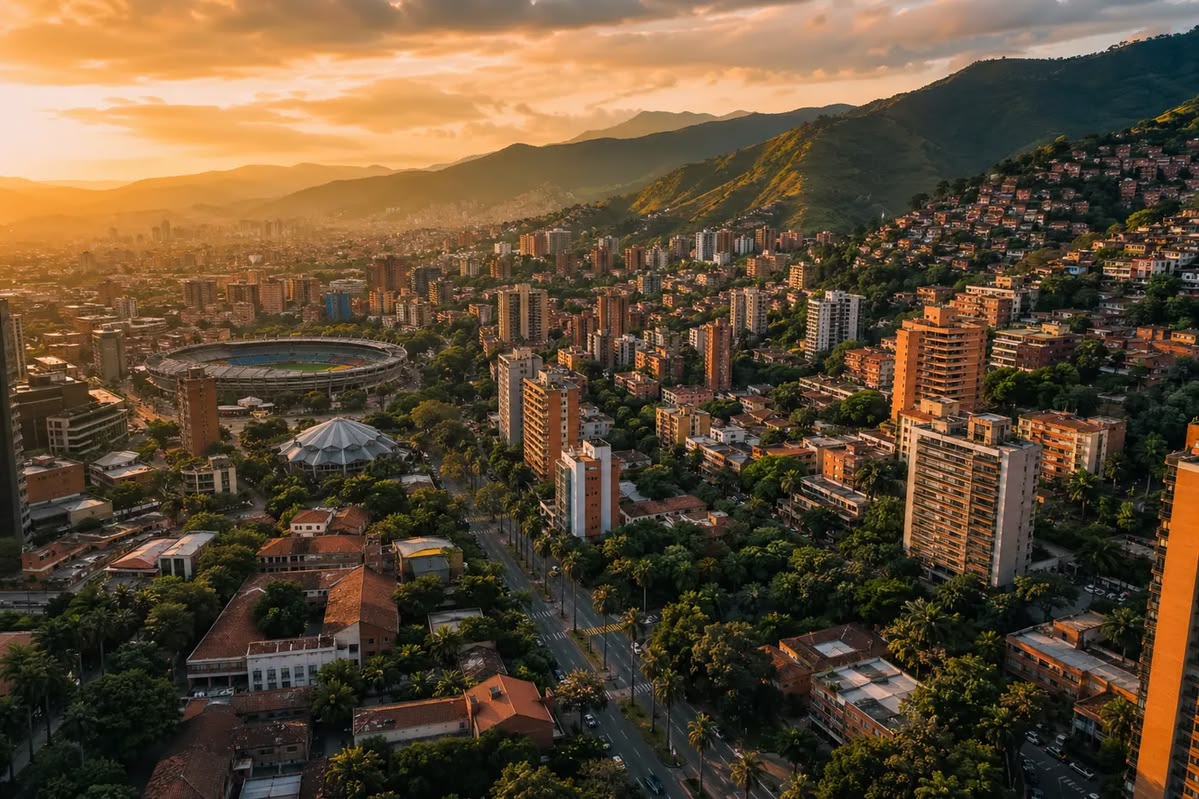
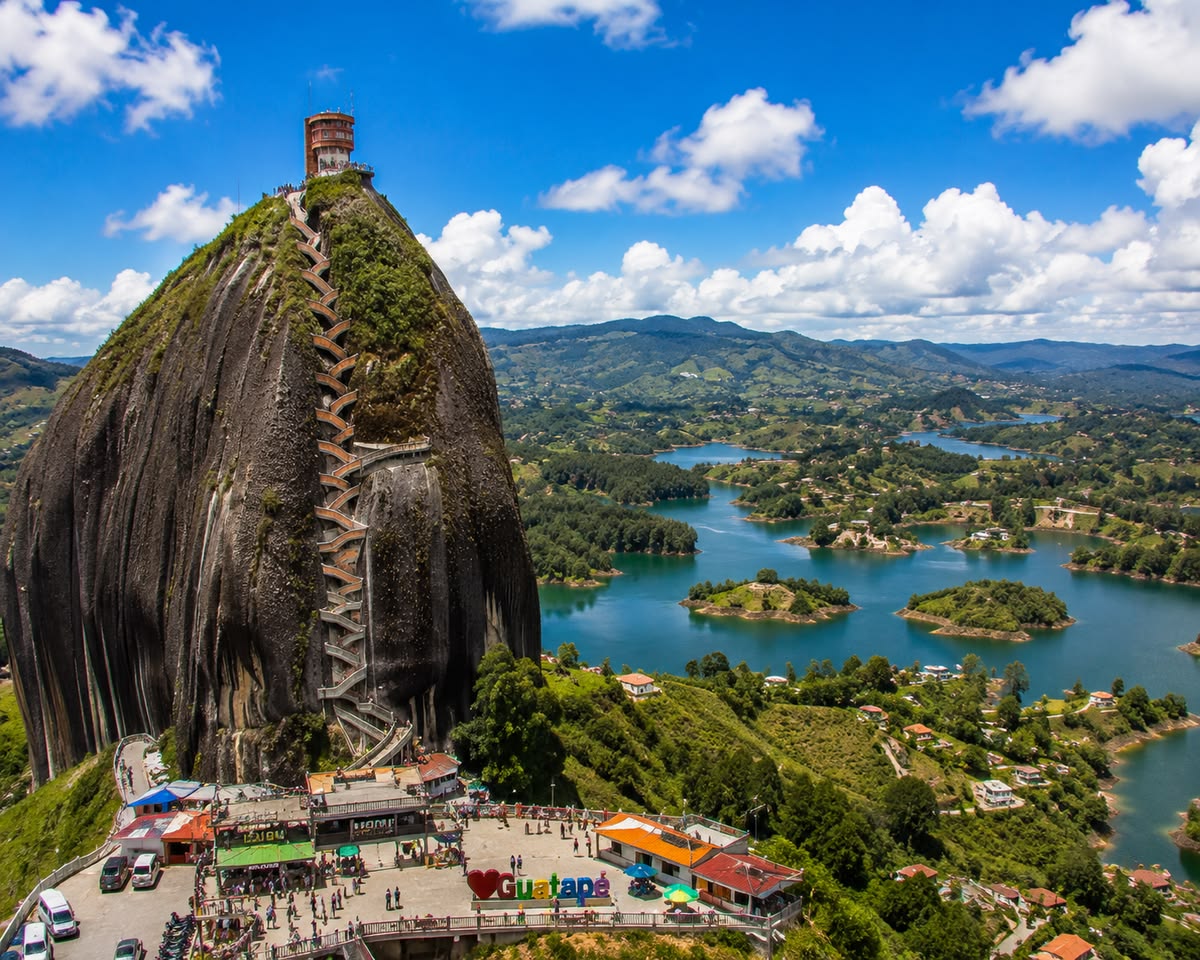
Day Trip to Guatapé - About two hours from the city. Climbing the 740 steps of the Piedra del Peñol and exploring the colorful town of baseboards (zócalos) is the most popular trip from Medellín.
What to Eat in Medellín
Paisa gastronomy is hearty, flavorful, and designed to give you energy:
-
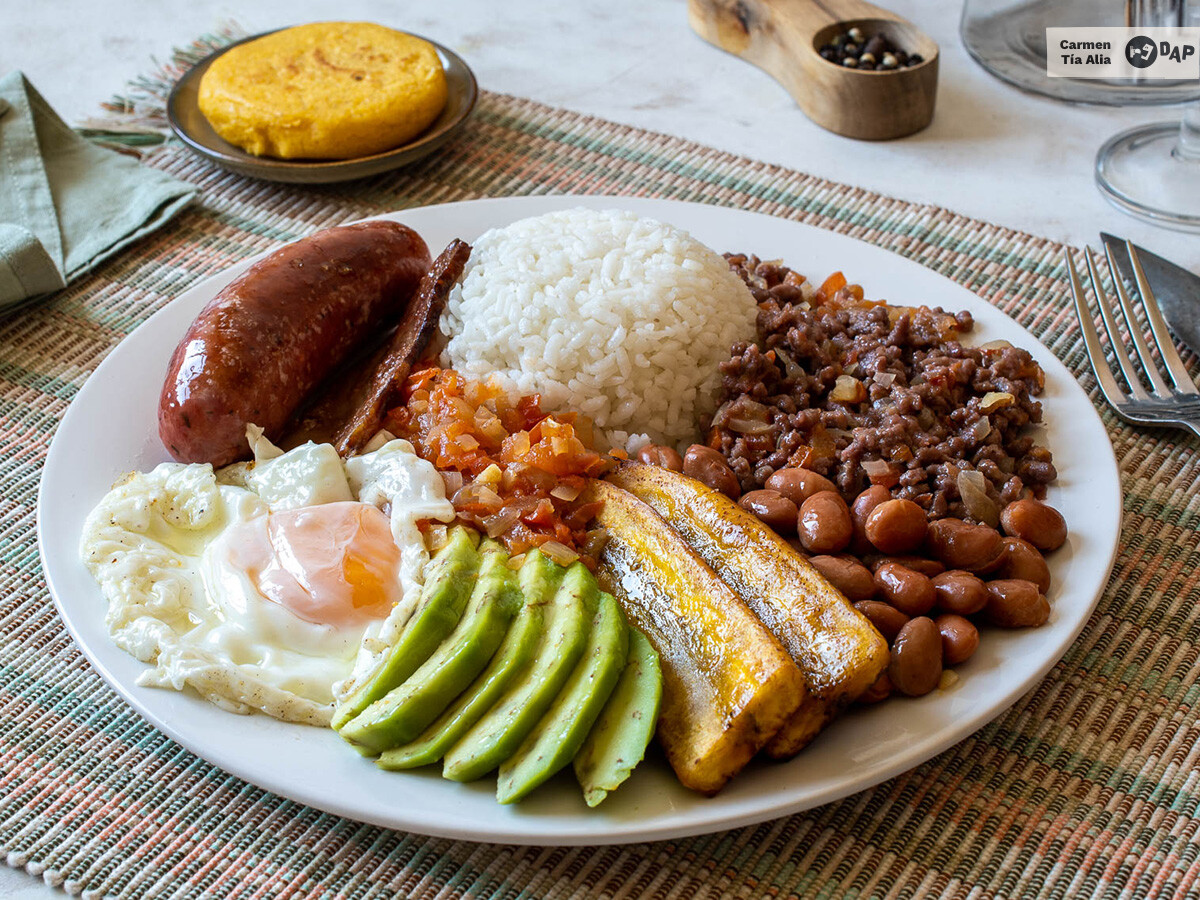
Bandeja Paisa: The national dish. It includes beans, rice, crispy chicharrón, ground meat, a fried egg, sweet plantain slice, chorizo, morcilla (blood sausage), avocado, and an arepa.
-
Arepas: Present at every meal, especially the white corn one topped with quesito (local fresh cheese).
-
Empanadas: Small, deep-fried corn pastries filled with meat and potatoes, always served with plenty of homemade ají (hot sauce).
-
Specialty Coffee: Medellín is now the coffee capital for experts. Look for shops that work directly with farms in Antioquia to taste fruity notes.
-
Natural Juices: Take advantage of the variety of tropical fruits like lulo, guanábana (soursop), or maracuyá (passion fruit).
How to Get Around in Medellín
The transport system is the pride of the city and is extremely efficient if you understand how to combine it:
-
Tarjeta Cívica: It is essential. You can buy and reload it at any station. It works for the Metro, Metrocable, Tramway, and integrated buses.
-
Metro (Lines A and B): Line A crosses the city from north to south (connecting the bus terminals and downtown). Line B goes west (San Javier Station / Comuna 13).
-
Metrocable: These are cable cars that go up into the mountainside neighborhoods. The ride is included in the same metro fare (except for the tourist line to Parque Arví).
-
Ayacucho Tramway: A lovely route starting from San Antonio. It is a light rail transit that runs through neighborhoods packed with artistic murals.
-
Ride-hailing Apps: For nighttime or trips where the metro doesn't reach, Uber, Cabify, and InDrive work very well and are safer than hailing random taxis on the street.
-
EnCicla: This is the public bike-sharing system. If you are staying for several days, you can register online to use them for free.
Terminal Logistics: Where to Go?
Medellín has two main bus terminals. It is vital to know which one to choose to avoid wasting time crossing the city:
-
Terminal del Norte (North Terminal): Located at the Caribe Metro station. This is the one you use to go to Guatapé, Bogotá, the coast (Cartagena/Santa Marta), or to catch the bus to José María Córdova Airport.
-
Terminal del Sur (South Terminal): Near El Poblado neighborhood. This is the terminal for traveling toward the Coffee Axis (Jardín, Jericó, Salento) or toward the south of the country (Cali).

Comuna 13 and Pueblito Paisa: Useful Details
Comuna 13
It is the epicenter of social transformation in Medellín. What used to be a conflict zone years ago is now an explosion of urban art and hip-hop culture. Its famous outdoor escalators were the first mobility solution of this kind for a low-income neighborhood in the world.
- Logistics: Access to the escalators is free. If you go on your own, take the Metro to San Javier station and hop on an integrated bus that says "221i" or "225i". We recommend the Chaza-tour to try local treats while climbing up.
Pueblito Paisa
It is a window into Antioquia's past. It is an exact replica of a traditional regional village built on top of a hill, allowing you to see what colonial architecture looked like while overlooking modern Medellín at your feet.
- Logistics: It is located on Cerro Nutibara. You can walk up for exercise, but if you are short on time, an Uber will drop you at the top. It is the ideal place to buy souvenirs and eat a "Solterito" (a traditional crispy wafer with orange cream).
El Poblado and Nightlife
It is the neighborhood with the largest hotel and gastronomic offer in the city. It features steep streets, lush greenery, and an international vibe. It is the place where "everything happens" when the sun sets, bringing together the best fine dining restaurants and designer clubs.
-
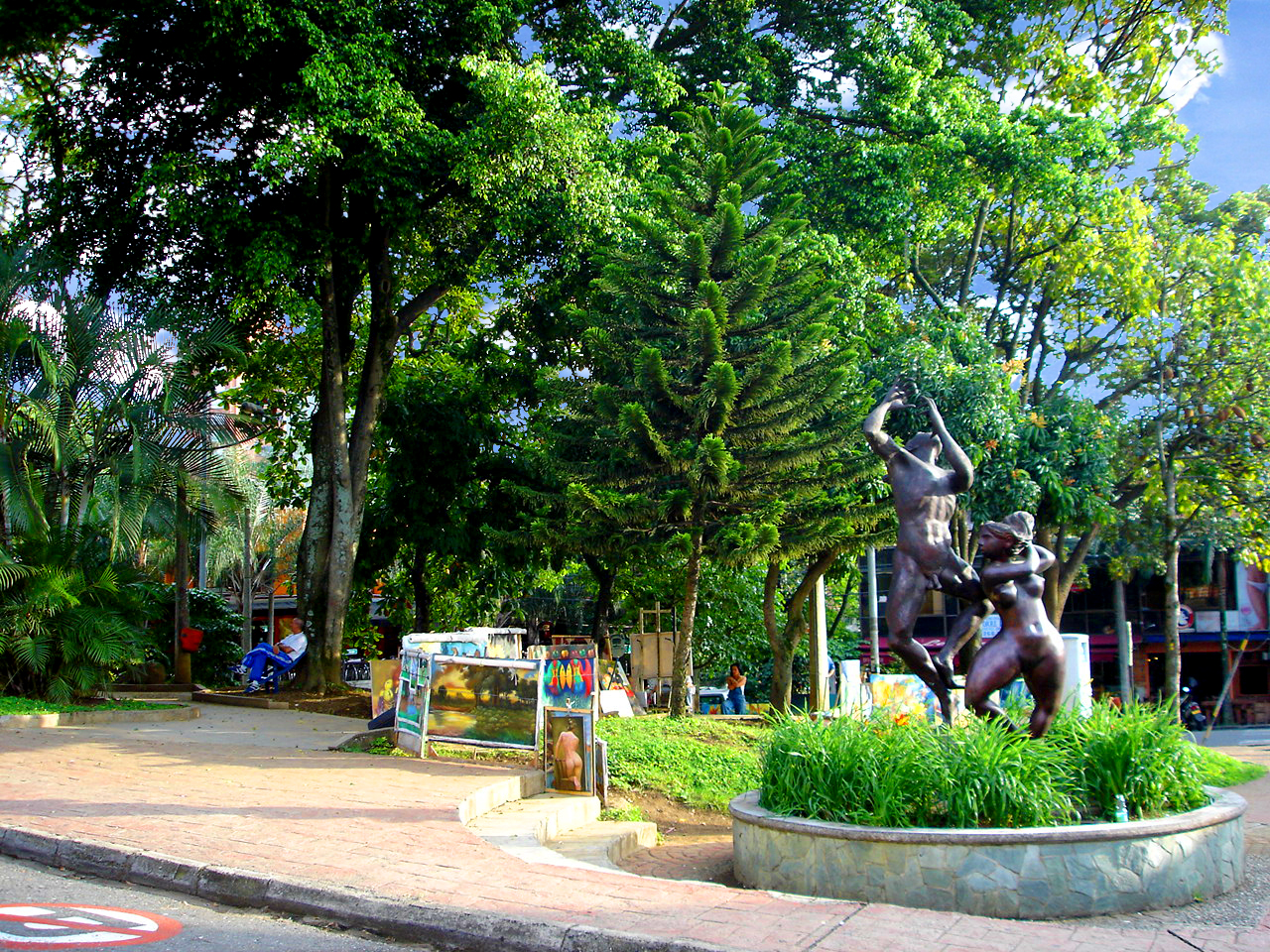
Provenza: The trendiest area by far. A tree-lined pedestrian street surrounded by cool bars, modern tango spots, and world-class salsa venues.
-
Salón Málaga: If you are looking for something authentic downtown, this is the most famous and oldest tango bar. A trip back to 1950s Medellín.
-
Bar Recommendation: For something more relaxed, the areas around the First and Second Park of Laureles offer a more local bar scene that is less noisy than Lleras.
Tips and Characteristics
-
Currency: Colombian Peso (COP).
-
Weather: "Eternal Spring" (22°C - 28°C / 72°F - 82°F). Always keep an umbrella handy for tropical showers.
-
Safety: It has improved significantly; it is best "no dar papaya" (don't flash valuables) in quiet or isolated areas.
-
Ideal Duration: 3 to 5 days to explore the city and its surroundings.
-
Destination Profile: Urban, cultural, innovative, and social.
Our Experience Traveling Through Medellín
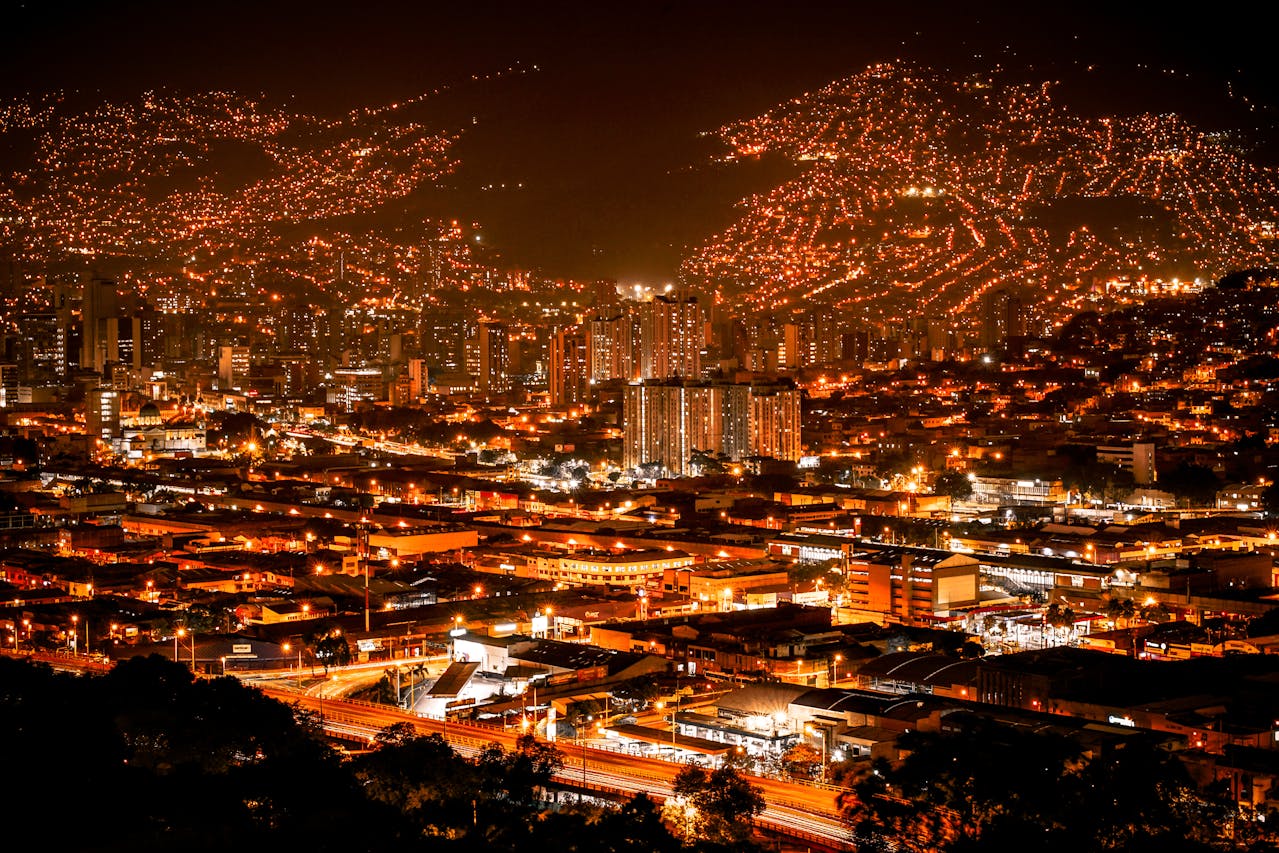
Medellín is a city that feels alive and welcoming. Its people, the clever use of public spaces, and the way the city embraces visitors make the experience incredibly rewarding. It is not a destination of instant impact, but one that reveals itself as you explore it.
It is a city that invites you to stay, chat, and look beyond the surface. We loved the contrast between the intensity of downtown and the peace of Laureles. A place that proves travel can also be about learning and human connection.
You Might Also Be Interested In
Comuna 13 (San Javier) - A global symbol of social transformation. Walking through its open-air escalators while looking at graffiti that tells stories of resilience is a must. Don't miss the breakdance shows and try the famous mango biche popsicles with salt.
Metro and Metrocable System - It is the pride of the locals. Using the Medellín Metro is not just transport, it is a unique urban experience. The line that goes up to Parque Arví takes you out of the city and into a cloud forest in minutes.
Plaza Botero and Museum of Antioquia - An open-air museum with 23 monumental sculptures by Fernando Botero. It is the heart of the historic center and the perfect place to understand "volume" in Colombian art.
Botanical Garden and Orquideorama - A 13-hectare oasis with free admission. Its wooden structure inspired by honeycombs (Orquideorama) is an architectural gem. Ideal for spotting free-roaming iguanas and exotic flowers.
Pueblito Paisa - Located at the top of Cerro Nutibara, it is a replica of a traditional Antioquian village. It offers a 360-degree view of the entire Aburrá Valley, ideal for sunset.
Provenza and El Poblado - The epicenter of nightlife and design. Provenza Street (famous for Karol G's song) is pedestrian-only, full of greenery, lights, and the best bars and rooftops in the city.
Laureles and its Local Rhythm - Voted as one of the coolest neighborhoods in the world. It is flatter, more tree-lined, and residential than El Poblado. Perfect for experiencing everyday life in Medellín, with specialty coffee shops like Rituales or Pergamino.
Day Trip to Guatapé - About two hours from the city. Climbing the 740 steps of the Piedra del Peñol and exploring the colorful town of baseboards (zócalos) is the most popular trip from Medellín.
PUBLICIDAD
Travel with Data: Get your Saily eSIM
- ✓Internet in seconds upon landing
- ✓Flexible plans in 180+ countries
- ✓Easy setup directly via the App
Paisa gastronomy is hearty, flavorful, and designed to give you energy:
-
Bandeja Paisa: The national dish. It includes beans, rice, crispy chicharrón, ground meat, a fried egg, sweet plantain slice, chorizo, morcilla (blood sausage), avocado, and an arepa.
-
Arepas: Present at every meal, especially the white corn one topped with quesito (local fresh cheese).
-
Empanadas: Small, deep-fried corn pastries filled with meat and potatoes, always served with plenty of homemade ají (hot sauce).
-
Specialty Coffee: Medellín is now the coffee capital for experts. Look for shops that work directly with farms in Antioquia to taste fruity notes.
-
Natural Juices: Take advantage of the variety of tropical fruits like lulo, guanábana (soursop), or maracuyá (passion fruit).
The transport system is the pride of the city and is extremely efficient if you understand how to combine it:
-
Tarjeta Cívica: It is essential. You can buy and reload it at any station. It works for the Metro, Metrocable, Tramway, and integrated buses.
-
Metro (Lines A and B): Line A crosses the city from north to south (connecting the bus terminals and downtown). Line B goes west (San Javier Station / Comuna 13).
-
Metrocable: These are cable cars that go up into the mountainside neighborhoods. The ride is included in the same metro fare (except for the tourist line to Parque Arví).
-
Ayacucho Tramway: A lovely route starting from San Antonio. It is a light rail transit that runs through neighborhoods packed with artistic murals.
-
Ride-hailing Apps: For nighttime or trips where the metro doesn't reach, Uber, Cabify, and InDrive work very well and are safer than hailing random taxis on the street.
-
EnCicla: This is the public bike-sharing system. If you are staying for several days, you can register online to use them for free.
Medellín has two main bus terminals. It is vital to know which one to choose to avoid wasting time crossing the city:
-
Terminal del Norte (North Terminal): Located at the Caribe Metro station. This is the one you use to go to Guatapé, Bogotá, the coast (Cartagena/Santa Marta), or to catch the bus to José María Córdova Airport.
-
Terminal del Sur (South Terminal): Near El Poblado neighborhood. This is the terminal for traveling toward the Coffee Axis (Jardín, Jericó, Salento) or toward the south of the country (Cali).
Comuna 13
It is the epicenter of social transformation in Medellín. What used to be a conflict zone years ago is now an explosion of urban art and hip-hop culture. Its famous outdoor escalators were the first mobility solution of this kind for a low-income neighborhood in the world.
- Logistics: Access to the escalators is free. If you go on your own, take the Metro to San Javier station and hop on an integrated bus that says "221i" or "225i". We recommend the Chaza-tour to try local treats while climbing up.
Pueblito Paisa
It is a window into Antioquia's past. It is an exact replica of a traditional regional village built on top of a hill, allowing you to see what colonial architecture looked like while overlooking modern Medellín at your feet.
- Logistics: It is located on Cerro Nutibara. You can walk up for exercise, but if you are short on time, an Uber will drop you at the top. It is the ideal place to buy souvenirs and eat a "Solterito" (a traditional crispy wafer with orange cream).
It is the neighborhood with the largest hotel and gastronomic offer in the city. It features steep streets, lush greenery, and an international vibe. It is the place where "everything happens" when the sun sets, bringing together the best fine dining restaurants and designer clubs.
-
Provenza: The trendiest area by far. A tree-lined pedestrian street surrounded by cool bars, modern tango spots, and world-class salsa venues.
-
Salón Málaga: If you are looking for something authentic downtown, this is the most famous and oldest tango bar. A trip back to 1950s Medellín.
-
Bar Recommendation: For something more relaxed, the areas around the First and Second Park of Laureles offer a more local bar scene that is less noisy than Lleras.
-
Currency: Colombian Peso (COP).
-
Weather: "Eternal Spring" (22°C - 28°C / 72°F - 82°F). Always keep an umbrella handy for tropical showers.
-
Safety: It has improved significantly; it is best "no dar papaya" (don't flash valuables) in quiet or isolated areas.
-
Ideal Duration: 3 to 5 days to explore the city and its surroundings.
-
Destination Profile: Urban, cultural, innovative, and social.
Medellín is a city that feels alive and welcoming. Its people, the clever use of public spaces, and the way the city embraces visitors make the experience incredibly rewarding. It is not a destination of instant impact, but one that reveals itself as you explore it.
It is a city that invites you to stay, chat, and look beyond the surface. We loved the contrast between the intensity of downtown and the peace of Laureles. A place that proves travel can also be about learning and human connection.
Galery
PUBLICIDAD
International Travel Insurance
- ✓International medical insurance
- ✓24/7 immediate assistance in your language
- ✓Ideal for trekking & adventure
Posts in Colombia
Preferences
Language
Color
Text
Width