Table of contents and map
Things to Do in Isla Barú: Complete Guide for Your Caribbean Getaway
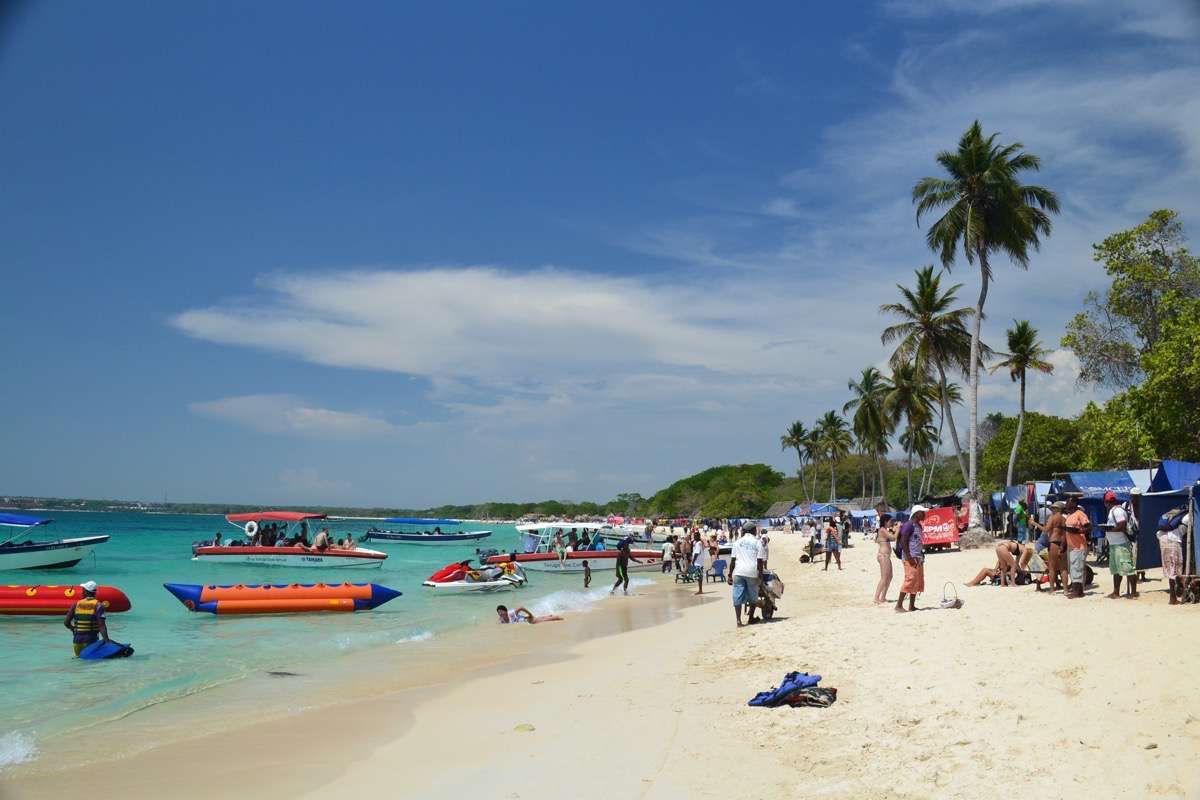
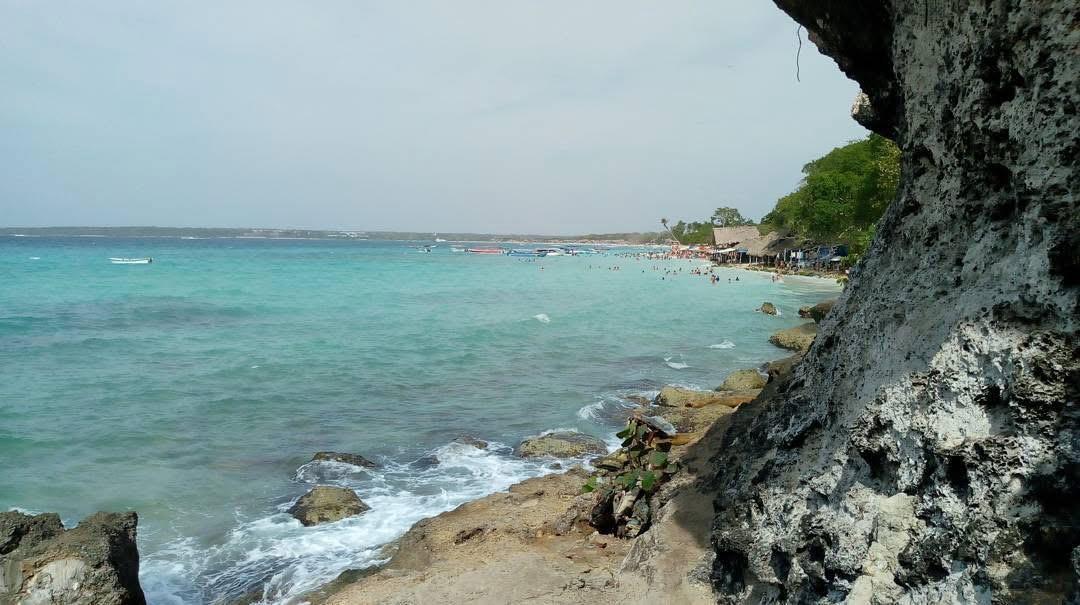
Isla Barú is one of the most sought-after escapes from Cartagena. Light sand beaches, a turquoise sea, and a much more natural environment make it an ideal option to break away from the urban rush and spend the day —or stay overnight— facing the Caribbean.
Things to Do in Isla Barú: Complete Guide for Your Caribbean Getaway
Isla Barú is one of the most sought-after escapes from Cartagena. Light sand beaches, a turquoise sea, and a much more natural environment make it an ideal option to break away from the urban rush and spend the day —or stay overnight— facing the Caribbean.
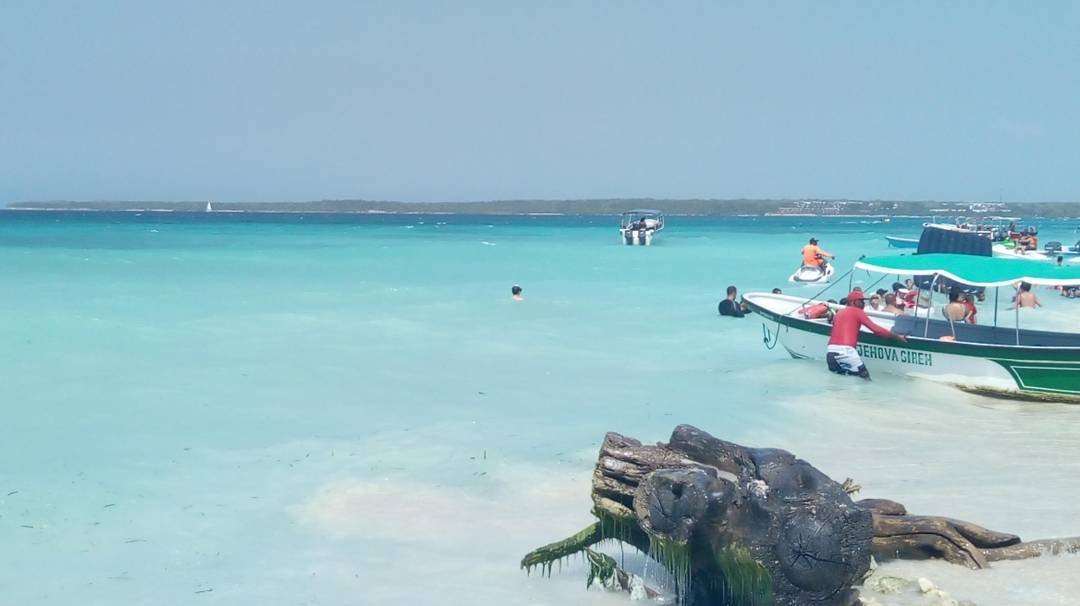
Although it is often associated only with Playa Blanca, Barú is larger and more diverse, featuring quiet areas, sustainable accommodations, and experiences that go far beyond the typical day trip.
It is a simple destination, focused on the sea and relaxation, perfect to combine with a few days in Cartagena.
Things to See and Do in Isla Barú
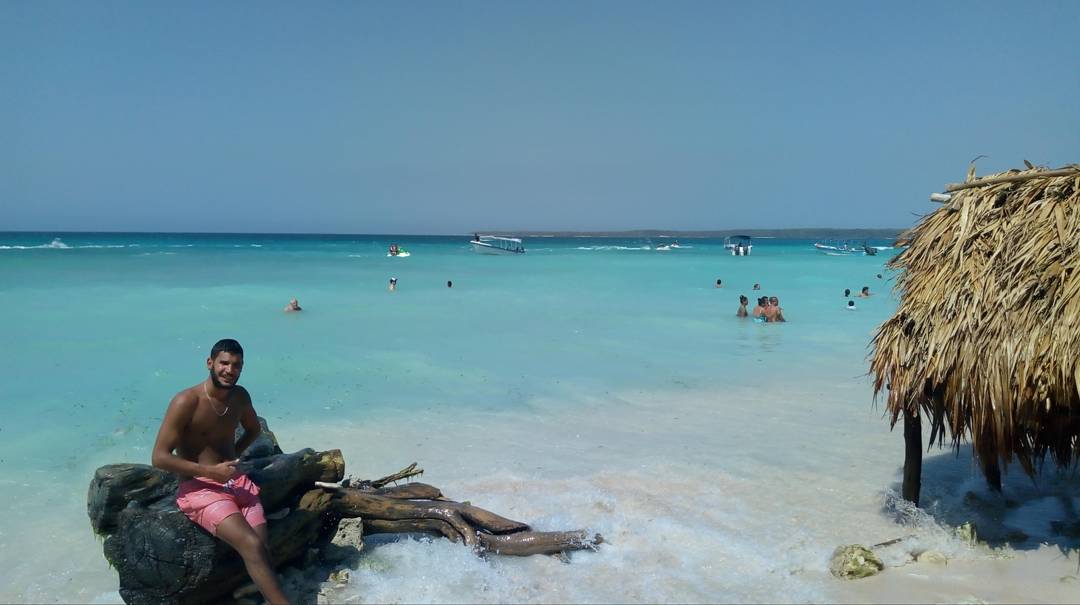
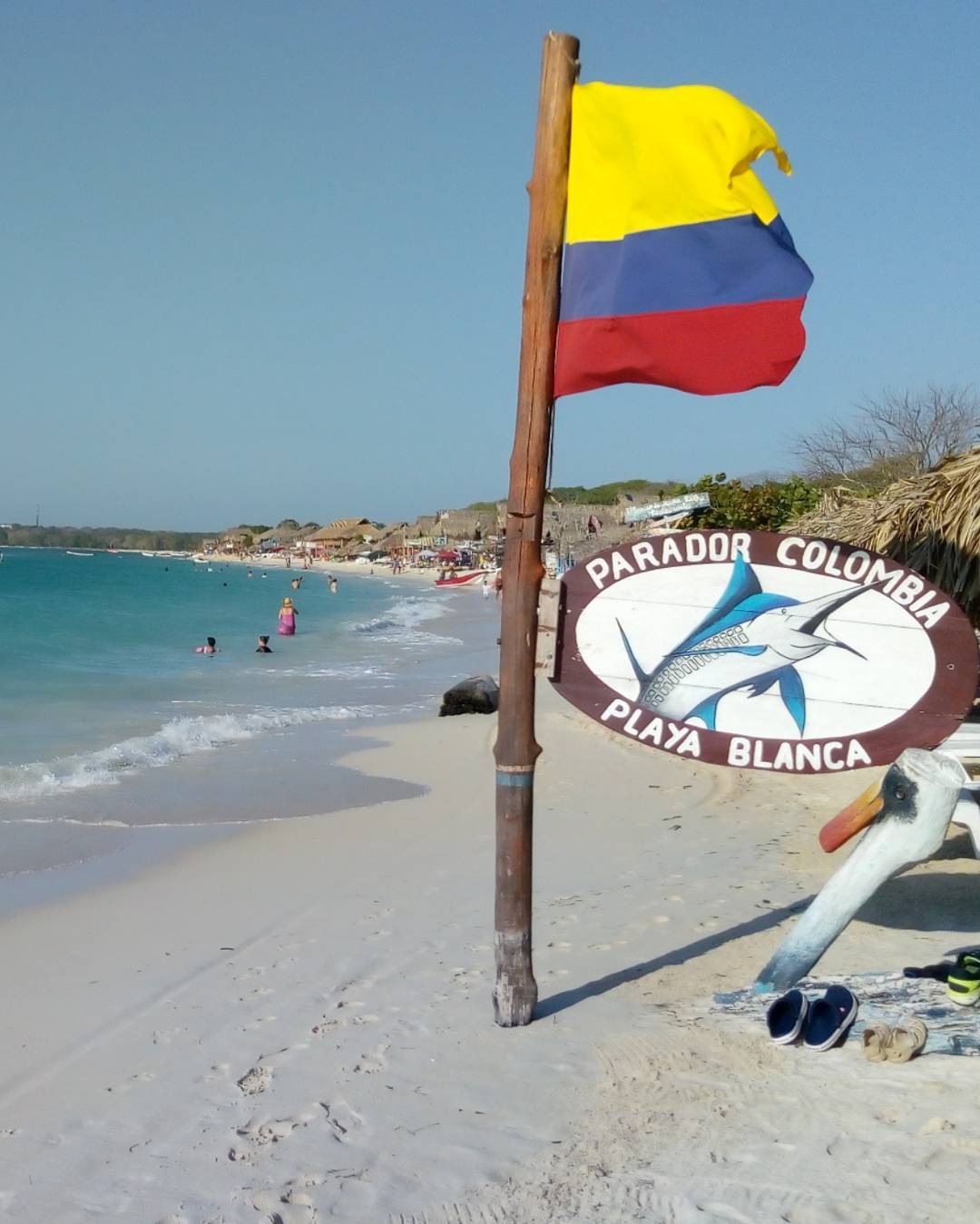
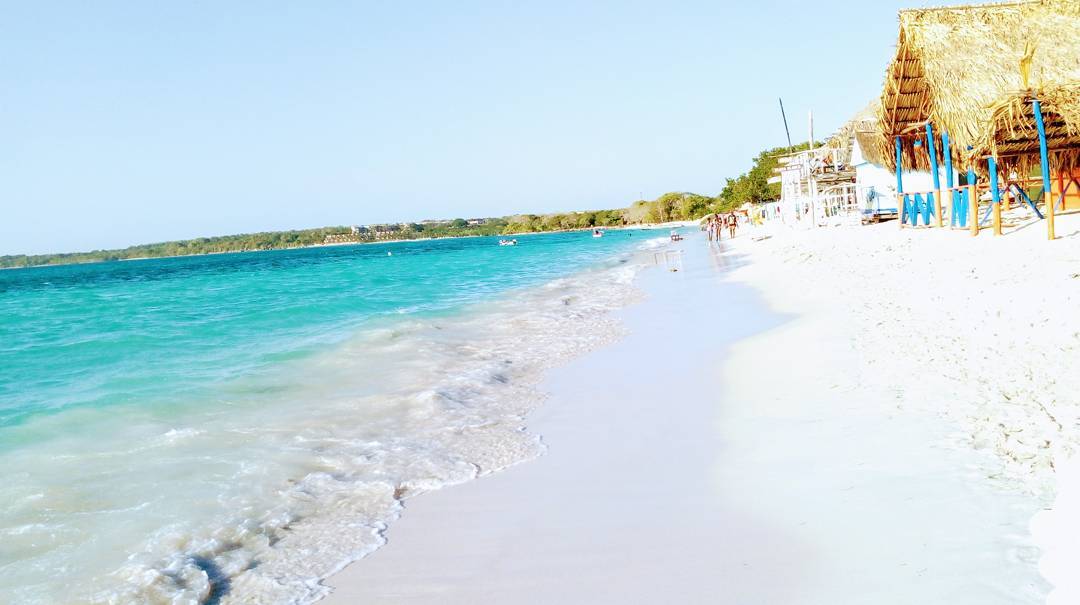
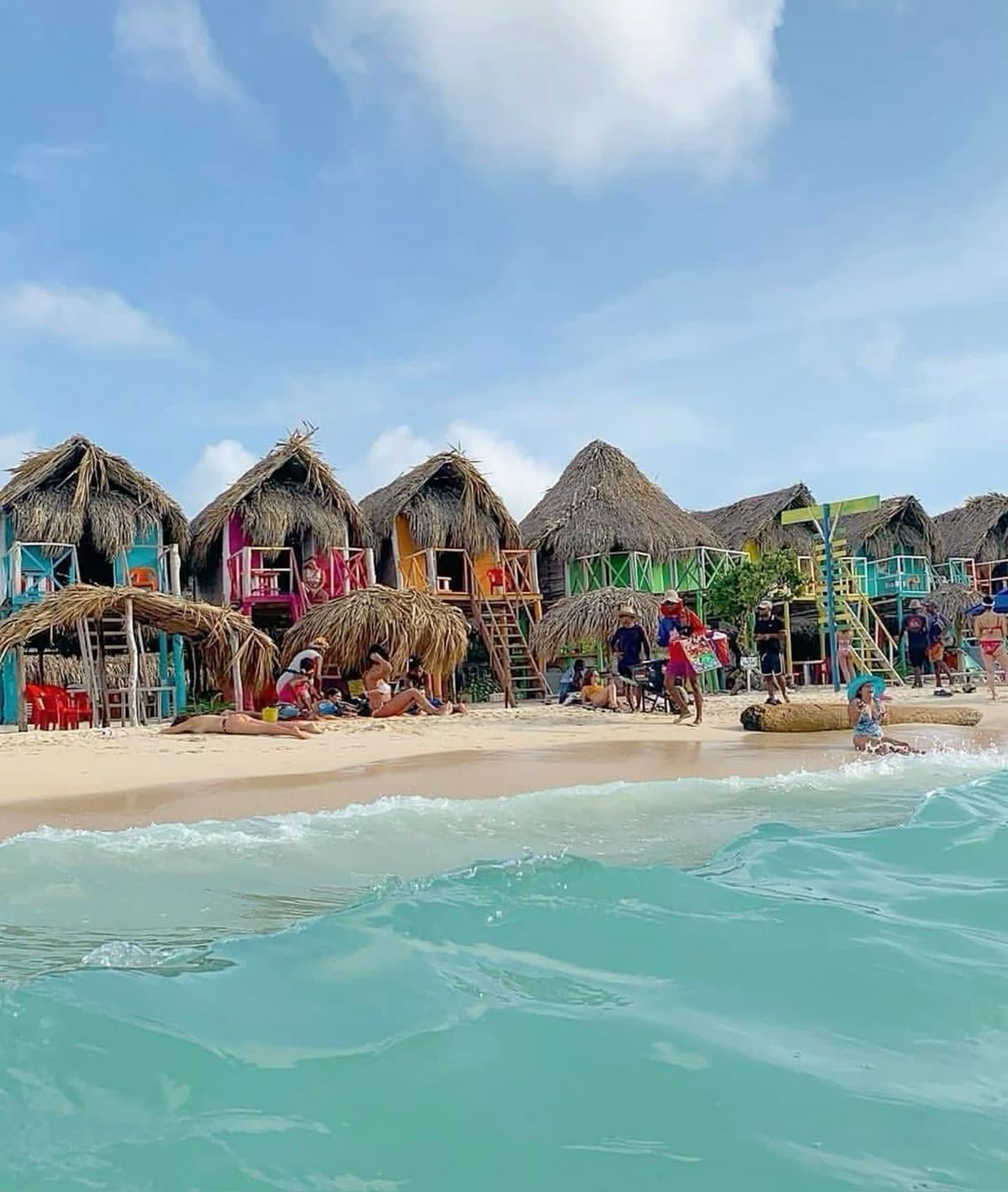
Playa Blanca - The most famous beach on the island, with white sand and remarkably clear water. Travel tip: Walk to the right (facing the sea) for about 15 minutes to reach sectors with less noise, less music, and fewer vendors.
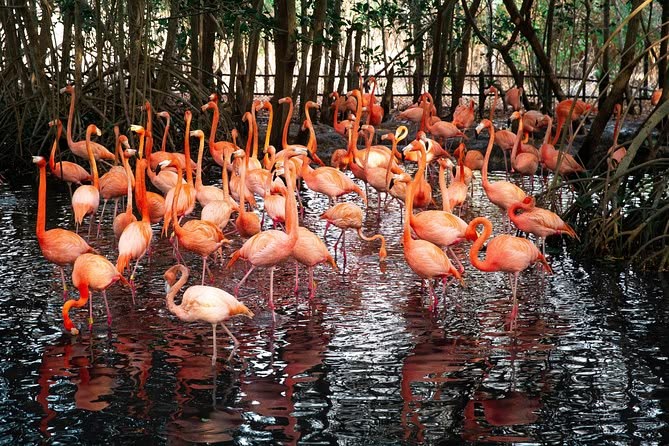
National Aviary of Colombia - Located in the peninsula area, it is the largest aviary in South America. You can see flamingos, condors, and hundreds of tropical birds in immense habitats that recreate their natural ecosystems. You can check schedules on their official website.
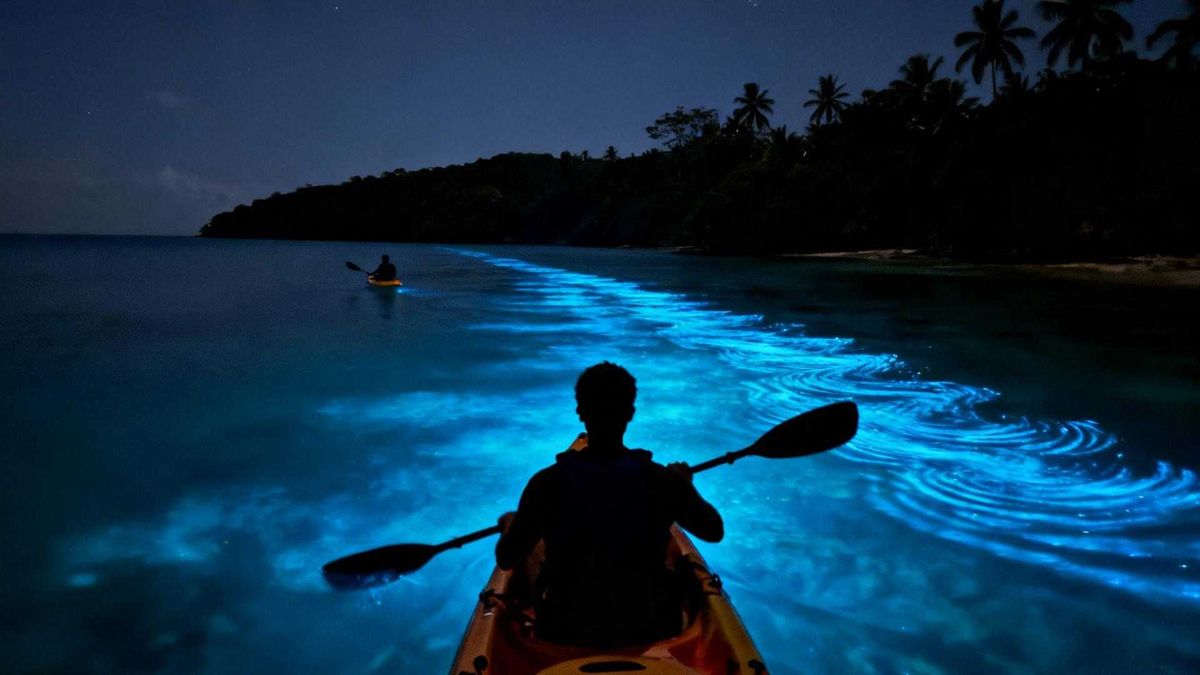
Bioluminescent Plankton - A magical night excursion that takes place in the Ciénaga de Portonaito. When you agitate the water in the dark, microorganisms glow with blue flashes. It is key to go on new moon nights so that the lack of light allows you to see the effect at its maximum.
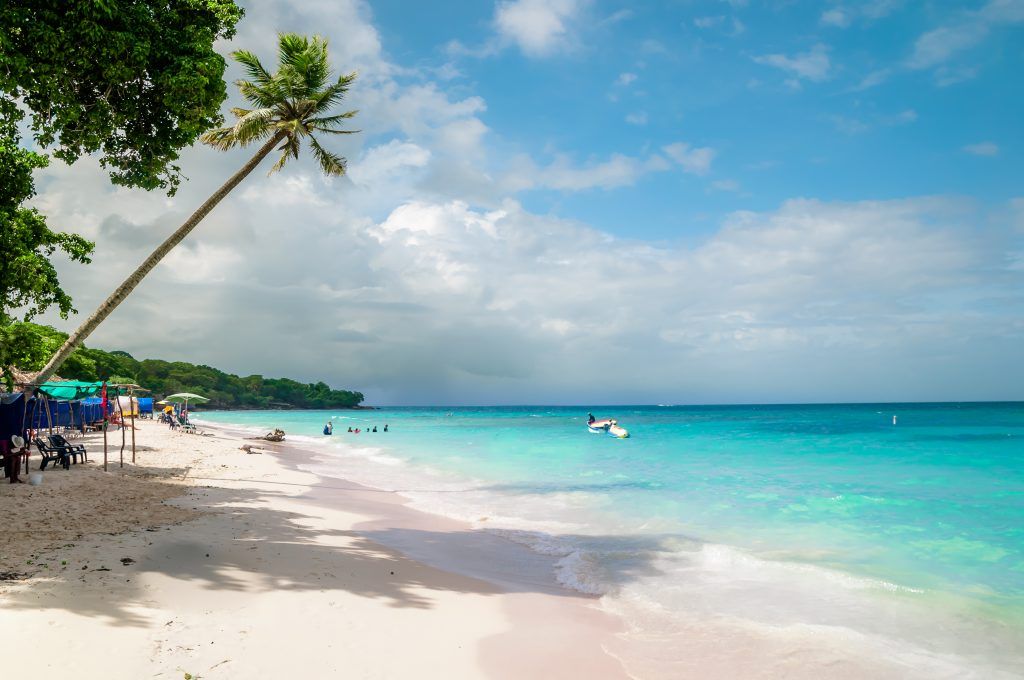
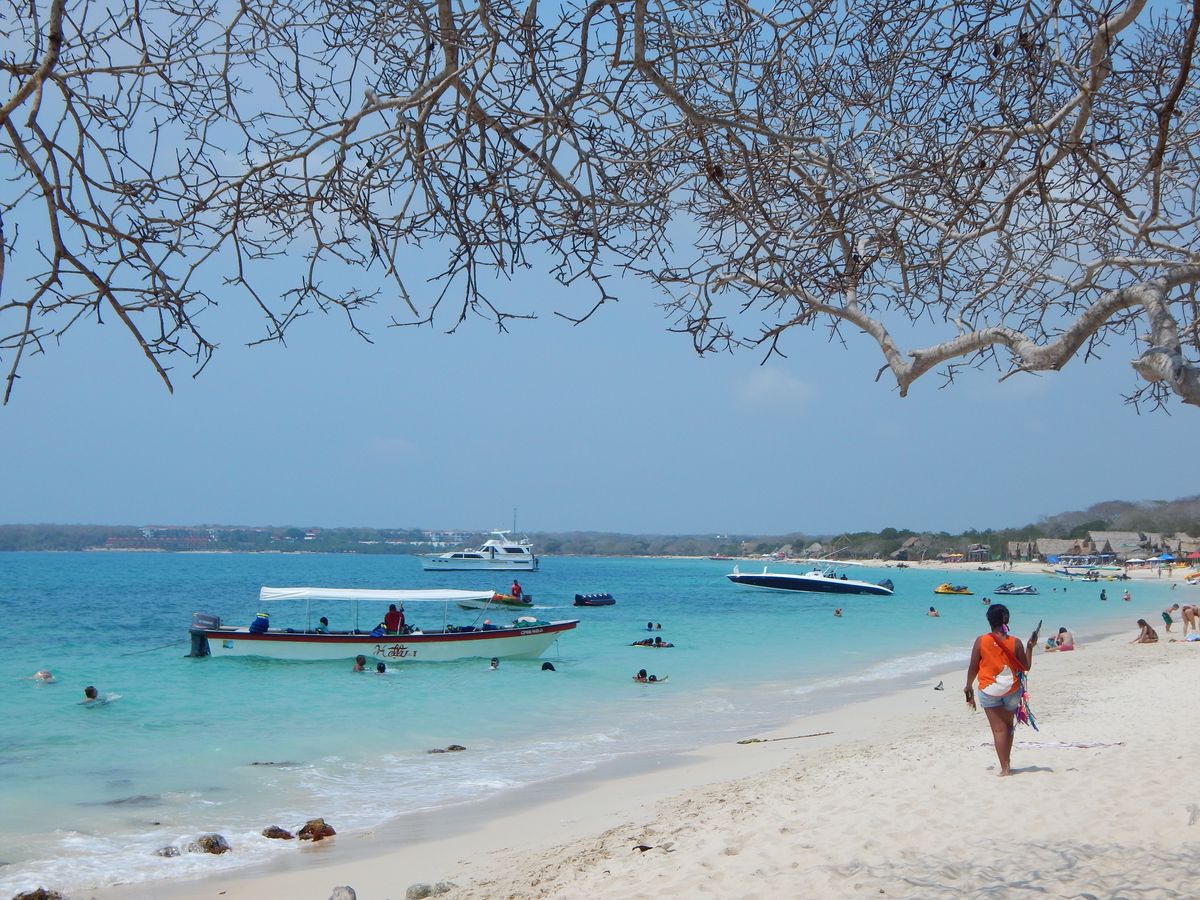
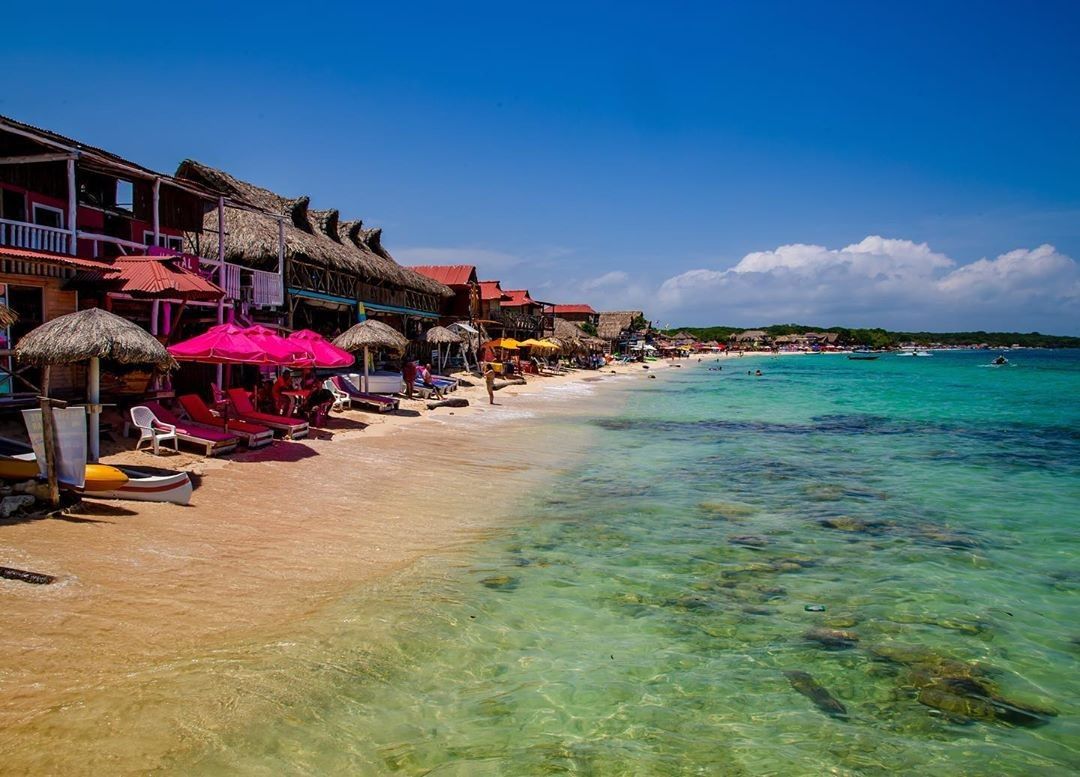
Quieter Beaches (Playa Tranquila and Ensenada) - Moving a bit away from the main boat drop-off point, coastal areas appear with a much more local, relaxed, and less commercial energy.
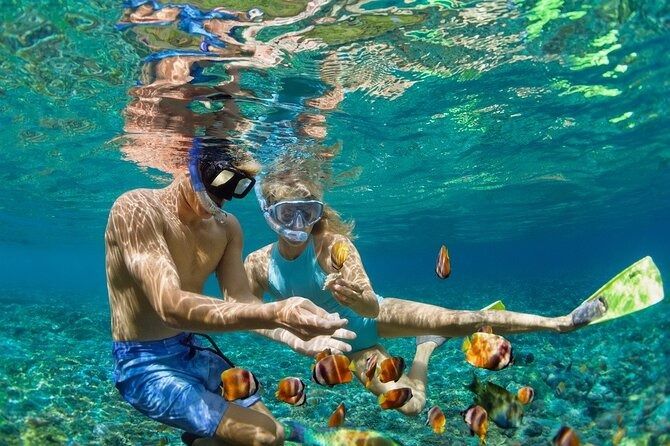
Snorkeling in the Reefs - Although the great coral reef is located in the neighboring Islas del Rosario, in Barú you can hire a small local boat to take you to nearby spots to swim and see colorful fish.
How to Get to Isla Barú from Cartagena
-
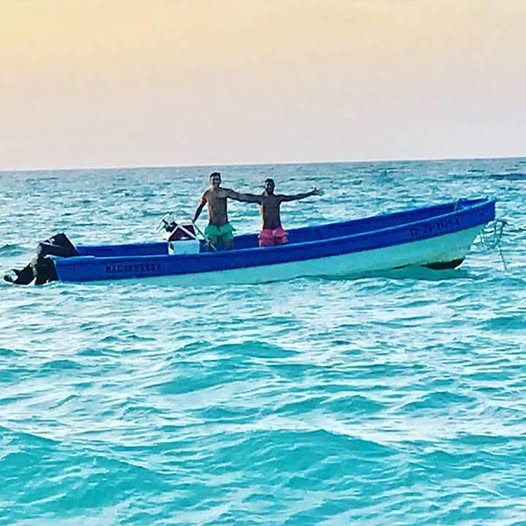
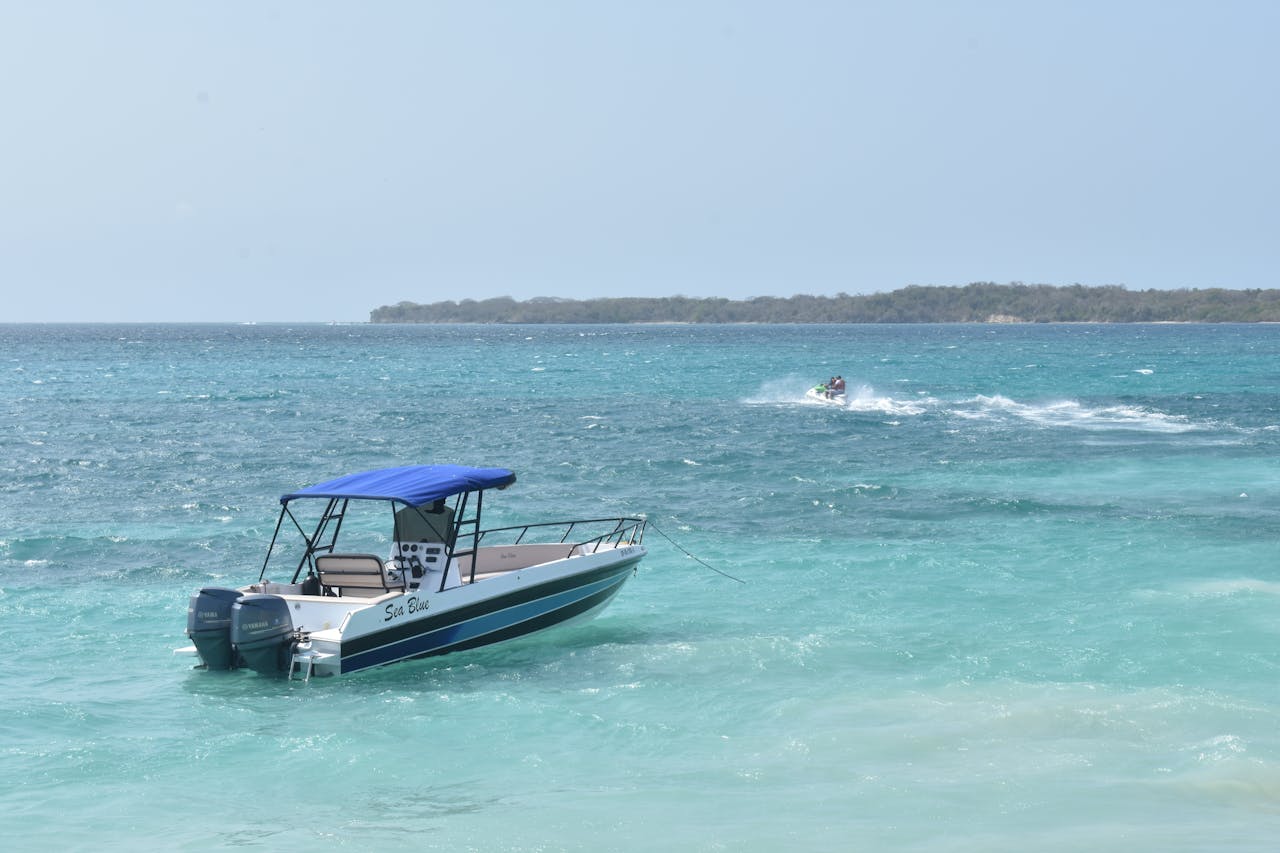
Speedboat - Departs from La Bodeguita pier. It is the option with the most adrenaline but the fastest (45 minutes). Note: The sea can be choppy on the return trip in the afternoon, so be prepared to bounce a bit over the waves.
-
By Land (Bus, Uber, or Taxi) - Crossing the Barú bridge. You can take a taxi or Uber (approximately 1 hour trip) or the bus toward Pasacaballos and from there a motorcycle taxi or shared colectivo. This is the ideal option if you are carrying luggage to stay overnight.
Advice on tours: If you purchase a day tour from agencies in Cartagena, double-check that it includes the pier tax and lunch to avoid surprises or extra charges upon arrival.
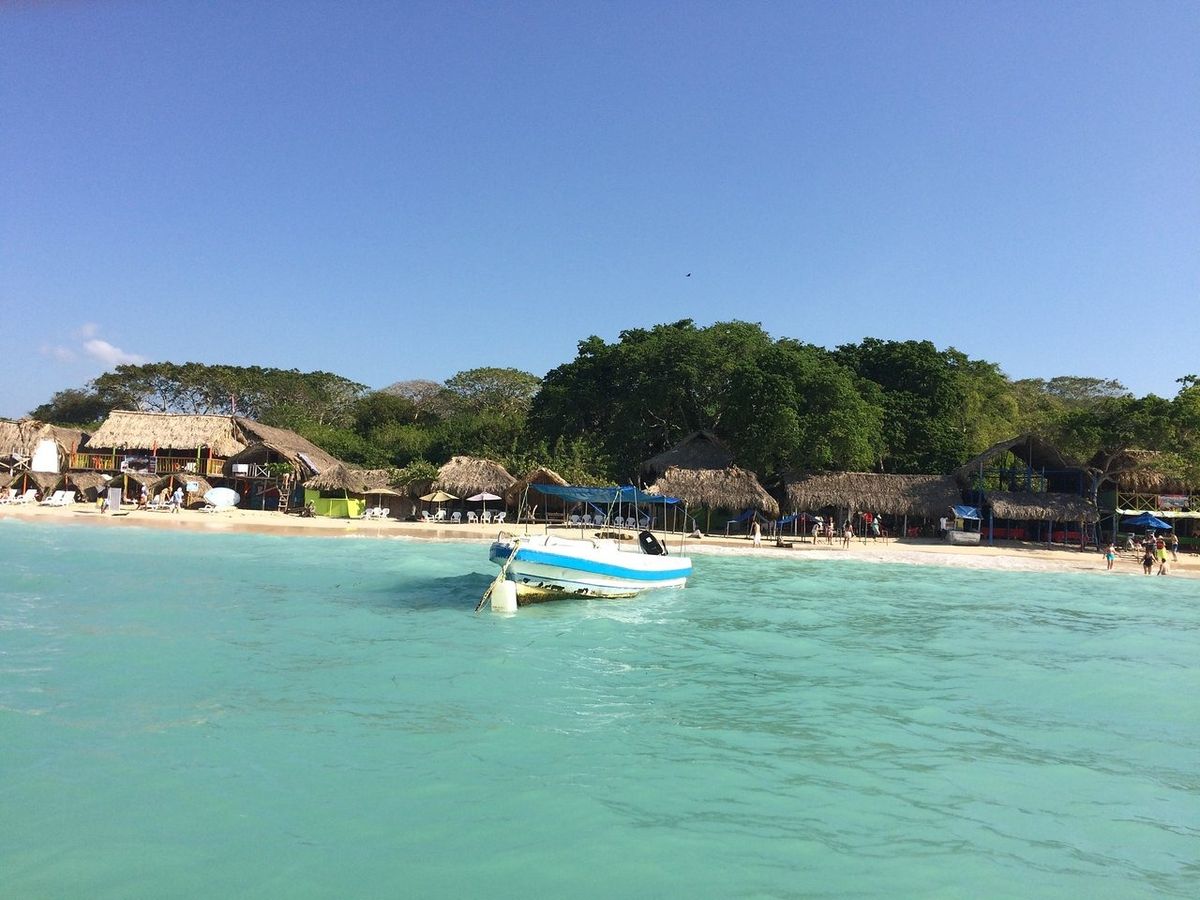
What to Eat in Isla Barú
The food brings the taste of the Caribbean in its purest form:
-
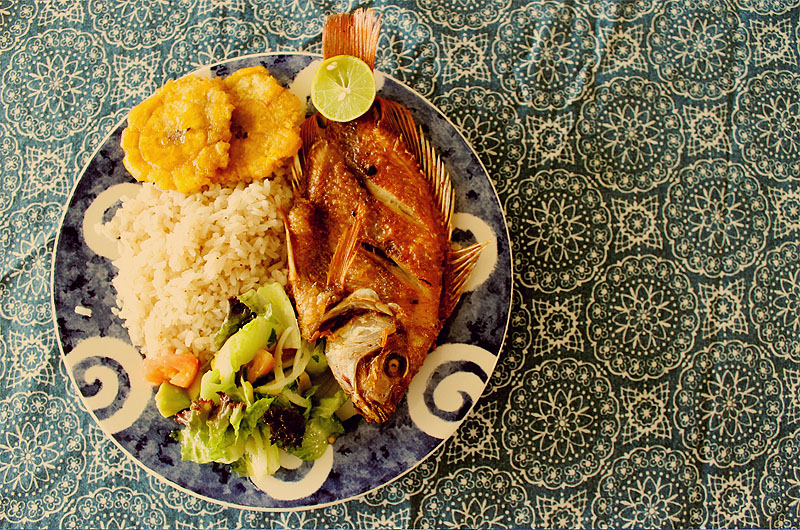
Fried Red Snapper (Pargo Rojo Frito): Traditionally served with coconut rice, patacones (fried plantains), and salad.
-
Lobster: Offered frequently on the beach; always negotiate and close the final price before they cook it.
-
Shrimp Cocktail: The ideal fresh snack while you are resting on your beach chair.
-
Coconut Lemonade: Ultra-refreshing and creamy, ideal for combating the intense heat of the island.
Safety: The Danger of Jet Skis
A critical point in Barú (especially in the Playa Blanca sector) is the uncontrolled use of jet skis.
-
High risk: They are frequently rented to individuals without prior experience who drive at high speeds very close to the swimmers' shoreline.
-
Caution: Numerous serious accidents have occurred in the area. If you are going to swim, do so with extreme caution and never lose sight of the horizon. If you decide to rent one, remember that Barú's sea is shared and there are no delimited safety zones.
Survival Tips and Characteristics
-
Street vendors: They are extremely persistent. If you don't want to buy, say a "No, thank you" firmly but politely. Avoid accepting free massages or "free samples" of food if you have no intention of paying for them later.
-
Connectivity: Forget about stable Wi-Fi. The mobile data signal is very weak in Playa Blanca. Inform your acquaintances that you will be disconnected and enjoy the natural surroundings.
-
Infrastructure: Fresh water is a scarce resource that arrives on tanker boats, so showers at beach clubs are usually paid, very basic, and limited. Please conserve water!
-
Sleeping on the island: It is the best decision you can make. From 16:00 onwards, when the day-tripper boats leave, the island recovers a truly magical peace.
Our Experience Traveling Through Isla Barú
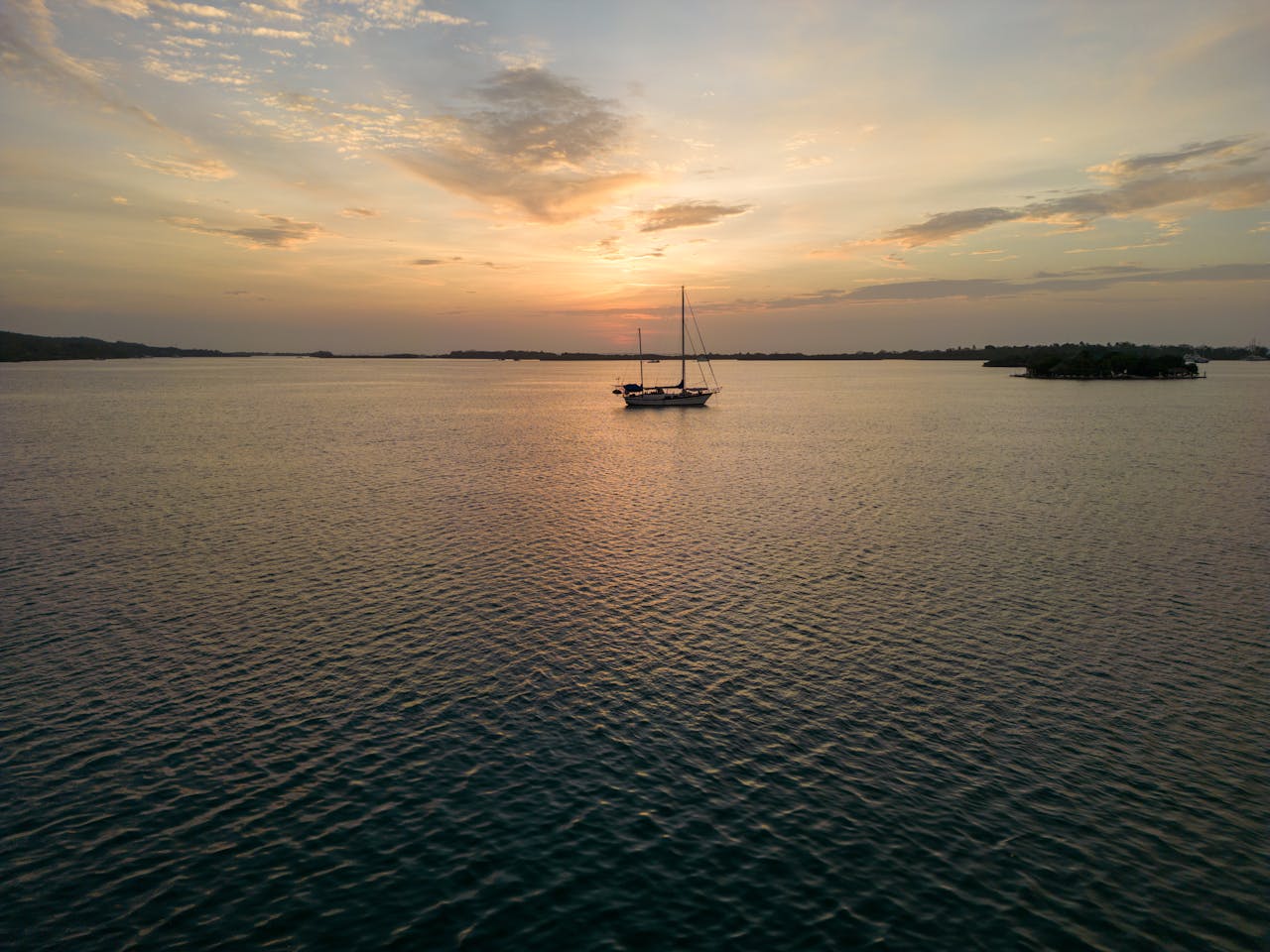
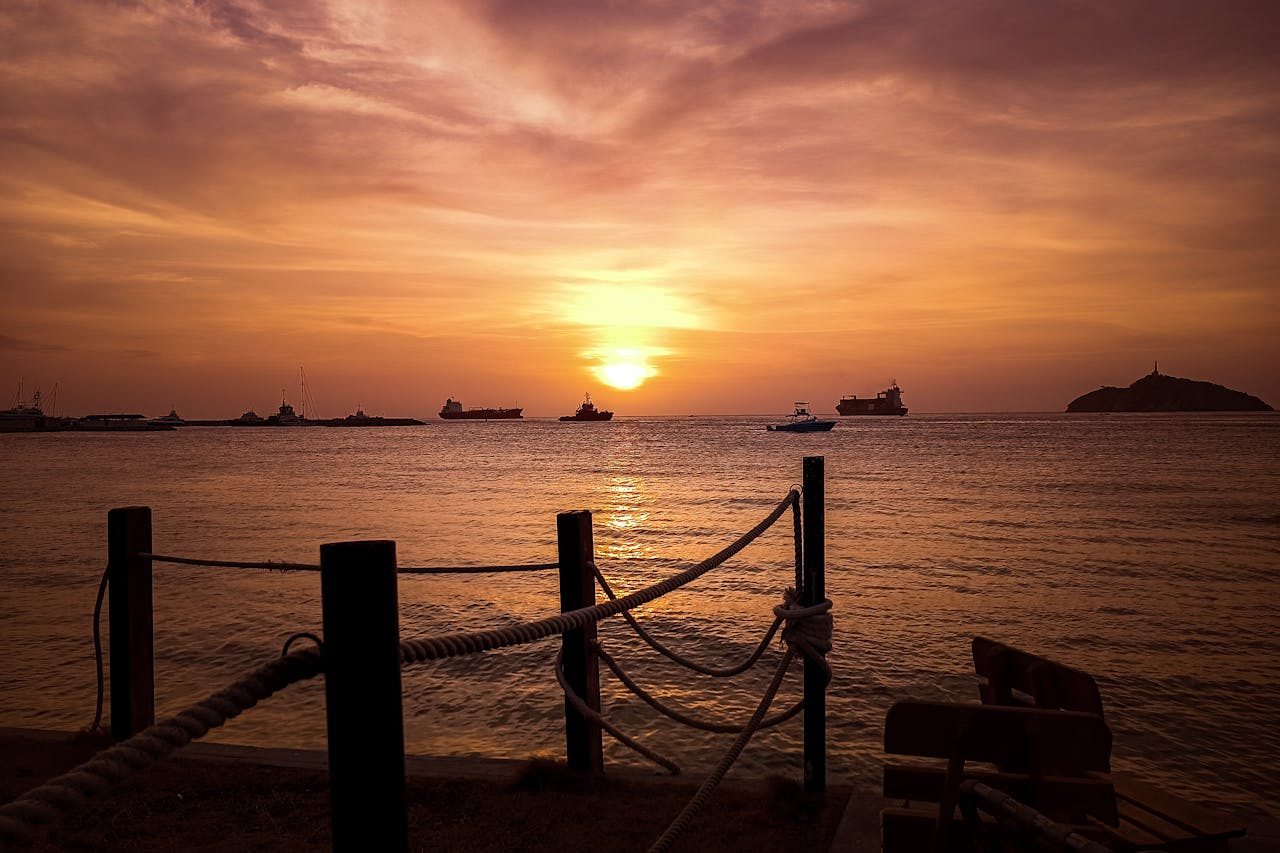
Isla Barú is a destination designed to slow down. What we enjoyed most was walking along the shore at sunset, right when the sky turns orange and the small beach bars start lighting their torches.
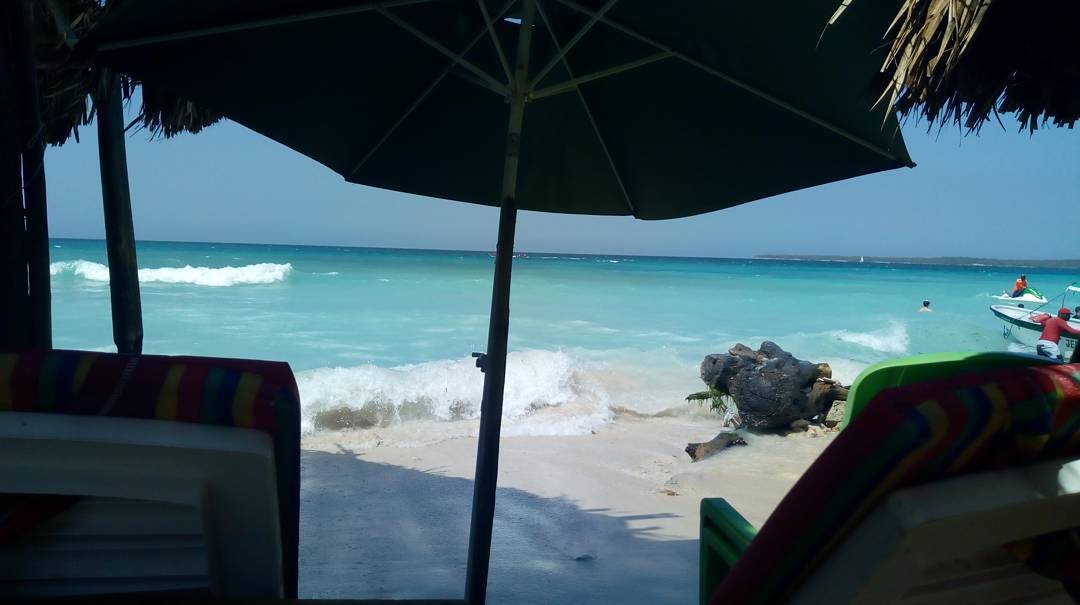
Don't look for extreme luxury in the public area of Playa Blanca; look for the real connection with the sea and the breeze. Barú teaches you that with fresh fish, some good shade from palm trees, and turquoise water, you don't need much else to have a great time.
You Might Also Be Interested In
Playa Blanca - The most famous beach on the island, with white sand and remarkably clear water. Travel tip: Walk to the right (facing the sea) for about 15 minutes to reach sectors with less noise, less music, and fewer vendors.
National Aviary of Colombia - Located in the peninsula area, it is the largest aviary in South America. You can see flamingos, condors, and hundreds of tropical birds in immense habitats that recreate their natural ecosystems. You can check schedules on their official website.
Bioluminescent Plankton - A magical night excursion that takes place in the Ciénaga de Portonaito. When you agitate the water in the dark, microorganisms glow with blue flashes. It is key to go on new moon nights so that the lack of light allows you to see the effect at its maximum.
Quieter Beaches (Playa Tranquila and Ensenada) - Moving a bit away from the main boat drop-off point, coastal areas appear with a much more local, relaxed, and less commercial energy.
Snorkeling in the Reefs - Although the great coral reef is located in the neighboring Islas del Rosario, in Barú you can hire a small local boat to take you to nearby spots to swim and see colorful fish.
PUBLICIDAD
Travel with Data: Get your Saily eSIM
- ✓Internet in seconds upon landing
- ✓Flexible plans in 180+ countries
- ✓Easy setup directly via the App
-
Speedboat - Departs from La Bodeguita pier. It is the option with the most adrenaline but the fastest (45 minutes). Note: The sea can be choppy on the return trip in the afternoon, so be prepared to bounce a bit over the waves.
-
By Land (Bus, Uber, or Taxi) - Crossing the Barú bridge. You can take a taxi or Uber (approximately 1 hour trip) or the bus toward Pasacaballos and from there a motorcycle taxi or shared colectivo. This is the ideal option if you are carrying luggage to stay overnight.
Advice on tours: If you purchase a day tour from agencies in Cartagena, double-check that it includes the pier tax and lunch to avoid surprises or extra charges upon arrival.
The food brings the taste of the Caribbean in its purest form:
-
Fried Red Snapper (Pargo Rojo Frito): Traditionally served with coconut rice, patacones (fried plantains), and salad.
-
Lobster: Offered frequently on the beach; always negotiate and close the final price before they cook it.
-
Shrimp Cocktail: The ideal fresh snack while you are resting on your beach chair.
-
Coconut Lemonade: Ultra-refreshing and creamy, ideal for combating the intense heat of the island.
A critical point in Barú (especially in the Playa Blanca sector) is the uncontrolled use of jet skis.
-
High risk: They are frequently rented to individuals without prior experience who drive at high speeds very close to the swimmers' shoreline.
-
Caution: Numerous serious accidents have occurred in the area. If you are going to swim, do so with extreme caution and never lose sight of the horizon. If you decide to rent one, remember that Barú's sea is shared and there are no delimited safety zones.
-
Street vendors: They are extremely persistent. If you don't want to buy, say a "No, thank you" firmly but politely. Avoid accepting free massages or "free samples" of food if you have no intention of paying for them later.
-
Connectivity: Forget about stable Wi-Fi. The mobile data signal is very weak in Playa Blanca. Inform your acquaintances that you will be disconnected and enjoy the natural surroundings.
-
Infrastructure: Fresh water is a scarce resource that arrives on tanker boats, so showers at beach clubs are usually paid, very basic, and limited. Please conserve water!
-
Sleeping on the island: It is the best decision you can make. From 16:00 onwards, when the day-tripper boats leave, the island recovers a truly magical peace.
Isla Barú is a destination designed to slow down. What we enjoyed most was walking along the shore at sunset, right when the sky turns orange and the small beach bars start lighting their torches.
Don't look for extreme luxury in the public area of Playa Blanca; look for the real connection with the sea and the breeze. Barú teaches you that with fresh fish, some good shade from palm trees, and turquoise water, you don't need much else to have a great time.
Galery
PUBLICIDAD
International Travel Insurance
- ✓International medical insurance
- ✓24/7 immediate assistance in your language
- ✓Ideal for trekking & adventure
Posts in Colombia
Preferences
Language
Color
Text
Width