Table of contents and map
9 Things to See in Cartagena de Indias: Colonial History, the Caribbean, and Daily Life
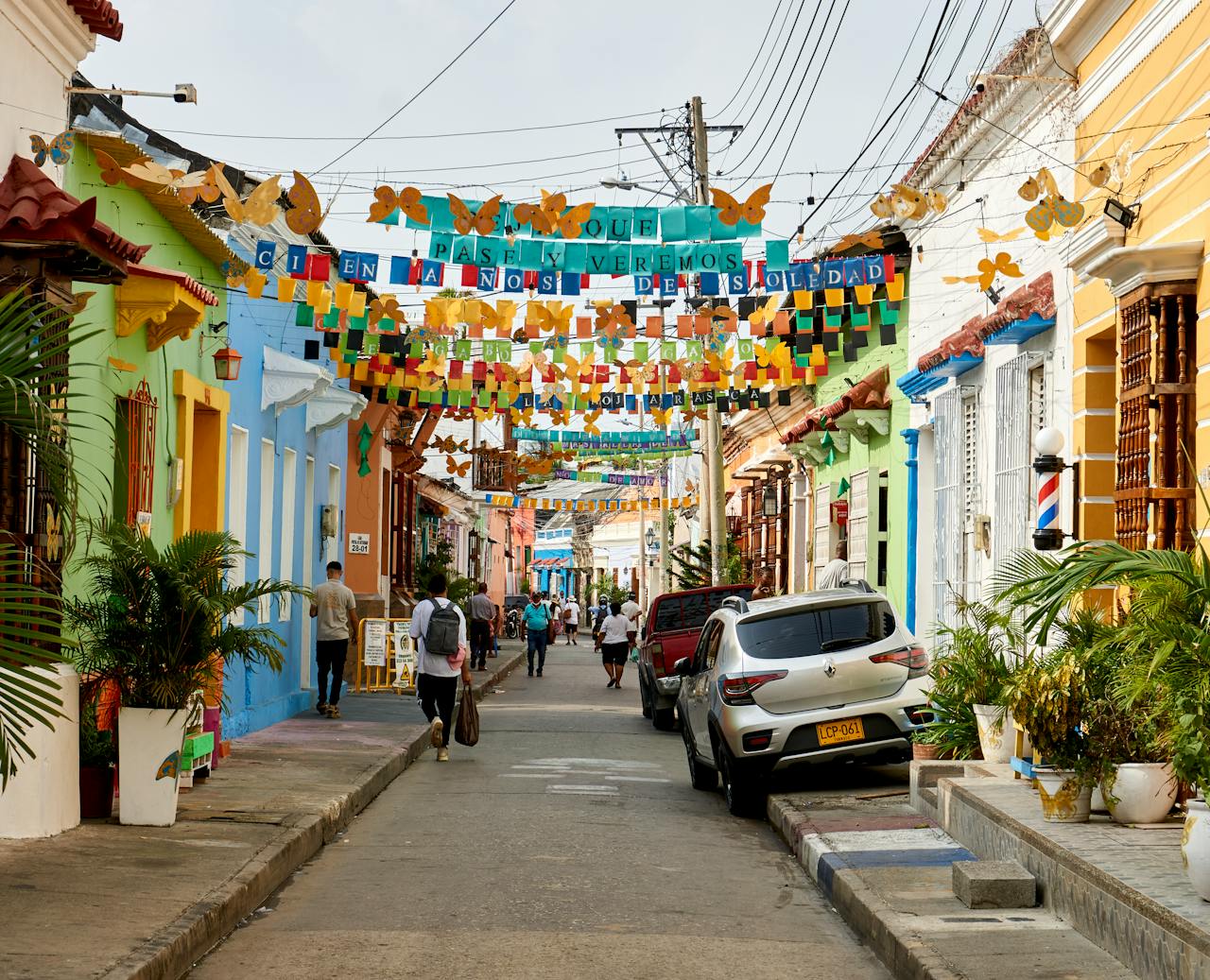
Cartagena de Indias is a city lived in layers. Colonial history, Caribbean life, constant heat, and an intense rhythm coexist inside and outside its walls. It is a destination where walking, observing, and letting yourself go works much better than trying to see everything quickly.
9 Things to See in Cartagena de Indias: Colonial History, the Caribbean, and Daily Life
Cartagena de Indias is a city lived in layers. Colonial history, Caribbean life, constant heat, and an intense rhythm coexist inside and outside its walls. It is a destination where walking, observing, and letting yourself go works much better than trying to see everything quickly.
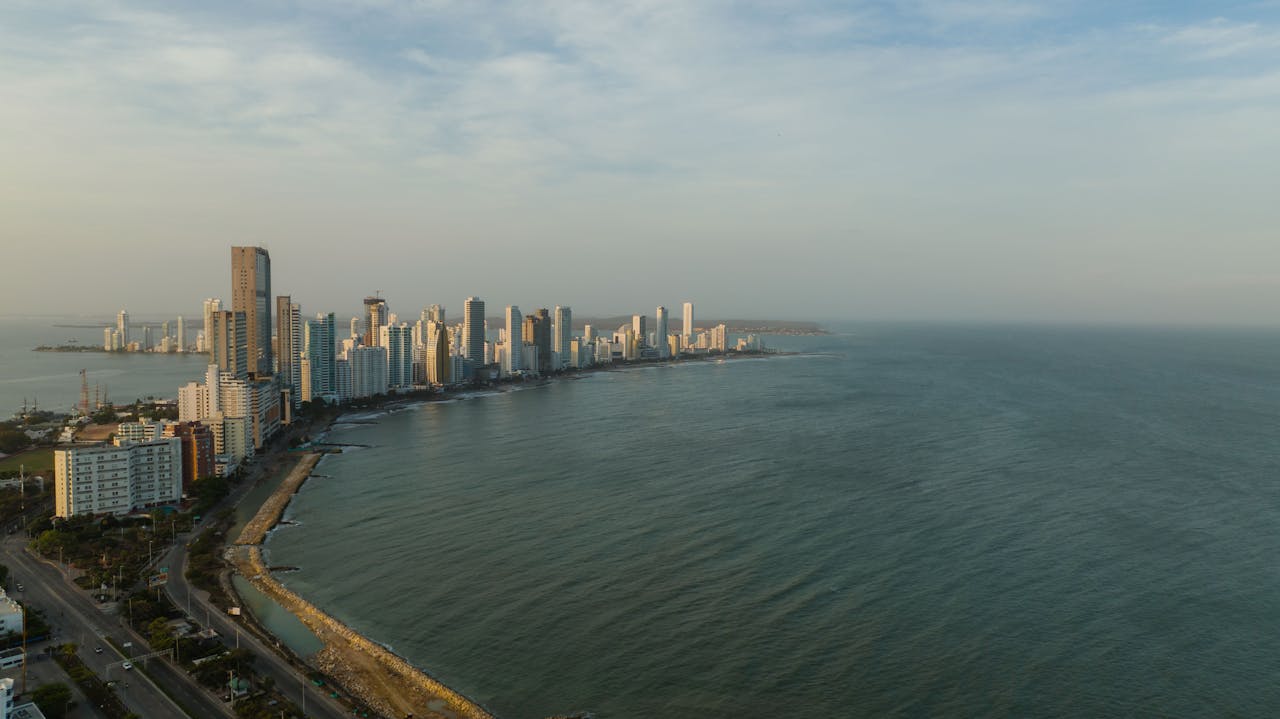
Beyond its classic postcard views, Cartagena holds a strong everyday identity: street vendors, active squares, music in the streets, and neighborhoods showing very different realities just a few blocks apart.
It is also a deeply tourist-oriented city. This means constant energy, ongoing offers to buy things or book tours, and an intense commercial dynamic within the Walled City. Understanding this part helps you enjoy it better, without idealizing it.
It serves as an ideal base to combine the city, the beach, and nearby getaways along the Caribbean coast. Cartagena cannot be summarized in a simple list of sights: it is best understood by exploring it without a rush, accepting its intensity, its genuine heat, and leaving room for observation.
9 Things to See and Do in Cartagena de Indias
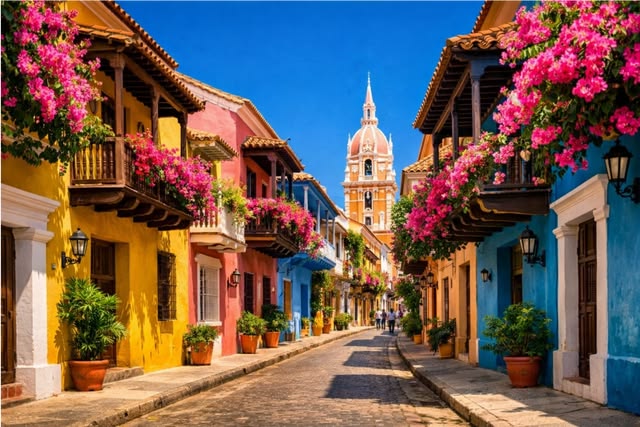
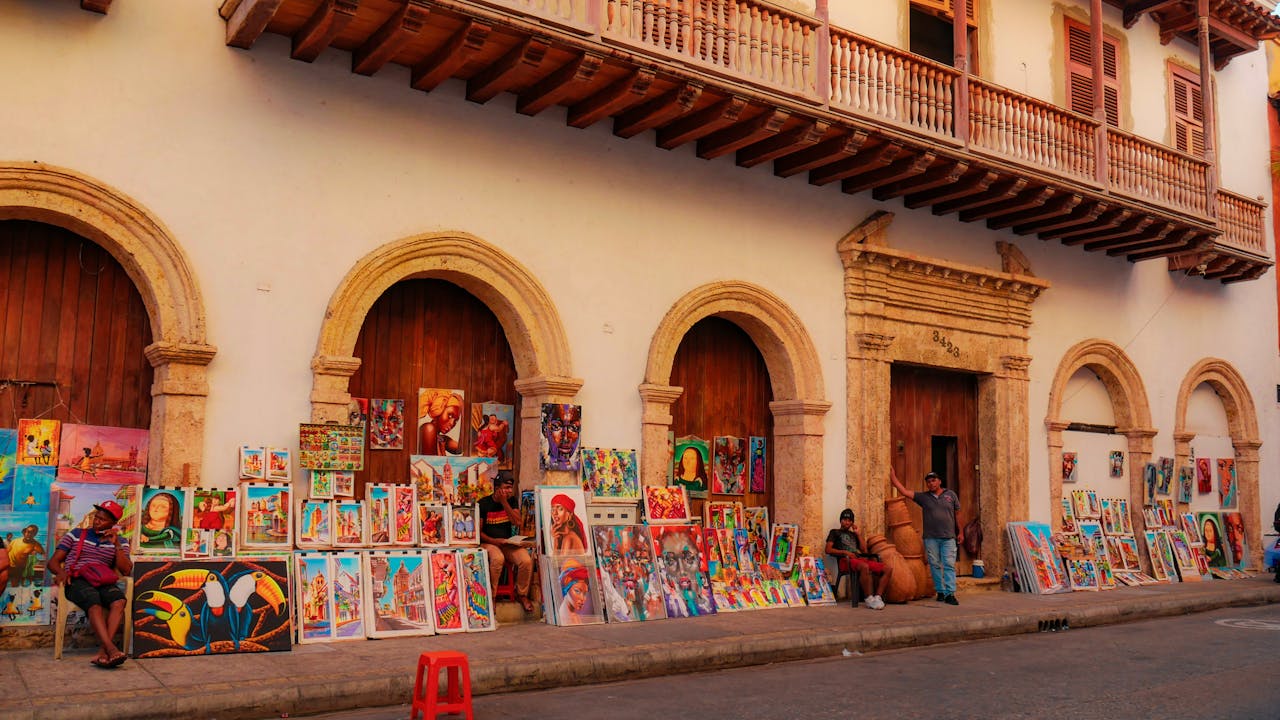
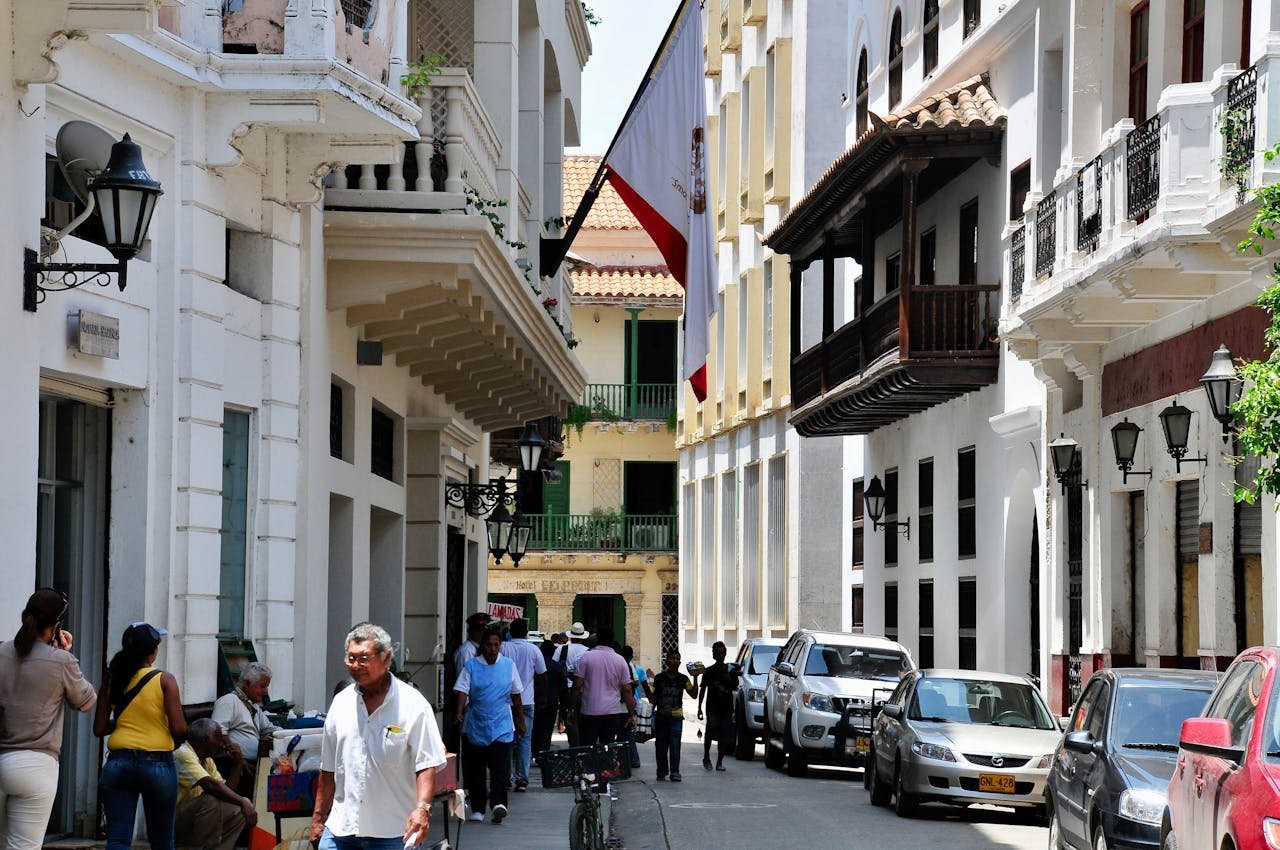
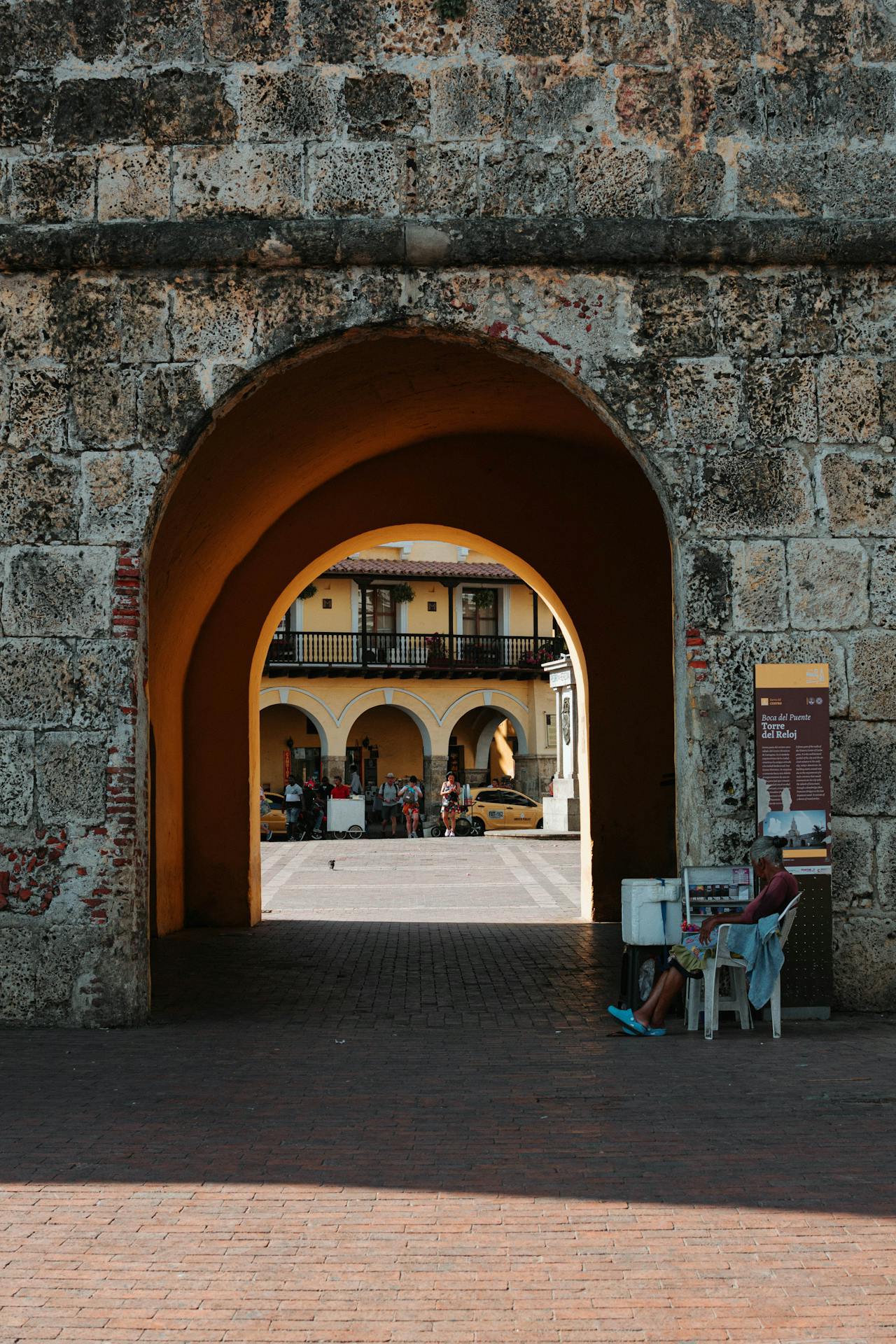
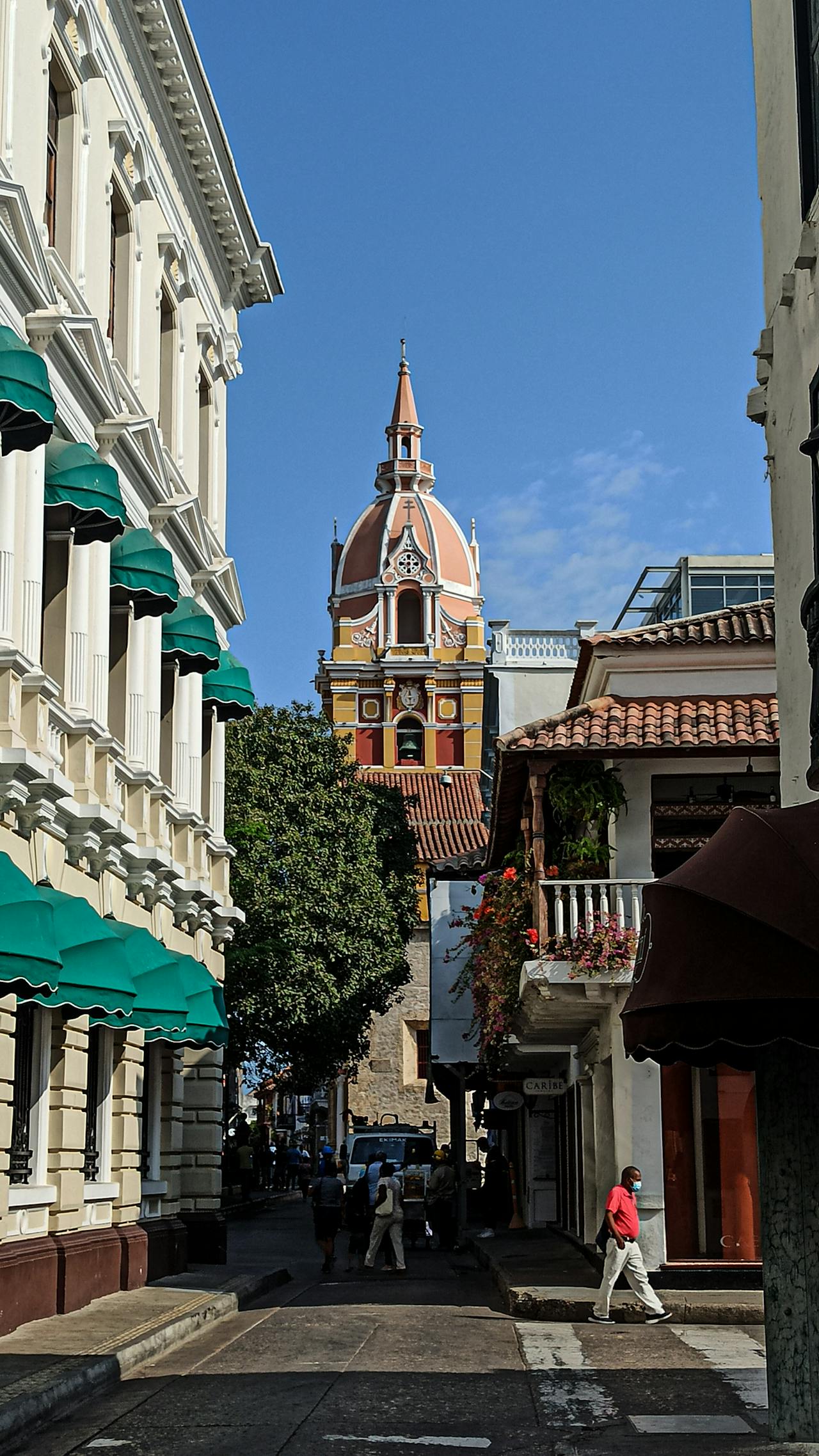
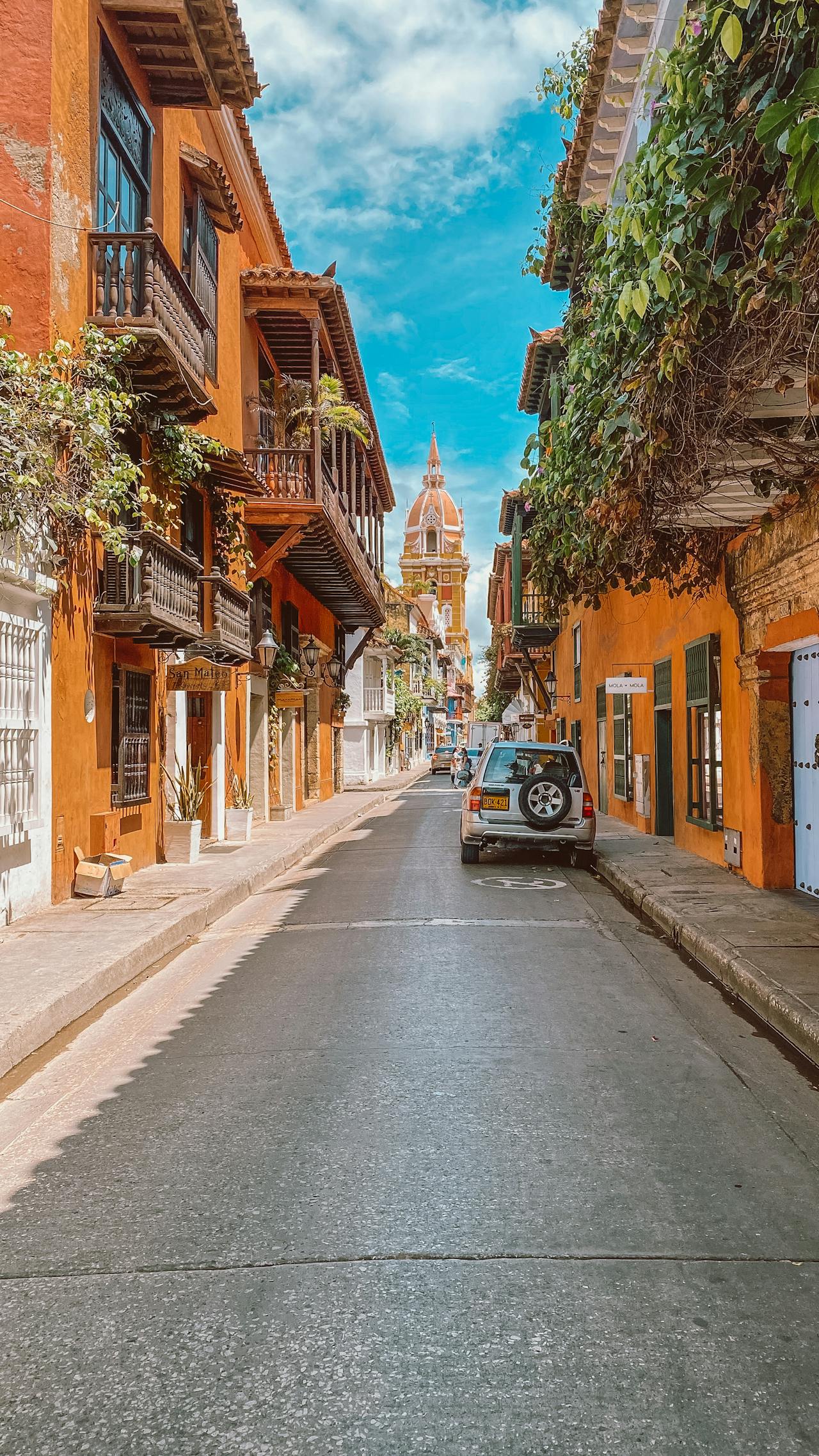
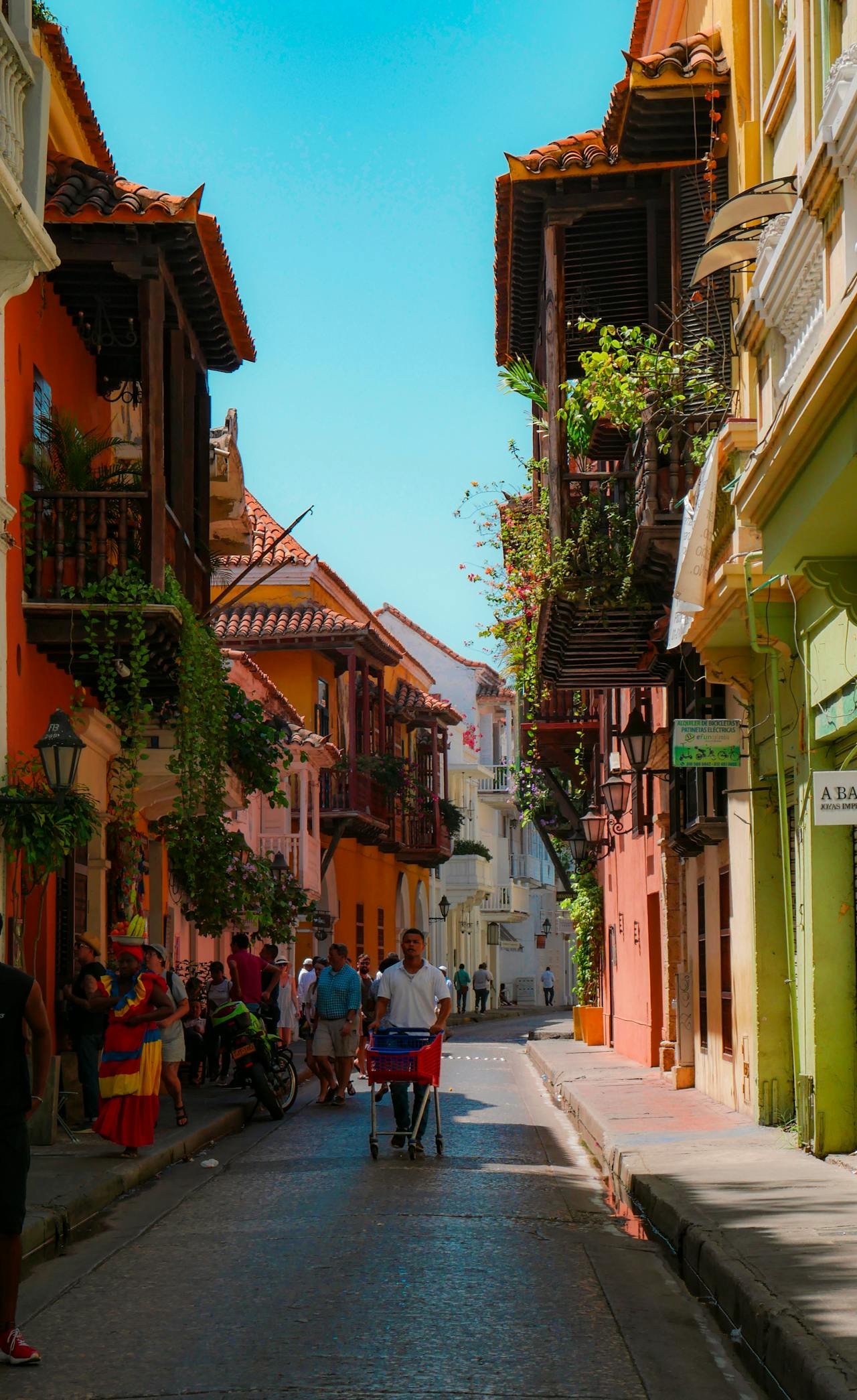
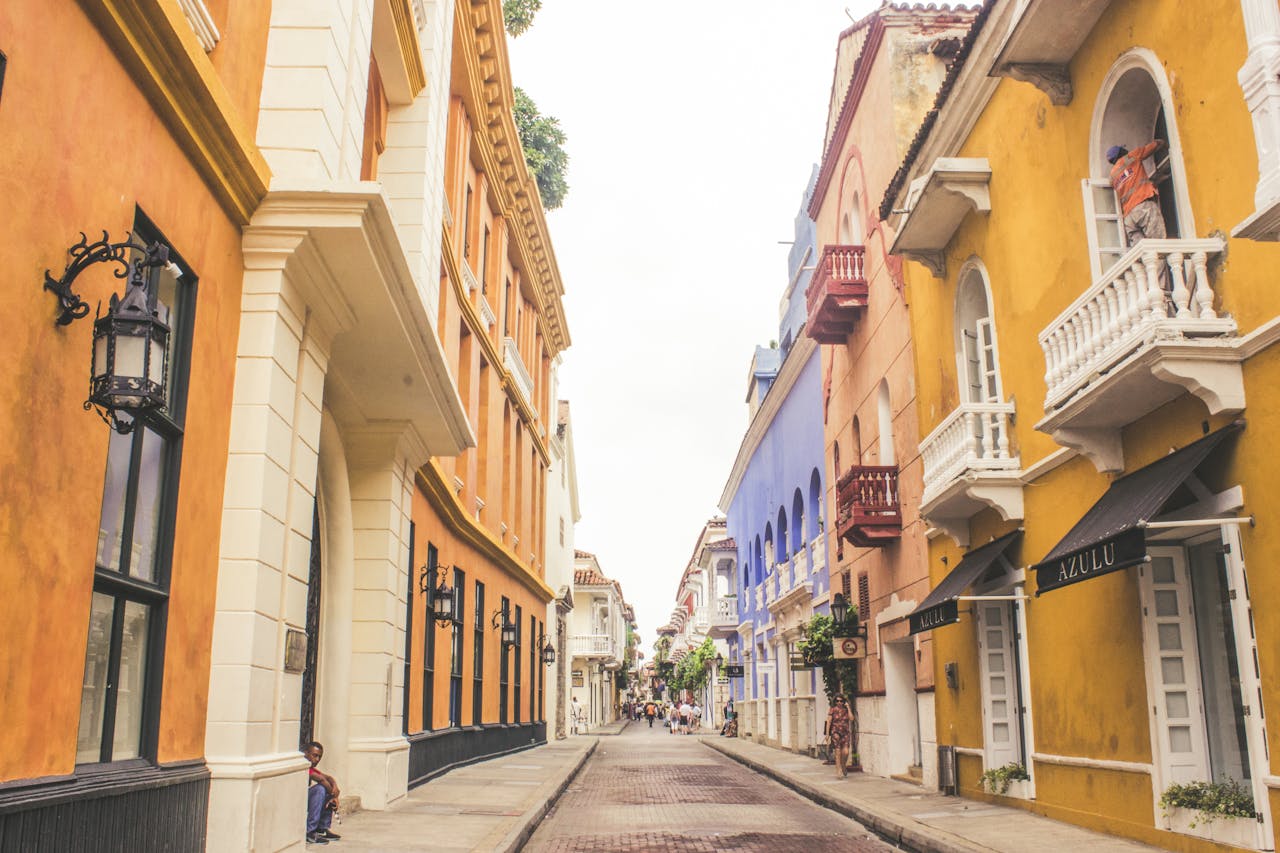
The Walled City - The historical heart of Cartagena. Narrow streets, colonial balconies, shaded squares, and beautifully preserved architecture. Walking aimlessly within the walls is the best way to get to know it. First thing in the morning, when the heat isn't intense yet and there are fewer people, it feels entirely different.
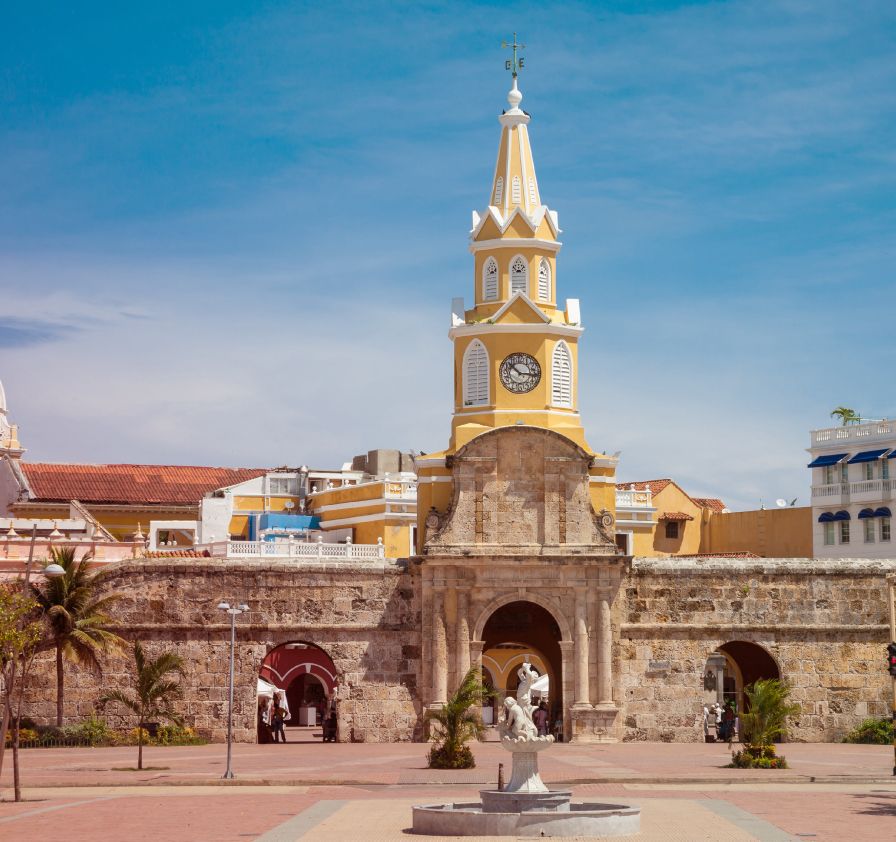
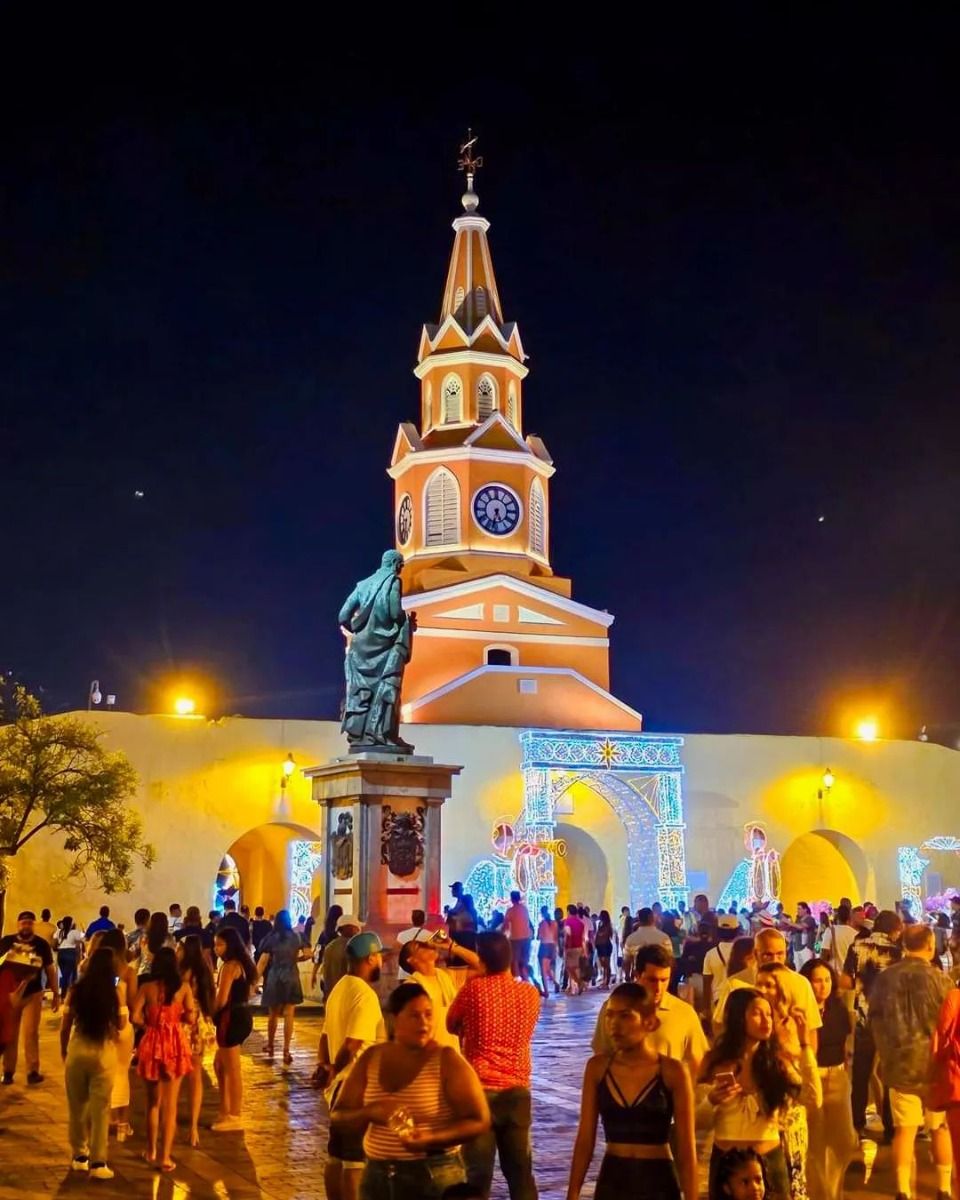
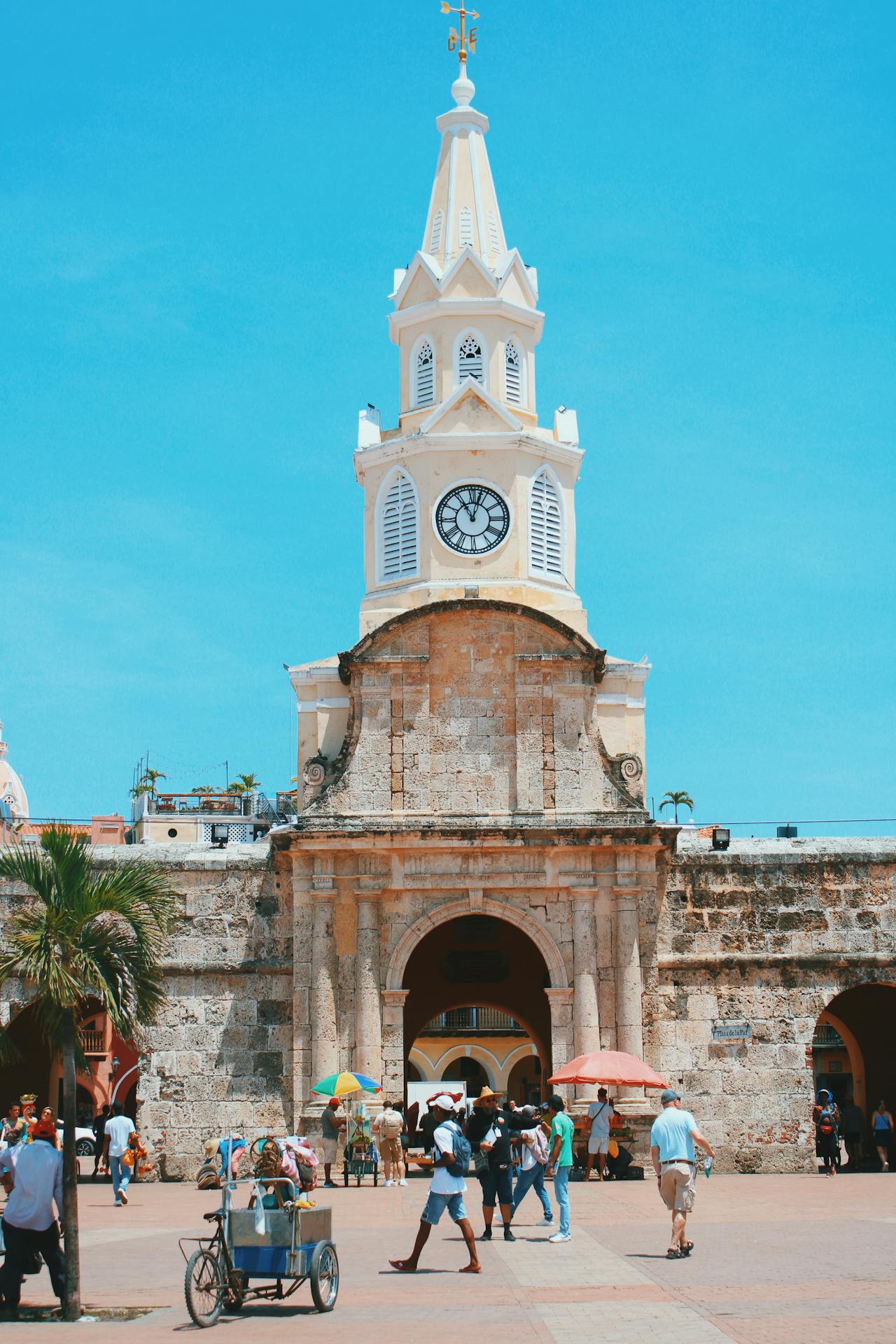
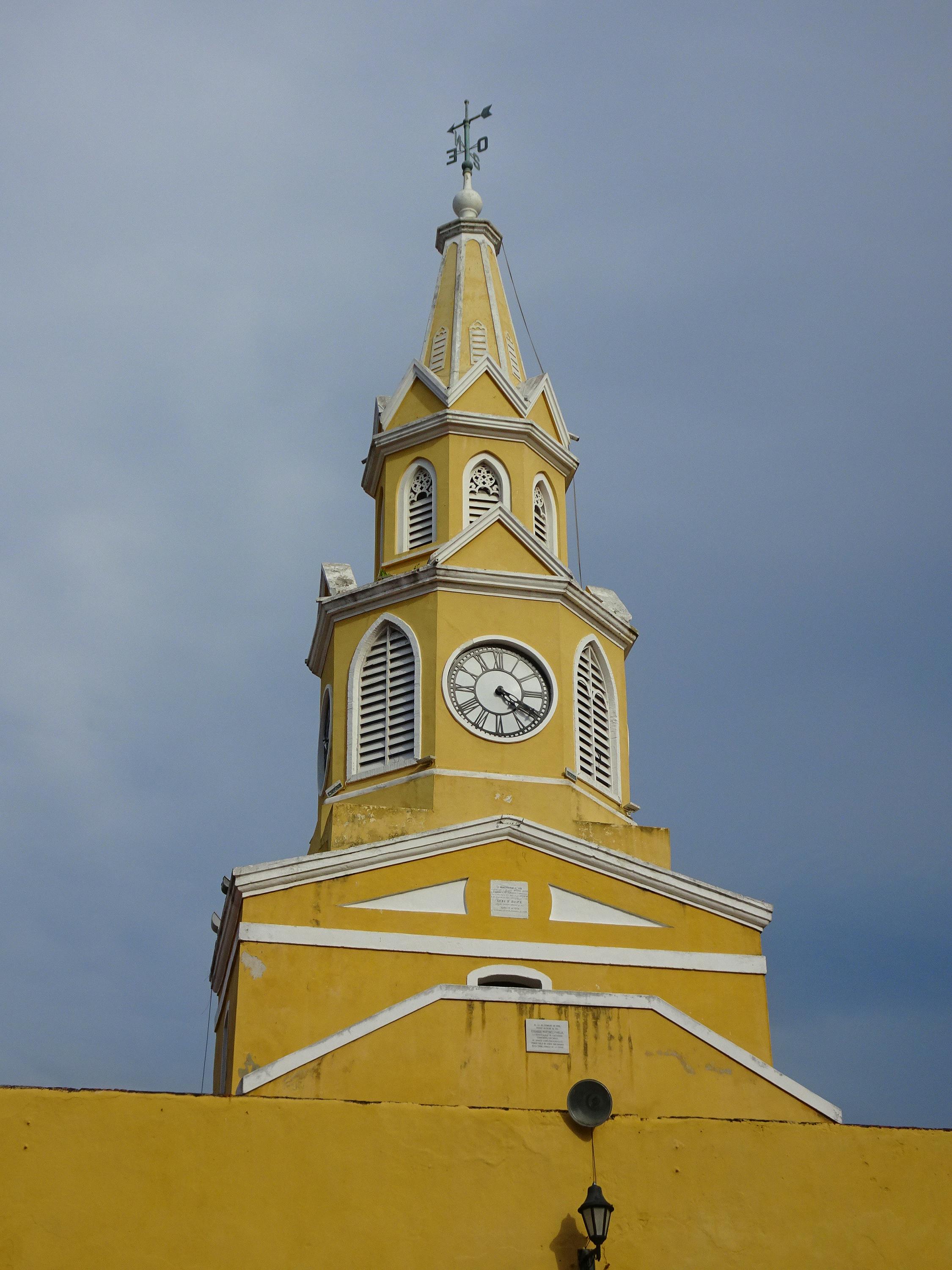
Clock Tower and Plaza de los Coches - The gateway to the old city. Always bustling, it marks the immediate contrast between the movement outside and the order of the historic center.
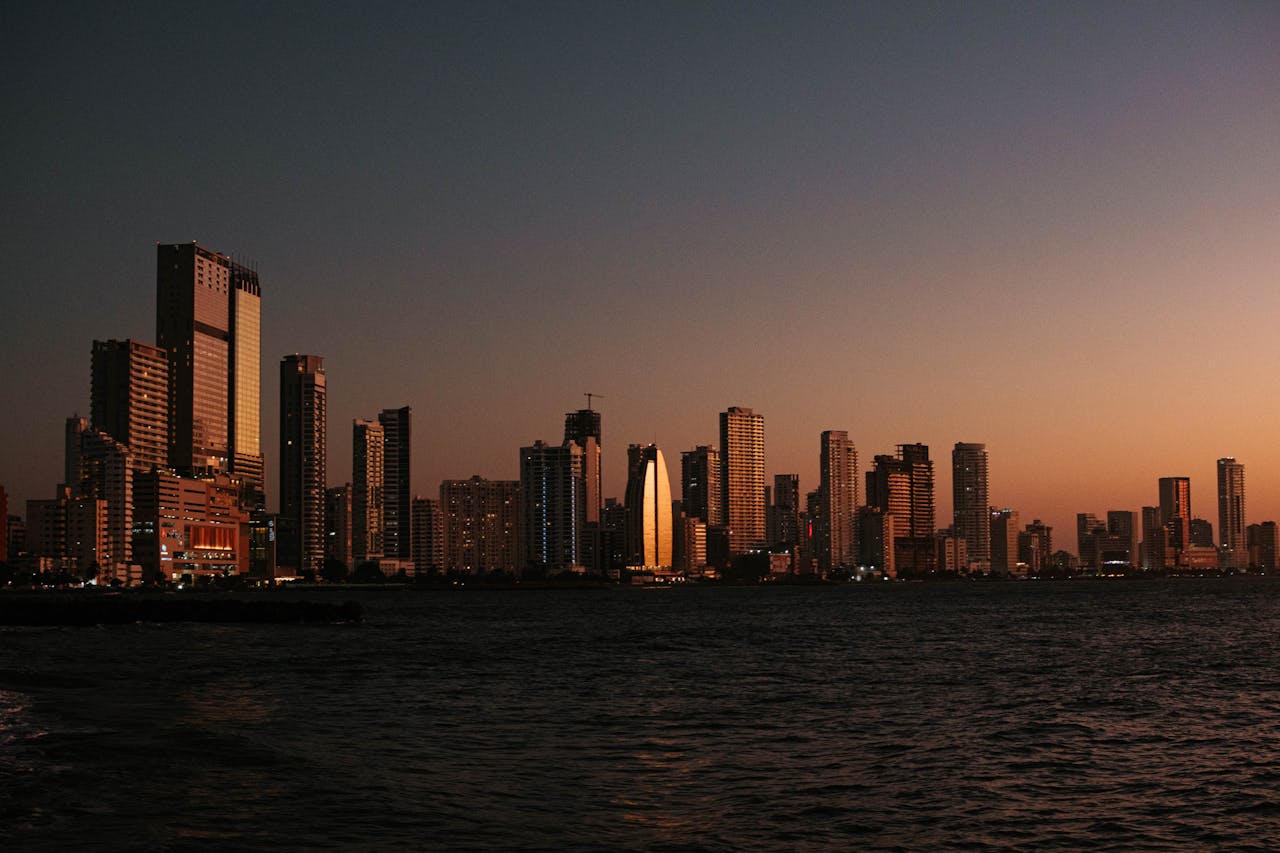
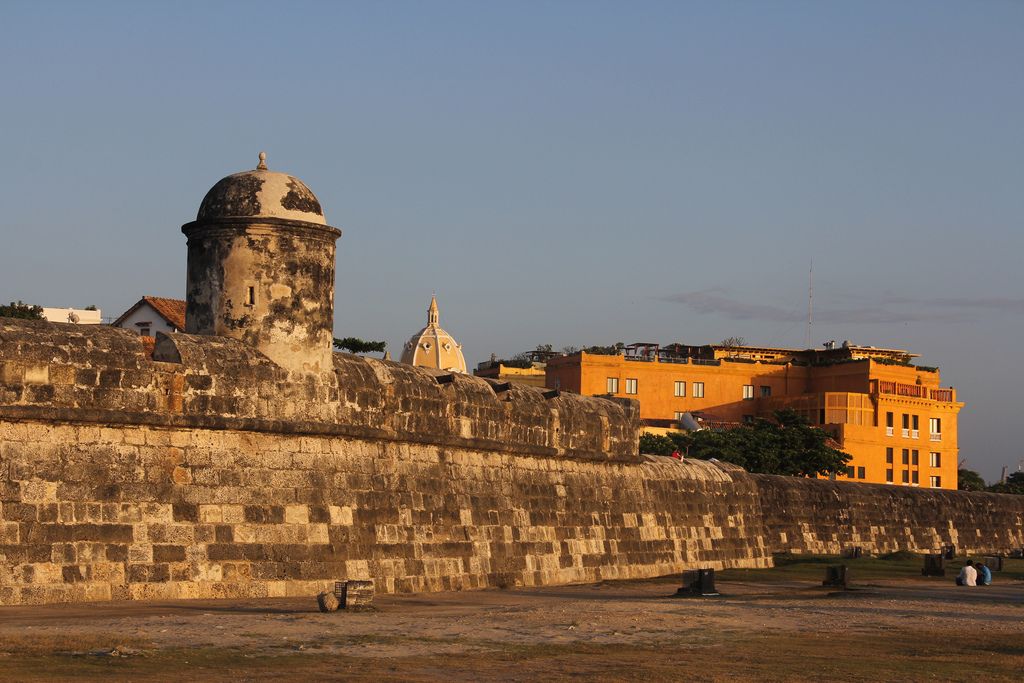
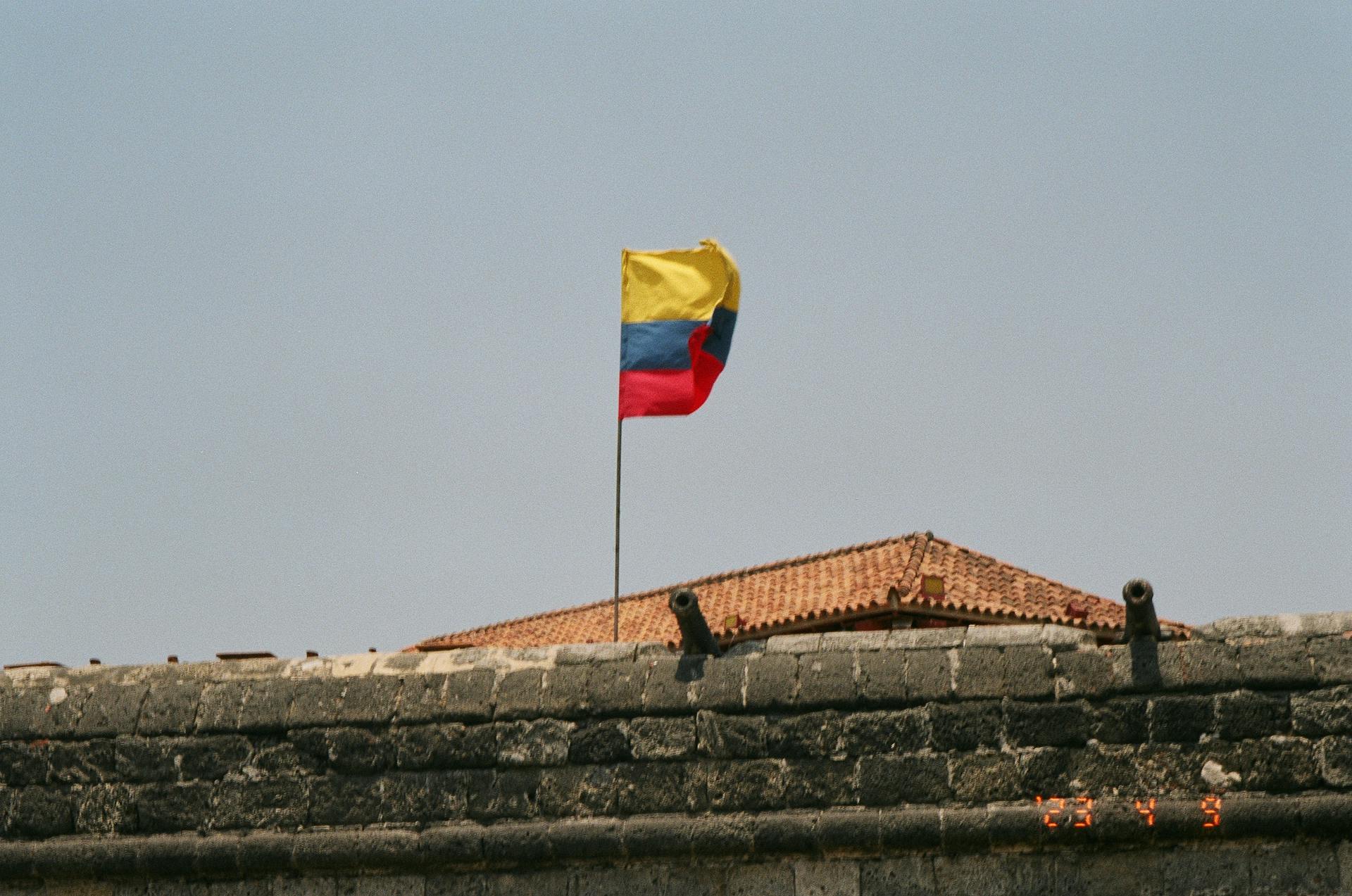
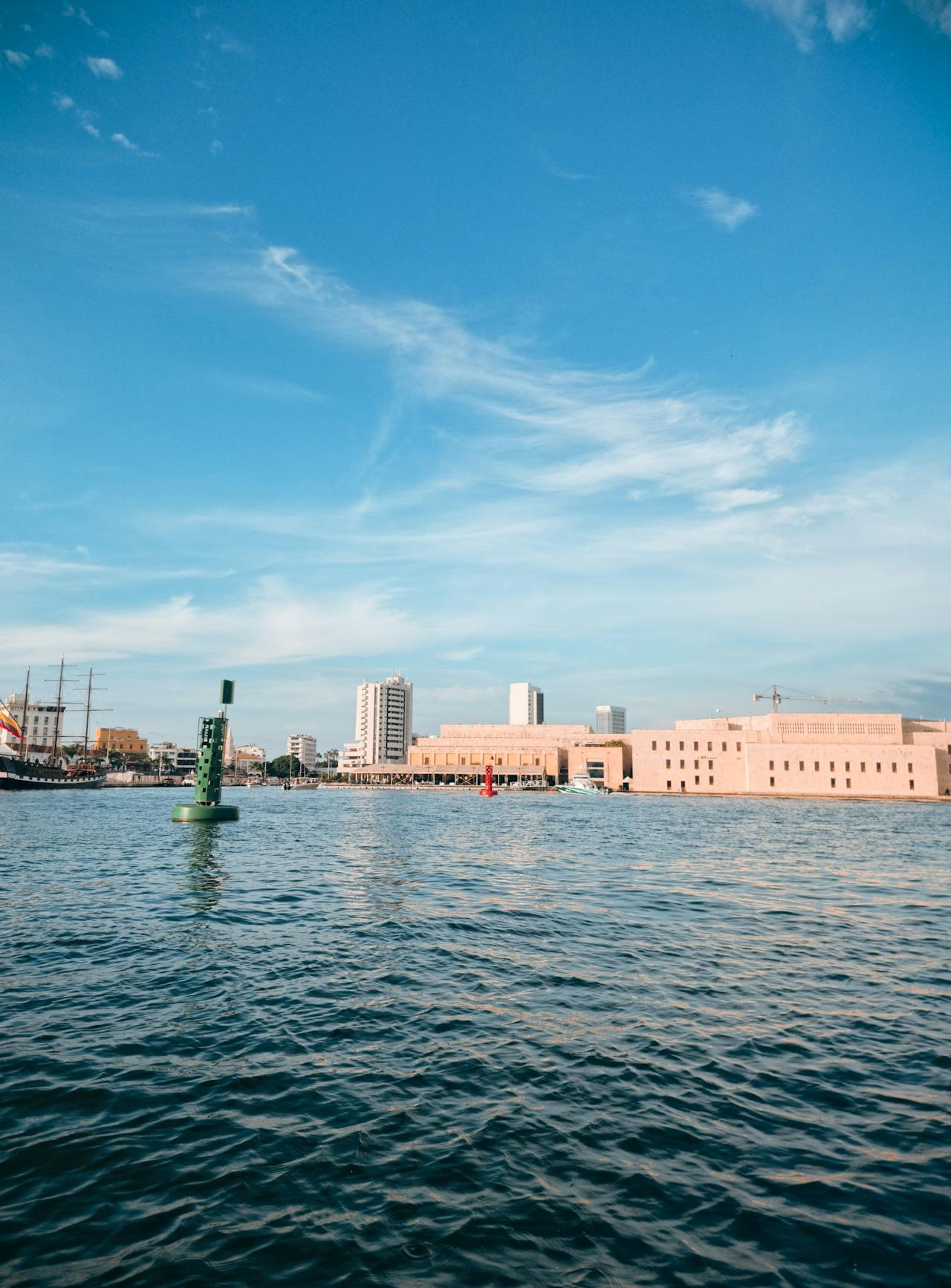
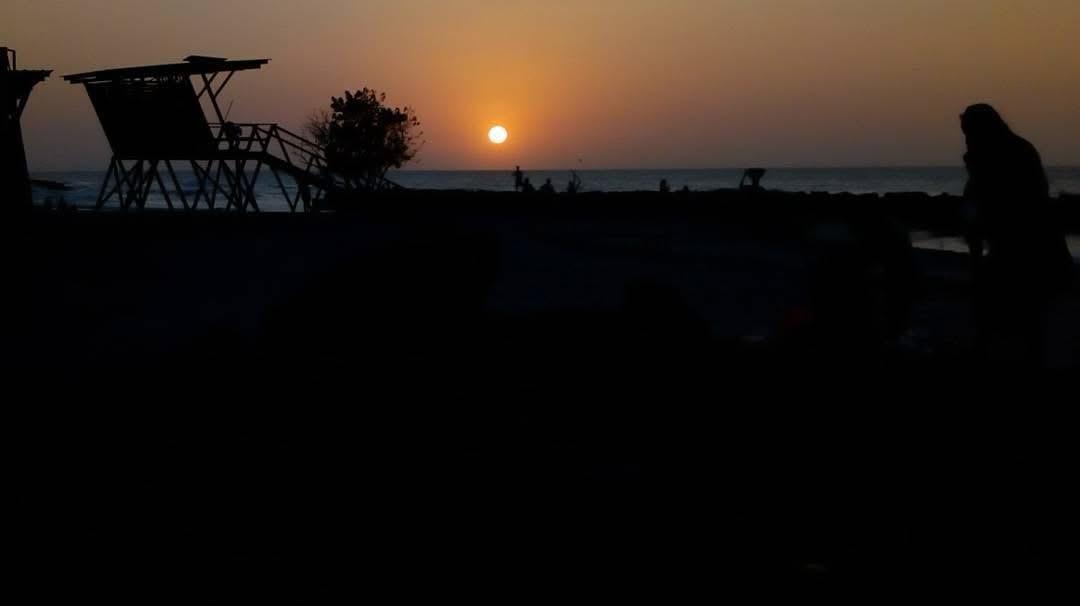
Cartagena City Walls - Walking along them allows you to understand the city's defensive scale and enjoy open views of the sea and modern neighborhoods. At sunset, they fill up with locals and travelers; it is one of the best moments of the day to feel the Caribbean rhythm.
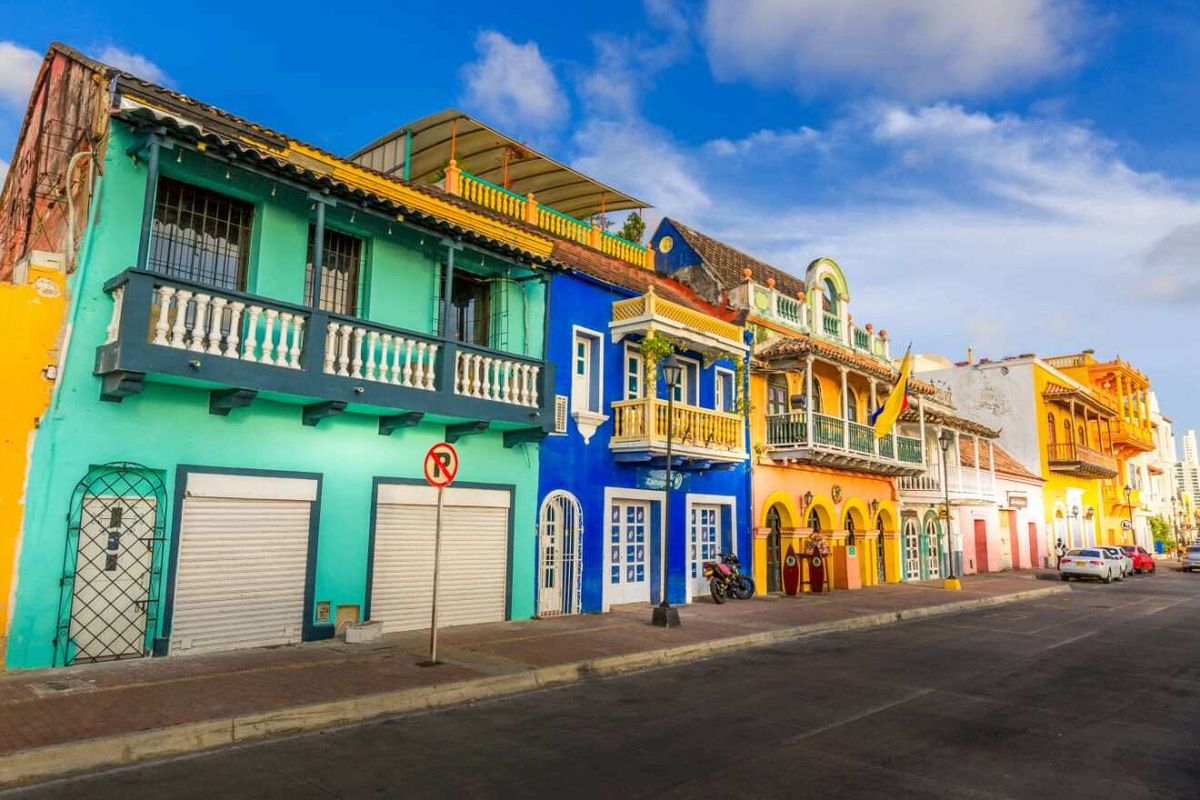
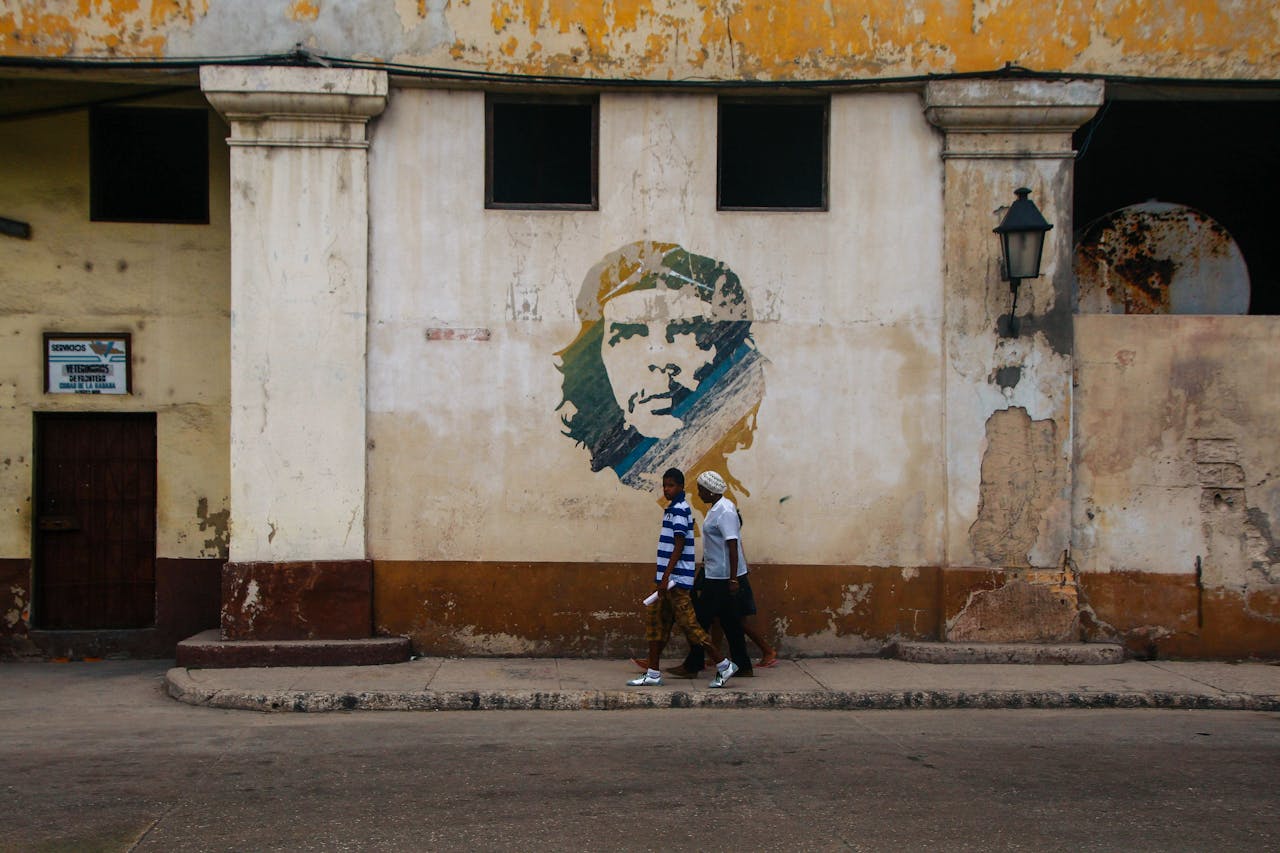
Getsemaní - A neighborhood with its own distinct identity. Murals, music, simple bars, and a strong community social life. Less formal than the Walled City and featuring a more authentic, everyday energy. At night, it completely transforms: packed squares, street performers, and a much more relaxed vibe.
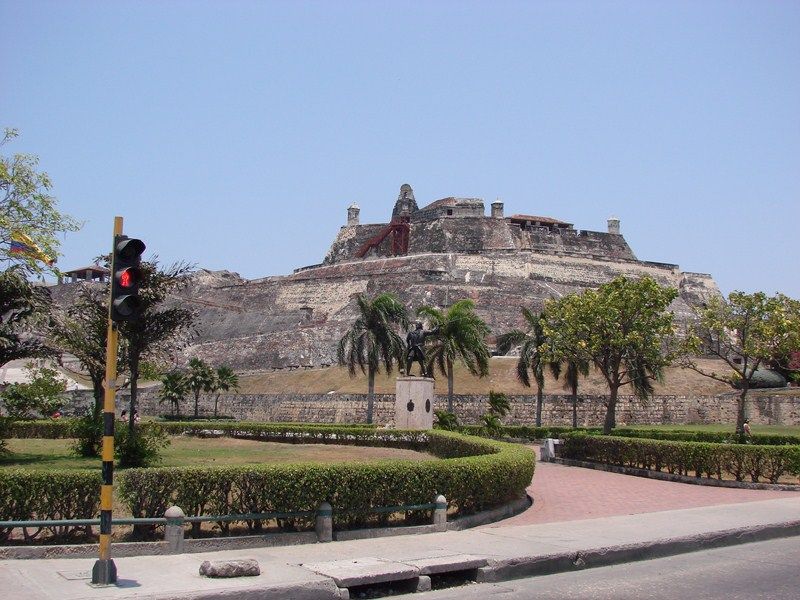
San Felipe de Barajas Castle - One of the most important fortresses in Latin America. Its structure, internal tunnels, and strategic location highlight Cartagena's historical importance as a key Caribbean port.
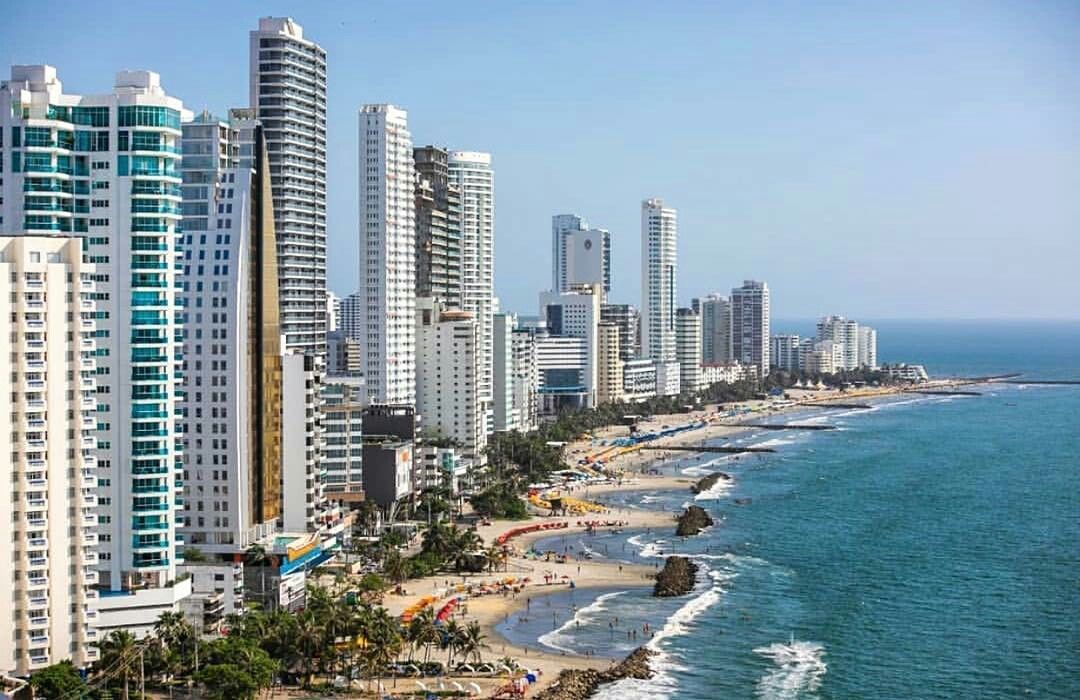
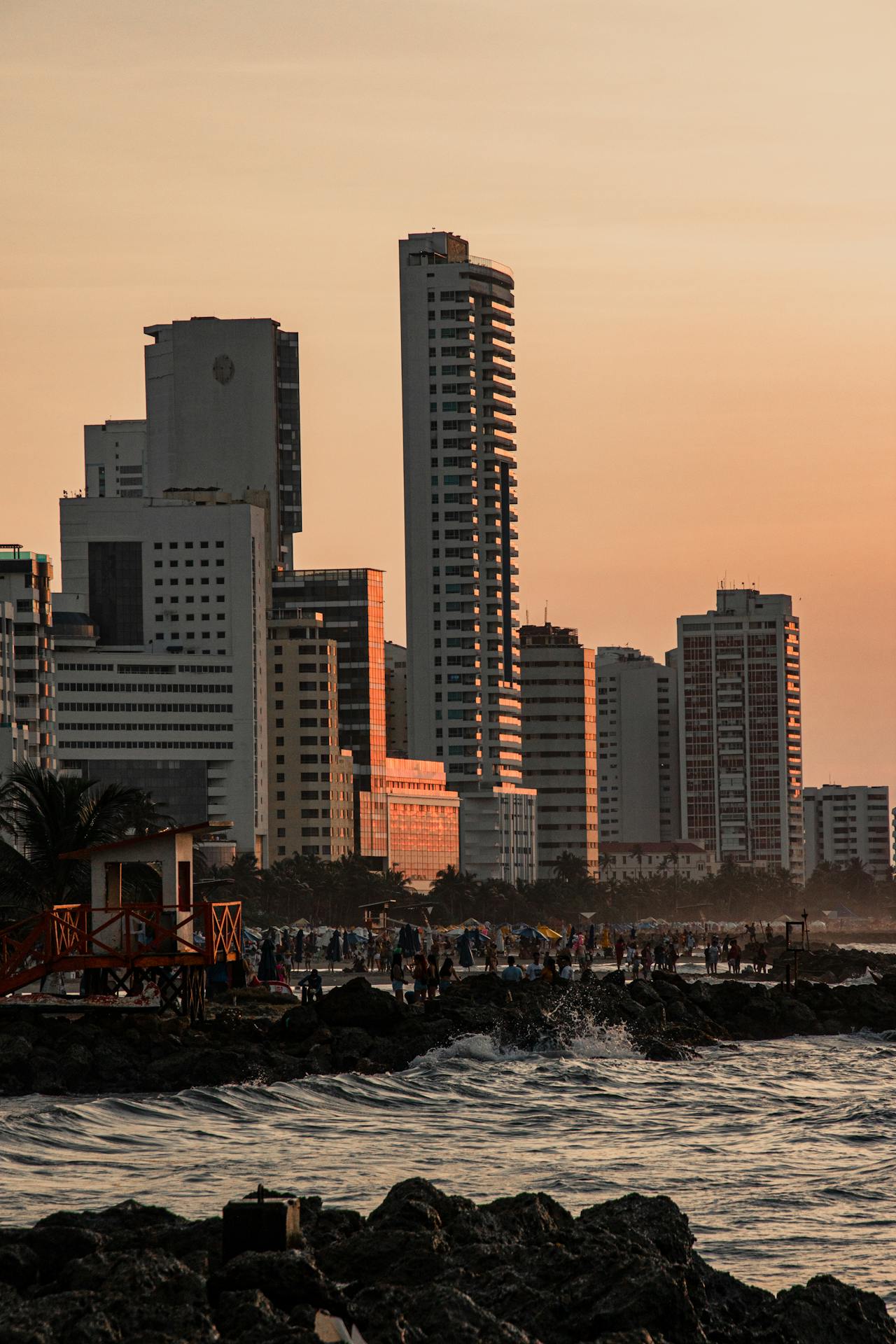
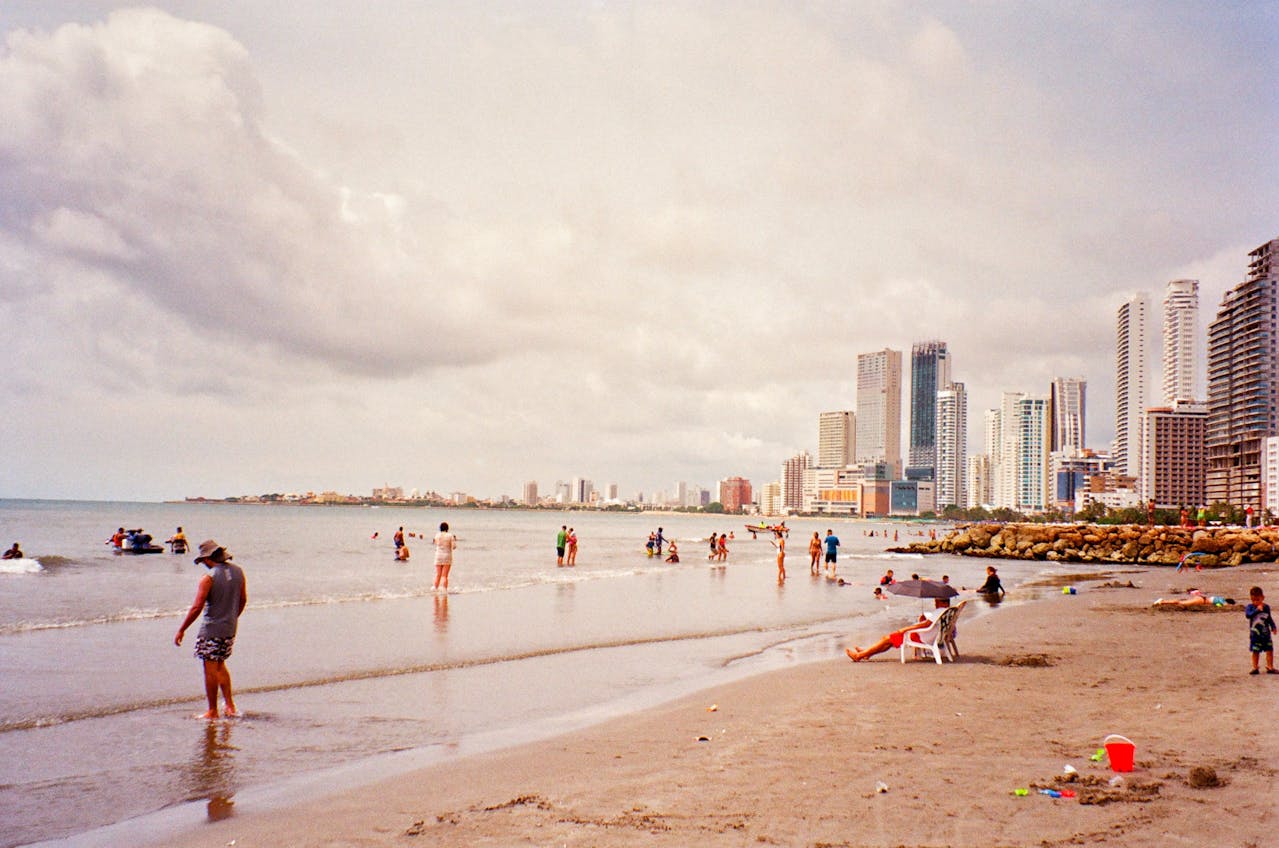
Urban Beaches - These are not the highlight of the destination. The environment is more urban than paradisiacal, and the water isn't always crystal clear. They work well for cooling off and seeing another side of the city, but if you are looking for a true "postcard" Caribbean experience, it is better to head out to the islands.
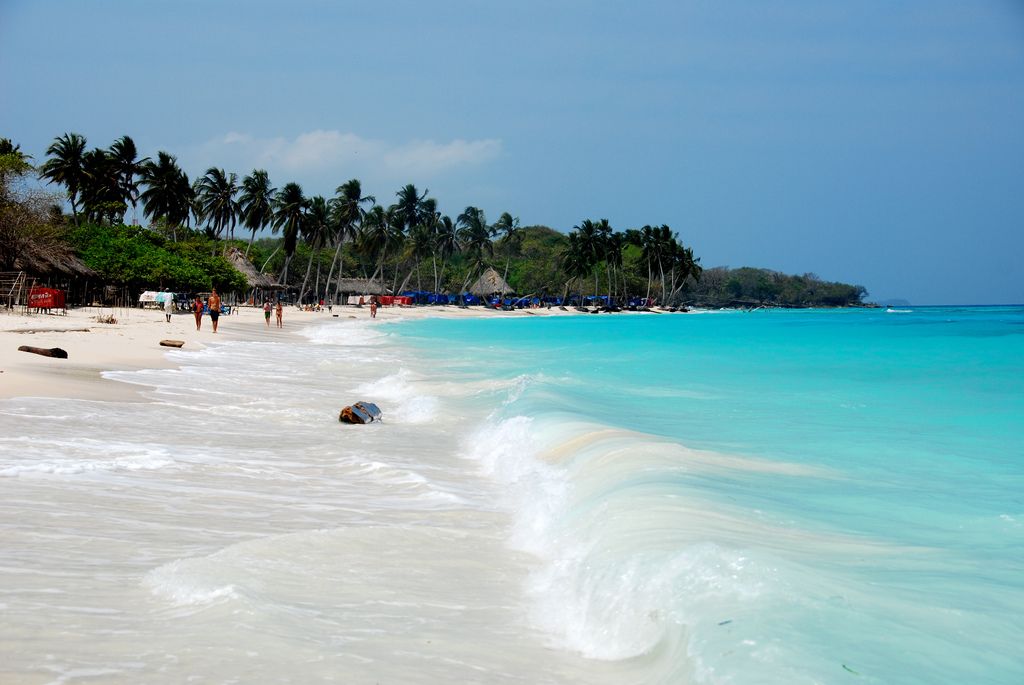
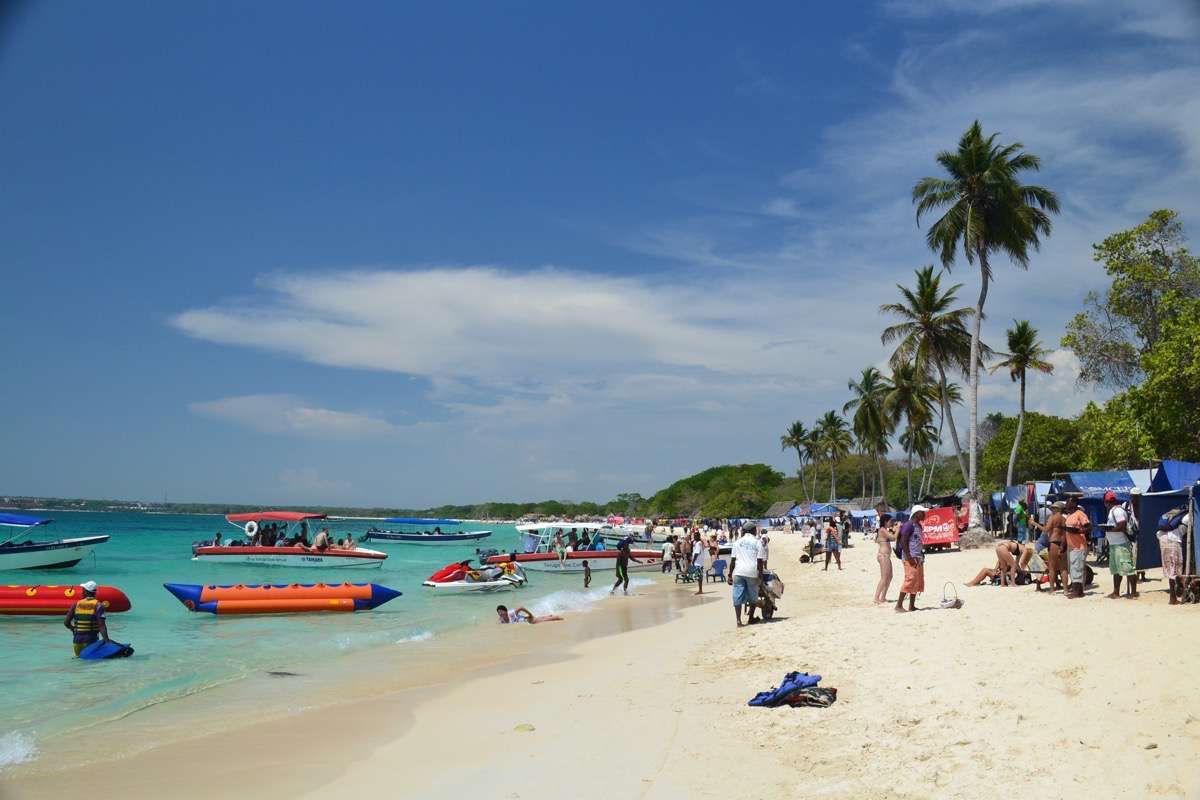
Day Trips to Nearby Islands - Excursions to Isla Barú, the Rosario Islands, and other coastal spots leave directly from the city. They are easy to organize on-site and let you balance your experience between the historic city and clearer waters.
Quiet or Lively Nightlife - There are options for all styles, from relaxed bars to more intense party spots, especially in Getsemaní and the historic center.
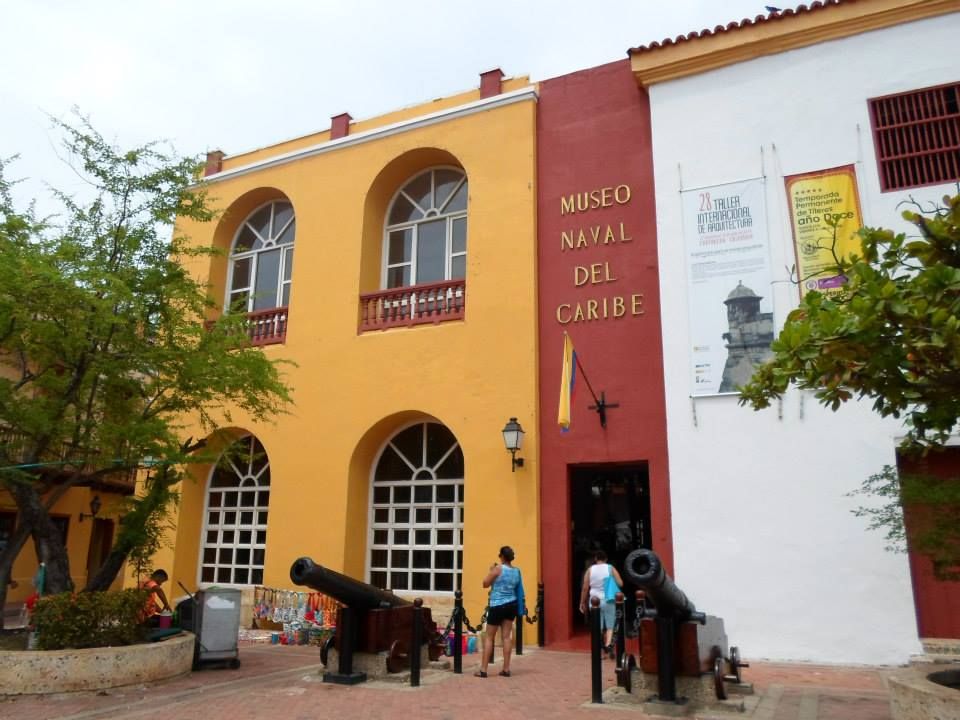
Museums and Cultural Spaces - Small but interesting museums that help you understand the colonial, Afro-Caribbean, and port past of the city.
What to Eat in Cartagena de Indias
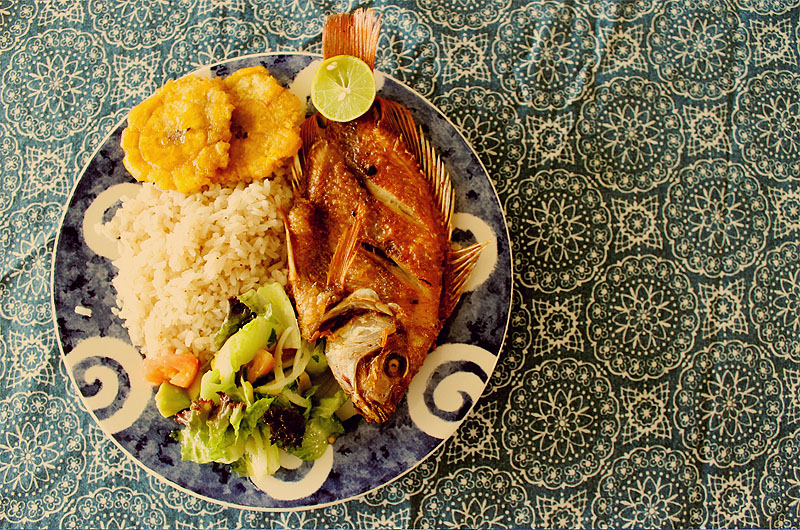
The local cuisine reflects Caribbean identity, the climate, and Afro-Colombian heritage:
-
Arepas de huevo, empanadas, and street-side fried snacks
-
Fresh fish and seafood served with coconut rice and fried plantains
-
Posta negra cartagenera, one of the most traditional beef dishes
-
Patacones topped with suero (local sour cream) and regional sauces
-
Caribbean ceviches, lighter and fresher
-
Tropical fruits and natural juices to beat the heat
-
Cocadas and traditional sweets sold in squares and streets
Isla Barú Logistics: How to Get There?
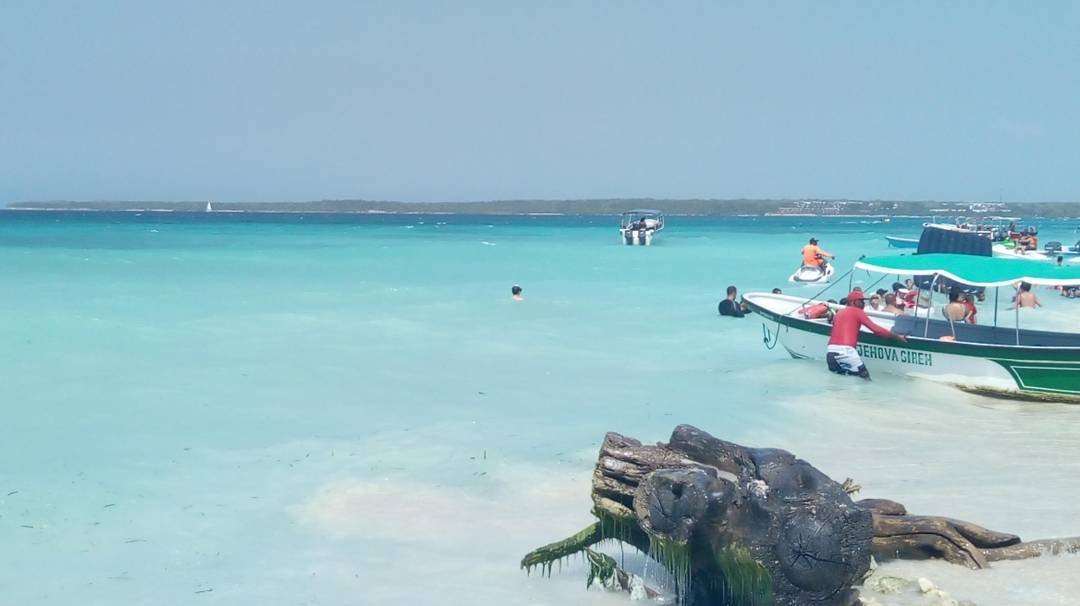
To visit the paradise of Playa Blanca on Isla Barú, you have two main choices:
-
By Water: Speedboats depart from the Muelle de la Bodeguita. This is the fastest and most direct way to reach the more remote beach areas.
-
By Land: You can cross the bridge over the Canal del Dique via taxi, collective bus, or private vehicle. This is the more budget-friendly option, though the final stretch toward the beach can become a bit chaotic due to traffic.
Safety Tips: Tipping and Free Samples
Cartagena is vibrant but highly commercialized. To avoid uncomfortable moments, keep in mind:
-
Nothing is free: Be wary of "free samples" of fruit, massages on the beach, or freestyle street rappers. Always ask for the price before accepting any service or tasting.
-
Negotiation: Always agree on prices for taxis and tourist services in advance to avoid unexpected upcharges at the end of your trip.
El Portal de los Dulces
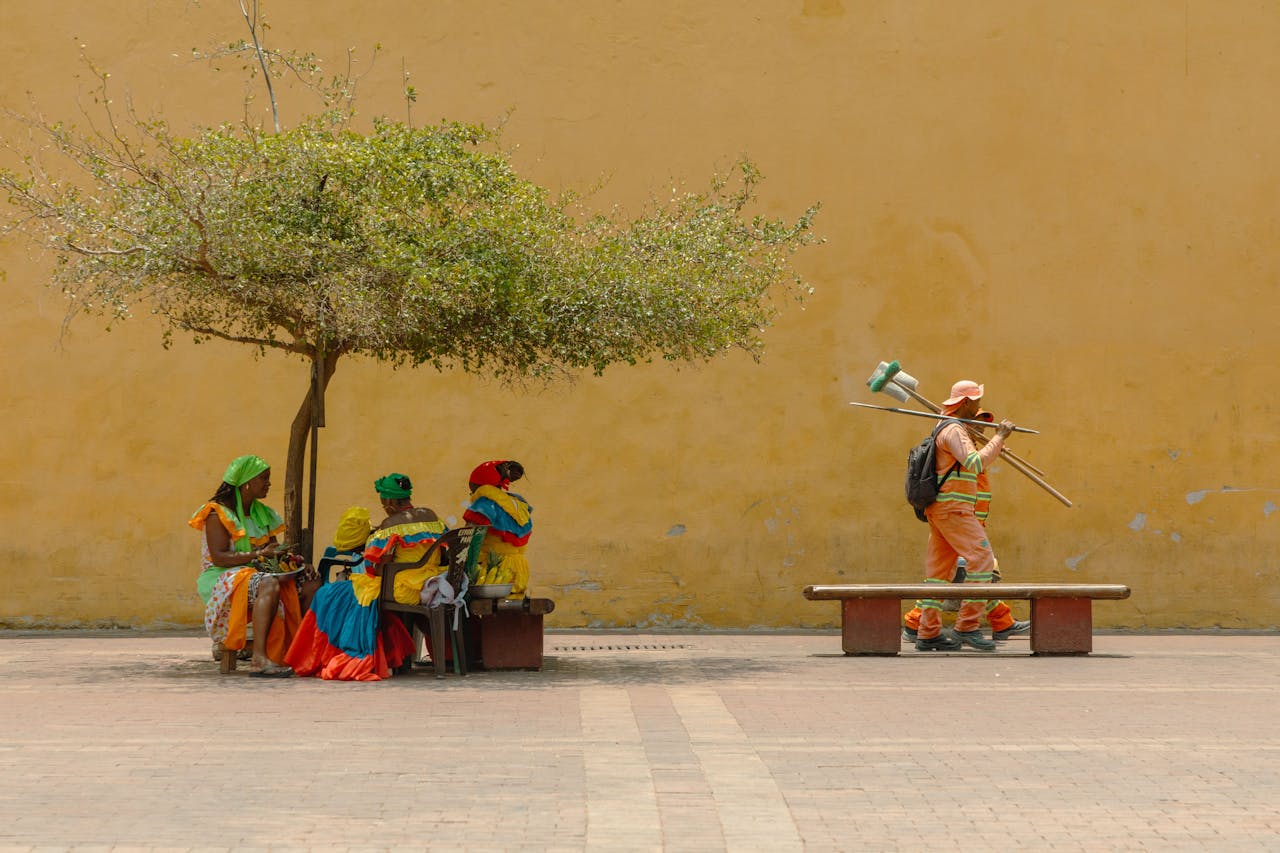
Right in front of the iconic Clock Tower lies the Portal de los Dulces. This colonial archway is a gastronomic landmark where you can find glass jars filled with cocadas, arequipe (milk caramel), local fruit sweets, and traditional "alegrías". It is a mandatory stop to take home an authentic taste of the city.
What Makes Cartagena Different
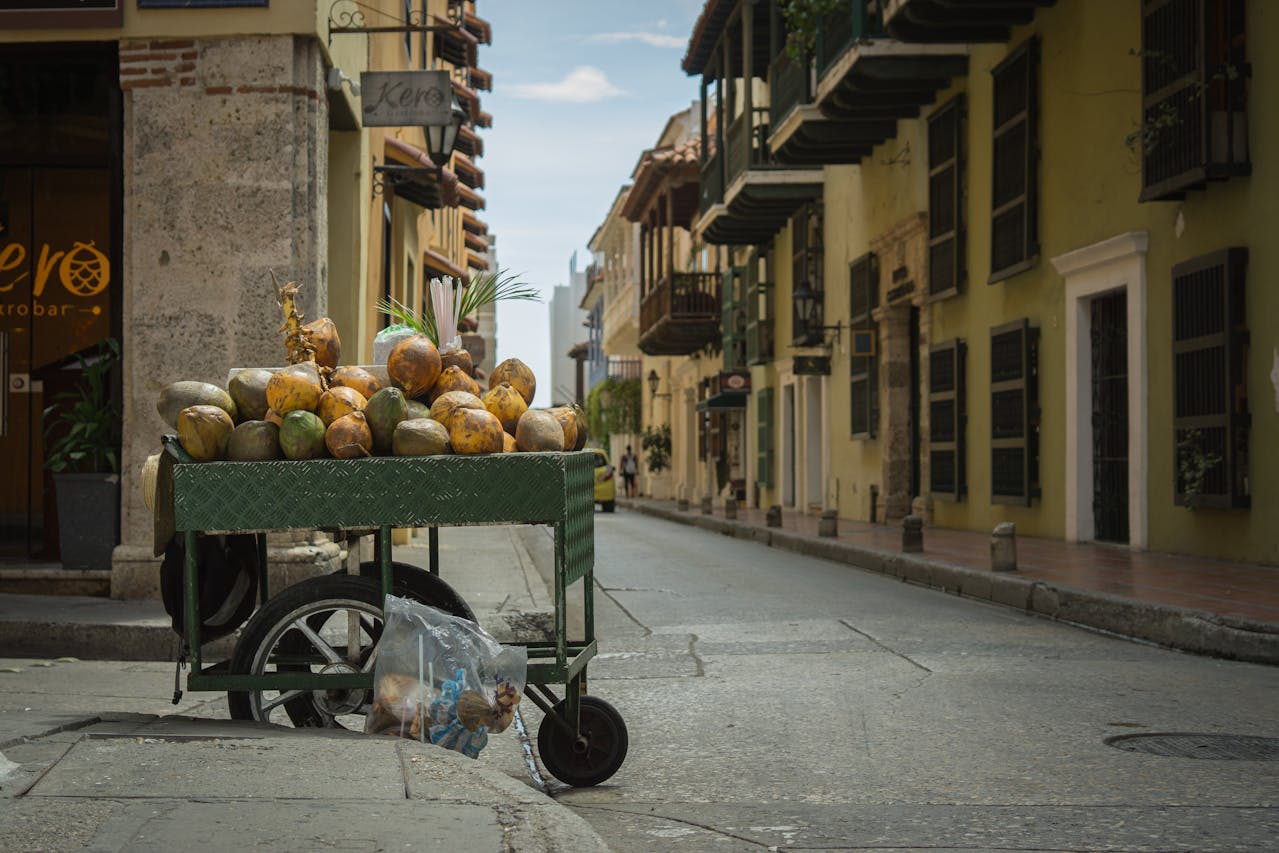
Cartagena blends three distinct worlds: a colonial city, a modern Caribbean metropolis, and an international tourist destination. This intersection creates sharp contrasts: luxury and simplicity, history and the present, tradition and spectacle.
It is an extremely photogenic city, but also highly energetic and commercial. Rather than just searching for the perfect photo, it is worth pausing to observe how it moves, how it sounds, and how it changes throughout the day.
Tips and Characteristics
-
Currency: Colombian Peso (COP)
-
Transport: Taxis and ride-hailing apps work well; the historic center is easily explored on foot
-
Prices: Higher inside the Walled City compared to Getsemaní and less touristy neighborhoods
-
Weather: Hot and humid year-round. The heat peaks around noon; it's best to plan walks early in the morning or at sunset
-
Safety: Tourist areas are well-policed; use caution in outlying neighborhoods and at night
-
Best Time to Visit: December to April, which sees the least rainfall
-
Travel Advice: No need to book tours far in advance; it's better to compare prices on-site and negotiate calmly
Our Experience Traveling Through Cartagena de Indias
I spent nearly a month in Cartagena. It is intense, loud, and full of stimuli. The midday heat forces you to slow down, look for shade, and adapt. That adaptation is a key part of the experience.
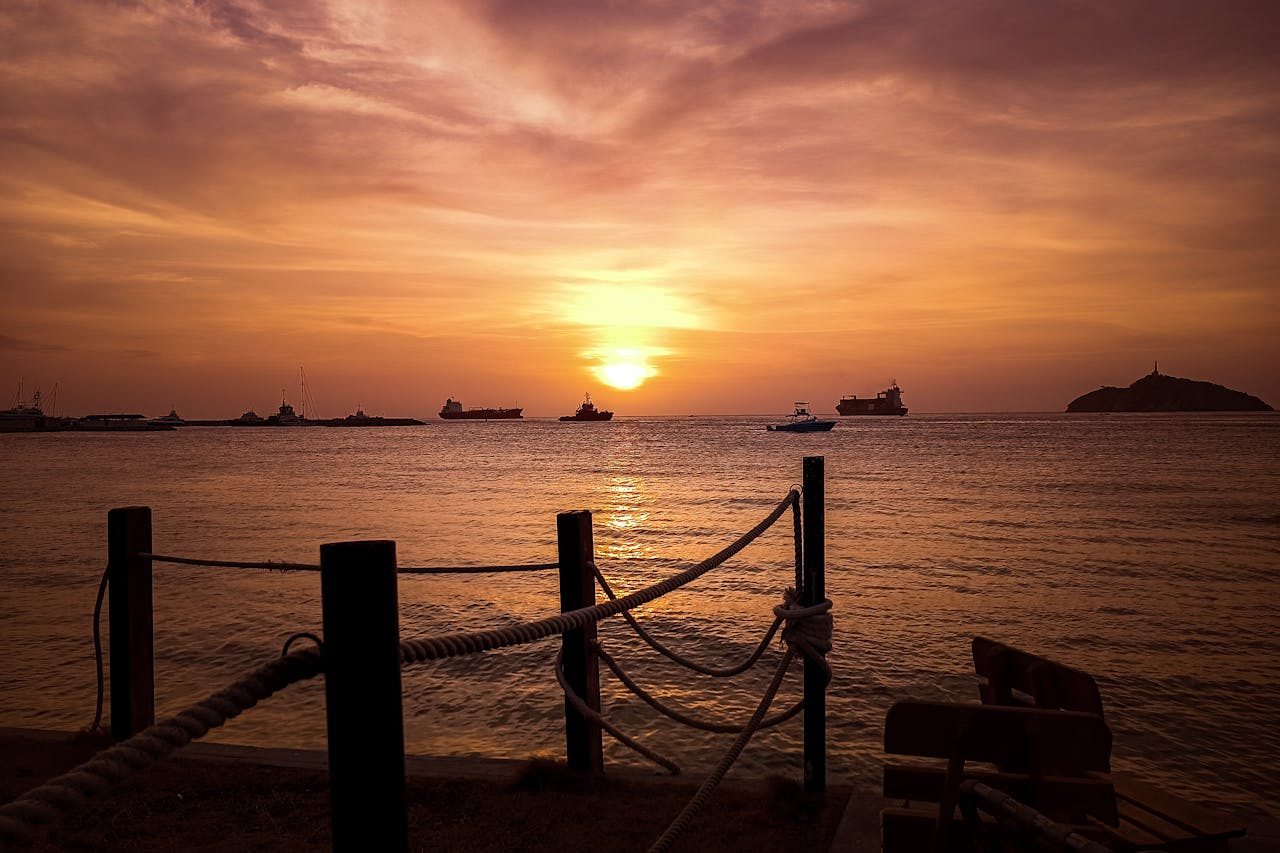
One of the best moments of the day arrives at sunset, when the sun drops over the sea and the city walls fill up with people sitting and watching the horizon. The city softens for a while, lowers its volume, and reveals its more contemplative side.
It is a city that isn't traveled in a straight line: it is discovered in side streets, in open squares, in spontaneous conversations, and in the constant blend of past and present. A crucial stop to understand the Colombian Caribbean and its identity, along with its contrasts and constant dynamism.
You Might Also Be Interested In
The Walled City - The historical heart of Cartagena. Narrow streets, colonial balconies, shaded squares, and beautifully preserved architecture. Walking aimlessly within the walls is the best way to get to know it. First thing in the morning, when the heat isn't intense yet and there are fewer people, it feels entirely different.
Clock Tower and Plaza de los Coches - The gateway to the old city. Always bustling, it marks the immediate contrast between the movement outside and the order of the historic center.
Cartagena City Walls - Walking along them allows you to understand the city's defensive scale and enjoy open views of the sea and modern neighborhoods. At sunset, they fill up with locals and travelers; it is one of the best moments of the day to feel the Caribbean rhythm.
Getsemaní - A neighborhood with its own distinct identity. Murals, music, simple bars, and a strong community social life. Less formal than the Walled City and featuring a more authentic, everyday energy. At night, it completely transforms: packed squares, street performers, and a much more relaxed vibe.
San Felipe de Barajas Castle - One of the most important fortresses in Latin America. Its structure, internal tunnels, and strategic location highlight Cartagena's historical importance as a key Caribbean port.
Urban Beaches - These are not the highlight of the destination. The environment is more urban than paradisiacal, and the water isn't always crystal clear. They work well for cooling off and seeing another side of the city, but if you are looking for a true "postcard" Caribbean experience, it is better to head out to the islands.
Day Trips to Nearby Islands - Excursions to Isla Barú, the Rosario Islands, and other coastal spots leave directly from the city. They are easy to organize on-site and let you balance your experience between the historic city and clearer waters.
Quiet or Lively Nightlife - There are options for all styles, from relaxed bars to more intense party spots, especially in Getsemaní and the historic center.
Museums and Cultural Spaces - Small but interesting museums that help you understand the colonial, Afro-Caribbean, and port past of the city.
PUBLICIDAD
Travel with Data: Get your Saily eSIM
- ✓Internet in seconds upon landing
- ✓Flexible plans in 180+ countries
- ✓Easy setup directly via the App
The local cuisine reflects Caribbean identity, the climate, and Afro-Colombian heritage:
-
Arepas de huevo, empanadas, and street-side fried snacks
-
Fresh fish and seafood served with coconut rice and fried plantains
-
Posta negra cartagenera, one of the most traditional beef dishes
-
Patacones topped with suero (local sour cream) and regional sauces
-
Caribbean ceviches, lighter and fresher
-
Tropical fruits and natural juices to beat the heat
-
Cocadas and traditional sweets sold in squares and streets
To visit the paradise of Playa Blanca on Isla Barú, you have two main choices:
-
By Water: Speedboats depart from the Muelle de la Bodeguita. This is the fastest and most direct way to reach the more remote beach areas.
-
By Land: You can cross the bridge over the Canal del Dique via taxi, collective bus, or private vehicle. This is the more budget-friendly option, though the final stretch toward the beach can become a bit chaotic due to traffic.
Cartagena is vibrant but highly commercialized. To avoid uncomfortable moments, keep in mind:
-
Nothing is free: Be wary of "free samples" of fruit, massages on the beach, or freestyle street rappers. Always ask for the price before accepting any service or tasting.
-
Negotiation: Always agree on prices for taxis and tourist services in advance to avoid unexpected upcharges at the end of your trip.
Right in front of the iconic Clock Tower lies the Portal de los Dulces. This colonial archway is a gastronomic landmark where you can find glass jars filled with cocadas, arequipe (milk caramel), local fruit sweets, and traditional "alegrías". It is a mandatory stop to take home an authentic taste of the city.
Cartagena blends three distinct worlds: a colonial city, a modern Caribbean metropolis, and an international tourist destination. This intersection creates sharp contrasts: luxury and simplicity, history and the present, tradition and spectacle.
It is an extremely photogenic city, but also highly energetic and commercial. Rather than just searching for the perfect photo, it is worth pausing to observe how it moves, how it sounds, and how it changes throughout the day.
-
Currency: Colombian Peso (COP)
-
Transport: Taxis and ride-hailing apps work well; the historic center is easily explored on foot
-
Prices: Higher inside the Walled City compared to Getsemaní and less touristy neighborhoods
-
Weather: Hot and humid year-round. The heat peaks around noon; it's best to plan walks early in the morning or at sunset
-
Safety: Tourist areas are well-policed; use caution in outlying neighborhoods and at night
-
Best Time to Visit: December to April, which sees the least rainfall
-
Travel Advice: No need to book tours far in advance; it's better to compare prices on-site and negotiate calmly
I spent nearly a month in Cartagena. It is intense, loud, and full of stimuli. The midday heat forces you to slow down, look for shade, and adapt. That adaptation is a key part of the experience.
One of the best moments of the day arrives at sunset, when the sun drops over the sea and the city walls fill up with people sitting and watching the horizon. The city softens for a while, lowers its volume, and reveals its more contemplative side.
It is a city that isn't traveled in a straight line: it is discovered in side streets, in open squares, in spontaneous conversations, and in the constant blend of past and present. A crucial stop to understand the Colombian Caribbean and its identity, along with its contrasts and constant dynamism.
Galery
PUBLICIDAD
International Travel Insurance
- ✓International medical insurance
- ✓24/7 immediate assistance in your language
- ✓Ideal for trekking & adventure
Posts in Colombia
Preferences
Language
Color
Text
Width