Table of contents and map
Recorremos Colombia: 12 destinos para visitar, cómo moverte, comidas típicas y tiempos recomendados
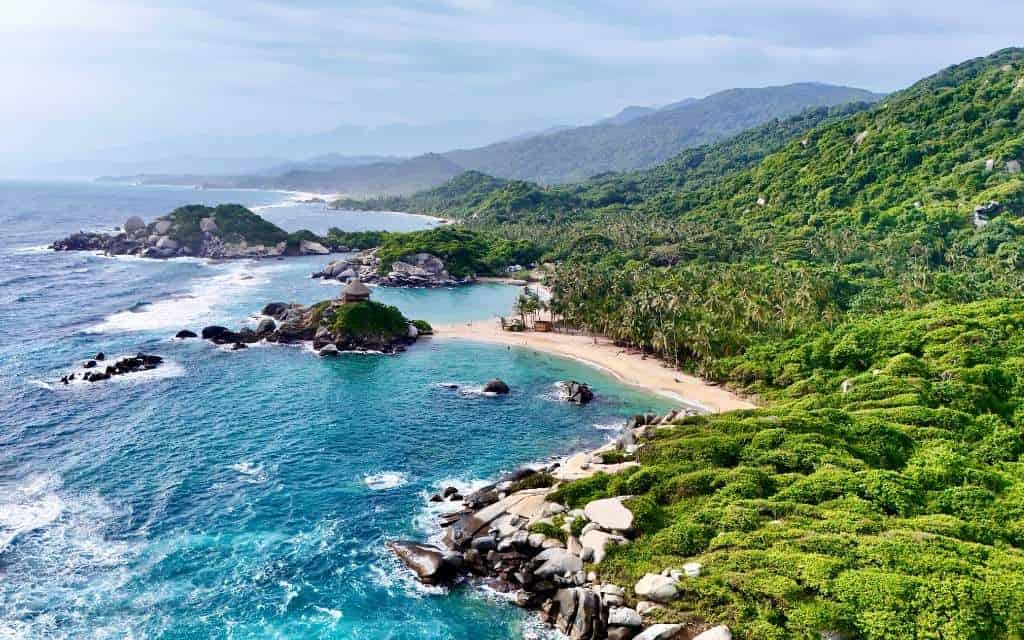
Colombia es un país vibrante y lleno de vida, donde la diversidad natural y cultural se siente en cada rincón. Desde playas caribeñas y selvas exuberantes hasta ciudades coloniales y montañas andinas, combina paisajes increíbles con una identidad marcada por la música, el color y la calidez de su gente, ideal para viajeros que buscan experiencias auténticas, historia y ritmo latino.
Recorremos Colombia: 12 destinos para visitar, cómo moverte, comidas típicas y tiempos recomendados
Colombia es un país vibrante y lleno de vida, donde la diversidad natural y cultural se siente en cada rincón. Desde playas caribeñas y selvas exuberantes hasta ciudades coloniales y montañas andinas, combina paisajes increíbles con una identidad marcada por la música, el color y la calidez de su gente, ideal para viajeros que buscan experiencias auténticas, historia y ritmo latino.
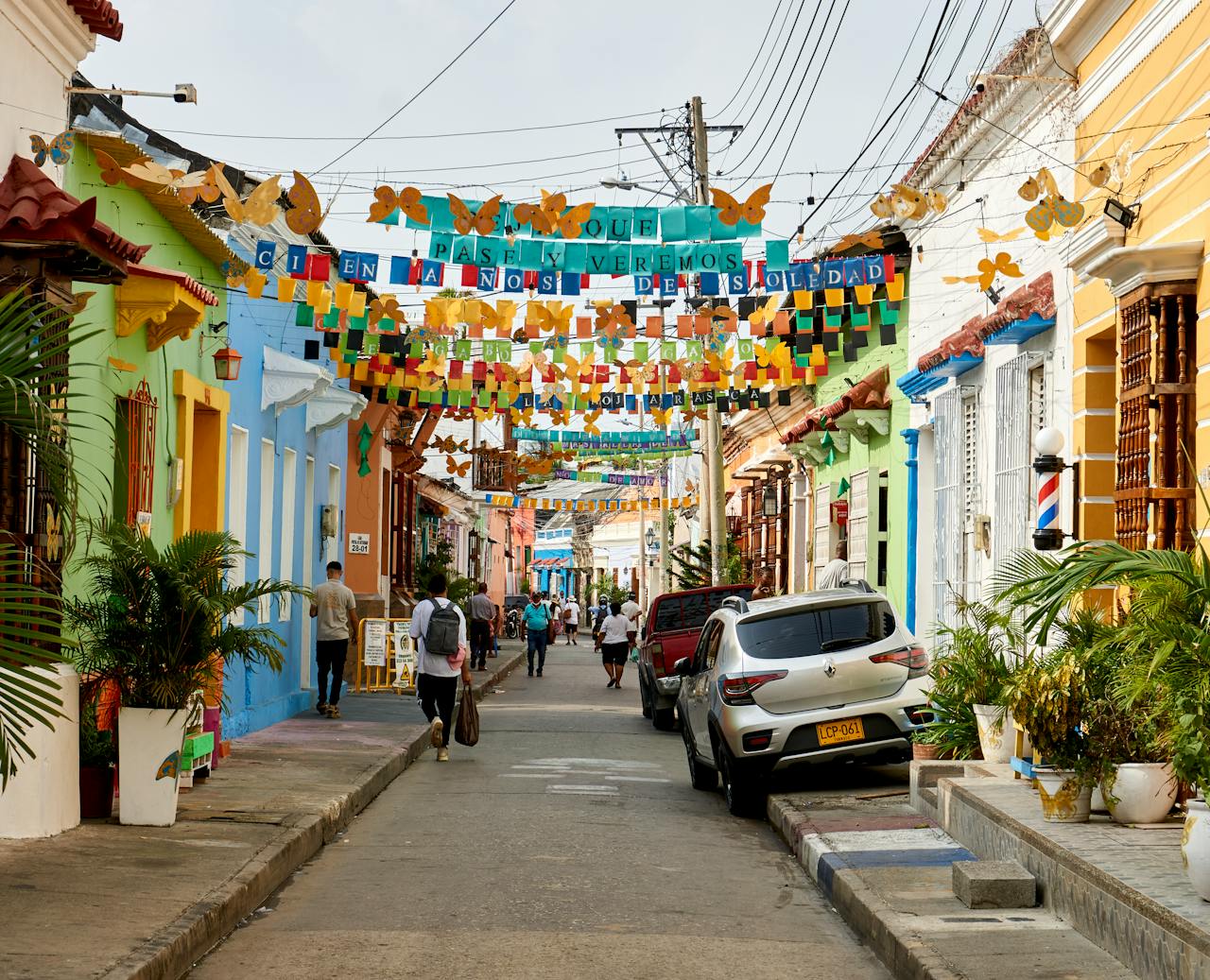
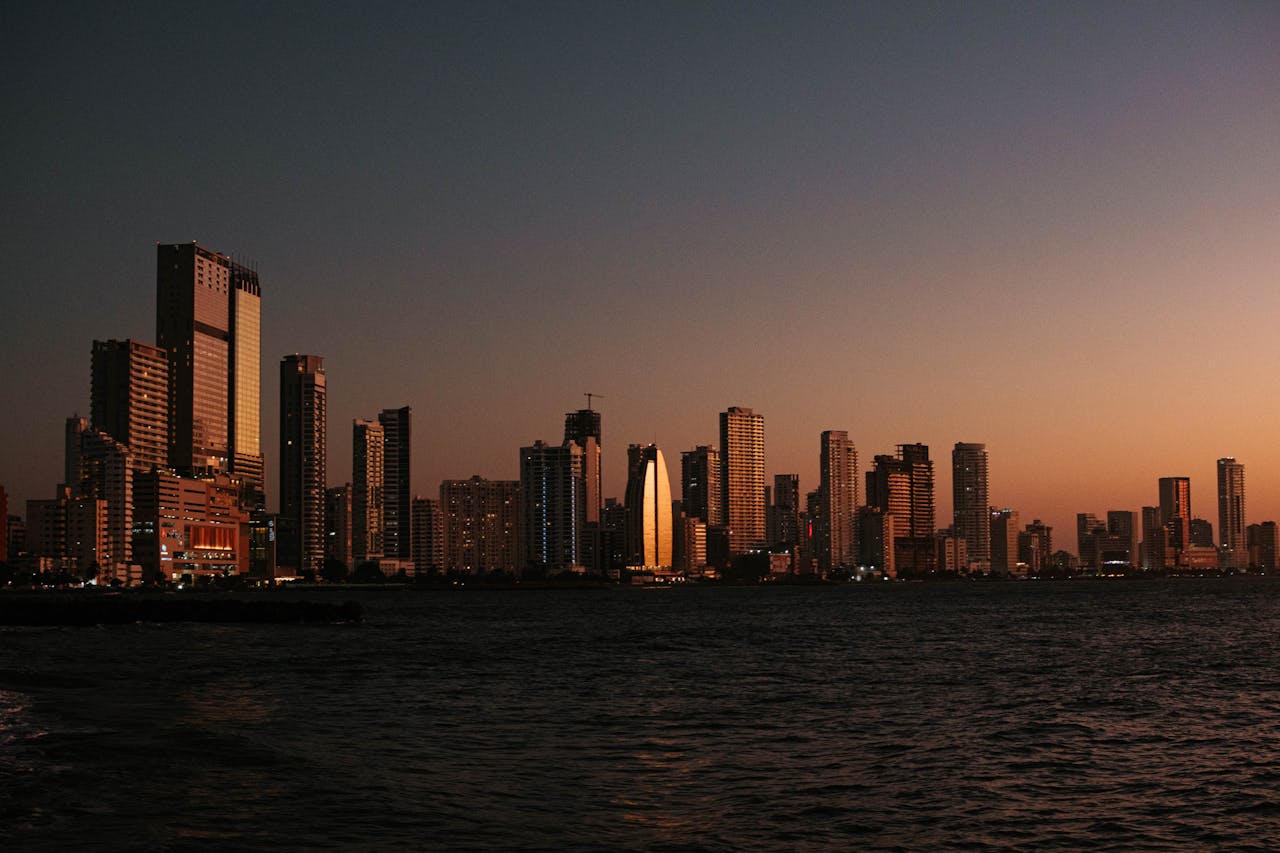
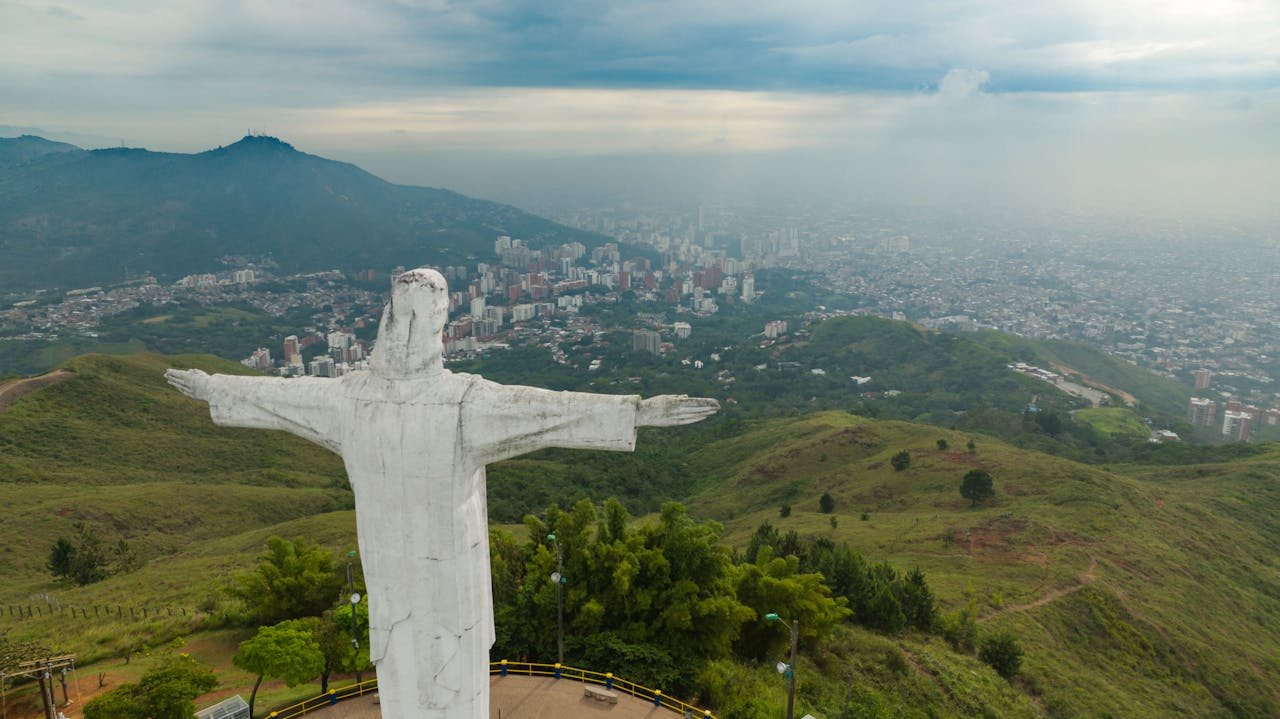
Pasamos tres meses recorriendo Colombia: algunos días en Ipiales, otros tantos en Cali, una semana en Pereira, varias semanas en Medellín y Cartagena y un mes completo en Santa Marta. Cada ciudad tiene su propia energía: desde el calor y la música en Cali y Medellín, hasta la historia y el mar en Cartagena y Santa Marta. Probamos comida, caminamos por calles coloniales y disfrutamos playas y montañas. Colombia nos mostró diversidad geográfica y cultural a cada paso, con paisajes, sabores y ritmos únicos que se sienten en el día a día.
12 Destinos imperdibles de Colombia
Colombia es uno de los países más diversos de Latinoamérica: selva, Caribe, Andes, ciudades coloniales y cultura vibrante. Estos son algunos de los destinos más destacados:
Bogotá – Capital cultural, museos, barrios históricos y vida urbana.
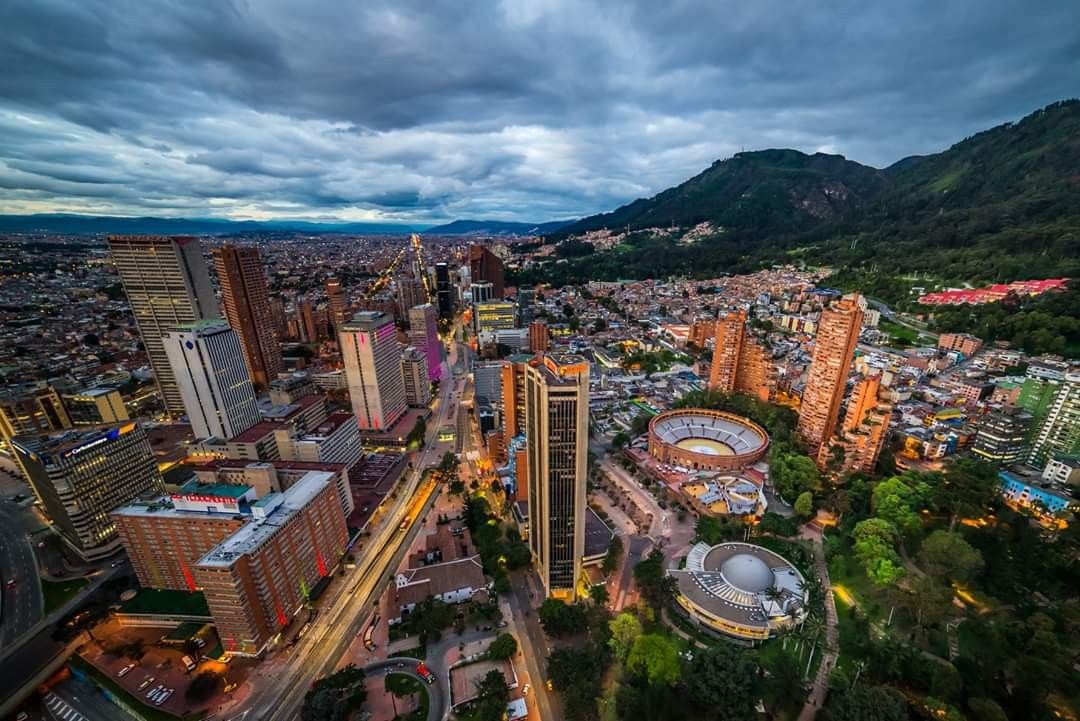
Medellín – Innovación, clima primaveral y transformación urbana.
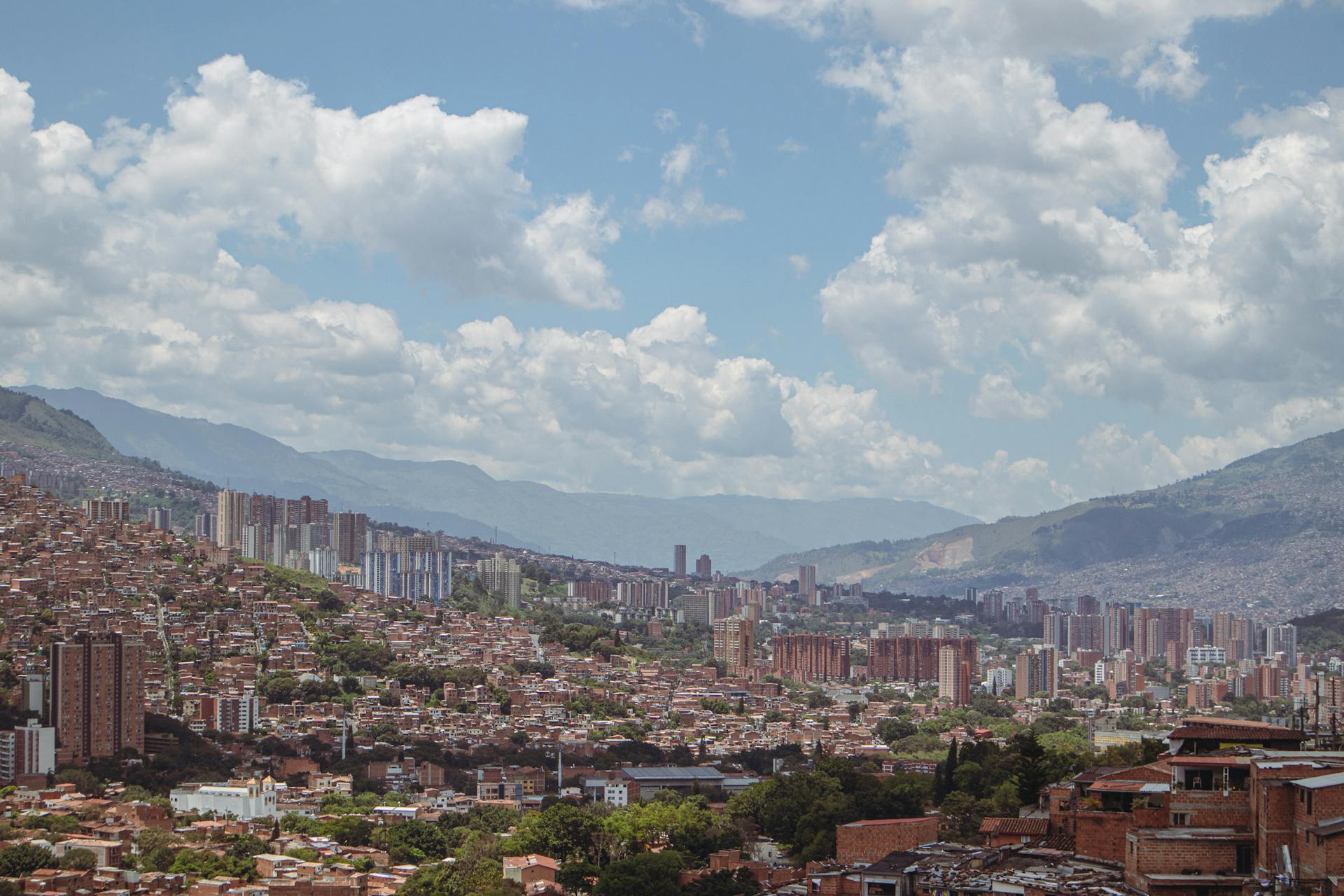
Cartagena de Indias – Ciudad amurallada, historia colonial y Caribe.
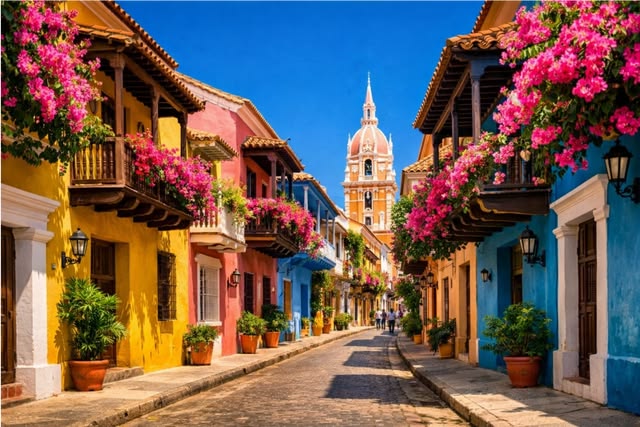
Santa Marta – Playas, historia y puerta de entrada a la Sierra Nevada.
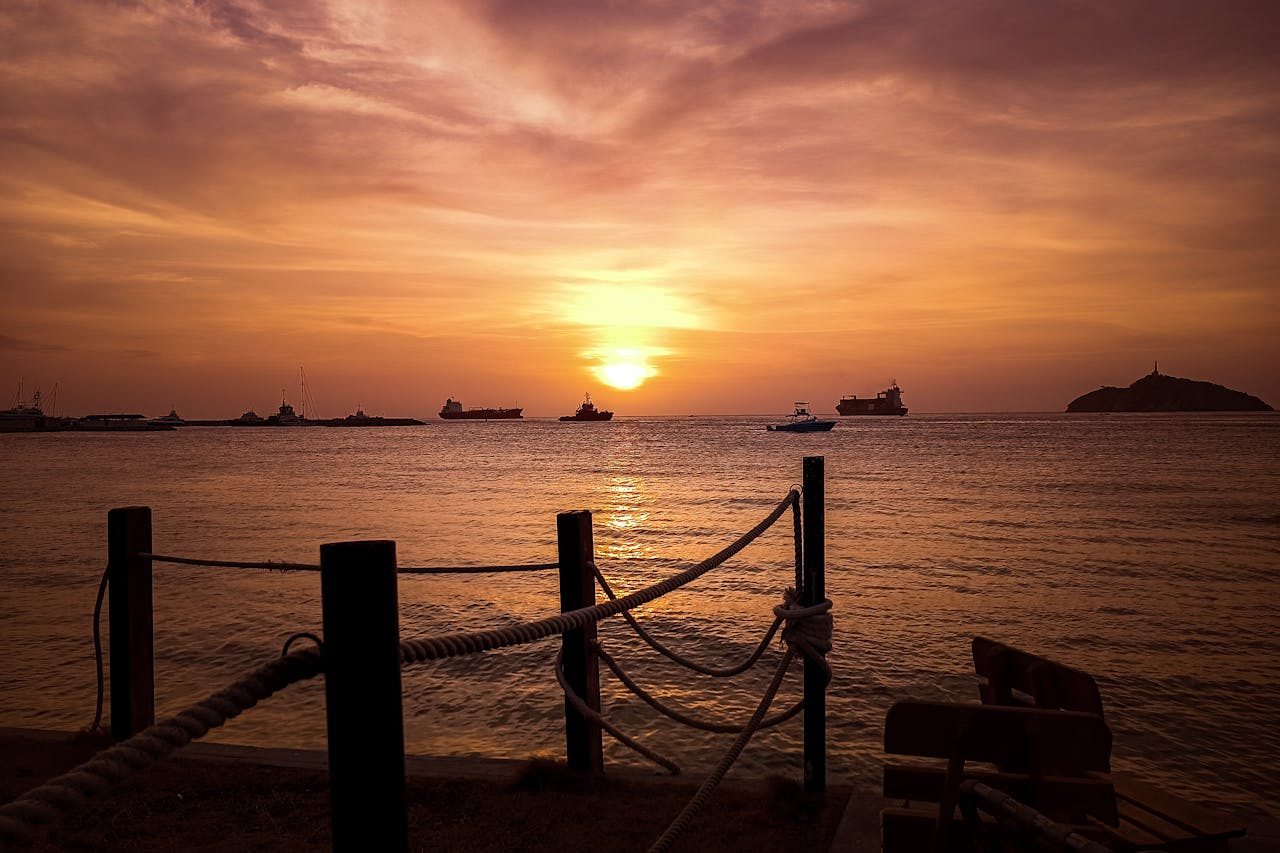
Parque Tayrona – Playas naturales, selva y senderos frente al mar.
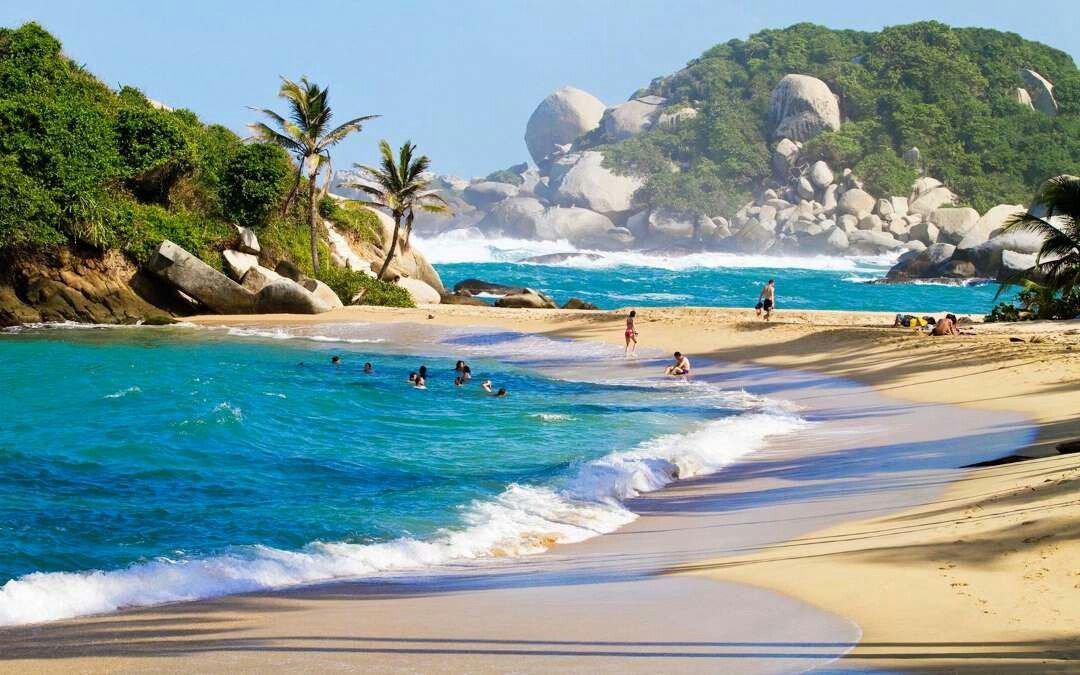
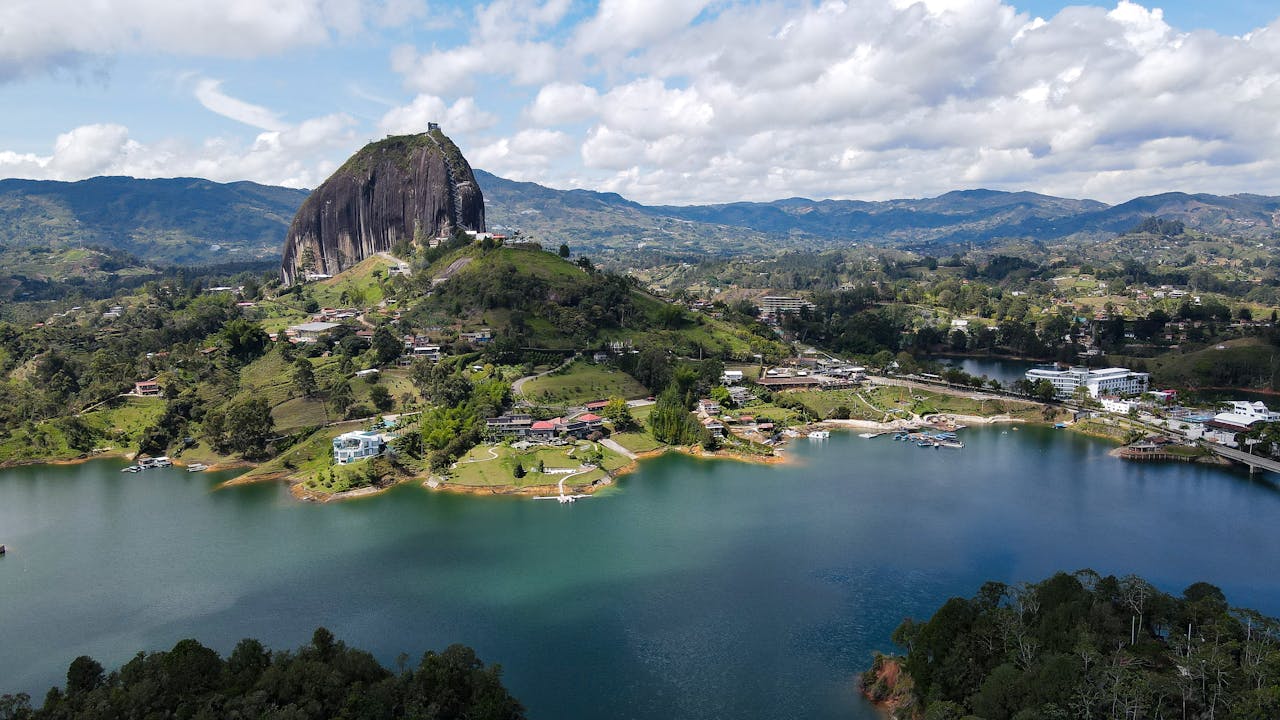
Guatapé – Colorido pueblo y la Piedra del Peñol.

Eje Cafetero (Salento / Filandia / Valle de Cocora) – Cafetales, paisajes verdes y pueblos tradicionales.
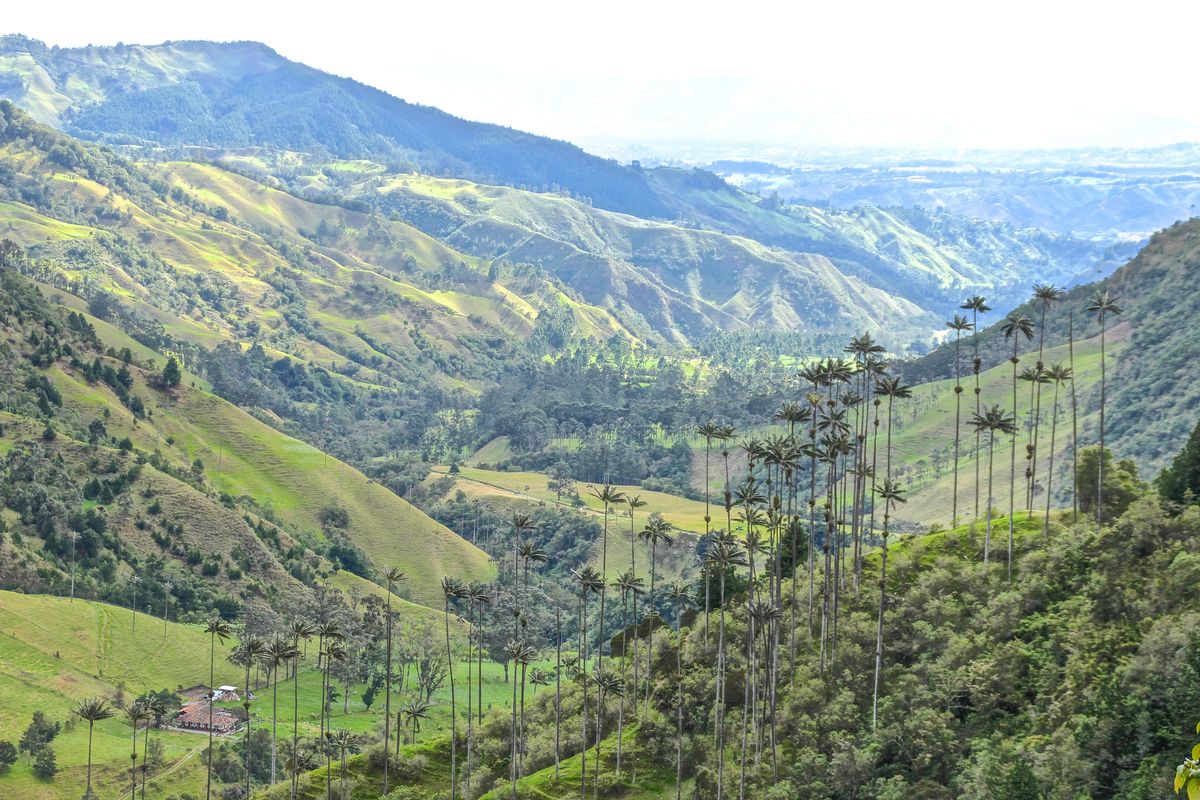
San Andrés – Mar de siete colores y ambiente caribeño.
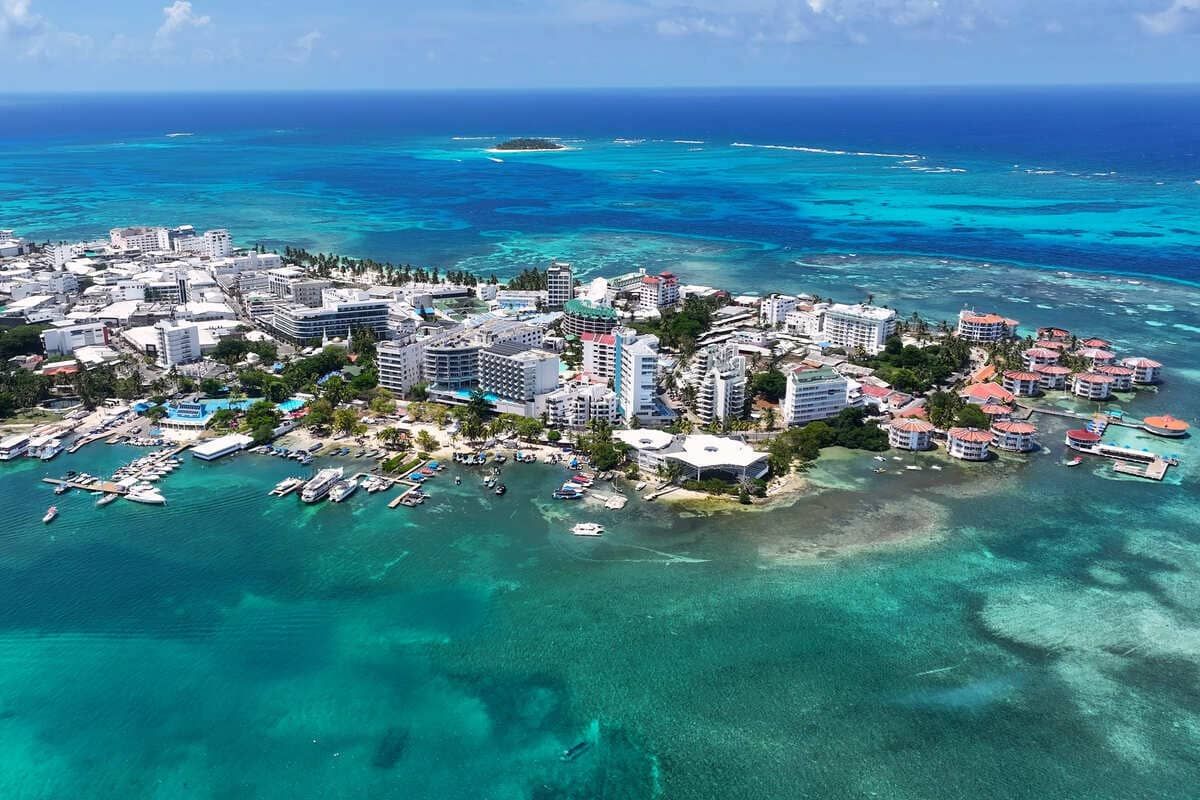
Villa de Leyva – Arquitectura colonial y tranquilidad.
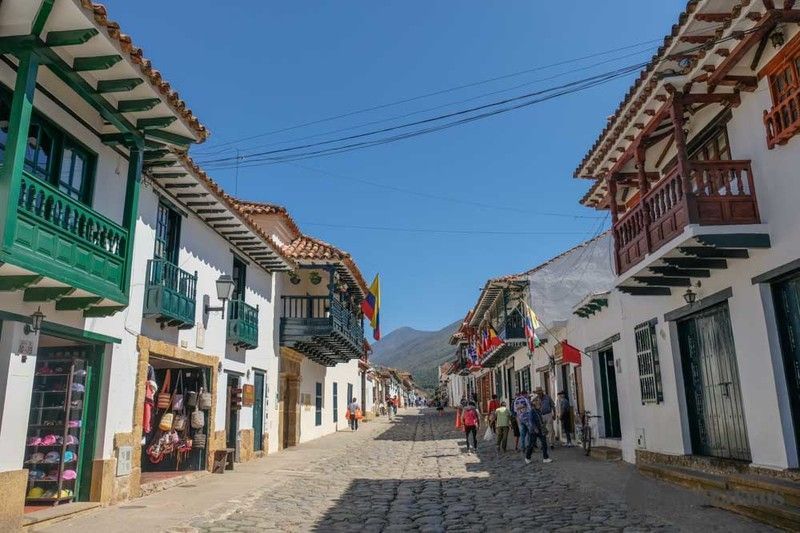
Amazonía colombiana (Leticia) – Selva, biodiversidad y comunidades indígenas.
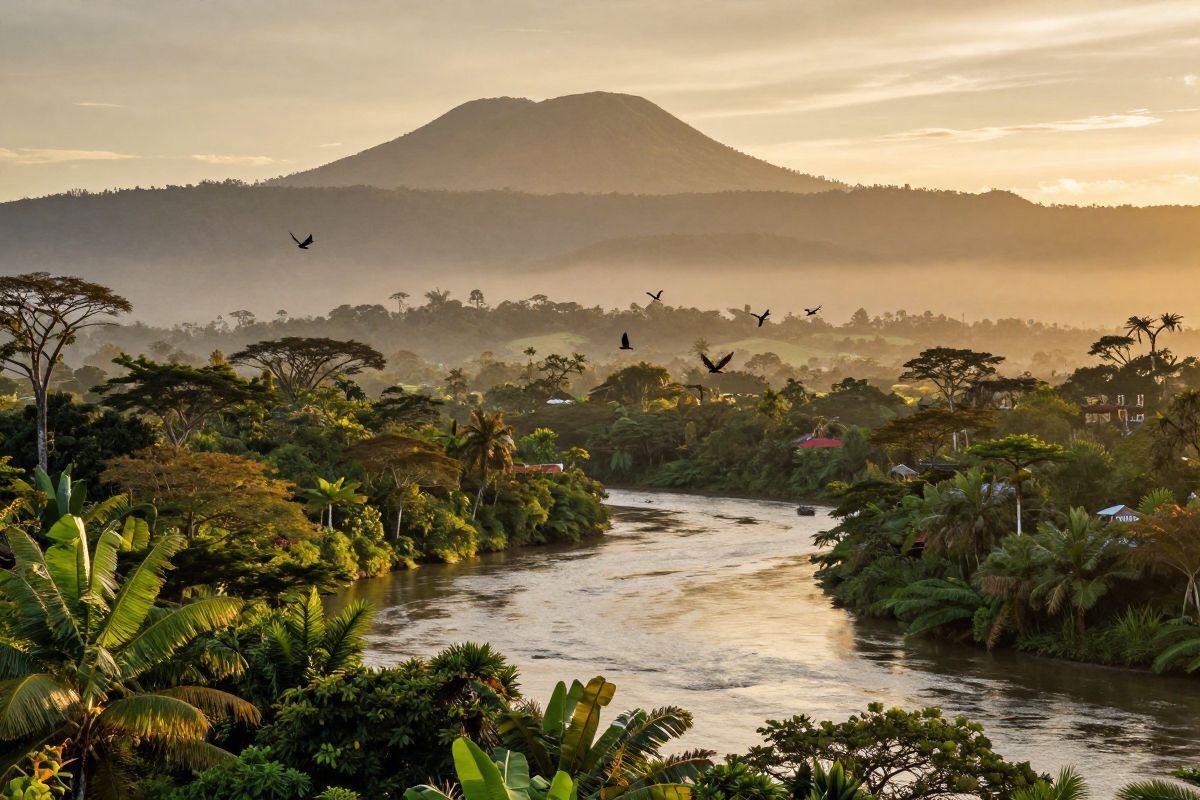
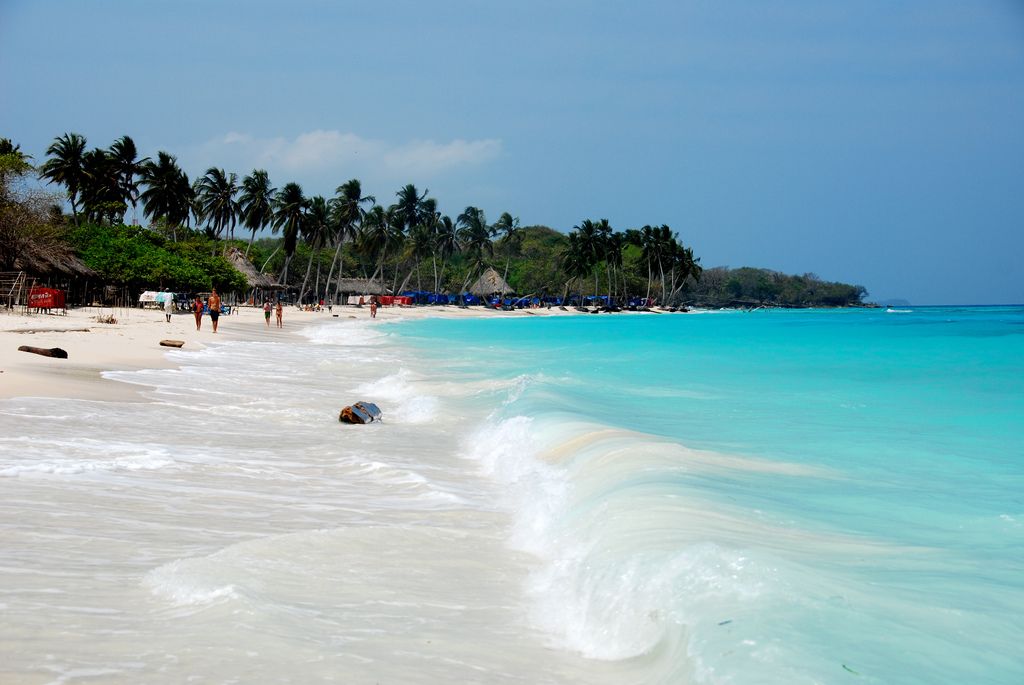
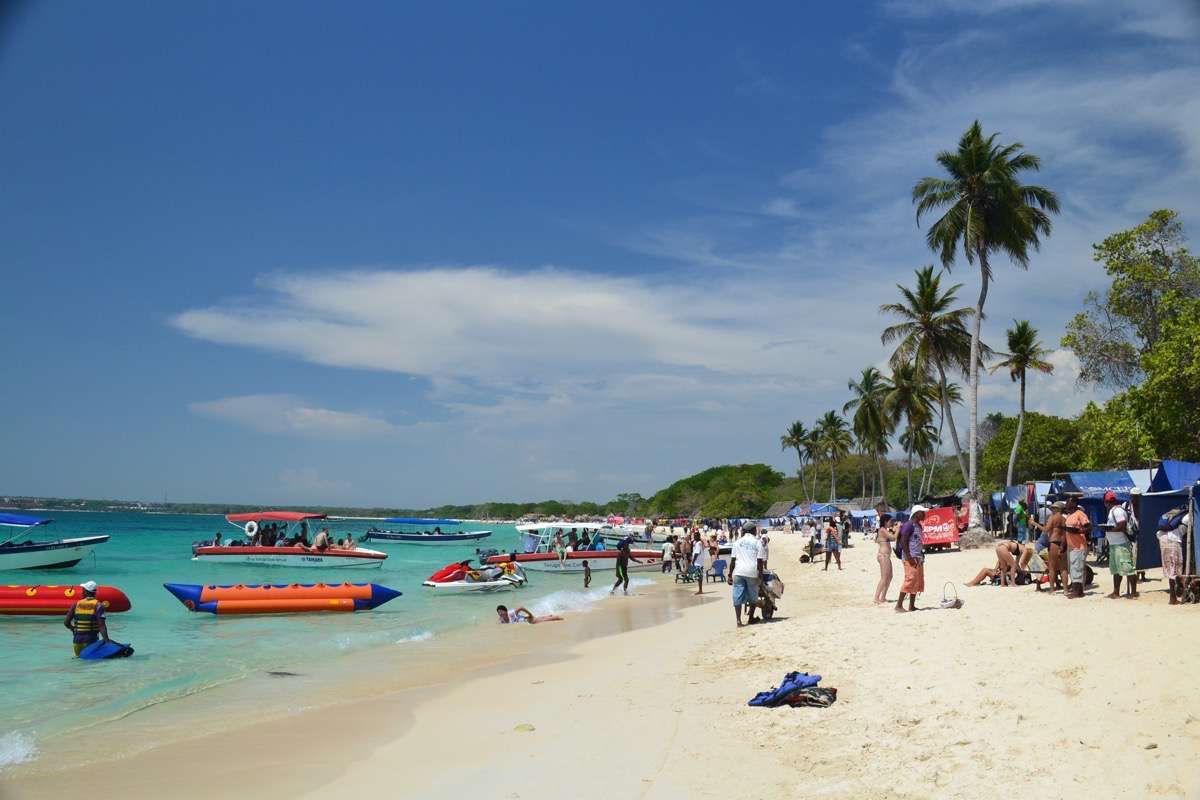
Isla Barú – Playas de aguas turquesas y arena blanca cercanas a Cartagena de Indias.
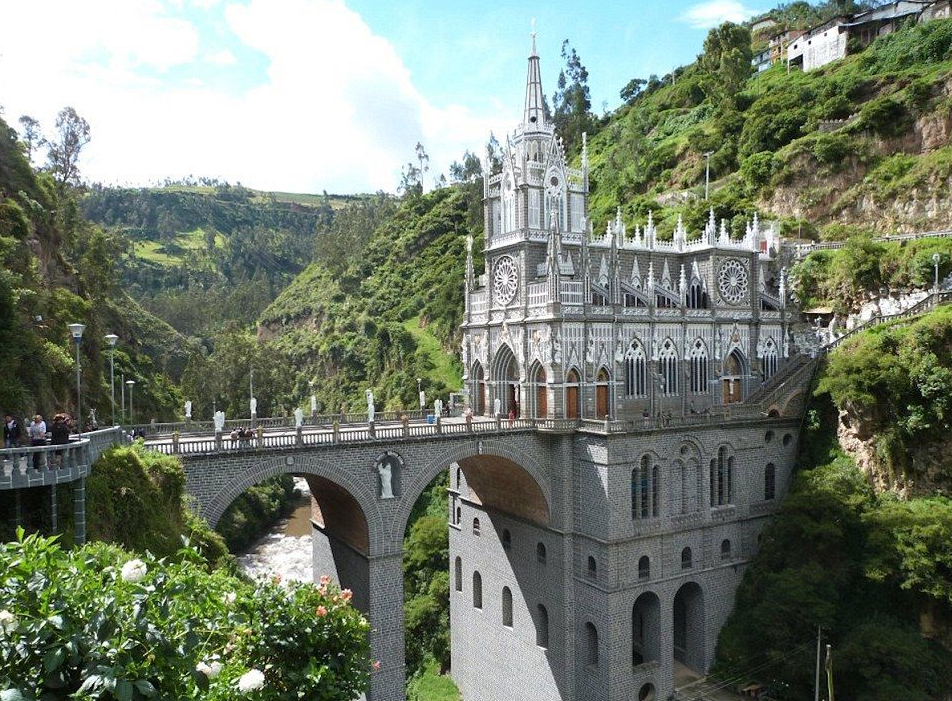
Ipiales y Santuario de Las Lajas – Paisajes fronterizos y arquitectura monumental.
Qué comer en Colombia (imperdibles)
La gastronomía colombiana es regional y variada, con platos contundentes y sabores tradicionales:
-
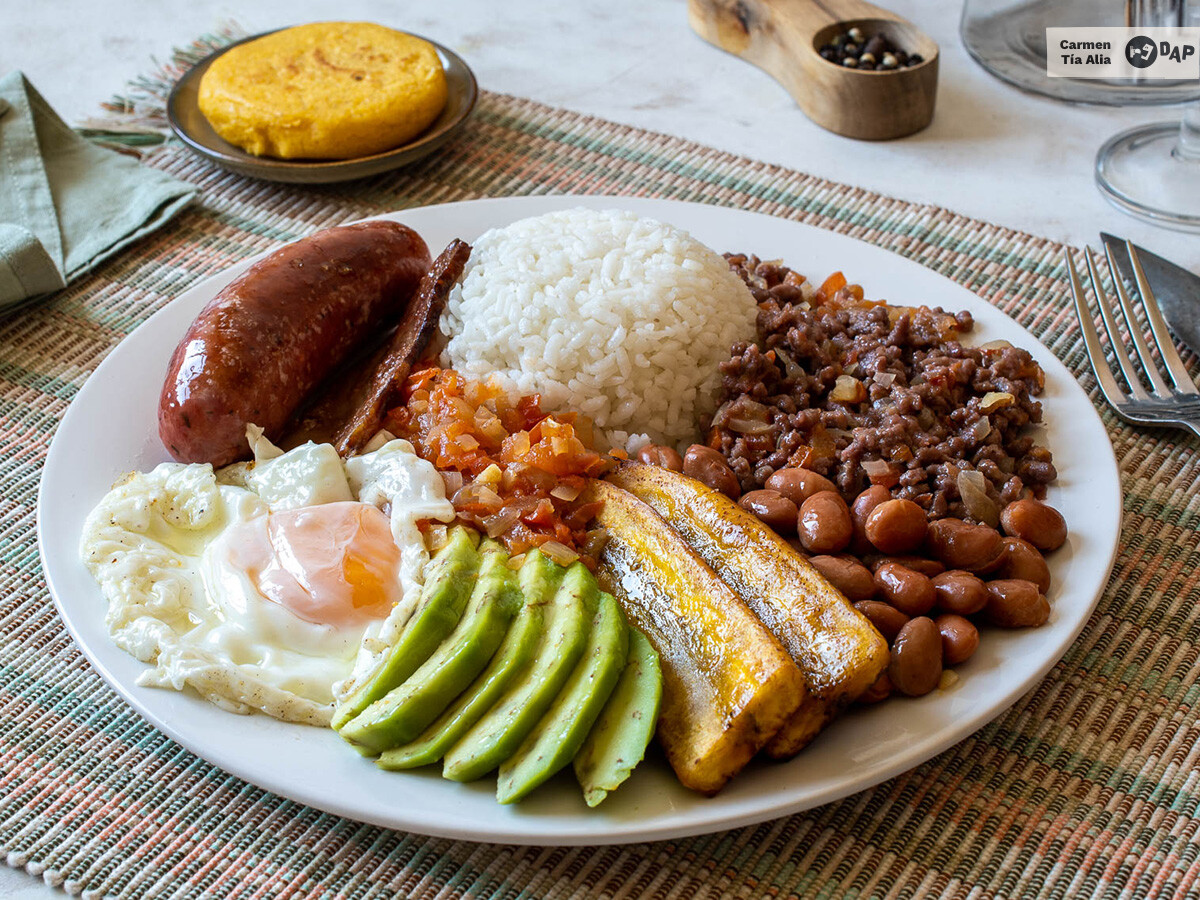
Bandeja paisa – Frijoles, arroz, carne, chorizo, huevo y plátano.
-
Arepas – Base de maíz, presentes en todo el país.
-
Ajiaco – Sopa espesa de pollo y papas, típica de Bogotá.
-
Sancocho – Guiso tradicional con carne, yuca, plátano y maíz.
-
Empanadas colombianas – Fritas, de maíz y rellenas de carne o papa.
-
Patacones – Plátano verde frito.
-
Lechona – Cerdo relleno de arroz y arvejas (Tolima).
-
Café colombiano – Uno de los mejores del mundo.
-
Jugos naturales – Gran variedad de frutas tropicales.
-
Arroz con coco y pescado frito – Especialidad de la costa Caribe.
-
Bocadillo y queso – Postre tradicional en varias regiones.
Datos prácticos para viajar por Colombia
-
Moneda: peso colombiano (COP).
-
Idioma: español.
-
Enchufes: tipo A y B, 110V.
-
Propinas: no obligatorias; en restaurantes suele sugerirse un 10%.
-
Conectividad: buena en ciudades y destinos turísticos; irregular en zonas rurales.
-
Pagos: tarjetas aceptadas en ciudades; efectivo recomendado en pueblos.
Cómo moverse por Colombia
-
Avión – Muy recomendado para largas distancias (Bogotá–Cartagena, Medellín–Caribe).
-
Bus de larga distancia – Económico y frecuente, aunque los trayectos pueden ser largos.
-
Auto – Útil en regiones específicas; las rutas de montaña son lentas.
-
Transporte urbano – Buses, metro (Medellín), TransMilenio (Bogotá) y apps de transporte.
-
Taxi / apps – Económicas en ciudades, seguras si se usan apps confiables.
Mejor época para viajar
-
Diciembre a marzo – Temporada seca en muchas regiones.
-
Julio y agosto – Buen clima y temporada alta.
-
Abril–mayo y octubre–noviembre – Más lluvias, pero menos turistas.
El clima depende mucho de la región y la altitud: Caribe, Andes y Amazonía tienen estaciones distintas.

Recordatorios útiles para viajar por Colombia
-
Movete en avión si el trayecto es largo: ahorrás mucho tiempo.
-
Usá efectivo en mercados y pueblos pequeños.
-
No subestimes las distancias por ruta: las montañas ralentizan los viajes.
-
Probá el café local en cafeterías de especialidad.
-
Prestá atención a tus pertenencias en zonas muy turísticas.
-
Consultá el clima por ciudad, no por país.
-
Comé donde comen los locales: mejor precio y experiencia más auténtica.
Colombia es uno de los países más diversos de Latinoamérica: selva, Caribe, Andes, ciudades coloniales y cultura vibrante. Estos son algunos de los destinos más destacados:
Bogotá – Capital cultural, museos, barrios históricos y vida urbana.
Medellín – Innovación, clima primaveral y transformación urbana.
Cartagena de Indias – Ciudad amurallada, historia colonial y Caribe.
Santa Marta – Playas, historia y puerta de entrada a la Sierra Nevada.
Parque Tayrona – Playas naturales, selva y senderos frente al mar.
Guatapé – Colorido pueblo y la Piedra del Peñol.
Eje Cafetero (Salento / Filandia / Valle de Cocora) – Cafetales, paisajes verdes y pueblos tradicionales.
San Andrés – Mar de siete colores y ambiente caribeño.
Villa de Leyva – Arquitectura colonial y tranquilidad.
Amazonía colombiana (Leticia) – Selva, biodiversidad y comunidades indígenas.
Isla Barú – Playas de aguas turquesas y arena blanca cercanas a Cartagena de Indias.
Ipiales y Santuario de Las Lajas – Paisajes fronterizos y arquitectura monumental.
PUBLICIDAD
Travel with Data: Get your Saily eSIM
- ✓Internet in seconds upon landing
- ✓Flexible plans in 180+ countries
- ✓Easy setup directly via the App
La gastronomía colombiana es regional y variada, con platos contundentes y sabores tradicionales:
-
Bandeja paisa – Frijoles, arroz, carne, chorizo, huevo y plátano.
-
Arepas – Base de maíz, presentes en todo el país.
-
Ajiaco – Sopa espesa de pollo y papas, típica de Bogotá.
-
Sancocho – Guiso tradicional con carne, yuca, plátano y maíz.
-
Empanadas colombianas – Fritas, de maíz y rellenas de carne o papa.
-
Patacones – Plátano verde frito.
-
Lechona – Cerdo relleno de arroz y arvejas (Tolima).
-
Café colombiano – Uno de los mejores del mundo.
-
Jugos naturales – Gran variedad de frutas tropicales.
-
Arroz con coco y pescado frito – Especialidad de la costa Caribe.
-
Bocadillo y queso – Postre tradicional en varias regiones.
-
Moneda: peso colombiano (COP).
-
Idioma: español.
-
Enchufes: tipo A y B, 110V.
-
Propinas: no obligatorias; en restaurantes suele sugerirse un 10%.
-
Conectividad: buena en ciudades y destinos turísticos; irregular en zonas rurales.
-
Pagos: tarjetas aceptadas en ciudades; efectivo recomendado en pueblos.
-
Avión – Muy recomendado para largas distancias (Bogotá–Cartagena, Medellín–Caribe).
-
Bus de larga distancia – Económico y frecuente, aunque los trayectos pueden ser largos.
-
Auto – Útil en regiones específicas; las rutas de montaña son lentas.
-
Transporte urbano – Buses, metro (Medellín), TransMilenio (Bogotá) y apps de transporte.
-
Taxi / apps – Económicas en ciudades, seguras si se usan apps confiables.
-
Diciembre a marzo – Temporada seca en muchas regiones.
-
Julio y agosto – Buen clima y temporada alta.
-
Abril–mayo y octubre–noviembre – Más lluvias, pero menos turistas.
El clima depende mucho de la región y la altitud: Caribe, Andes y Amazonía tienen estaciones distintas.
PUBLICIDAD
-
Movete en avión si el trayecto es largo: ahorrás mucho tiempo.
-
Usá efectivo en mercados y pueblos pequeños.
-
No subestimes las distancias por ruta: las montañas ralentizan los viajes.
-
Probá el café local en cafeterías de especialidad.
-
Prestá atención a tus pertenencias en zonas muy turísticas.
-
Consultá el clima por ciudad, no por país.
-
Comé donde comen los locales: mejor precio y experiencia más auténtica.
PUBLICIDAD
International Travel Insurance
- ✓International medical insurance
- ✓24/7 immediate assistance in your language
- ✓Ideal for trekking & adventure
Posts in Colombia
Preferences
Language
Color
Text
Width