Table of contents and map
Cycling through Rio de Janeiro: neighborhoods, coastline, and one of the most incredible routes in the world
We spent four months in Rio de Janeiro, and we can assure you that exploring it by bicycle is one of the best ways to get to know and enjoy the city. Not just because it is practical, but because it allows you to connect neighborhoods, landscapes, and rhythms at a perfect pace: slow enough to observe, yet fast enough to move around without depending on transportation.
Cycling through Rio de Janeiro: neighborhoods, coastline, and one of the most incredible routes in the world
We spent four months in Rio de Janeiro, and we can assure you that exploring it by bicycle is one of the best ways to get to know and enjoy the city. Not just because it is practical, but because it allows you to connect neighborhoods, landscapes, and rhythms at a perfect pace: slow enough to observe, yet fast enough to move around without depending on transportation.
Rio has something rare for such a large city: an extensive and continuous network of bike paths, especially along the coast. This makes it possible to ride for miles without getting off your bike, transitioning from green areas to concrete, and from an everyday neighborhood to a picture-perfect postcard.
Flamengo, a great option to start: green spaces, fresh air, and tranquility
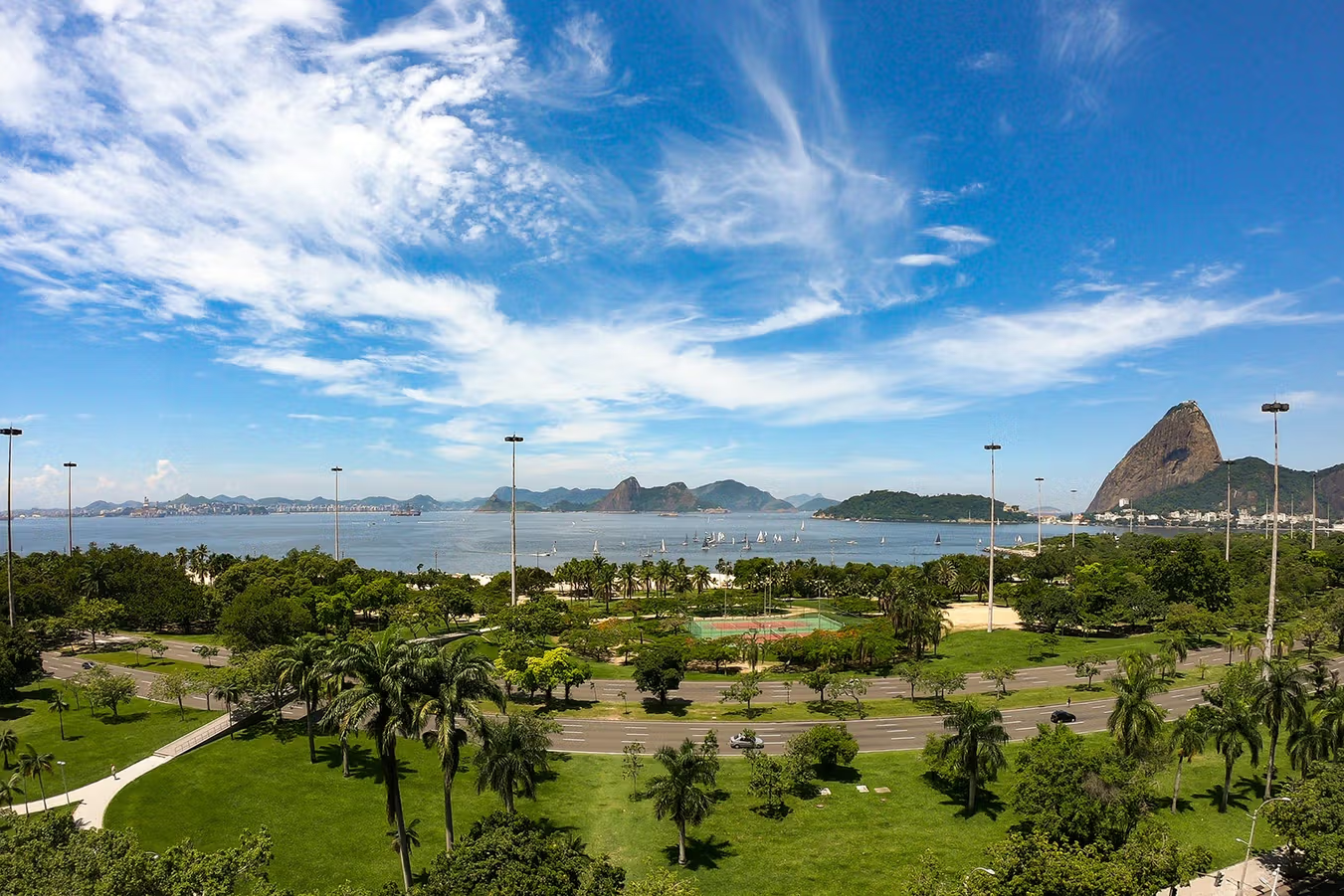
Starting in Flamengo is ideal. Flamengo Park (Parque do Flamengo) is huge, open, and very green. The bike path runs parallel to the sea, offering plenty of space, shade, and wide views of the bay.
It’s a peaceful stretch, perfect for getting into a rhythm, adjusting your bike, and simply pedaling without thinking too much.
A great route is to ride from where Flamengo begins (bordering Botafogo) all the way to the airport; a round trip takes about 45 minutes, taking you right through the park and along the beach.
Botafogo: the real city
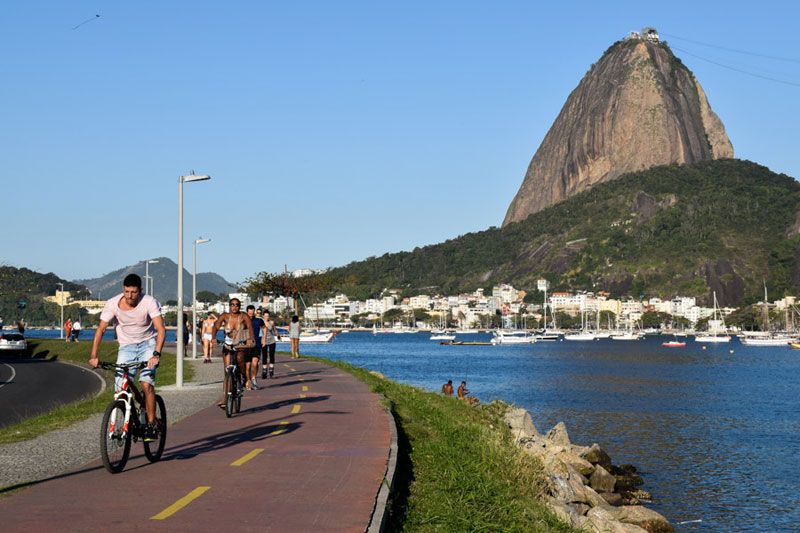
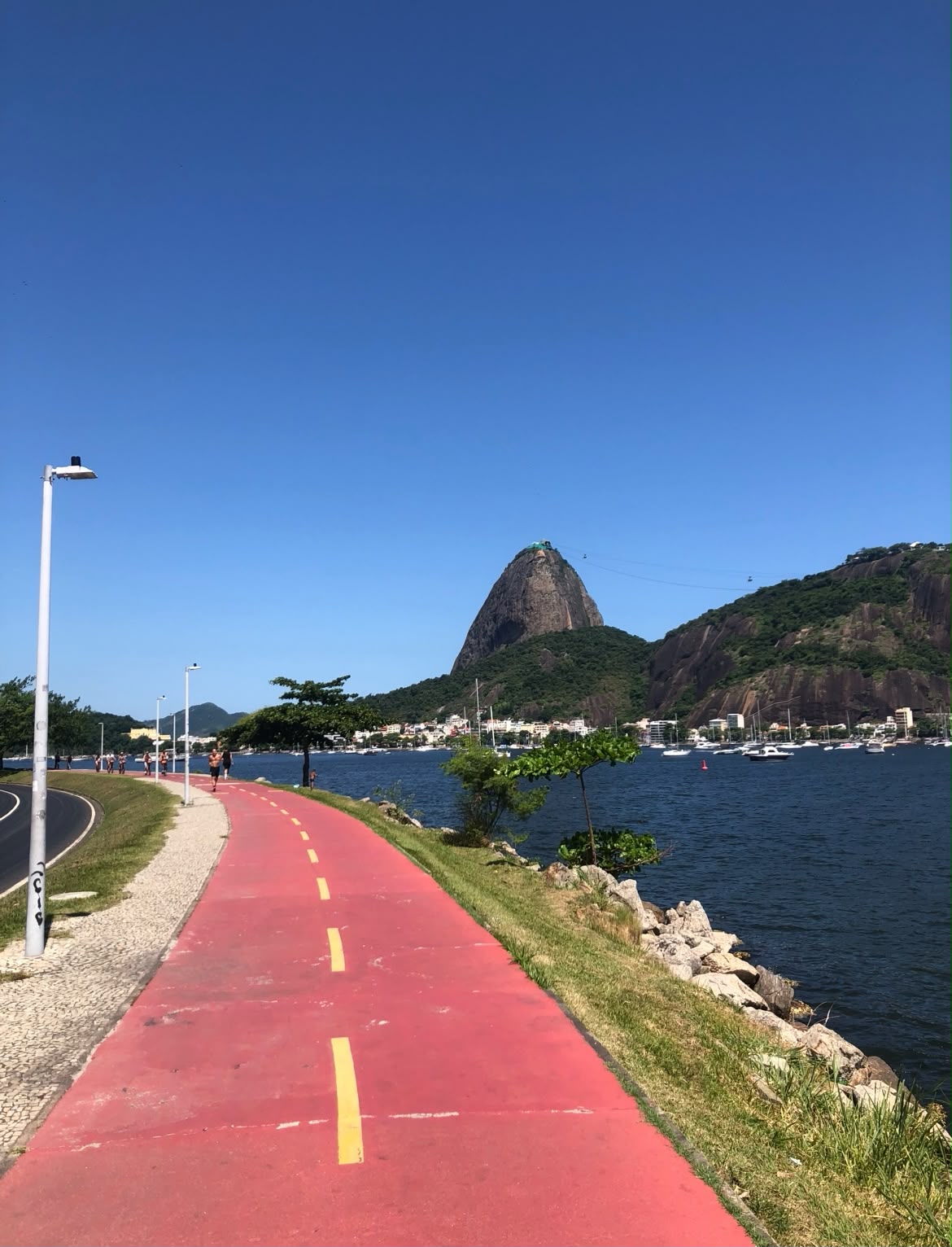
Heading toward Botafogo, the scenery changes. The environment becomes more urban and local. You'll see buildings, movement, people commuting to work, families strolling, and local cyclists.
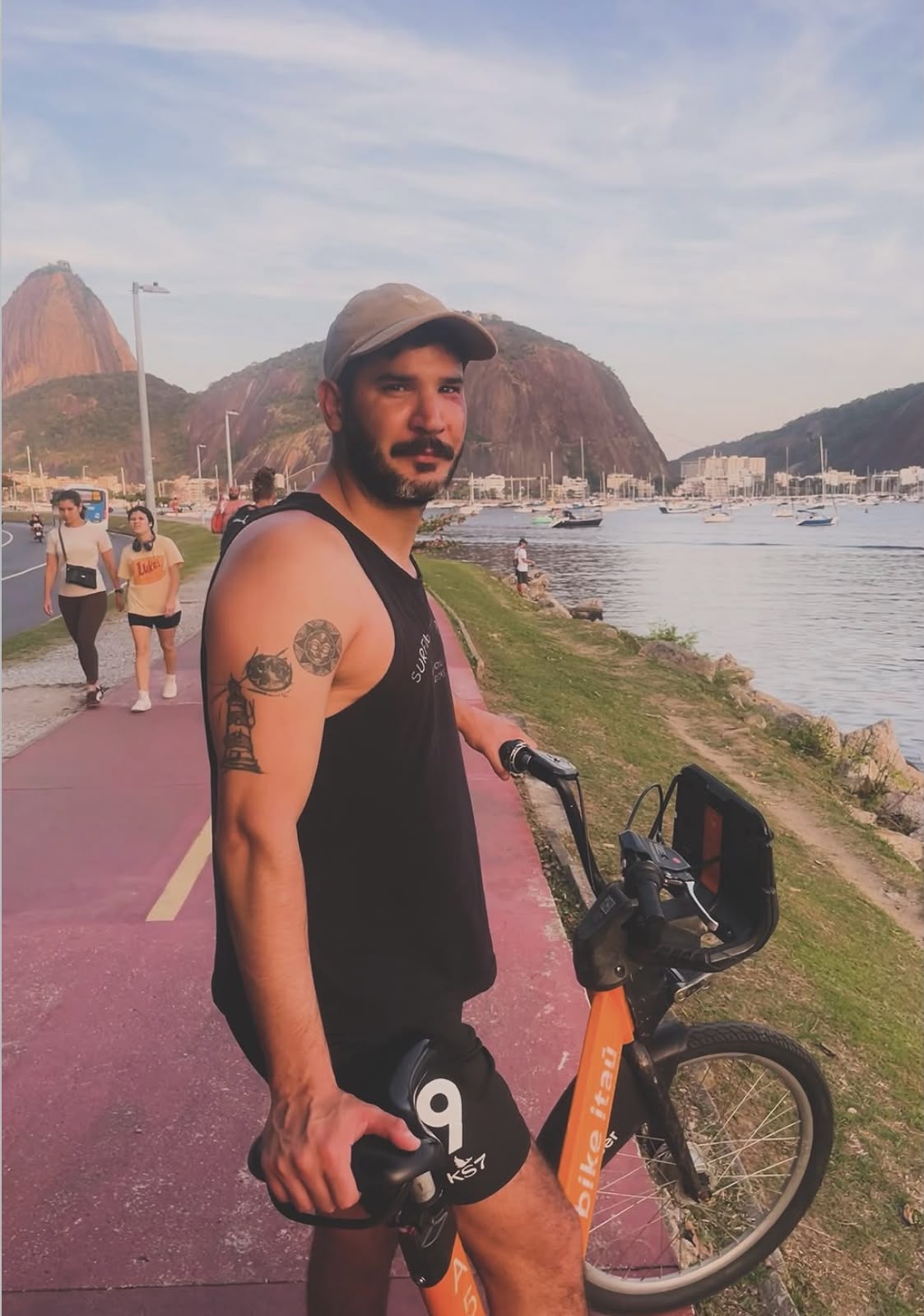
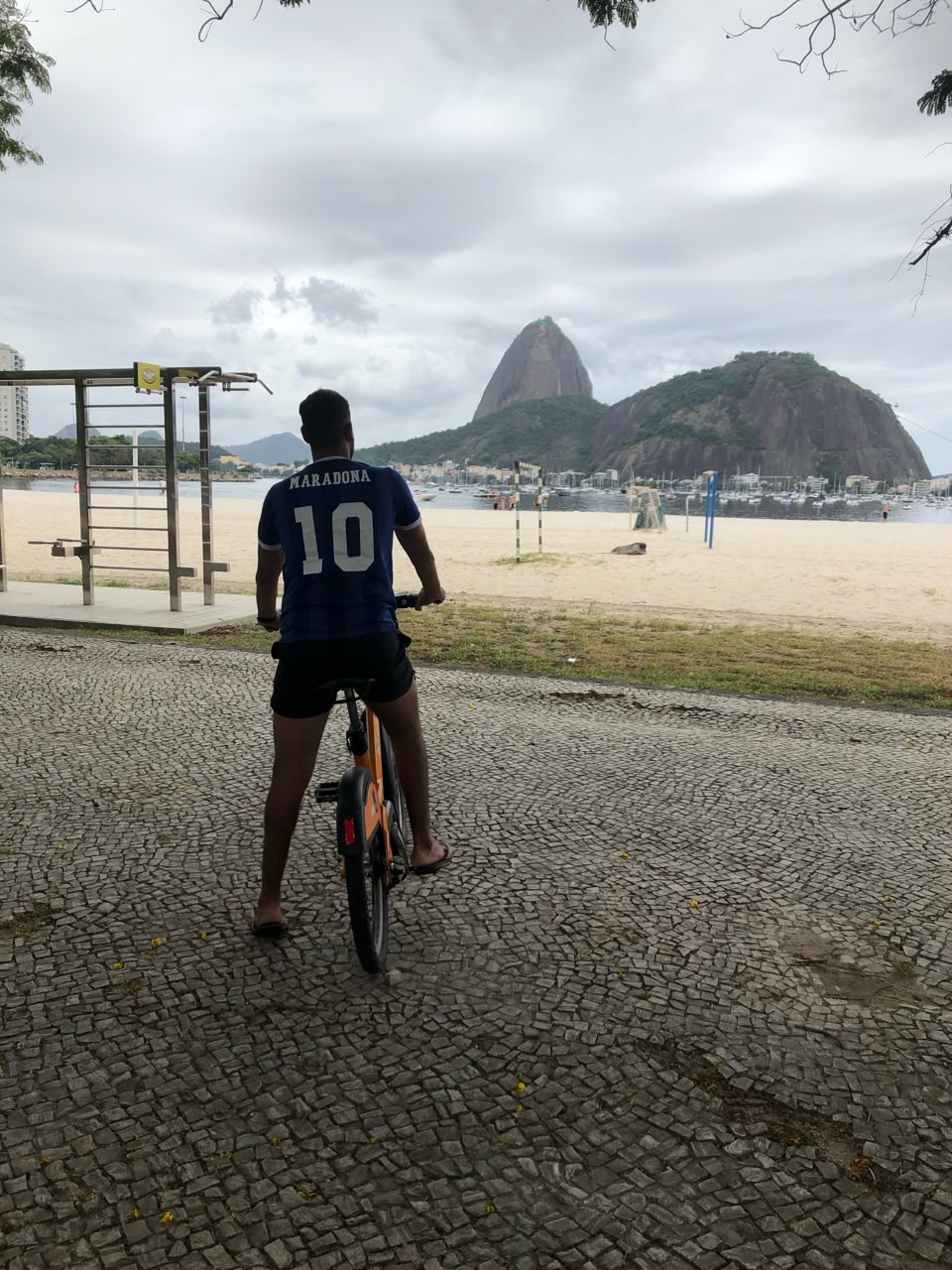
From here, Sugarloaf Mountain constantly appears on the horizon, reminding you exactly where you are, even when the neighborhood feels more ordinary than touristy.
Copacabana: pedaling alongside the ocean
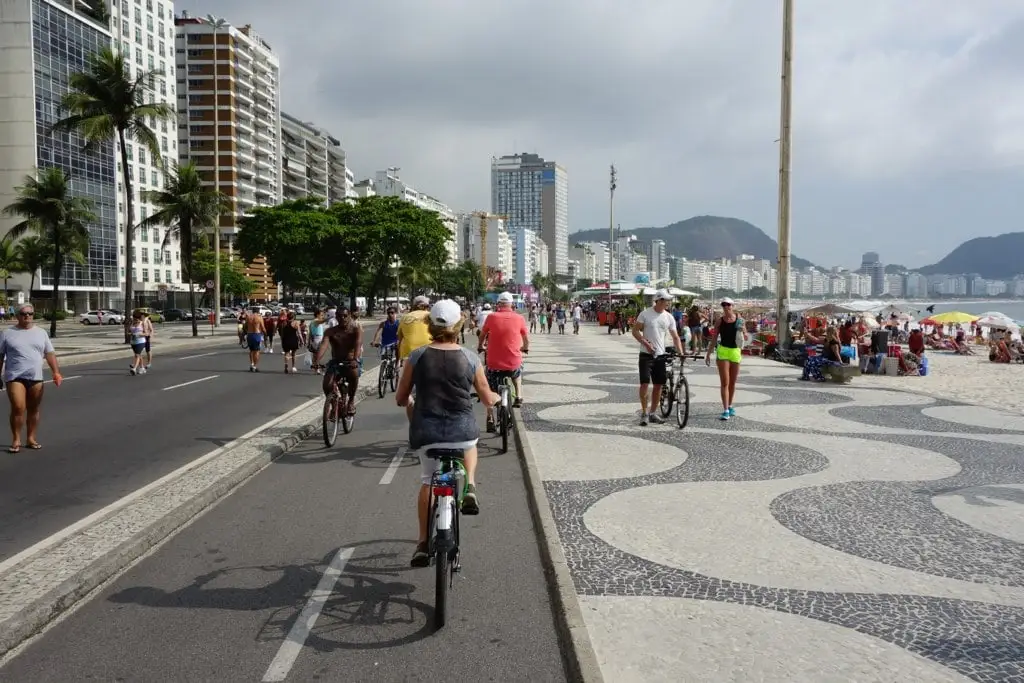
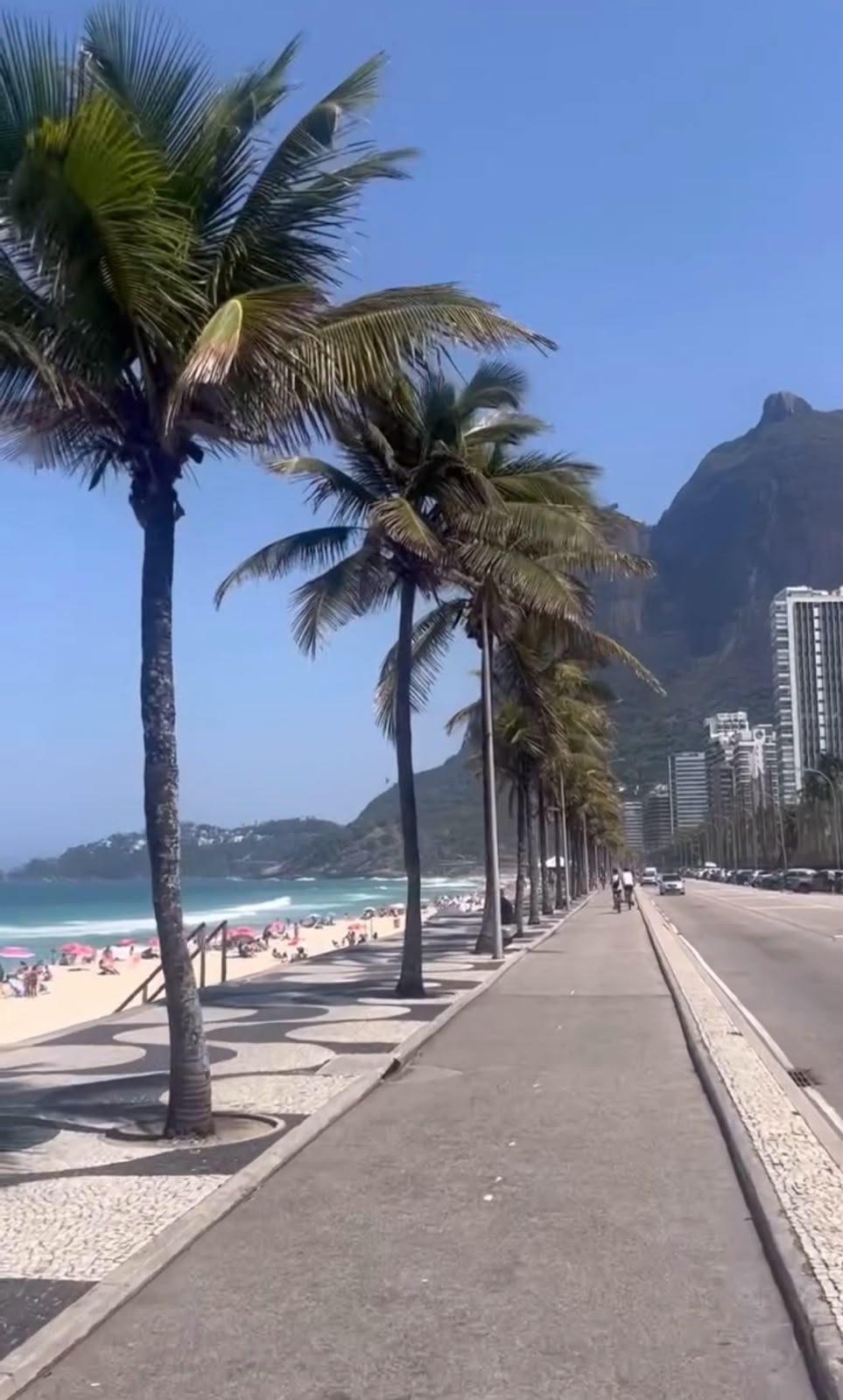
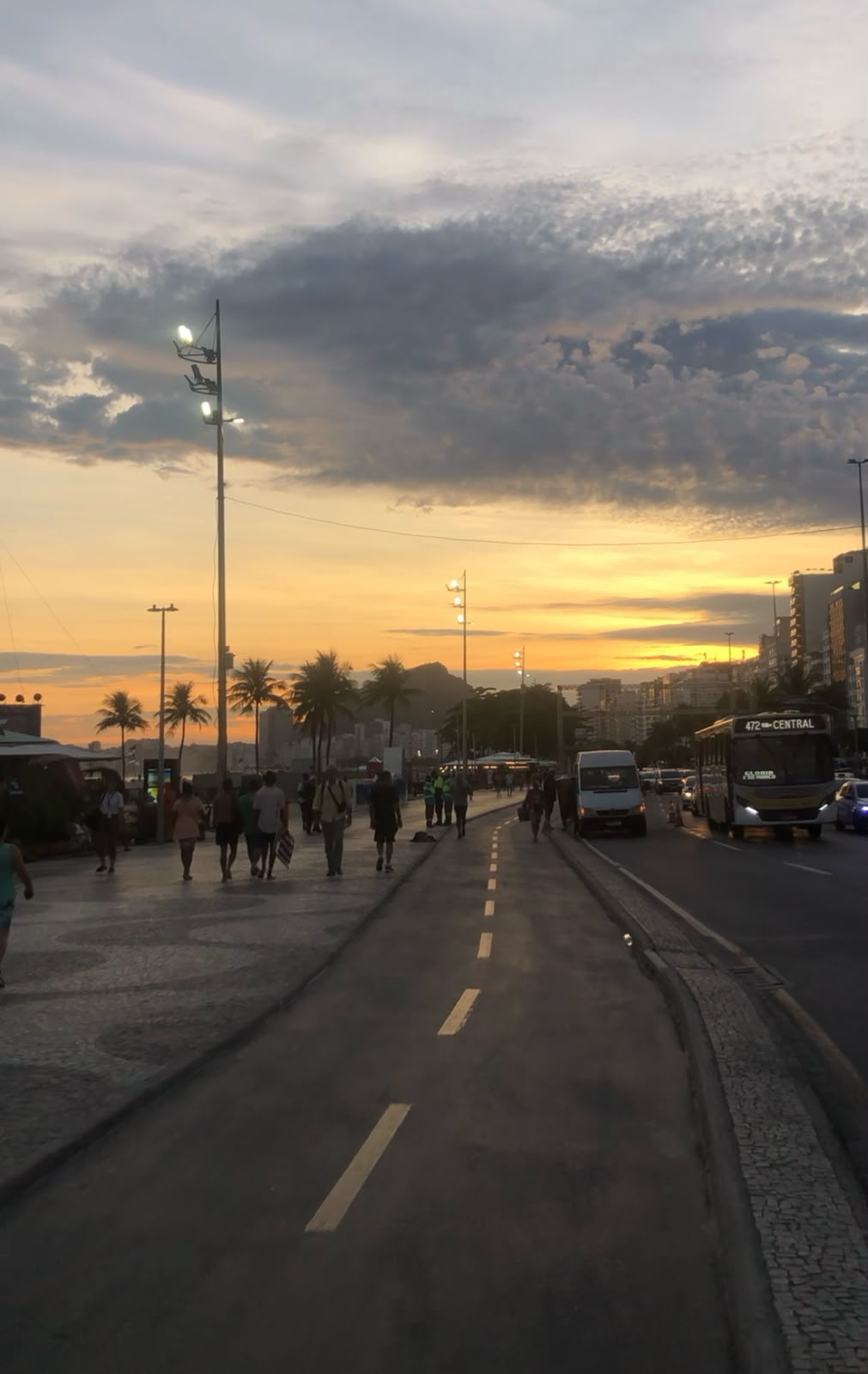
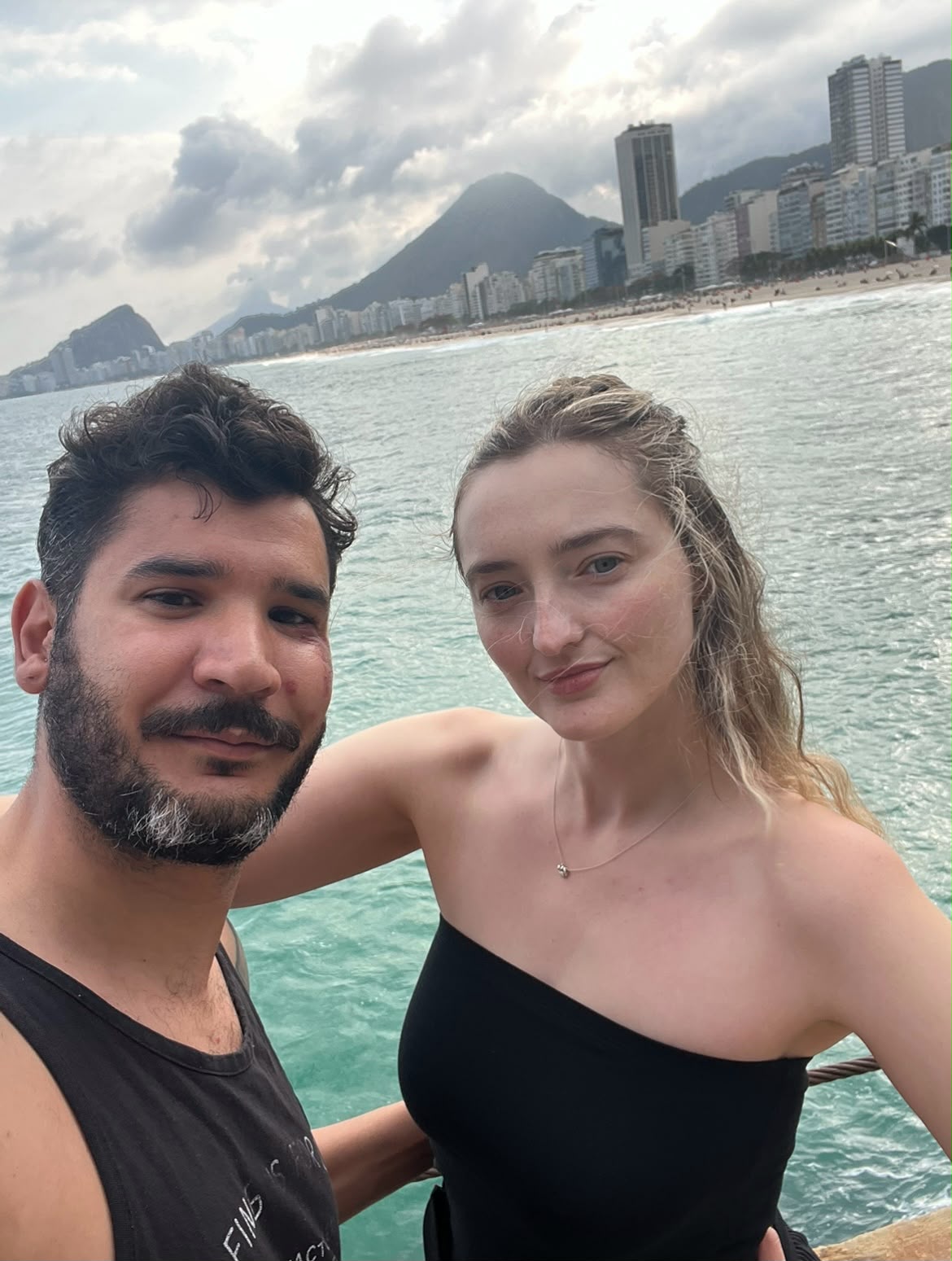
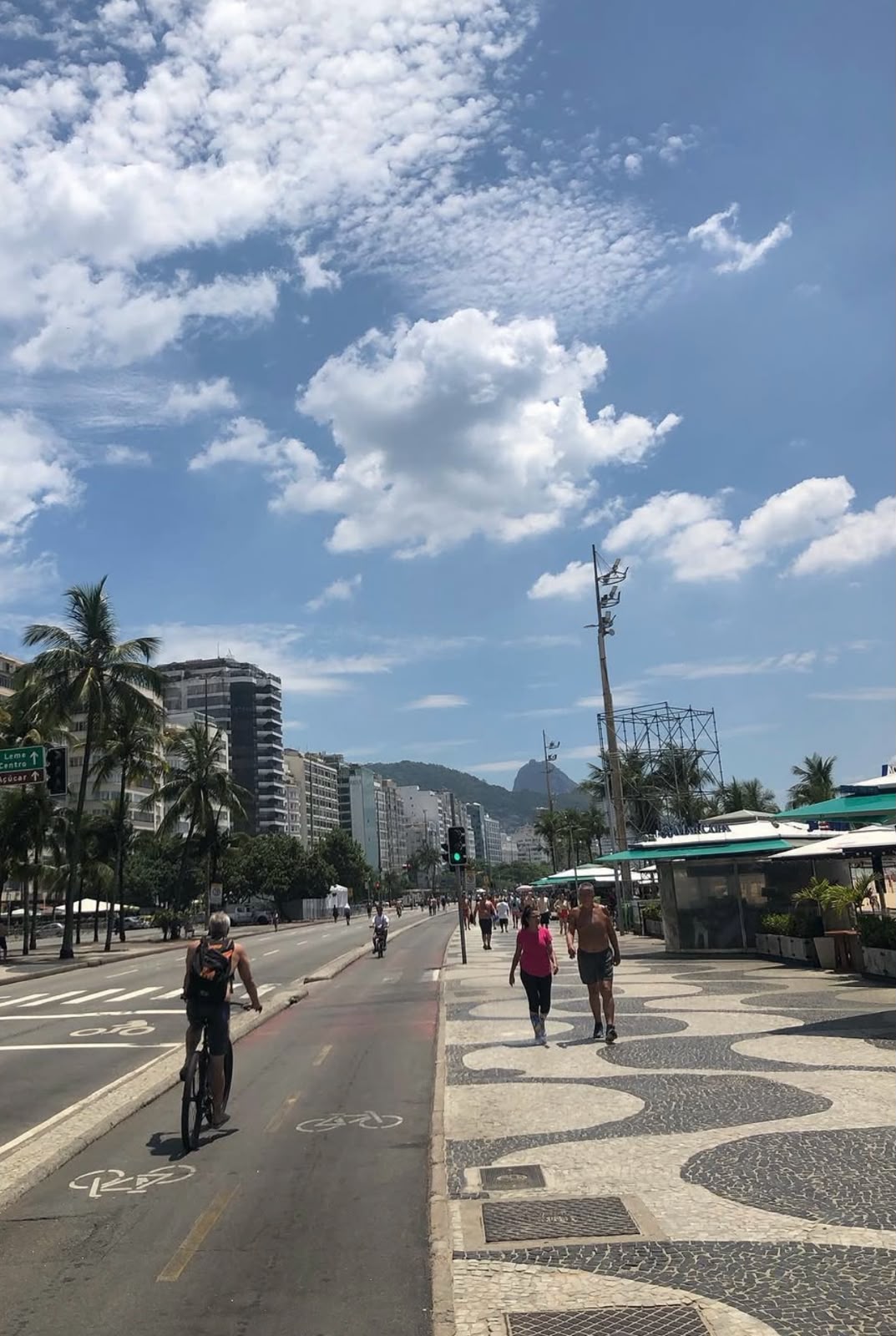
The Copacabana bike path is a classic, but it never loses its magic. The ocean accompanies you the entire time. People are walking, running, working out, and relaxing.
It’s a stretch meant for enjoying the constant movement and the open landscape.
Ipanema: the perfect balance
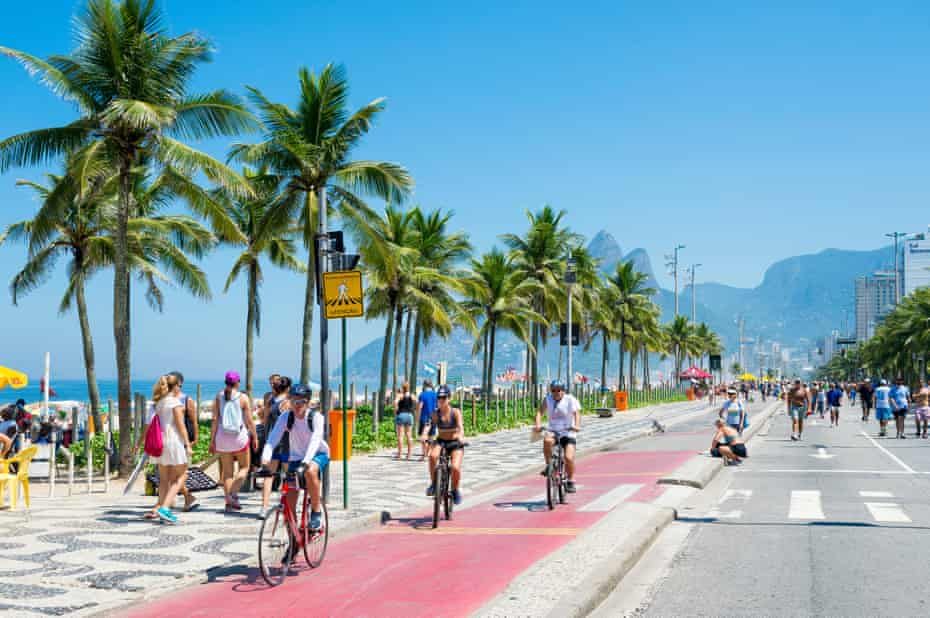
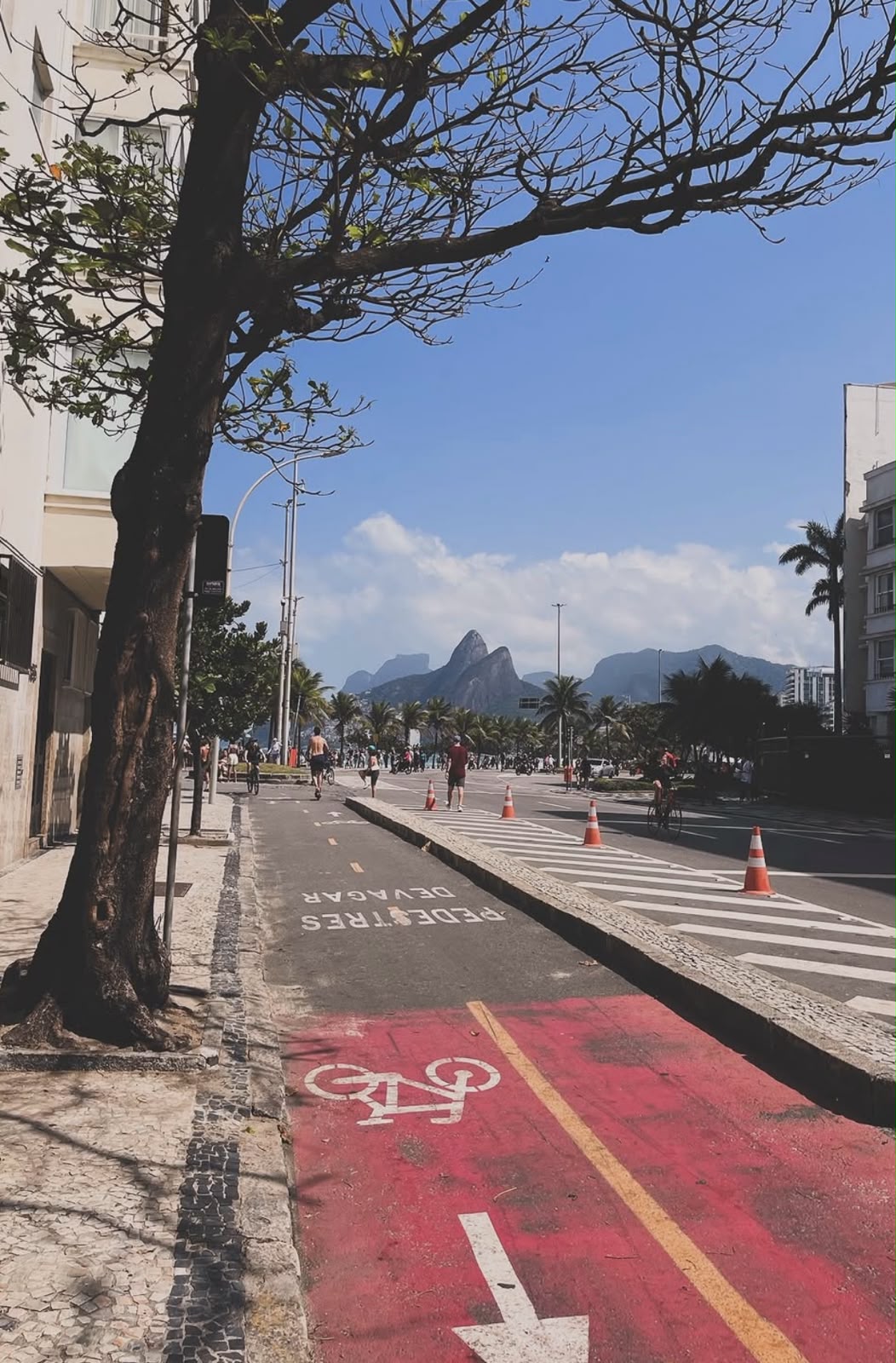
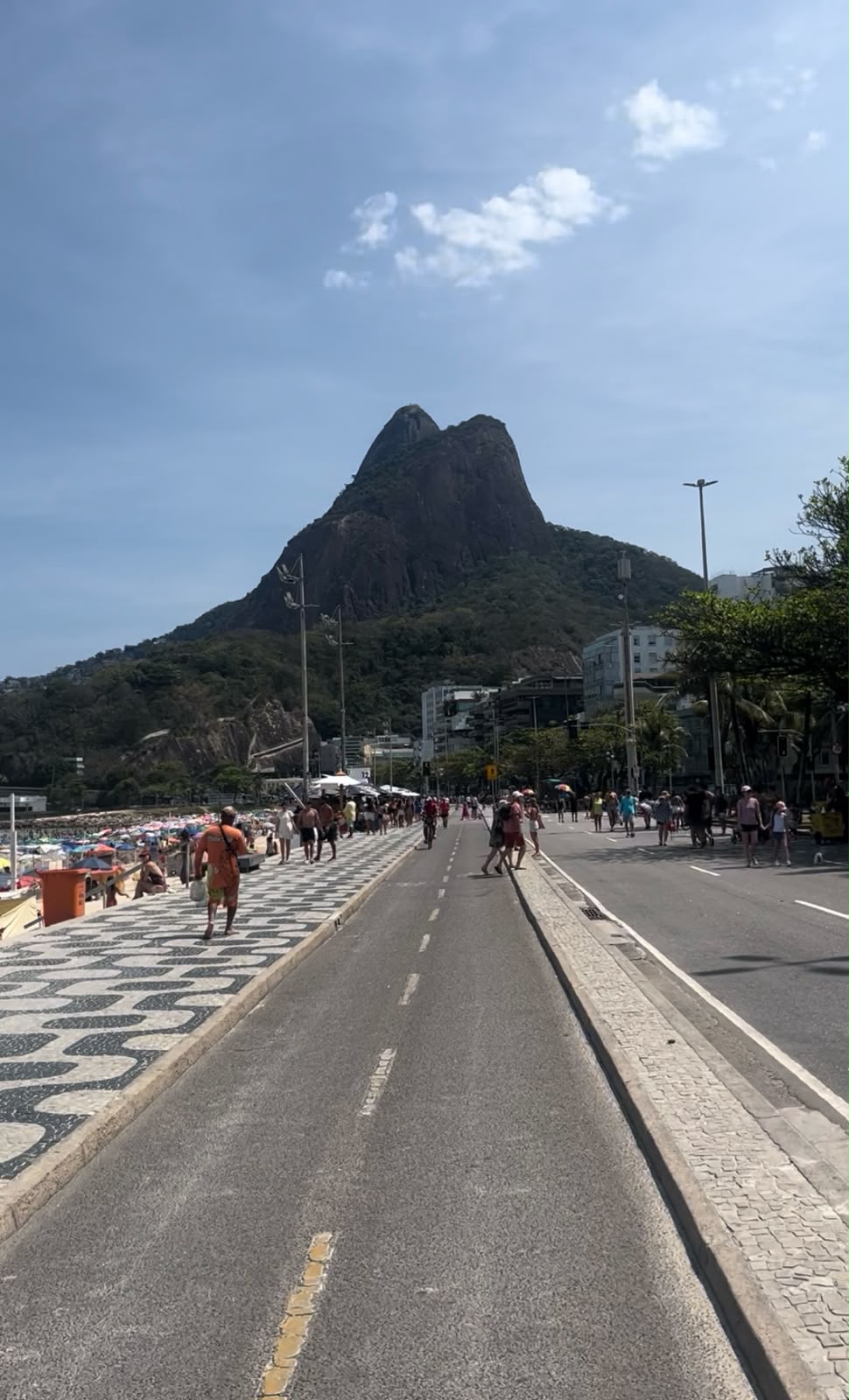
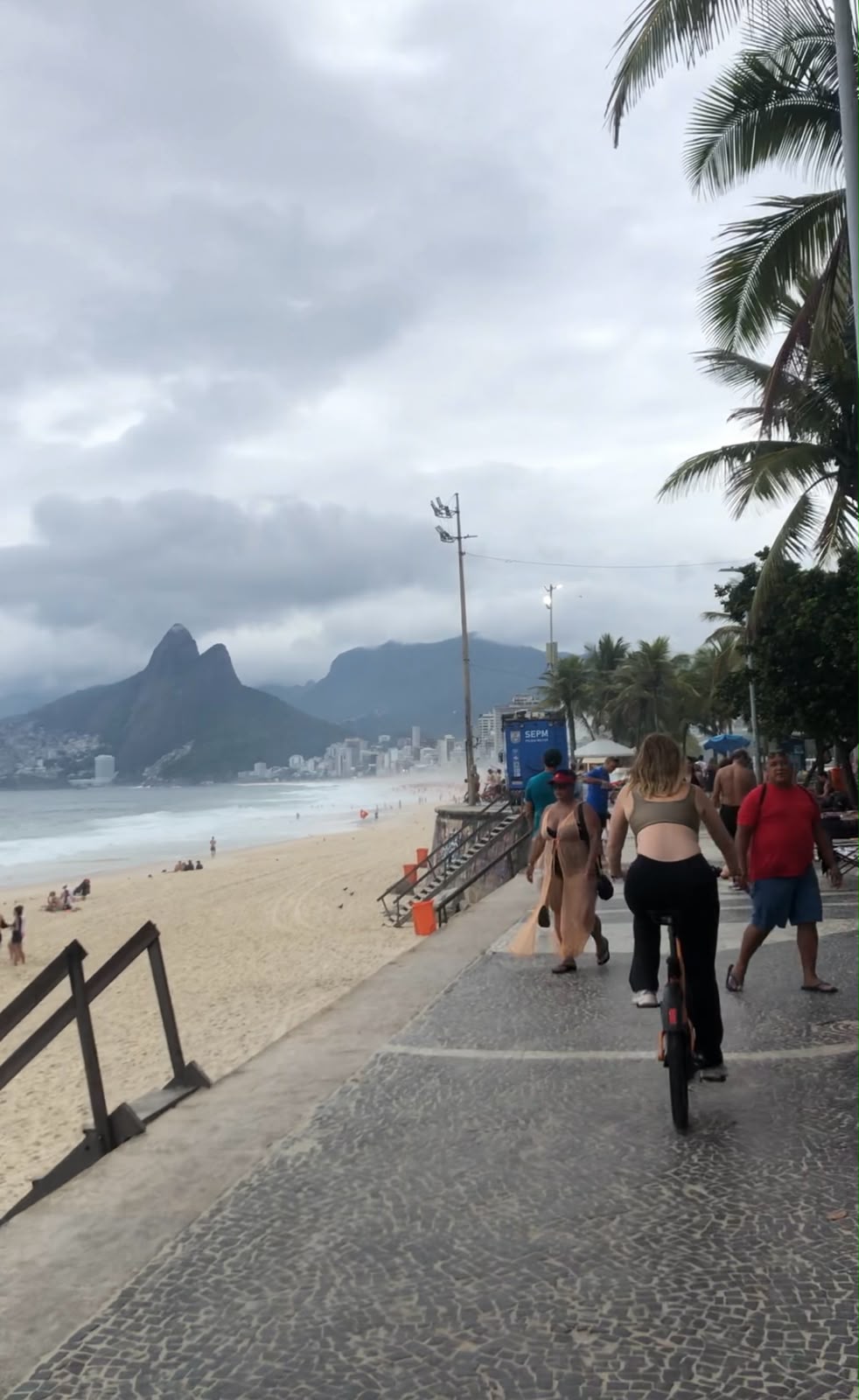
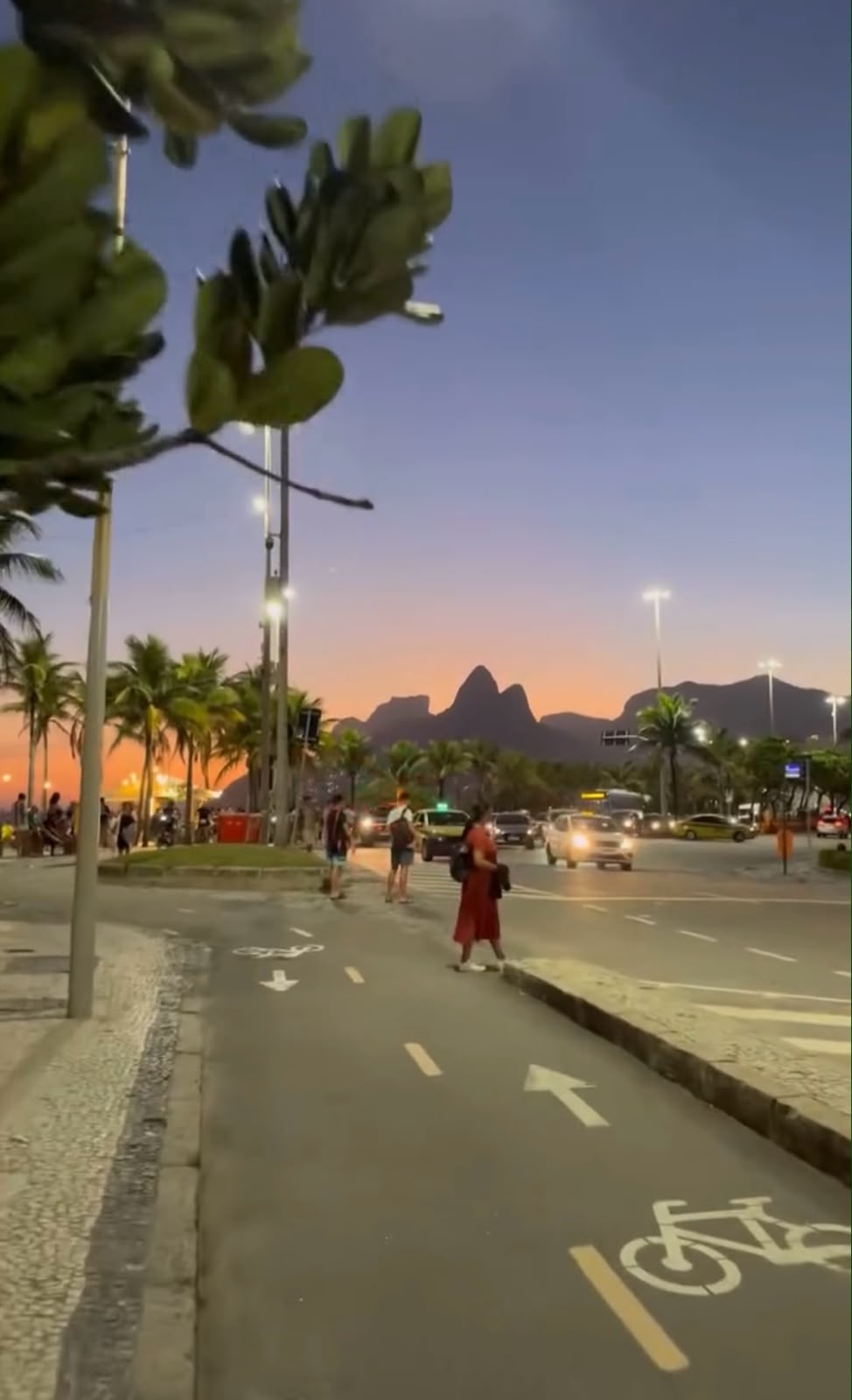
Upon reaching Ipanema, everything feels a bit more orderly. The neighborhood combines beach, greenery, and calm. The bike path remains coastal, but the vibe is more relaxed.
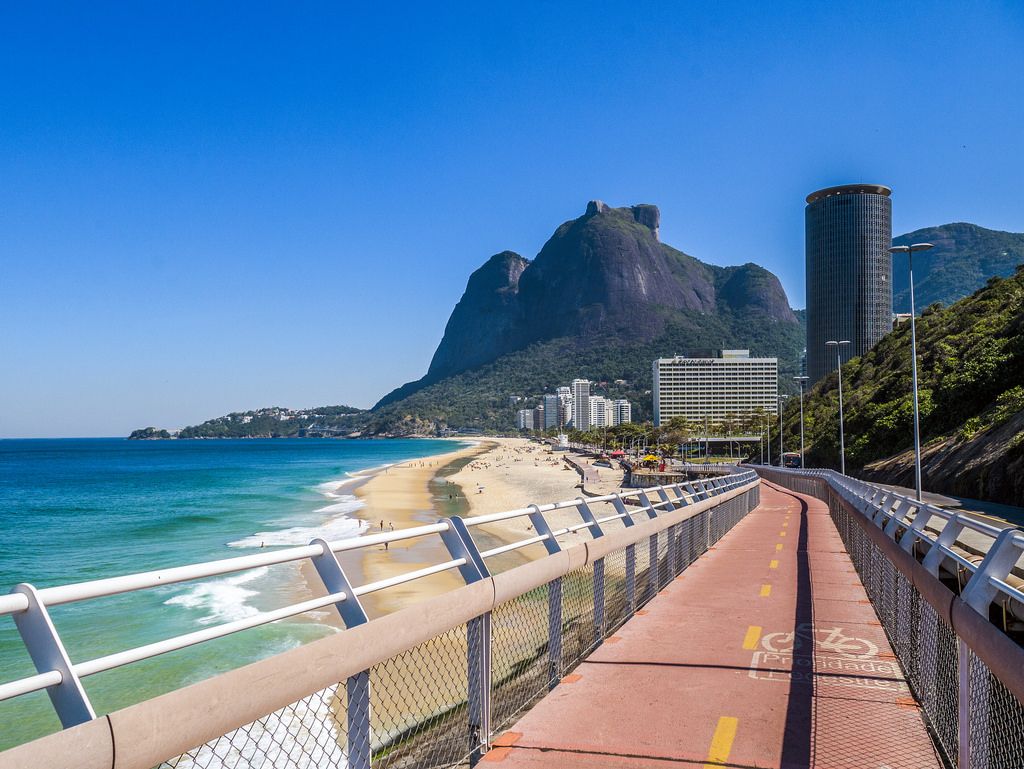
The unique feature that makes it even more special is the Dois Irmãos (Two Brothers) mountain—my personal favorite, it’s magical, and just looking at it brings a feeling that's hard to describe—which is always present in the landscape.
It’s an ideal spot to stop, hydrate, sit by the ocean, and then keep going.
The loop around Rodrigo de Freitas Lagoon
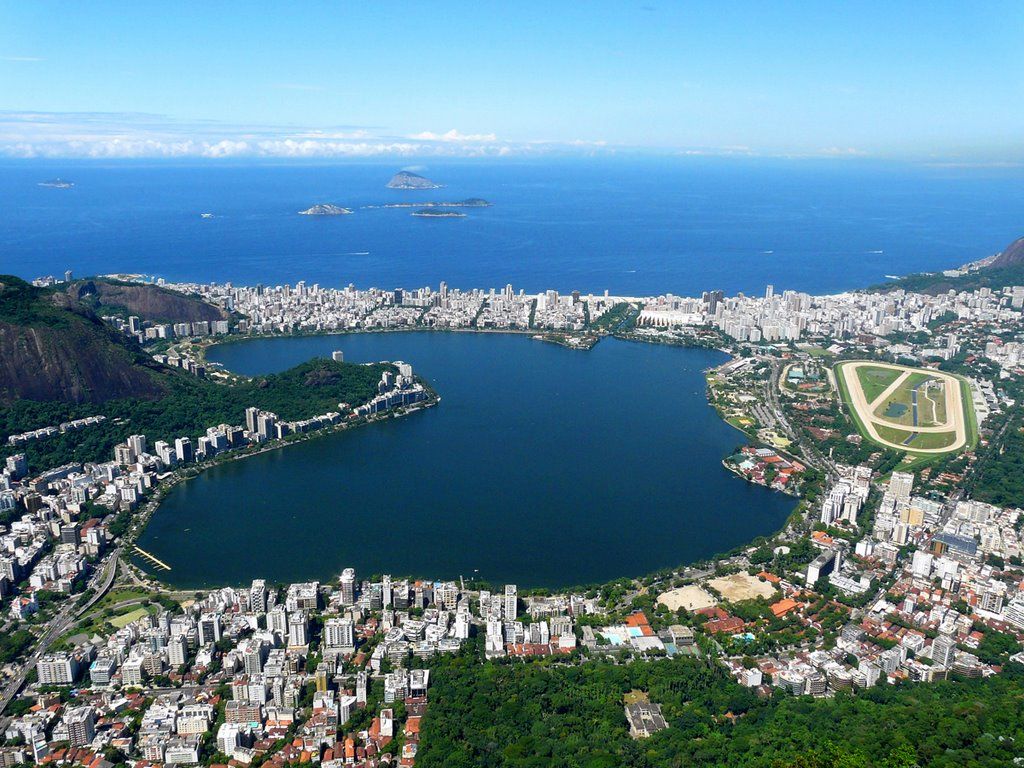
One of the most beautiful rides in the entire city is circling the Rodrigo de Freitas Lagoon (Lagoa Rodrigo de Freitas). The bike path completely loops the lagoon, surrounded by trees, parks, and green spaces.
The sound of traffic fades away, the air changes, and your body relaxes.
As you pedal, Christ the Redeemer towers overhead—immense and almost omnipresent. It’s a route to be enjoyed without looking at the clock.
The most impressive stretch: toward Barra da Tijuca
From Ipanema, one of the most breathtaking stretches to explore by bike begins.
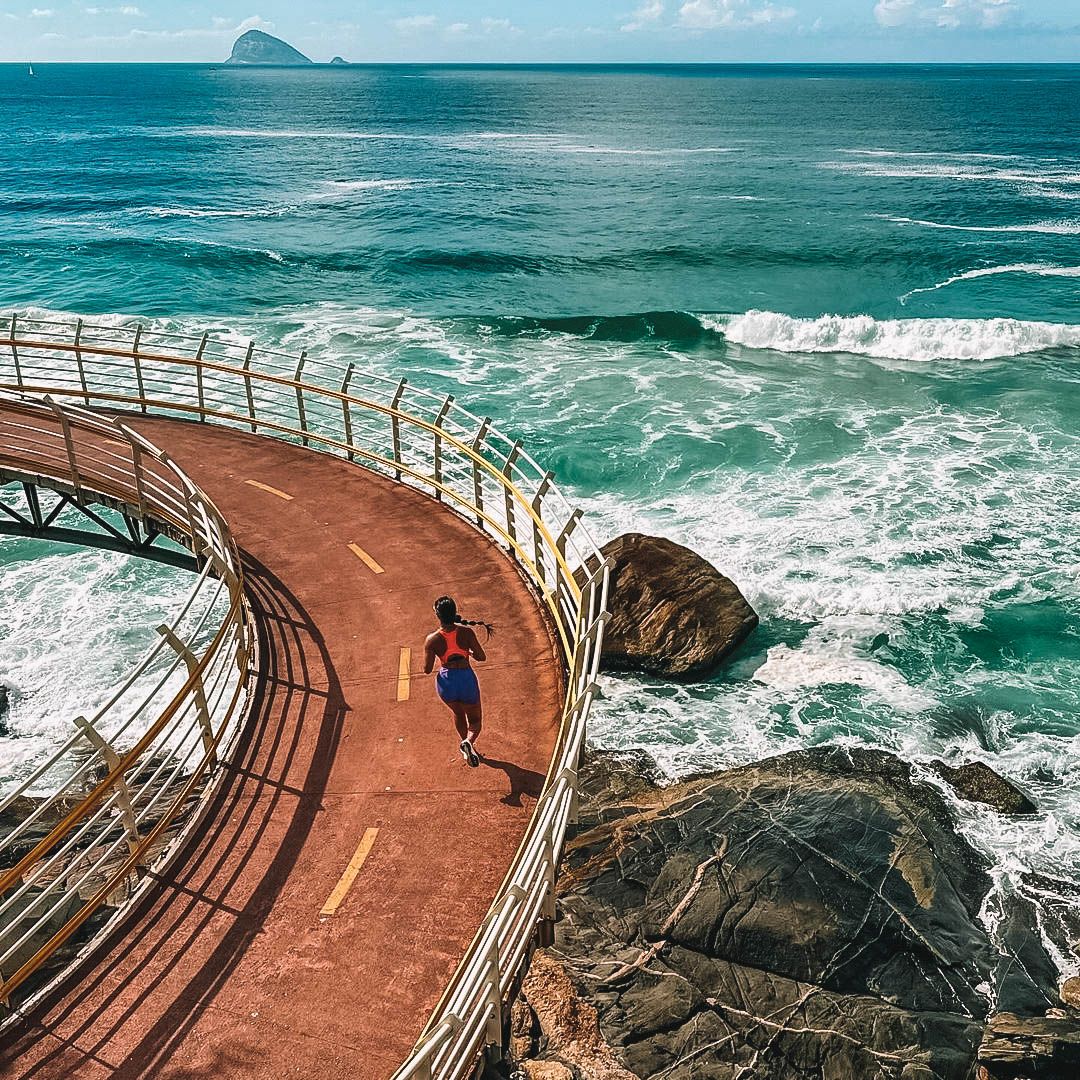
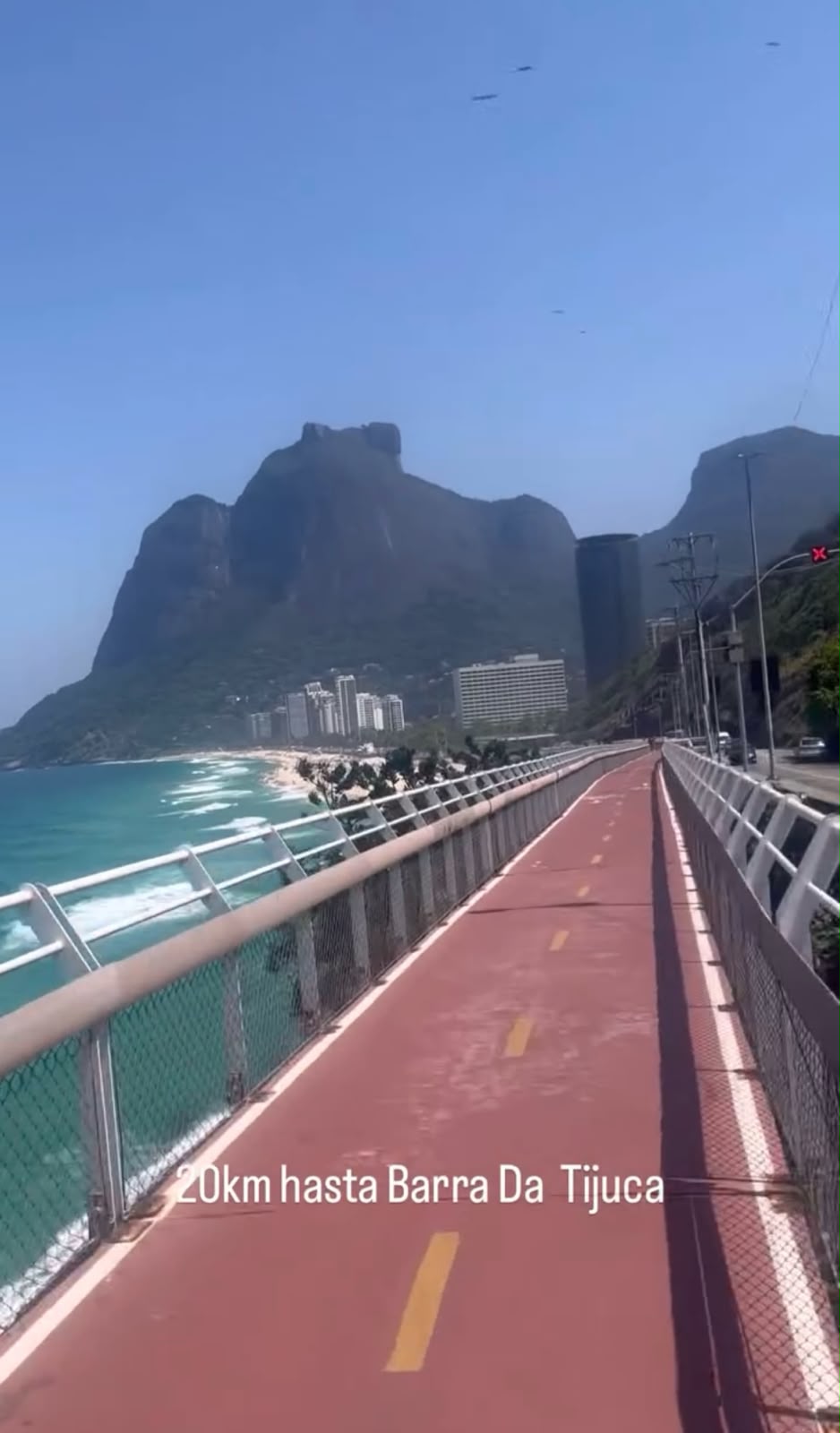
The bike path cuts through cliffs, passes through tunnels carved into the rock, and, at one point, turns into a cliffside path suspended right over the sea.
The feeling is unique: the ocean below, the rock wall beside you, a constant breeze, and the sound of crashing waves.
Finally, the path connects with Barra da Tijuca, a completely different area: more modern, more open, featuring incredibly long beaches and a great sense of spaciousness.
Reaching it by bike feels like completing a mini-journey within your trip.
Distances and real pace
There's no need to do it all at once. The ideal approach is to split it up:
- Flamengo ↔ Botafogo: short and peaceful
- Copacabana ↔ Ipanema: relaxed
- Lagoa: a green, circular loop
- Ipanema ↔ Barra da Tijuca: long and unforgettable
Riding a bike in Rio isn't about racing; it's about connecting.
How to get a bicycle in Rio de Janeiro
Getting around Rio by bike is easy, affordable, and highly convenient, even if you don't bring your own.
The city features a very widespread public bike-sharing system, making it ideal for both locals and travelers.
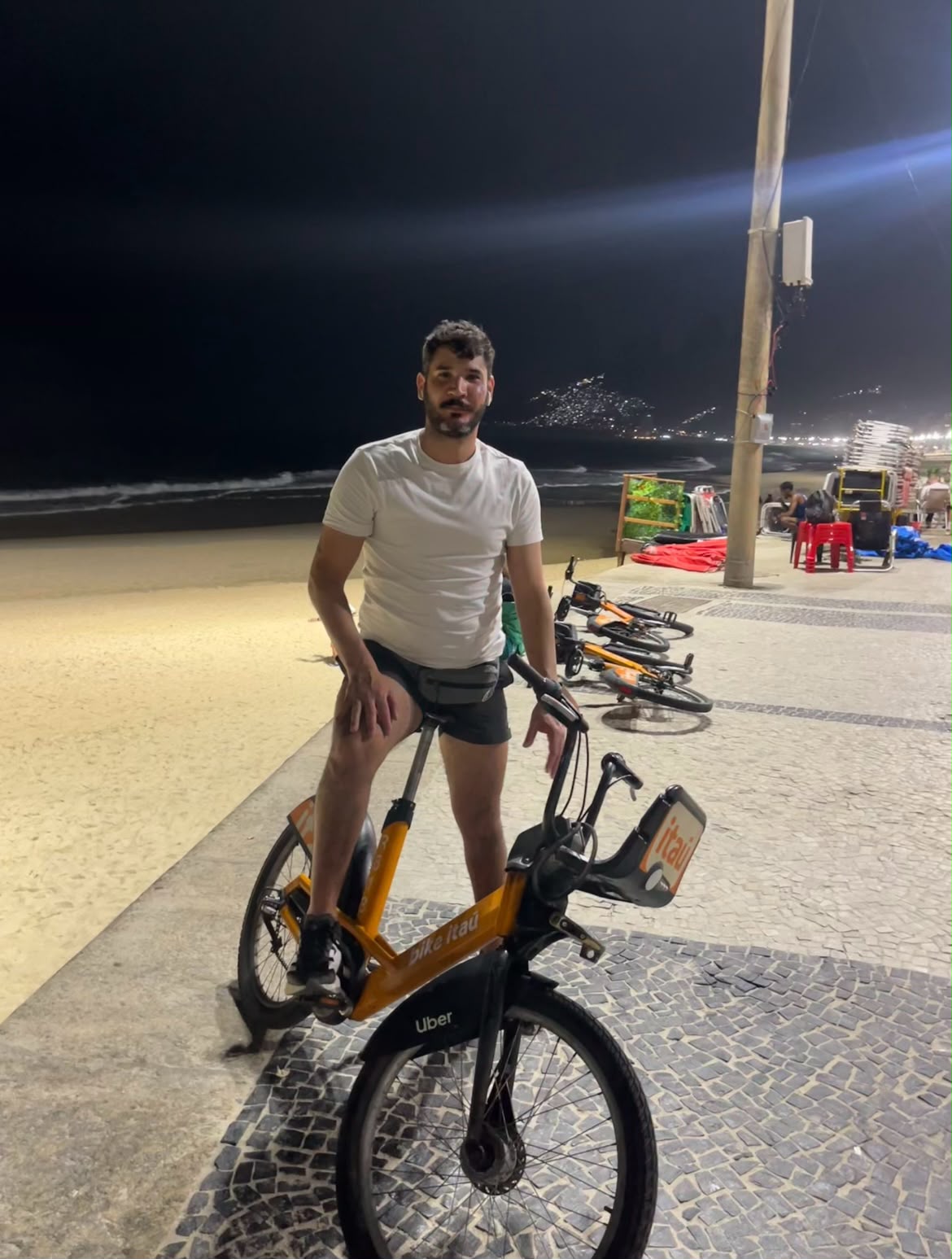
In almost every tourist neighborhood, you will spot the bright orange bikes distributed across automated stations throughout the city, especially in:
- Flamengo
- Botafogo
- Copacabana
- Ipanema
- Lagoa Rodrigo de Freitas
- Barra da Tijuca
Public bikes: the best choice for travelers
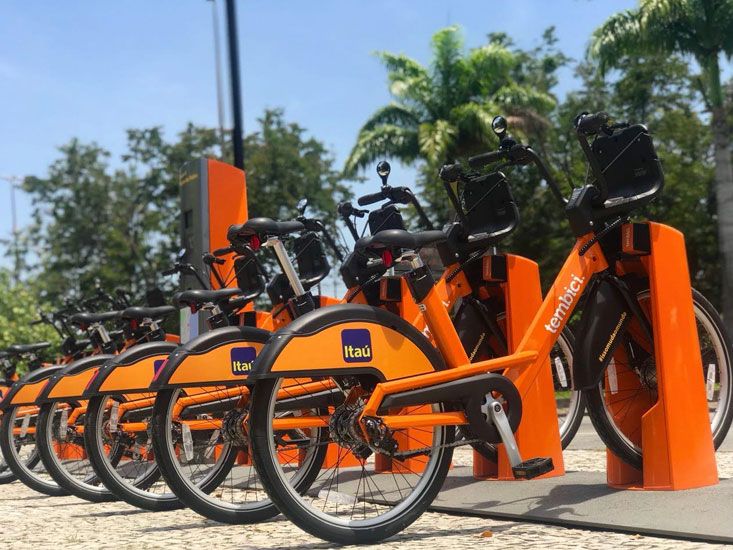
The system operates on a subscription basis and is fully managed through a mobile app.
Generally speaking, the process goes like this:
- Download the public bike system's app
- Register with your basic information
- Choose a plan (daily, weekly, or monthly)
- Unlock a bicycle at the station
- Use the bike and return it to any available docking point
The plans are actually very cheap, especially when compared to traditional rentals, and they allow you to use the bikes multiple times throughout the day.
Are they comfortable for exploring the city?
Yes. They aren't sports bikes, but they are specifically designed for urban use:
- Comfortable riding position
- Good general maintenance
- Perfect for coastal bike paths and long, leisurely rides
They work incredibly well for connecting neighborhoods, beaches, and parks without having to rely on public transit or ridesharing apps.
Is it better than traditional bike rentals?
For most travelers, yes.
- ✅ Public bikes → cheaper and more flexible
- ❌ Traditional rental → more expensive with fixed hours
If your plan is to pedal over several days and explore the coast at your own pace, the public system is your best option.
Tips for cycling in Rio
- Always stay hydrated
- Wear sunscreen and a hat
- Avoid peak hours if you prefer a quieter ride
- Stop whenever you feel like it
- Respect pedestrians, traffic lights, and local cyclists
- Try to ride only on designated bike paths to avoid larger vehicles
Reads you might enjoy
Starting in Flamengo is ideal. Flamengo Park (Parque do Flamengo) is huge, open, and very green. The bike path runs parallel to the sea, offering plenty of space, shade, and wide views of the bay.
It’s a peaceful stretch, perfect for getting into a rhythm, adjusting your bike, and simply pedaling without thinking too much.
A great route is to ride from where Flamengo begins (bordering Botafogo) all the way to the airport; a round trip takes about 45 minutes, taking you right through the park and along the beach.
PUBLICIDAD
Travel with Data: Get your Saily eSIM
- ✓Internet in seconds upon landing
- ✓Flexible plans in 180+ countries
- ✓Easy setup directly via the App
Heading toward Botafogo, the scenery changes. The environment becomes more urban and local. You'll see buildings, movement, people commuting to work, families strolling, and local cyclists.
From here, Sugarloaf Mountain constantly appears on the horizon, reminding you exactly where you are, even when the neighborhood feels more ordinary than touristy.
The Copacabana bike path is a classic, but it never loses its magic. The ocean accompanies you the entire time. People are walking, running, working out, and relaxing.
It’s a stretch meant for enjoying the constant movement and the open landscape.
Upon reaching Ipanema, everything feels a bit more orderly. The neighborhood combines beach, greenery, and calm. The bike path remains coastal, but the vibe is more relaxed.
The unique feature that makes it even more special is the Dois Irmãos (Two Brothers) mountain—my personal favorite, it’s magical, and just looking at it brings a feeling that's hard to describe—which is always present in the landscape.
It’s an ideal spot to stop, hydrate, sit by the ocean, and then keep going.
One of the most beautiful rides in the entire city is circling the Rodrigo de Freitas Lagoon (Lagoa Rodrigo de Freitas). The bike path completely loops the lagoon, surrounded by trees, parks, and green spaces.
The sound of traffic fades away, the air changes, and your body relaxes.
As you pedal, Christ the Redeemer towers overhead—immense and almost omnipresent. It’s a route to be enjoyed without looking at the clock.
From Ipanema, one of the most breathtaking stretches to explore by bike begins.
The bike path cuts through cliffs, passes through tunnels carved into the rock, and, at one point, turns into a cliffside path suspended right over the sea.
The feeling is unique: the ocean below, the rock wall beside you, a constant breeze, and the sound of crashing waves.
Finally, the path connects with Barra da Tijuca, a completely different area: more modern, more open, featuring incredibly long beaches and a great sense of spaciousness.
Reaching it by bike feels like completing a mini-journey within your trip.
There's no need to do it all at once. The ideal approach is to split it up:
- Flamengo ↔ Botafogo: short and peaceful
- Copacabana ↔ Ipanema: relaxed
- Lagoa: a green, circular loop
- Ipanema ↔ Barra da Tijuca: long and unforgettable
Riding a bike in Rio isn't about racing; it's about connecting.
Getting around Rio by bike is easy, affordable, and highly convenient, even if you don't bring your own.
The city features a very widespread public bike-sharing system, making it ideal for both locals and travelers.
In almost every tourist neighborhood, you will spot the bright orange bikes distributed across automated stations throughout the city, especially in:
- Flamengo
- Botafogo
- Copacabana
- Ipanema
- Lagoa Rodrigo de Freitas
- Barra da Tijuca
The system operates on a subscription basis and is fully managed through a mobile app.
Generally speaking, the process goes like this:
- Download the public bike system's app
- Register with your basic information
- Choose a plan (daily, weekly, or monthly)
- Unlock a bicycle at the station
- Use the bike and return it to any available docking point
The plans are actually very cheap, especially when compared to traditional rentals, and they allow you to use the bikes multiple times throughout the day.
Yes. They aren't sports bikes, but they are specifically designed for urban use:
- Comfortable riding position
- Good general maintenance
- Perfect for coastal bike paths and long, leisurely rides
They work incredibly well for connecting neighborhoods, beaches, and parks without having to rely on public transit or ridesharing apps.
For most travelers, yes.
- ✅ Public bikes → cheaper and more flexible
- ❌ Traditional rental → more expensive with fixed hours
If your plan is to pedal over several days and explore the coast at your own pace, the public system is your best option.
- Always stay hydrated
- Wear sunscreen and a hat
- Avoid peak hours if you prefer a quieter ride
- Stop whenever you feel like it
- Respect pedestrians, traffic lights, and local cyclists
- Try to ride only on designated bike paths to avoid larger vehicles
Galery

PUBLICIDAD
International Travel Insurance
- ✓International medical insurance
- ✓24/7 immediate assistance in your language
- ✓Ideal for trekking & adventure
Preferences
Language
Color
Text
Width