Table of contents and map
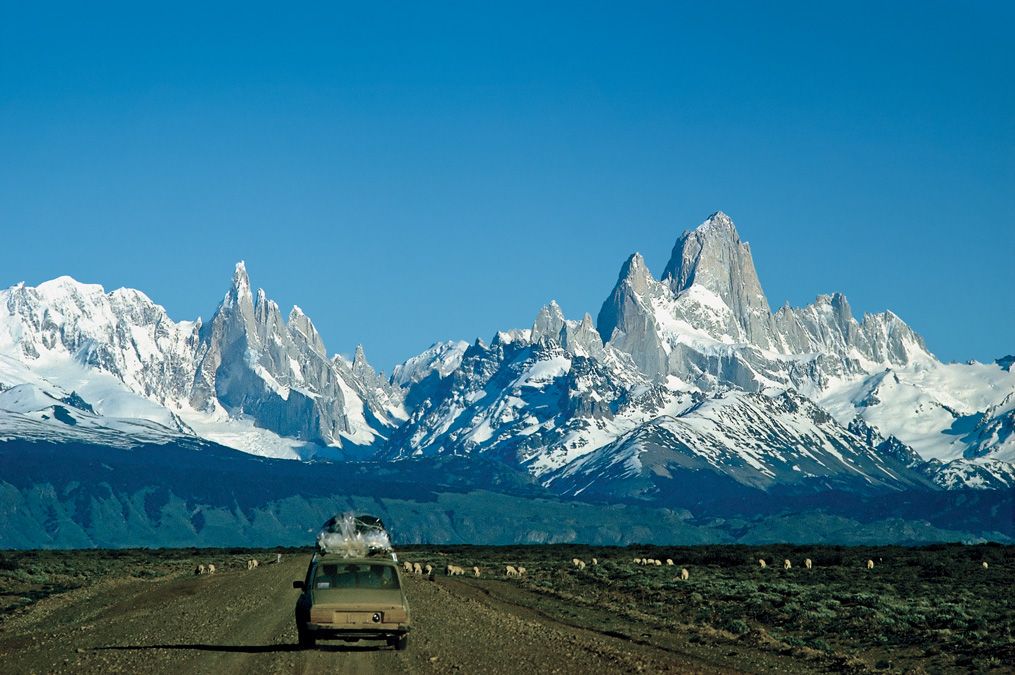
Traveling to Patagonia is an incredible experience, but it can also be a bit challenging when it comes to packing.
The weather changes fast, distances are long, and many activities are outdoors.
After several trips around the region, I learned something key: it’s not about packing more, it’s about packing smart.
In this guide, I’ll show you what to pack for a trip to Patagonia, depending on the time of year, with practical tips to avoid overpacking and stay comfortable.
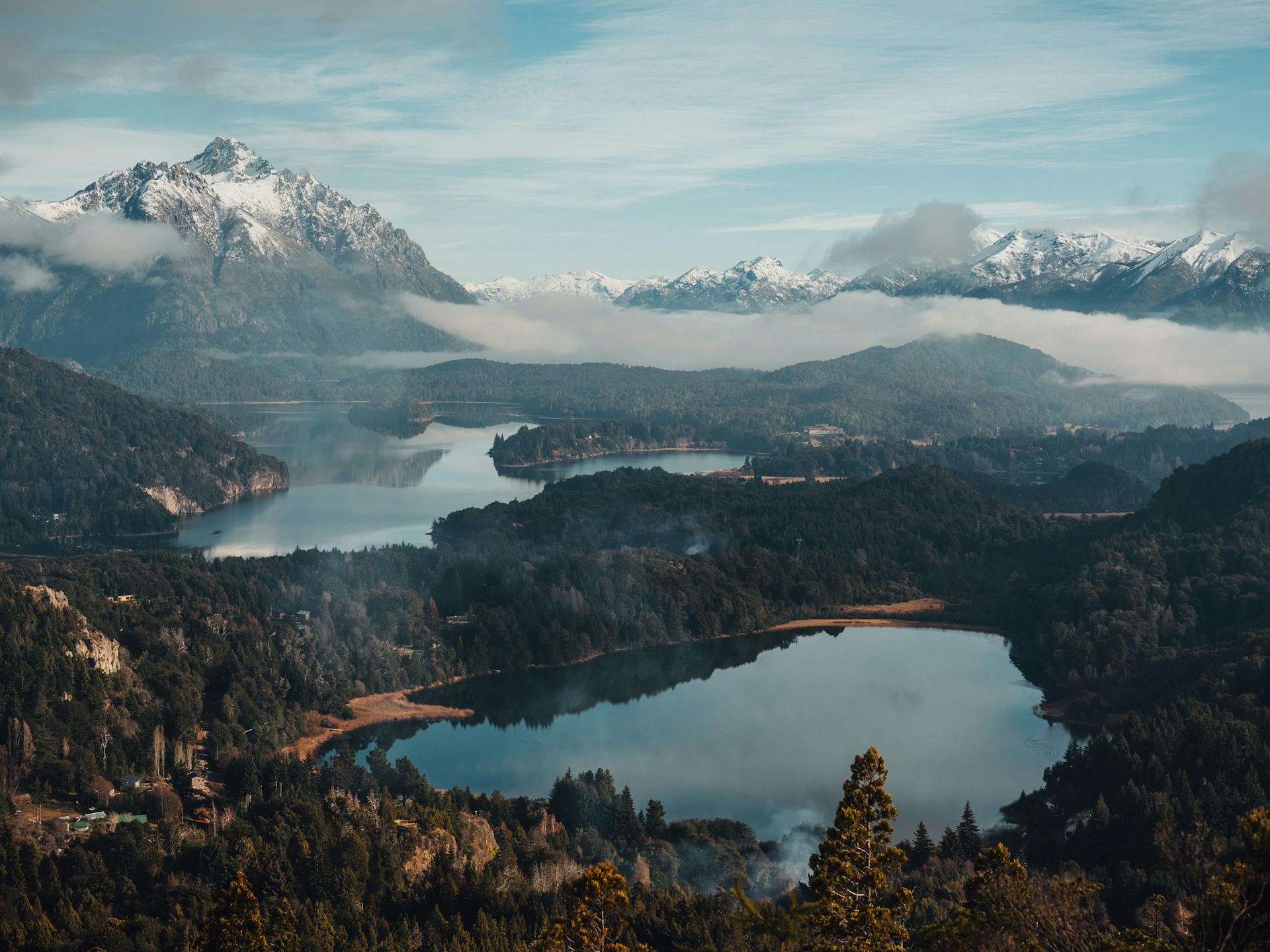
The first thing you need to understand about Patagonian weather
Before talking about clothes, this is important:
- You can experience sun, wind, heat, cold, rain, and snow in the same day
- Temperatures change a lot between morning, afternoon, and night
- Wind is a constant factor, even in summer
- In mountain areas, weather can change in minutes
That’s why the key is not how much you pack, but layering properly.
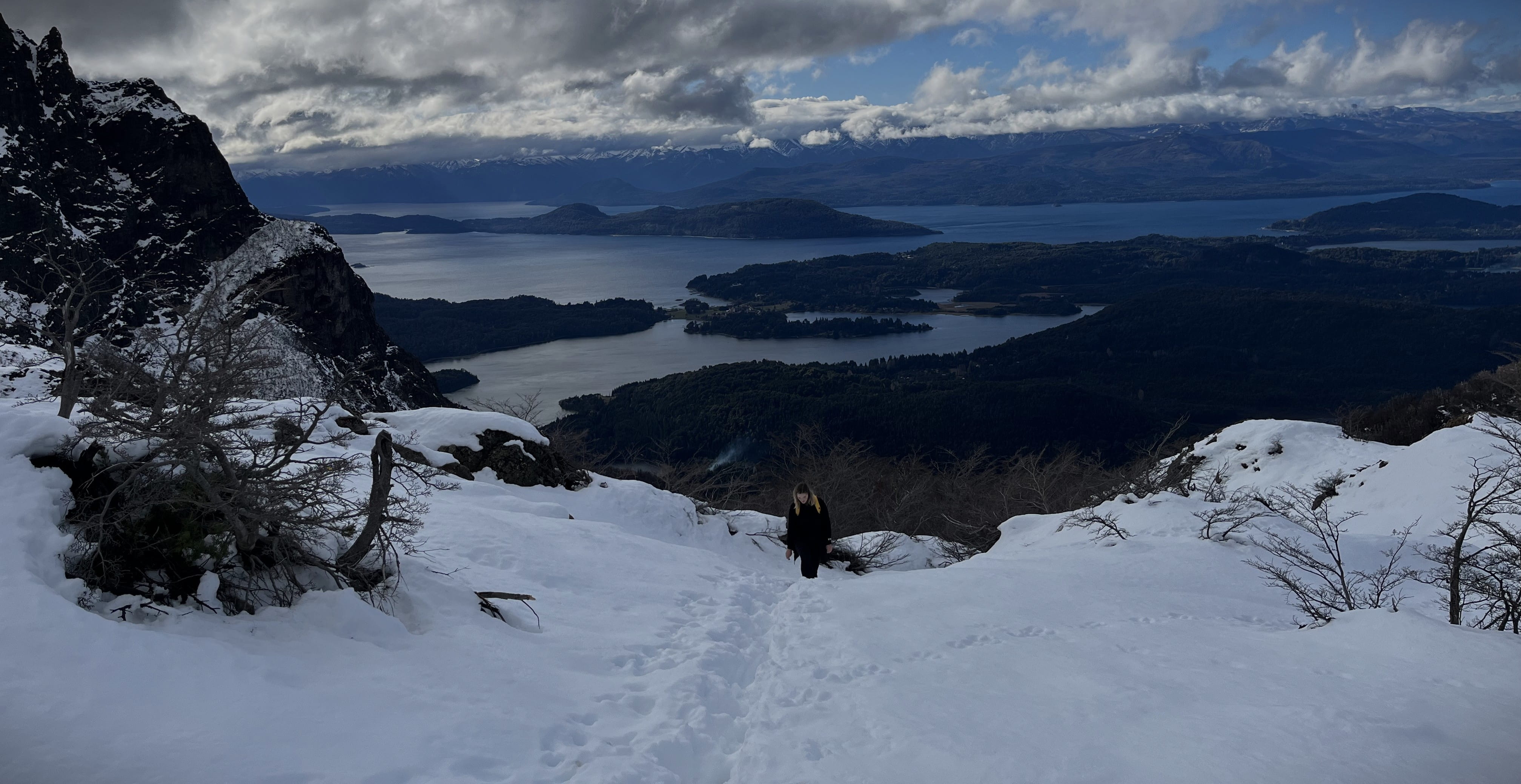
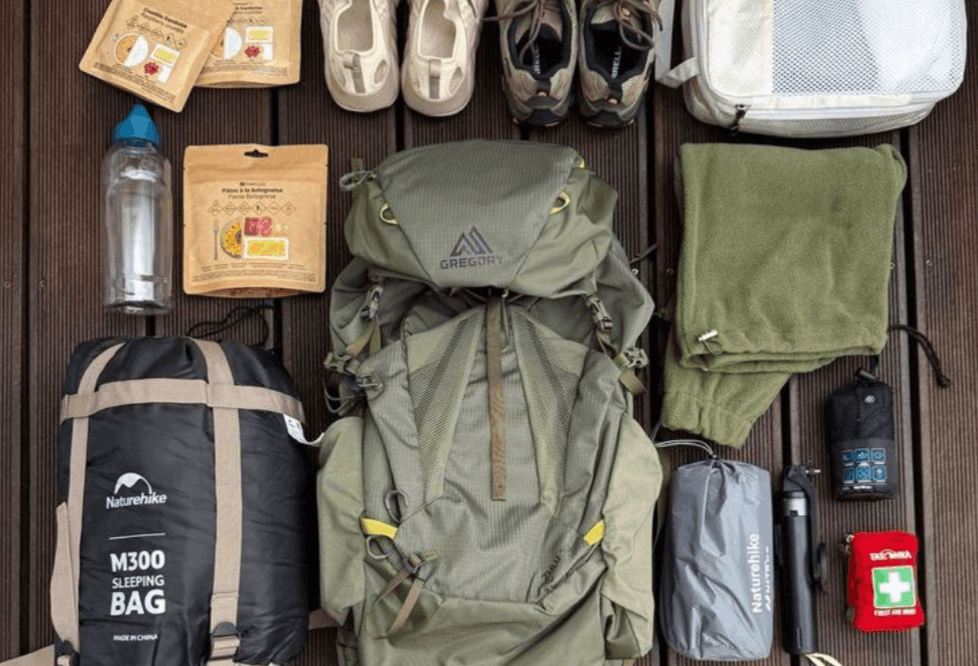
Basic clothing (essential all year round)
This is the system that always works:
🧥 Layering system
Base layer (next to skin):
- Thermal shirts or quick-dry tops
- Avoid cotton if you plan to hike or trek
Mid layer (insulation):
- Fleece or warm sweatshirt
- Ideally lightweight but warm
Outer layer (protection):
- Windproof and waterproof jacket
- Essential against wind and rain
With this system, you can easily adapt to any weather without overpacking.
Pants and footwear
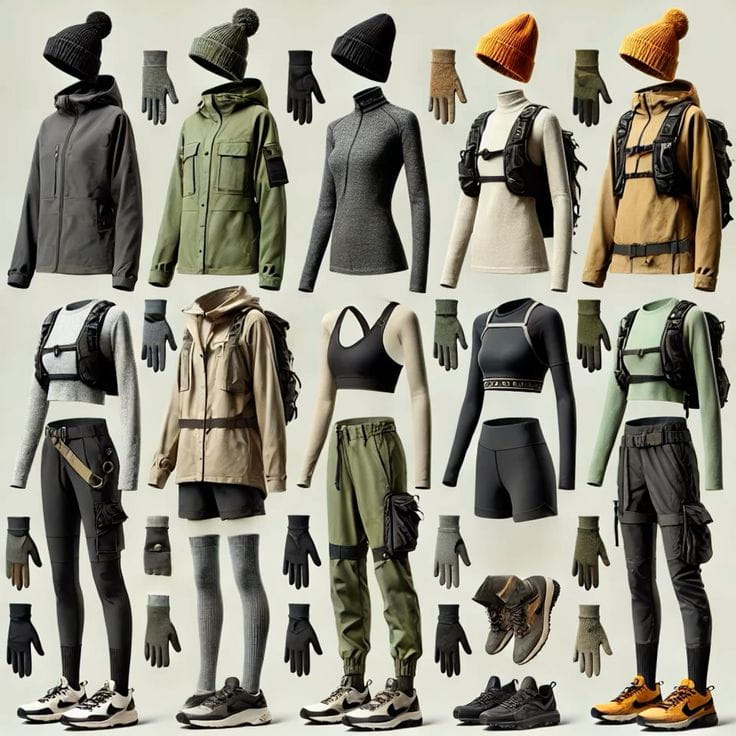
👖 Pants
- Comfortable pants (trekking or outdoor style)
- Jeans only for city or relaxed outings
- In winter: thermal pants or base layer leggings
👟 Footwear
- Hiking shoes or comfortable sneakers
- If you plan to walk a lot: shoes with good grip
- In winter or snowy areas: waterproof boots
Extra layers depending on the season
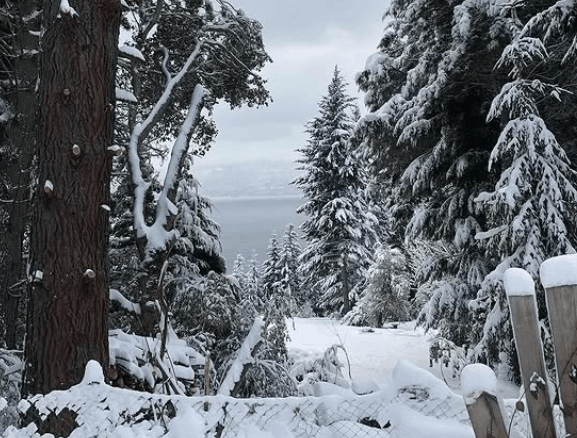
❄️ Winter (June to September)
- Insulated jacket (down or synthetic)
- Gloves, beanie, and neck warmer
- Thermal socks
- Thermal leggings under pants
🌸 Summer (December to March)
- Light jacket (always bring one)
- Fleece or sweatshirt
- Shorts or lighter clothing for warm days
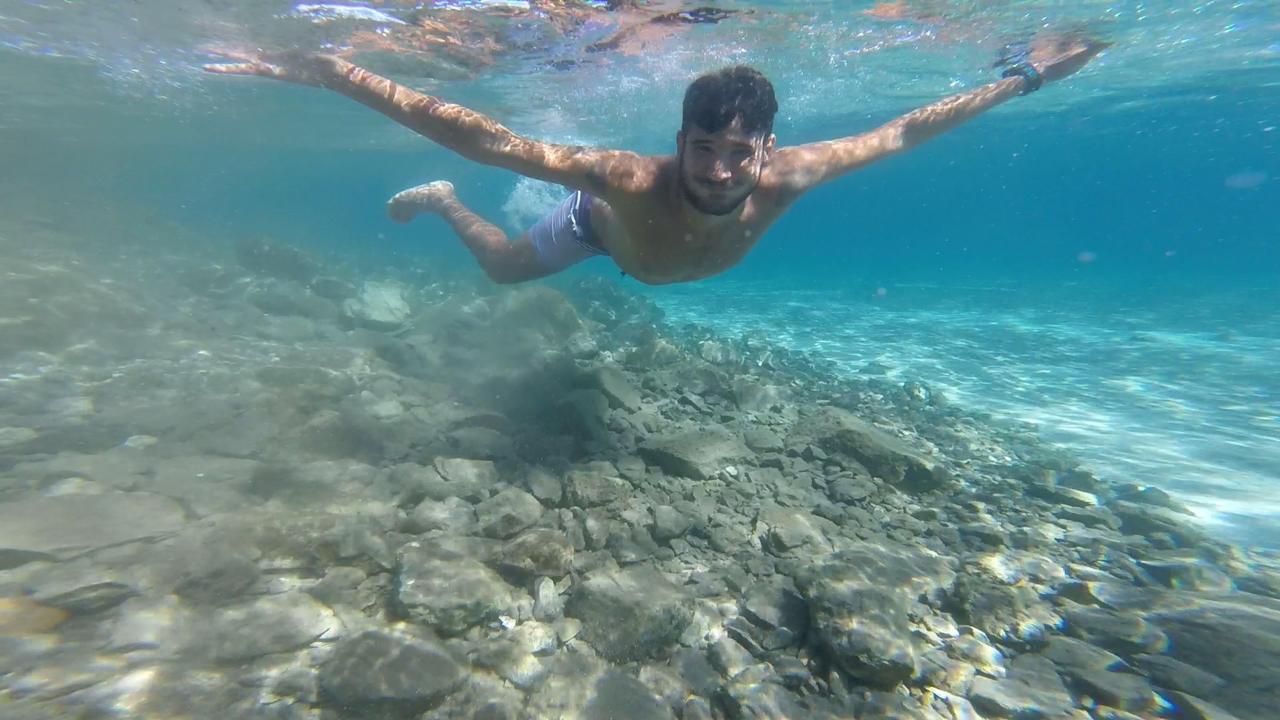
Even in summer, and even if the day starts warm, warm layers are non-negotiable—you might return late when temperatures drop.
Small accessories that make a big difference
- Hat (for cold or sun)
- Sunglasses (very important)
- Sunscreen
- Small day backpack
- Reusable water bottle
- Scarf or multifunction neck gaiter
Most of these take little space but make a huge difference.
Electronics and useful extras
- Phone + charger
- Power bank (very useful on long excursions)
- Camera (if you like photography)
- Car adapter (if you rent a vehicle)
In more remote areas, you won’t always have signal or easy access to power.
What NOT to pack (learned the hard way)
- “Just in case” clothes you never use
- Too many heavy jeans
- Uncomfortable shoes
- Bulky jackets that take up half your luggage
Patagonia is better enjoyed traveling light.
My final tip for packing
Think about your trip like this:
- Will I be walking a lot?
- Will I spend time outdoors?
- Will I move between city and nature?
If the answer is yes (it usually is), pack with logic, layers, and comfort in mind.
You don’t need expensive technical gear, but you do need functional clothing.
Is it worth planning your packing this much?
Yes. Absolutely.
A well-packed bag saves you from cold, discomfort, and stress.
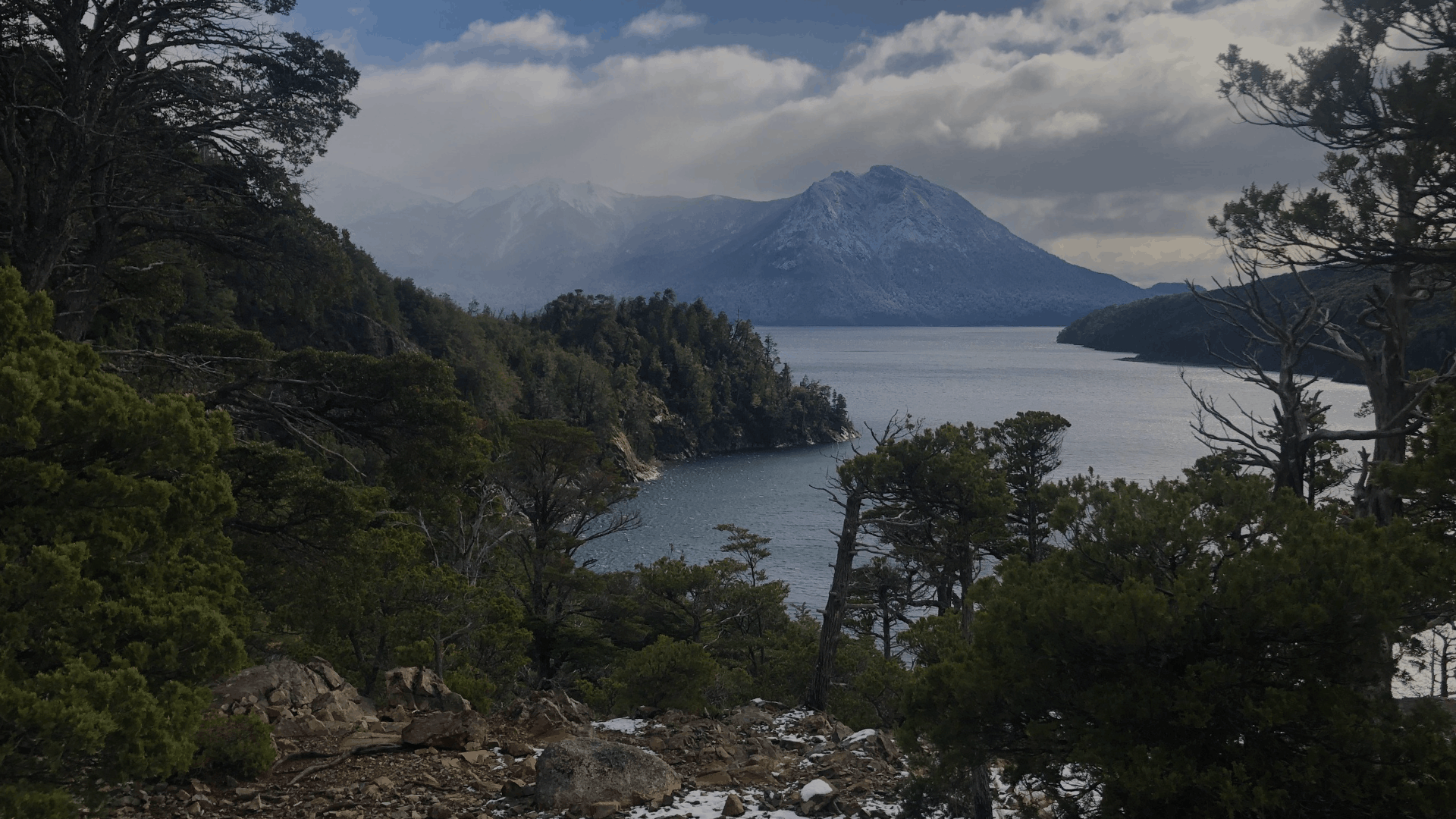
And when you’re in front of a lake, a mountain, or an endless trail, the last thing you want to think is:
“Why didn’t I bring this?”
👉 Important tip: more than one trip has been saved just by having this — download your maps offline. I use the maps.me app, it has a free version and it’s very useful.
If you want to keep planning your trip, on Montanista you’ll find more practical guides to explore Patagonia in a realistic and enjoyable way.
Safe travels 🤍
Recommended reads
Before talking about clothes, this is important:
- You can experience sun, wind, heat, cold, rain, and snow in the same day
- Temperatures change a lot between morning, afternoon, and night
- Wind is a constant factor, even in summer
- In mountain areas, weather can change in minutes
That’s why the key is not how much you pack, but layering properly.
PUBLICIDAD
Travel with Data: Get your Saily eSIM
- ✓Internet in seconds upon landing
- ✓Flexible plans in 180+ countries
- ✓Easy setup directly via the App
This is the system that always works:
🧥 Layering system
Base layer (next to skin):
- Thermal shirts or quick-dry tops
- Avoid cotton if you plan to hike or trek
Mid layer (insulation):
- Fleece or warm sweatshirt
- Ideally lightweight but warm
Outer layer (protection):
- Windproof and waterproof jacket
- Essential against wind and rain
With this system, you can easily adapt to any weather without overpacking.
👖 Pants
- Comfortable pants (trekking or outdoor style)
- Jeans only for city or relaxed outings
- In winter: thermal pants or base layer leggings
👟 Footwear
- Hiking shoes or comfortable sneakers
- If you plan to walk a lot: shoes with good grip
- In winter or snowy areas: waterproof boots
❄️ Winter (June to September)
- Insulated jacket (down or synthetic)
- Gloves, beanie, and neck warmer
- Thermal socks
- Thermal leggings under pants
🌸 Summer (December to March)
- Light jacket (always bring one)
- Fleece or sweatshirt
- Shorts or lighter clothing for warm days
Even in summer, and even if the day starts warm, warm layers are non-negotiable—you might return late when temperatures drop.
- Hat (for cold or sun)
- Sunglasses (very important)
- Sunscreen
- Small day backpack
- Reusable water bottle
- Scarf or multifunction neck gaiter
Most of these take little space but make a huge difference.
- Phone + charger
- Power bank (very useful on long excursions)
- Camera (if you like photography)
- Car adapter (if you rent a vehicle)
In more remote areas, you won’t always have signal or easy access to power.
- “Just in case” clothes you never use
- Too many heavy jeans
- Uncomfortable shoes
- Bulky jackets that take up half your luggage
Patagonia is better enjoyed traveling light.
Think about your trip like this:
- Will I be walking a lot?
- Will I spend time outdoors?
- Will I move between city and nature?
If the answer is yes (it usually is), pack with logic, layers, and comfort in mind.
You don’t need expensive technical gear, but you do need functional clothing.
Yes. Absolutely.
A well-packed bag saves you from cold, discomfort, and stress.
And when you’re in front of a lake, a mountain, or an endless trail, the last thing you want to think is:
“Why didn’t I bring this?”
👉 Important tip: more than one trip has been saved just by having this — download your maps offline. I use the maps.me app, it has a free version and it’s very useful.
If you want to keep planning your trip, on Montanista you’ll find more practical guides to explore Patagonia in a realistic and enjoyable way.
Safe travels 🤍
PUBLICIDAD
International Travel Insurance
- ✓International medical insurance
- ✓24/7 immediate assistance in your language
- ✓Ideal for trekking & adventure
Preferences
Language
Color
Text
Width