Table of contents and map
Scotland Itinerary: The Perfect 7, 10, and 14-Day Route with real tips
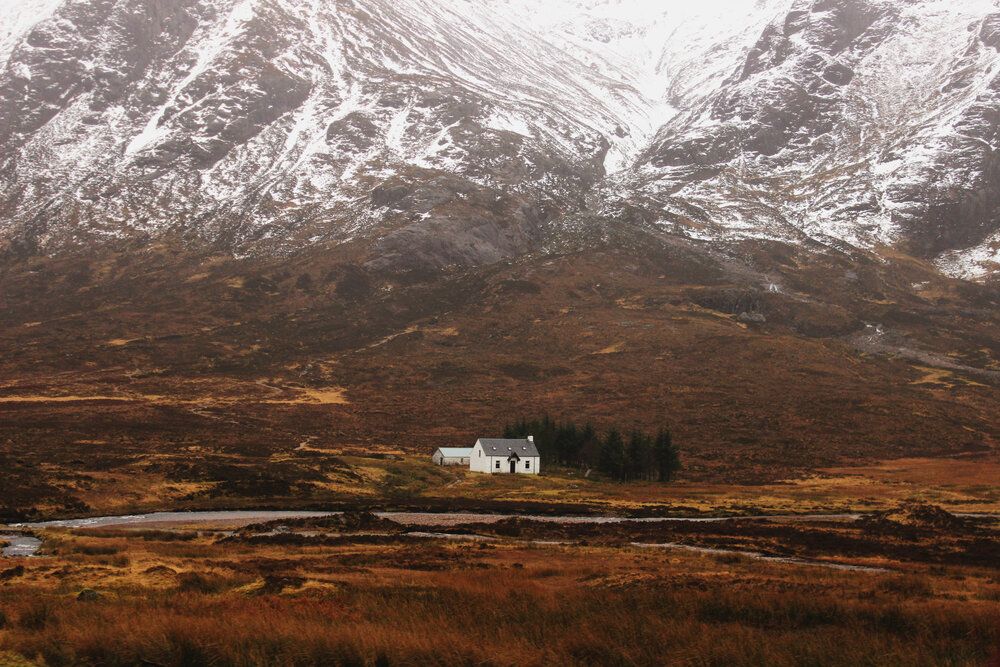
We spent an entire year traveling across Scotland and discovered that it is a country designed to be explored by road. Its geography combines deep glacial valleys, gravity-defying ruined castles, and cliffs battered by the North Sea. Planning an optimized route here isn't easy due to tight single-track roads and unpredictable weather changes; that's why, in this guide, we break down real driving times and perfect itineraries so you can make the most of every single minute.
Scotland Itinerary: The Perfect 7, 10, and 14-Day Route with real tips
We spent an entire year traveling across Scotland and discovered that it is a country designed to be explored by road. Its geography combines deep glacial valleys, gravity-defying ruined castles, and cliffs battered by the North Sea. Planning an optimized route here isn't easy due to tight single-track roads and unpredictable weather changes; that's why, in this guide, we break down real driving times and perfect itineraries so you can make the most of every single minute.
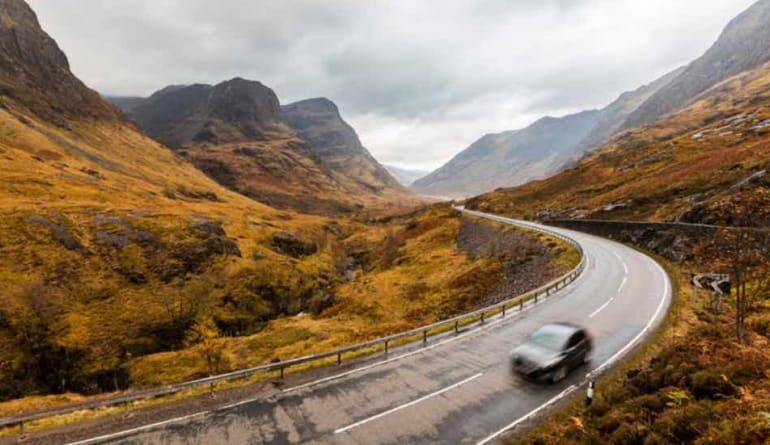
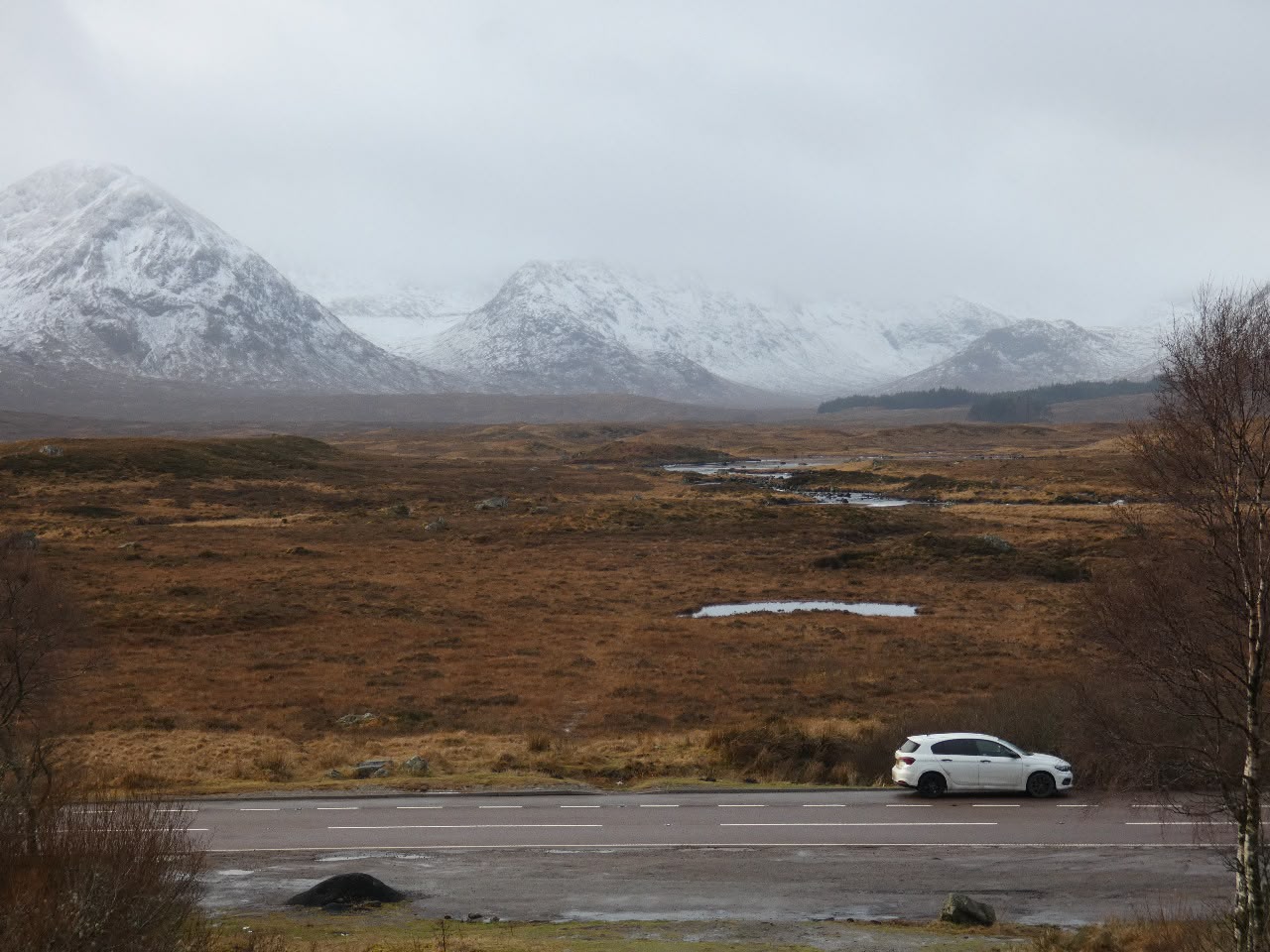
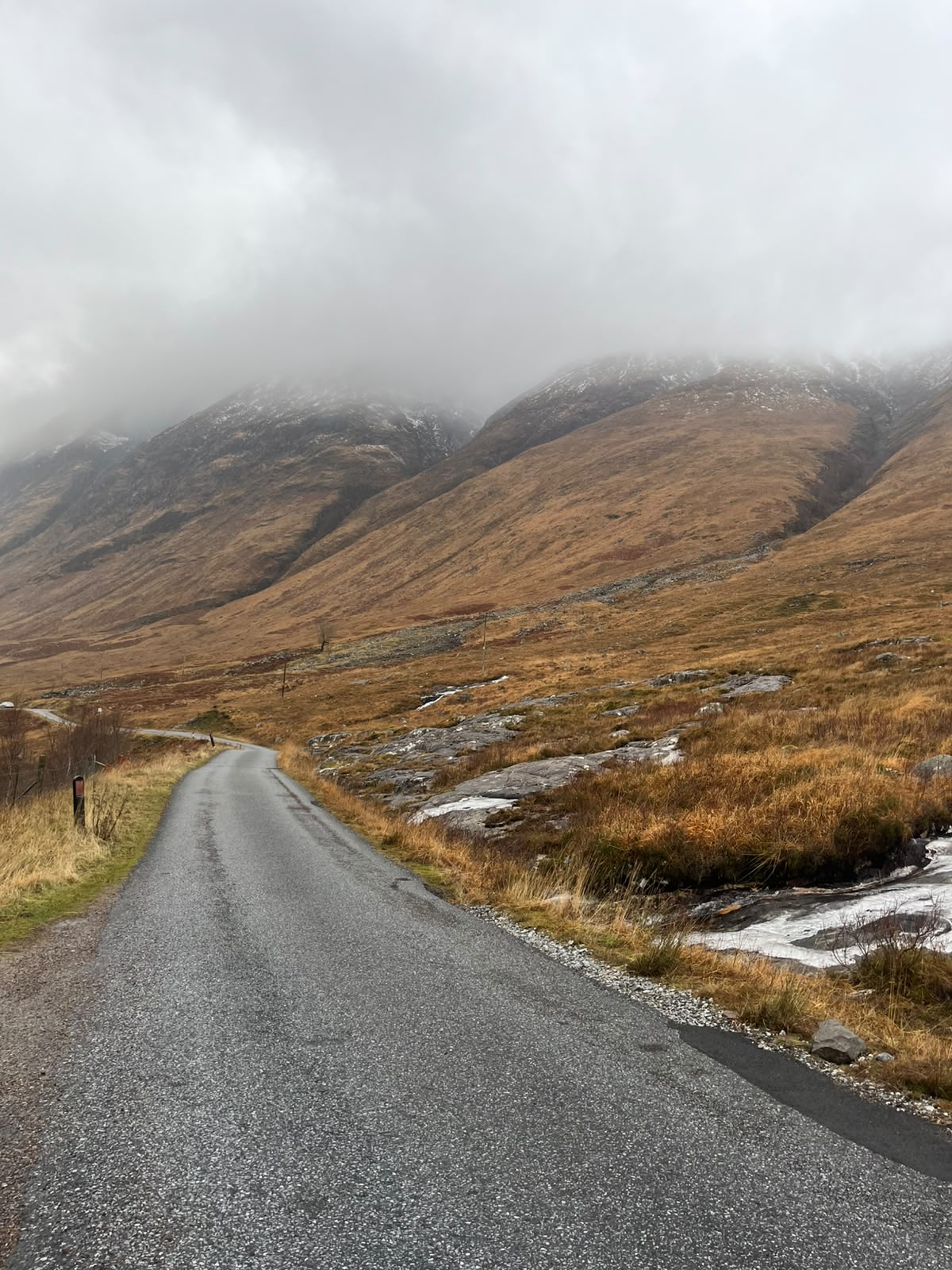
After living and driving for an entire year across this country, we learned that the biggest mistake when planning a trip to Scotland is measuring distances in kilometers or miles. In the Highlands, a journey of just 50 miles easily took us over two hours due to winding curves, roaming sheep, and the famous Single-Track Roads (one-lane roads with passing places).
To truly get the most out of your experience, your logistics need to be flawless from day one.
Who Is This Route For?
This guide is designed for the independent traveler looking for absolute flexibility. While Scotland has a highly scenic train network, the reality is that to reach the most hidden castles, the trailheads on the Isle of Skye, or the remote viewpoints of glacial valleys, you are going to need a rental car.
If you want to manage your own schedule, pull over to take photos on the side of the road every ten minutes, and avoid packaged tour buses, this is your itinerary.
7, 10, or 14 Days? How to Choose Your Trip Duration
The amount of time you dedicate to Scotland will determine how far north or towards the islands you can venture without spending 90% of your day trapped inside the car.
- 7 Days (The Essential Route): This is the minimum time required. It allows you to explore Edinburgh, cross the Highlands via the classic A82 road, pass through Glencoe, see the Glenfinnan Viaduct (the Harry Potter one), and spend a quick day on the Isle of Skye before heading down past Loch Ness.
- 10 Days (The Recommended Route): The perfect balance. You tackle the essential 7-day journey but at a much slower pace. It allows you to explore Skye deeply (spending two full days there), discover Cairngorms National Park, or head down towards the historic area of Stirling and its medieval castles.
- 14 Days (The Full Immersion): If you have two full weeks available, you can venture onto the spectacular North Coast 500 coastal loop in the far north, explore the remote Applecross peninsula, or catch a ferry to the Outer Hebrides.
Initial Logistics: Airports and Points of Entry
Scotland features two main international airports that handle 95% of European and long-haul flights. Choosing the right place to land will save you money on your car rental.
Edinburgh Airport (EDI)
This is the most popular and convenient choice. It is excellently connected to the city centre via the Edinburgh Trams and the Airlink 100 bus, taking only 25 minutes. Our recommendation: If you plan to spend your first few days in Edinburgh, don't rent the car just yet. The city is best explored on foot, and parking in the center is incredibly expensive and scarce. Pick up your vehicle on the exact day you start your route toward the Highlands.
Glasgow Airport (GLA)
Located further west, this is a fantastic alternative if you find better flight connections. The advantage of starting in Glasgow is that you are physically closer to the gateway of the Highlands and Loch Lomond, saving you city traffic if you want to head straight out onto the open road.
Car Hire and Tips for Driving on the Left
Driving on the left side of the road can feel intimidating at first, but our brains adapted naturally within the first 30 minutes behind the wheel. The real challenge we suffered on a daily basis was the narrowness of the secondary roads.
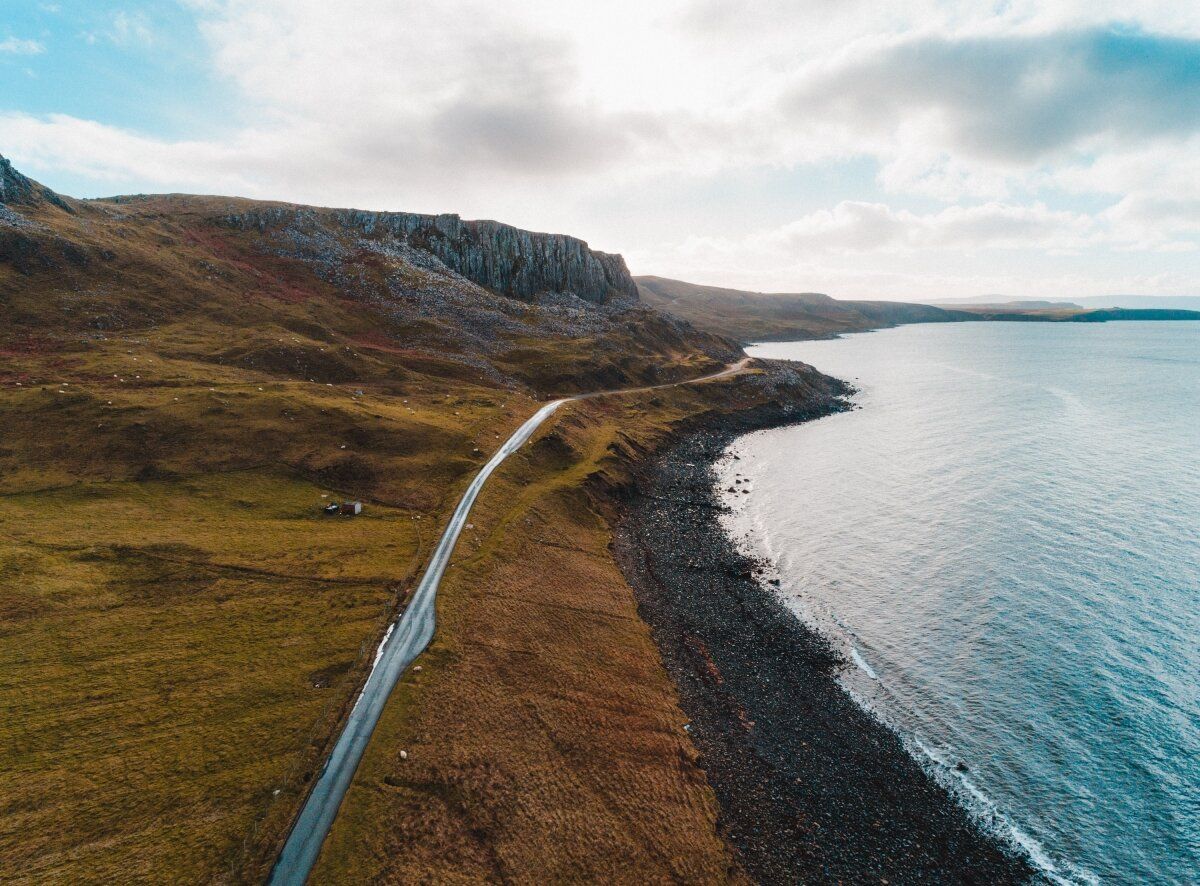
Real tips for driving in Scotland:
- Choose a compact car: Rental companies might try to offer you an SUV or a larger vehicle as an "upgrade". Decline it. On the narrow roads of the Highlands and islands, every inch counts when crossing paths with a local bus. A compact car will save your sanity.
- Get zero-deductible insurance (Full Cover): Loose gravel on the road shoulders is common, and brushing against hedges on narrow tracks happens frequently. Travel with peace of mind.
- Master the Passing Places: In rural areas, you will find single-lane roads with wider bays on the left or right marked by a white or blue sign. If the Passing Place is on your left, you pull into it. If it is on your right, you draw to a halt in your lane parallel to the bay to allow the oncoming car to pull into it. If a car behind you is driving faster, use them to let them overtake; locals will appreciate it with a quick wave.
Which Direction to Take? Clockwise vs. Counter-Clockwise
This is one of the most common debates on travel forums. The classic loop through Scotland connects Edinburgh - Fort William/Skye - Inverness - Edinburgh.
Our absolute recommendation is to do it clockwise (starting west toward Fort William and driving up to Skye).
Why? Because the landscape of the west and the Highlands (Glencoe) is the most dramatic and striking from the very first moment. Entering the Highlands by driving past Loch Lomond plunges you into the Scottish atmosphere in a progressive and natural way. This leaves the eastern side (Inverness and Loch Ness), which features a slightly flatter and more forested terrain, for the final return stretch.
7-Day Itinerary: The Essential Scotland Route
This route is optimized to cover the absolute highlights without spending more than 4 net hours a day behind the wheel.
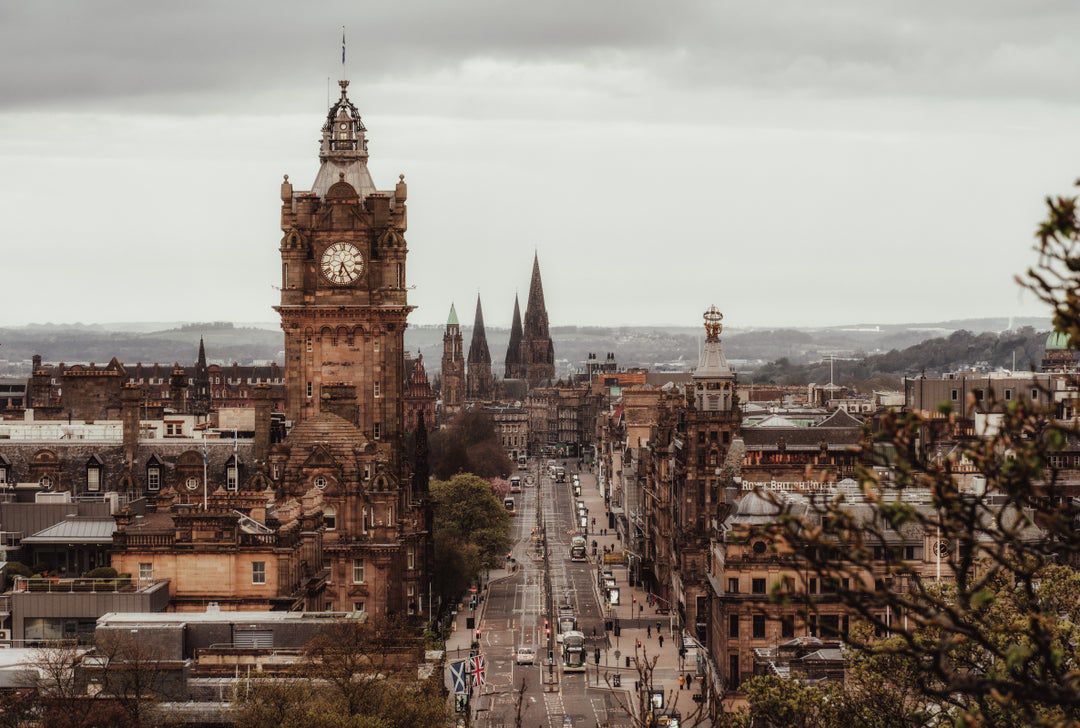
- Day 1: Edinburgh. Arrival, walking tour along the Royal Mile, free climb up Calton Hill at sunset, and night in the city.
- Day 2: Edinburgh to Fort William (via Glencoe). Pick up the car early. Drive along the A82 bordering Loch Lomond, cross the spectacular glacial valley of Glencoe (a mandatory stop at the Three Sisters viewpoint), and spend the night in Fort William. Driving time: 3h 15min.
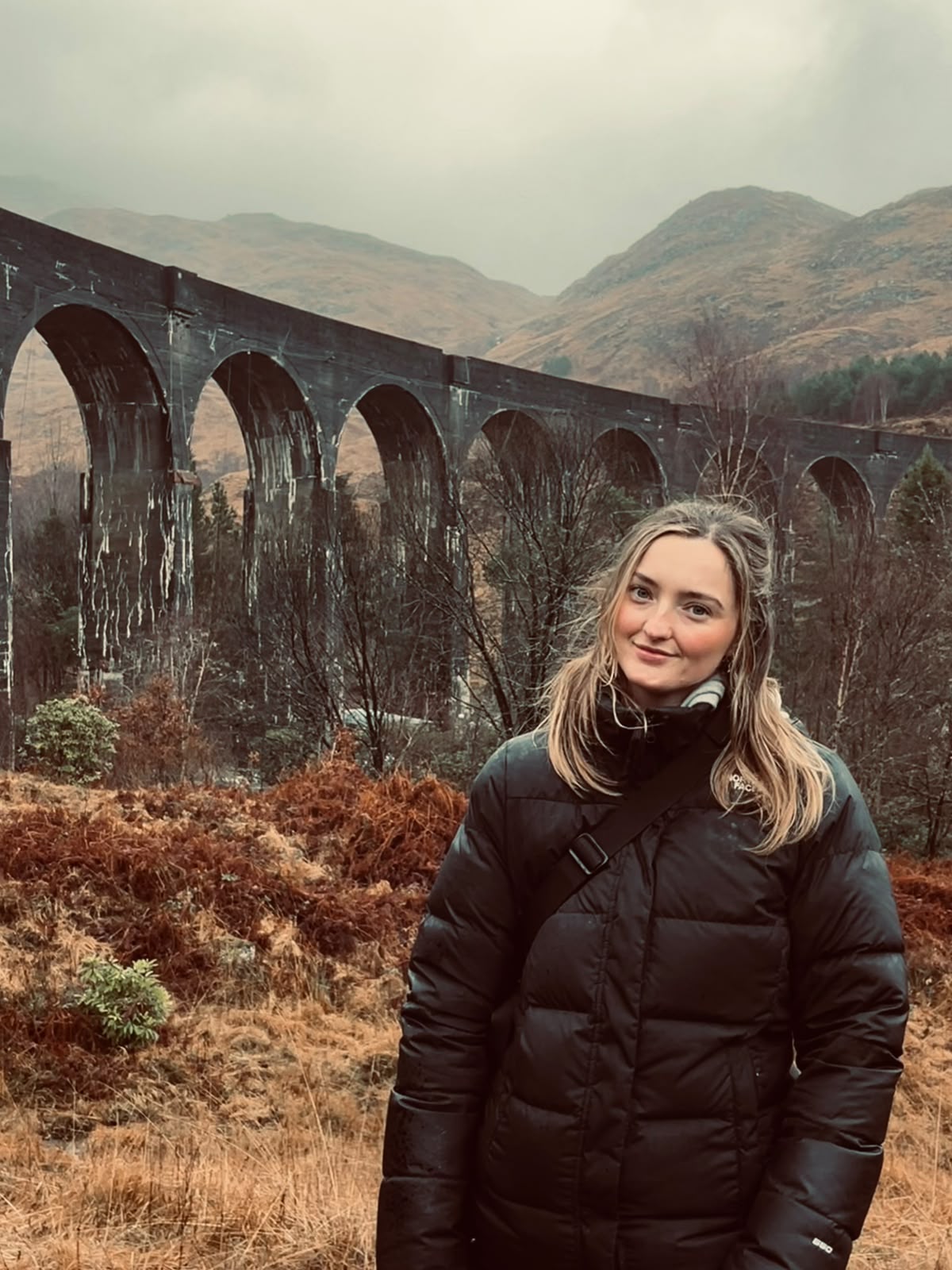
- Day 3: Glenfinnan Viaduct and Entering Skye. Drive to Glenfinnan to watch the Harry Potter steam train (The Jacobite) cross the viaduct (it passes around 10:45 AM). Continue toward Mallaig to take the ferry to Skye, or drive straight across the free Skye Bridge at Kyle of Lochalsh. Night in Portree. Driving time: 2h 45min.
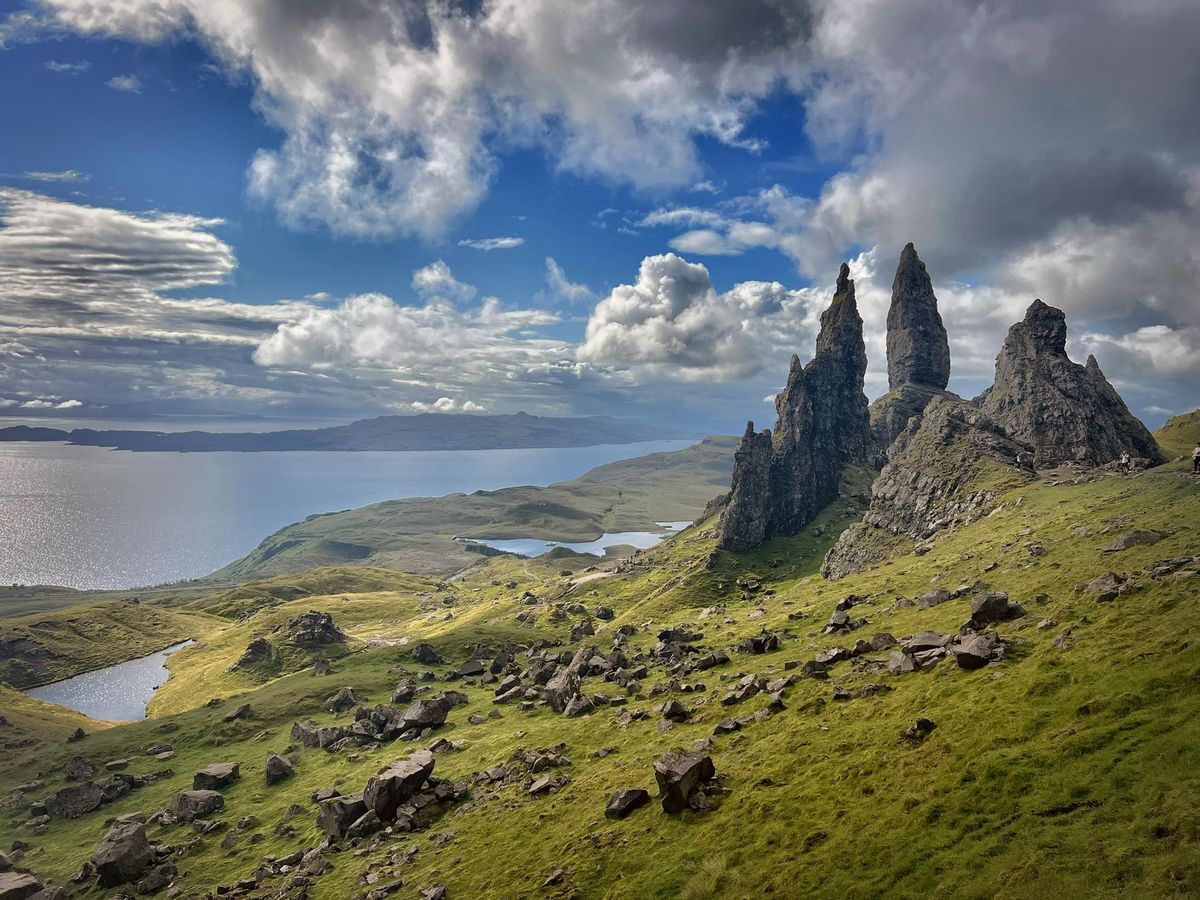
- Day 4: Isle of Skye (Trotternish Peninsula). Full day on the island without switching hotels. Explore the Old Man of Storr pinnacle, the cliffs of Kilt Rock, and the alien landscapes of the Quiraing. Night in Portree.
- Day 5: Skye to Inverness (via Eilean Donan). Leave the island and stop at Eilean Donan Castle, the most photogenic castle in Scotland. Continue north along the edge of Loch Ness until you reach Inverness, the capital of the Highlands. Driving time: 2h 30min.
- Day 6: Inverness to Edinburgh (via Pitlochry). Head south driving straight through Cairngorms National Park. Stop for lunch in the Victorian village of Pitlochry, and visit the iconic Dunnottar Castle on the east coast if time permits, or drive straight back to Edinburgh. Driving time: 3h.
- Day 7: Edinburgh. Drop off the rental car at the airport and catch your flight home.
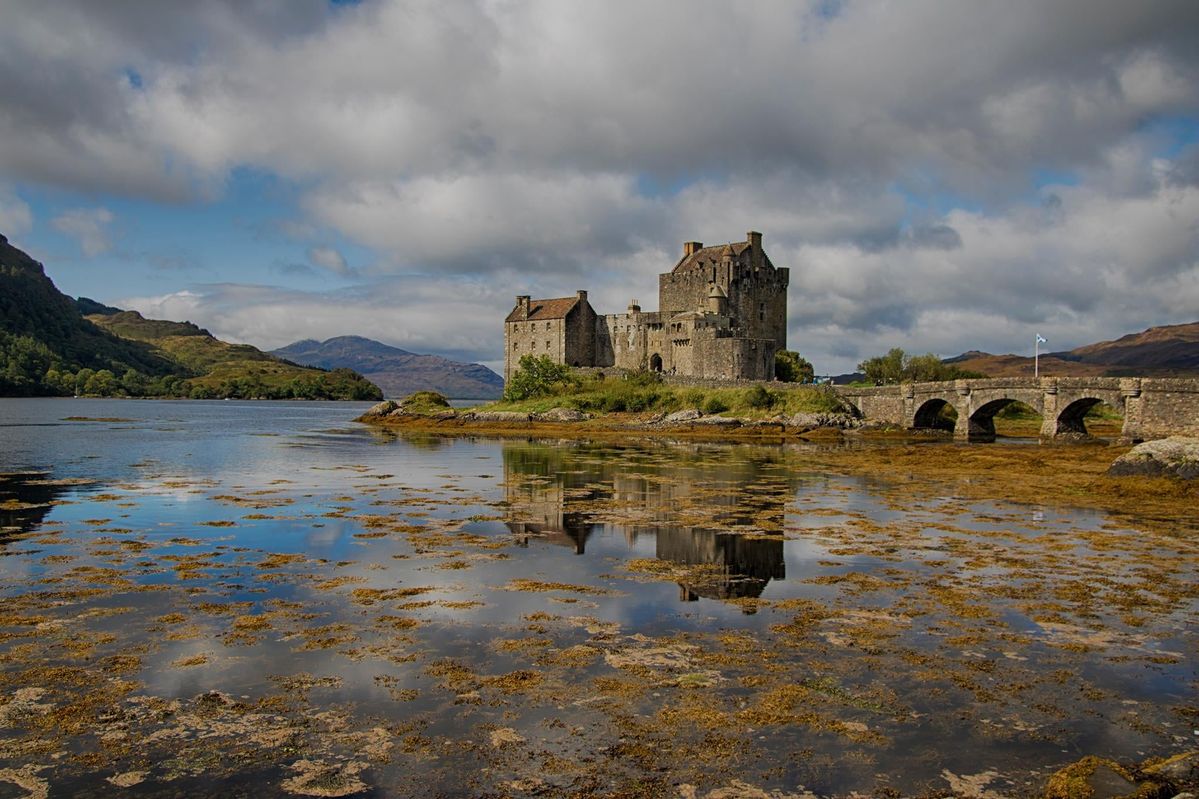
10-Day Itinerary: The Perfect Balance
Having three extra days allows you to slow down the pace, dive into the medieval history of the south, and give the Isle of Skye the time it truly deserves.
- Day 1 & 2: Edinburgh. Two full days to wander around the Old Town, enter Edinburgh Castle, stroll through the medieval oasis of Dean Village, and hike up Arthur's Seat.
- Day 3: Stirling, The Kelpies, and reaching the Highlands. Pick up your car. First stop at the massive mechanical horse sculptures (The Kelpies) in Falkirk, then visit Stirling Castle (key in William Wallace's history), and end the day sleeping at the gateway to the Highlands (Killin or Callander). Driving time: 1h 45min.
- Day 4: Stirling to Fort William via Glencoe. Cross the desolate Rannoch Moor and the valley of Glencoe with enough time to tackle a short trek (like the Lost Valley trail). Night in Fort William or Ballachulish. Driving time: 2h.
- Day 5: Glenfinnan Viaduct and Dunvegan Castle. Cross over to the Isle of Skye. Visit the gardens and fortified structure of Dunvegan Castle on the western side of the island. Night in Portree. Driving time: 3h.
- Day 6: Isle of Skye in Full. Explore the Trotternish Peninsula loop (Old Man of Storr and Quiraing) in the morning and walk out to the natural Fairy Pools in the afternoon. Night in Portree.
- Day 7: Skye to Inverness via Loch Ness. Drive towards Inverness along the western coast. Stop at the ruins of Urquhart Castle on the shores of Loch Ness. Night in Inverness. Driving time: 2h 40min.
- Day 8: Inverness, Culloden, and Distilleries. Visit the historic Culloden Battlefield (a must-see for Outlander fans) and take a tour of the whisky distilleries in the Speyside region. Night in Inverness.
- Day 9: Inverness to Edinburgh via Dunkeld. Journey south. Stop in the picturesque village of Dunkeld on the banks of the River Tay. Night in Edinburgh. Driving time: 3h.
- Day 10: Edinburgh. Last-minute shopping and airport transfer.
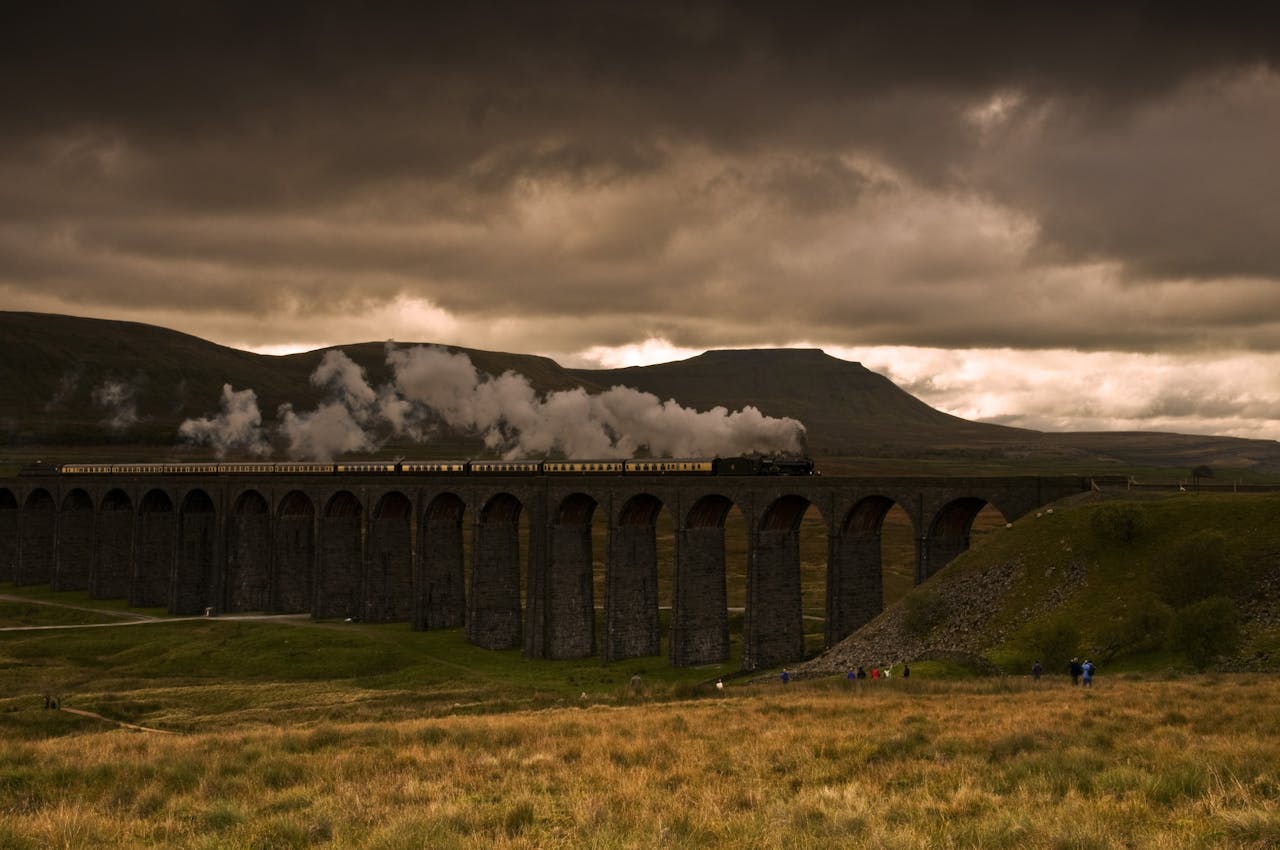
14-Day Itinerary: Total Immersion and the Far North
With two weeks on your hands, you have the unique opportunity to drive the North Coast 500 (NC500), one of the wildest and most breathtaking coastal routes on earth.
- Days 1, 2, and 3: Same route as the 10-day itinerary covering Edinburgh, Stirling, and Glencoe up to Fort William.
- Days 4, 5, and 6: Three days dedicated exclusively to the Isle of Skye, including the remote Neist Point and its cliffside lighthouse at sunset.
- Day 7: Skye to Applecross (NC500 Start). Drive along the spectacular mountain pass known as Bealach na Bà, a steep single-track road with hairpin turns not meant for the faint-hearted, leading to the remote fishing village of Applecross. Night in the area. Driving time: 2h 30min.
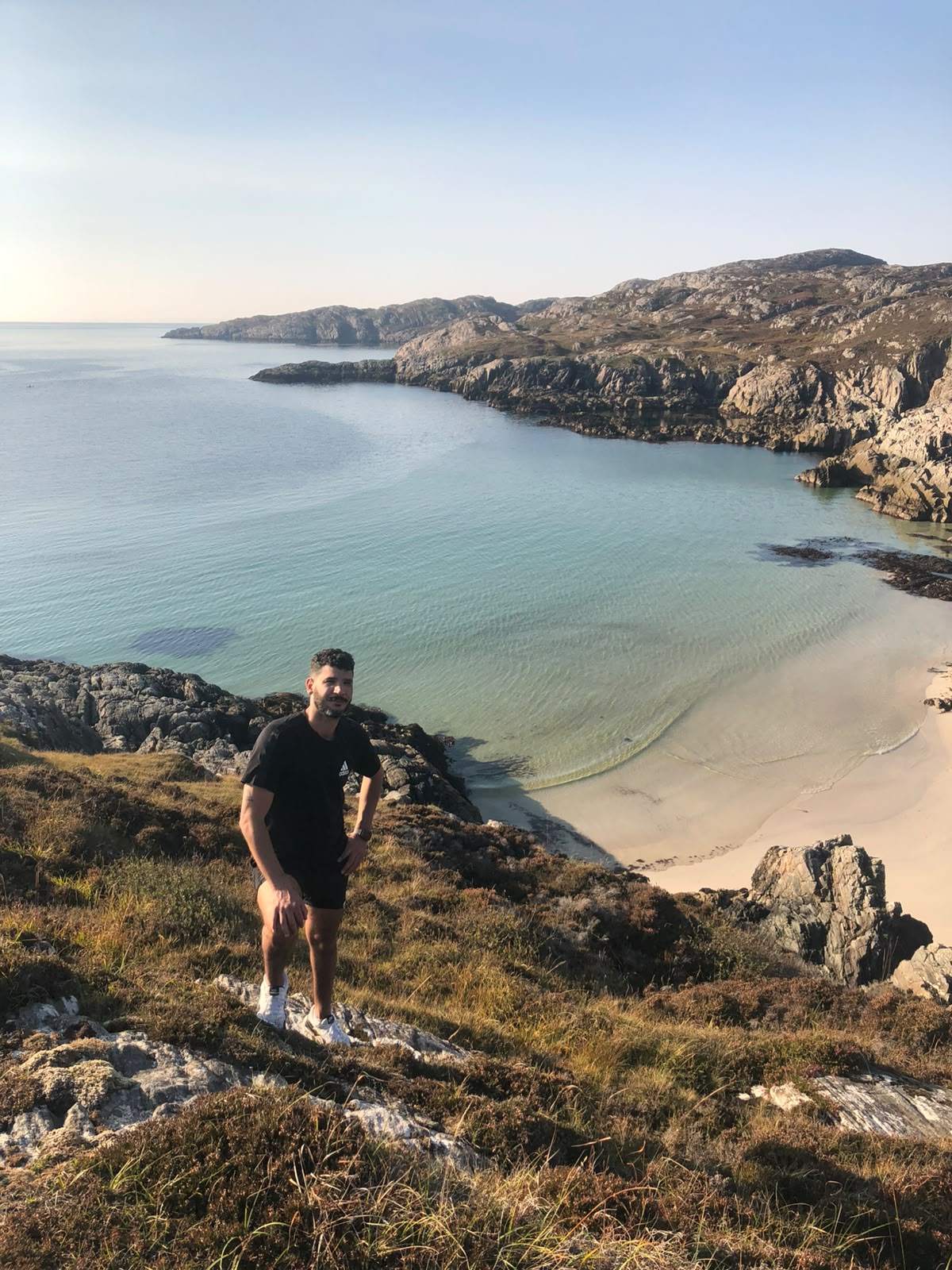
- Day 8: Applecross to Ullapool. Move forward along the northwestern coast, passing white sandy beaches and turquoise waters that look straight out of the Caribbean but with Scottish weather (like Achmelvich). Night in Ullapool. Driving time: 3h 15min.
- Day 9: Ullapool to Durness (The Far North). Drive toward the northernmost point. Visit the massive sea cave of Smoo Cave. Night in Durness or Thurso. Driving time: 2h 45min.
- Day 10: Thurso to Inverness (East Coast). Head down the eastern leg of the NC500, visiting Dunrobin Castle, which looks like it belongs in a Disney fairytale. Night in Inverness. Driving time: 3h.
- Days 11 and 12: Exploring Inverness, Loch Ness, Elgin, and the Speyside Whisky Trail.
- Day 13: Inverness to Aberdeenshire. Drive east to see Dunnottar Castle, perched precariously on a cliff edge high above the North Sea. Night in Stonehaven or Aberdeen. Driving time: 2h 30min.
- Day 14: Return to Edinburgh. Cross the famous red Forth Bridge and end of the journey. Driving time: 2h.
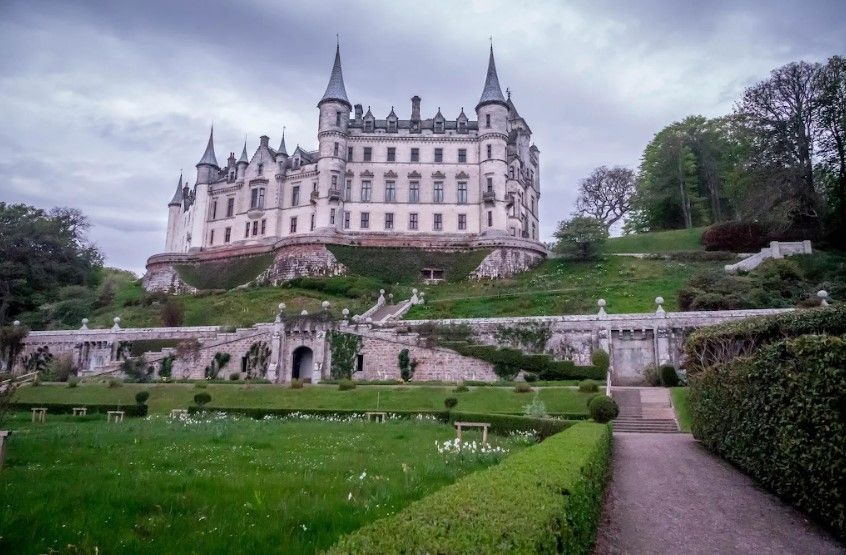
Real Budget for Traveling to Scotland
Scotland is not a budget destination, but smart logistics can help you cut down significant expenses. Here is an average estimate of real daily costs:
- Car hire: Anywhere between £40 and £80 per day (depending on the season and how early you book), plus around £30 a day for fuel on the 7 to 10-day routes.
- Accommodation: A standard Bed & Breakfast or mid-range hotel averages around £90 - £150 a night with breakfast included. On Skye, prices easily double during the summer due to incredibly low supply; book at least 6 months in advance.
- Food: Eating a main dish at a local pub (such as classic Fish and Chips or Haggis) costs between £14 and £19. Tap water is always free across the country if you explicitly ask for it as "tap water".
Common Mistakes You Should Avoid
- Not booking ferries on time: If you plan to cross from Mallaig to Skye with your car between May and September, you must book your ticket on the CalMac Ferries website weeks in advance. If you miss a spot, you will have to drive an extra two hours out of your way to cross via the bridge.
- Trusting GPS arrival times: Google Maps calculates the maximum speed limit allowed on the road, but it doesn't take into account that in the Highlands you will be driving at 25 mph behind a tractor or stopping constantly to look at the view. Always add a 25% time buffer to whatever your map shows.
- Underestimating the Midges: During the summer months (especially July and August), damp and windless areas in the Highlands swarm with tiny biting insects called midges. We can testify that they don't bite hard, but they attack in clouds of thousands. After trying everything, our lifesaver was buying the local repellent called Smidge at any Scottish pharmacy; regular bug sprays won't do a thing against them.
Frequently Asked Questions (FAQ)
Can this itinerary be done using public transport? The 7-day itinerary can be partially adapted using ScotRail trains to connect Edinburgh, Fort William, and Inverness, and then booking local day tours to get around Skye. However, you will miss out on the freedom of stopping at roadside viewpoints and isolated castles.
What driving licence do you need for Scotland? If you hold a valid driving licence from the EU or most countries in the Americas, you can drive legally using your domestic licence for up to 12 months. An International Driving Permit is not strictly mandatory by law, though it is always recommended to speed up paperwork with car rental companies.
Is it worth buying the Explorer Pass? Yes. If you plan to visit Edinburgh Castle, Stirling Castle, and Urquhart Castle (Loch Ness), the historical pass from Historic Environment Scotland pays for itself and allows you to skip the ticket office lines.
You May Also Be Interested In
- General Scotland Travel Guide
- Complete Guide to Traveling Around Scotland
- Highlands Guide: What to See in the Scottish Highlands
- Glencoe: A Guide to Visiting Scotland's Most Spectacular Valley
- Harry Potter in Scotland: Route to Real Locations
- Getting Around Scotland: Train, Bus, or Rental Car?
- How to Get from Edinburgh Airport to the City Centre
- Eastern Castles Route Through Scotland and England
- Edinburgh: Scotland's Fairytale City
- Glasgow: Scotland's City of Music
- Calton Hill: Edinburgh's Best Free Viewpoint
- Arthur's Seat: The Hike to Edinburgh's Extinct Volcano
- Best 10 Beaches in Scotland
This guide is designed for the independent traveler looking for absolute flexibility. While Scotland has a highly scenic train network, the reality is that to reach the most hidden castles, the trailheads on the Isle of Skye, or the remote viewpoints of glacial valleys, you are going to need a rental car.
If you want to manage your own schedule, pull over to take photos on the side of the road every ten minutes, and avoid packaged tour buses, this is your itinerary.
PUBLICIDAD
Travel with Data: Get your Saily eSIM
- ✓Internet in seconds upon landing
- ✓Flexible plans in 180+ countries
- ✓Easy setup directly via the App
The amount of time you dedicate to Scotland will determine how far north or towards the islands you can venture without spending 90% of your day trapped inside the car.
- 7 Days (The Essential Route): This is the minimum time required. It allows you to explore Edinburgh, cross the Highlands via the classic A82 road, pass through Glencoe, see the Glenfinnan Viaduct (the Harry Potter one), and spend a quick day on the Isle of Skye before heading down past Loch Ness.
- 10 Days (The Recommended Route): The perfect balance. You tackle the essential 7-day journey but at a much slower pace. It allows you to explore Skye deeply (spending two full days there), discover Cairngorms National Park, or head down towards the historic area of Stirling and its medieval castles.
- 14 Days (The Full Immersion): If you have two full weeks available, you can venture onto the spectacular North Coast 500 coastal loop in the far north, explore the remote Applecross peninsula, or catch a ferry to the Outer Hebrides.
Scotland features two main international airports that handle 95% of European and long-haul flights. Choosing the right place to land will save you money on your car rental.
Edinburgh Airport (EDI)
This is the most popular and convenient choice. It is excellently connected to the city centre via the Edinburgh Trams and the Airlink 100 bus, taking only 25 minutes. Our recommendation: If you plan to spend your first few days in Edinburgh, don't rent the car just yet. The city is best explored on foot, and parking in the center is incredibly expensive and scarce. Pick up your vehicle on the exact day you start your route toward the Highlands.
Glasgow Airport (GLA)
Located further west, this is a fantastic alternative if you find better flight connections. The advantage of starting in Glasgow is that you are physically closer to the gateway of the Highlands and Loch Lomond, saving you city traffic if you want to head straight out onto the open road.
Driving on the left side of the road can feel intimidating at first, but our brains adapted naturally within the first 30 minutes behind the wheel. The real challenge we suffered on a daily basis was the narrowness of the secondary roads.
Real tips for driving in Scotland:
- Choose a compact car: Rental companies might try to offer you an SUV or a larger vehicle as an "upgrade". Decline it. On the narrow roads of the Highlands and islands, every inch counts when crossing paths with a local bus. A compact car will save your sanity.
- Get zero-deductible insurance (Full Cover): Loose gravel on the road shoulders is common, and brushing against hedges on narrow tracks happens frequently. Travel with peace of mind.
- Master the Passing Places: In rural areas, you will find single-lane roads with wider bays on the left or right marked by a white or blue sign. If the Passing Place is on your left, you pull into it. If it is on your right, you draw to a halt in your lane parallel to the bay to allow the oncoming car to pull into it. If a car behind you is driving faster, use them to let them overtake; locals will appreciate it with a quick wave.
This is one of the most common debates on travel forums. The classic loop through Scotland connects Edinburgh - Fort William/Skye - Inverness - Edinburgh.
Our absolute recommendation is to do it clockwise (starting west toward Fort William and driving up to Skye).
Why? Because the landscape of the west and the Highlands (Glencoe) is the most dramatic and striking from the very first moment. Entering the Highlands by driving past Loch Lomond plunges you into the Scottish atmosphere in a progressive and natural way. This leaves the eastern side (Inverness and Loch Ness), which features a slightly flatter and more forested terrain, for the final return stretch.
This route is optimized to cover the absolute highlights without spending more than 4 net hours a day behind the wheel.
- Day 1: Edinburgh. Arrival, walking tour along the Royal Mile, free climb up Calton Hill at sunset, and night in the city.
- Day 2: Edinburgh to Fort William (via Glencoe). Pick up the car early. Drive along the A82 bordering Loch Lomond, cross the spectacular glacial valley of Glencoe (a mandatory stop at the Three Sisters viewpoint), and spend the night in Fort William. Driving time: 3h 15min.
- Day 3: Glenfinnan Viaduct and Entering Skye. Drive to Glenfinnan to watch the Harry Potter steam train (The Jacobite) cross the viaduct (it passes around 10:45 AM). Continue toward Mallaig to take the ferry to Skye, or drive straight across the free Skye Bridge at Kyle of Lochalsh. Night in Portree. Driving time: 2h 45min.
- Day 4: Isle of Skye (Trotternish Peninsula). Full day on the island without switching hotels. Explore the Old Man of Storr pinnacle, the cliffs of Kilt Rock, and the alien landscapes of the Quiraing. Night in Portree.
- Day 5: Skye to Inverness (via Eilean Donan). Leave the island and stop at Eilean Donan Castle, the most photogenic castle in Scotland. Continue north along the edge of Loch Ness until you reach Inverness, the capital of the Highlands. Driving time: 2h 30min.
- Day 6: Inverness to Edinburgh (via Pitlochry). Head south driving straight through Cairngorms National Park. Stop for lunch in the Victorian village of Pitlochry, and visit the iconic Dunnottar Castle on the east coast if time permits, or drive straight back to Edinburgh. Driving time: 3h.
- Day 7: Edinburgh. Drop off the rental car at the airport and catch your flight home.
Having three extra days allows you to slow down the pace, dive into the medieval history of the south, and give the Isle of Skye the time it truly deserves.
- Day 1 & 2: Edinburgh. Two full days to wander around the Old Town, enter Edinburgh Castle, stroll through the medieval oasis of Dean Village, and hike up Arthur's Seat.
- Day 3: Stirling, The Kelpies, and reaching the Highlands. Pick up your car. First stop at the massive mechanical horse sculptures (The Kelpies) in Falkirk, then visit Stirling Castle (key in William Wallace's history), and end the day sleeping at the gateway to the Highlands (Killin or Callander). Driving time: 1h 45min.
- Day 4: Stirling to Fort William via Glencoe. Cross the desolate Rannoch Moor and the valley of Glencoe with enough time to tackle a short trek (like the Lost Valley trail). Night in Fort William or Ballachulish. Driving time: 2h.
- Day 5: Glenfinnan Viaduct and Dunvegan Castle. Cross over to the Isle of Skye. Visit the gardens and fortified structure of Dunvegan Castle on the western side of the island. Night in Portree. Driving time: 3h.
- Day 6: Isle of Skye in Full. Explore the Trotternish Peninsula loop (Old Man of Storr and Quiraing) in the morning and walk out to the natural Fairy Pools in the afternoon. Night in Portree.
- Day 7: Skye to Inverness via Loch Ness. Drive towards Inverness along the western coast. Stop at the ruins of Urquhart Castle on the shores of Loch Ness. Night in Inverness. Driving time: 2h 40min.
- Day 8: Inverness, Culloden, and Distilleries. Visit the historic Culloden Battlefield (a must-see for Outlander fans) and take a tour of the whisky distilleries in the Speyside region. Night in Inverness.
- Day 9: Inverness to Edinburgh via Dunkeld. Journey south. Stop in the picturesque village of Dunkeld on the banks of the River Tay. Night in Edinburgh. Driving time: 3h.
- Day 10: Edinburgh. Last-minute shopping and airport transfer.
With two weeks on your hands, you have the unique opportunity to drive the North Coast 500 (NC500), one of the wildest and most breathtaking coastal routes on earth.
- Days 1, 2, and 3: Same route as the 10-day itinerary covering Edinburgh, Stirling, and Glencoe up to Fort William.
- Days 4, 5, and 6: Three days dedicated exclusively to the Isle of Skye, including the remote Neist Point and its cliffside lighthouse at sunset.
- Day 7: Skye to Applecross (NC500 Start). Drive along the spectacular mountain pass known as Bealach na Bà, a steep single-track road with hairpin turns not meant for the faint-hearted, leading to the remote fishing village of Applecross. Night in the area. Driving time: 2h 30min.
- Day 8: Applecross to Ullapool. Move forward along the northwestern coast, passing white sandy beaches and turquoise waters that look straight out of the Caribbean but with Scottish weather (like Achmelvich). Night in Ullapool. Driving time: 3h 15min.
- Day 9: Ullapool to Durness (The Far North). Drive toward the northernmost point. Visit the massive sea cave of Smoo Cave. Night in Durness or Thurso. Driving time: 2h 45min.
- Day 10: Thurso to Inverness (East Coast). Head down the eastern leg of the NC500, visiting Dunrobin Castle, which looks like it belongs in a Disney fairytale. Night in Inverness. Driving time: 3h.
- Days 11 and 12: Exploring Inverness, Loch Ness, Elgin, and the Speyside Whisky Trail.
- Day 13: Inverness to Aberdeenshire. Drive east to see Dunnottar Castle, perched precariously on a cliff edge high above the North Sea. Night in Stonehaven or Aberdeen. Driving time: 2h 30min.
- Day 14: Return to Edinburgh. Cross the famous red Forth Bridge and end of the journey. Driving time: 2h.
Scotland is not a budget destination, but smart logistics can help you cut down significant expenses. Here is an average estimate of real daily costs:
- Car hire: Anywhere between £40 and £80 per day (depending on the season and how early you book), plus around £30 a day for fuel on the 7 to 10-day routes.
- Accommodation: A standard Bed & Breakfast or mid-range hotel averages around £90 - £150 a night with breakfast included. On Skye, prices easily double during the summer due to incredibly low supply; book at least 6 months in advance.
- Food: Eating a main dish at a local pub (such as classic Fish and Chips or Haggis) costs between £14 and £19. Tap water is always free across the country if you explicitly ask for it as "tap water".
- Not booking ferries on time: If you plan to cross from Mallaig to Skye with your car between May and September, you must book your ticket on the CalMac Ferries website weeks in advance. If you miss a spot, you will have to drive an extra two hours out of your way to cross via the bridge.
- Trusting GPS arrival times: Google Maps calculates the maximum speed limit allowed on the road, but it doesn't take into account that in the Highlands you will be driving at 25 mph behind a tractor or stopping constantly to look at the view. Always add a 25% time buffer to whatever your map shows.
- Underestimating the Midges: During the summer months (especially July and August), damp and windless areas in the Highlands swarm with tiny biting insects called midges. We can testify that they don't bite hard, but they attack in clouds of thousands. After trying everything, our lifesaver was buying the local repellent called Smidge at any Scottish pharmacy; regular bug sprays won't do a thing against them.
Can this itinerary be done using public transport? The 7-day itinerary can be partially adapted using ScotRail trains to connect Edinburgh, Fort William, and Inverness, and then booking local day tours to get around Skye. However, you will miss out on the freedom of stopping at roadside viewpoints and isolated castles.
What driving licence do you need for Scotland? If you hold a valid driving licence from the EU or most countries in the Americas, you can drive legally using your domestic licence for up to 12 months. An International Driving Permit is not strictly mandatory by law, though it is always recommended to speed up paperwork with car rental companies.
Is it worth buying the Explorer Pass? Yes. If you plan to visit Edinburgh Castle, Stirling Castle, and Urquhart Castle (Loch Ness), the historical pass from Historic Environment Scotland pays for itself and allows you to skip the ticket office lines.
PUBLICIDAD
- General Scotland Travel Guide
- Complete Guide to Traveling Around Scotland
- Highlands Guide: What to See in the Scottish Highlands
- Glencoe: A Guide to Visiting Scotland's Most Spectacular Valley
- Harry Potter in Scotland: Route to Real Locations
- Getting Around Scotland: Train, Bus, or Rental Car?
- How to Get from Edinburgh Airport to the City Centre
- Eastern Castles Route Through Scotland and England
- Edinburgh: Scotland's Fairytale City
- Glasgow: Scotland's City of Music
- Calton Hill: Edinburgh's Best Free Viewpoint
- Arthur's Seat: The Hike to Edinburgh's Extinct Volcano
- Best 10 Beaches in Scotland
Galery



PUBLICIDAD
International Travel Insurance
- ✓International medical insurance
- ✓24/7 immediate assistance in your language
- ✓Ideal for trekking & adventure
Preferences
Language
Color
Text
Width