
Table of contents and map
Useful Tips for Traveling in 2026

Traveling in 2026 is simpler than ever in many ways, but it also demands better choices. There are more tools, more information, and more options… and that is exactly why it is easy to make mistakes, get overwhelmed, or spend more money than necessary.
Useful Tips for Traveling in 2026
Traveling in 2026 is simpler than ever in many ways, but it also demands better choices. There are more tools, more information, and more options… and that is exactly why it is easy to make mistakes, get overwhelmed, or spend more money than necessary.

In this guide, I have gathered practical tips designed for travelers, not tourists: those who organize their trips on their own and want to move around smoothly and enjoy more without overcomplicating things.
Planning: less rigidity, more leeway
Tip: leave days without fixed plans
One of the most common mistakes is creating down-to-the-minute itineraries. It works on paper, but not so much in reality.
The ideal approach:
- Leave at least 1 or 2 flexible days
- Use them to rest, revisit a place you loved, or adapt to the weather
- Avoid the stress of trying to "do it all"
Traveling better is not about doing more things; it is about enjoying them better.
Tip: check local holidays and events before booking
A holiday can be a great experience… or a logistical nightmare.
Before buying tickets or accommodation:
- Check national and regional holidays
- See if large events or festivals coincide with your dates
- Take into account potential price surges and lower availability
Five minutes of research can save you a lot of headaches.

Money and payments: do not rely on a single option
Tip: mix digital wallets, cards, and some cash
In 2026, digital payments are widespread, but they are not infallible.
Recommended strategy:
- A main digital wallet
- A backup physical card
- Some local cash, even if it is just a small amount
This covers you against:
- App crashes
- Blocked cards
- Shops that do not accept digital payments
Tip: avoid changing money at airports
It continues to be one of the worst exchange rates.
Better option:
- Withdraw money from ATMs once at your destination
- Exchange money at downtown exchange booths
- Pay directly with digital wallets whenever possible
Use the airport only as a last resort.
Technology: let it help you, not complicate things
Tip: get an eSIM even if you have roaming
eSIMs are no longer an "extra"; they are a basic tool.
Advantages:
- Internet as soon as you land
- No relying on airport Wi-Fi
- More stability for maps and transportation
Even with roaming included, a local eSIM is usually more reliable.
We recommend the eSIM by Saily; it is super easy to set up from the app, offers excellent plans, and connects you as soon as you land without needing to swap your physical SIM card. It is truly worth it.
Tip: download offline maps and data
It is not enough to just "have Google Maps".
Before traveling:
- Download offline maps of the cities. I use the Maps.me app, which has a very useful free version and allows you to download entire maps offline.
- Save your accommodation, stations, and key spots
- Test that it works without a connection
When you need it most is usually when there is no signal.
Safety: preventing without paranoia
Tip: separate documents and backups
Never carry everything together.
Good practice:
- Main documents in one place
- Physical or digital copies in another
- Photos of documents saved offline
If something gets lost, resolving it is much easier.
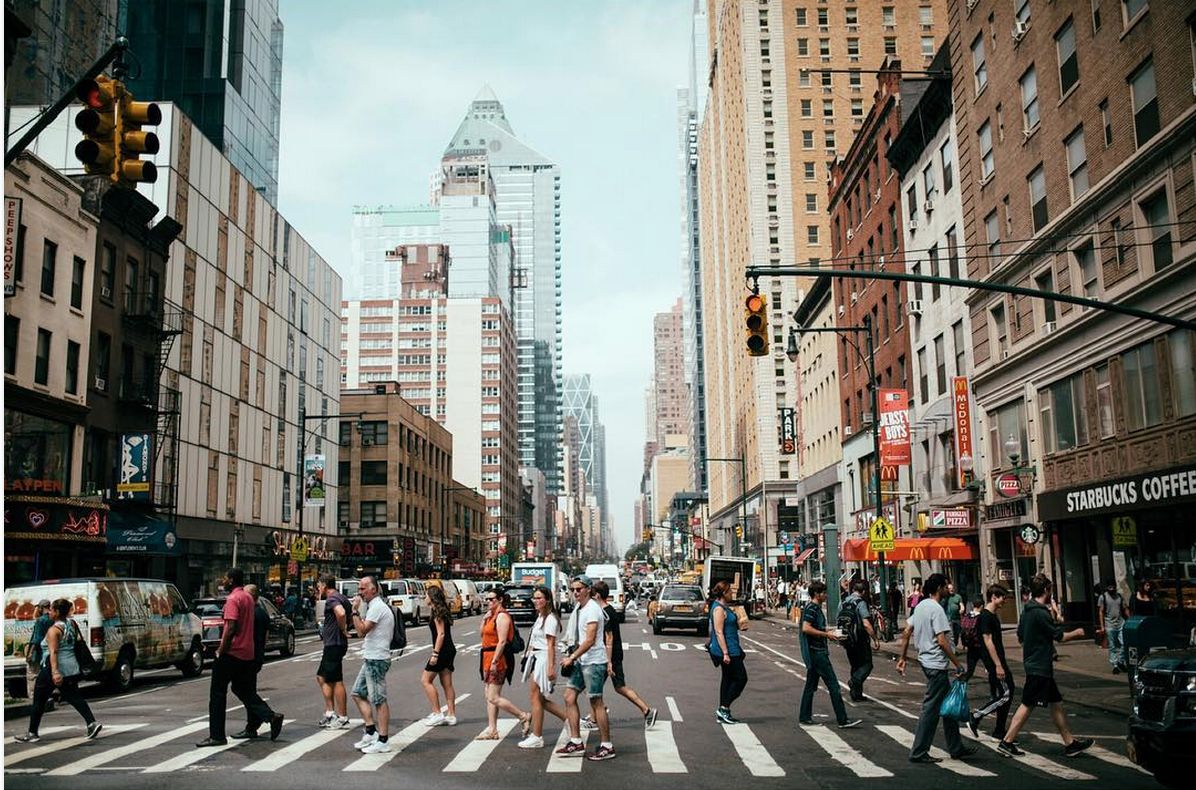
Tip: dress like a local
It is not an aesthetic matter; it is practical.
- Avoid technical backpacks that stand out too much in the city
- Do not show expensive items unnecessarily
- Observe how local people dress and adapt a bit
Blending in adds peace of mind.
Health and well-being: your body travels too
Tip: pack a minimal but thoughtful first-aid kit
No need to overdo it, just be practical.
Include:
- Painkillers
- Something for stomach issues
- Band-aids and disinfectant
- Personal medication (with a prescription if applicable)
In many destinations, this is expensive or hard to get.
Tip: take care of your rest during the first few days
Fatigue ruins more trips than the weather does.
First few days:
- Do not overload your schedule
- Hydrate more than usual
- Go for walks in natural daylight
Sleeping well makes a huge difference.
Real experience: the best is not always in rankings
Tip: not everything has to be a "must-see"
Many of the best experiences:
- Are not on lists
- Do not turn out well in photos
- Are not viral
But they are the ones you remember the most.
Leave room to:
- Wander aimlessly
- Walk into any random bar
- Change plans on the go
Tip: talk to local people
A short chat can be worth more than hours of research.
It can be:
- Your accommodation host
- Someone at a café
- A local guide
Recommendations that are not anywhere else usually pop up.
To close
Traveling better in 2026 is not about spending more or planning every minute. It is about having good tools, making simple choices, and leaving room for the unexpected.
If anything sticks from this guide, let it be this:
travel light on expectations, but well-prepared.
And from there, enjoy.
Recommended reads
Tip: leave days without fixed plans
One of the most common mistakes is creating down-to-the-minute itineraries. It works on paper, but not so much in reality.
The ideal approach:
- Leave at least 1 or 2 flexible days
- Use them to rest, revisit a place you loved, or adapt to the weather
- Avoid the stress of trying to "do it all"
Traveling better is not about doing more things; it is about enjoying them better.
Tip: check local holidays and events before booking
A holiday can be a great experience… or a logistical nightmare.
Before buying tickets or accommodation:
- Check national and regional holidays
- See if large events or festivals coincide with your dates
- Take into account potential price surges and lower availability
Five minutes of research can save you a lot of headaches.
PUBLICIDAD
Travel with Data: Get your Saily eSIM
- ✓Internet in seconds upon landing
- ✓Flexible plans in 180+ countries
- ✓Easy setup directly via the App
Tip: mix digital wallets, cards, and some cash
In 2026, digital payments are widespread, but they are not infallible.
Recommended strategy:
- A main digital wallet
- A backup physical card
- Some local cash, even if it is just a small amount
This covers you against:
- App crashes
- Blocked cards
- Shops that do not accept digital payments
Tip: avoid changing money at airports
It continues to be one of the worst exchange rates.
Better option:
- Withdraw money from ATMs once at your destination
- Exchange money at downtown exchange booths
- Pay directly with digital wallets whenever possible
Use the airport only as a last resort.
Tip: get an eSIM even if you have roaming
eSIMs are no longer an "extra"; they are a basic tool.
Advantages:
- Internet as soon as you land
- No relying on airport Wi-Fi
- More stability for maps and transportation
Even with roaming included, a local eSIM is usually more reliable.
We recommend the eSIM by Saily; it is super easy to set up from the app, offers excellent plans, and connects you as soon as you land without needing to swap your physical SIM card. It is truly worth it.
Tip: download offline maps and data
It is not enough to just "have Google Maps".
Before traveling:
- Download offline maps of the cities. I use the Maps.me app, which has a very useful free version and allows you to download entire maps offline.
- Save your accommodation, stations, and key spots
- Test that it works without a connection
When you need it most is usually when there is no signal.
Tip: separate documents and backups
Never carry everything together.
Good practice:
- Main documents in one place
- Physical or digital copies in another
- Photos of documents saved offline
If something gets lost, resolving it is much easier.
Tip: dress like a local
It is not an aesthetic matter; it is practical.
- Avoid technical backpacks that stand out too much in the city
- Do not show expensive items unnecessarily
- Observe how local people dress and adapt a bit
Blending in adds peace of mind.
Tip: pack a minimal but thoughtful first-aid kit
No need to overdo it, just be practical.
Include:
- Painkillers
- Something for stomach issues
- Band-aids and disinfectant
- Personal medication (with a prescription if applicable)
In many destinations, this is expensive or hard to get.
Tip: take care of your rest during the first few days
Fatigue ruins more trips than the weather does.
First few days:
- Do not overload your schedule
- Hydrate more than usual
- Go for walks in natural daylight
Sleeping well makes a huge difference.
Tip: not everything has to be a "must-see"
Many of the best experiences:
- Are not on lists
- Do not turn out well in photos
- Are not viral
But they are the ones you remember the most.
Leave room to:
- Wander aimlessly
- Walk into any random bar
- Change plans on the go
Tip: talk to local people
A short chat can be worth more than hours of research.
It can be:
- Your accommodation host
- Someone at a café
- A local guide
Recommendations that are not anywhere else usually pop up.
Traveling better in 2026 is not about spending more or planning every minute. It is about having good tools, making simple choices, and leaving room for the unexpected.
If anything sticks from this guide, let it be this:
travel light on expectations, but well-prepared.
And from there, enjoy.
PUBLICIDAD
International Travel Insurance
- ✓International medical insurance
- ✓24/7 immediate assistance in your language
- ✓Ideal for trekking & adventure
Preferences
Language
Color
Text
Width