Table of contents and map

Planning a trip on your own might feel overwhelming at first, but it’s actually one of the best parts of traveling. It allows you to adapt everything to your pace, your interests, and your budget, without depending on fixed packages or rigid itineraries.
In this guide, I’ll show you how I plan my trips, step by step, in a simple and stress-free way. You don’t need to be an expert or spend weeks planning—you just need structure.
Step 1 – Define the destination (and the type of trip)
Before thinking about flights or accommodation, the first thing is to answer something key:
What kind of trip do I want?
Some helpful questions:
- Am I looking for nature, city, or a mix?
- Do I want to move around a lot or take it slow?
- Am I traveling solo, as a couple, or with others?
- Is it an active trip or a relaxing one?
Planning a trekking trip is not the same as planning a food-focused or urban trip. Being clear about this from the start saves a lot of changes later.
Step 2 – Choose dates with flexibility
Dates affect almost everything: prices, weather, availability, and overall experience.
Key tip
If you can:
- Avoid peak high season
- Consider traveling just before or after it
- Check historical weather, not just “averages”
A destination can change a lot depending on the time of year—even within the same month.
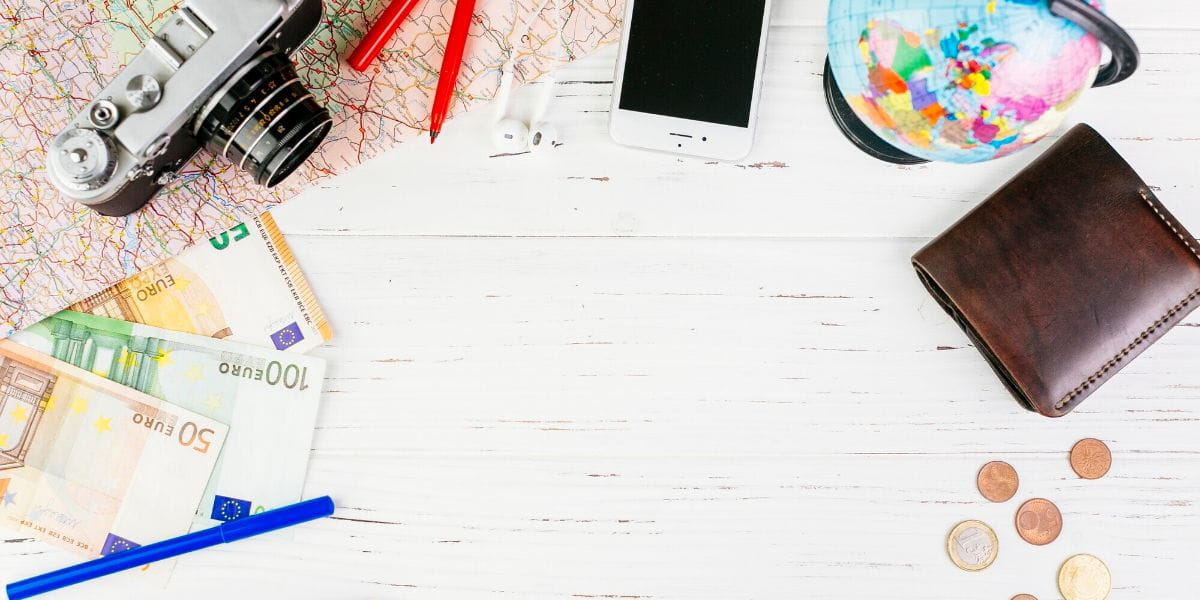
Step 3 – Build a realistic budget
You don’t need an exact number, but you do need a range.
Break it down like this:
- Transport (flights, car rental, buses)
- Accommodation
- Food
- Activities
- Extras and unexpected costs
Always leave a safety margin. Traveling with a tight budget often creates more stress than enjoyment.
Step 4 – Research, but don’t overdo it
Research is key… up to a point.
Ideally:
- Read 2 or 3 reliable guides
- Check maps and distances
- Identify base areas to stay
What to avoid:
- Comparing 50 blogs
- Saving everything “just in case”
- Trying to do everything
Too much information can paralyze more than it helps.
Step 5 – Define a base and logical routes
Instead of changing accommodation every day, it usually works better to:
- Choose 1 or 2 main bases
- Take day trips from there
- Reduce unnecessary transfers
This:
- Saves time
- Reduces fatigue
- Simplifies logistics
Moving less doesn’t mean seeing less.
Step 6 – Book the essentials (and nothing more)
Not everything needs to be booked in advance.
You should secure:
- Main transportation
- First accommodations
- Activities with limited availability
You can keep flexible:
- Restaurants
- Simple excursions
- Rest days
The idea is to have structure without rigidity.
Step 7 – Build a flexible itinerary
A good itinerary is not a fixed list—it’s a guideline.
Example structure:
- Day 1: arrival + settling in
- Day 2: main activity
- Day 3: alternative depending on weather or energy
- Day 4: free or repeat
It’s always better to have options rather than obligations.
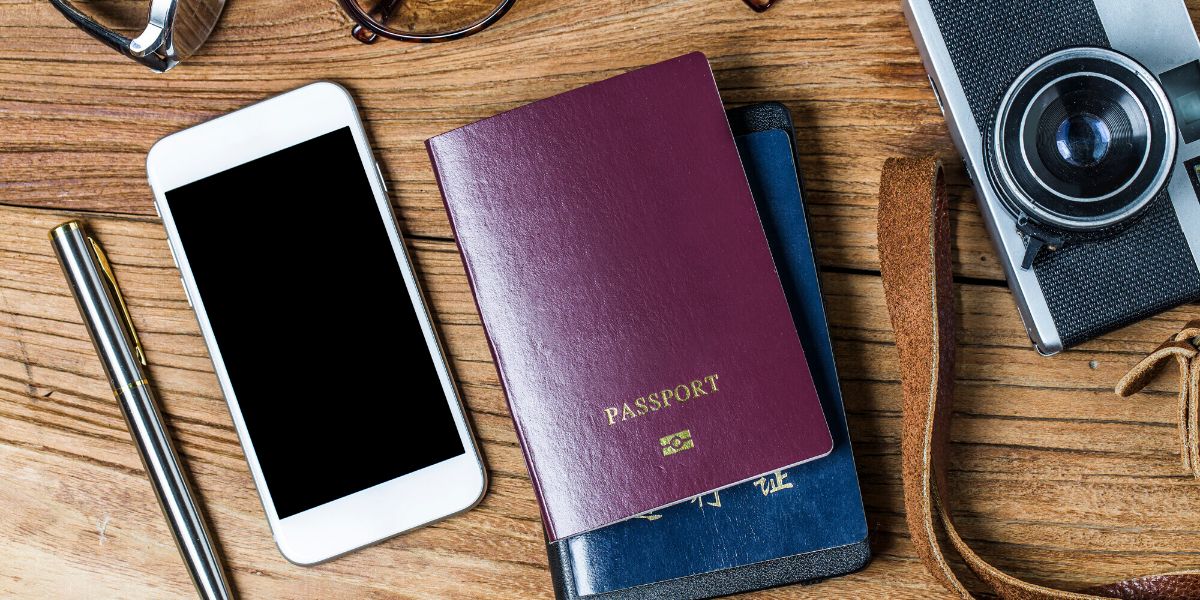
Step 8 – Handle practical things before leaving
Before traveling, check:
- Documents and copies
- Travel insurance
- Payment methods
- Connectivity (eSIM or SIM card)
- Airport transfers
Doing this in advance helps you start the trip with peace of mind.
Step 9 – Travel with flexibility and adapt
No matter how well you plan:
- Something will change
- Something won’t go as expected
- Something new will appear
And that’s perfectly fine.
The best trips are usually the ones that adapt along the way, not the ones that follow the plan perfectly.
Common mistakes when planning a trip
- Trying to see everything in a few days
- Underestimating distances and travel times
- Not leaving rest days
- Planning without considering the weather
- Not preparing for unexpected situations
Avoiding these mistakes already puts you several steps ahead.
To wrap up
Planning a trip on your own isn’t complicated—it’s a process. Step by step, with simple and thoughtful decisions, the journey starts long before you get on the plane.
And the best part: when you’re there, you know exactly why you chose to be there.
You may also be interested in
Before thinking about flights or accommodation, the first thing is to answer something key:
What kind of trip do I want?
Some helpful questions:
- Am I looking for nature, city, or a mix?
- Do I want to move around a lot or take it slow?
- Am I traveling solo, as a couple, or with others?
- Is it an active trip or a relaxing one?
Planning a trekking trip is not the same as planning a food-focused or urban trip. Being clear about this from the start saves a lot of changes later.
PUBLICIDAD
Travel with Data: Get your Saily eSIM
- ✓Internet in seconds upon landing
- ✓Flexible plans in 180+ countries
- ✓Easy setup directly via the App
Dates affect almost everything: prices, weather, availability, and overall experience.
Key tip
If you can:
- Avoid peak high season
- Consider traveling just before or after it
- Check historical weather, not just “averages”
A destination can change a lot depending on the time of year—even within the same month.
You don’t need an exact number, but you do need a range.
Break it down like this:
- Transport (flights, car rental, buses)
- Accommodation
- Food
- Activities
- Extras and unexpected costs
Always leave a safety margin. Traveling with a tight budget often creates more stress than enjoyment.
Research is key… up to a point.
Ideally:
- Read 2 or 3 reliable guides
- Check maps and distances
- Identify base areas to stay
What to avoid:
- Comparing 50 blogs
- Saving everything “just in case”
- Trying to do everything
Too much information can paralyze more than it helps.
Instead of changing accommodation every day, it usually works better to:
- Choose 1 or 2 main bases
- Take day trips from there
- Reduce unnecessary transfers
This:
- Saves time
- Reduces fatigue
- Simplifies logistics
Moving less doesn’t mean seeing less.
Not everything needs to be booked in advance.
You should secure:
- Main transportation
- First accommodations
- Activities with limited availability
You can keep flexible:
- Restaurants
- Simple excursions
- Rest days
The idea is to have structure without rigidity.
A good itinerary is not a fixed list—it’s a guideline.
Example structure:
- Day 1: arrival + settling in
- Day 2: main activity
- Day 3: alternative depending on weather or energy
- Day 4: free or repeat
It’s always better to have options rather than obligations.
Before traveling, check:
- Documents and copies
- Travel insurance
- Payment methods
- Connectivity (eSIM or SIM card)
- Airport transfers
Doing this in advance helps you start the trip with peace of mind.
No matter how well you plan:
- Something will change
- Something won’t go as expected
- Something new will appear
And that’s perfectly fine.
The best trips are usually the ones that adapt along the way, not the ones that follow the plan perfectly.
- Trying to see everything in a few days
- Underestimating distances and travel times
- Not leaving rest days
- Planning without considering the weather
- Not preparing for unexpected situations
Avoiding these mistakes already puts you several steps ahead.
Planning a trip on your own isn’t complicated—it’s a process. Step by step, with simple and thoughtful decisions, the journey starts long before you get on the plane.
And the best part: when you’re there, you know exactly why you chose to be there.
PUBLICIDAD
International Travel Insurance
- ✓International medical insurance
- ✓24/7 immediate assistance in your language
- ✓Ideal for trekking & adventure
Preferences
Language
Color
Text
Width