Table of contents and map
How to Get Around Scotland: Rental Car, Train, or Bus?
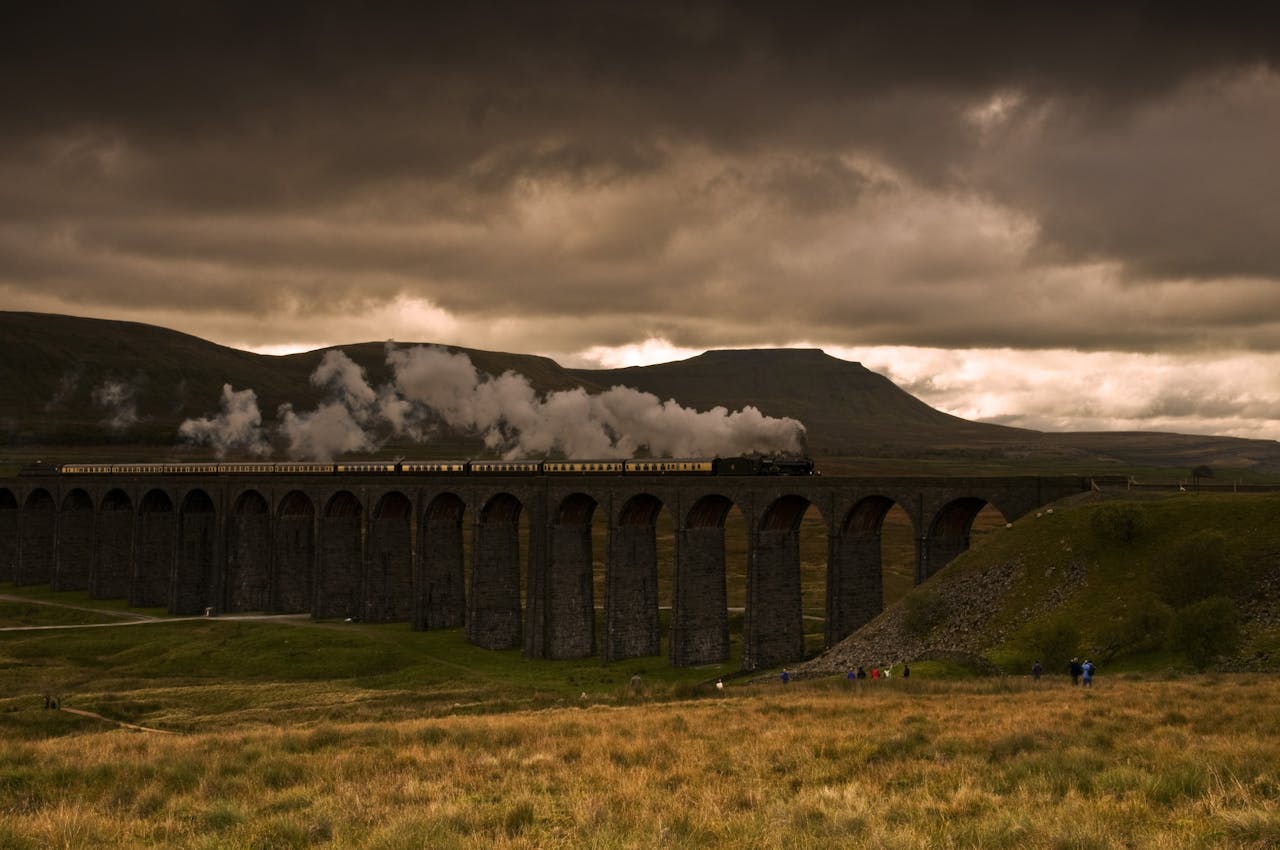
Planning a route through Scotland always sparks the same dilemmas: Is it worth renting a car if you have to drive on the left? Does the train reach the castles and the Highlands? Is it viable to get around solely by bus? Having traveled the country all three ways, we break down a real guide with the pros, cons, and secrets of each transport method so you can choose the ideal option based on your budget and the type of trip you want to make.
How to Get Around Scotland: Rental Car, Train, or Bus?
Planning a route through Scotland always sparks the same dilemmas: Is it worth renting a car if you have to drive on the left? Does the train reach the castles and the Highlands? Is it viable to get around solely by bus? Having traveled the country all three ways, we break down a real guide with the pros, cons, and secrets of each transport method so you can choose the ideal option based on your budget and the type of trip you want to make.
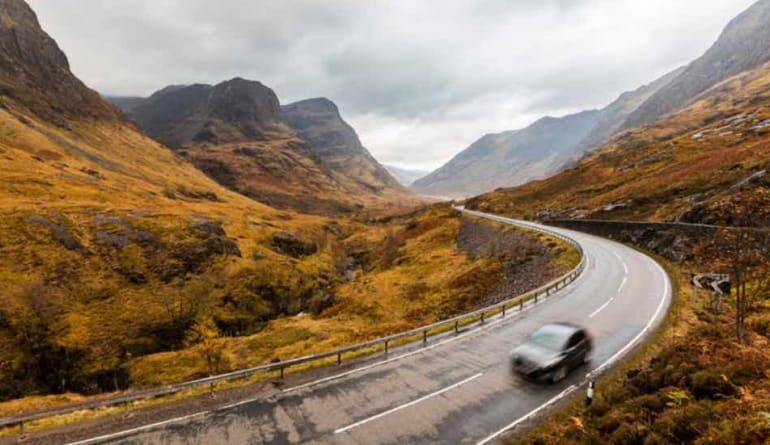
Scotland is a country of contrasts when it comes to transport. While the Lowlands (the south and the central belt connecting Edinburgh and Glasgow) are perfectly connected by fast trains, the Highlands and the islands require a completely different set of logistics.
To decide how to get around, the key factor is not your budget, but what you want to see. Let's analyze the three real options.
1. Rental Car (The ultimate freedom for the Highlands)
If your travel plan includes losing yourself in the valleys of Glencoe, exploring the Isle of Skye, or completing the North Coast 500 coastal route, a rental car is, by far, the best option. It grants you the freedom to pull over at viewpoints where no public transport ever reaches.
The myth and reality of driving on the left
Driving on the left side intimidates you for the first 20 minutes, but the flow of traffic and the design of the roundabouts naturally guide you along. The real challenge in Scotland is not the side of the steering wheel, but the type of roads you encounter.
- Single Track Roads: In the Highlands, you will get tired of seeing them. They are single-lane roads shared by traffic moving in both directions.
- The Passing Places trick: To avoid head-on collisions, there are widened turnouts called Passing Places every few meters. The golden rule is simple: if the turnout is on your left, you pull into it; if it is on your right, you stop in your lane right across from it and let the oncoming car pass. If someone is driving fast behind you, use a turnout to let them overtake; locals will thank you with a wave.
- Watch out for sheep: In rural areas like Skye or the Applecross peninsula, sheep roam freely and often sleep on the asphalt because it retains the heat. Slow down on blind bends.
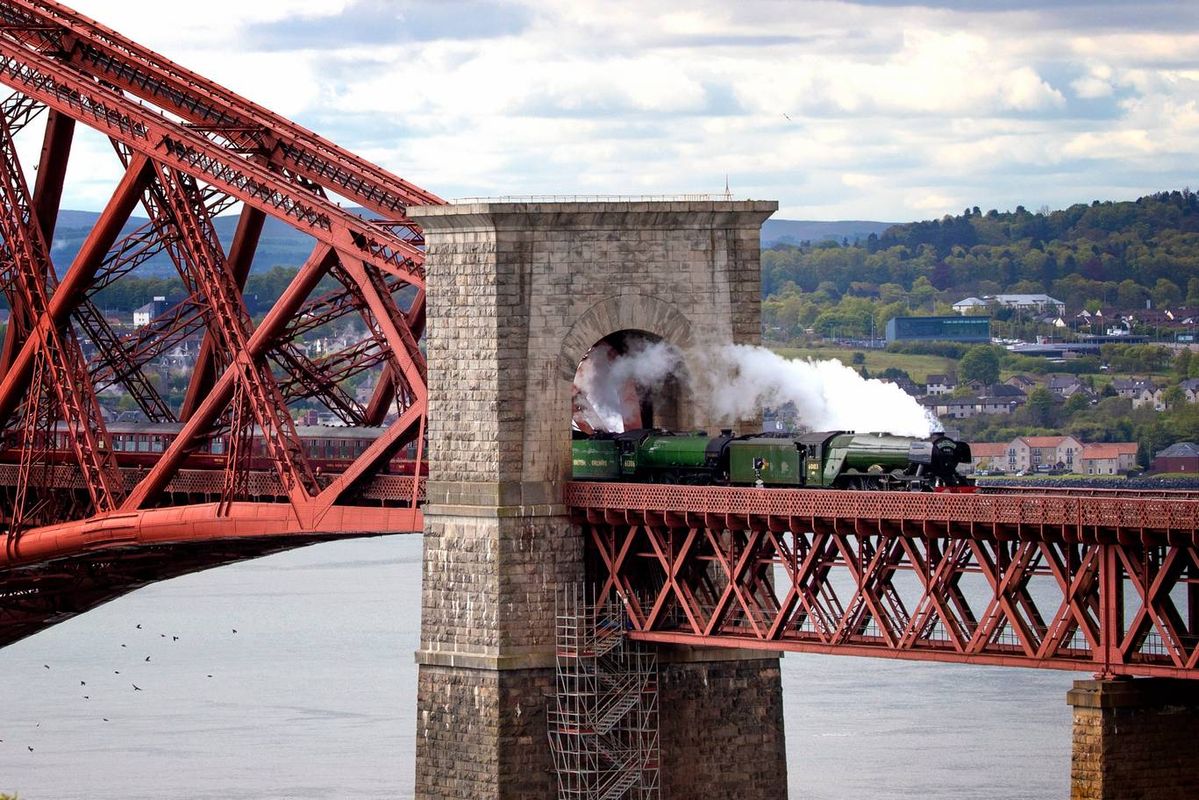
2. Traveling by Train (Comfort between cities)
The Scottish railway network is primarily operated by ScotRail. It is a modern, punctual system featuring beautiful scenery and absolute comfort, making it ideal if your trip focuses on the main cities.
- Perfect routes for the train: You can connect Edinburgh to Glasgow in just 45 minutes. You can also directly and scenically reach Stirling, Inverness (the capital of the Highlands), and Aberdeen.
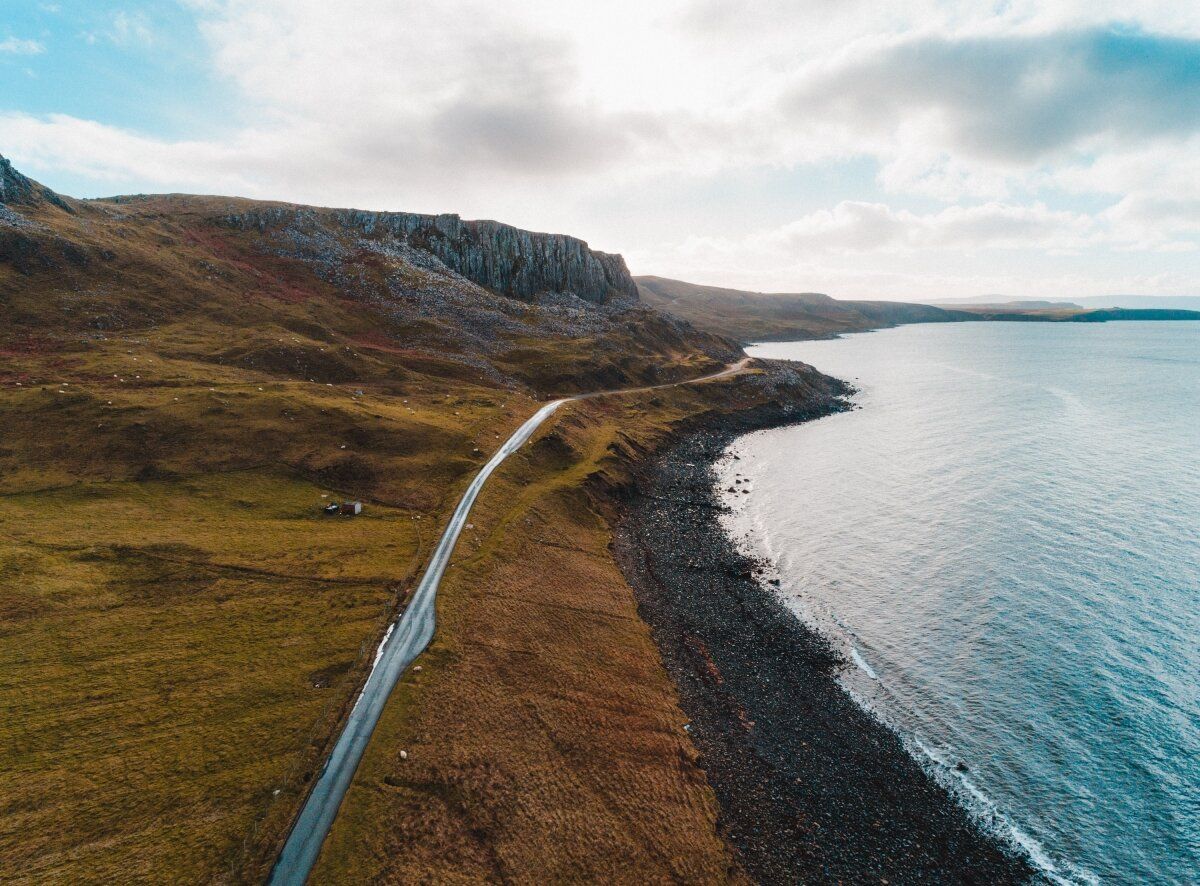
- The crown jewel (West Highland Line): The train stretch running from Glasgow to Mallaig via Fort William is considered one of the most beautiful railway routes in the world. This is the line that crosses the famous Glenfinnan Viaduct (the Harry Potter bridge).
- The main con: The train will not drop you off at the doorsteps of remote castles, nor does it stop at hiking trailheads, nor does it cross into the Isle of Skye (the train only goes as far as Kyle of Lochalsh at the gateway).
- Money-saving tip: Buy your tickets weeks in advance on the ScotRail app using the Advance fares. If you buy them at the station on the same day, they can cost twice as much.
3. Traveling by Bus (The budget and backpacking option)
If you do not want to drive and the train does not reach your destination, the long-distance bus network covers nearly the entire map missed by the train tracks.
- The main companies: Citylink and Megabus connect the most popular tourist villages in the Highlands (such as Fort William, Portree in Skye, or Inverness) with the large capitals.
- Getting around the villages: Local companies like Stagecoach connect smaller towns within specific regions.
- Pros: It is the cheapest way to travel across the country, and modern buses come equipped with WiFi, USB ports, and are highly punctual.
- Cons: Frequencies in the Highlands can be very low (there might only be two or three buses a day between certain villages). It requires military-style schedule planning to avoid getting stranded.
Summary: Which transport to choose based on your trip type?
- Choose a Rental Car if: Your main objective is the deep Highlands, remote castles, or the islands (like Skye or Mull). It is the only option that grants you total schedule freedom to pull over at roadside viewpoints.
- Choose the Train (ScotRail) if: You are traveling mostly between major cities (Edinburgh, Glasgow, Inverness, Stirling) and prefer a 100% relaxed, scenic journey without the need to adapt to driving on the left.
- Choose the Bus (Citylink) if: You are traveling on a low budget or backpacking. It covers the key Highland routes where there are no train tracks, though it requires coordinating schedules with high precision due to low rural frequencies.
Frequently Asked Questions (FAQ)
Can you visit the Isle of Skye without a car? Yes, you can reach it on a Citylink bus from Glasgow or Inverness directly to Portree (the capital of Skye). However, once on the island, moving towards iconic spots like the Old Man of Storr or the Fairy Pools via public transport is very difficult due to low frequencies. In that case, it is best to book a day tour from Portree or Edinburgh.
What license is required to rent a car in Scotland? If you have a driving license from a European Union country, it is fully valid. If you come from Argentina or any Latin American country, you legally need your national license accompanied by an International Driving Permit. Even if some agencies do not ask for it at the counter, if the police happen to pull you over, they will demand it.
What happens if I travel by train and there are strikes or cancellations? The railway system announces strikes days in advance. In those cases, ScotRail usually provides free Replacement buses that cover the exact same route as the train so passengers are not left stranded.
Useful Links for Organizing Your Travel Transport in Scotland
- General Guide to Traveling in Scotland
- The Perfect Scotland Itinerary: 7, 10, and 14 Days
- How to Get from Edinburgh Airport to the City Centre
- Highlands Guide: What to See in the Scottish Highlands
- Edinburgh Step-by-Step: The Ultimate Capital Guide
- Glencoe: Guide to Visiting Scotland's Most Spectacular Valley
- Harry Potter in Scotland: Route Through the Real Locations
- Castle Route Through Eastern Scotland and England
- Glasgow, the City of Music
- Stirling: The Castle and William Wallace Monument
- Best 10 Beaches in Scotland
If your travel plan includes losing yourself in the valleys of Glencoe, exploring the Isle of Skye, or completing the North Coast 500 coastal route, a rental car is, by far, the best option. It grants you the freedom to pull over at viewpoints where no public transport ever reaches.
The myth and reality of driving on the left
Driving on the left side intimidates you for the first 20 minutes, but the flow of traffic and the design of the roundabouts naturally guide you along. The real challenge in Scotland is not the side of the steering wheel, but the type of roads you encounter.
- Single Track Roads: In the Highlands, you will get tired of seeing them. They are single-lane roads shared by traffic moving in both directions.
- The Passing Places trick: To avoid head-on collisions, there are widened turnouts called Passing Places every few meters. The golden rule is simple: if the turnout is on your left, you pull into it; if it is on your right, you stop in your lane right across from it and let the oncoming car pass. If someone is driving fast behind you, use a turnout to let them overtake; locals will thank you with a wave.
- Watch out for sheep: In rural areas like Skye or the Applecross peninsula, sheep roam freely and often sleep on the asphalt because it retains the heat. Slow down on blind bends.
PUBLICIDAD
Travel with Data: Get your Saily eSIM
- ✓Internet in seconds upon landing
- ✓Flexible plans in 180+ countries
- ✓Easy setup directly via the App
The Scottish railway network is primarily operated by ScotRail. It is a modern, punctual system featuring beautiful scenery and absolute comfort, making it ideal if your trip focuses on the main cities.
- Perfect routes for the train: You can connect Edinburgh to Glasgow in just 45 minutes. You can also directly and scenically reach Stirling, Inverness (the capital of the Highlands), and Aberdeen.
- The crown jewel (West Highland Line): The train stretch running from Glasgow to Mallaig via Fort William is considered one of the most beautiful railway routes in the world. This is the line that crosses the famous Glenfinnan Viaduct (the Harry Potter bridge).
- The main con: The train will not drop you off at the doorsteps of remote castles, nor does it stop at hiking trailheads, nor does it cross into the Isle of Skye (the train only goes as far as Kyle of Lochalsh at the gateway).
- Money-saving tip: Buy your tickets weeks in advance on the ScotRail app using the Advance fares. If you buy them at the station on the same day, they can cost twice as much.
If you do not want to drive and the train does not reach your destination, the long-distance bus network covers nearly the entire map missed by the train tracks.
- The main companies: Citylink and Megabus connect the most popular tourist villages in the Highlands (such as Fort William, Portree in Skye, or Inverness) with the large capitals.
- Getting around the villages: Local companies like Stagecoach connect smaller towns within specific regions.
- Pros: It is the cheapest way to travel across the country, and modern buses come equipped with WiFi, USB ports, and are highly punctual.
- Cons: Frequencies in the Highlands can be very low (there might only be two or three buses a day between certain villages). It requires military-style schedule planning to avoid getting stranded.
- Choose a Rental Car if: Your main objective is the deep Highlands, remote castles, or the islands (like Skye or Mull). It is the only option that grants you total schedule freedom to pull over at roadside viewpoints.
- Choose the Train (ScotRail) if: You are traveling mostly between major cities (Edinburgh, Glasgow, Inverness, Stirling) and prefer a 100% relaxed, scenic journey without the need to adapt to driving on the left.
- Choose the Bus (Citylink) if: You are traveling on a low budget or backpacking. It covers the key Highland routes where there are no train tracks, though it requires coordinating schedules with high precision due to low rural frequencies.
Can you visit the Isle of Skye without a car? Yes, you can reach it on a Citylink bus from Glasgow or Inverness directly to Portree (the capital of Skye). However, once on the island, moving towards iconic spots like the Old Man of Storr or the Fairy Pools via public transport is very difficult due to low frequencies. In that case, it is best to book a day tour from Portree or Edinburgh.
What license is required to rent a car in Scotland? If you have a driving license from a European Union country, it is fully valid. If you come from Argentina or any Latin American country, you legally need your national license accompanied by an International Driving Permit. Even if some agencies do not ask for it at the counter, if the police happen to pull you over, they will demand it.
What happens if I travel by train and there are strikes or cancellations? The railway system announces strikes days in advance. In those cases, ScotRail usually provides free Replacement buses that cover the exact same route as the train so passengers are not left stranded.
PUBLICIDAD
- General Guide to Traveling in Scotland
- The Perfect Scotland Itinerary: 7, 10, and 14 Days
- How to Get from Edinburgh Airport to the City Centre
- Highlands Guide: What to See in the Scottish Highlands
- Edinburgh Step-by-Step: The Ultimate Capital Guide
- Glencoe: Guide to Visiting Scotland's Most Spectacular Valley
- Harry Potter in Scotland: Route Through the Real Locations
- Castle Route Through Eastern Scotland and England
- Glasgow, the City of Music
- Stirling: The Castle and William Wallace Monument
- Best 10 Beaches in Scotland
PUBLICIDAD
International Travel Insurance
- ✓International medical insurance
- ✓24/7 immediate assistance in your language
- ✓Ideal for trekking & adventure
Preferences
Language
Color
Text
Width