Table of contents and map
Prague Travel Guide 2026: Must-See, Itineraries, and Expert Tips
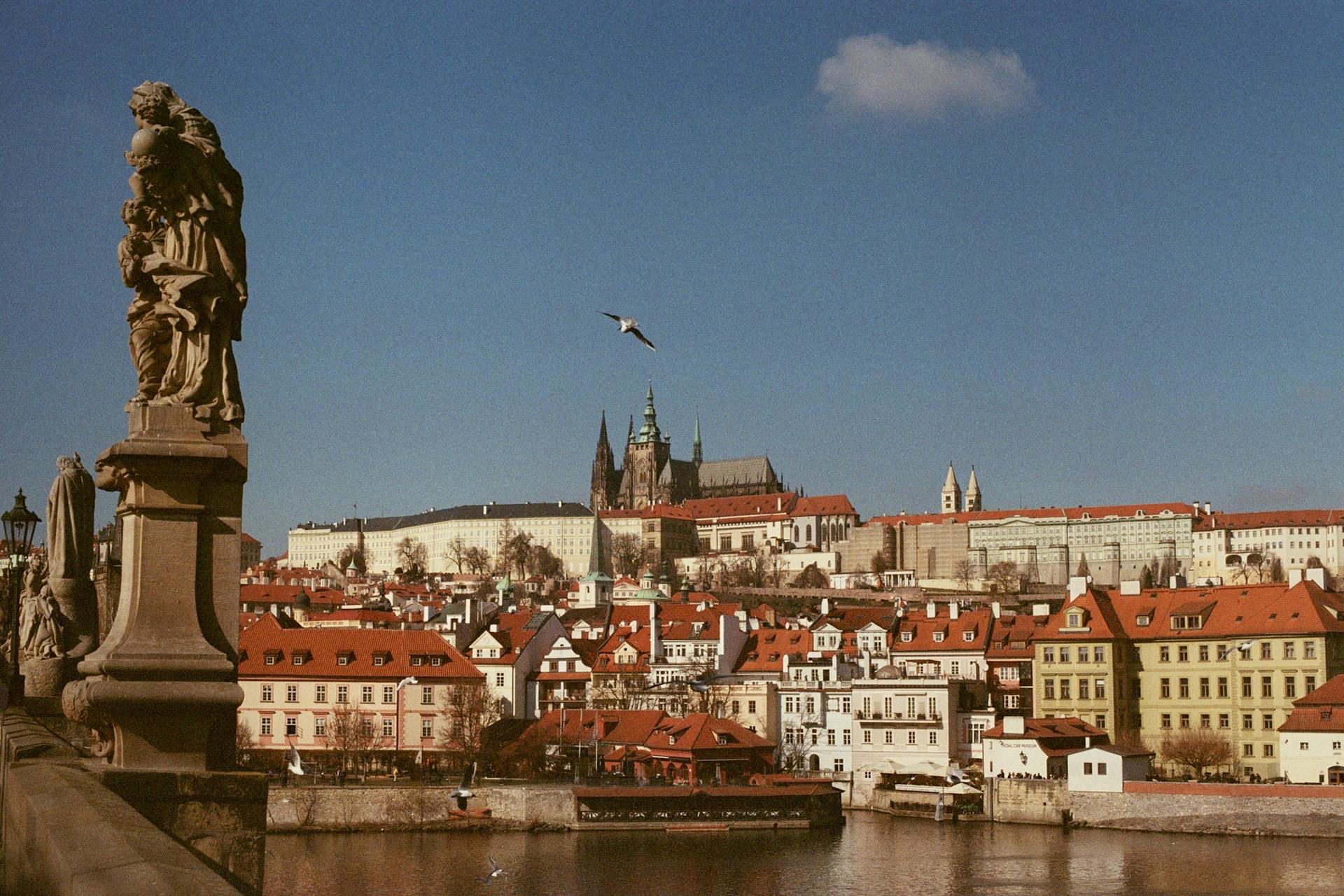
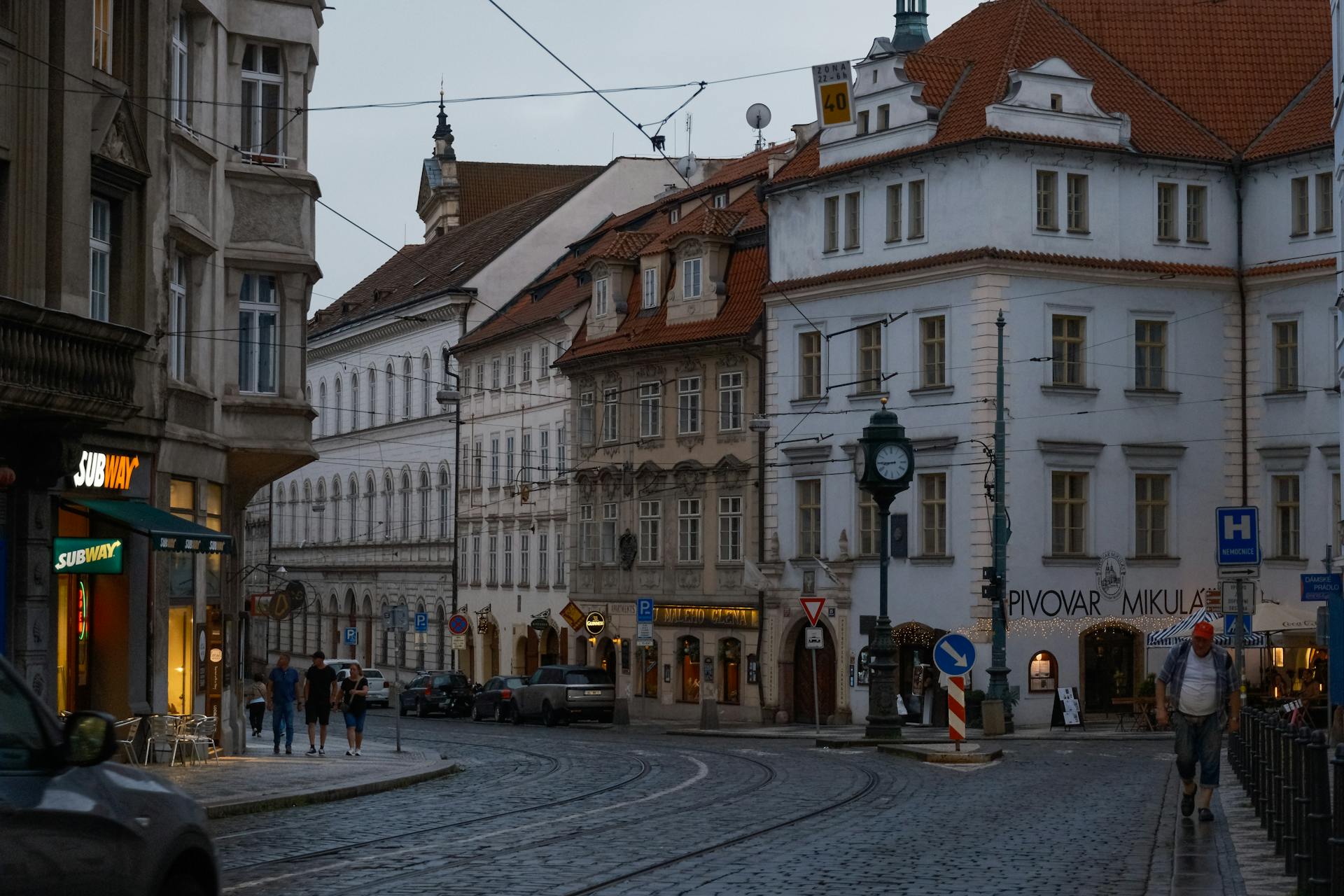
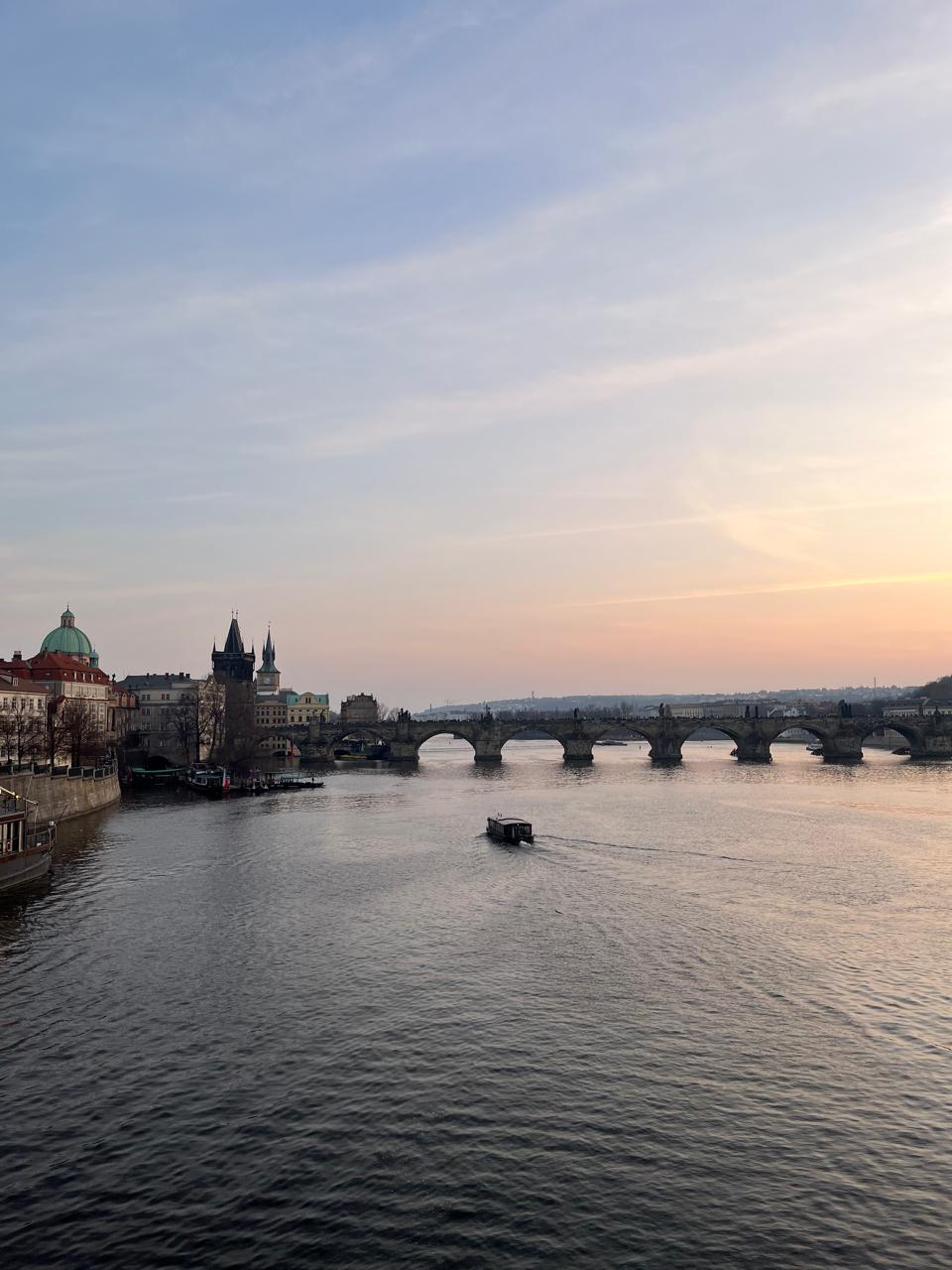
Prague is the 'City of a Hundred Spires,' a Gothic open-air museum that feels frozen in time. Between medieval bridges, castles dominating the horizon, and an unparalleled beer culture, the Czech capital is undoubtedly one of the most beautiful and enigmatic cities in the world.
Prague Travel Guide 2026: Must-See, Itineraries, and Expert Tips
Prague is the 'City of a Hundred Spires,' a Gothic open-air museum that feels frozen in time. Between medieval bridges, castles dominating the horizon, and an unparalleled beer culture, the Czech capital is undoubtedly one of the most beautiful and enigmatic cities in the world.
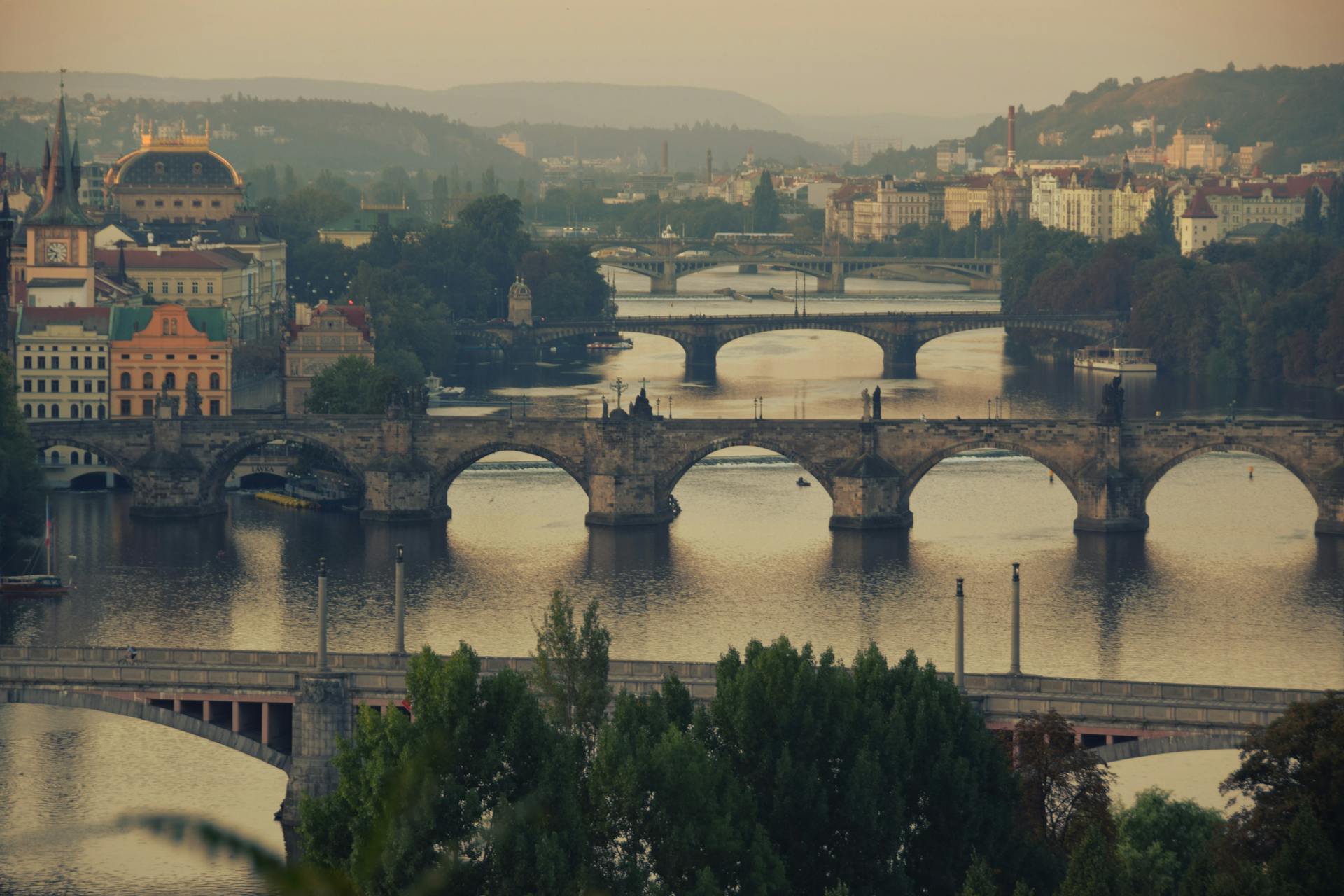
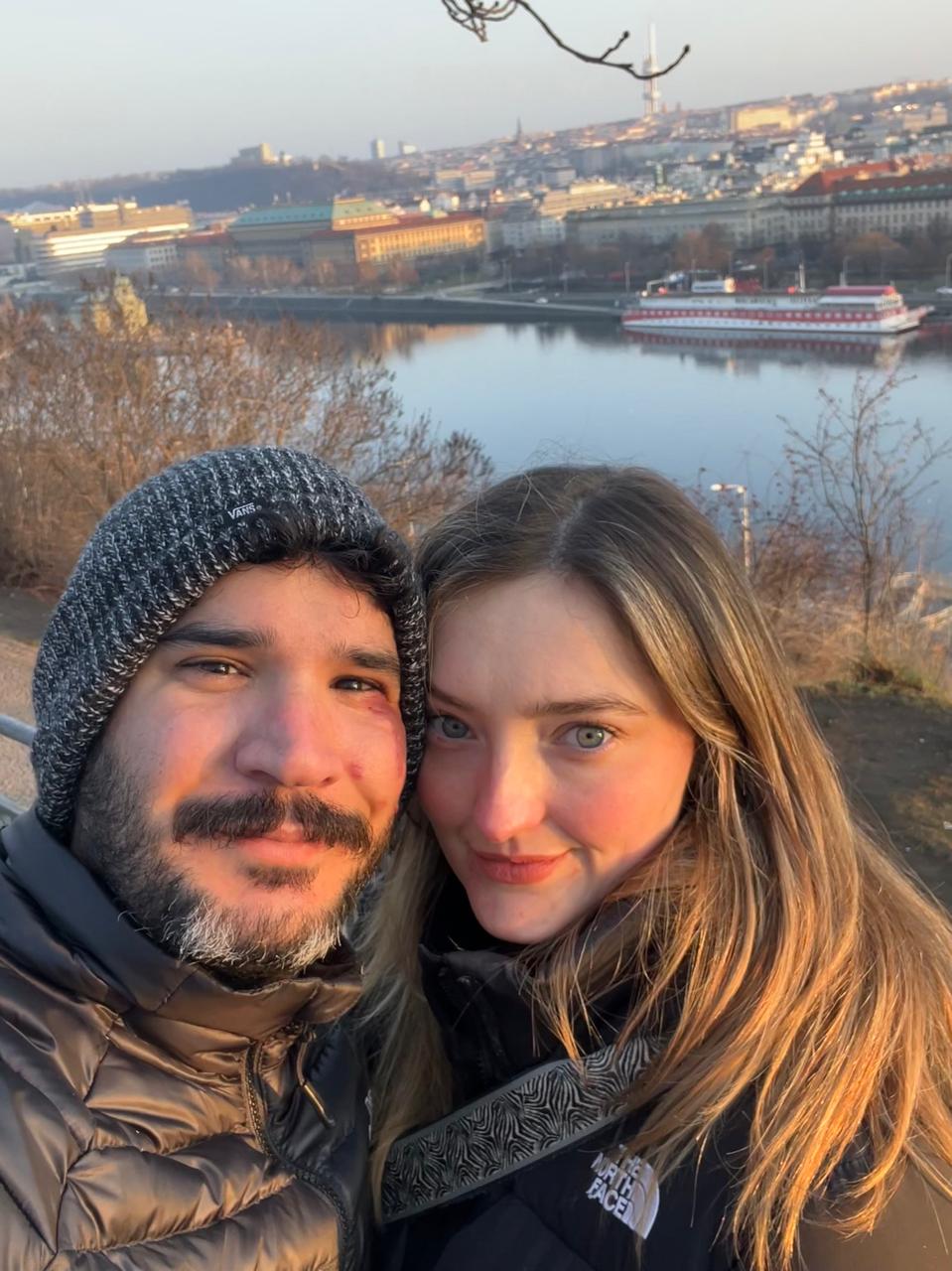
We spent two weeks exploring Prague and learned that its true magic isn't just in the tourist spots, but in knowing when to visit them and how to get lost in its quieter neighborhoods. It is a city made for walking, always looking up, and enjoying a cold beer in a hidden tavern. You don't just visit Prague; you contemplate it.
Must-See: The Heart of Prague
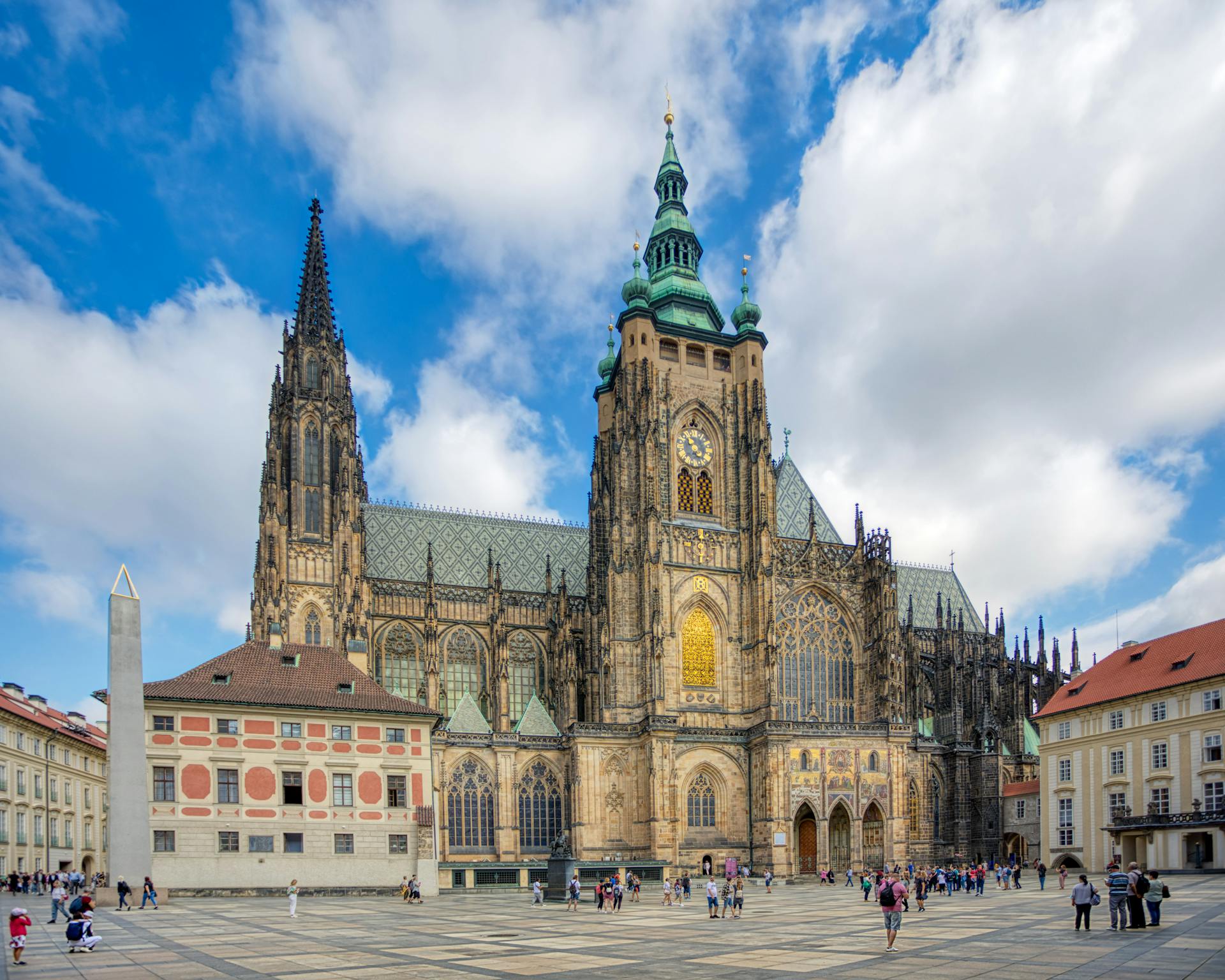
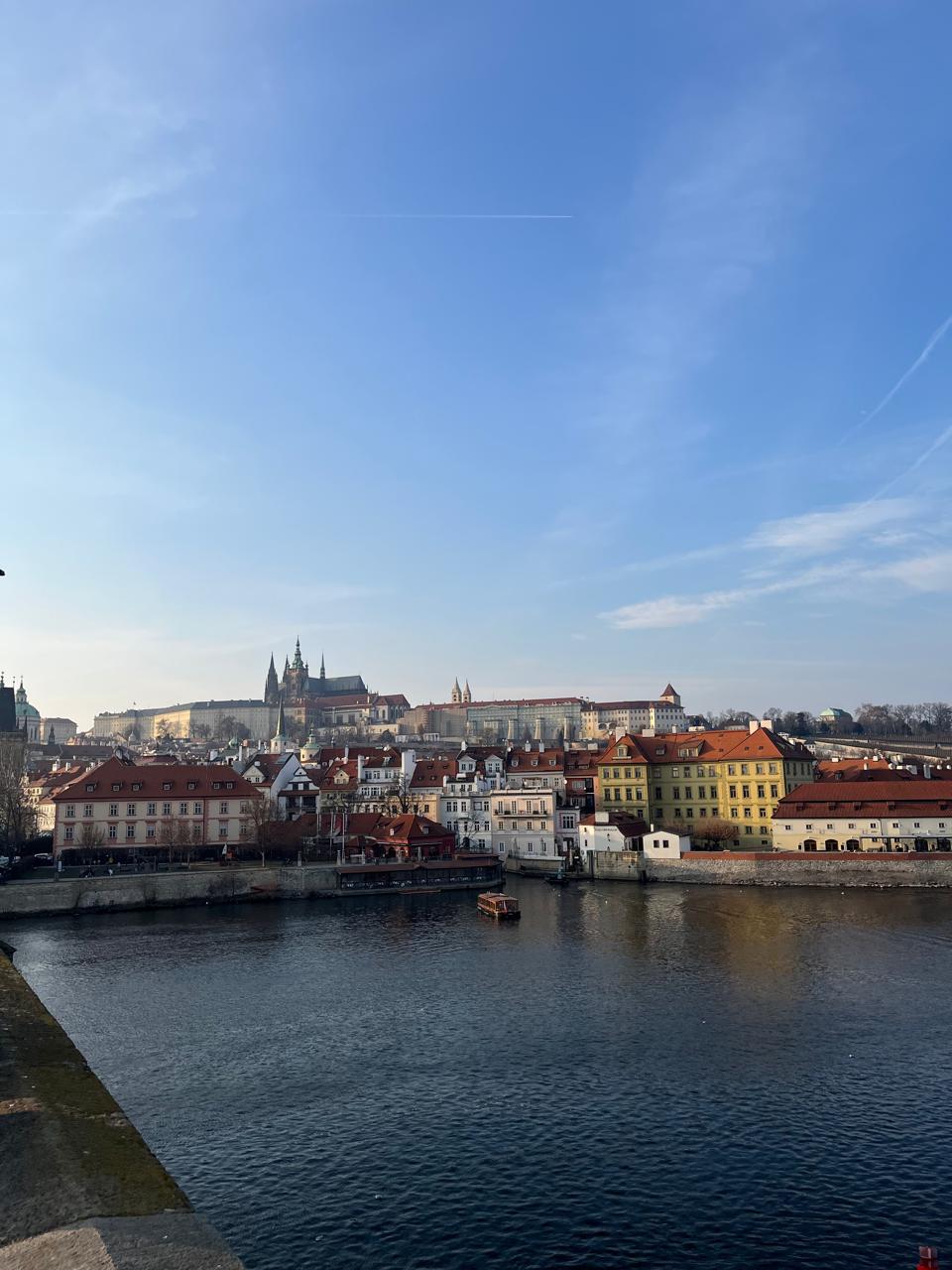
- Prague Castle: More than just a building, it is a complex that includes the imposing St. Vitus Cathedral and the Golden Lane. Tip: The best views of the city are from its walls at sunset.
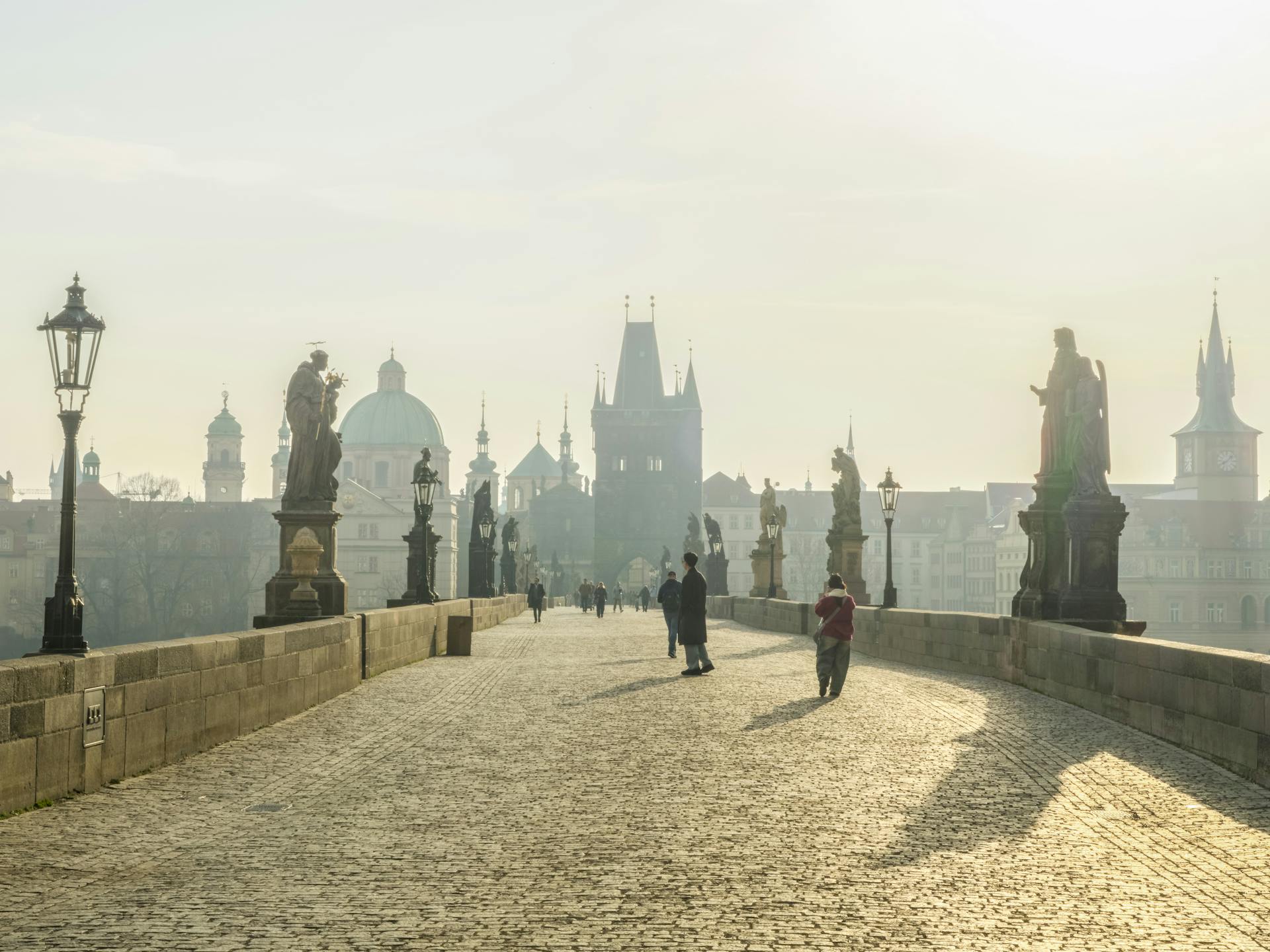
- Charles Bridge: The soul of the city. Golden Advice: Cross the bridge before 7:30 AM or after 11:00 PM to experience its true mystique without the crowds.
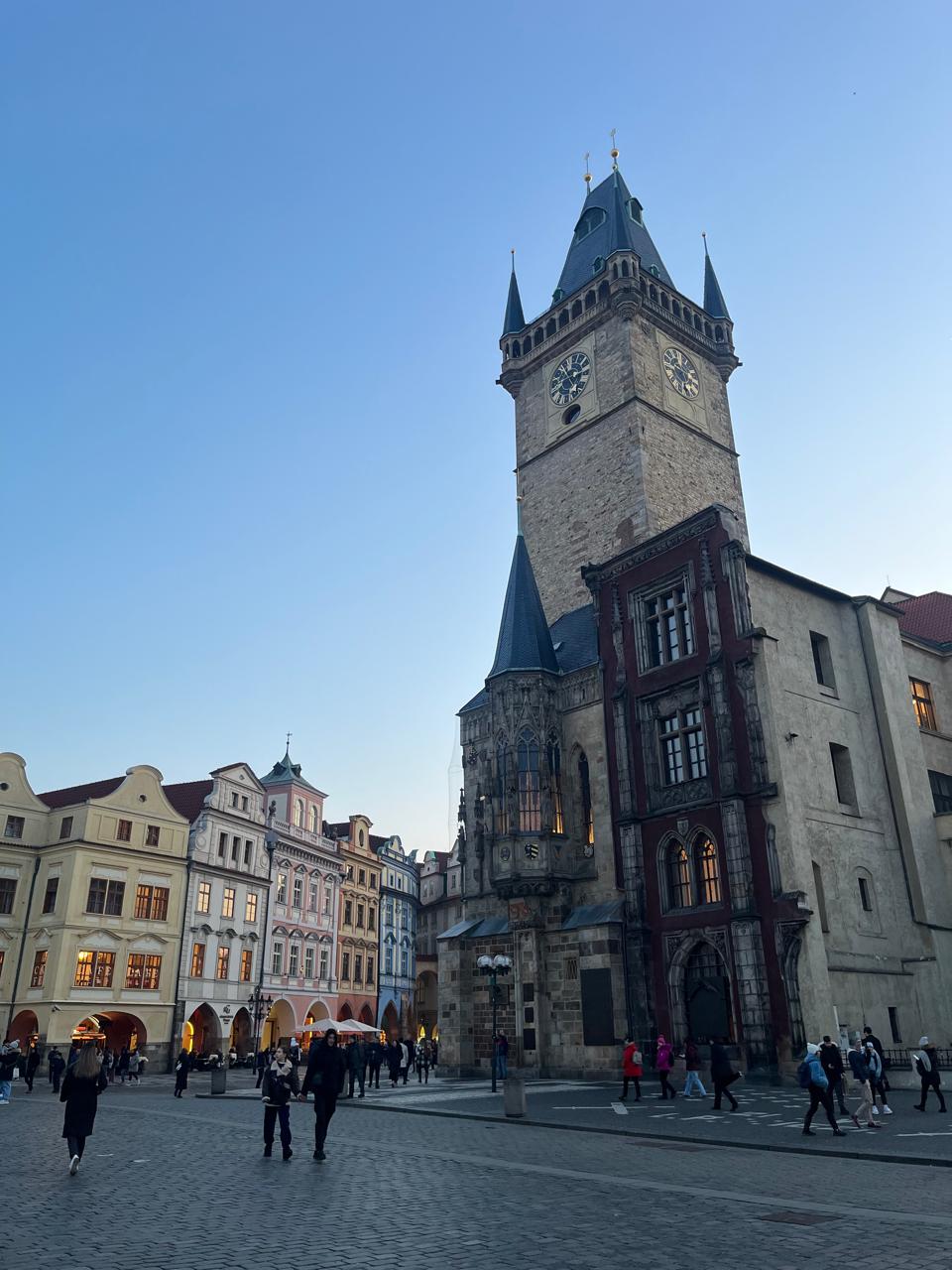
- Old Town Square and Astronomical Clock: Every hour, the clock performs its 'Procession of the Apostles.' Don't just settle for that; climb the Old Town Hall tower for the best aerial photo of the square.
- Jewish Quarter (Josefov): Visit the synagogues and the haunting Old Jewish Cemetery. It is a necessary history lesson, deeply moving and full of memory.
- Lesser Town (Malá Strana): The neighborhood 'below the castle.' It is the most romantic area of Prague, filled with Baroque palaces and hidden gardens like the Vrtba Garden.
Suggested Itinerary: 3 or 4 Days in Prague (2026 Edition)
This plan is designed to optimize the uphill climbs, avoid crowds, and see the real Prague.
Day 1: Old Town and Lesser Town
- Morning: Old Town Square and Astronomical Clock. Continue through the Jewish Quarter.
- Afternoon: Cross the Charles Bridge and get lost in the streets of Malá Strana. Visit the John Lennon Wall.
- Evening: Dinner at a traditional Hospoda (tavern) with a fresh tank beer.
Day 2: The Castle and the Views
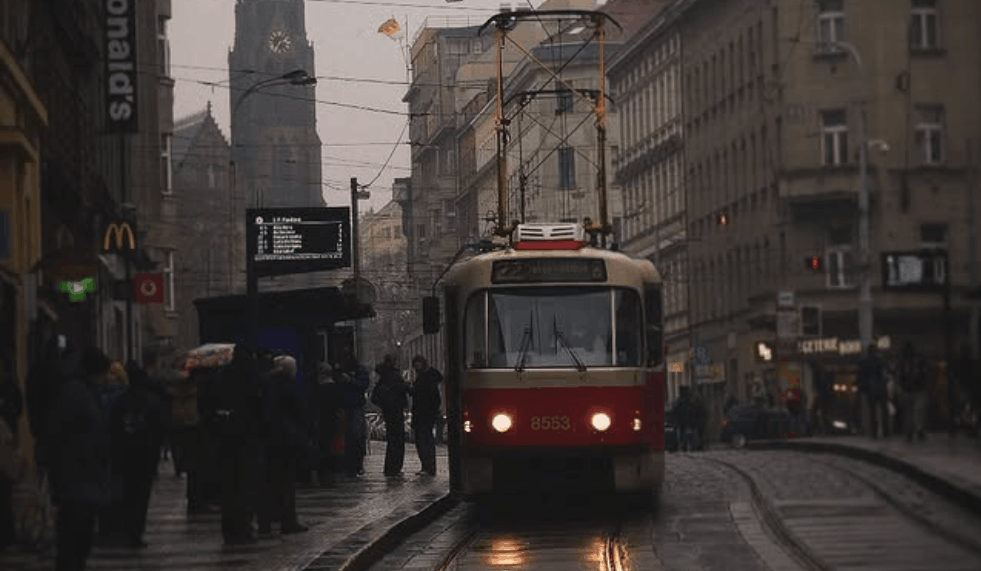
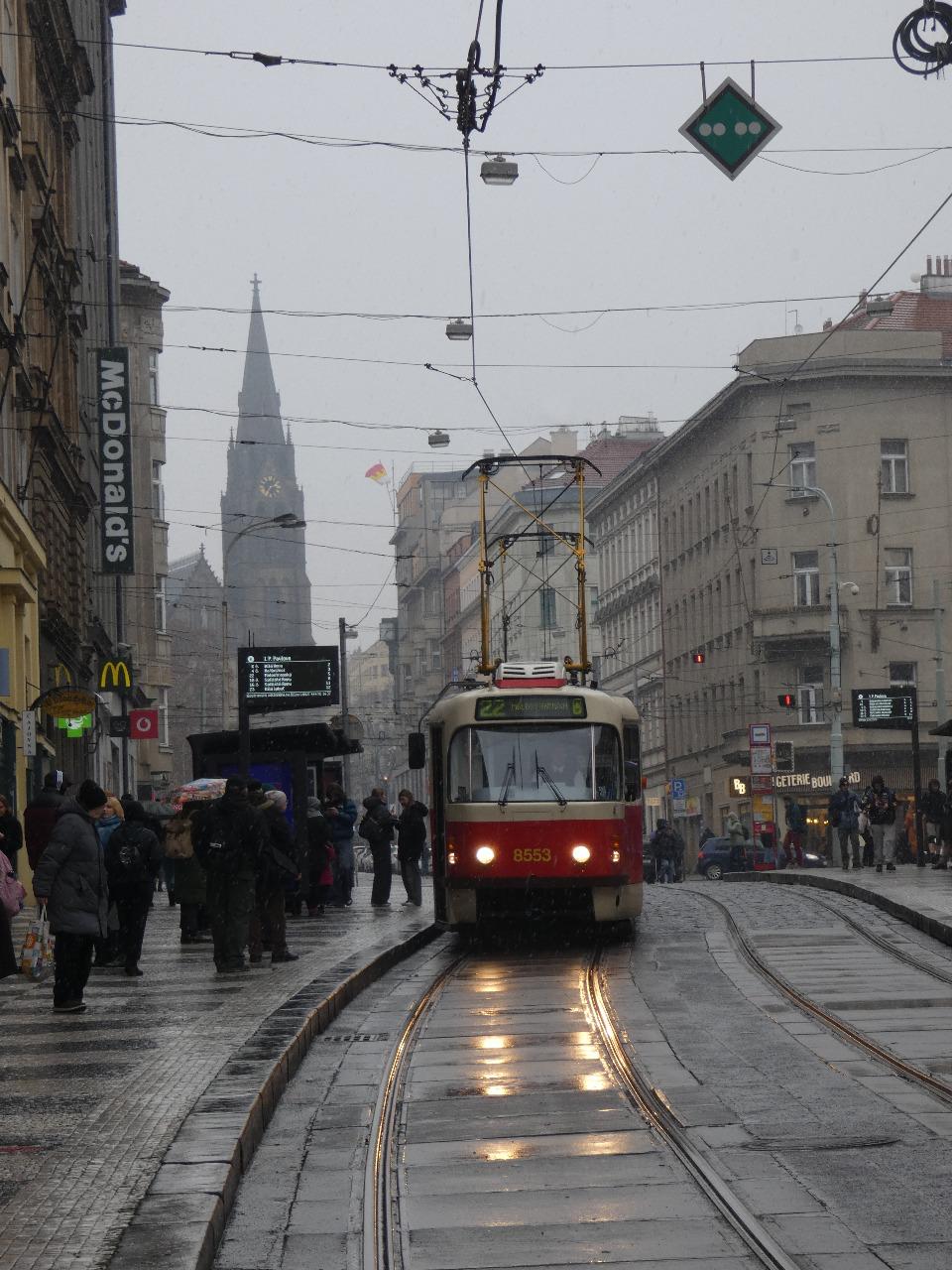
- Morning: Take Tram 22 to the Pražský hrad stop (this way you enter the Castle from the top without getting tired). Explore the Cathedral and the Golden Lane.
- Midday: Strahov Monastery Brewery (historic craft beer).
- Afternoon: Walk down through Petřín Hill and its gardens.
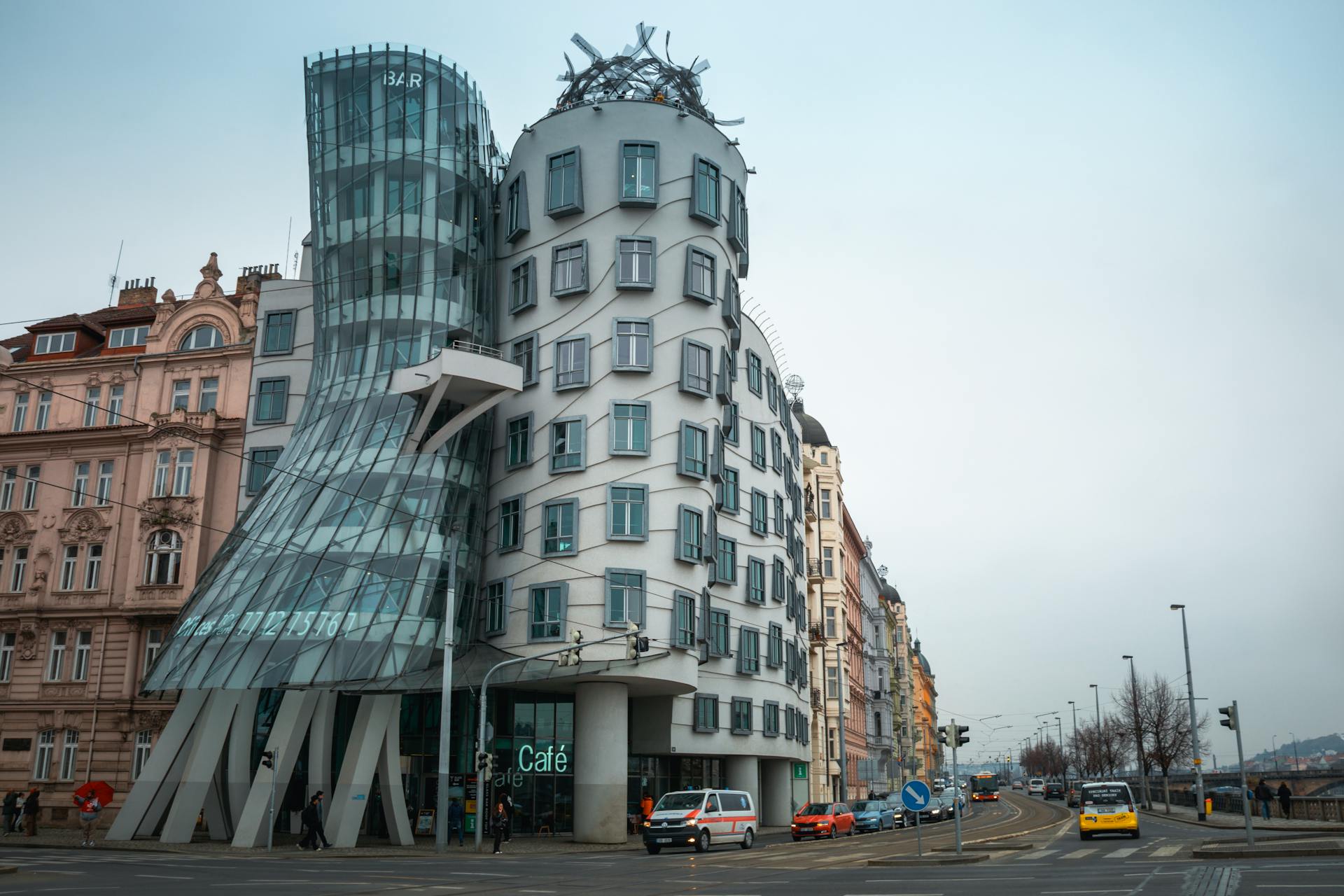
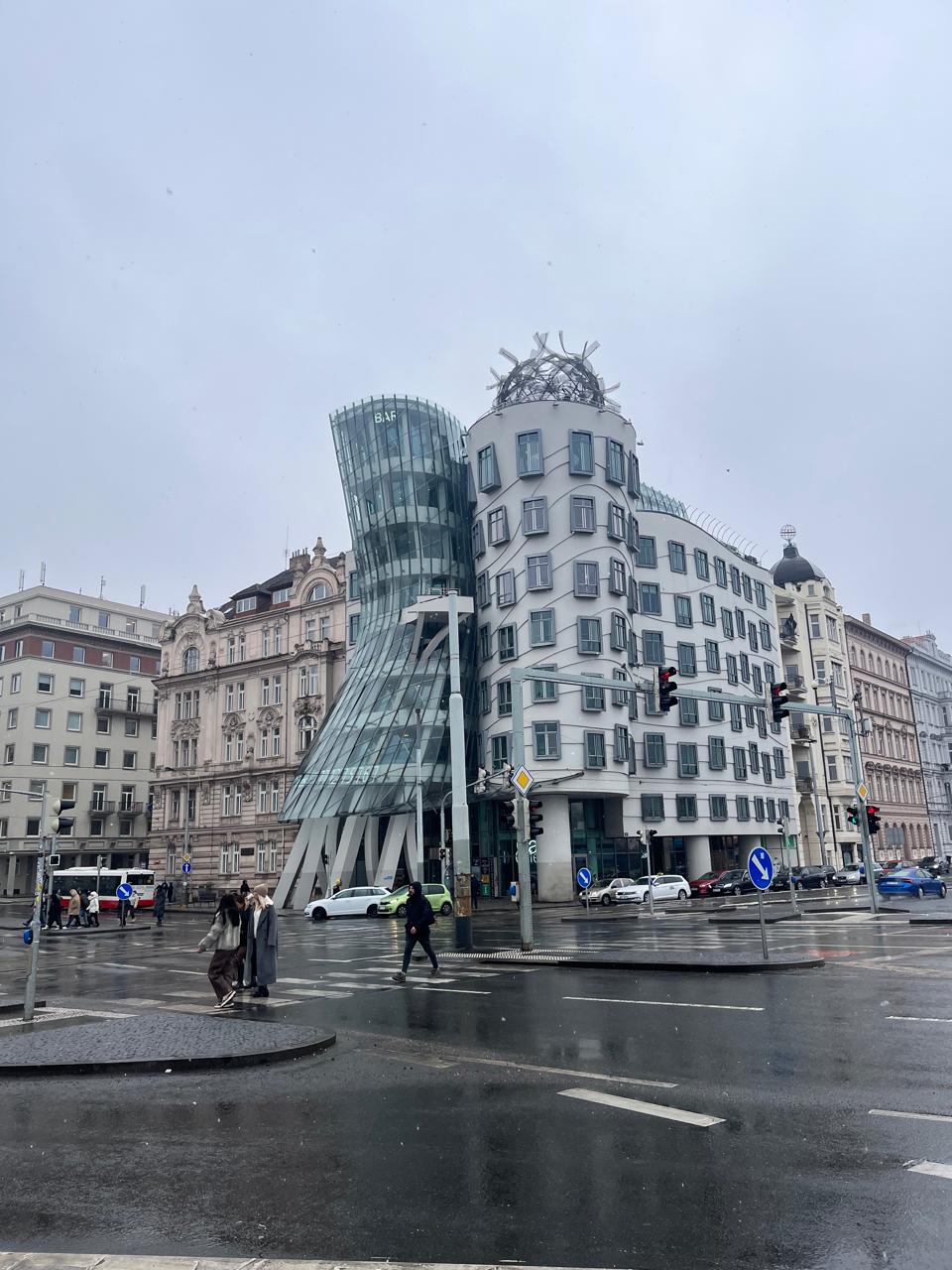
- Sunset: A walk along the riverbank to the Dancing House.
Day 3: Vyšehrad and Local Life
- Morning: Visit Vyšehrad. It is the city's second castle—no tourists, incredible river views, and a cemetery that is a work of art.
- Midday: Have lunch in the Vinohrady neighborhood, where locals live and there are amazing cafes.
- Afternoon: A stroll through Kampa Island or the farmers' markets at Náplavka (if it’s Saturday).
Day 4: Day Trip
- If you have an extra day, take a train to Kutná Hora to see the Bone Ossuary or to Český Krumlov to feel like you're in a medieval movie.
"Pivo" Culture and Gastronomy
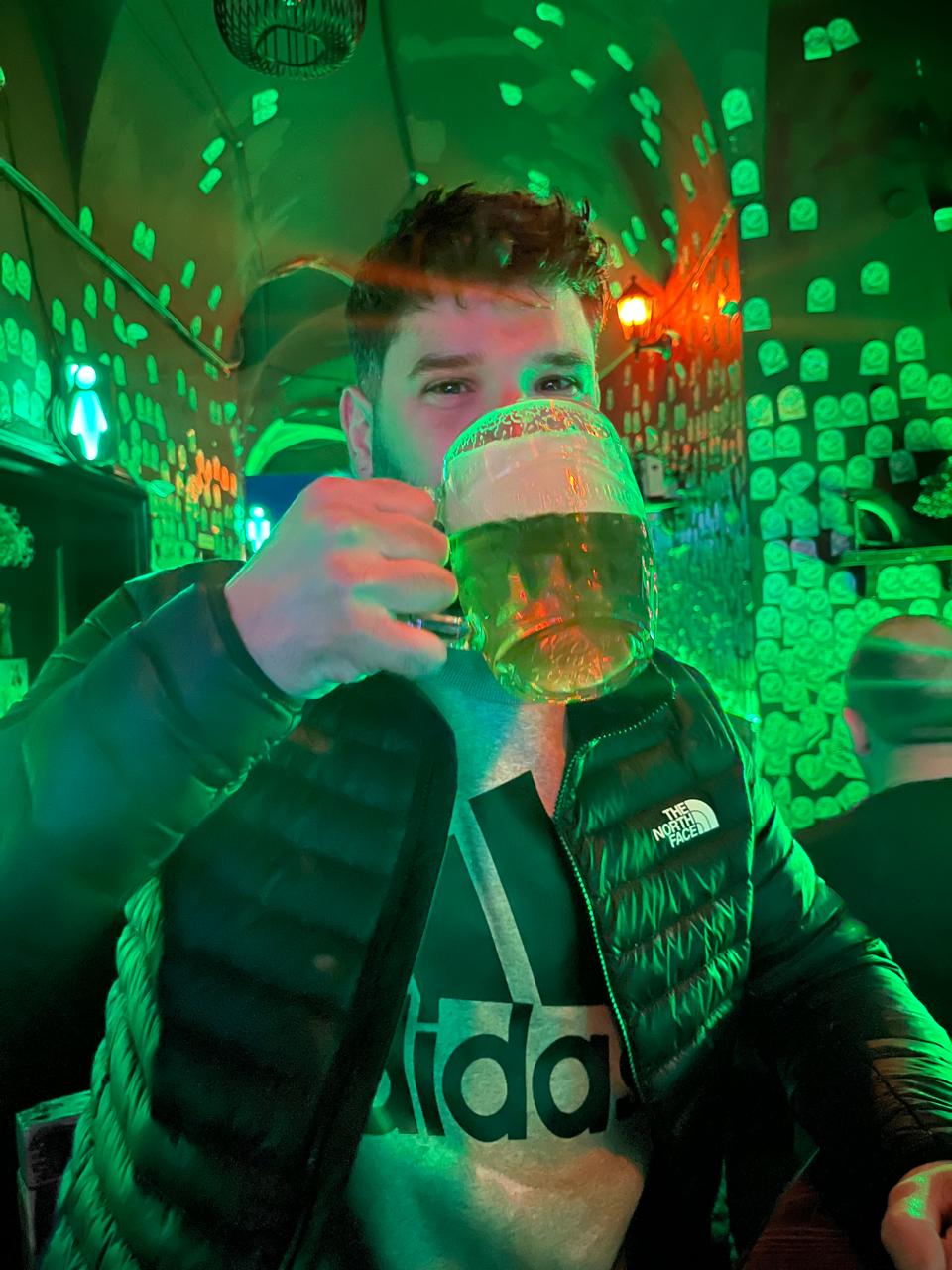
In Czechia, beer (pivo) is more than a drink; it is a social institution.
- Where to eat?: Look for places that say "Tankovna". This means the beer is from a tank—fresh, unpasteurized, and at its best.
- Svíčková: Beef sirloin with cream and cranberry sauce. The national dish you absolutely must try.
- Czech Goulash: Served with knedlíky (steamed bread dumplings). It’s the perfect dish for cold winter days.
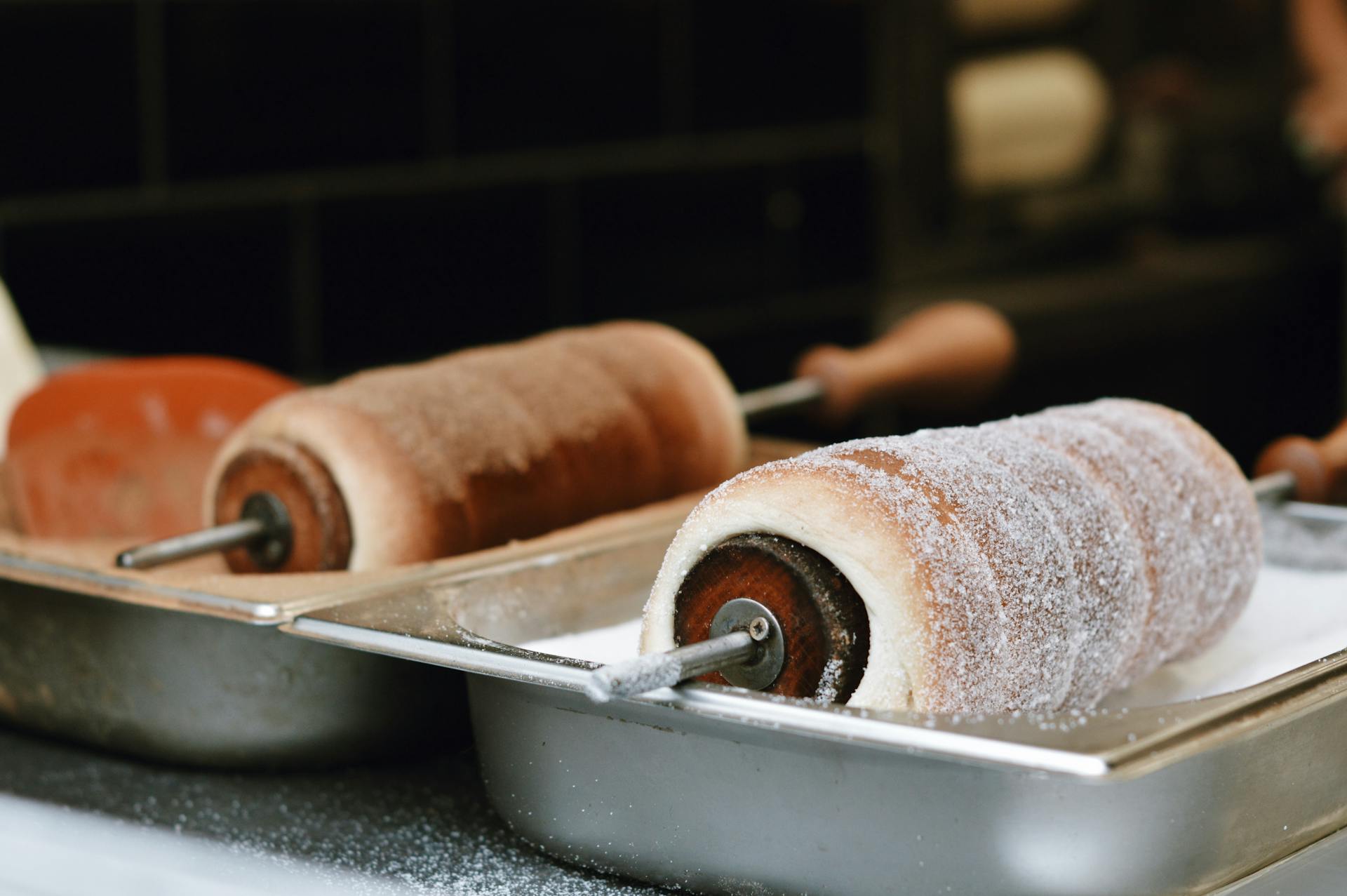
- Trdelník: Although very touristy, eating one freshly made with sugar and cinnamon while walking through the center is a necessary guilty pleasure.
Essential Tips 2026
- Transport App: Download PID Lítačka. You can buy 30-min, 90-min, or daily passes directly from there. Public transport in Prague is 10/10.
- Currency Exchange: BE VERY CAREFUL. Never change money on the street. Use official bank ATMs or the "Exchange" shop on Kaprova Street. Avoid kiosks with "0% Commission" signs in tourist zones.
- Tipping: Do not leave money on the table. Tell the waiter the total amount when they bring the bill (including a 10% tip).
- Taxis: Do not hail taxis on the street. Use Uber or Bolt to see the price in advance and avoid scams.
Our Traveler's Opinion
Prague can feel overwhelming due to the crowds, but if you step just two blocks away from the main route, you discover a silent, mystical, and elegant city. Two weeks taught us that Prague's secret is waking up early to have the bridges to yourself and ending the day in a tavern where time seems to have stopped 50 years ago.
You Might Also Like
- Prague Castle: More than just a building, it is a complex that includes the imposing St. Vitus Cathedral and the Golden Lane. Tip: The best views of the city are from its walls at sunset.
- Charles Bridge: The soul of the city. Golden Advice: Cross the bridge before 7:30 AM or after 11:00 PM to experience its true mystique without the crowds.
- Old Town Square and Astronomical Clock: Every hour, the clock performs its 'Procession of the Apostles.' Don't just settle for that; climb the Old Town Hall tower for the best aerial photo of the square.
- Jewish Quarter (Josefov): Visit the synagogues and the haunting Old Jewish Cemetery. It is a necessary history lesson, deeply moving and full of memory.
- Lesser Town (Malá Strana): The neighborhood 'below the castle.' It is the most romantic area of Prague, filled with Baroque palaces and hidden gardens like the Vrtba Garden.
PUBLICIDAD
Travel with Data: Get your Saily eSIM
- ✓Internet in seconds upon landing
- ✓Flexible plans in 180+ countries
- ✓Easy setup directly via the App
This plan is designed to optimize the uphill climbs, avoid crowds, and see the real Prague.
Day 1: Old Town and Lesser Town
- Morning: Old Town Square and Astronomical Clock. Continue through the Jewish Quarter.
- Afternoon: Cross the Charles Bridge and get lost in the streets of Malá Strana. Visit the John Lennon Wall.
- Evening: Dinner at a traditional Hospoda (tavern) with a fresh tank beer.
Day 2: The Castle and the Views
- Morning: Take Tram 22 to the Pražský hrad stop (this way you enter the Castle from the top without getting tired). Explore the Cathedral and the Golden Lane.
- Midday: Strahov Monastery Brewery (historic craft beer).
- Afternoon: Walk down through Petřín Hill and its gardens.
- Sunset: A walk along the riverbank to the Dancing House.
Day 3: Vyšehrad and Local Life
- Morning: Visit Vyšehrad. It is the city's second castle—no tourists, incredible river views, and a cemetery that is a work of art.
- Midday: Have lunch in the Vinohrady neighborhood, where locals live and there are amazing cafes.
- Afternoon: A stroll through Kampa Island or the farmers' markets at Náplavka (if it’s Saturday).
Day 4: Day Trip
- If you have an extra day, take a train to Kutná Hora to see the Bone Ossuary or to Český Krumlov to feel like you're in a medieval movie.
In Czechia, beer (pivo) is more than a drink; it is a social institution.
- Where to eat?: Look for places that say "Tankovna". This means the beer is from a tank—fresh, unpasteurized, and at its best.
- Svíčková: Beef sirloin with cream and cranberry sauce. The national dish you absolutely must try.
- Czech Goulash: Served with knedlíky (steamed bread dumplings). It’s the perfect dish for cold winter days.
- Trdelník: Although very touristy, eating one freshly made with sugar and cinnamon while walking through the center is a necessary guilty pleasure.
- Transport App: Download PID Lítačka. You can buy 30-min, 90-min, or daily passes directly from there. Public transport in Prague is 10/10.
- Currency Exchange: BE VERY CAREFUL. Never change money on the street. Use official bank ATMs or the "Exchange" shop on Kaprova Street. Avoid kiosks with "0% Commission" signs in tourist zones.
- Tipping: Do not leave money on the table. Tell the waiter the total amount when they bring the bill (including a 10% tip).
- Taxis: Do not hail taxis on the street. Use Uber or Bolt to see the price in advance and avoid scams.
Prague can feel overwhelming due to the crowds, but if you step just two blocks away from the main route, you discover a silent, mystical, and elegant city. Two weeks taught us that Prague's secret is waking up early to have the bridges to yourself and ending the day in a tavern where time seems to have stopped 50 years ago.
Galery

PUBLICIDAD
International Travel Insurance
- ✓International medical insurance
- ✓24/7 immediate assistance in your language
- ✓Ideal for trekking & adventure
Preferences
Language
Color
Text
Width