Table of contents and map
Guía de viaje a República Checa 2026: Consejos, rutas y cultura
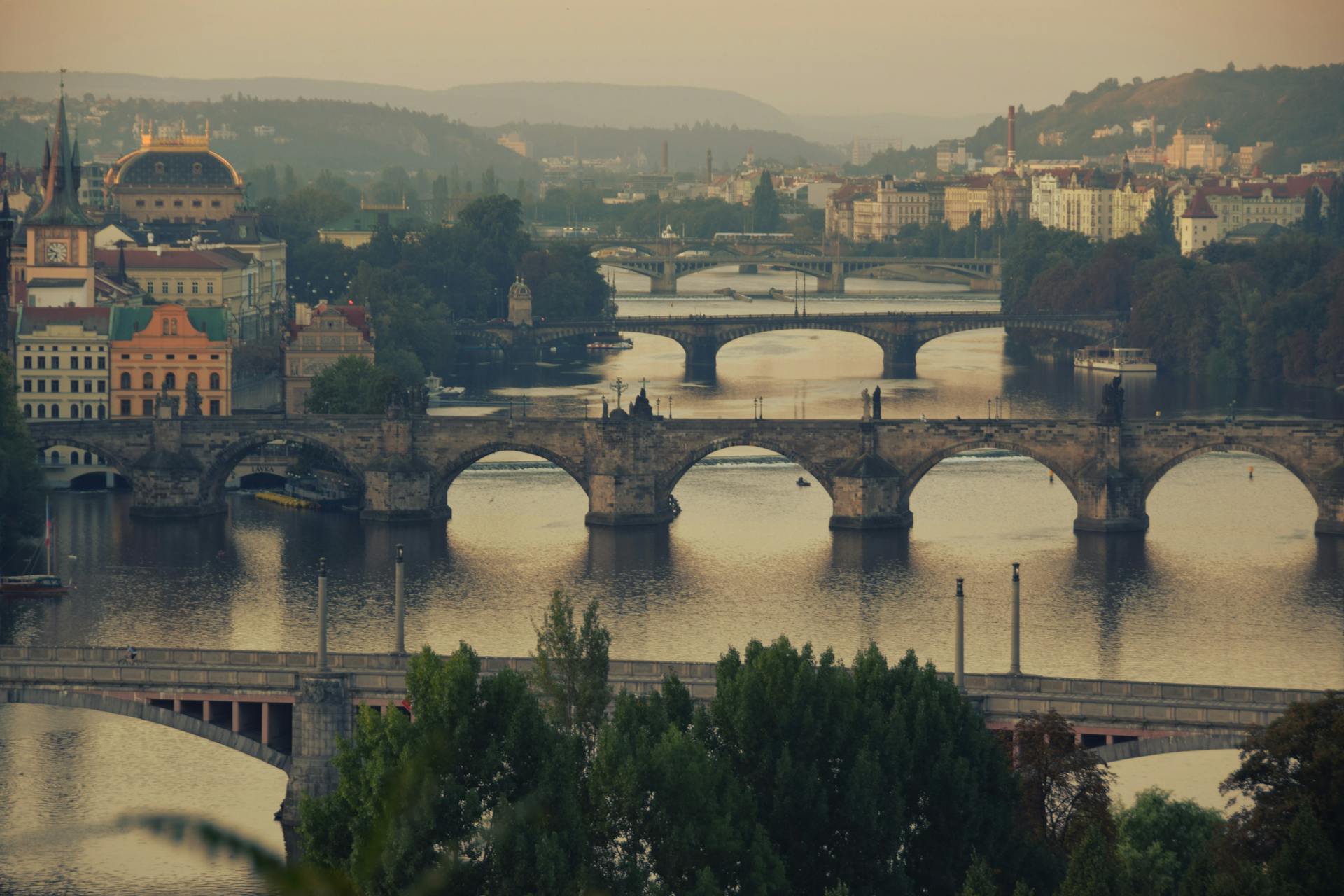
La República Checa es un país de cuentos de hadas, castillos góticos y una cultura que gira en torno a la mejor cerveza del mundo. Más allá de la magia de Praga, el país esconde ciudades termales, iglesias de huesos y paisajes naturales que parecen sacados de una pintura medieval. Es un destino donde la historia se siente en cada adoquín.
Guía de viaje a República Checa 2026: Consejos, rutas y cultura
La República Checa es un país de cuentos de hadas, castillos góticos y una cultura que gira en torno a la mejor cerveza del mundo. Más allá de la magia de Praga, el país esconde ciudades termales, iglesias de huesos y paisajes naturales que parecen sacados de una pintura medieval. Es un destino donde la historia se siente en cada adoquín.
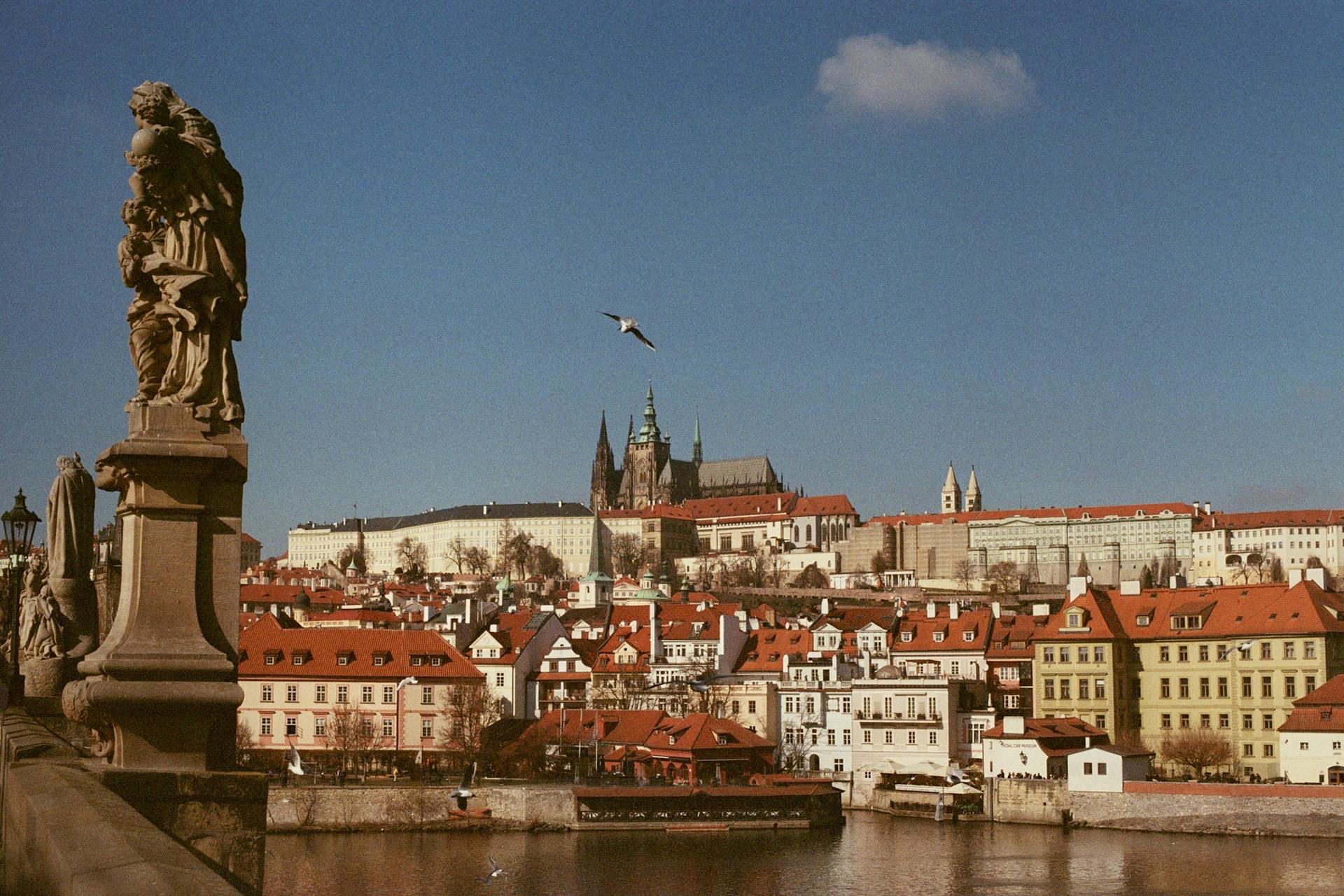
Nuestro viaje por la República Checa tuvo como base Praga, donde pasamos dos semanas viviendo el ritmo local. Aunque la capital es magnética, la red de trenes del país es tan eficiente que permite usarla como centro de operaciones para explorar castillos y pueblos cercanos. Chequia es un país compacto, fácil de recorrer y con una identidad cultural que te atrapa desde el primer "Na zdraví!" (¡Salud!).
Destinos imperdibles de República Checa
Aunque Praga se lleva todas las miradas, estas son las paradas clave para un viaje completo:
- Praga (Praha) – El corazón del país; gótica, barroca y eterna.
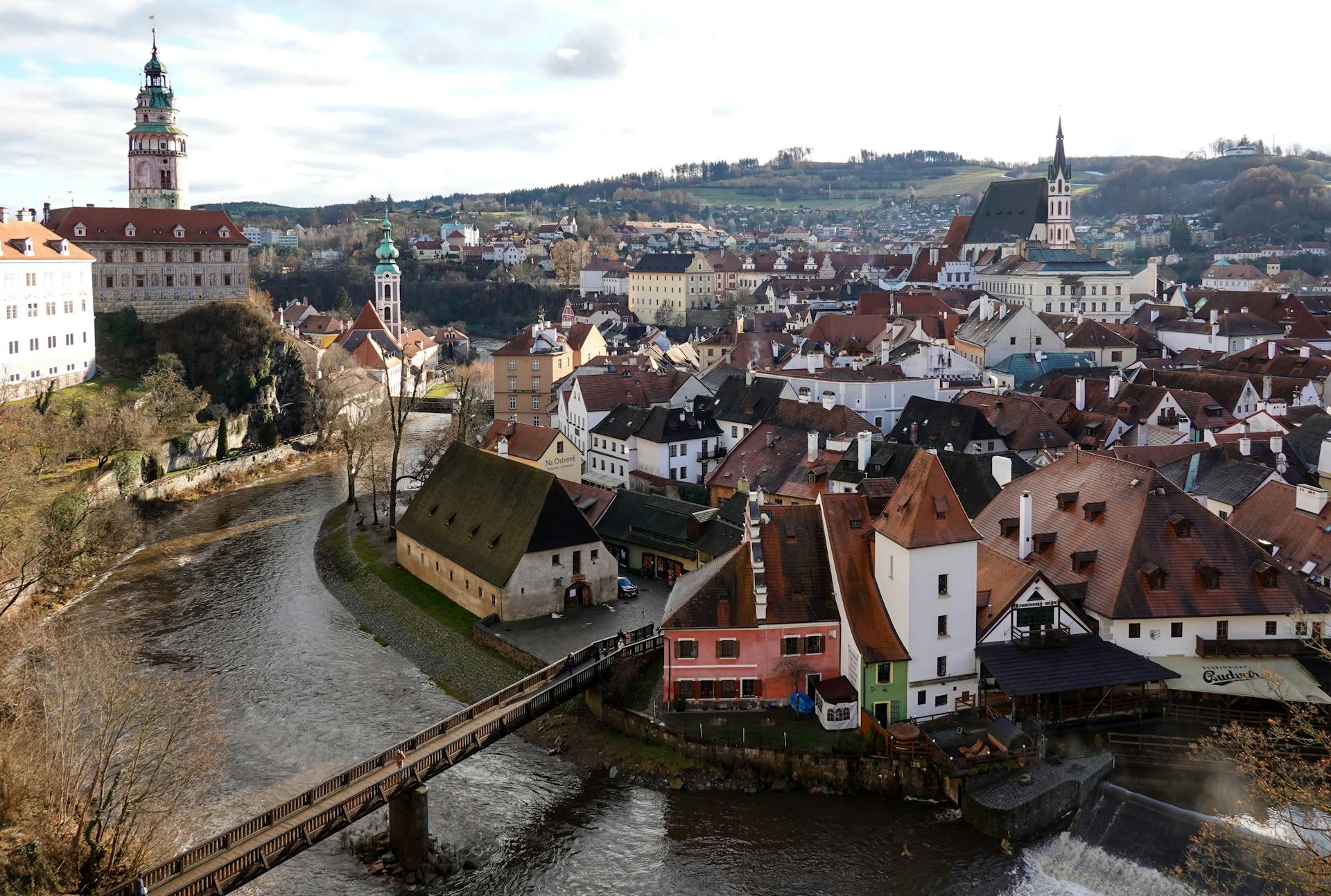
- Bohemia del Sur (Český Krumlov) – Una joya medieval en el sur. Parece un set de filmación rodeado por el río Moldava.
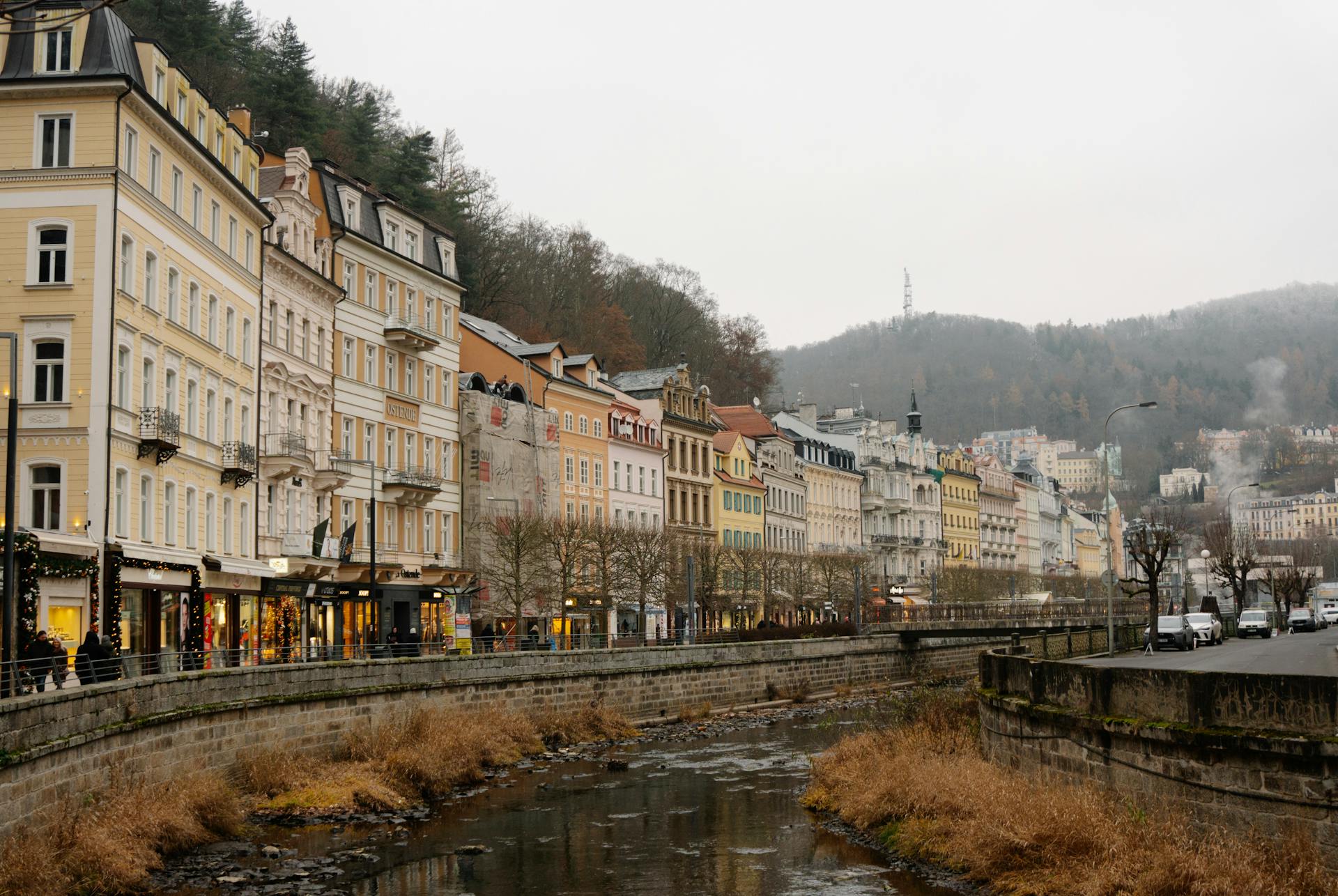
- Karlovy Vary (Karlovy Vary) – Elegancia imperial y aguas termales curativas (no dejes de probar el licor Becherovka aquí).
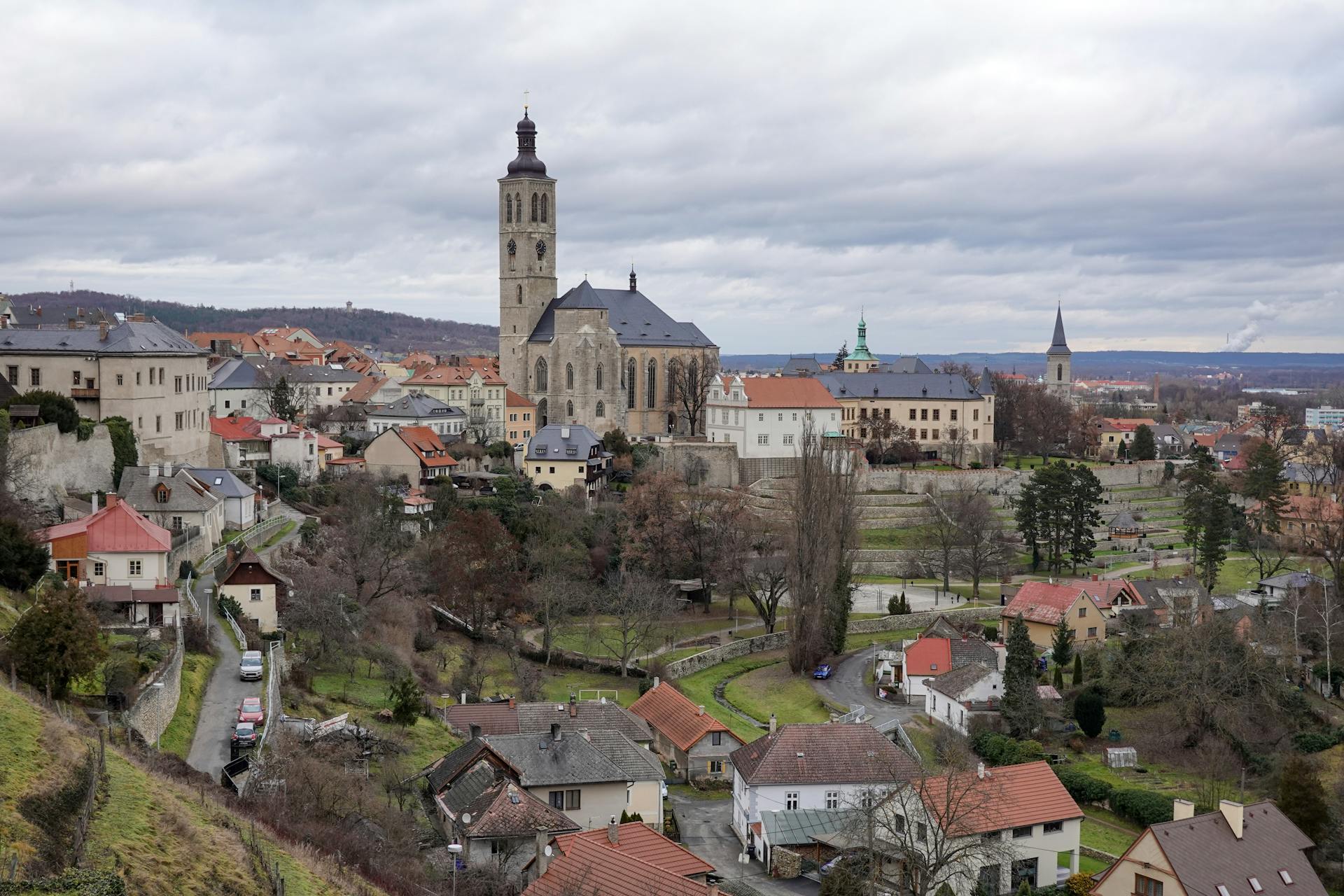
- Kutná Hora (Kutná Hora) – Famosa por el Osario de Sedlec (la iglesia decorada con huesos) y su imponente catedral de Santa Bárbara.
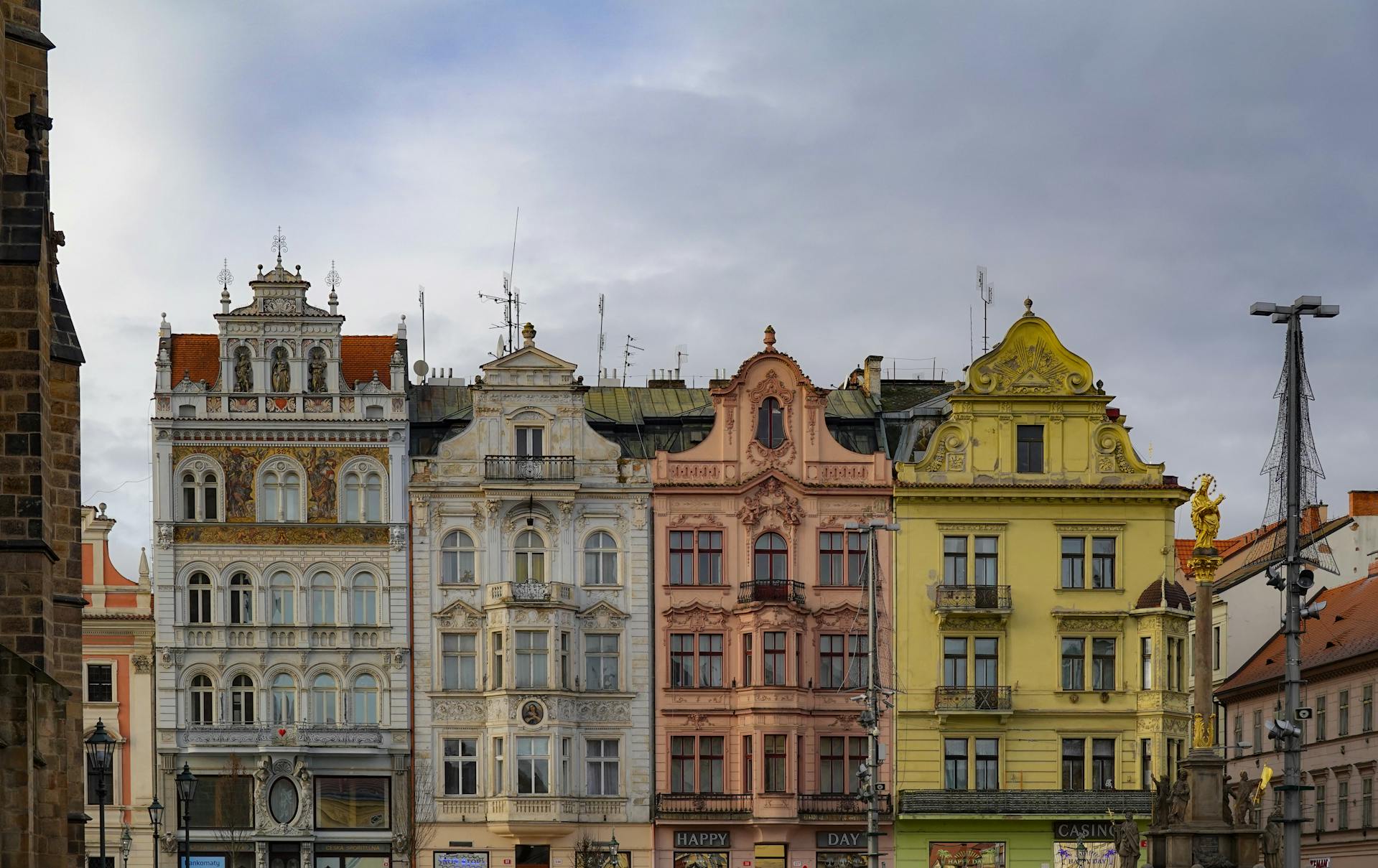
- Pilsen (Plzeň) – Parada obligatoria para los amantes de la cerveza; aquí nació la Pilsner Urquell.
- Suiza Bohemia (České Švýcarsko) – Un parque nacional en la frontera con Alemania con arcos de piedra naturales increíbles.
- Brno (Brno) – La segunda ciudad del país; menos turística, muy moderna y con una gastronomía increíble.
Cultura Cervecera y Gastronomía
En Chequia, la cerveza (pivo) es cultura. Es común ver que es más barata que el agua en los menús.
- ¿Dónde comer?: Buscá las Hospoda (tabernas tradicionales). Son lugares ruidosos, de madera, donde la cerveza fluye y la comida es casera y barata.
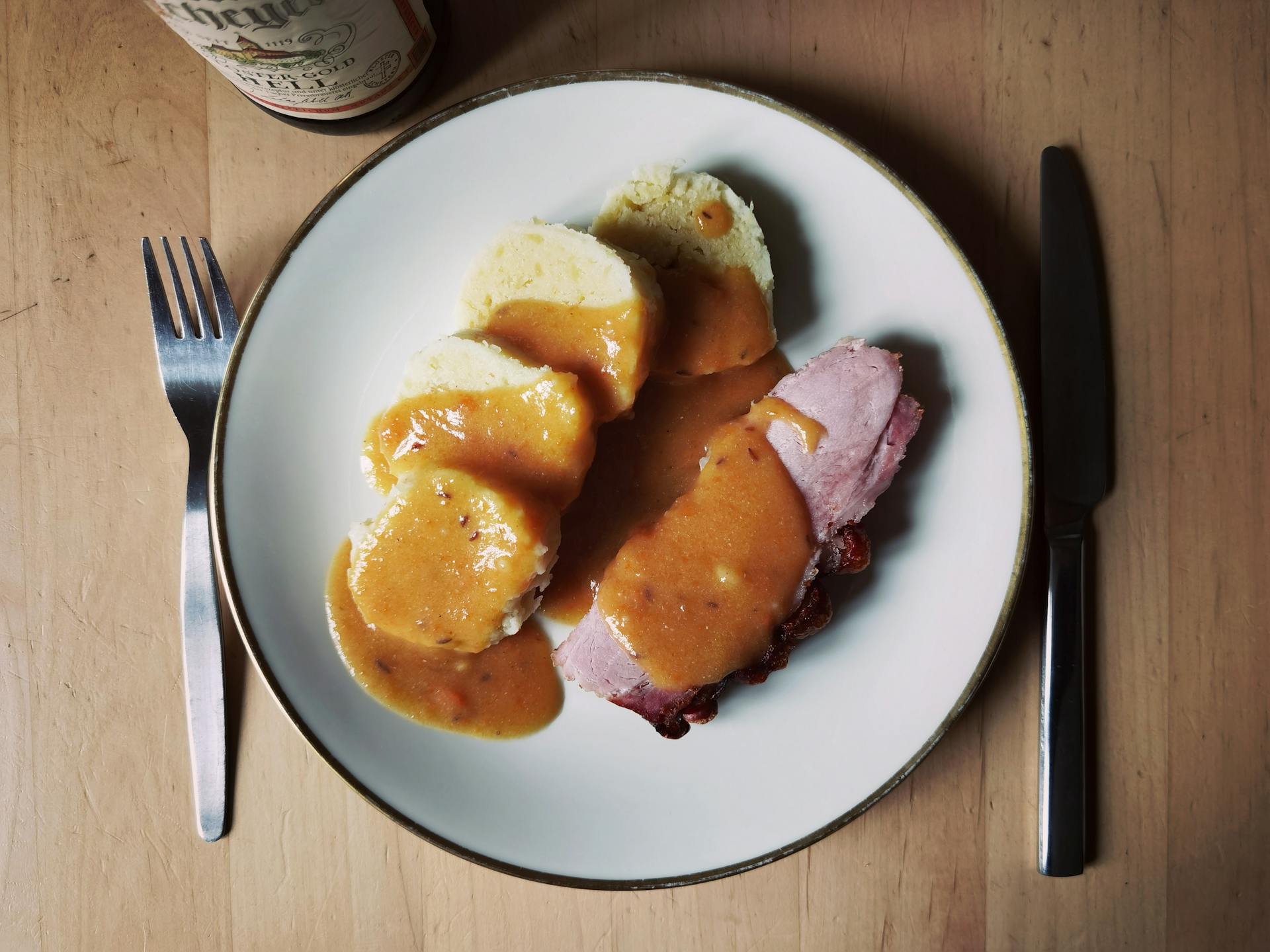
- Svíčková: Solomillo con salsa de nata y arándanos. El plato nacional que tenés que probar sí o sí.
- Smažený sýr: Queso frito. Si buscás algo rápido y delicioso, este es el camino.
- Cervecerías de Monasterio: No te pierdas la del Monasterio de Strahov en Praga; hacen su propia cerveza desde hace siglos.
Datos prácticos para 2026
- Moneda: Corona Checa (CZK). Tip de oro: Jamás cambies dinero en la calle. Usá cajeros de bancos (KB, Česká spořitelna) o buscá locales de cambio honestos como "Exchange" cerca de la plaza central.
- Pagos: La tarjeta es ley, pero llevá algo de efectivo para las propinas o tabernas en pueblos alejados.
- Propinas: No se deja el dinero en la mesa. Al pagar, le decís al mozo el total incluyendo la propina (ej: si sale 270, decís "300" mientras le das el dinero o la tarjeta).
- Seguridad: Praga es muy segura, pero nunca pares un taxi en la calle. Usá Uber o Bolt para evitar precios inflados para turistas.
Cómo moverse
- Transporte Público: El sistema en Praga es de los mejores del mundo. Usá la app PID Lítačka para comprar tickets por 30 min, 90 min o 24 hs.
- Trenes y Buses: Para moverte por el país, los trenes de ČD y los buses amarillos de RegioJet son la opción más cómoda y económica.
- Caminar: Praga es un museo a cielo abierto. Prepará calzado cómodo porque los adoquines no perdonan.
Mejor época para viajar
- Mayo a Septiembre: El clima ideal para disfrutar de los "Biergarten" (jardines de cerveza) y caminar sin frío.
- Diciembre: Los mercados navideños son de los más lindos del mundo, pero preparate para temperaturas bajo cero.
Te puede interesar también
Aunque Praga se lleva todas las miradas, estas son las paradas clave para un viaje completo:
- Praga (Praha) – El corazón del país; gótica, barroca y eterna.
- Bohemia del Sur (Český Krumlov) – Una joya medieval en el sur. Parece un set de filmación rodeado por el río Moldava.
- Karlovy Vary (Karlovy Vary) – Elegancia imperial y aguas termales curativas (no dejes de probar el licor Becherovka aquí).
- Kutná Hora (Kutná Hora) – Famosa por el Osario de Sedlec (la iglesia decorada con huesos) y su imponente catedral de Santa Bárbara.
- Pilsen (Plzeň) – Parada obligatoria para los amantes de la cerveza; aquí nació la Pilsner Urquell.
- Suiza Bohemia (České Švýcarsko) – Un parque nacional en la frontera con Alemania con arcos de piedra naturales increíbles.
- Brno (Brno) – La segunda ciudad del país; menos turística, muy moderna y con una gastronomía increíble.
PUBLICIDAD
Travel with Data: Get your Saily eSIM
- ✓Internet in seconds upon landing
- ✓Flexible plans in 180+ countries
- ✓Easy setup directly via the App
En Chequia, la cerveza (pivo) es cultura. Es común ver que es más barata que el agua en los menús.
- ¿Dónde comer?: Buscá las Hospoda (tabernas tradicionales). Son lugares ruidosos, de madera, donde la cerveza fluye y la comida es casera y barata.
- Svíčková: Solomillo con salsa de nata y arándanos. El plato nacional que tenés que probar sí o sí.
- Smažený sýr: Queso frito. Si buscás algo rápido y delicioso, este es el camino.
- Cervecerías de Monasterio: No te pierdas la del Monasterio de Strahov en Praga; hacen su propia cerveza desde hace siglos.
- Moneda: Corona Checa (CZK). Tip de oro: Jamás cambies dinero en la calle. Usá cajeros de bancos (KB, Česká spořitelna) o buscá locales de cambio honestos como "Exchange" cerca de la plaza central.
- Pagos: La tarjeta es ley, pero llevá algo de efectivo para las propinas o tabernas en pueblos alejados.
- Propinas: No se deja el dinero en la mesa. Al pagar, le decís al mozo el total incluyendo la propina (ej: si sale 270, decís "300" mientras le das el dinero o la tarjeta).
- Seguridad: Praga es muy segura, pero nunca pares un taxi en la calle. Usá Uber o Bolt para evitar precios inflados para turistas.
- Transporte Público: El sistema en Praga es de los mejores del mundo. Usá la app PID Lítačka para comprar tickets por 30 min, 90 min o 24 hs.
- Trenes y Buses: Para moverte por el país, los trenes de ČD y los buses amarillos de RegioJet son la opción más cómoda y económica.
- Caminar: Praga es un museo a cielo abierto. Prepará calzado cómodo porque los adoquines no perdonan.
- Mayo a Septiembre: El clima ideal para disfrutar de los "Biergarten" (jardines de cerveza) y caminar sin frío.
- Diciembre: Los mercados navideños son de los más lindos del mundo, pero preparate para temperaturas bajo cero.
PUBLICIDAD
International Travel Insurance
- ✓International medical insurance
- ✓24/7 immediate assistance in your language
- ✓Ideal for trekking & adventure
Posts in República checa
Preferences
Language
Color
Text
Width