Table of contents and map
Guía de viaje a Polonia 2026: Historia, ciudades y consejos prácticos
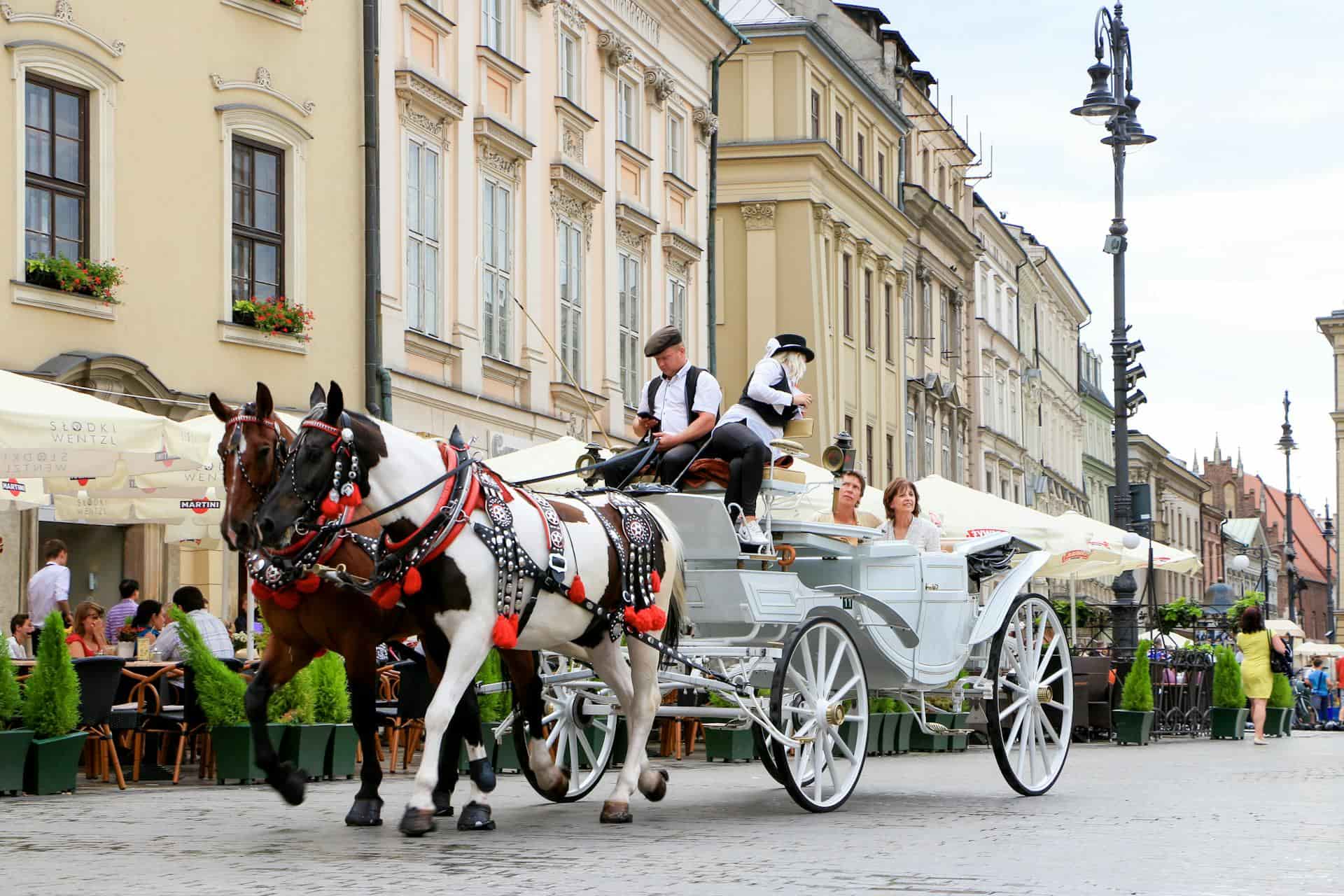
Polonia es un país marcado por la historia y la resiliencia, donde ciudades reconstruidas con detalle, barrios medievales y paisajes rurales transmiten una identidad fuerte y auténtica. Entre castillos, bosques y una vida urbana dinámica, ofrece un viaje profundo para quienes buscan descubrir Europa desde una mirada menos obvia.
Guía de viaje a Polonia 2026: Historia, ciudades y consejos prácticos
Polonia es un país marcado por la historia y la resiliencia, donde ciudades reconstruidas con detalle, barrios medievales y paisajes rurales transmiten una identidad fuerte y auténtica. Entre castillos, bosques y una vida urbana dinámica, ofrece un viaje profundo para quienes buscan descubrir Europa desde una mirada menos obvia.
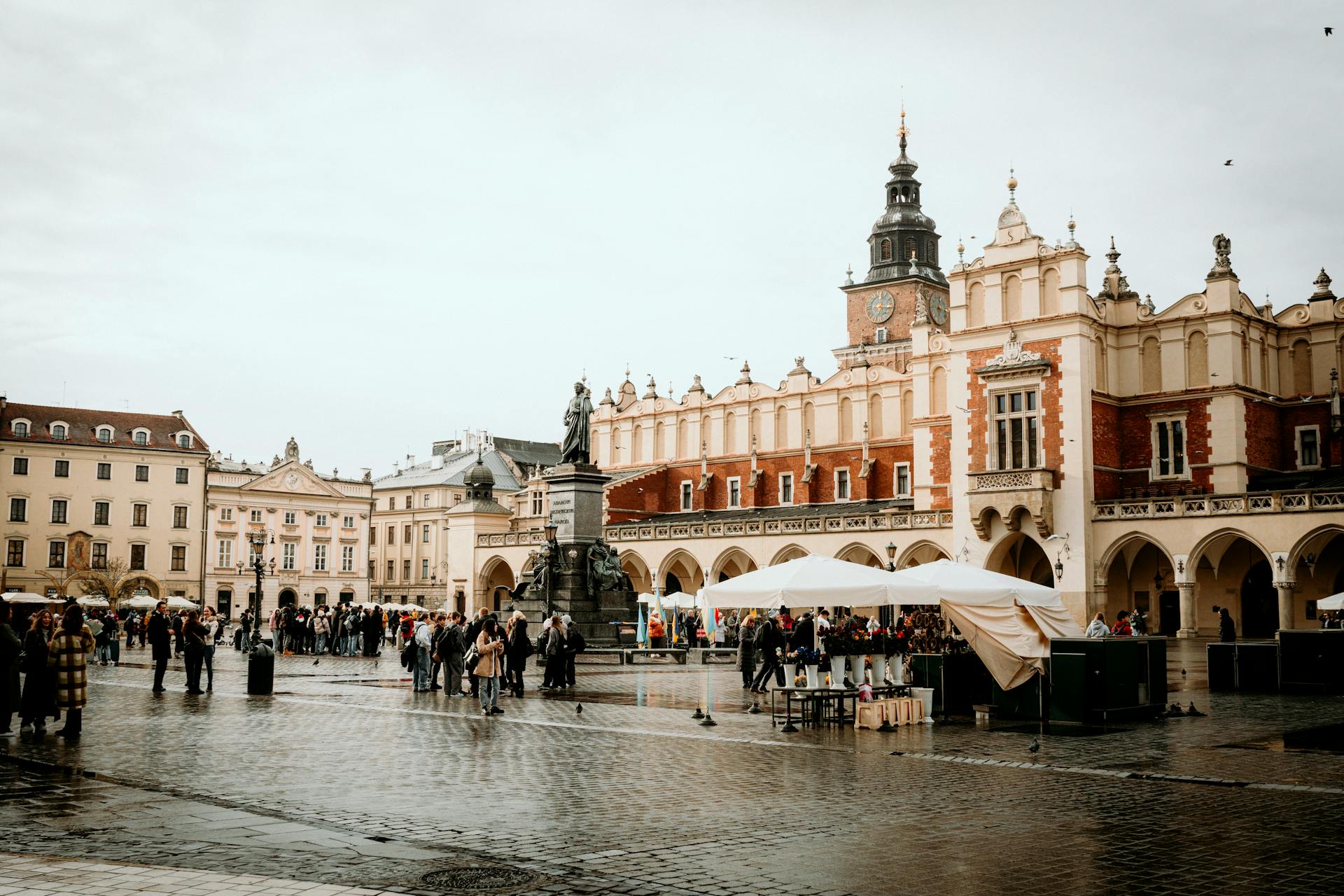
Viajar por Polonia es recorrer un país que supo reinventarse sin perder la memoria. Desde centros históricos reconstruidos con una precisión admirable tras la guerra hasta ciudades jóvenes y llenas de vida universitaria, el país combina pasado y presente de una forma muy particular. Es un destino ideal para viajar con calma, caminar mucho y sorprenderse con una infraestructura moderna que convive con tradiciones centenarias.
Destinos imperdibles
Polonia es sorprendentemente grande y diversa. Aquí los puntos que no pueden faltar:
- Cracovia (Kraków): La joya de la corona. Su casco medieval quedó intacto y tiene una energía joven única.
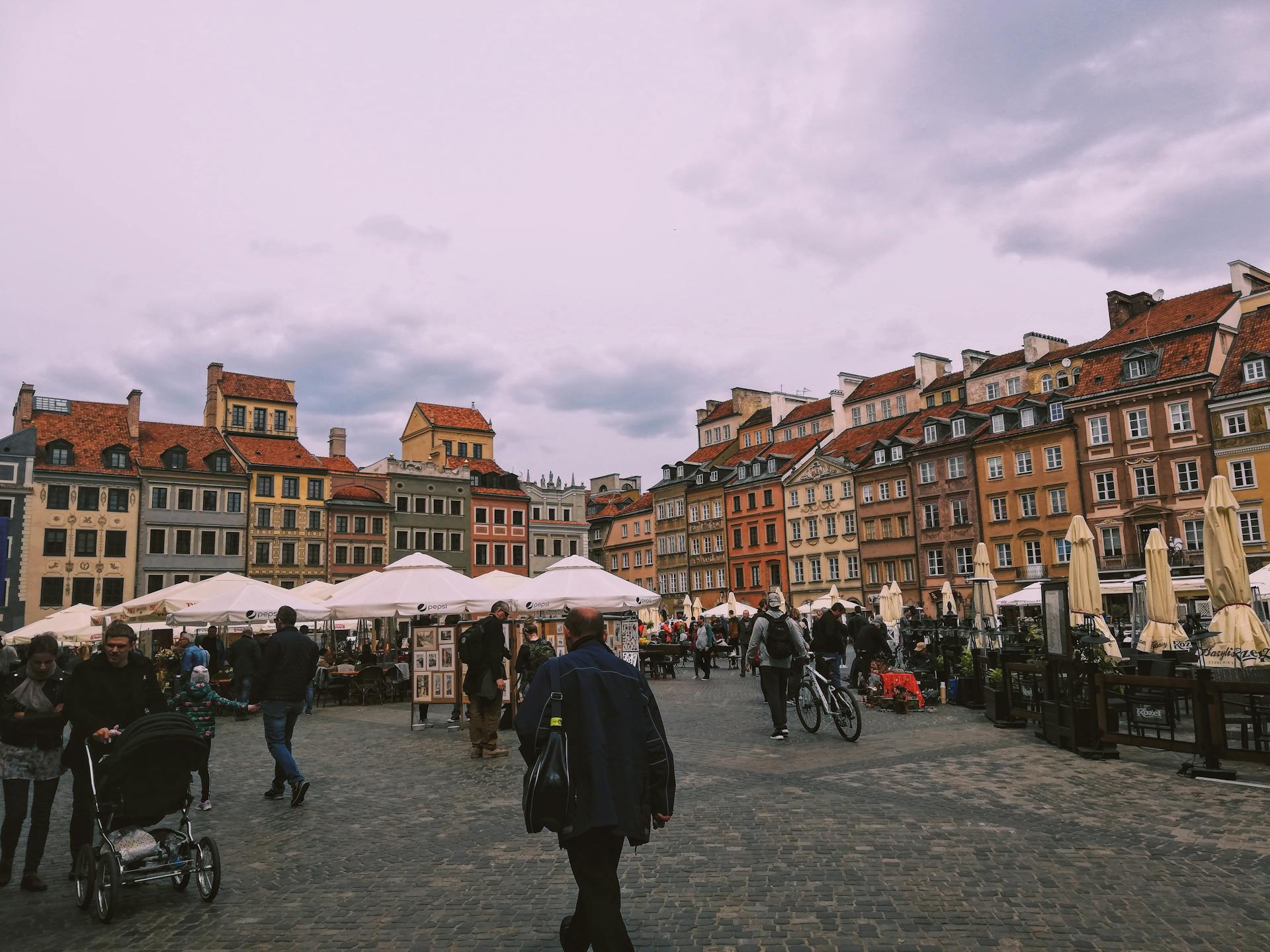
- Varsovia (Warszawa): Una capital que mezcla rascacielos modernos con un centro histórico reconstruido ladrillo a ladrillo.
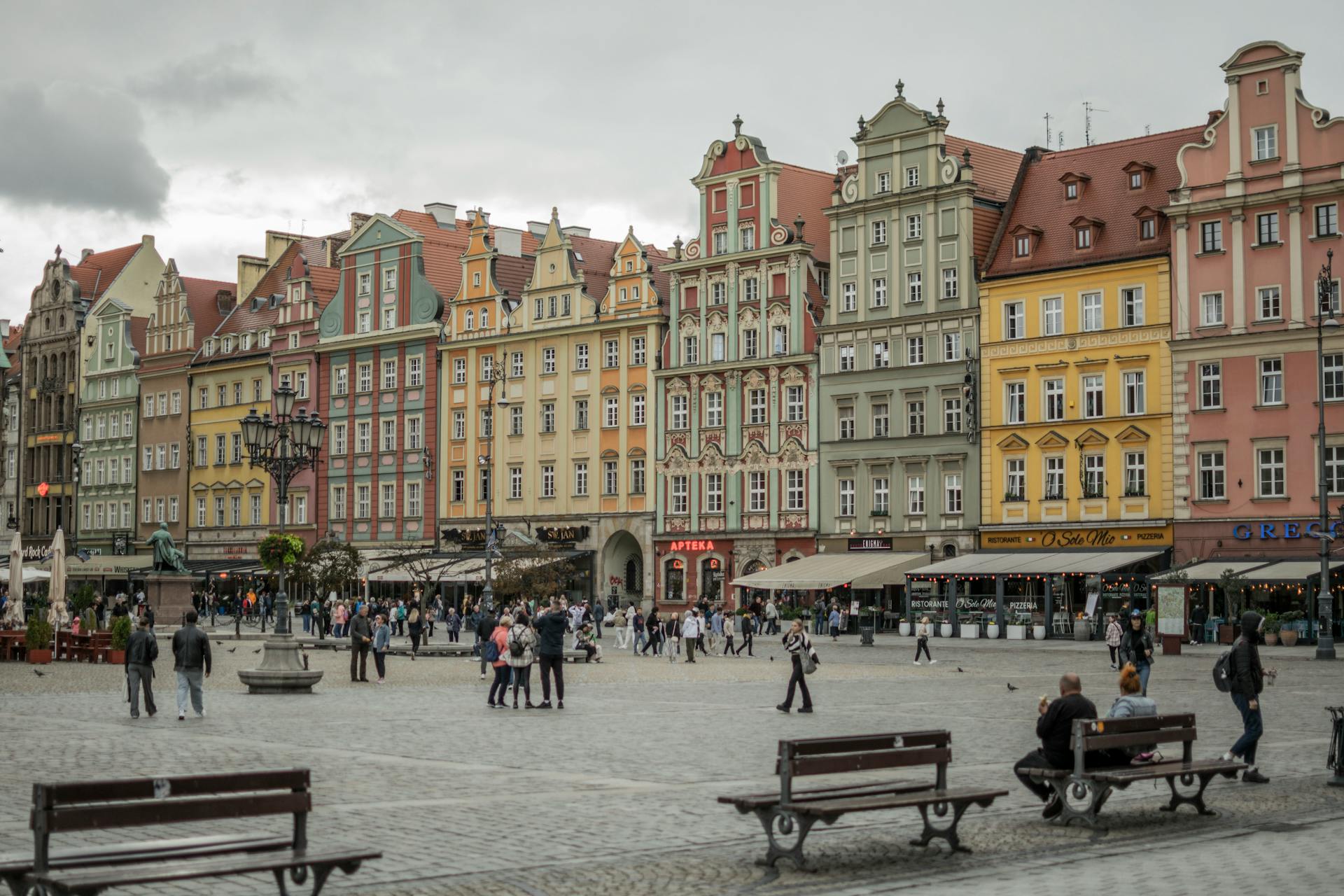
- Breslavia (Wrocław): La ciudad de los 100 puentes y los gnomos escondidos. Para muchos, la más linda del país.
- Dánzig (Gdańsk): Historia pura en el Báltico. Arquitectura colorida y cuna del movimiento Solidaridad.
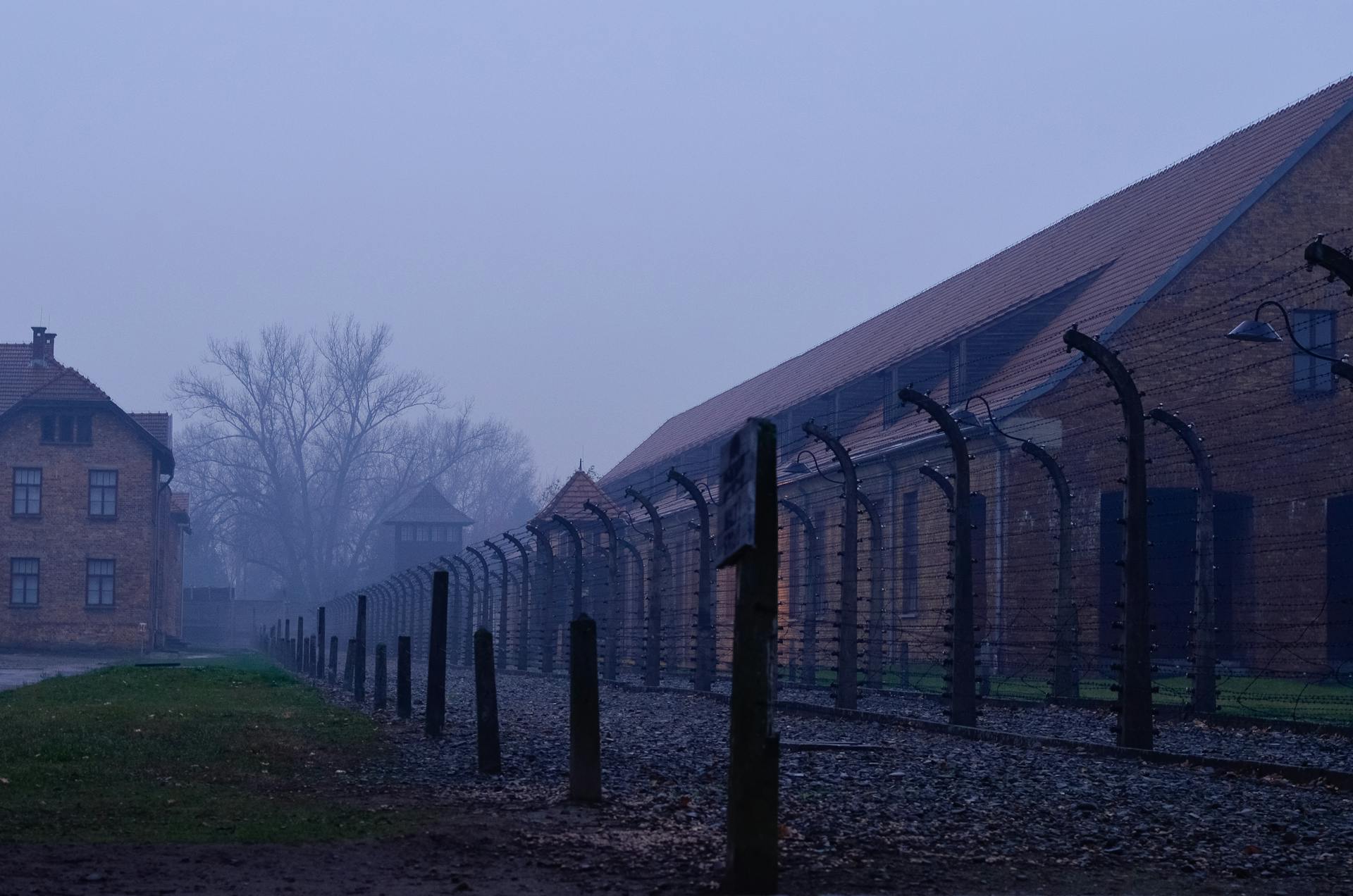
- Auschwitz-Birkenau: Una visita dura pero necesaria para entender la historia del siglo XX.
- Posnania (Poznań): Famosa por sus cabras mecánicas en el ayuntamiento y su vibrante plaza del mercado.
- Zakopane: La capital de invierno. Puerta de entrada a los Montes Tatra para hacer trekking o esquiar.
Qué comer: Tradición y "Milk Bars"
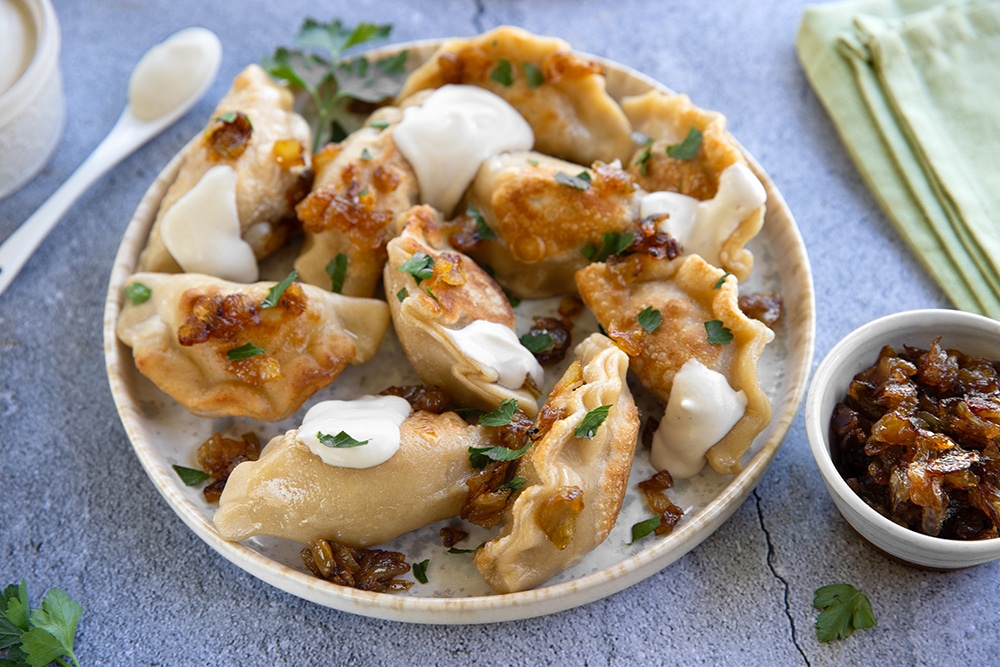
La comida polaca es sustanciosa y perfecta para el clima. Un dato clave: busca los Bar Mleczny (Milk Bars). Son cafeterías de la era comunista que hoy sirven comida casera, abundante y ridículamente barata.
- Pierogi: El plato estrella. Masas rellenas de queso y papa (Ruskie), carne o incluso frutas.
- Zurek: Sopa de centeno fermentado con salchicha y huevo, servida muchas veces dentro de un pan.
- Bigos: El "guiso del cazador", con repollo fermentado y varios tipos de carne.
- Zapiekanka: El street food nacional; una baguette abierta con champiñones, queso y salsa.
- Vodka y Cerveza: El vodka es parte de la cultura, pero la escena de cerveza artesanal en ciudades como Wroclaw y Varsovia es de las mejores de Europa.
Datos prácticos 2026
- Moneda: Zloty (PLN). Aunque están en la UE, no usan el Euro. Las tarjetas se aceptan en todos lados, incluso para comprar un chicle.
- Trenes (PKP): Funcionan excelente. Los trenes de alta velocidad (Pendolino) conectan Varsovia y Cracovia en poco más de 2 horas. Compra los tickets online con antelación para ahorrar mucho dinero.
- Apps Útiles: Descargate Jakdojade. Es una buena app para moverte en transporte público en cualquier ciudad polaca.
- Horarios: Los polacos almuerzan y cenan temprano. No esperes encontrar muchas cocinas abiertas después de las 21:00 fuera de las zonas de fiesta.
Mejor época para ir
- Primavera y Verano (Mayo - Septiembre): La mejor época. Los días son larguísimos y las ciudades se llenan de terrazas y festivales.
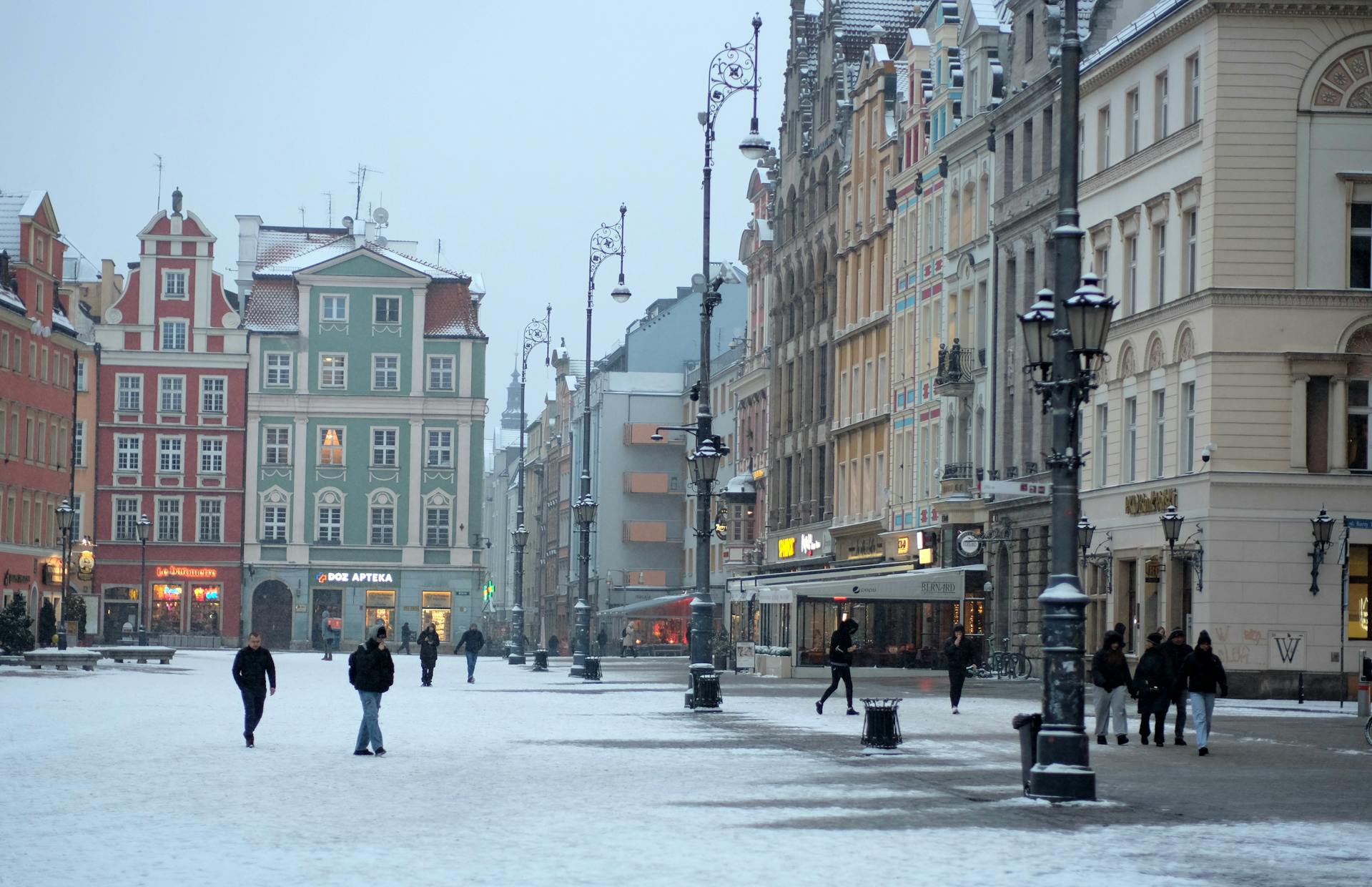
- Invierno (Diciembre): Si no te molesta el frío (puede bajar de -10°C), los mercados navideños de Cracovia y Wroclaw son de los más mágicos del continente.
Consejos de supervivencia
- Auschwitz: Reserva tu entrada con al menos 1 o 2 meses de anticipación en la web oficial; los cupos vuelan.
- Cruzar la calle: Sé muy respetuoso con los semáforos peatonales. La policía polaca es estricta y las multas por cruzar en rojo son comunes.
- Propinas: Se estila dejar un 10% si el servicio fue bueno. Si pagas con tarjeta, avisale al mozo cuánto quieres agregar antes de que pase la tarjeta.
- Idioma: Los jóvenes hablan inglés perfecto, pero en pueblos o con gente mayor, un "Dzień dobry" (buenos días) o "Dziękuję" (gracias) te abrirá muchas puertas.
Te puede interesar también
Polonia es sorprendentemente grande y diversa. Aquí los puntos que no pueden faltar:
- Cracovia (Kraków): La joya de la corona. Su casco medieval quedó intacto y tiene una energía joven única.
- Varsovia (Warszawa): Una capital que mezcla rascacielos modernos con un centro histórico reconstruido ladrillo a ladrillo.
- Breslavia (Wrocław): La ciudad de los 100 puentes y los gnomos escondidos. Para muchos, la más linda del país.
- Dánzig (Gdańsk): Historia pura en el Báltico. Arquitectura colorida y cuna del movimiento Solidaridad.
- Auschwitz-Birkenau: Una visita dura pero necesaria para entender la historia del siglo XX.
- Posnania (Poznań): Famosa por sus cabras mecánicas en el ayuntamiento y su vibrante plaza del mercado.
- Zakopane: La capital de invierno. Puerta de entrada a los Montes Tatra para hacer trekking o esquiar.
PUBLICIDAD
Travel with Data: Get your Saily eSIM
- ✓Internet in seconds upon landing
- ✓Flexible plans in 180+ countries
- ✓Easy setup directly via the App
La comida polaca es sustanciosa y perfecta para el clima. Un dato clave: busca los Bar Mleczny (Milk Bars). Son cafeterías de la era comunista que hoy sirven comida casera, abundante y ridículamente barata.
- Pierogi: El plato estrella. Masas rellenas de queso y papa (Ruskie), carne o incluso frutas.
- Zurek: Sopa de centeno fermentado con salchicha y huevo, servida muchas veces dentro de un pan.
- Bigos: El "guiso del cazador", con repollo fermentado y varios tipos de carne.
- Zapiekanka: El street food nacional; una baguette abierta con champiñones, queso y salsa.
- Vodka y Cerveza: El vodka es parte de la cultura, pero la escena de cerveza artesanal en ciudades como Wroclaw y Varsovia es de las mejores de Europa.
- Moneda: Zloty (PLN). Aunque están en la UE, no usan el Euro. Las tarjetas se aceptan en todos lados, incluso para comprar un chicle.
- Trenes (PKP): Funcionan excelente. Los trenes de alta velocidad (Pendolino) conectan Varsovia y Cracovia en poco más de 2 horas. Compra los tickets online con antelación para ahorrar mucho dinero.
- Apps Útiles: Descargate Jakdojade. Es una buena app para moverte en transporte público en cualquier ciudad polaca.
- Horarios: Los polacos almuerzan y cenan temprano. No esperes encontrar muchas cocinas abiertas después de las 21:00 fuera de las zonas de fiesta.
- Primavera y Verano (Mayo - Septiembre): La mejor época. Los días son larguísimos y las ciudades se llenan de terrazas y festivales.
- Invierno (Diciembre): Si no te molesta el frío (puede bajar de -10°C), los mercados navideños de Cracovia y Wroclaw son de los más mágicos del continente.
- Auschwitz: Reserva tu entrada con al menos 1 o 2 meses de anticipación en la web oficial; los cupos vuelan.
- Cruzar la calle: Sé muy respetuoso con los semáforos peatonales. La policía polaca es estricta y las multas por cruzar en rojo son comunes.
- Propinas: Se estila dejar un 10% si el servicio fue bueno. Si pagas con tarjeta, avisale al mozo cuánto quieres agregar antes de que pase la tarjeta.
- Idioma: Los jóvenes hablan inglés perfecto, pero en pueblos o con gente mayor, un "Dzień dobry" (buenos días) o "Dziękuję" (gracias) te abrirá muchas puertas.
PUBLICIDAD
International Travel Insurance
- ✓International medical insurance
- ✓24/7 immediate assistance in your language
- ✓Ideal for trekking & adventure
Posts in Polonia
Preferences
Language
Color
Text
Width