Table of contents and map
Paracas Guide 2026: Ballestas Islands, National Reserve, and Tips
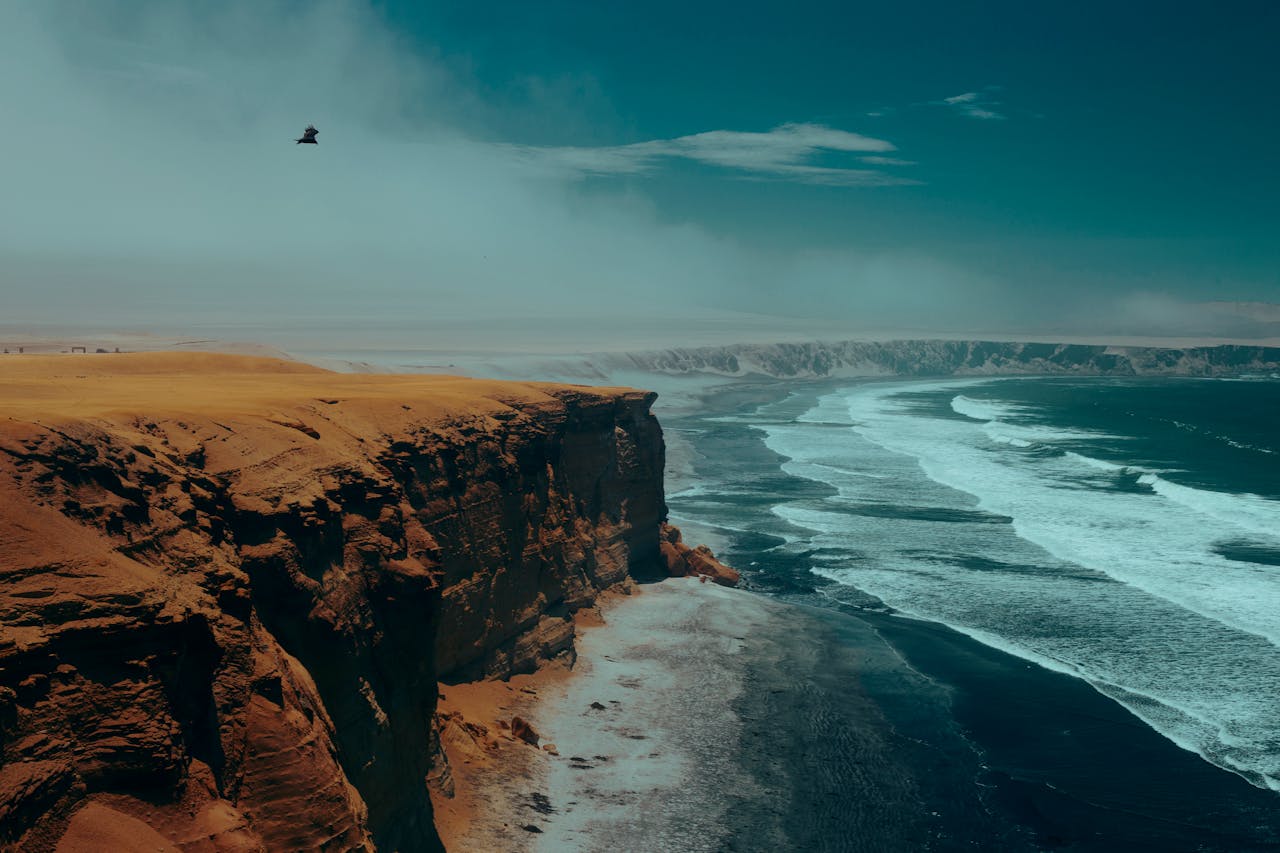
Unlike other beach destinations, Paracas is not about classic relaxation; it is about observing nature and exploring open landscapes, often swept by the wind and the sea.
Paracas Guide 2026: Ballestas Islands, National Reserve, and Tips
Unlike other beach destinations, Paracas is not about classic relaxation; it is about observing nature and exploring open landscapes, often swept by the wind and the sea.
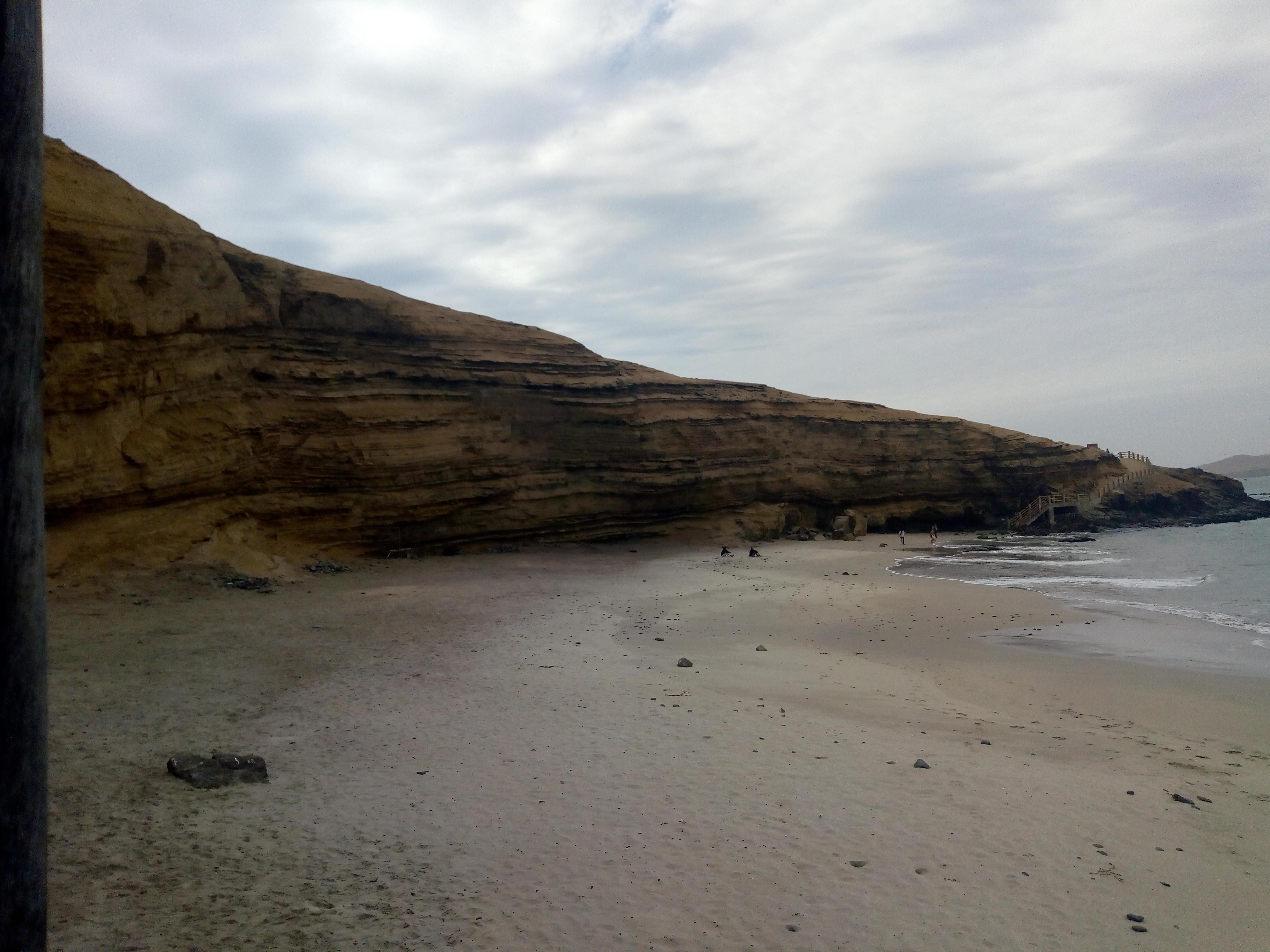
Paracas is enjoyed by exploring its natural environment. Its desert landscapes that meet the sea, marine wildlife, and coastal viewpoints make the experience different from a traditional beach. Beyond the small, relaxed town, the area invites you to discover the National Reserve, the Ballestas Islands, and unique beaches with memorable scenery.
What to See and Do in Paracas: Must-Sees
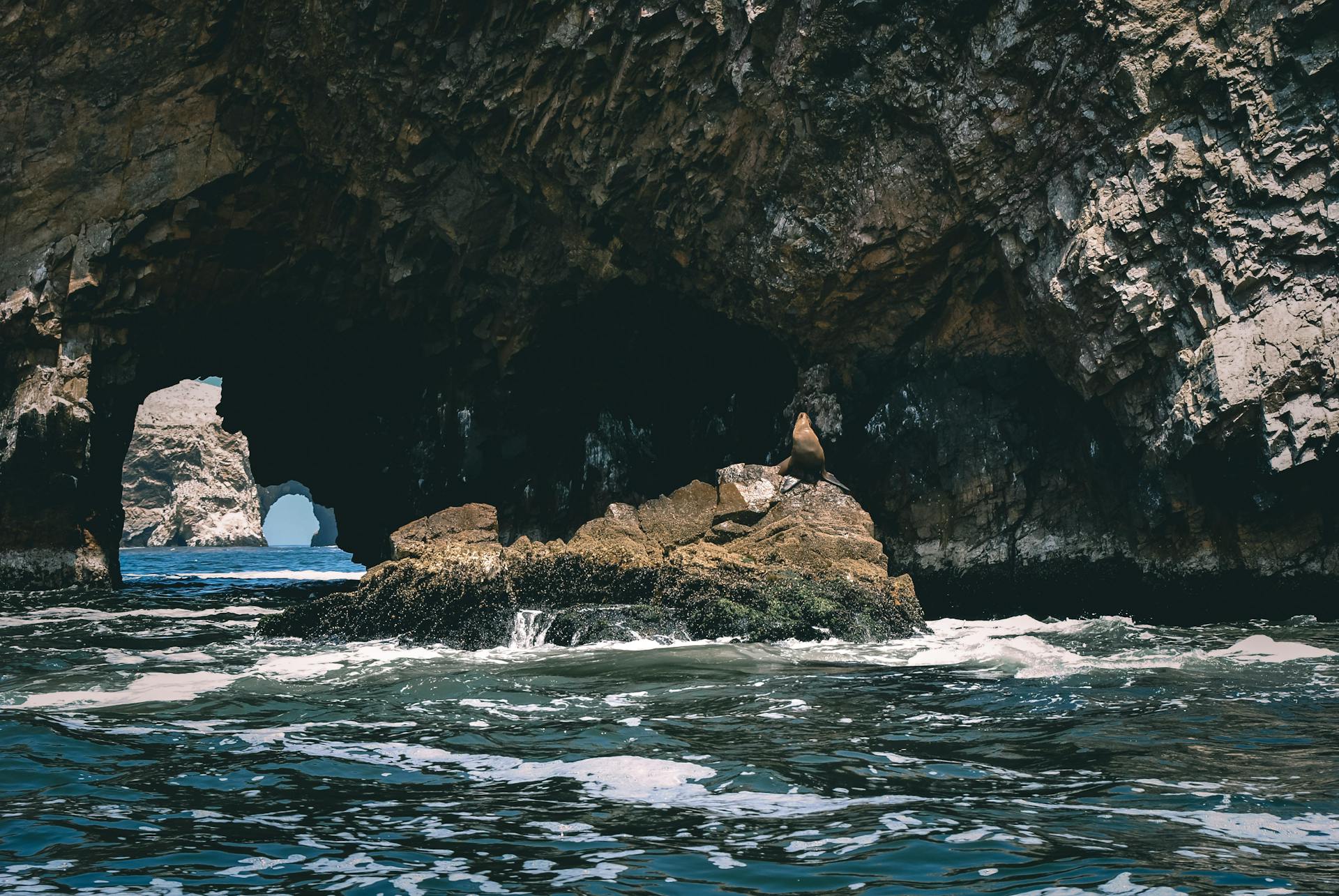
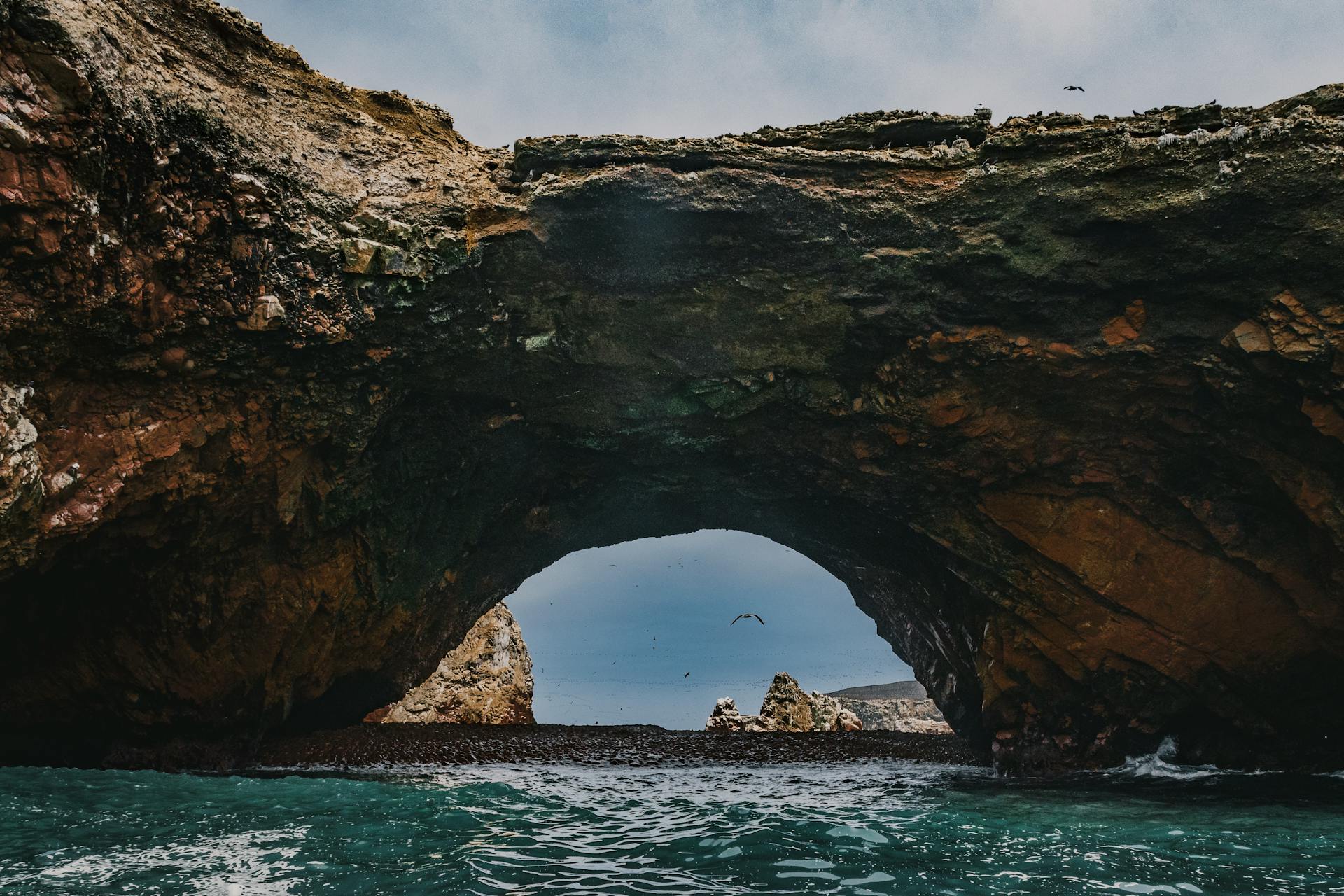
- Ballestas Islands – Known as the "Peruvian Galápagos." On a 2-hour boat tour, you will see sea lions, Humboldt penguins, and thousands of guano birds.
- The Candelabra – A giant geoglyph over 180 meters high etched into the sand. It can only be properly appreciated from the sea on the way to the Ballestas.
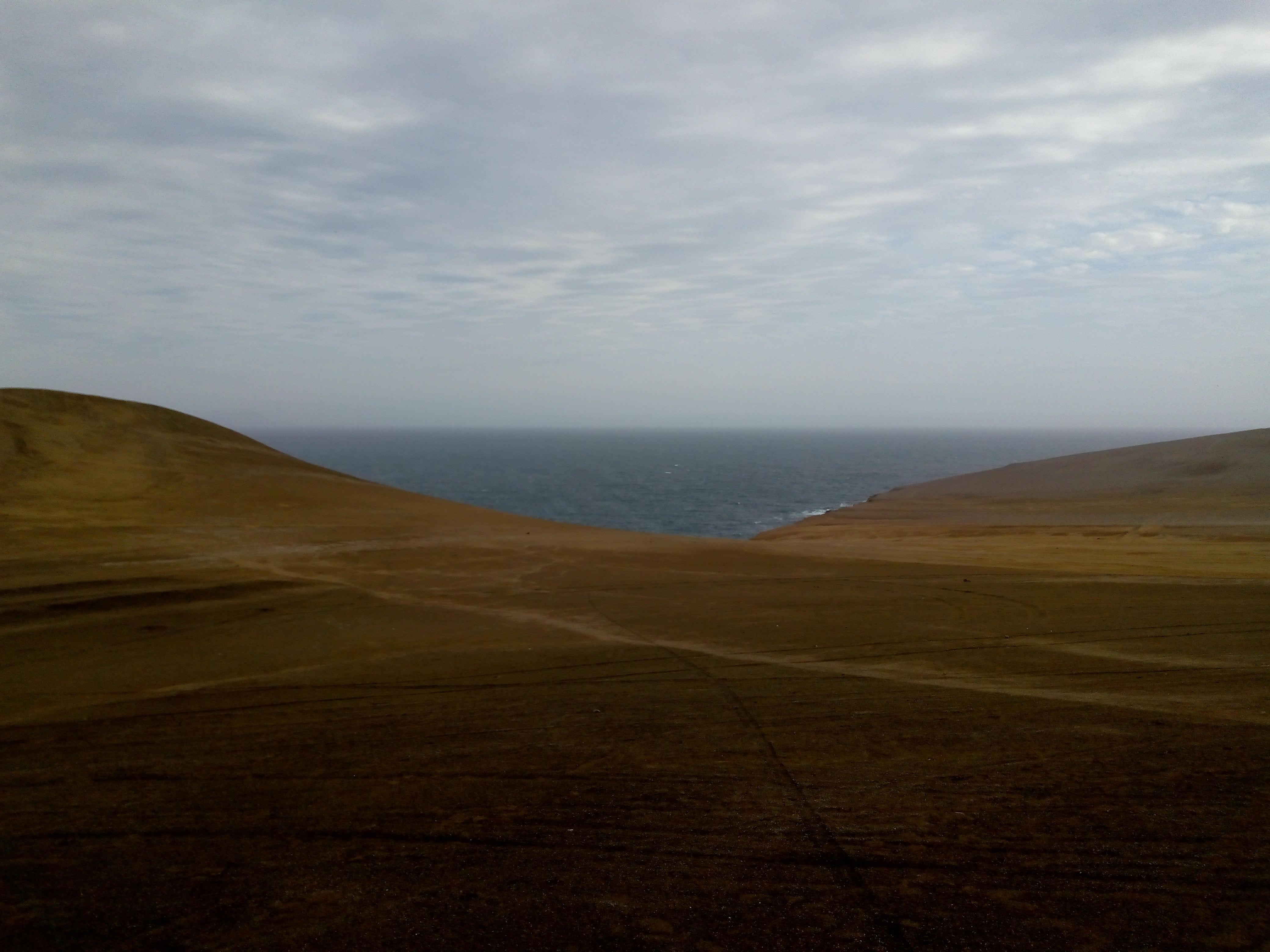
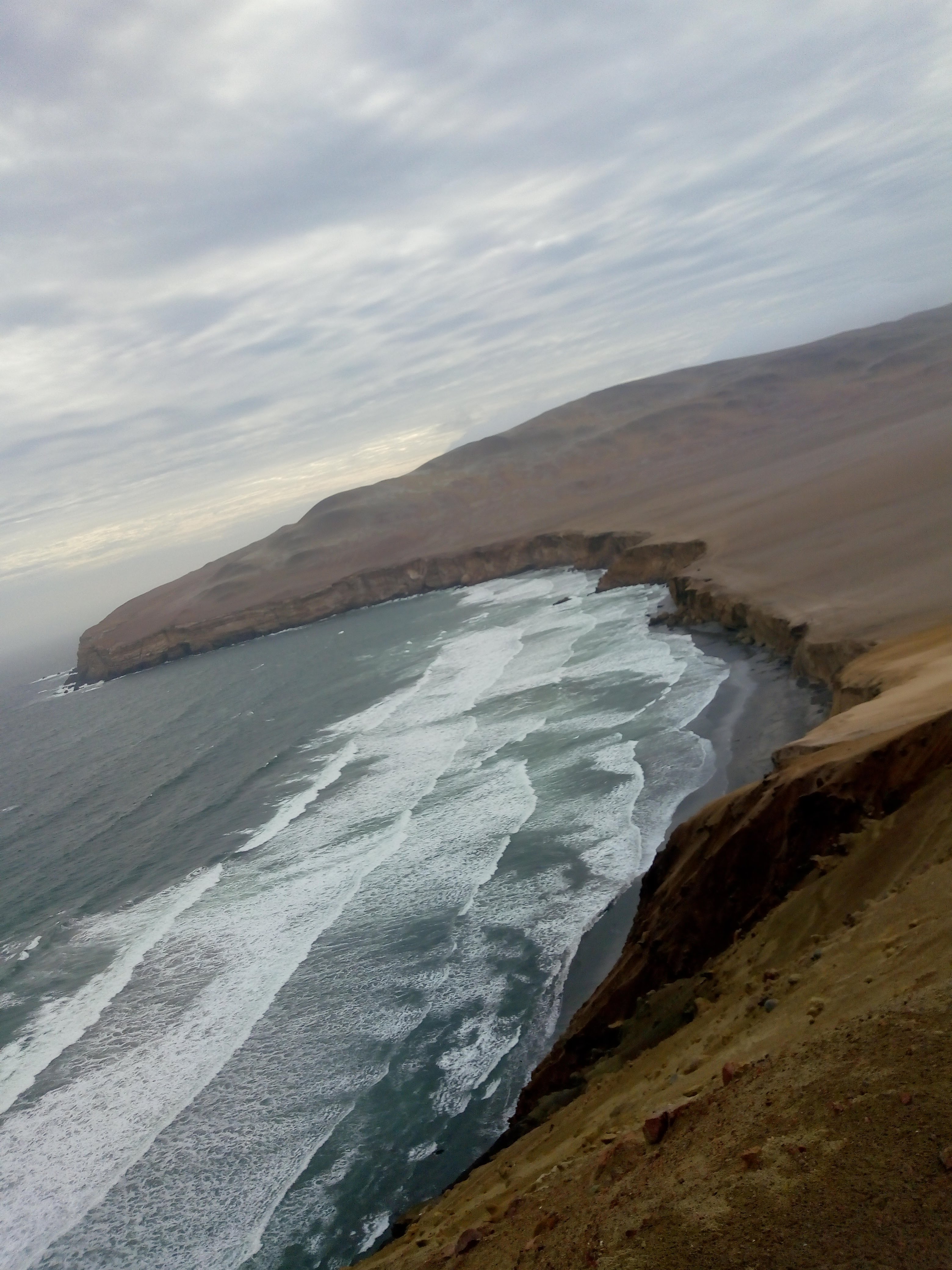
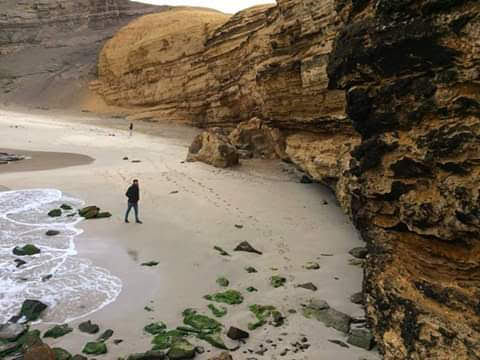
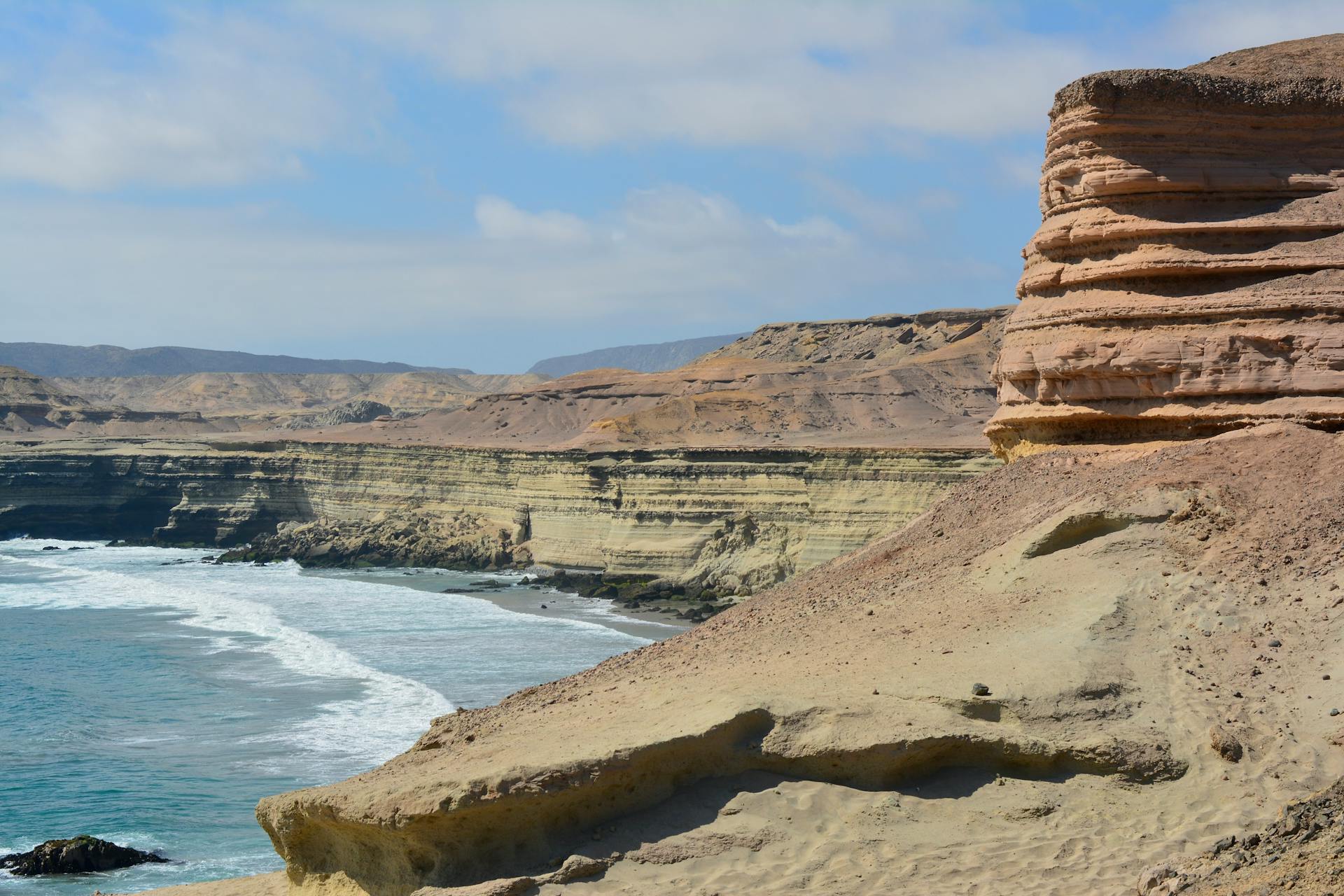
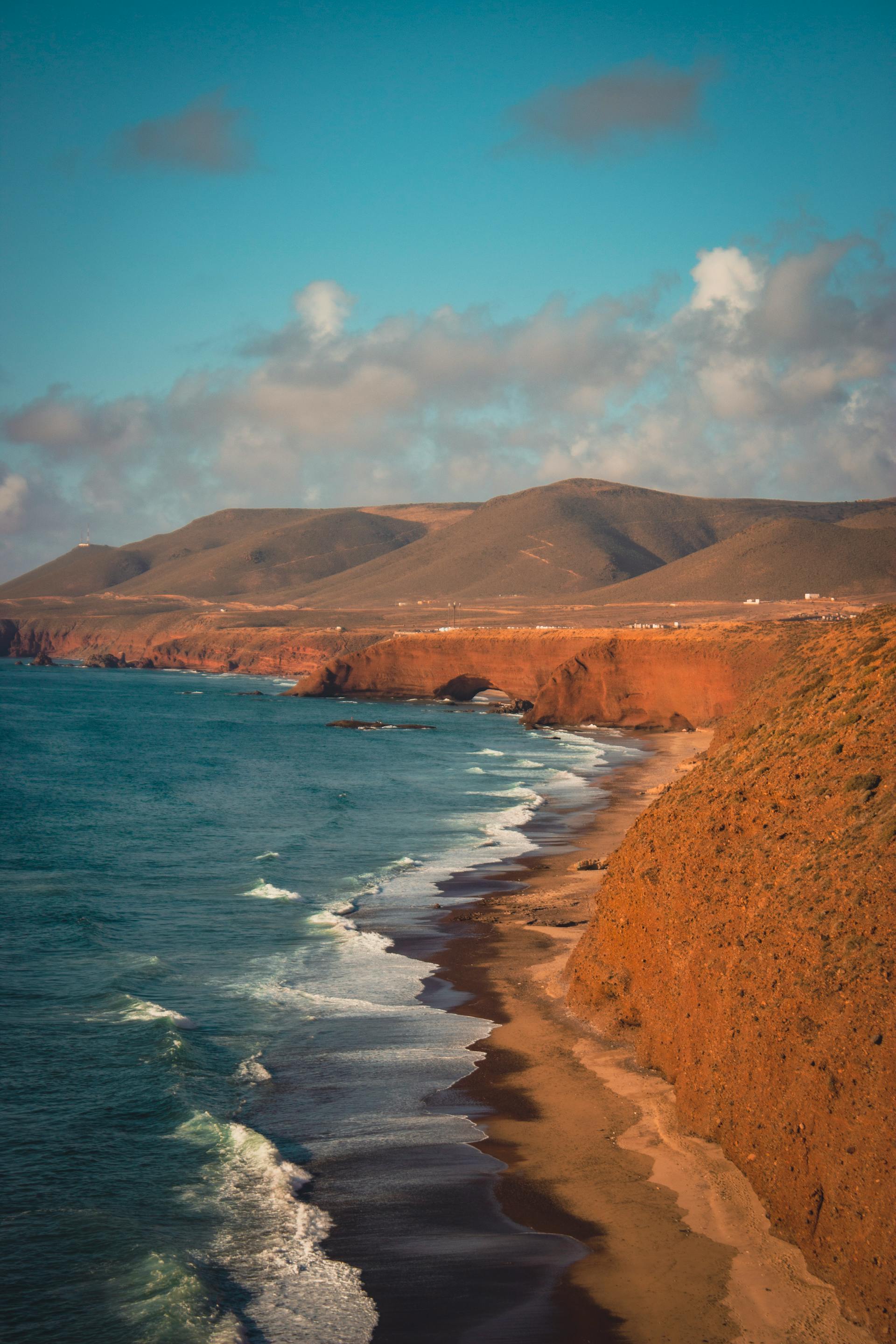
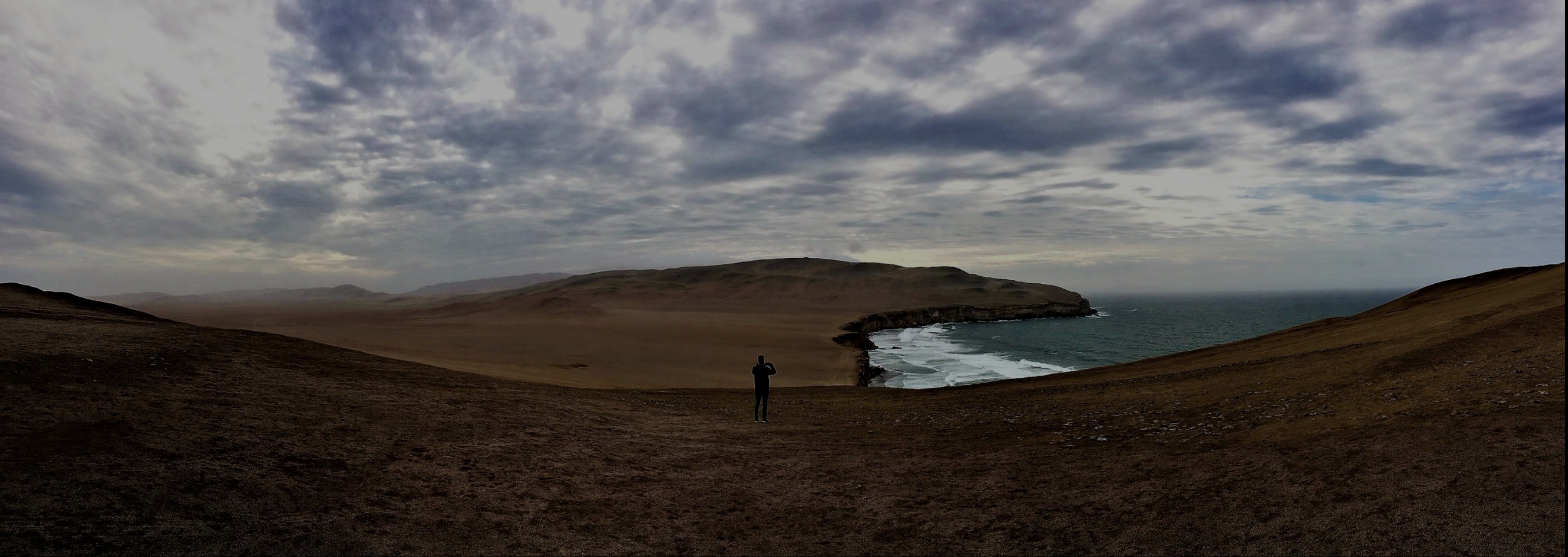
- Paracas National Reserve – A protected coastal desert. This is where the colors of the desert (yellow, ocher, red) contrast with the deep blue of the Pacific.
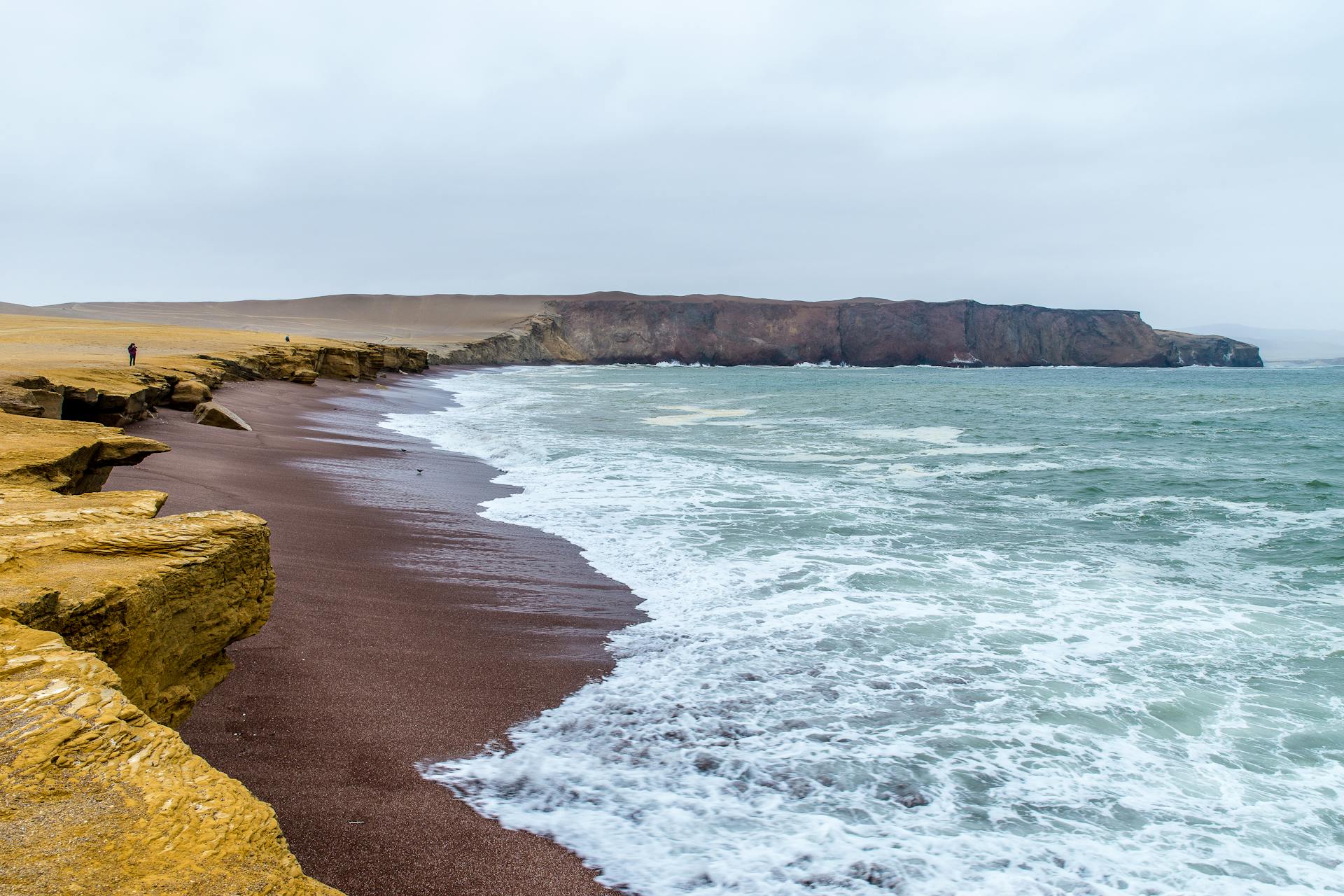
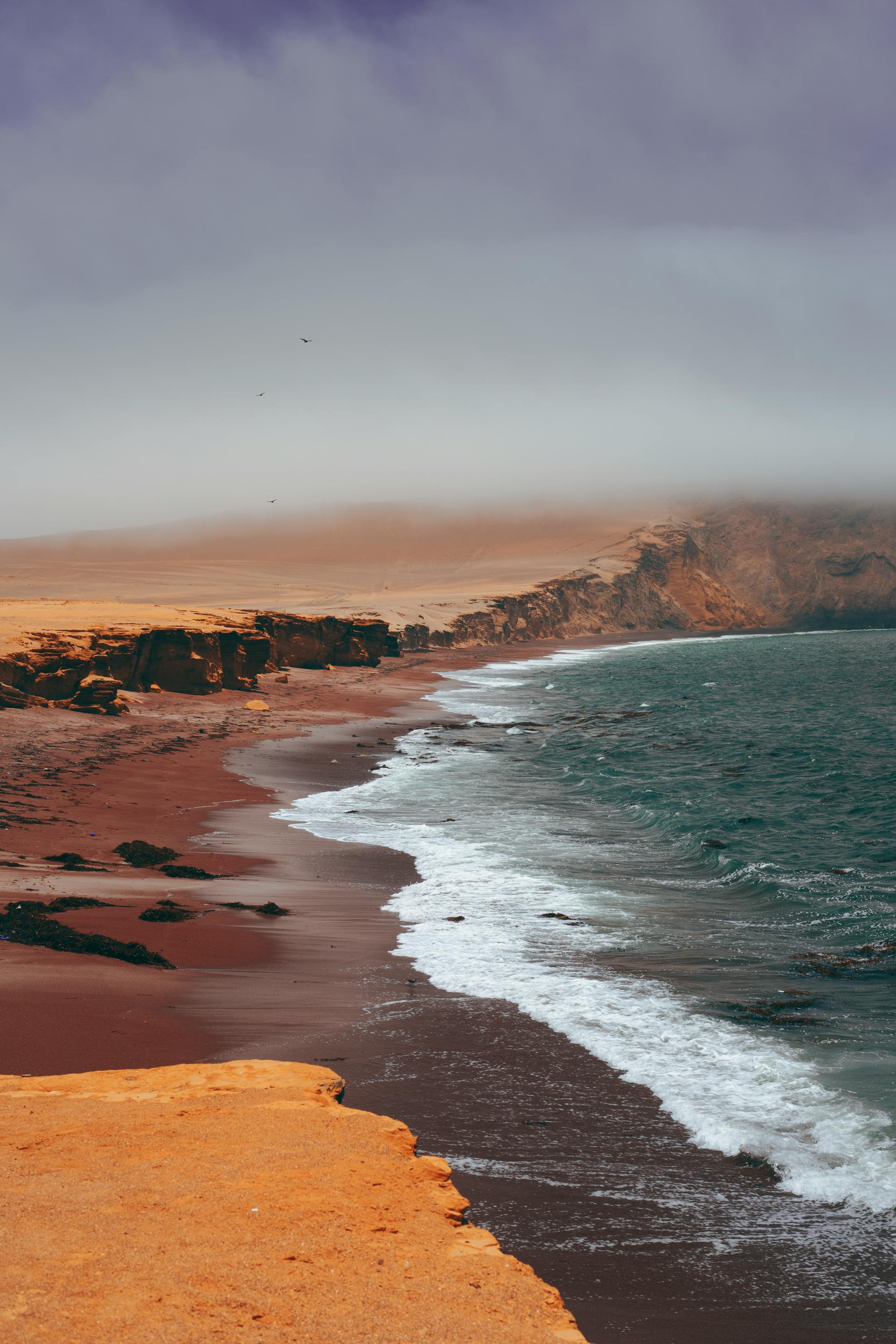
- Red Beach (Playa Roja) – The color of its sand is due to the erosion of nearby igneous rocks. It is one of the most photogenic and unique landscapes on the Peruvian coast.
- La Mina Beach – One of the few beaches in the reserve where swimming is allowed. Its waters are calm, turquoise, and ideal for spending a few hours in the sun.
Where to Stay: Town vs. Bay
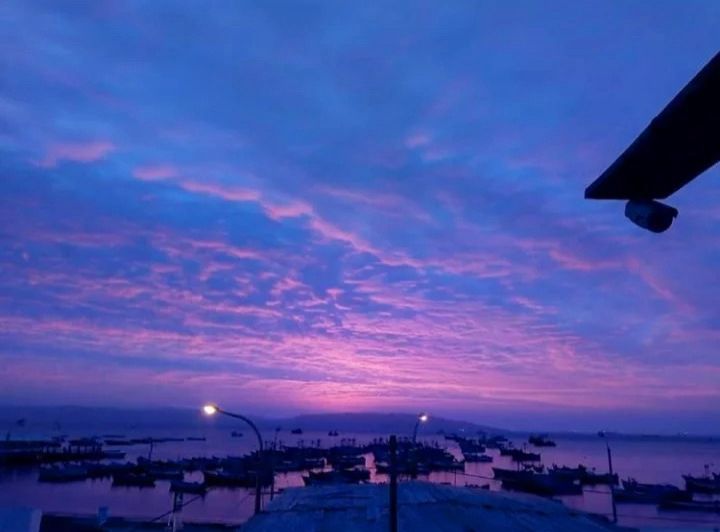
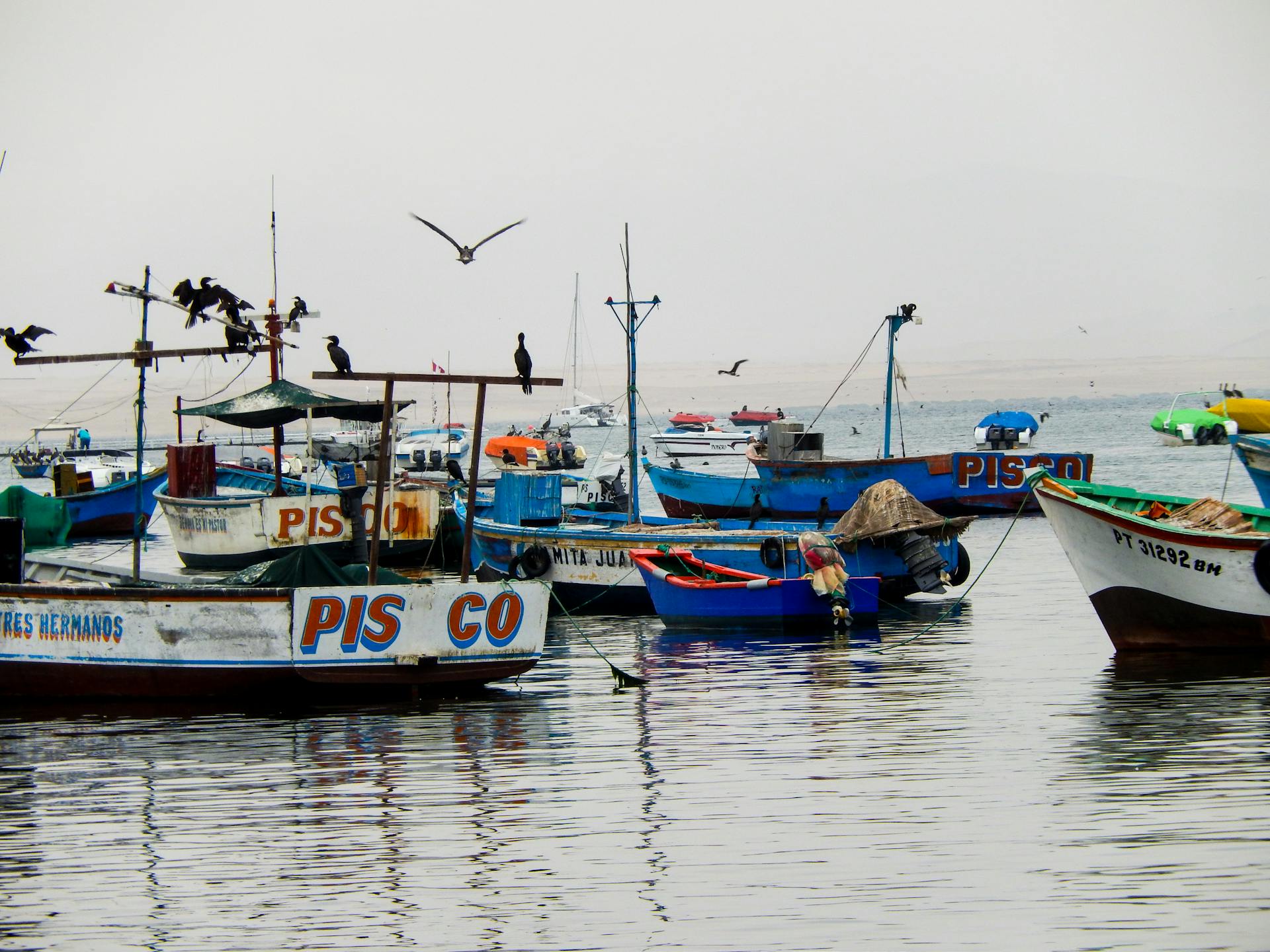
- El Chaco (Town): This is the heart of the action. Here you will find hostels, most restaurants, and the main pier. Ideal for backpacker budgets or if you want everything within reach.
- The Bay (Resort Area): Slightly further from the pier noise, where luxury hotels with oceanfront pools are located. Ideal for those seeking total relaxation after exploring the reserve.
What to Do in Paracas: Experiences
- Explore the Reserve by Bike or ATV – An active and fun way to see the viewpoints. If you go by bike, keep in mind that the wind can be very strong.
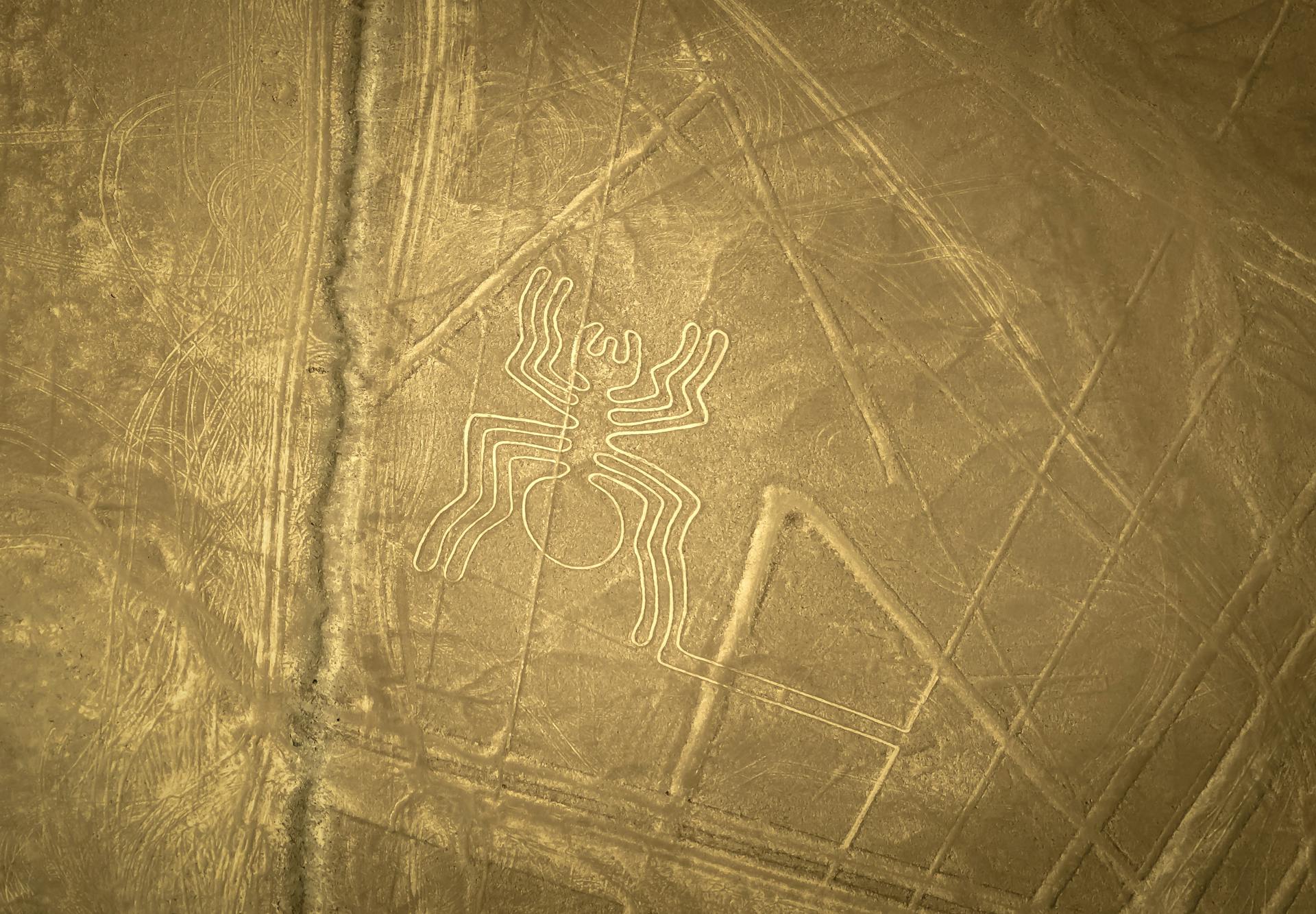
- Flight over the Nazca Lines – Many travelers use Paracas as a base to take a small plane from Pisco Airport (closer than going all the way to Nazca).
- Dawn Kayaking – If the sea is calm, paddling through the bay is the best way to see flamingos (parihuanas) in their natural habitat.
Suggested Itinerary (2 Days)
- Day 1: Arrival and afternoon exploring the National Reserve (viewpoints and Red Beach) to catch the sunset.
- Day 2: Tour to the Ballestas Islands early in the morning (8:00 AM) and then departure to Ica/Huacachina (only 1 hour and 15 minutes away).
What to Eat in Paracas
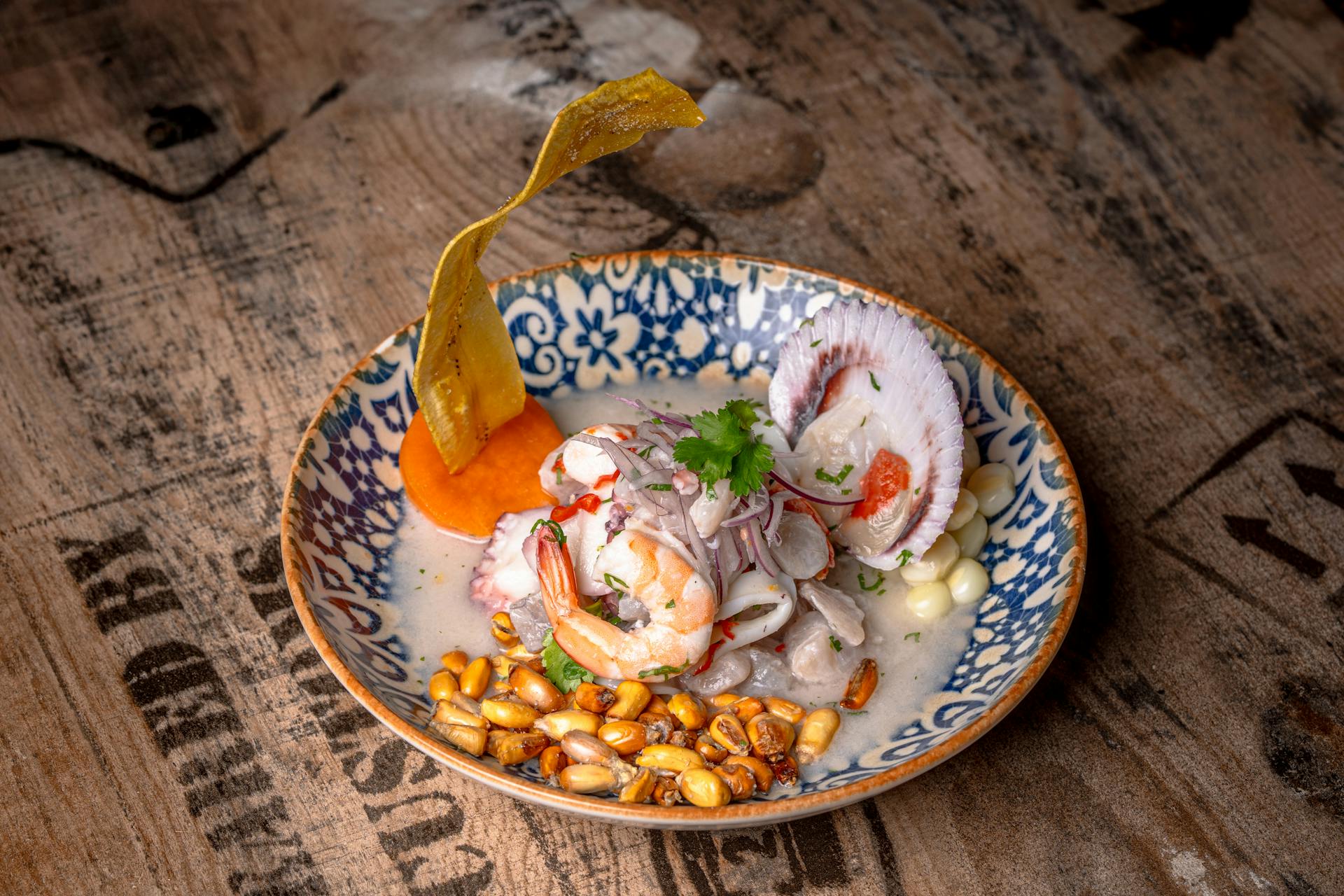
- Ceviche and Tiradito – The freshness of the fish in Paracas is unbeatable.
- Arroz con Mariscos – A hearty classic for after the tours.
- Leche de Tigre – Perfect as a mid-morning snack near the El Chaco pier.
- Parihuela – A thick and powerful seafood soup, ideal if the wind cools down the afternoon.
2026 Tips and Characteristics
- The "Paracas" Wind: A phenomenon of strong winds (can exceed 50 km/h). Occasionally, if the wind is too strong, the harbor master closes the pier and Ballestas tours are canceled.
- Ballestas Schedule: Tours only depart in the morning (8:00 AM and 10:00 AM) because the sea becomes too rough later in the day.
- Sun Protection: The desert sun burns even with a cool breeze. Use sunscreen and sunglasses (sand blows around a lot).
- Tourist Fee: Remember that additional fees are paid to enter the Reserve and the Islands, which are not always included in the tour price.
Our Experience Traveling in Paracas
Paracas is enjoyed calmly and without city expectations. Its open landscapes, the sound of the wind, and the presence of the sea create a very special sense of isolation. It is a perfect complement to Ica and Huacachina, adding nature and wildlife to a journey through southern Peru. A short destination, but with a clear identity and landscapes that stay in your memory.
- Ballestas Islands – Known as the "Peruvian Galápagos." On a 2-hour boat tour, you will see sea lions, Humboldt penguins, and thousands of guano birds.
- The Candelabra – A giant geoglyph over 180 meters high etched into the sand. It can only be properly appreciated from the sea on the way to the Ballestas.
- Paracas National Reserve – A protected coastal desert. This is where the colors of the desert (yellow, ocher, red) contrast with the deep blue of the Pacific.
- Red Beach (Playa Roja) – The color of its sand is due to the erosion of nearby igneous rocks. It is one of the most photogenic and unique landscapes on the Peruvian coast.
- La Mina Beach – One of the few beaches in the reserve where swimming is allowed. Its waters are calm, turquoise, and ideal for spending a few hours in the sun.
PUBLICIDAD
Travel with Data: Get your Saily eSIM
- ✓Internet in seconds upon landing
- ✓Flexible plans in 180+ countries
- ✓Easy setup directly via the App
- El Chaco (Town): This is the heart of the action. Here you will find hostels, most restaurants, and the main pier. Ideal for backpacker budgets or if you want everything within reach.
- The Bay (Resort Area): Slightly further from the pier noise, where luxury hotels with oceanfront pools are located. Ideal for those seeking total relaxation after exploring the reserve.
- Explore the Reserve by Bike or ATV – An active and fun way to see the viewpoints. If you go by bike, keep in mind that the wind can be very strong.
- Flight over the Nazca Lines – Many travelers use Paracas as a base to take a small plane from Pisco Airport (closer than going all the way to Nazca).
- Dawn Kayaking – If the sea is calm, paddling through the bay is the best way to see flamingos (parihuanas) in their natural habitat.
- Day 1: Arrival and afternoon exploring the National Reserve (viewpoints and Red Beach) to catch the sunset.
- Day 2: Tour to the Ballestas Islands early in the morning (8:00 AM) and then departure to Ica/Huacachina (only 1 hour and 15 minutes away).
- Ceviche and Tiradito – The freshness of the fish in Paracas is unbeatable.
- Arroz con Mariscos – A hearty classic for after the tours.
- Leche de Tigre – Perfect as a mid-morning snack near the El Chaco pier.
- Parihuela – A thick and powerful seafood soup, ideal if the wind cools down the afternoon.
- The "Paracas" Wind: A phenomenon of strong winds (can exceed 50 km/h). Occasionally, if the wind is too strong, the harbor master closes the pier and Ballestas tours are canceled.
- Ballestas Schedule: Tours only depart in the morning (8:00 AM and 10:00 AM) because the sea becomes too rough later in the day.
- Sun Protection: The desert sun burns even with a cool breeze. Use sunscreen and sunglasses (sand blows around a lot).
- Tourist Fee: Remember that additional fees are paid to enter the Reserve and the Islands, which are not always included in the tour price.
PUBLICIDAD
Paracas is enjoyed calmly and without city expectations. Its open landscapes, the sound of the wind, and the presence of the sea create a very special sense of isolation. It is a perfect complement to Ica and Huacachina, adding nature and wildlife to a journey through southern Peru. A short destination, but with a clear identity and landscapes that stay in your memory.
Galery

PUBLICIDAD
International Travel Insurance
- ✓International medical insurance
- ✓24/7 immediate assistance in your language
- ✓Ideal for trekking & adventure
Posts in Peru
Preferences
Language
Color
Text
Width