Table of contents and map
Machu Picchu Guide 2026: New Circuits, Tickets, and Expert Tips
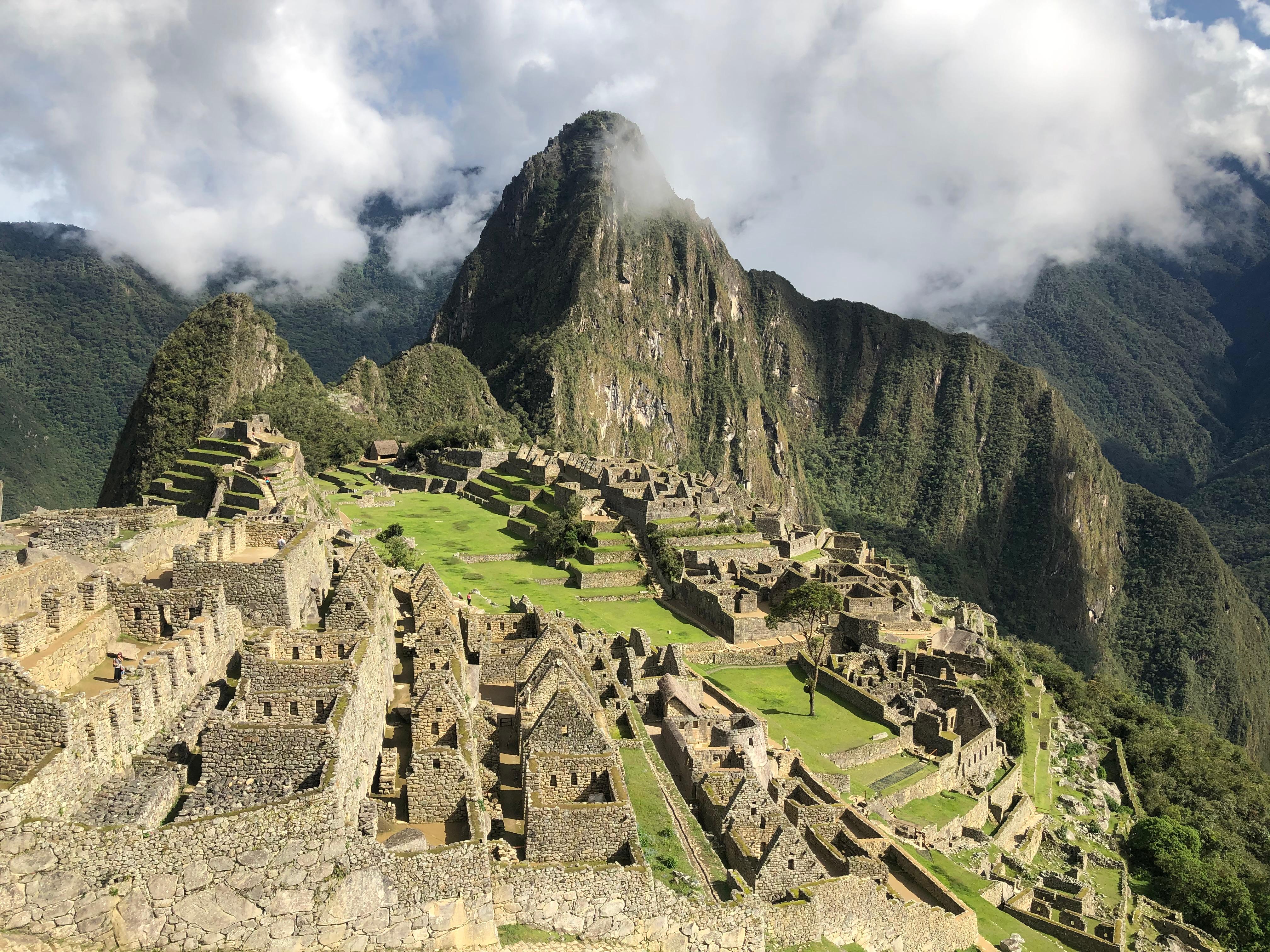
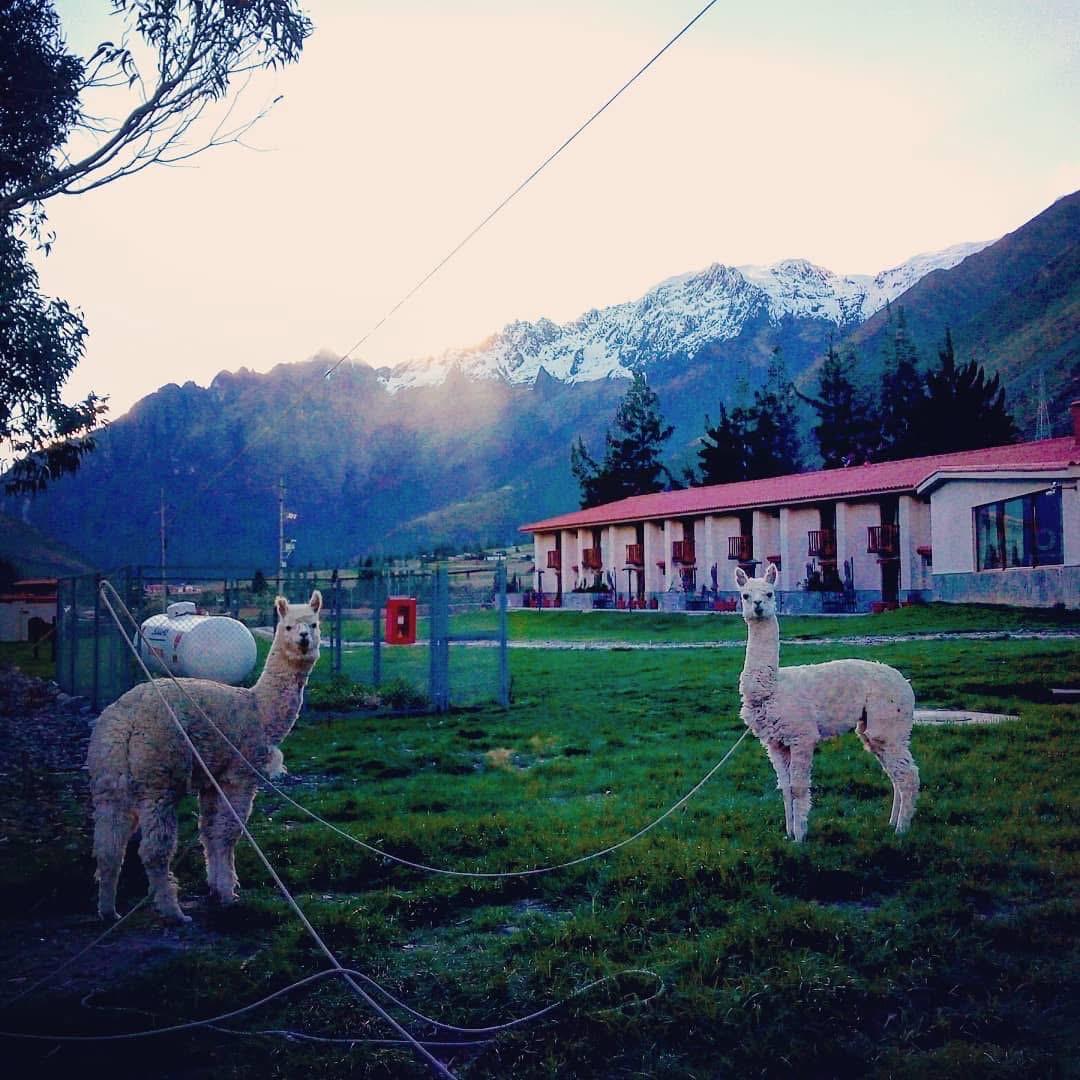
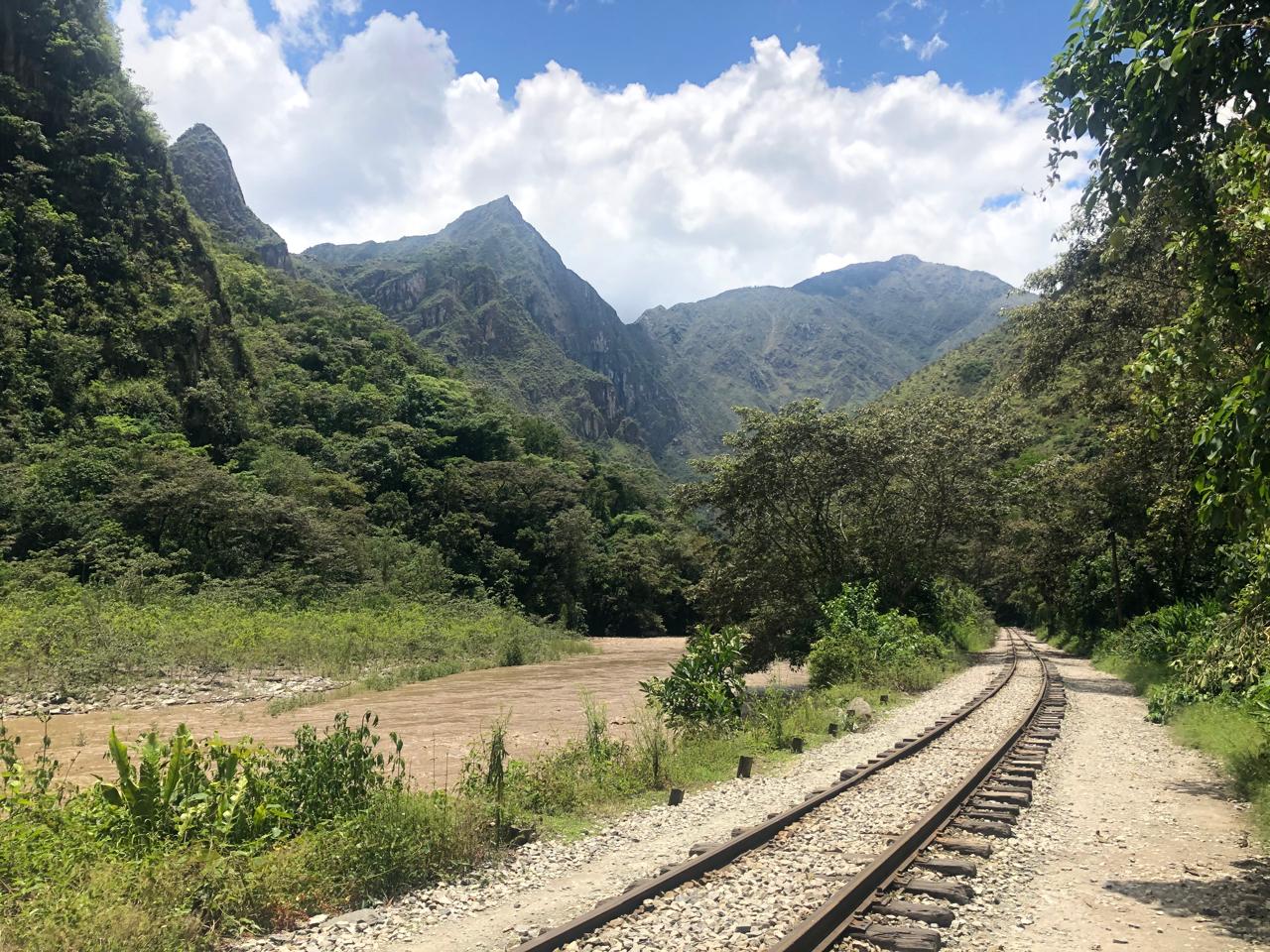
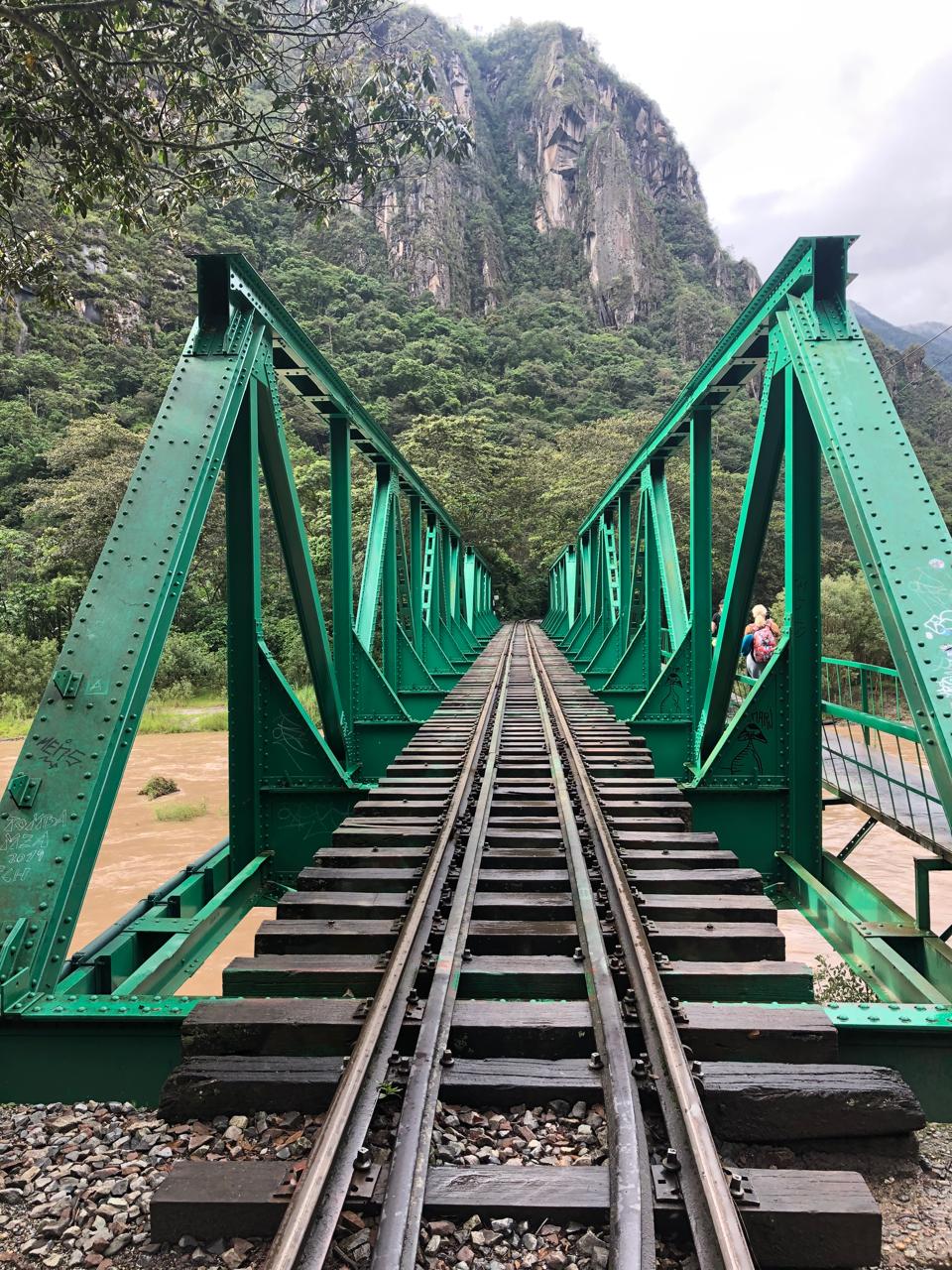
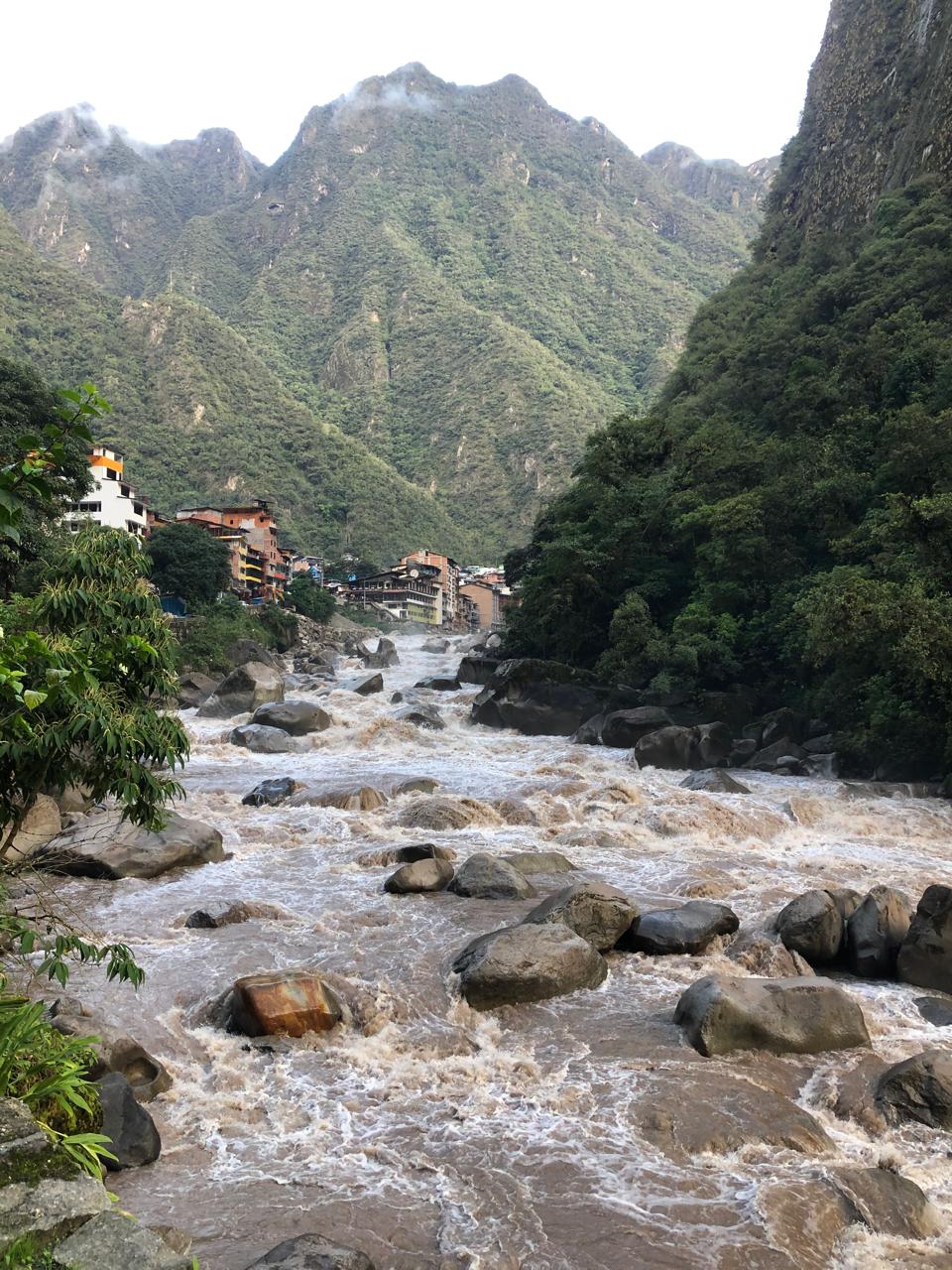
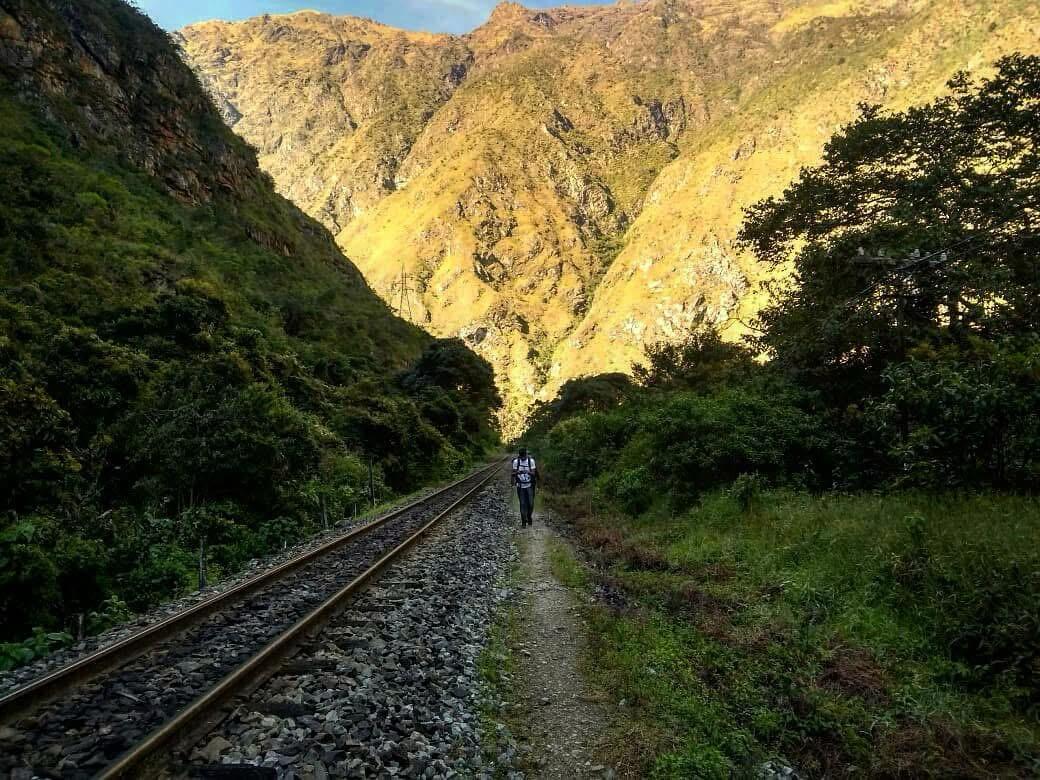
Machu Picchu is one of those places that exceeds any prior expectations. Located high in the Peruvian Andes, this ancient Inca city combines history, engineering, and nature in a way that is difficult to explain with words. Getting there is already part of the journey: trains, mountains, rivers, and paths that anticipate what is to come.
Machu Picchu Guide 2026: New Circuits, Tickets, and Expert Tips
Machu Picchu is one of those places that exceeds any prior expectations. Located high in the Peruvian Andes, this ancient Inca city combines history, engineering, and nature in a way that is difficult to explain with words. Getting there is already part of the journey: trains, mountains, rivers, and paths that anticipate what is to come.
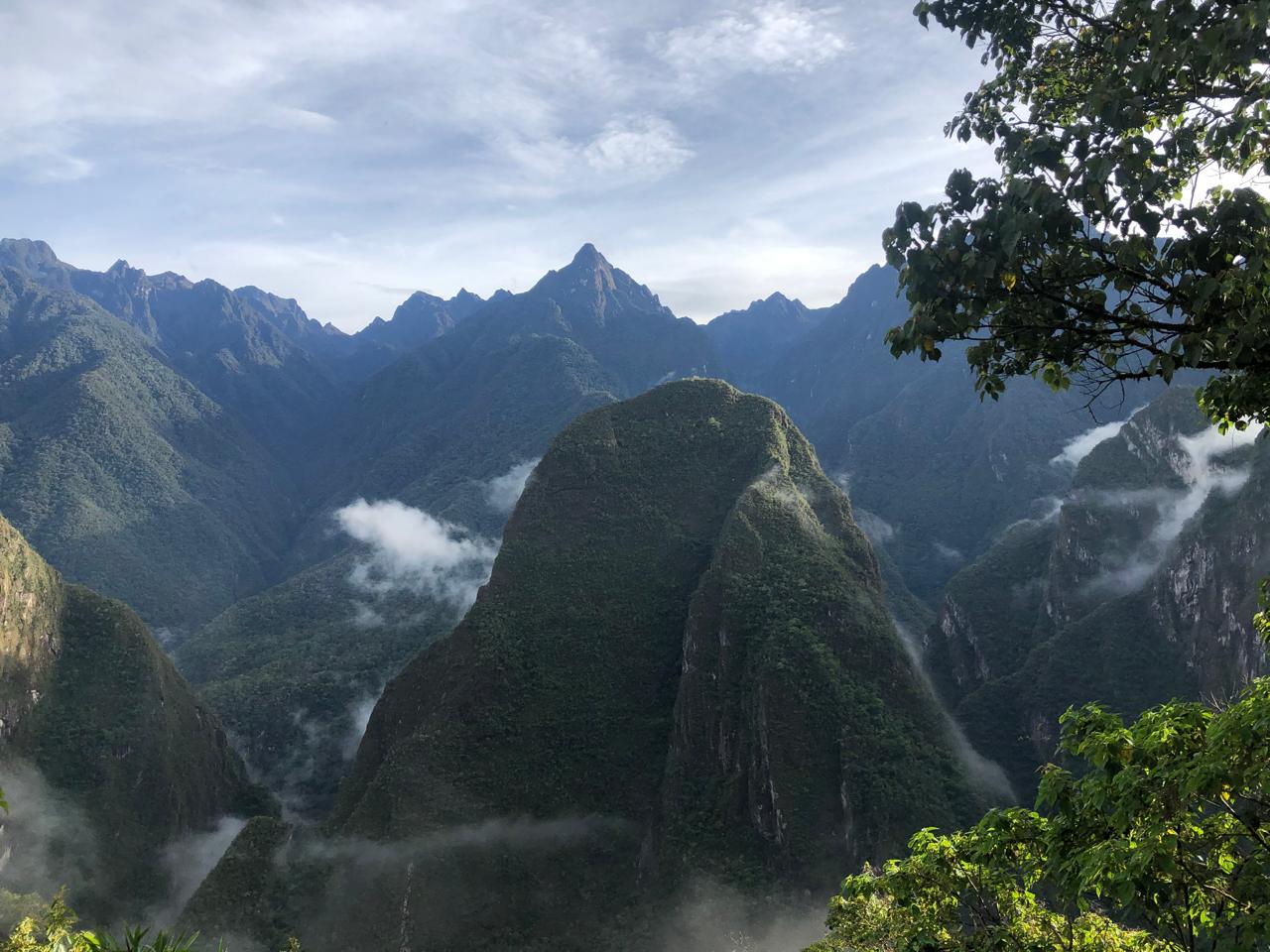
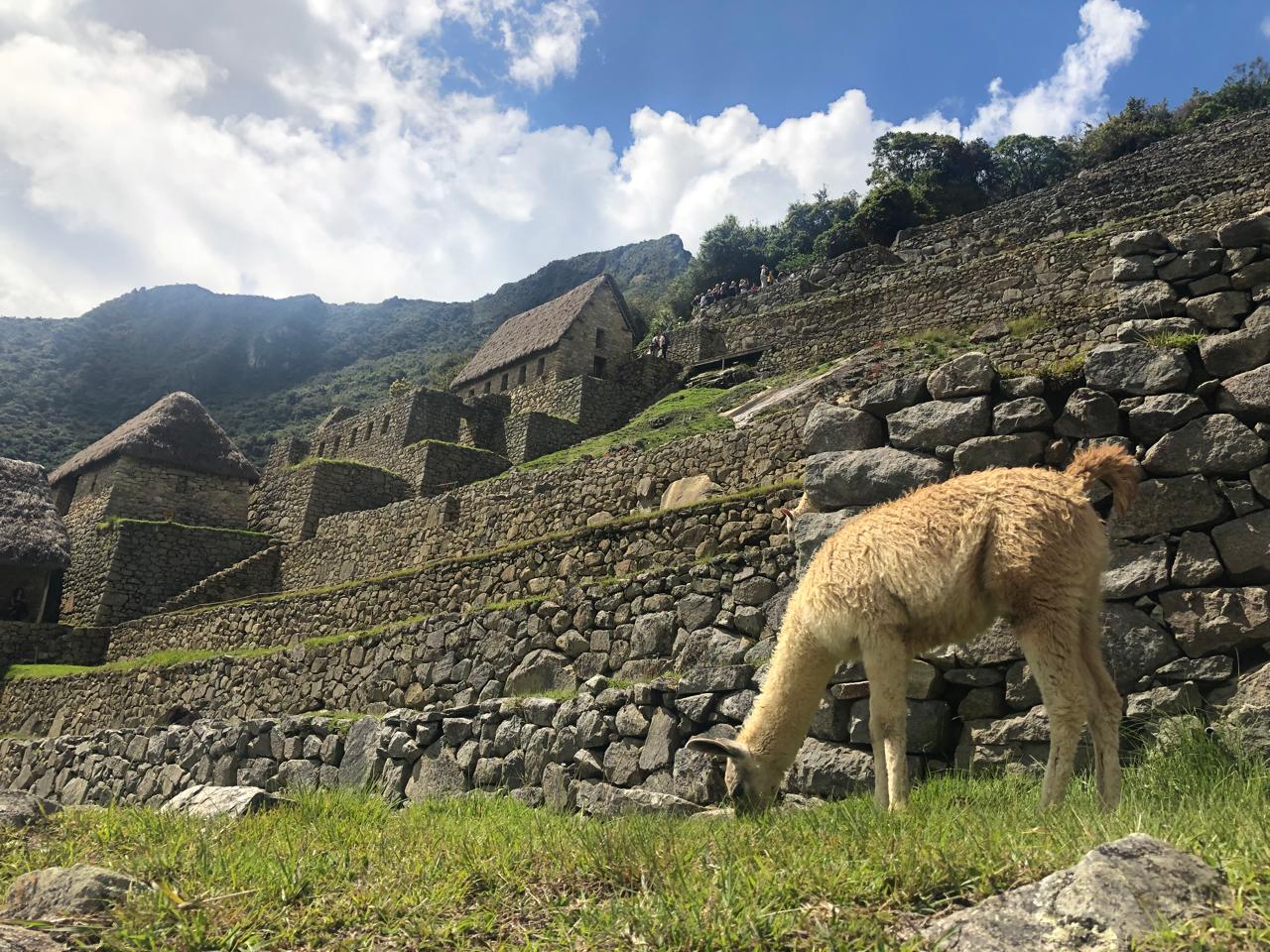
Machu Picchu is experienced with awe and respect. Its natural surroundings, the scale of the site, and the silence generated at certain moments make the experience deeper than one can imagine before visiting. Every corner reveals advanced engineering and the Incas' link with the mountains and the sky.
What to See: Key Landmarks
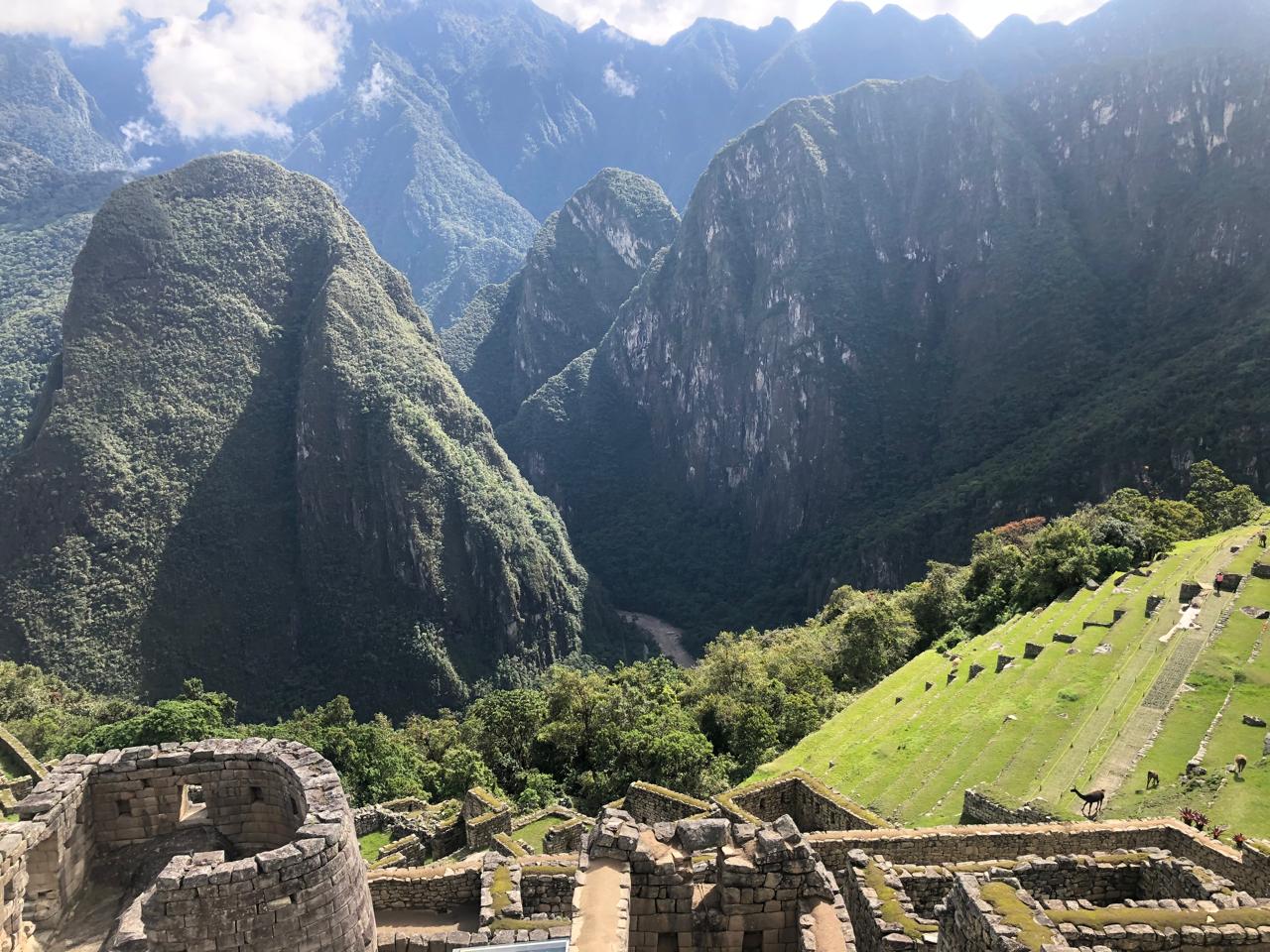
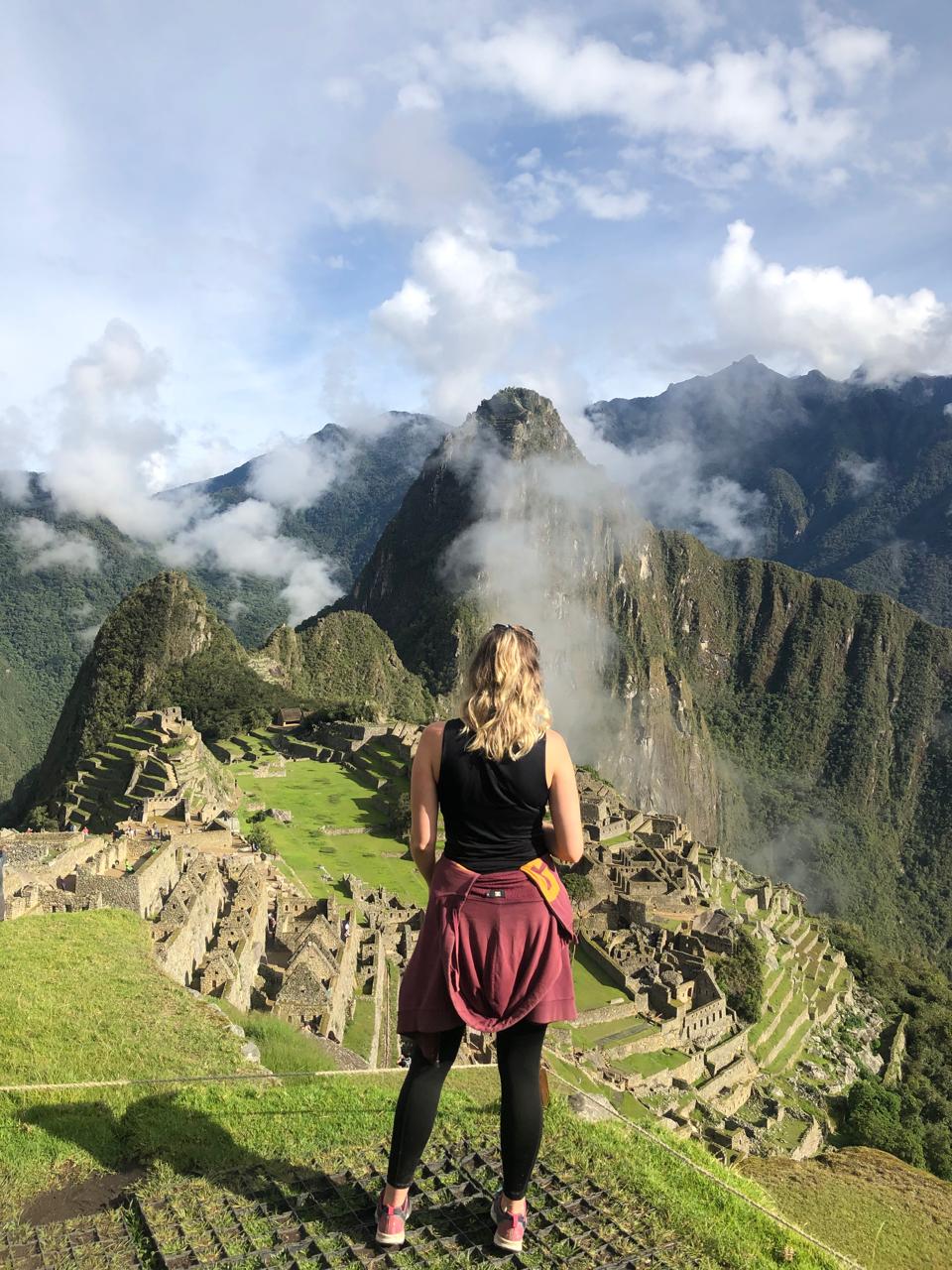
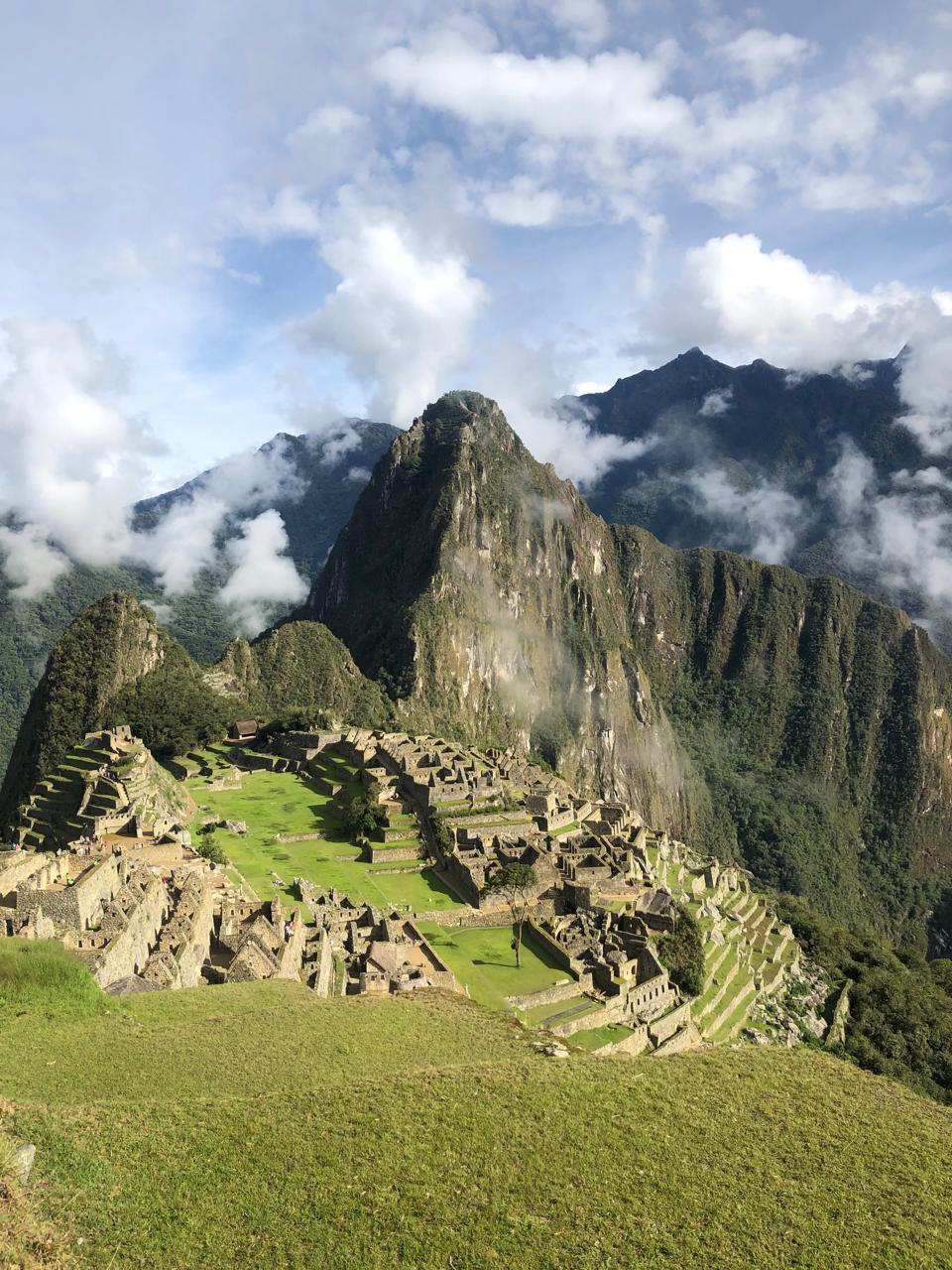
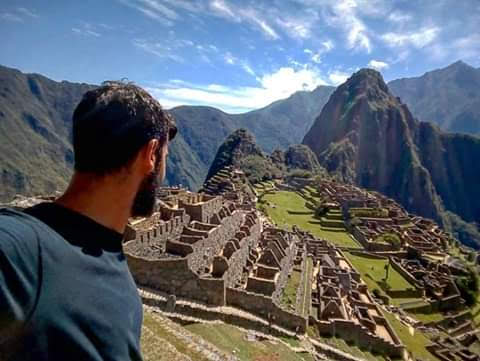
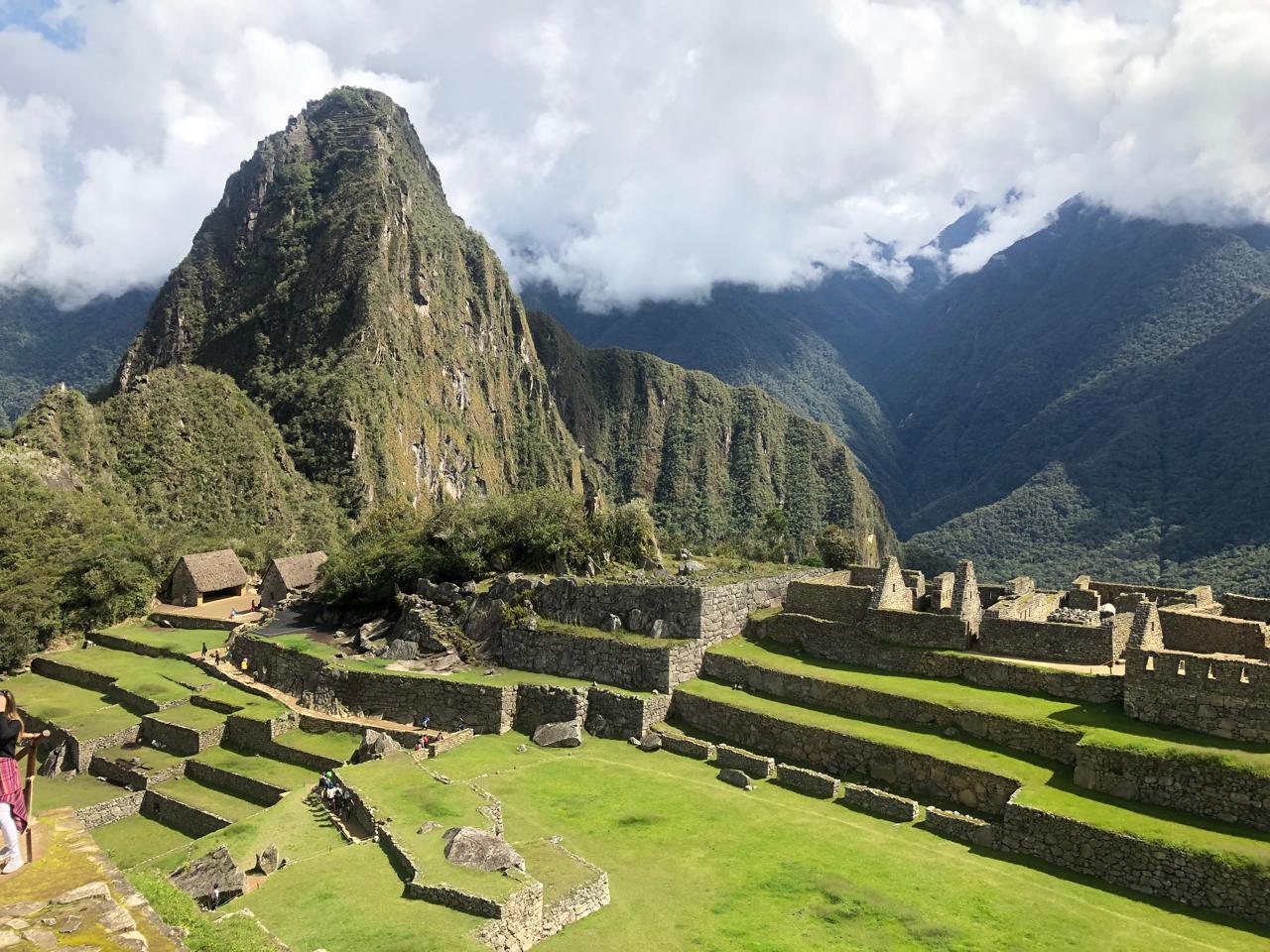
- The Guard’s House - The most famous spot to get the complete panoramic "postcard" view of the citadel.
- Temple of the Sun - A semi-circular tower with windows perfectly aligned with the summer and winter solstices.
- Intihuatana - The "hitching post of the sun," a sacred ritual stone that served as an astronomical calendar and solar clock.
- Temple of the Condor - An incredible example of how the Incas carved natural rock to shape a bird with outstretched wings.
- Sacred Rock - Located at the northern end of the citadel, it is a carved stone that replicates the silhouette of the background mountains.
The 3 Circuits (2026 Critical Update)
Recently, the Ministry of Culture implemented a rigid route system. You can no longer walk freely throughout the entire site; you must choose your entrance based on the circuit:
- Circuit 1 (Panoramic Route): Ideal for those who only want the classic photo from above. It is short and less physically demanding.
- Circuit 2 (Citadel Route): The most complete and the one we recommend for first-time visitors. It allows you to explore most of the ruins, temples, and plazas.
- Circuit 3 (Royalty Route): Focused on the lower part of the citadel (where the House of the Inca is located). This is the circuit used if you purchase tickets that include hikes up Huayna Picchu or Machu Picchu Mountain.
How to Get to Machu Picchu
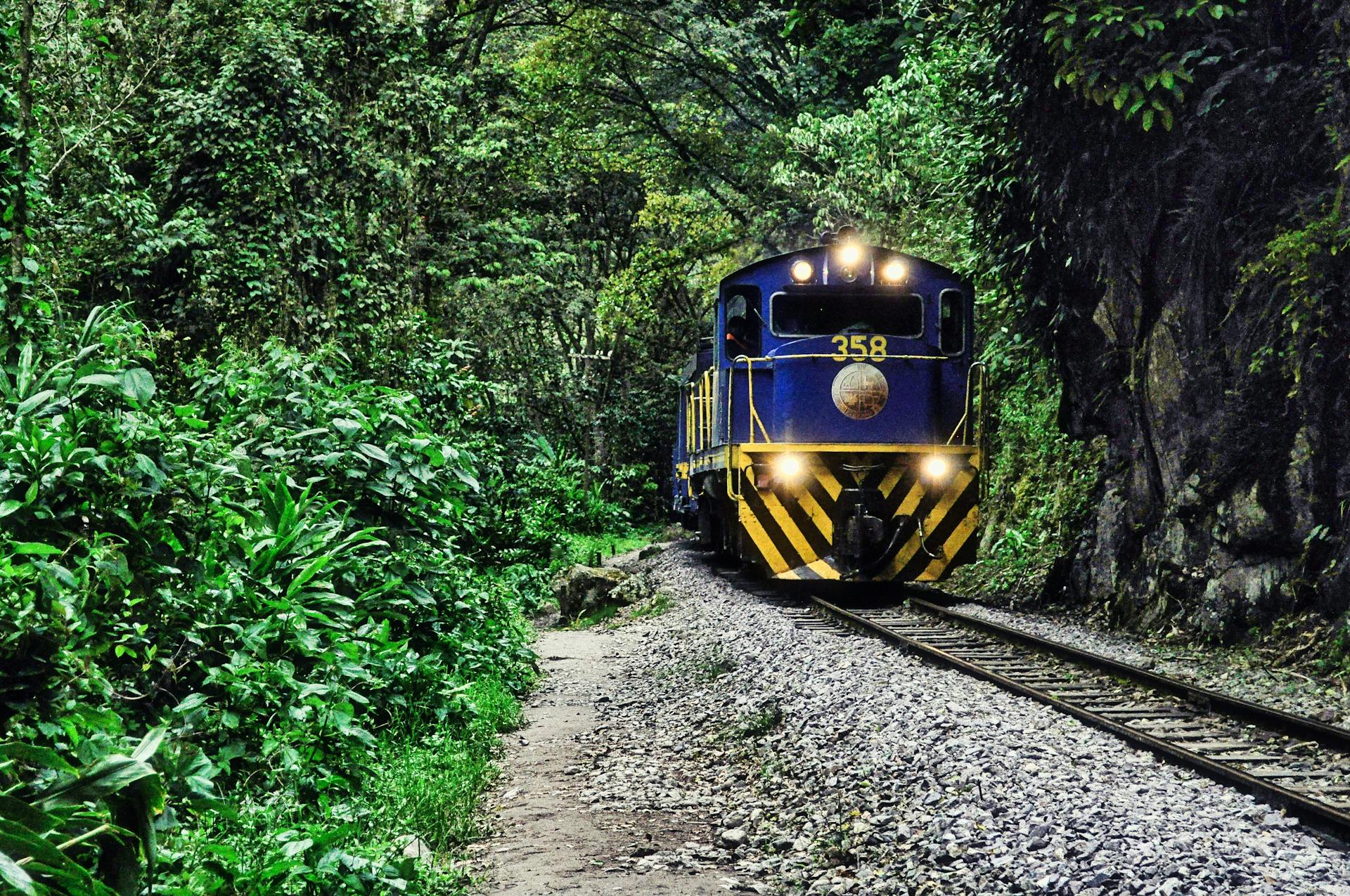
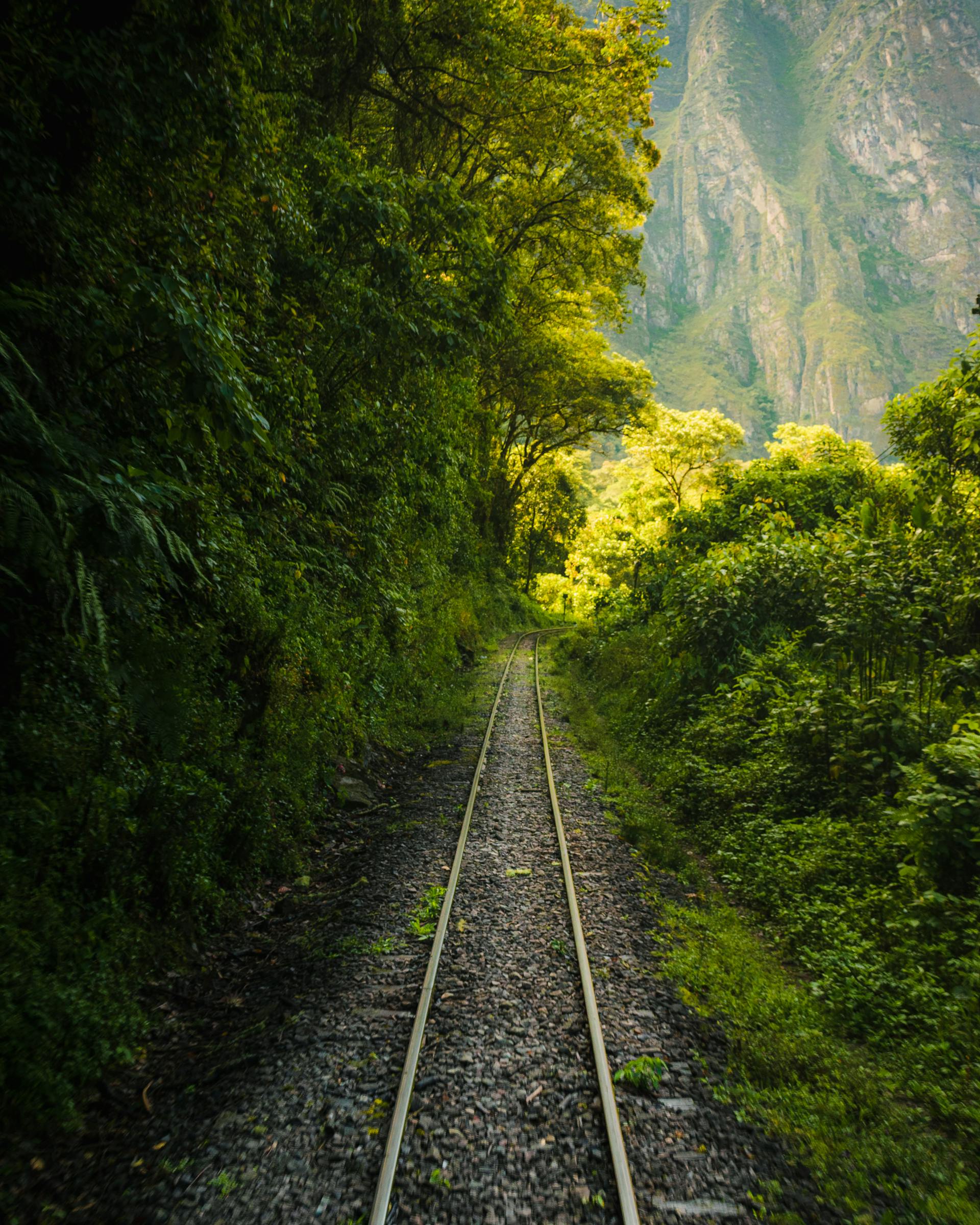
- Train to Aguas Calientes – Most travelers depart from Ollantaytambo. Companies like PeruRail and Inca Rail offer services ranging from standard to the Vistadome with panoramic ceilings.
- Shuttle Bus (Consettur) – Once in Aguas Calientes, buses take you up to the citadel in 25 minutes. They depart every 5-10 minutes. It is recommended to buy your ticket the day before in town.
- Hiking up – For the more active, there is a stone staircase path that takes between 1.5 and 2 hours. It is free but requires being in good physical shape.
Tips for Your 2026 Visit
- The Bathroom Rule: Very important: there are no toilets inside the citadel. The only ones are at the entrance. Once you scan your ticket and enter, you cannot leave and re-enter.
- Tickets: Buy at least 3 months in advance on the official government website. Spots are limited per hour and sell out quickly.
- Passport Stamp: Upon exiting the site, look for a small table where you can stamp your passport with the Machu Picchu logo for free. It is a great souvenir.
- Luggage: Large backpacks are not allowed. Most travelers leave their main luggage in Cusco or Ollantaytambo and bring only a small daypack.
- Water: Single-use plastics are not allowed. Bring a canteen or reusable bottle.
What to Eat in Aguas Calientes (Machu Picchu Pueblo)
- Andean Trout – The star dish, fresh and usually prepared grilled or with garlic.
- Quinoa Dishes – An ancestral ingredient found in soups, salads, and desserts.
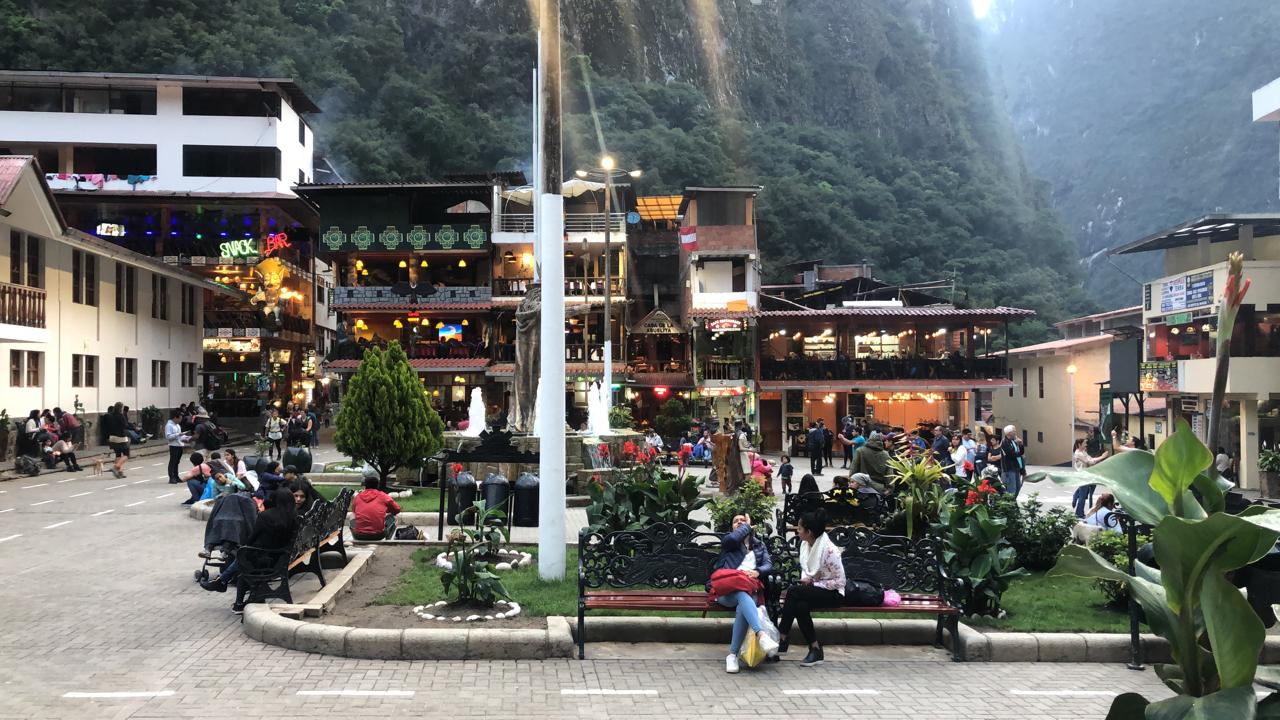
- The Local Market: If you are looking for an affordable and authentic option, go to the second floor of the town's market. There you will find the "menú del día" that locals eat at a fraction of the price of tourist restaurants.
Our Experience Traveling to Machu Picchu
Machu Picchu doesn't feel like a simple tourist attraction. Its location, the silence among the mountains, and the history it conveys make the visit very special. It invites you to walk slowly, observe details, and sit still for a while. Beyond the photos and the fame, it leaves you with the profound feeling of having been in a unique place, built with logic and harmony that still surprises us today. It is the perfect conclusion to any trip through Peru.
- The Guard’s House - The most famous spot to get the complete panoramic "postcard" view of the citadel.
- Temple of the Sun - A semi-circular tower with windows perfectly aligned with the summer and winter solstices.
- Intihuatana - The "hitching post of the sun," a sacred ritual stone that served as an astronomical calendar and solar clock.
- Temple of the Condor - An incredible example of how the Incas carved natural rock to shape a bird with outstretched wings.
- Sacred Rock - Located at the northern end of the citadel, it is a carved stone that replicates the silhouette of the background mountains.
PUBLICIDAD
Travel with Data: Get your Saily eSIM
- ✓Internet in seconds upon landing
- ✓Flexible plans in 180+ countries
- ✓Easy setup directly via the App
Recently, the Ministry of Culture implemented a rigid route system. You can no longer walk freely throughout the entire site; you must choose your entrance based on the circuit:
- Circuit 1 (Panoramic Route): Ideal for those who only want the classic photo from above. It is short and less physically demanding.
- Circuit 2 (Citadel Route): The most complete and the one we recommend for first-time visitors. It allows you to explore most of the ruins, temples, and plazas.
- Circuit 3 (Royalty Route): Focused on the lower part of the citadel (where the House of the Inca is located). This is the circuit used if you purchase tickets that include hikes up Huayna Picchu or Machu Picchu Mountain.
- Train to Aguas Calientes – Most travelers depart from Ollantaytambo. Companies like PeruRail and Inca Rail offer services ranging from standard to the Vistadome with panoramic ceilings.
- Shuttle Bus (Consettur) – Once in Aguas Calientes, buses take you up to the citadel in 25 minutes. They depart every 5-10 minutes. It is recommended to buy your ticket the day before in town.
- Hiking up – For the more active, there is a stone staircase path that takes between 1.5 and 2 hours. It is free but requires being in good physical shape.
- The Bathroom Rule: Very important: there are no toilets inside the citadel. The only ones are at the entrance. Once you scan your ticket and enter, you cannot leave and re-enter.
- Tickets: Buy at least 3 months in advance on the official government website. Spots are limited per hour and sell out quickly.
- Passport Stamp: Upon exiting the site, look for a small table where you can stamp your passport with the Machu Picchu logo for free. It is a great souvenir.
- Luggage: Large backpacks are not allowed. Most travelers leave their main luggage in Cusco or Ollantaytambo and bring only a small daypack.
- Water: Single-use plastics are not allowed. Bring a canteen or reusable bottle.
- Andean Trout – The star dish, fresh and usually prepared grilled or with garlic.
- Quinoa Dishes – An ancestral ingredient found in soups, salads, and desserts.
- The Local Market: If you are looking for an affordable and authentic option, go to the second floor of the town's market. There you will find the "menú del día" that locals eat at a fraction of the price of tourist restaurants.
PUBLICIDAD
Machu Picchu doesn't feel like a simple tourist attraction. Its location, the silence among the mountains, and the history it conveys make the visit very special. It invites you to walk slowly, observe details, and sit still for a while. Beyond the photos and the fame, it leaves you with the profound feeling of having been in a unique place, built with logic and harmony that still surprises us today. It is the perfect conclusion to any trip through Peru.
Galery
PUBLICIDAD
International Travel Insurance
- ✓International medical insurance
- ✓24/7 immediate assistance in your language
- ✓Ideal for trekking & adventure

Preferences
Language
Color
Text
Width