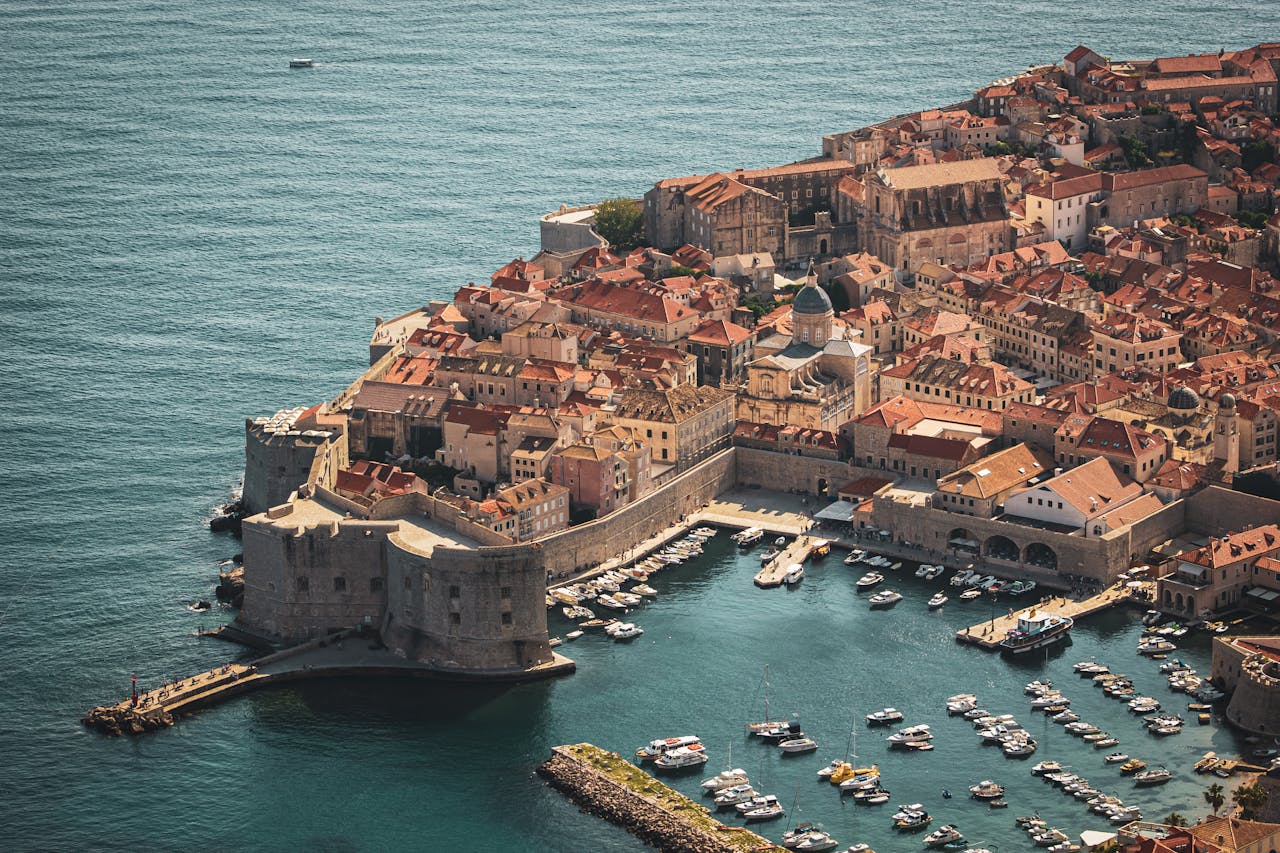
Table of contents and map
Lima Guide 2026: Itineraries, Gastronomy, and Expert Tips
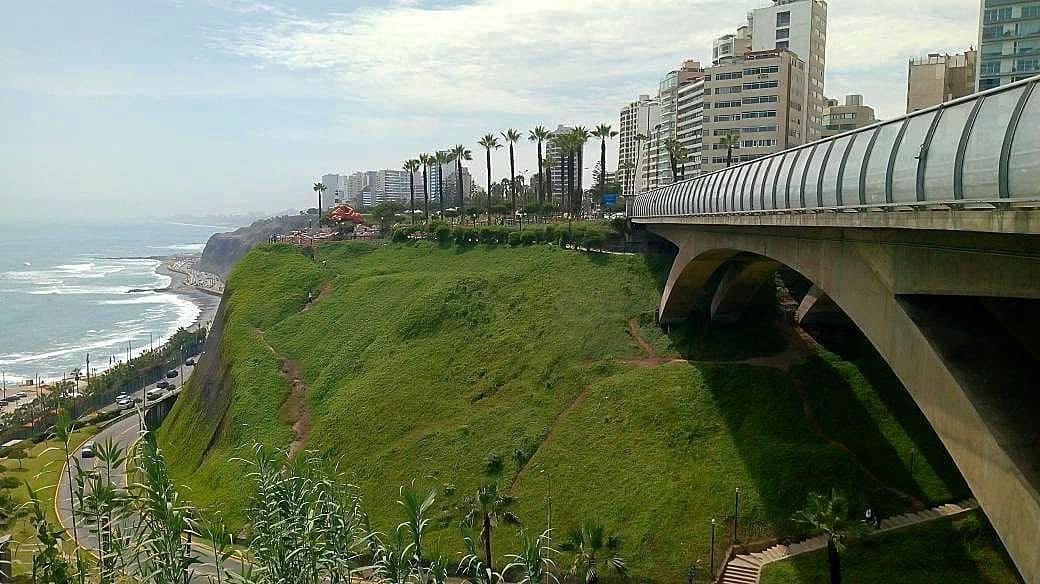
Lima, the capital of Peru, is a vast and diverse city that combines ancient history, colonial heritage, and a very active urban life. Located on the shores of the Pacific Ocean, it is characterized by its contrasts: modern neighborhoods facing the sea, historic centers full of colonial architecture, and pre-Hispanic vestiges integrated into the current city. With a very strong cultural identity and a world-renowned gastronomic scene, Lima is a complex, intense city and key to understanding the spirit of the country.
Lima Guide 2026: Itineraries, Gastronomy, and Expert Tips
Lima, the capital of Peru, is a vast and diverse city that combines ancient history, colonial heritage, and a very active urban life. Located on the shores of the Pacific Ocean, it is characterized by its contrasts: modern neighborhoods facing the sea, historic centers full of colonial architecture, and pre-Hispanic vestiges integrated into the current city. With a very strong cultural identity and a world-renowned gastronomic scene, Lima is a complex, intense city and key to understanding the spirit of the country.
Lima is a city that surprises you little by little. At first glance, it may seem chaotic and extensive, but when you start exploring it, you discover a capital with a lot of history, neighborhoods with their own identity, and a very strong relationship with the Pacific Ocean. It is a vibrant, intense city, deeply marked by its gastronomic culture.
Rather than a city to "see quickly," Lima is enjoyed by walking, tasting flavors, and understanding its contrasts. Pre-Hispanic ruins, colonial architecture, modern neighborhoods, and cliffs facing the sea coexist in the same journey.
What to See and Do in Lima: Must-Sees
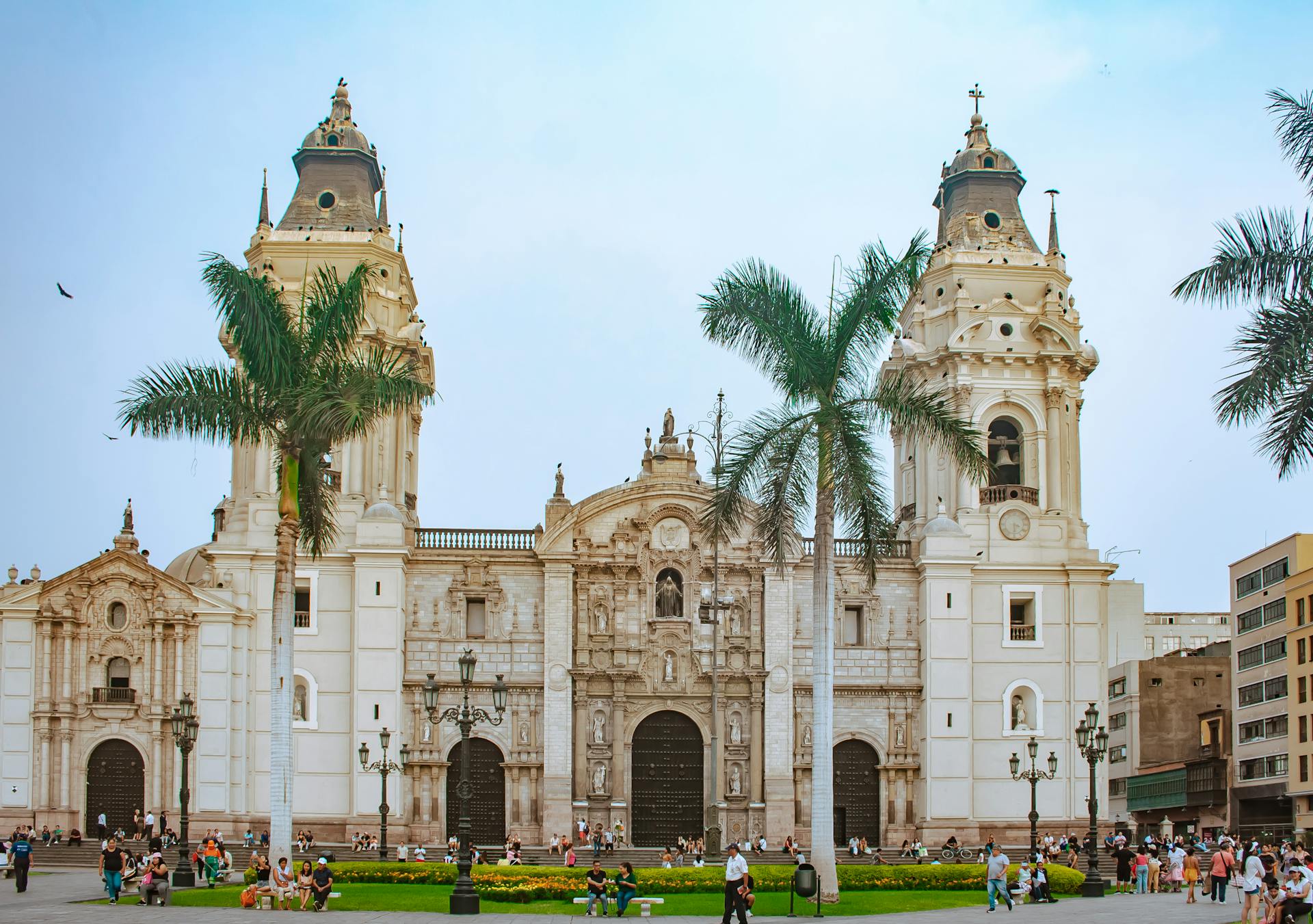
- Historic Center of Lima - Declared a World Heritage Site, it is the historical heart of the city. Plazas, churches, and colonial balconies tell the story of the viceregal period. The Plaza Mayor and the Cathedral are mandatory stops.
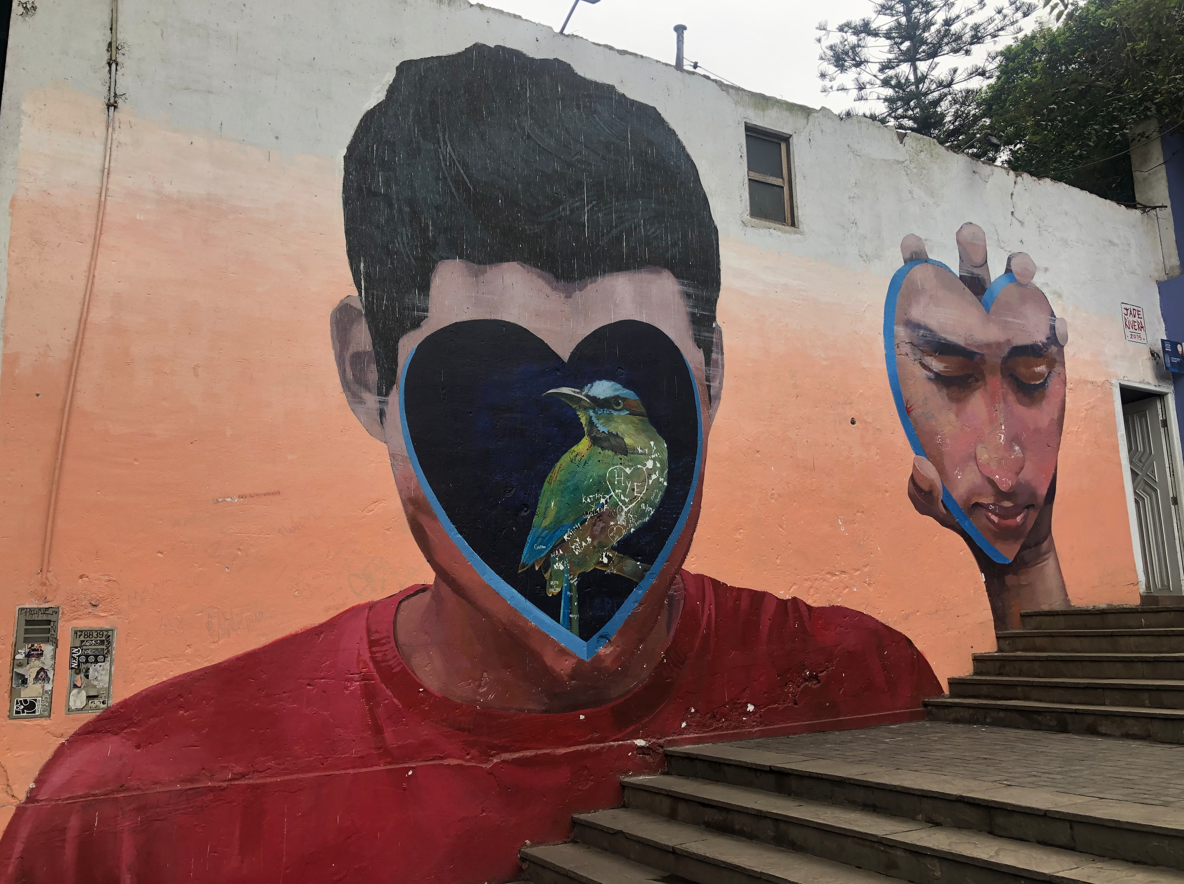
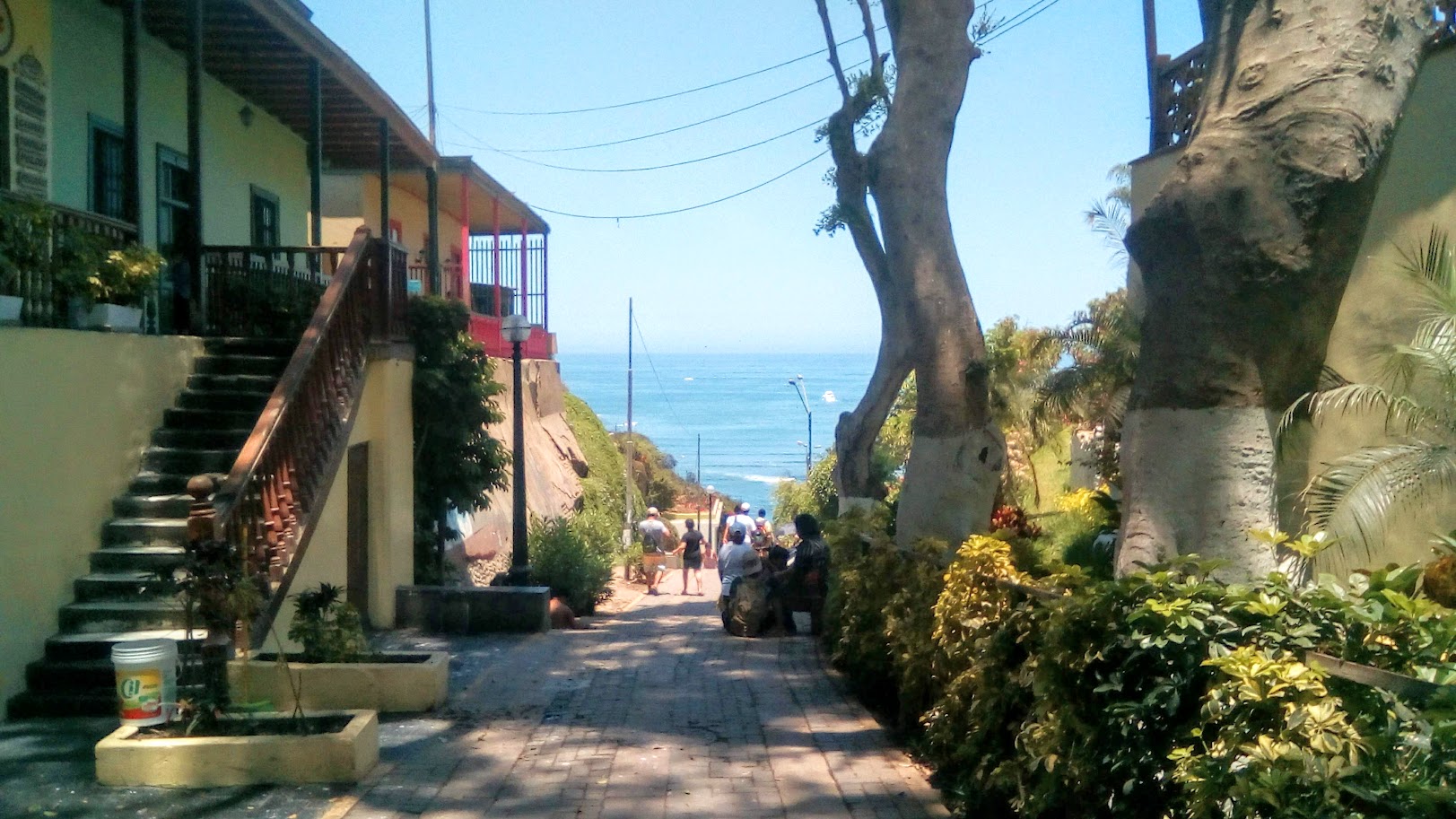
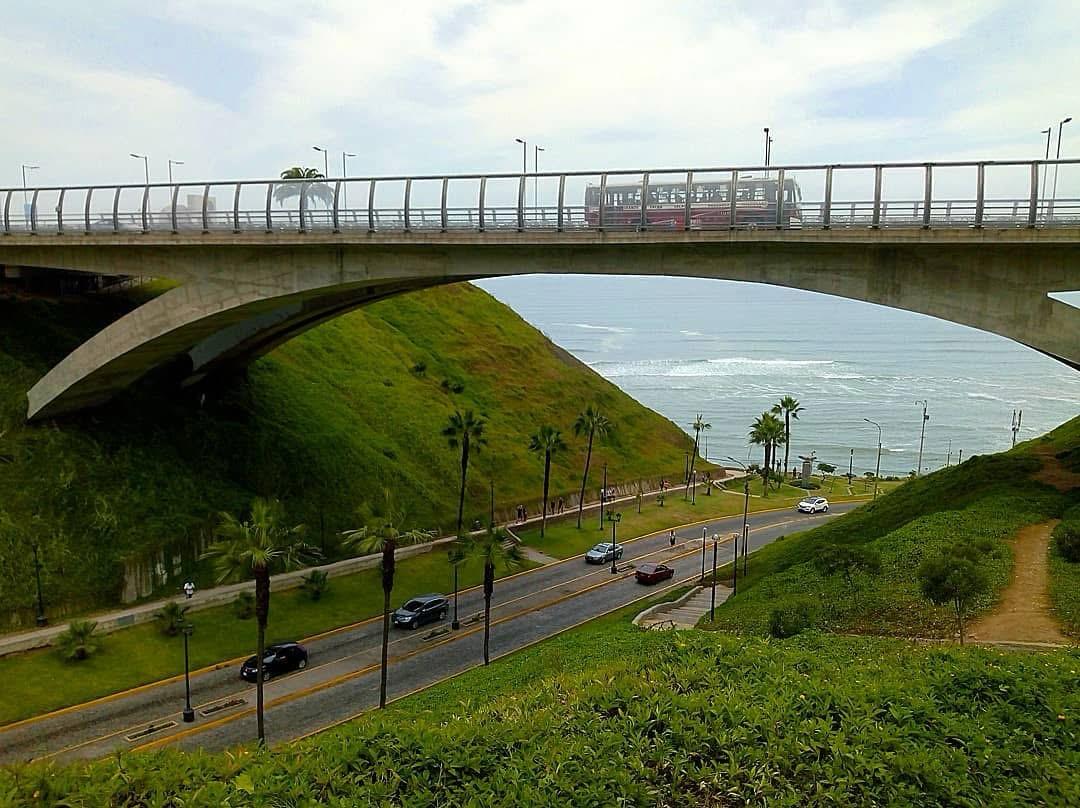
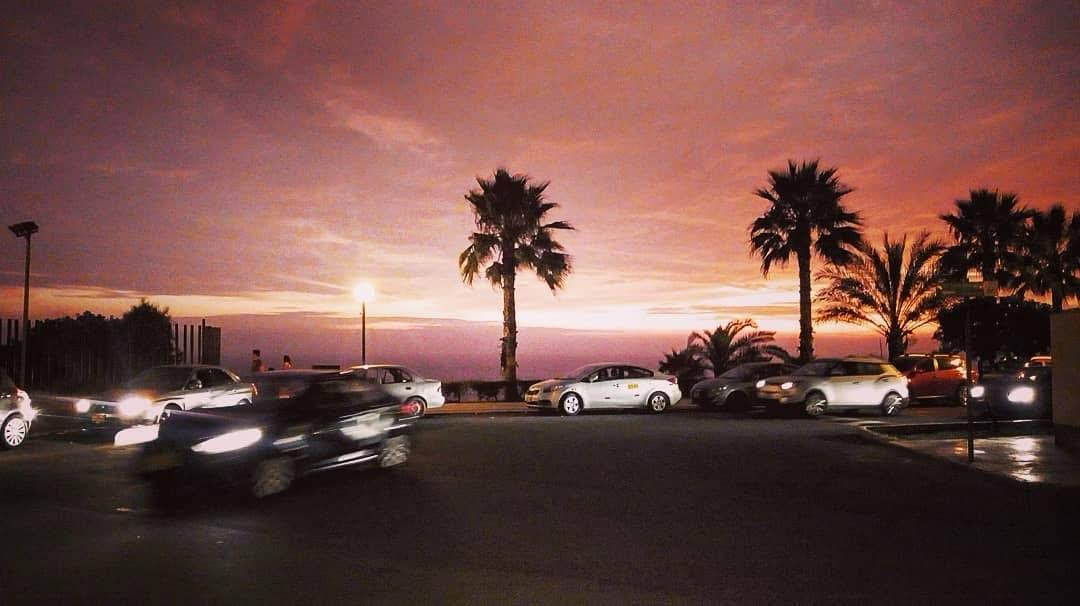
- Barranco - The most bohemian and artistic neighborhood in Lima. Full of murals, cafes, bars, and galleries, it is ideal for wandering aimlessly and watching the sunset. The Bridge of Sighs is one of its icons.
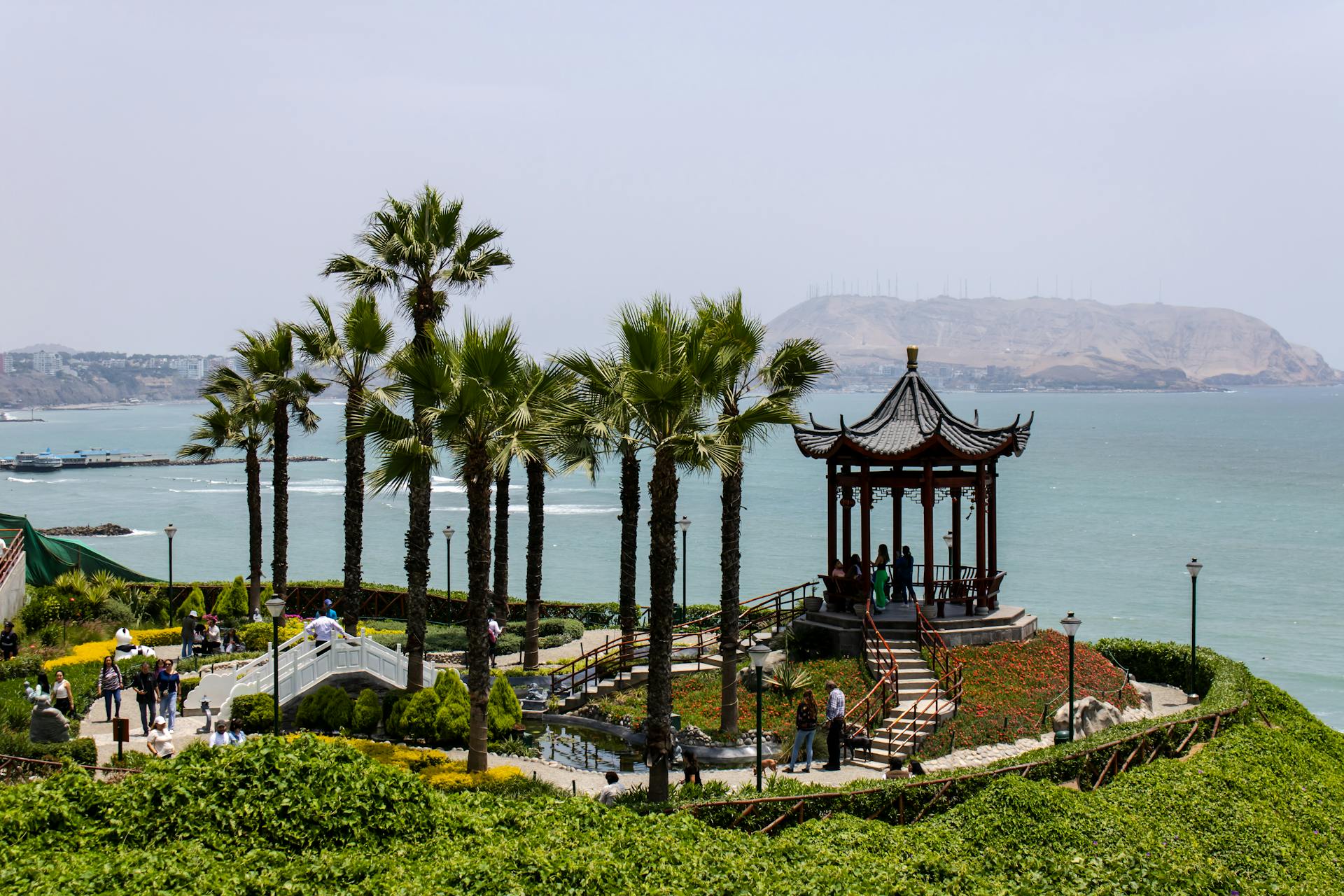
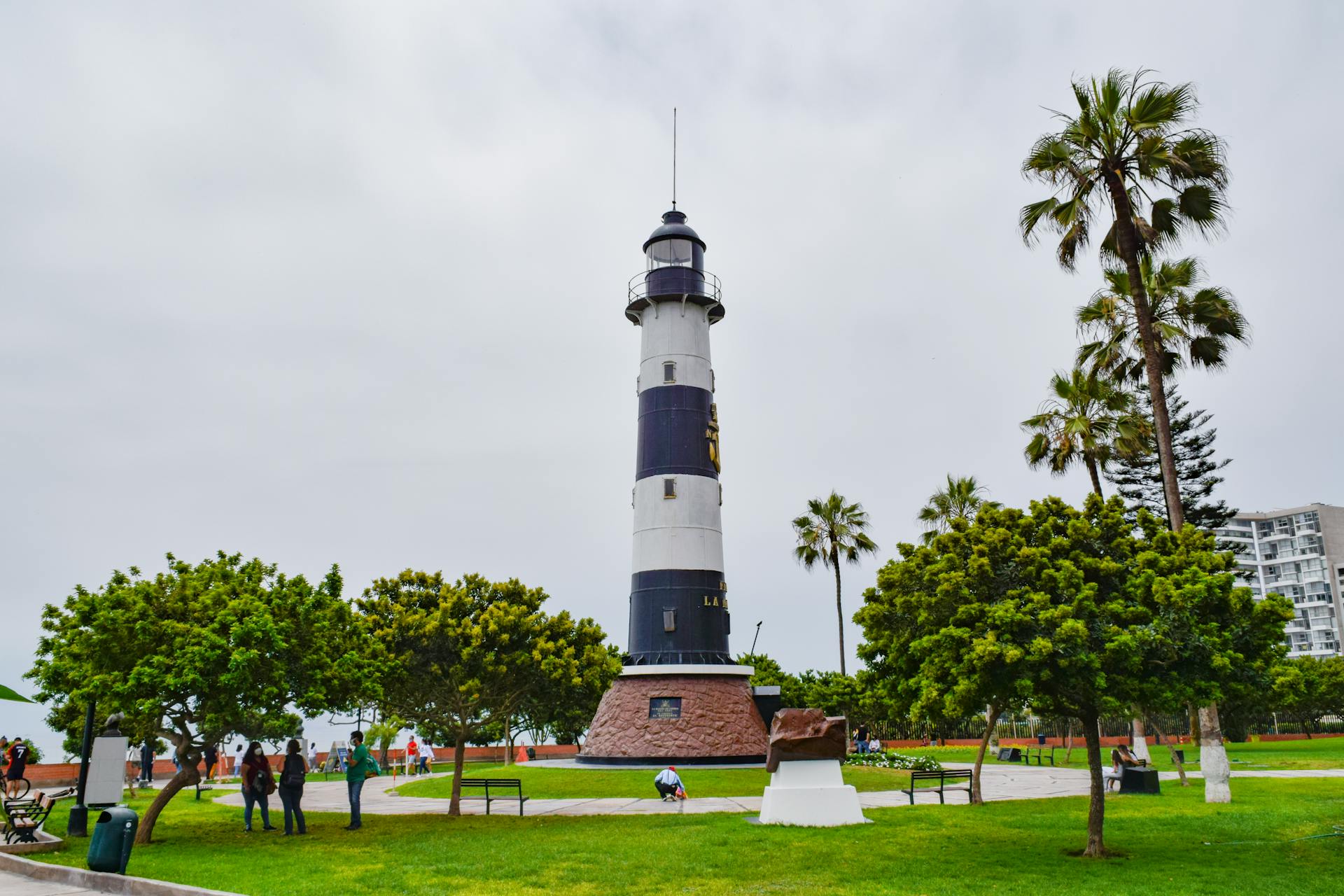
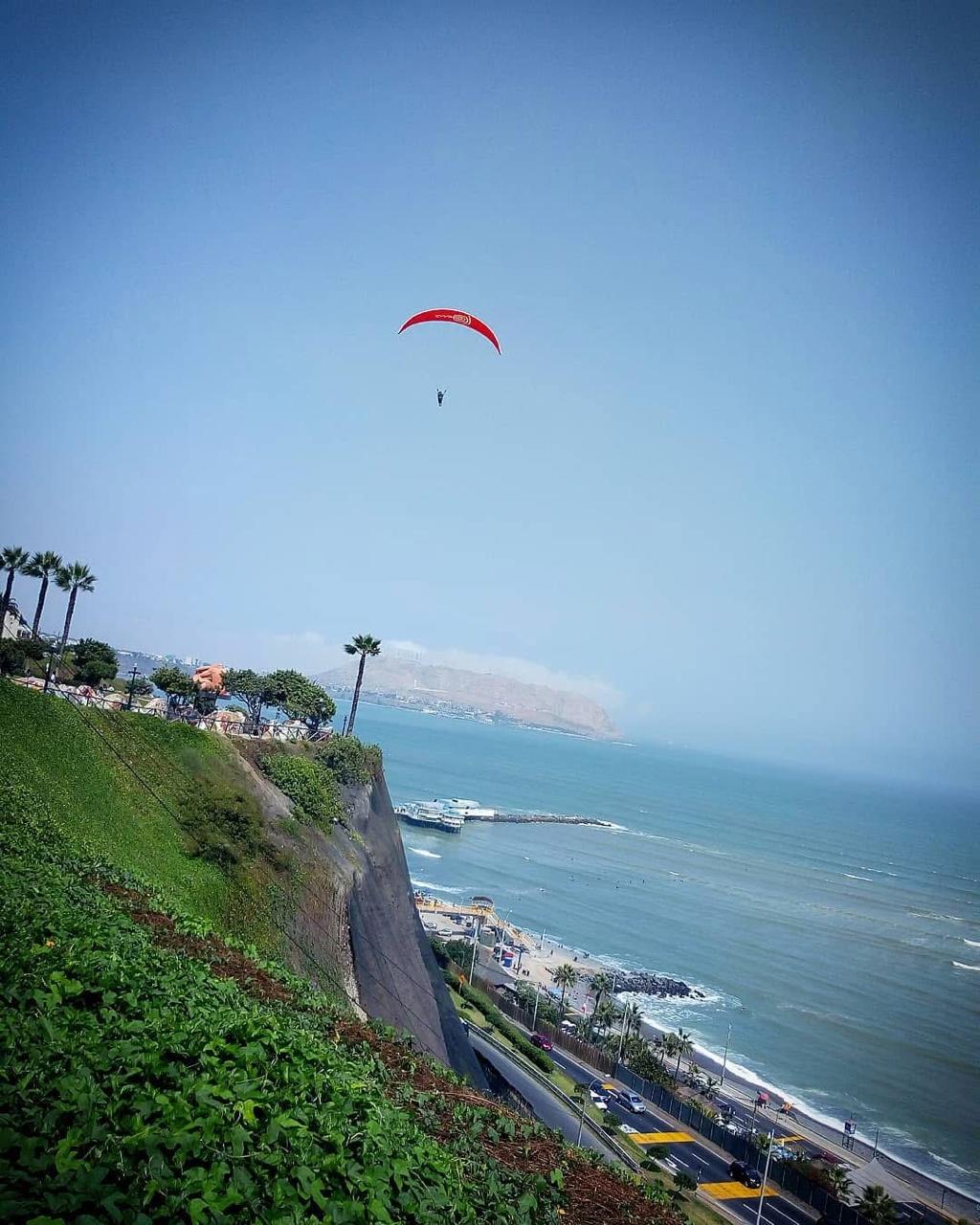
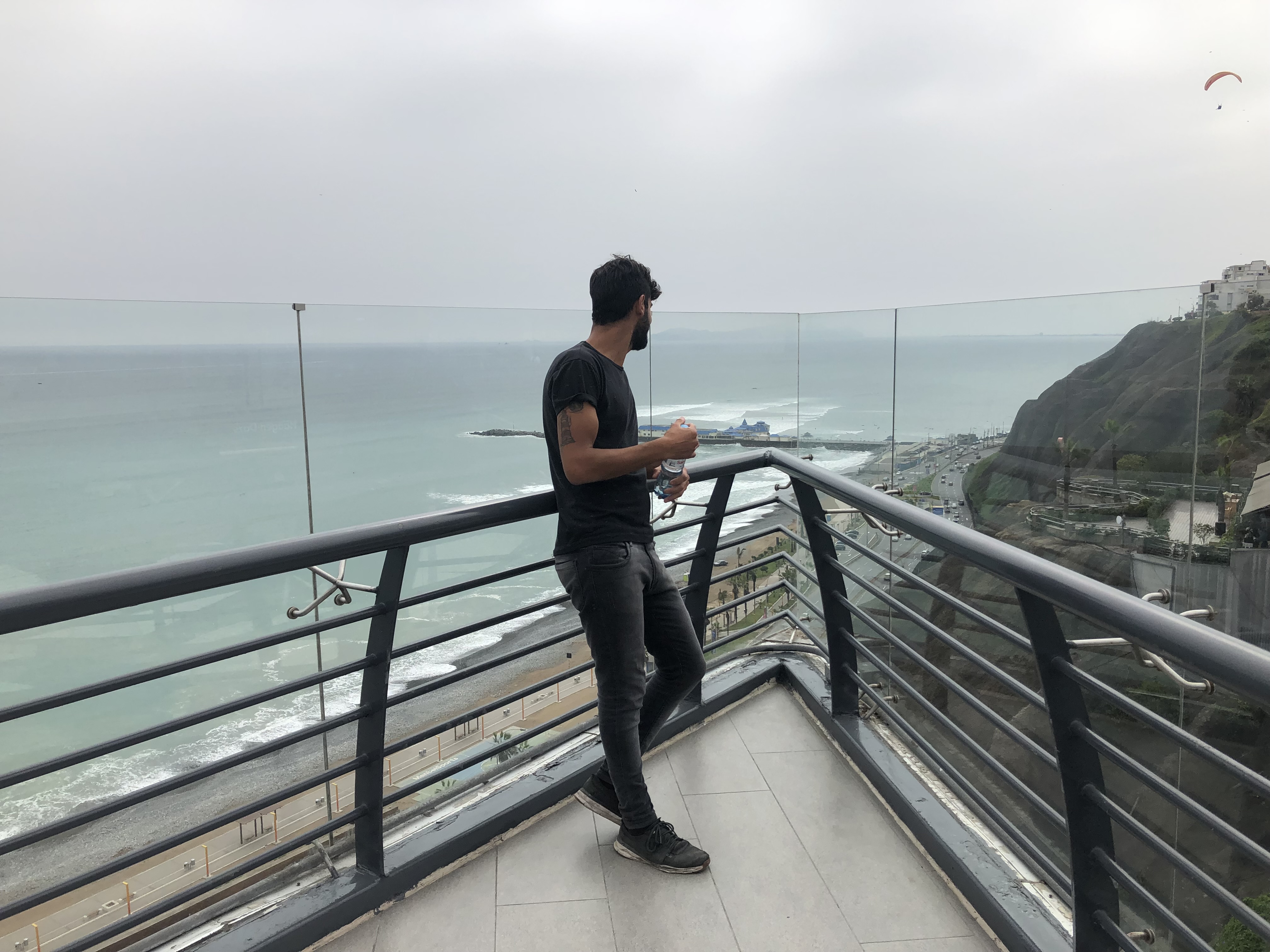
- Miraflores - One of the most beautiful and visited neighborhoods in the city. Modern, safe, and with incredible ocean views. Walking along the boardwalk (malecón), especially at sunset, is one of the best plans in Lima.
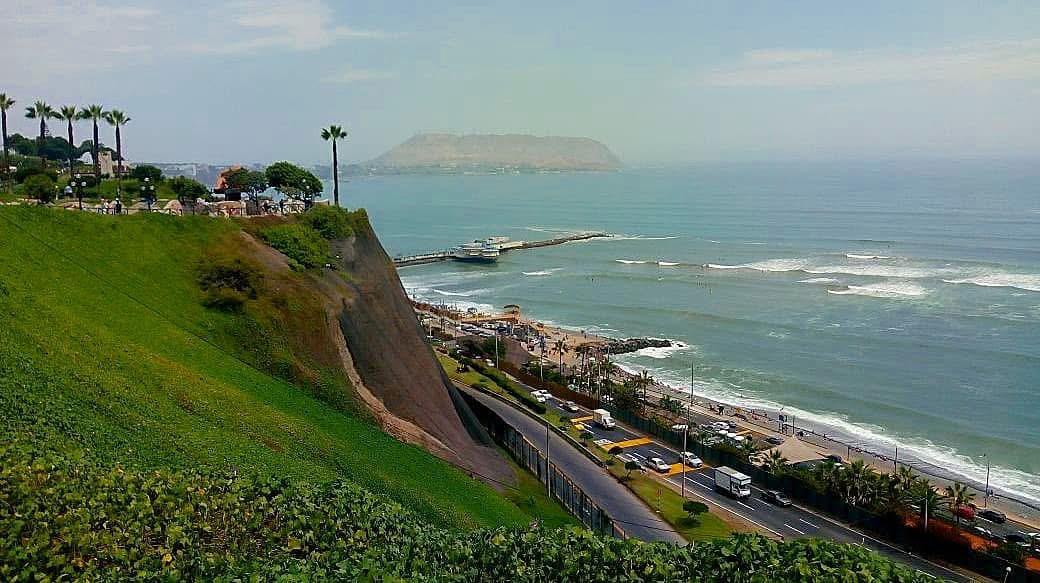
- Miraflores Boardwalk (Malecón) - A coastal path along cliffs with views of the Pacific. Perfect for walking, cycling, or simply sitting and looking at the sea.
- Huaca Pucllana - A pre-Inca archaeological site in the heart of the Miraflores neighborhood. Seeing an adobe pyramid surrounded by modern buildings clearly shows the different historical layers of the city.
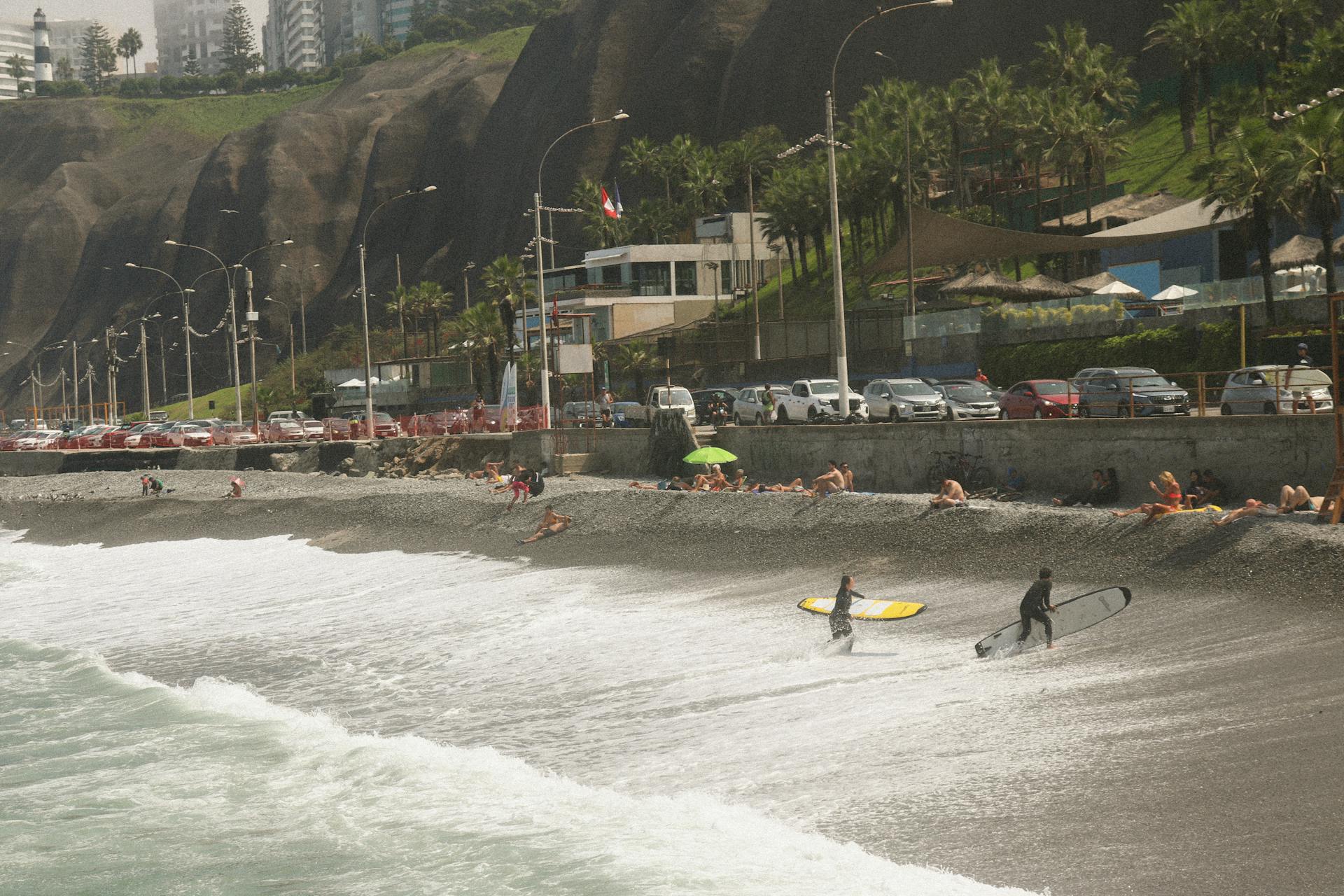
- Costa Verde - Lima's coastal strip. Beaches, surfing, and restaurants facing the sea. Although the water is cold, the landscape and the atmosphere are totally worth it.
- Larco Museum - Located in an 18th-century colonial mansion, it houses the best collection of pre-Columbian art. It is essential to visit before going to Cusco to understand Andean iconography.
- Magic Water Circuit - A show of fountains, lights, and music in the Parque de la Reserva. It is the ideal plan for a relaxed night.
Where to Stay in Lima: Best Areas
Choosing the right neighborhood is the most important decision for enjoying Lima due to its traffic:
- Miraflores: The most popular option. It is safe, has the best hotel offer, and you are steps away from the boardwalk. Ideal if it's your first time.
- Barranco: Perfect if you are looking for a more bohemian atmosphere, boutique hotels in old mansions, and plenty of nightlife/artistic vibes.
- San Isidro: The financial center. It is elegant, quiet, and has the most exclusive restaurants (such as Central or Astrid & Gastón). Ideal for business trips or luxury.
- Historic Center: We do not recommend staying here for recreational tourism, as it loses much activity at night and you are far from the sea.
What to Eat in Lima
- Ceviche – Peru's flagship dish. In Lima, it is prepared with fresh fish, lime, chili, and onion, and is mainly consumed at noon. Simple and satisfying.
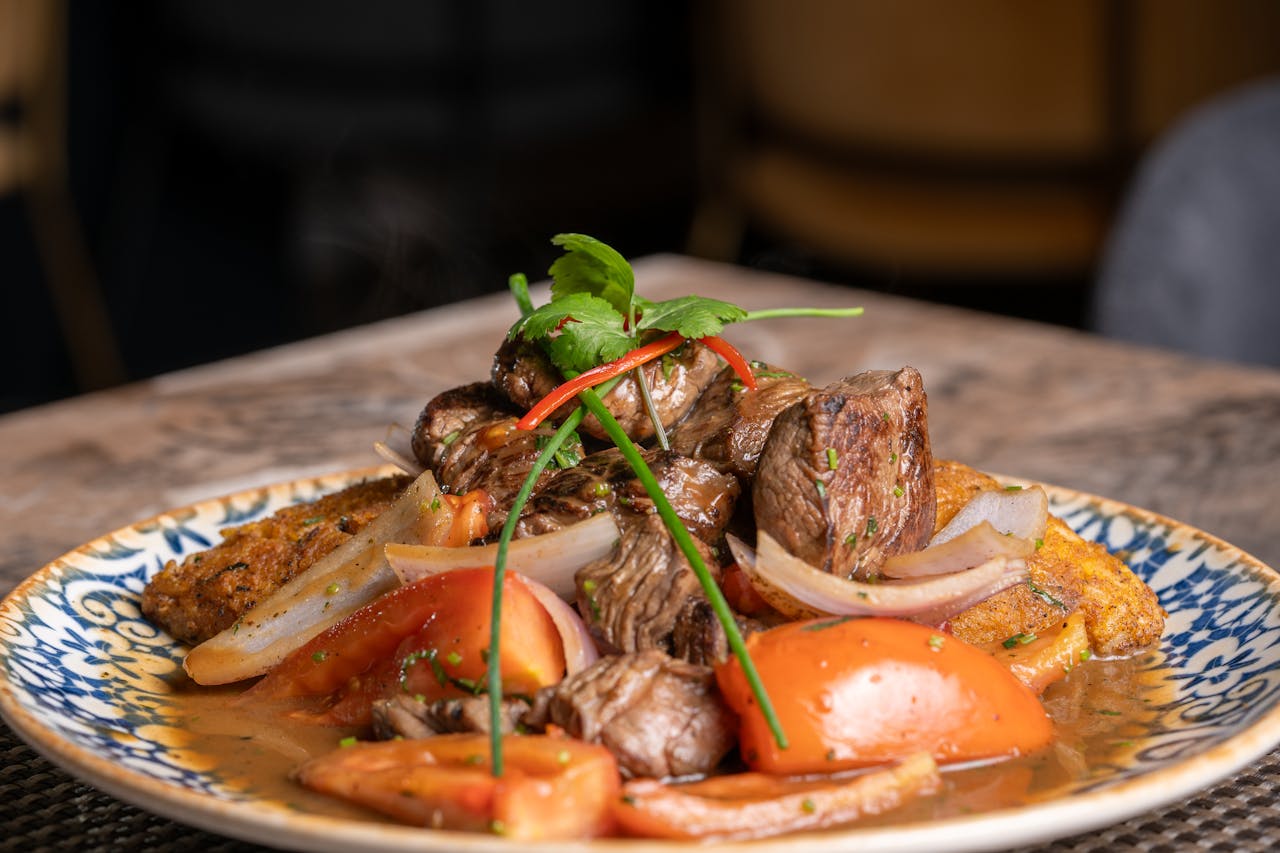
- Lomo Saltado – A classic of Creole cuisine, a mix of Peruvian and Chinese influences. Stir-fried beef, French fries, and rice.
- Ají de Gallina – A creamy and comforting dish based on shredded chicken, yellow chili, and walnuts.
- Causa Limeña – A cold appetizer made with yellow potato, lime, and chili, filled with chicken, tuna, or seafood.
- Anticuchos – Meat skewers, traditionally heart, very popular at night.
- Nikkei Food – The Peruvian-Japanese fusion that is a global point of pride. Restaurants like Maido (book months in advance for 2026) are the peak of this fusion.
Suggested Itinerary: 2 or 3 Days (2026 Edition)
- Day 1: Historic Center in the morning, Larco Museum in the afternoon, and dinner at a traditional tavern in Pueblo Libre.
- Day 2: Walk along the Miraflores Boardwalk, visit Huaca Pucllana, and spend the afternoon/evening in the bars of Barranco.
- Day 3: Peruvian cooking class or a gastronomic tour through local markets.
Tips and Characteristics 2026
- Currency: Peruvian Sol (PEN).
- Transportation: Use Uber or Cabify. Avoid public transport if you have little time. Watch out for traffic: Between 5:00 PM and 8:00 PM, crossing the city can take twice as long.
- Climate: In 2026, summers (January-March) are very humid and hot; the rest of the year Lima is covered in its famous gray mist ("donkey's belly").
- Gastronomic Reservations: If you want to eat at the "World's 50 Best" (Central, Maido), you must book 4 to 5 months in advance.
- Airport: In 2026, the new terminal of Jorge Chávez Airport is already operational; allow 1.5 hours for the journey from Miraflores during peak hours.
Our Experience Traveling in Lima
Lima is a city to take your time in and let yourself be surprised. Not everything is immediate, but when you start to understand its rhythm and its neighborhoods, it becomes very interesting. It is a great gateway to Peru and an ideal place to combine history, urban life, and one of the most prominent cuisines in the world.
- Historic Center of Lima - Declared a World Heritage Site, it is the historical heart of the city. Plazas, churches, and colonial balconies tell the story of the viceregal period. The Plaza Mayor and the Cathedral are mandatory stops.
- Barranco - The most bohemian and artistic neighborhood in Lima. Full of murals, cafes, bars, and galleries, it is ideal for wandering aimlessly and watching the sunset. The Bridge of Sighs is one of its icons.
- Miraflores - One of the most beautiful and visited neighborhoods in the city. Modern, safe, and with incredible ocean views. Walking along the boardwalk (malecón), especially at sunset, is one of the best plans in Lima.
- Miraflores Boardwalk (Malecón) - A coastal path along cliffs with views of the Pacific. Perfect for walking, cycling, or simply sitting and looking at the sea.
- Huaca Pucllana - A pre-Inca archaeological site in the heart of the Miraflores neighborhood. Seeing an adobe pyramid surrounded by modern buildings clearly shows the different historical layers of the city.
- Costa Verde - Lima's coastal strip. Beaches, surfing, and restaurants facing the sea. Although the water is cold, the landscape and the atmosphere are totally worth it.
- Larco Museum - Located in an 18th-century colonial mansion, it houses the best collection of pre-Columbian art. It is essential to visit before going to Cusco to understand Andean iconography.
- Magic Water Circuit - A show of fountains, lights, and music in the Parque de la Reserva. It is the ideal plan for a relaxed night.
PUBLICIDAD
Travel with Data: Get your Saily eSIM
- ✓Internet in seconds upon landing
- ✓Flexible plans in 180+ countries
- ✓Easy setup directly via the App
Choosing the right neighborhood is the most important decision for enjoying Lima due to its traffic:
- Miraflores: The most popular option. It is safe, has the best hotel offer, and you are steps away from the boardwalk. Ideal if it's your first time.
- Barranco: Perfect if you are looking for a more bohemian atmosphere, boutique hotels in old mansions, and plenty of nightlife/artistic vibes.
- San Isidro: The financial center. It is elegant, quiet, and has the most exclusive restaurants (such as Central or Astrid & Gastón). Ideal for business trips or luxury.
- Historic Center: We do not recommend staying here for recreational tourism, as it loses much activity at night and you are far from the sea.
- Ceviche – Peru's flagship dish. In Lima, it is prepared with fresh fish, lime, chili, and onion, and is mainly consumed at noon. Simple and satisfying.
- Lomo Saltado – A classic of Creole cuisine, a mix of Peruvian and Chinese influences. Stir-fried beef, French fries, and rice.
- Ají de Gallina – A creamy and comforting dish based on shredded chicken, yellow chili, and walnuts.
- Causa Limeña – A cold appetizer made with yellow potato, lime, and chili, filled with chicken, tuna, or seafood.
- Anticuchos – Meat skewers, traditionally heart, very popular at night.
- Nikkei Food – The Peruvian-Japanese fusion that is a global point of pride. Restaurants like Maido (book months in advance for 2026) are the peak of this fusion.
- Day 1: Historic Center in the morning, Larco Museum in the afternoon, and dinner at a traditional tavern in Pueblo Libre.
- Day 2: Walk along the Miraflores Boardwalk, visit Huaca Pucllana, and spend the afternoon/evening in the bars of Barranco.
- Day 3: Peruvian cooking class or a gastronomic tour through local markets.
- Currency: Peruvian Sol (PEN).
- Transportation: Use Uber or Cabify. Avoid public transport if you have little time. Watch out for traffic: Between 5:00 PM and 8:00 PM, crossing the city can take twice as long.
- Climate: In 2026, summers (January-March) are very humid and hot; the rest of the year Lima is covered in its famous gray mist ("donkey's belly").
- Gastronomic Reservations: If you want to eat at the "World's 50 Best" (Central, Maido), you must book 4 to 5 months in advance.
- Airport: In 2026, the new terminal of Jorge Chávez Airport is already operational; allow 1.5 hours for the journey from Miraflores during peak hours.
PUBLICIDAD
Lima is a city to take your time in and let yourself be surprised. Not everything is immediate, but when you start to understand its rhythm and its neighborhoods, it becomes very interesting. It is a great gateway to Peru and an ideal place to combine history, urban life, and one of the most prominent cuisines in the world.
Galery
PUBLICIDAD
International Travel Insurance
- ✓International medical insurance
- ✓24/7 immediate assistance in your language
- ✓Ideal for trekking & adventure

Preferences
Language
Color
Text
Width