Table of contents and map
Huaraz Guide 2026: Trekking in the Cordillera Blanca and Huayhuash
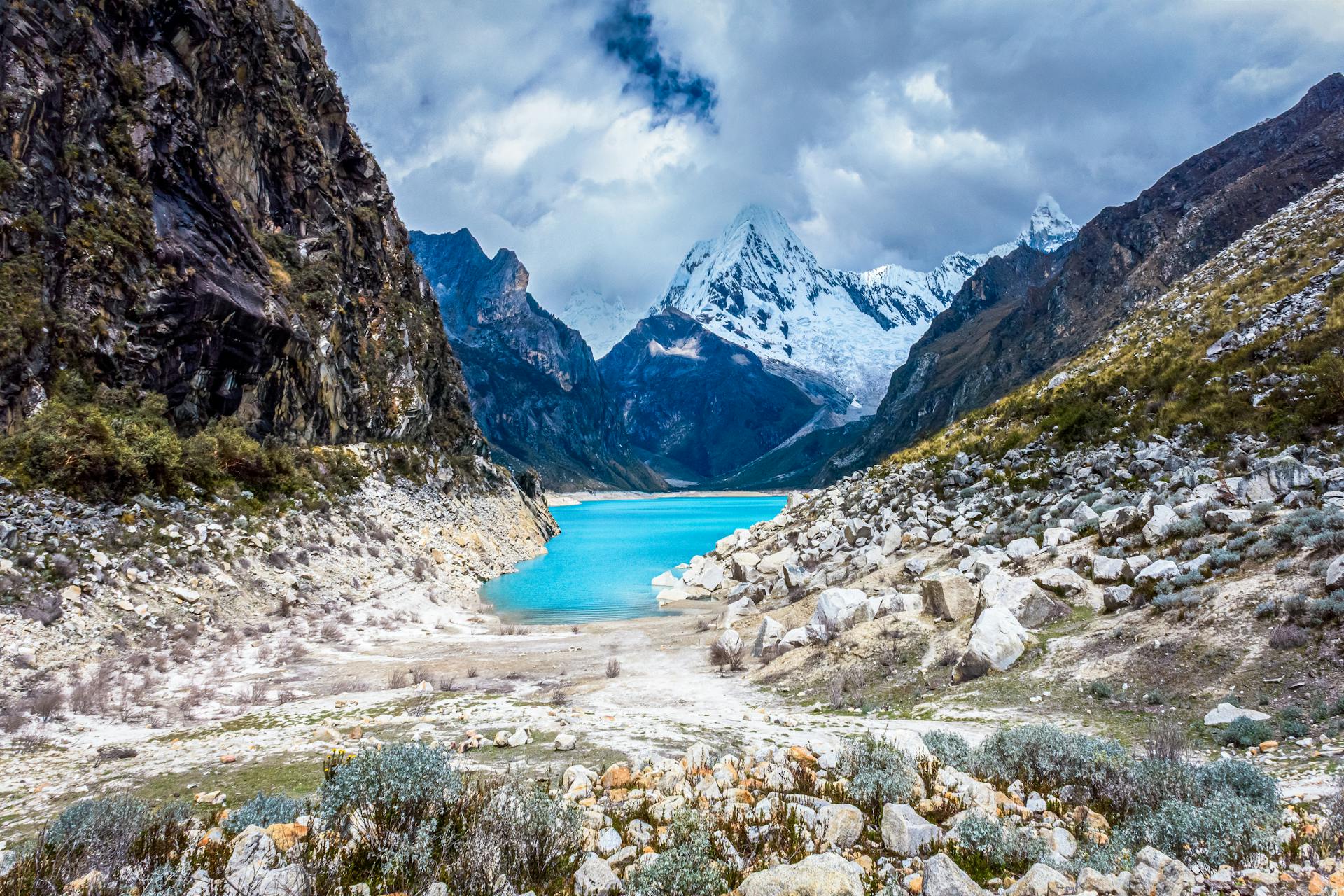
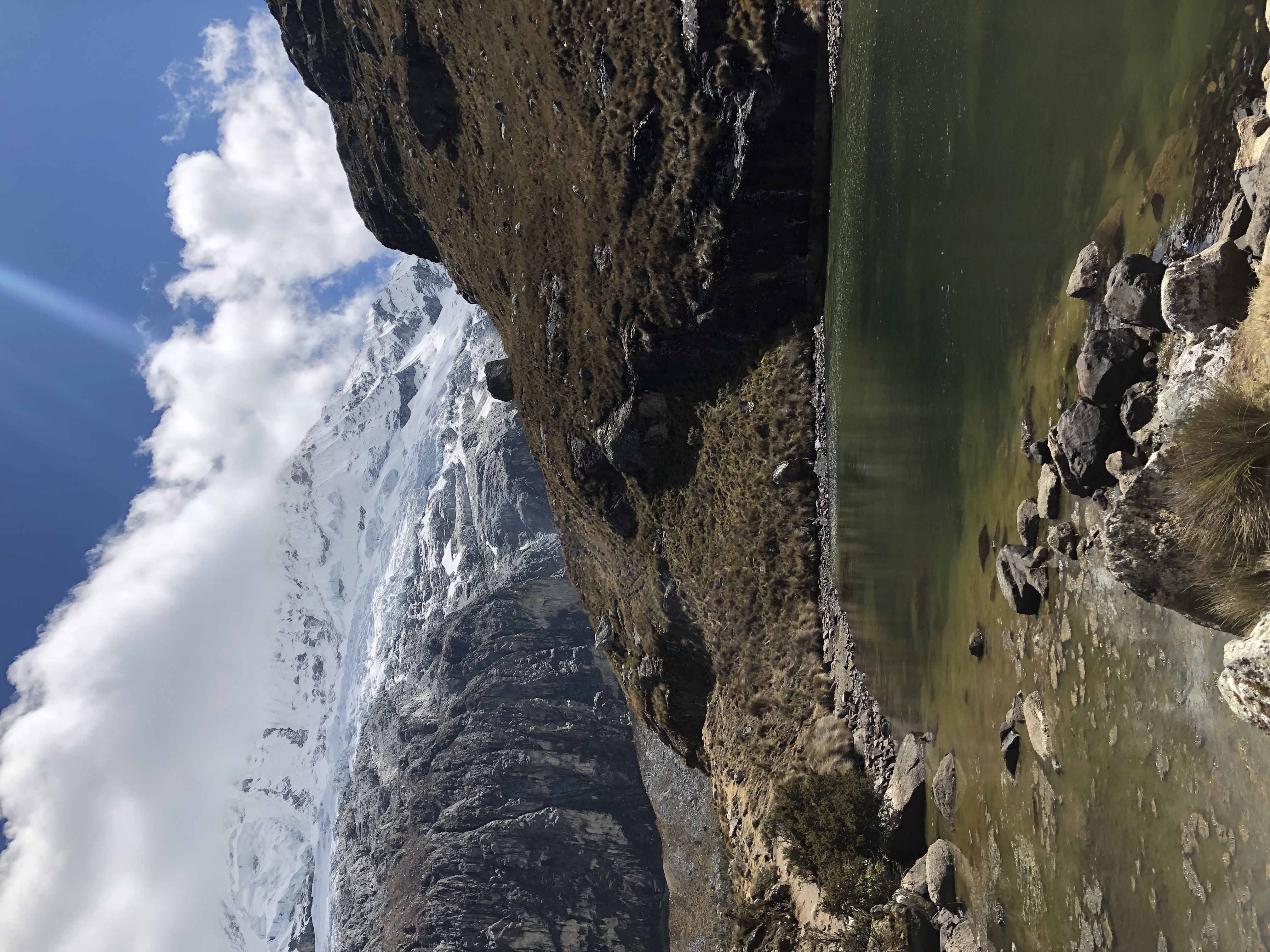
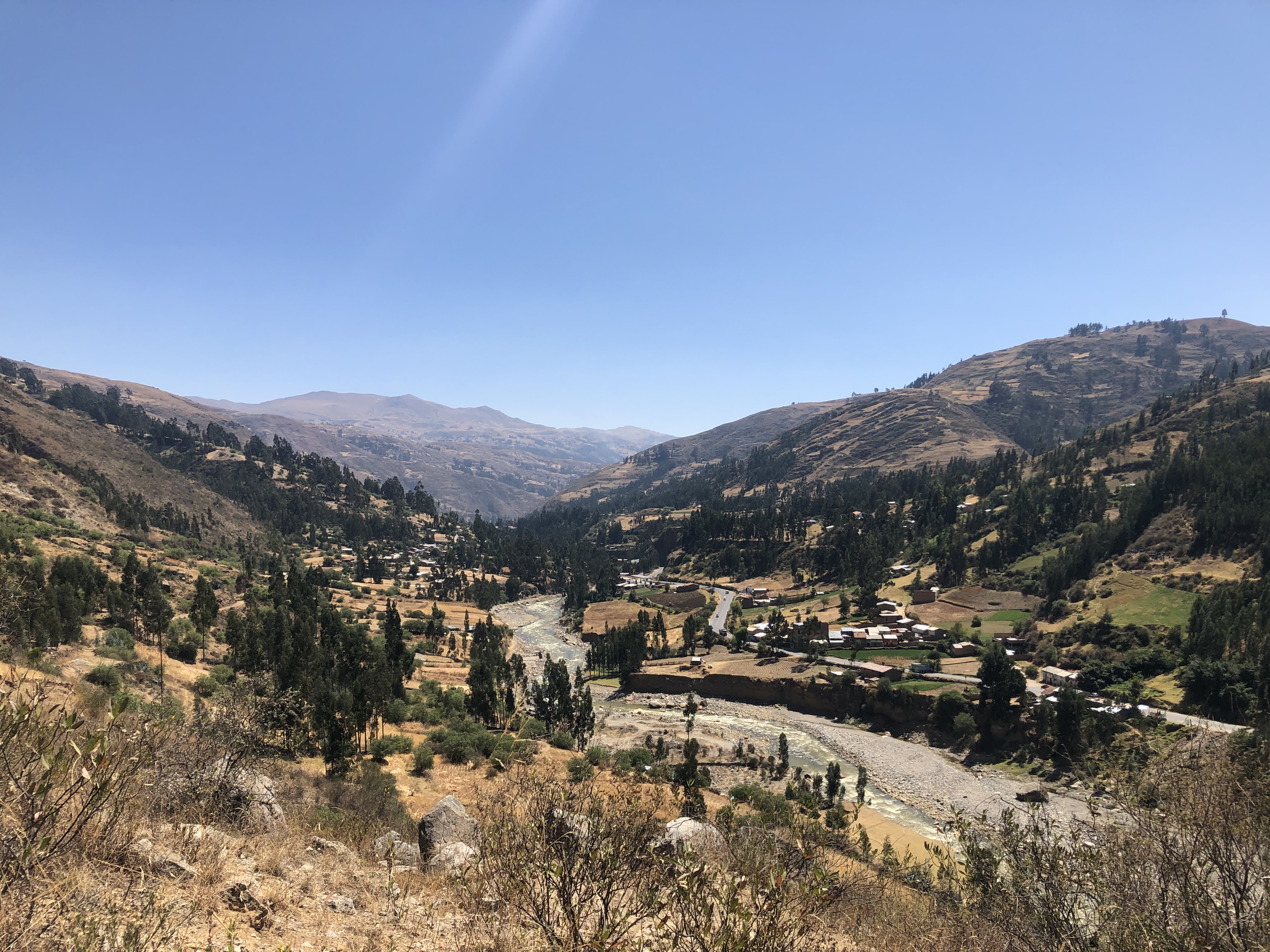
It is, without a doubt, the heart of trekking in Peru. Located at an altitude of over 3,000 meters in the heart of the Cordillera Blanca, Huaraz is a city surrounded by snow-capped mountains, lagoons of impossible colors, and some of the most stunning landscapes in the Andes.
Huaraz Guide 2026: Trekking in the Cordillera Blanca and Huayhuash
It is, without a doubt, the heart of trekking in Peru. Located at an altitude of over 3,000 meters in the heart of the Cordillera Blanca, Huaraz is a city surrounded by snow-capped mountains, lagoons of impossible colors, and some of the most stunning landscapes in the Andes.
Huaraz serves as a strategic base for exploring nature. From here, excursions depart to glacial lagoons, snowy peaks, and multi-day trails. It is an ideal place for those seeking demanding hikes, pure air, and direct contact with the mountains in one of the highest tropical mountain ranges in the world.
What to See and Do in Huaraz: Must-See Lagoons
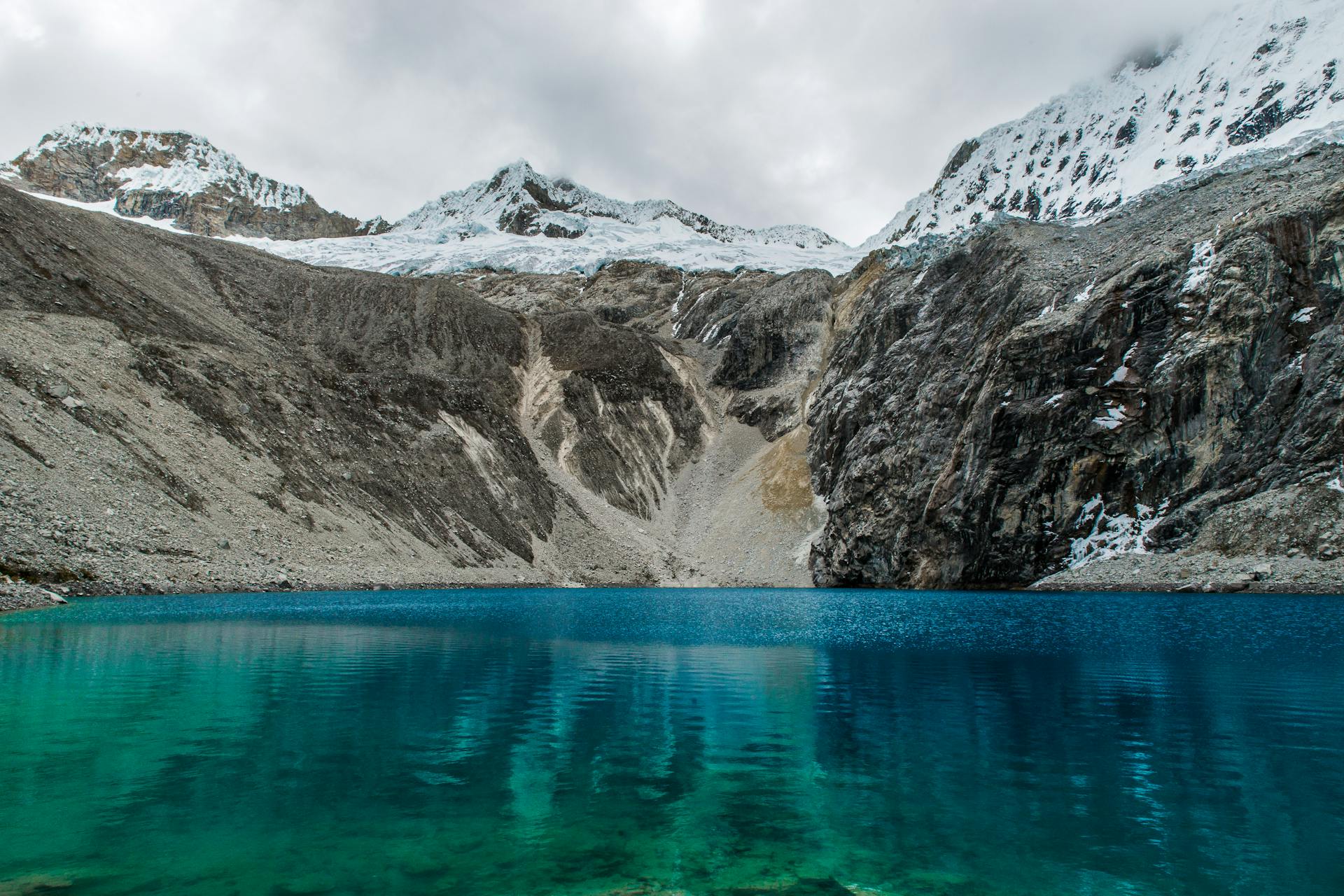
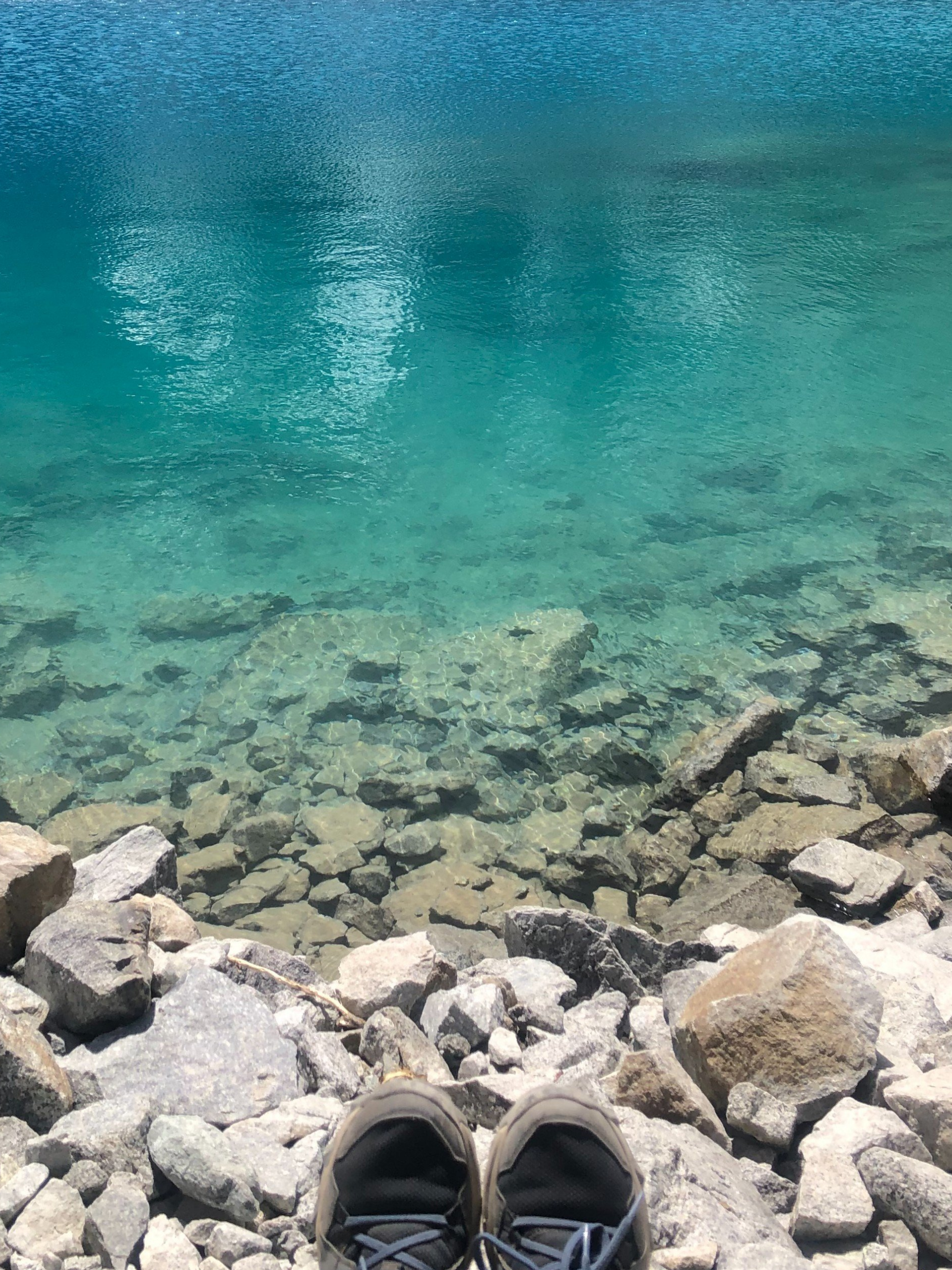
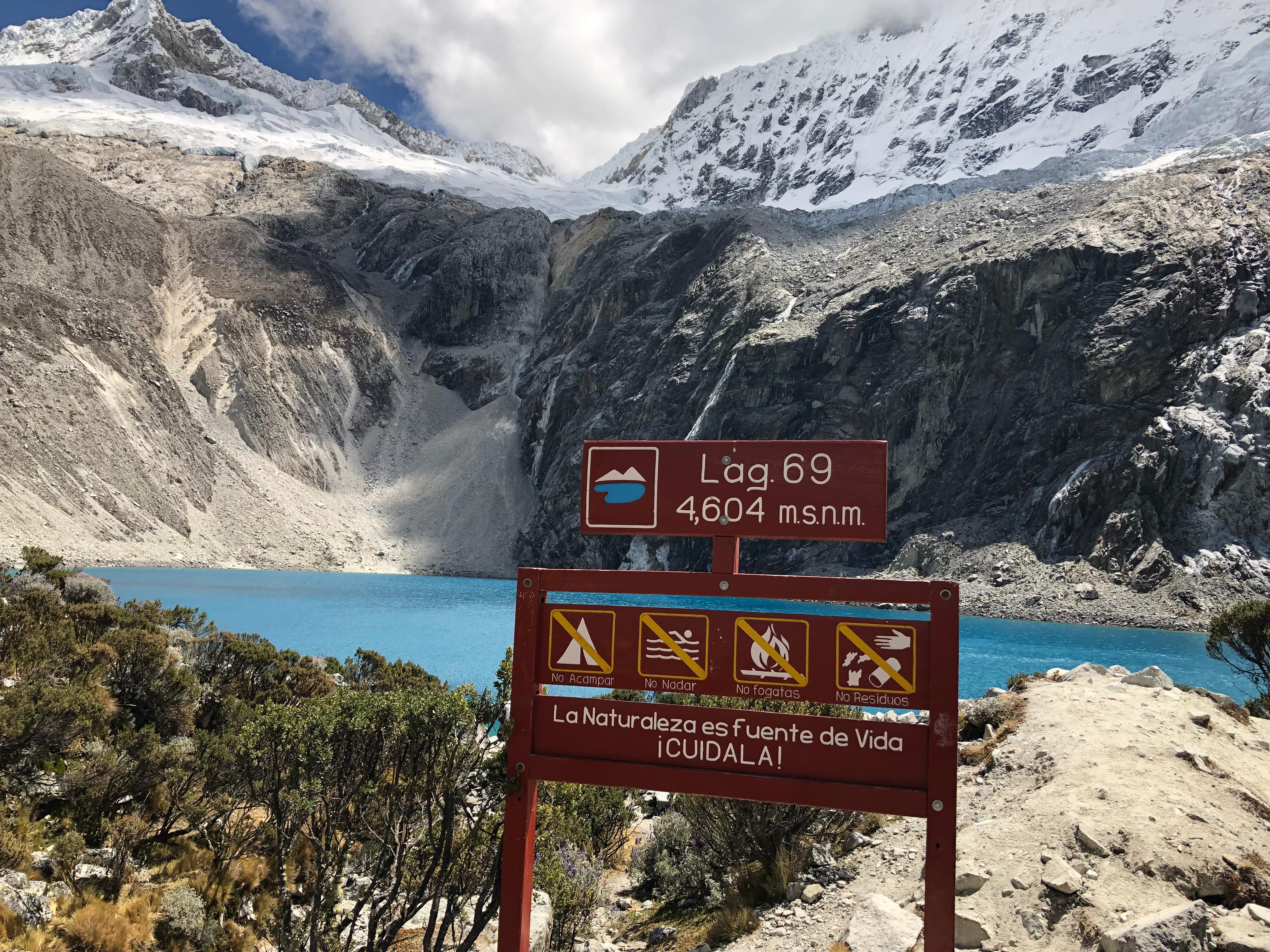
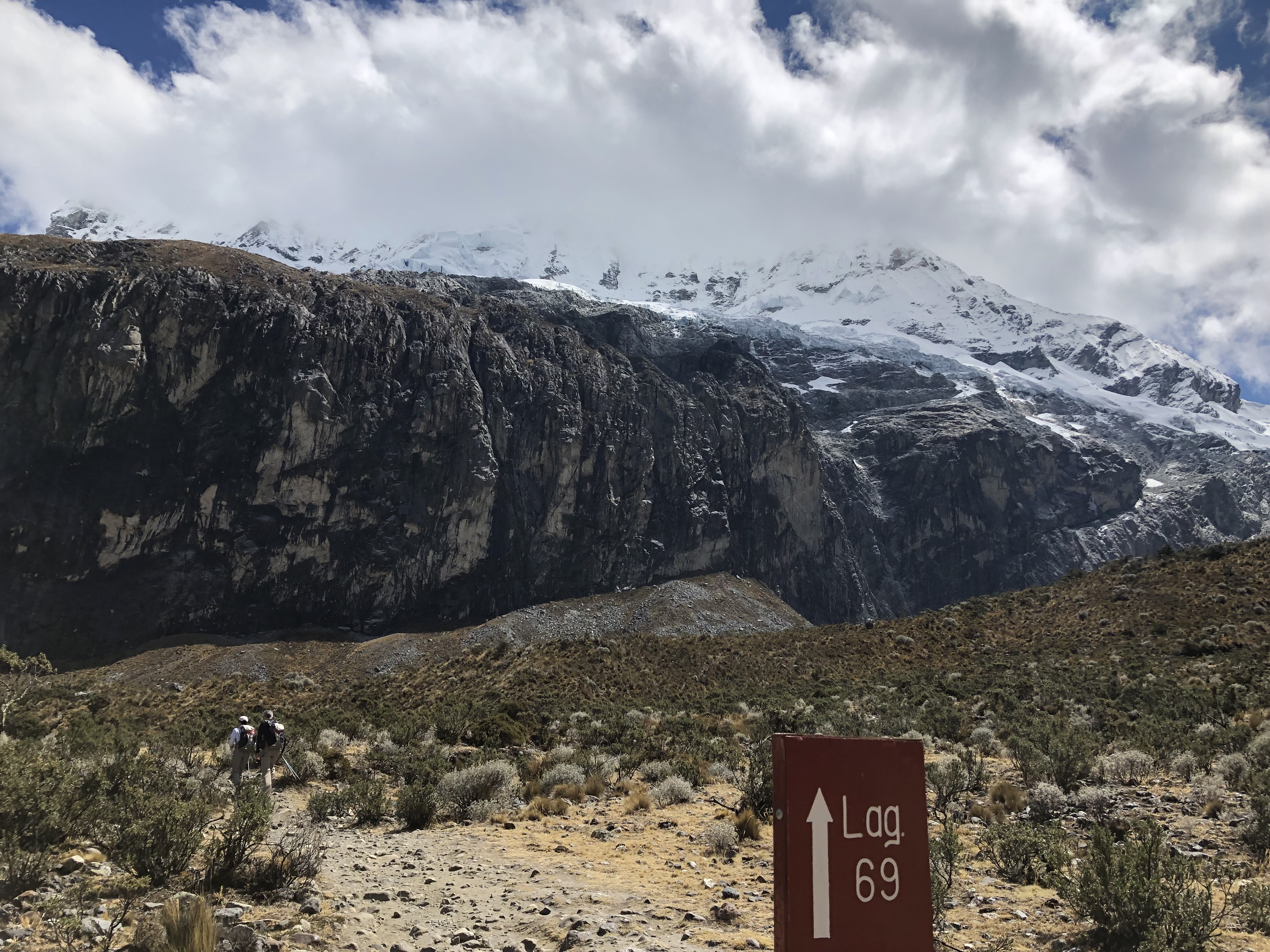
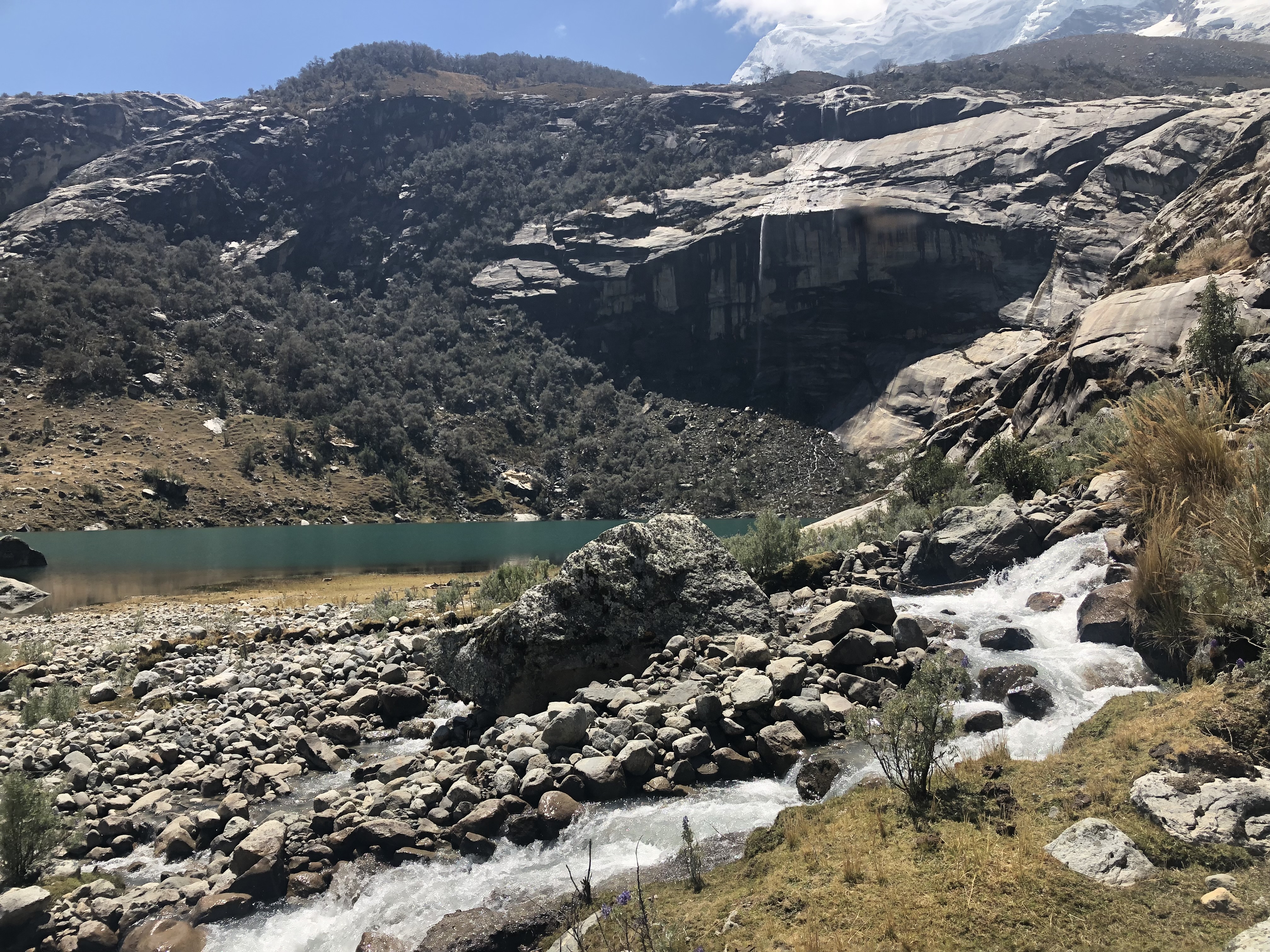
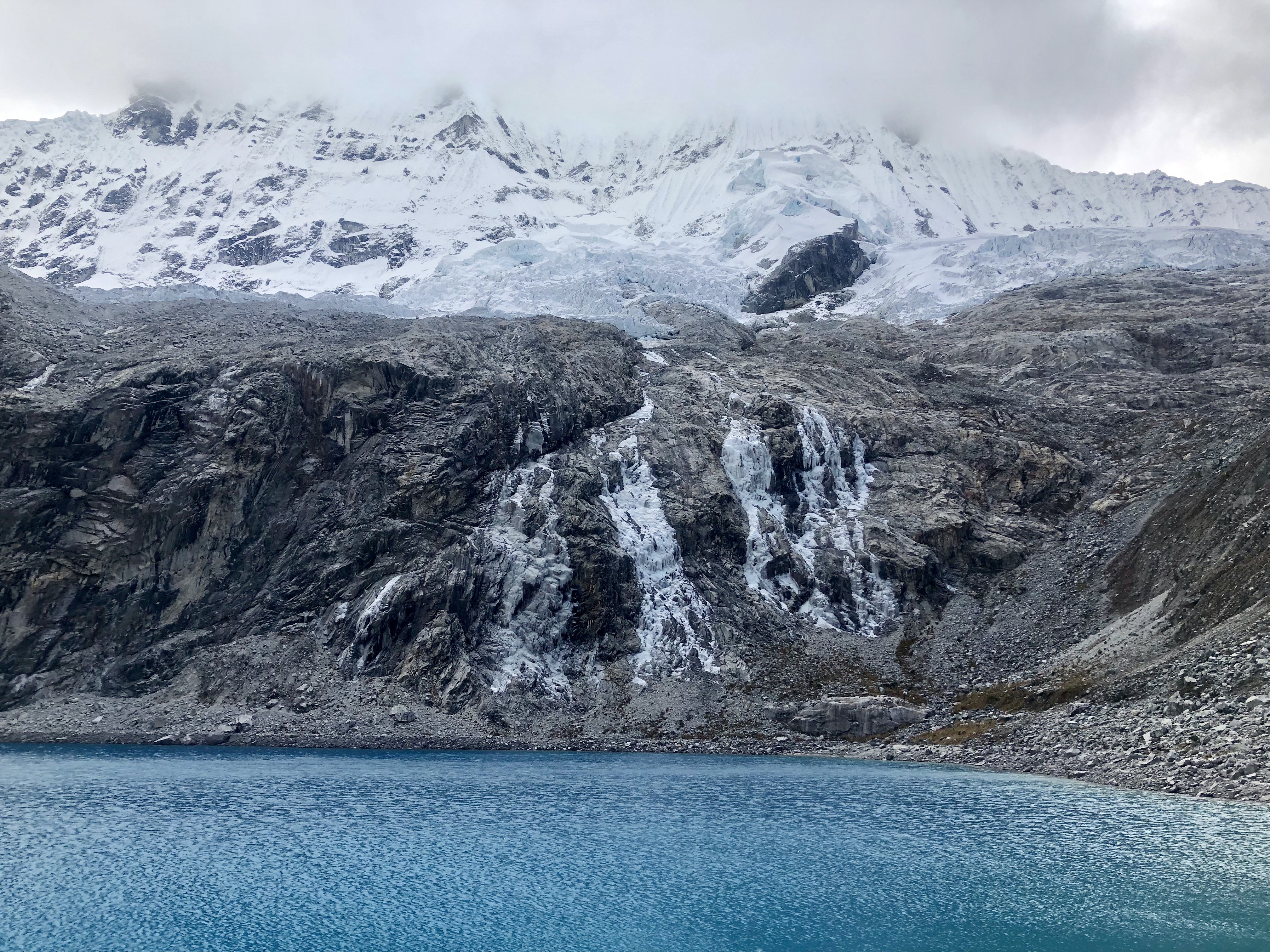
- Laguna 69 – The classic challenge. A demanding hike up to 4,600 meters above sea level to see a brilliant blue lagoon under the Chacraraju peak.
- Laguna Parón – The largest in the Cordillera Blanca. It is more accessible and offers an iconic view of "Artesonraju" (the mountain from the Paramount Pictures logo).
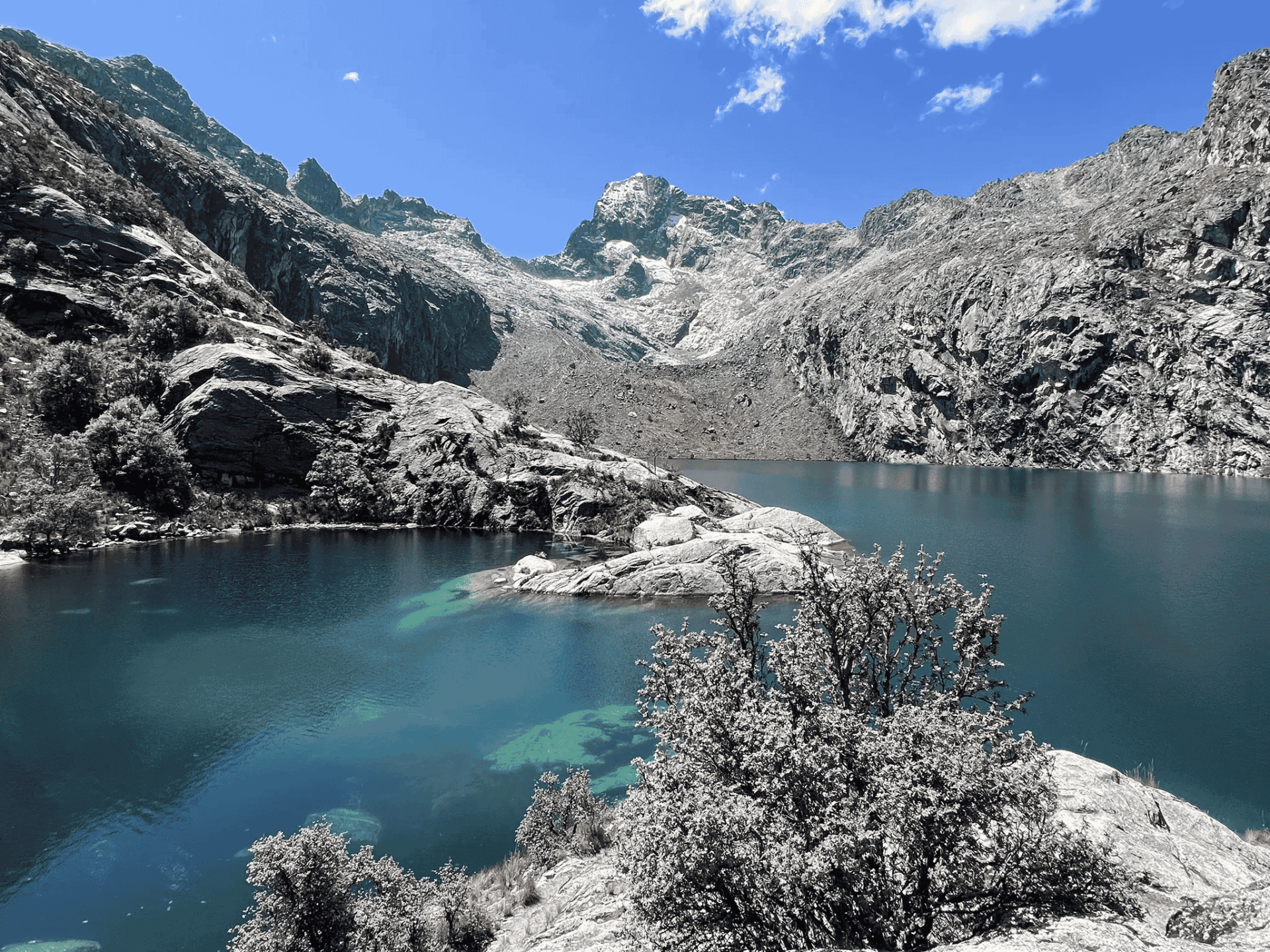
- Laguna Churup – Known as the "seven-colored lagoon." The trail includes a fun small section with ropes and chains.
- Laguna Wilcacocha – Located in the Cordillera Negra. It is the best hike for Day 1 as it offers the best panoramic view of the entire Cordillera Blanca from across the valley.
- Laguna Llanganuco – A complex of two lagoons (Chinancocha and Orconcocha) with intense turquoise color, surrounded by Polylepis (queñual) forests.
Glaciers and Archaeological Sites
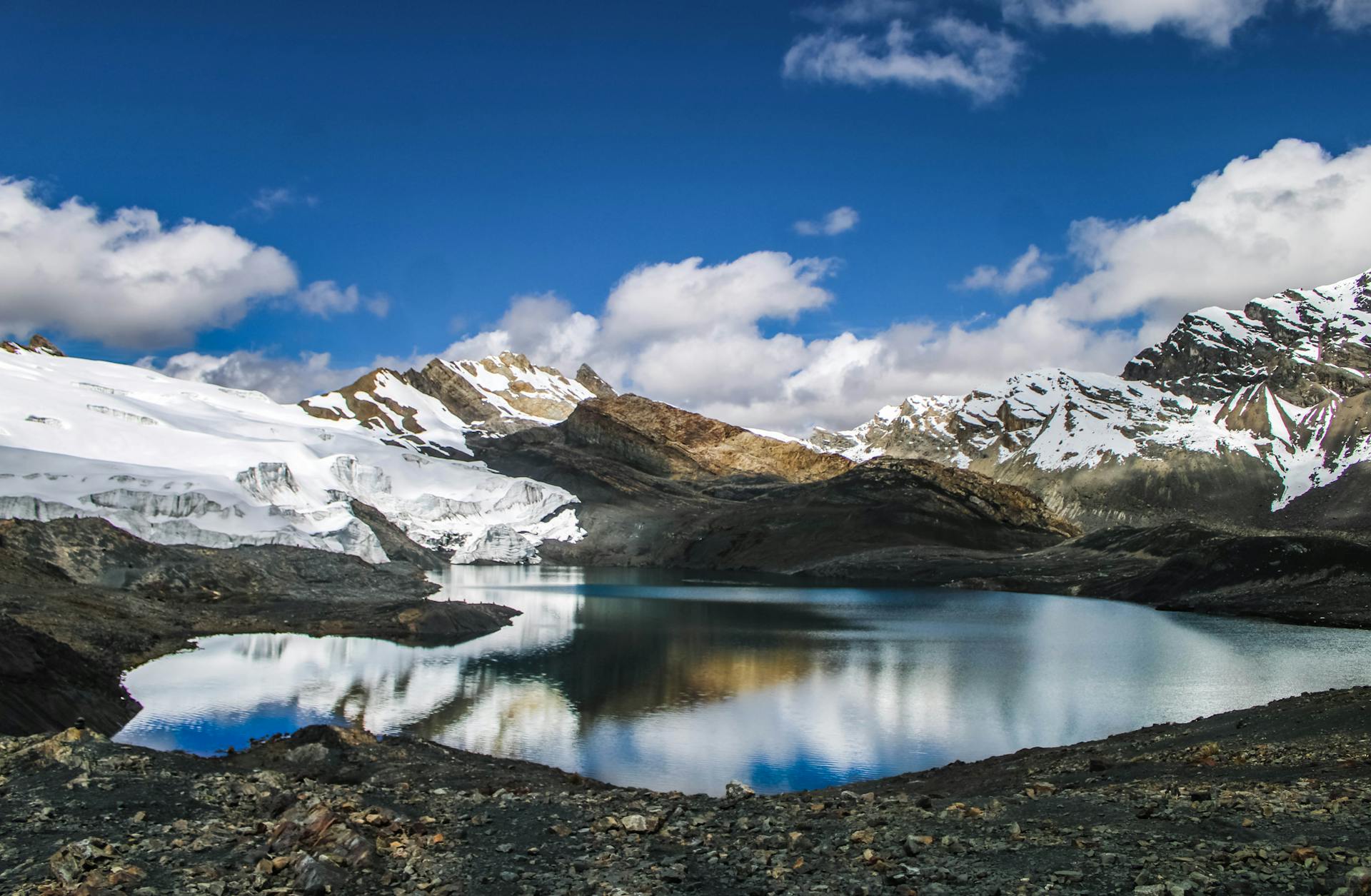
- Pastoruri Glacier – Located at 5,000 meters above sea level. It is a low-physical-effort visit but with a great visual impact. 2026 Fact: It is part of the "Climate Change Route" to understand glacial retreat.
- Chavín de Huántar – About 3 hours from Huaraz, this ancient ceremonial center is a UNESCO World Heritage site. Ideal for a physical rest day before a major trek.
Multi-Day Treks (High Adventure)
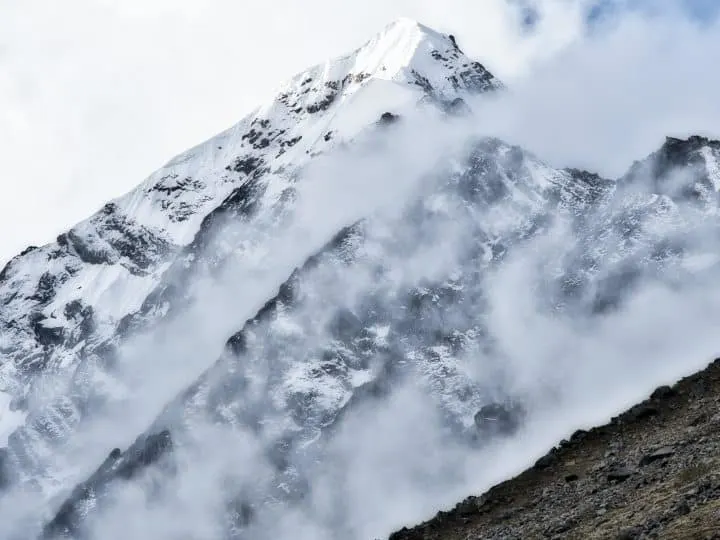
- Santa Cruz Trek (4 days): The most famous trek. It crosses the Punta Unión pass (4,750 m) and offers constant views of peaks like Alpamayo.
- Huayhuash Trek (8-12 days): Widely considered one of the best trekking circuits in the world. It is extremely demanding but passes through landscapes of surreal beauty.
Acclimatization Strategy (The Secret to Success)
Do not hike Laguna 69 on your first day. This is the order recommended by experts to avoid altitude sickness:
- Day 1: Gentle hike to Wilcacocha (3,700 m).
- Day 2: Laguna Parón or Chavín de Huántar (4,000 m+ via transport).
- Day 3: Laguna Churup or 69 (4,500 m+ with physical effort).
How to Get There and Get Around Huaraz
- From Lima: The most common option is the overnight bus (8 hours). Companies like Cruz del Sur or Movil Bus have their own terminals. 2026 Tip: Anta Airport (Huaraz) has resumed intermittent commercial flights; check availability if you want to save time.
- Moving locally: "Combis" (shared vans) depart from specific stops to nearby towns. For more distant lagoons, it is best to book shared tours at agencies near the Plaza de Armas.
What to Eat: Highland Flavors
- Fried or Roasted Guinea Pig (Cuy) – A specialty of the Áncash region.
- Llunca Cashki – A delicious and highly nutritious wheat soup, traditional on Mondays in Huaraz.
- Pachamanca – Meat and vegetables cooked underground with hot stones.
- Picante de Cuy – A powerful stew made with panca chili and potatoes.
2026 Survival Tips
- Huascarán National Park Ticket: You need to purchase a pass (available for 1 day or a multi-day pass if you are doing the Santa Cruz trek).
- "Onion" Clothing: Dress in layers. The sun is very strong during the day, but as soon as it sets or you move into the shade, the temperature drops drastically.
- Season: The "good weather window" (Andean summer) is from May to September. Outside these months, be prepared for significant rain and muddy trails.
Our Experience Traveling in Huaraz
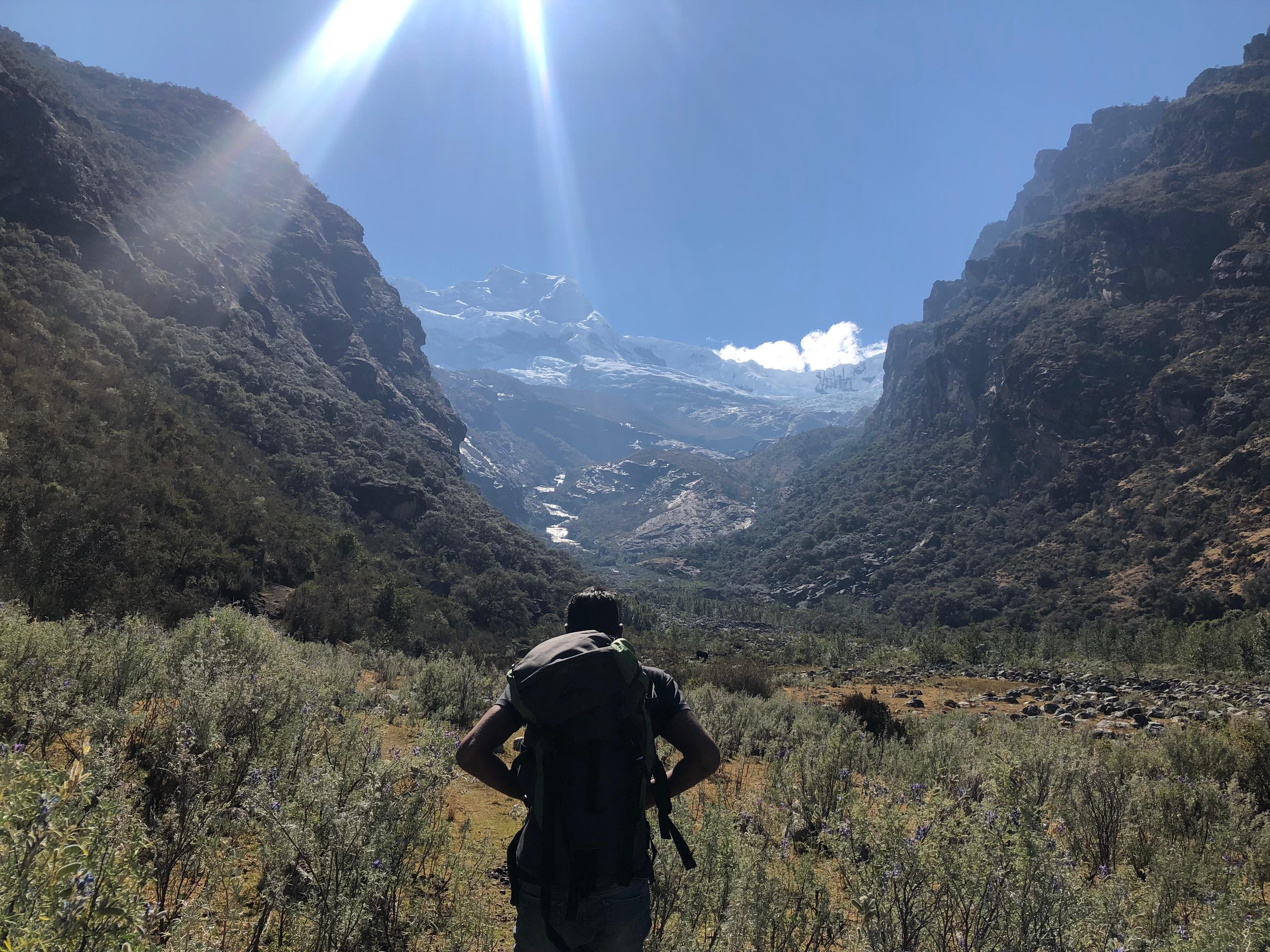
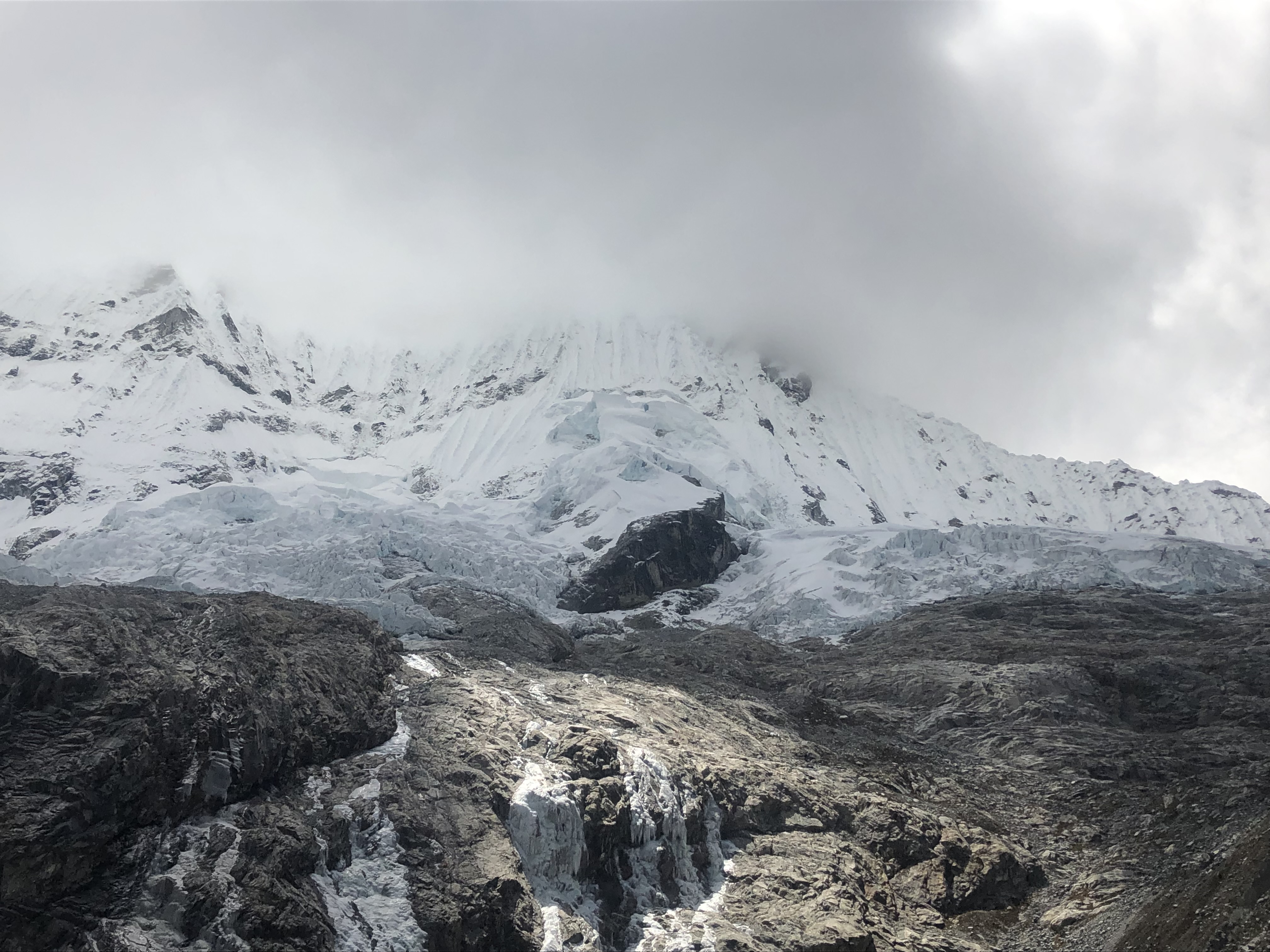
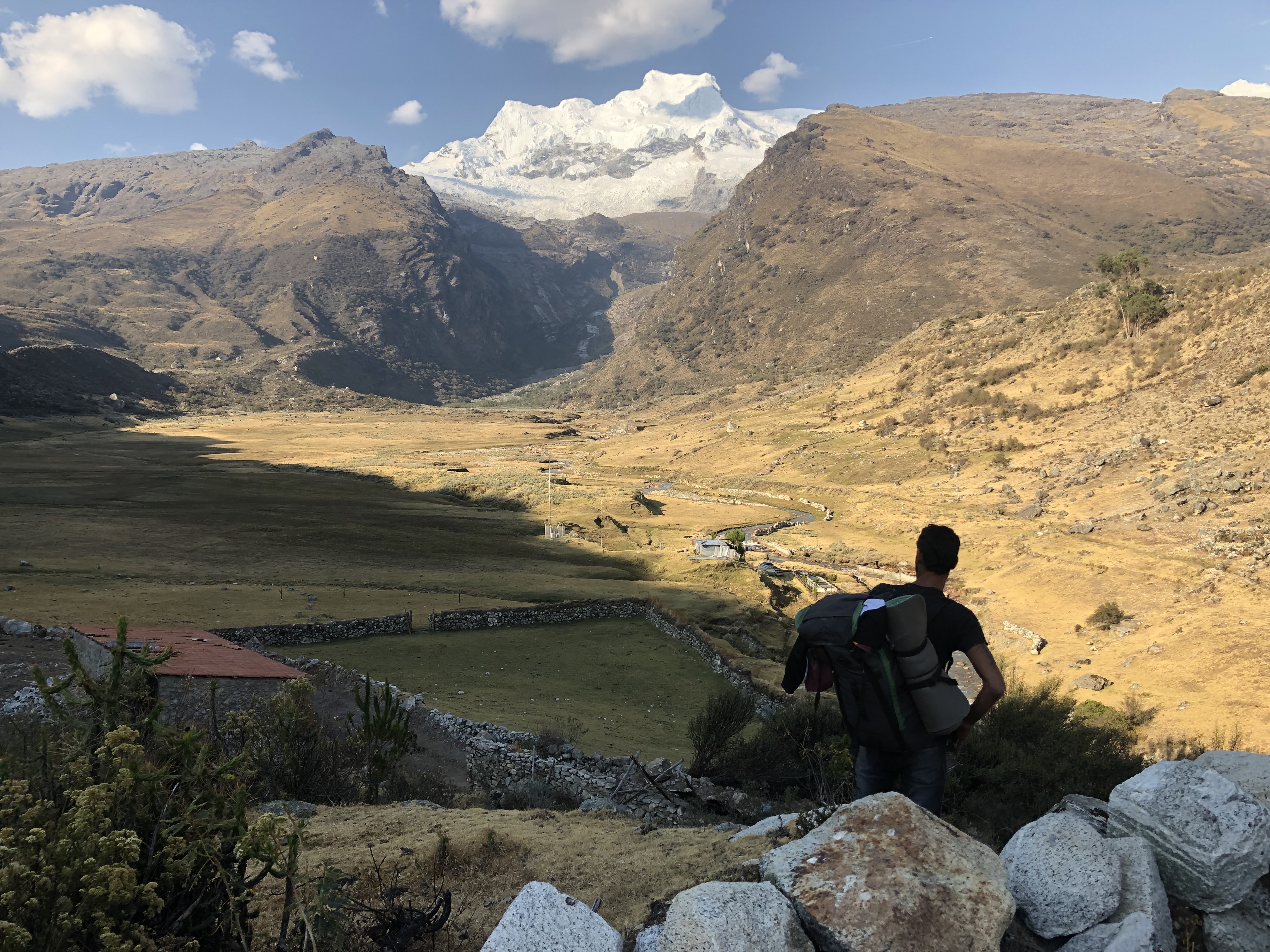
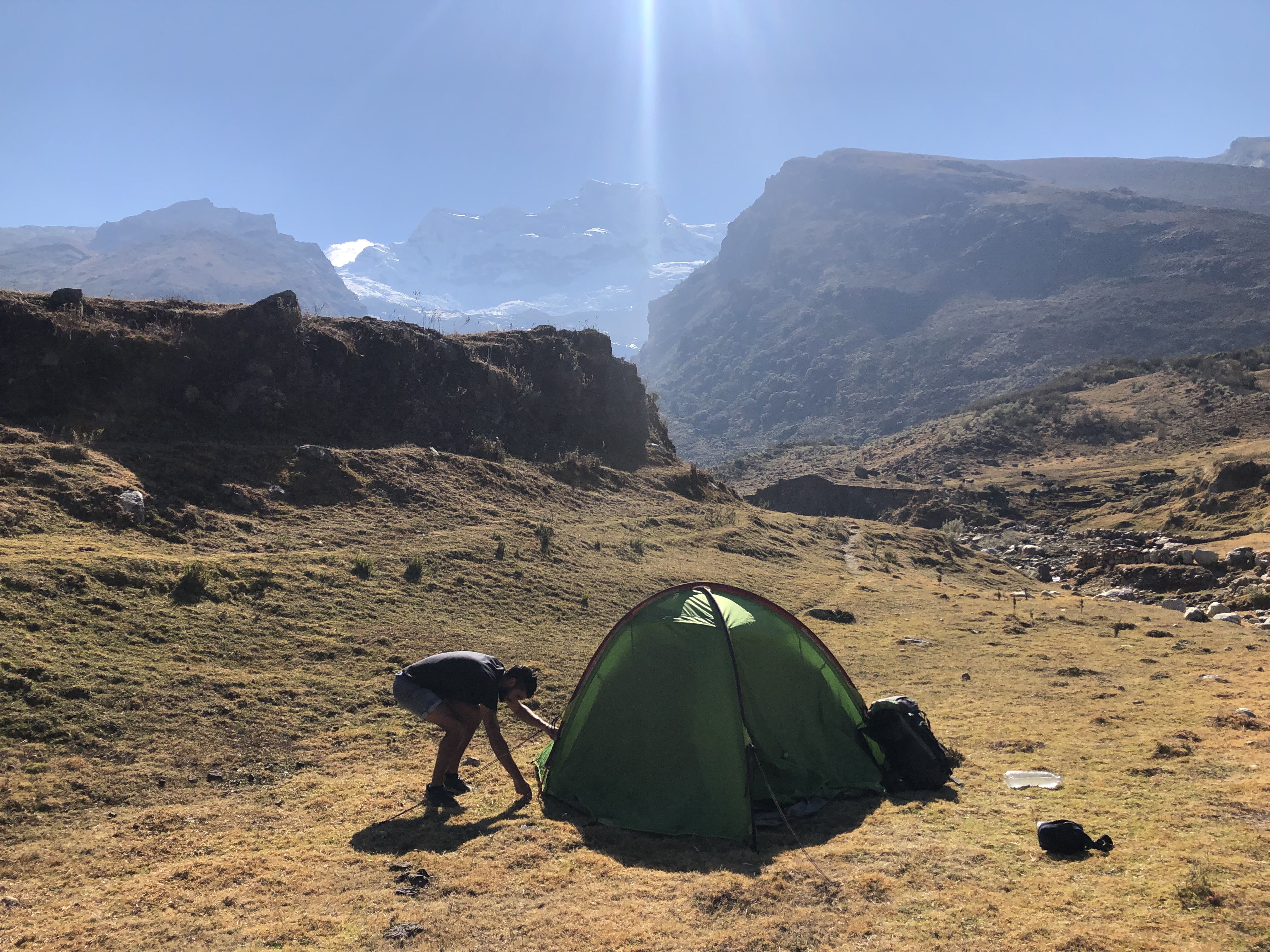
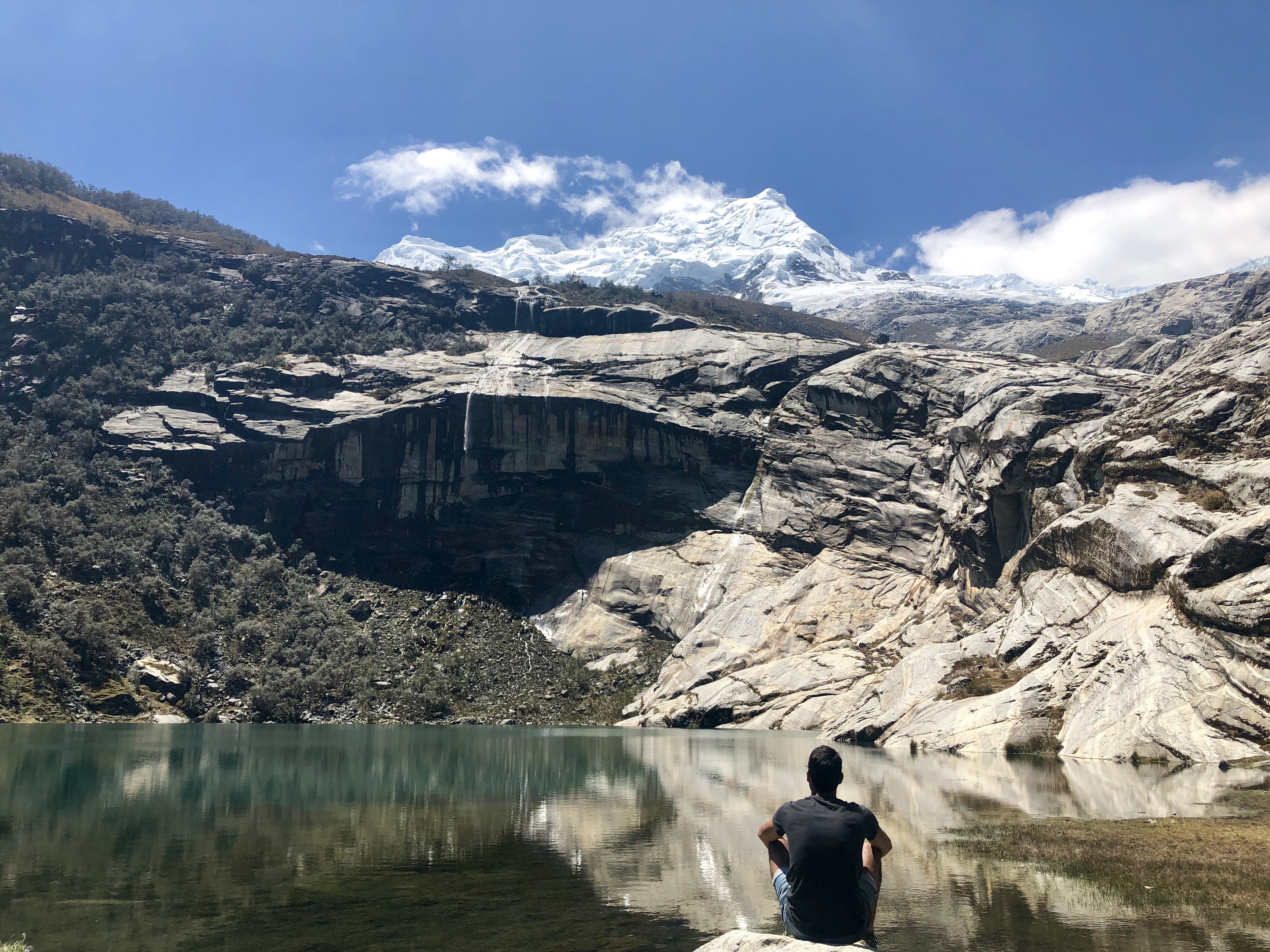
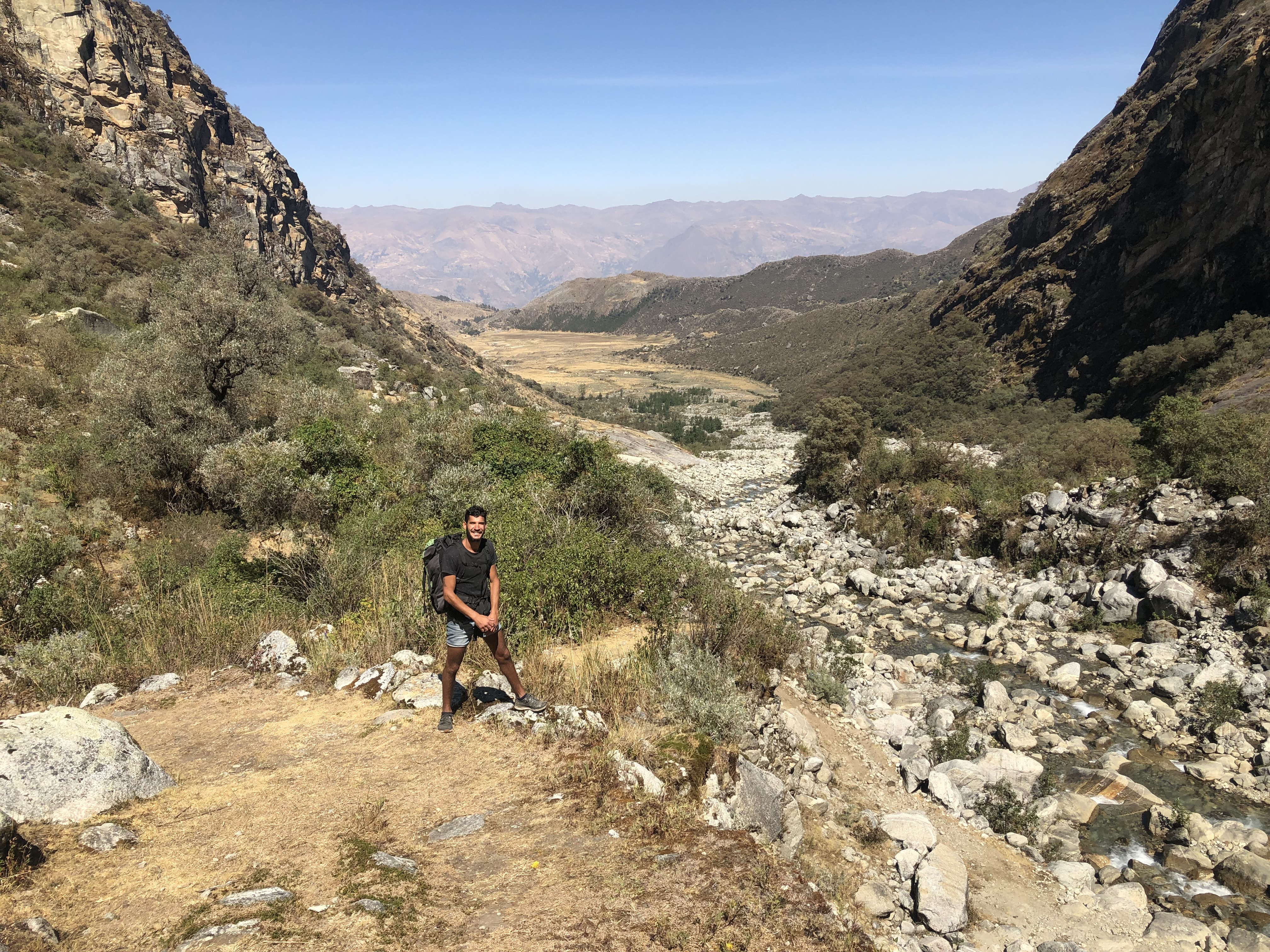
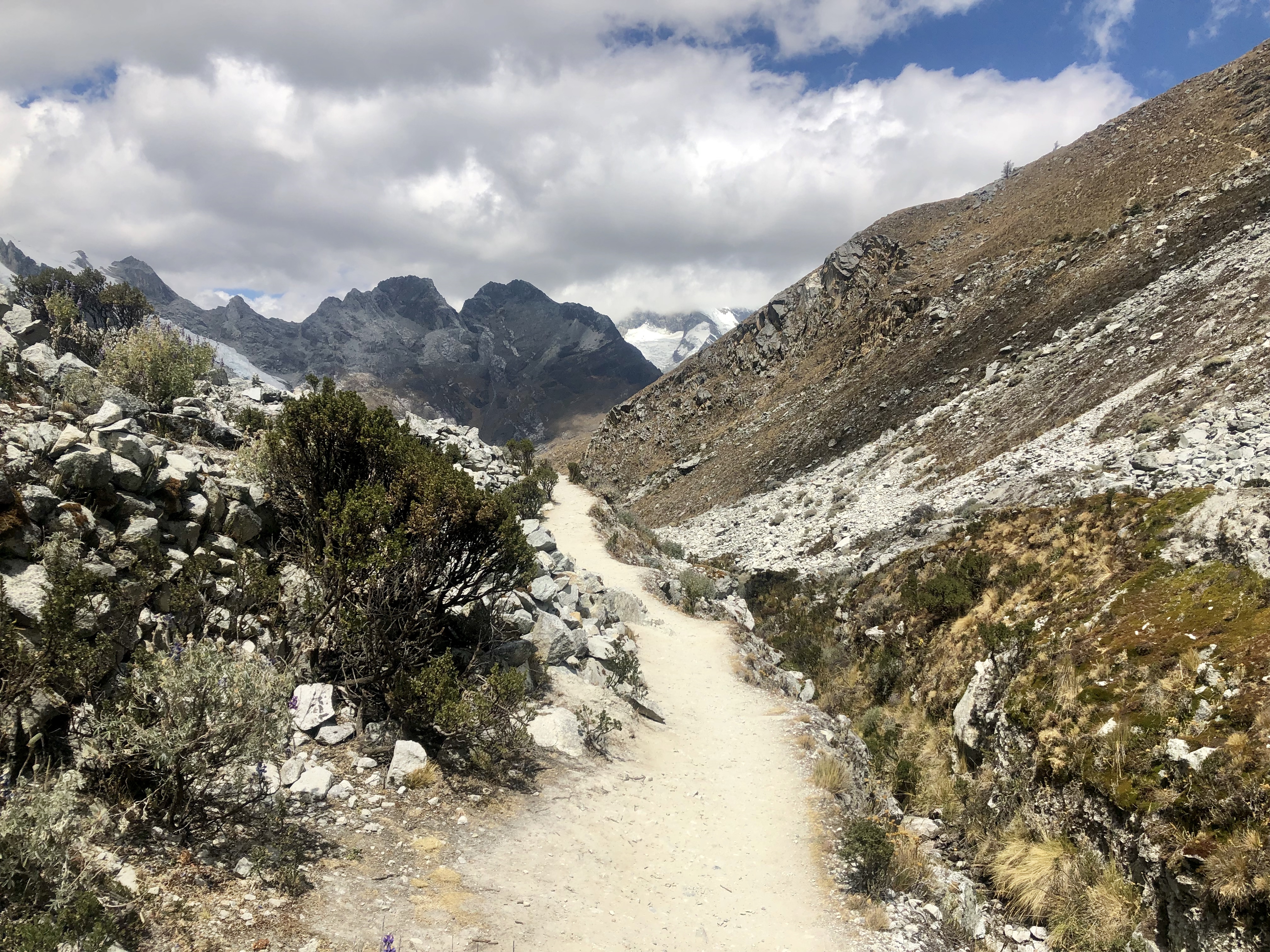
Huaraz demands effort and rewards it. The hikes are tough, the altitude is felt, and the weather can be variable, but every effort is worth it. The landscapes are immense, silent, and deeply Andean. Here, it is about living with the mountain, respecting its pace, and being awestruck by the Cordillera Blanca. For those who enjoy hiking, Huaraz is simply unforgettable.
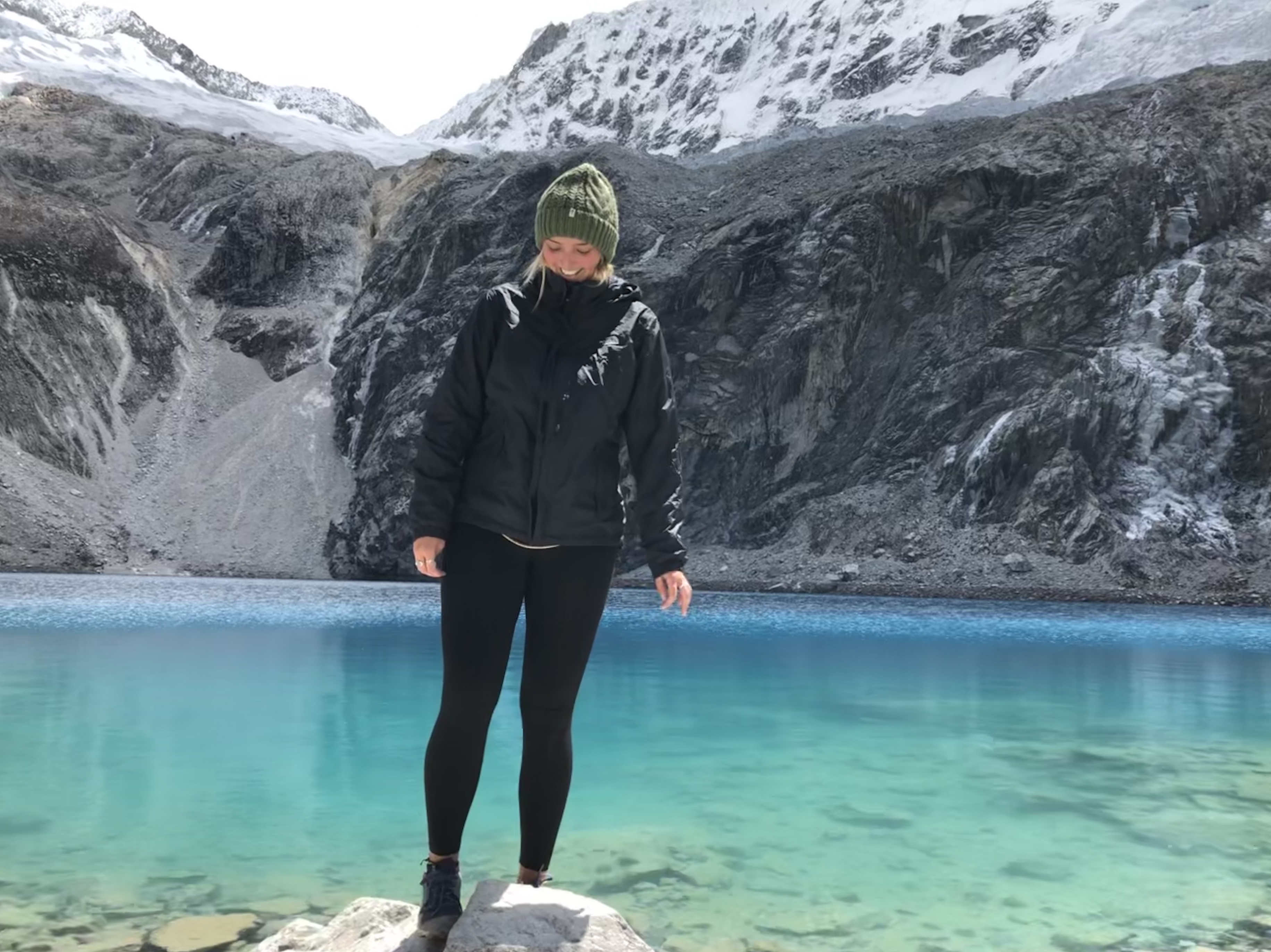
- Laguna 69 – The classic challenge. A demanding hike up to 4,600 meters above sea level to see a brilliant blue lagoon under the Chacraraju peak.
- Laguna Parón – The largest in the Cordillera Blanca. It is more accessible and offers an iconic view of "Artesonraju" (the mountain from the Paramount Pictures logo).
- Laguna Churup – Known as the "seven-colored lagoon." The trail includes a fun small section with ropes and chains.
- Laguna Wilcacocha – Located in the Cordillera Negra. It is the best hike for Day 1 as it offers the best panoramic view of the entire Cordillera Blanca from across the valley.
- Laguna Llanganuco – A complex of two lagoons (Chinancocha and Orconcocha) with intense turquoise color, surrounded by Polylepis (queñual) forests.
PUBLICIDAD
Travel with Data: Get your Saily eSIM
- ✓Internet in seconds upon landing
- ✓Flexible plans in 180+ countries
- ✓Easy setup directly via the App
- Pastoruri Glacier – Located at 5,000 meters above sea level. It is a low-physical-effort visit but with a great visual impact. 2026 Fact: It is part of the "Climate Change Route" to understand glacial retreat.
- Chavín de Huántar – About 3 hours from Huaraz, this ancient ceremonial center is a UNESCO World Heritage site. Ideal for a physical rest day before a major trek.
- Santa Cruz Trek (4 days): The most famous trek. It crosses the Punta Unión pass (4,750 m) and offers constant views of peaks like Alpamayo.
- Huayhuash Trek (8-12 days): Widely considered one of the best trekking circuits in the world. It is extremely demanding but passes through landscapes of surreal beauty.
Do not hike Laguna 69 on your first day. This is the order recommended by experts to avoid altitude sickness:
- Day 1: Gentle hike to Wilcacocha (3,700 m).
- Day 2: Laguna Parón or Chavín de Huántar (4,000 m+ via transport).
- Day 3: Laguna Churup or 69 (4,500 m+ with physical effort).
- From Lima: The most common option is the overnight bus (8 hours). Companies like Cruz del Sur or Movil Bus have their own terminals. 2026 Tip: Anta Airport (Huaraz) has resumed intermittent commercial flights; check availability if you want to save time.
- Moving locally: "Combis" (shared vans) depart from specific stops to nearby towns. For more distant lagoons, it is best to book shared tours at agencies near the Plaza de Armas.
- Fried or Roasted Guinea Pig (Cuy) – A specialty of the Áncash region.
- Llunca Cashki – A delicious and highly nutritious wheat soup, traditional on Mondays in Huaraz.
- Pachamanca – Meat and vegetables cooked underground with hot stones.
- Picante de Cuy – A powerful stew made with panca chili and potatoes.
- Huascarán National Park Ticket: You need to purchase a pass (available for 1 day or a multi-day pass if you are doing the Santa Cruz trek).
- "Onion" Clothing: Dress in layers. The sun is very strong during the day, but as soon as it sets or you move into the shade, the temperature drops drastically.
- Season: The "good weather window" (Andean summer) is from May to September. Outside these months, be prepared for significant rain and muddy trails.
PUBLICIDAD
Huaraz demands effort and rewards it. The hikes are tough, the altitude is felt, and the weather can be variable, but every effort is worth it. The landscapes are immense, silent, and deeply Andean. Here, it is about living with the mountain, respecting its pace, and being awestruck by the Cordillera Blanca. For those who enjoy hiking, Huaraz is simply unforgettable.
Galery
PUBLICIDAD
International Travel Insurance
- ✓International medical insurance
- ✓24/7 immediate assistance in your language
- ✓Ideal for trekking & adventure
Posts in Peru
Preferences
Language
Color
Text
Width