Table of contents and map
Cusco and Sacred Valley Guide 2026: Itineraries, Tickets, and Tips
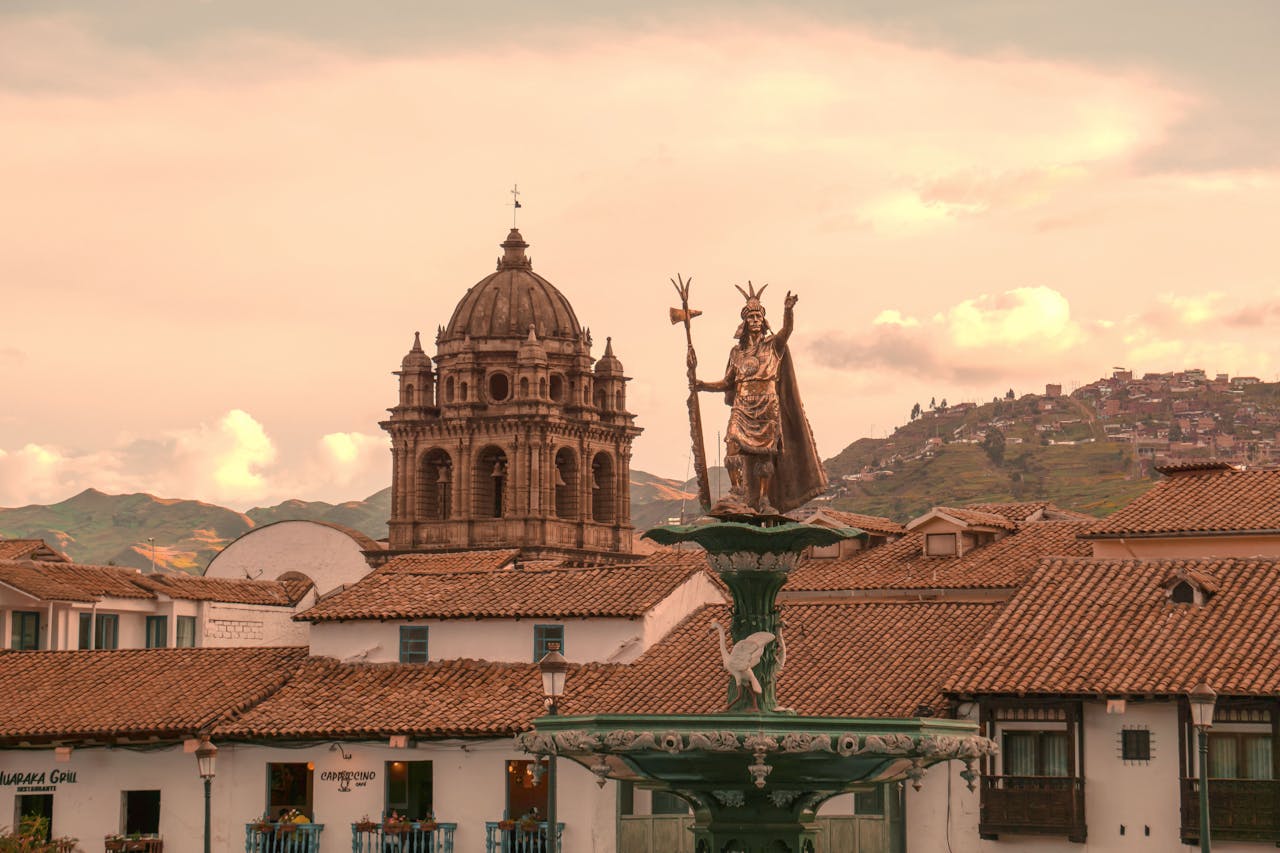
Cuzco, located in the Peruvian Andes, is one of the most historic cities in South America. The former capital of the Inca Empire, it combines pre-Hispanic vestiges with Spanish colonial architecture. It is the gateway to the Sacred Valley and Machu Picchu, standing out for its living cultural identity and the strong link between Andean tradition and modern life.
Cusco and Sacred Valley Guide 2026: Itineraries, Tickets, and Tips
Cuzco, located in the Peruvian Andes, is one of the most historic cities in South America. The former capital of the Inca Empire, it combines pre-Hispanic vestiges with Spanish colonial architecture. It is the gateway to the Sacred Valley and Machu Picchu, standing out for its living cultural identity and the strong link between Andean tradition and modern life.
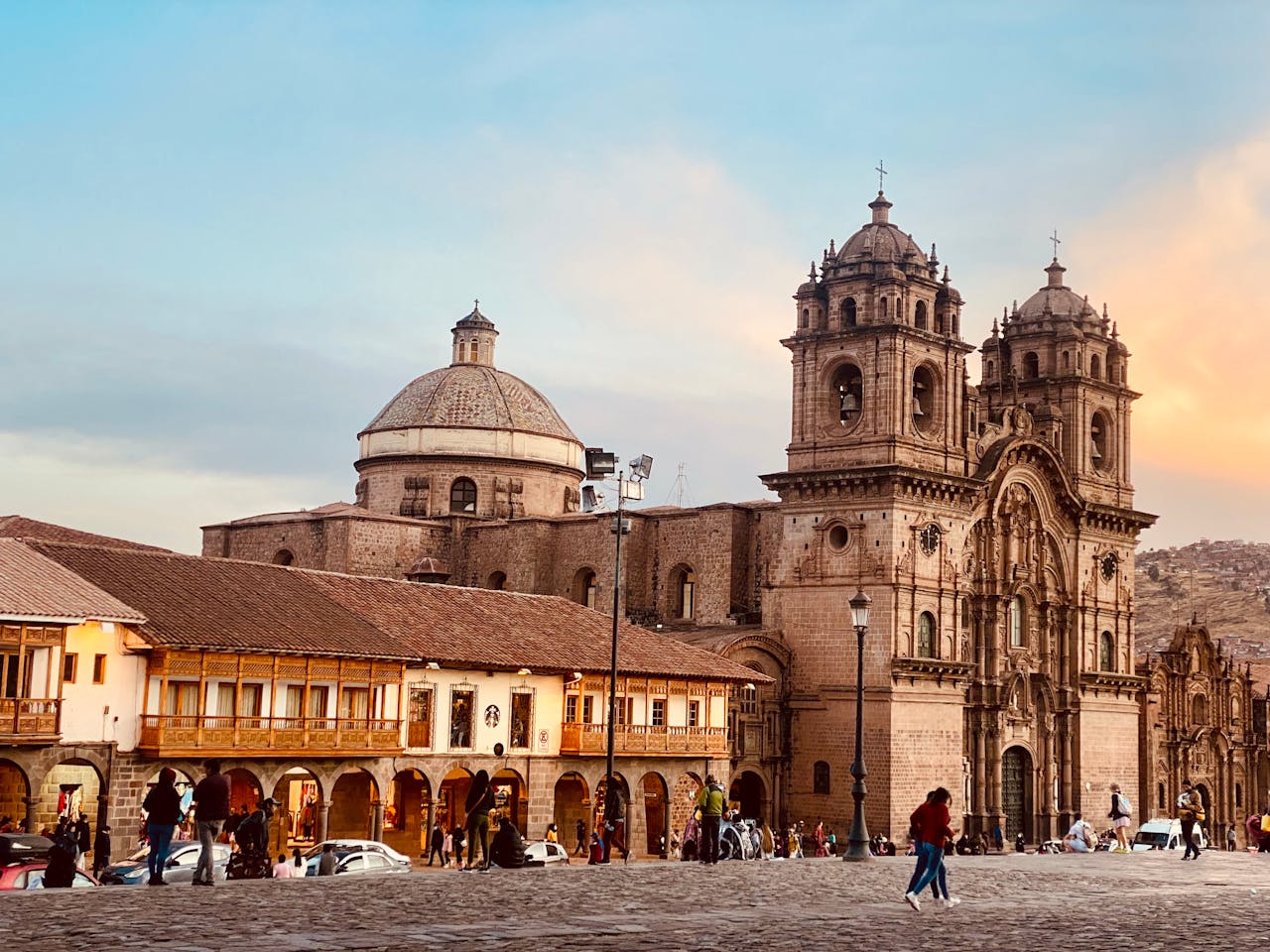
Cuzco was the capital of the Inca Empire and remains the historical and cultural heart of Peru. It combines ancient ruins, colonial architecture, and a very particular traveler energy. Walking through its streets involves living with history at every step, between Inca walls, colonial churches, and a very present local life. It is also the ideal base for exploring the Sacred Valley, where traditional villages, mountain landscapes, and archaeological sites show the magnitude of the Inca civilization.
What to See and Do in Cusco and Surroundings
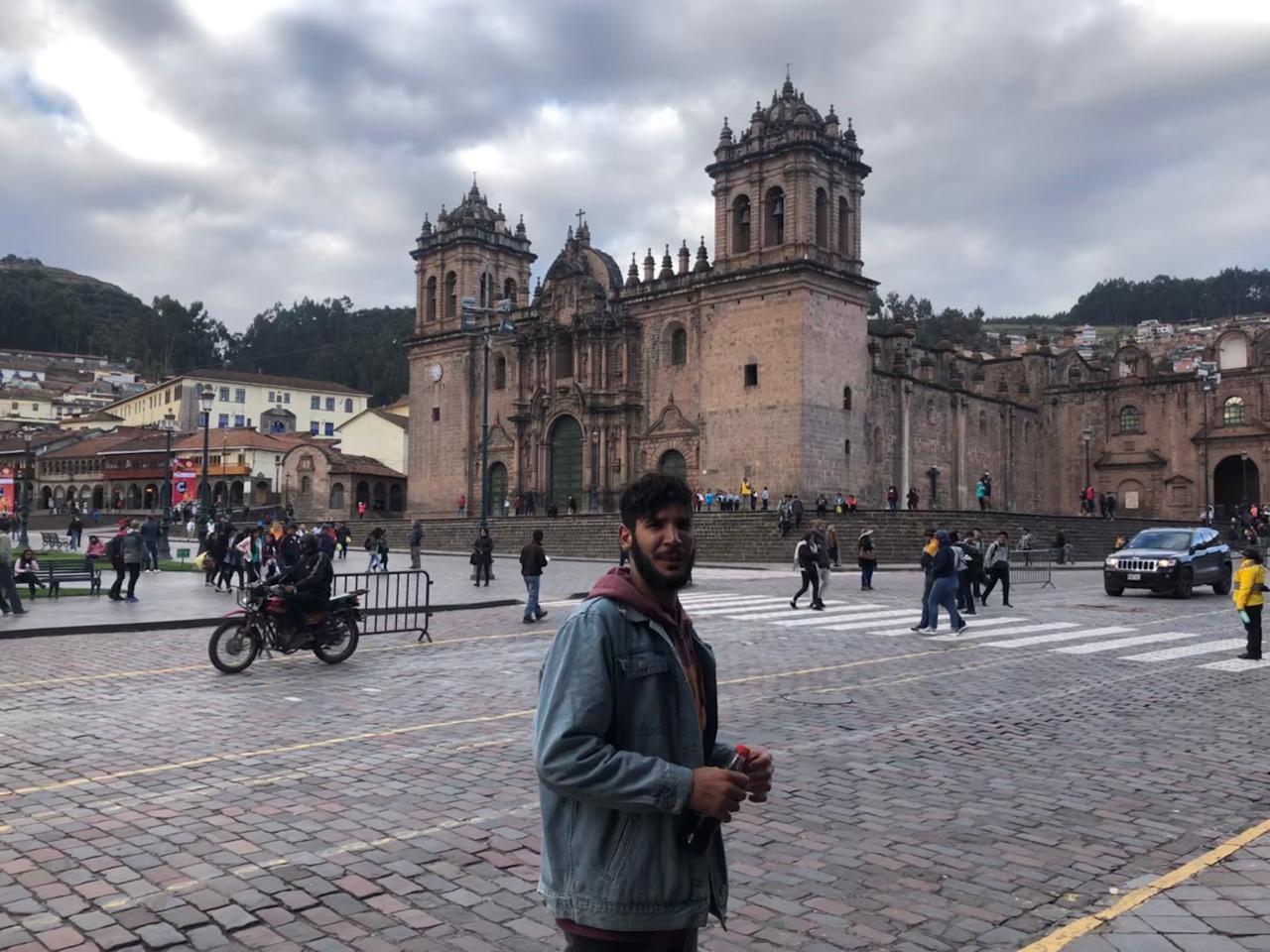
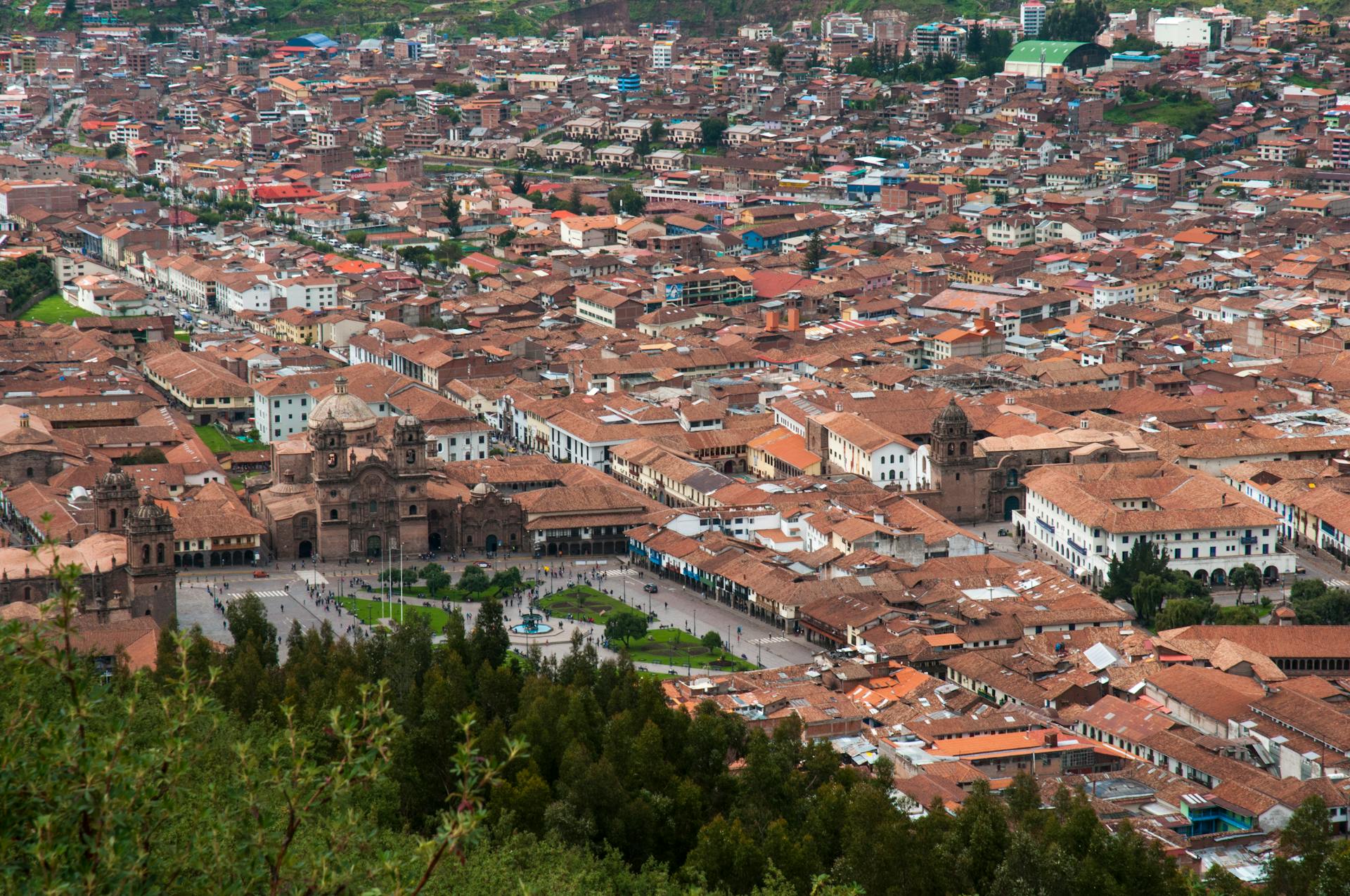
- Plaza de Armas – The center of Cusqueño life, surrounded by colonial churches and balconies.
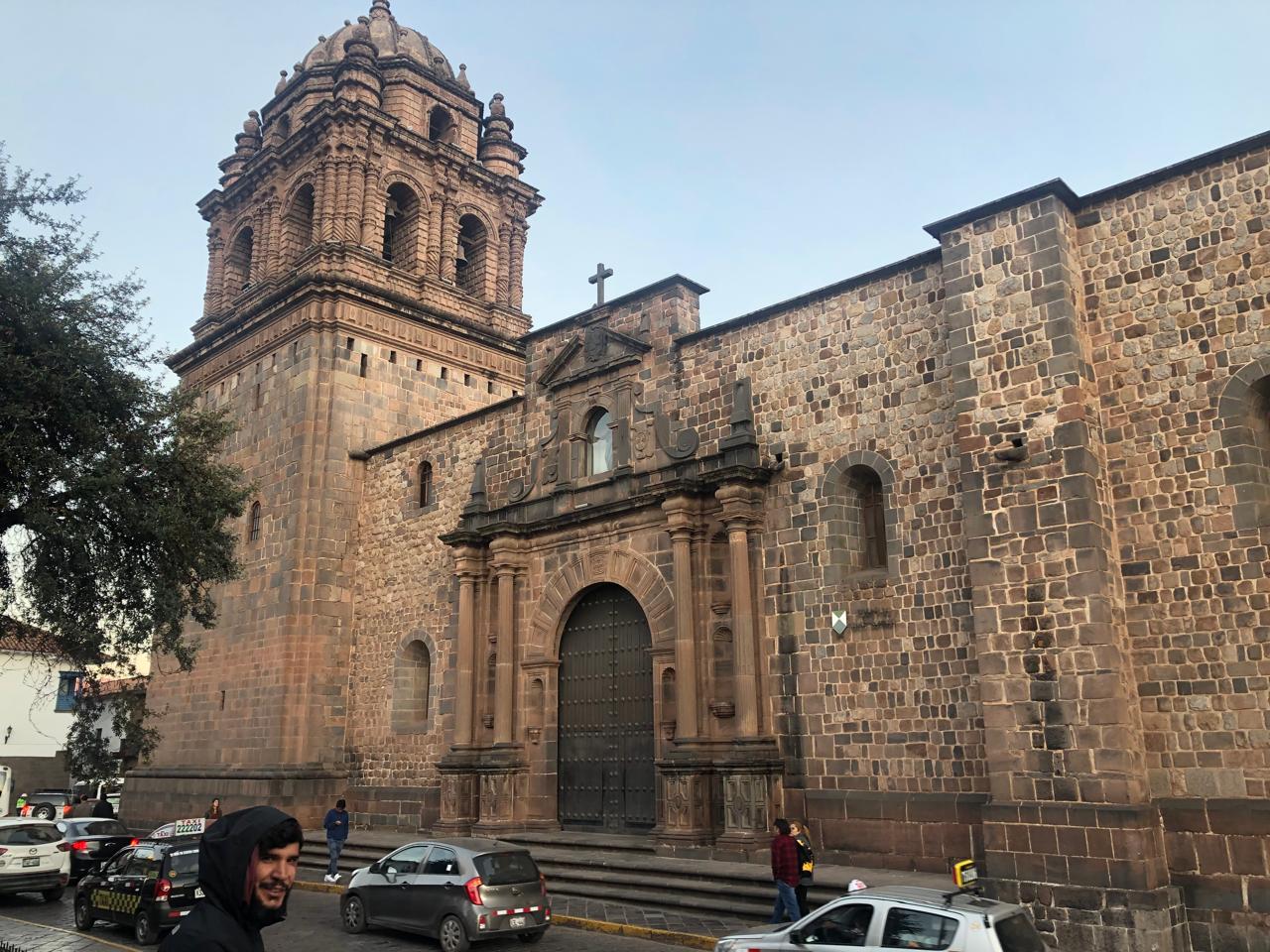
- Qorikancha (Temple of the Sun) – The most striking example of the encounter between Inca and Spanish architecture.
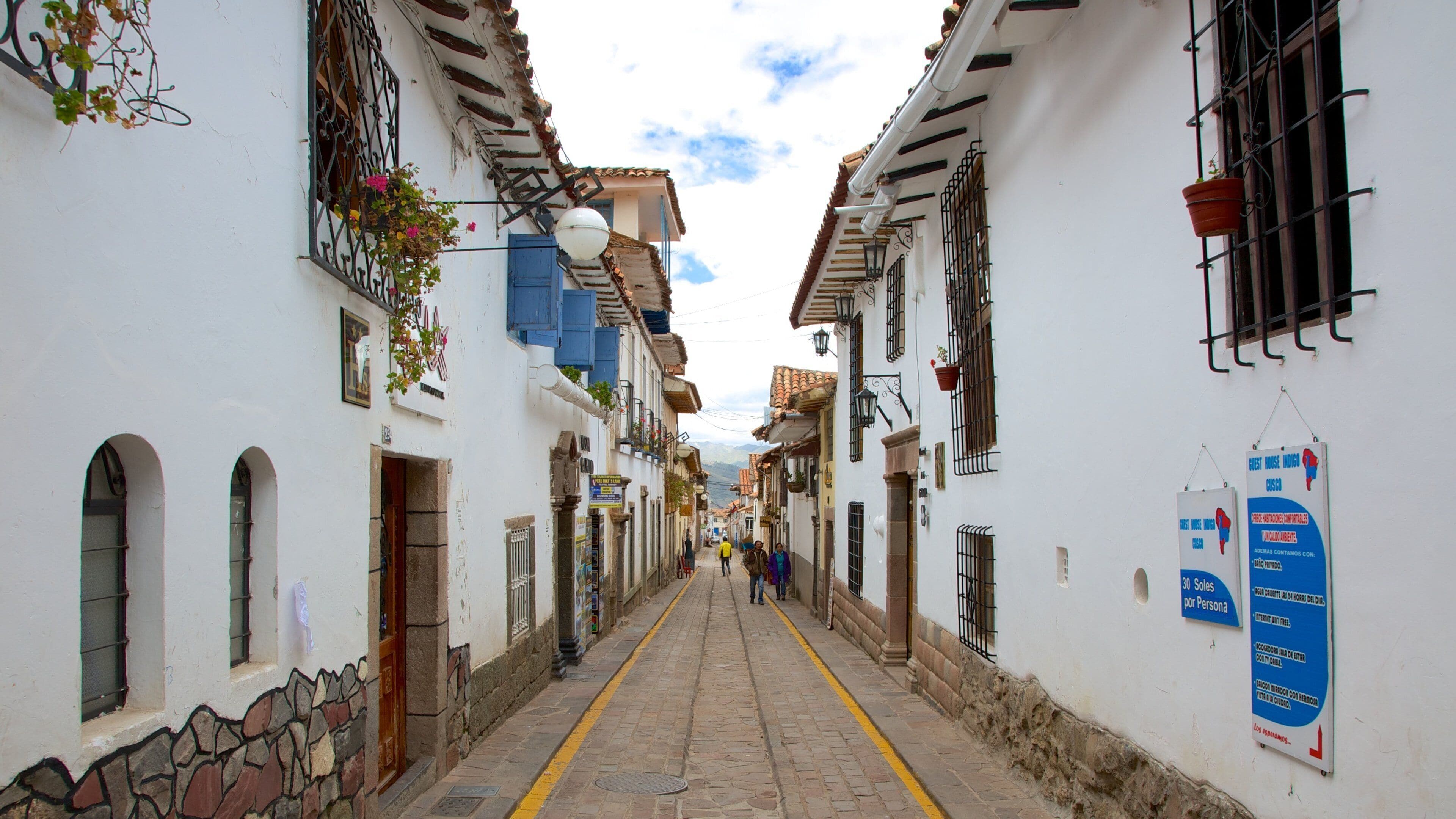
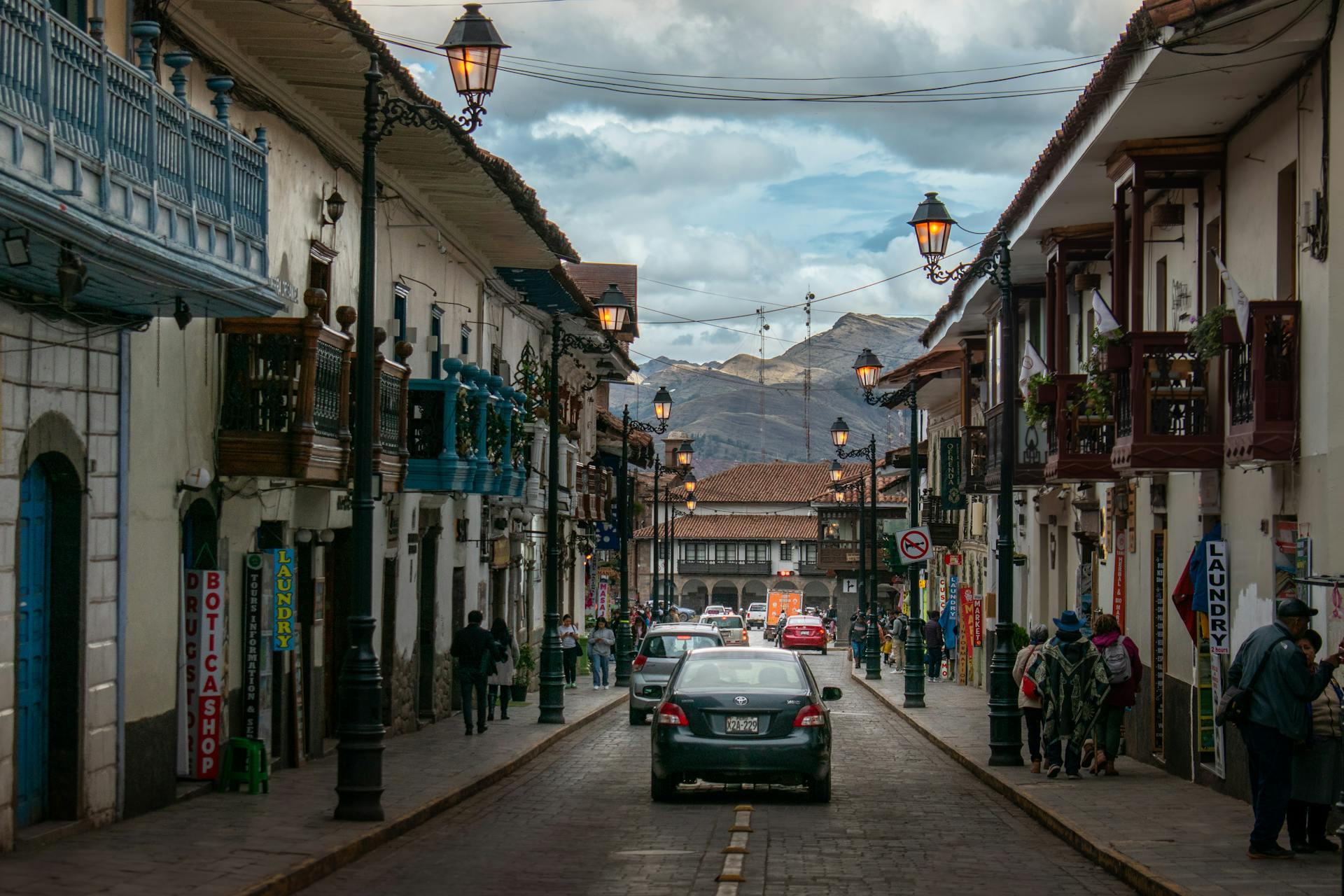
- San Blas Neighborhood – The bohemian sector of cobblestone streets and artisan workshops.
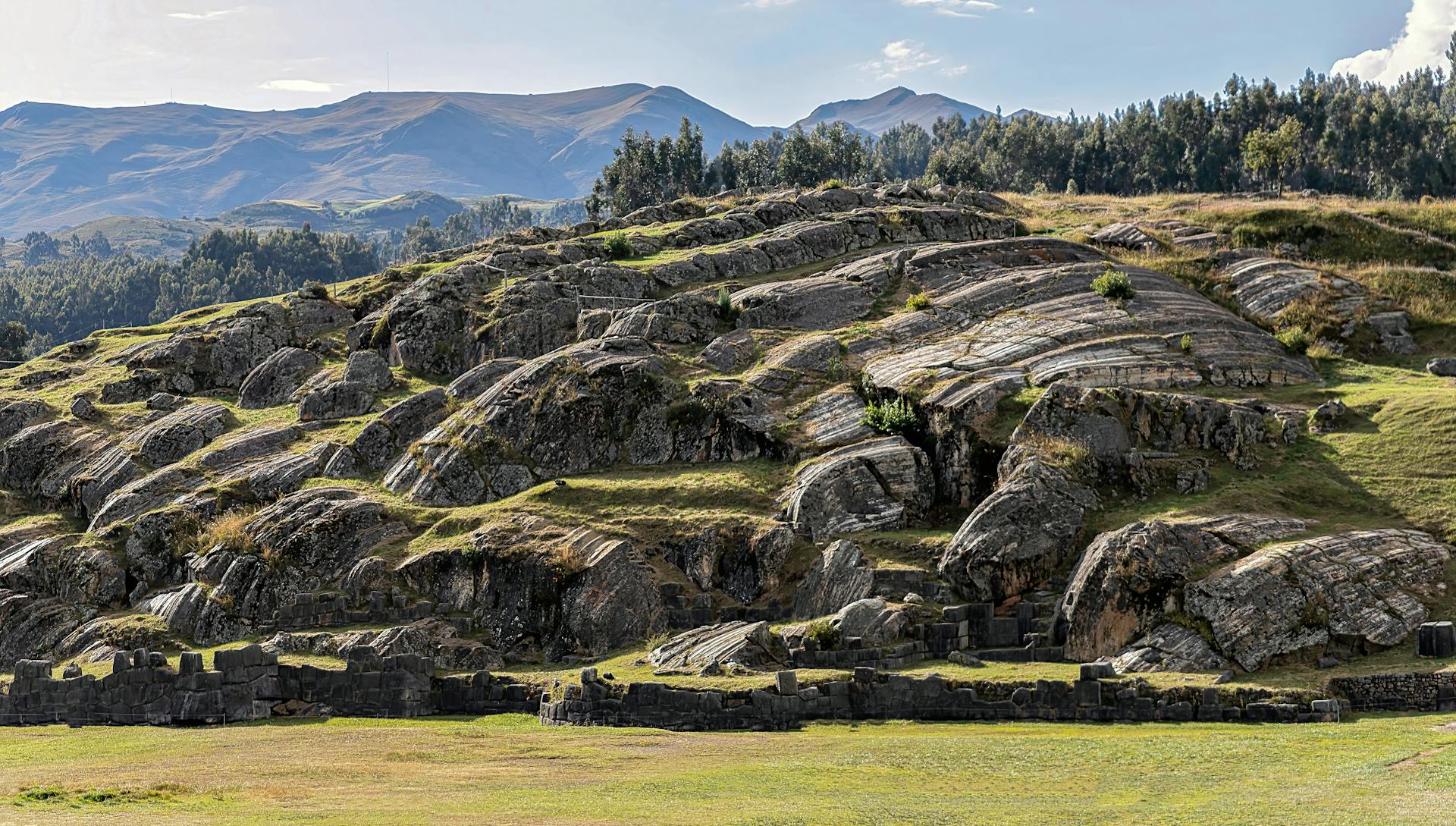
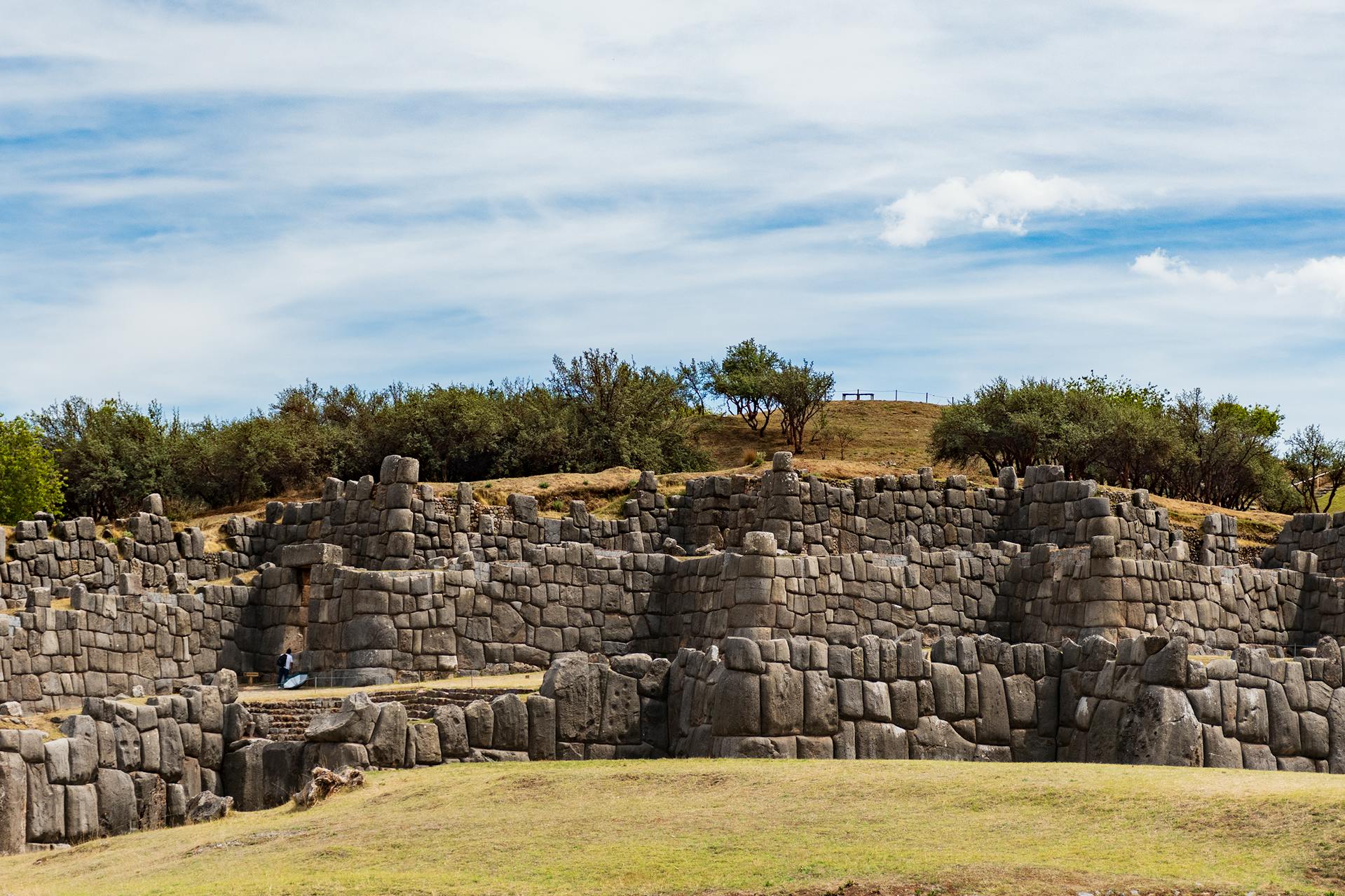
- Sacsayhuamán – A ceremonial fortress with massive stone blocks and panoramic views.
- Pisac (Ruins and Market) – An imposing archaeological complex at the top of the mountain with circular agricultural terraces and a vibrant artisan market in the town.
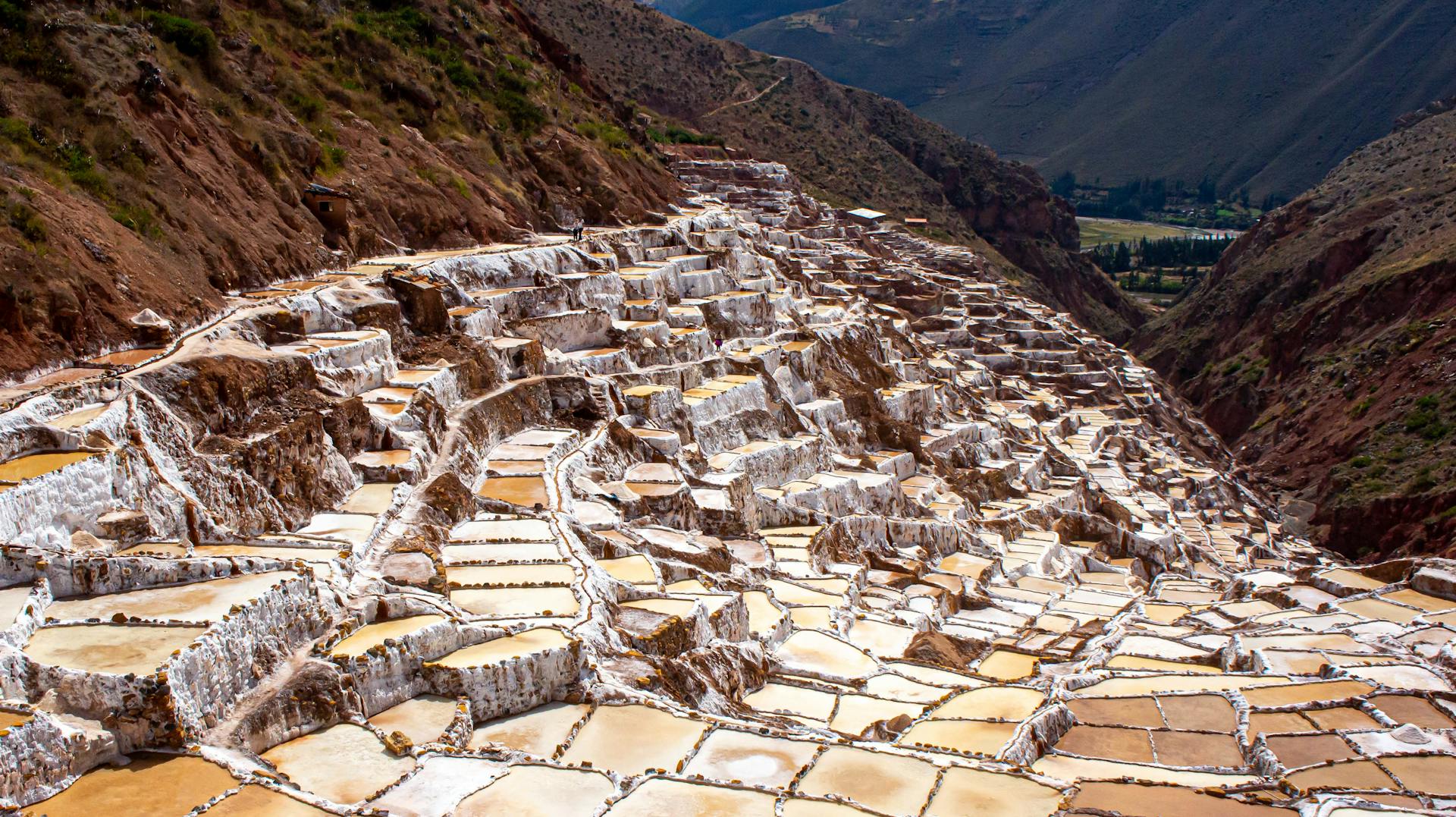
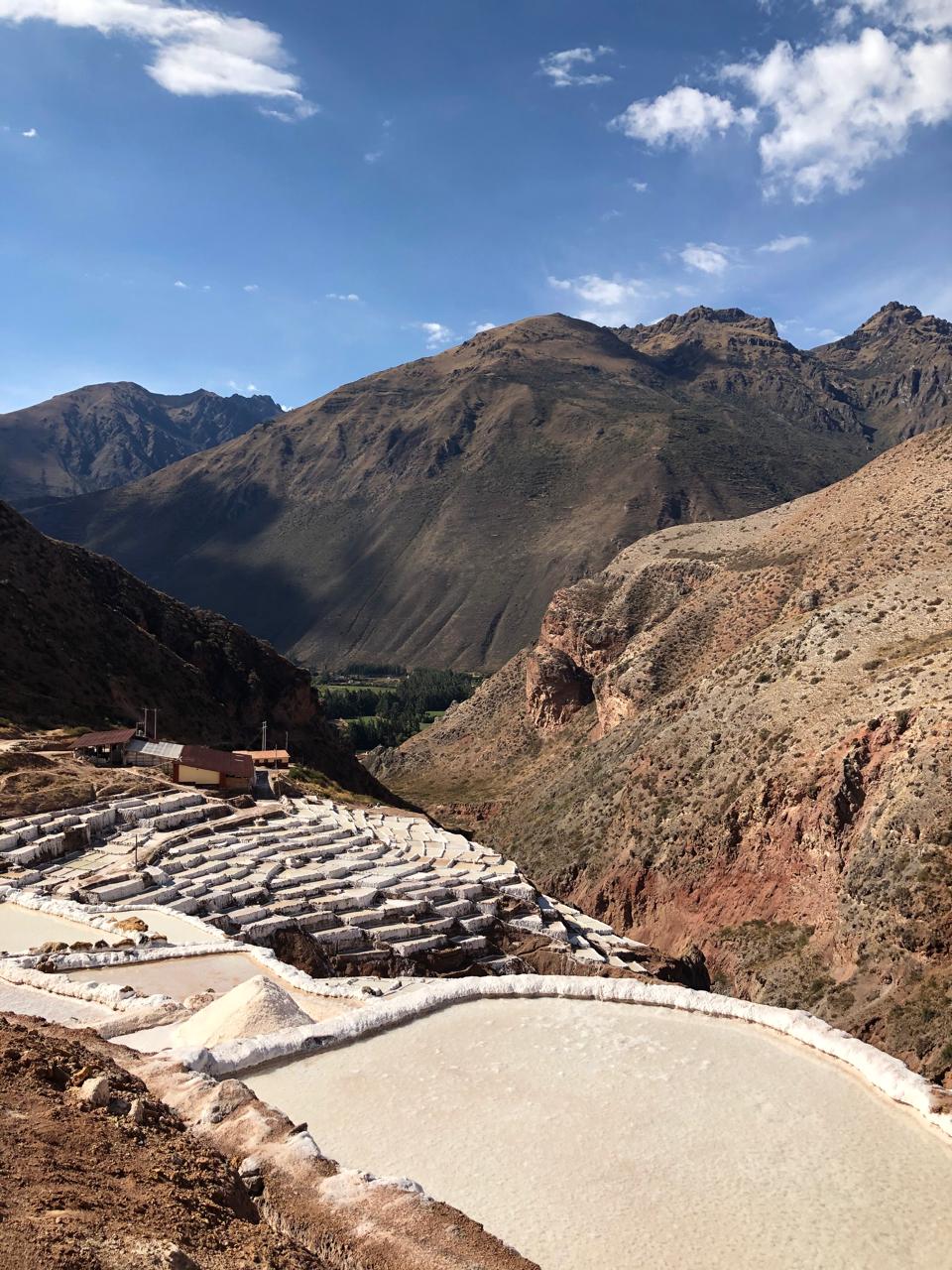
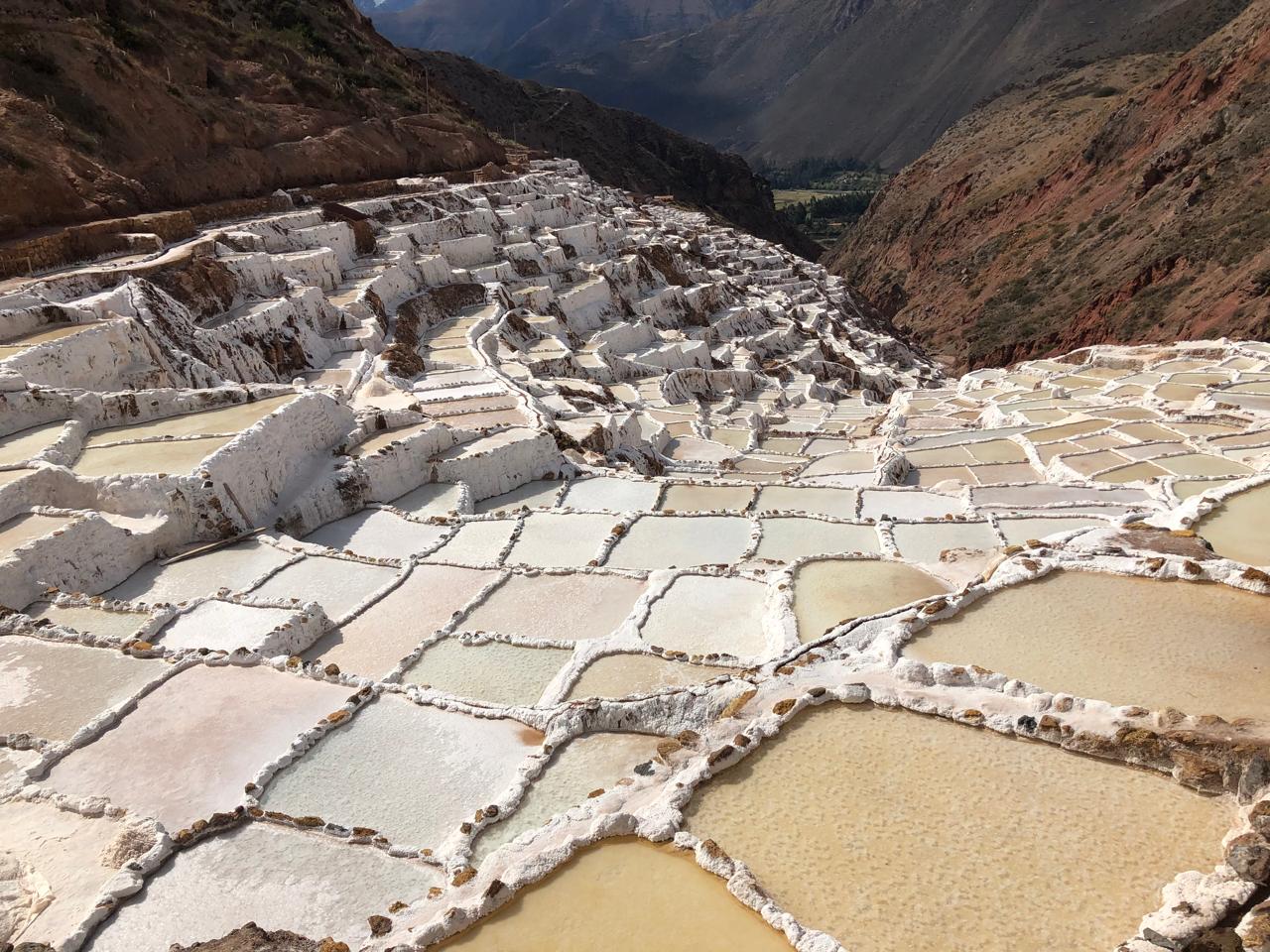
- Maras Salt Mines – More than 3,000 natural salt ponds in the middle of the mountain that have been exploited since Inca times. A unique white and ocher visual spectacle.
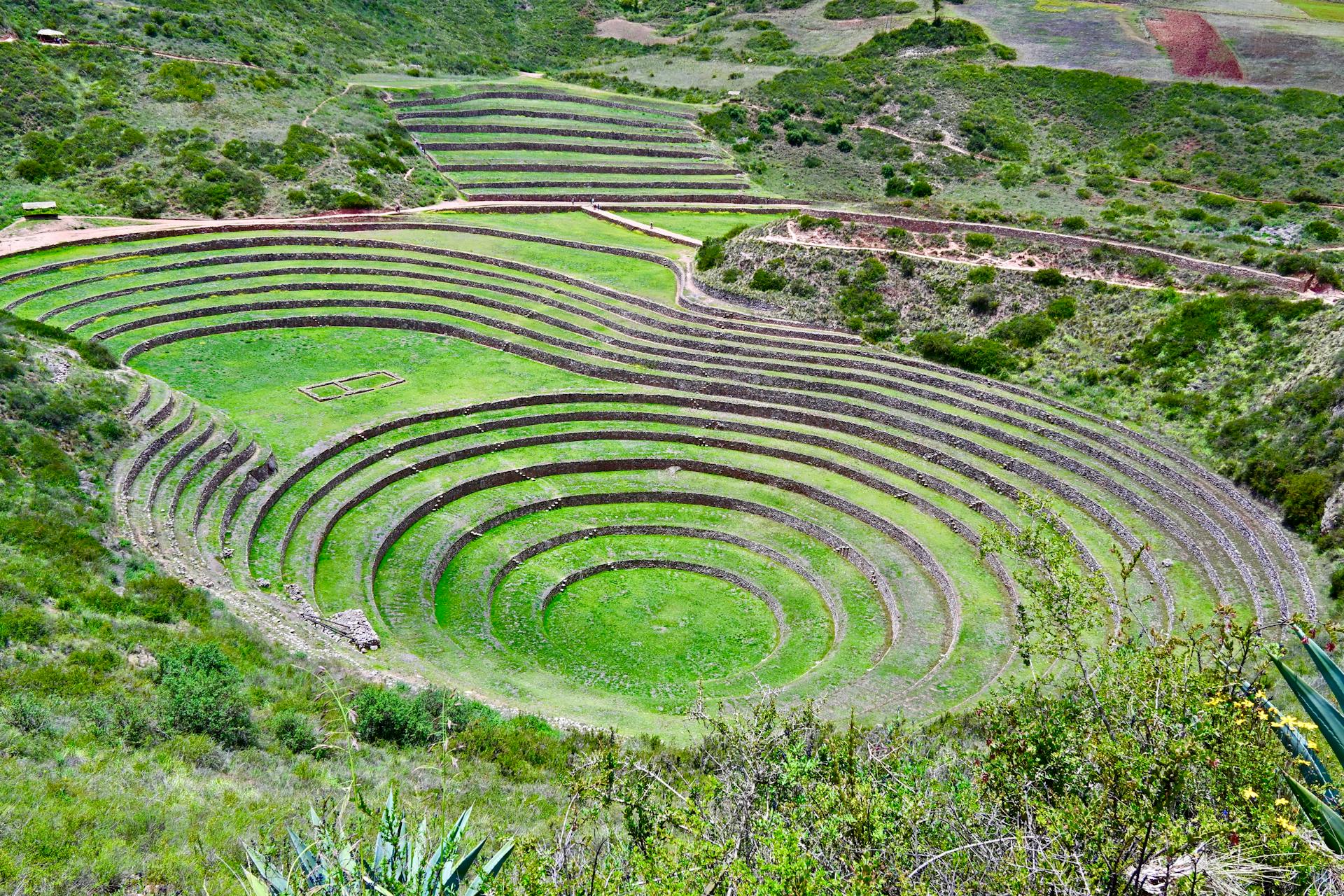
- Moray – Concentric circular terraces that served as an experimental agricultural laboratory for the Incas.
Where to Stay in Cusco
In 2026, the area where you sleep will determine your level of physical fatigue:
- Historic Center (Near Plaza de Armas): The best option to be close to restaurants and agencies. It is flat terrain.
- San Blas: Very picturesque and bohemian, but be prepared for very steep streets and stairs. Ideal if you are looking for boutique hotels with a view.
- Lucrepata / Santa Ana: More residential and quiet areas, a 10–15 minute walk from the center.
The Sacred Valley and Beyond
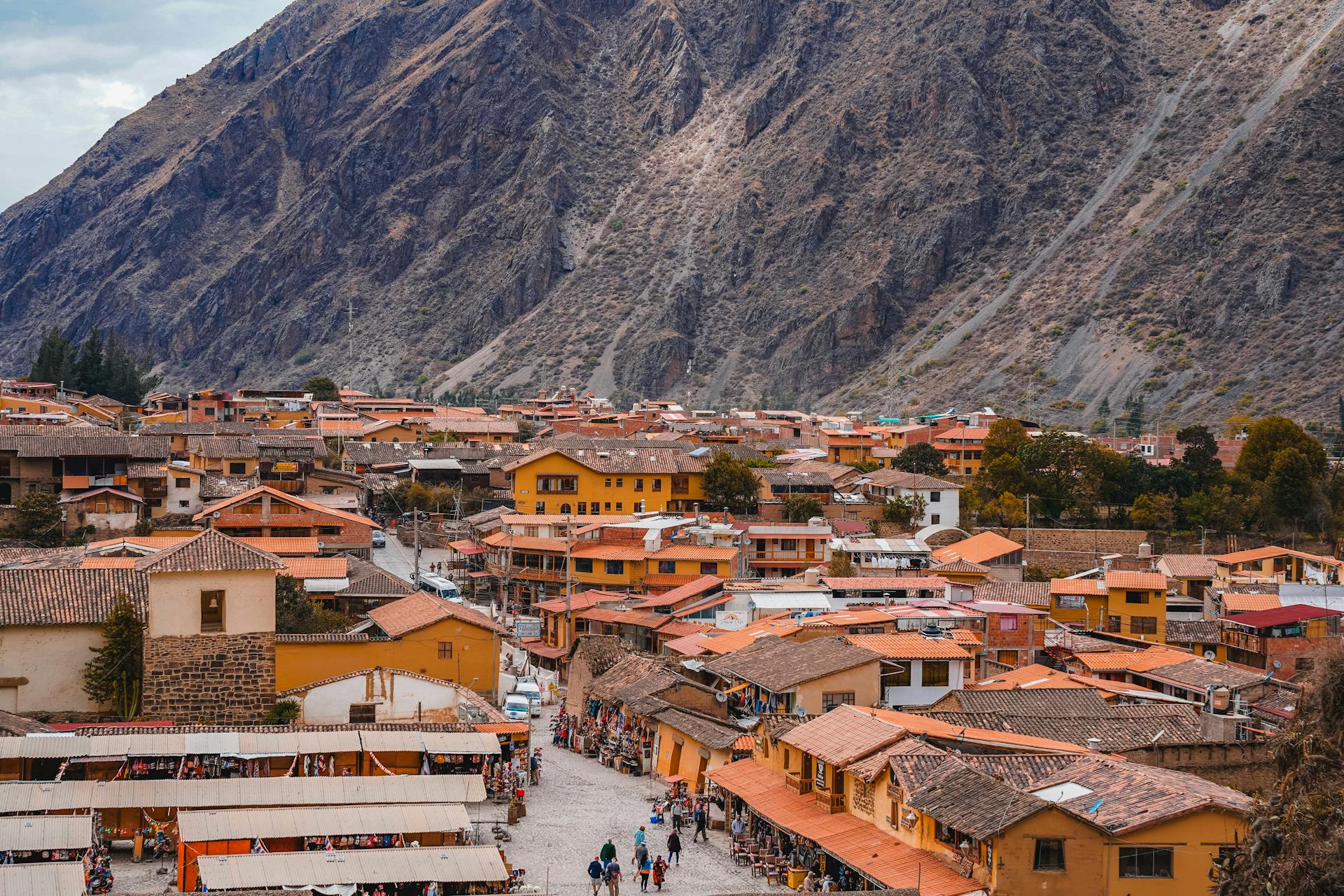
- Ollantaytambo – An authentic village with an original Inca layout and the starting point for the train to Machu Picchu.
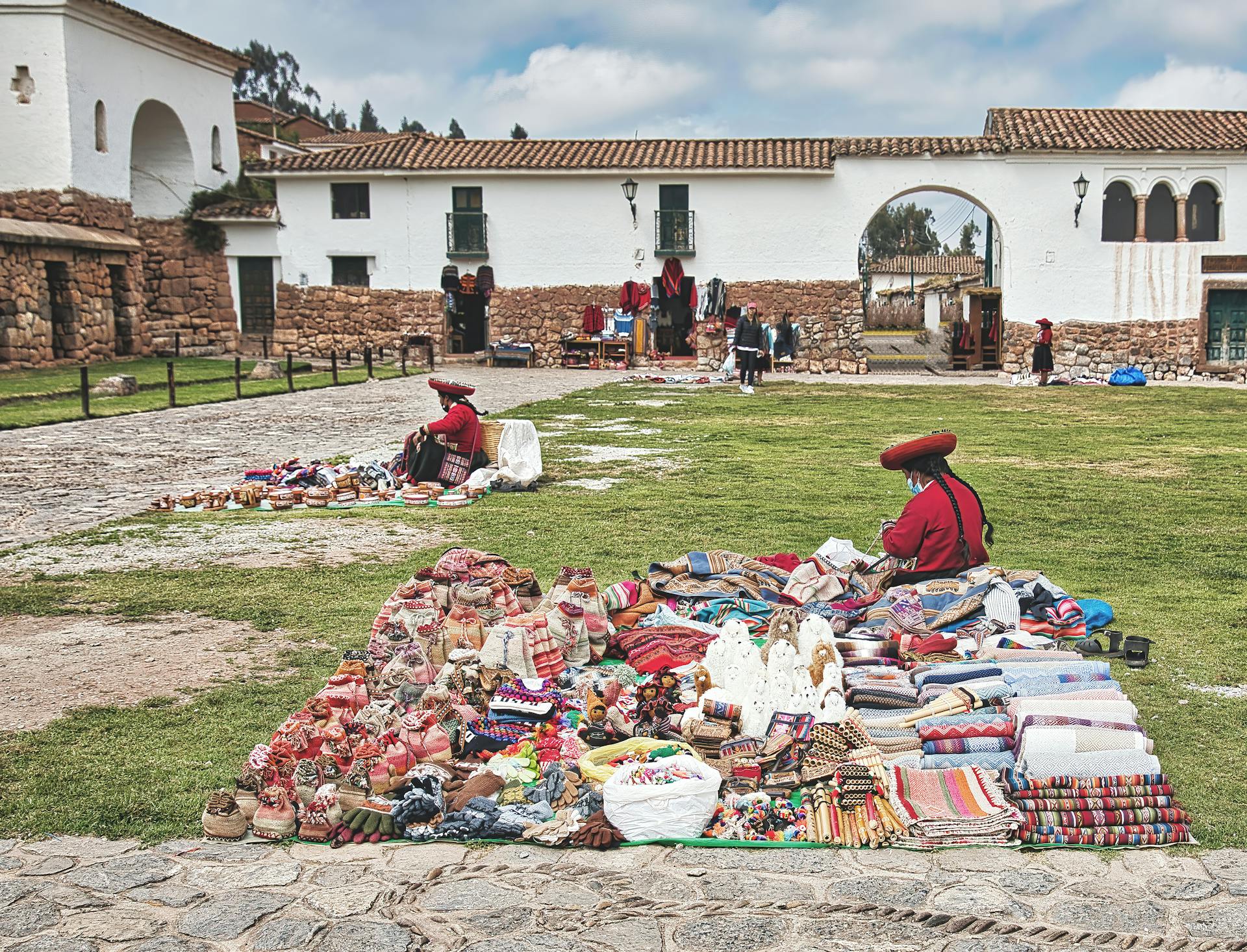
- Chinchero – A village famous for its beautiful textiles, its colonial church built over Inca walls, and its views of the snow-capped mountains.
- Rainbow Mountain (Vinicunca) – An incredible visual experience at more than 5,000 meters above sea level.
2026 Tip: Book with agencies that leave early to avoid the midday crowds.
Recommended Itinerary (4 Days in the Region)
- Day 1: Acclimatization. Gentle walk through the Plaza de Armas, Qorikancha, and the San Pedro Market. Plenty of coca tea.
- Day 2: Pisac and San Blas. Visit to the Pisac ruins and its artisan market in the morning. Return to Cusco to walk through the San Blas neighborhood at sunset.
- Day 3: Maras, Moray, and Ollantaytambo. Excursion to the Maras Salt Mines and the Moray laboratory. Afterward, transfer to Ollantaytambo for dinner and stay overnight (or take the night train).
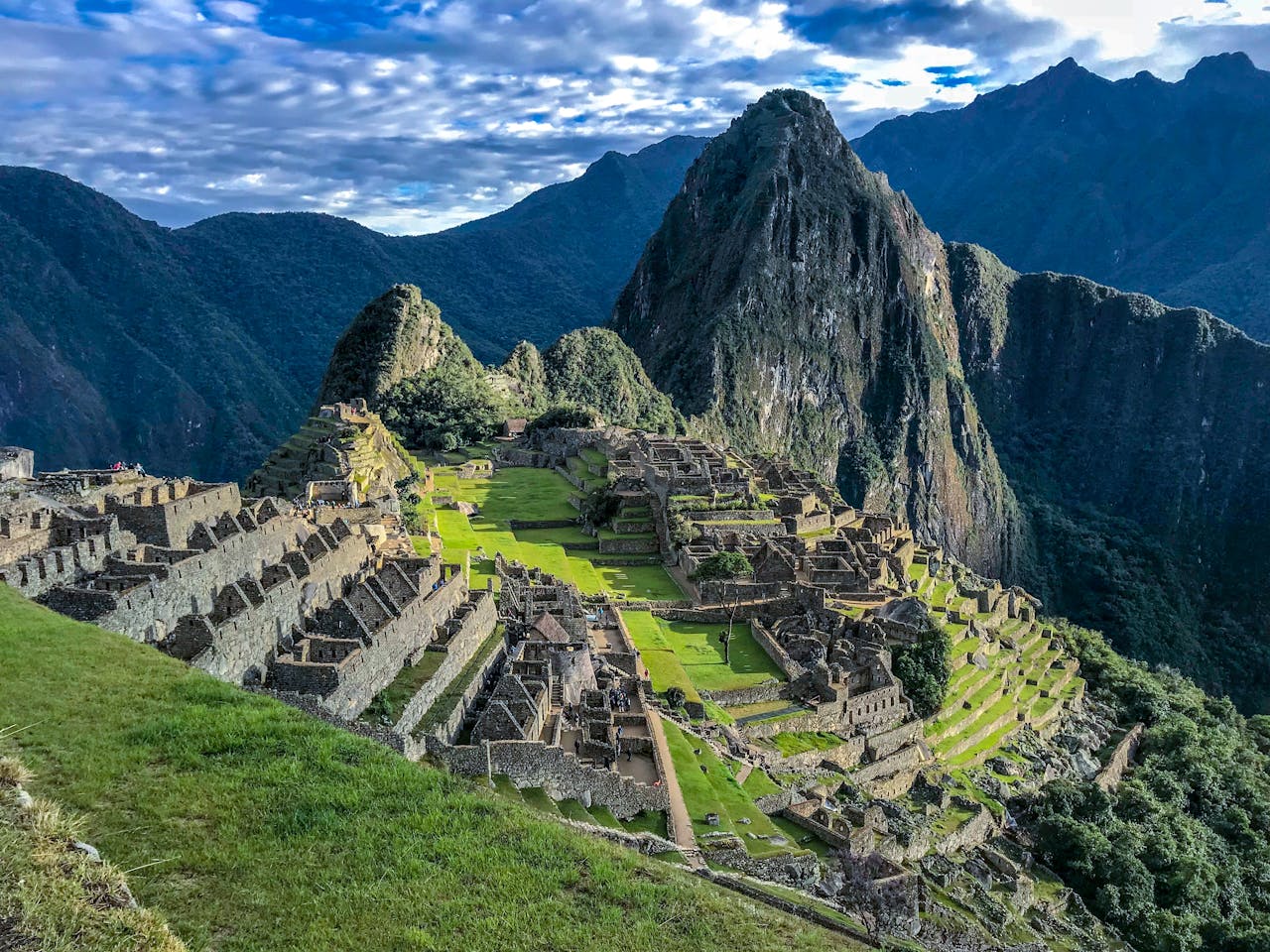
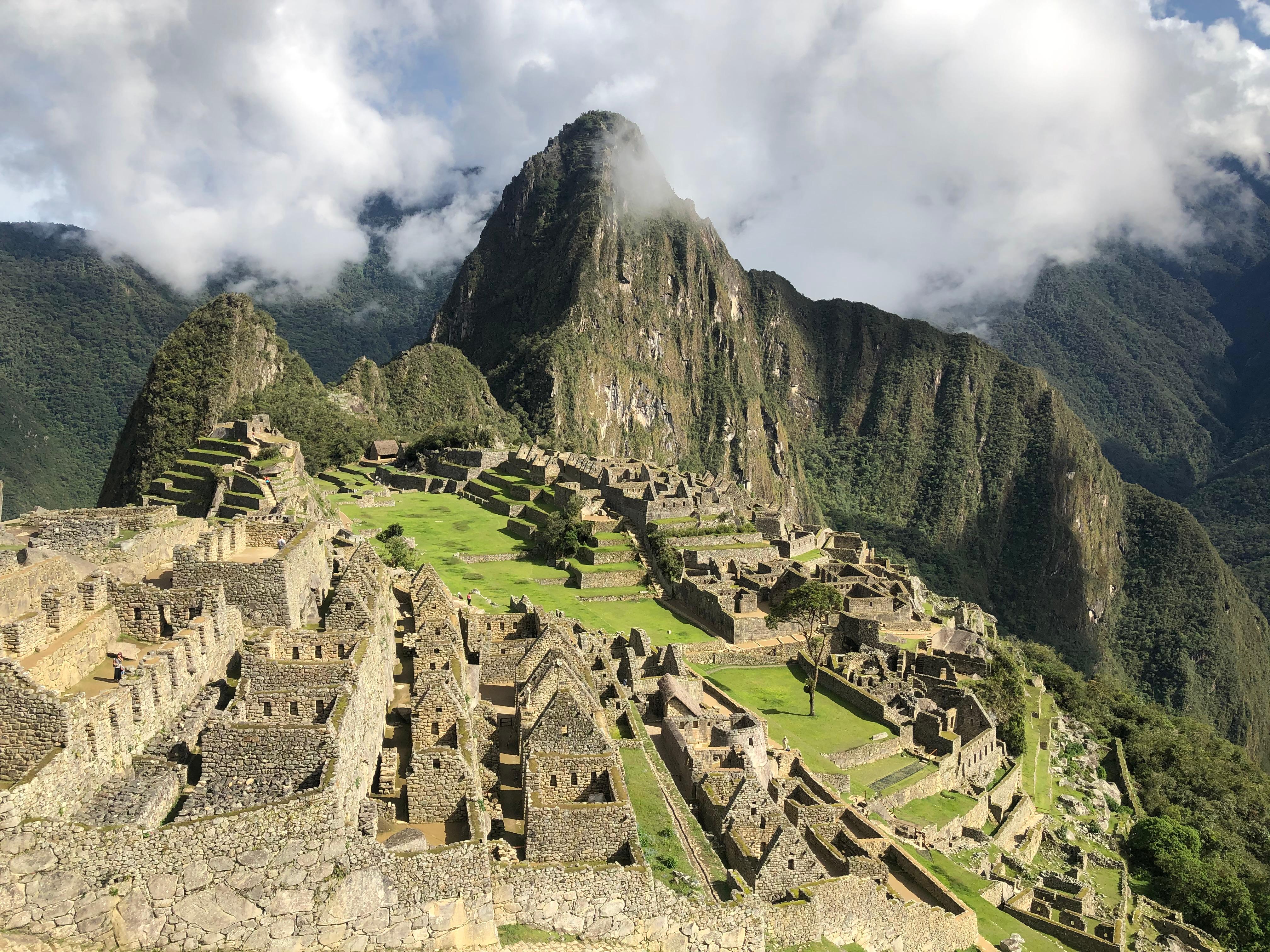
- Day 4: Machu Picchu. Visit the citadel in the morning and return to Cusco at night.
The "Tourist Ticket" and Key Facts
To enter most sites, you need the Cusco Tourist Ticket (BTC).
- Integral: 10 days (includes Pisac, Moray, Sacsayhuamán, and more).
- Partial: For 1 or 2-day visits.
Note: Machu Picchu, Qorikancha, and the Maras Salt Mines require separate entrance fees (Maras is paid directly upon entry).
What to Eat in Cusco and the Sacred Valley
- Cuy al horno (Roasted Guinea Pig) – A central ancestral dish in local culture.
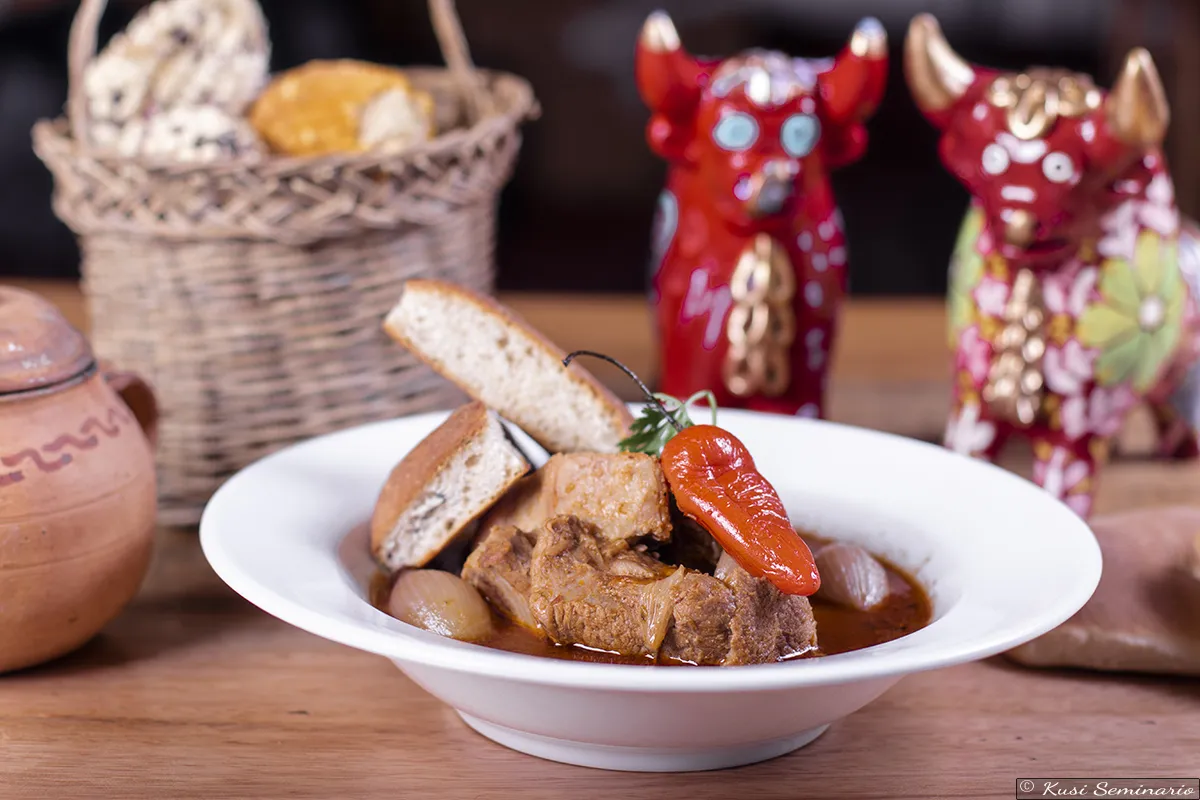
- Adobo Cusqueño – Prepared with pork, rocoto pepper, onion, and a flavorful reddish broth, accompanied by fresh bread.
- Andean Trout – Raised in high-altitude rivers, served grilled or baked.
- Chairo Soup – A hearty and comforting soup from the highlands.
- Choclo con queso (Corn with cheese) – Large-grain Andean corn with fresh cheese.
2026 Survival Tips
- Altitude Sickness (Soroche): Cusco is at 3,399 meters above sea level. Take the first day easy and avoid intense physical effort.
- Transportation: Within the city, use Uber or official taxis. For the Sacred Valley, the "colectivos" from Pavitos Street are efficient and economical.
- 2026 Reservations: If you plan to do the Inca Trail, remember that permits sell out 5–6 months in advance.
Our Experience Traveling in Cusco
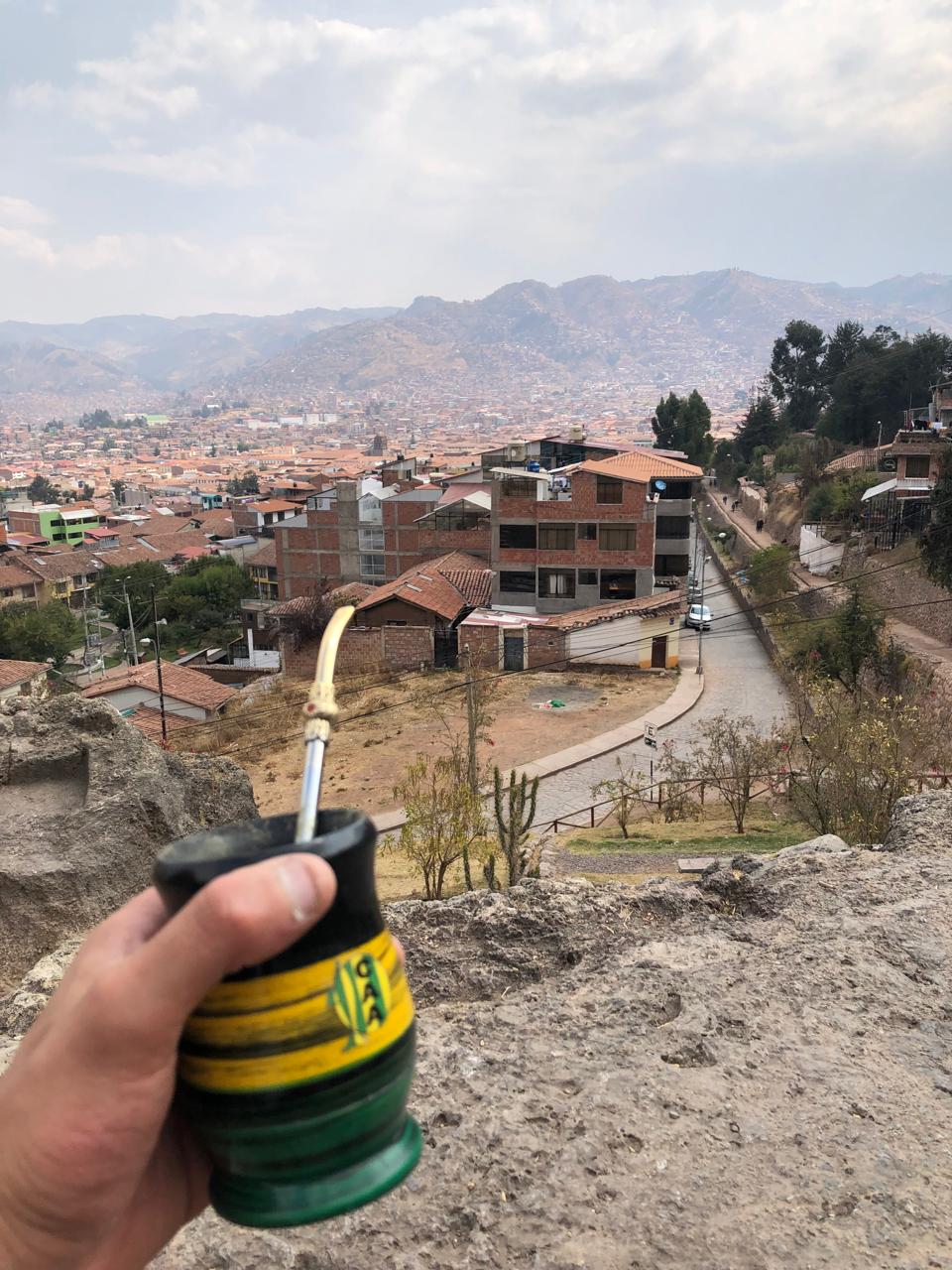
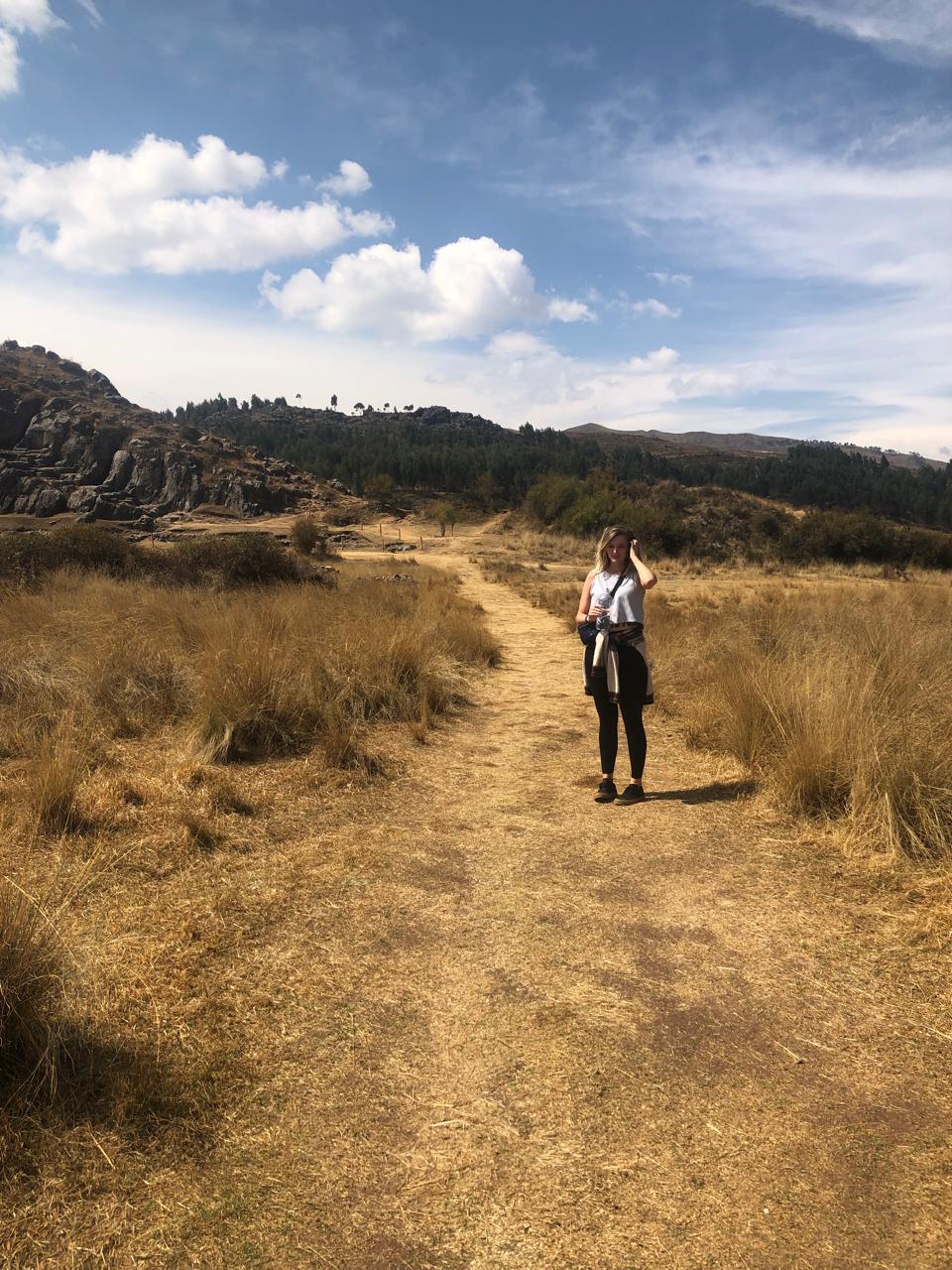
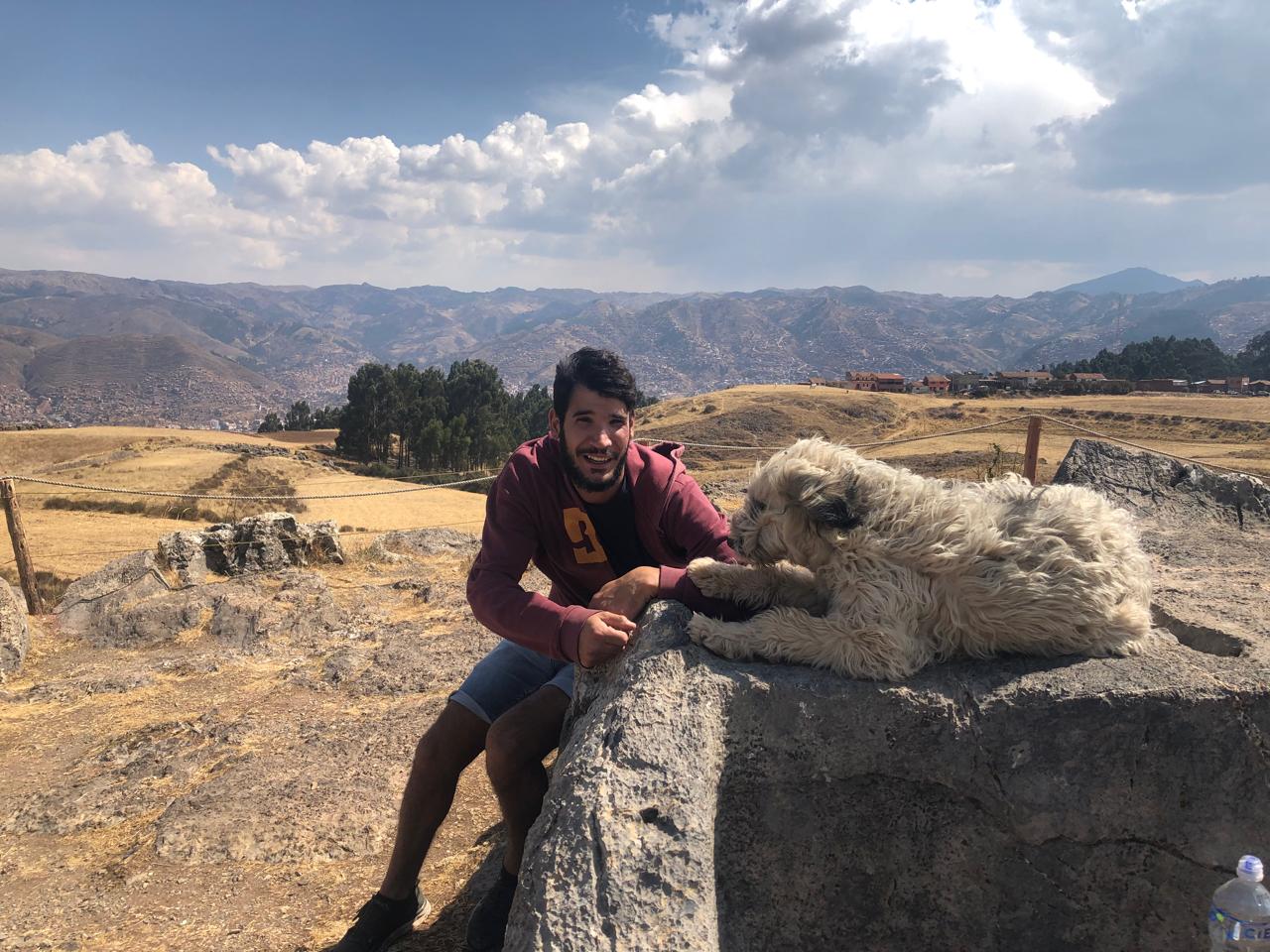
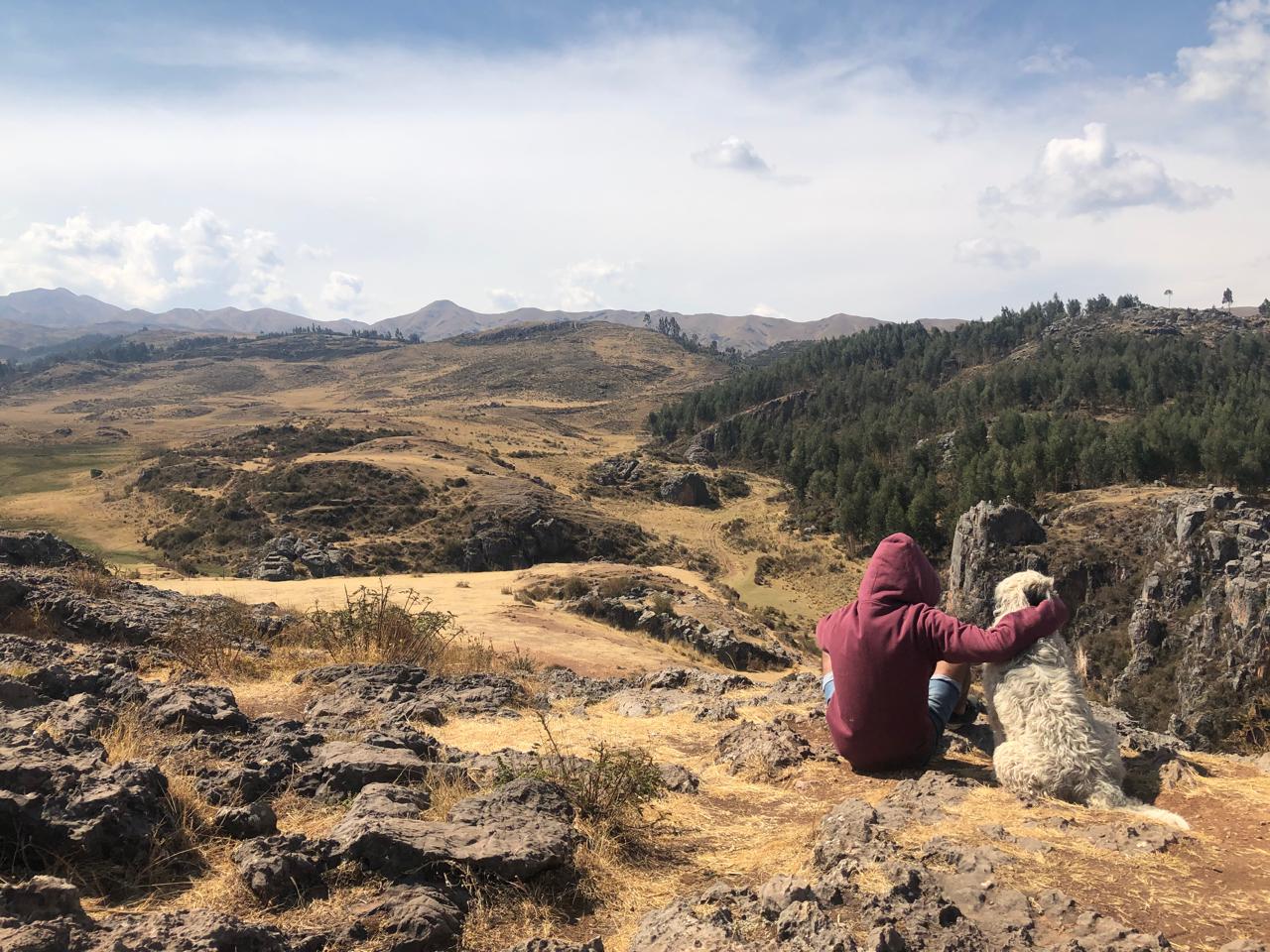
Cuzco and the Sacred Valley cannot be rushed. Every village, ruin, and landscape deserves time. The combination of history, living culture, and Andean nature makes this region one of the most special in South America. It is a journey that connects with the past and the slow pace of the Andes, leaving a profound and unforgettable feeling.
- Plaza de Armas – The center of Cusqueño life, surrounded by colonial churches and balconies.
- Qorikancha (Temple of the Sun) – The most striking example of the encounter between Inca and Spanish architecture.
- San Blas Neighborhood – The bohemian sector of cobblestone streets and artisan workshops.
- Sacsayhuamán – A ceremonial fortress with massive stone blocks and panoramic views.
- Pisac (Ruins and Market) – An imposing archaeological complex at the top of the mountain with circular agricultural terraces and a vibrant artisan market in the town.
- Maras Salt Mines – More than 3,000 natural salt ponds in the middle of the mountain that have been exploited since Inca times. A unique white and ocher visual spectacle.
- Moray – Concentric circular terraces that served as an experimental agricultural laboratory for the Incas.
PUBLICIDAD
Travel with Data: Get your Saily eSIM
- ✓Internet in seconds upon landing
- ✓Flexible plans in 180+ countries
- ✓Easy setup directly via the App
In 2026, the area where you sleep will determine your level of physical fatigue:
- Historic Center (Near Plaza de Armas): The best option to be close to restaurants and agencies. It is flat terrain.
- San Blas: Very picturesque and bohemian, but be prepared for very steep streets and stairs. Ideal if you are looking for boutique hotels with a view.
- Lucrepata / Santa Ana: More residential and quiet areas, a 10–15 minute walk from the center.
- Ollantaytambo – An authentic village with an original Inca layout and the starting point for the train to Machu Picchu.
- Chinchero – A village famous for its beautiful textiles, its colonial church built over Inca walls, and its views of the snow-capped mountains.
- Rainbow Mountain (Vinicunca) – An incredible visual experience at more than 5,000 meters above sea level.
2026 Tip: Book with agencies that leave early to avoid the midday crowds.
- Day 1: Acclimatization. Gentle walk through the Plaza de Armas, Qorikancha, and the San Pedro Market. Plenty of coca tea.
- Day 2: Pisac and San Blas. Visit to the Pisac ruins and its artisan market in the morning. Return to Cusco to walk through the San Blas neighborhood at sunset.
- Day 3: Maras, Moray, and Ollantaytambo. Excursion to the Maras Salt Mines and the Moray laboratory. Afterward, transfer to Ollantaytambo for dinner and stay overnight (or take the night train).
- Day 4: Machu Picchu. Visit the citadel in the morning and return to Cusco at night.
To enter most sites, you need the Cusco Tourist Ticket (BTC).
- Integral: 10 days (includes Pisac, Moray, Sacsayhuamán, and more).
- Partial: For 1 or 2-day visits.
Note: Machu Picchu, Qorikancha, and the Maras Salt Mines require separate entrance fees (Maras is paid directly upon entry).
- Cuy al horno (Roasted Guinea Pig) – A central ancestral dish in local culture.
- Adobo Cusqueño – Prepared with pork, rocoto pepper, onion, and a flavorful reddish broth, accompanied by fresh bread.
- Andean Trout – Raised in high-altitude rivers, served grilled or baked.
- Chairo Soup – A hearty and comforting soup from the highlands.
- Choclo con queso (Corn with cheese) – Large-grain Andean corn with fresh cheese.
- Altitude Sickness (Soroche): Cusco is at 3,399 meters above sea level. Take the first day easy and avoid intense physical effort.
- Transportation: Within the city, use Uber or official taxis. For the Sacred Valley, the "colectivos" from Pavitos Street are efficient and economical.
- 2026 Reservations: If you plan to do the Inca Trail, remember that permits sell out 5–6 months in advance.
PUBLICIDAD
Cuzco and the Sacred Valley cannot be rushed. Every village, ruin, and landscape deserves time. The combination of history, living culture, and Andean nature makes this region one of the most special in South America. It is a journey that connects with the past and the slow pace of the Andes, leaving a profound and unforgettable feeling.
Galery
PUBLICIDAD
International Travel Insurance
- ✓International medical insurance
- ✓24/7 immediate assistance in your language
- ✓Ideal for trekking & adventure
Posts in Peru

Preferences
Language
Color
Text
Width