Table of contents and map
Viajar por Perú 2026: Itinerarios, regiones y consejos de experto
Perú es un país donde la historia milenaria y la vida contemporánea conviven de manera única. Heredero de grandes civilizaciones prehispánicas y marcado por la influencia colonial, su identidad se refleja en la arquitectura, las tradiciones, la gastronomía y la vida cotidiana. Viajar por Perú es encontrarse con culturas vivas que mantienen costumbres ancestrales integradas al presente. Es un destino intenso y profundo, ideal para quienes buscan algo más que paisajes: una conexión cultural fuerte, una identidad muy marcada y la sensación constante of estar caminando sobre siglos de historia.
Viajar por Perú 2026: Itinerarios, regiones y consejos de experto
Perú es un país donde la historia milenaria y la vida contemporánea conviven de manera única. Heredero de grandes civilizaciones prehispánicas y marcado por la influencia colonial, su identidad se refleja en la arquitectura, las tradiciones, la gastronomía y la vida cotidiana. Viajar por Perú es encontrarse con culturas vivas que mantienen costumbres ancestrales integradas al presente. Es un destino intenso y profundo, ideal para quienes buscan algo más que paisajes: una conexión cultural fuerte, una identidad muy marcada y la sensación constante of estar caminando sobre siglos de historia.
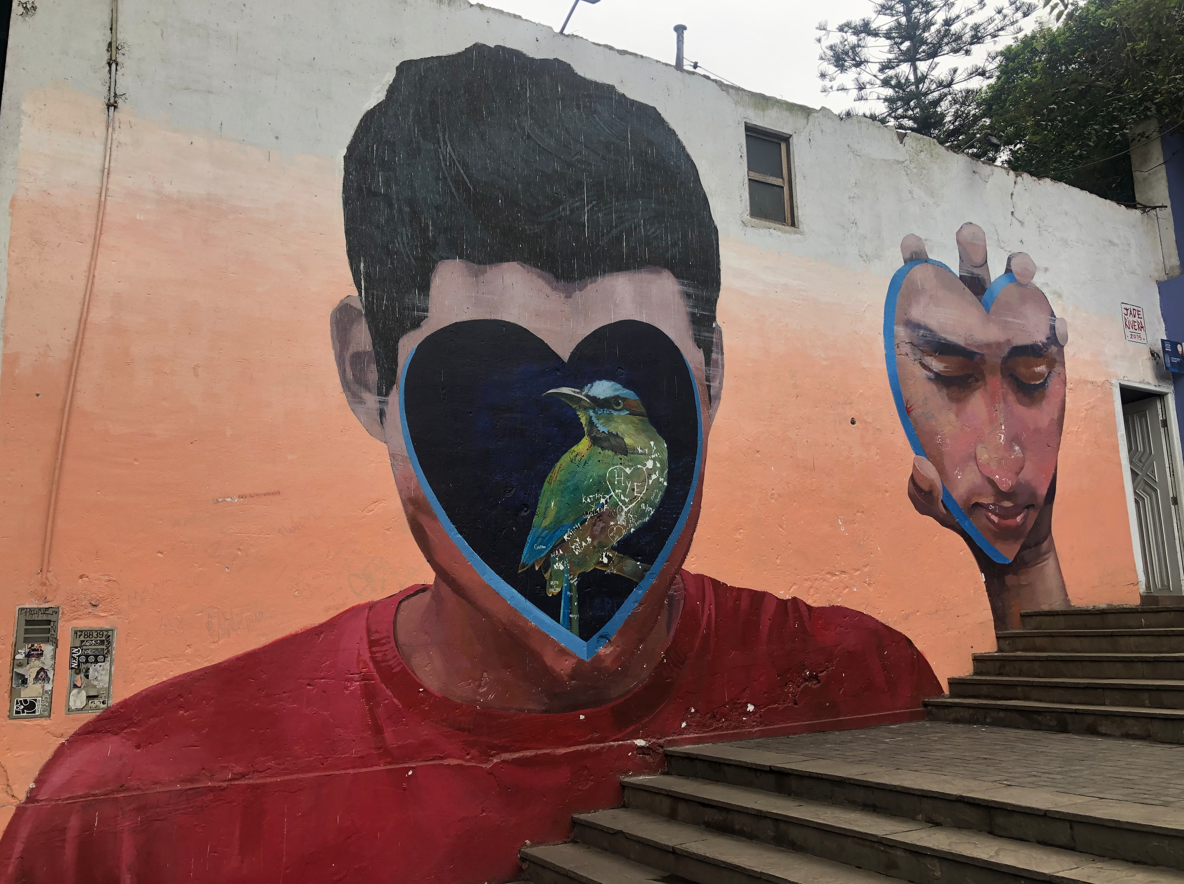
Peru es muy diverso y el paisaje varía según la región. En Perú hay de todo. Además, más allá de lo geográfico, la calidez de su gente se siente desde el principio; están muy predispuestos a recibir extranjeros y saben cómo tratarlos.
La historia está presente en cada ciudad, en los mercados, en la comida y en la forma de vivir. A diferencia de otros destinos, acá no solo se visitan lugares: se entra en contacto con culturas que siguen vivas. Viajar por Perú implica adaptarse a distintos ritmos, climas y geografías, pero a cambio ofrece una experiencia profunda, auténtica y muy difícil de olvidar. Siempre pienso que es el lugar ideal para un primer viaje.
Destinos imperdibles de Perú
Estos son algunos de los destinos más destacados del país, ideales para una primera visita. No es una selección ni un ranking, sino una muestra de la enorme diversidad que ofrece Perú:
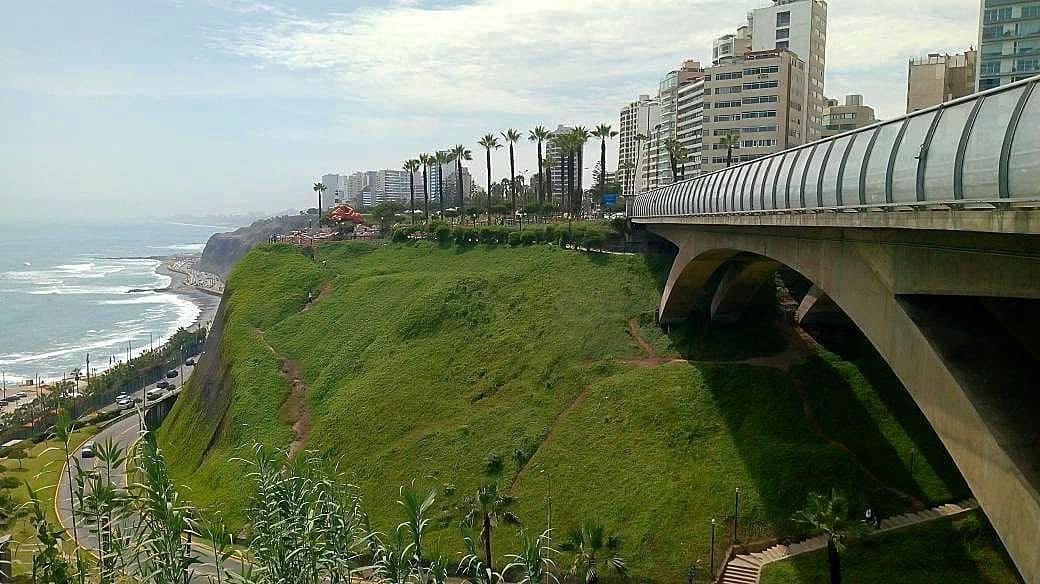
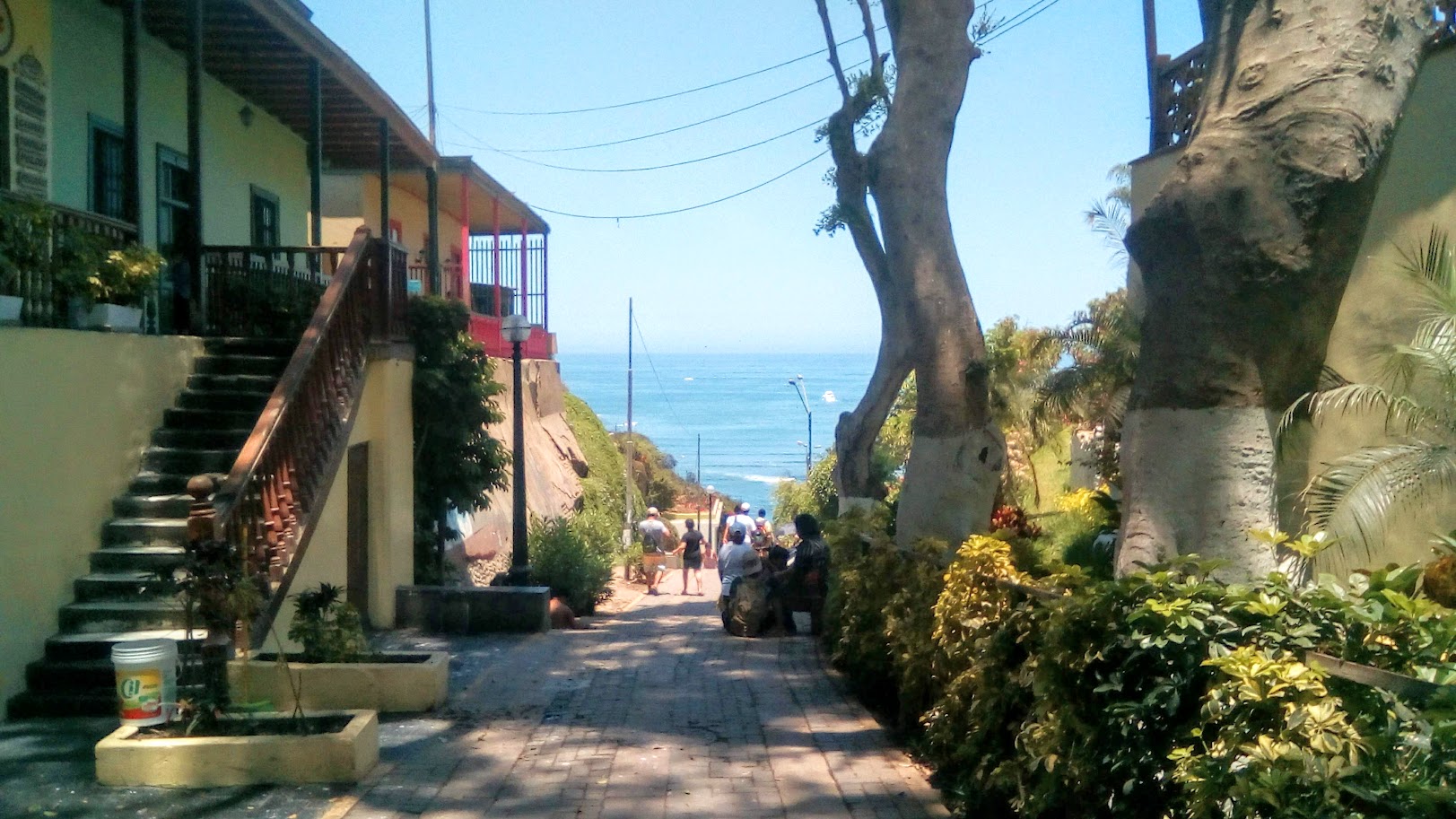
- Lima – Capital gastronómica, barrios históricos y costa sobre el Pacífico.
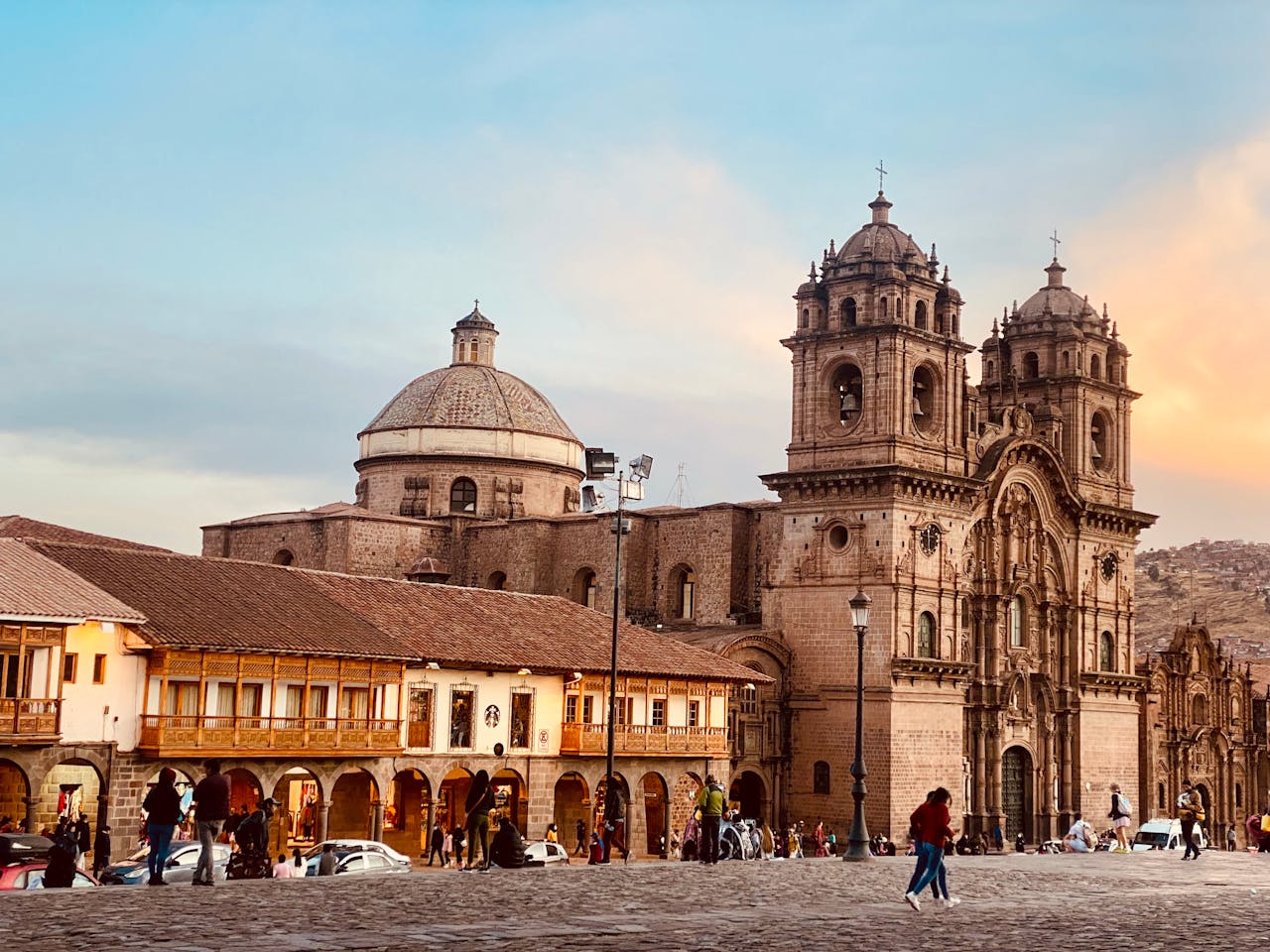
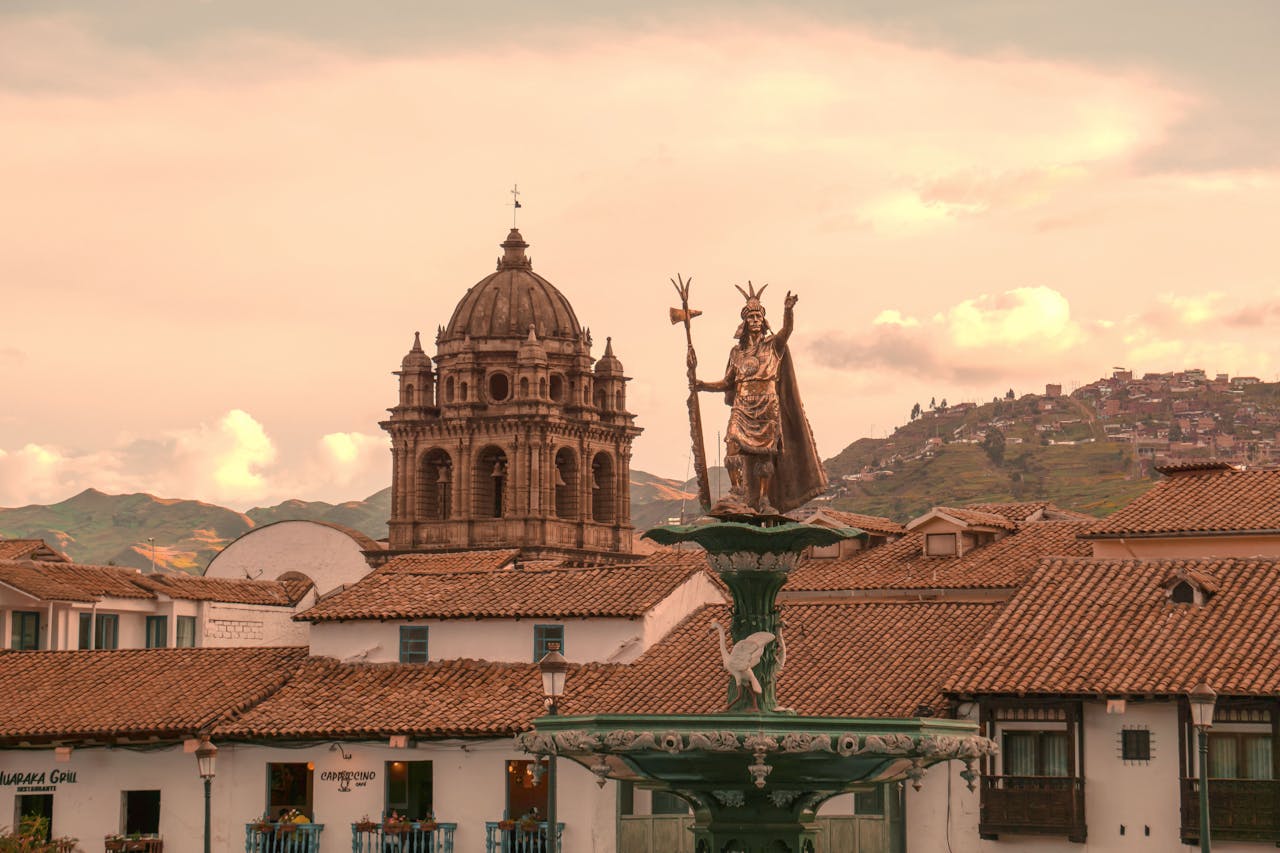
- Cusco – Antigua capital inca y base para explorar el Valle Sagrado.
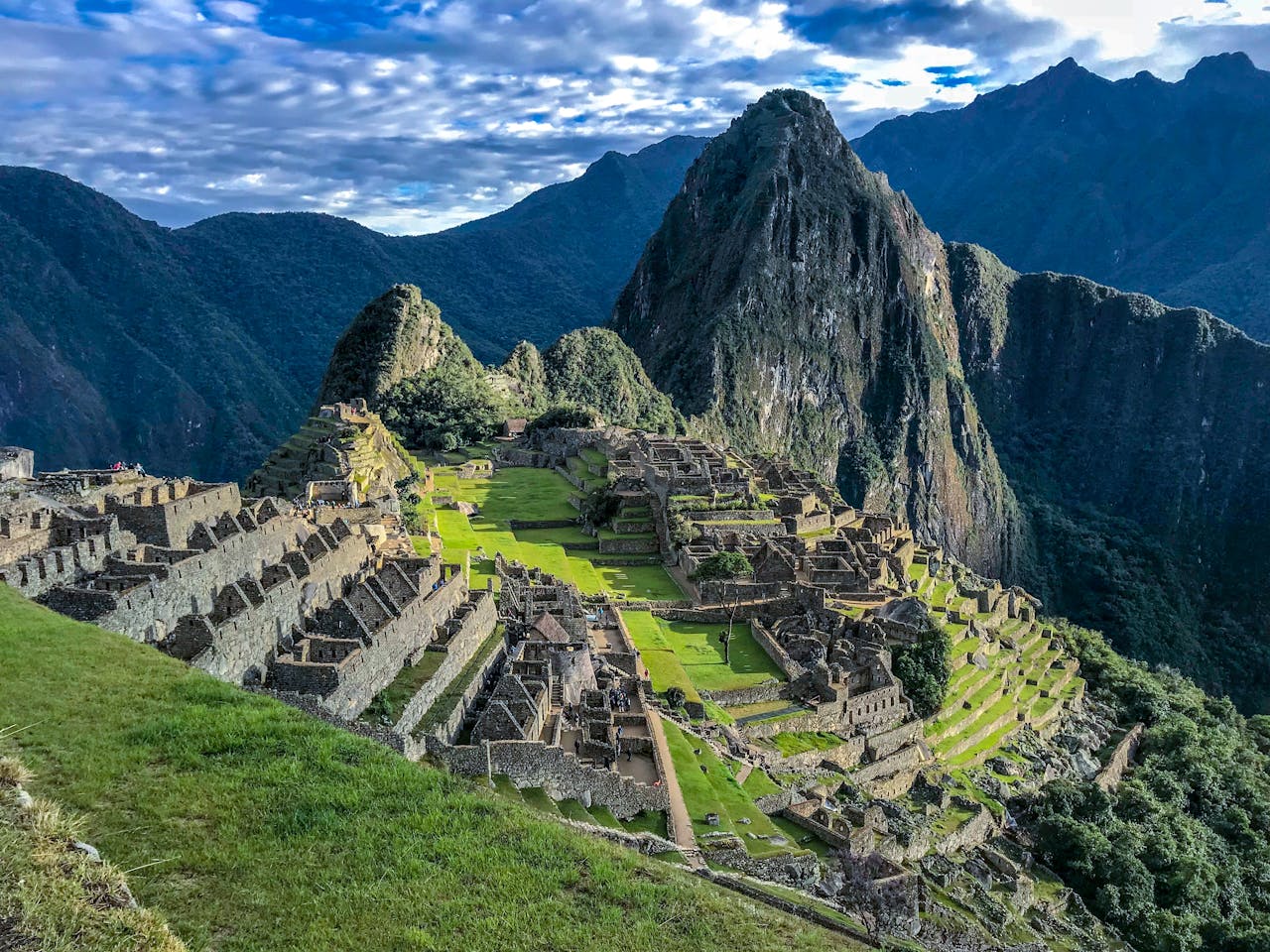
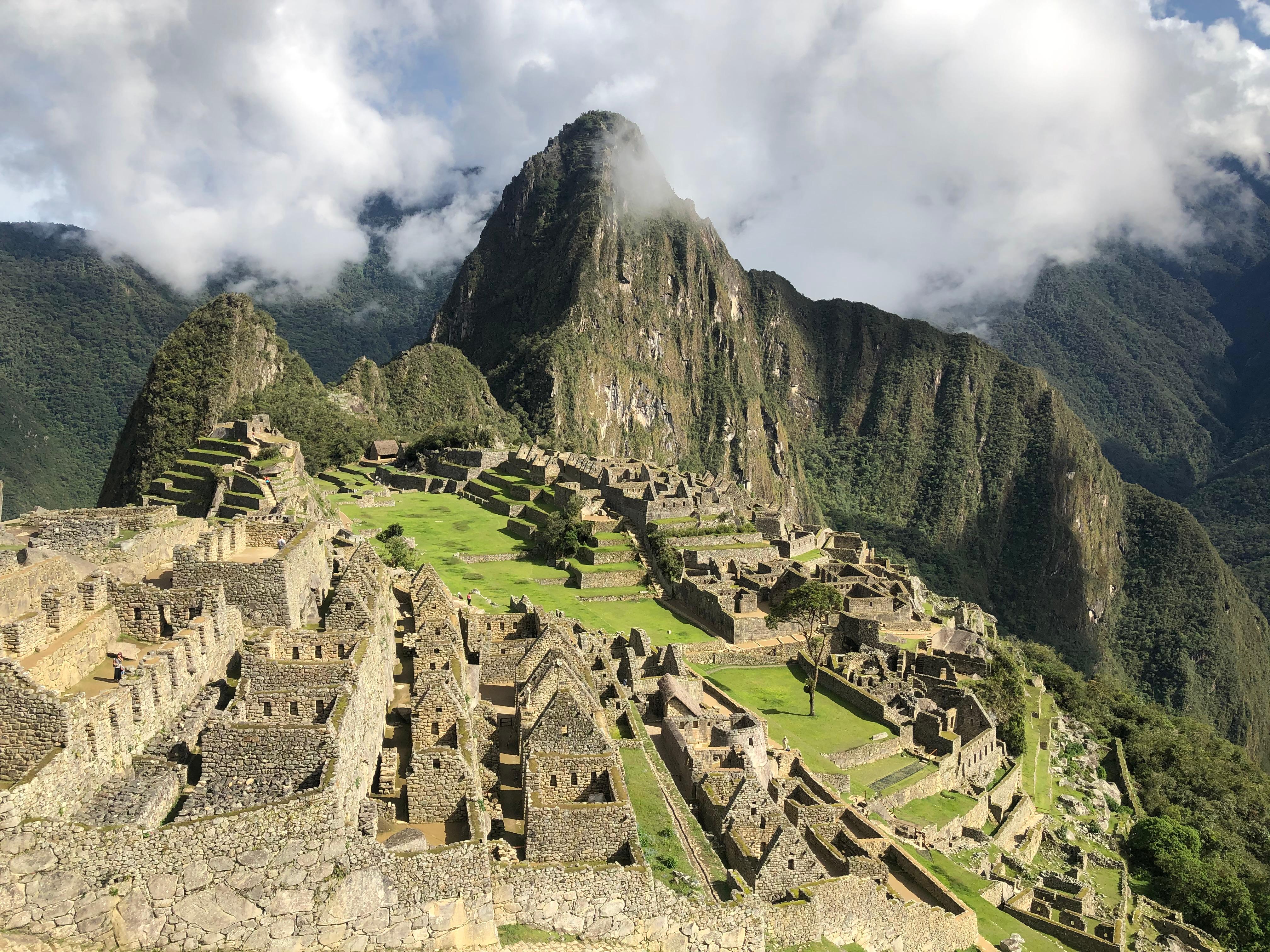
- Machu Picchu – Uno de los sitios arqueológicos más impresionantes del planeta.
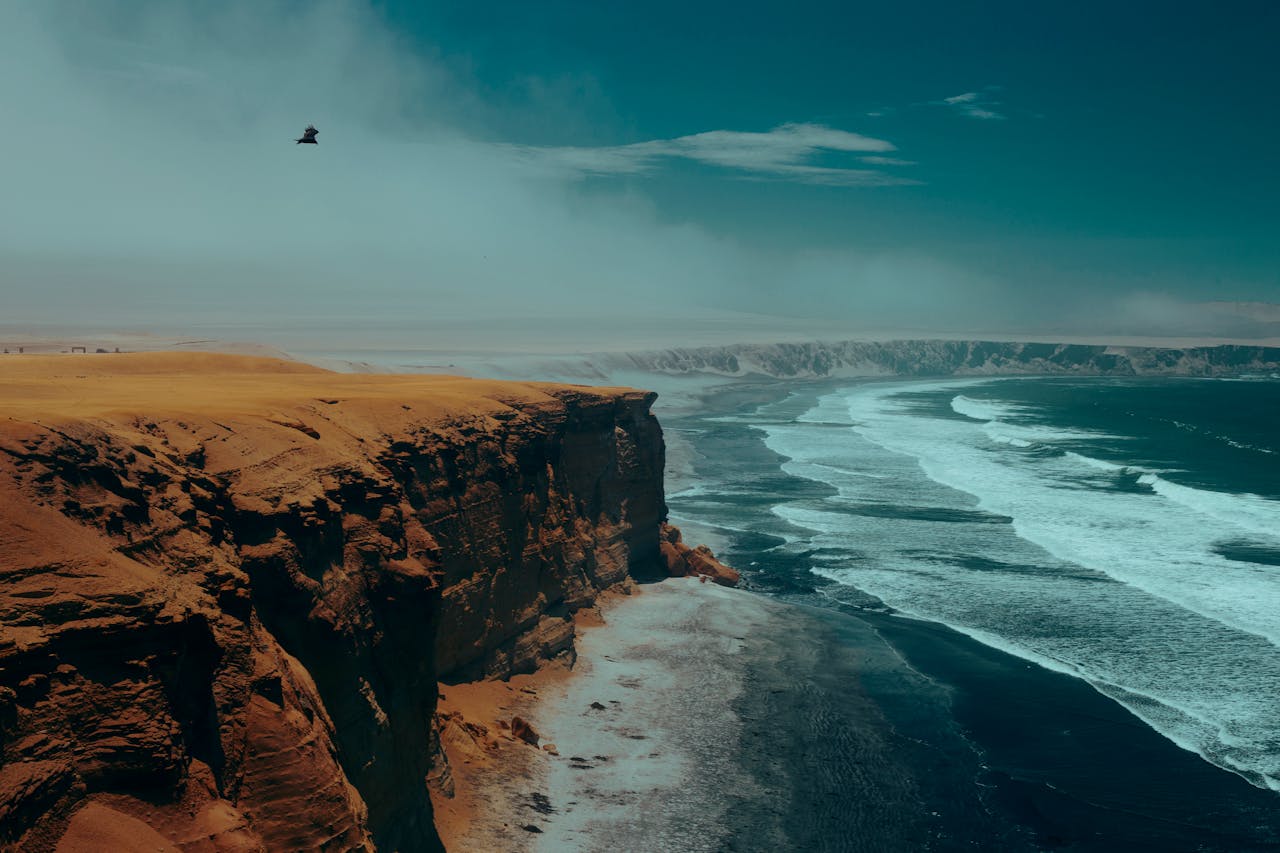
- Paracas – Reserva natural, desierto, fauna marina y las Islas Ballestas.
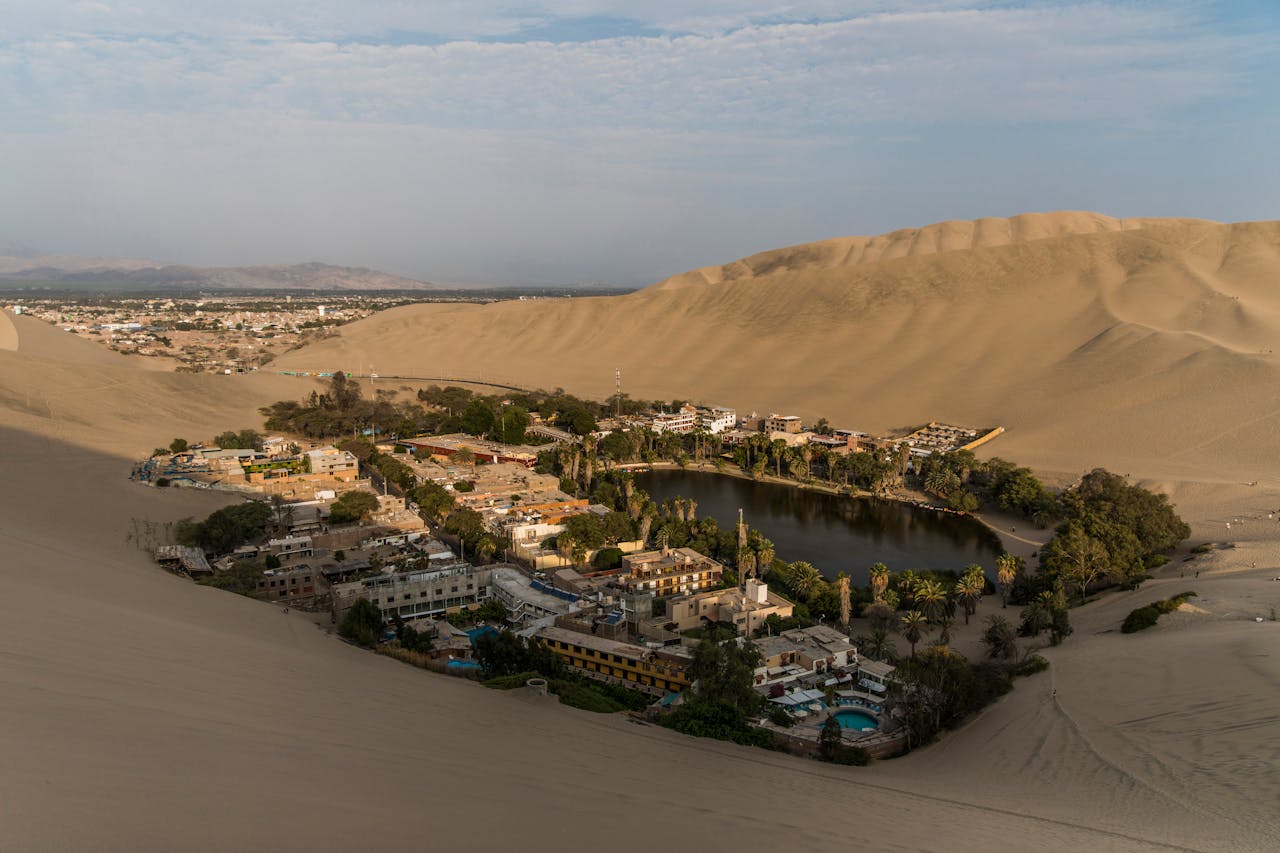
- Huacachina – Oasis en medio del desierto, ideal para sandboard y atardeceres.
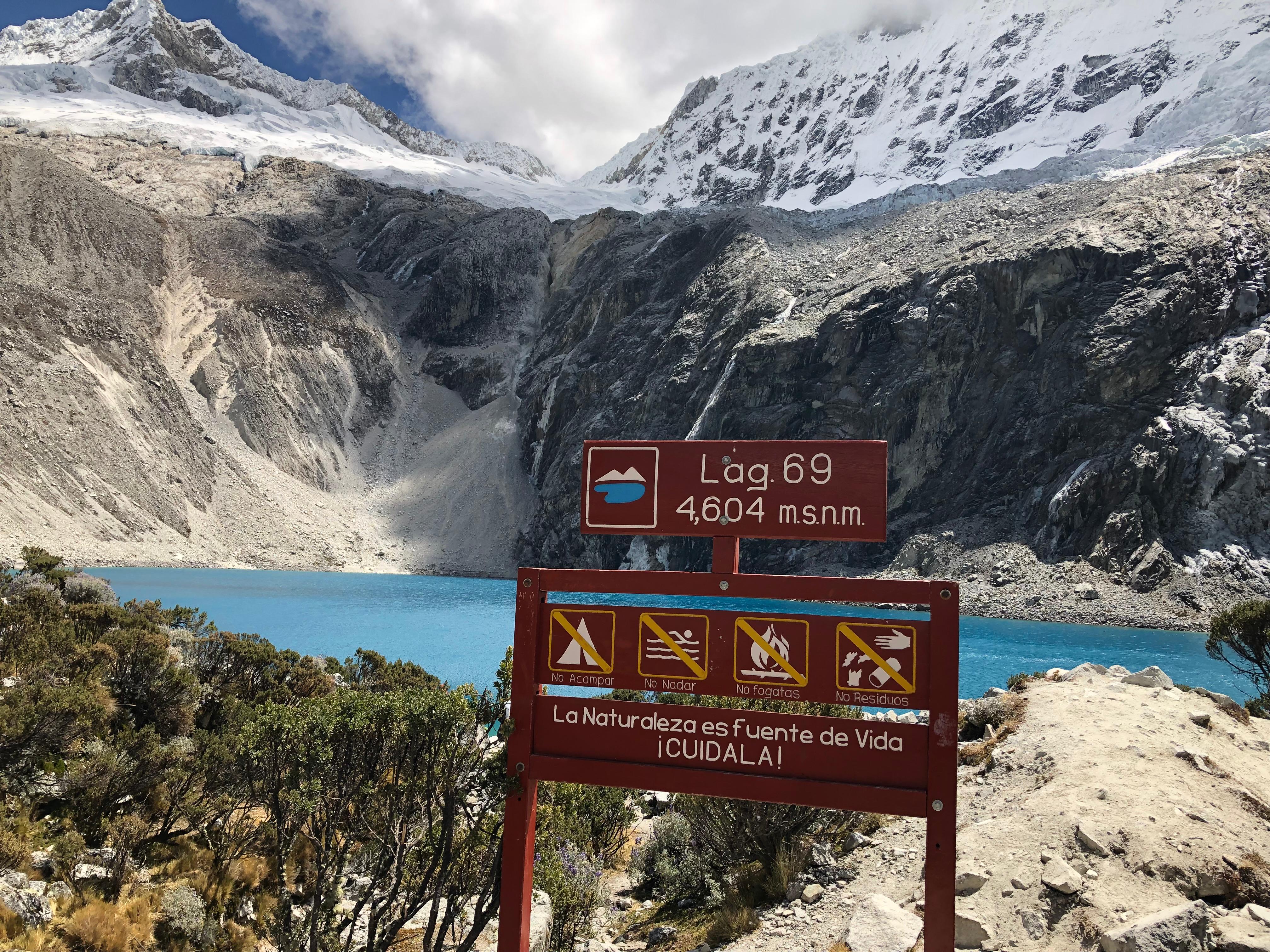
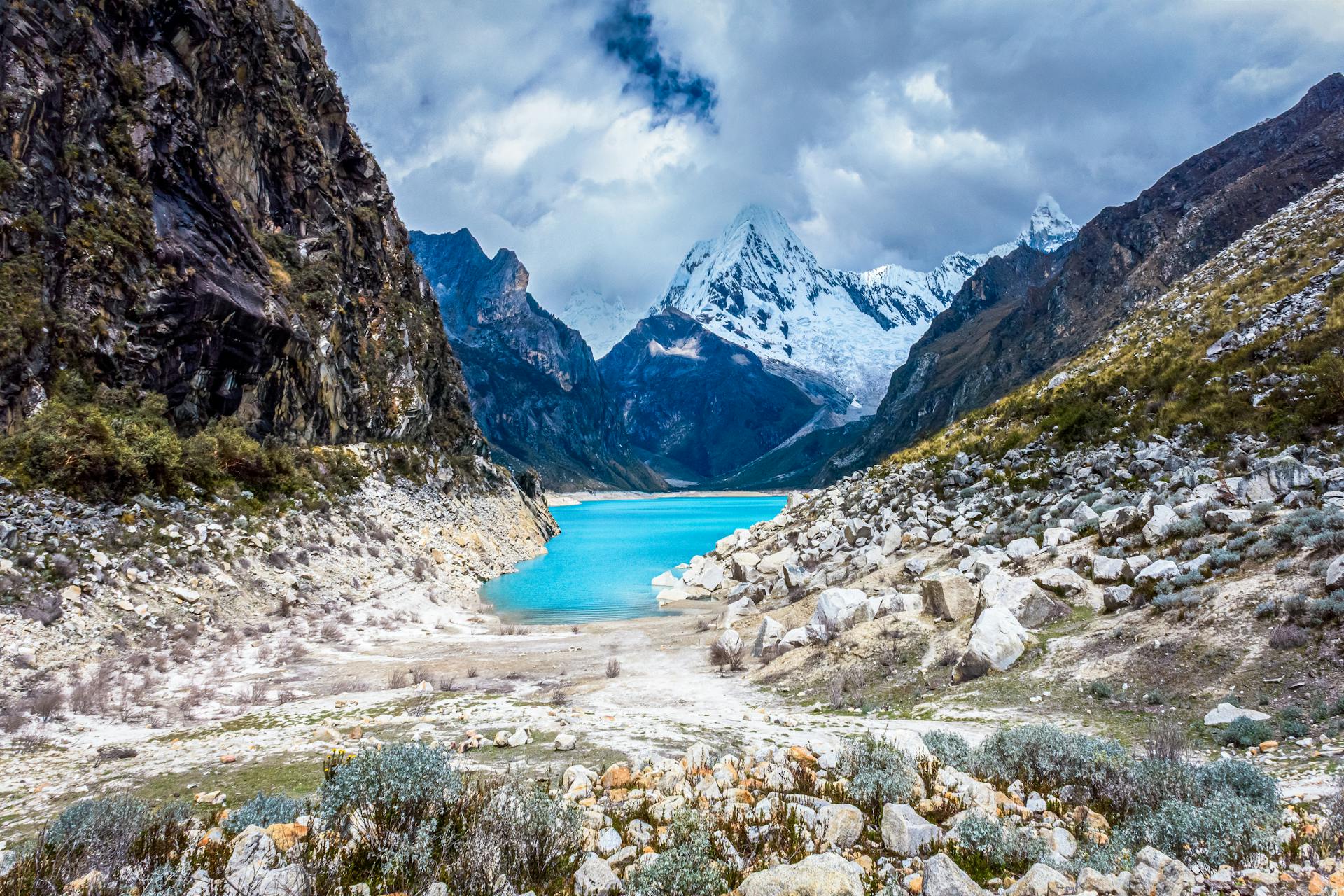
- Huaraz – Montañas, lagunas turquesas y trekking en la Cordillera Blanca.
- Cañón del Colca – Uno de los cañones más profundos del mundo, hogar del cóndor andino y pueblos tradicionales.
- Máncora – Amplias playas de aguas turquesas en el norte del país.
- Arequipa – Arquitectura colonial, volcanes y fuerte identidad cultural.
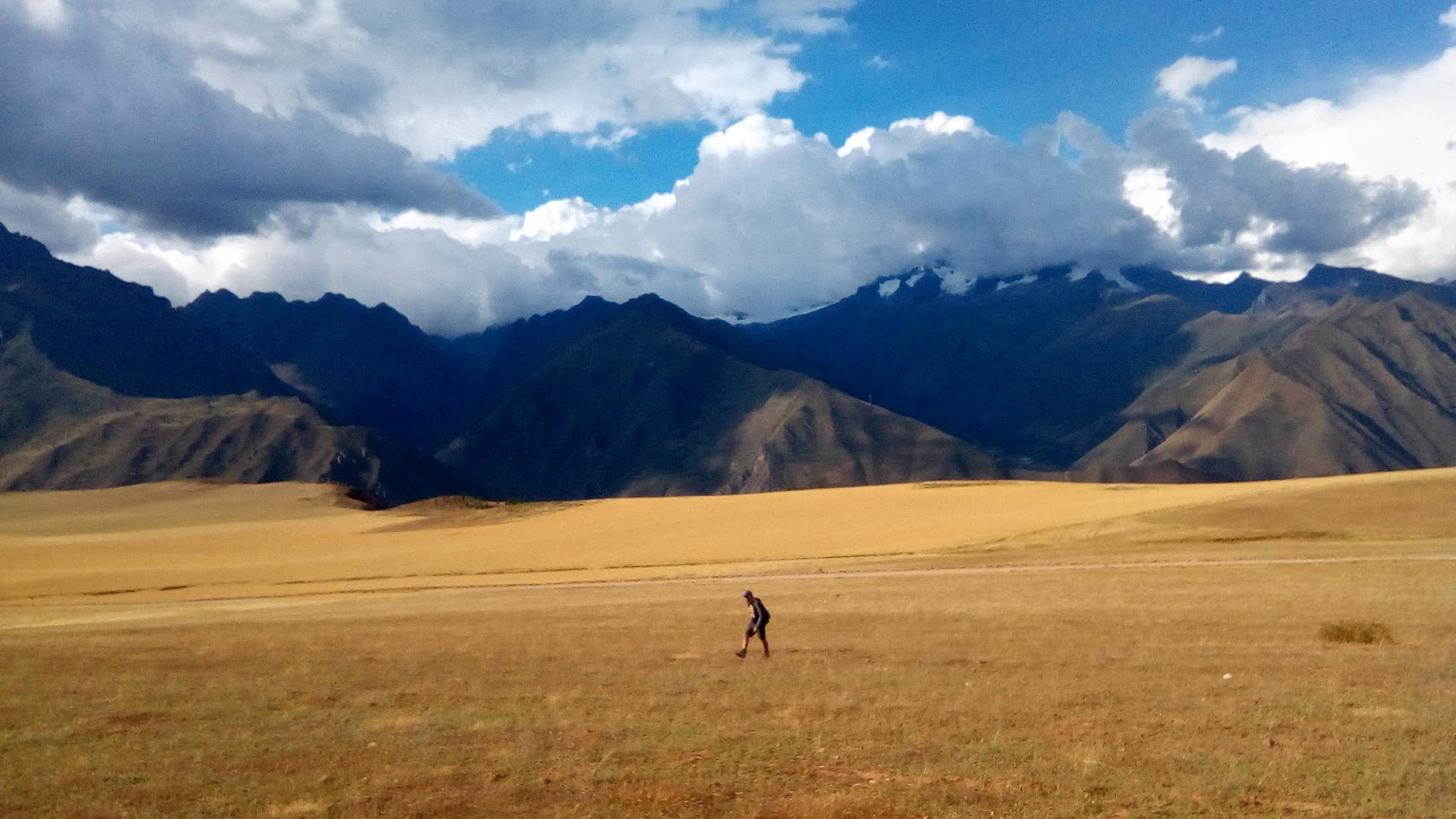
- Valle Sagrado – Pisac, Ollantaytambo y pueblos andinos rodeados de montañas.
- Amazonía peruana (Iquitos / Puerto Maldonado) – Selva, biodiversidad y experiencias amazónicas.
- Lago Titicaca – El lago navegable más alto del mundo y comunidades ancestrales.
Itinerarios Sugeridos (Edición 2026)
Perú es grande y los traslados llevan tiempo. Aquí te armamos dos rutas lógicas para aprovechar al máximo:
Opción 1: El Sur Clásico (10 días)
- Día 1-2: Lima. Disfrutá de la gastronomía y los barrios de Miraflores y Barranco.
- Día 3-4: Paracas y Huacachina. Bus hacia el sur para ver las Islas Ballestas y hacer sandboarding en las dunas.
- Día 5: Arequipa. Vuelo o bus hacia la Ciudad Blanca.
- Día 6-8: Cusco y Valle Sagrado. Aclimatación y recorrido por Ollantaytambo y Pisac.
- Día 9: Machu Picchu. El highlight del viaje.
- Día 10: Regreso a Lima.
Opción 2: Solo Sierra y Aventura (7 días)
- Día 1: Lima. Escala técnica y cena peruana.
- Día 2-4: Cusco y alrededores. Salineras de Maras, Moray y tiempo en la ciudad.
- Día 5: Machu Picchu.
- Día 6: Montaña de 7 Colores. Una experiencia exigente pero visualmente increíble.
- Día 7: Vuelo de salida.
Qué comer en Perú (imperdibles)
La gastronomía peruana es una de las más variadas y reconocidas de Latinoamérica, con influencias indígenas, africanas, europeas y asiáticas:
- Ceviche – Pescado fresco marinado en limón, ají y cilantro.
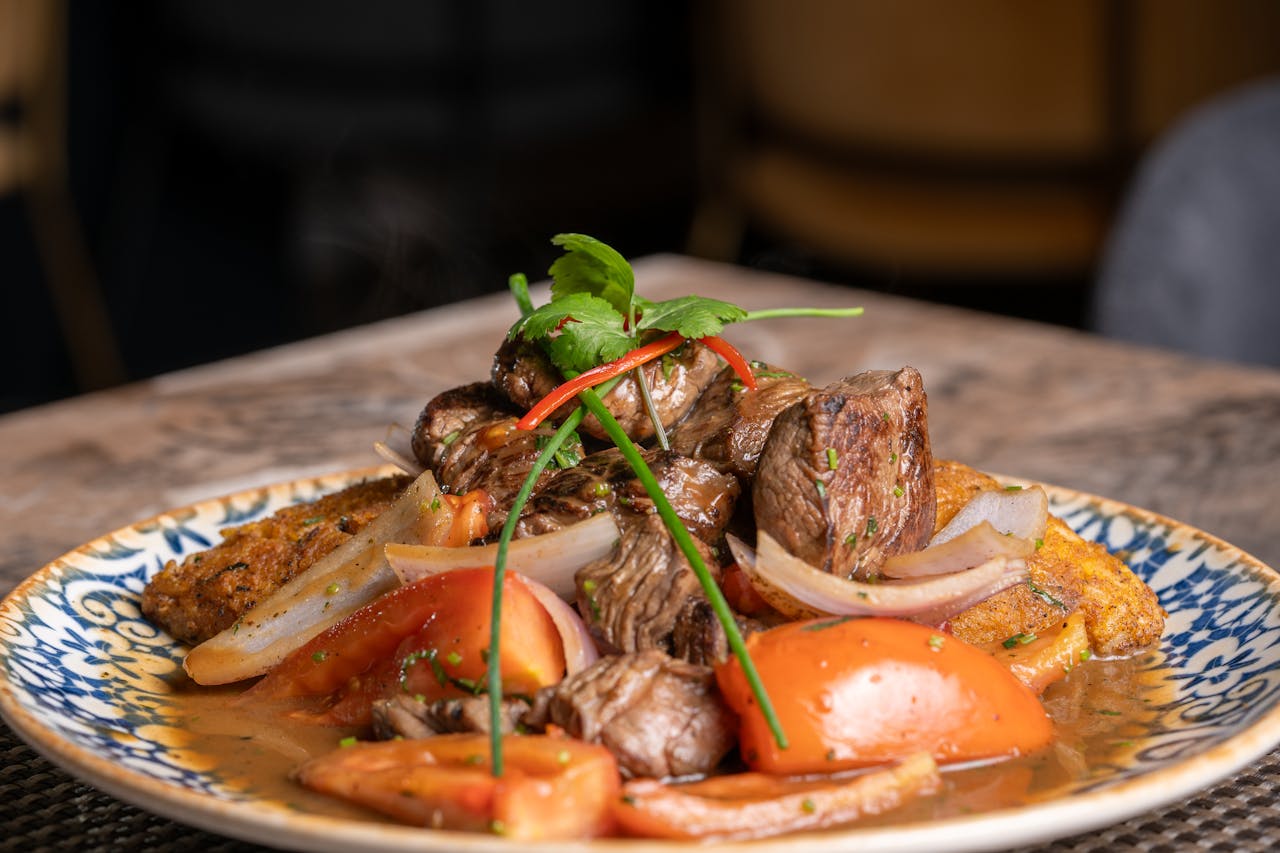
- Lomo saltado – Carne salteada con cebolla, tomate y papas fritas.
- Ají de gallina – Pollo desmenuzado en salsa cremosa de ají amarillo.
- Anticuchos – Brochetas de carne, típicamente corazón de res.
- Causa limeña – Puré de papa amarilla relleno de pollo, atún o mariscos.
- Rocoto relleno – Plato picante típico de Arequipa.
- Chifa – Fusión peruano-china, muy popular en todo el país.
- Pisco sour – Cóctel nacional a base de pisco, limón y clara de huevo.
Datos prácticos para viajar por Perú
- Moneda: sol peruano (PEN). Tip 2026: El uso de billeteras digitales como Yape está muy extendido, pero para turistas, el efectivo sigue siendo rey en mercados.
- Idioma: español; en zonas andinas también quechua y aimara.
- Enchufes: tipo A y C, 220V.
- Propinas: no obligatorias; en restaurantes se deja entre 5% y 10% si el servicio es bueno.
- Conectividad: buena en ciudades y destinos turísticos; limitada en zonas rurales. Comprá una SIM local de Claro o Entel.
- Pagos: tarjetas aceptadas en ciudades; efectivo recomendado en pueblos y mercados.
Cómo moverse por Perú
- Avión – Recomendado para largas distancias (Lima–Cusco, Lima–Arequipa, Lima–Amazonía).
- Bus de larga distancia – Muy usado y económico; hay servicios turísticos de buena calidad (como Cruz del Sur o RedBus).
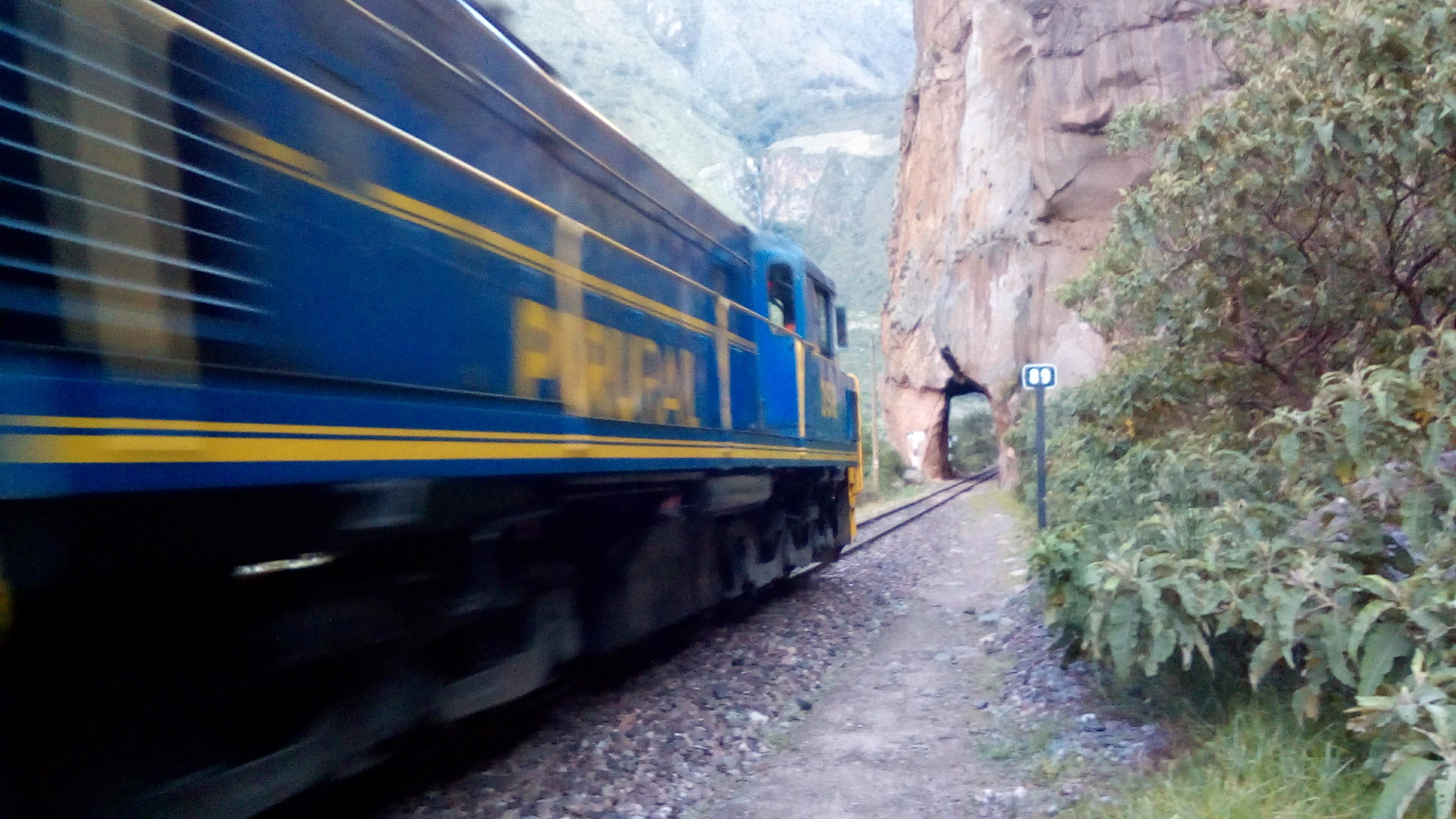
- Tren – Principalmente para llegar a Machu Picchu desde Cusco o el Valle Sagrado (Inca Rail o PeruRail).
- Auto – Útil en algunas regiones, pero no siempre recomendado debido al tráfico y la geografía.
- Transporte urbano – Buses, combis y apps; puede resultar caótico para el visitante. Usá siempre Uber o Cabify en Lima.
Mejor época para viajar
- Mayo a septiembre – Temporada seca en la sierra, ideal para Cusco y trekking.
- Octubre y abril – Meses intermedios, buen clima y menos turistas.
- Verano (diciembre–marzo) – Lluvias en sierra y selva; mejor para la costa.
El clima varía mucho según la región: costa, sierra y selva tienen estaciones diferentes.
Recordatorios útiles para viajar por Perú
- Tomá en serio la altura: descansá el primer día y evitá comidas pesadas. El soroche no perdona.
- Probá el mate de coca para aliviar el mal de altura (es legal en Perú).
- Reservá Machu Picchu con anticipación: Para 2026, los cupos siguen siendo muy limitados y se agotan meses antes.
- Usá efectivo en mercados y pueblos pequeños.
- Negociá precios en mercados, no en restaurantes o servicios formales.
- Prestá atención a tus pertenencias en zonas muy turísticas.
- Comé donde comen los locales: suele ser más auténtico y mejor calidad-precio.

Estos son algunos de los destinos más destacados del país, ideales para una primera visita. No es una selección ni un ranking, sino una muestra de la enorme diversidad que ofrece Perú:
- Lima – Capital gastronómica, barrios históricos y costa sobre el Pacífico.
- Cusco – Antigua capital inca y base para explorar el Valle Sagrado.
- Machu Picchu – Uno de los sitios arqueológicos más impresionantes del planeta.
- Paracas – Reserva natural, desierto, fauna marina y las Islas Ballestas.
- Huacachina – Oasis en medio del desierto, ideal para sandboard y atardeceres.
- Huaraz – Montañas, lagunas turquesas y trekking en la Cordillera Blanca.
- Cañón del Colca – Uno de los cañones más profundos del mundo, hogar del cóndor andino y pueblos tradicionales.
- Máncora – Amplias playas de aguas turquesas en el norte del país.
- Arequipa – Arquitectura colonial, volcanes y fuerte identidad cultural.
- Valle Sagrado – Pisac, Ollantaytambo y pueblos andinos rodeados de montañas.
- Amazonía peruana (Iquitos / Puerto Maldonado) – Selva, biodiversidad y experiencias amazónicas.
- Lago Titicaca – El lago navegable más alto del mundo y comunidades ancestrales.
PUBLICIDAD
Travel with Data: Get your Saily eSIM
- ✓Internet in seconds upon landing
- ✓Flexible plans in 180+ countries
- ✓Easy setup directly via the App
Perú es grande y los traslados llevan tiempo. Aquí te armamos dos rutas lógicas para aprovechar al máximo:
Opción 1: El Sur Clásico (10 días)
- Día 1-2: Lima. Disfrutá de la gastronomía y los barrios de Miraflores y Barranco.
- Día 3-4: Paracas y Huacachina. Bus hacia el sur para ver las Islas Ballestas y hacer sandboarding en las dunas.
- Día 5: Arequipa. Vuelo o bus hacia la Ciudad Blanca.
- Día 6-8: Cusco y Valle Sagrado. Aclimatación y recorrido por Ollantaytambo y Pisac.
- Día 9: Machu Picchu. El highlight del viaje.
- Día 10: Regreso a Lima.
Opción 2: Solo Sierra y Aventura (7 días)
- Día 1: Lima. Escala técnica y cena peruana.
- Día 2-4: Cusco y alrededores. Salineras de Maras, Moray y tiempo en la ciudad.
- Día 5: Machu Picchu.
- Día 6: Montaña de 7 Colores. Una experiencia exigente pero visualmente increíble.
- Día 7: Vuelo de salida.
La gastronomía peruana es una de las más variadas y reconocidas de Latinoamérica, con influencias indígenas, africanas, europeas y asiáticas:
- Ceviche – Pescado fresco marinado en limón, ají y cilantro.
- Lomo saltado – Carne salteada con cebolla, tomate y papas fritas.
- Ají de gallina – Pollo desmenuzado en salsa cremosa de ají amarillo.
- Anticuchos – Brochetas de carne, típicamente corazón de res.
- Causa limeña – Puré de papa amarilla relleno de pollo, atún o mariscos.
- Rocoto relleno – Plato picante típico de Arequipa.
- Chifa – Fusión peruano-china, muy popular en todo el país.
- Pisco sour – Cóctel nacional a base de pisco, limón y clara de huevo.
- Moneda: sol peruano (PEN). Tip 2026: El uso de billeteras digitales como Yape está muy extendido, pero para turistas, el efectivo sigue siendo rey en mercados.
- Idioma: español; en zonas andinas también quechua y aimara.
- Enchufes: tipo A y C, 220V.
- Propinas: no obligatorias; en restaurantes se deja entre 5% y 10% si el servicio es bueno.
- Conectividad: buena en ciudades y destinos turísticos; limitada en zonas rurales. Comprá una SIM local de Claro o Entel.
- Pagos: tarjetas aceptadas en ciudades; efectivo recomendado en pueblos y mercados.
- Avión – Recomendado para largas distancias (Lima–Cusco, Lima–Arequipa, Lima–Amazonía).
- Bus de larga distancia – Muy usado y económico; hay servicios turísticos de buena calidad (como Cruz del Sur o RedBus).
- Tren – Principalmente para llegar a Machu Picchu desde Cusco o el Valle Sagrado (Inca Rail o PeruRail).
- Auto – Útil en algunas regiones, pero no siempre recomendado debido al tráfico y la geografía.
- Transporte urbano – Buses, combis y apps; puede resultar caótico para el visitante. Usá siempre Uber o Cabify en Lima.
- Mayo a septiembre – Temporada seca en la sierra, ideal para Cusco y trekking.
- Octubre y abril – Meses intermedios, buen clima y menos turistas.
- Verano (diciembre–marzo) – Lluvias en sierra y selva; mejor para la costa.
El clima varía mucho según la región: costa, sierra y selva tienen estaciones diferentes.
PUBLICIDAD
- Tomá en serio la altura: descansá el primer día y evitá comidas pesadas. El soroche no perdona.
- Probá el mate de coca para aliviar el mal de altura (es legal en Perú).
- Reservá Machu Picchu con anticipación: Para 2026, los cupos siguen siendo muy limitados y se agotan meses antes.
- Usá efectivo en mercados y pueblos pequeños.
- Negociá precios en mercados, no en restaurantes o servicios formales.
- Prestá atención a tus pertenencias en zonas muy turísticas.
- Comé donde comen los locales: suele ser más auténtico y mejor calidad-precio.
PUBLICIDAD
International Travel Insurance
- ✓International medical insurance
- ✓24/7 immediate assistance in your language
- ✓Ideal for trekking & adventure
Preferences
Language
Color
Text
Width