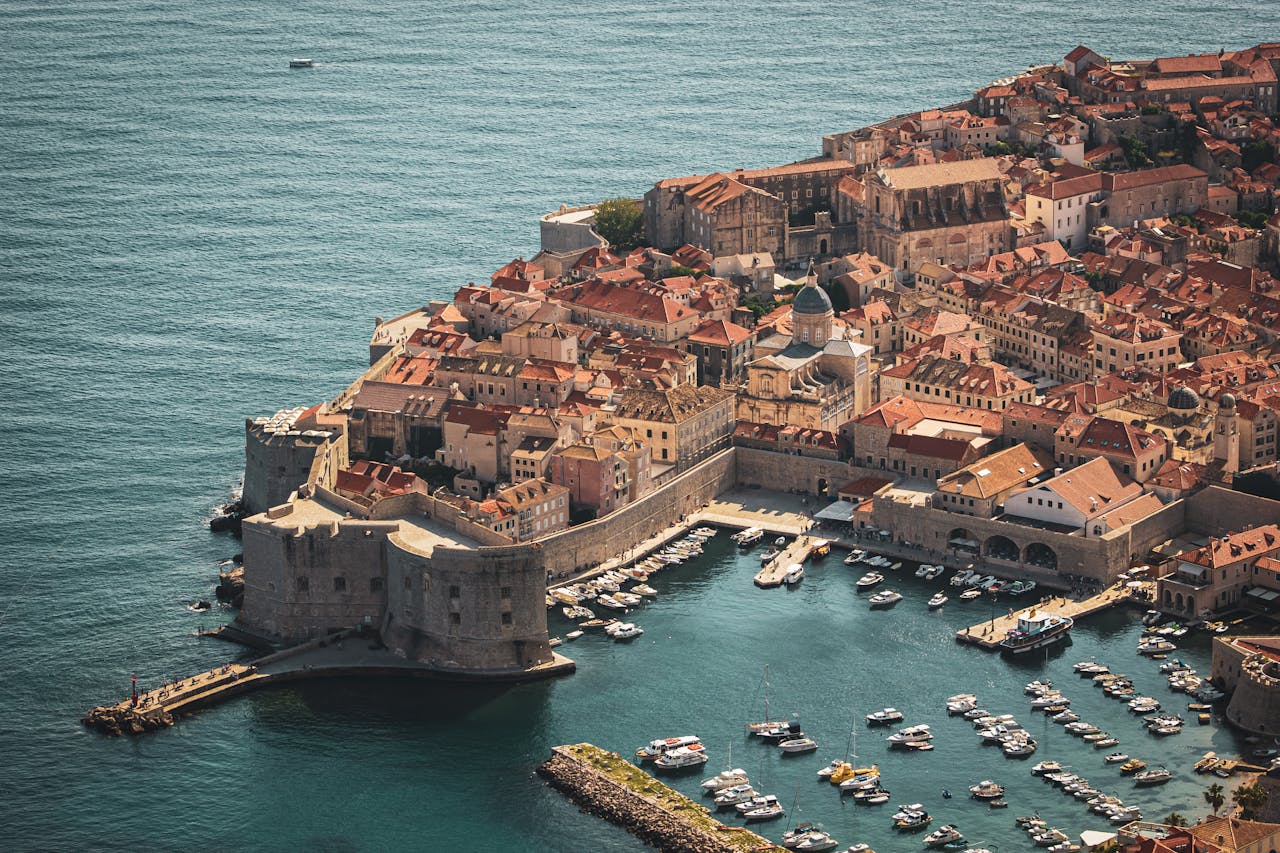
Table of contents and map
Kotor Travel Guide 2026: What to See in Montenegro’s Walled Gem
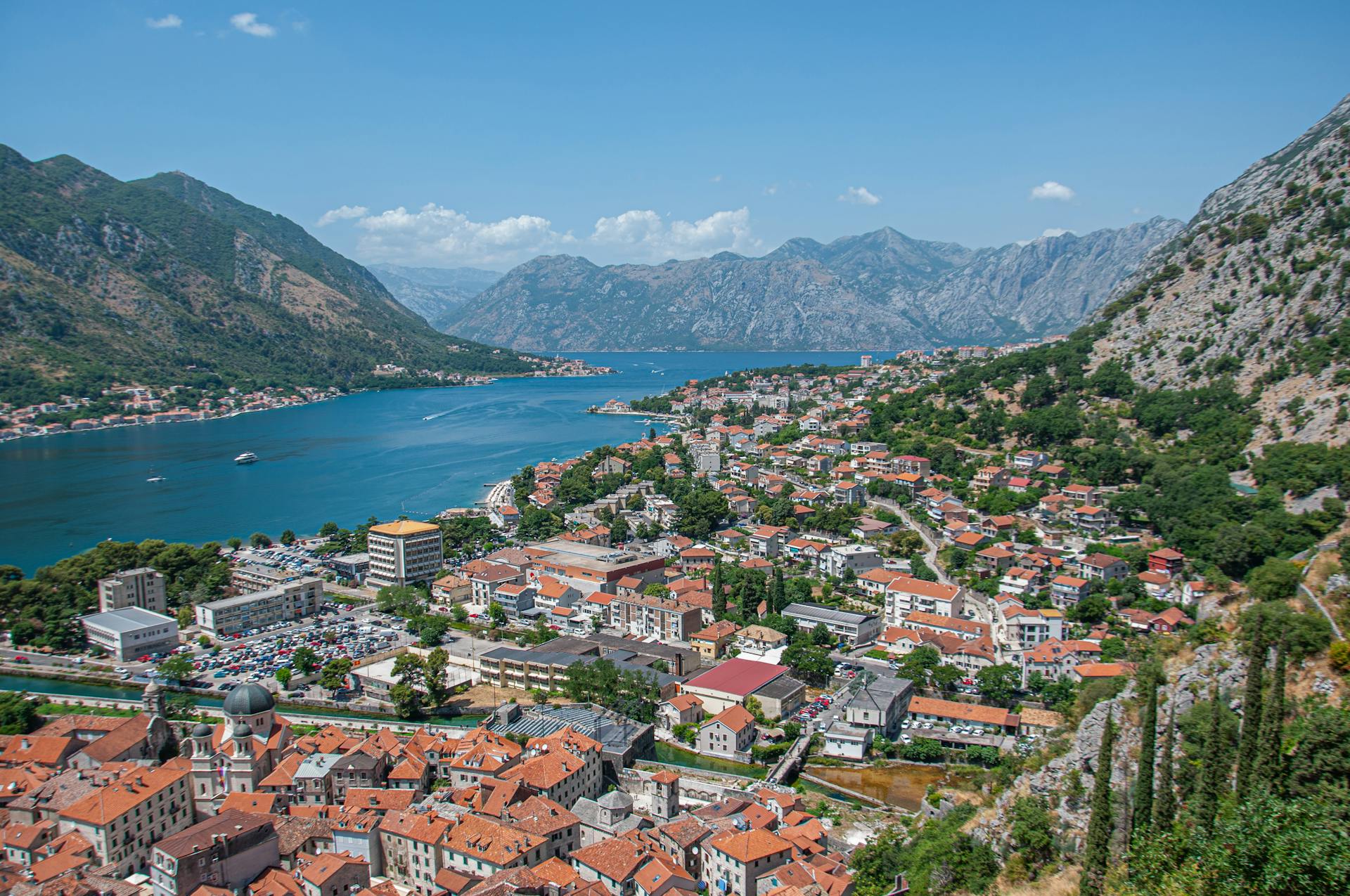
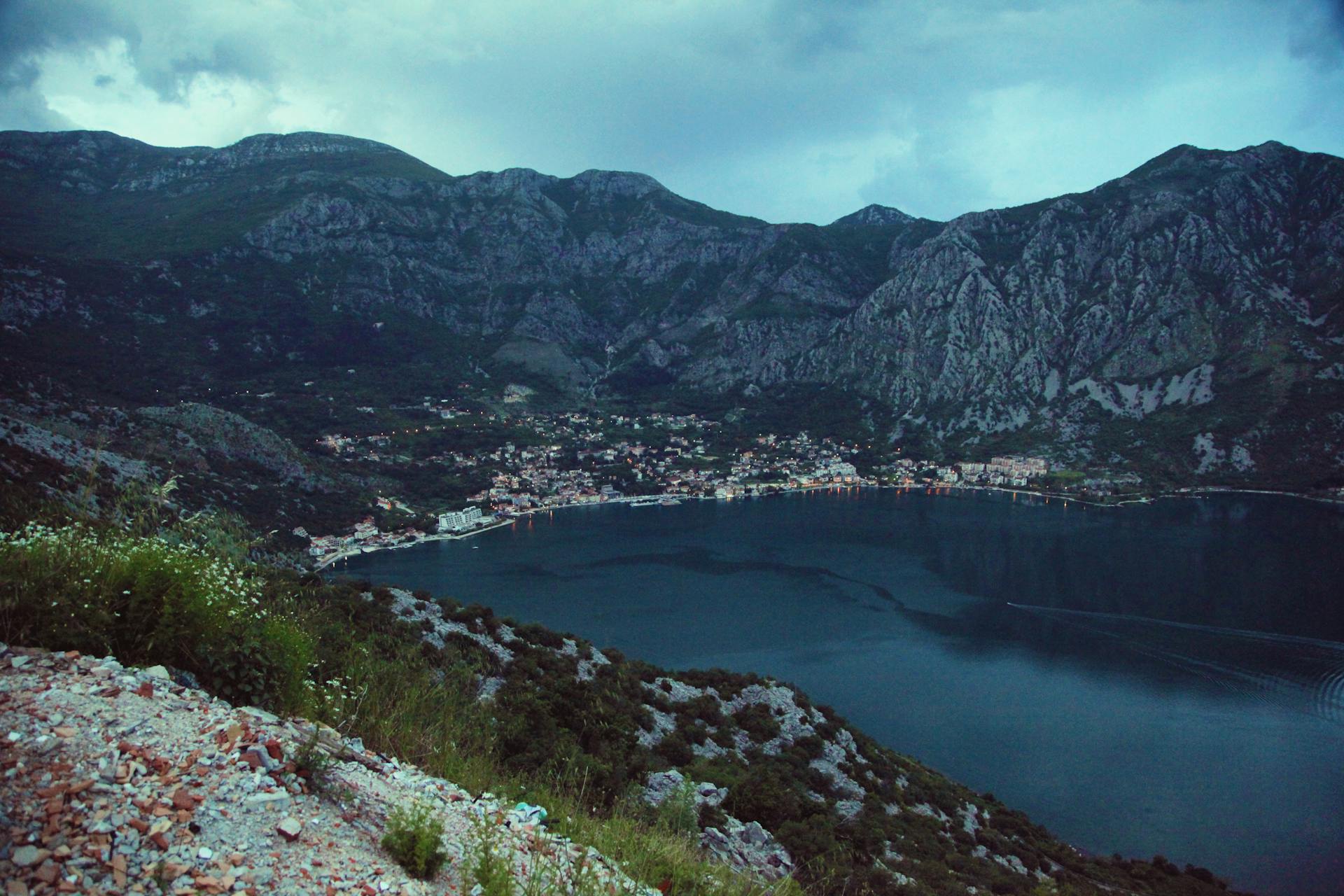
Kotor is a stunning fortified city where medieval stone merges with the deep blue of the bay. Protected by towering walls that climb up the mountain, its old town is a labyrinth of squares and alleys preserving centuries of Venetian heritage. A refuge where time seems to stand still amidst dramatic cliffs.
Kotor Travel Guide 2026: What to See in Montenegro’s Walled Gem
Kotor is a stunning fortified city where medieval stone merges with the deep blue of the bay. Protected by towering walls that climb up the mountain, its old town is a labyrinth of squares and alleys preserving centuries of Venetian heritage. A refuge where time seems to stand still amidst dramatic cliffs.
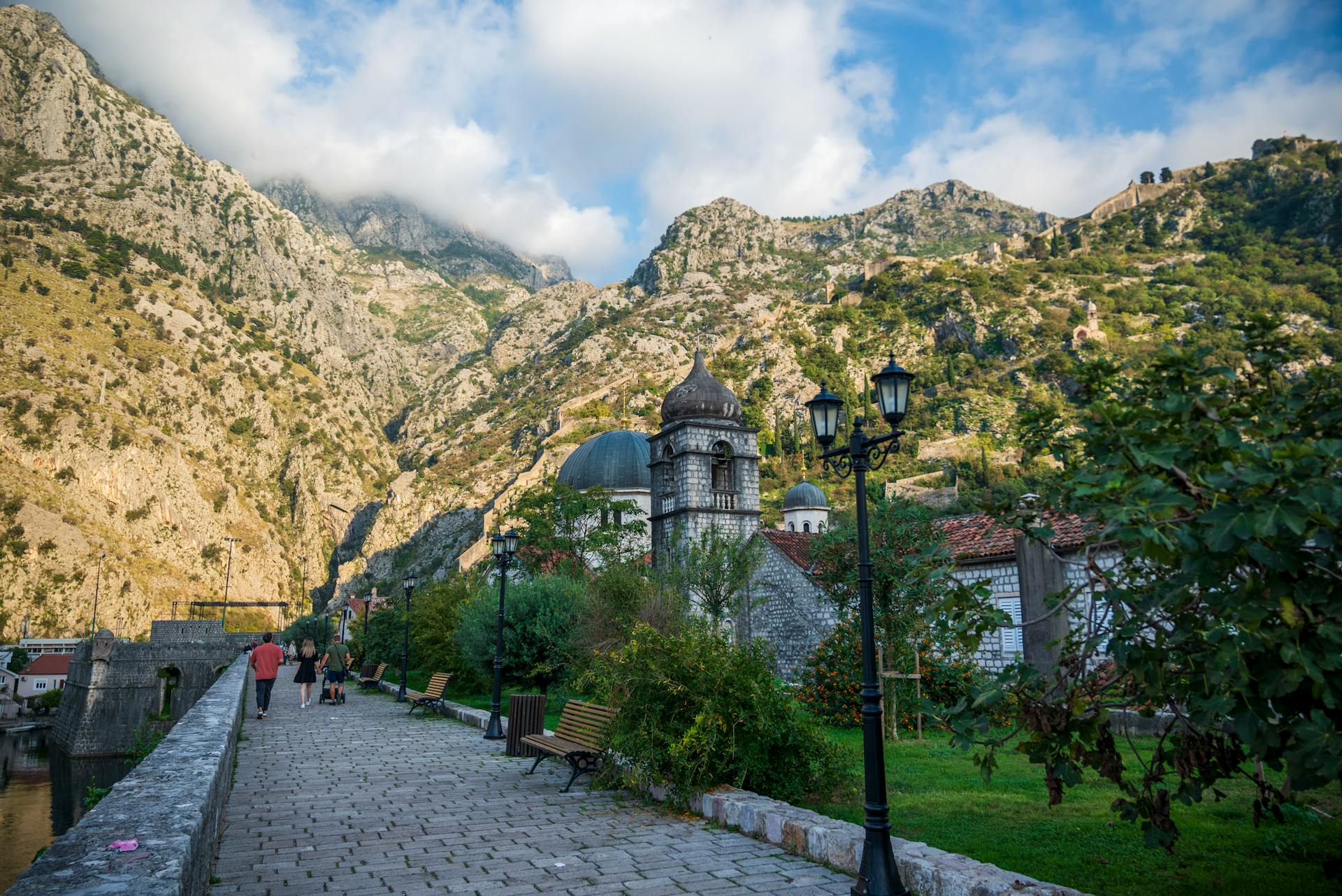
Kotor is the heart of Montenegrin culture. This walled city, a UNESCO World Heritage site, captivates with its perfectly preserved stone architecture and its strategic location in what many call Europe’s southernmost fjord. It is a place that demands curiosity to explore every corner of its Stari Grad (Old Town) and energy to conquer its heights.
Must-See and Do in Kotor: Essentials
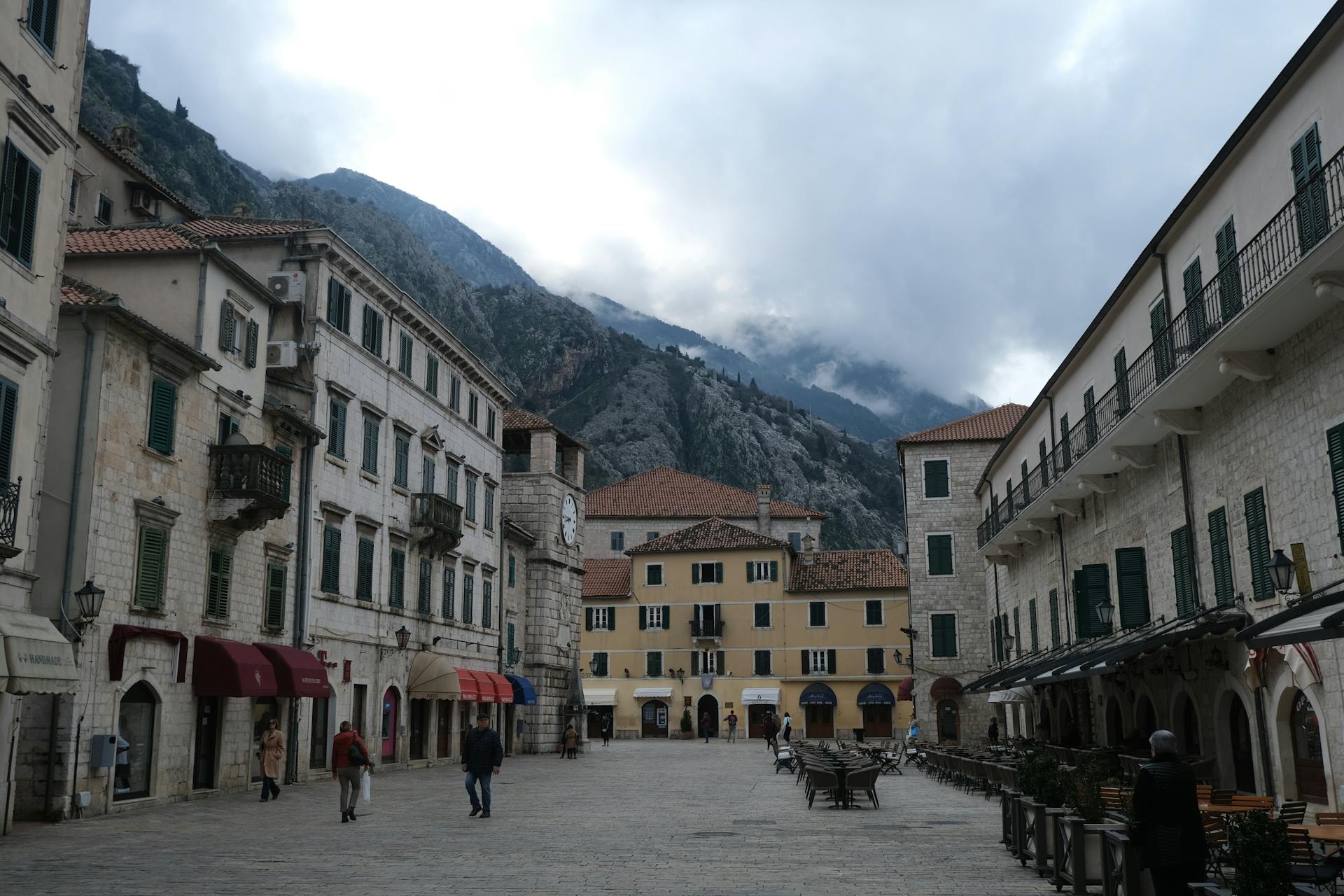
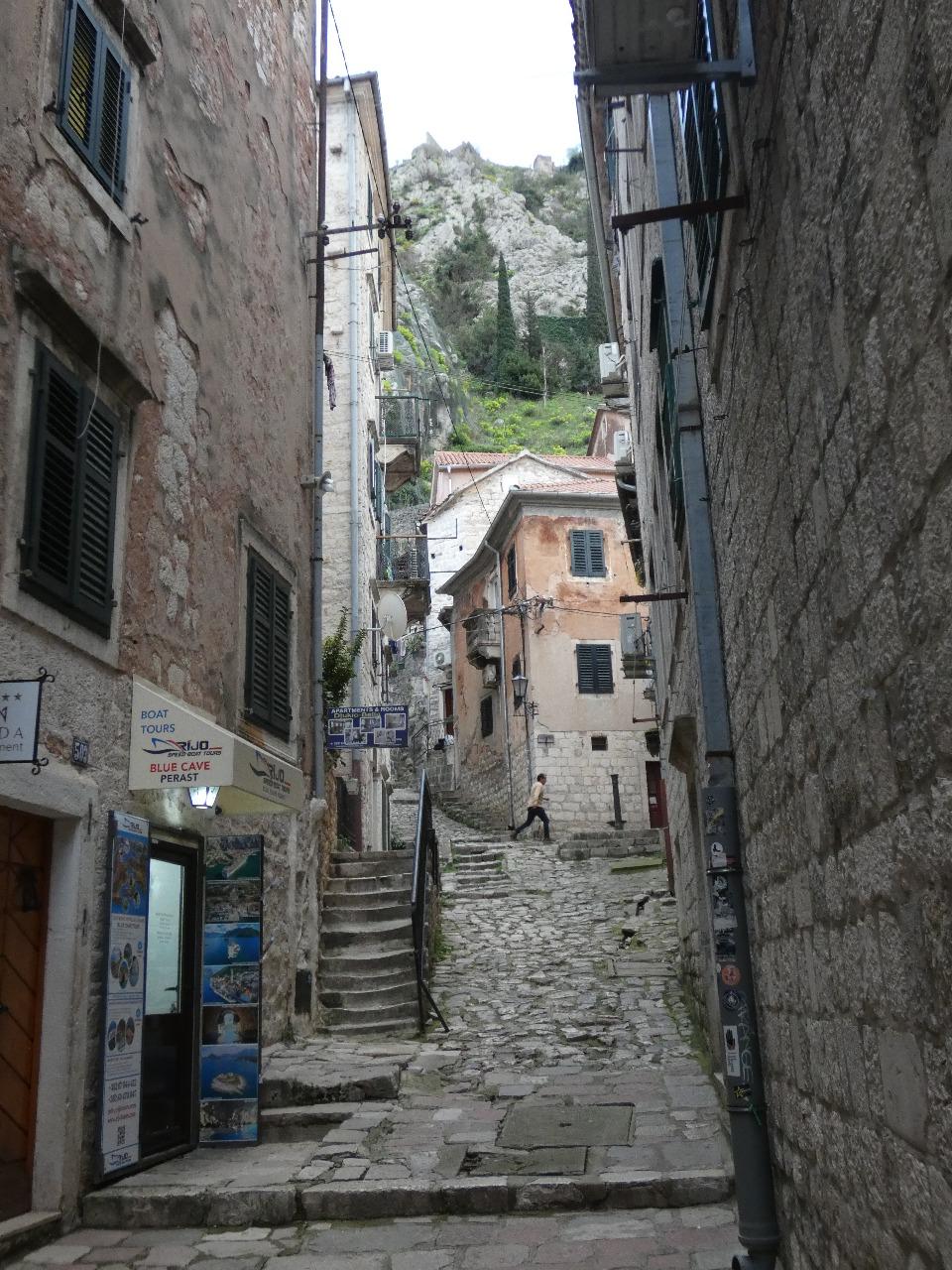
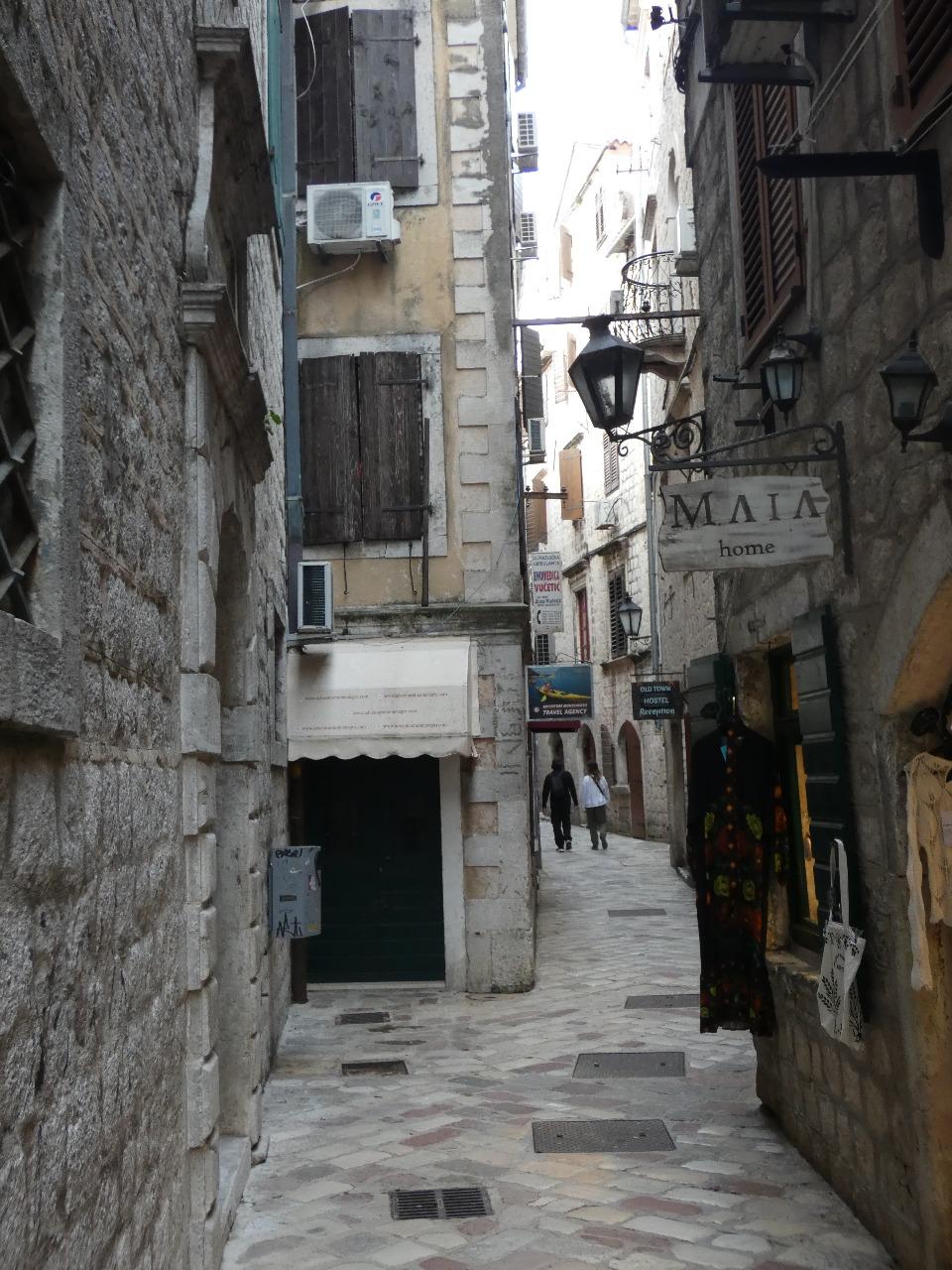
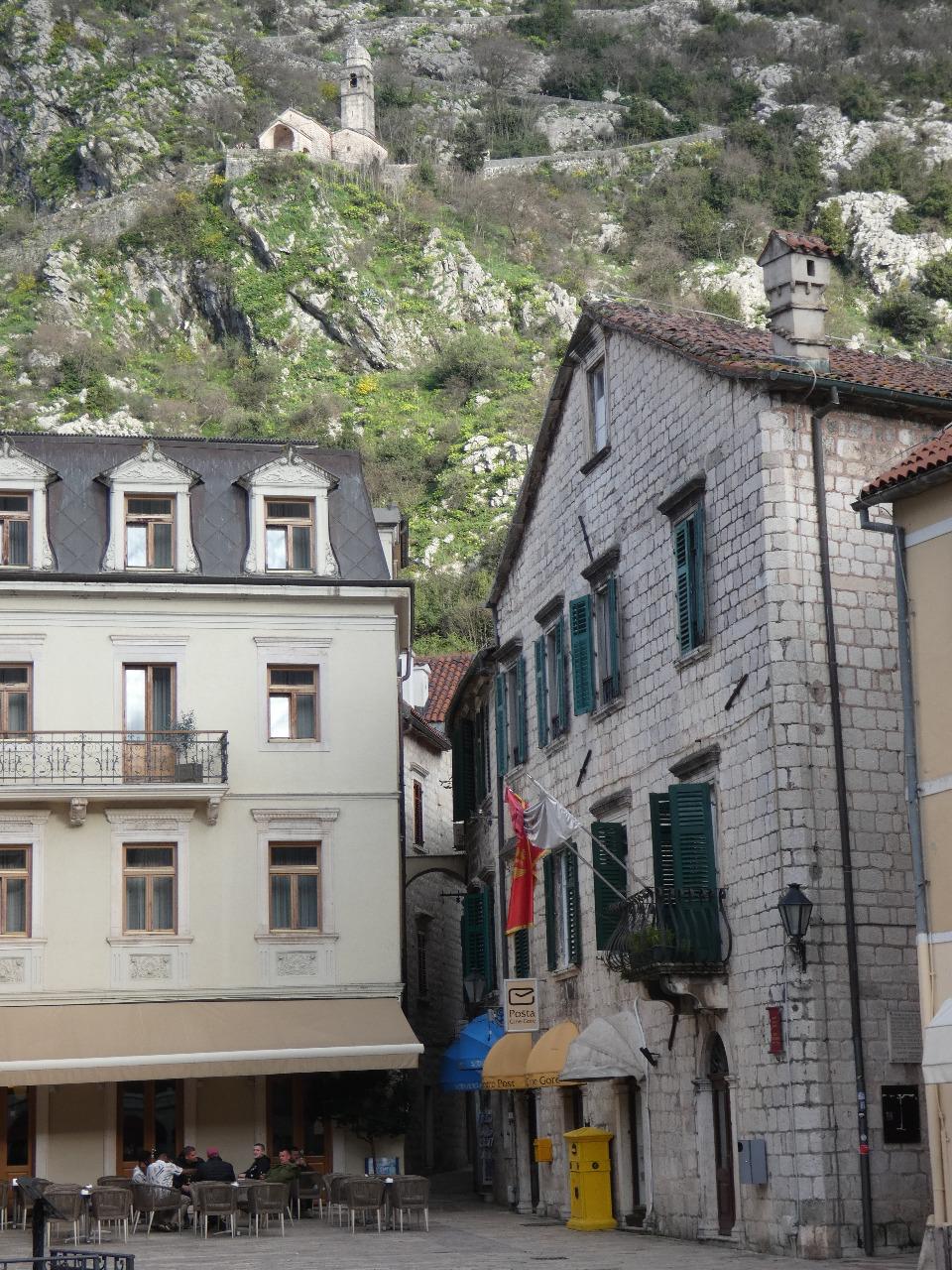
- Old Town (Stari Grad): Surrounded by walls up to 15 meters thick, this medieval labyrinth is entirely pedestrian. Watch your step: The polished marble floors are extremely slippery, even when dry.
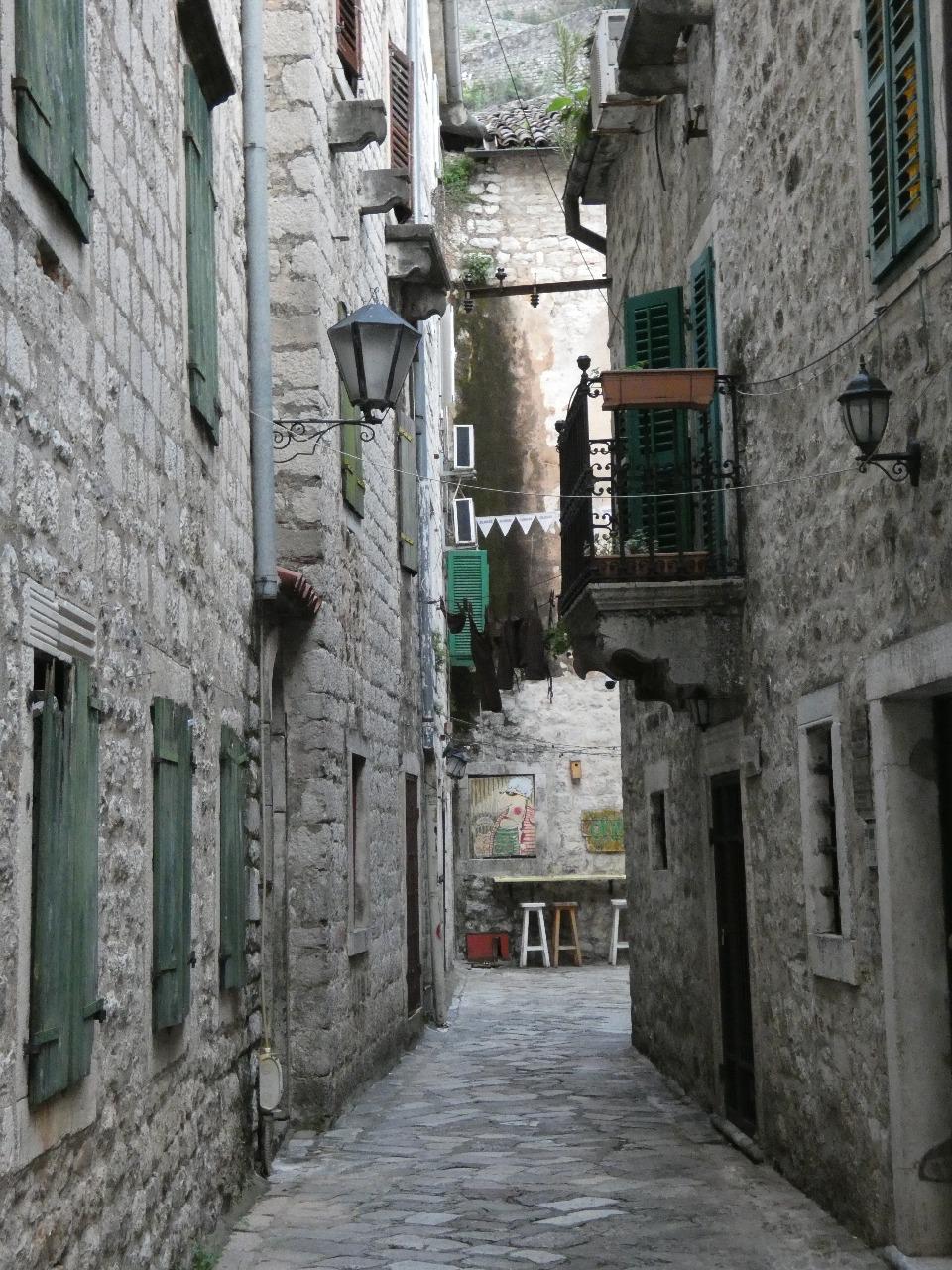
- Sea Gate: Entering through here feels like stepping back into the 16th century; get lost in its alleys to discover Romanesque churches and palaces with Venetian coats of arms.
- San Giovanni Fortress (St. John): This is the ultimate viewpoint of the region. Access via the official stairs costs approximately €15 (2026 price).
- The Hike Up: There are over 1,300 steps. Halfway up, you’ll find the Church of Our Lady of Remedy, a perfect spot to rest and take the classic postcard photo of the bay.
- Saint Tryphon Cathedral: The symbol of the city. This 12th-century gem with its twin towers dominates the main square and stands as a living testament to Romanesque art in the Balkans.
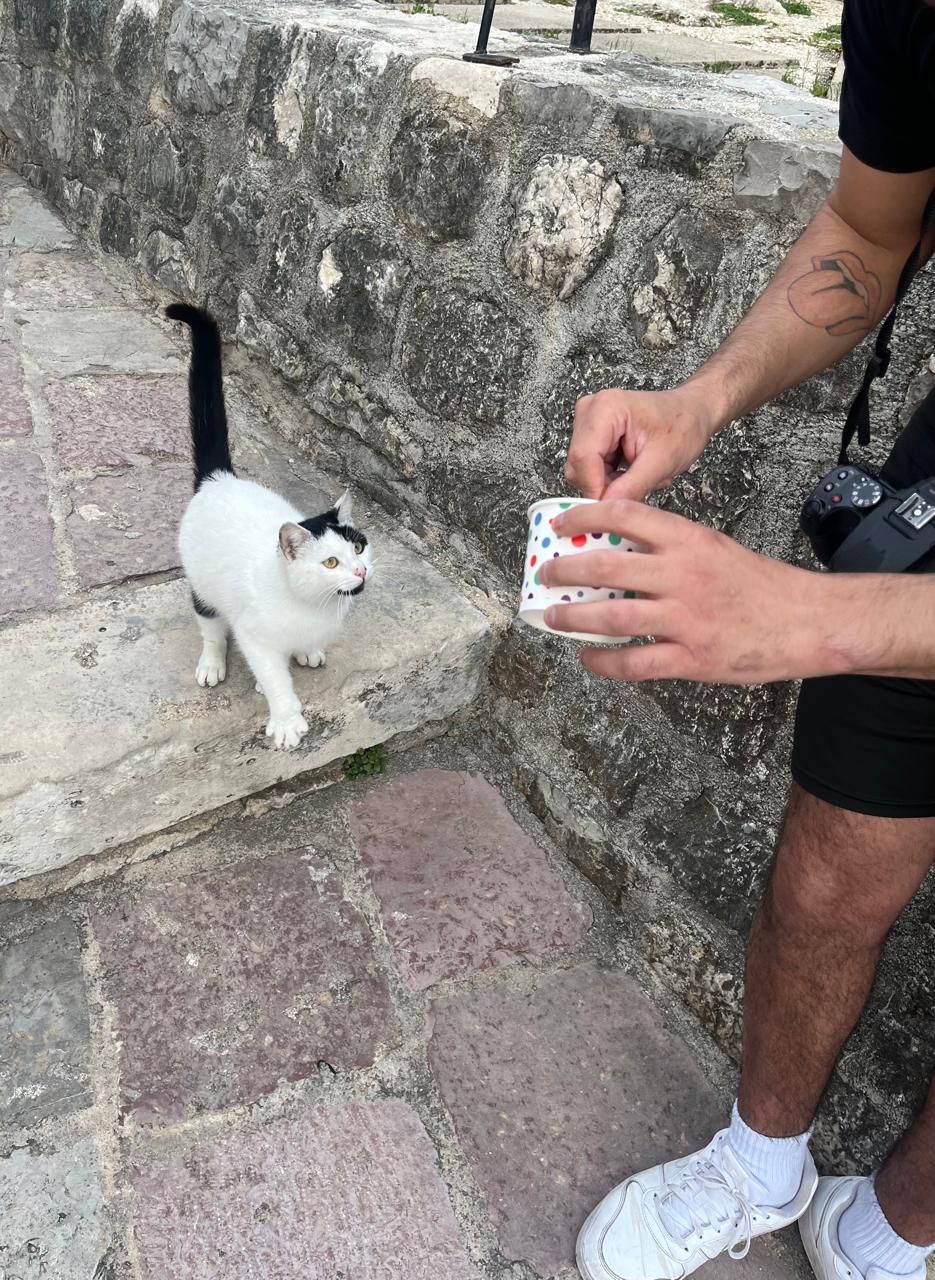
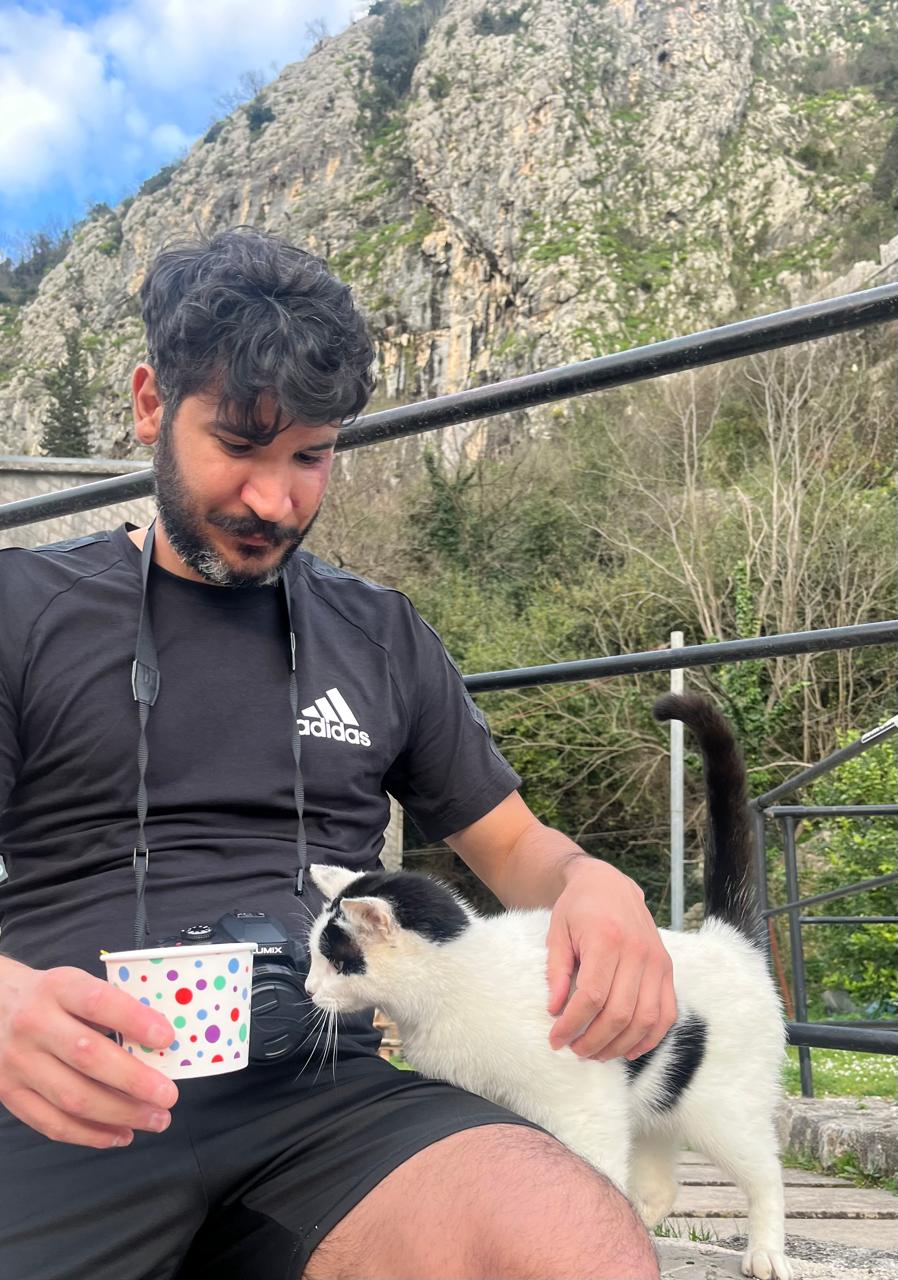
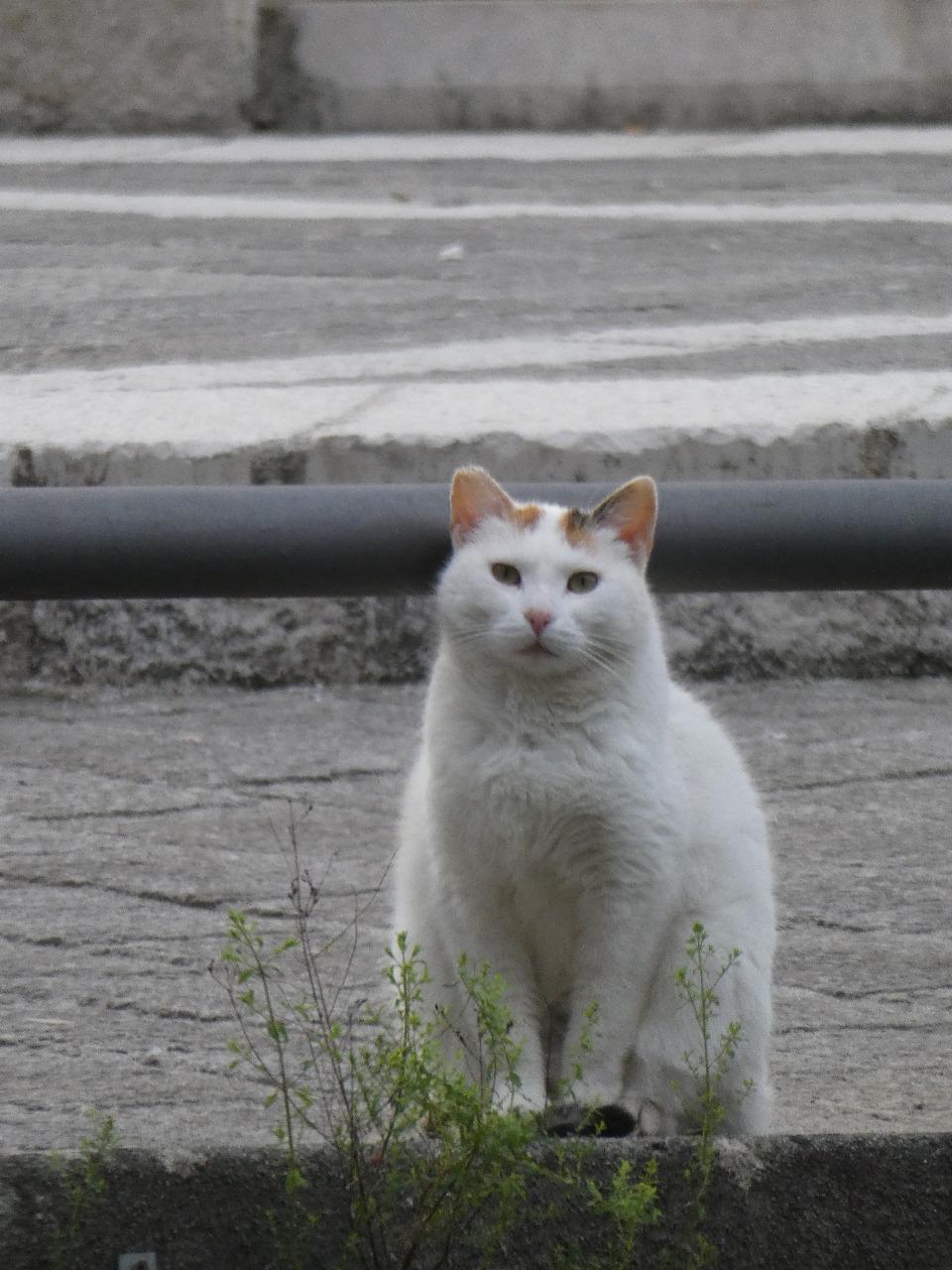
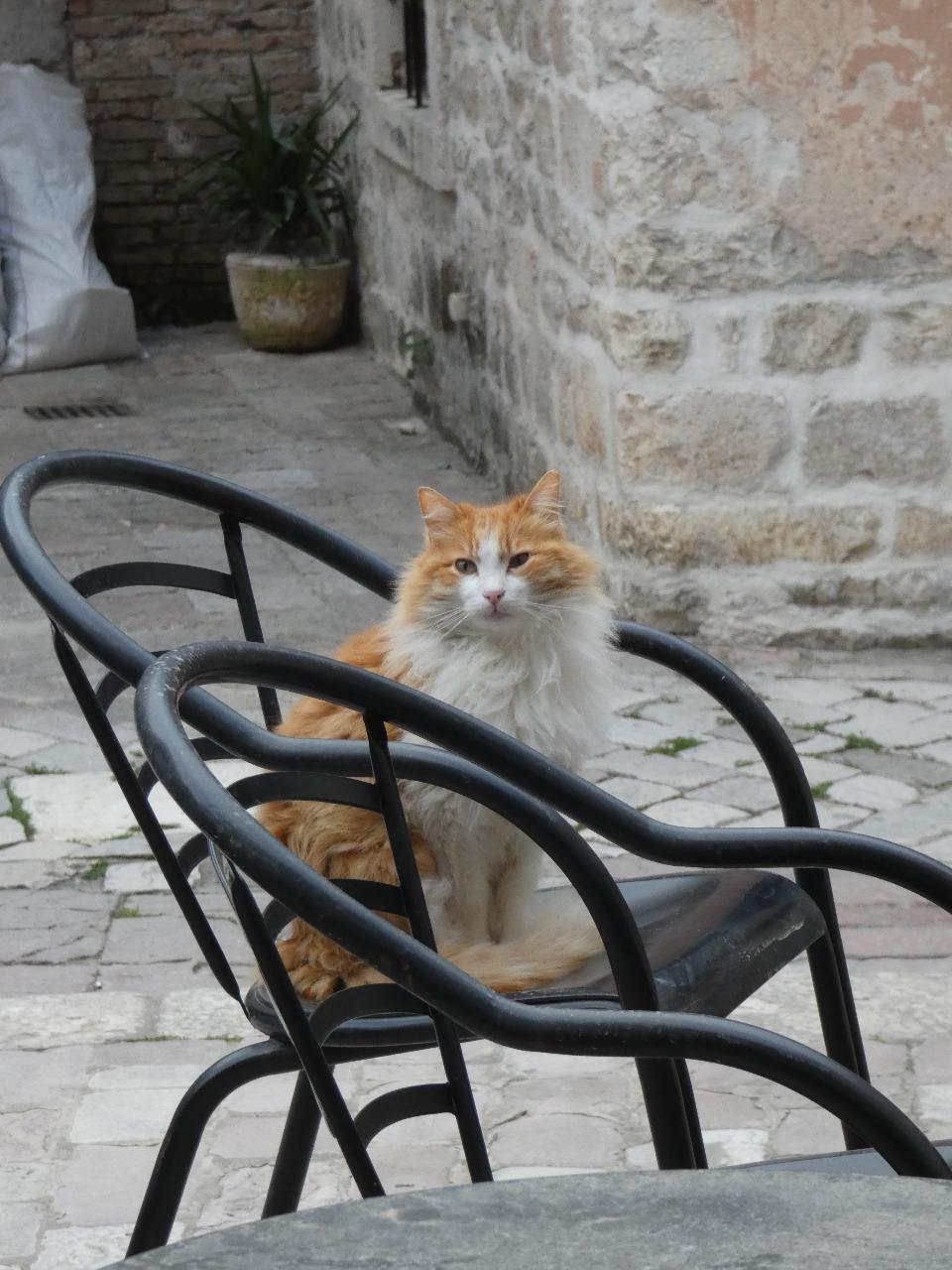
- The Cats of Kotor: They are the city's most famous residents. You will find them on every windowsill and square; they are so respected that they have their own museum and dedicated shops.
Day Trips and Experiences: Beyond the Walls
Spending a full week here allowed us to explore the bay beyond the traditional tourist circuit:
- The "Ladder of Kotor": If you're looking for a free and more scenic alternative to the fortress steps, take the ancient mule track that zigzags outside the fortifications. It is longer but less steep, offering stunning views of the walls from the outside.
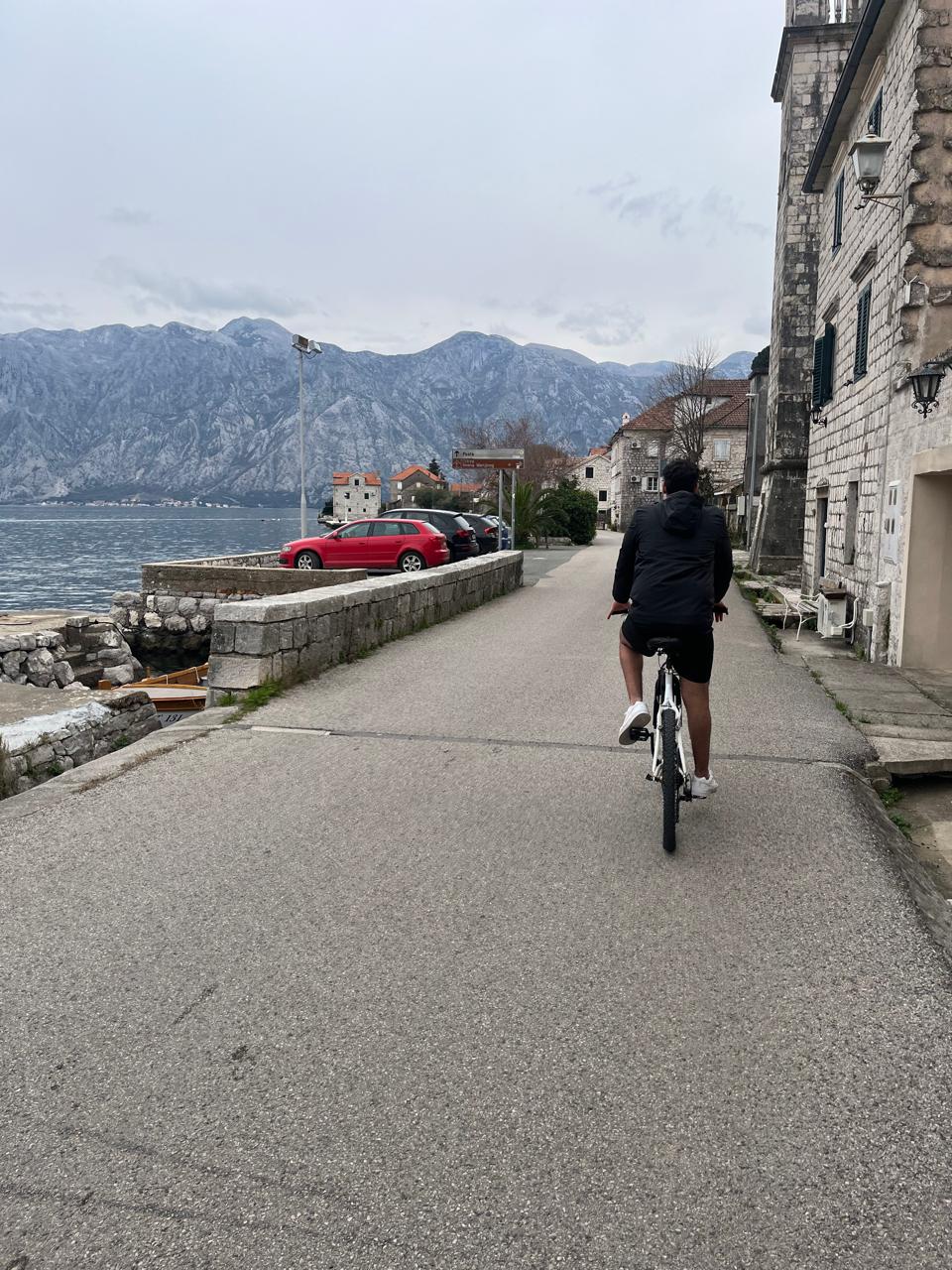
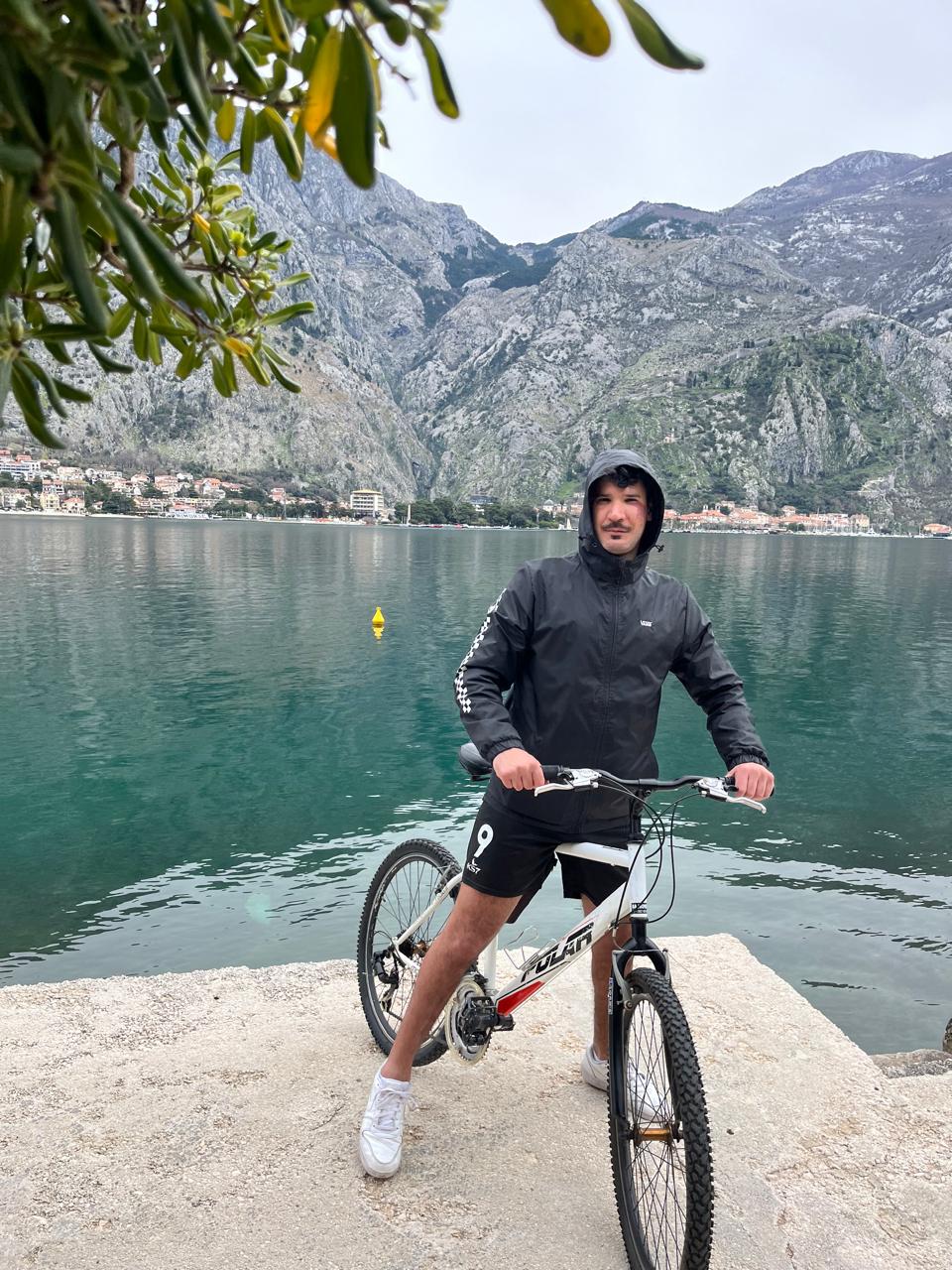
- Biking the Coast to Perast: This was one of our best decisions. Renting a bike and riding along the flat coastal road is incredible. You pass through charming villages like Dobrota and can pedal all the way to Perast (about 12km).
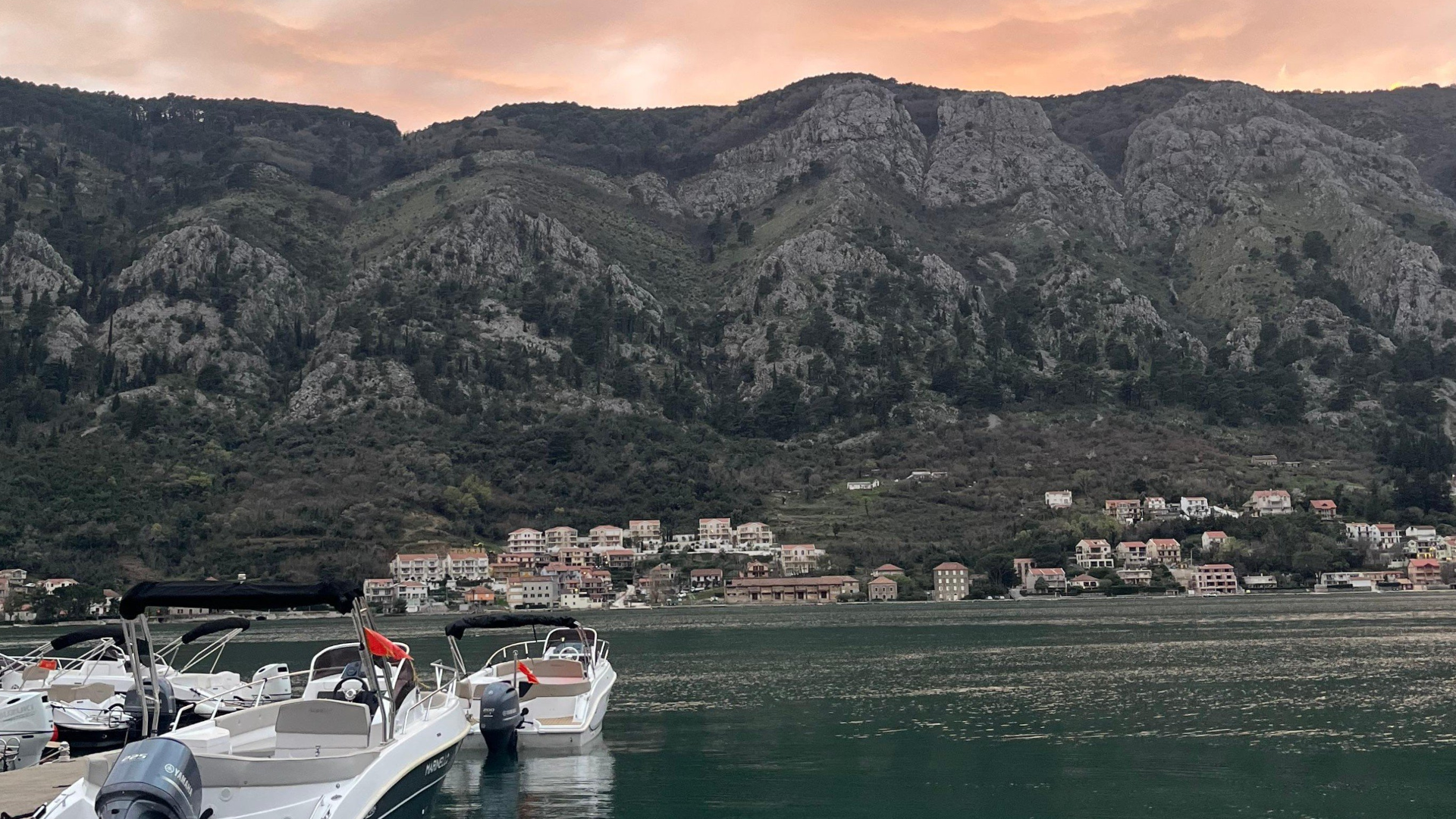
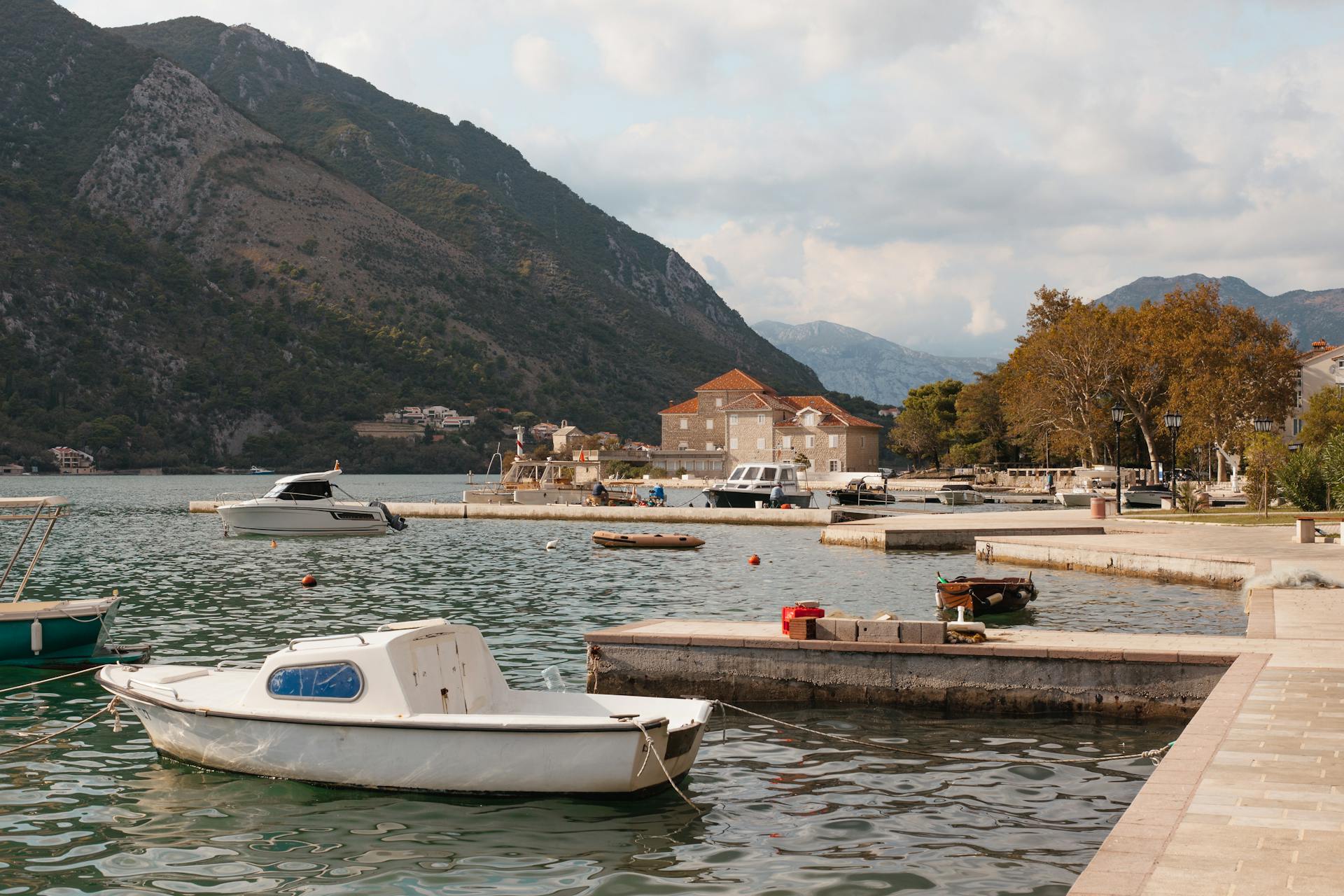
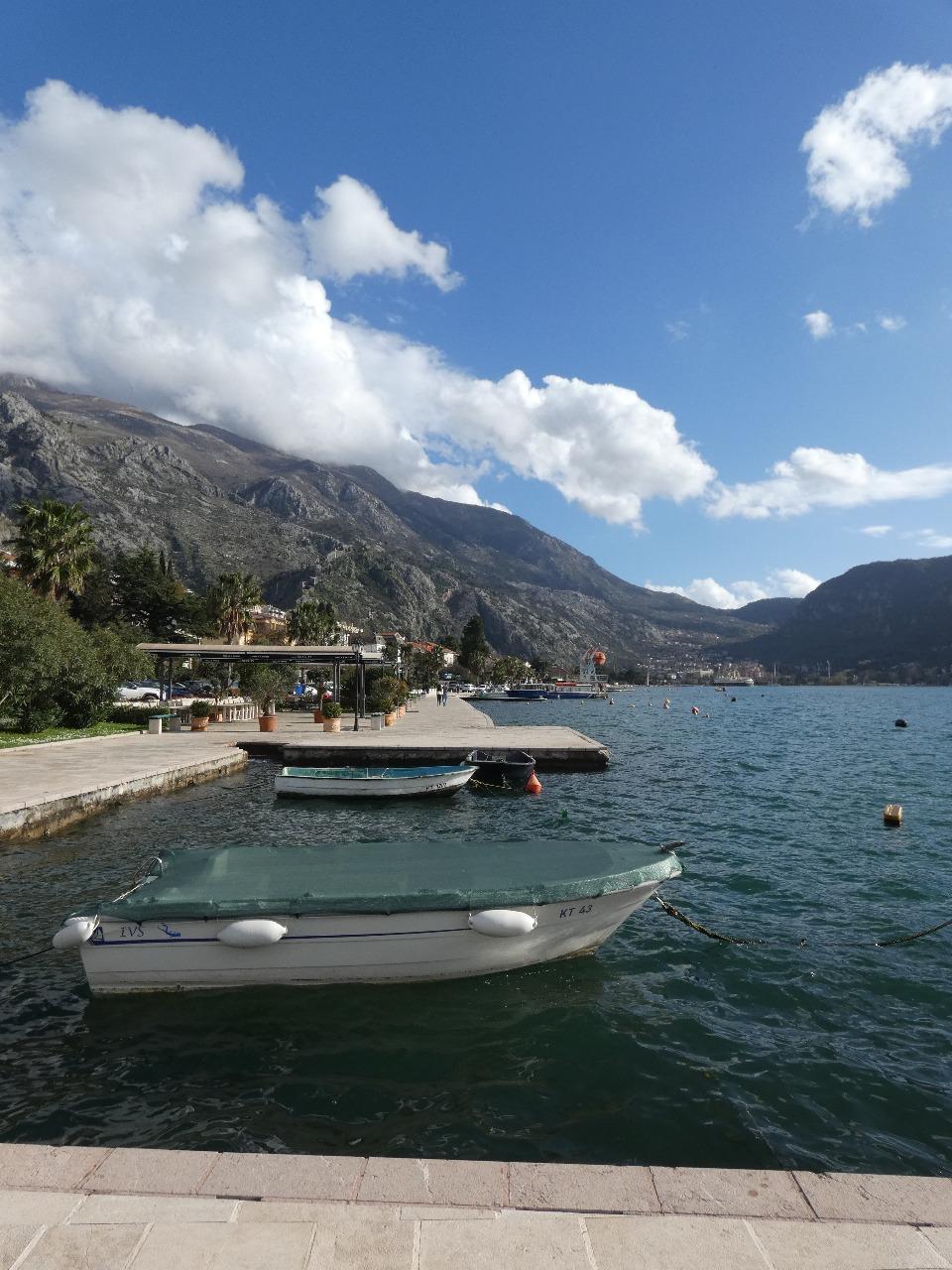
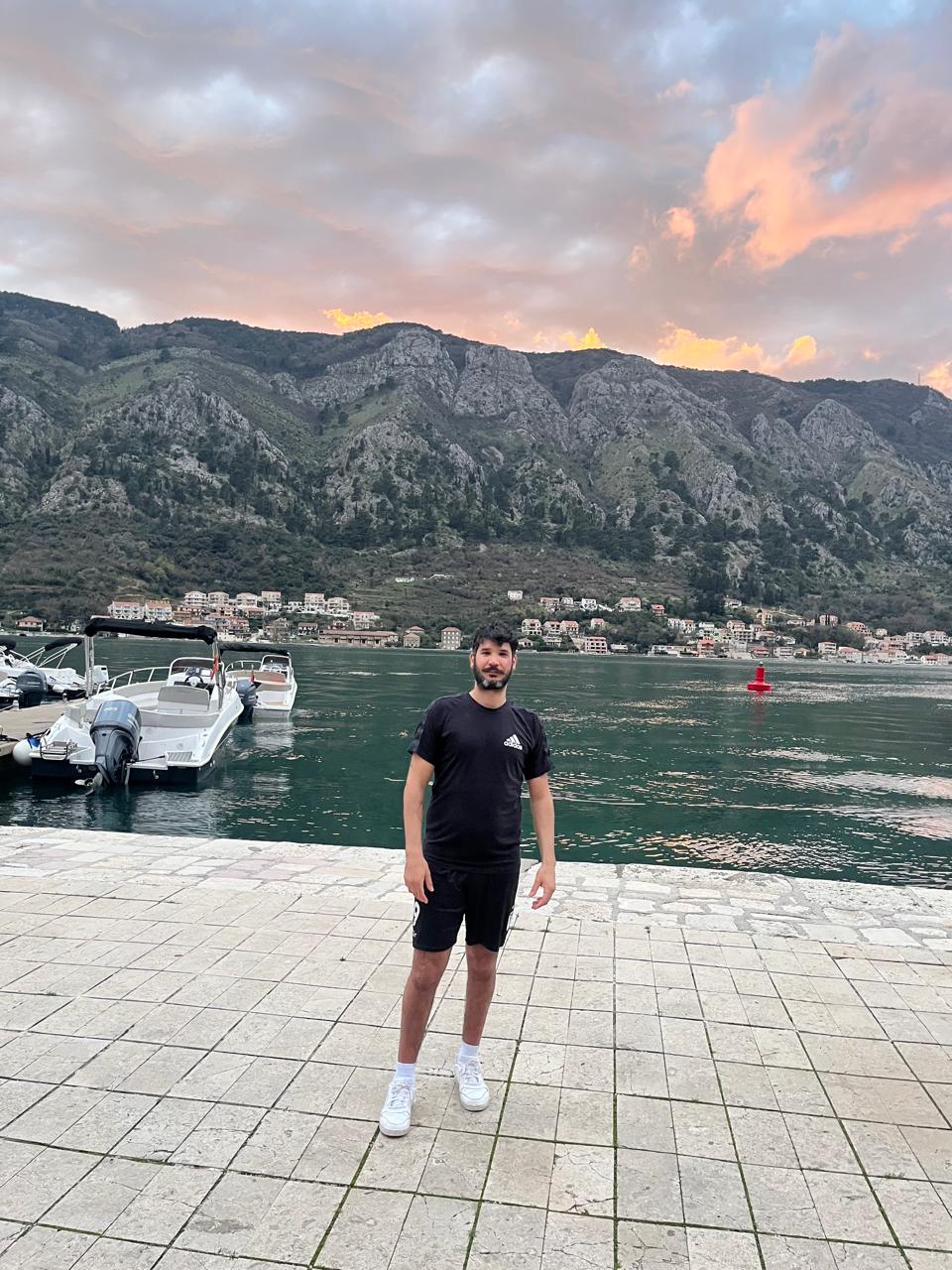
- Sunset at the Bay: The best moment of the day. Any pier on the road to Dobrota is the perfect spot to watch it as the mountains turn golden.
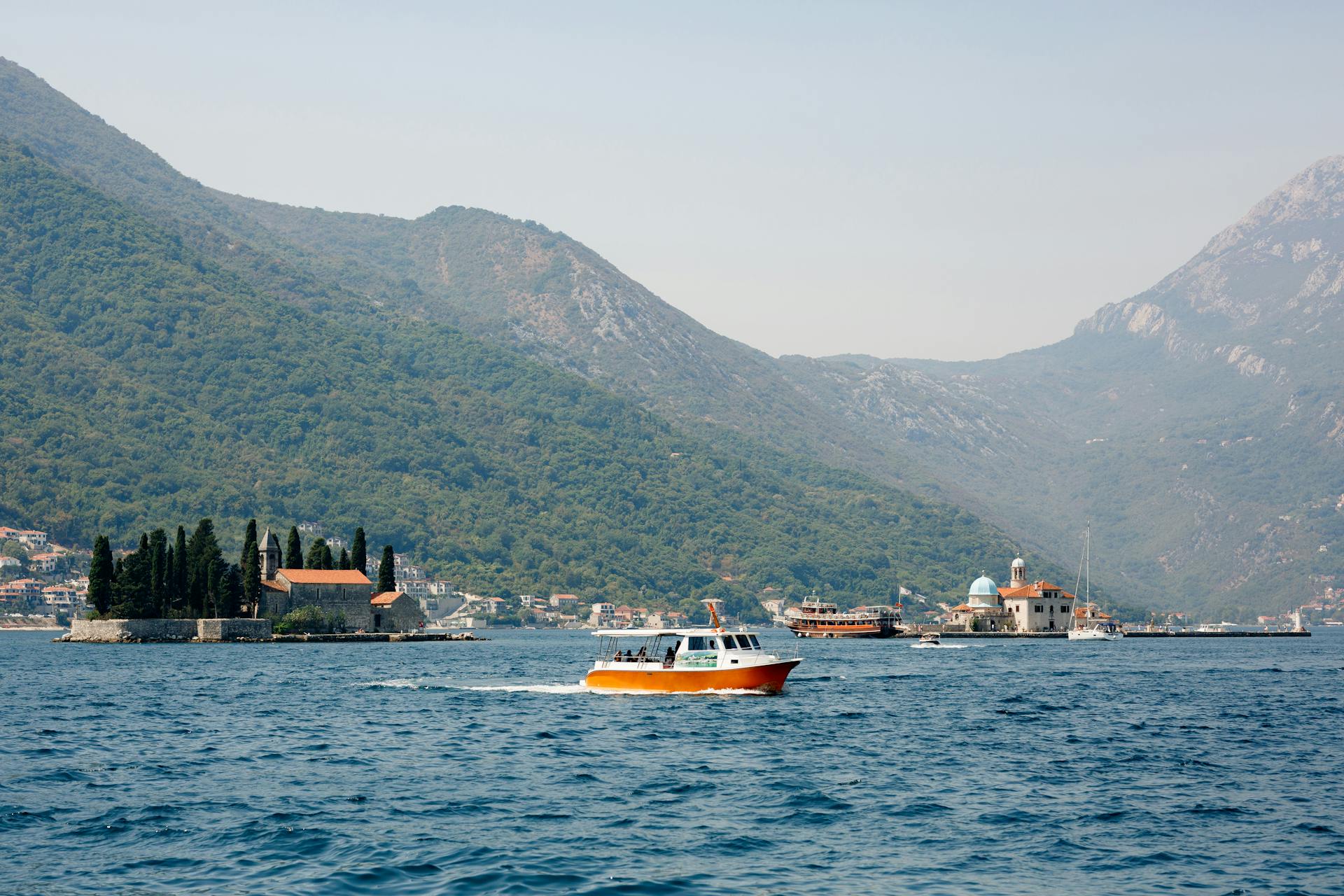
- Our Lady of the Rocks: A short boat trip takes you to this artificial island off the coast of Perast. The church inside is filled with history and offerings from local sailors.
What to Eat and Buy
- Kotor Market (Pijaca): Located just outside the Sea Gate. It’s the ideal place to try local Njegusi cheese, dried figs, and smoked ham.
- Mussels Buzara: Fresh seafood in a white wine, garlic, and parsley sauce.
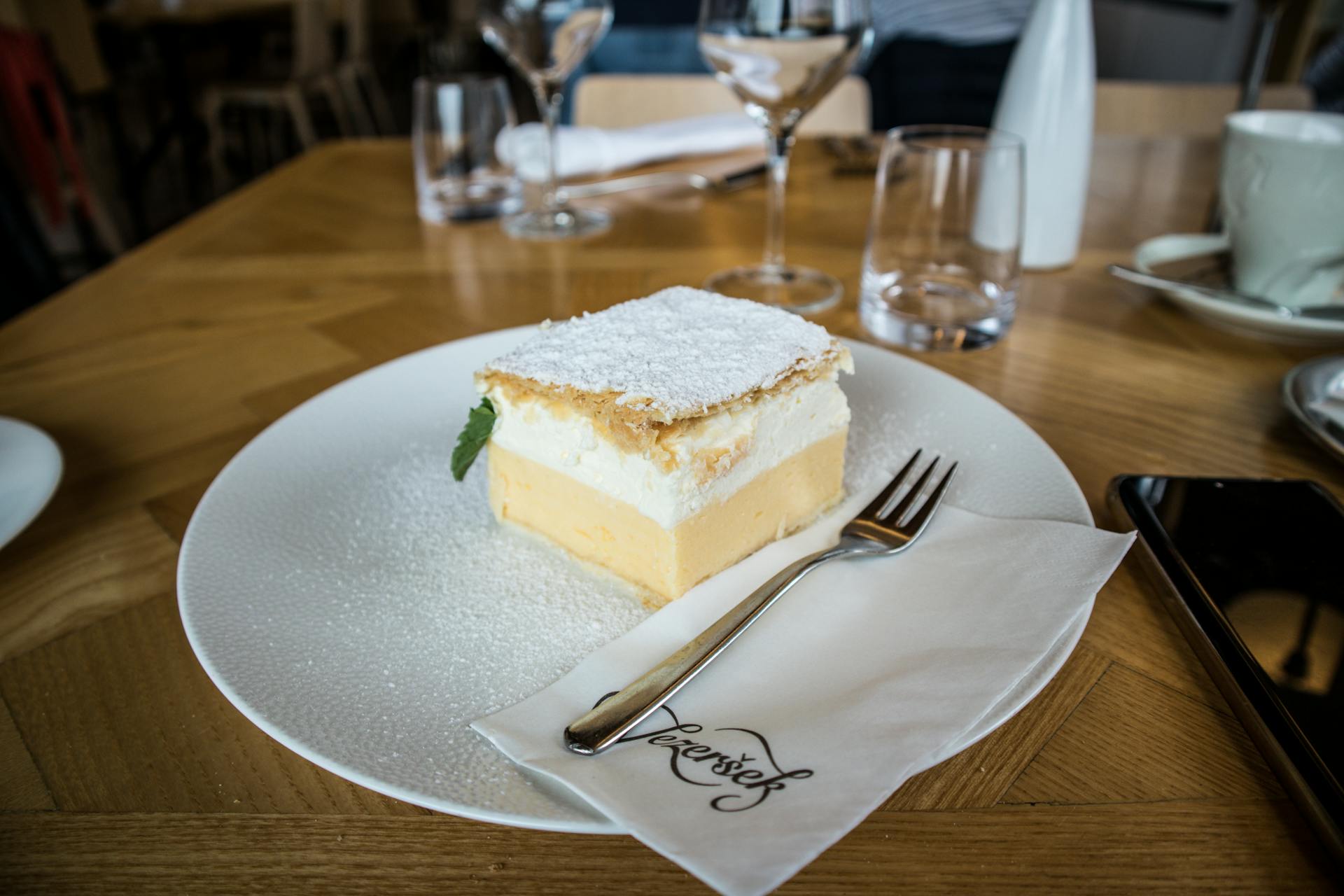
- Krempita: A vanilla cream and puff pastry dessert that is famous throughout the bay.
- Local Drinks: Try the Krstač wine (dry white) or a cold Nikšićko beer in one of the squares.
The City of Cats
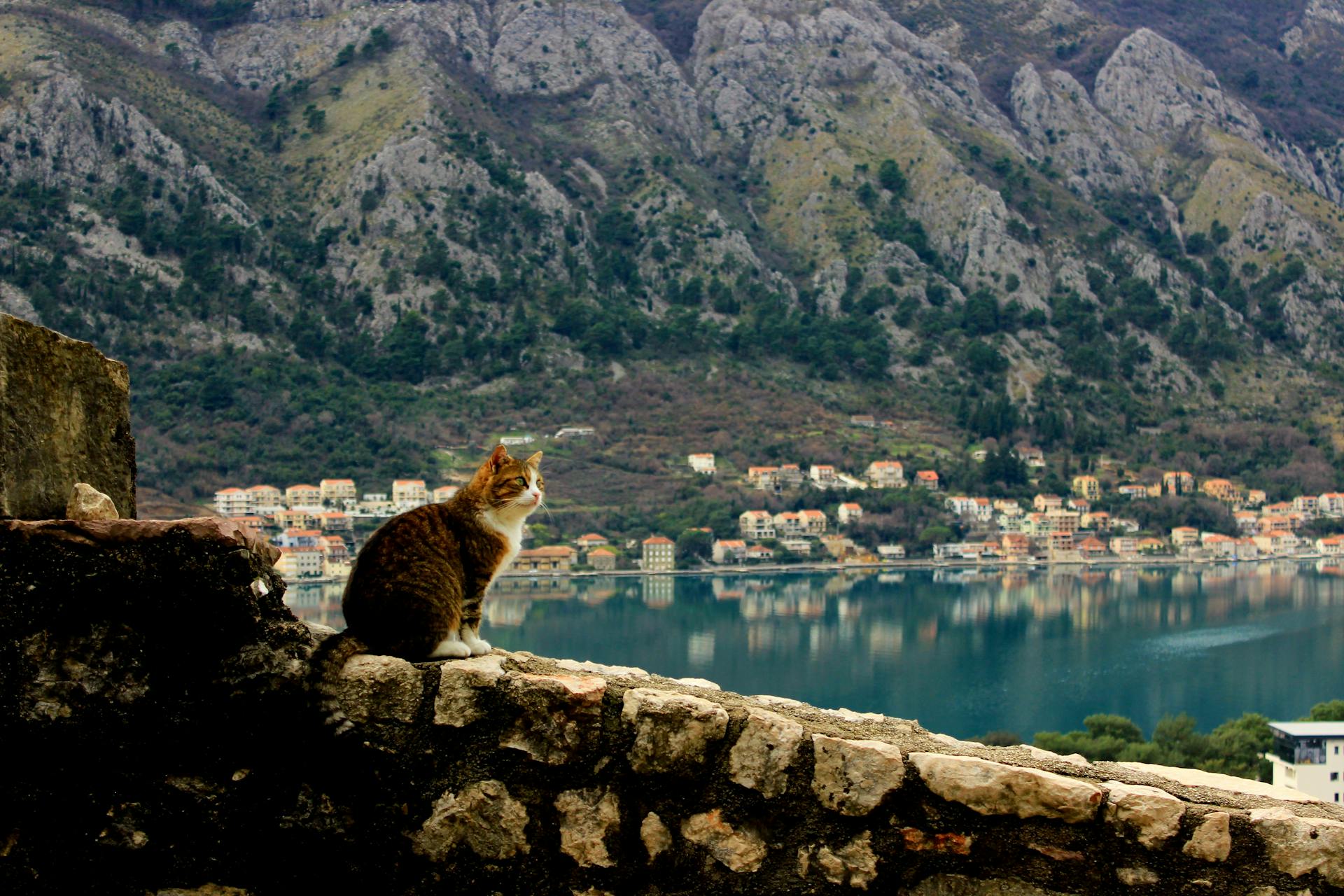
Kotor is world-famous as the "City of Cats." They have become the unofficial symbol of the town, and you’ll see them everywhere: sleeping in shop windows, lounging in medieval squares, or strolling along the walls.
This special relationship is rooted in historical and cultural reasons:
- Historical Protectors: For centuries, sailors brought cats on their ships to control pests. It is believed they saved the city from the Black Death.
- Symbol of Good Luck: Locals consider them charms of good fortune. It's common to see bowls of food and water on every corner.
- Community Care: Organizations like Kotor Kitties look after their health and sterilization.
- Themed Attractions: You can visit Piazza dei Gatti or the Cat Museum, where admission fees help feed the local feline population.
Logistics 2026: Practical Tips
- Getting There: The main bus station is just a 10-minute walk from the Old Town, with frequent connections to Budva and Dubrovnik.
- Avoid Cruise Ship Hours: The Old Town gets very crowded at midday. Explore it early in the morning or after 6:00 PM once the ships depart.
- Fortress Hike: In summer, do it before 8:00 AM to stay in the mountain's shadow. Bring water and wear shoes with good grip!
- Bike Rentals: There are rental spots just outside the North Gate with good prices for full-day rentals.
Our Experience: One Week in Kotor
Staying for a week allowed us to use the city as a base. We chose to stay in the Dobrota area, which is quieter than the Old Town, has direct sea access for swimming, and is just a short walk from the center. If you have the time, step out of the Old Town and look for the stone piers; that’s where you truly experience the Montenegrin landscape.
You Might Also Like
- Old Town (Stari Grad): Surrounded by walls up to 15 meters thick, this medieval labyrinth is entirely pedestrian. Watch your step: The polished marble floors are extremely slippery, even when dry.
- Sea Gate: Entering through here feels like stepping back into the 16th century; get lost in its alleys to discover Romanesque churches and palaces with Venetian coats of arms.
- San Giovanni Fortress (St. John): This is the ultimate viewpoint of the region. Access via the official stairs costs approximately €15 (2026 price).
- The Hike Up: There are over 1,300 steps. Halfway up, you’ll find the Church of Our Lady of Remedy, a perfect spot to rest and take the classic postcard photo of the bay.
- Saint Tryphon Cathedral: The symbol of the city. This 12th-century gem with its twin towers dominates the main square and stands as a living testament to Romanesque art in the Balkans.
- The Cats of Kotor: They are the city's most famous residents. You will find them on every windowsill and square; they are so respected that they have their own museum and dedicated shops.
PUBLICIDAD
Travel with Data: Get your Saily eSIM
- ✓Internet in seconds upon landing
- ✓Flexible plans in 180+ countries
- ✓Easy setup directly via the App
Spending a full week here allowed us to explore the bay beyond the traditional tourist circuit:
- The "Ladder of Kotor": If you're looking for a free and more scenic alternative to the fortress steps, take the ancient mule track that zigzags outside the fortifications. It is longer but less steep, offering stunning views of the walls from the outside.
- Biking the Coast to Perast: This was one of our best decisions. Renting a bike and riding along the flat coastal road is incredible. You pass through charming villages like Dobrota and can pedal all the way to Perast (about 12km).
- Sunset at the Bay: The best moment of the day. Any pier on the road to Dobrota is the perfect spot to watch it as the mountains turn golden.
- Our Lady of the Rocks: A short boat trip takes you to this artificial island off the coast of Perast. The church inside is filled with history and offerings from local sailors.
- Kotor Market (Pijaca): Located just outside the Sea Gate. It’s the ideal place to try local Njegusi cheese, dried figs, and smoked ham.
- Mussels Buzara: Fresh seafood in a white wine, garlic, and parsley sauce.
- Krempita: A vanilla cream and puff pastry dessert that is famous throughout the bay.
- Local Drinks: Try the Krstač wine (dry white) or a cold Nikšićko beer in one of the squares.
Kotor is world-famous as the "City of Cats." They have become the unofficial symbol of the town, and you’ll see them everywhere: sleeping in shop windows, lounging in medieval squares, or strolling along the walls.
This special relationship is rooted in historical and cultural reasons:
- Historical Protectors: For centuries, sailors brought cats on their ships to control pests. It is believed they saved the city from the Black Death.
- Symbol of Good Luck: Locals consider them charms of good fortune. It's common to see bowls of food and water on every corner.
- Community Care: Organizations like Kotor Kitties look after their health and sterilization.
- Themed Attractions: You can visit Piazza dei Gatti or the Cat Museum, where admission fees help feed the local feline population.
- Getting There: The main bus station is just a 10-minute walk from the Old Town, with frequent connections to Budva and Dubrovnik.
- Avoid Cruise Ship Hours: The Old Town gets very crowded at midday. Explore it early in the morning or after 6:00 PM once the ships depart.
- Fortress Hike: In summer, do it before 8:00 AM to stay in the mountain's shadow. Bring water and wear shoes with good grip!
- Bike Rentals: There are rental spots just outside the North Gate with good prices for full-day rentals.
Staying for a week allowed us to use the city as a base. We chose to stay in the Dobrota area, which is quieter than the Old Town, has direct sea access for swimming, and is just a short walk from the center. If you have the time, step out of the Old Town and look for the stone piers; that’s where you truly experience the Montenegrin landscape.
Galery
PUBLICIDAD
International Travel Insurance
- ✓International medical insurance
- ✓24/7 immediate assistance in your language
- ✓Ideal for trekking & adventure
Preferences
Language
Color
Text
Width