Table of contents and map
Guía de viaje a Montenegro 2026: Naturaleza, pueblos y rutas escénicas
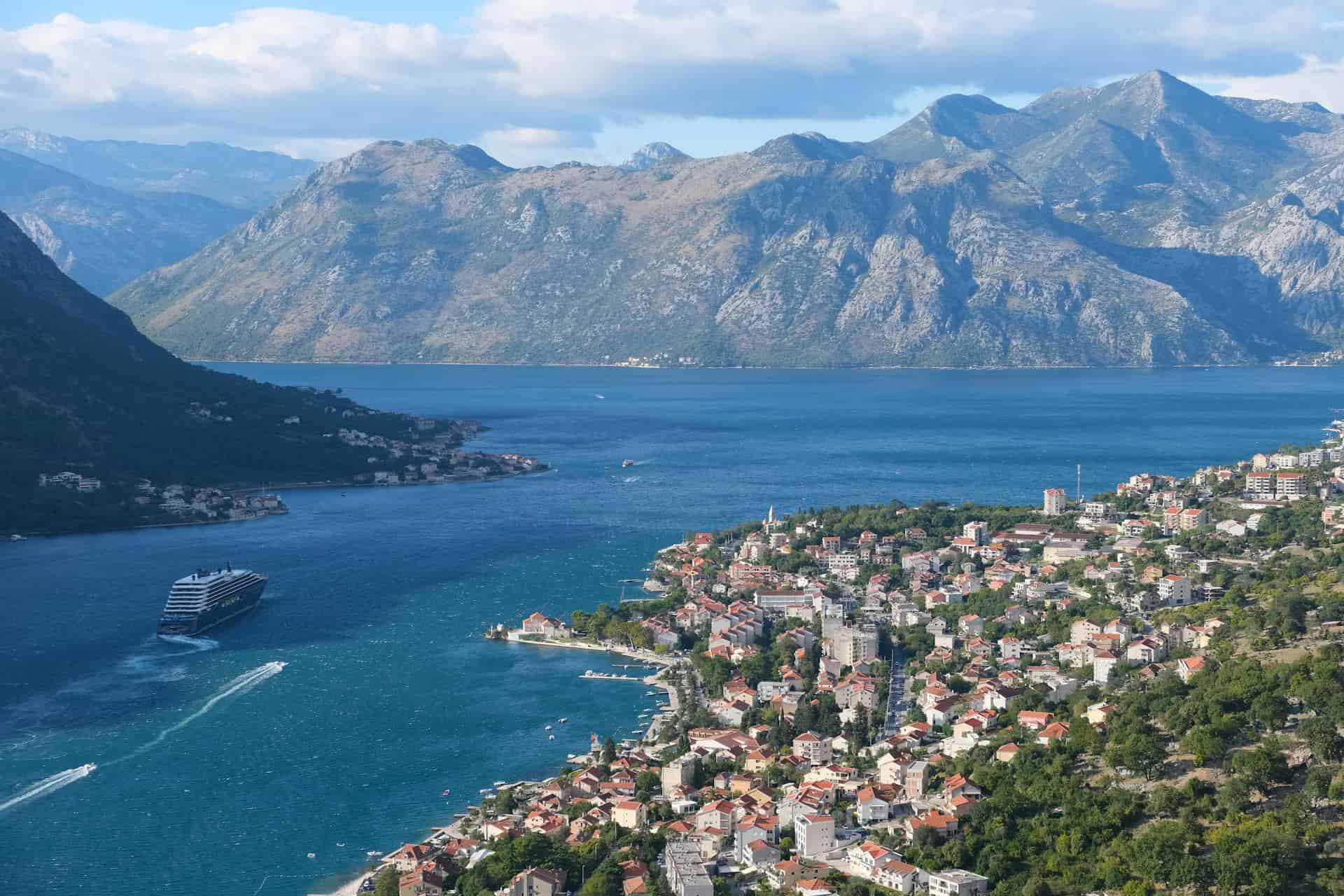
Montenegro es un país pequeño pero impactante, donde montañas imponentes se encuentran con el mar Adriático. Con bahías espectaculares, pueblos medievales y paisajes naturales intactos, es un destino ideal para quienes buscan belleza, tranquilidad y aventura en un solo lugar.
Guía de viaje a Montenegro 2026: Naturaleza, pueblos y rutas escénicas
Montenegro es un país pequeño pero impactante, donde montañas imponentes se encuentran con el mar Adriático. Con bahías espectaculares, pueblos medievales y paisajes naturales intactos, es un destino ideal para quienes buscan belleza, tranquilidad y aventura en un solo lugar.
Viajar por Montenegro es recorrer grandes contrastes en distancias muy cortas. En pocas horas podés pasar del mar a la montaña, de ciudades costeras animadas a parques nacionales casi intactos. Es un país perfecto para combinar naturaleza, pueblos históricos y rutas escénicas, ideal para viajar sin apuro y dejarse sorprender en cada tramo del camino.
Destinos imperdibles: La Costa y la Montaña
Para organizar tu viaje, lo mejor es dividir el país en sus dos regiones principales:
La Costa Adriática (Cultura y Sol)
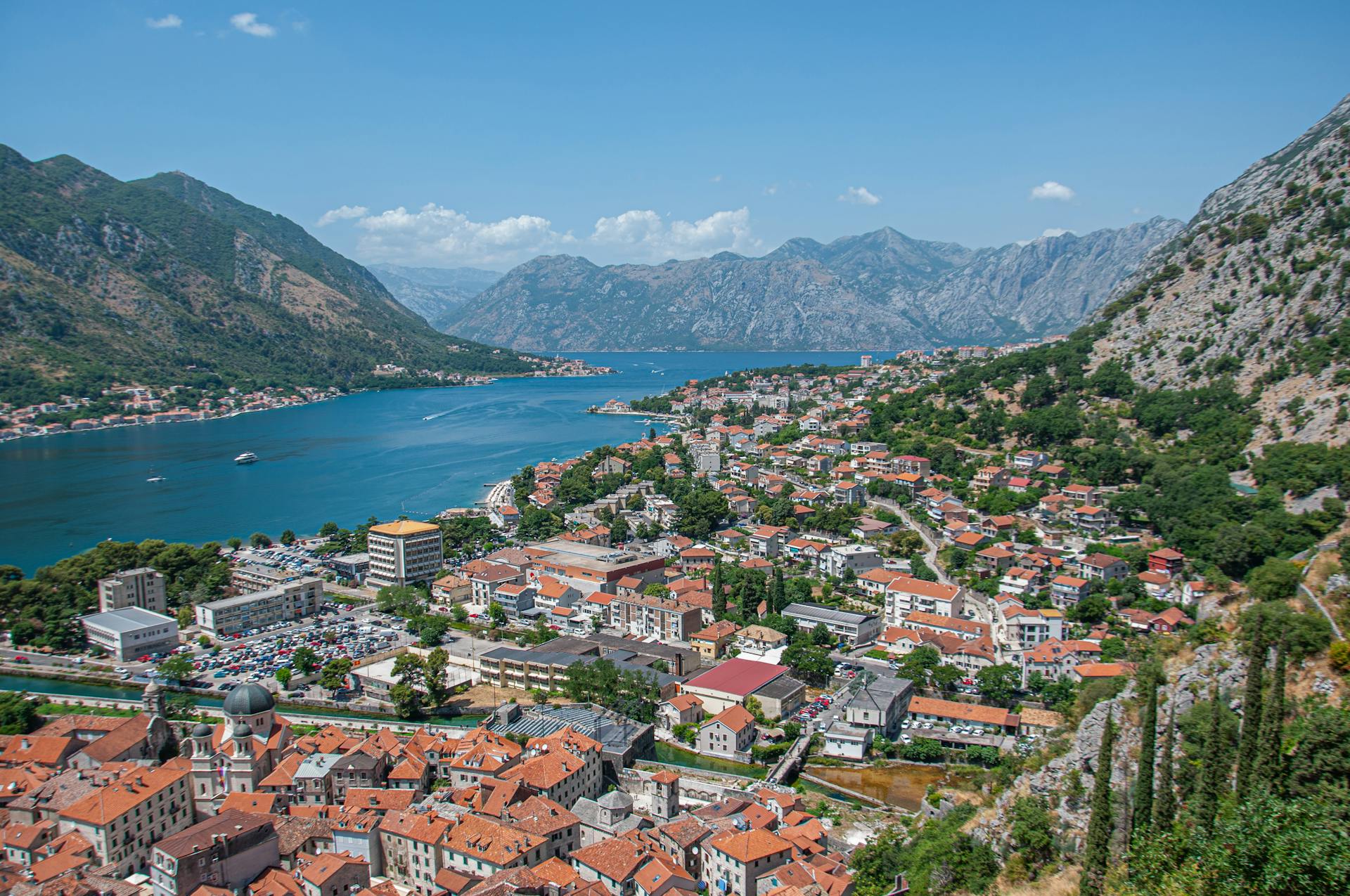
- Kotor: Una ciudad amurallada medieval dentro de una bahía que parece un fiordo. Subir a su fortaleza es obligatorio.
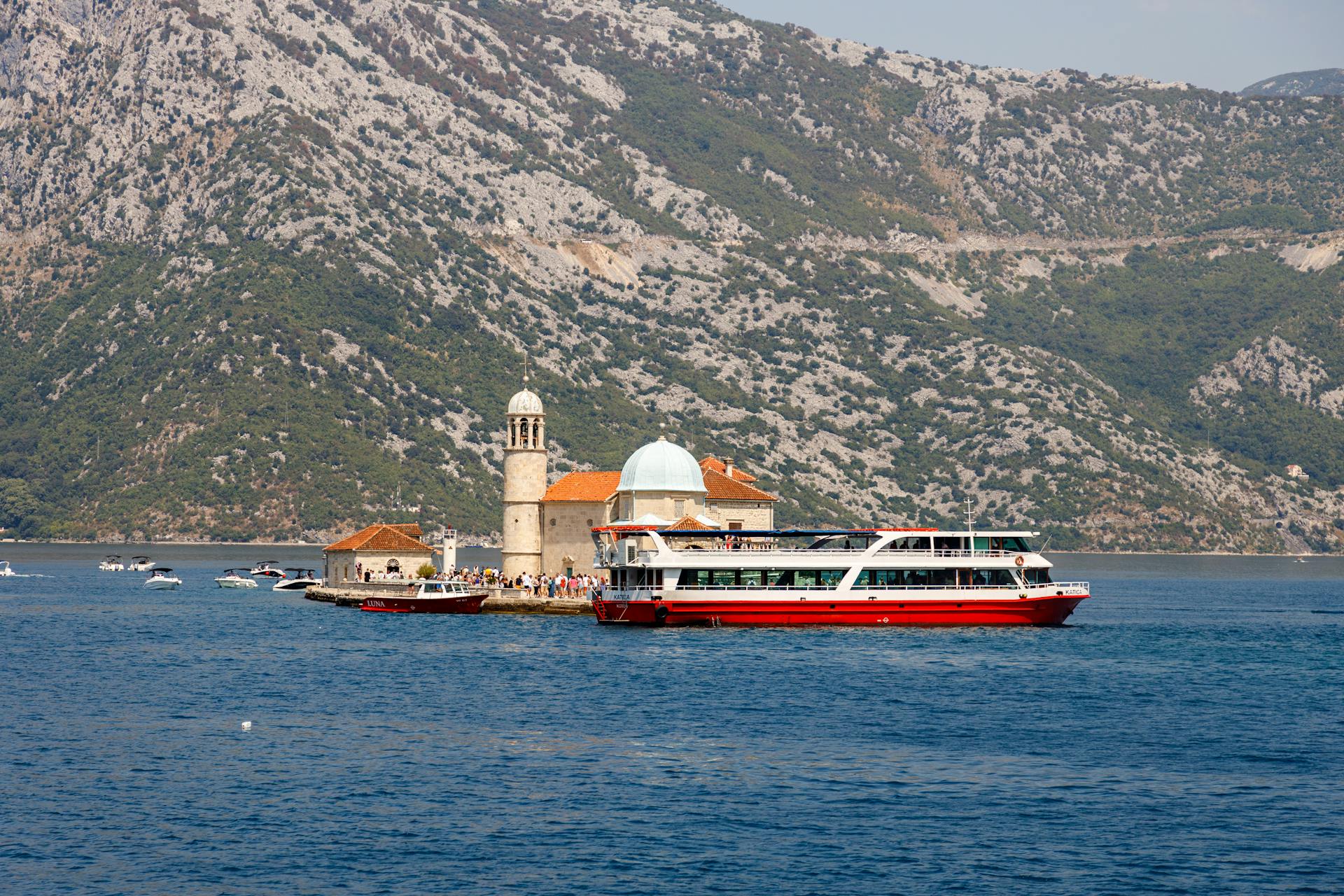
- Perast: Un pueblo de una sola calle con dos islotes icónicos frente a su costa. La paz que se respira aquí es única.
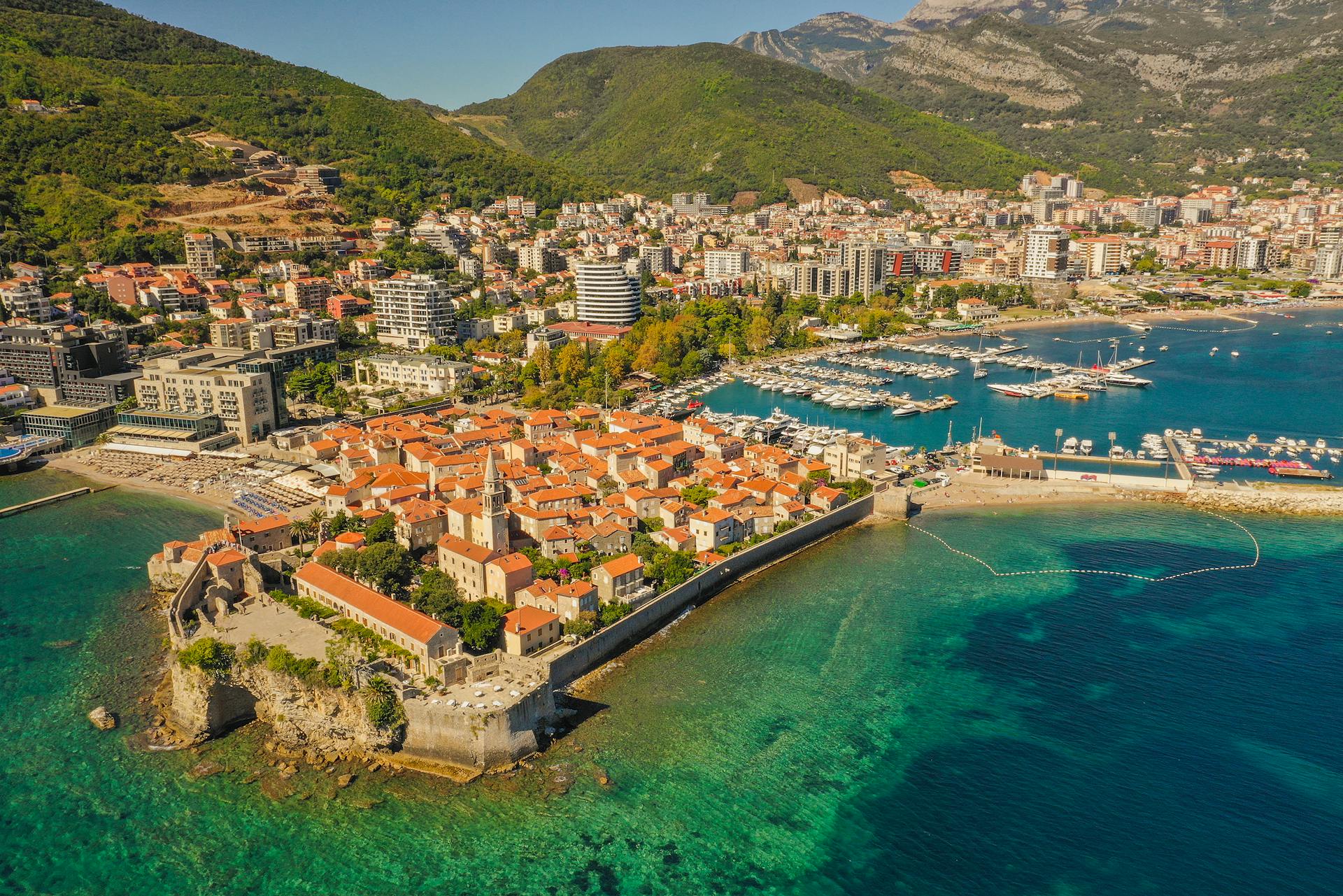
- Budva: El centro del turismo. Playas, una ciudad antigua amurallada y la vida nocturna más movida del país.
- Sveti Stefan: Una antigua aldea de pescadores convertida en isla-hotel de lujo. Solo se puede visitar si tenés reserva, pero la vista desde la ruta es la postal de Montenegro.
El Interior y las Montañas (Aventura)
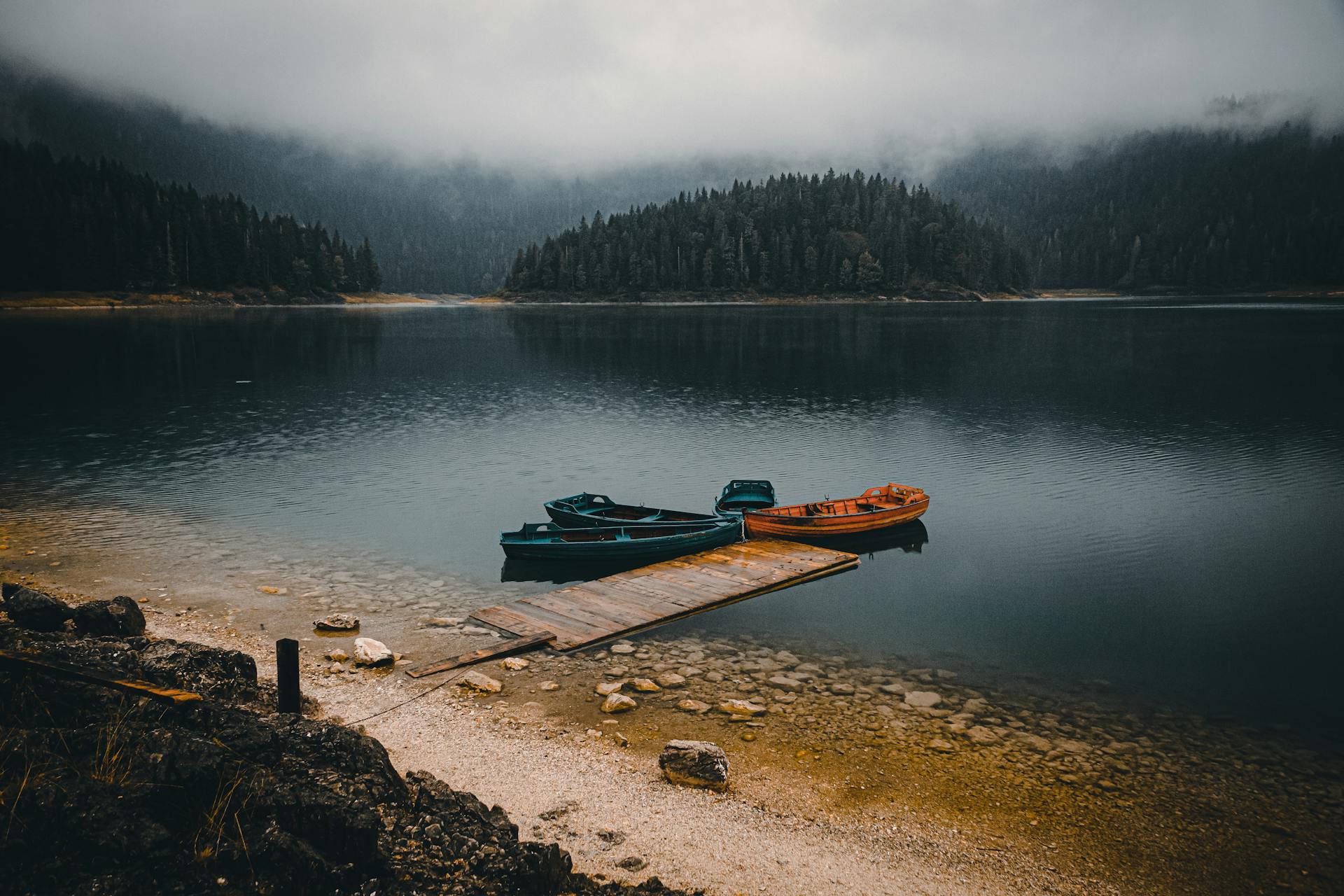
- Parque Nacional Durmitor: El corazón de los Alpes Dináricos. Lagos glaciares (como el Black Lake) y picos de más de 2.500 metros.
- Cañón del río Tara: El segundo más profundo del mundo después del Gran Cañón. Ideal para hacer rafting.
- Lago Skadar: El lago más grande de los Balcanes, compartido con Albania. Un paraíso para el avistamiento de aves y paseos en bote entre nenúfares.
Qué comer: Sabores de los Balcanes
La cocina montenegrina mezcla influencias mediterráneas en la costa y platos contundentes de montaña en el interior:
- Ćevapi: Pequeñas salchichas de carne especiada, servidas con pan pita (lepinja) y cebolla.
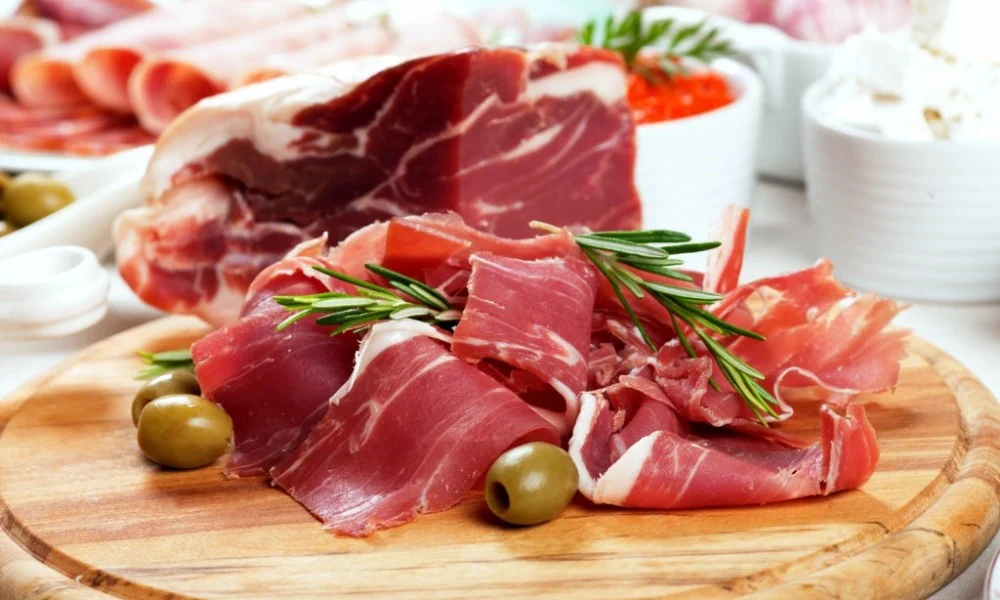
- Njeguški pršut: Jamón curado y ahumado en el pueblo de Njeguši; es el orgullo nacional.
- Burek: Hojaldre relleno de carne, queso o espinaca. El desayuno de campeones en los Balcanes.
- Pescados al estilo dálmata: En la costa, pedí el "pescado del día" con acelgas y papas.
- Vino Vranac: Un tinto local robusto y de excelente calidad.
Datos prácticos 2026
- Moneda: Euro (EUR). Aunque no pertenecen a la Unión Europea, lo usan oficialmente.
- Roaming / Internet: Al no ser UE, las tarjetas SIM de Europa (como las de España o Italia) no suelen incluir Montenegro. Comprá una tarjeta local (Telekom o One) apenas llegues; son muy baratas.
- Requisitos de entrada: La mayoría de los países latinoamericanos y europeos no necesitan visa para estancias cortas.
- Conectividad: La mayoría de los alojamientos tienen excelente Wi-Fi, incluso en zonas de montaña.
Cómo moverse: El desafío de las rutas
- Auto de alquiler: Es, por lejos, la mejor forma de viajar. Te permite frenar en los miradores de la bahía de Kotor o llegar a Durmitor sin depender de horarios.
- Buses: Funcionan bien entre las ciudades principales (Kotor, Budva, Podgorica), pero son lentos debido a la geografía del país.
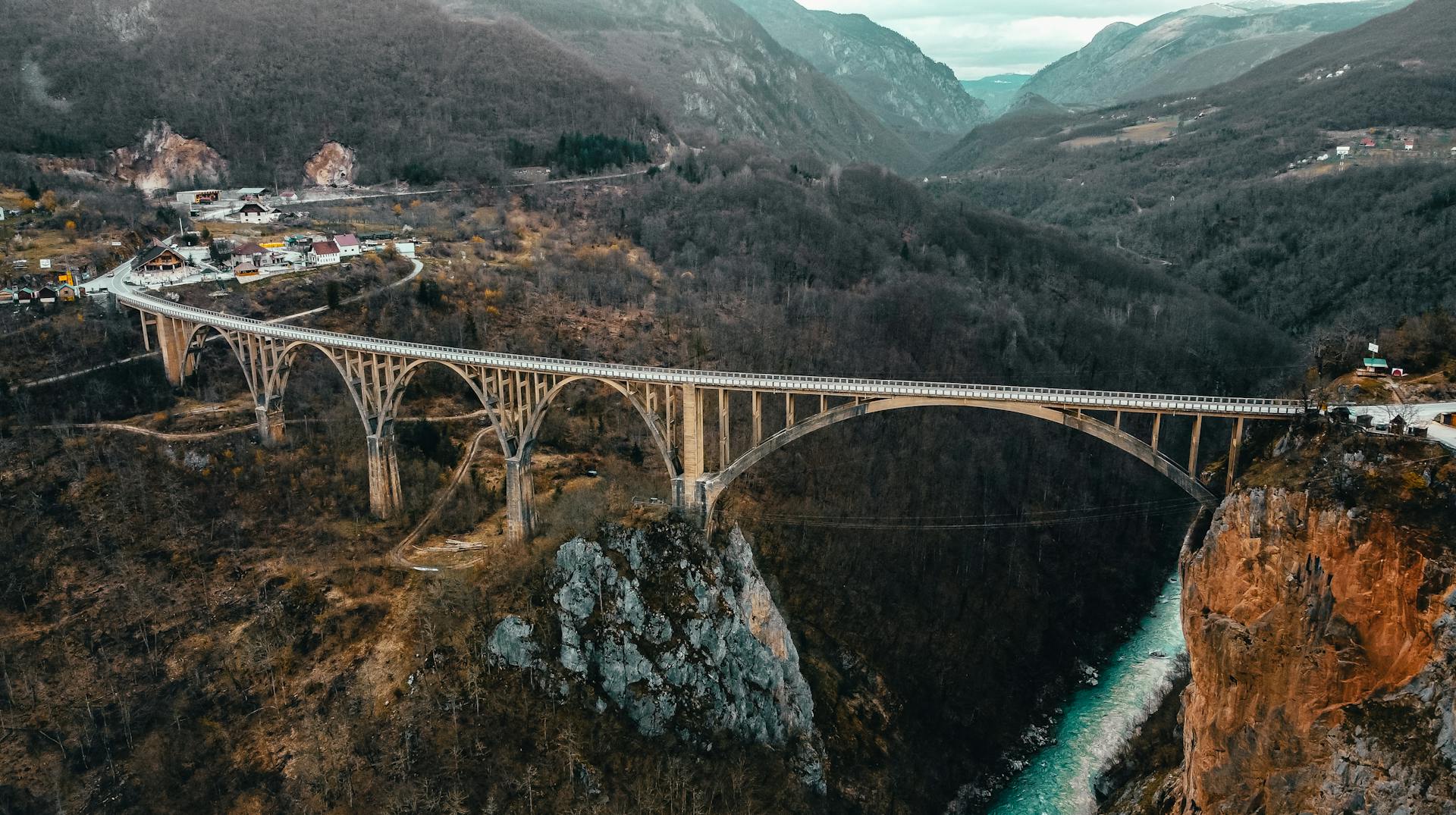
- Conducir en Montenegro: Las rutas son espectaculares pero estrechas y con muchas curvas. La famosa "Serpentina de Kotor" tiene 25 curvas cerradísimas con vistas de infarto.
Consejos útiles para tu viaje
- Evitá agosto si podés: La costa se llena demasiado y el tráfico puede ser desesperante. Junio y septiembre son los meses perfectos.
- Llevá efectivo: Si bien en hoteles y restaurantes grandes aceptan tarjetas, en los pueblos de montaña y para pagar estacionamientos vas a necesitar billetes.
- Seguro del auto (Green Card): Si alquilás el auto en otro país (como Croacia), asegurate de que el contrato incluya el permiso para cruzar a Montenegro.
- Respetá el ritmo local: Montenegro tiene un dicho: "Si ves a alguien descansando, ayúdalo". El ritmo es lento, no te estreses si el café tarda en llegar.
Itinerario sugerido (7 días)
- Días 1-3: Bahía de Kotor (Kotor, Perast y alrededores).
- Día 4: Budva y Sveti Stefan.
- Día 5: Lago Skadar y Monasterio de Ostrog (un monasterio tallado en una roca).
- Días 6-7: Parque Nacional Durmitor y Cañón del Tara.
Te puede interesar también
Para organizar tu viaje, lo mejor es dividir el país en sus dos regiones principales:
La Costa Adriática (Cultura y Sol)
- Kotor: Una ciudad amurallada medieval dentro de una bahía que parece un fiordo. Subir a su fortaleza es obligatorio.
- Perast: Un pueblo de una sola calle con dos islotes icónicos frente a su costa. La paz que se respira aquí es única.
- Budva: El centro del turismo. Playas, una ciudad antigua amurallada y la vida nocturna más movida del país.
- Sveti Stefan: Una antigua aldea de pescadores convertida en isla-hotel de lujo. Solo se puede visitar si tenés reserva, pero la vista desde la ruta es la postal de Montenegro.
El Interior y las Montañas (Aventura)
- Parque Nacional Durmitor: El corazón de los Alpes Dináricos. Lagos glaciares (como el Black Lake) y picos de más de 2.500 metros.
- Cañón del río Tara: El segundo más profundo del mundo después del Gran Cañón. Ideal para hacer rafting.
- Lago Skadar: El lago más grande de los Balcanes, compartido con Albania. Un paraíso para el avistamiento de aves y paseos en bote entre nenúfares.
PUBLICIDAD
Travel with Data: Get your Saily eSIM
- ✓Internet in seconds upon landing
- ✓Flexible plans in 180+ countries
- ✓Easy setup directly via the App
La cocina montenegrina mezcla influencias mediterráneas en la costa y platos contundentes de montaña en el interior:
- Ćevapi: Pequeñas salchichas de carne especiada, servidas con pan pita (lepinja) y cebolla.
- Njeguški pršut: Jamón curado y ahumado en el pueblo de Njeguši; es el orgullo nacional.
- Burek: Hojaldre relleno de carne, queso o espinaca. El desayuno de campeones en los Balcanes.
- Pescados al estilo dálmata: En la costa, pedí el "pescado del día" con acelgas y papas.
- Vino Vranac: Un tinto local robusto y de excelente calidad.
- Moneda: Euro (EUR). Aunque no pertenecen a la Unión Europea, lo usan oficialmente.
- Roaming / Internet: Al no ser UE, las tarjetas SIM de Europa (como las de España o Italia) no suelen incluir Montenegro. Comprá una tarjeta local (Telekom o One) apenas llegues; son muy baratas.
- Requisitos de entrada: La mayoría de los países latinoamericanos y europeos no necesitan visa para estancias cortas.
- Conectividad: La mayoría de los alojamientos tienen excelente Wi-Fi, incluso en zonas de montaña.
- Auto de alquiler: Es, por lejos, la mejor forma de viajar. Te permite frenar en los miradores de la bahía de Kotor o llegar a Durmitor sin depender de horarios.
- Buses: Funcionan bien entre las ciudades principales (Kotor, Budva, Podgorica), pero son lentos debido a la geografía del país.
- Conducir en Montenegro: Las rutas son espectaculares pero estrechas y con muchas curvas. La famosa "Serpentina de Kotor" tiene 25 curvas cerradísimas con vistas de infarto.
- Evitá agosto si podés: La costa se llena demasiado y el tráfico puede ser desesperante. Junio y septiembre son los meses perfectos.
- Llevá efectivo: Si bien en hoteles y restaurantes grandes aceptan tarjetas, en los pueblos de montaña y para pagar estacionamientos vas a necesitar billetes.
- Seguro del auto (Green Card): Si alquilás el auto en otro país (como Croacia), asegurate de que el contrato incluya el permiso para cruzar a Montenegro.
- Respetá el ritmo local: Montenegro tiene un dicho: "Si ves a alguien descansando, ayúdalo". El ritmo es lento, no te estreses si el café tarda en llegar.
- Días 1-3: Bahía de Kotor (Kotor, Perast y alrededores).
- Día 4: Budva y Sveti Stefan.
- Día 5: Lago Skadar y Monasterio de Ostrog (un monasterio tallado en una roca).
- Días 6-7: Parque Nacional Durmitor y Cañón del Tara.
PUBLICIDAD
International Travel Insurance
- ✓International medical insurance
- ✓24/7 immediate assistance in your language
- ✓Ideal for trekking & adventure
Posts in Montenegro
Preferences
Language
Color
Text
Width